Face Moisturizers
Discover the ultimate selection of face moisturizers designed to keep your skin hydrated, radiant, and healthy. Whether you have dry, oily, sensitive, or combination skin, our curated range offers something for everyone. Packed with nourishing ingredients and formulated to address a variety of skincare needs, these moisturizers are perfect for daily use. Achieve a glowing complexion and protect your skin from environmental stressors with top-quality options that cater to all skin types and preferences. Dive into our collection and find the perfect face moisturizer to elevate your skincare routine today!
Sort
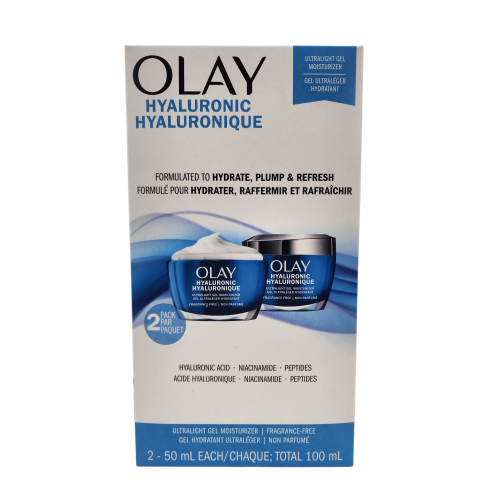
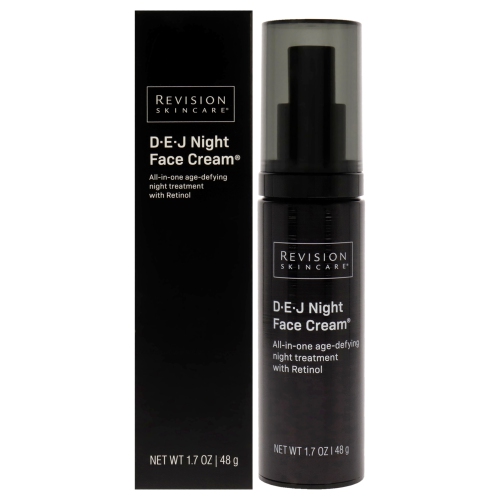
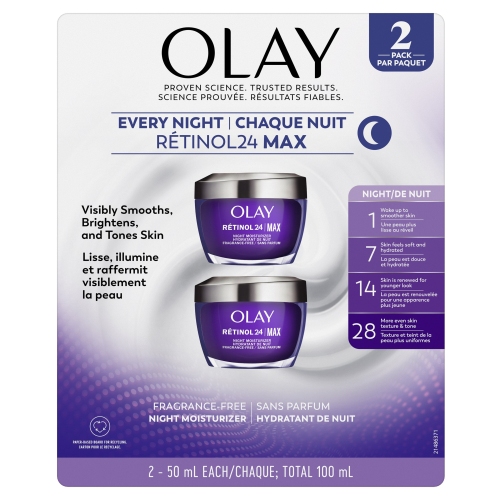
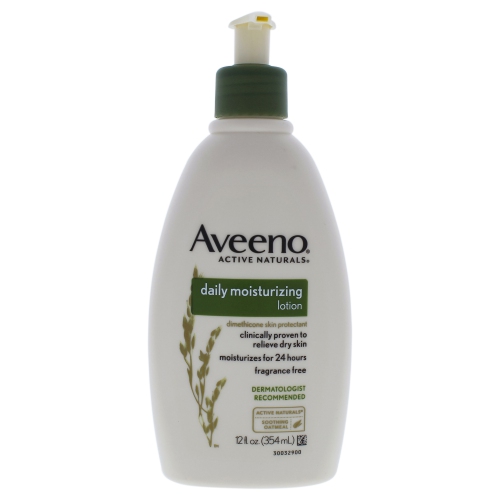
Why moisturizer texture matters as much as skin type
Face moisturizers help keep skin hydrated, soften rough patches and support the skin’s protective barrier. The right formula depends on skin type, texture preferences and how the moisturizer fits into a daily routine. Most formulas combine ingredients that attract water, smooth the skin’s surface and limit moisture loss, although the balance varies considerably. Humectants such as glycerin and hyaluronic acid help draw water into the outer layers of skin. Emollients such as squalane soften and smooth, while occlusive ingredients such as petrolatum help hold moisture in. A lightweight lotion may contain several of these ingredient types without feeling as rich as a cream or balm. For skin that feels tight after cleansing or develops flaky patches, moisturizers for dry skin often offer richer textures and ingredients that help reduce moisture loss. Oily skin can still benefit from hydration; a gel or fluid lotion may feel more comfortable than a dense cream, particularly across the forehead, nose and chin. Oil-free describes a formulation choice, not a guarantee that a moisturizer will suit every person with oily skin. Combination skin may feel best with a lighter layer across oily areas and a little more cream on drier cheeks. For blemish-prone skin, a non-comedogenic label can be a useful starting point, although it does not guarantee that a formula will never contribute to breakouts. Sensitive skin often benefits from a straightforward, fragrance-free formula, with attention to ingredients that have caused discomfort before. Fragrance-free and unscented are not interchangeable terms, since an unscented formula may still contain ingredients used to mask an odour. Skin type provides a useful starting point, but comfort matters just as much: a moisturizer should leave skin feeling supple rather than persistently tight, itchy or irritated. Personal preferences also play a practical role, whether that means a lotion that disappears quickly or a cream that leaves a noticeable protective layer.
Texture and finish make a meaningful difference to how a facial moisturizer wears throughout the day. Gel moisturizers generally spread easily and feel light, while lotions offer a middle ground between a fluid texture and a creamy cushion. Creams and balms tend to feel richer, though thickness alone does not reveal how hydrating a formula will be. Someone applying concealer or foundation soon after skin care may prefer a moisturizer that settles without leaving a slippery film. Someone who dislikes the feeling of bare, tight cheeks may appreciate a softer, more substantial finish. A shiny finish is not necessarily a sign of poor absorption, and a matte finish does not automatically mean a formula is drying. The ingredient blend and the way skin feels after application offer more useful clues. Moisturizer usually fits after cleansing and water-based serums, with daytime sunscreen applied as directed on its label. Applying it to slightly damp skin can help retain water, unless the directions for another product in the routine call for dry skin. More is not always better: a heavy layer can remain tacky or cause makeup to shift, while too little may leave dry areas uncomfortable. Pilling, the small rolls that sometimes appear when skin care is rubbed, can relate to the amount applied, layering technique or how formulas interact. Allowing layers to settle and using less friction may help. For daytime protection, a broad-spectrum sunscreen with SPF 30 or higher remains important; a moisturizer without sun protection is not a substitute. A moisturizer with SPF also needs to be applied in the amount and at the intervals stated on its label. Evening moisturizers do not need sun protection, and some have richer finishes that suit use before bed. Ingredients such as ceramides can support the skin barrier, while niacinamide appears in formulas intended to support several skin concerns. Moisturizers containing retinol or exfoliating acids require closer attention to directions and compatibility with other skin care, since adding several active ingredients at once can increase irritation.
Packaging, intended use and everyday handling are worth considering alongside the formula itself. Pumps offer convenient dispensing and reduce the need to put fingers into the container, while squeeze tubes make it easier to control a small amount. Jars provide easy access to thicker creams, but clean, dry hands or a clean applicator help keep the contents free from introduced residue. A secure cap matters for a moisturizer carried in a gym bag or toiletry case, and a compact container may be easier to fit alongside other daily essentials. Packaging alone does not establish how effective a moisturizer will be; the formula, its suitability for the user and consistent use matter more. Labels can also clarify whether a moisturizer is intended for the face, the face and neck, or another area. Facial skin and the area around the eyes can respond differently, so a general face cream should not be assumed suitable for application close to the eyes unless its directions allow it. For anyone using acne treatments or other potentially drying skin care, a simple moisturizer may be easier to fit into the routine than one with additional exfoliating ingredients. Persistent burning, swelling or a rash calls for stopping use and seeking advice from a qualified health professional rather than covering the discomfort with another layer. Care after opening helps preserve the formula’s intended quality: close the container securely, follow storage instructions and avoid adding water to thin a cream. An expiry date or period-after-opening symbol, when provided, offers guidance on when to replace it. A noticeable change in smell, colour or texture is another reason to stop using it. For gifting, familiar texture and fragrance preferences are more useful than elaborate claims, especially when the recipient already has a routine that works well. A comfortable formula in practical packaging can become an everyday staple, whether the preference is for a barely noticeable gel, a versatile lotion or a rich cream for areas that need extra softness.
Top selling and popular products
-
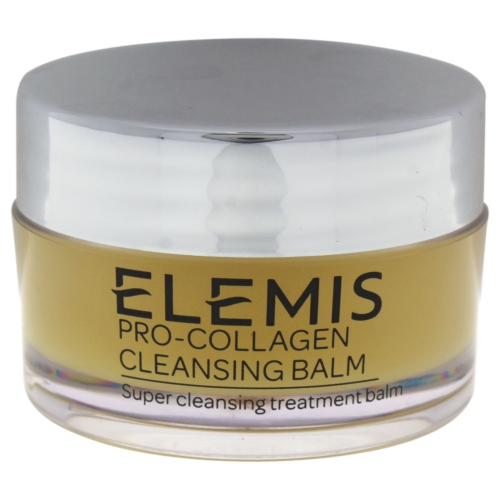 Your price for this item is $32.68
-
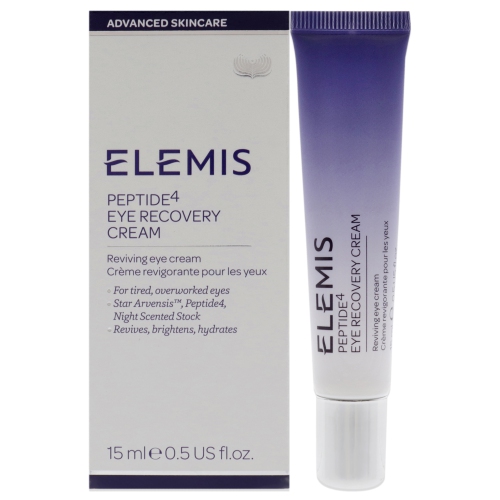 Your price for this item is $60.13
-
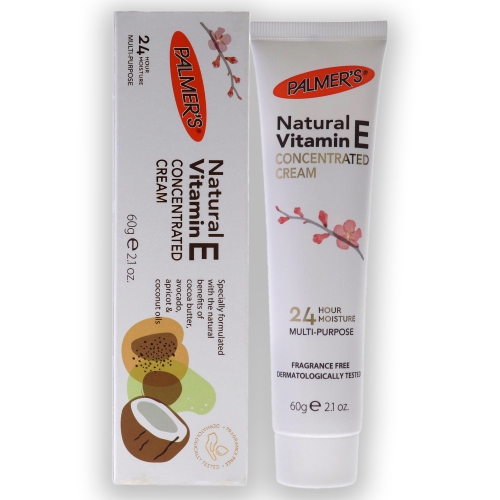 Your price for this item is $19.14
-
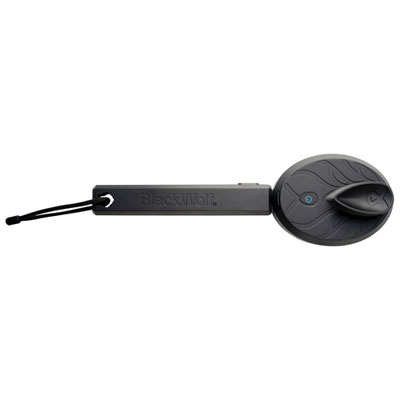 Your price for this item is $39.97
-
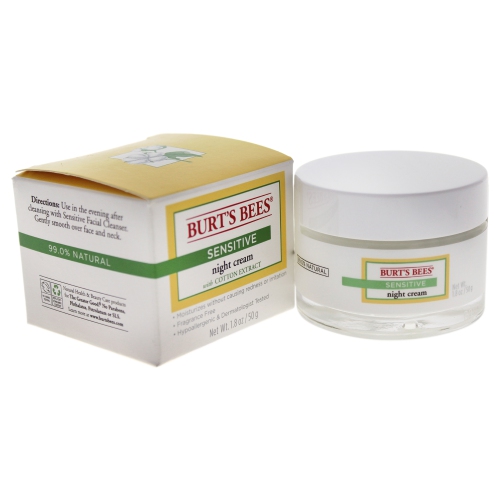 Your price for this item is $26.93
-
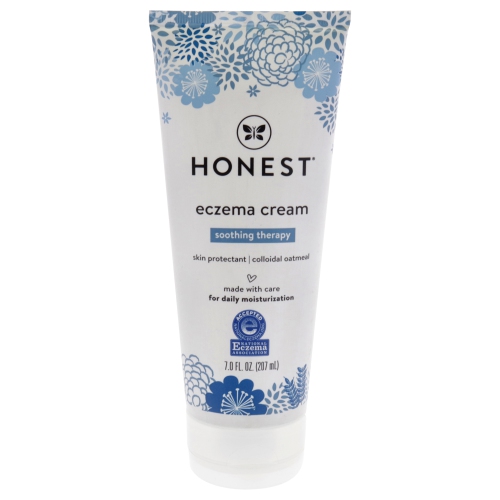 Your price for this item is $28.27
-
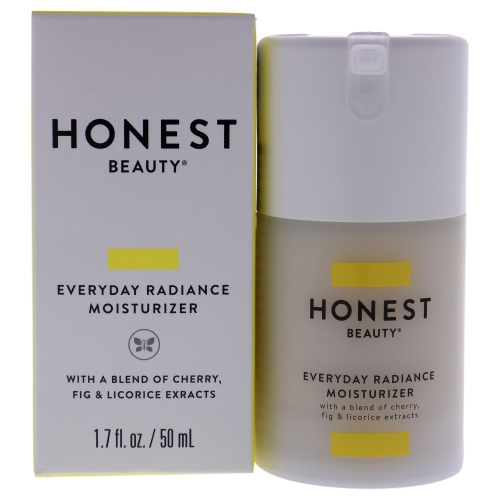 Your price for this item is $42.42
-
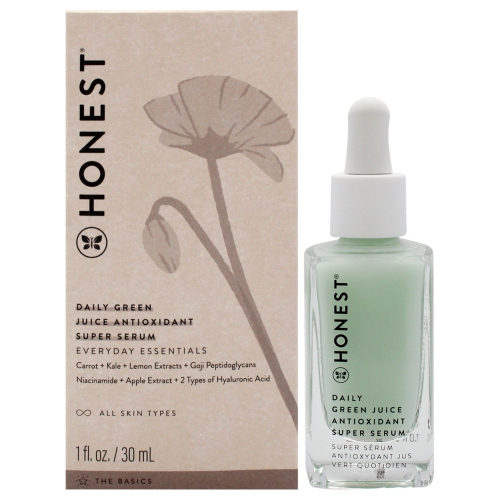 Your price for this item is $40.23
Discover more categories related to Face Moisturizers
Top Collections:
Best Black Friday Deals This Year, Best Black Friday Deals On Electronics, Kindle Devices, Pokemon Centers, Best Black Friday Deals On Apple Products, Best Cameras for Sports Photography, Dyson Airwrap, Pokémon 30th Celebration Cards, Apple iPhone 17 Pro, Canon G7X Cameras
Some products may be subject to Environmental Handling Fees
(EHF) depending on your province.
Learn more about EHFs.