Summer Skincare
Get ready to glow all season long with our expertly curated selection of summer skincare essentials. As the temperatures rise, it's crucial to adjust your beauty routine to protect and nourish your skin under the sun's rays. From lightweight moisturizers to powerful sunscreens, discover everything you need to keep your complexion radiant and healthy. Dive into our range of hydrating serums, refreshing mists, and soothing after-sun care products designed to combat the effects of heat and humidity. Embrace the summer with confidence, knowing that your skin is perfectly prepped for every sunny adventure.
Sort


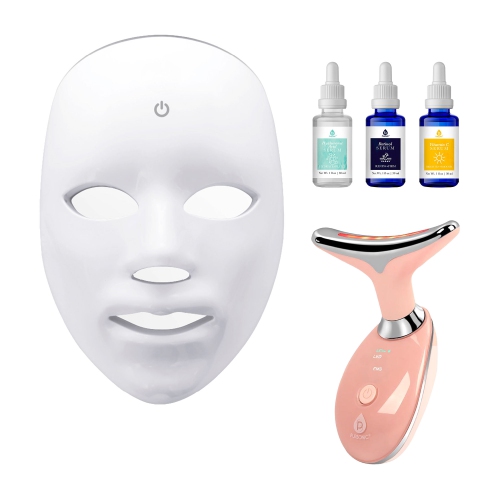

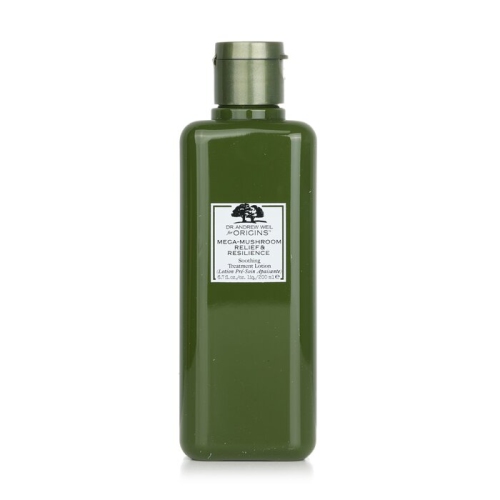


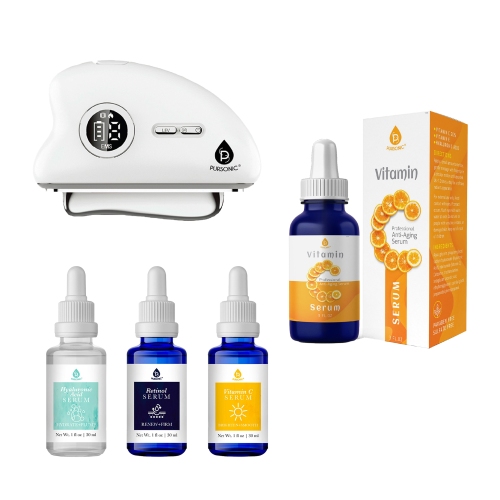
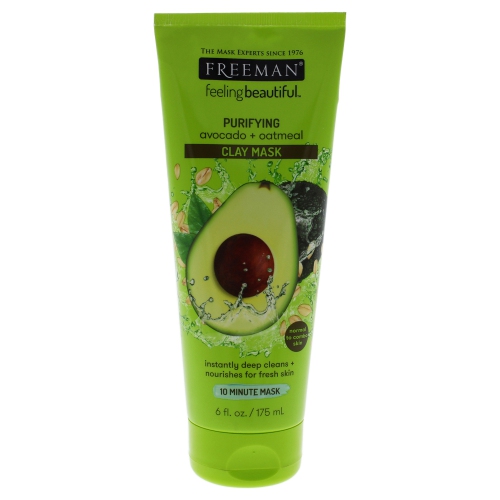
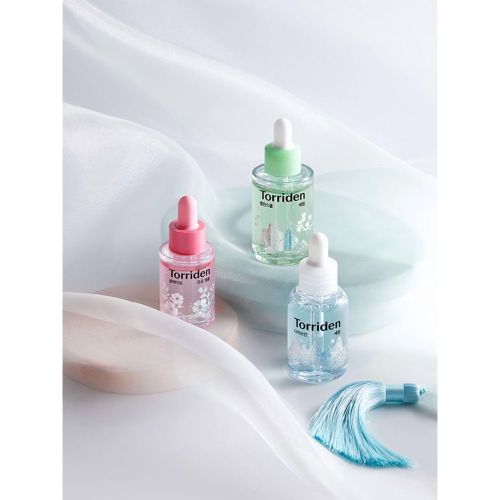


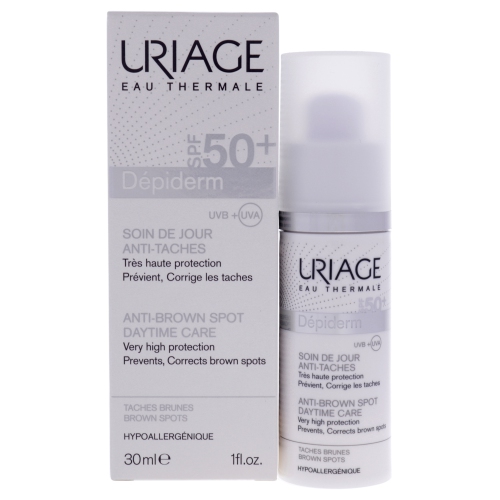
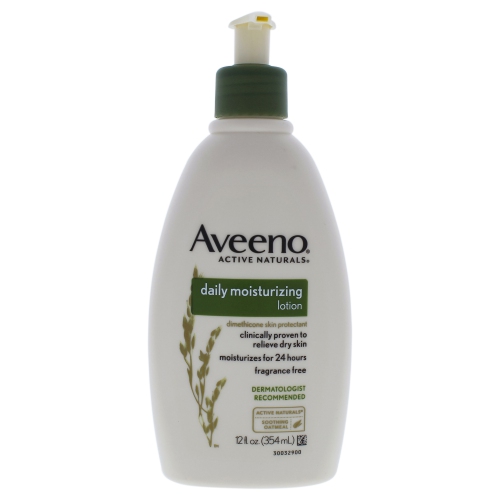

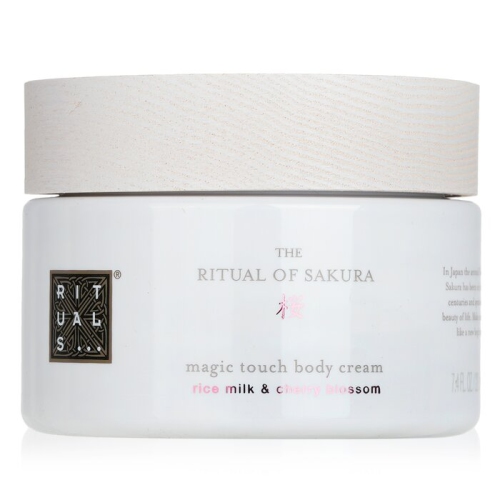

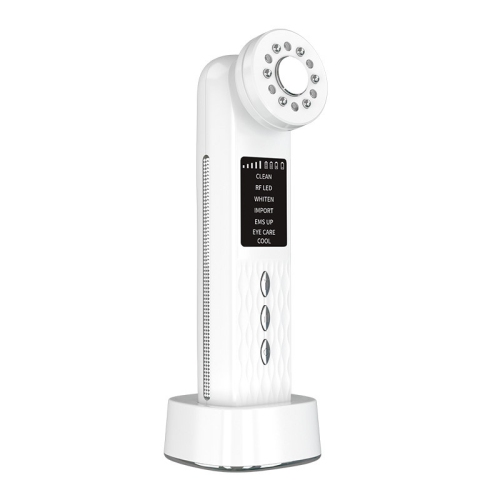


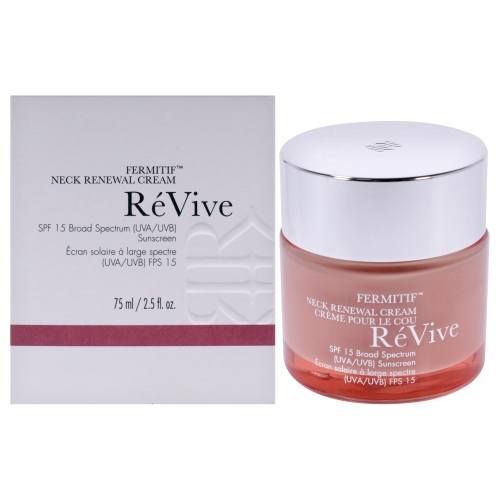
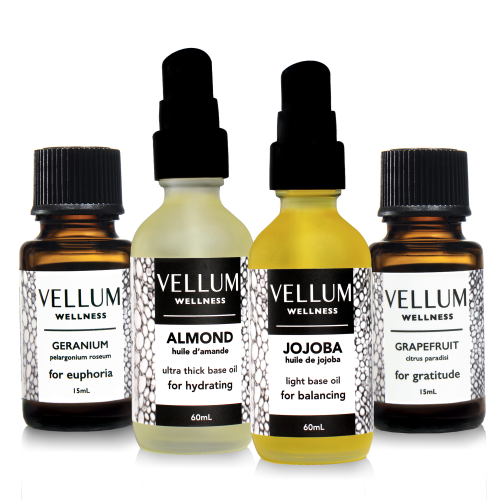


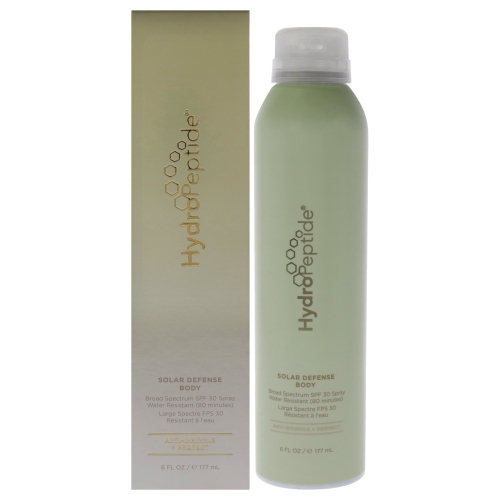

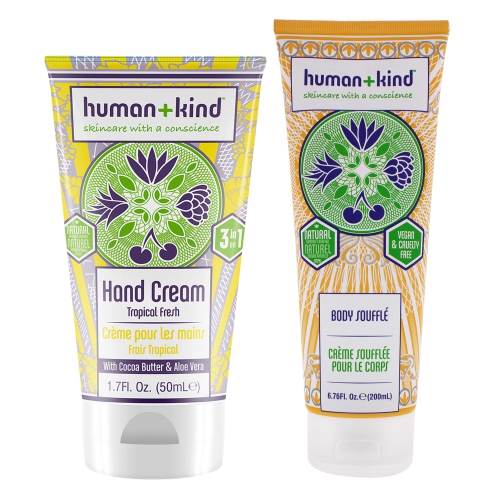
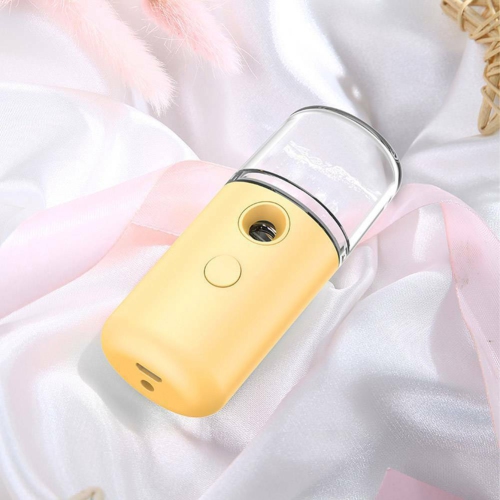


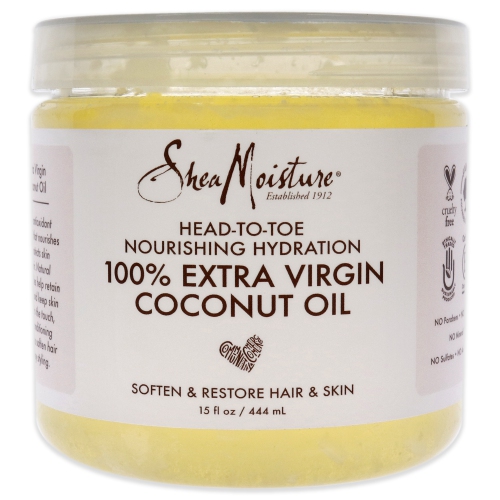

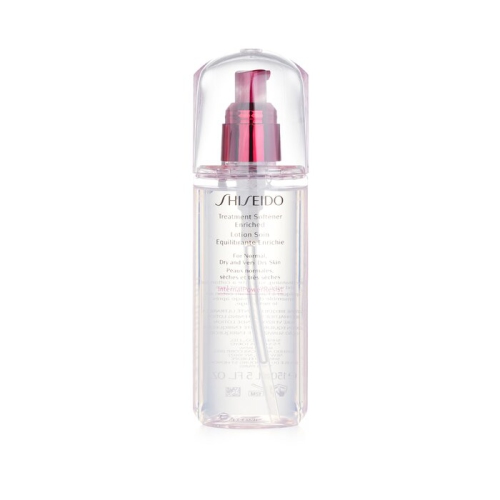








Lightweight hydration and sun protection for everyday comfort
Summer skincare products focus on gentle cleansing, lightweight hydration, and daily broad-spectrum sunscreen with an SPF of 30 or higher. These essentials serve different purposes: cleansers remove surface oil, sweat, and residue; moisturizers help maintain the skin’s moisture barrier; and sunscreen helps protect against ultraviolet exposure. The most comfortable choices depend on skin type, personal preferences, and intended use, whether that means a morning commute, an afternoon on a patio, or a day beside the lake. A mild gel cleanser can suit skin that feels oily or develops shine, while a creamy, non-stripping cleanser may be more comfortable for dry skin. Foaming texture alone does not determine how gentle a cleanser will be, so the formula and how skin feels after rinsing matter more than the amount of lather. Skin should not have to feel tight or squeaky clean to feel refreshed. Lightweight moisturizers include lotions, gels, and gel-creams, offering different balances of hydration and richness. Ingredients such as glycerin and hyaluronic acid help attract moisture, while emollients help soften dry areas. Oily skin can still benefit from a moisturizer, particularly when frequent washing leaves it feeling uncomfortable. Combination skin may need a lighter texture across the forehead and nose and a little more moisture on the cheeks. For sensitive skin, fragrance-free formulas and a shorter ingredient list may make it easier to identify suitable options, although no formula is guaranteed to suit everyone. Texture also affects how comfortably skincare sits beneath sunscreen or makeup. A moisturizer that absorbs without a heavy finish can be appealing for humid summer days, while richer textures may remain useful for naturally dry skin. Labels describing a formula as non-comedogenic can be helpful for blemish-prone skin, but individual responses vary. The aim is a manageable selection of products that feels comfortable enough for consistent use, rather than a crowded shelf of formulas with overlapping purposes.
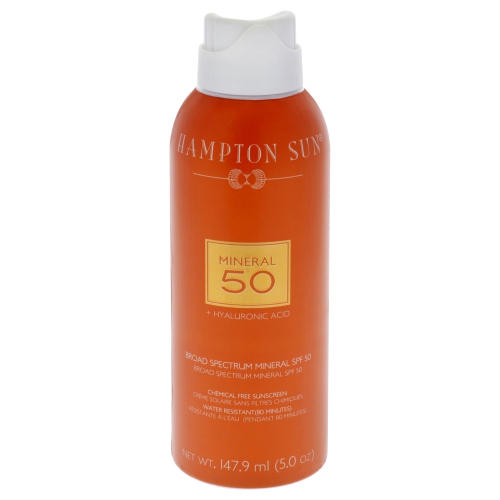
Sun protection is a central part of summer skincare, and sunscreen deserves attention beyond its SPF number. Broad-spectrum protection covers both UVA and UVB rays; SPF mainly describes protection against UVB, the rays responsible for sunburn. A higher SPF does not mean a sunscreen can be applied less often or that it makes unlimited time in the sun safe. Sunscreen should be applied generously according to its label and reapplied at least every two hours while outdoors, as well as after swimming, sweating, or towel drying, following the product’s directions. A quick application before leaving home may not provide adequate protection for a full afternoon at the beach. Water-resistant formulas are useful for swimming and active days, but water resistance is limited to the duration stated on the label and does not mean waterproof. Hats, protective clothing, shade, and limiting exposure during peak sun hours remain important alongside sunscreen. For everyday wear, the best texture is often one that makes regular application practical. Lotions can be easy to spread across larger exposed areas, while creams may feel more comfortable on dry skin. Fluid and gel textures can appeal to people who dislike a rich finish, and portable formats can make touch-ups more convenient when used as directed. Mineral formulas use filters such as zinc oxide or titanium dioxide; other formulas use different approved UV filters. Either type can provide broad-spectrum protection when labelled accordingly, and the choice often comes down to comfort, finish, and tolerance. Some mineral formulas leave a visible cast, so appearance across different skin tones is a useful consideration. Facial sunscreens may offer finishes suited to wearing under makeup, but a cosmetic finish is separate from the level of protection. Frequently missed areas include the ears, neck, backs of the hands, and tops of the feet when uncovered. An SPF lip balm can help protect the lips when applied and reapplied according to its directions. Products intended for the face, body, or lips should be used in their designated areas, with particular care around the eyes.
Beyond the essentials, summer skincare can include targeted formulas for texture, uneven-looking tone, or occasional dryness, but additional products should have a clear purpose. Vitamin C serums are often chosen for antioxidant support and a brighter-looking complexion; they do not replace sunscreen. Exfoliating formulas containing alpha hydroxy acids or beta hydroxy acids can help address surface buildup, but more frequent use is not necessarily better. Following the label and keeping exfoliation modest is especially important when skin is already irritated or exposed to other potentially drying treatments. Some exfoliating ingredients can increase sun sensitivity, making sun protection particularly important. A simple selection can be easier to use consistently than several active formulas layered together. Trying one new formula at a time also makes it easier to notice whether it causes discomfort; persistent redness, burning, or irritation warrants stopping use and seeking advice from a qualified healthcare professional. After a day outdoors, a gentle cleanser and a comfortable moisturizer can help skin feel clean and hydrated, but an after-sun lotion does not undo ultraviolet damage or replace appropriate care for a sunburn. Packaging and storage matter, too. Secure caps and clearly labelled containers are practical for gym bags, cottage weekends, and travel, while pumps can make dispensing lotion less messy. Skincare should be stored as directed, away from excessive heat and direct sunlight; leaving sunscreen in a hot vehicle can affect its quality. Expiry dates, storage instructions, and any stated period of use after opening help determine when a formula should be replaced. For gifts, familiar textures and the recipient’s known preferences are usually more useful than an ambitious assortment of unfamiliar active ingredients. Fragrance preferences and skin sensitivities deserve consideration, especially for someone who keeps their routine simple. The richer textures often associated with Winter Skin Care offer a contrast, although comfort matters more than assigning every formula to a season. Summer skincare works best as a practical collection suited to the person using it, with gentle cleansing, dependable hydration, and sun protection at its centre.
Top selling and popular products
-
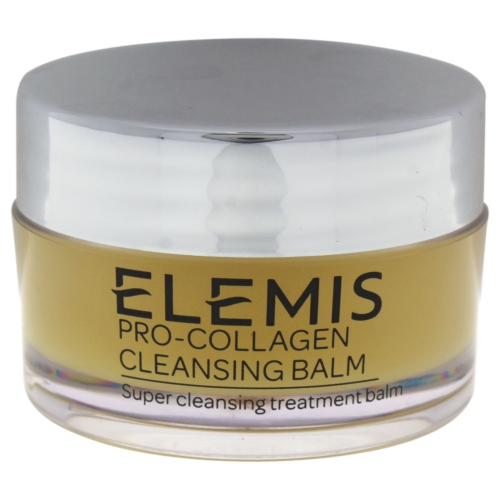 Your price for this item is $32.68
-
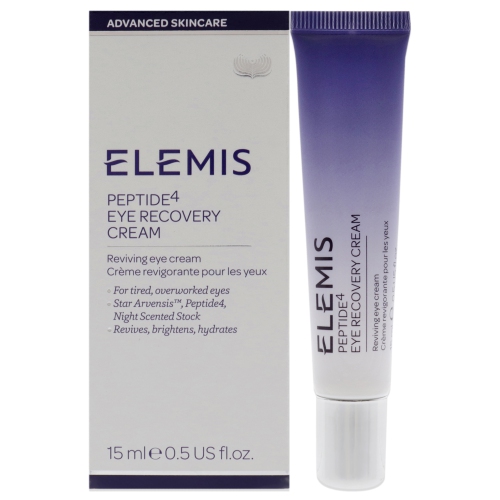 Your price for this item is $60.13
-
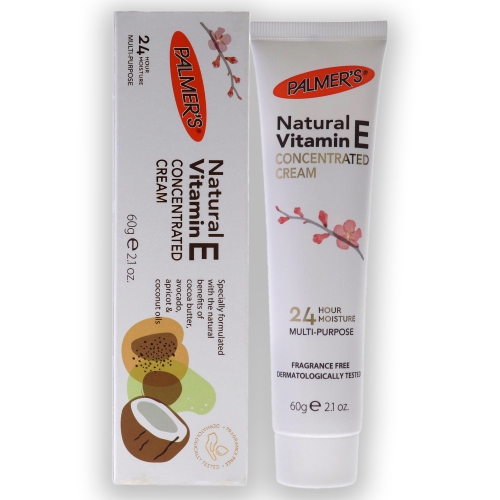 Your price for this item is $19.14
-
 Your price for this item is $49.95
-
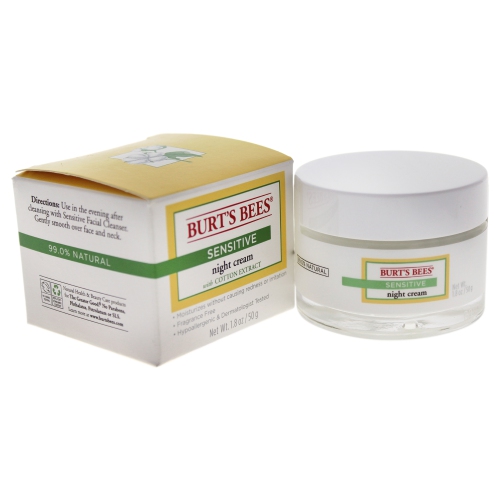 Your price for this item is $26.93
-
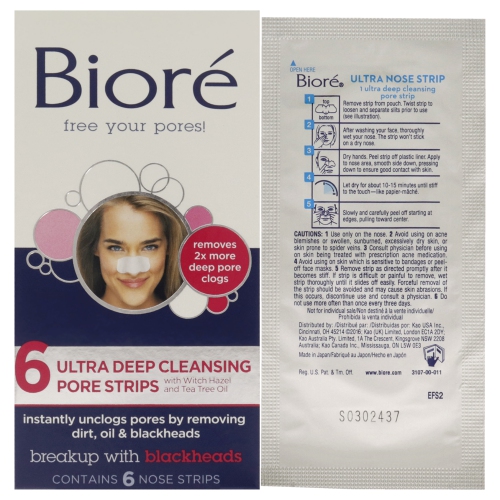 Your price for this item is $14.98
-
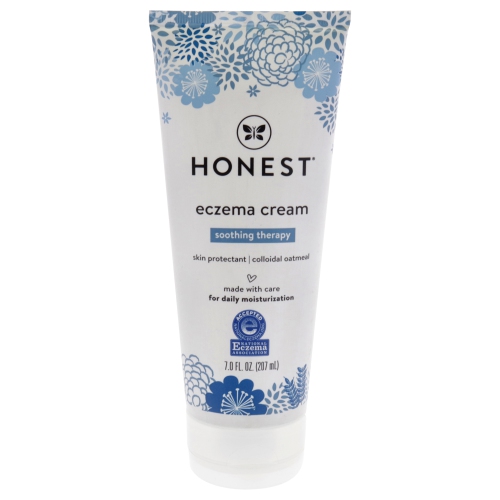 Your price for this item is $28.27
-
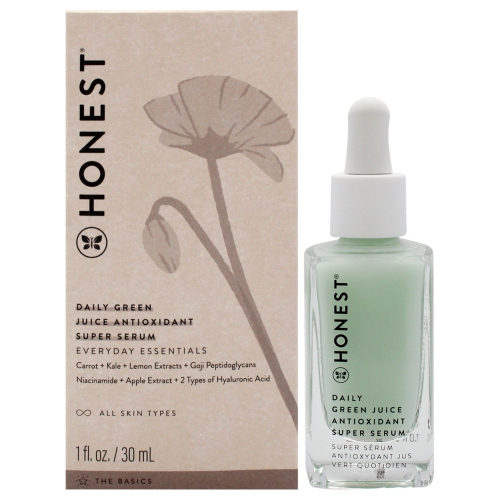 Your price for this item is $40.23
Discover more categories related to Summer Skincare
Top Collections:
Pokemon Centers, Best Cameras for Sports Photography, Kindle Devices, Samsung Galaxy Phones, Canon G7X Cameras, Pokémon 30th Celebration Cards, Refurbished Apple Laptops, iPhone 15 Apple, Laptops for Students, Budget Smartphones
Some products may be subject to Environmental Handling Fees
(EHF) depending on your province.
Learn more about EHFs.