Toners for Dry Skin
Achieving a radiant and hydrated complexion starts with the right skincare routine, and finding the perfect toner for dry skin can make all the difference. Designed to gently refresh and balance moisture levels, toners tailored for dry skin work to soothe and revitalize while preparing your skin for the next steps in your regimen. Whether you're seeking a boost of hydration or a calming effect, these toners are crafted to enhance your natural glow and leave your skin feeling soft and nourished. Explore our selection to discover the ideal match for your skincare needs, ensuring your face feels as good as it looks.
Sort

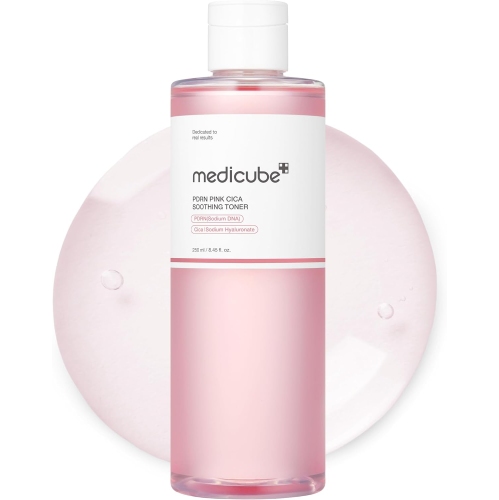
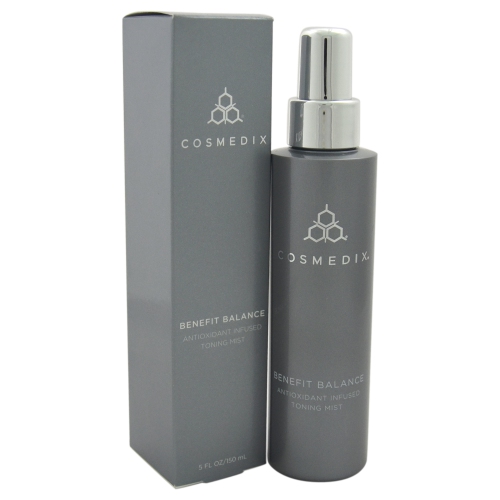

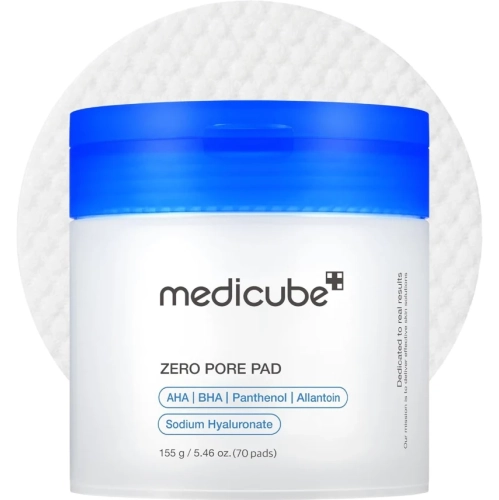
Lightweight hydration for skin that feels tight after cleansing
Toners for dry skin add a light layer of hydration after cleansing, helping skin feel softer and more comfortable before serum or moisturizer. Unlike astringent toners designed mainly to reduce surface oil, hydrating toners focus on moisture and a comfortable finish rather than a squeaky-clean sensation. They can be a useful addition for skin that feels tight after washing, looks dull, or has rough patches where makeup tends to catch. Ingredients such as glycerin and hyaluronic acid act as humectants, attracting and holding water in the outer layers of skin. Ceramides help support the skin’s moisture barrier, while emollients such as squalane soften the surface and smooth the feel of dry areas. These ingredients serve different purposes, so a formula that combines humectants with barrier-supporting ingredients may offer a more rounded approach than one built around a single featured ingredient. Panthenol and certain oat-derived ingredients are also found in formulas intended to hydrate and soothe, although comfort depends on the complete formula and individual skin tolerance. For dry skin that is also sensitive, fragrance-free options are often a sensible starting point because added fragrance can cause irritation in some people. Alcohol-free toners may also appeal to those who find astringent formulas drying, particularly when alcohol denat. or ethanol appears prominently in the ingredient list. Not every ingredient with “alcohol” in its name has the same function, however: fatty alcohols such as cetyl alcohol and cetearyl alcohol are commonly used to soften skin and give formulas a creamy texture. A toner is an optional part of a skincare routine, not a requirement for healthy-looking skin, and it does not replace a moisturizer. Its main role is to provide a comfortable, easy-to-layer hydration step. The most suitable formula is one that leaves skin feeling supple without persistent stickiness, stinging, or an uncomfortable film.
Texture makes a noticeable difference to how a toner fits into everyday use. Watery toners spread easily and generally leave little residue, making them appealing to anyone who prefers a barely-there layer beneath other skincare. A milky toner has a more cushioned feel and often contains emollients alongside water-binding ingredients, which can suit skin that feels rough or needs extra softness after cleansing. Essence-like toners sit somewhere between a liquid and a light serum, offering a slightly fuller texture without the richness of a cream. These descriptions are useful starting points, but appearance alone does not establish how hydrating or gentle a formula will be; a clear liquid can be richly hydrating, while a milky formula can still contain ingredients that sensitive skin does not tolerate. Finish matters, too. Someone applying concealer over dry areas may prefer a toner that settles smoothly under moisturizer, while someone who dislikes layered textures may favour a fluid formula that spreads in a thin, even layer. Dry skin and dehydrated skin are not quite the same: dry skin generally produces less oil, whereas dehydration refers to a lack of water and can affect oily or combination skin as well. That distinction helps explain why a lightweight hydrating toner may suit a face with comfortable or oily areas alongside tight cheeks. For skin prone to blemishes as well as dryness, hydration does not necessarily need to come from a heavy or oily texture. Exfoliating toners serve a different purpose from primarily hydrating formulas. Glycolic, lactic, and salicylic acids can help address surface texture or clogged pores, depending on the formula, but frequent use may aggravate dryness or irritation. Even a toner described as gentle can be too much when combined with other exfoliants or retinoids. For an everyday hydration step, a straightforward formula without added exfoliating acids may be easier to fit into an established routine, especially when skin already feels tender or looks flaky.
Packaging, application, and compatibility with the rest of a routine are practical considerations when comparing hydrating toners. A controlled-pour opening can make a thin liquid easier to dispense, while a pump offers a measured amount with less handling. Secure closures are useful for keeping a bottle upright in a toiletry bag and limiting leaks, although any skincare container should be packed according to its design. Toners are typically applied after cleansing and before thicker skincare, following the directions on the label. Many hydrating formulas can be gently pressed onto the face with clean hands; a soft cotton pad is another option when the directions allow, but repeated rubbing can make already-dry areas feel more irritated. A modest amount that leaves a light, even layer is usually more comfortable than repeatedly saturating the skin. Applying moisturizer afterwards helps retain hydration and adds the emollient and protective ingredients that a thin toner may not provide on its own. Pairing a hydrating toner with moisturizers for dry skin can bring together complementary textures, from a fluid first layer to a cream that leaves the face feeling comfortably softened. If skincare or makeup rolls into small flakes during application, using less product and allowing each layer to settle may help; the combination of formulas can matter as much as the toner itself. Introducing one new formula at a time and testing it on a small area first makes it easier to notice a reaction, though a patch test cannot rule out every sensitivity. Persistent burning, redness, or worsening dryness is a reason to stop using the product rather than add more layers. Cracked, painful, or persistently irritated skin may need advice from a healthcare professional. For ongoing product care, keep the opening clean, close the bottle after use, and follow any storage directions, expiry date, or period-after-opening symbol. A toner that suits both skin comfort and daily habits is more likely to become a useful part of a simple, consistent routine.
Top selling and popular products
-
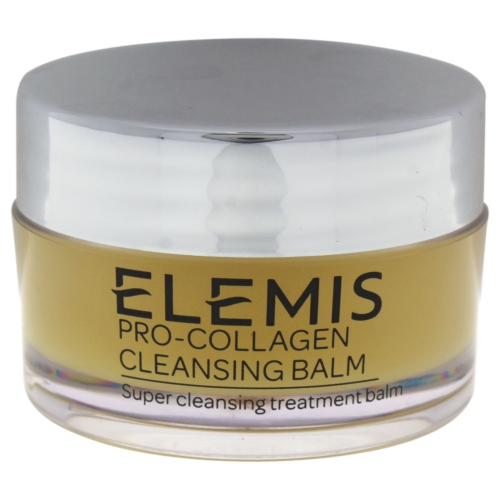 Your price for this item is $32.68
-
 Your price for this item is $60.13
-
 Your price for this item is $19.14
-
 Your price for this item is $49.95
-
 Your price for this item is $26.93
-
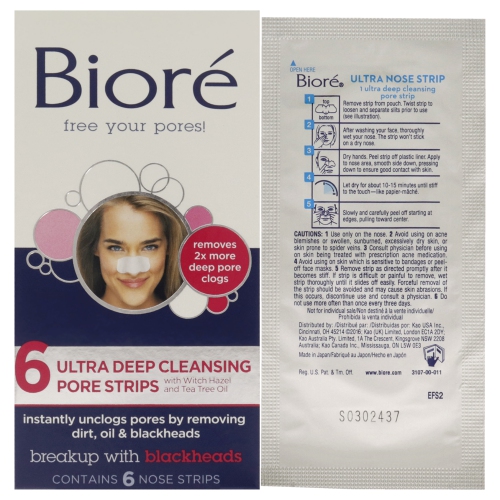 Your price for this item is $14.98
-
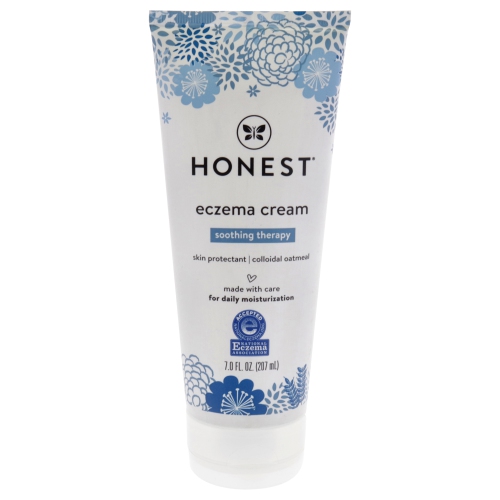 Your price for this item is $28.27
-
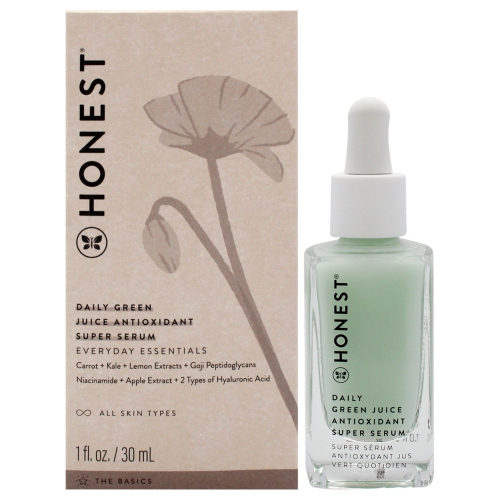 Your price for this item is $40.23
Discover more categories related to Toners for Dry Skin

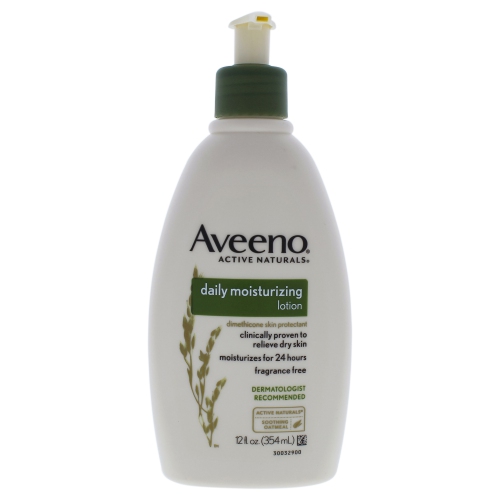

Top Collections:
Pokemon Centers, Best Cameras for Sports Photography, Kindle Devices, Samsung Galaxy Phones, Canon G7X Cameras, Pokémon 30th Celebration Cards, Refurbished Apple Laptops, iPhone 15 Apple, Laptops for Students, Budget Smartphones
Some products may be subject to Environmental Handling Fees
(EHF) depending on your province.
Learn more about EHFs.