Vitamin C Serums
Enhance your skincare routine with the power of vitamin C serum, a must-have product known for its brightening and rejuvenating properties. Packed with antioxidants, vitamin C can help even out skin tone, reduce the appearance of fine lines and wrinkles, and promote a radiant complexion. Discover the benefits of incorporating vitamin C serum into your daily regimen and achieve that healthy glow you've been dreaming of.
Sort
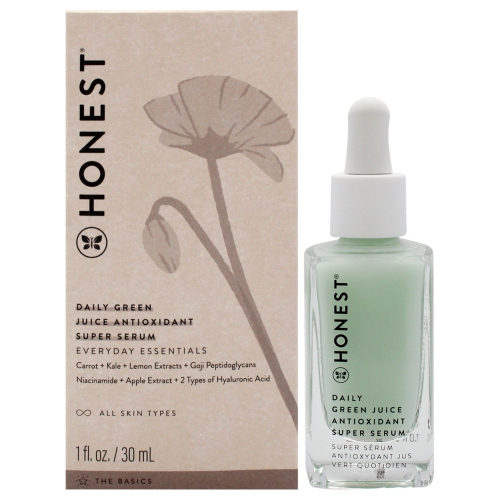






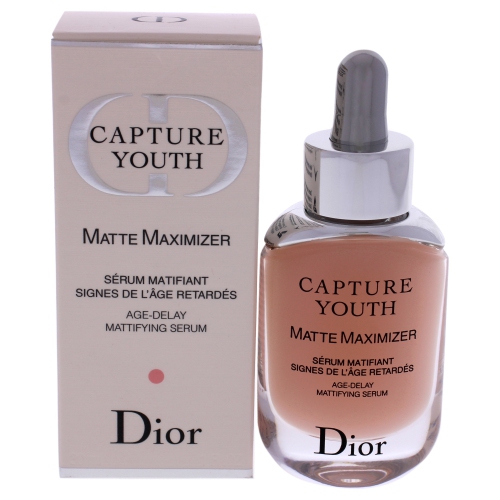


Brighter-looking skin with the right vitamin C routine
Vitamin C serums are concentrated skincare products designed to add antioxidant support and a brighter, more even-looking appearance to a daily routine. Vitamin C helps neutralize free radicals associated with everyday exposure to UV rays and pollution, while regular use may help improve the look of dullness, uneven tone and the appearance of dark spots. It is not a substitute for sunscreen, but it can complement broad-spectrum SPF as part of a morning regimen. The selection of Vitamin C Treatments includes formulas for different routines, preferences and levels of skincare experience, making it easier to compare textures, ingredients and intended benefits in one place. When choosing a serum, start by considering the form of vitamin C used. L-ascorbic acid is the pure form and is often selected by experienced skincare users looking for a more intensive formula. Other serums use vitamin C derivatives, which may be gentler, more stable or easier to incorporate into a routine for those with sensitive skin. Concentration also matters: a lower percentage can be a comfortable starting point for beginners, while a higher concentration may appeal to people who already know that their skin tolerates vitamin C well. Supporting ingredients can add further value. Vitamin E and ferulic acid are commonly paired with vitamin C to help support antioxidant performance, while hydrating ingredients can make a serum feel more comfortable on dry or tight-feeling skin. People with oily or combination skin may prefer a lightweight, fast-absorbing texture, whereas those with dry skin may appreciate a serum layered beneath a richer moisturizer. If skin is reactive, look for a simple formula, introduce it gradually and perform a patch test before applying it across the face. A serum can be especially useful for anyone whose complexion looks tired after long days indoors, frequent travel or exposure to dry air during the cooler months. It can also be a thoughtful gift for someone building a skincare routine, provided the formula suits their preferences and sensitivities. A neatly packaged serum is easy to add to a self-care gift, a birthday basket or a practical care package, and its compact size makes it convenient for a bathroom counter or travel bag.
For most routines, vitamin C serum is applied in the morning to clean, slightly dry skin, before moisturizer and sunscreen. A few drops are generally enough; many routines use approximately three drops for the face and neck, although the directions on the product should always take priority. Pressing the serum gently into the skin rather than rubbing vigorously can make the application feel more comfortable, particularly when the skin is dry or sensitive. Allow it a moment to absorb, then follow with moisturizer and a broad-spectrum sunscreen. This final step is important because vitamin C and SPF serve different purposes: vitamin C provides antioxidant support, while sunscreen helps protect skin from UV exposure. Consistency usually matters more than using a large amount, so a simple routine that can be followed each morning is often more practical than layering several new products at once. If you are new to vitamin C, use it every other morning at first and watch for signs of irritation, such as persistent stinging, redness or unusual dryness. Avoid applying it to broken or freshly exfoliated skin, and consider separating it from other strong active ingredients until you know how your skin responds. Product storage can also affect the experience over time. Keep the bottle tightly closed and follow its storage instructions; many vitamin C serums benefit from being kept away from direct sunlight, heat and moisture. A change in colour, scent or texture may indicate that a formula has oxidized, so check the packaging and discontinue use if it no longer seems fresh. During the transition from warmer weather to cooler conditions, skin can feel drier and more sensitive, making a hydrating moisturizer especially helpful after applying serum. Those with oily skin may prefer a gel moisturizer, while dry or mature skin may favour a cream with barrier-supporting ingredients. People who wear makeup may enjoy a lightweight serum that absorbs without leaving a tacky finish, while an evening skincare user may choose a richer formula even though vitamin C is commonly used in the morning. Comparing concentration, vitamin C type, additional ingredients, texture, package size and directions can help match a serum to personal habits rather than simply choosing the strongest option. With regular use and realistic expectations, vitamin C serums can become a straightforward part of a daily skincare routine focused on a fresh, bright and comfortable-looking complexion.
For most routines, vitamin C serum is applied in the morning to clean, slightly dry skin, before moisturizer and sunscreen. A few drops are generally enough; many routines use approximately three drops for the face and neck, although the directions on the product should always take priority. Pressing the serum gently into the skin rather than rubbing vigorously can make the application feel more comfortable, particularly when the skin is dry or sensitive. Allow it a moment to absorb, then follow with moisturizer and a broad-spectrum sunscreen. This final step is important because vitamin C and SPF serve different purposes: vitamin C provides antioxidant support, while sunscreen helps protect skin from UV exposure. Consistency usually matters more than using a large amount, so a simple routine that can be followed each morning is often more practical than layering several new products at once. If you are new to vitamin C, use it every other morning at first and watch for signs of irritation, such as persistent stinging, redness or unusual dryness. Avoid applying it to broken or freshly exfoliated skin, and consider separating it from other strong active ingredients until you know how your skin responds. Product storage can also affect the experience over time. Keep the bottle tightly closed and follow its storage instructions; many vitamin C serums benefit from being kept away from direct sunlight, heat and moisture. A change in colour, scent or texture may indicate that a formula has oxidized, so check the packaging and discontinue use if it no longer seems fresh. During the transition from warmer weather to cooler conditions, skin can feel drier and more sensitive, making a hydrating moisturizer especially helpful after applying serum. Those with oily skin may prefer a gel moisturizer, while dry or mature skin may favour a cream with barrier-supporting ingredients. People who wear makeup may enjoy a lightweight serum that absorbs without leaving a tacky finish, while an evening skincare user may choose a richer formula even though vitamin C is commonly used in the morning. Comparing concentration, vitamin C type, additional ingredients, texture, package size and directions can help match a serum to personal habits rather than simply choosing the strongest option. With regular use and realistic expectations, vitamin C serums can become a straightforward part of a daily skincare routine focused on a fresh, bright and comfortable-looking complexion.
Top selling and popular products
-
 Your price for this item is $495.1
-
 Your price for this item is $598.5
-
 Your price for this item is $116.8
-
 Your price for this item is $39.99
-
 Your price for this item is $202.68
-
 Your price for this item is $154.16
-
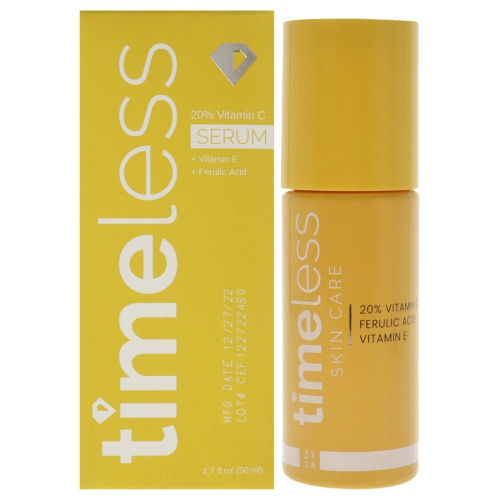 Your price for this item is $156.4
-
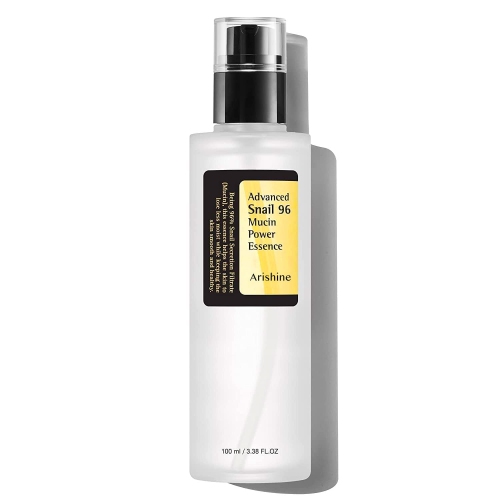 Your price for this item is $34.99
Discover more categories related to Vitamin C Serums
Top Collections:
Pokemon Centers, Best Cameras for Sports Photography, Kindle Devices, Samsung Galaxy Phones, Canon G7X Cameras, Pokémon 30th Celebration Cards, Refurbished Apple Laptops, iPhone 15 Apple, Laptops for Students, Budget Smartphones
Some products may be subject to Environmental Handling Fees
(EHF) depending on your province.
Learn more about EHFs.