SMA Connectors
Find SMA connectors for connecting coaxial cables to compatible antennas and RF equipment. Browse connector options and check the connector type, cable compatibility, and impedance to match your setup. Confirm whether you need standard SMA or reverse-polarity RP-SMA, as they are not interchangeable.
FAQ
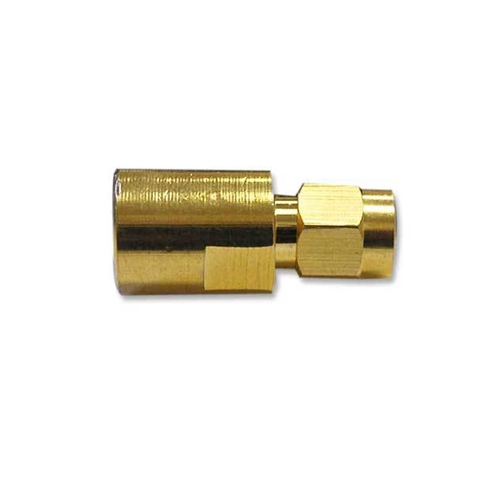
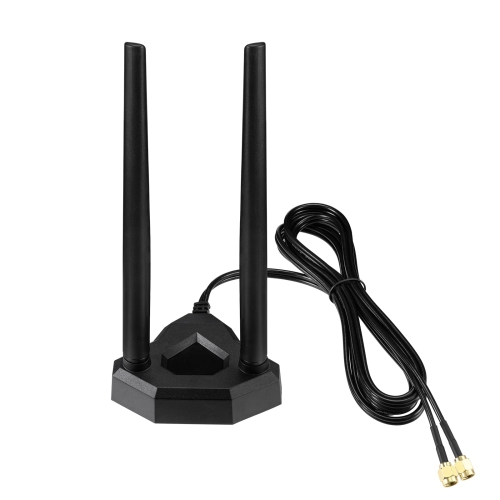
An SMA connector is a threaded radio-frequency (RF) connector used to connect coaxial cables to antennas, radios, test instruments and other RF equipment. You may find SMA connections on GPS equipment, wireless modules and some Wi-Fi antenna connections.
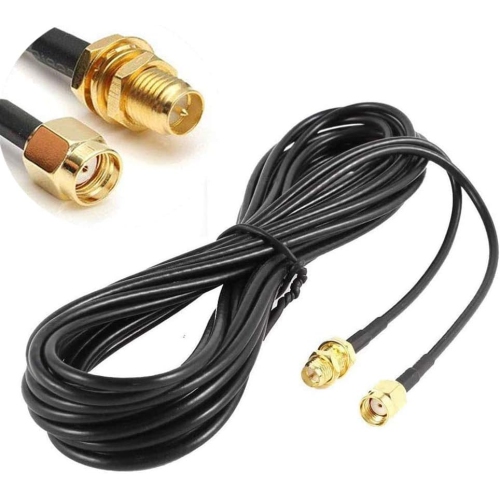
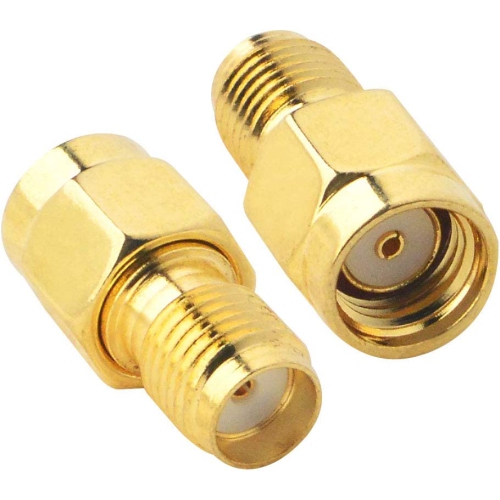
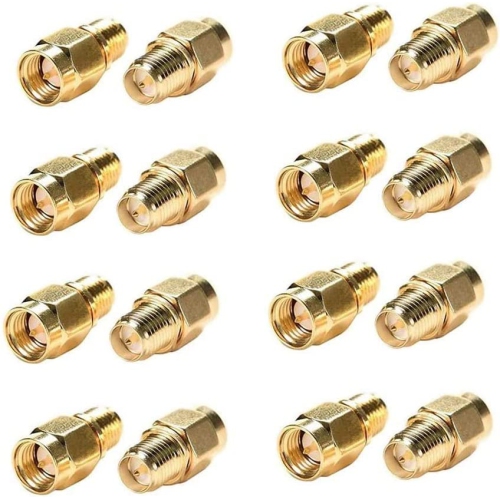
SMA and reverse-polarity SMA (RP-SMA) connectors use similar threaded housings but have different centre-contact arrangements. A standard SMA male connector has a centre pin, while an RP-SMA male connector has a centre socket. Check both the connector designation and centre contact when choosing a matching connection.
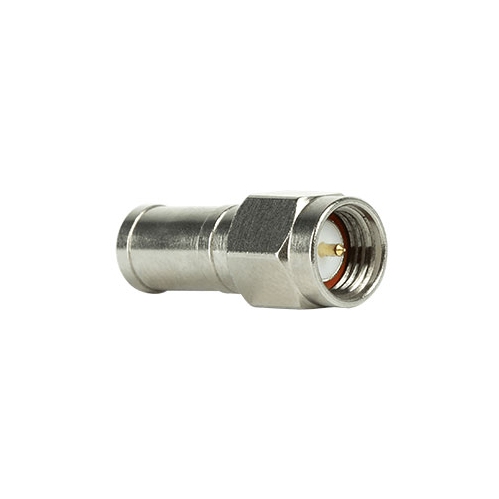
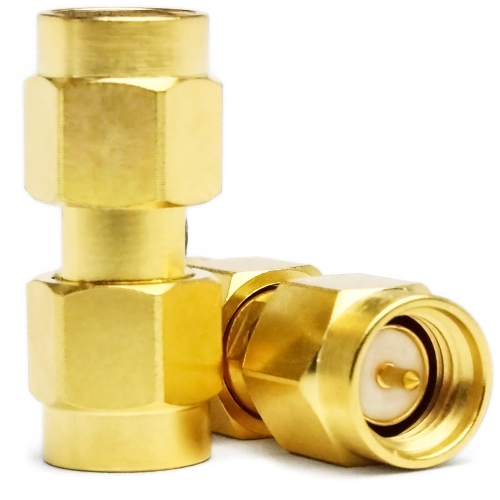
For standard SMA connectors, a male plug has internal threads and a centre pin, while a female jack has external threads and a centre socket. RP-SMA connectors reverse the centre-contact arrangement, so identifying the connector requires checking both the threads and the centre contact.
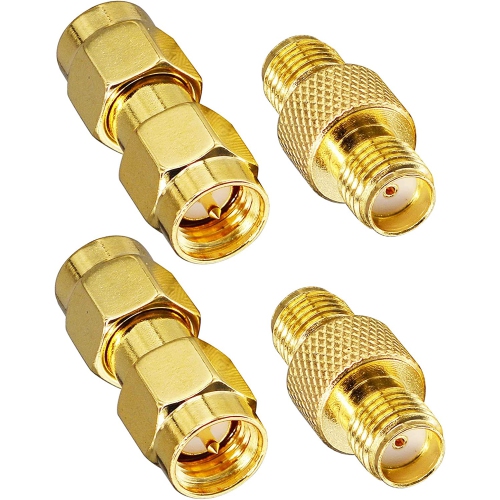
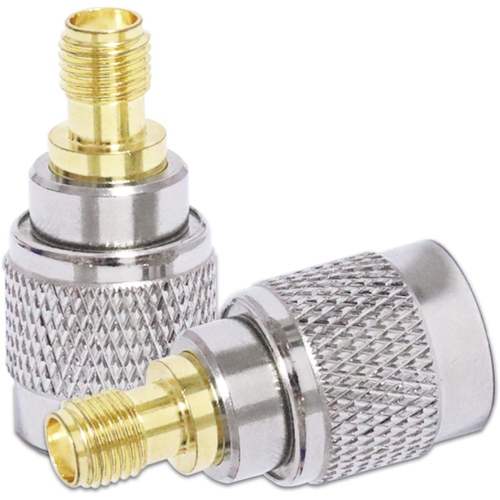
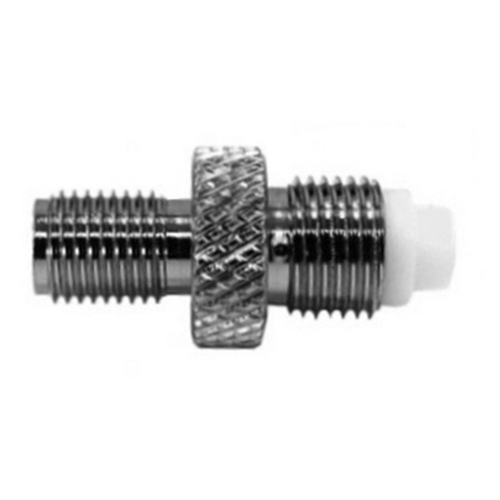
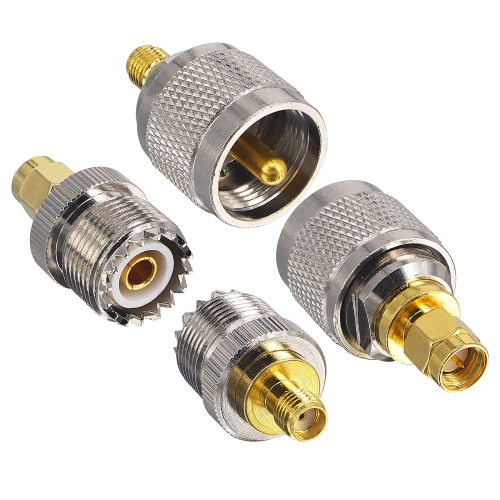
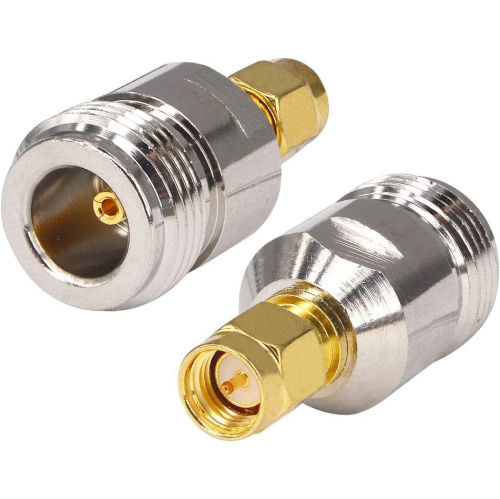
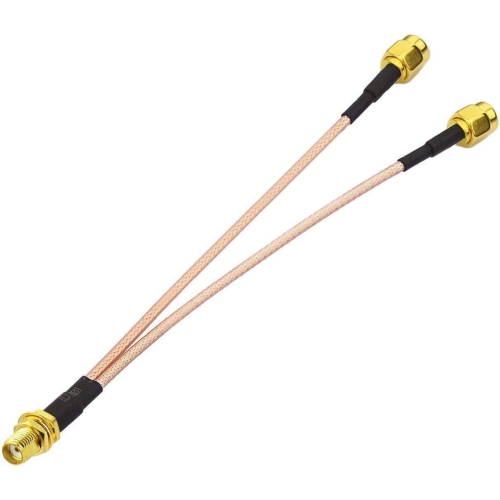
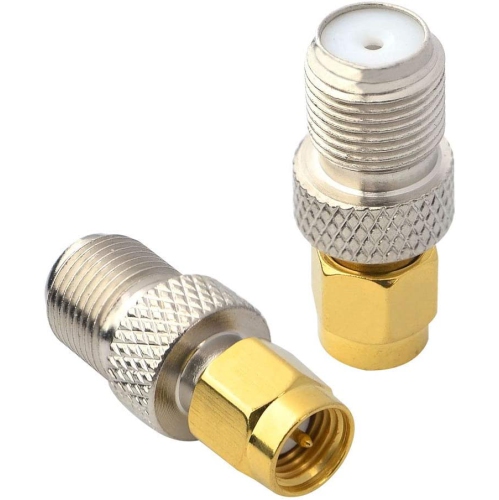
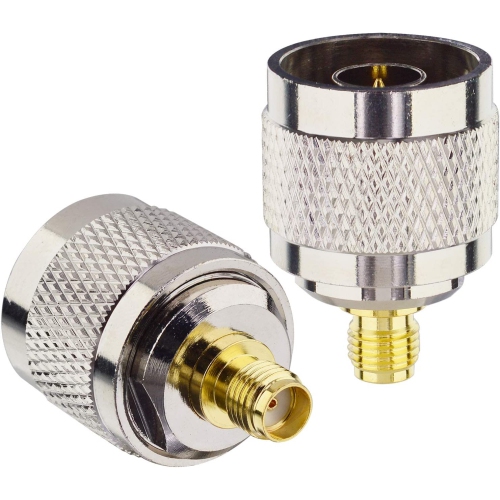
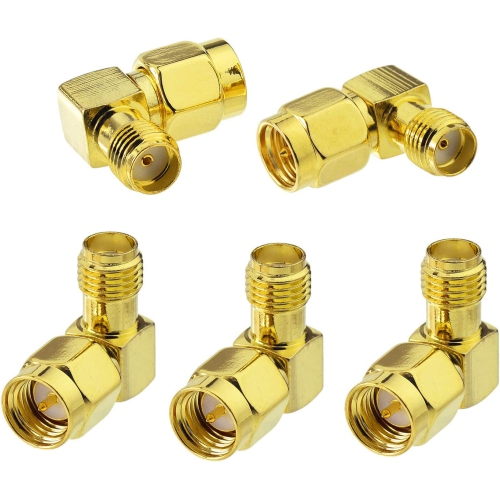
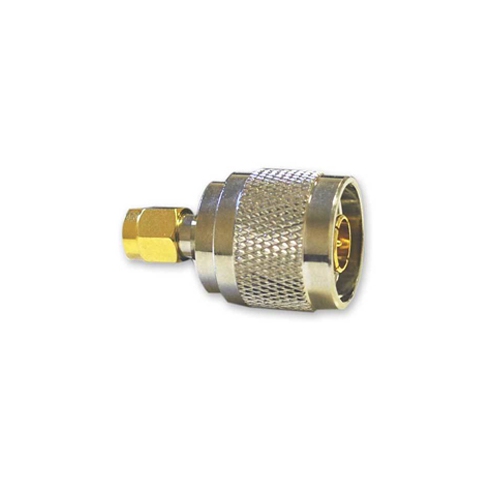
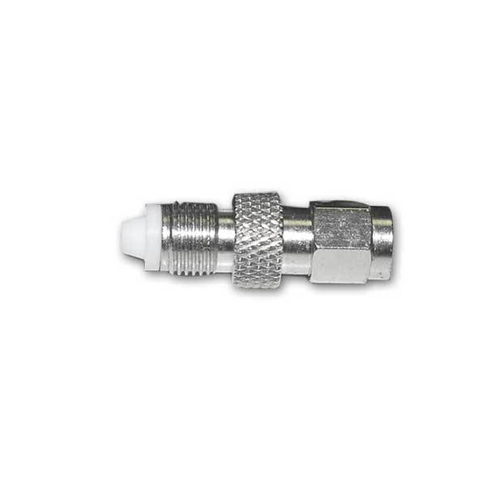
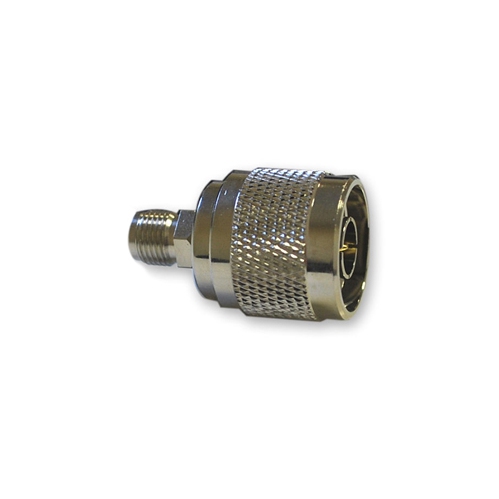
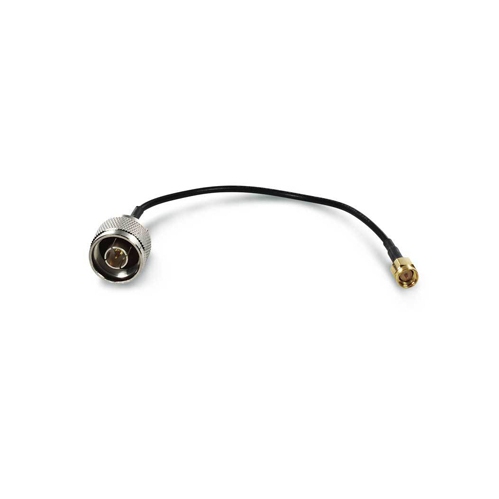
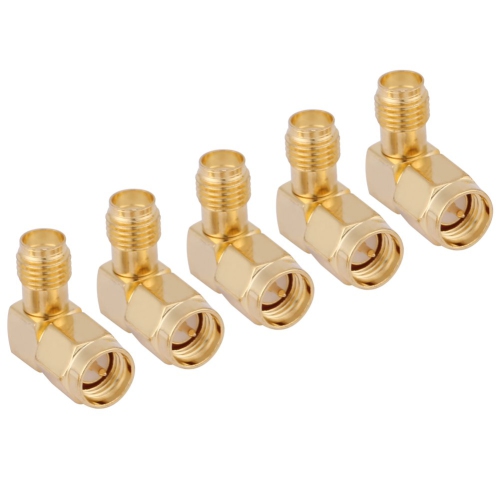
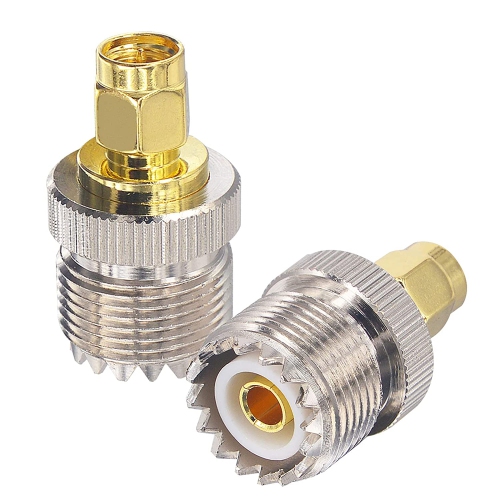
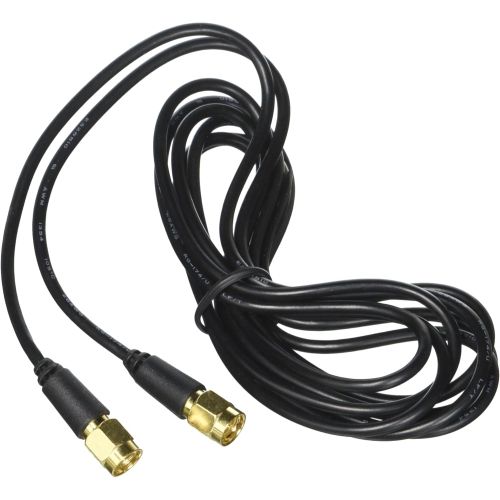
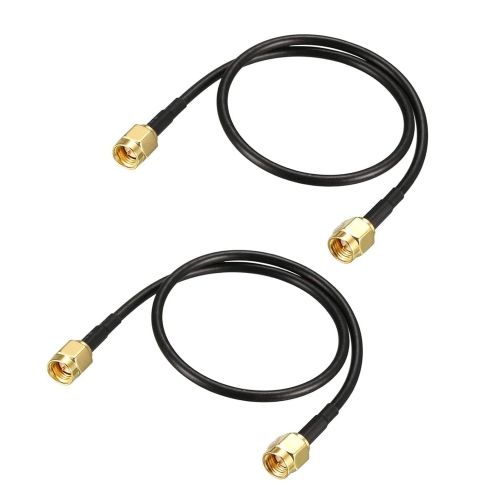
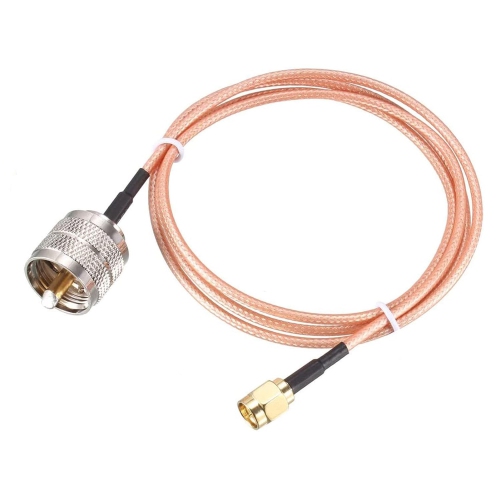
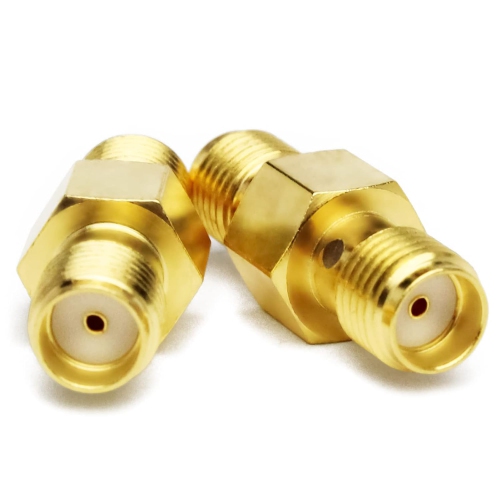
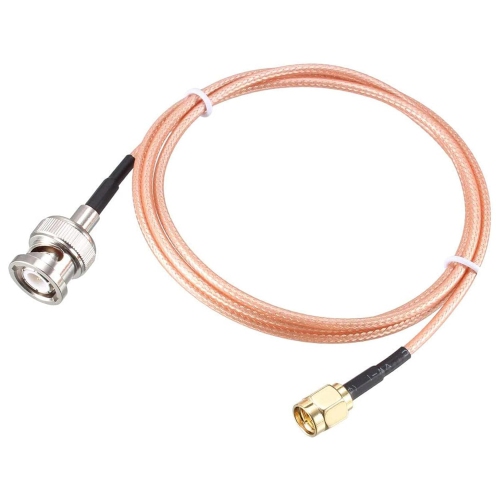
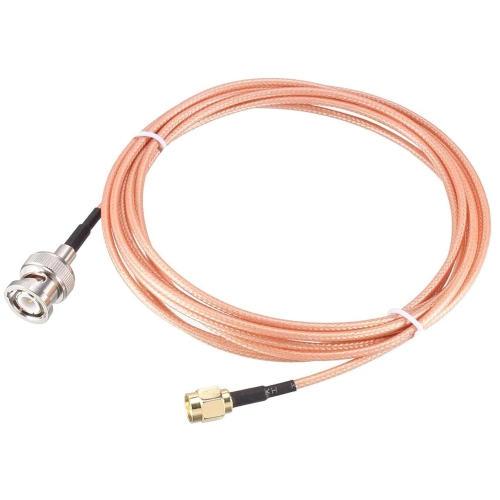
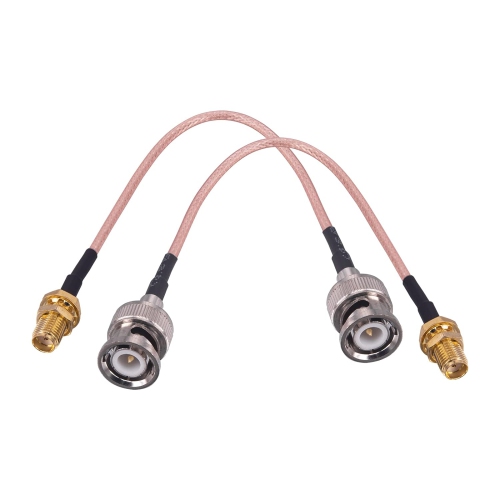
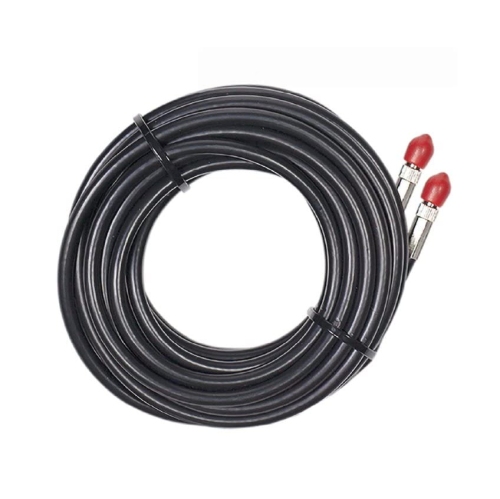
An SMA adapter joins connector interfaces without a cable section, such as SMA to another RF connector type. An SMA cable assembly includes coaxial cable with connectors attached at its ends. Adapters can also change the connection's gender or orientation, depending on their design.
Impedance is an electrical characteristic of an RF connection, expressed in ohms. SMA connectors are commonly designed for 50-ohm systems. The connector, coaxial cable and connected equipment each have impedance specifications that should be matched when assembling an RF connection.
Top selling and popular products
Discover more categories related to SMA Connectors

Some products may be subject to Environmental Handling Fees (EHF) depending on your province. Learn more about EHFs.