SMA Adapters
Looking to connect your devices seamlessly? Look no further than our selection of SMA adapters. These versatile connectors are designed to enhance your connectivity options, allowing you to link various devices together effortlessly. Whether you need to connect your smartphone to your car's stereo system or hook up your laptop to an external monitor, our SMA adapters have got you covered. With their innovative features and reliable performance, these adapters are the perfect solution for all your connectivity needs. Shop from our range of smart adapters today and experience a world of seamless connectivity like never before.
Sort
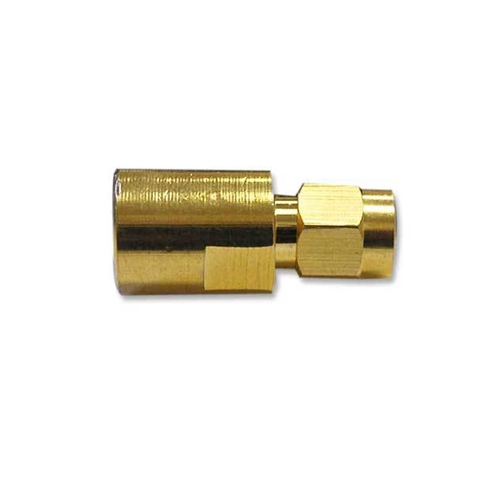
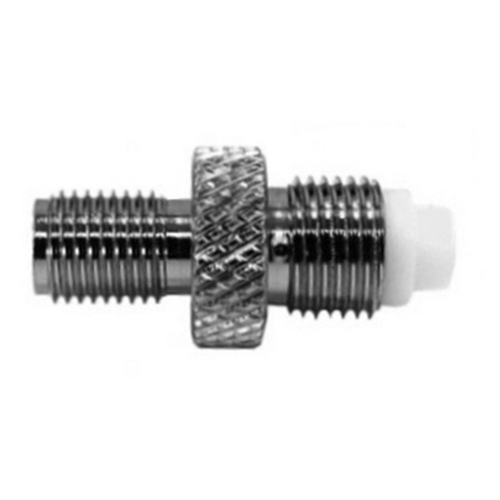
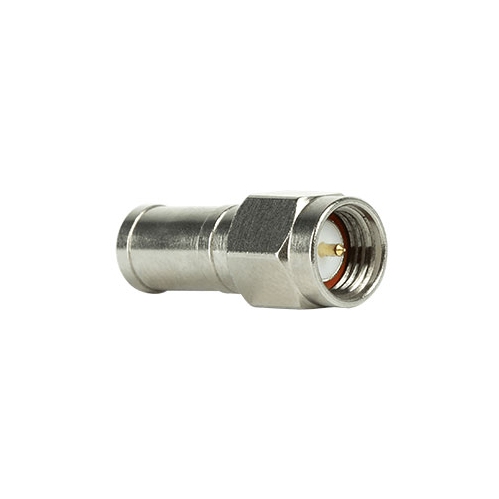
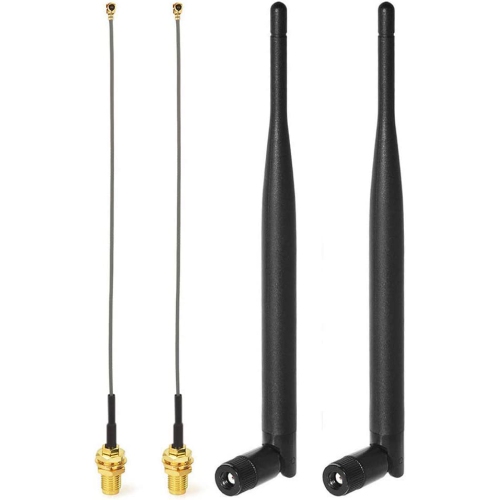

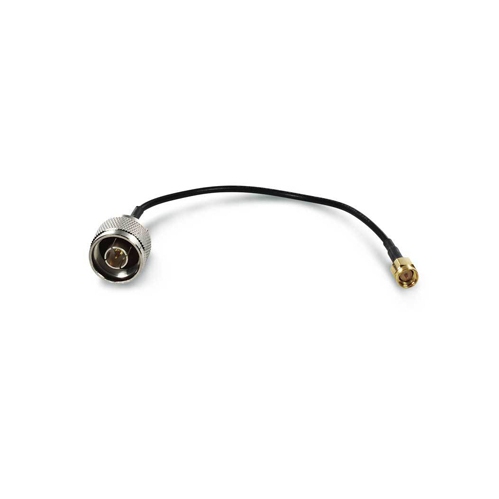
Understanding connector gender, polarity, impedance, and frequency ratings
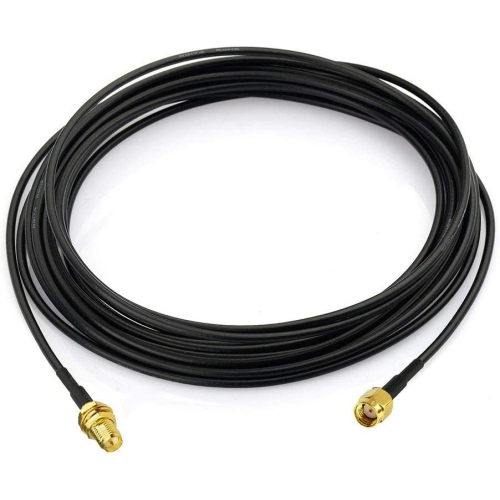
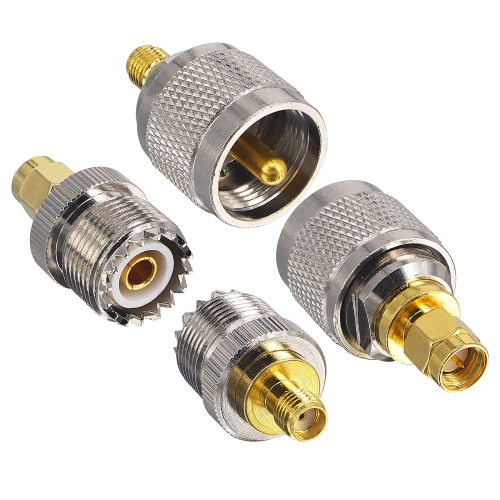
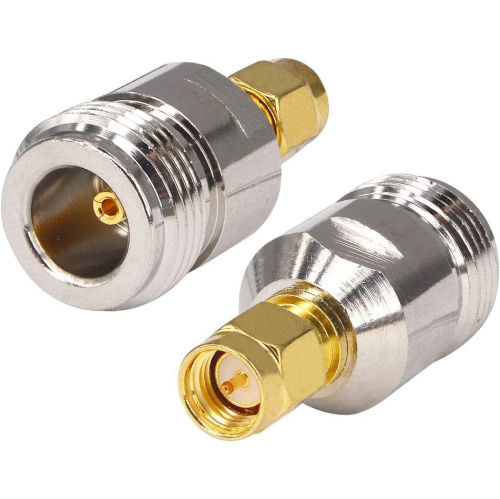
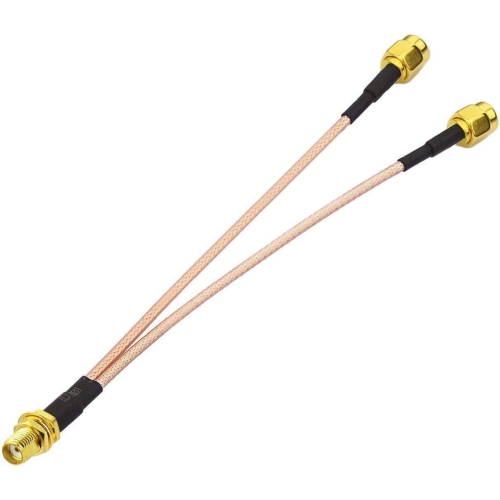
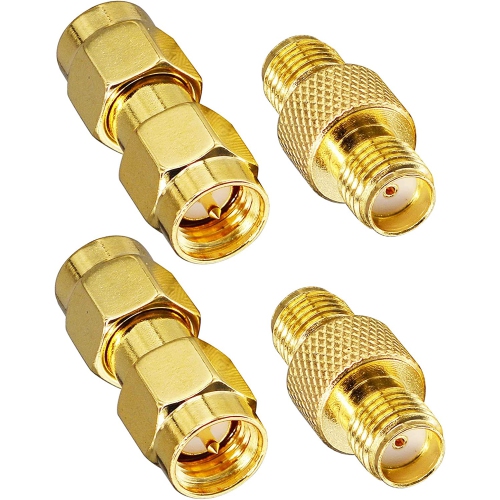
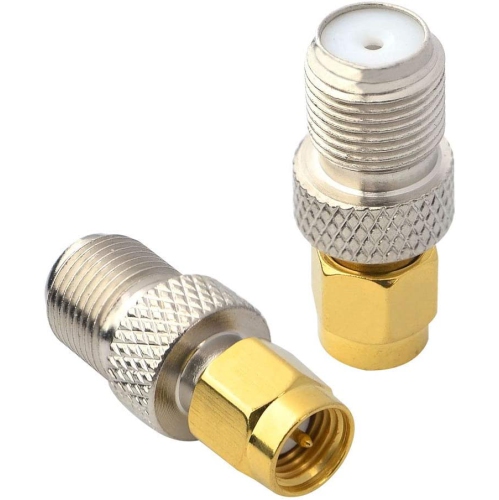
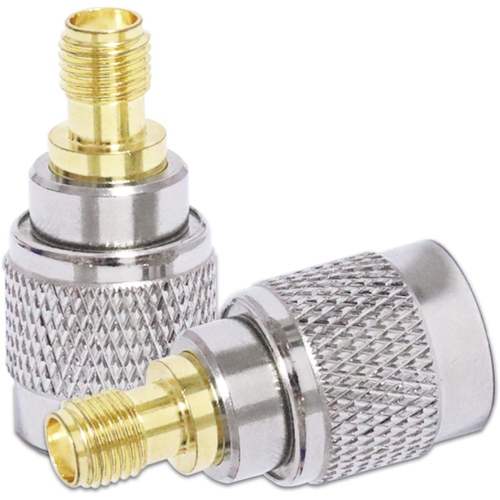
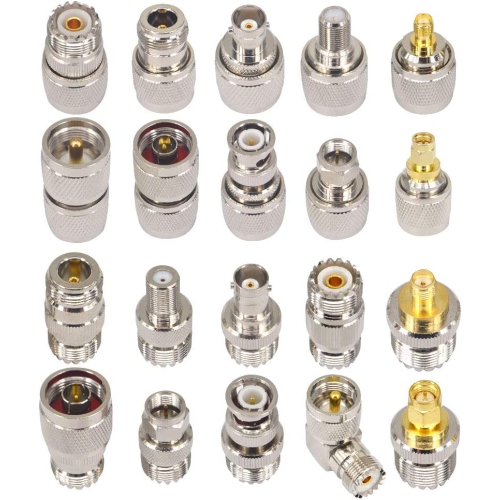
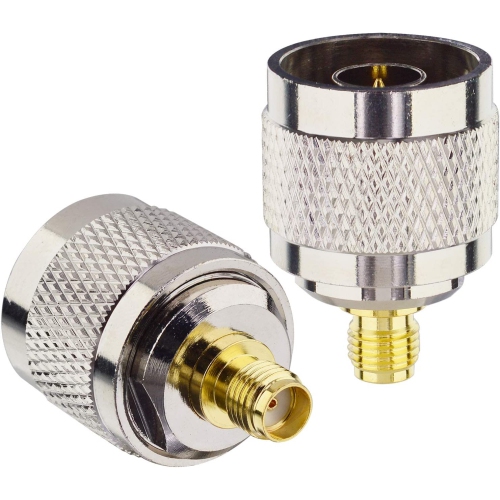
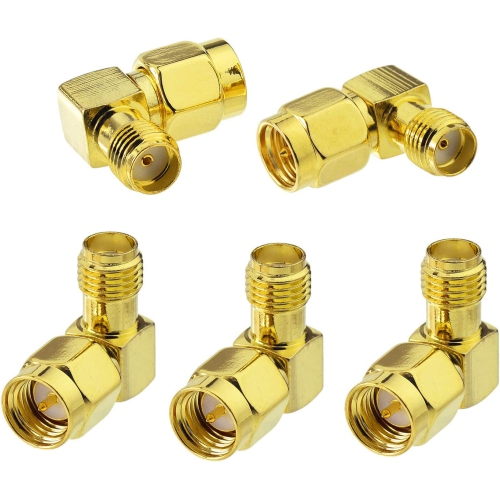
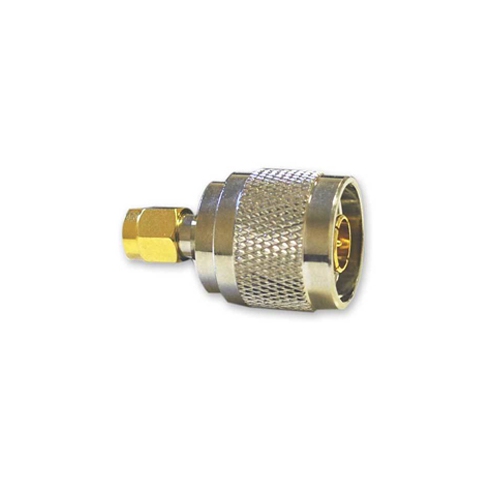
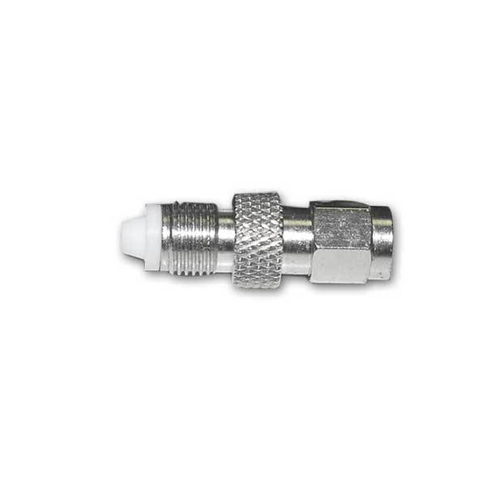
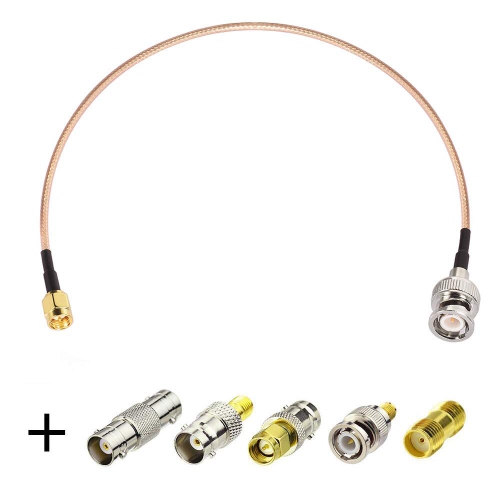
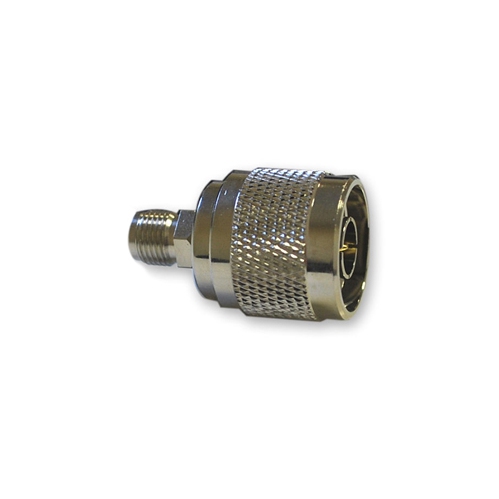
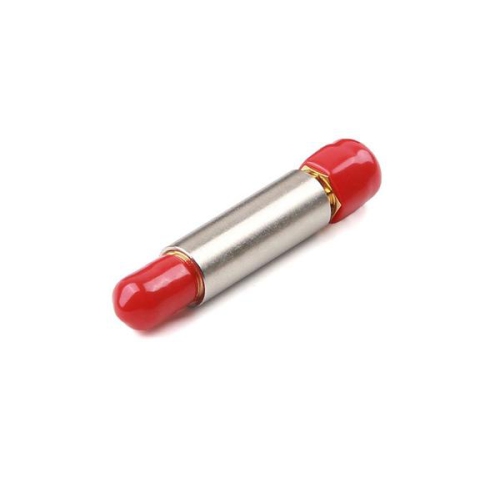
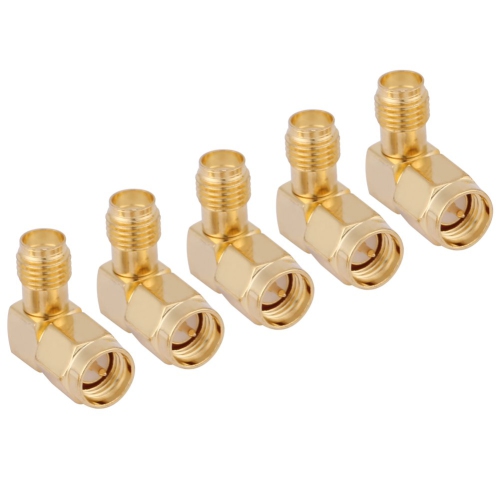
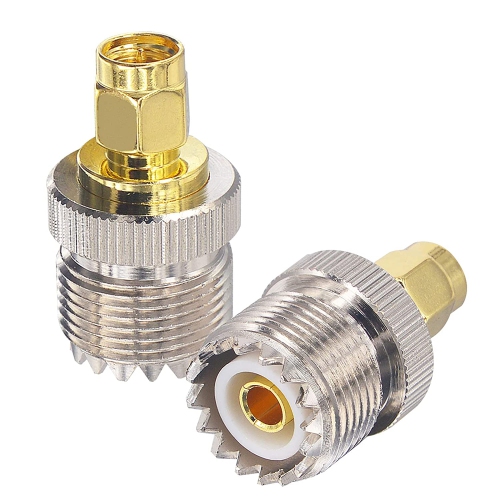
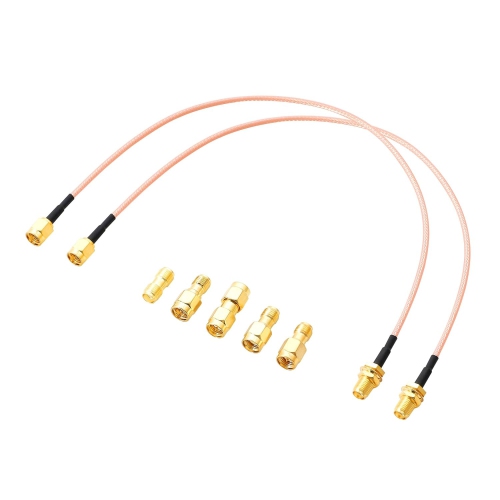
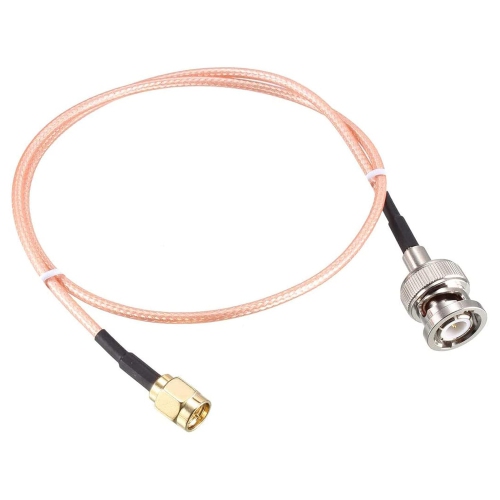
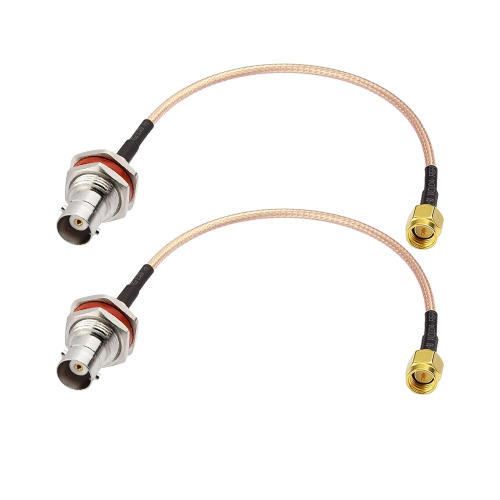
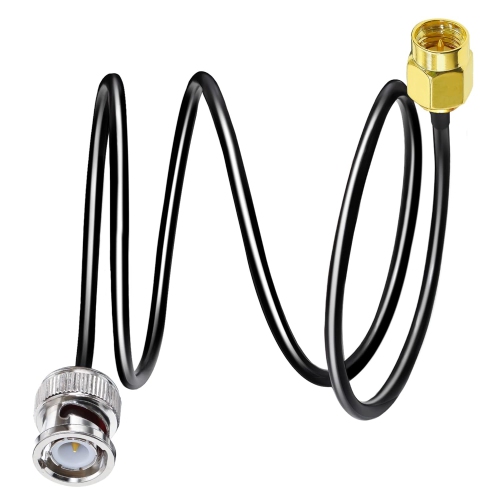
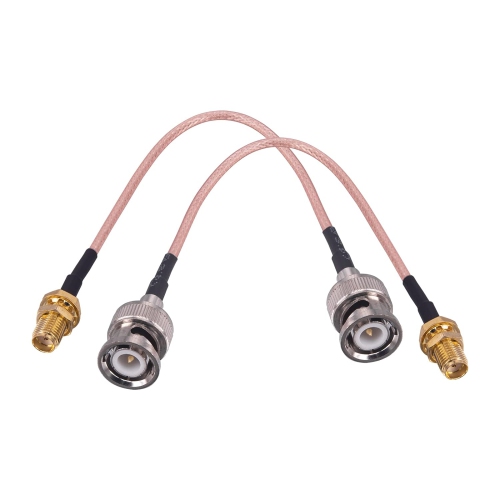
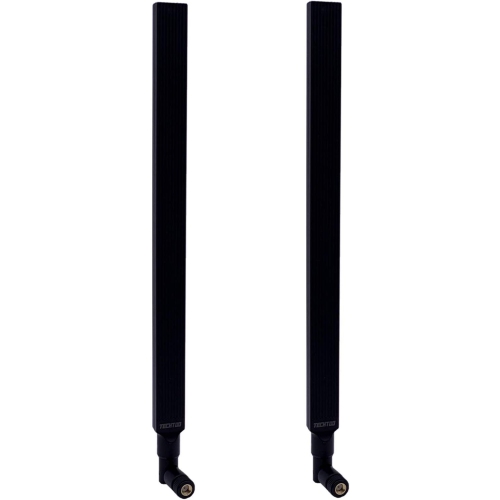
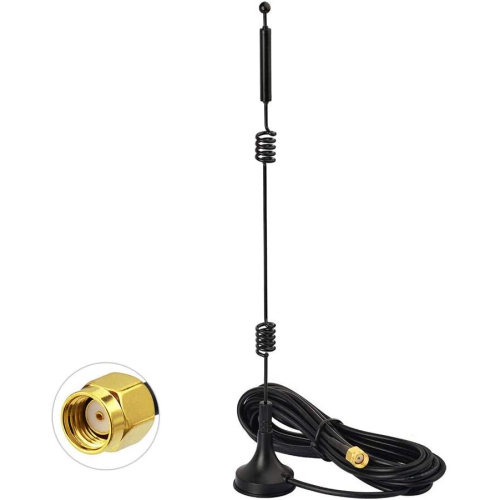
SMA adapters are compact radio frequency (RF) connectors designed to join, extend, redirect, or change the interface of coaxial cables and antennas. SMA stands for SubMiniature version A, and the connector family is widely recognized for its threaded coupling, durable metal construction, and 50-ohm impedance. That 50-ohm standard makes SMA adapters a practical choice for many wireless, radio, navigation, measurement, and communications setups where maintaining a consistent signal path matters. Depending on the design, an adapter may connect two SMA interfaces, change an SMA male connection to an SMA female connection, or bridge SMA with another connector family such as BNC, N-type, TNC, or UHF. Some adapters use a straight body for a direct connection, while right-angle versions can help route a cable neatly when space is tight behind equipment or inside an enclosure. Compact adapters are particularly useful when a cable and device have compatible electrical specifications but mismatched physical interfaces. They can help avoid replacing an otherwise suitable cable, make a temporary test arrangement easier to assemble, or provide a more convenient connection point for equipment installed in a crowded workspace. Pricing can range from about $2 to $25 CAD, depending on the connector combination, construction, frequency rating, and whether the package contains one adapter or a multi-adapter kit.
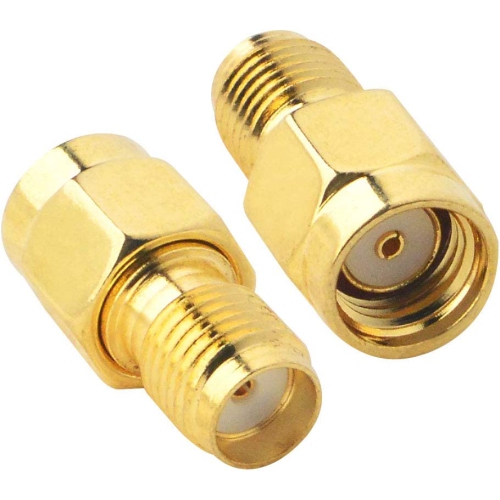
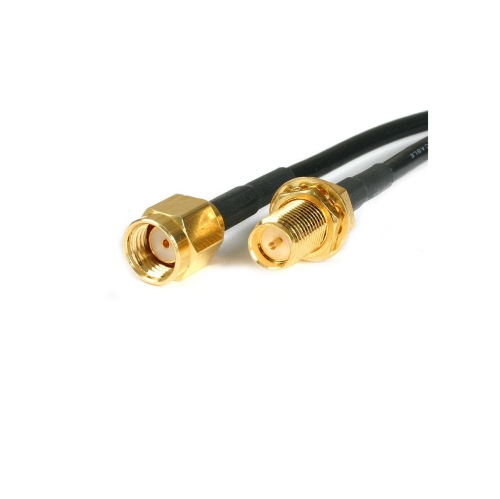
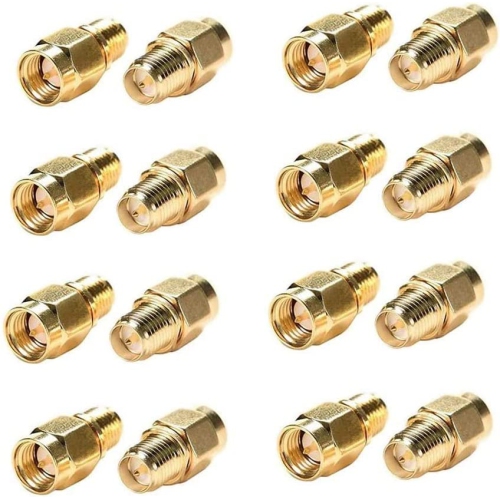
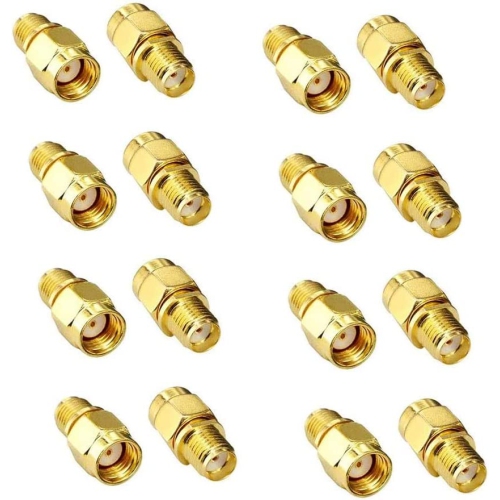
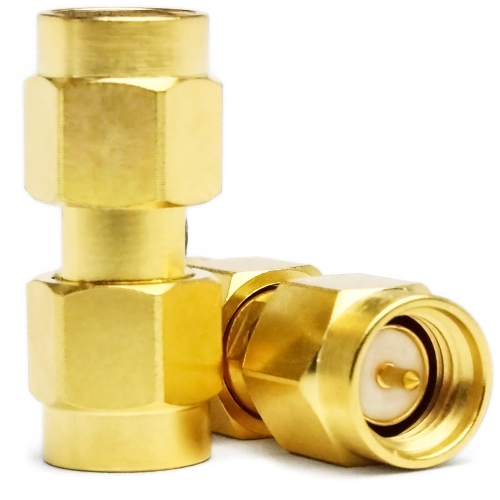
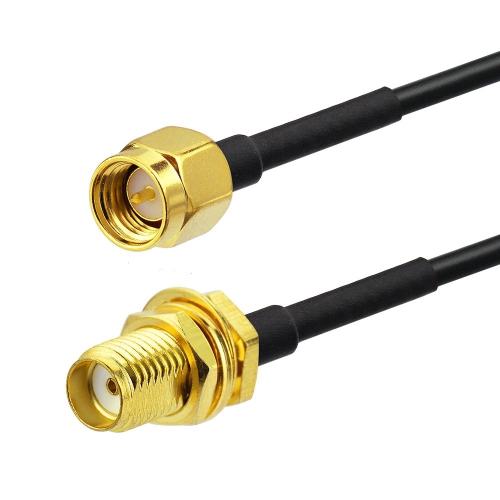
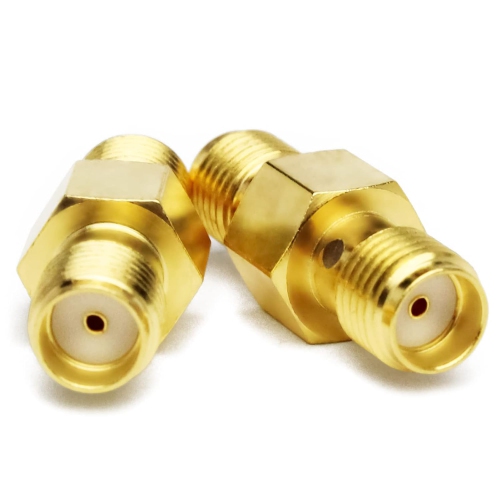
Identifying the correct SMA adapter starts with the two connections that need to meet. Connector gender is determined by the centre contact rather than the threaded outer sleeve: a projecting centre pin is male, while a recessed socket is female. This detail is easy to overlook because both sides can have similar-looking threaded bodies, and it is one of the most common reasons a new adapter does not fit the intended cable or device. It is also important to distinguish standard SMA from RP-SMA, or reverse-polarity SMA. RP-SMA connectors retain the familiar external shape and threading but swap the pin and socket arrangement inside the housing. They are often found in wireless networking equipment, radio accessories, and first-person-view (FPV) flight gear, so a standard SMA part may appear to fit while still being electrically or mechanically incorrect. Before ordering, compare the connector at each end, note whether either side is reverse-polarity, and confirm whether a straight or right-angle profile suits the installation. Frequency performance is another useful consideration. Many general-purpose SMA adapters support signals from direct current (DC) through several gigahertz, while precision versions may be rated for DC up to 18 GHz or higher. For a basic antenna extension or bench connection, a suitable 50-ohm adapter with secure threads may be all that is needed. More demanding RF testing, software-defined radio (SDR), cellular signal work, or high-frequency measurement calls for closer attention to frequency range, impedance, insertion loss, and connector quality. A firm connection should thread smoothly without forcing, and the cable should be supported so its weight does not place repeated strain on the adapter or device socket.
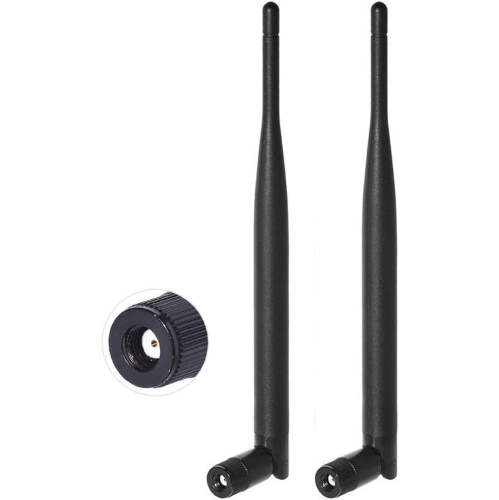
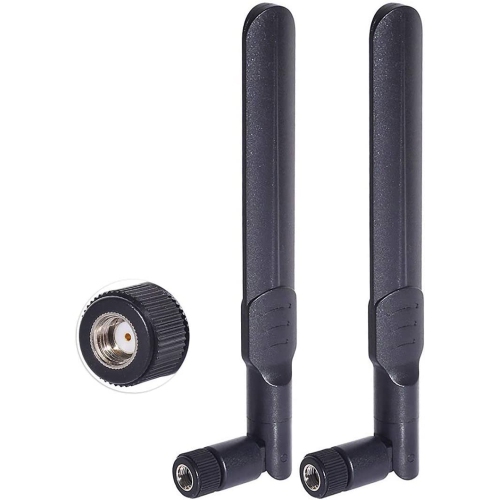
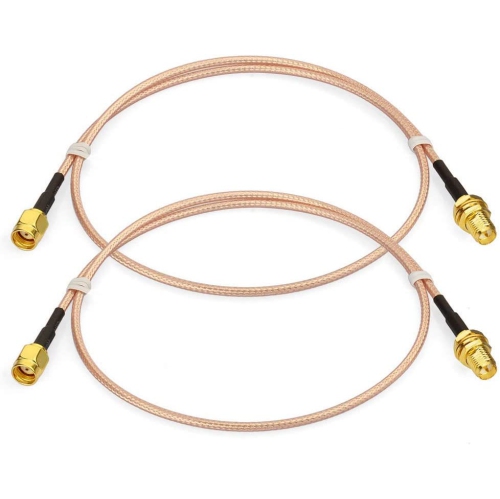
SMA adapters are useful to wireless hobbyists, radio enthusiasts, electronics students, installers, technicians, and anyone who regularly moves equipment between different cable standards. They can be helpful in a home workshop where a small collection of connectors makes it easier to test antennas, compare cable arrangements, or connect a compact radio module to a measurement instrument. They also suit field kits because their small size takes up little room in a tool case, equipment pouch, or travel bag, although the threaded ends should be protected from dust and impact when not in use. An adapter can make a thoughtful practical gift for someone building an RF project, experimenting with SDR, setting up a wireless network, or tuning an FPV system, particularly when paired with a clearly labelled selection of compatible cables. For antenna-related equipment, browse Sma Antennas to compare options that use the same connector family. During the warmer months and into the cooler months, these adapters can be useful for both indoor workbenches and outdoor communications setups, from checking a cable before installation to making a temporary connection at a remote location. Keep in mind that an adapter does not correct an impedance mismatch, improve a poorly made cable, or convert a standard SMA signal into an RP-SMA signal electronically; it simply provides the appropriate mechanical interface and signal path. Matching the connector type, gender, polarity, impedance, frequency rating, and orientation to the intended equipment will help create a secure fit and dependable RF connection.
Identifying the correct SMA adapter starts with the two connections that need to meet. Connector gender is determined by the centre contact rather than the threaded outer sleeve: a projecting centre pin is male, while a recessed socket is female. This detail is easy to overlook because both sides can have similar-looking threaded bodies, and it is one of the most common reasons a new adapter does not fit the intended cable or device. It is also important to distinguish standard SMA from RP-SMA, or reverse-polarity SMA. RP-SMA connectors retain the familiar external shape and threading but swap the pin and socket arrangement inside the housing. They are often found in wireless networking equipment, radio accessories, and first-person-view (FPV) flight gear, so a standard SMA part may appear to fit while still being electrically or mechanically incorrect. Before ordering, compare the connector at each end, note whether either side is reverse-polarity, and confirm whether a straight or right-angle profile suits the installation. Frequency performance is another useful consideration. Many general-purpose SMA adapters support signals from direct current (DC) through several gigahertz, while precision versions may be rated for DC up to 18 GHz or higher. For a basic antenna extension or bench connection, a suitable 50-ohm adapter with secure threads may be all that is needed. More demanding RF testing, software-defined radio (SDR), cellular signal work, or high-frequency measurement calls for closer attention to frequency range, impedance, insertion loss, and connector quality. A firm connection should thread smoothly without forcing, and the cable should be supported so its weight does not place repeated strain on the adapter or device socket.
SMA adapters are useful to wireless hobbyists, radio enthusiasts, electronics students, installers, technicians, and anyone who regularly moves equipment between different cable standards. They can be helpful in a home workshop where a small collection of connectors makes it easier to test antennas, compare cable arrangements, or connect a compact radio module to a measurement instrument. They also suit field kits because their small size takes up little room in a tool case, equipment pouch, or travel bag, although the threaded ends should be protected from dust and impact when not in use. An adapter can make a thoughtful practical gift for someone building an RF project, experimenting with SDR, setting up a wireless network, or tuning an FPV system, particularly when paired with a clearly labelled selection of compatible cables. For antenna-related equipment, browse Sma Antennas to compare options that use the same connector family. During the warmer months and into the cooler months, these adapters can be useful for both indoor workbenches and outdoor communications setups, from checking a cable before installation to making a temporary connection at a remote location. Keep in mind that an adapter does not correct an impedance mismatch, improve a poorly made cable, or convert a standard SMA signal into an RP-SMA signal electronically; it simply provides the appropriate mechanical interface and signal path. Matching the connector type, gender, polarity, impedance, frequency rating, and orientation to the intended equipment will help create a secure fit and dependable RF connection.
Top selling and popular products
-
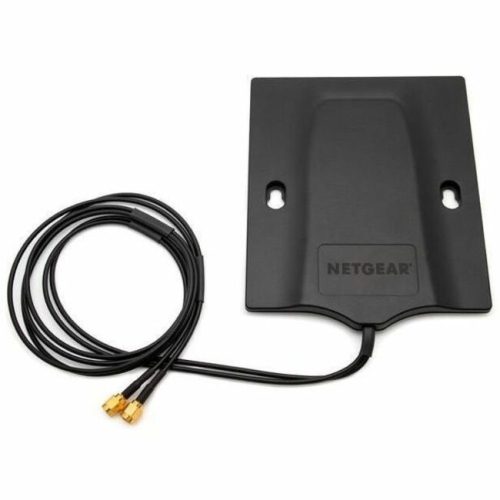 Your price for this item is $100.34
 -
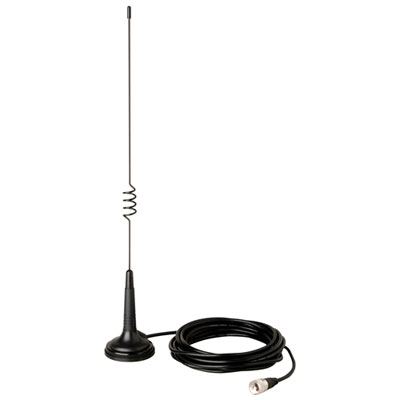 Your price for this item is $59.99
 -
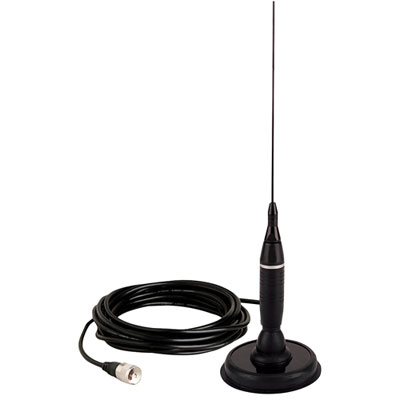 Your price for this item is $69.99
 -
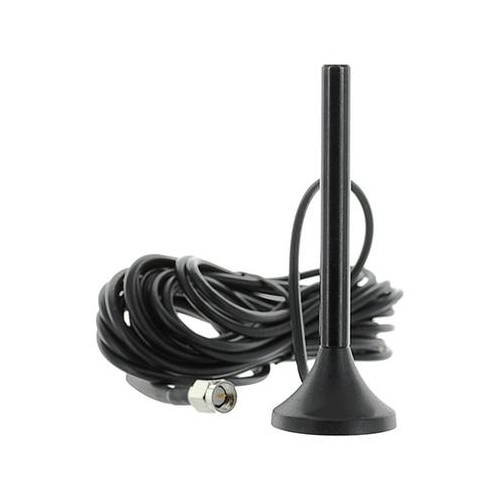 Your price for this item is $39.99
 -
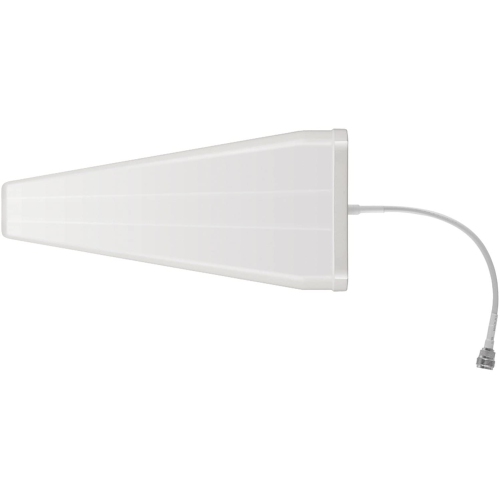 Your price for this item is $144.99
 -
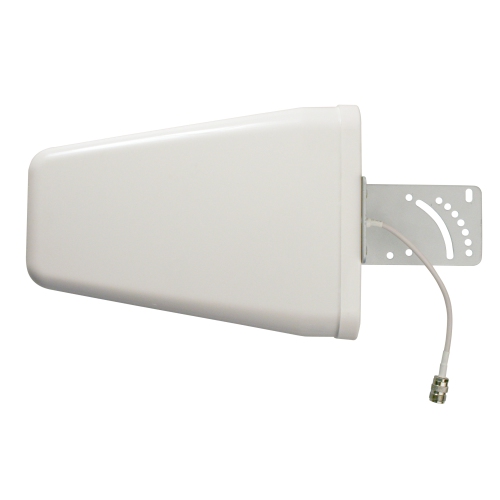 Your price for this item is $129.99
 -
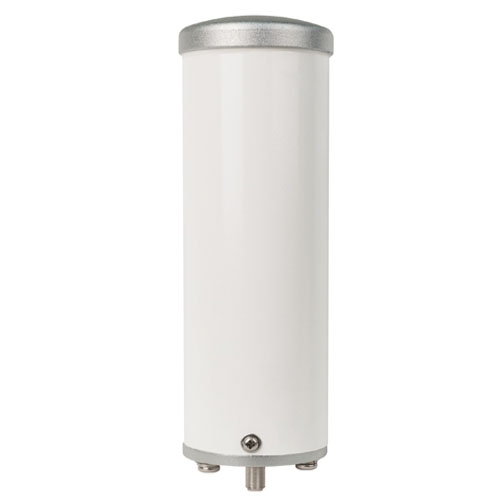 Your price for this item is $139.99
 -
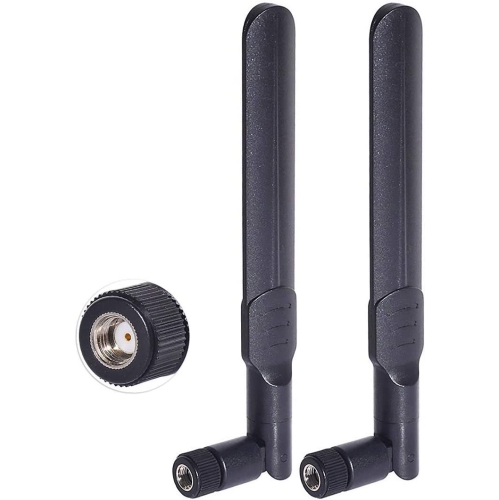 Your price for this item is $14.49
Discover more categories related to SMA Adapters
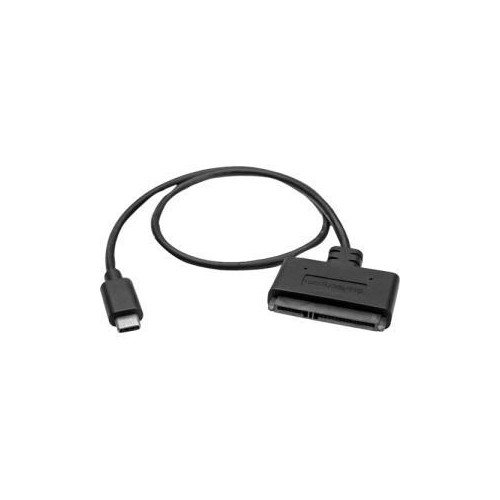
Top Collections:
Pokemon Centers, Kindle Devices, Best Budget Office Chairs, Apple iPhones 16, Best Laptops for Writers, iPhone 15 Apple, Canon G7X Cameras, Refurbished Apple Laptops, Alarm Clock, Motorola Razr Phones
Some products may be subject to Environmental Handling Fees
(EHF) depending on your province.
Learn more about EHFs.