Small Decorative Flower Pots

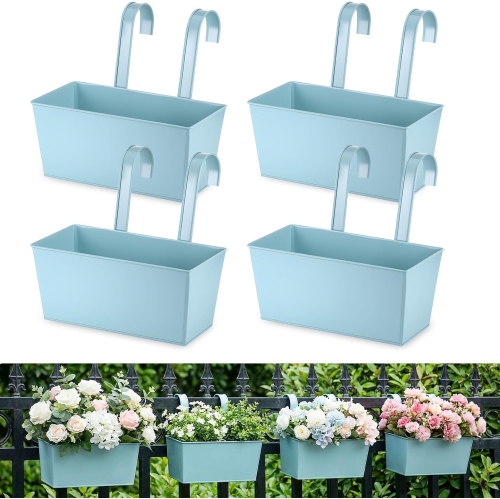
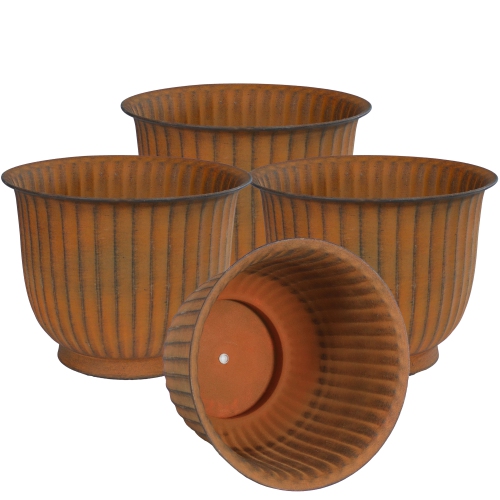
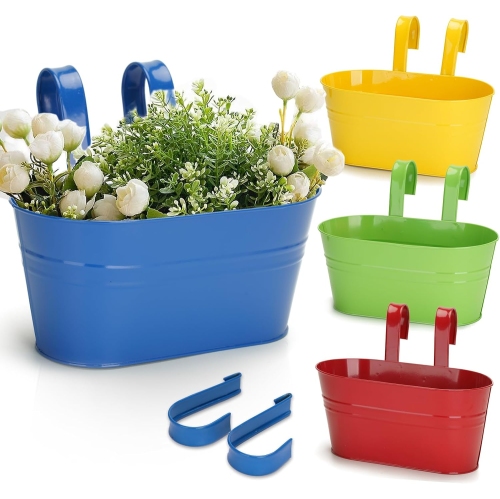
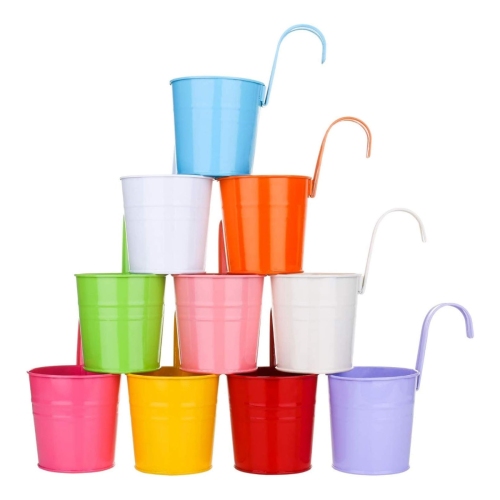
Small decorative flower pots bring a finishing touch to compact plant displays on windowsills, shelves, and desks. Explore designs that suit your décor, and compare dimensions to find the right fit for your plant and space. Check drainage details to decide whether you can plant directly in the pot or use it with a nursery pot inside.
Sort

Compact pots add character without crowding your space

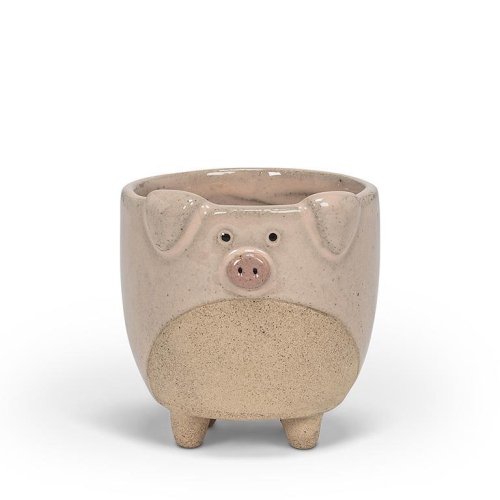
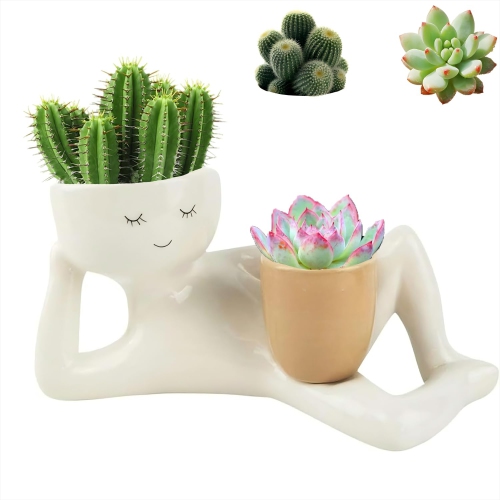
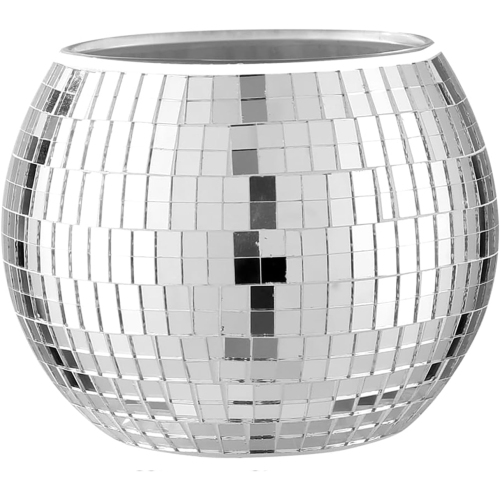
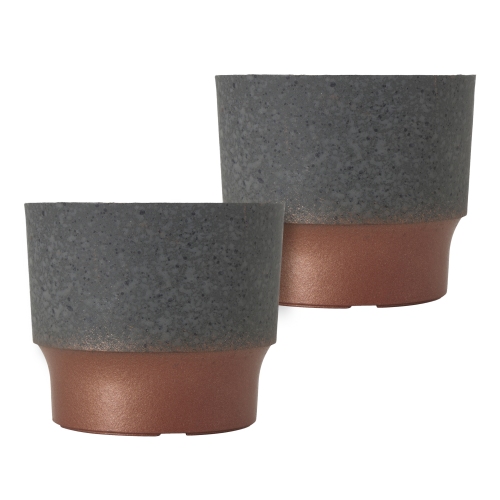
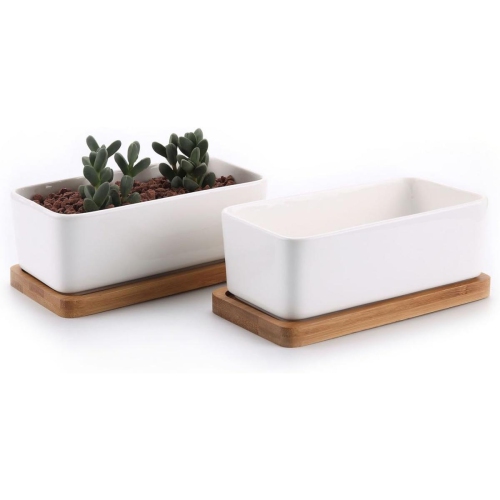
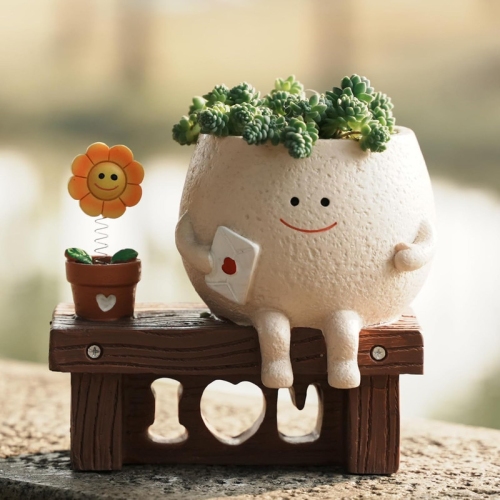
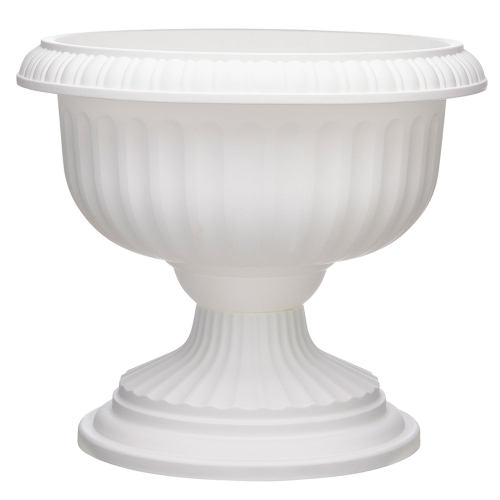
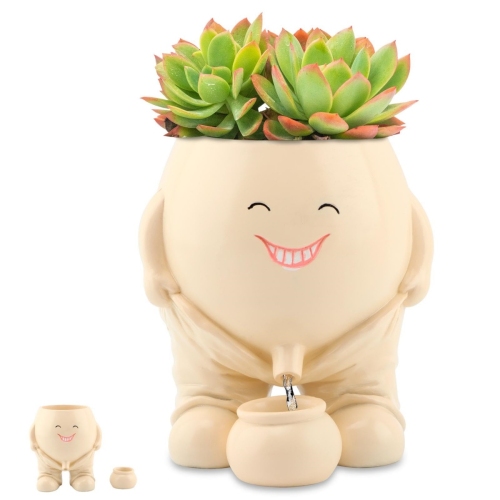
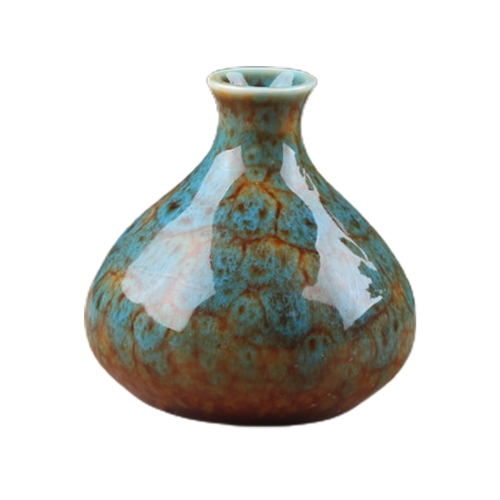
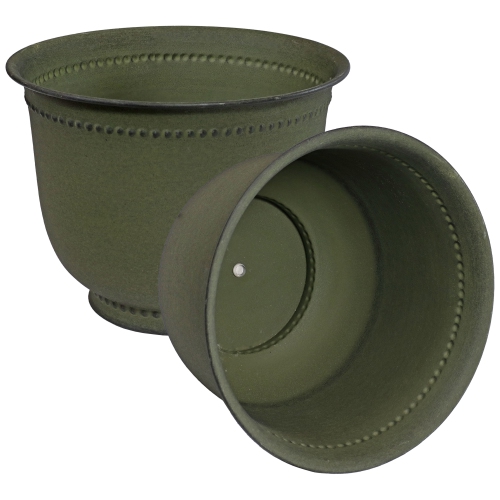
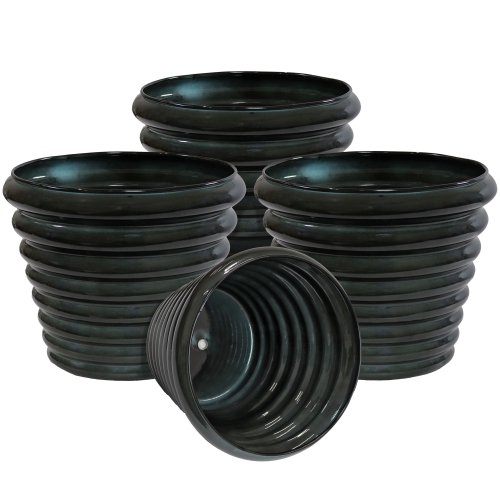
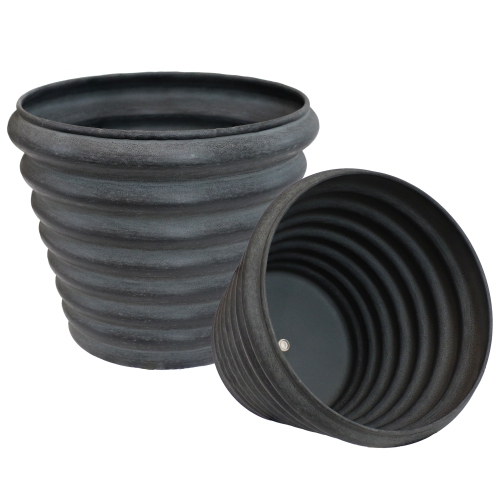
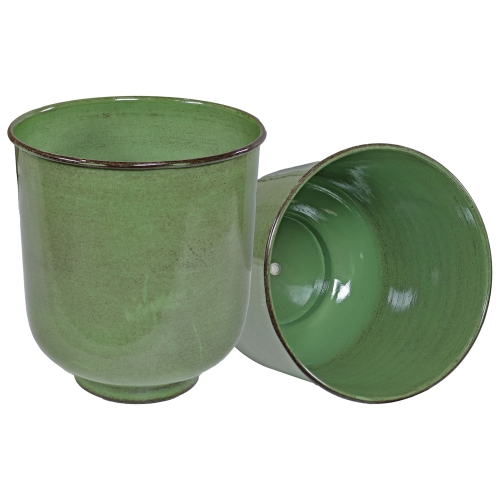
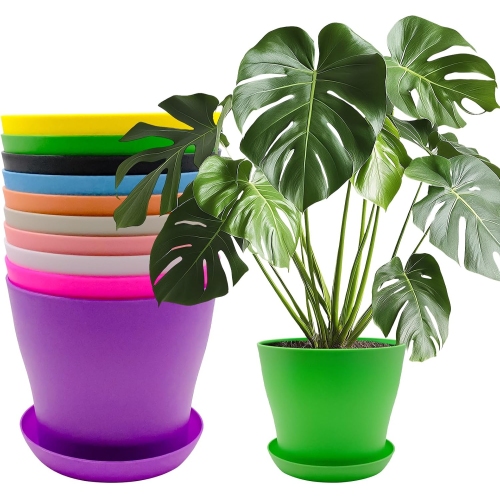
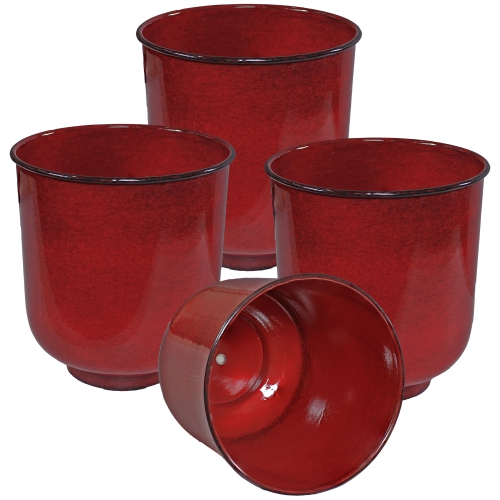
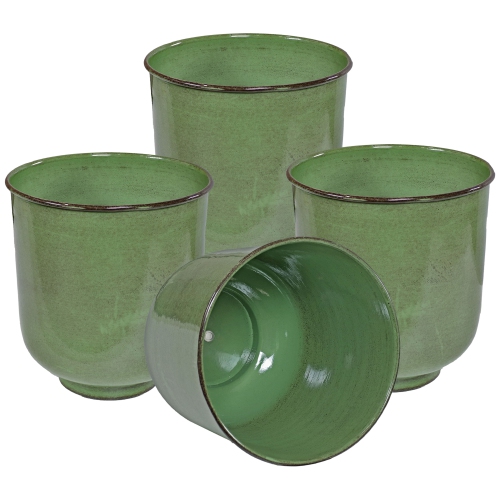
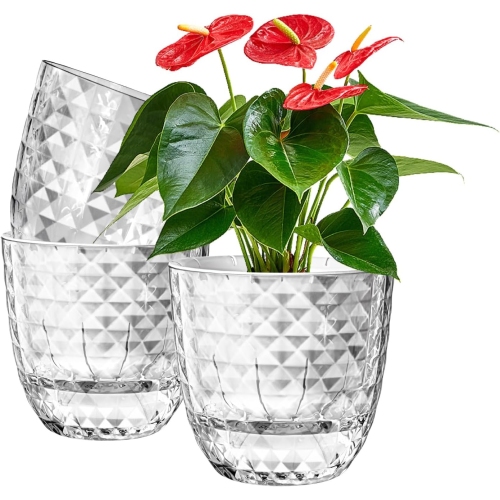
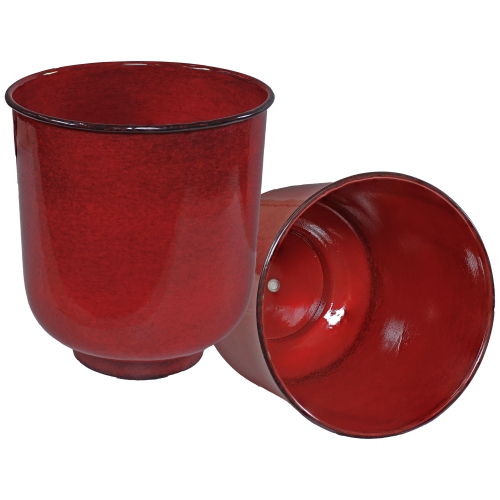
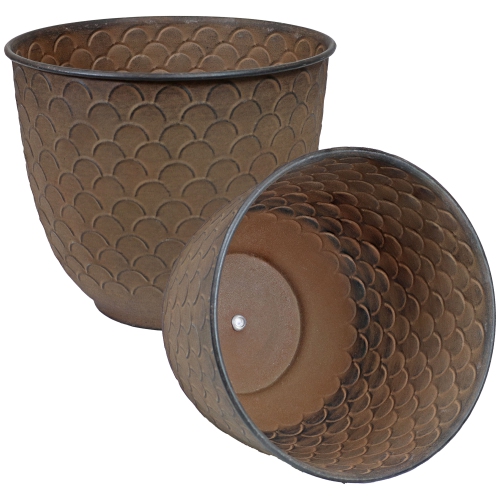
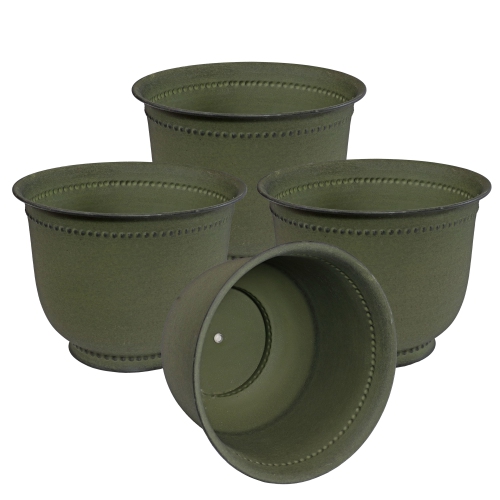
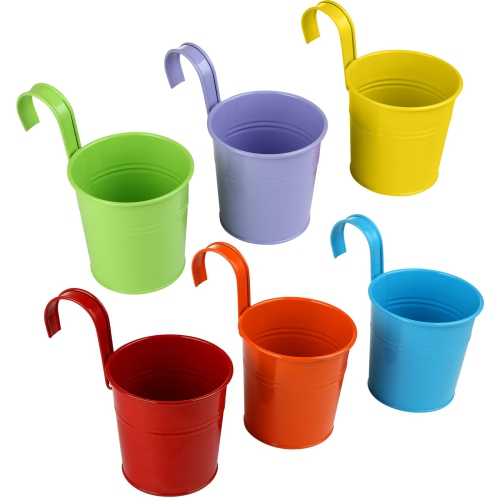
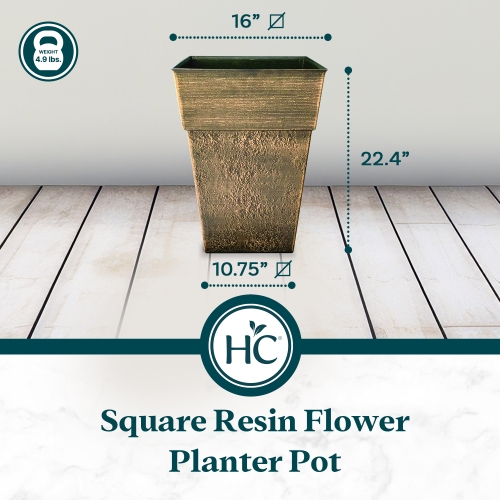
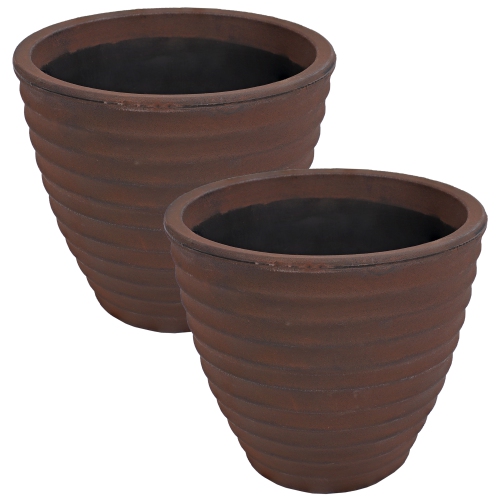
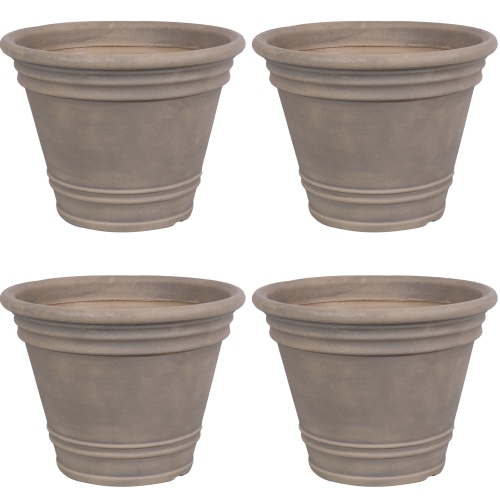
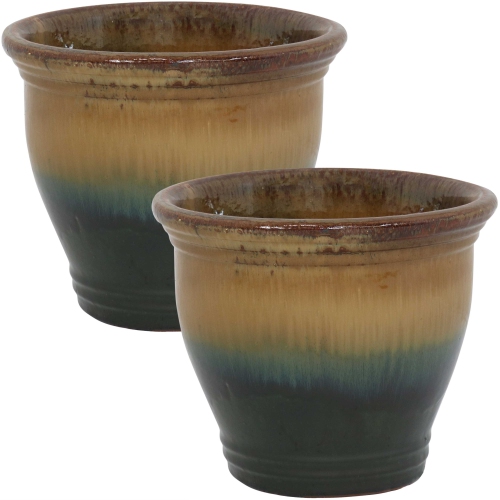
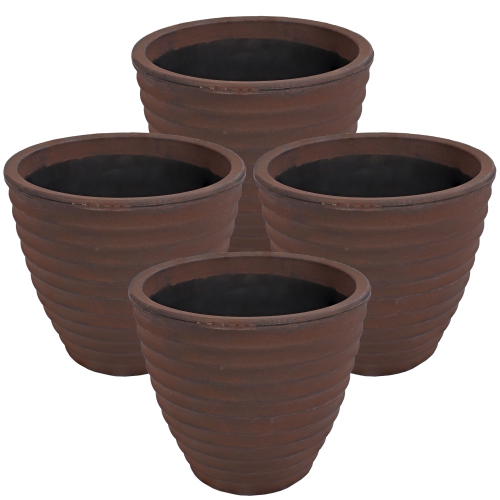
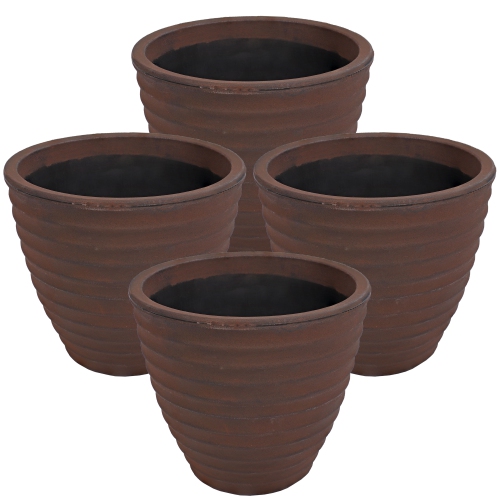
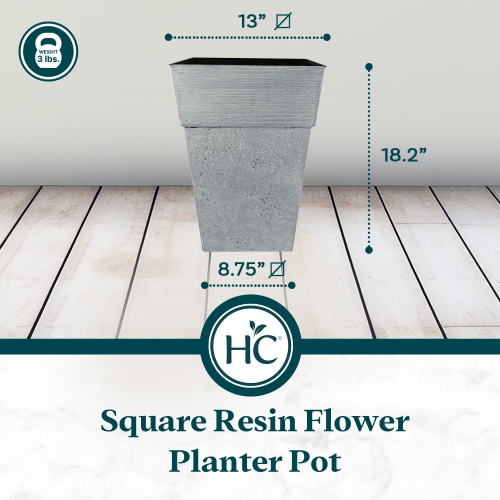
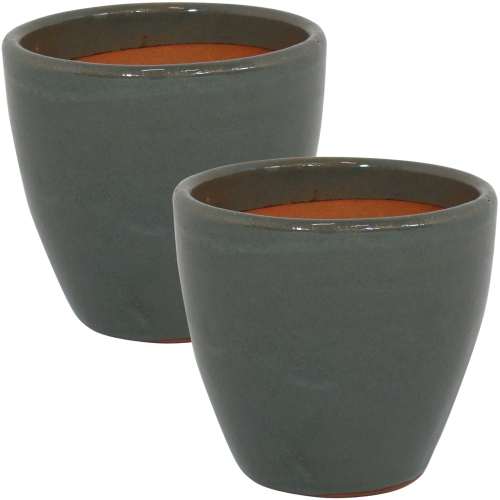
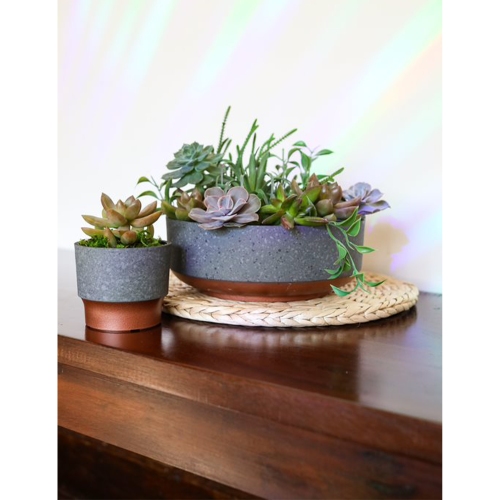
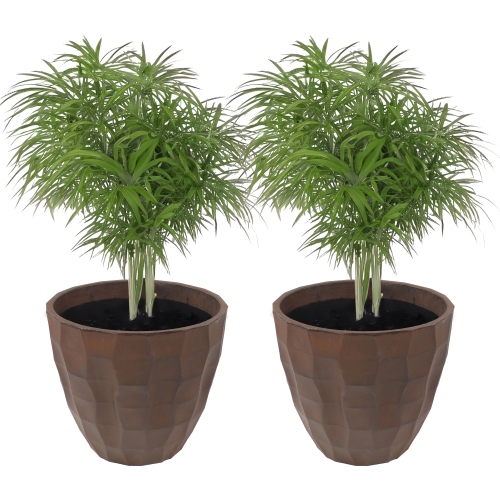
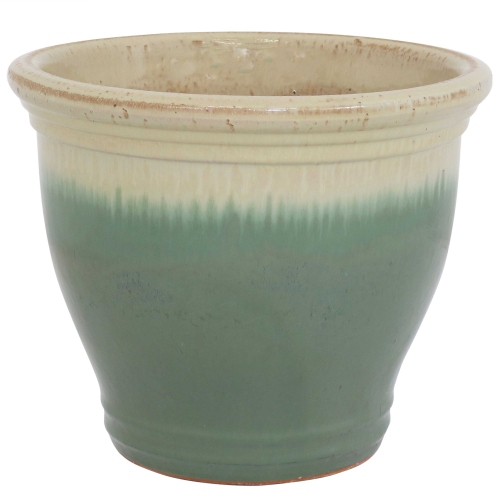
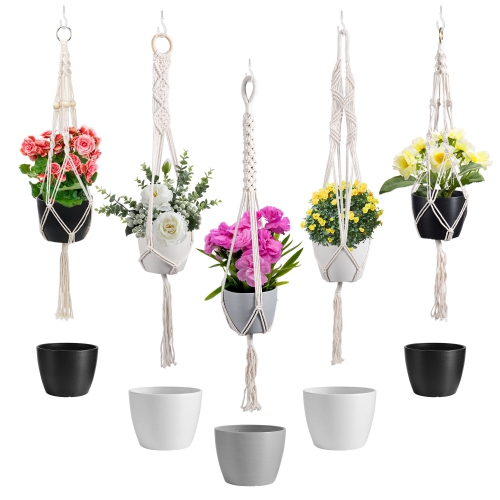
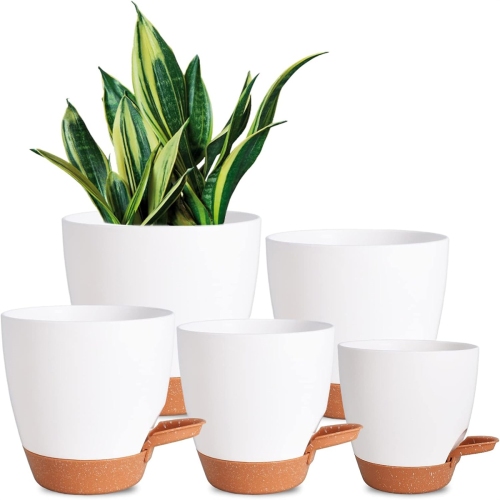
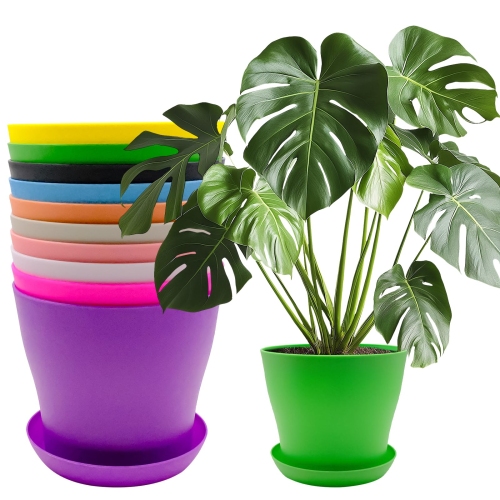
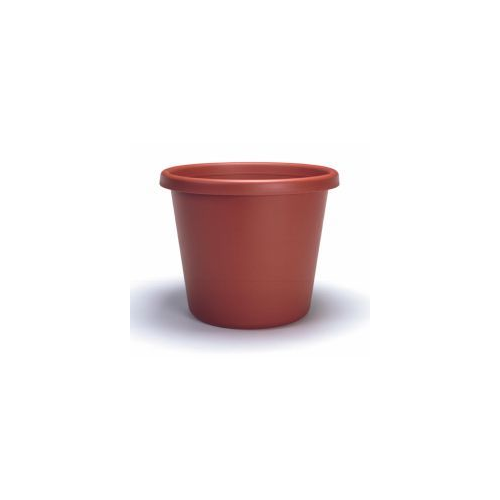
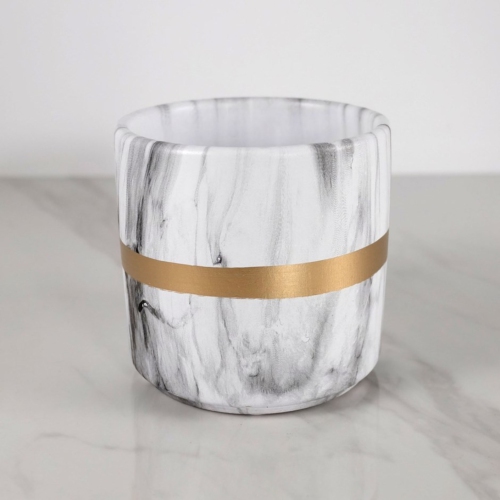
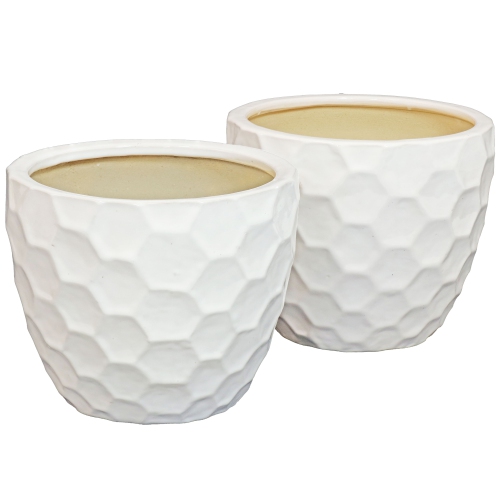
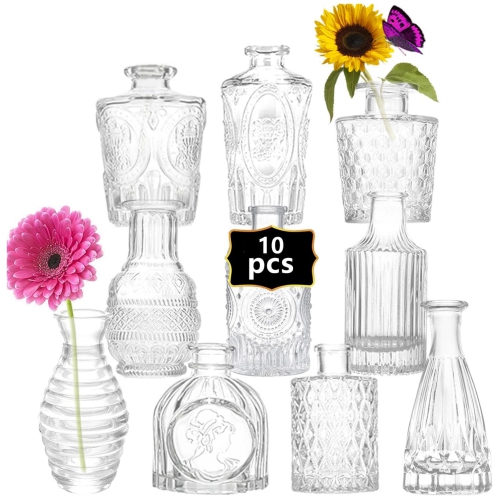
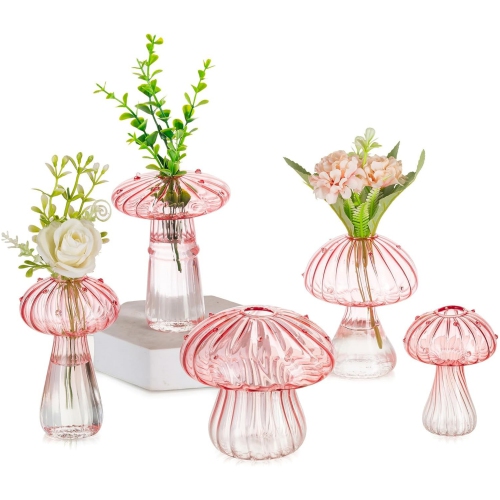
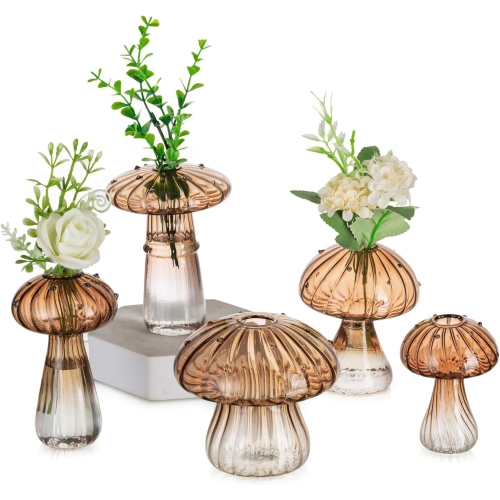
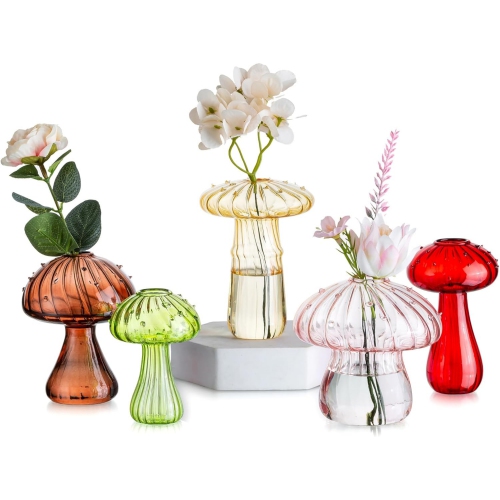
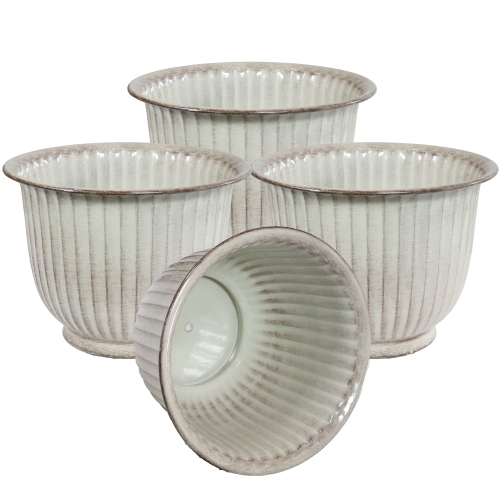
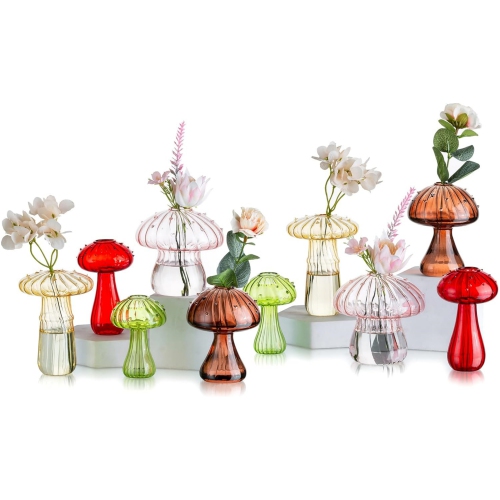
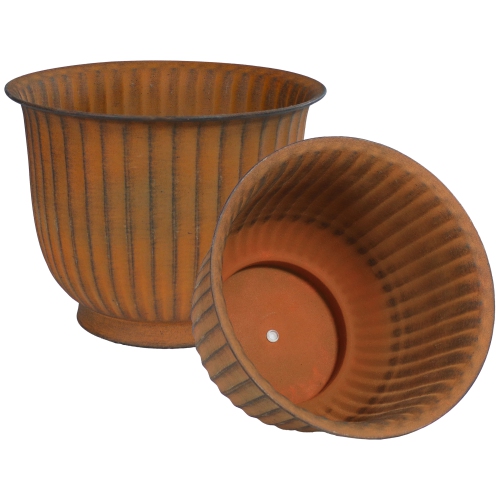
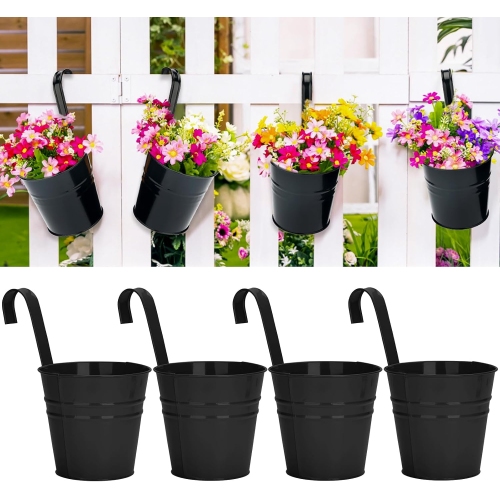
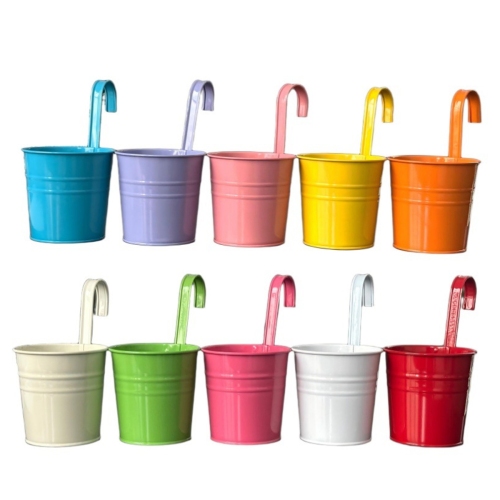
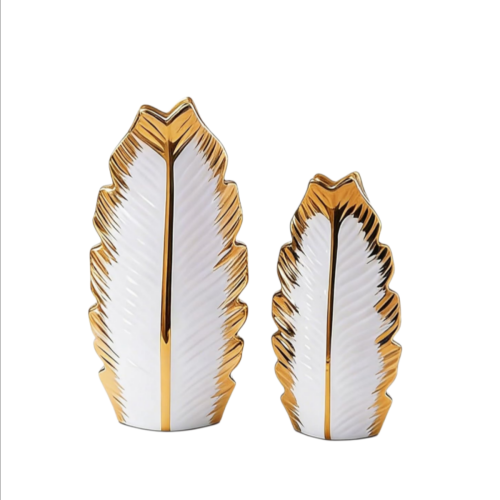
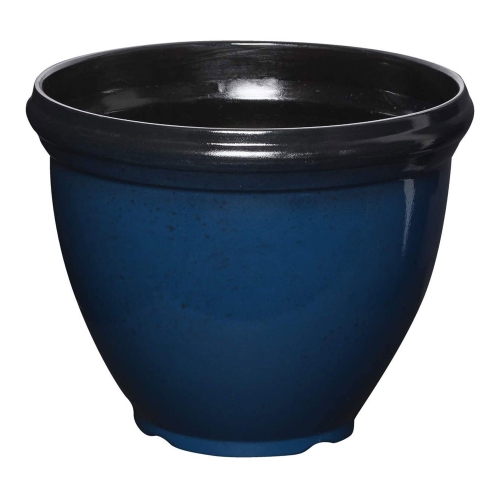
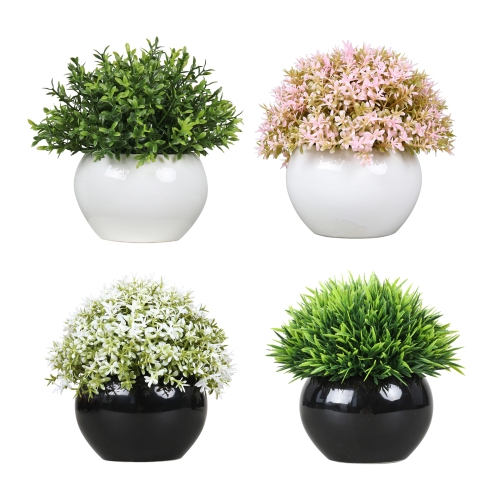
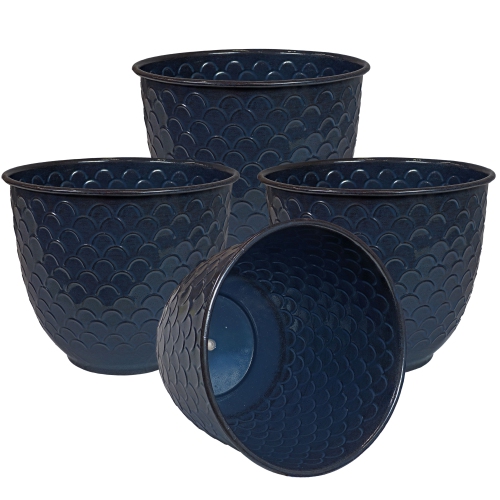
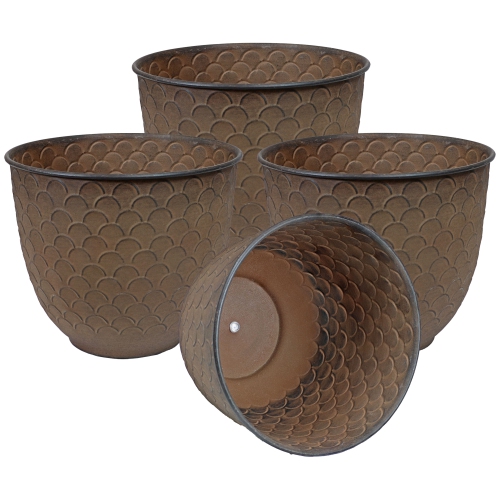
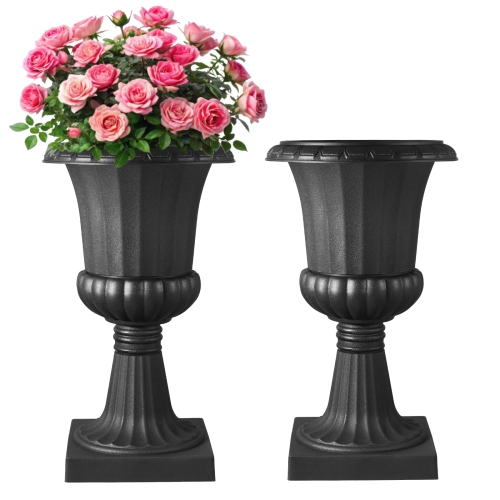
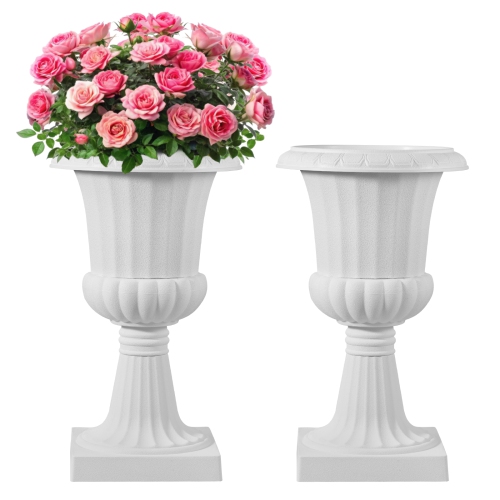
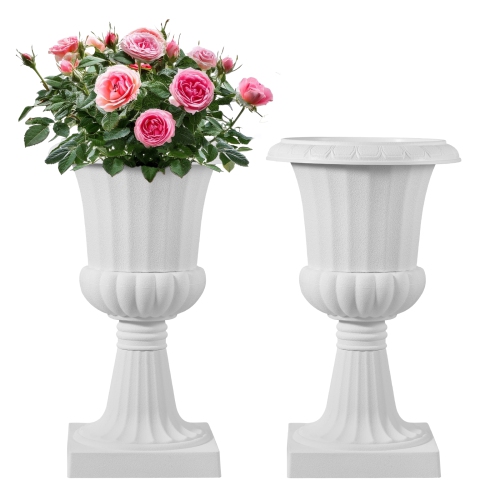
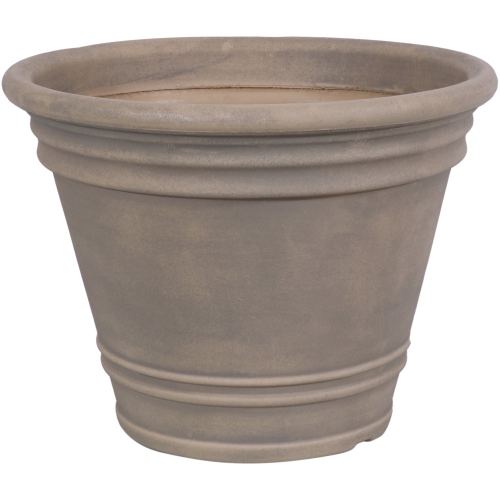
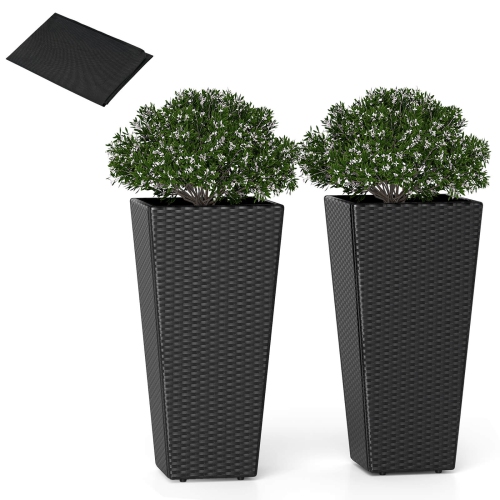
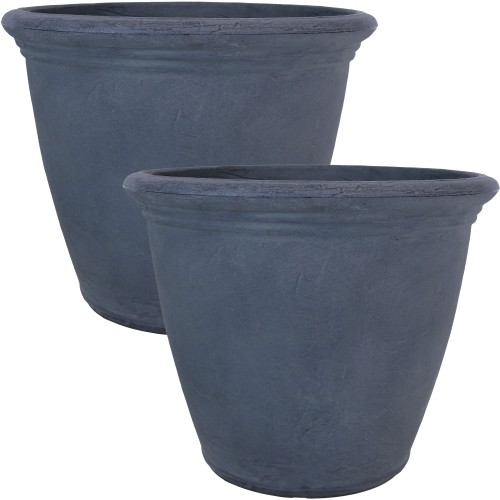
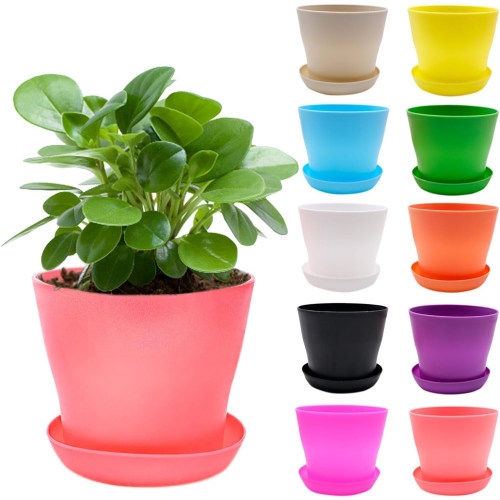
Small decorative flower pots bring colour, texture, and a sense of proportion to spaces where a larger planter would feel overwhelming. A compact pot can give a flowering plant a place on a side table, soften the edge of a bookcase, or add a finishing touch beside a kitchen sink. Their appeal comes from the relationship between the container and its surroundings: a rounded shape can balance straight furniture lines, while a narrow cylindrical pot can sit neatly on a shallow shelf. Soft neutrals let foliage and blossoms stand out, while richer colours can echo artwork, cushions, or other accents in the room. Patterned surfaces, subtle ridges, and hand-finished details create different effects without requiring much space. A smooth pot suits a streamlined room; a textured finish adds depth beside glass, metal, or polished wood. Scale matters as much as style. The outside dimensions determine whether a pot fits its intended spot, but the inside opening and usable depth determine whether it can accommodate the plant and its existing container. A thick rim, tapered base, or raised interior can leave less planting room than the exterior measurements suggest. For a nursery pot placed inside a decorative outer pot, enough clearance makes removal easier when watering or checking the roots. The overall height of the plant also affects the finished look. Upright leaves can make a small container feel taller, while trailing stems need room to fall without catching on nearby objects. On a desk, a low, compact arrangement keeps sightlines clear and leaves space for everyday work. On a console or open shelf, a slightly taller silhouette can help connect objects of different heights. These details make small decorative flower pots useful for apartments, home offices, bedrooms, and shared living areas, where a modest accent often has more impact than a crowded display. Their manageable proportions also make it easy to move an arrangement when furniture or room layouts change.
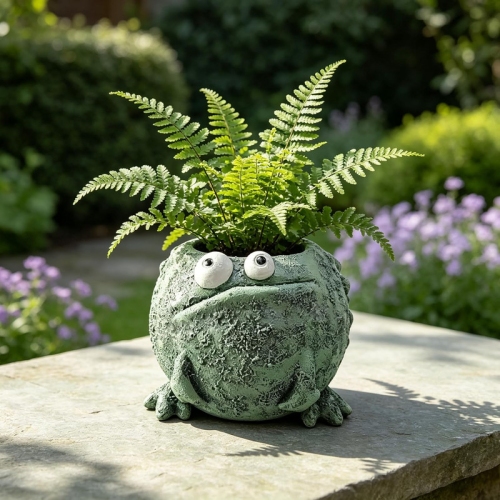
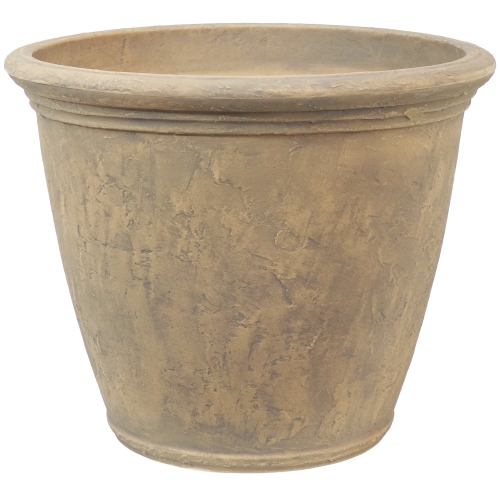
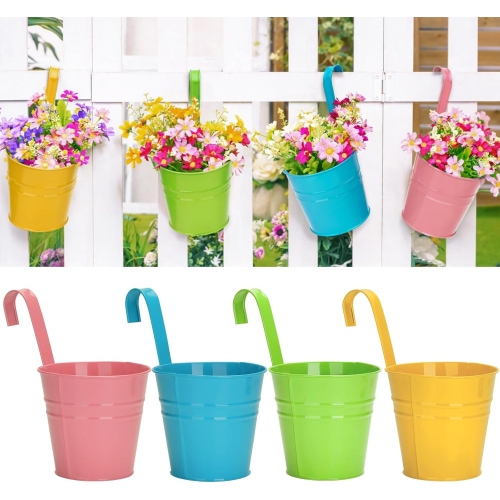
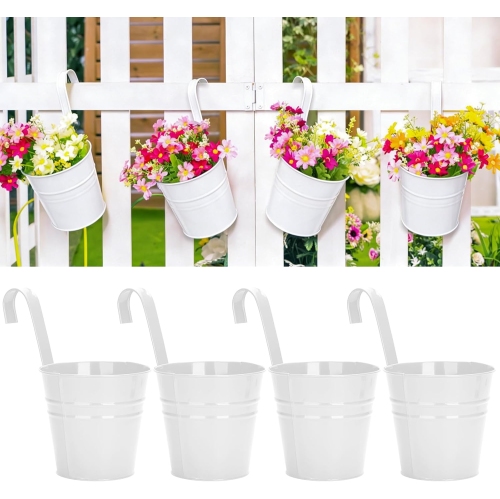
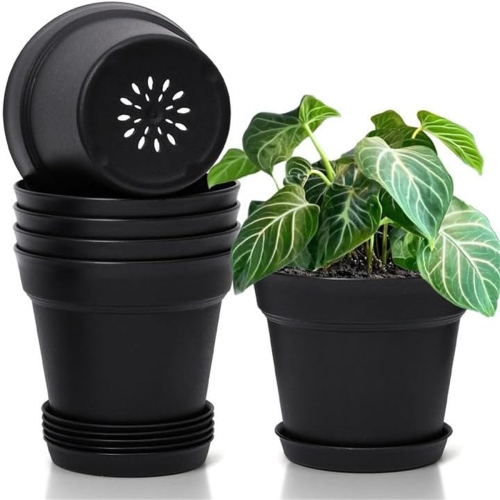
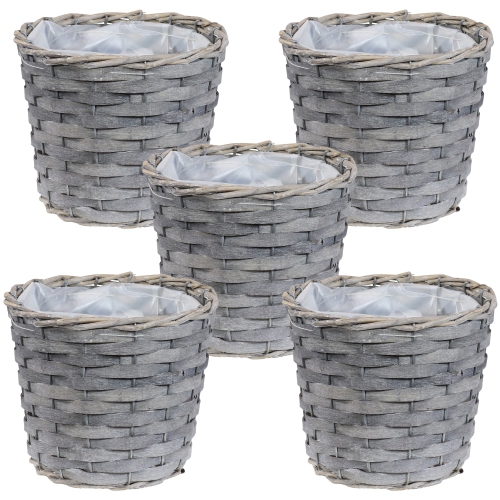
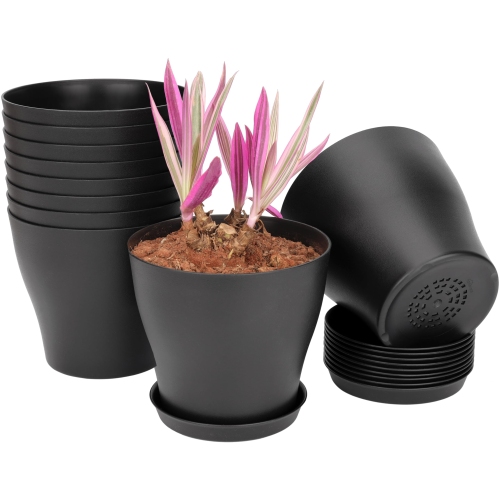
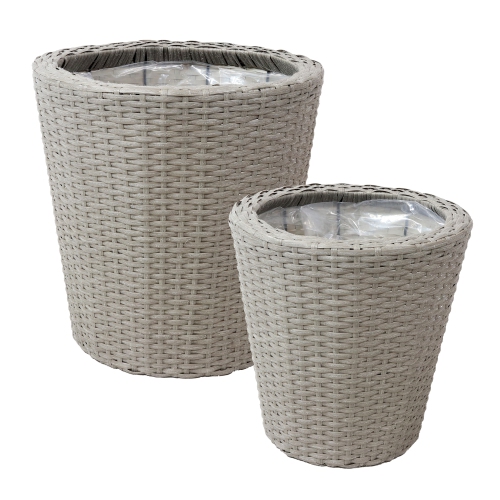
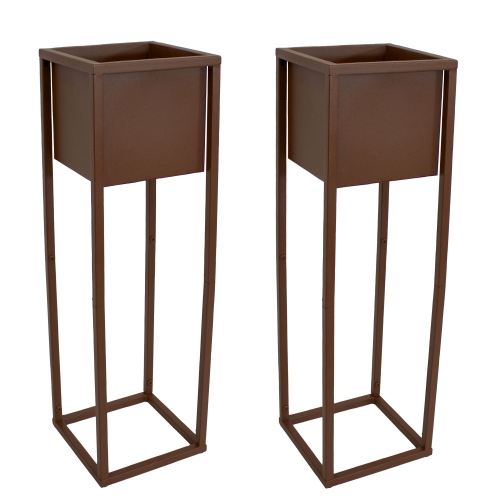
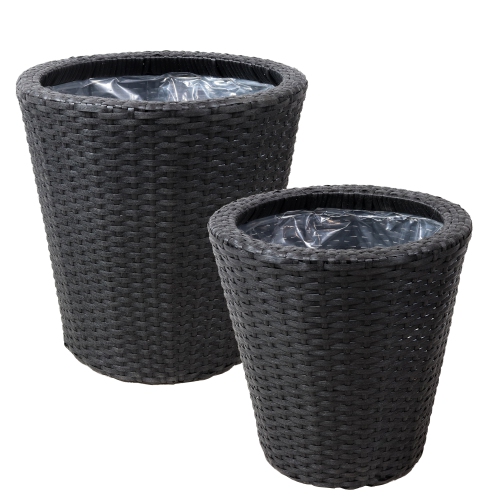
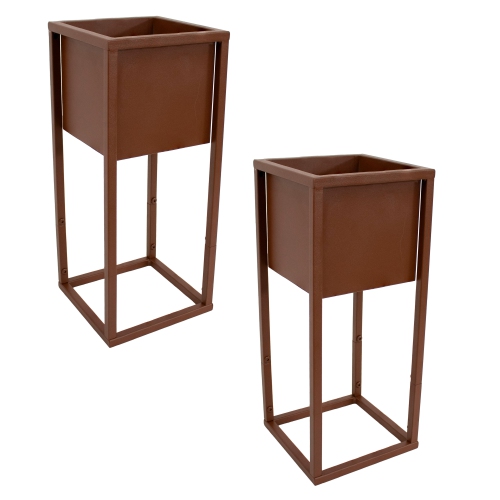
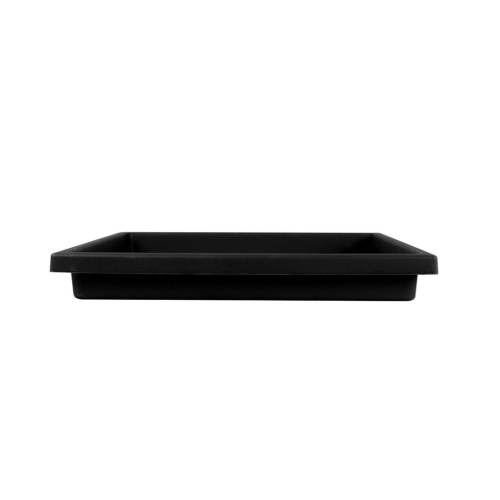
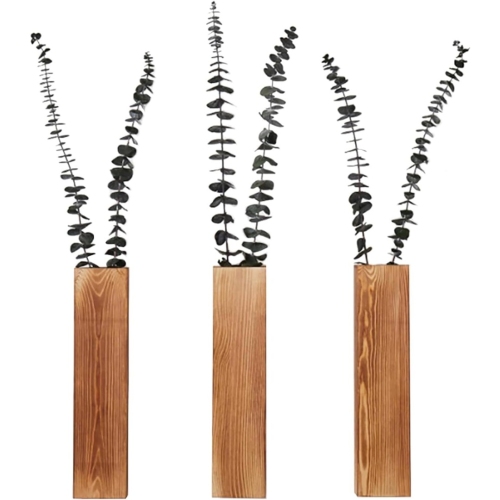
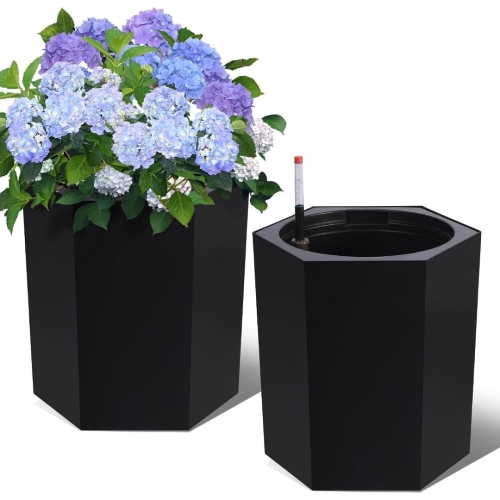
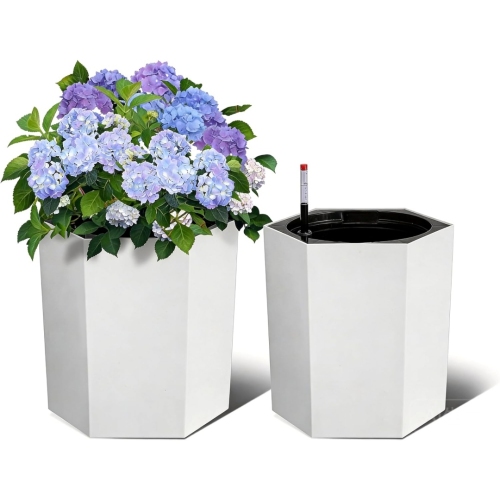
The material beneath the finish influences a flower pot’s weight, care needs, and suitability for different uses. Ceramic has a substantial feel that can help balance a leafy plant, although its weight deserves attention on delicate shelves or narrow ledges. Glazed ceramic is often straightforward to wipe clean, but a glossy exterior does not necessarily mean the entire container is watertight. Unglazed terracotta has a warm, earthy appearance and a porous surface that allows moisture to move through the material; it may also develop mineral marks with use. Resin and plastic are generally lighter, making them practical where pots need to be lifted regularly, while their resistance to chips varies with construction and finish. Metal containers provide crisp lines or a softly aged look, but coatings and seams need consideration when water is involved. Wood and woven covers add texture and are typically better separated from damp soil by a suitable inner container. Drainage is an important distinction across all these materials. A pot with a drainage opening needs a correctly sized saucer or another suitable way to catch excess water. A decorative cover without an opening works differently: it can conceal a removable nursery pot, allowing the plant to be watered separately and returned after excess water has drained away. Water left standing at the bottom can keep roots too wet and may damage surfaces if it escapes unnoticed. A protective tray can help shield furniture, provided moisture is not trapped underneath it. Care is usually simplest when the finish can be cleaned with a soft cloth and a mild solution appropriate for the material, rather than abrasive pads that could scratch or dull the surface. Raised patterns and narrow grooves may need more attention than smooth sides. Chips, cracks, loose feet, and damaged coatings are worth checking because even a small flaw can affect stability or allow moisture through. For pots used outside, the manufacturer’s stated intended use remains important; an indoor decorative finish should not automatically be treated as suitable for a patio or balcony.

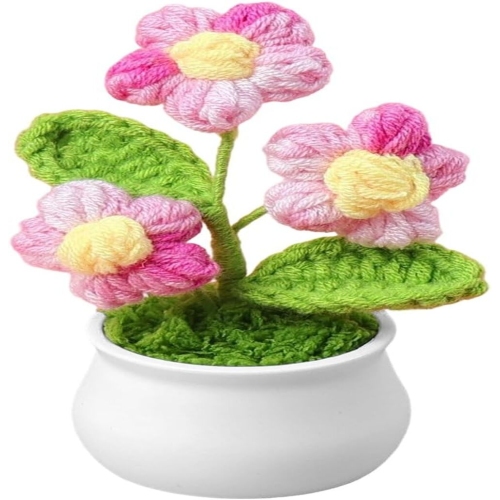
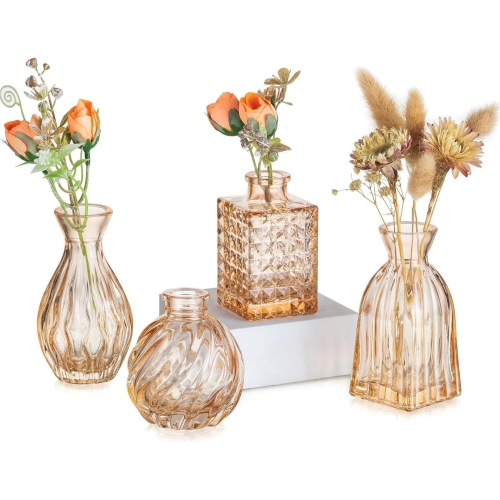
A small pot works best when its size supports the plant rather than simply filling an empty corner. Compact flowering plants, small foliage plants, and rooted cuttings can each create a different effect, but their root space, light requirements, and watering needs still matter. A very small container holds a limited amount of potting mix, so plant choice and routine care need to suit that restricted volume. Artificial stems provide another decorative option where plant care is not practical, with the container contributing much of the finished arrangement’s character. For grouped displays, a shared colour, shape, or surface finish can tie different pots together without making every piece identical. Leaving a little space between them helps each silhouette remain visible and makes cleaning easier. A pair can frame a mantel arrangement, while a compact cluster can occupy one end of a console without taking over the whole surface. Small decorative pots can also share colours and textures with Garden Flower Pots for a consistent look across separate planting displays. In homes with children or pets, stable bases, secure placement, and appropriate plant choices are especially useful considerations; delicate containers are better kept away from busy edges and frequently used pathways. As gifts, these pots suit people who enjoy houseplants, thoughtful home accents, or adding personality to a workspace. A simple finish leaves room for the recipient’s taste, while a distinctive colour or pattern can reflect a room or collection they already enjoy. When a living plant is included, its care needs and eventual size should be manageable for the recipient. Whether displayed individually or alongside books, framed photographs, and other familiar objects, a well-proportioned flower pot gives a small planting a deliberate place in the home without demanding a large surface or an elaborate arrangement.

FAQ

Some products may be subject to Environmental Handling Fees (EHF) depending on your province. Learn more about EHFs.