Small White Corner Desks with Storage

Small white corner desks with storage offer a compact workspace for a home office or study area. Compare overall dimensions, desktop space, and storage layouts to find a desk that fits your corner, leaves comfortable legroom, and keeps everyday work essentials within reach.
Sort

A compact workspace with room to move

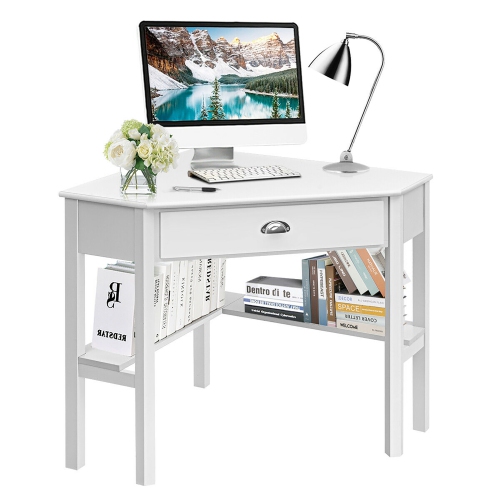
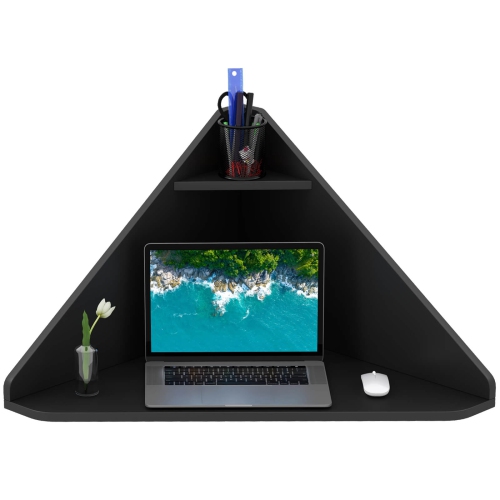
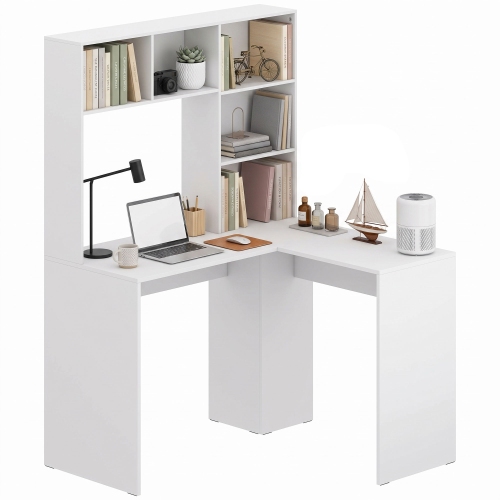
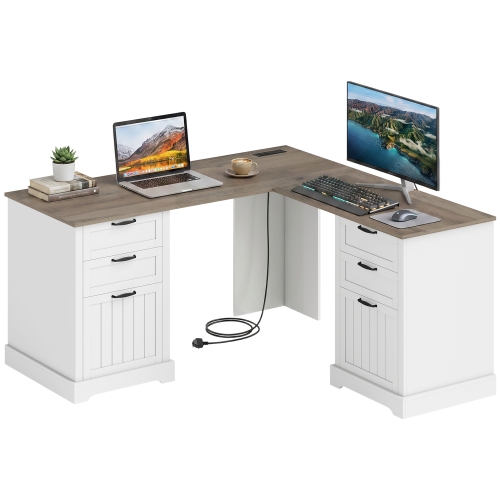
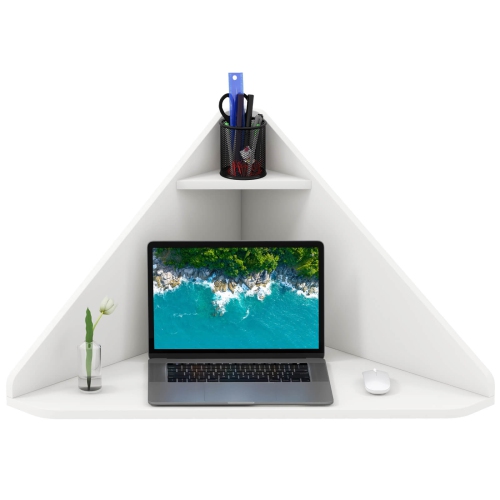
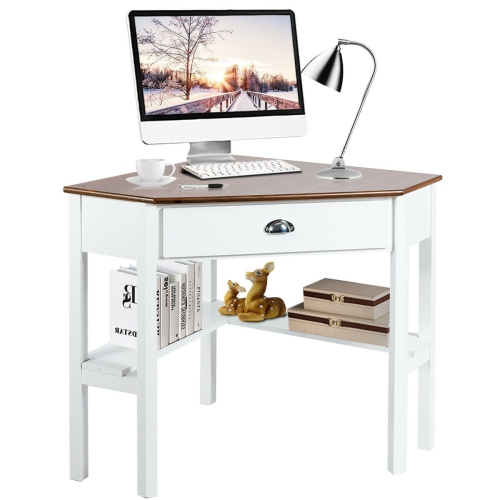
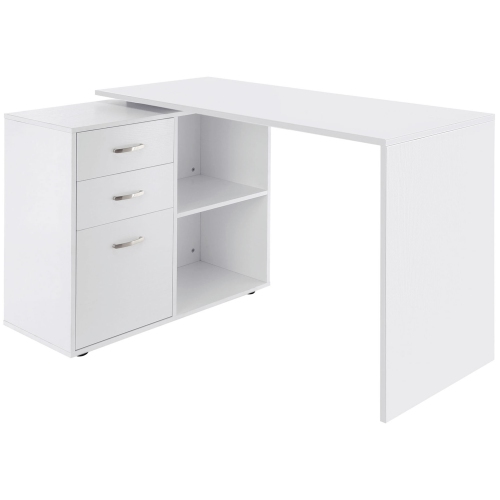
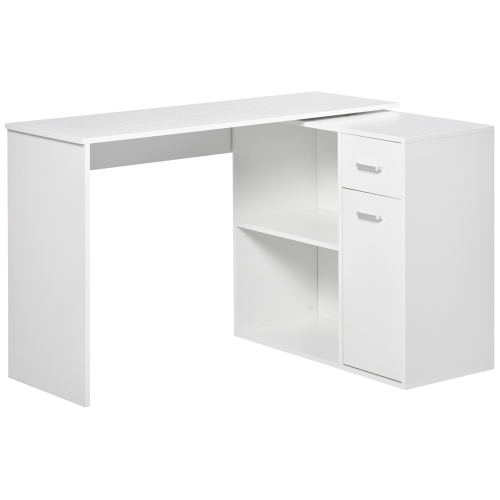
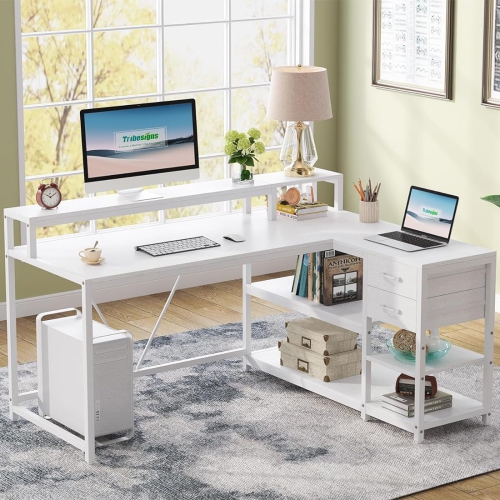
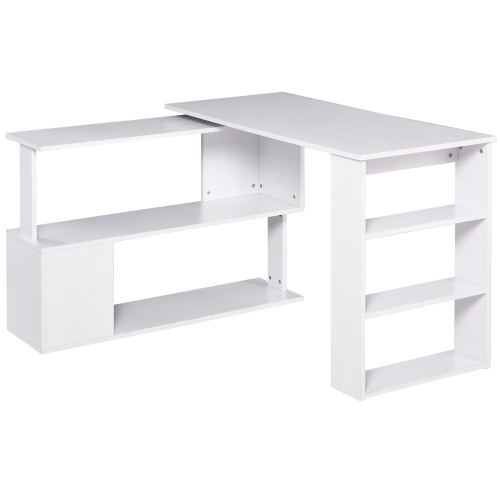
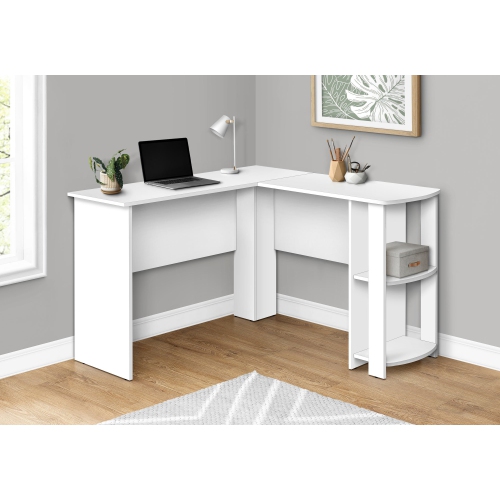
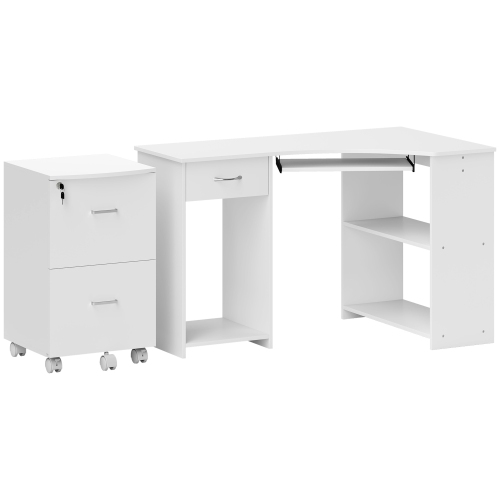
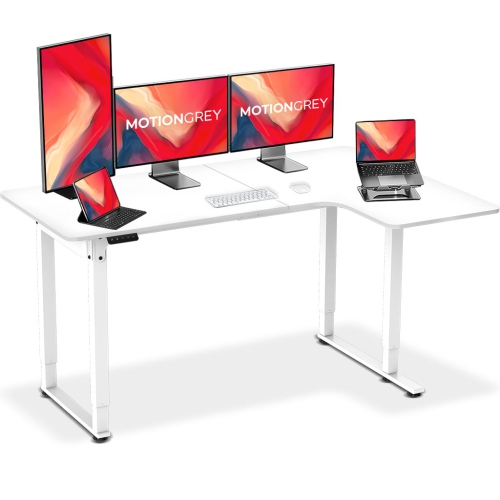
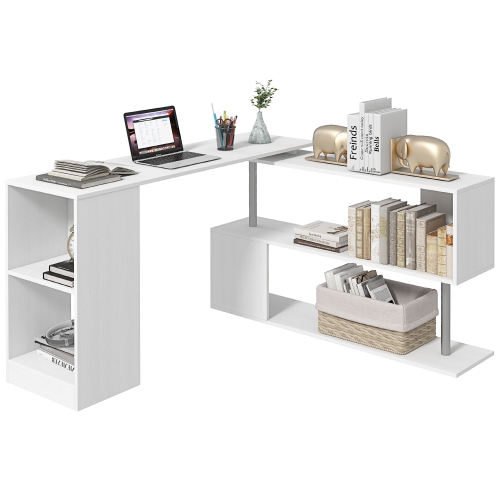
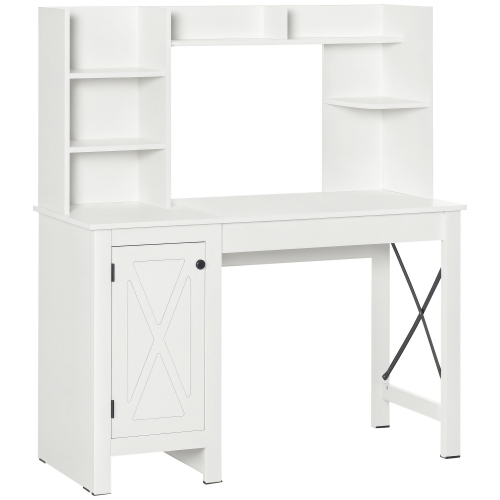
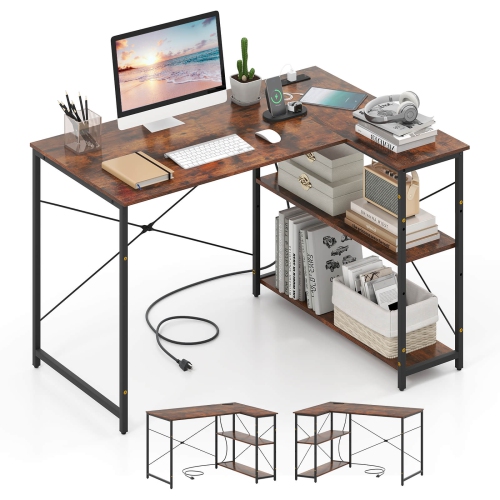
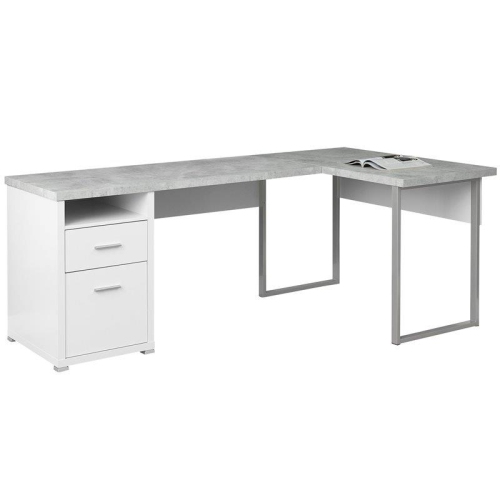
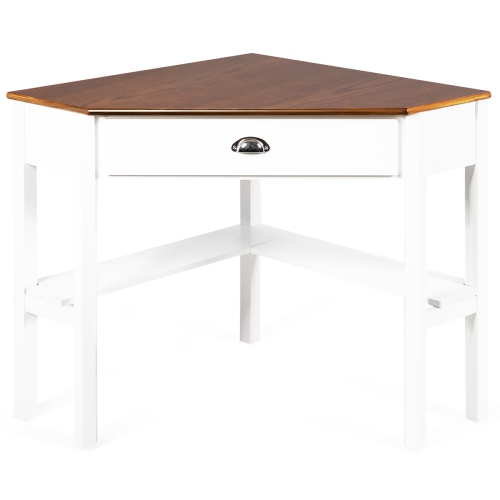
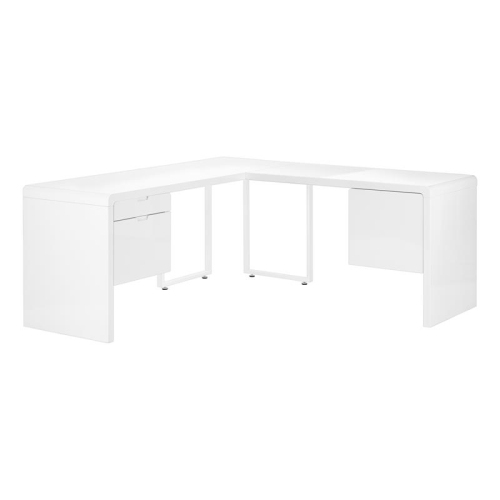
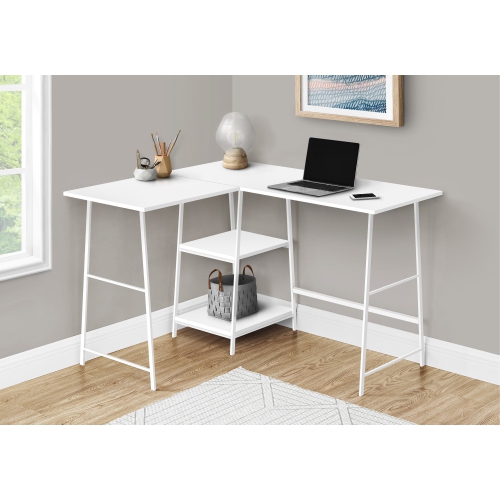
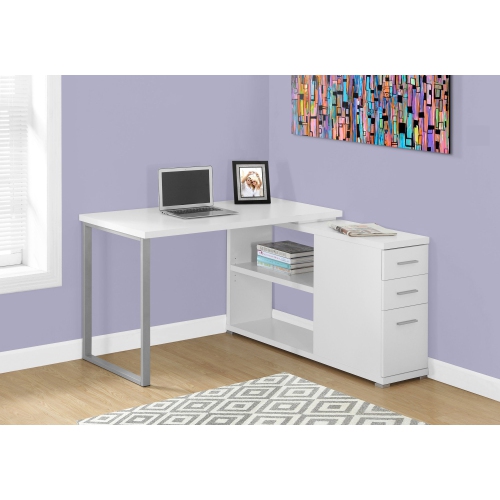
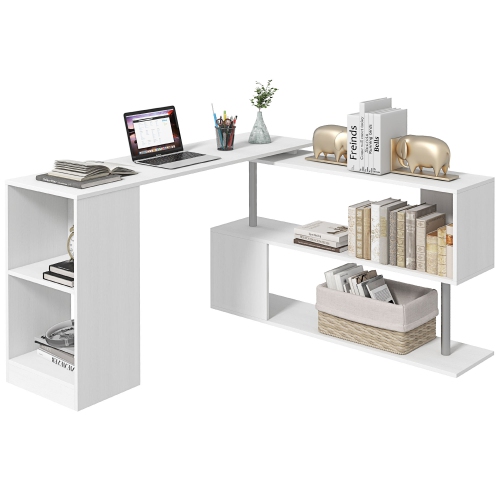
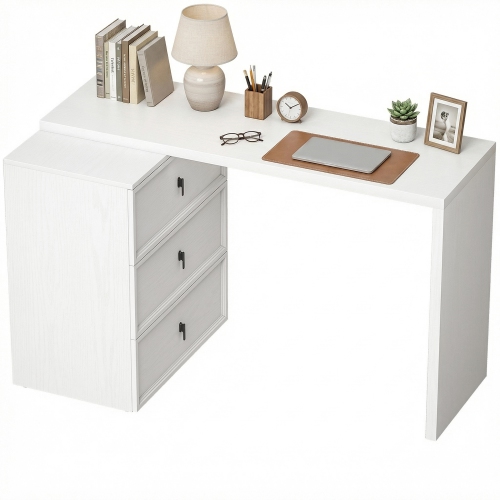
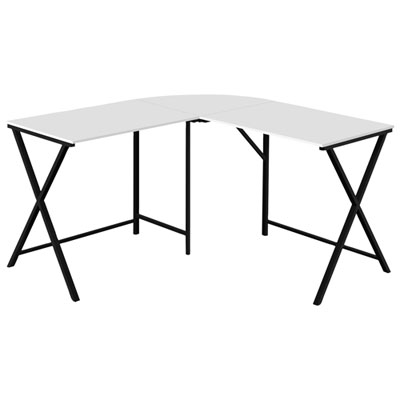
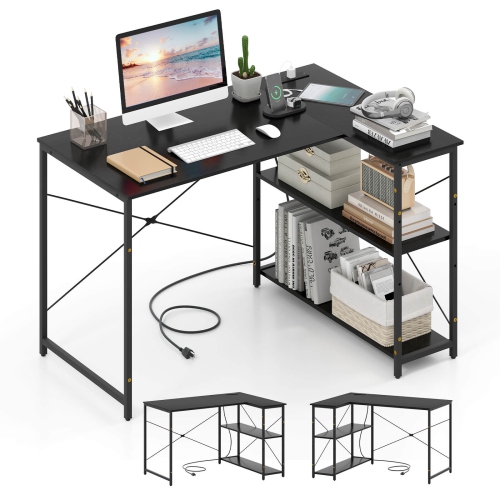
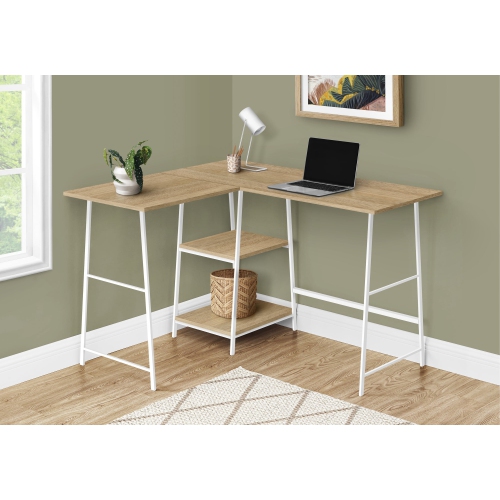
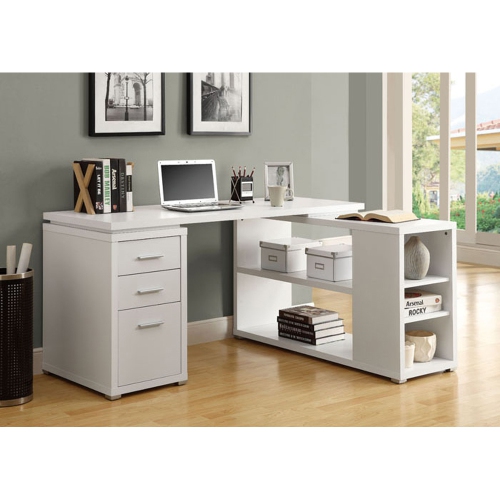
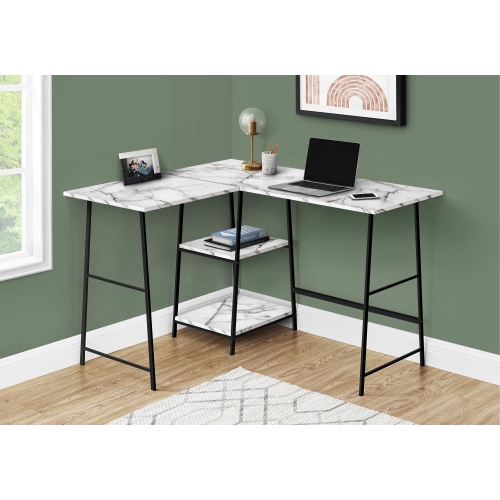
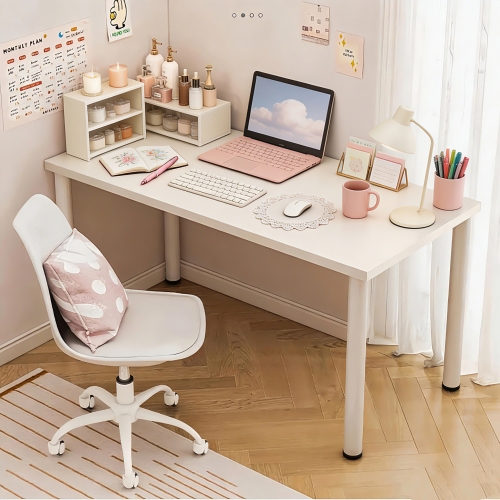
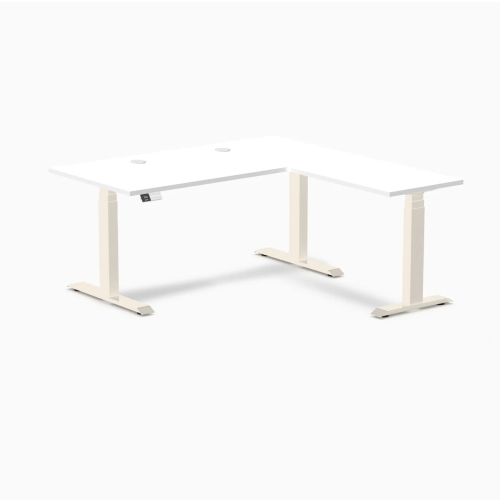
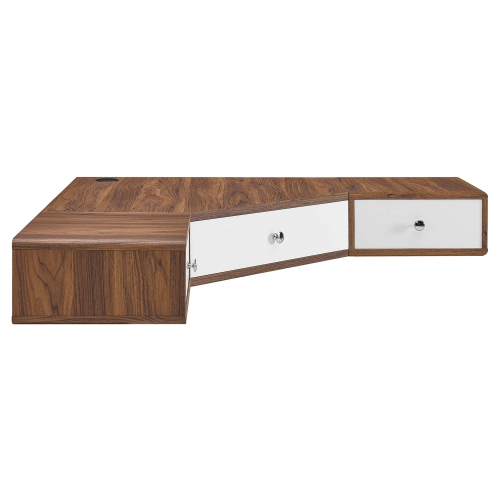
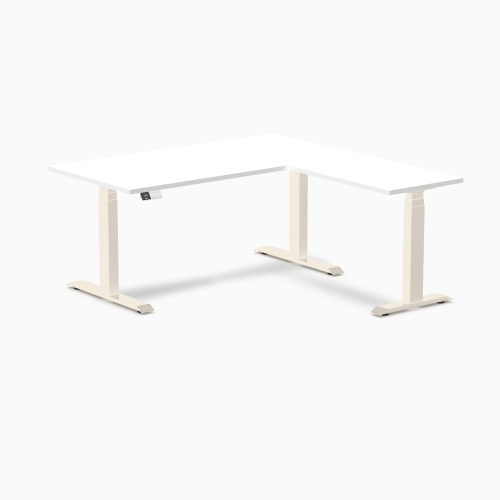
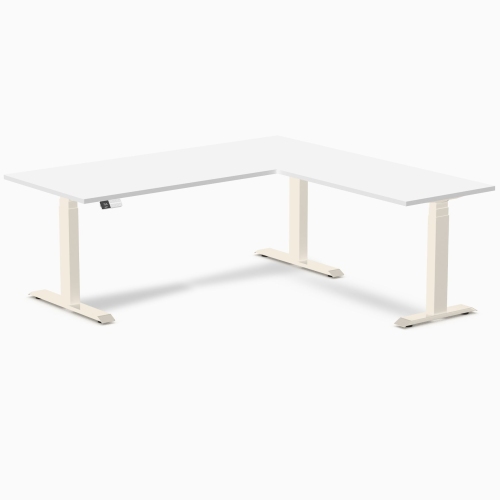
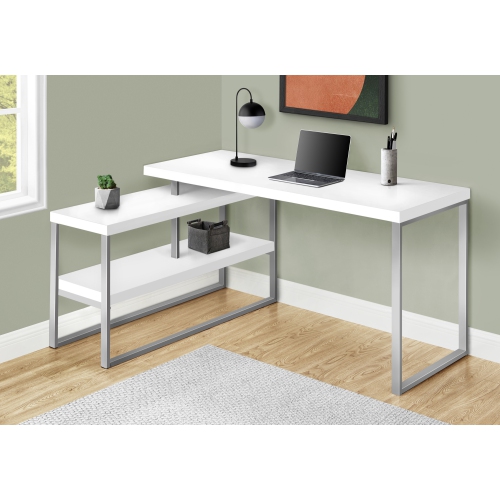
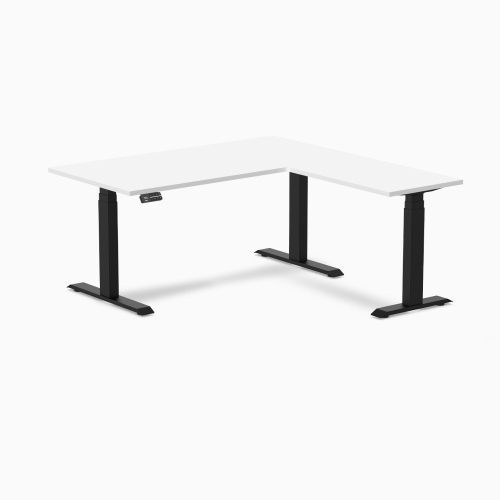
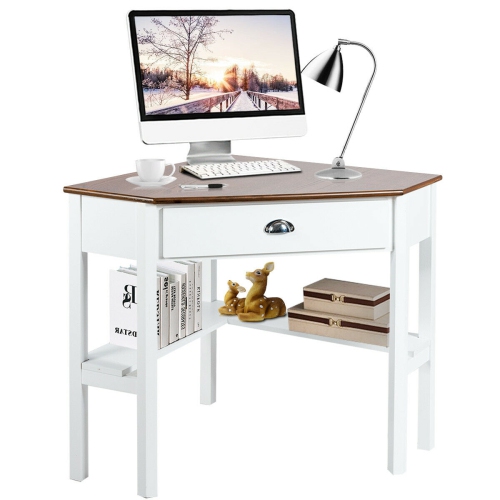
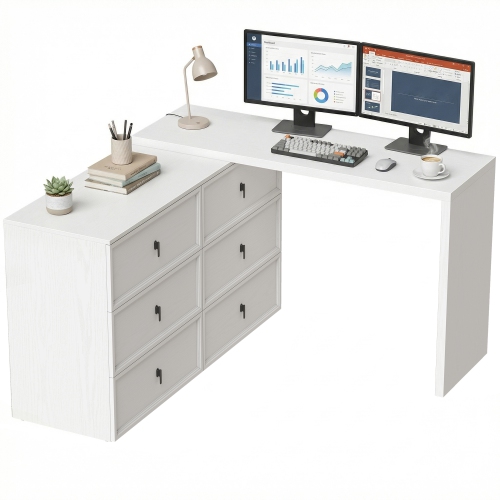
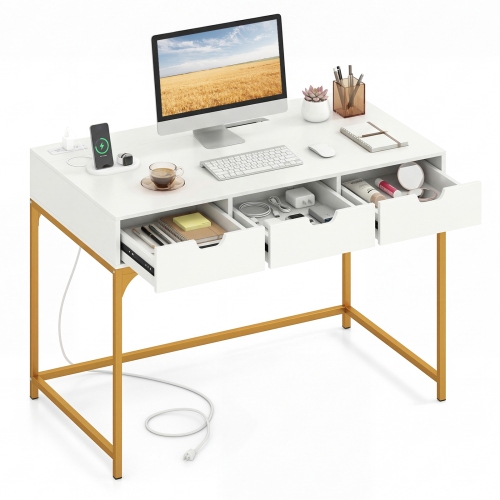
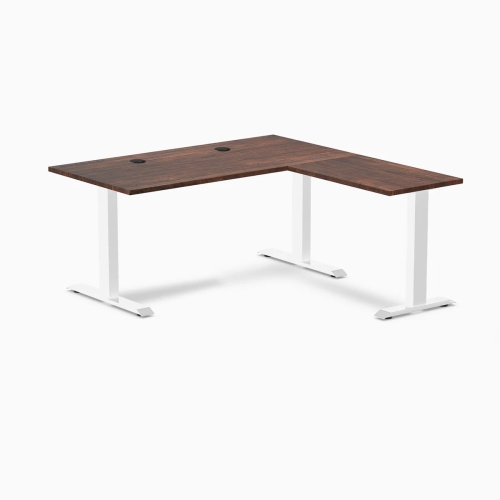
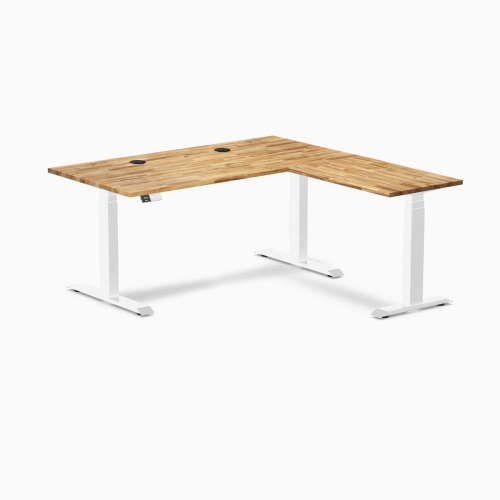
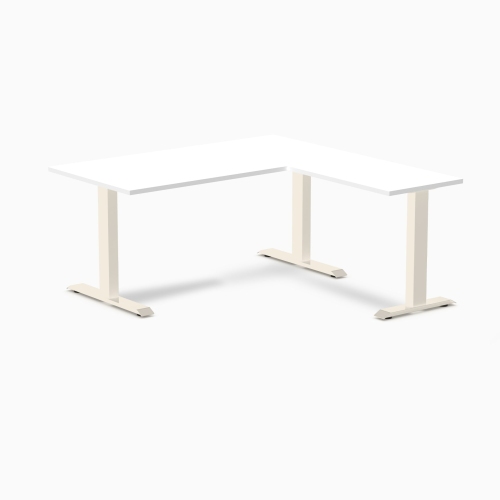
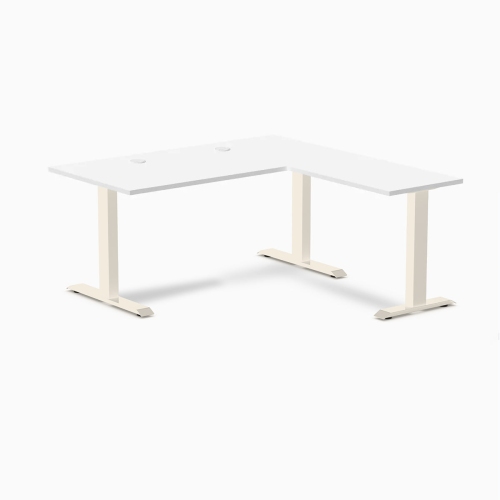
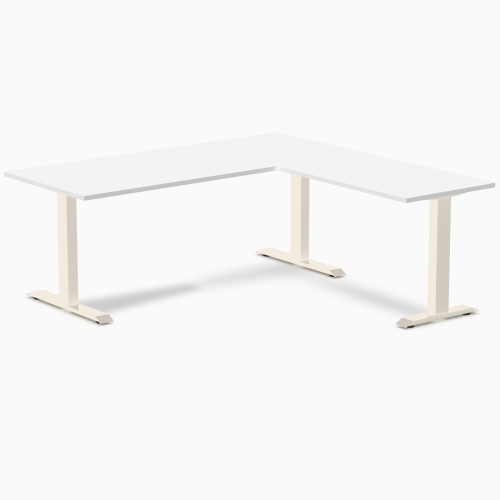
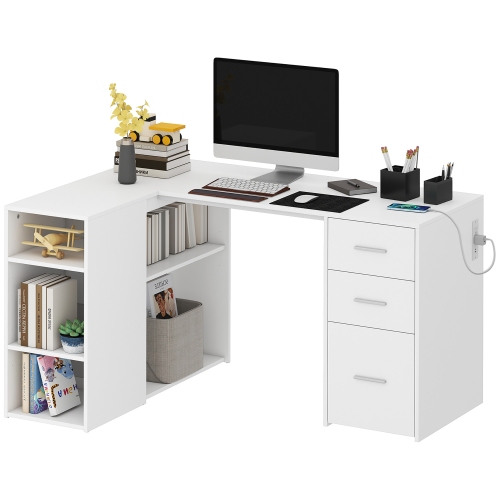
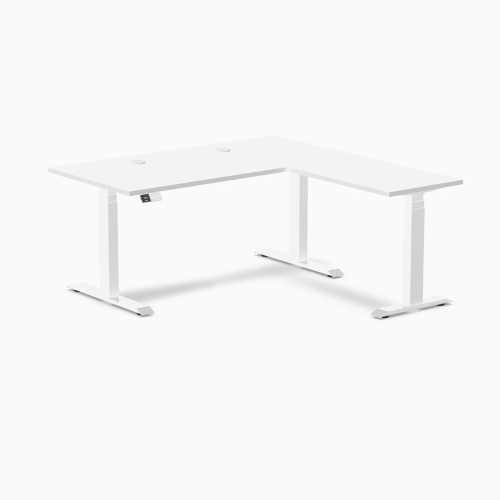
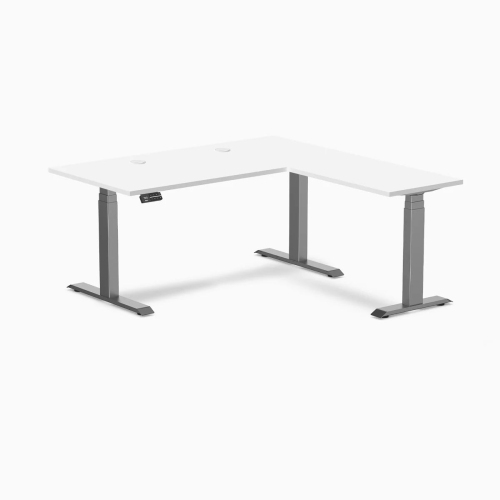
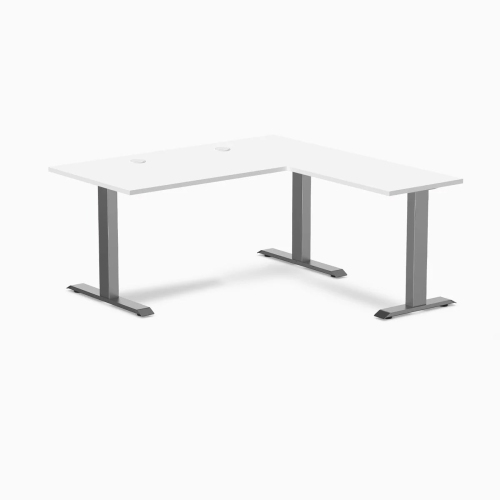
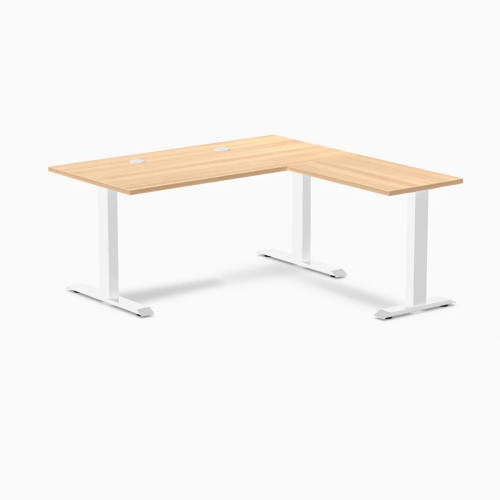
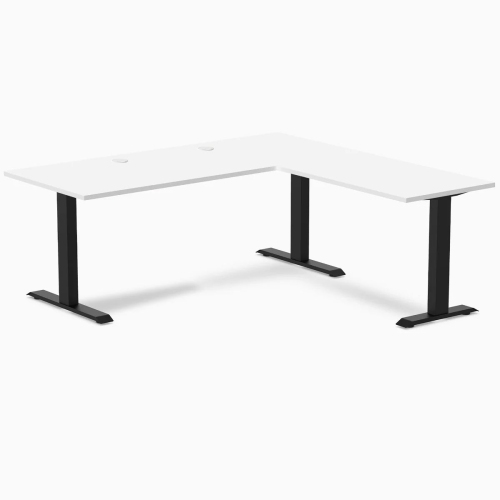
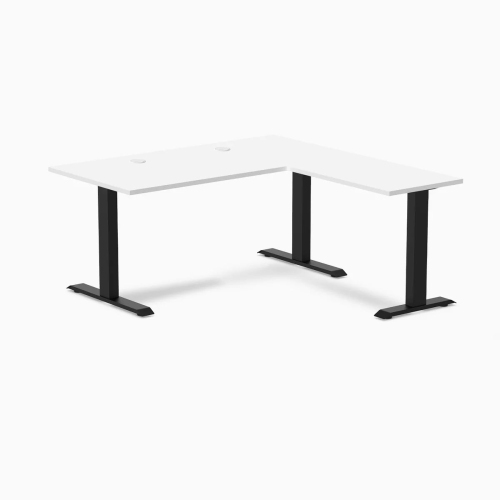
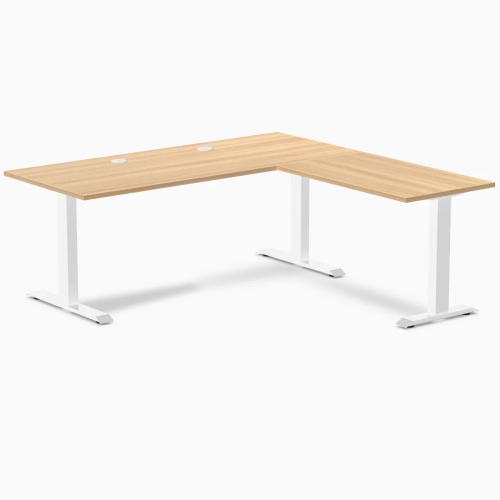
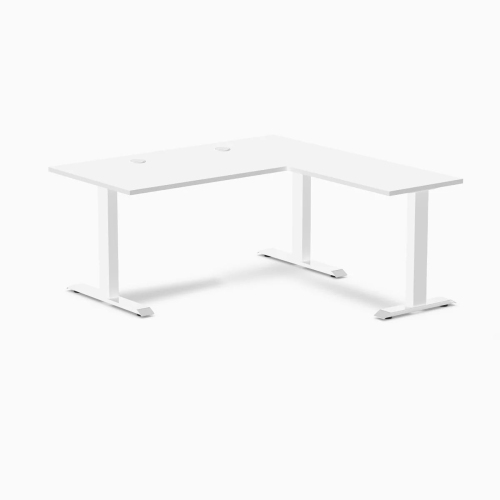
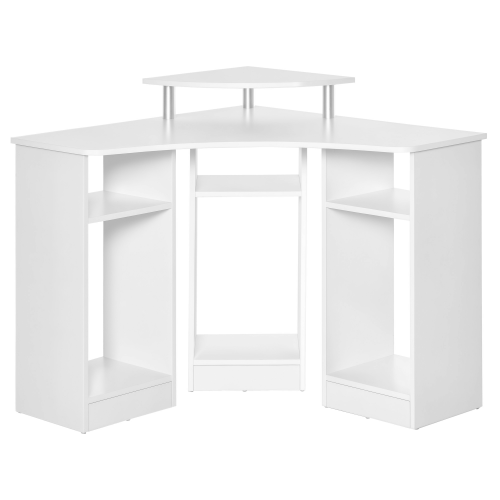
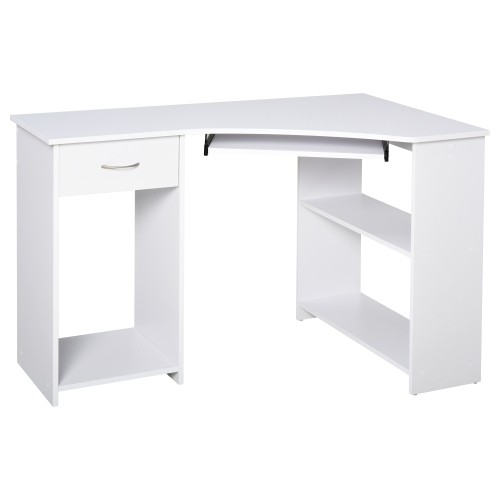
Small white corner desks with storage combine a compact work surface with drawers, shelves, or cubbies, making them useful for rooms where a dedicated workspace needs to fit alongside everyday furniture. A corner layout can turn an underused junction of two walls into a place for a laptop, study materials, and office supplies without requiring a full-sized desk along an open wall. The shape makes a difference: a triangular desktop tucks directly into a corner, while a compact L-shaped desk extends along both walls and provides separate areas for computer work and paperwork. Some designs have a reversible return or storage section that can sit on either side, offering more flexibility when arranging a bedroom, apartment living area, or shared home office. Overall width alone does not tell the whole story. Desktop depth, the length of each side, and the space needed to pull out a chair all affect how comfortably a desk fits. Baseboards, nearby doors, heating vents, and access to electrical outlets can also influence placement. Drawers need room to open, and a cabinet door should not catch against a bed frame or another piece of furniture. White finishes give these desks a light appearance that can sit comfortably beside pale walls, wood flooring, or colourful accessories. Shades vary from crisp white to warmer off-white, while matte and glossy surfaces reflect light differently. In a multipurpose room, that distinction can help a desk feel connected to existing shelving or bedroom furniture rather than looking like a separate office installation. For a student, it can create a defined spot for assignments and textbooks; for someone working from home, it can provide a practical base for video calls and focused tasks. A compact footprint is most useful when it leaves enough room for both the work itself and the movements that happen around it, from rolling back a chair to reaching a nearby bookshelf.
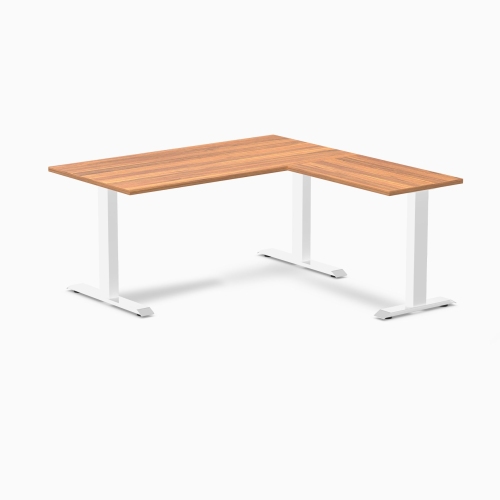
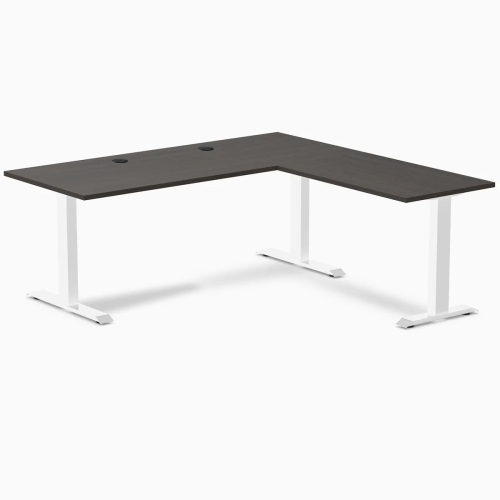
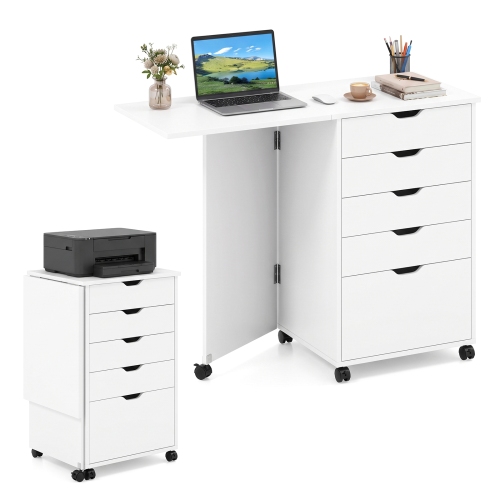
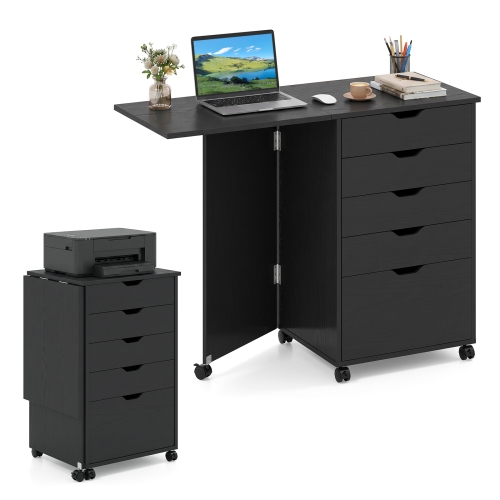
Built-in storage helps keep a small desktop usable, but the arrangement matters as much as the amount. Shallow drawers suit pens, charging cables, sticky notes, and other small supplies that tend to spread across a work surface. Deeper drawers can hold notebooks or larger accessories, although a standard drawer should not be assumed to accommodate hanging files. Open shelves make frequently used books and baskets easy to reach, while enclosed compartments keep less frequently used materials out of sight. Adjustable shelves offer flexibility for binders of different heights, and a raised shelf can free up desktop space when its dimensions and load rating suit the equipment placed on it. A printer needs more than a shelf wide enough to hold its base: paper trays, lid movement, cable connections, and ventilation may require additional clearance. The same principle applies to a desktop computer tower, which needs accessible ports and airflow rather than a tightly enclosed compartment. Storage positioned beneath the desk should leave sufficient knee room, especially when a person turns between the two sides of an L-shaped surface. For laptop work, usable depth allows space for an external keyboard and mouse when needed. A monitor setup requires consideration of screen distance, stand size, and the remaining area for writing or opening a notebook. Two screens can quickly crowd a small corner desk, so actual desktop measurements are more helpful than the overall footprint when assessing that arrangement. Desk height, chair adjustment, and any keyboard tray should work together so shoulders can stay relaxed and feet can rest securely. Cable openings or built-in routing features, where included, help direct cords towards an outlet without draping them across the work area. A shelf for a headset or a small drawer for adapters can make daily routines simpler, but clear space still has value. Leaving part of the surface open makes it easier to switch from typing to reviewing printed pages, helping a modest workstation serve more than one purpose without feeling crowded.

Materials and construction influence how a small white corner desk looks, feels, and stands up to regular use. Engineered wood with a laminate or melamine surface can provide an even white finish, while painted wood offers a different texture and may show subtle grain depending on the coating. Metal frames can support a slim profile, though stability depends on the complete design, including bracing, connections, and proper assembly. A desk that holds books, a monitor, and other equipment needs suitable load ratings for both the desktop and individual shelves. Drawer runners, handles, and exposed edges also deserve attention because these are the parts touched repeatedly throughout the day. Smooth drawer movement and securely fitted hardware make storage easier to use, while well-finished edges are more comfortable where forearms rest against the desktop. White surfaces can make ink marks, dust around cable openings, and drink rings noticeable. A soft cloth and cleaning products approved for the finish help with routine care; abrasive pads and excessive moisture can damage some coatings or cause swelling at exposed joints. Coasters and a desk mat can reduce direct contact with cups, pens, and frequently moved accessories. Periodic checks of fasteners help keep assembled furniture steady, particularly after moving it, and any supplied anchoring hardware should be used as directed. Beyond maintenance, the right storage layout can help a desk adapt as routines change: a shelf used for course materials may later hold work folders, while drawers can shift from art supplies to office essentials. The broader range of small corner desks with storage offers other finish and layout possibilities for rooms with different furniture. Within a white colour scheme, a comfortable chair, a focused desk lamp, and a few well-sized organizers can complete the workspace without filling every available surface. The result is a compact place to work or study that feels purposeful within the room, with everyday necessities close at hand and enough clear space to use them comfortably.

FAQ

Some products may be subject to Environmental Handling Fees (EHF) depending on your province. Learn more about EHFs.