180 Degree Security Cameras
Enhance your home's security with this wide selection of 180-degree security cameras. Designed to provide comprehensive coverage, these cutting-edge devices offer a broader field of view, ensuring that every corner of your property is under constant surveillance. Whether you're looking to monitor your front porch, backyard, or almost any other area of concern, this range of 180-degree security cameras has got you covered.
Sort
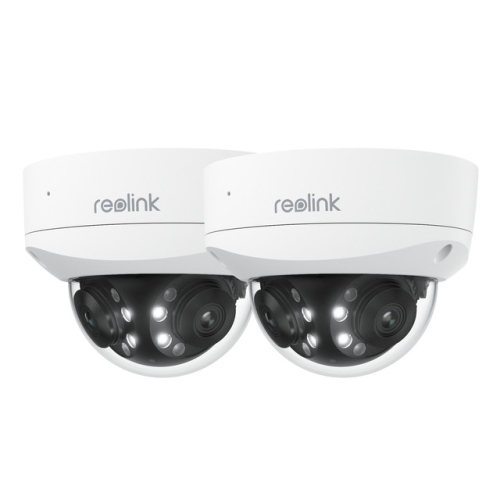
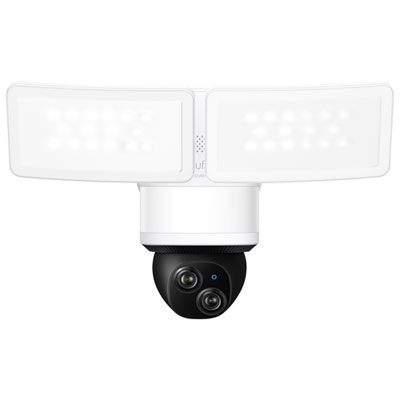
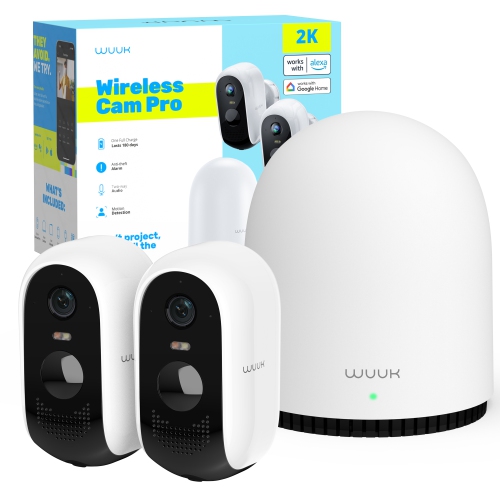
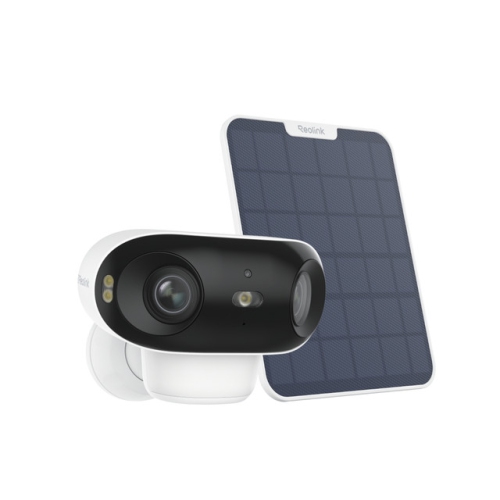
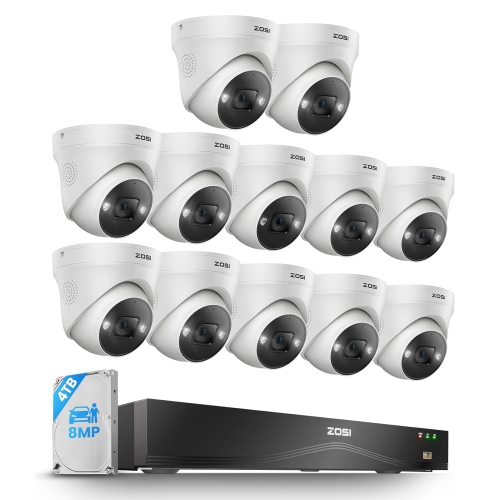
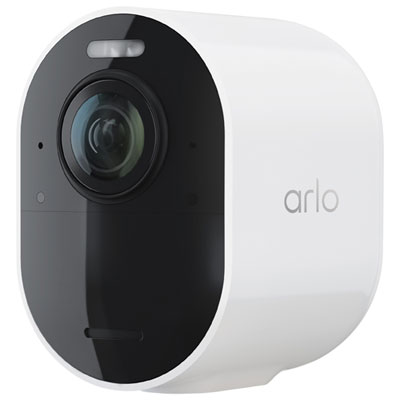
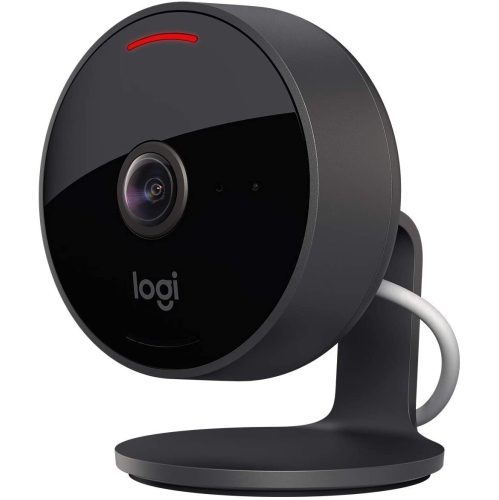
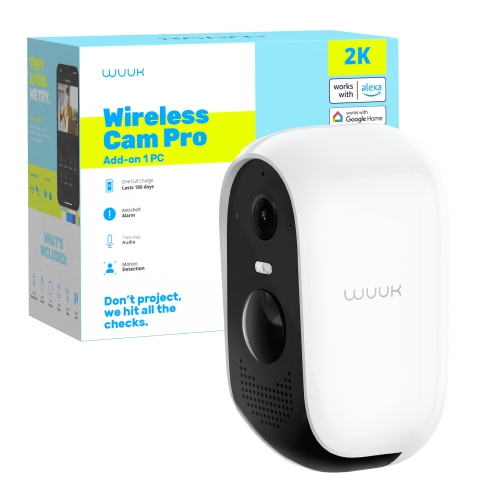
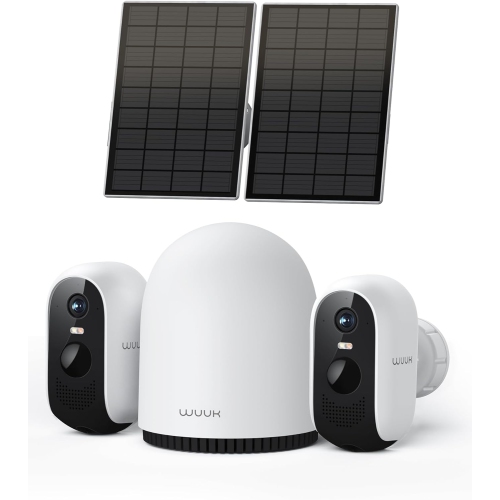
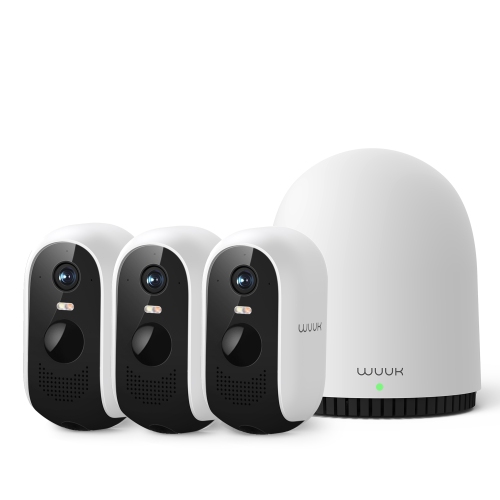

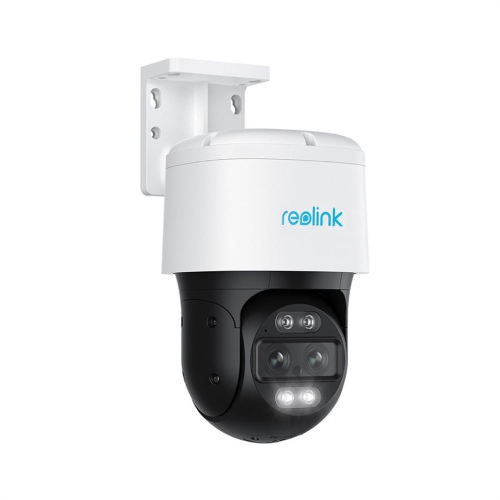
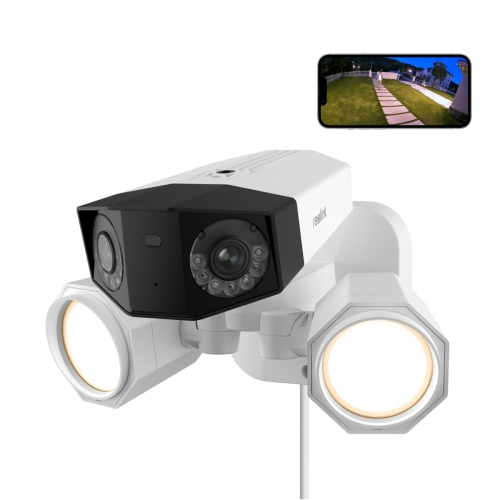
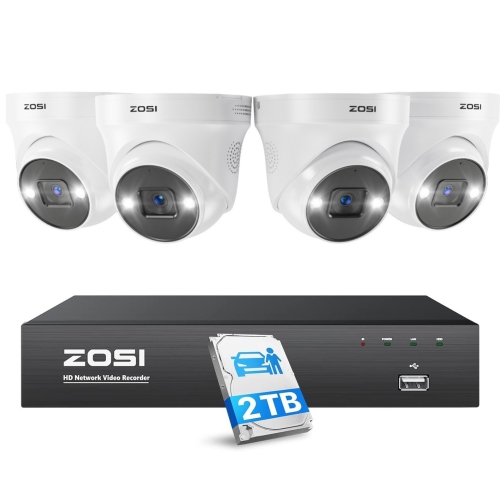
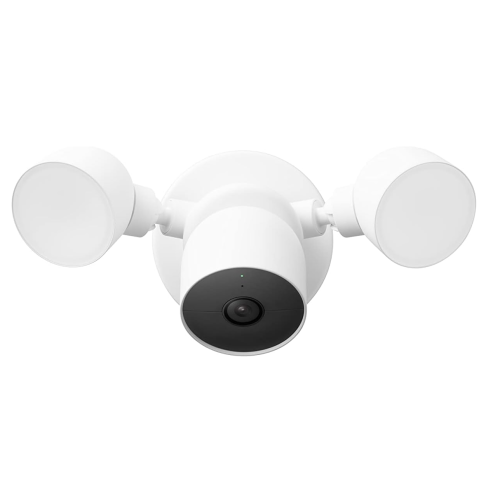
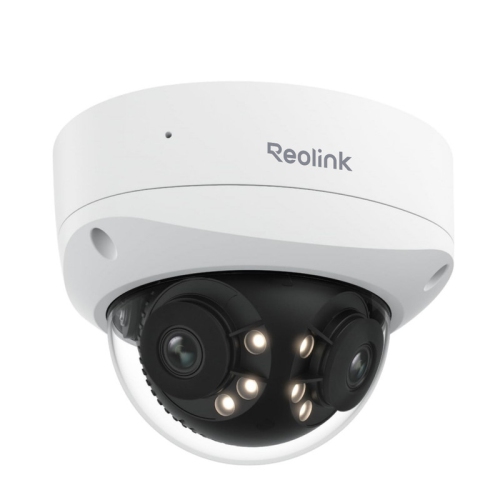
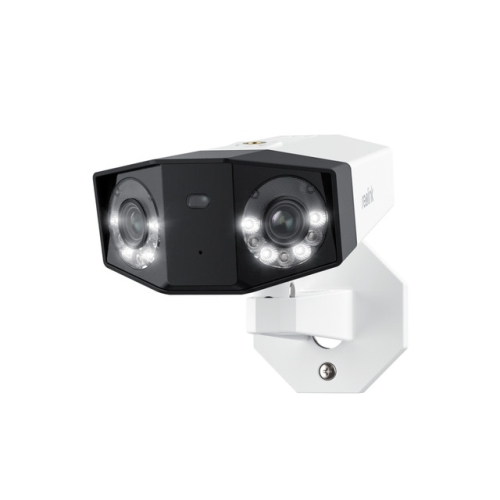
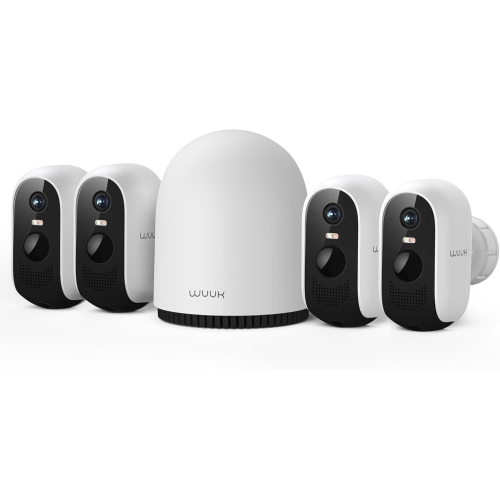
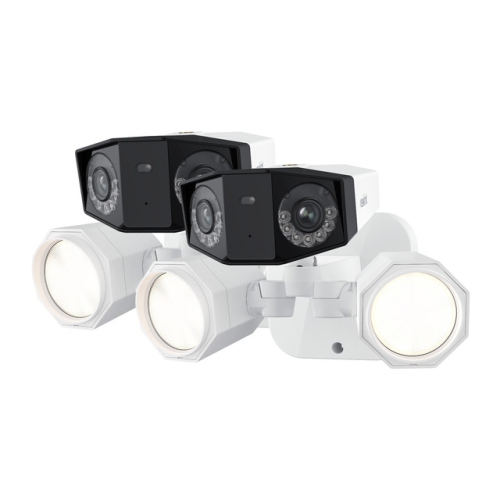
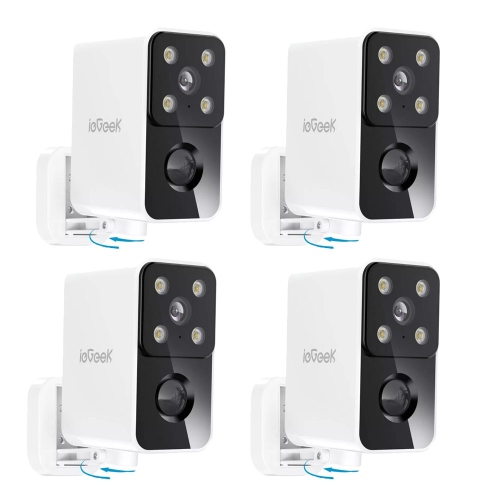
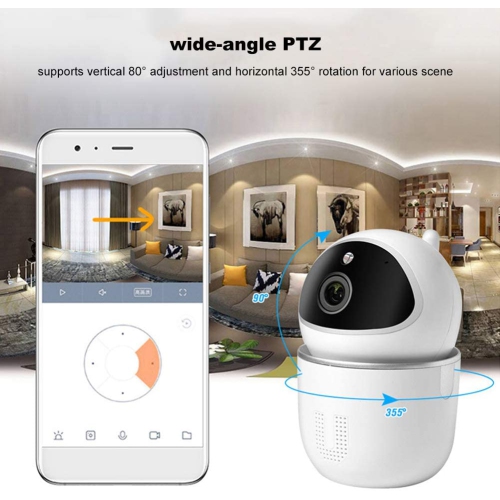
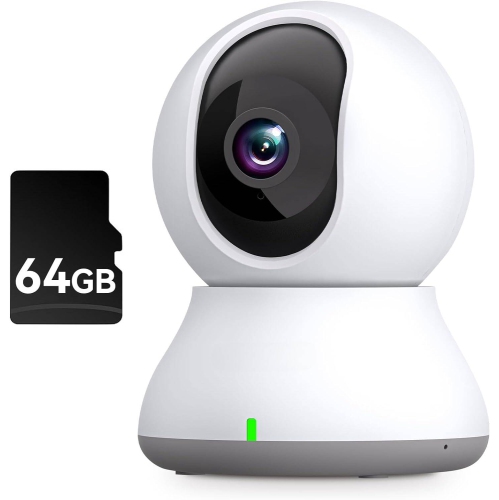
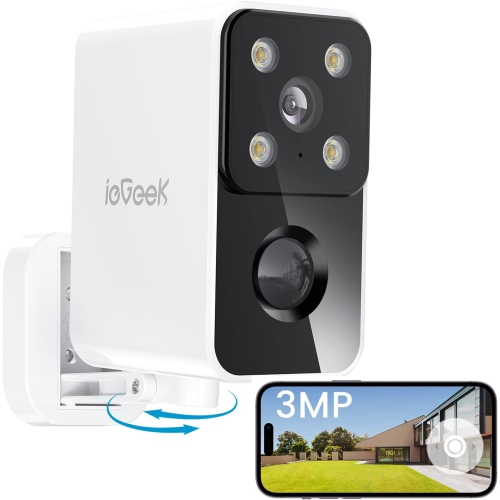
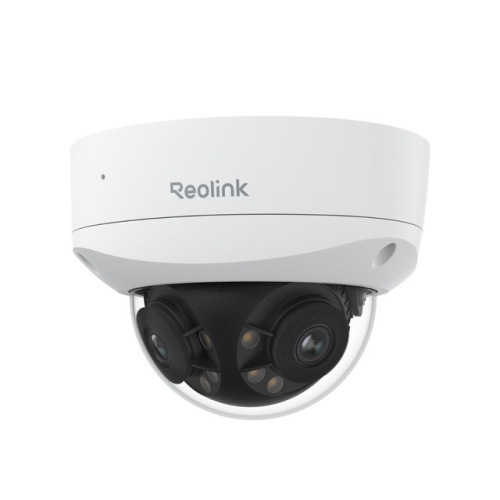

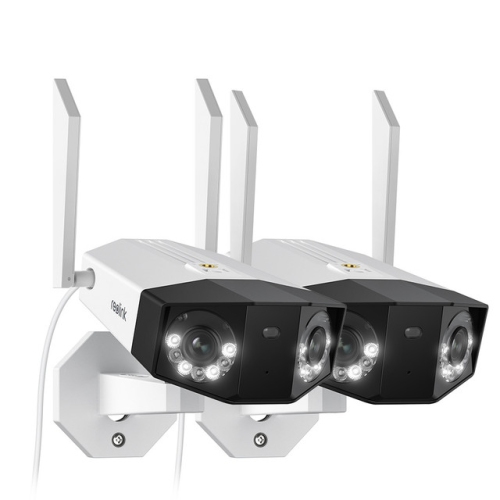
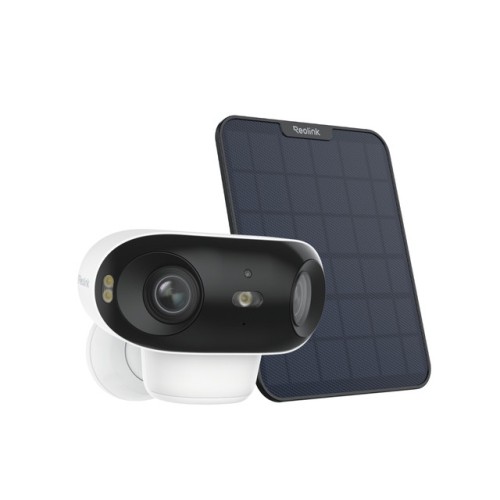

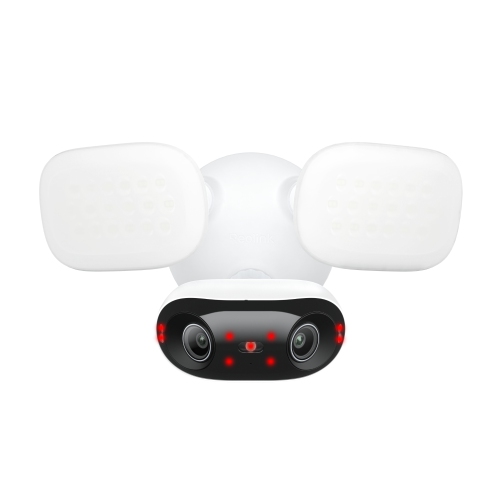
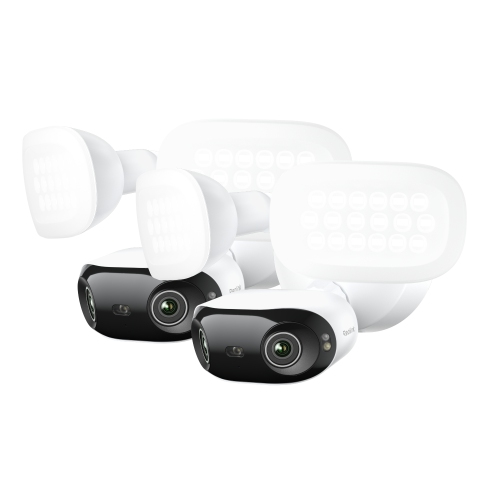
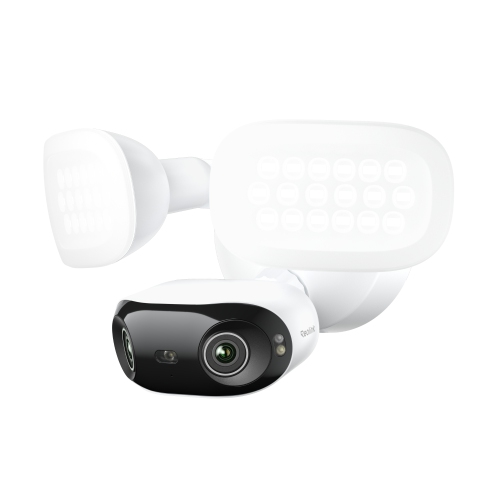
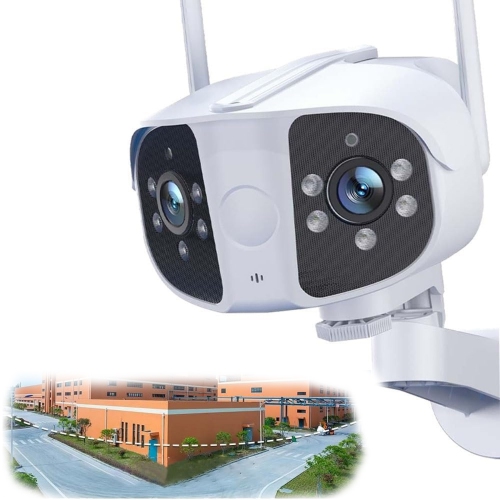
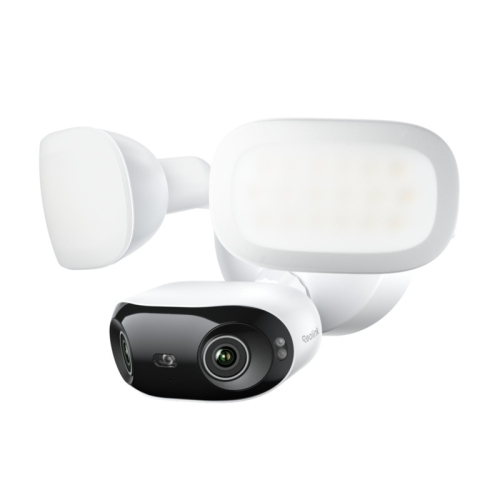
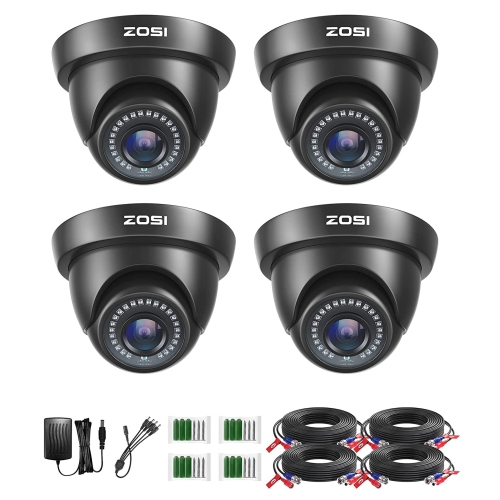
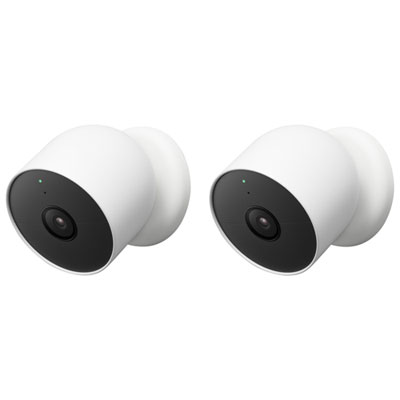
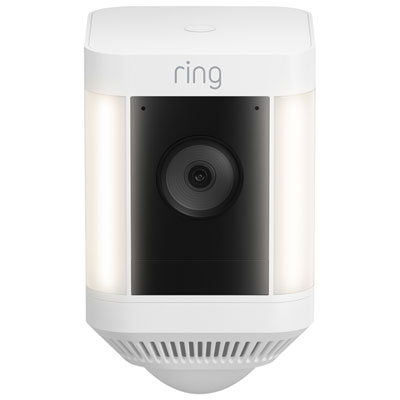
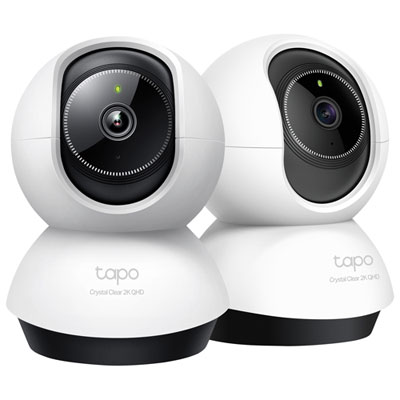
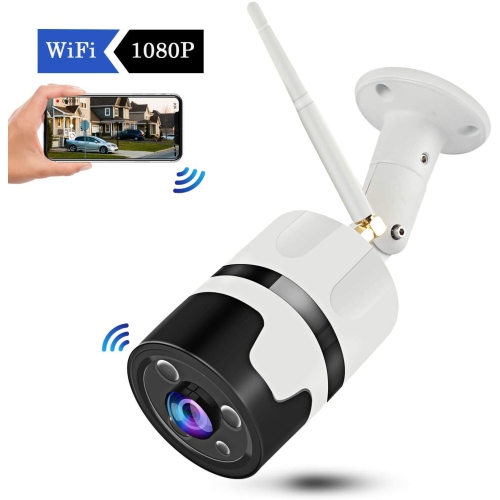
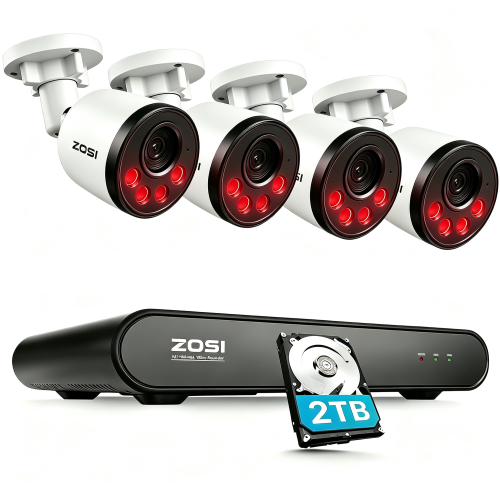
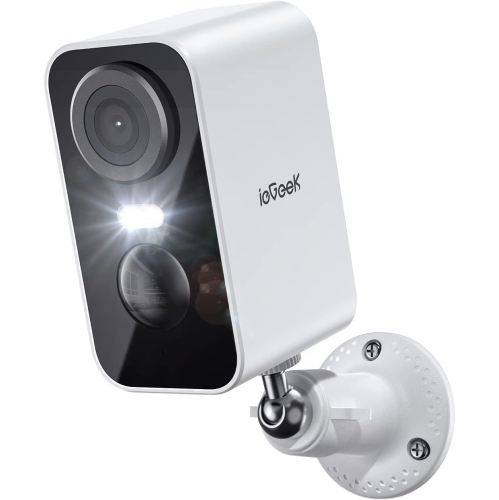
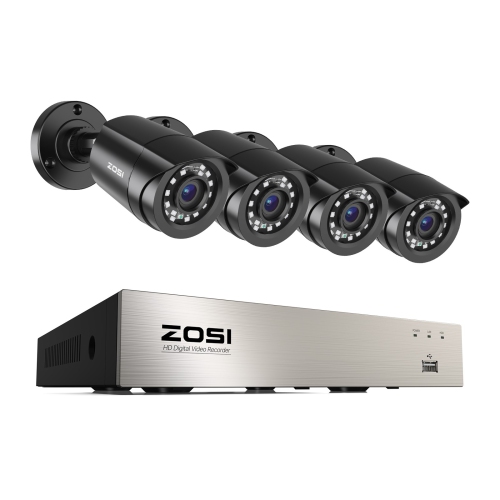
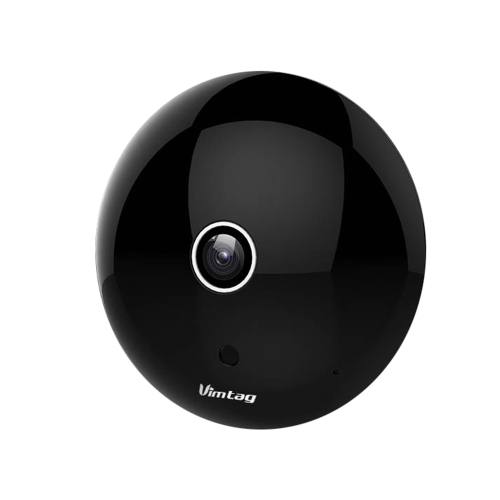
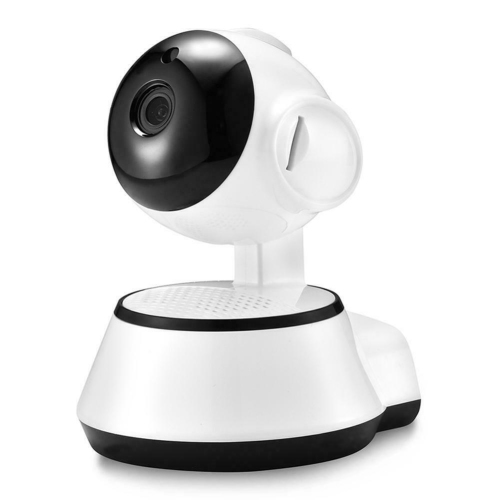
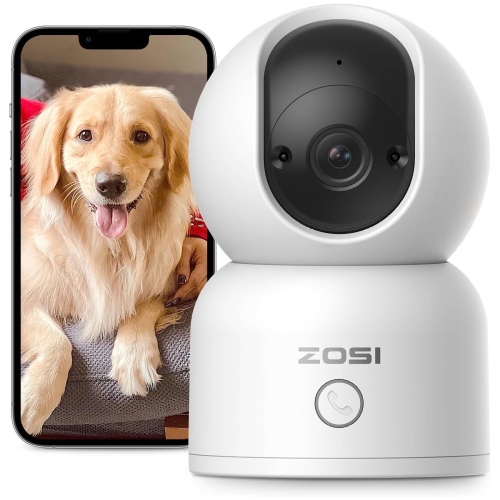
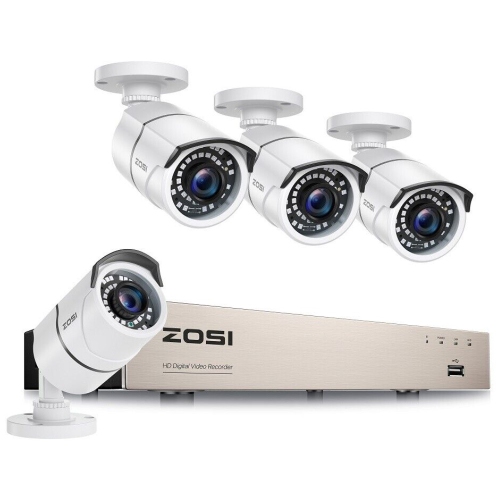
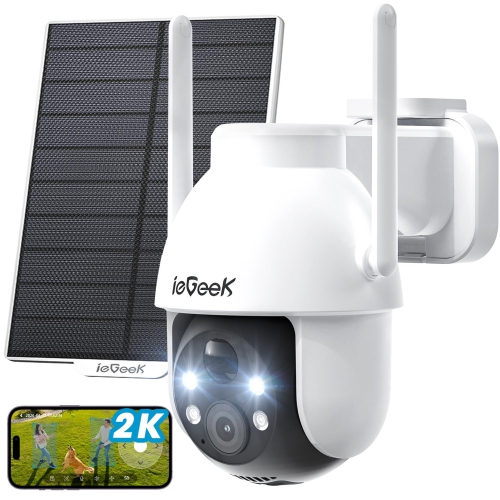
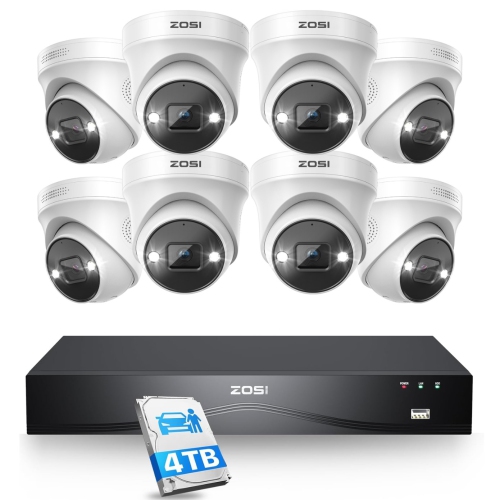

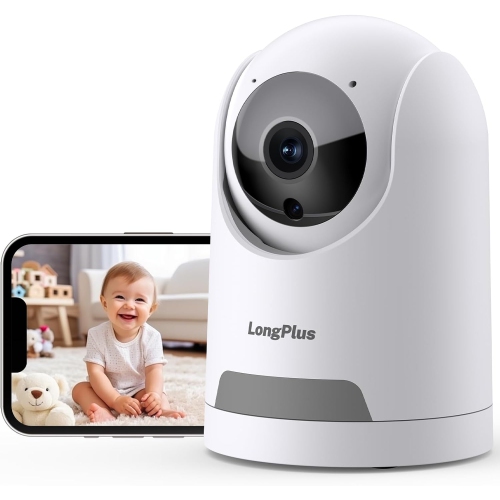
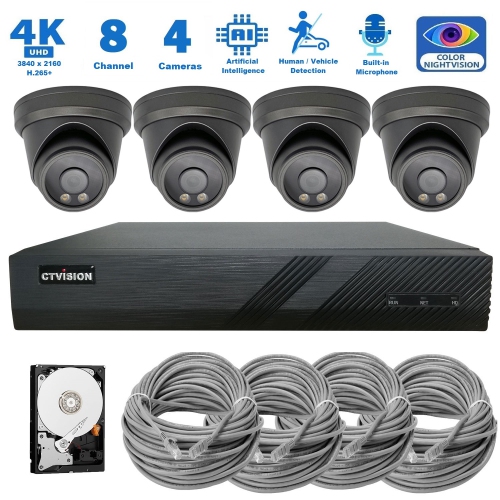
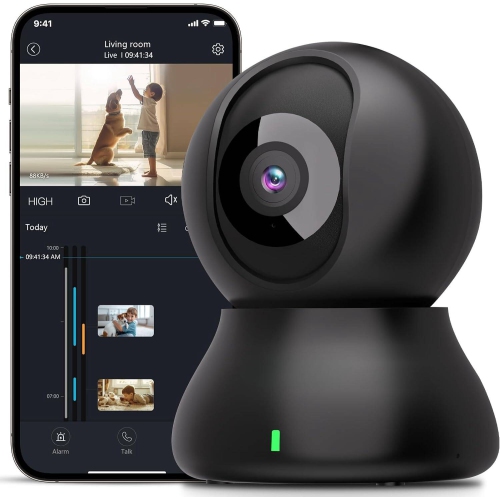
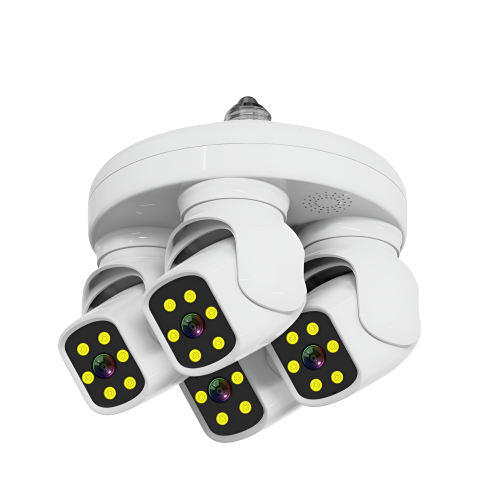
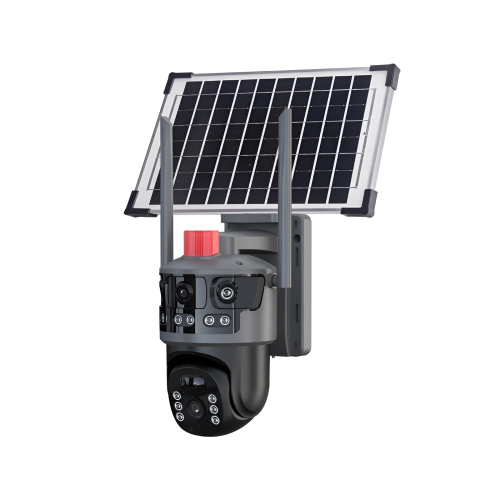
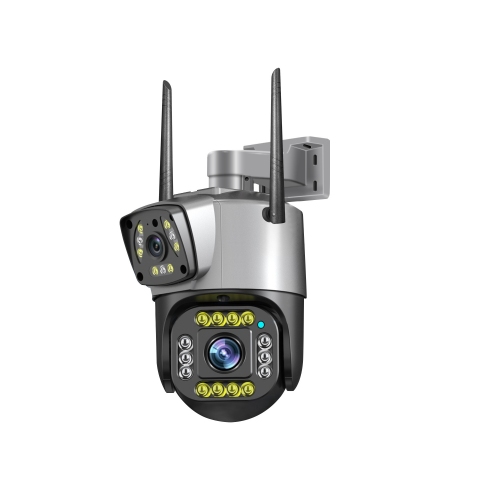
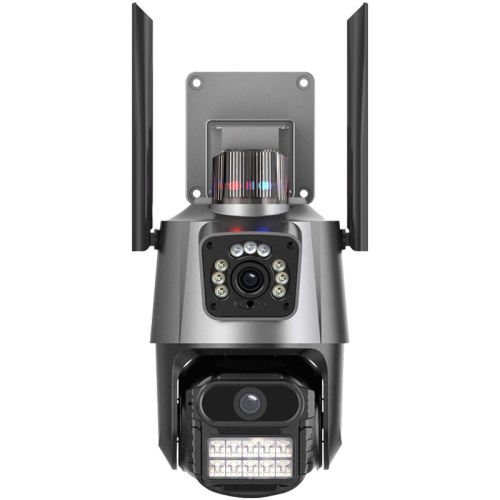
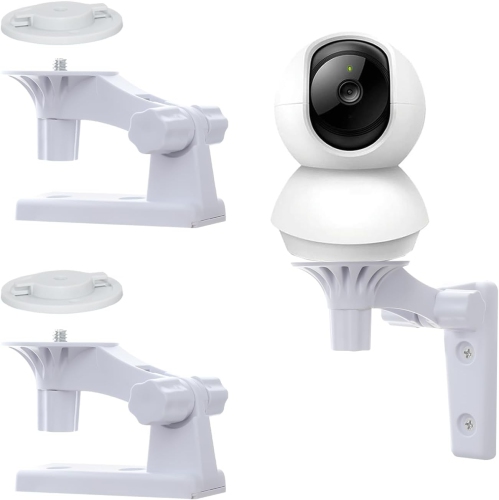
Wide panoramic coverage for entrances, driveways, and open spaces
180-degree security cameras are designed to provide an exceptionally wide view from a single mounting position, making them useful for monitoring open spaces where a standard camera may leave important areas outside the frame. Many models use two lenses that work together to create one panoramic image, while others use a specialized fisheye lens to capture a broad field of view. This can help cover a driveway, front entrance, backyard, garage, workshop, retail floor, office, or large indoor room with fewer blind spots. A wide-angle camera is particularly helpful when it is mounted near a corner, above a doorway, or along the side of a building, where it can watch two adjoining areas at once. For example, a camera positioned at the front of a home may be able to capture both the path leading to the door and the vehicle area beside it. In a business setting, one camera can offer a clear view across a reception area, loading zone, or sales floor. When comparing 180-degree security cameras, consider how the panoramic image is created. Dual-lens models may stitch two feeds together for a broad, detailed view, while fisheye models can offer a single continuous image with some natural curve around the edges. Resolution matters because an ultra-wide image spreads detail across a larger area. A 4K camera, often described as 8MP, can make faces, packages, licence plates, signage, and vehicle details easier to distinguish than a lower-resolution model, especially when the camera is mounted farther from the area being monitored. It is also worth checking whether the camera offers digital zoom, automatic framing, or image correction to make it easier to focus on activity within the full scene.
The right connection and storage options depend on where the camera will be installed and how it will be used. Wi-Fi models can be convenient for homes, apartments, small offices, and other locations where running cable would be difficult. A strong wireless connection is important for smooth live viewing and reliable notifications, so check the distance between the camera and router, the building materials between them, and whether the camera supports a newer Wi-Fi standard. Wired Power over Ethernet, or PoE, models carry power and data through a single Ethernet cable, which can provide a dependable connection for outdoor installations, detached garages, workshops, and commercial spaces. PoE may require more planning during installation, but it can be a practical choice when consistent performance is more important than a quick setup. Storage is another key consideration. Some cameras save recordings to a microSD card, some support a compatible network video recorder, and others offer optional cloud storage. Local recording can provide access to footage without relying entirely on an online service, while cloud features may make it easier to review clips when away from the property. Check the recording length, overwrite settings, playback controls, and whether a storage card is included. Motion alerts can also be tailored to reduce unnecessary notifications. Person, vehicle, and pet detection can help separate meaningful activity from passing shadows, swaying branches, or a neighbour’s cat crossing the edge of the frame. Some models offer activity zones, so you can focus alerts on a walkway, driveway, gate, or entrance instead of the entire panoramic view. Two-way audio, built-in sirens, and smart lighting may add useful ways to respond when a delivery arrives or unexpected movement is detected.
Night performance is especially important because many security concerns occur after daylight fades. Infrared night vision can provide a black-and-white view in very low light, while colour night vision uses built-in lighting to reveal more visual detail when there is enough ambient light or when the camera activates its spotlight. Look for a clearly stated night-vision range and consider how much light is available around the mounting location. Outdoor cameras should also be checked for weather resistance, with an IP rating indicating protection against dust and water. A weather-resistant housing, secure mounting bracket, and suitable operating temperature range can help a camera perform reliably through changing conditions, from damp autumn afternoons to colder winter nights. Privacy should be part of the installation plan as well: aim the lens only at areas you are permitted to monitor, use privacy masking where available, create strong account credentials, and enable two-step verification if supported. These cameras can be useful for homeowners keeping an eye on entry points, families checking outdoor play areas, landlords monitoring shared access points, and small-business owners watching customer or delivery areas. They can also make a practical gift for someone moving into a new home, improving a cottage or workshop, or adding extra visibility around a garage or front entrance. If the main priority is a camera that follows movement in every direction, compare these wide panoramic options with 360 Security Cameras to find a viewing style that suits the space. Before choosing, measure the area, identify the best mounting height, confirm the available power and network connection, and decide which features matter most for daily use. A well-positioned 180-degree security camera can provide a broad, easy-to-review view that helps you stay aware of activity around the places that matter most.
The right connection and storage options depend on where the camera will be installed and how it will be used. Wi-Fi models can be convenient for homes, apartments, small offices, and other locations where running cable would be difficult. A strong wireless connection is important for smooth live viewing and reliable notifications, so check the distance between the camera and router, the building materials between them, and whether the camera supports a newer Wi-Fi standard. Wired Power over Ethernet, or PoE, models carry power and data through a single Ethernet cable, which can provide a dependable connection for outdoor installations, detached garages, workshops, and commercial spaces. PoE may require more planning during installation, but it can be a practical choice when consistent performance is more important than a quick setup. Storage is another key consideration. Some cameras save recordings to a microSD card, some support a compatible network video recorder, and others offer optional cloud storage. Local recording can provide access to footage without relying entirely on an online service, while cloud features may make it easier to review clips when away from the property. Check the recording length, overwrite settings, playback controls, and whether a storage card is included. Motion alerts can also be tailored to reduce unnecessary notifications. Person, vehicle, and pet detection can help separate meaningful activity from passing shadows, swaying branches, or a neighbour’s cat crossing the edge of the frame. Some models offer activity zones, so you can focus alerts on a walkway, driveway, gate, or entrance instead of the entire panoramic view. Two-way audio, built-in sirens, and smart lighting may add useful ways to respond when a delivery arrives or unexpected movement is detected.
Night performance is especially important because many security concerns occur after daylight fades. Infrared night vision can provide a black-and-white view in very low light, while colour night vision uses built-in lighting to reveal more visual detail when there is enough ambient light or when the camera activates its spotlight. Look for a clearly stated night-vision range and consider how much light is available around the mounting location. Outdoor cameras should also be checked for weather resistance, with an IP rating indicating protection against dust and water. A weather-resistant housing, secure mounting bracket, and suitable operating temperature range can help a camera perform reliably through changing conditions, from damp autumn afternoons to colder winter nights. Privacy should be part of the installation plan as well: aim the lens only at areas you are permitted to monitor, use privacy masking where available, create strong account credentials, and enable two-step verification if supported. These cameras can be useful for homeowners keeping an eye on entry points, families checking outdoor play areas, landlords monitoring shared access points, and small-business owners watching customer or delivery areas. They can also make a practical gift for someone moving into a new home, improving a cottage or workshop, or adding extra visibility around a garage or front entrance. If the main priority is a camera that follows movement in every direction, compare these wide panoramic options with 360 Security Cameras to find a viewing style that suits the space. Before choosing, measure the area, identify the best mounting height, confirm the available power and network connection, and decide which features matter most for daily use. A well-positioned 180-degree security camera can provide a broad, easy-to-review view that helps you stay aware of activity around the places that matter most.
Top selling and popular products
-
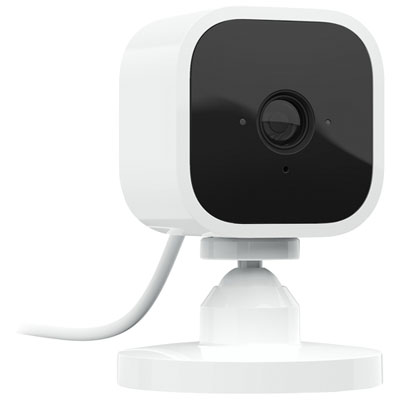 Your price for this item is $34.97
 -
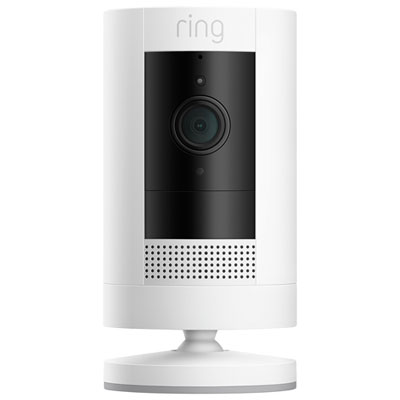 Your price for this item is $69.99
 -
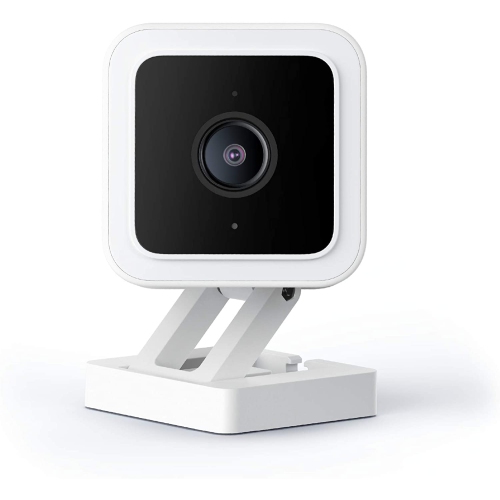 Your price for this item is $95.99
 -
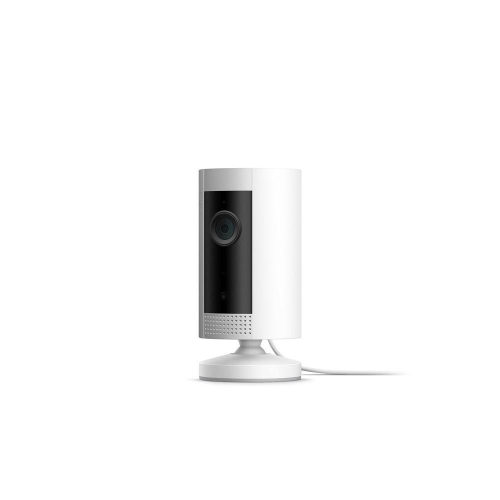 Your price for this item is $79.25
 -
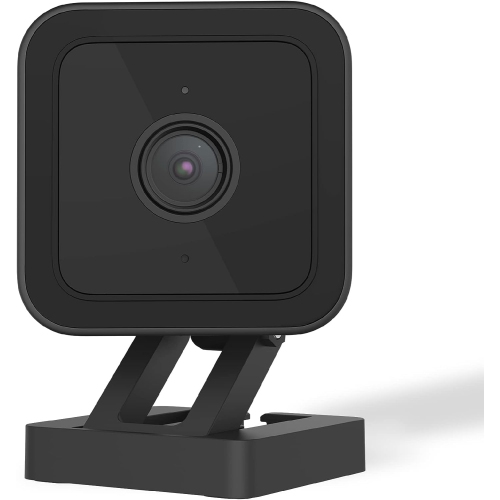 Your price for this item is $95.99
 -
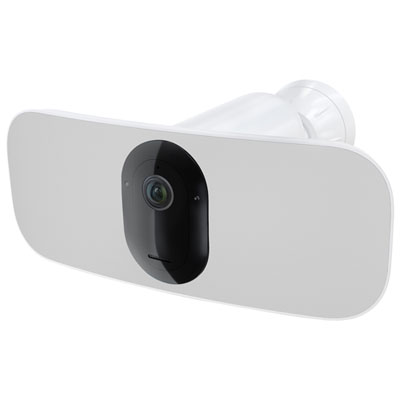 Your price for this item is $169.95
 -
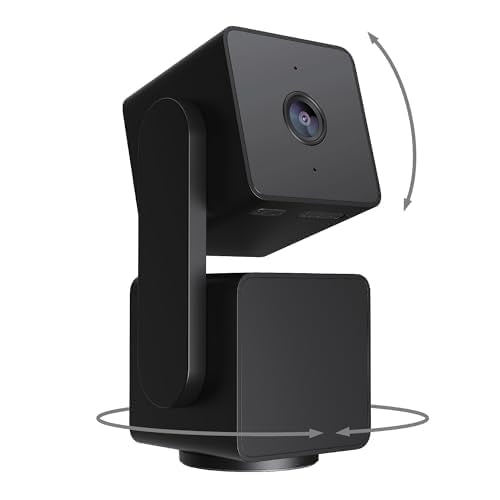 Your price for this item is $105.99
 -
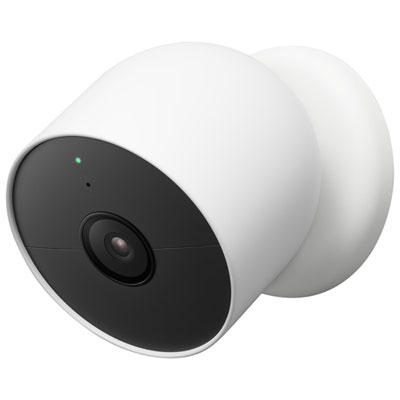 Your price for this item is $239.99
Discover more categories related to 180 Degree Security Cameras
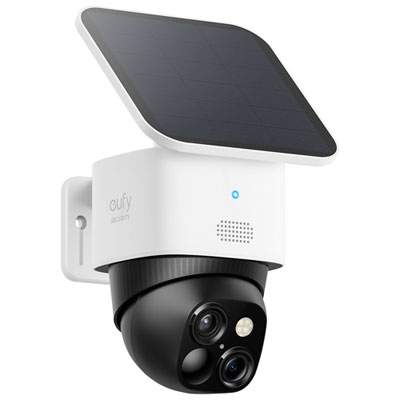
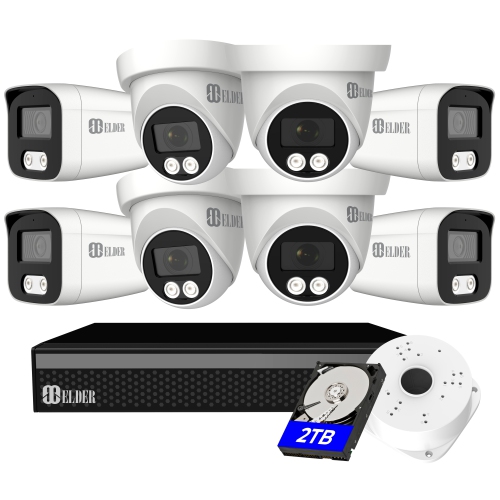
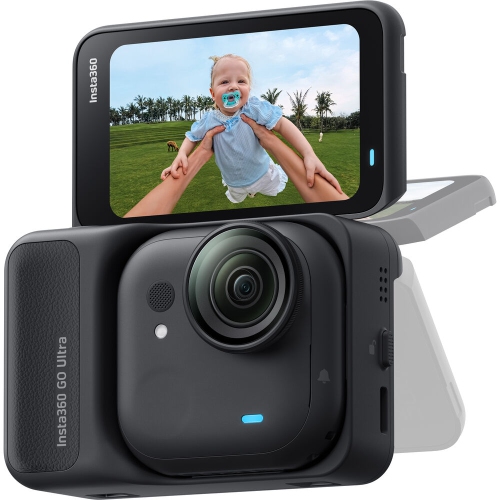
Top Collections:
Pokemon Centers, Kindle Devices, Best Budget Office Chairs, Apple iPhones 16, Best Laptops for Writers, iPhone 15 Apple, Canon G7X Cameras, Refurbished Apple Laptops, Alarm Clock, Motorola Razr Phones
Some products may be subject to Environmental Handling Fees
(EHF) depending on your province.
Learn more about EHFs.