4K PoE Cameras
Capture every detail with stunning clarity and uncompromising precision using our selection of 4K PoE cameras. Designed to deliver exceptional image quality, these cameras offer four times the resolution of standard HD cameras, ensuring that every frame is packed with lifelike details. With their Power over Ethernet (PoE) capabilities, installation becomes a breeze as you can power and connect these cameras with a single cable. Whether you're looking to enhance the security of your home or business, our range of 4K PoE cameras will provide you with the ultimate surveillance solution.
Sort
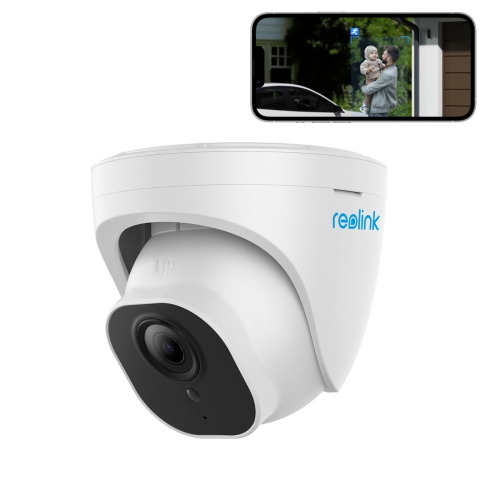
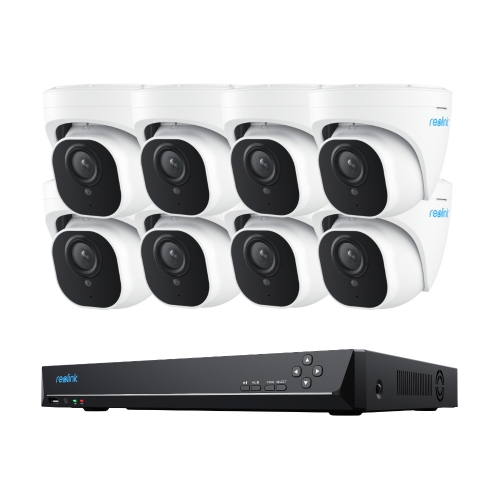
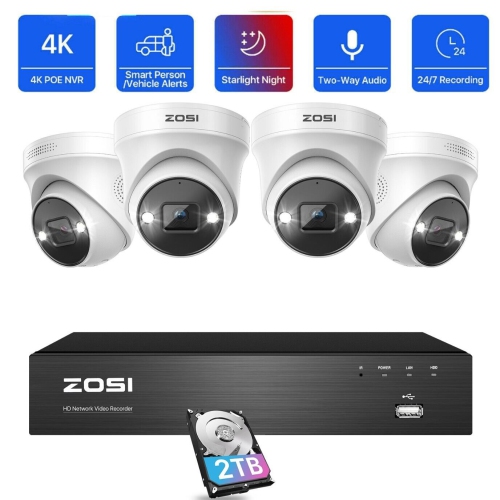
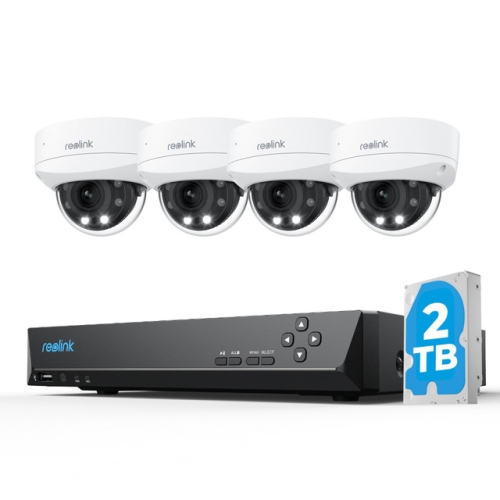
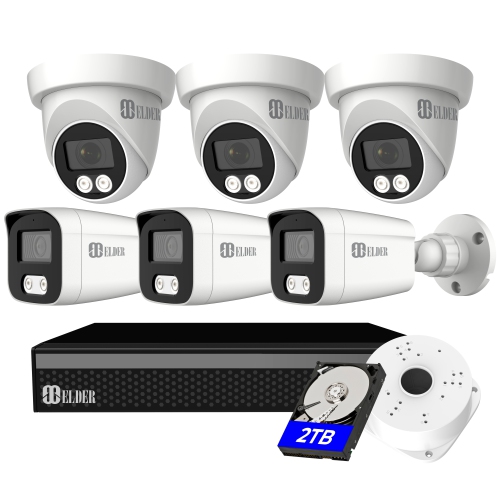
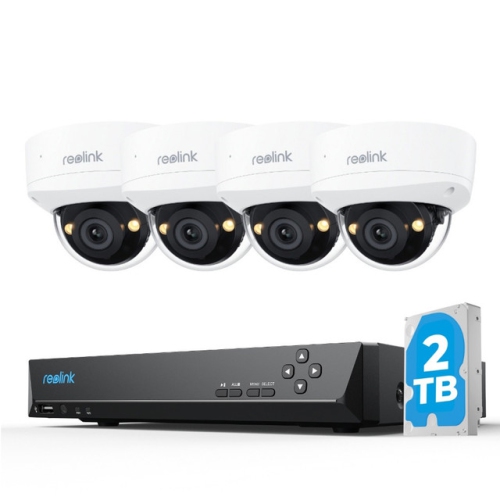
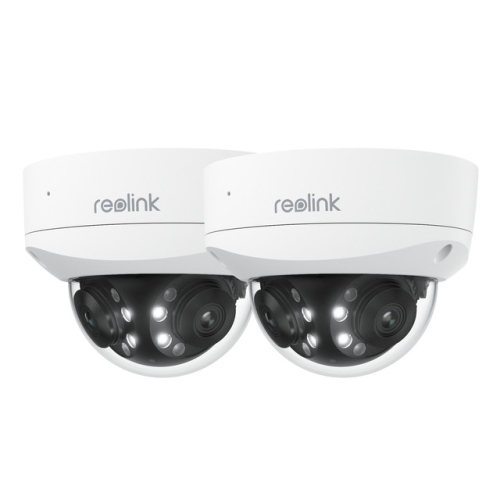
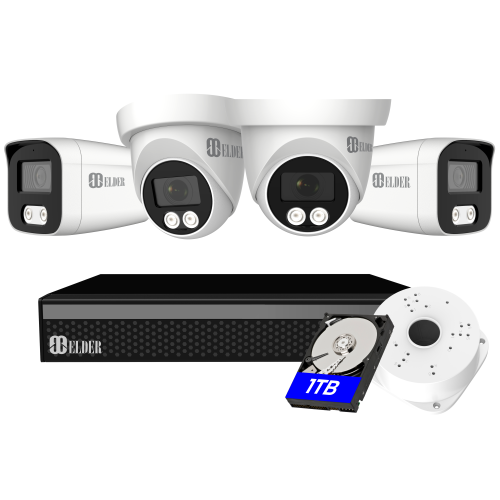
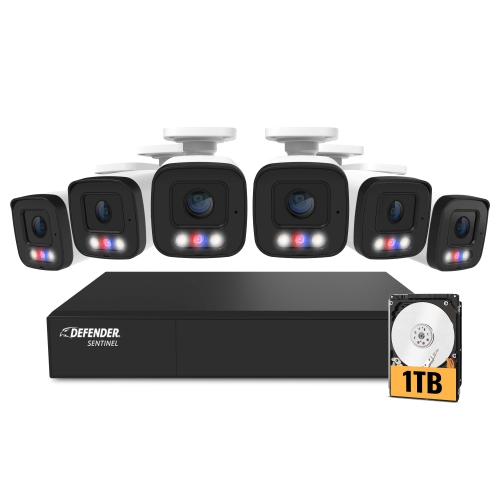
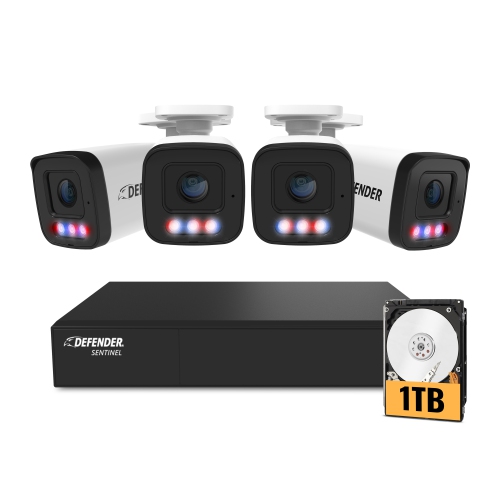
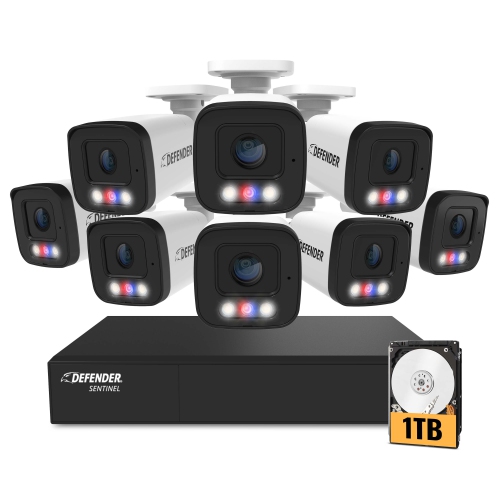
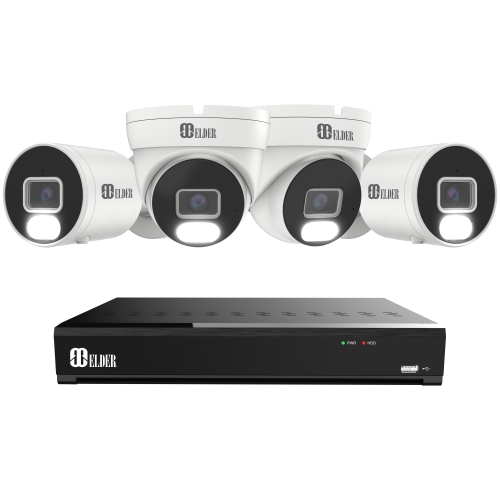
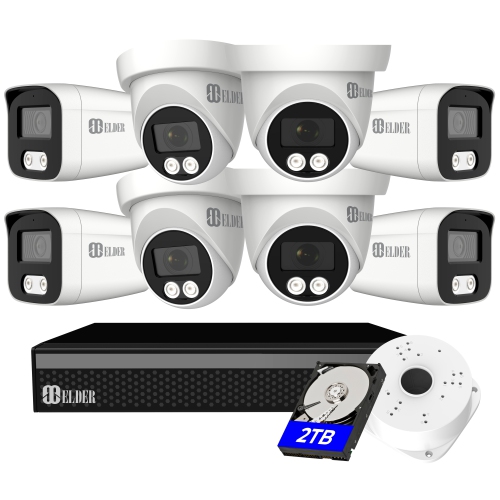
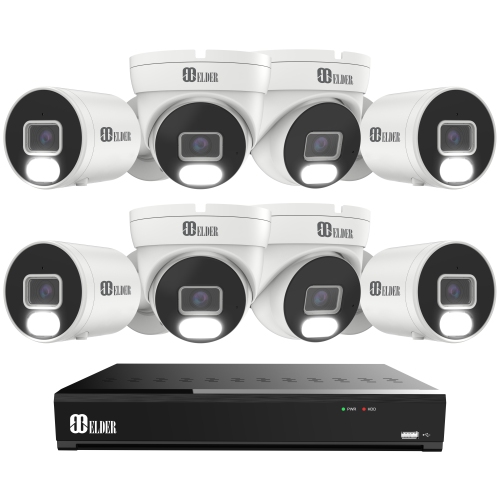
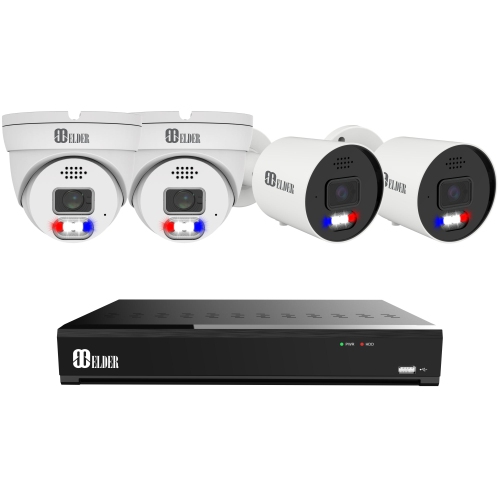
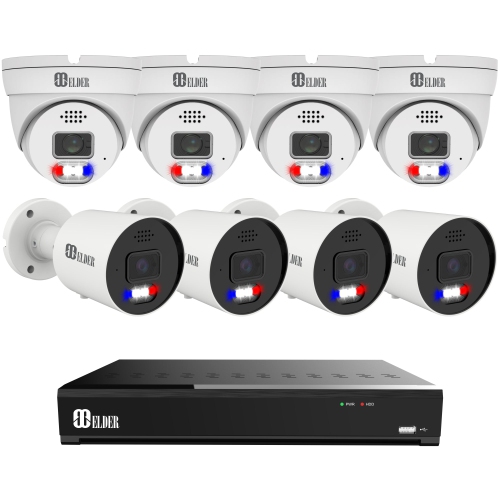
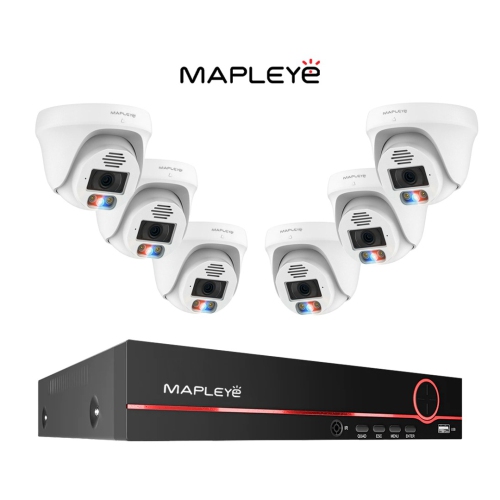
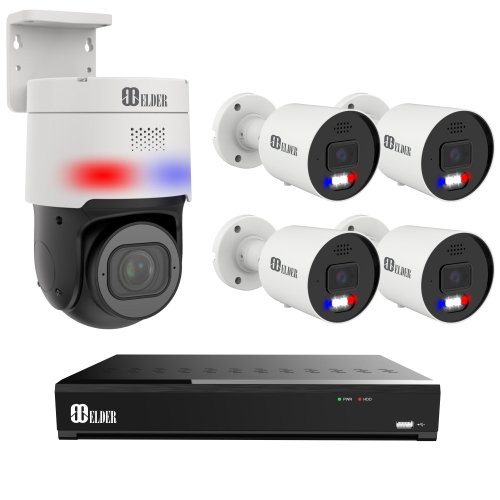
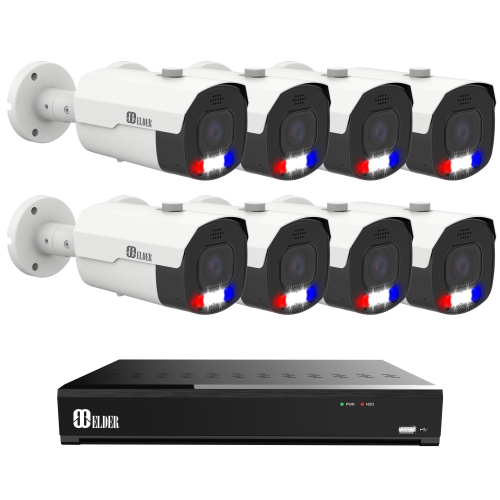
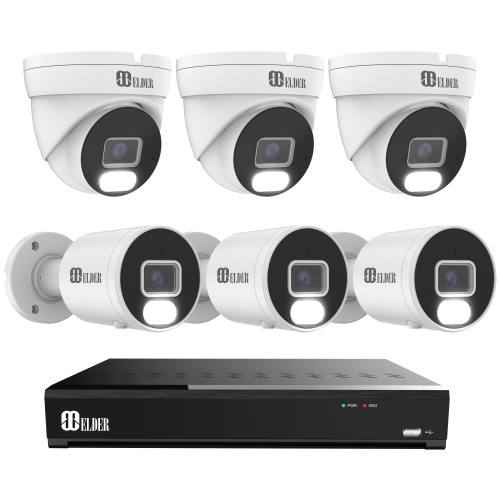
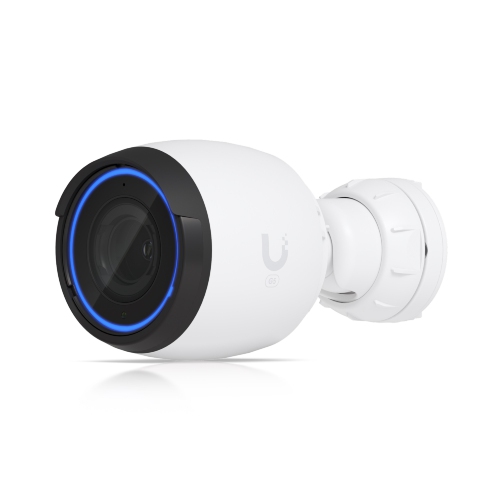
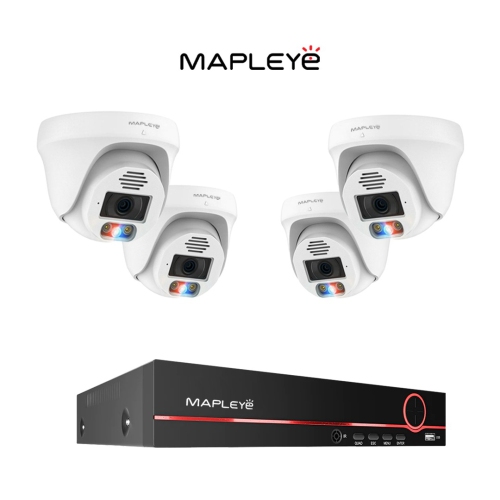
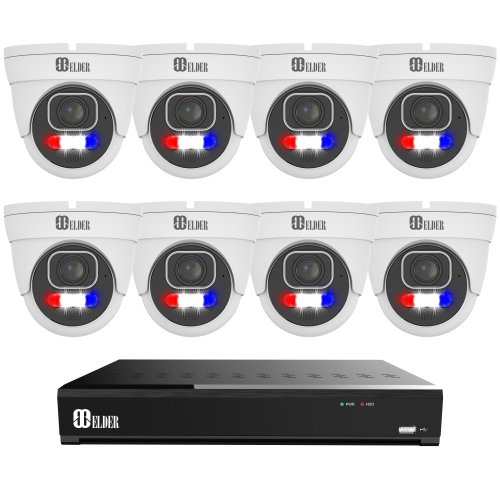
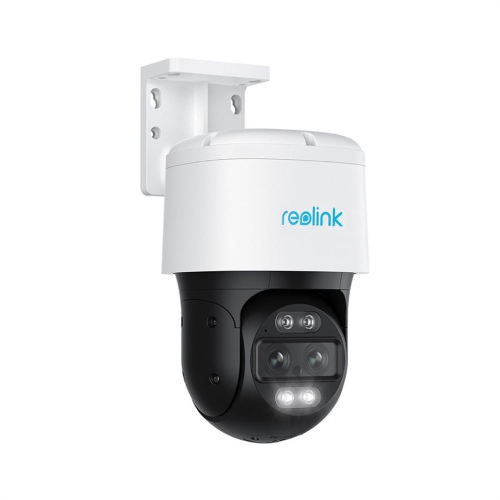
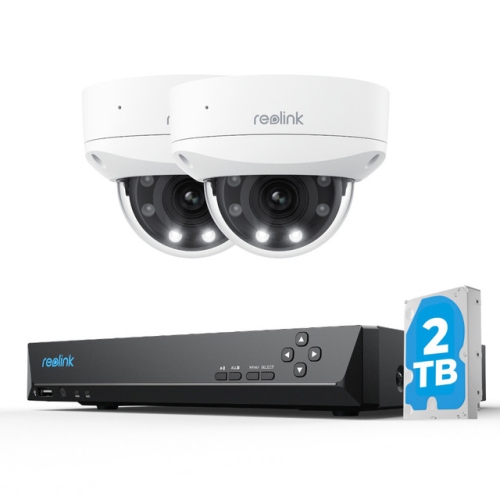
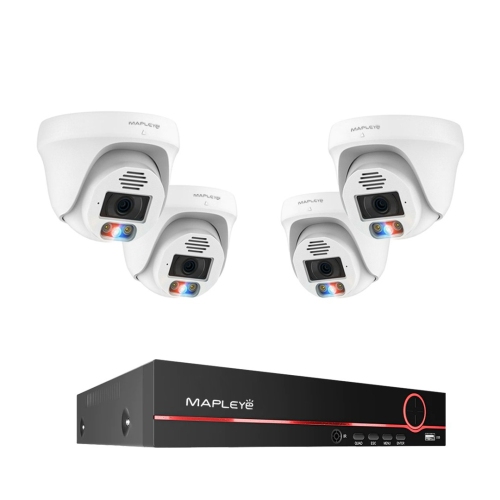
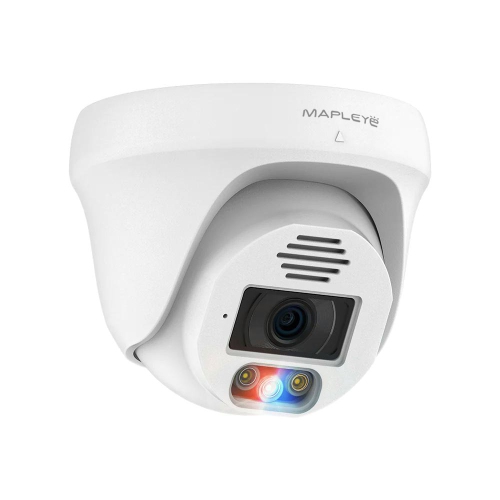
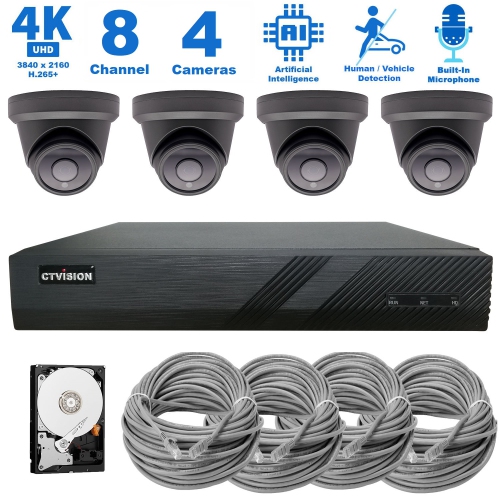
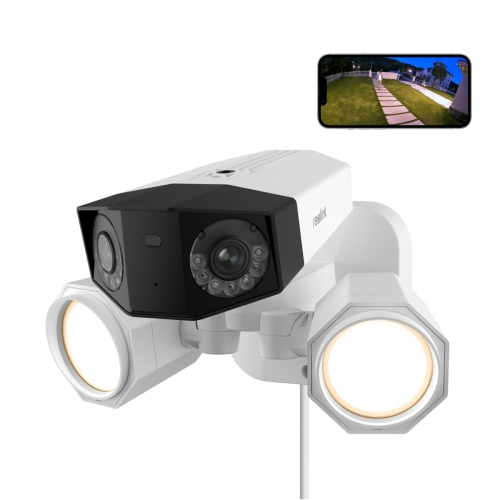
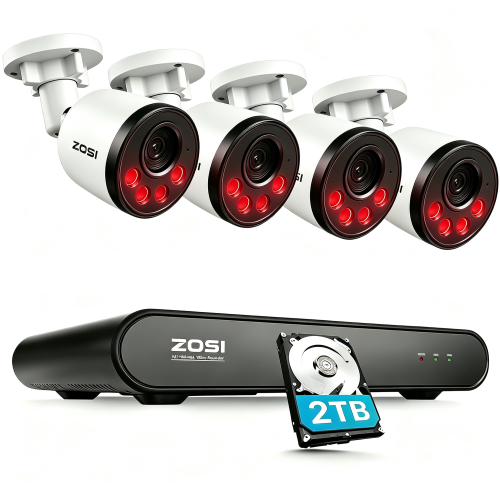
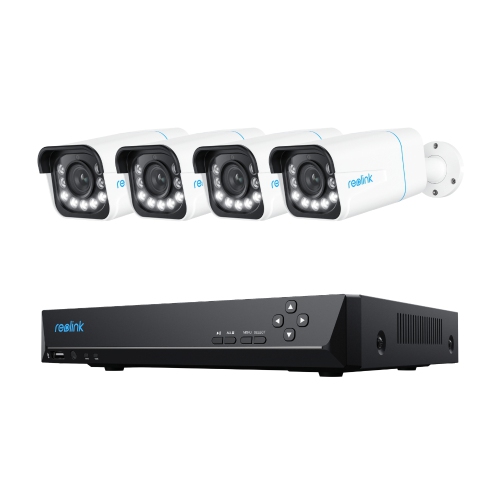
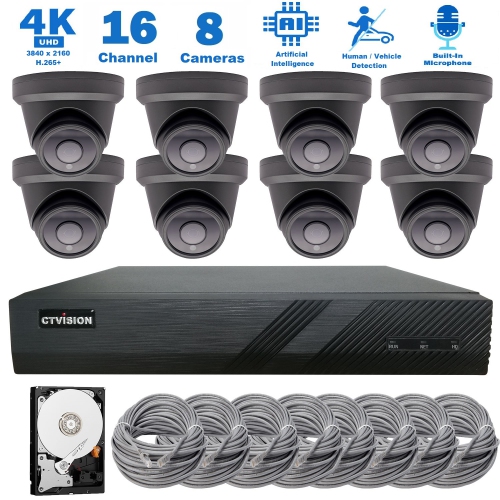
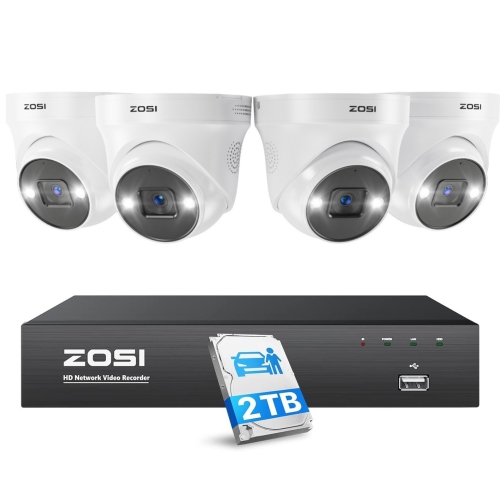
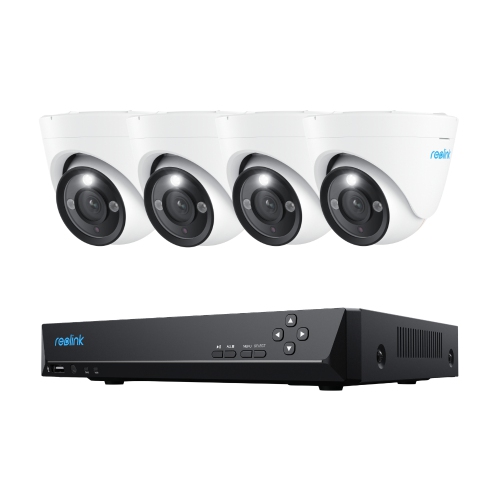
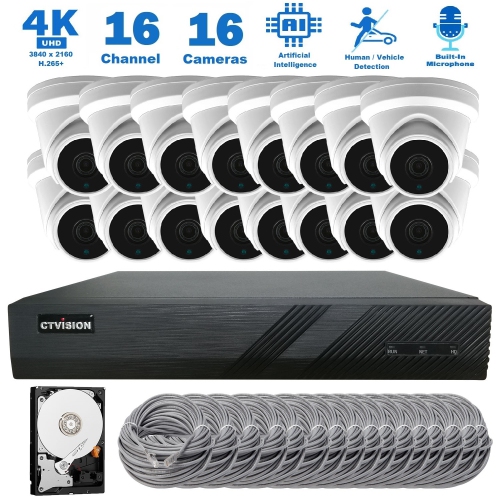
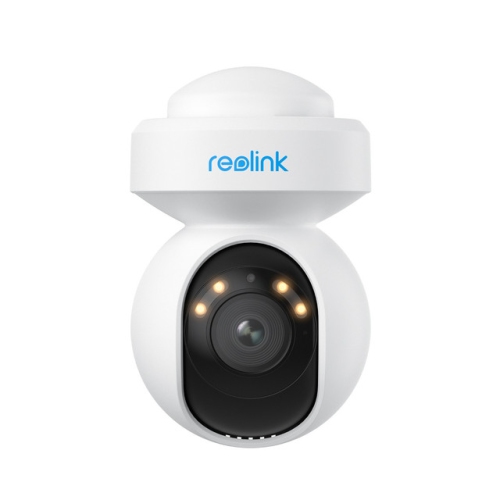
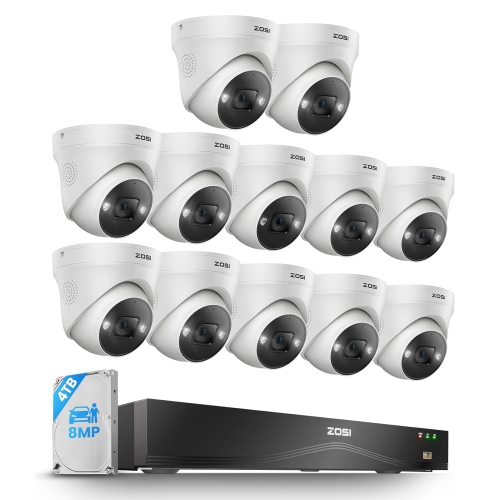
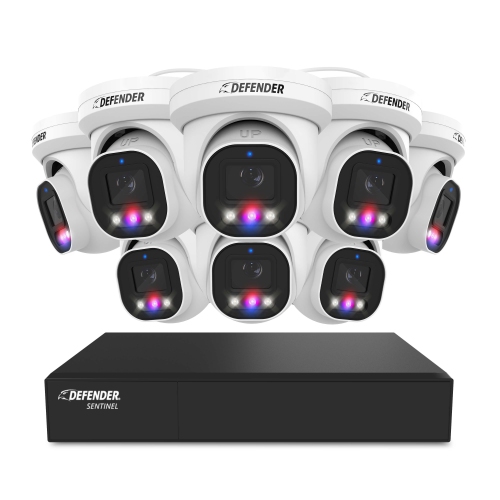
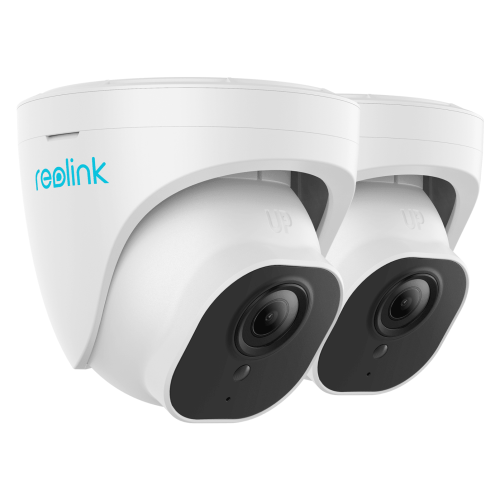
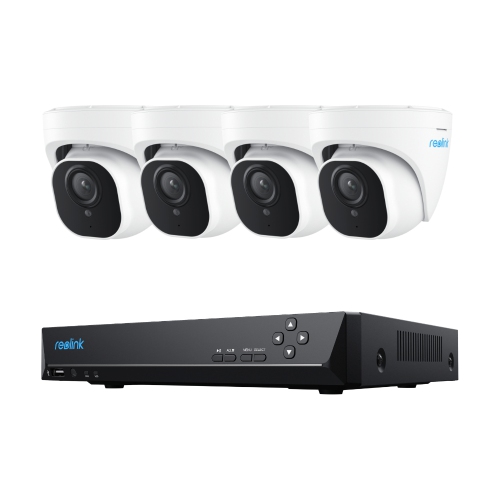
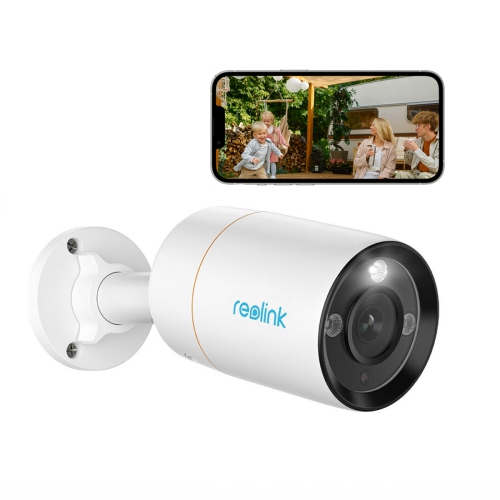
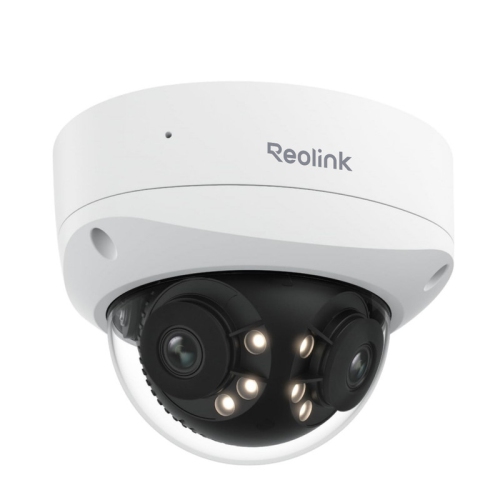
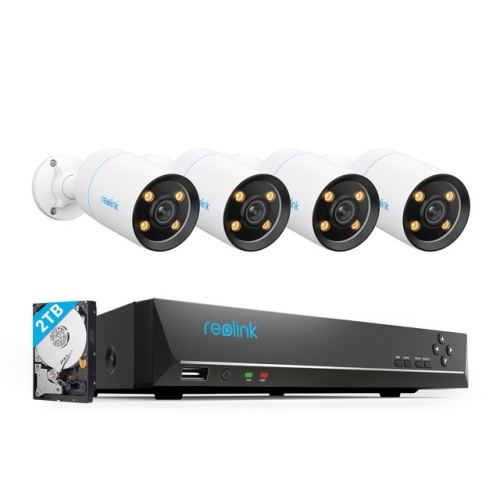
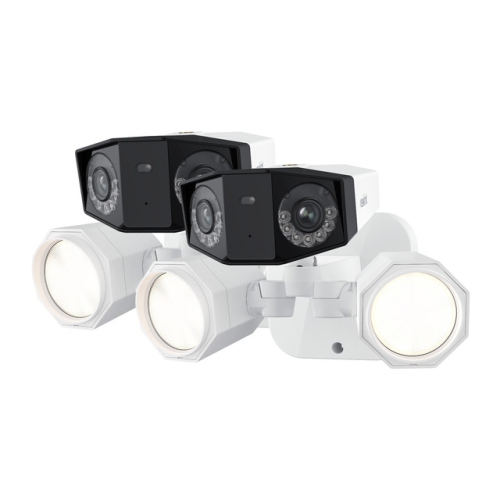
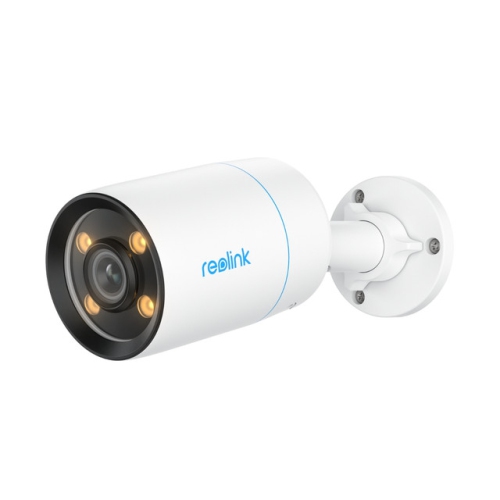
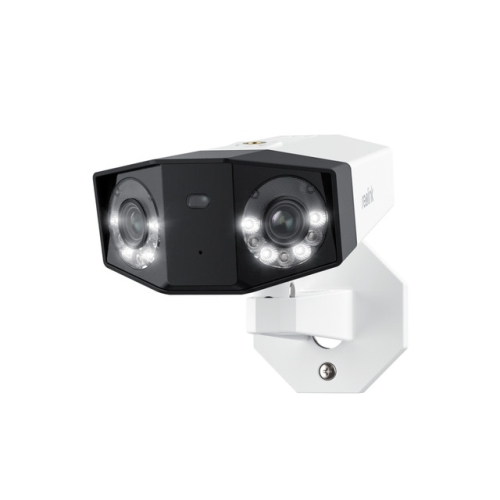
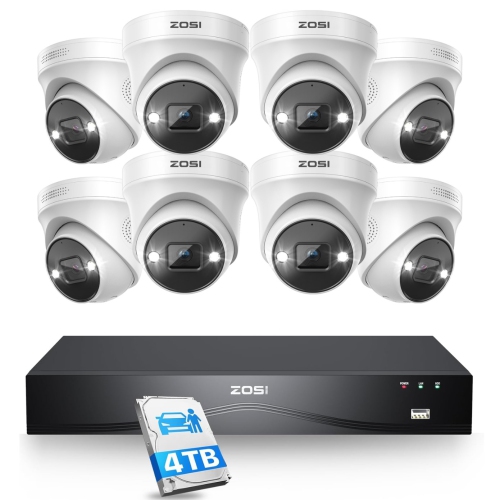
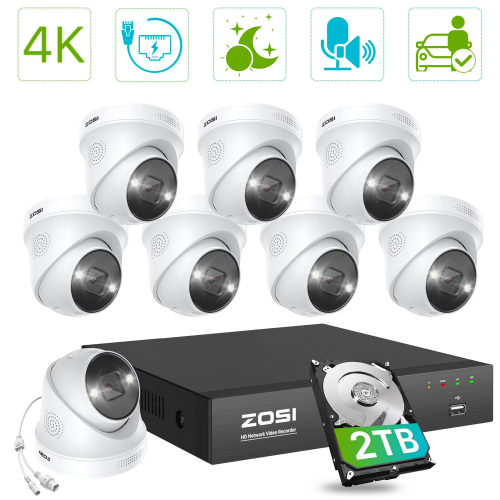
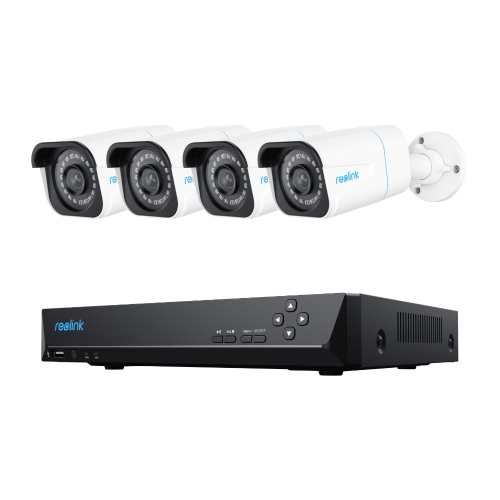
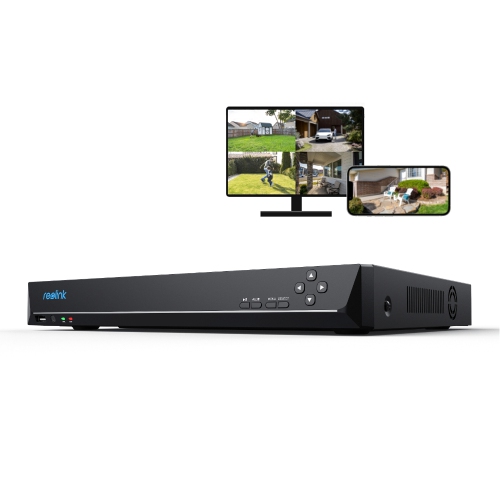
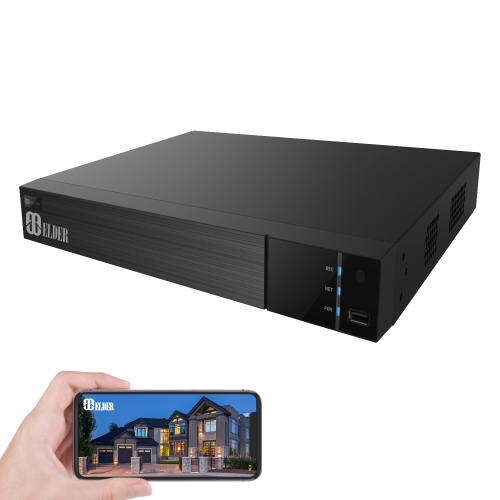
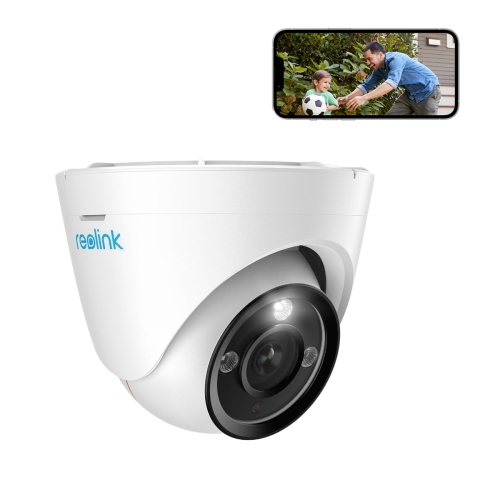
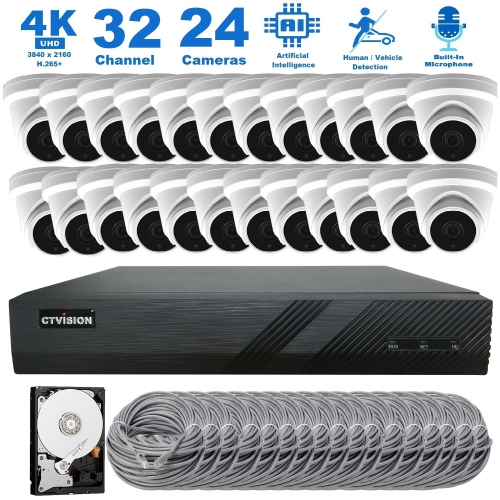
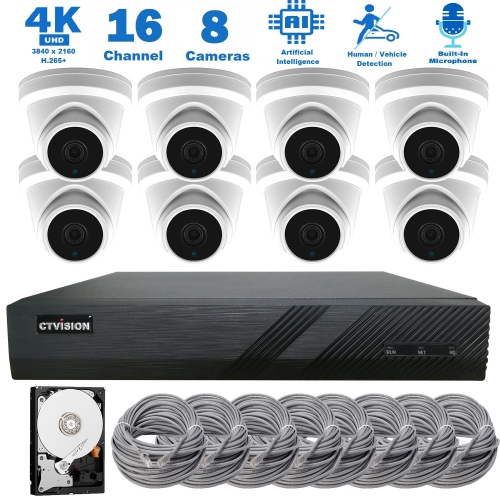
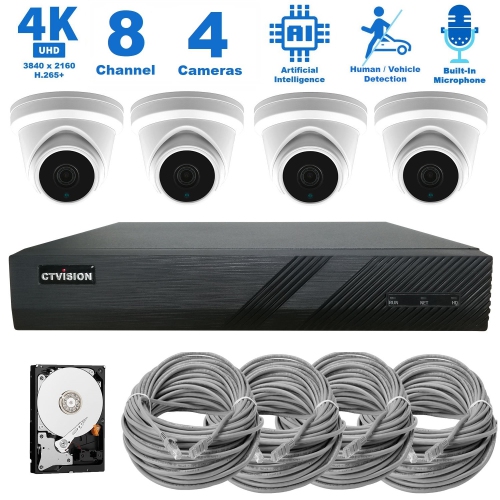
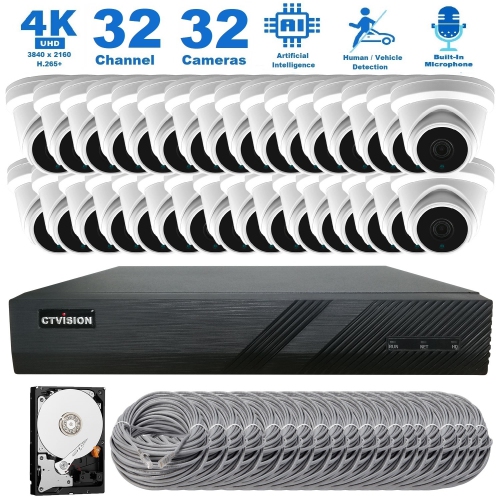
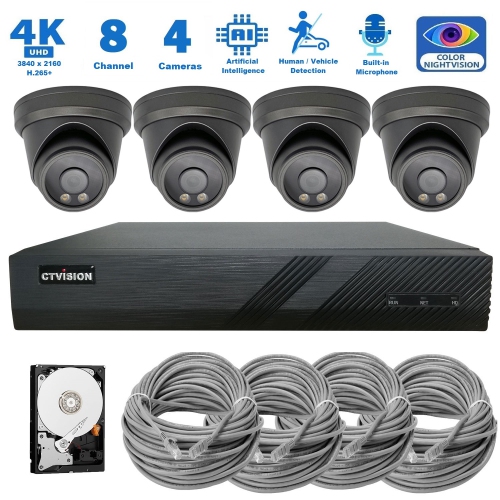
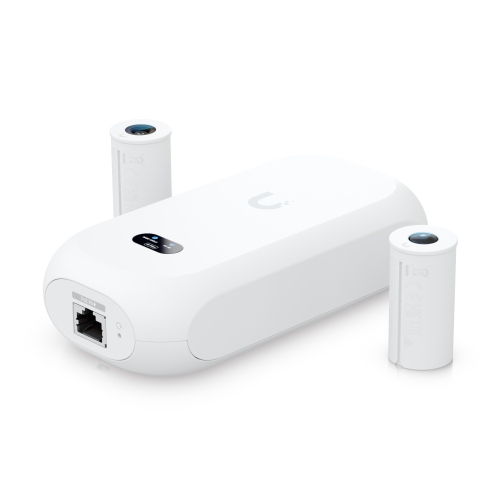
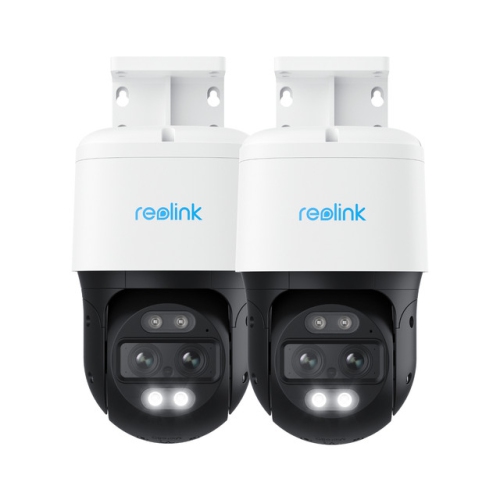

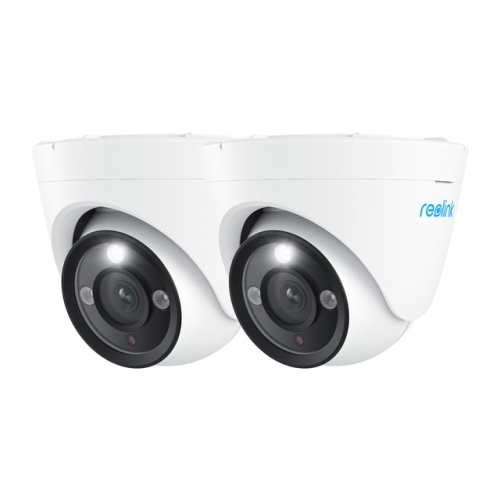
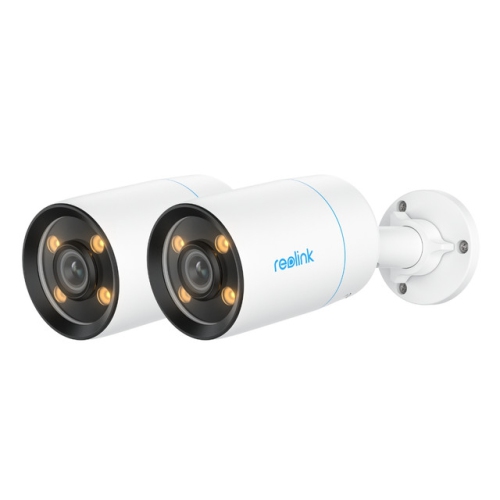
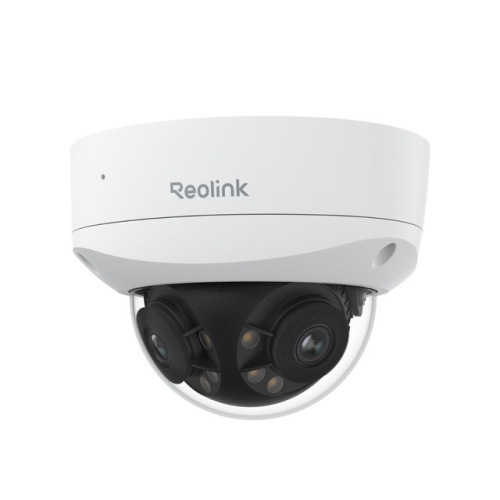
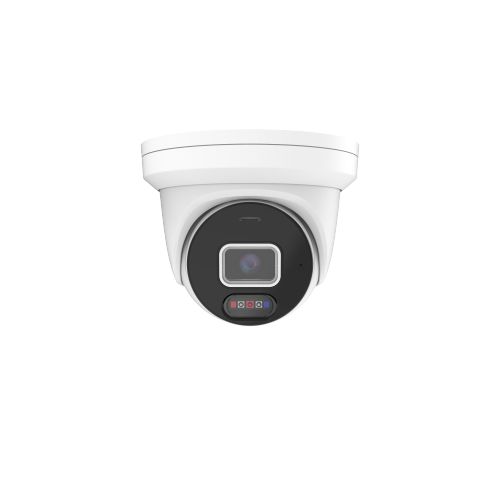
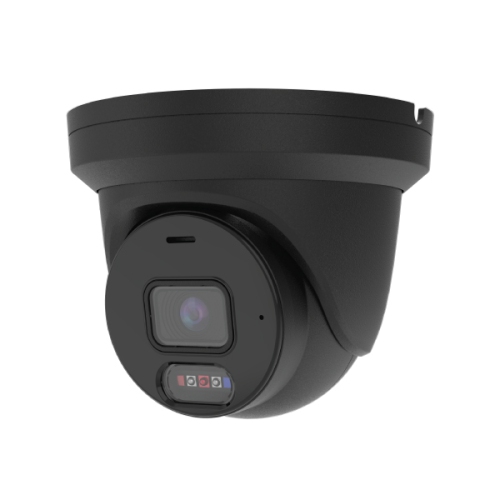
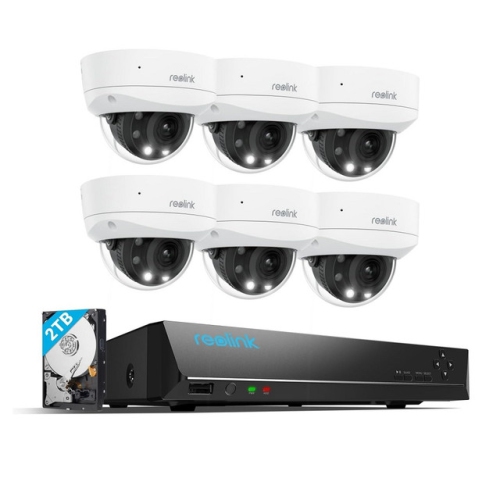
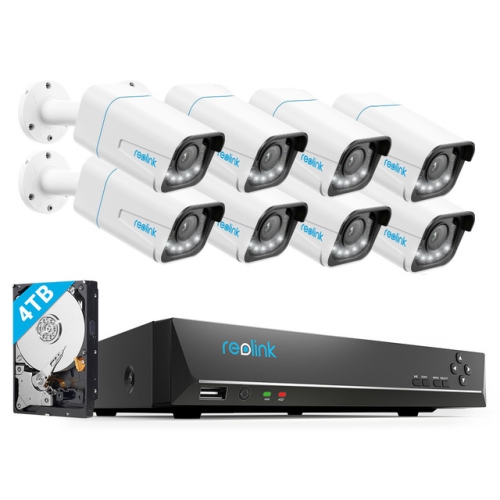
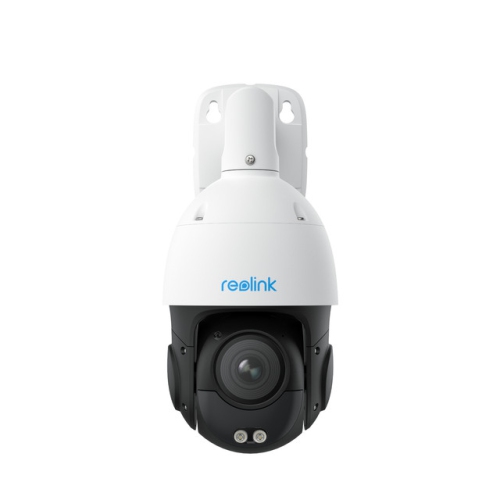
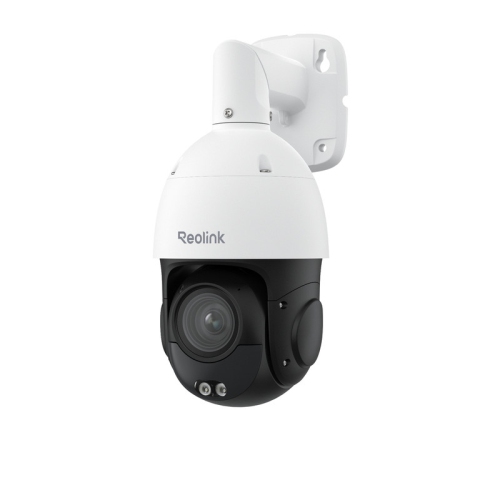
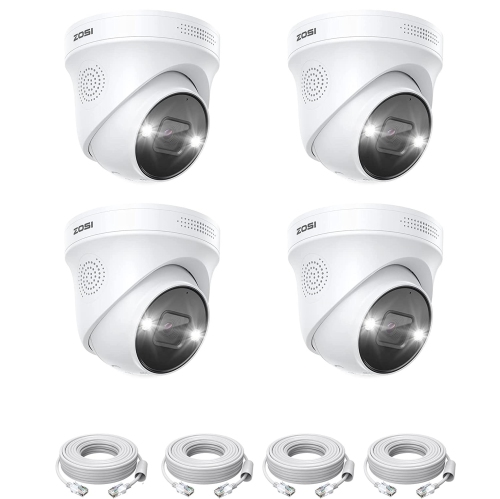
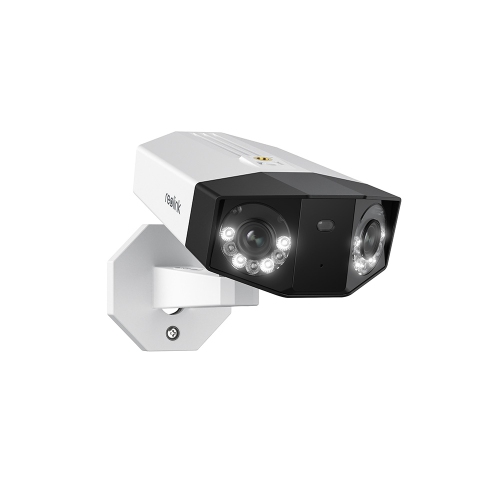
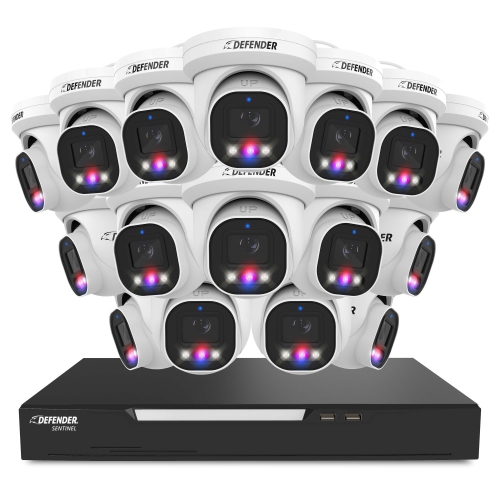
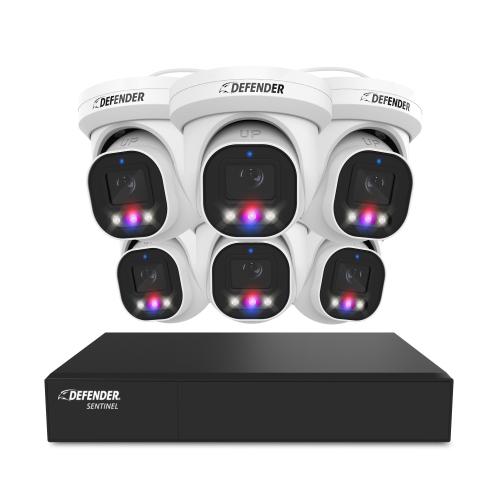
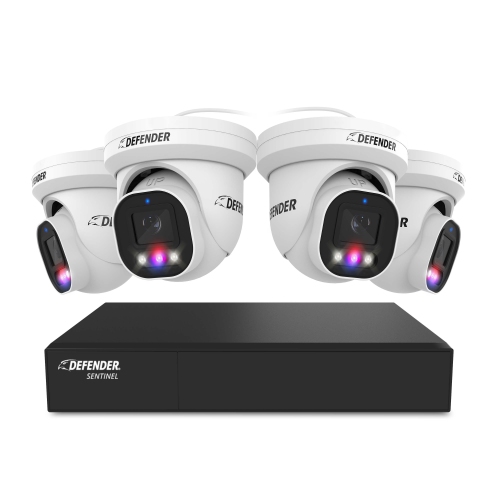
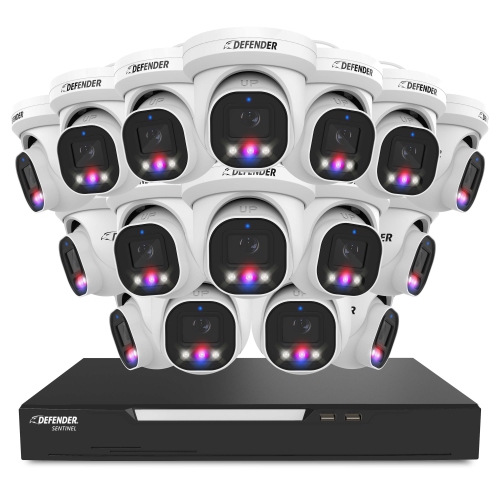
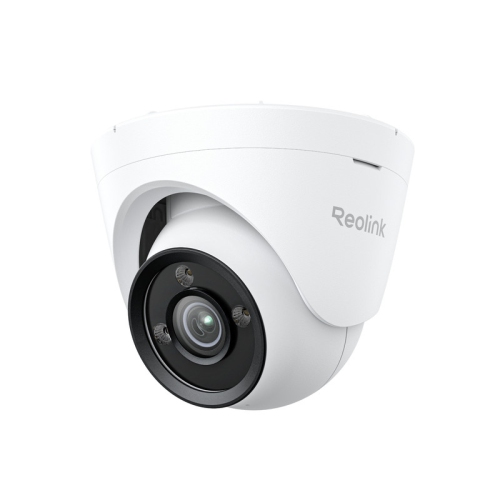
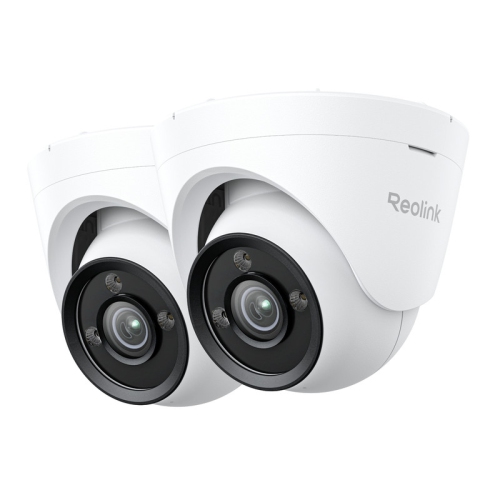
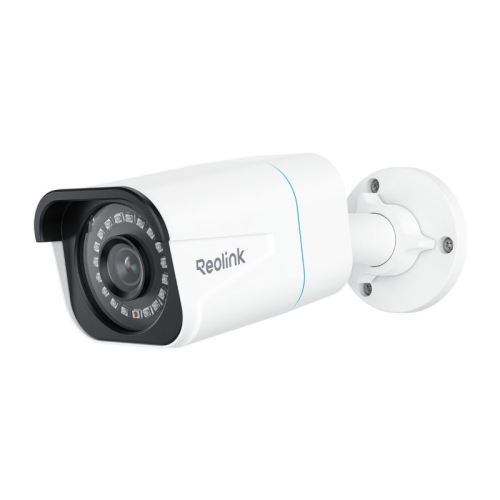
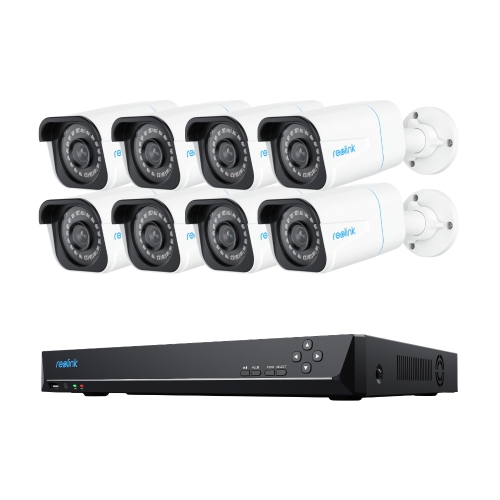
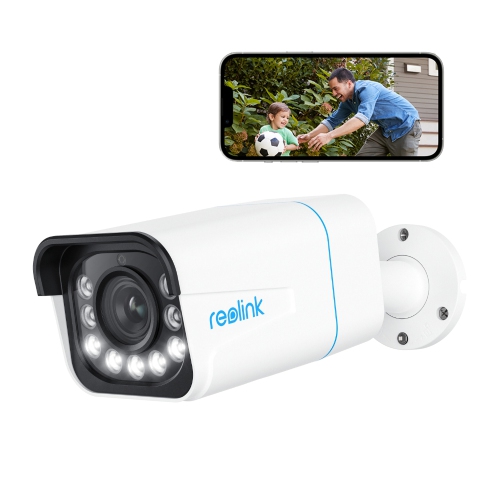
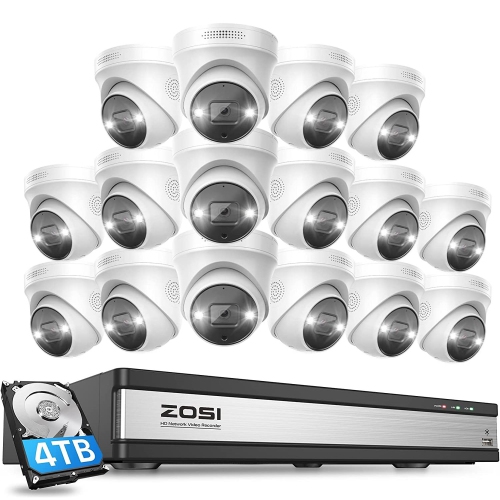

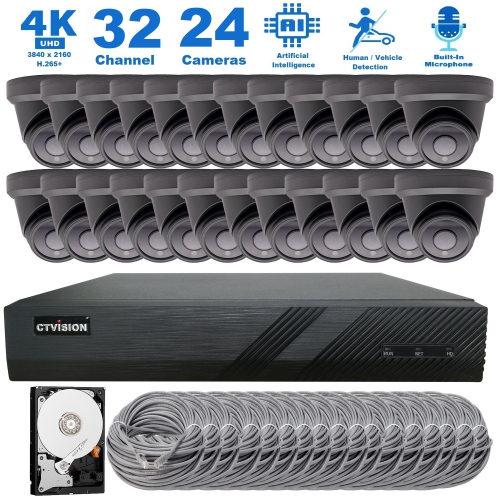
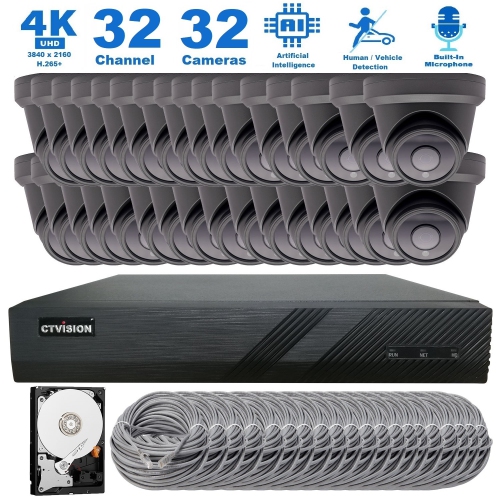
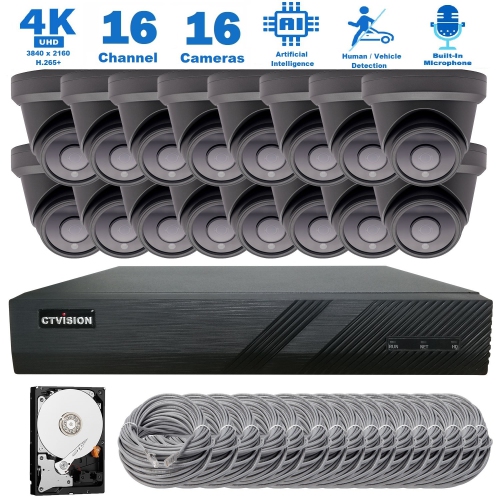
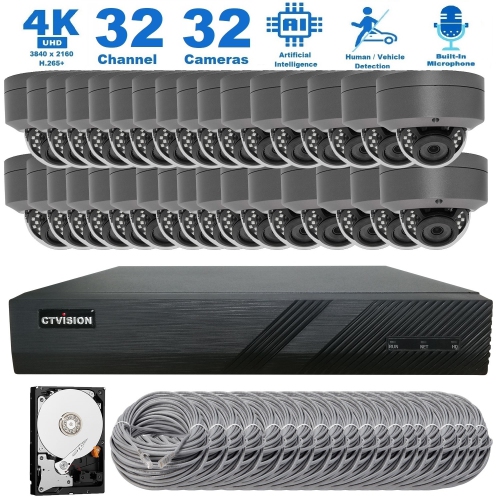
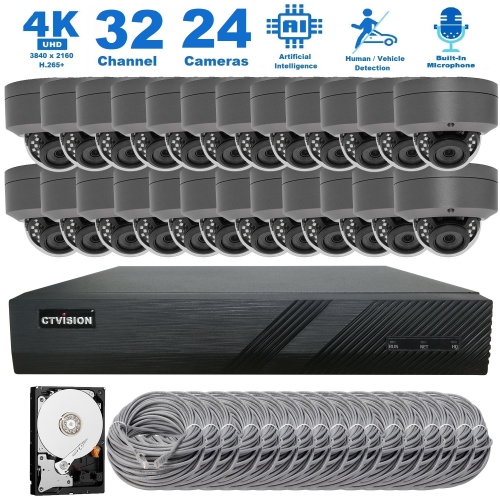
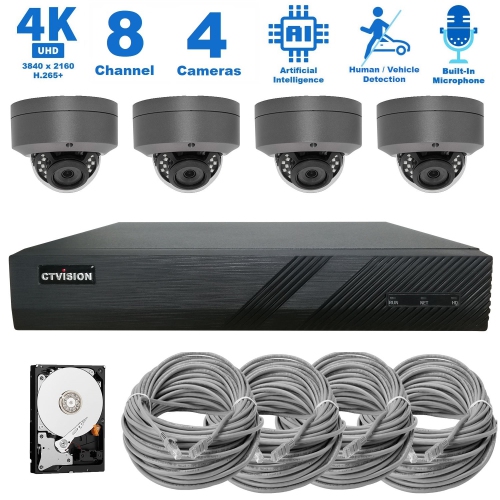
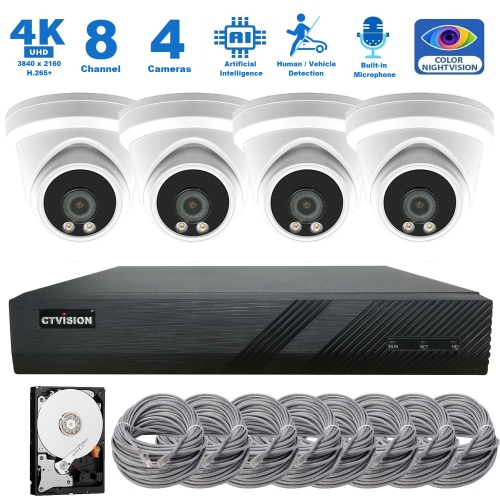
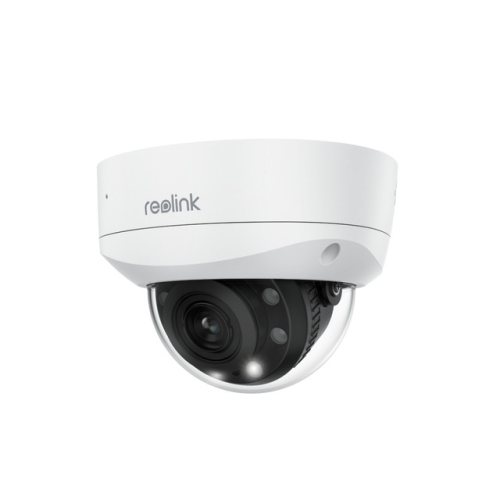
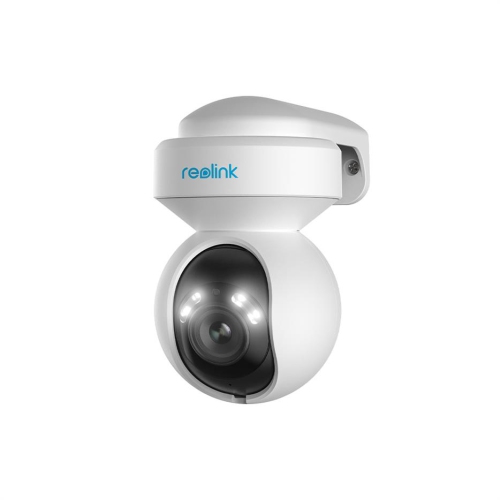
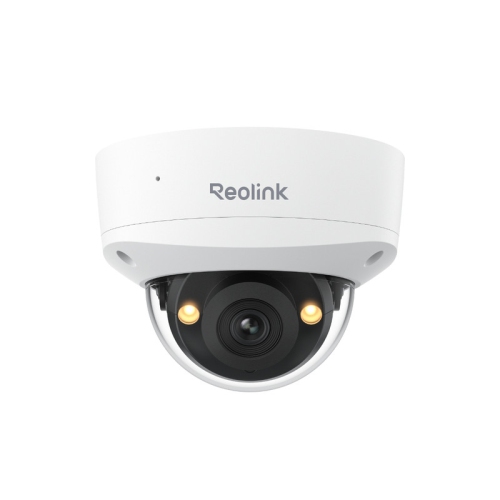
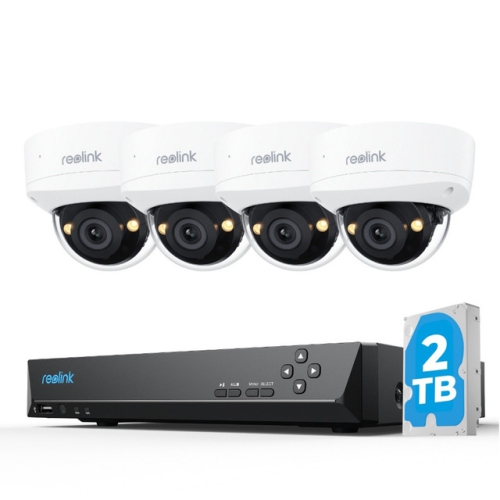
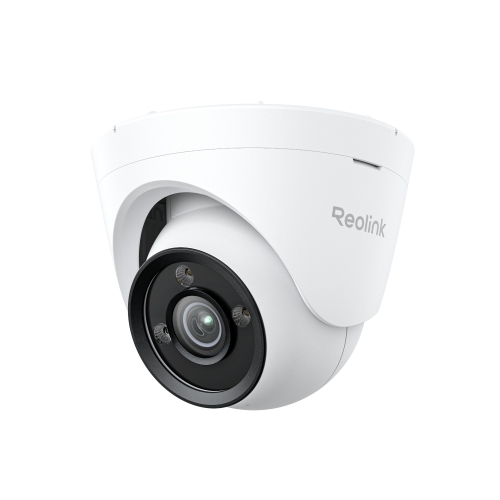
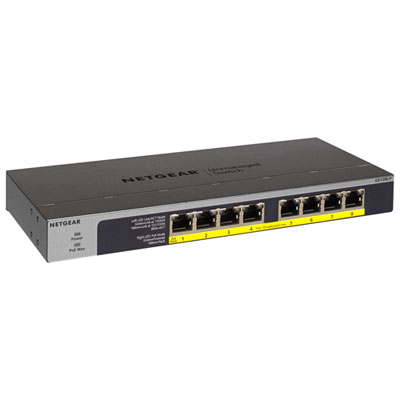
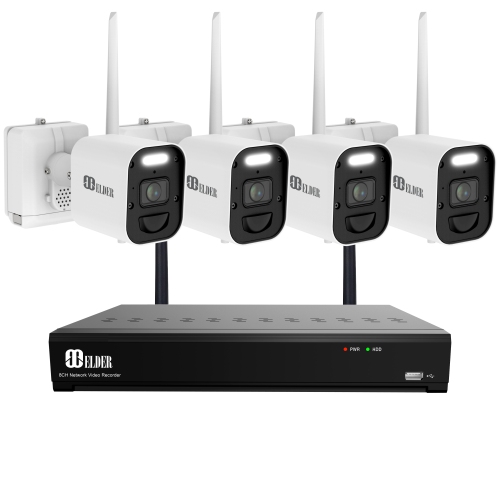
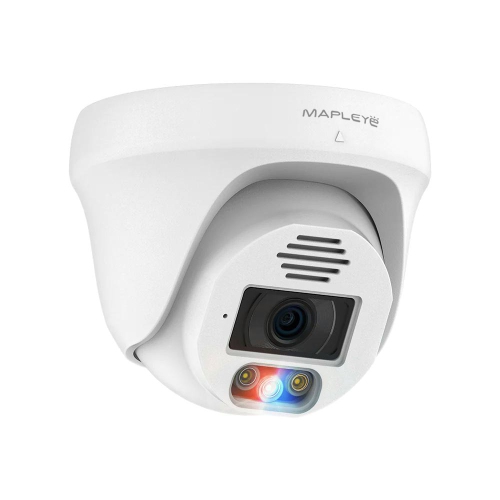
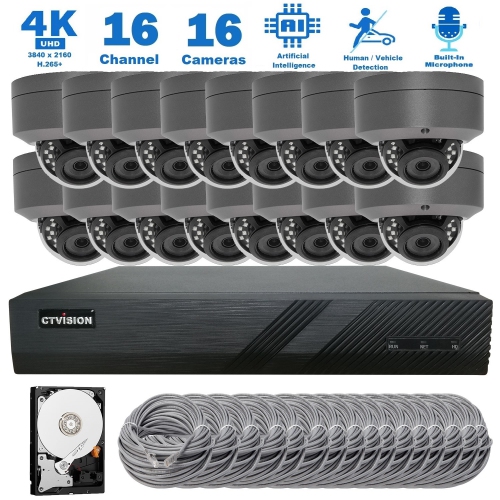
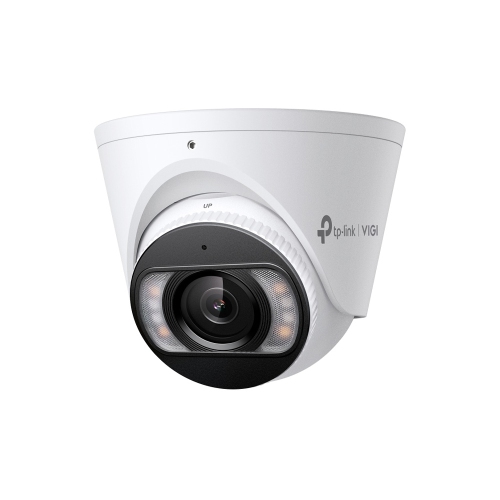
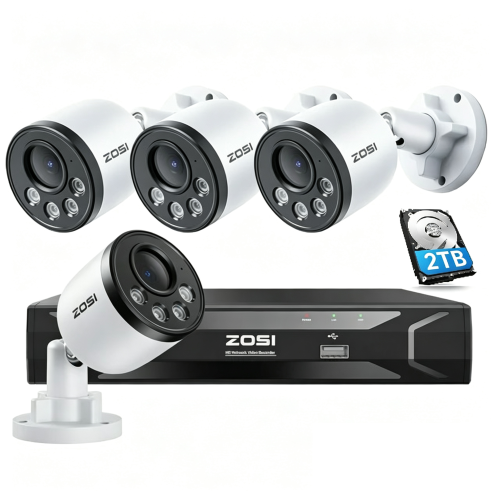
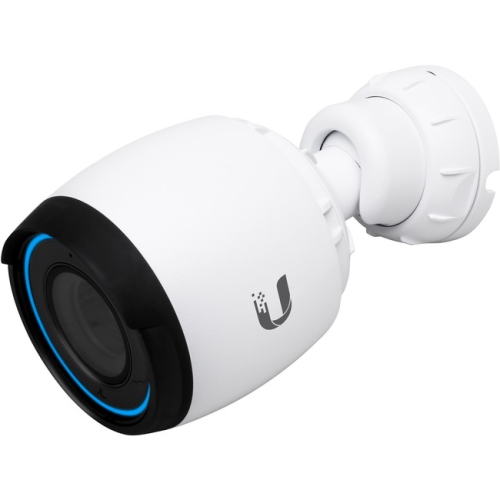
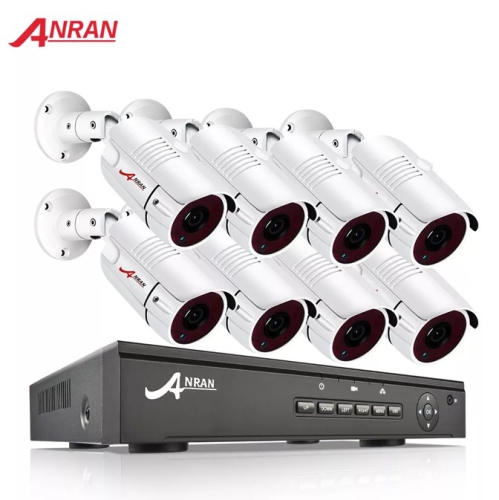
Detailed security footage with single-cable power and data
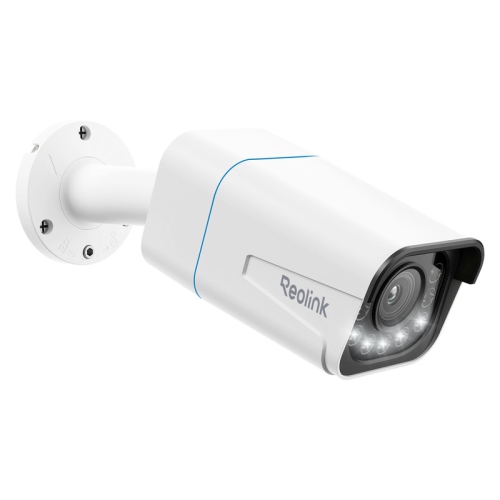
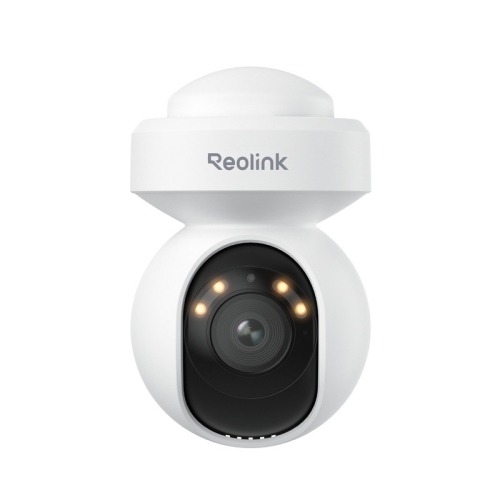
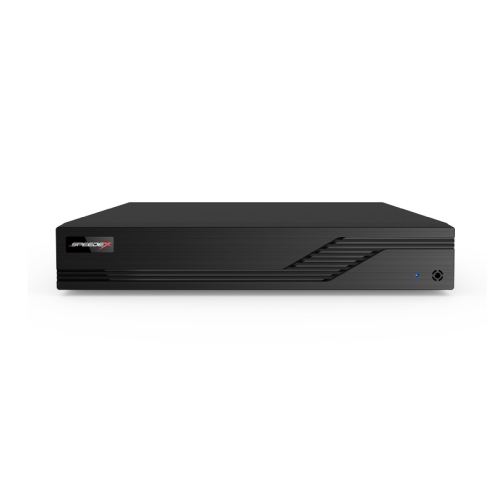
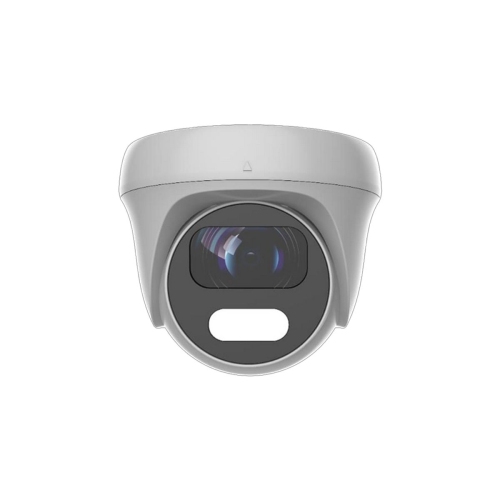
4K PoE cameras combine detailed security video with a wired connection that carries both power and data through a single Ethernet cable. Standard 4K UHD footage measures 3840 × 2160 pixels, approximately four times the pixel count of Full HD, giving these cameras room to capture finer details across entrances, driveways, shop floors, and other monitored spaces. That extra resolution can make it easier to examine a parcel left beside a front door or distinguish activity near a garage, especially when enlarging part of a recording. Resolution alone does not guarantee a readable licence plate or a clear face, however; distance, lens choice, lighting, camera angle, and motion all affect the result. Power over Ethernet, commonly shortened to PoE, removes the need for a separate electrical outlet beside each camera when connected to compatible power equipment. Unlike Wi-Fi cameras, PoE models transmit footage over a physical network connection, so their connection does not depend on wireless signal strength at the mounting location. This makes them well suited to permanent installations where cable can be routed to an eave, an interior ceiling, or a detached building with suitable network infrastructure. Homeowners may use them to watch an entryway and side gate, while small businesses may need coverage of receiving doors, checkout areas, or storage rooms. Their usefulness depends as much on the scene as on the camera specifications. A wide-angle lens captures more of a small courtyard, but a narrower view can devote more pixels to a distant doorway. Varifocal lenses offer adjustable framing on supported models, while fixed lenses provide a set field of view. Bullet-shaped housings are often visibly directional, turret cameras allow flexible aiming in a compact housing, and dome cameras place the lens behind a protective cover. These differences influence placement, visibility, and upkeep rather than determining image quality on their own. For a household or business, a practical match is a camera whose view, mounting style, and recording features suit the area that actually needs attention.
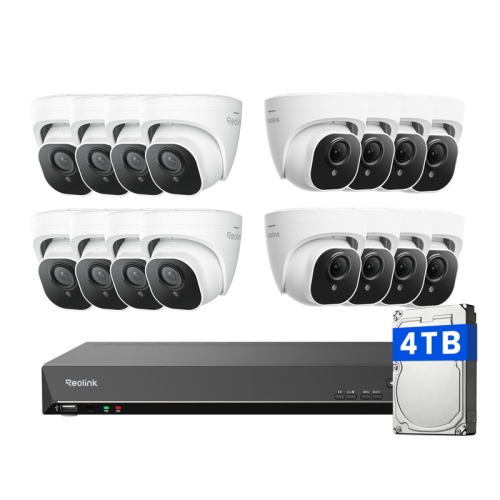
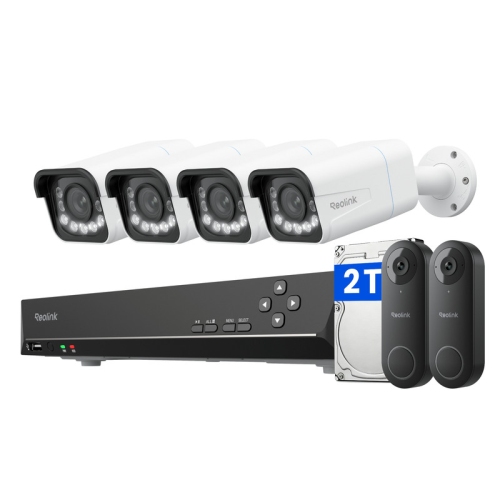
A 4K PoE security camera installation also depends on the equipment behind the lens. Cameras receive power from a compatible PoE network switch, a PoE injector, or a network video recorder with built-in PoE ports; an ordinary Ethernet port does not necessarily supply power. Compatibility includes the supported PoE standard, the power required by each camera, the capacity of each port, and the total power budget of the connected equipment. Infrared illumination, built-in spotlights, heaters, and motorized functions can increase power demand when fitted, making maximum rated consumption more useful than a typical daytime figure. Cat5e or Cat6 cabling is commonly used, with standard copper Ethernet channels generally limited to 100 metres, including patch leads, unless suitable extension equipment is involved. Outdoor cable routes need appropriate cable ratings, protected connections, and attention to moisture entry. A cable passing beneath an eave still needs a properly sealed connection; a sheltered location does not make an exposed plug weatherproof. Recording arrangements vary as well. A network video recorder, or NVR, can provide central storage and playback for several cameras, while some cameras support a memory card or compatible network storage. Support for continuous recording, motion-triggered clips, remote viewing, and audio differs between models and platforms. A camera’s 4K output must be supported by the recorder’s input resolution, recording bandwidth, and channel capacity, and not every recorder displays every connected stream at full resolution simultaneously. Cross-brand compatibility should be verified at the feature level, since a supported connection protocol does not automatically carry over every smart alert or audio function. For multi-camera coverage around a property, Outdoor POE Security Camera Systems bring the focus to coordinated exterior monitoring. Storage capacity matters particularly with 4K footage: retention time depends on camera count, bitrate, frame rate, compression, and recording schedule. H.265 compression can reduce storage needs compared with H.264 at comparable quality, where supported. Local recording may continue without internet access if the camera network and recorder remain powered and operational, although remote access generally requires an internet connection.
Outdoor durability and everyday image quality are especially important where cameras face rain, wind-driven snow, or changing light. Metal and polymer housings can both be suitable for exterior use when their construction and ratings match the installation. An IP rating describes resistance to dust and water under defined test conditions, while an operating temperature range indicates whether a camera is specified for the temperatures expected at its mounting point. Neither replaces secure mounting, sealed cable entries, or a suitable junction box. An impact-resistance rating can be relevant for cameras mounted within reach, but weather resistance and impact resistance are separate characteristics. During the cooler months, earlier darkness puts more emphasis on night performance. Infrared night vision usually produces black-and-white footage, while colour night vision may depend on available light, a sensitive sensor, or built-in illumination. Published night-vision distance is not the same as reliable identification distance. A face crossing a poorly lit driveway may still blur if exposure settings favour brightness over motion clarity. Similarly, placing a camera behind glass can cause infrared reflections that obscure the view, and aiming too close to a pale wall or soffit can create glare. Wide dynamic range can help balance a shaded porch against a bright street, while person or vehicle detection on supported models can make alerts more relevant than basic motion detection alone. Trees, blowing snow, and passing headlights can still affect notifications, so adjustable activity zones and sensitivity controls are useful distinctions. Routine care is straightforward: a soft cloth and cleaning methods approved by the manufacturer help keep lenses and covers clear without damaging finishes. Cobwebs, water spots, and dust can become surprisingly visible when illuminated at night. Accessible mounting positions make cleaning and inspection easier, provided the camera remains securely placed. Thoughtful framing keeps attention on the intended property rather than neighbouring windows, and audio recording warrants particular care around privacy requirements. Secure passwords, firmware updates, and controlled account access also matter for connected cameras. Together, suitable optics, dependable cabling, appropriate protection, and manageable recording options make 4K PoE cameras a practical choice for detailed, ongoing property monitoring.
A 4K PoE security camera installation also depends on the equipment behind the lens. Cameras receive power from a compatible PoE network switch, a PoE injector, or a network video recorder with built-in PoE ports; an ordinary Ethernet port does not necessarily supply power. Compatibility includes the supported PoE standard, the power required by each camera, the capacity of each port, and the total power budget of the connected equipment. Infrared illumination, built-in spotlights, heaters, and motorized functions can increase power demand when fitted, making maximum rated consumption more useful than a typical daytime figure. Cat5e or Cat6 cabling is commonly used, with standard copper Ethernet channels generally limited to 100 metres, including patch leads, unless suitable extension equipment is involved. Outdoor cable routes need appropriate cable ratings, protected connections, and attention to moisture entry. A cable passing beneath an eave still needs a properly sealed connection; a sheltered location does not make an exposed plug weatherproof. Recording arrangements vary as well. A network video recorder, or NVR, can provide central storage and playback for several cameras, while some cameras support a memory card or compatible network storage. Support for continuous recording, motion-triggered clips, remote viewing, and audio differs between models and platforms. A camera’s 4K output must be supported by the recorder’s input resolution, recording bandwidth, and channel capacity, and not every recorder displays every connected stream at full resolution simultaneously. Cross-brand compatibility should be verified at the feature level, since a supported connection protocol does not automatically carry over every smart alert or audio function. For multi-camera coverage around a property, Outdoor POE Security Camera Systems bring the focus to coordinated exterior monitoring. Storage capacity matters particularly with 4K footage: retention time depends on camera count, bitrate, frame rate, compression, and recording schedule. H.265 compression can reduce storage needs compared with H.264 at comparable quality, where supported. Local recording may continue without internet access if the camera network and recorder remain powered and operational, although remote access generally requires an internet connection.
Outdoor durability and everyday image quality are especially important where cameras face rain, wind-driven snow, or changing light. Metal and polymer housings can both be suitable for exterior use when their construction and ratings match the installation. An IP rating describes resistance to dust and water under defined test conditions, while an operating temperature range indicates whether a camera is specified for the temperatures expected at its mounting point. Neither replaces secure mounting, sealed cable entries, or a suitable junction box. An impact-resistance rating can be relevant for cameras mounted within reach, but weather resistance and impact resistance are separate characteristics. During the cooler months, earlier darkness puts more emphasis on night performance. Infrared night vision usually produces black-and-white footage, while colour night vision may depend on available light, a sensitive sensor, or built-in illumination. Published night-vision distance is not the same as reliable identification distance. A face crossing a poorly lit driveway may still blur if exposure settings favour brightness over motion clarity. Similarly, placing a camera behind glass can cause infrared reflections that obscure the view, and aiming too close to a pale wall or soffit can create glare. Wide dynamic range can help balance a shaded porch against a bright street, while person or vehicle detection on supported models can make alerts more relevant than basic motion detection alone. Trees, blowing snow, and passing headlights can still affect notifications, so adjustable activity zones and sensitivity controls are useful distinctions. Routine care is straightforward: a soft cloth and cleaning methods approved by the manufacturer help keep lenses and covers clear without damaging finishes. Cobwebs, water spots, and dust can become surprisingly visible when illuminated at night. Accessible mounting positions make cleaning and inspection easier, provided the camera remains securely placed. Thoughtful framing keeps attention on the intended property rather than neighbouring windows, and audio recording warrants particular care around privacy requirements. Secure passwords, firmware updates, and controlled account access also matter for connected cameras. Together, suitable optics, dependable cabling, appropriate protection, and manageable recording options make 4K PoE cameras a practical choice for detailed, ongoing property monitoring.
Top selling and popular products
-
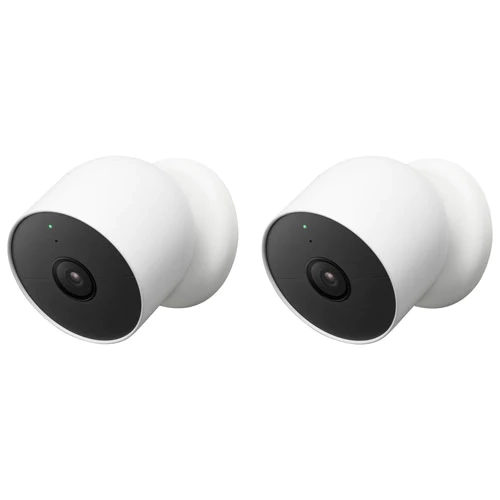 Your price for this item is $389.99
 -
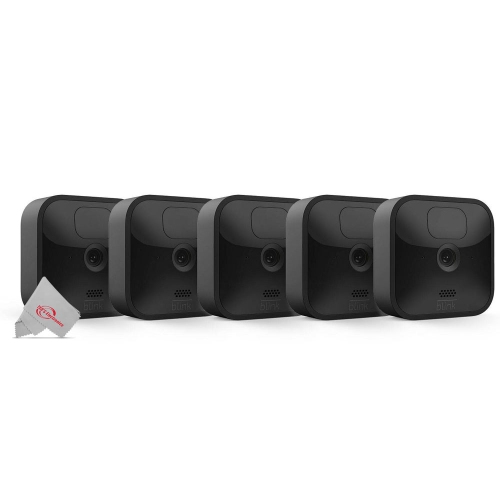 Your price for this item is $659.99
 -
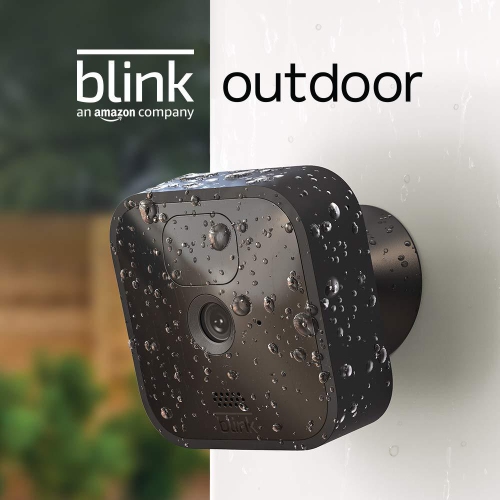 Your price for this item is $439.99
 -
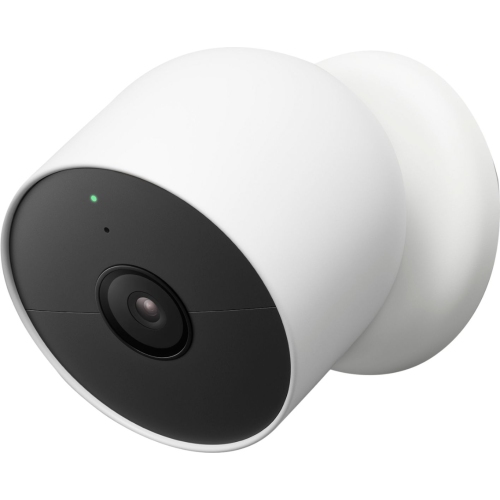 Your price for this item is $249.99
 -
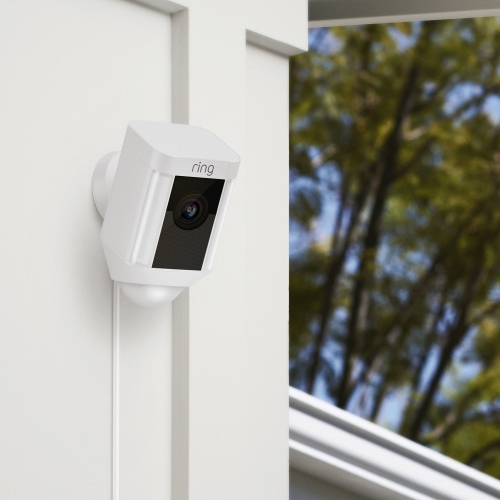 Your price for this item is $399.99
 -
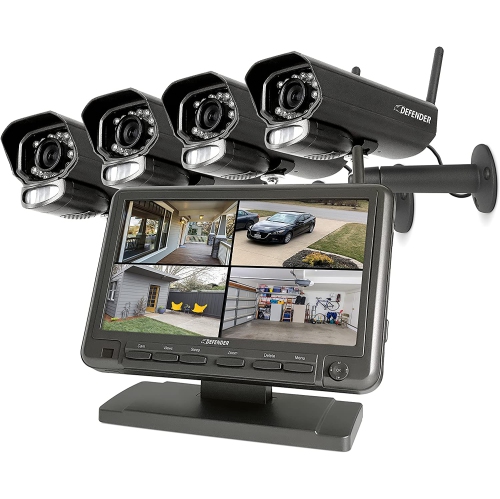 Your price for this item is $449.99
 -
 Your price for this item is $579.99
 -
 Your price for this item is $790.99
Discover more categories related to 4K PoE Cameras
Top Collections:
Pokemon Centers, Kindle Devices, Best Budget Office Chairs, Apple iPhones 16, Best Laptops for Writers, iPhone 15 Apple, Canon G7X Cameras, Refurbished Apple Laptops, Alarm Clock, Motorola Razr Phones
Some products may be subject to Environmental Handling Fees
(EHF) depending on your province.
Learn more about EHFs.