Creative Lighting Solutions
Transform your living space into a haven of ambiance and style with innovative lighting solutions that cater to every mood and occasion. From sleek and modern designs to warm and inviting fixtures, the right lighting can elevate your home's aesthetic while enhancing functionality. Illuminate your rooms with versatile options that allow you to create the perfect atmosphere, whether it's for a cozy evening at home or a vibrant gathering with friends. Discover how strategic lighting can highlight architectural features, add depth to your decor, and provide the ideal setting for any activity. Embrace the power of light to redefine your environment with creativity and flair.
Sort


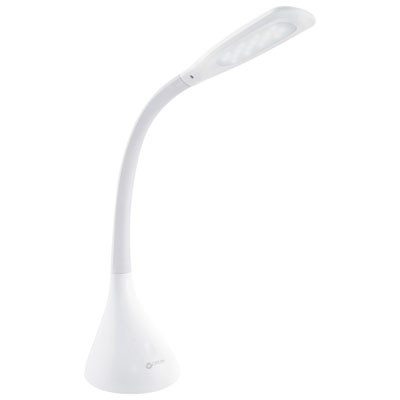
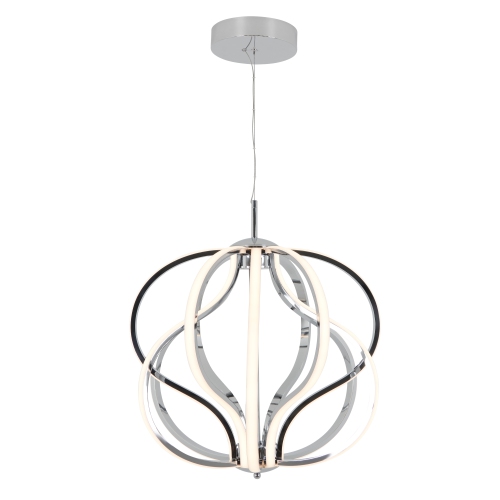
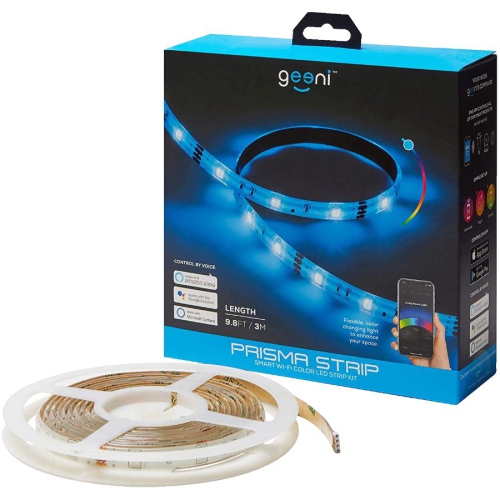

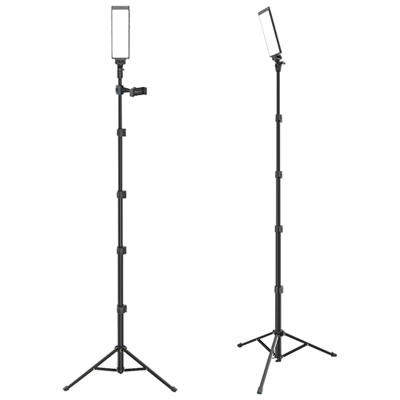

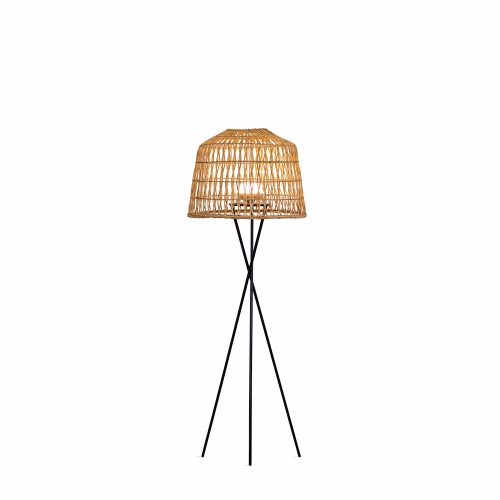
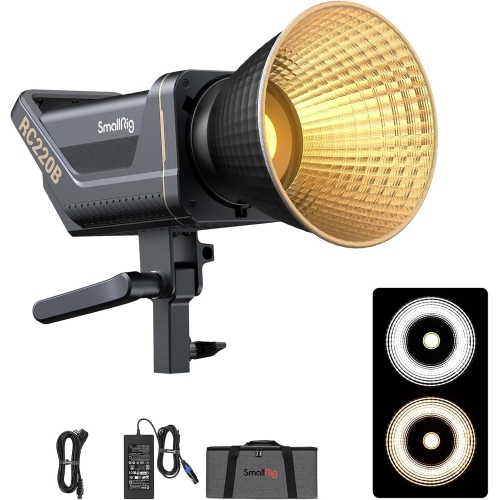
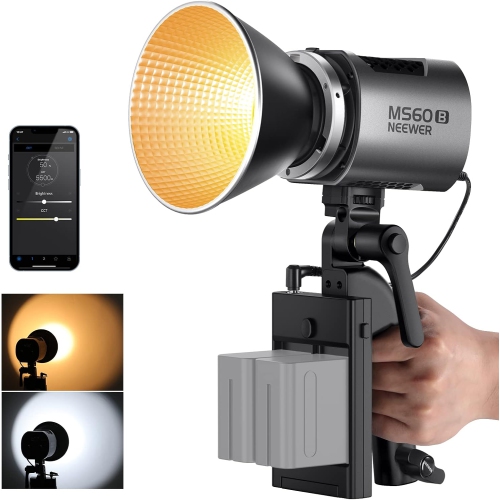
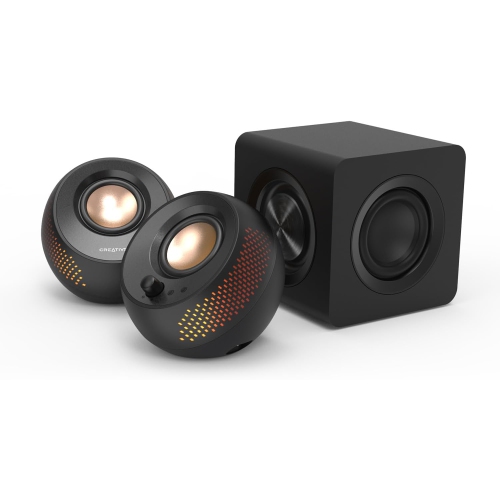
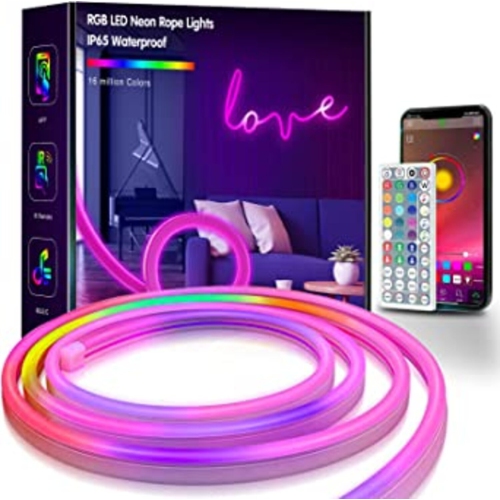
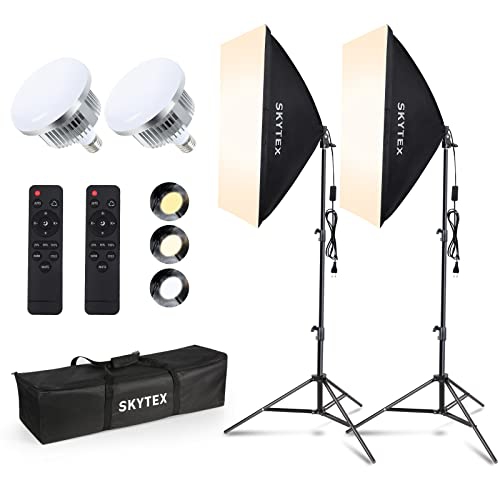
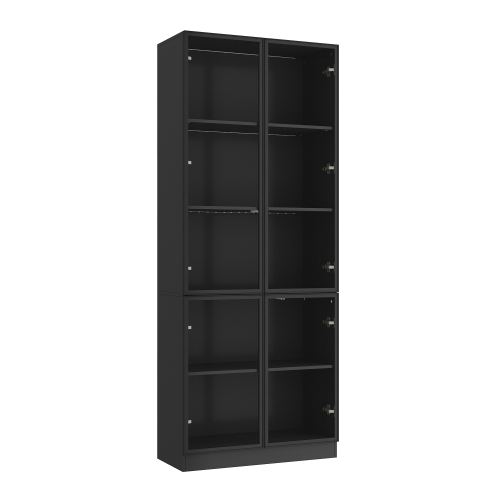

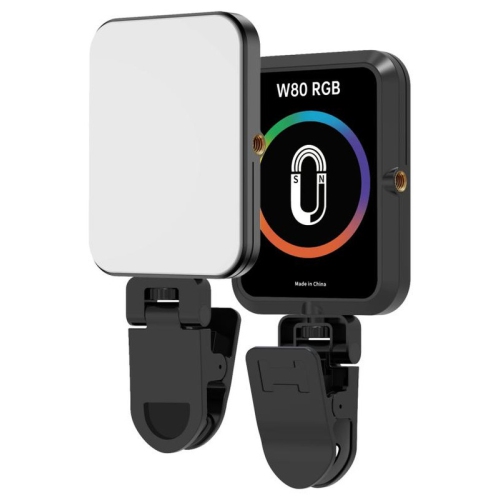




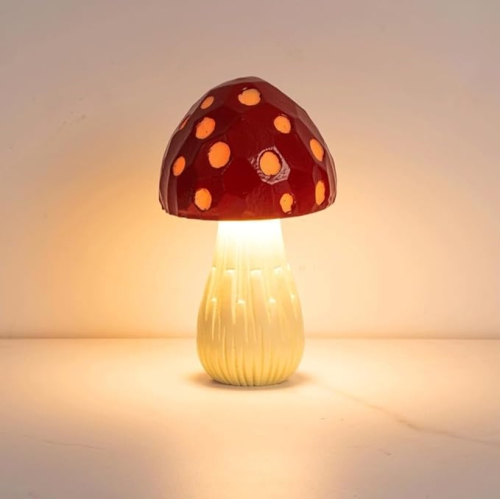
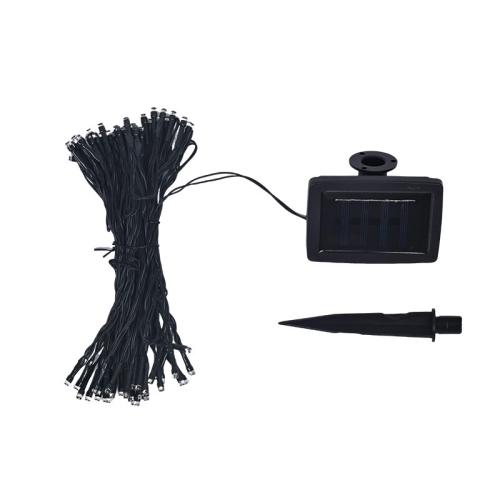
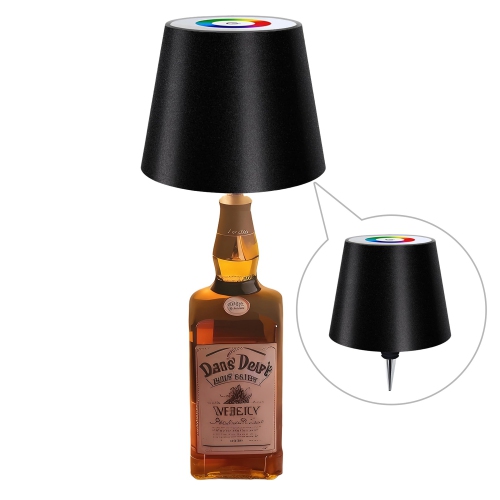
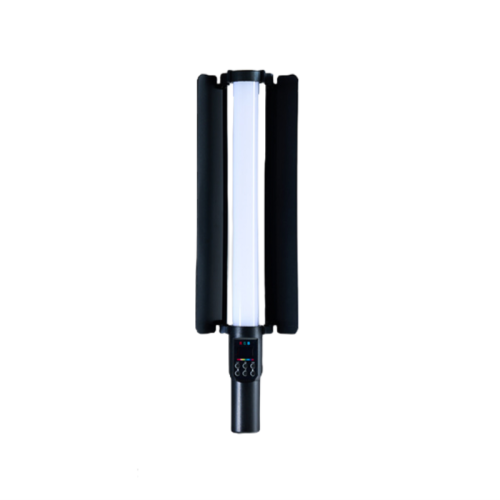
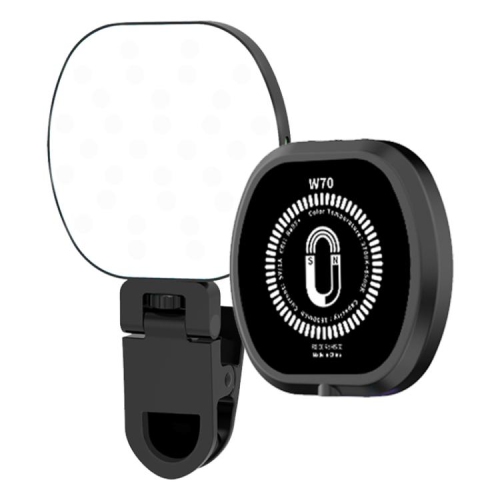
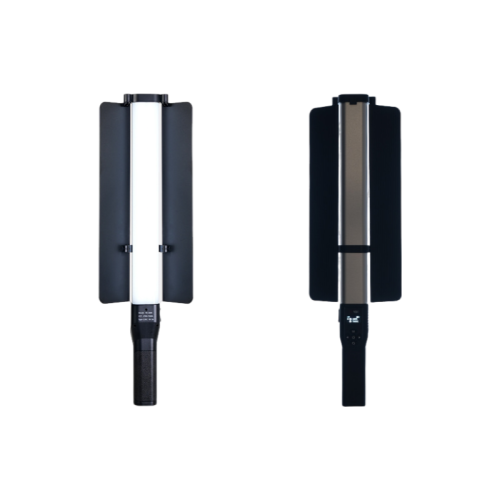
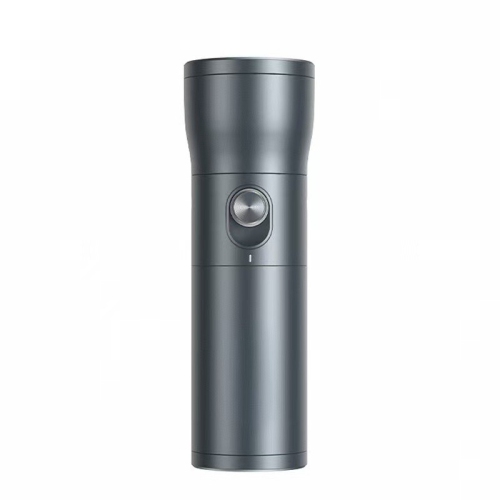
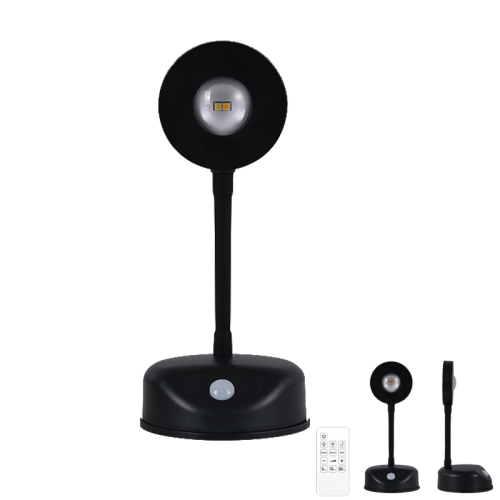
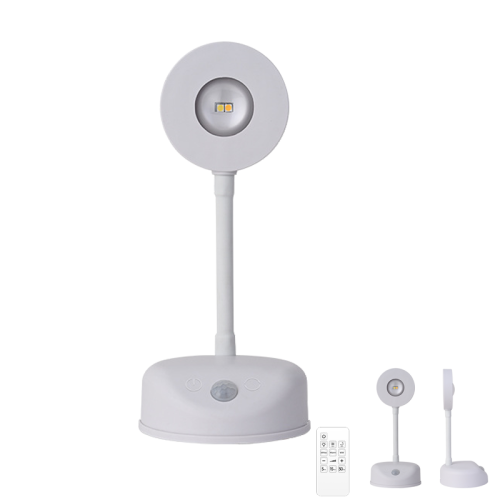
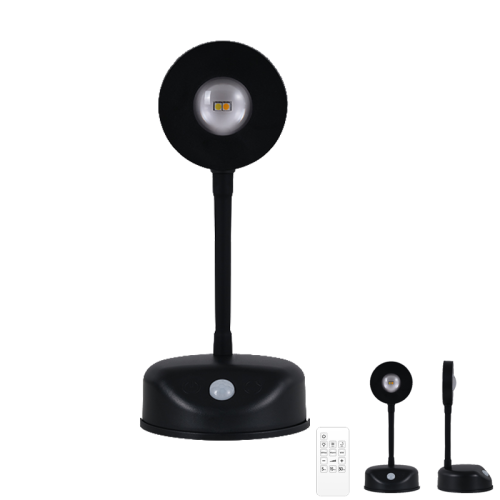
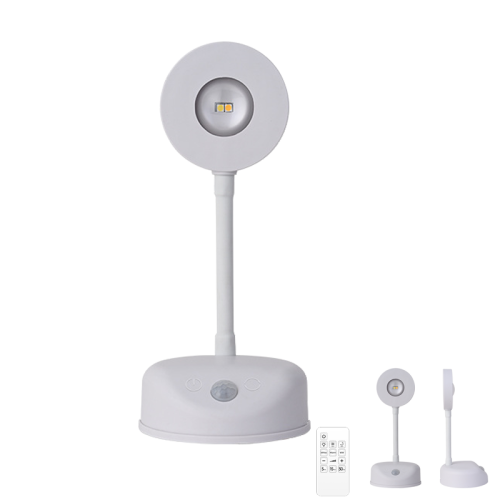



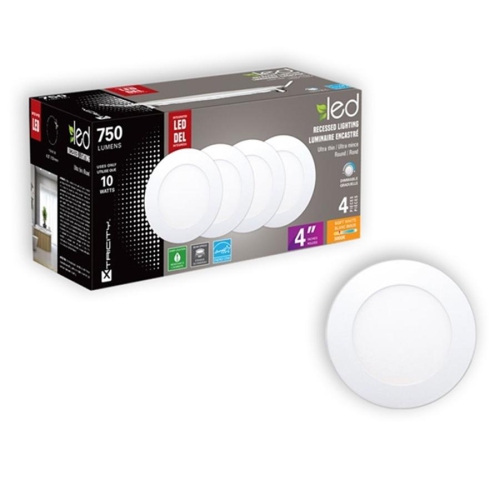
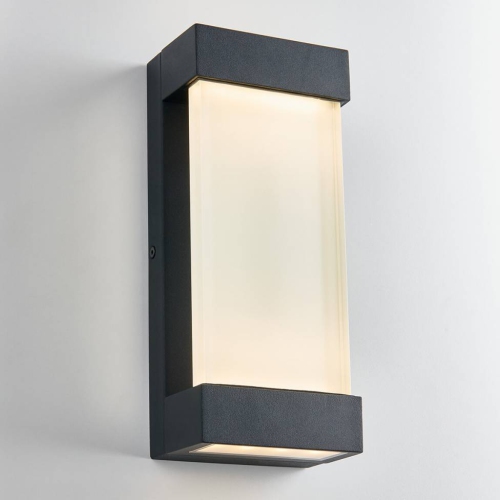
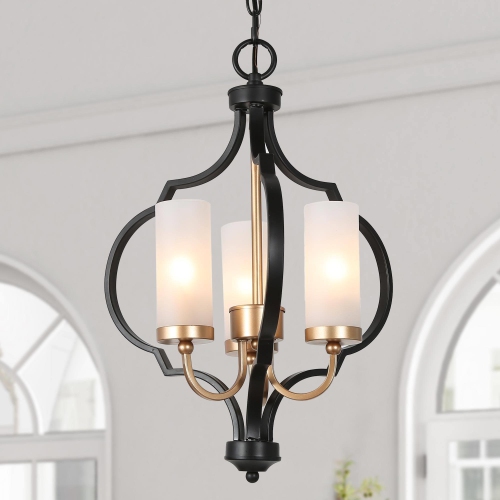
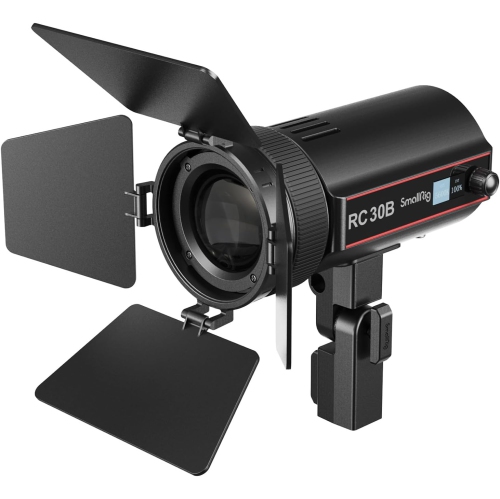


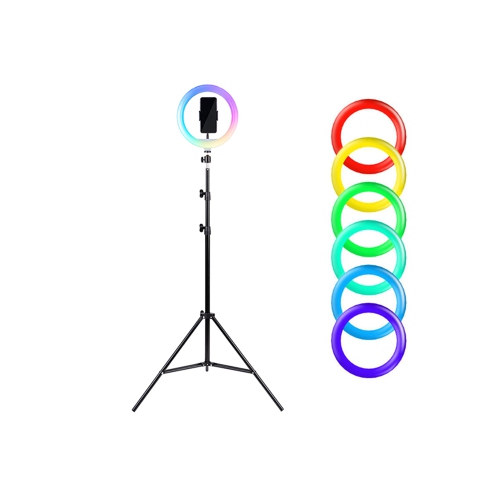
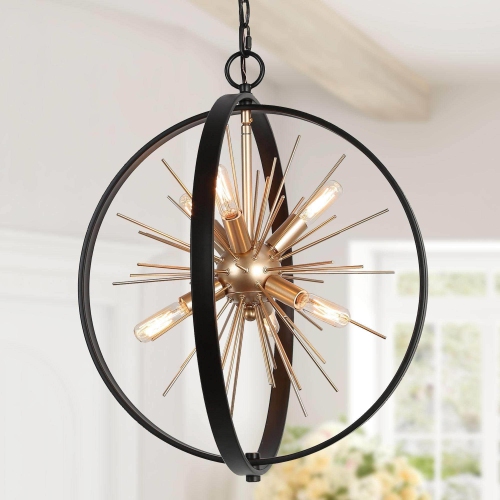
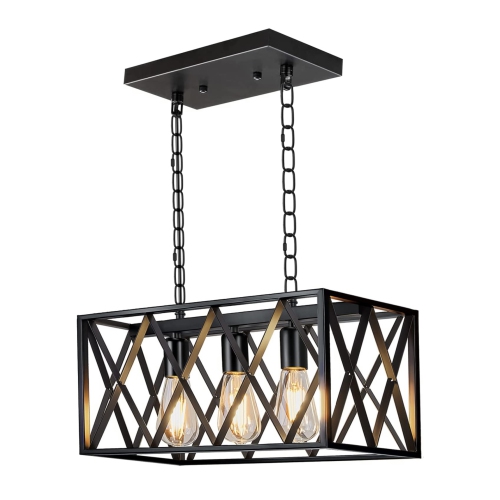
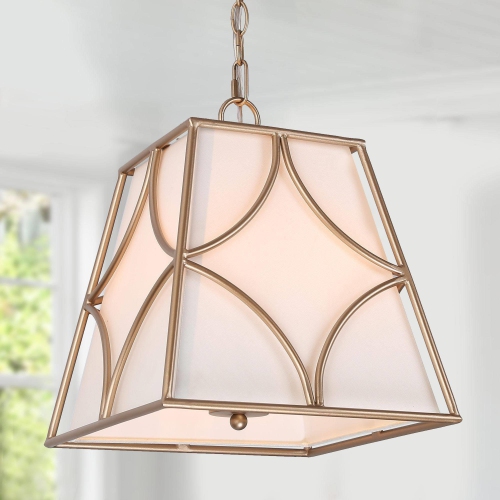
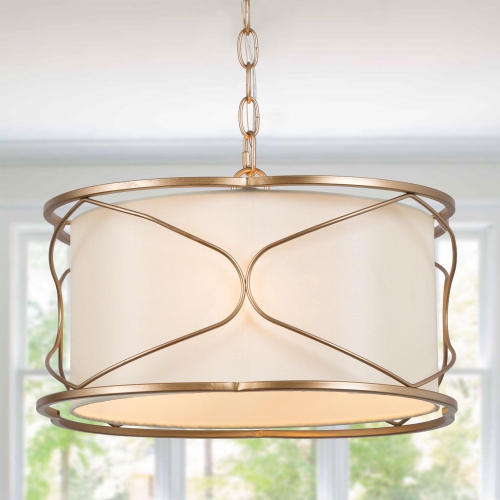

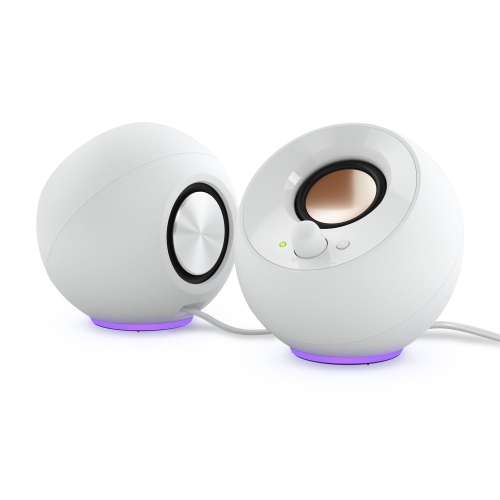
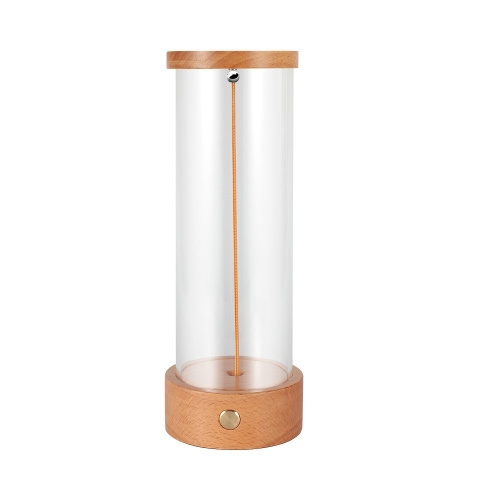
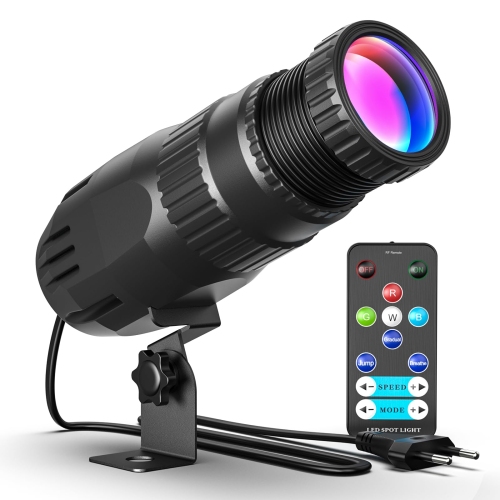
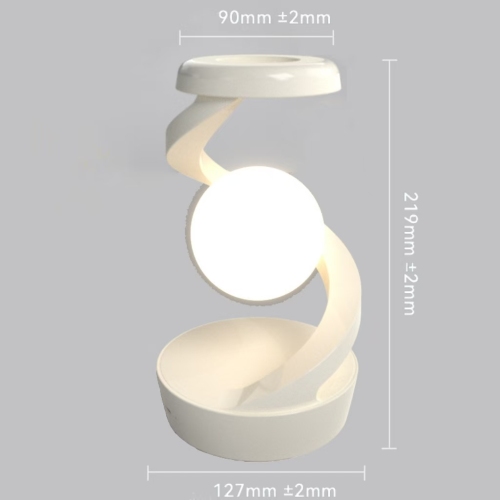
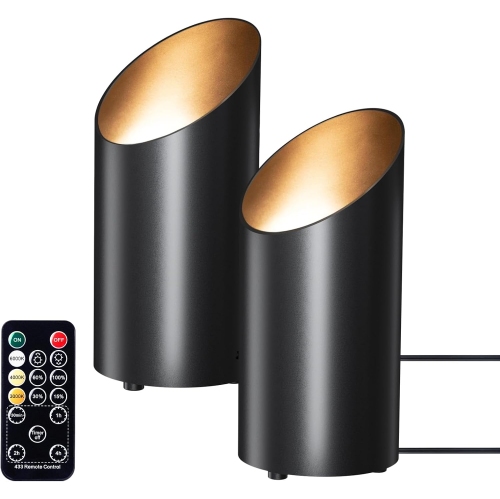
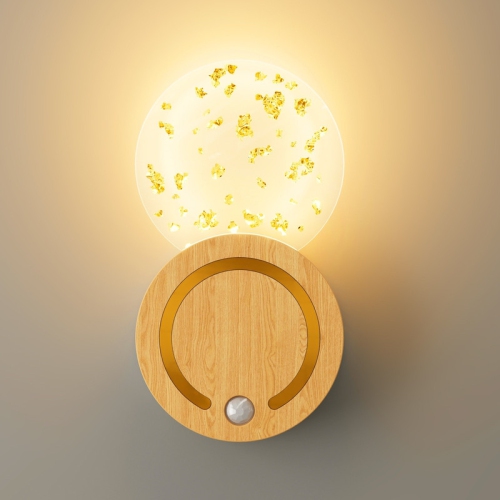
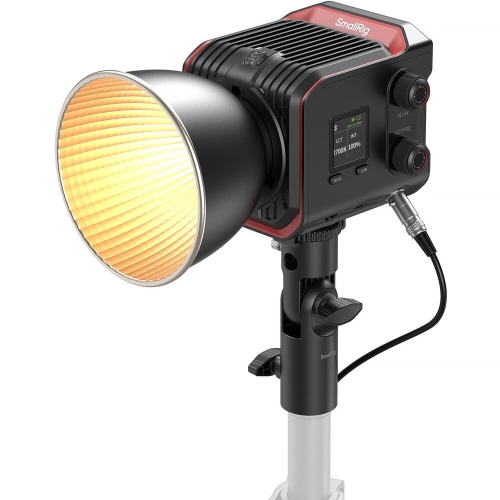






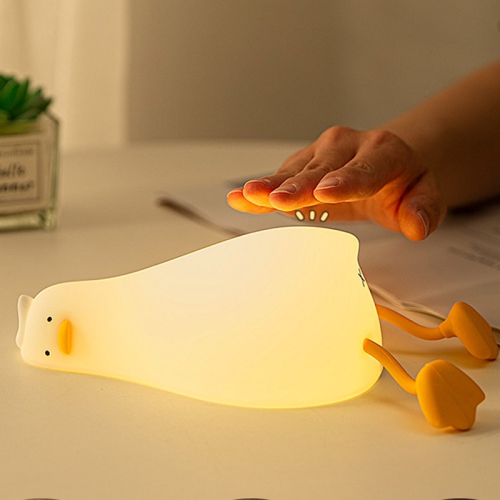



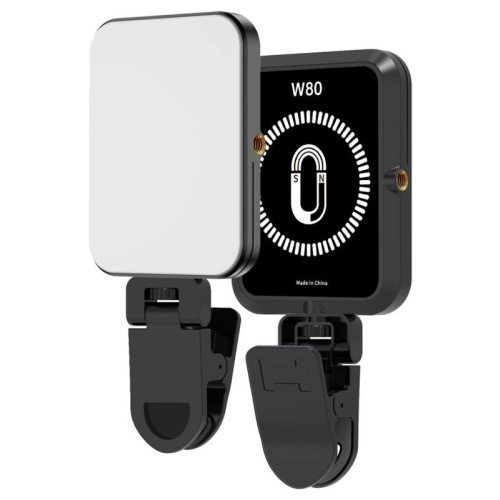
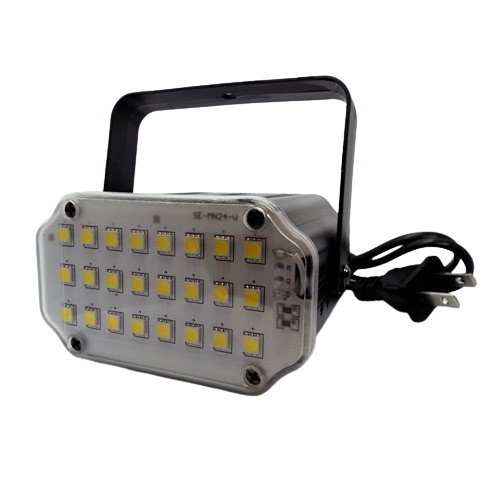
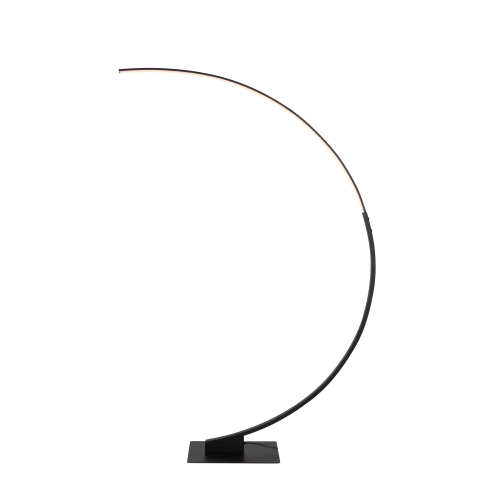
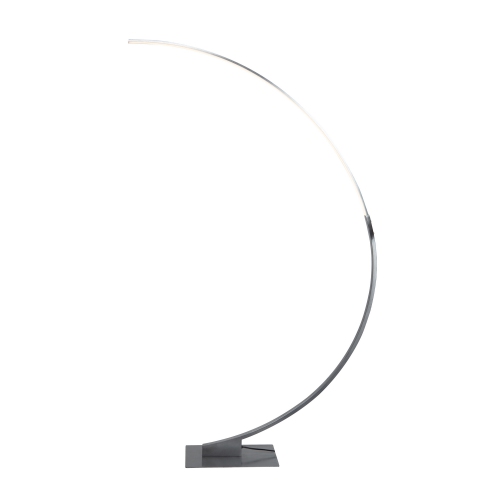




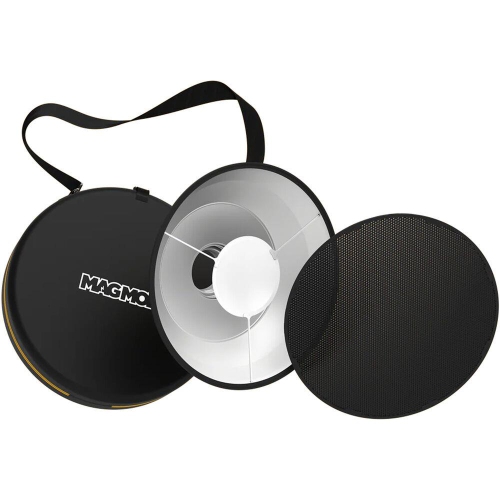

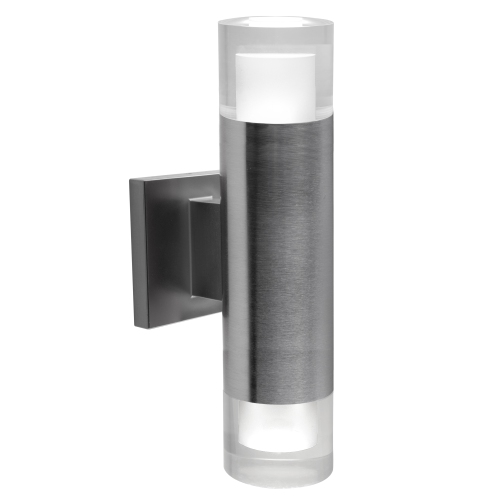
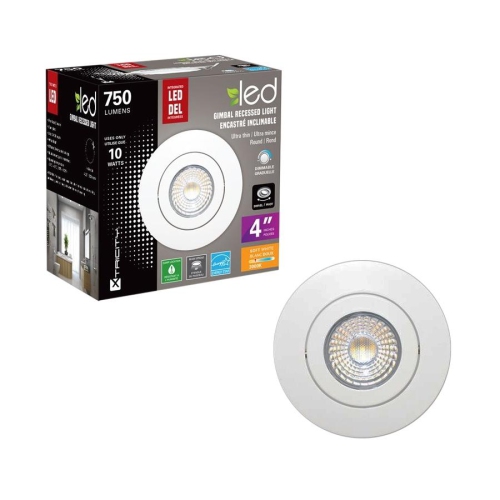
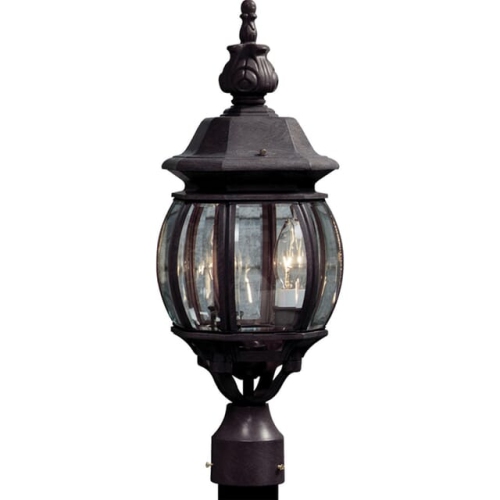
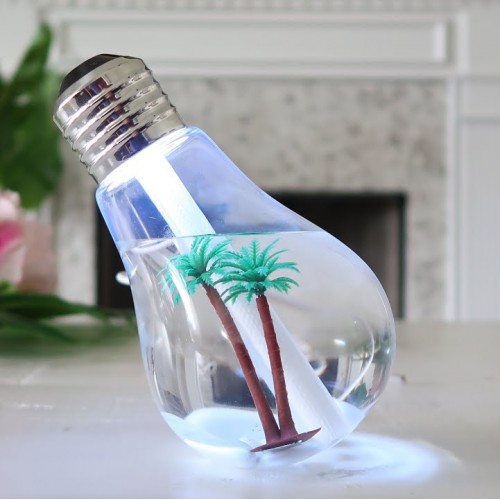
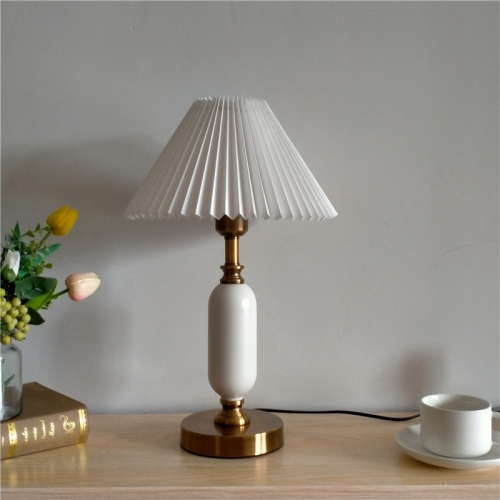
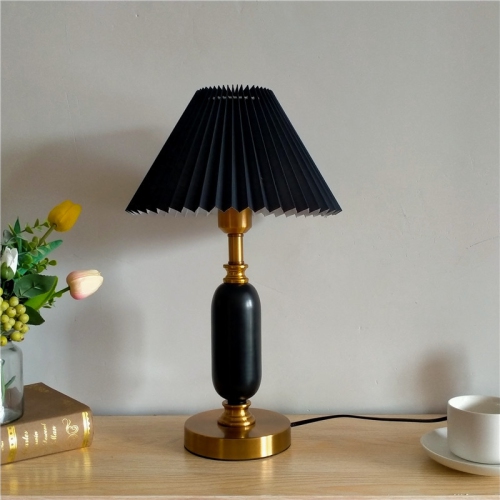
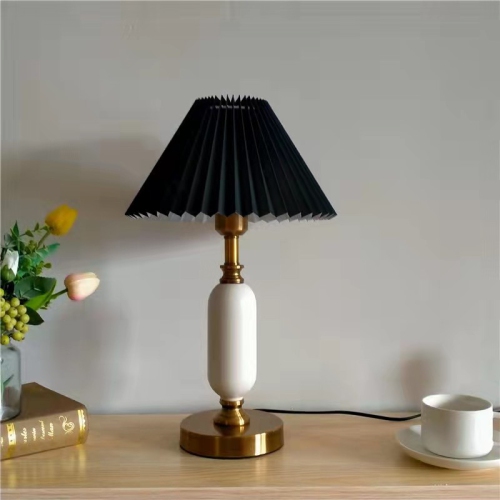
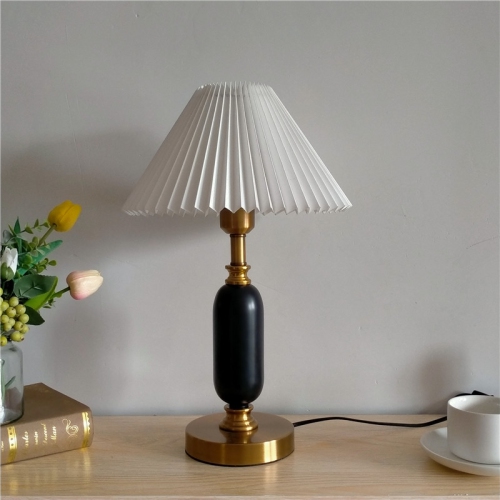
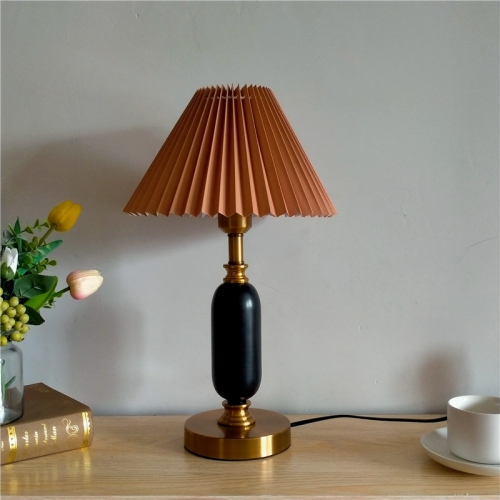
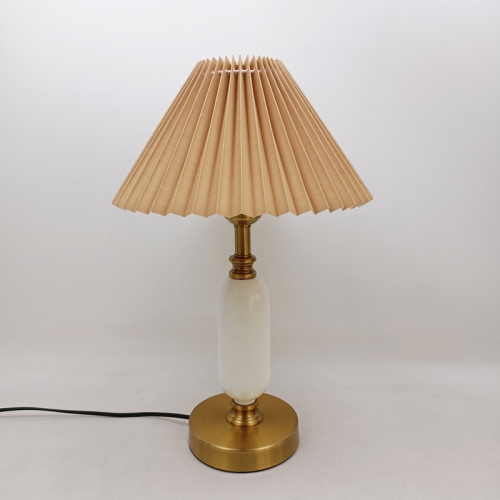
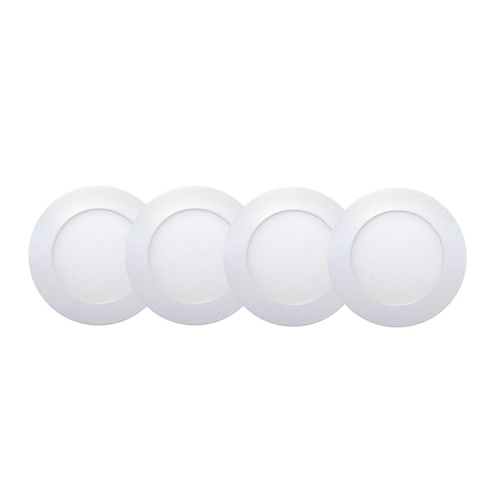
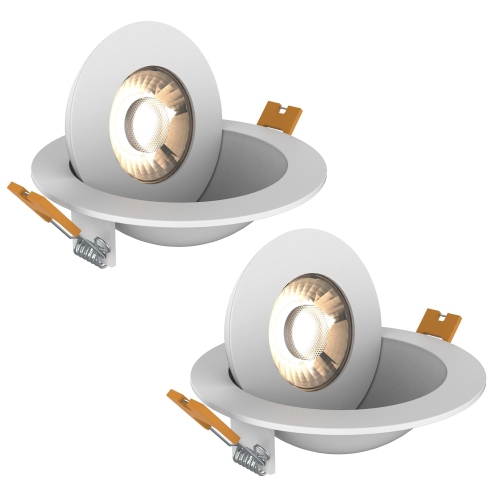
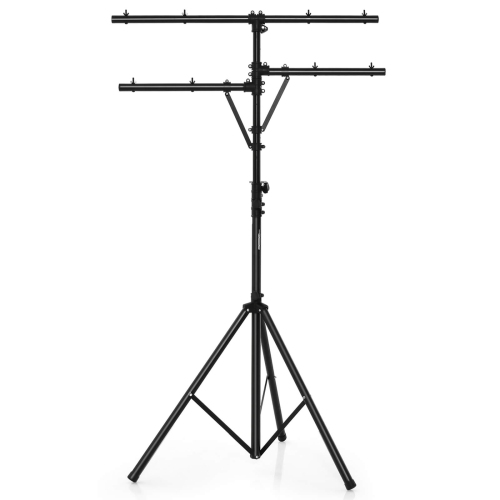
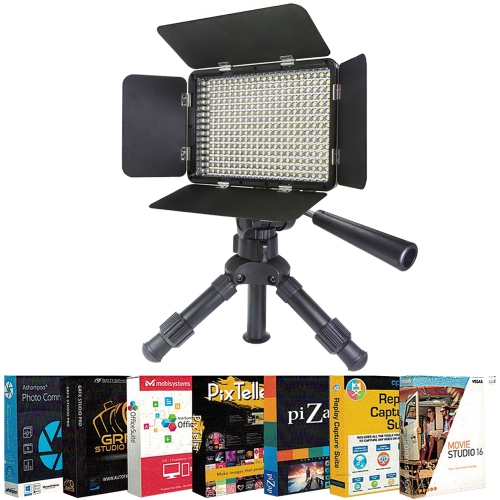
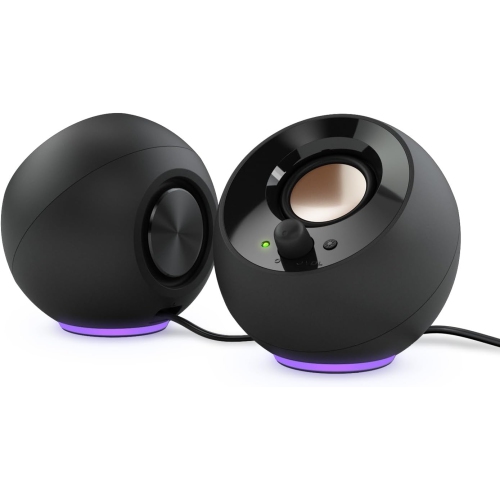

How layered lighting takes rooms from work to relaxation
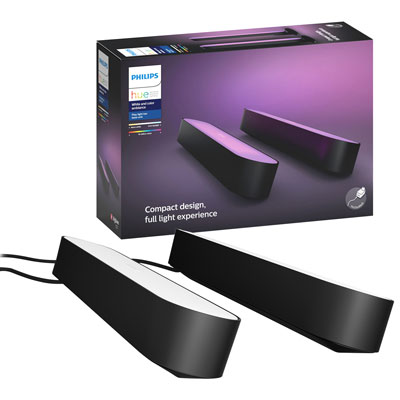
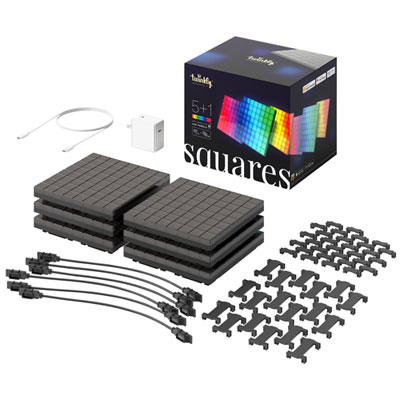
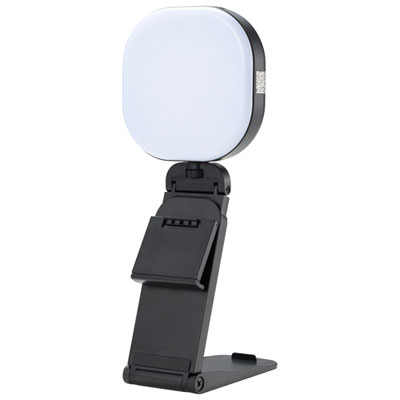
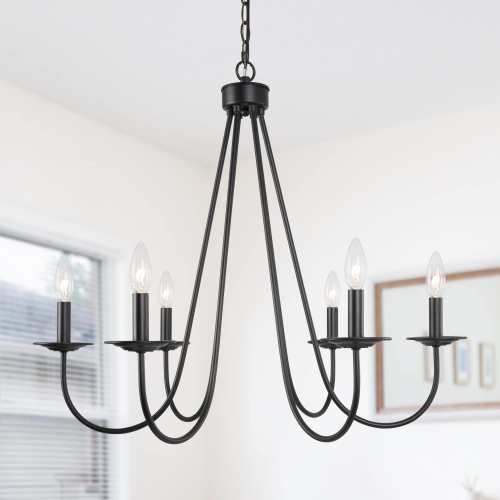
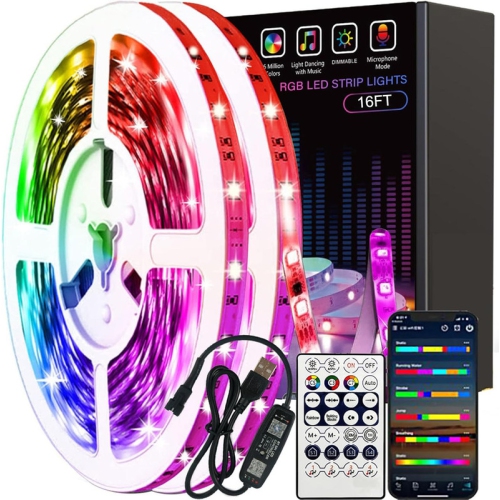
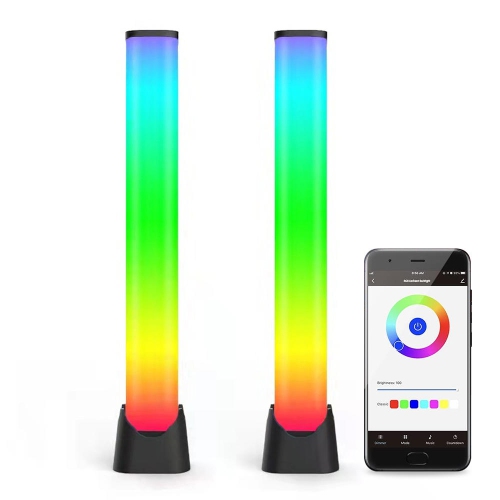
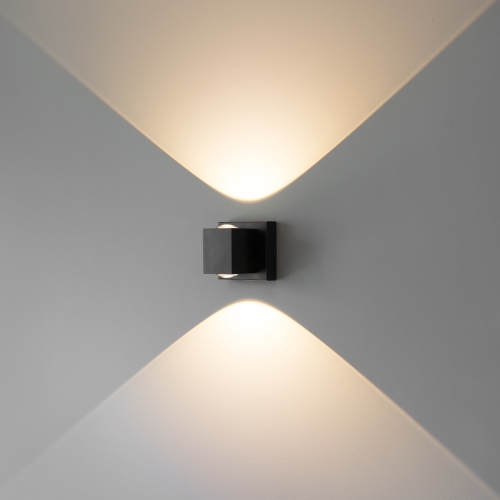
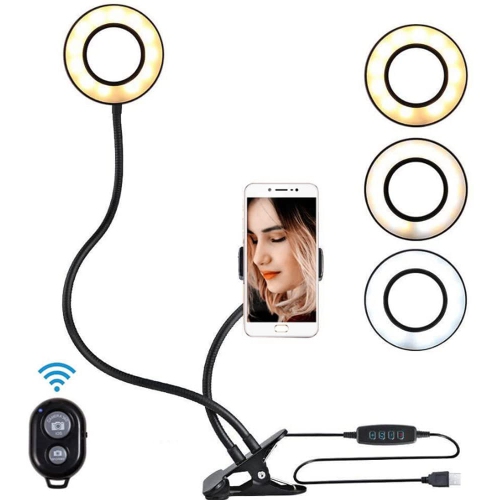
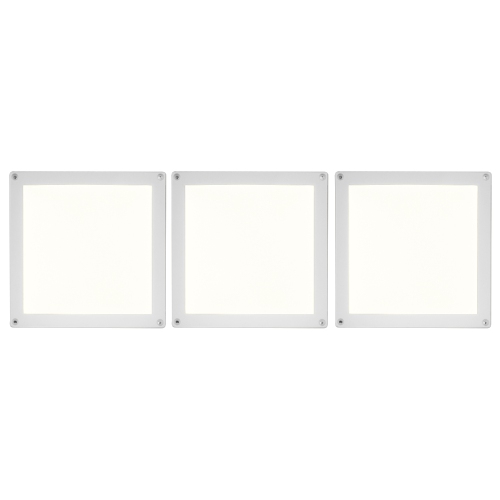
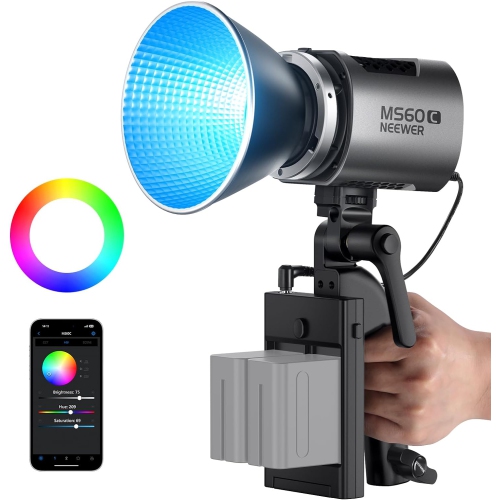
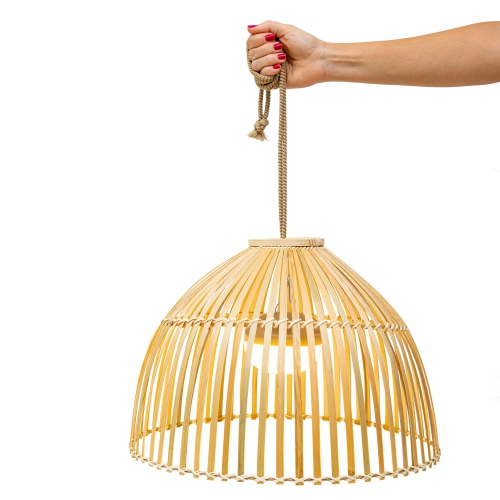
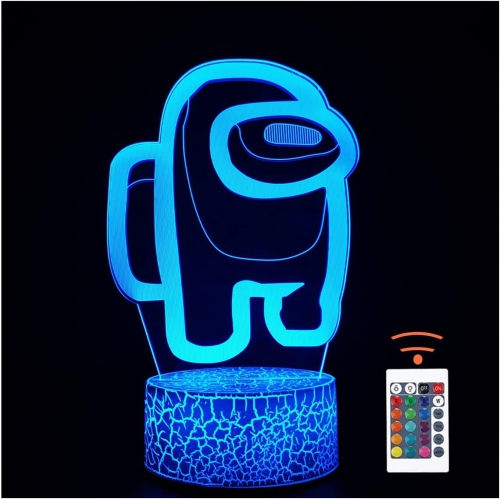
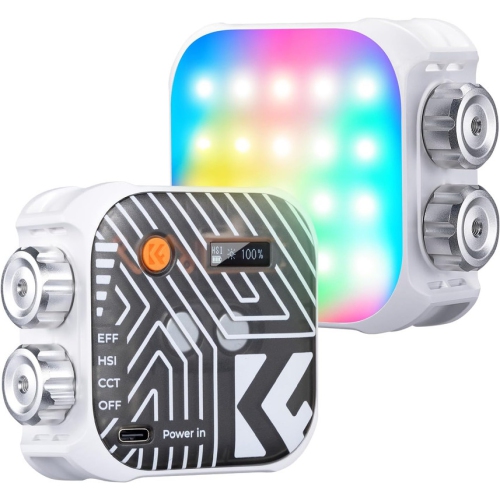
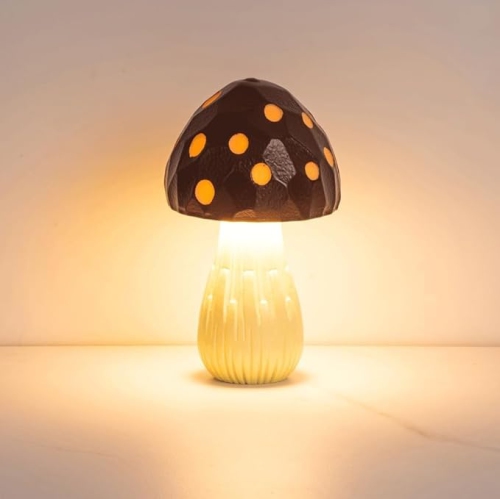
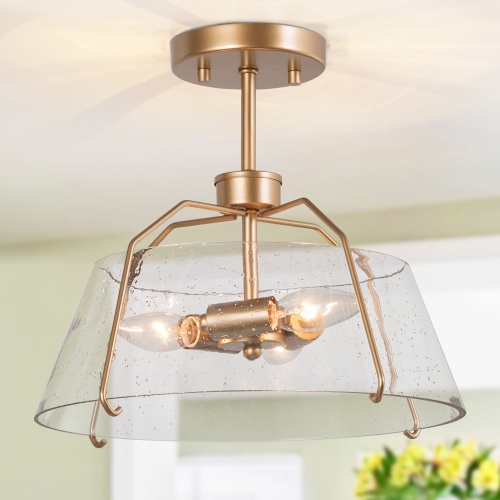
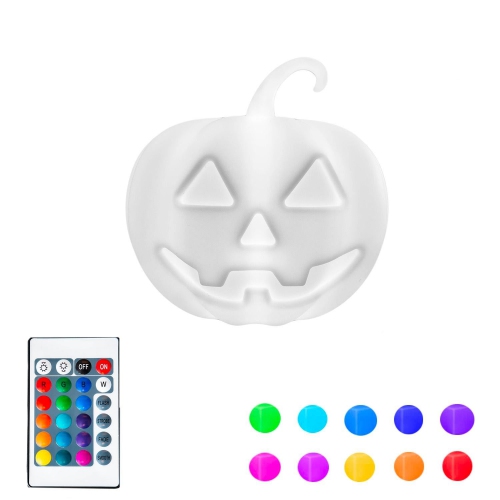
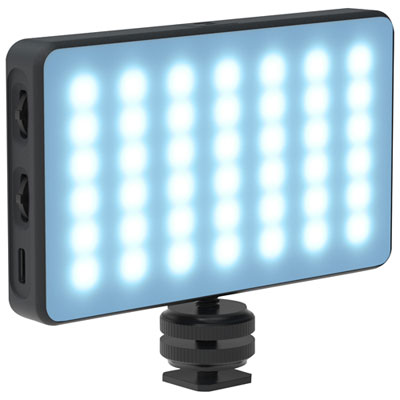
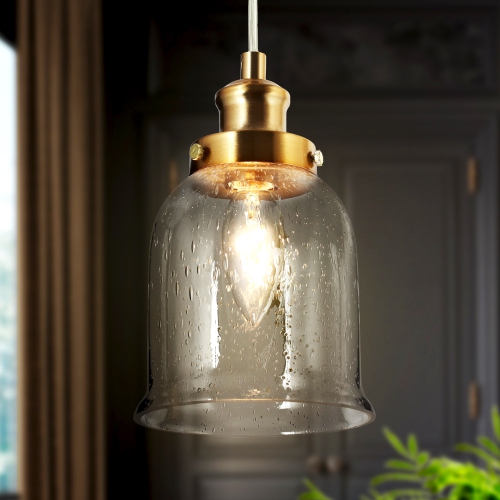
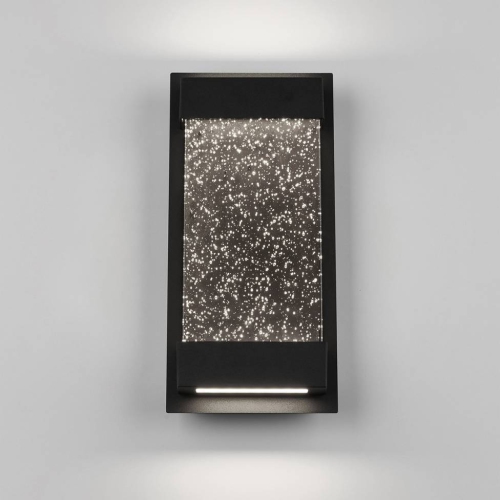
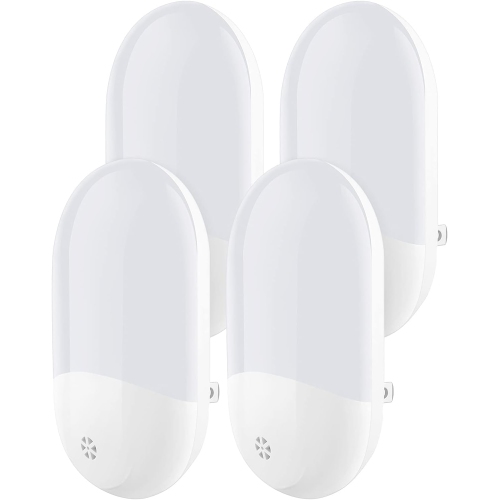
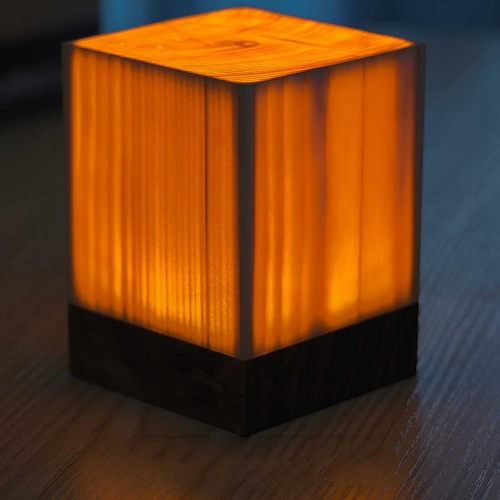
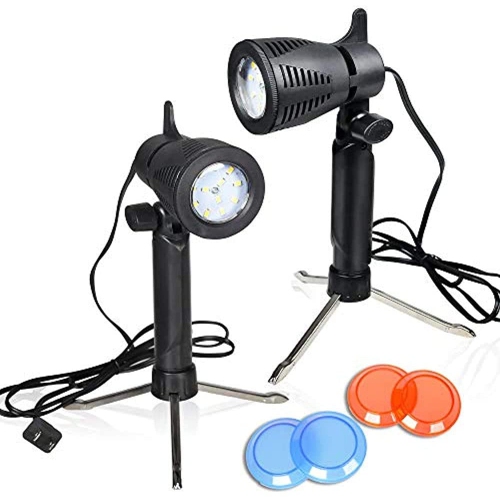
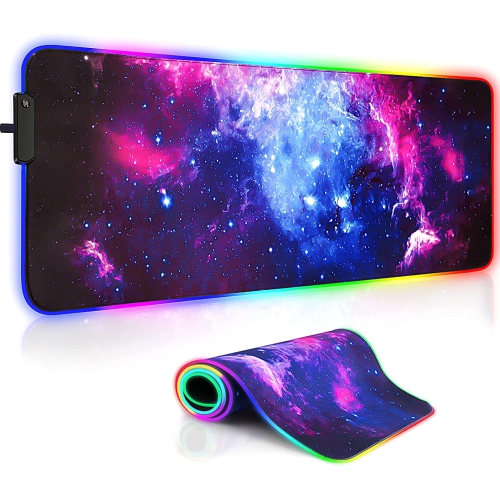
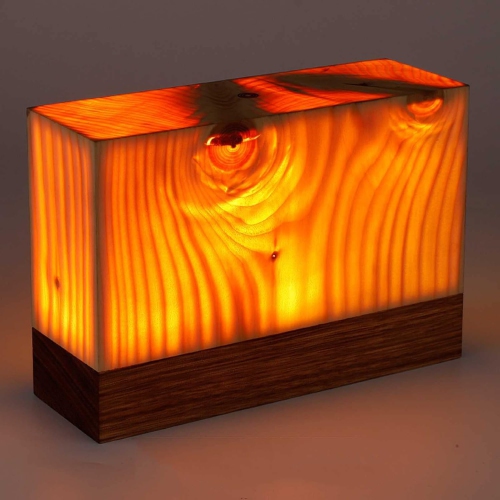
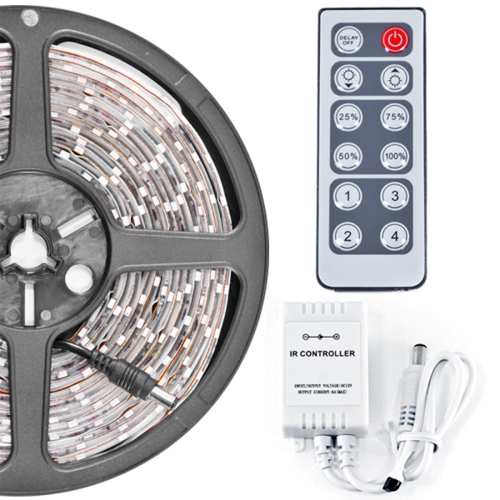
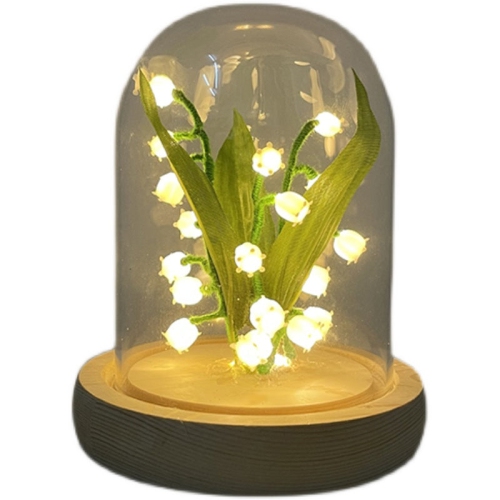
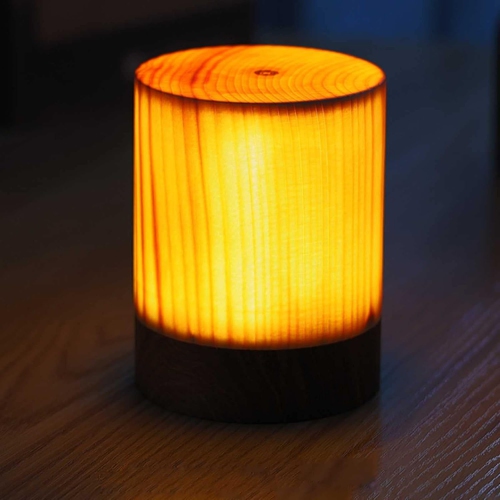
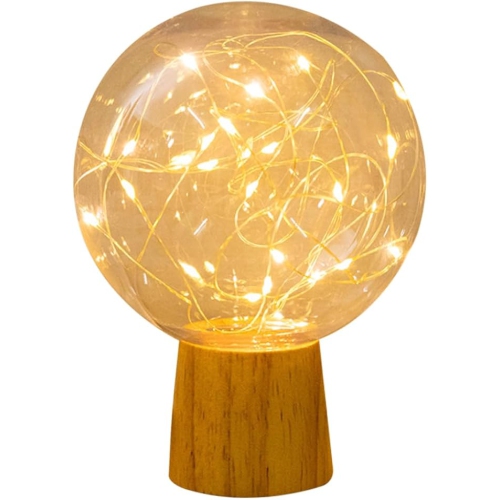
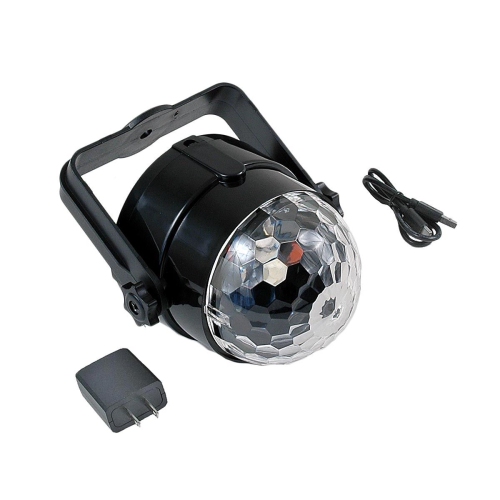
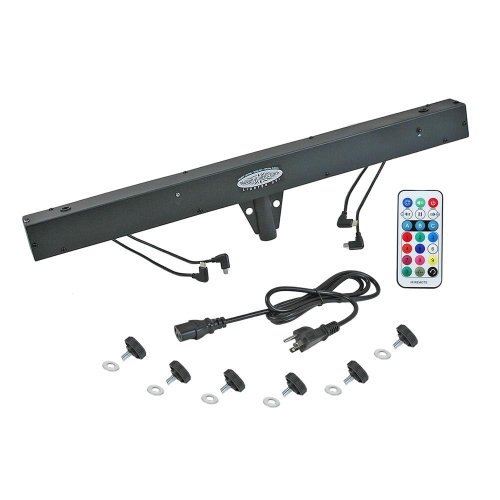
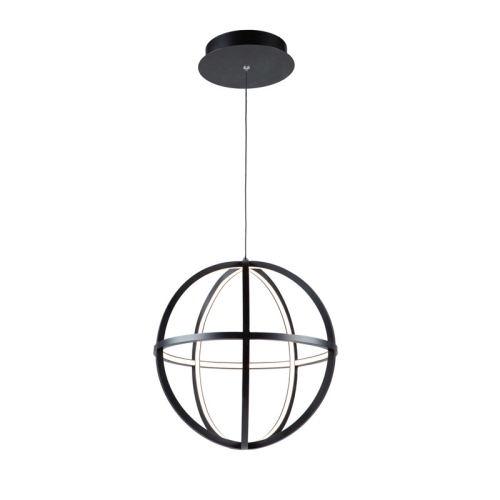
Creative lighting solutions bring together practical illumination and personal style, helping a room support everything from focused work to relaxed conversation. Rather than relying on a single bright ceiling light, a layered arrangement combines ambient lighting for overall visibility, task lighting for close-up activities, and accent lighting to draw attention to artwork, shelving, or architectural details. Each layer has a different job, but the best combinations feel connected. In a living room, a soft pool of light beside a reading chair can sit comfortably alongside a gentle glow behind a television, while a brighter overhead source remains useful for tidying or hosting. In a kitchen, light directed towards a work surface helps keep hands from casting shadows across food preparation areas. A bedroom may benefit from separately controlled bedside lighting so one person can read without illuminating the entire space. Brightness, colour temperature, and placement all influence the result. Lumens describe light output, making them more useful than wattage alone when comparing brightness. Colour temperature, measured in kelvins, describes whether white light appears warmer and more golden or cooler and crisper. Warm white often suits spaces meant for unwinding, while neutral white can provide a clear appearance around desks, mirrors, and work surfaces. Adjustable white light offers flexibility when one room serves several purposes, although personal preference and existing finishes matter as much as the room’s label. Colour-changing lighting adds another expressive layer, from a restrained wash across a wall to a coordinated backdrop for music, gaming, or entertaining. Light directed onto a pale wall can feel softer than an exposed source at eye level, while dark finishes tend to absorb more light. For a broader look at lighting throughout a living space, Home Lighting Solutions connects naturally with the same room-by-room approach. The aim is light that belongs in the space, with enough control to match the activity without making every corner equally bright.
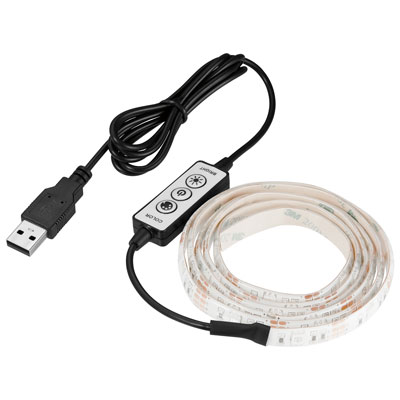
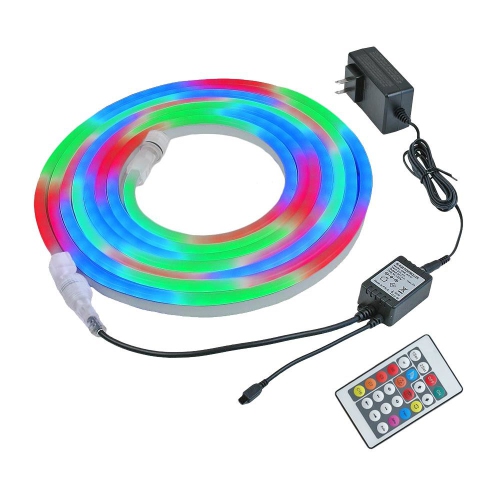
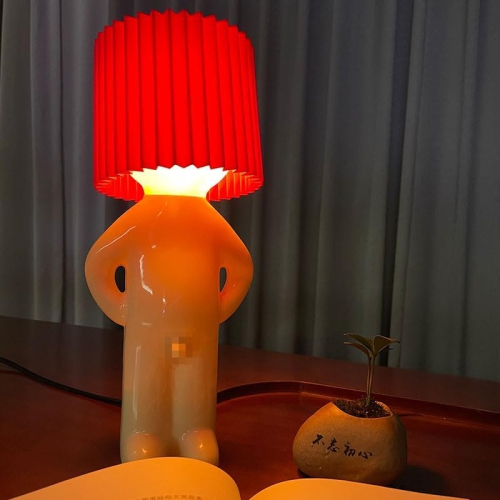
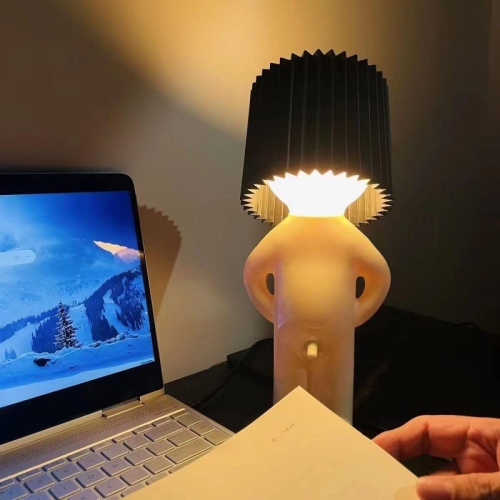
The physical design of lighting matters just as much as its glow. Glass can offer a clear, polished appearance or diffuse light through a frosted surface, while fabric shades soften brightness and introduce texture. Metal housings and bases can provide structure and complement existing hardware; acrylic and other plastics offer lightweight options and varied shapes. Material alone does not determine durability, so construction, stability, finish quality, and suitability for the intended location are worth considering together. A substantial base is useful where a light could be nudged beside a sofa, and an adjustable arm should hold its position without drifting during use. Scale also changes how lighting feels in a room. A tall shade may crowd a shallow shelf, while a low-positioned light can leave a reading area in shadow if its beam does not reach the page. Measurements should account for the full footprint, clearance around doors and drawers, and the space needed to reach a switch comfortably. Cable length and outlet placement can determine whether an otherwise appealing arrangement works in practice. For flexible accent lighting, the mounting surface, adhesive requirements, and any manufacturer-approved cutting points deserve attention before installation. Textured walls, dusty surfaces, and tight corners can affect how securely a light stays in place. Removable mounting methods can be helpful in rental spaces, but removal may still affect paint or finishes. In bathrooms, covered entrances, or outdoor areas, lighting needs a rating appropriate to its exact location; an indoor design should not be assumed suitable simply because it sits beneath a roof. Hardwired installations may require a qualified electrician, particularly when changing fixtures, wiring, or controls. Everyday care is usually straightforward: disconnect power as directed, allow components to cool, and follow the cleaning instructions for each material. A soft, dry cloth often suits routine dusting, while abrasive cleaners may damage coatings or cloudy surfaces. Replaceable light sources can simplify future upkeep, whereas integrated LED designs call for attention to rated lifespan, warranty terms, and service options.
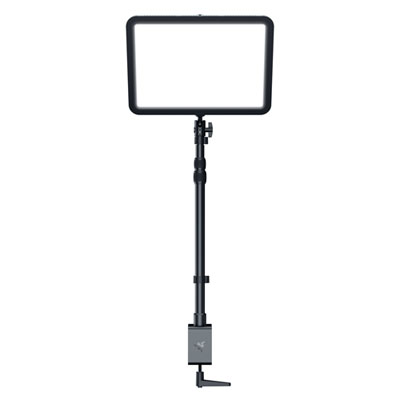
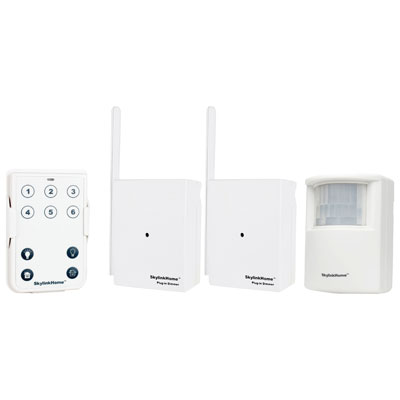
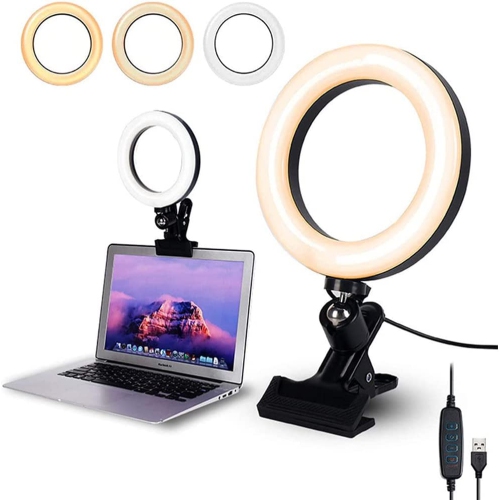
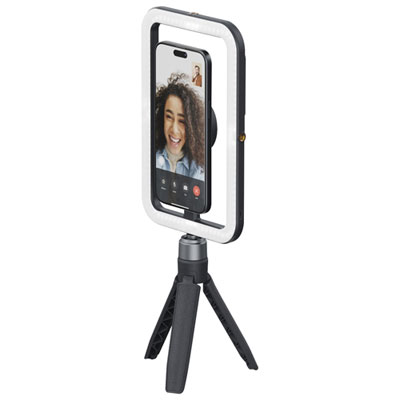
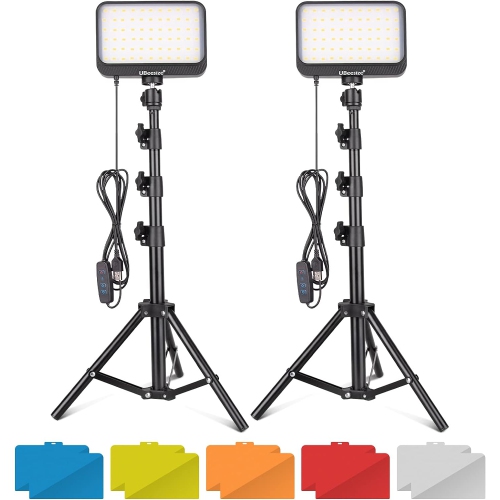
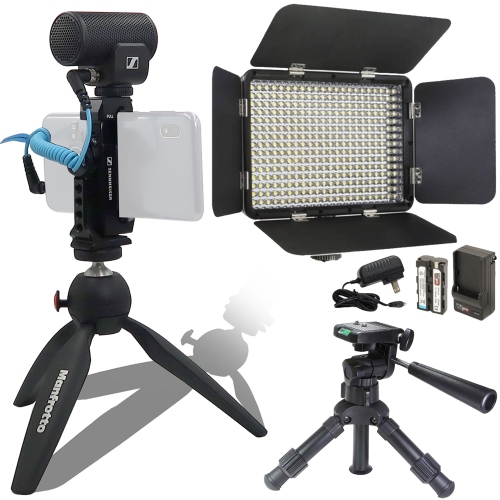
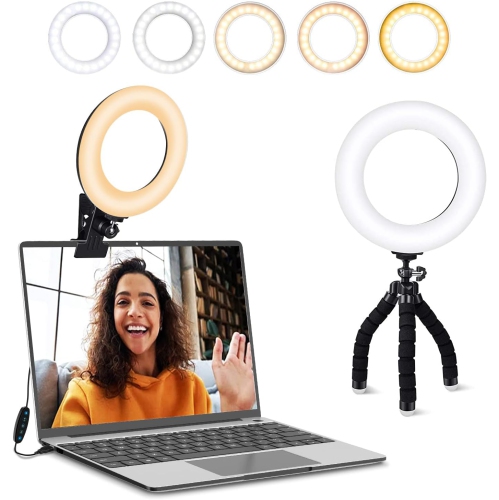
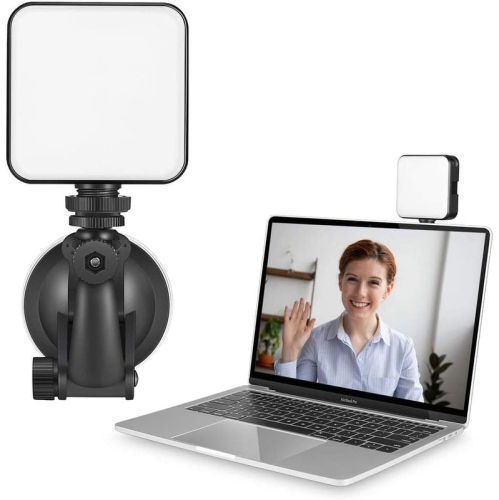
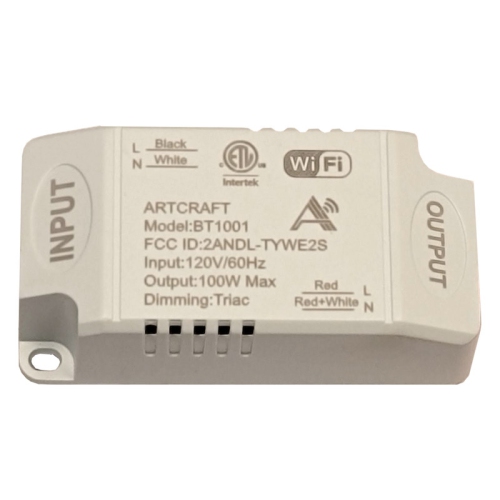
Smart lighting adds convenience when its controls fit the people using the space. Depending on the design, control may be available through a wall switch, remote, app, voice assistant, or a combination of methods. Compatibility is important: some connected lighting uses Wi-Fi, while other systems require a separate hub or a particular wireless platform. Supported network requirements, app access, and connections with existing smart-home equipment are useful details to check before building a larger setup. Dimming also needs a compatible combination of light source and control; a light described as dimmable will not necessarily work with every wall dimmer. For shared rooms, an accessible physical control helps ensure that guests and household members can adjust the lighting without borrowing a phone. Saved scenes can make a multipurpose room easier to use, with one setting for working at a desk and another for watching a film. Timers and motion controls can reduce the need to reach for a switch, although sensor placement should reflect normal movement through the space rather than every passing distraction. Thoughtful placement matters for screens, too. A bright source reflected in a monitor can be tiring to work around, while a shielded light directed onto the desk keeps illumination where it is needed. People who draw, sew, build models, or choose colours for creative projects may value strong colour rendering, which helps materials appear closer to their appearance under a reference light source. Video calls benefit from soft light in front of the face rather than a harsh source directly overhead. For gaming areas, subtle accent lighting can define the setup without competing with the screen. Lighting can also make a thoughtful housewarming gift or a practical addition to a student’s study space, especially when the controls are straightforward and the design suits the recipient’s room. Across these uses, the most satisfying choices balance appearance with comfortable brightness, dependable construction, and everyday ease, allowing personal touches without losing sight of what the light needs to do.
The physical design of lighting matters just as much as its glow. Glass can offer a clear, polished appearance or diffuse light through a frosted surface, while fabric shades soften brightness and introduce texture. Metal housings and bases can provide structure and complement existing hardware; acrylic and other plastics offer lightweight options and varied shapes. Material alone does not determine durability, so construction, stability, finish quality, and suitability for the intended location are worth considering together. A substantial base is useful where a light could be nudged beside a sofa, and an adjustable arm should hold its position without drifting during use. Scale also changes how lighting feels in a room. A tall shade may crowd a shallow shelf, while a low-positioned light can leave a reading area in shadow if its beam does not reach the page. Measurements should account for the full footprint, clearance around doors and drawers, and the space needed to reach a switch comfortably. Cable length and outlet placement can determine whether an otherwise appealing arrangement works in practice. For flexible accent lighting, the mounting surface, adhesive requirements, and any manufacturer-approved cutting points deserve attention before installation. Textured walls, dusty surfaces, and tight corners can affect how securely a light stays in place. Removable mounting methods can be helpful in rental spaces, but removal may still affect paint or finishes. In bathrooms, covered entrances, or outdoor areas, lighting needs a rating appropriate to its exact location; an indoor design should not be assumed suitable simply because it sits beneath a roof. Hardwired installations may require a qualified electrician, particularly when changing fixtures, wiring, or controls. Everyday care is usually straightforward: disconnect power as directed, allow components to cool, and follow the cleaning instructions for each material. A soft, dry cloth often suits routine dusting, while abrasive cleaners may damage coatings or cloudy surfaces. Replaceable light sources can simplify future upkeep, whereas integrated LED designs call for attention to rated lifespan, warranty terms, and service options.
Smart lighting adds convenience when its controls fit the people using the space. Depending on the design, control may be available through a wall switch, remote, app, voice assistant, or a combination of methods. Compatibility is important: some connected lighting uses Wi-Fi, while other systems require a separate hub or a particular wireless platform. Supported network requirements, app access, and connections with existing smart-home equipment are useful details to check before building a larger setup. Dimming also needs a compatible combination of light source and control; a light described as dimmable will not necessarily work with every wall dimmer. For shared rooms, an accessible physical control helps ensure that guests and household members can adjust the lighting without borrowing a phone. Saved scenes can make a multipurpose room easier to use, with one setting for working at a desk and another for watching a film. Timers and motion controls can reduce the need to reach for a switch, although sensor placement should reflect normal movement through the space rather than every passing distraction. Thoughtful placement matters for screens, too. A bright source reflected in a monitor can be tiring to work around, while a shielded light directed onto the desk keeps illumination where it is needed. People who draw, sew, build models, or choose colours for creative projects may value strong colour rendering, which helps materials appear closer to their appearance under a reference light source. Video calls benefit from soft light in front of the face rather than a harsh source directly overhead. For gaming areas, subtle accent lighting can define the setup without competing with the screen. Lighting can also make a thoughtful housewarming gift or a practical addition to a student’s study space, especially when the controls are straightforward and the design suits the recipient’s room. Across these uses, the most satisfying choices balance appearance with comfortable brightness, dependable construction, and everyday ease, allowing personal touches without losing sight of what the light needs to do.
Top selling and popular products
-
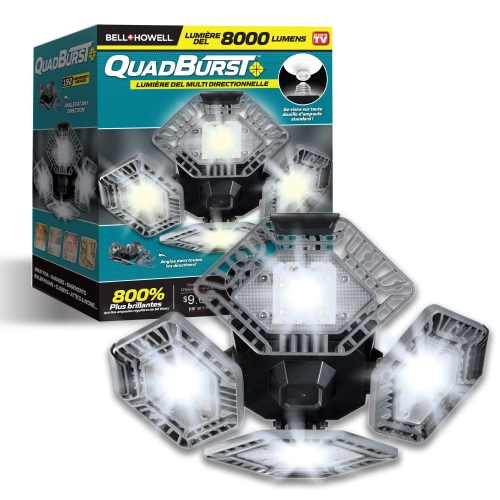 Your price for this item is $49.95
 -
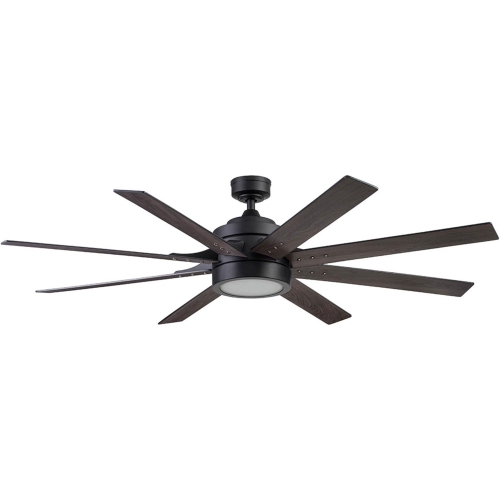 Your price for this item is $424.99
 -
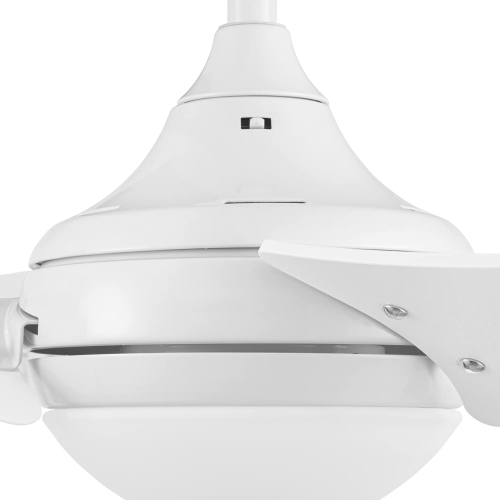 Your price for this item is $205.99
 -
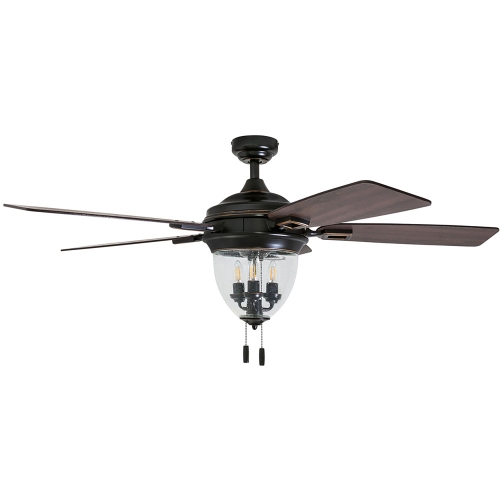 Your price for this item is $287.99
 -
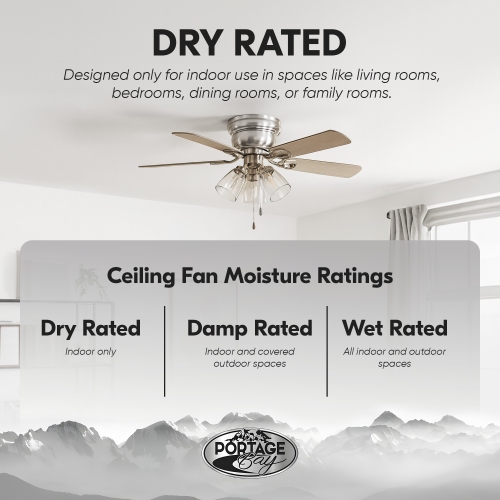 Your price for this item is $184.99
 -
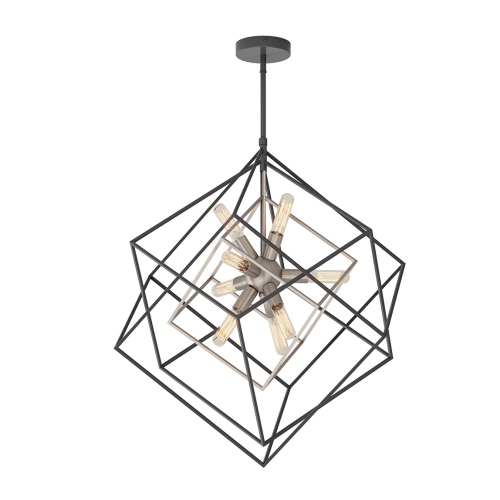 Your price for this item is $299
 -
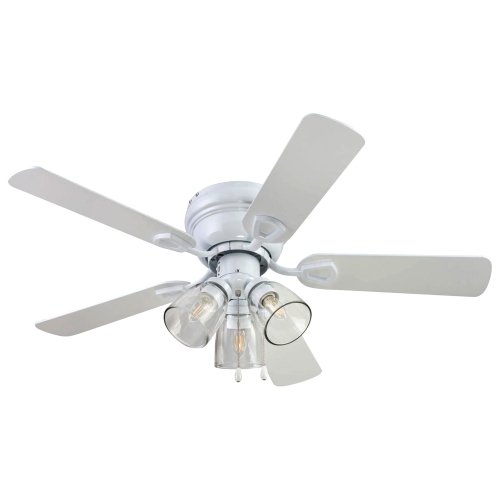 Your price for this item is $193.99
 -
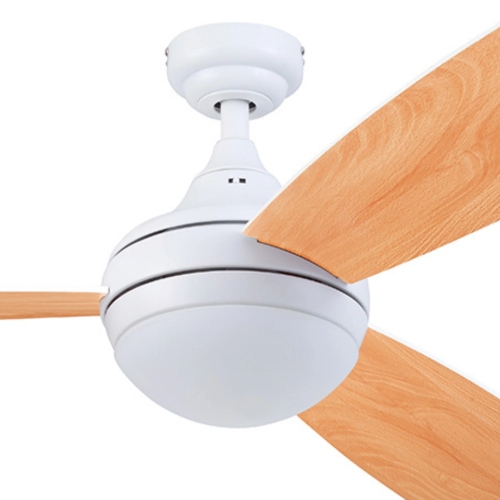 Your price for this item is $176.99
Discover more categories related to Creative Lighting Solutions

Top Collections:
Pokemon Centers, Kindle Devices, Best Budget Office Chairs, Apple iPhones 16, Best Laptops for Writers, iPhone 15 Apple, Canon G7X Cameras, Refurbished Apple Laptops, Alarm Clock, Motorola Razr Phones
Some products may be subject to Environmental Handling Fees
(EHF) depending on your province.
Learn more about EHFs.