DC Barrel Connectors
Find the right DC Barrel Connector for your devices and power needs with our wide selection. Whether you're setting up new electronics or replacing an existing connector, you'll discover options designed to provide secure and reliable connections. Explore various sizes and styles of DC Barrel Connectors to ensure compatibility with your equipment, making it easy to keep everything powered up and running smoothly. Shop now to find the ideal solution for your setup.
Sort










Why plug size alone cannot guarantee power compatibility
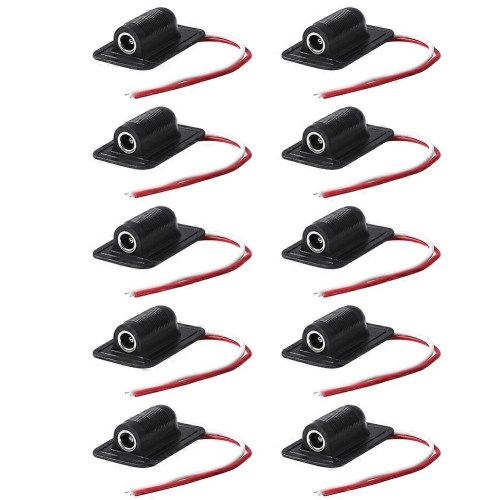
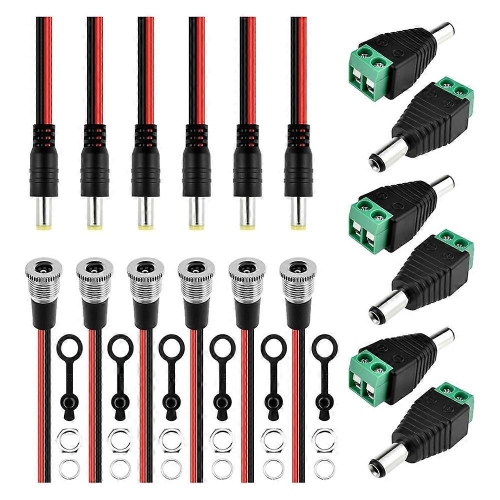
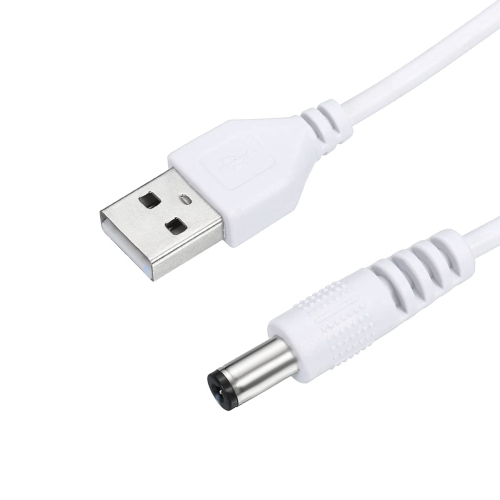
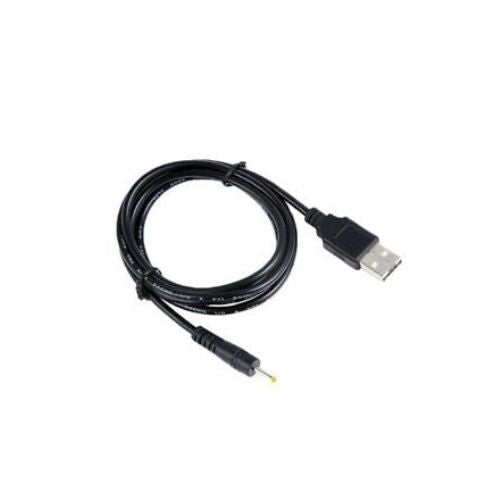
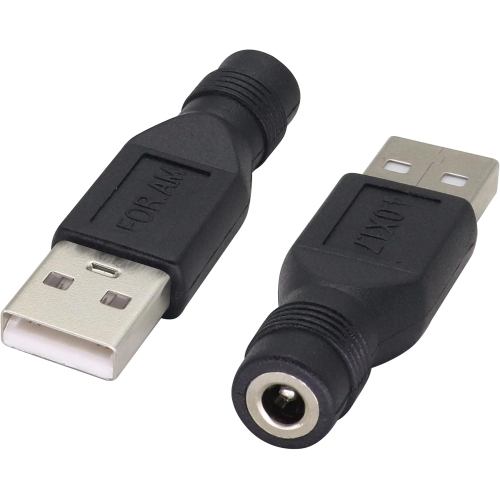
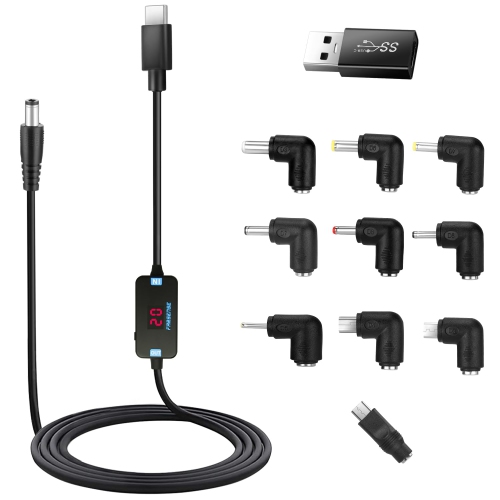
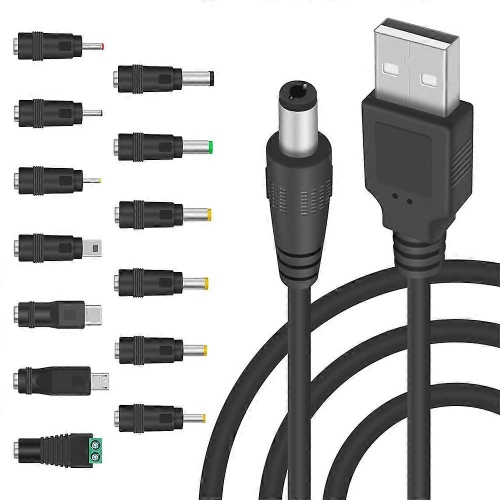
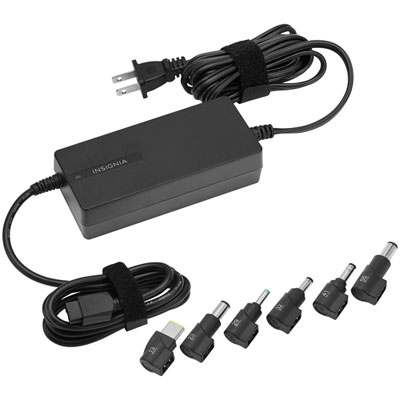
DC barrel connectors are cylindrical plugs and jacks used to carry low-voltage direct current, or DC power, between a power supply and an electronic device. Their familiar round shape appears on many routers, security cameras, LED lighting systems, audio accessories, and small electronic projects. A typical male barrel plug has an outer metal sleeve and an inner contact; the matching female jack contains a centre pin and an outer contact that complete the electrical connection. These separate contacts carry the positive and negative sides of the supply, although their polarity depends on the equipment. The connector’s compact shape makes it practical for devices that need a dedicated power input without a bulky connection. DC barrel connectors include cable-mounted plugs and sockets, panel-mount jacks, circuit-board connections, extension leads, and adapters that join different connector sizes. Fit depends on more than the outside appearance. Barrel dimensions are commonly expressed as the outer diameter followed by the inner diameter, with 5.5 mm × 2.1 mm and 5.5 mm × 2.5 mm among the widely used sizes. Although these two sizes share the same outer diameter, their different inner diameters mean they are not reliably interchangeable. Smaller connectors with a 3.5 mm outer diameter also appear on compact equipment, but that measurement alone does not identify a complete match. Barrel length matters too: a plug that is too short may not reach the contacts properly, while an unsuitable length can prevent the connection from seating as intended. A secure fit should be compatible with the device’s specified input rather than simply look close enough. For someone replacing a damaged cable end, connecting a camera to an existing power lead, or assembling a small electronics enclosure, the relevant dimensions help narrow the choice. Device documentation, connector specifications, and clearly marked measurements are more dependable than judging compatibility from a photograph.
Electrical compatibility is just as important as physical fit. A barrel connector does not regulate voltage or change polarity merely because it connects two components. Many devices use centre-positive power, meaning the inner contact is positive, but centre-negative connections are also used, including on some guitar pedals and other audio equipment. The polarity symbol on the device or its original power supply identifies the required arrangement. A plug that fits perfectly can still be unsuitable if the voltage, polarity, or power type is wrong. For a typical device requiring a regulated DC supply, the supply voltage must match the device specification, and the supply’s current capacity must meet or exceed the device’s requirement. The connector, cable, and any intermediate adapter also need ratings appropriate to the load. A power supply with sufficient capacity does not make a thin extension lead or an underrated connector suitable for carrying that current. Related DC Power Adapters provide the power supply itself, while barrel connectors provide the physical connection; compatibility depends on both parts working with the equipment’s stated requirements. This distinction is useful when a device needs an entire replacement supply rather than just a different plug size. Size-changing adapters can connect compatible barrel formats, but they do not normally convert one voltage to another. Extension cables offer extra reach between a power source and a device, though longer runs and smaller conductors can introduce voltage drop. That matters for equipment such as cameras or lighting that may become unreliable when the voltage reaching the input is insufficient. Splitter cables distribute power from one source to multiple connections, but they do not increase the source’s output capacity. The combined demand must remain within the ratings of the supply, splitter, and wiring. Keeping these relationships clear helps distinguish a convenient connection accessory from a complete power solution, whether the setup serves one device on a desk or several compatible low-voltage devices arranged around a workspace.
Construction and connection style influence how DC barrel connectors fit into everyday use. Contacts are commonly made from conductive metals such as brass or copper alloys, often with plating that supports reliable contact and helps resist corrosion. Insulating housings may use moulded plastic, while cable assemblies include a flexible jacket and, in many cases, strain relief where the wire enters the connector. That reinforced transition matters when a cable is regularly moved, tucked behind furniture, or connected to equipment that gets repositioned. A straight plug suits many open connections, while a right-angle plug can reduce protrusion beside a wall or beneath a shelf, provided its shape clears the device housing and neighbouring ports. Panel-mount jacks create a fixed power inlet in a compatible enclosure; their mounting dimensions, panel thickness requirements, and rear clearance affect fit. Circuit-board jacks have footprints and terminal arrangements that must match the intended board. Screw-terminal connectors offer a solderless connection for suitable low-voltage wiring, while solder-type connectors suit assemblies designed for a soldered joint. Neither format is automatically better: the practical choice depends on the application, the wire size it accepts, and how the finished connection will be secured and insulated. Electronics hobbyists, audio users, and people maintaining compatible home equipment may need different formats even when the barrel dimensions are identical. Care generally centres on keeping connections clean, dry, and free from unnecessary pulling or bending. Disconnecting by the connector body rather than tugging on the cable helps protect the termination. A loose fit, cracked housing, exposed conductor, or intermittent connection is a reason to stop using the affected assembly. Standard barrel connectors should not be assumed to provide a weatherproof seal or a locking connection unless those features are specified. They are also not a substitute for mains-rated wiring components. Choosing the appropriate fit, electrical rating, and construction helps keep a low-voltage power connection dependable without adding unnecessary bulk or complexity.
Top selling and popular products
-
 Your price for this item is $39.99
-
 Your price for this item is $24.99
-
 Your price for this item is $19.99
-
 Your price for this item is $29.99
-
 Your price for this item is $29.99
-
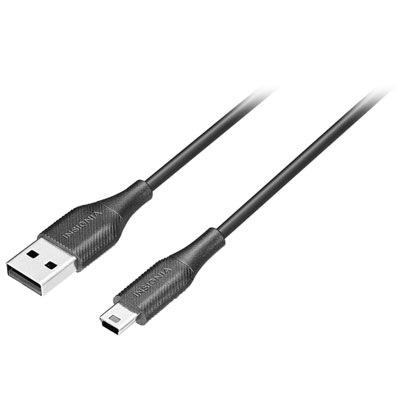 Your price for this item is $19.99
-
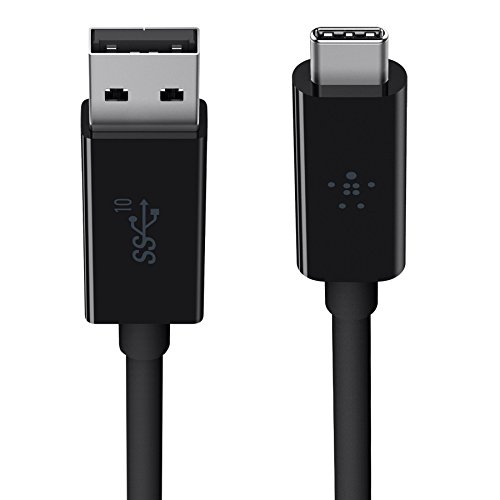 Your price for this item is $31.99
-
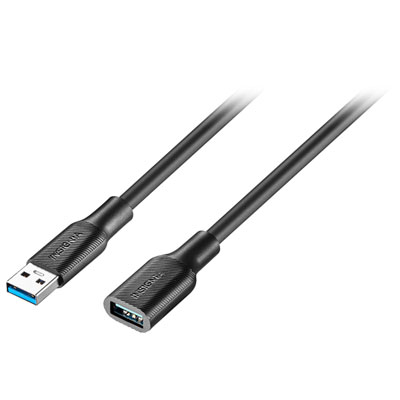 Your price for this item is $24.99
Discover more categories related to DC Barrel Connectors

Top Collections:
Pokemon Centers, Kindle Devices, Best Budget Office Chairs, Canon G7X Cameras, Apple iPhones 16, Samsung Galaxy Phones, Refurbished Apple Laptops, Laptops for Students, iPhone 15 Apple, Budget Smartphones
Some products may be subject to Environmental Handling Fees
(EHF) depending on your province.
Learn more about EHFs.