DC Adapter Plugs
Our selection of DC adapter plugs is designed to provide you with a convenient and reliable solution for charging your devices on the go. Whether you need a replacement adapter or an extra one for travel, we've got you covered. With various plug sizes and compatibility options available, you can easily find the right adapter plug to meet your needs. Say goodbye to running out of battery when you need it most - shop our range of DC adapter plugs today!
Sort



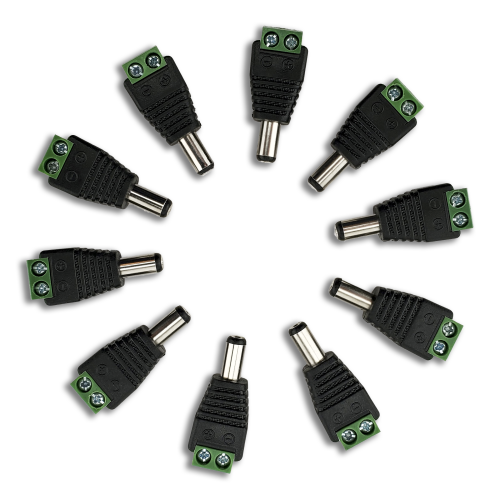

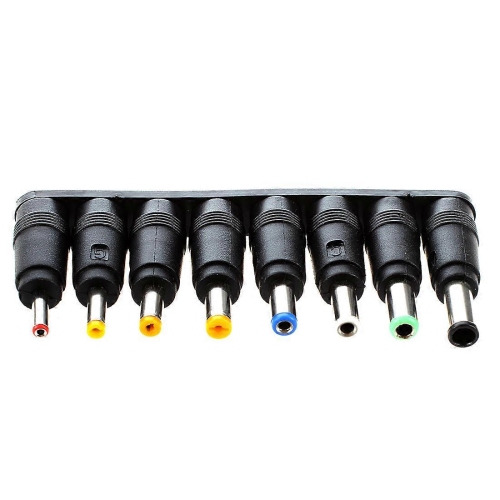


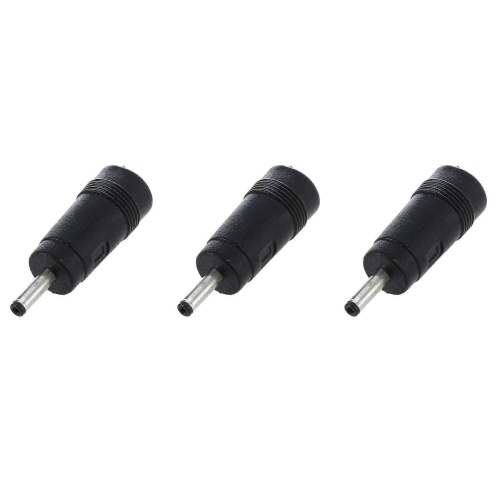

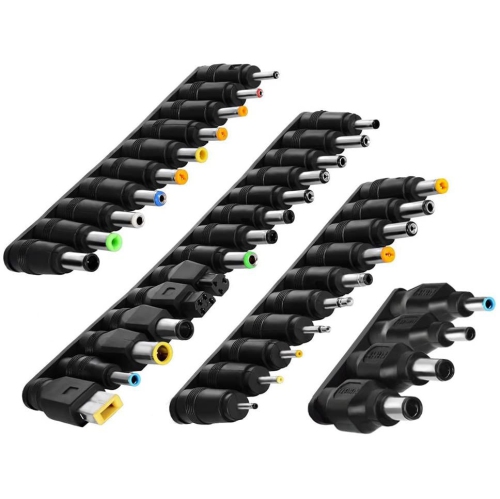














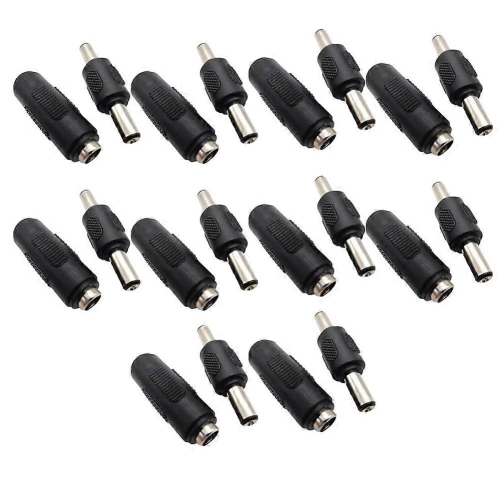

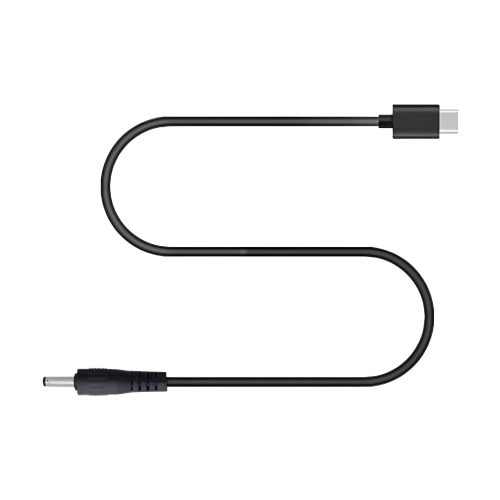
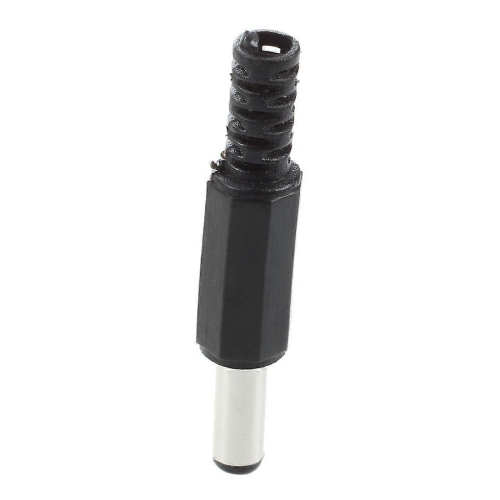

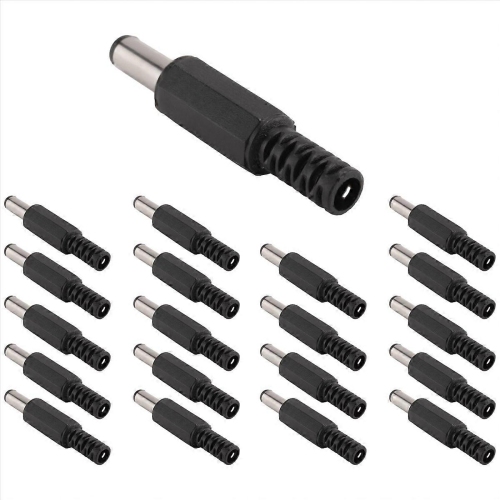
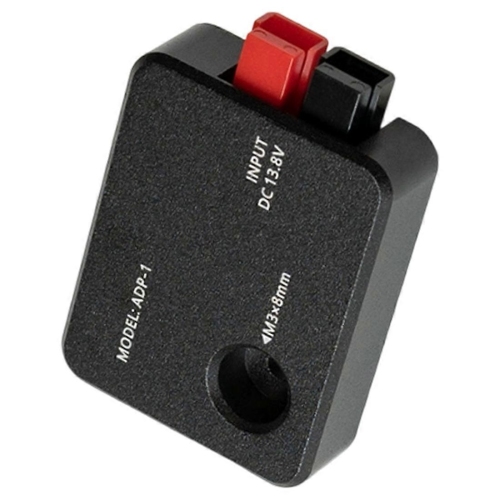


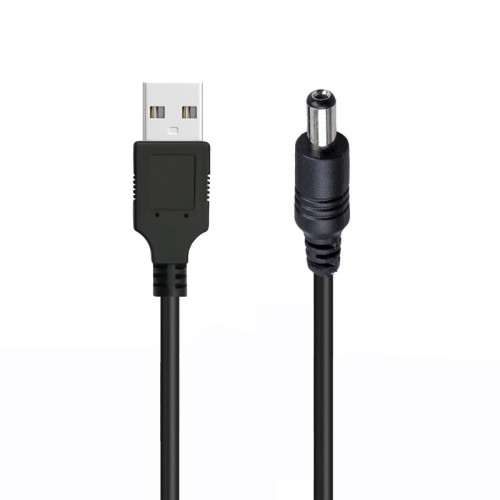


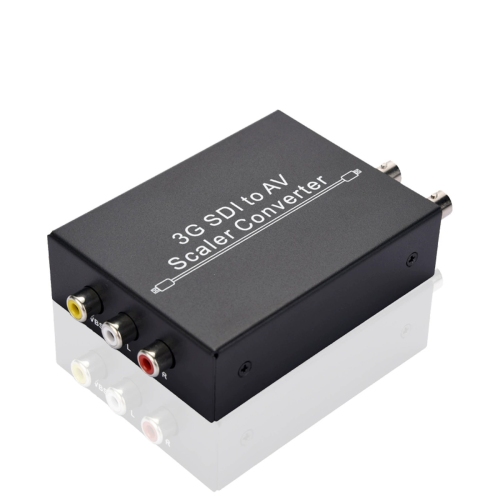
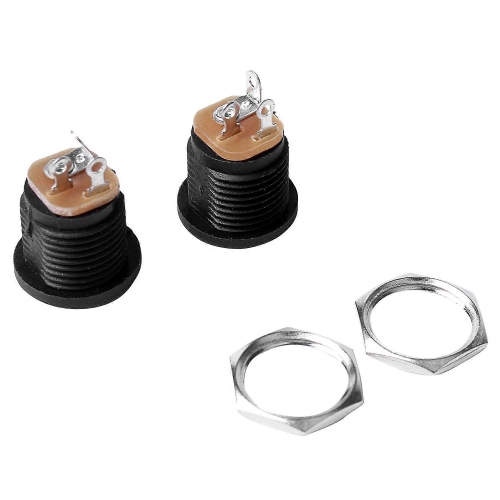
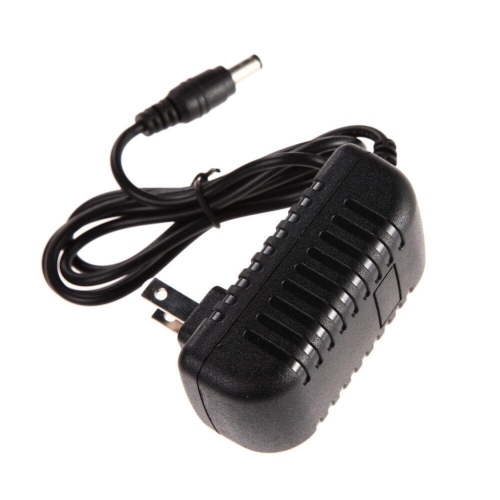
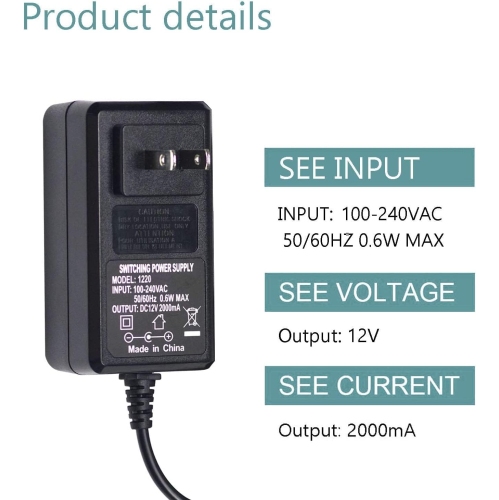


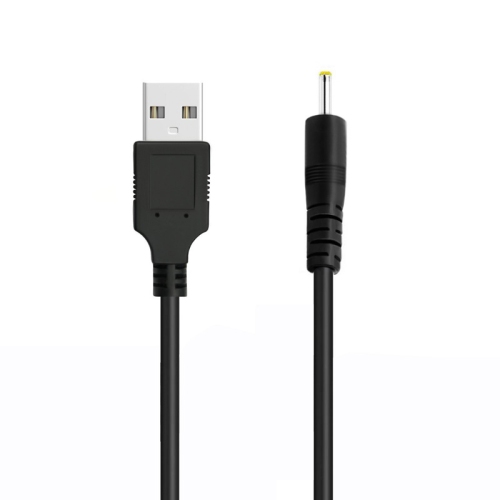
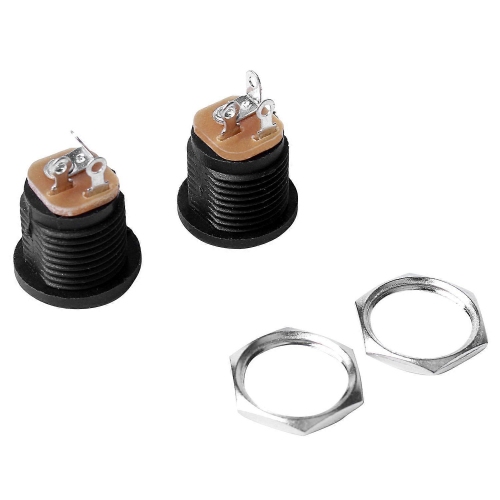

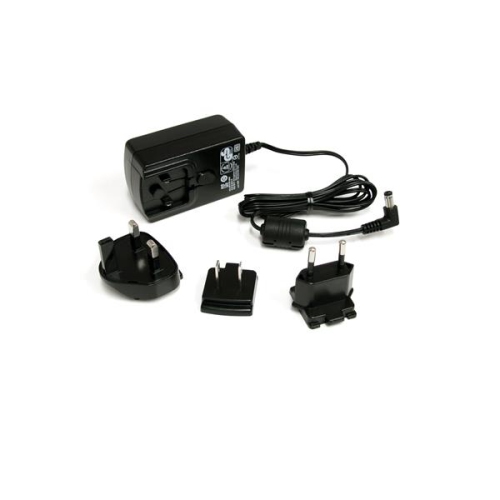
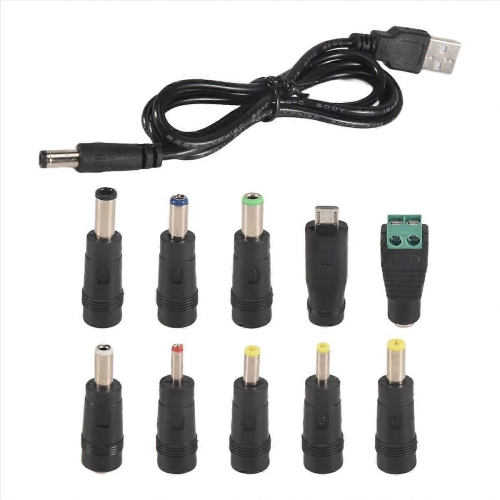

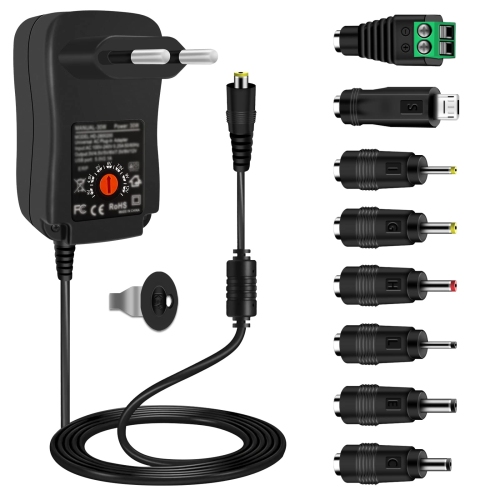


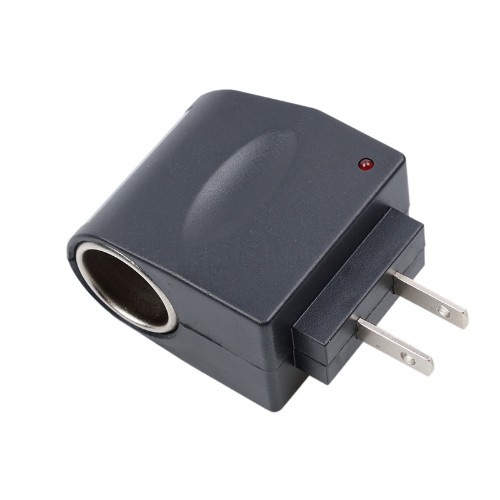


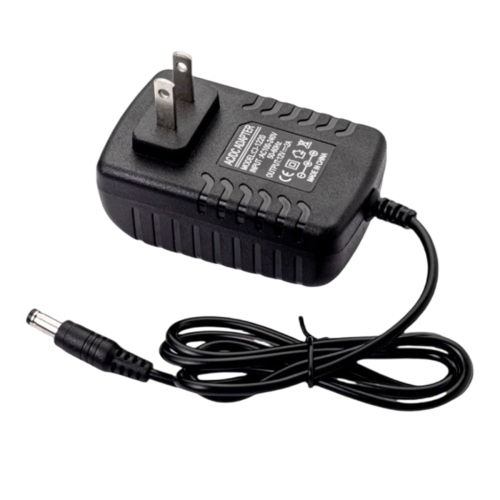

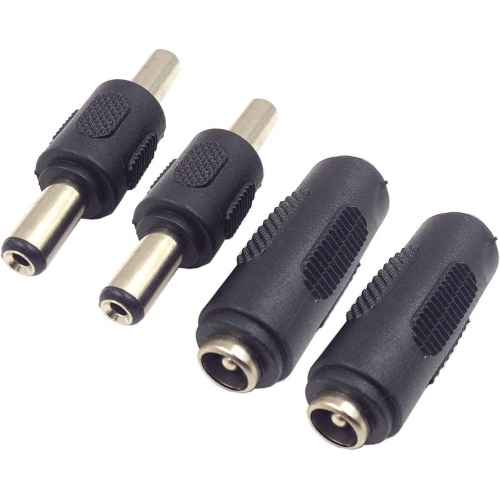


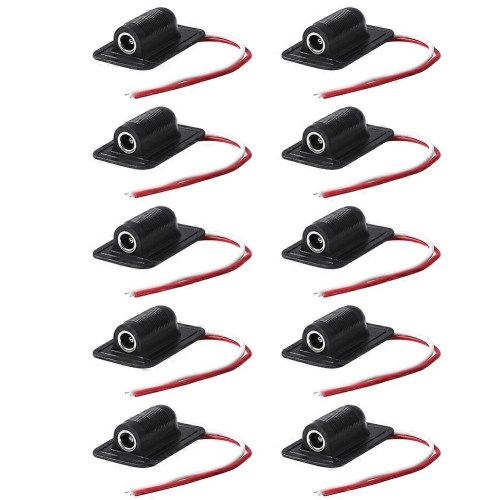




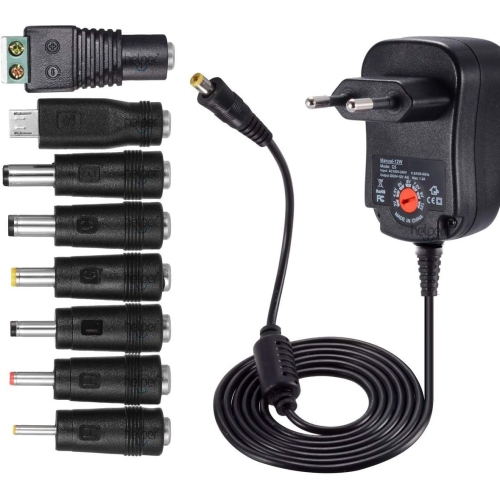


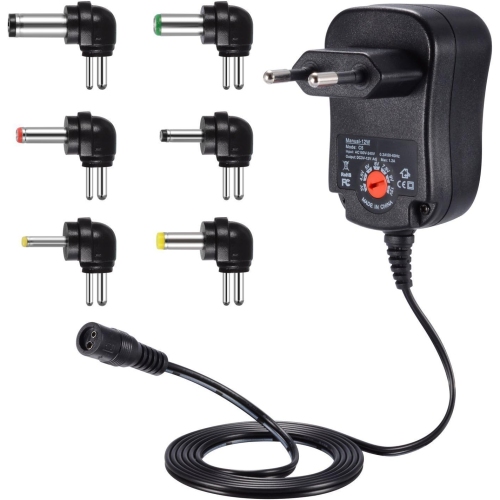

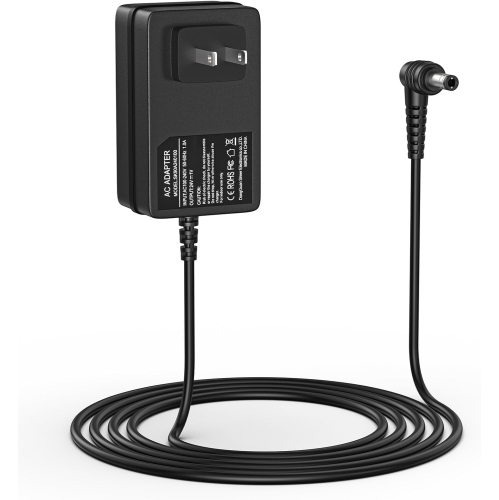
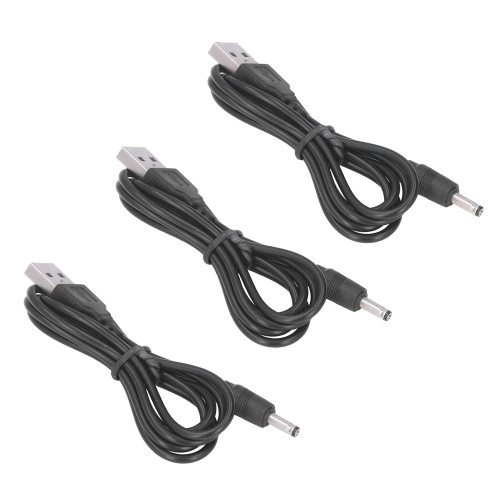





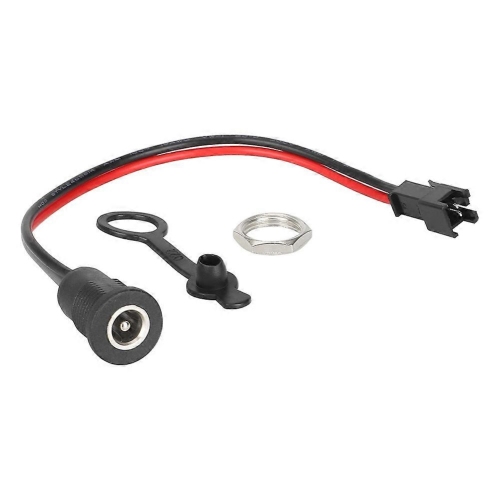
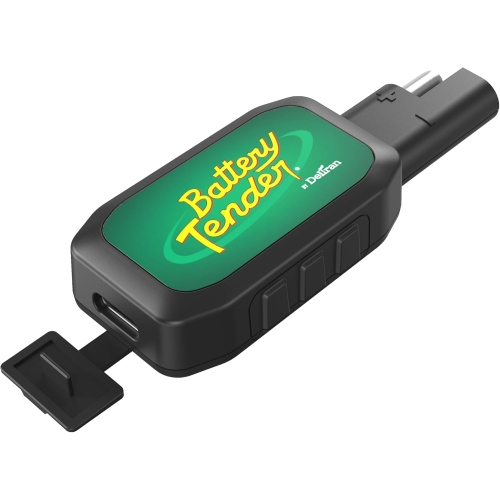

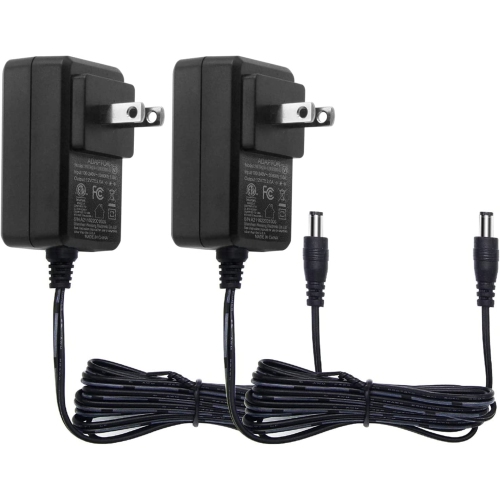

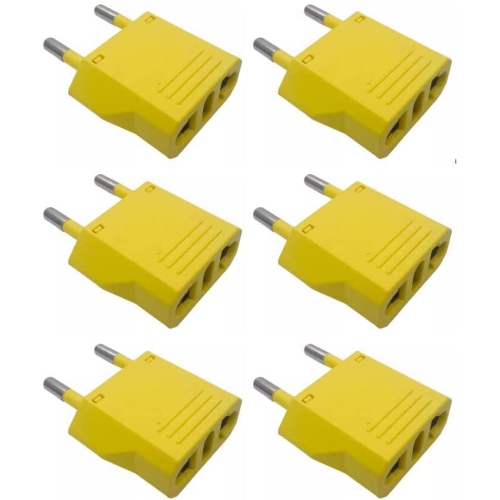


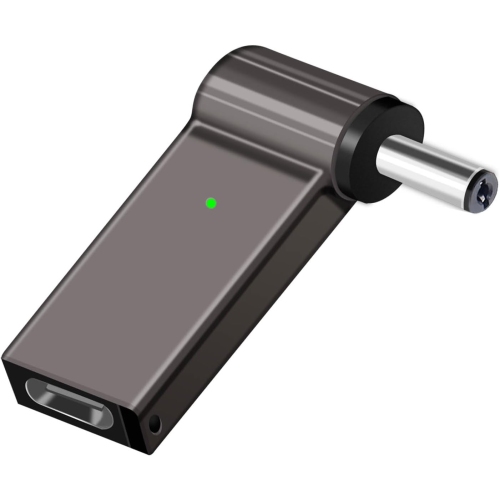

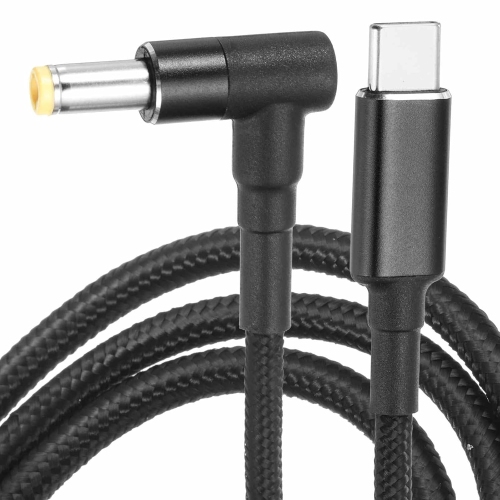


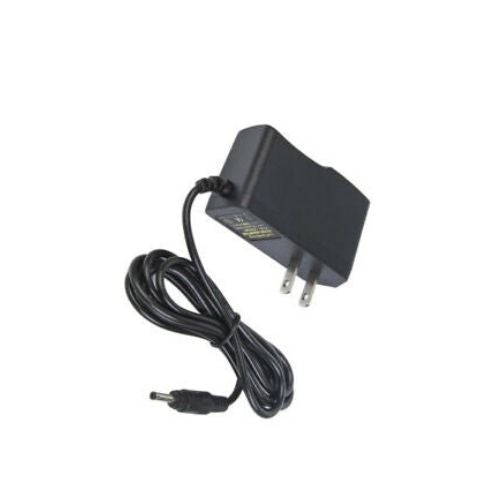
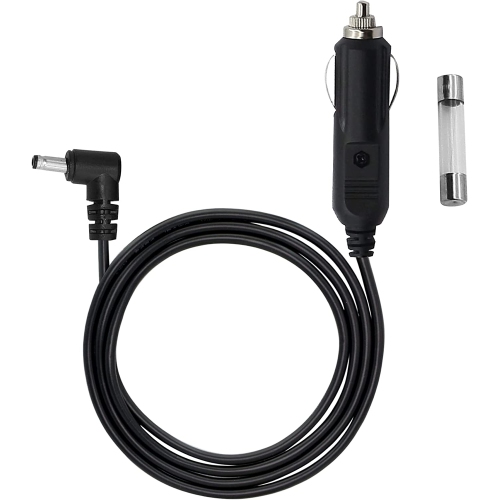

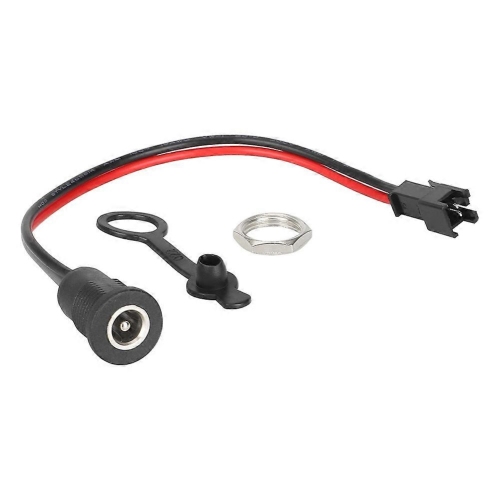
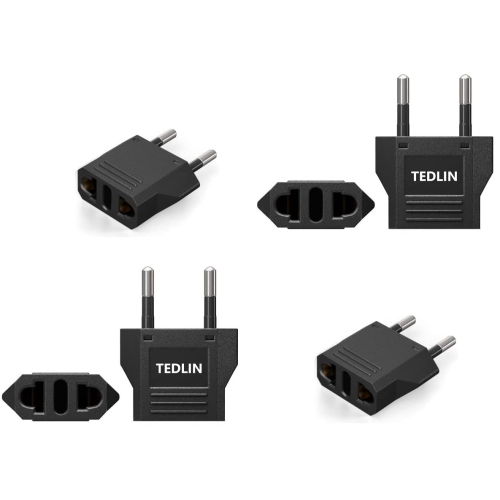

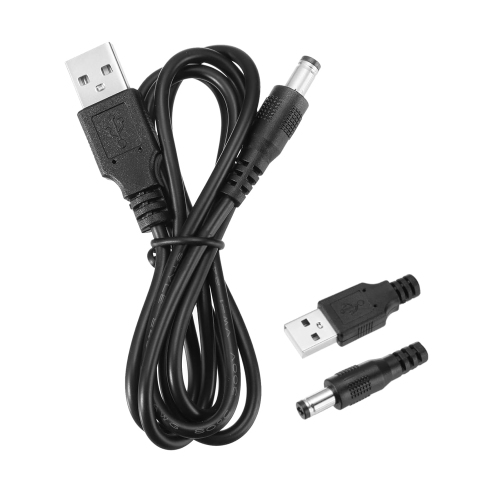
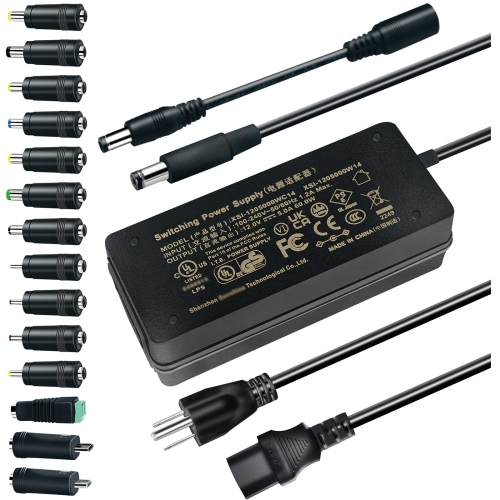
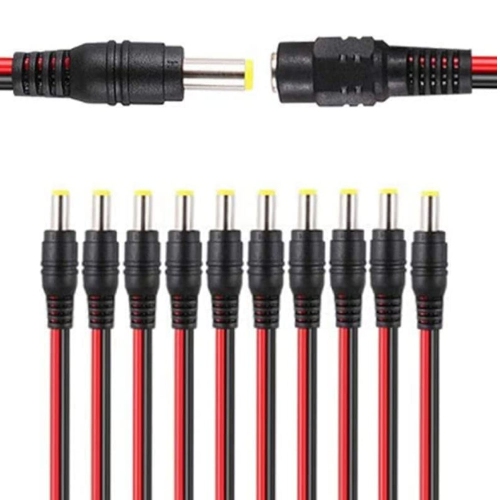

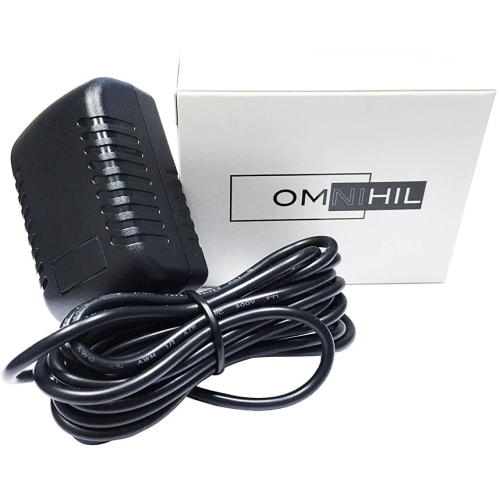
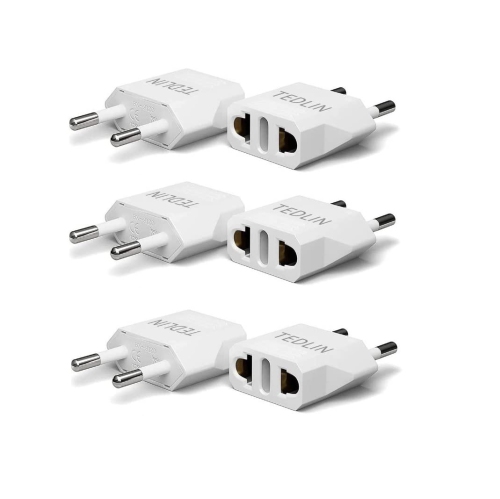

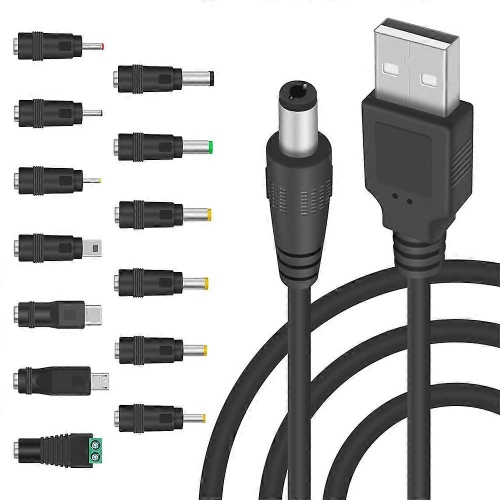
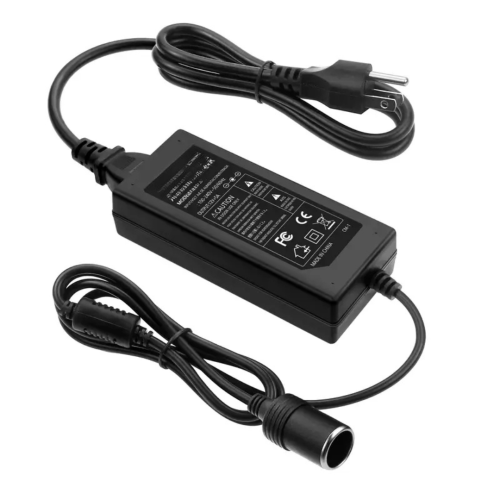

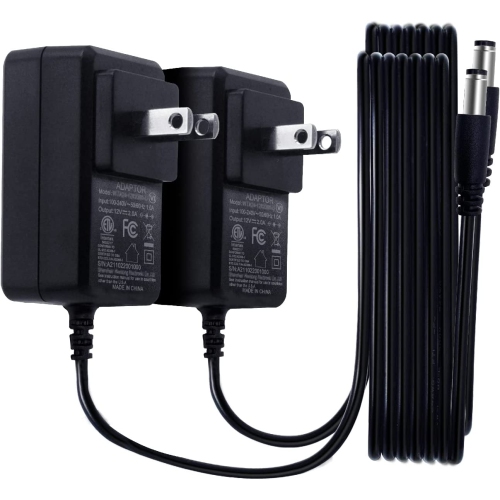

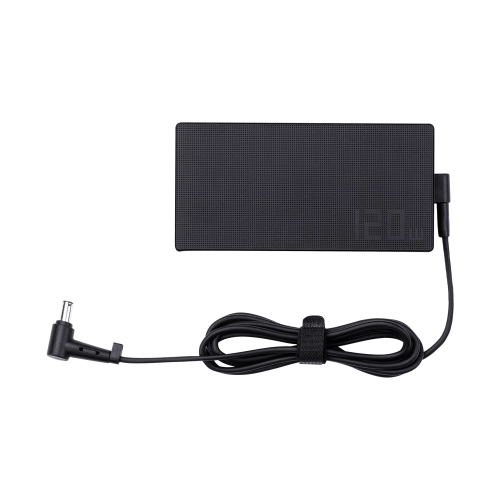
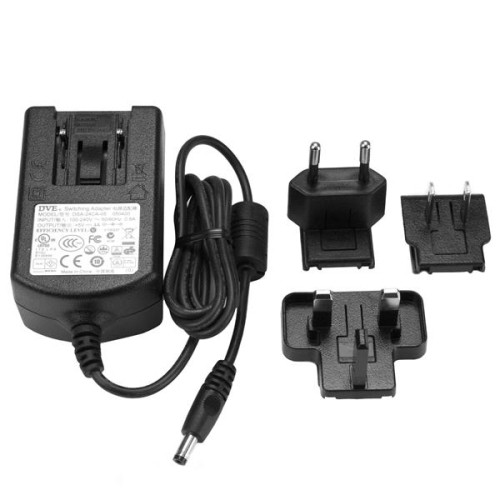
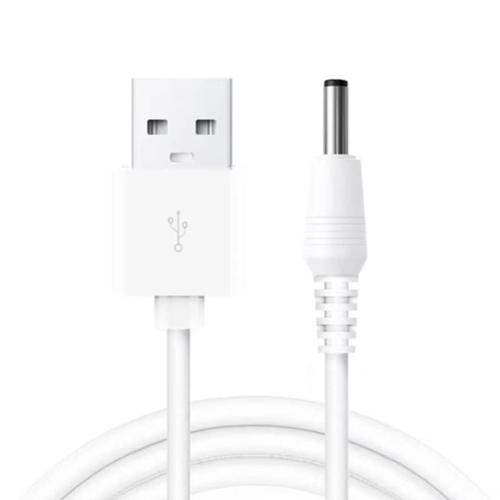
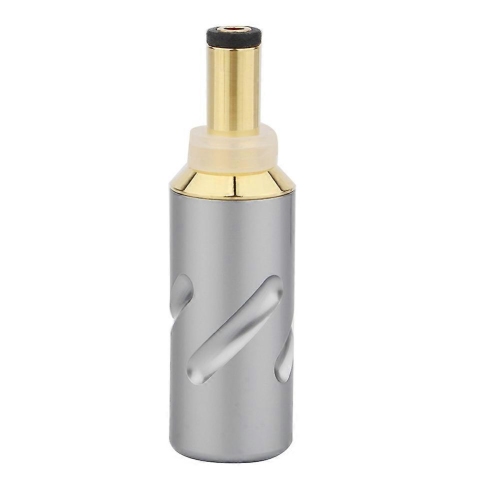
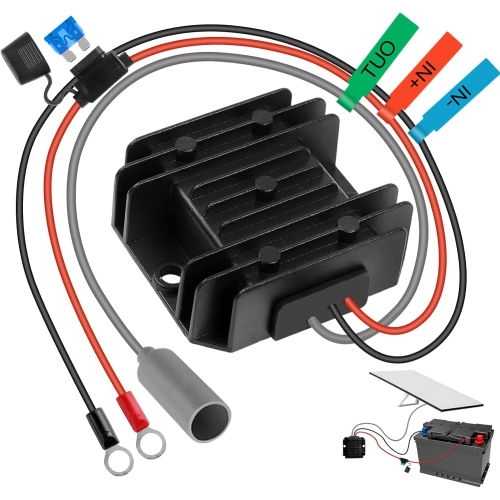


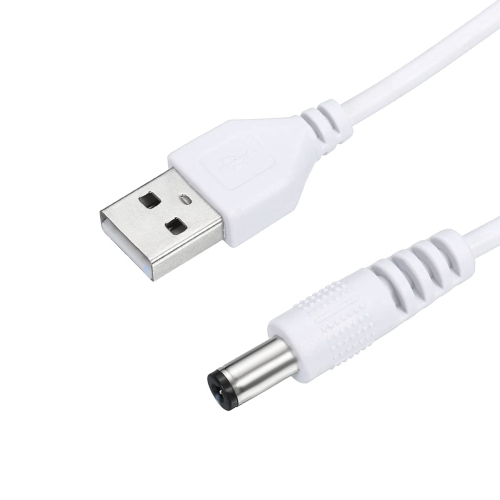
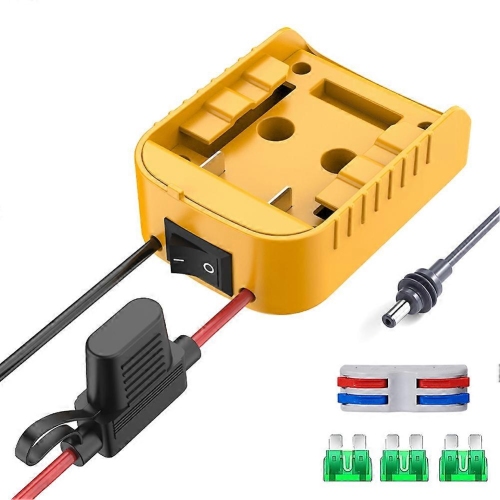
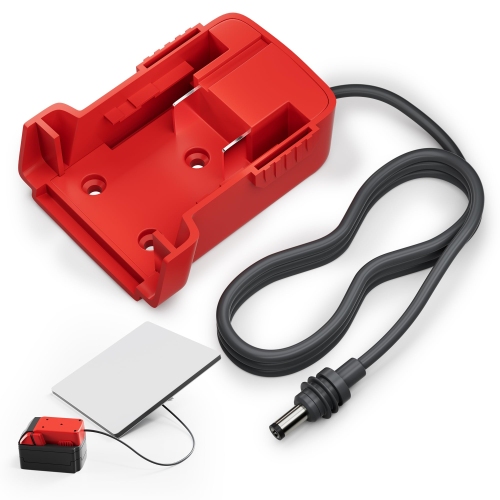
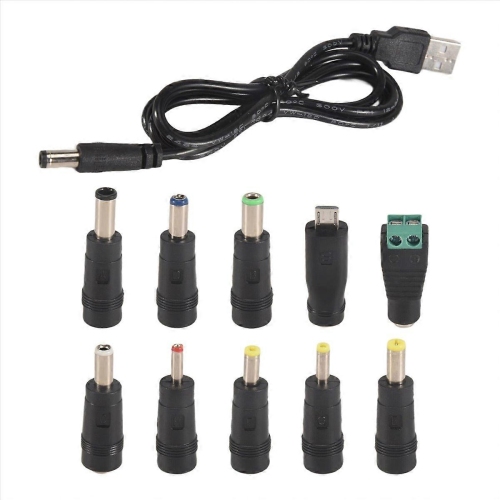

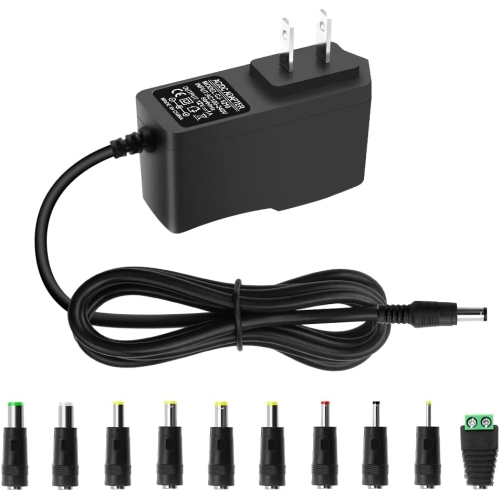
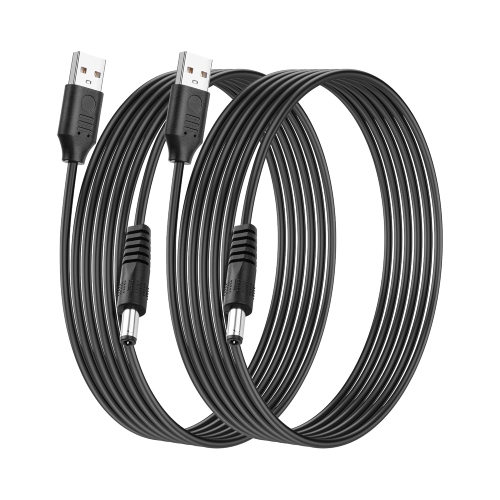
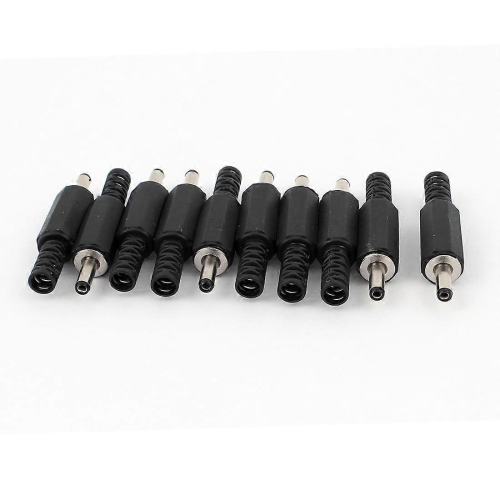
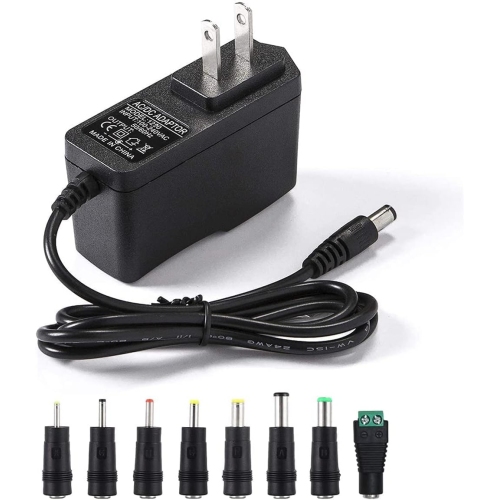
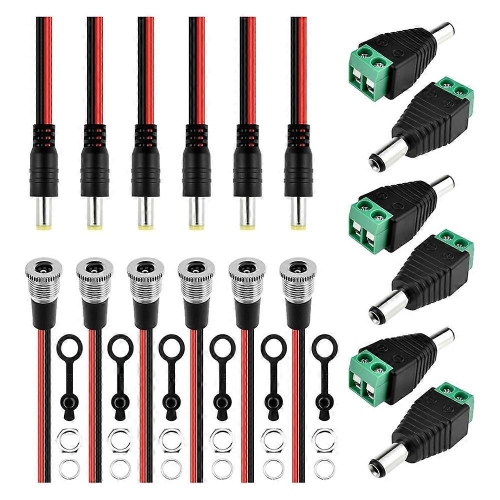
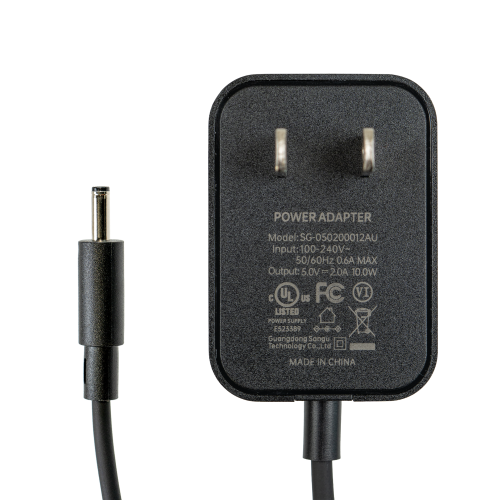
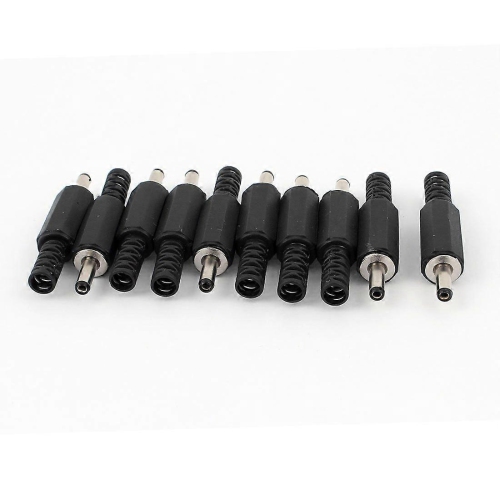
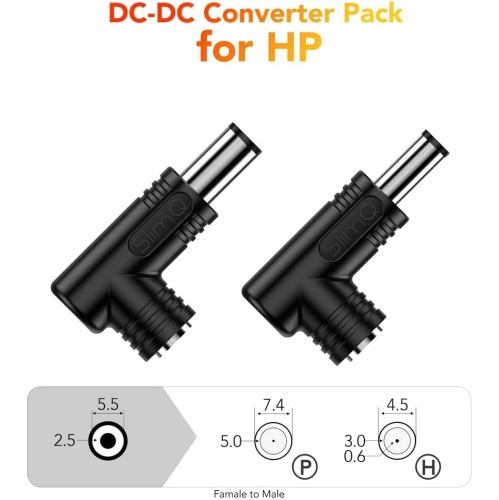
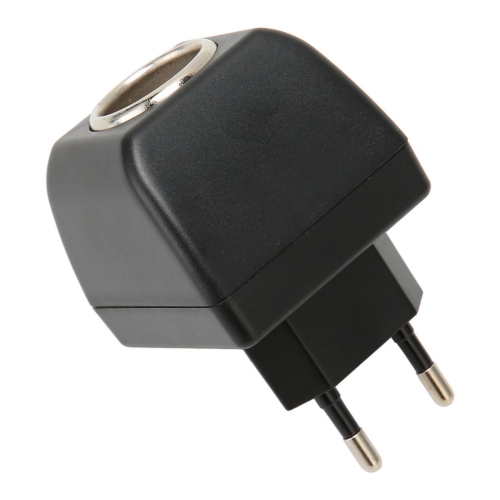
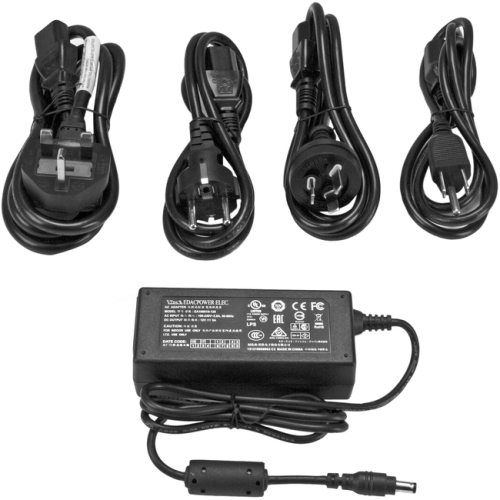
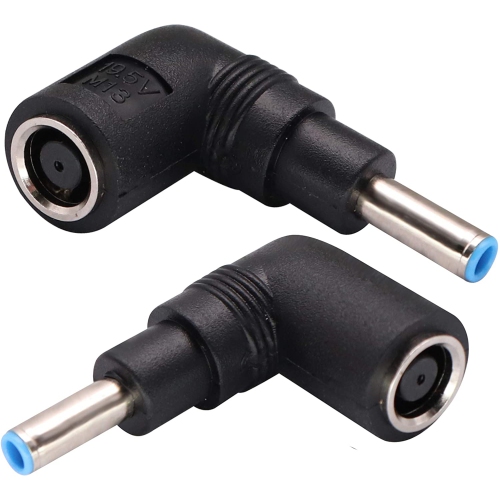

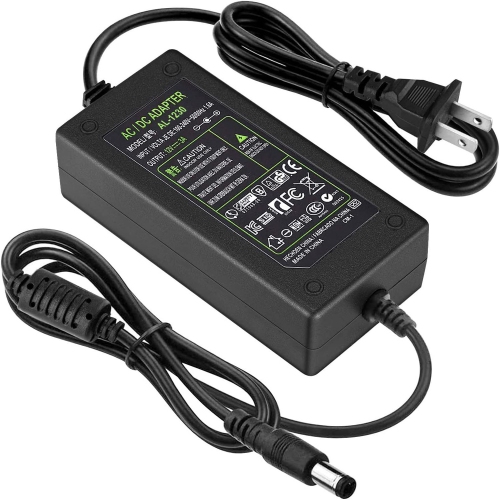




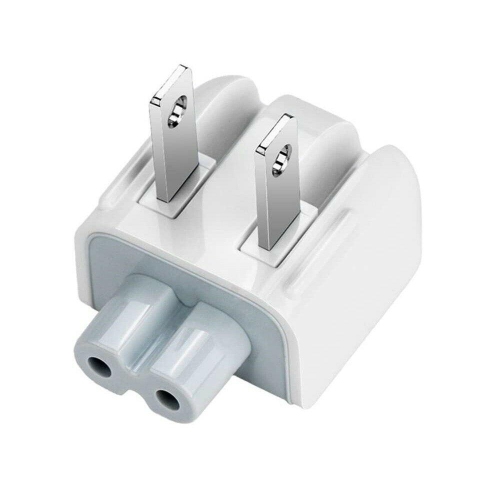

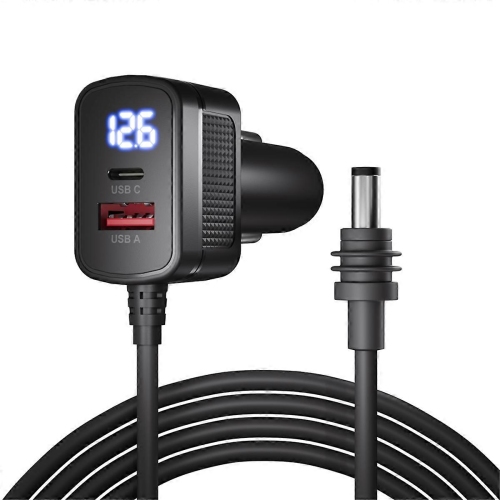
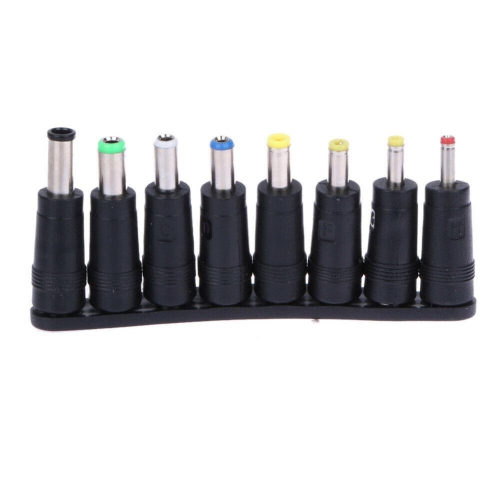
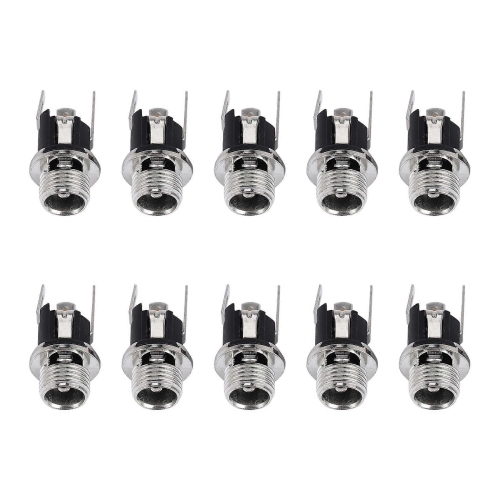
The details that help ensure a reliable power connection
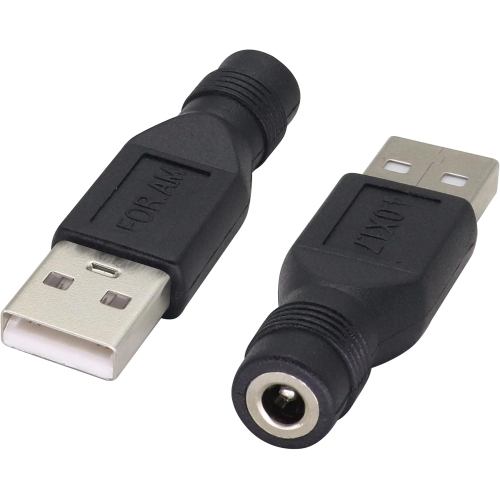
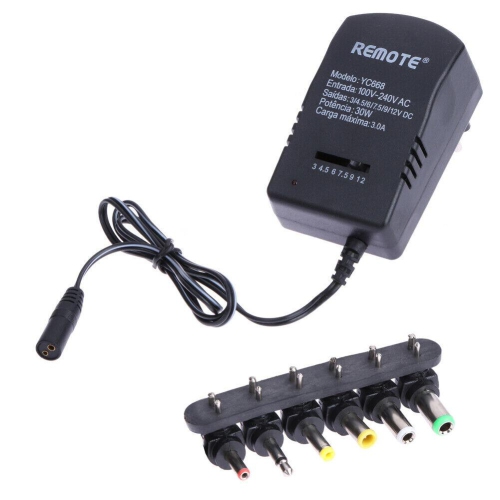
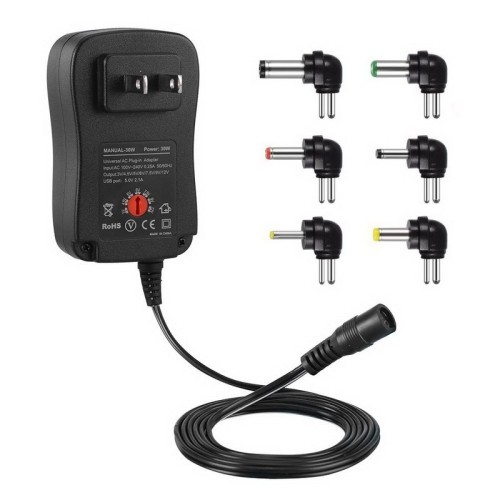
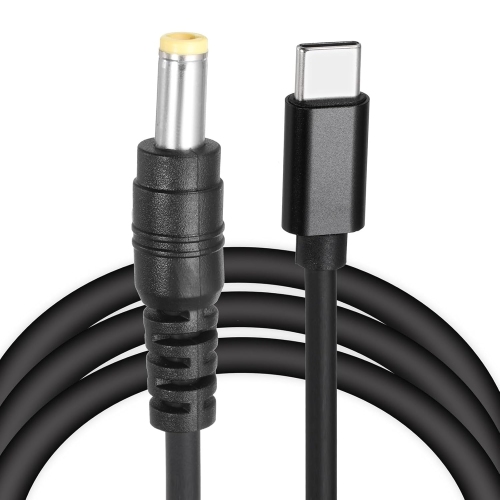
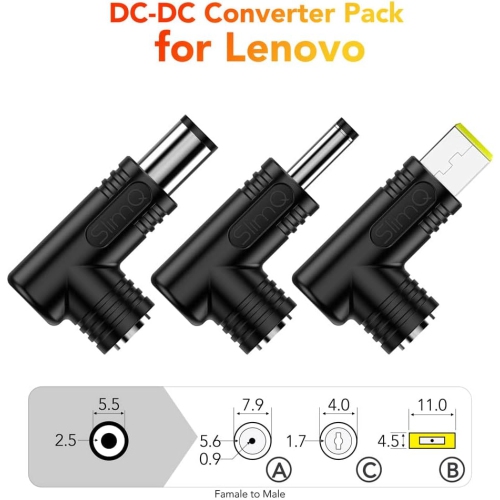
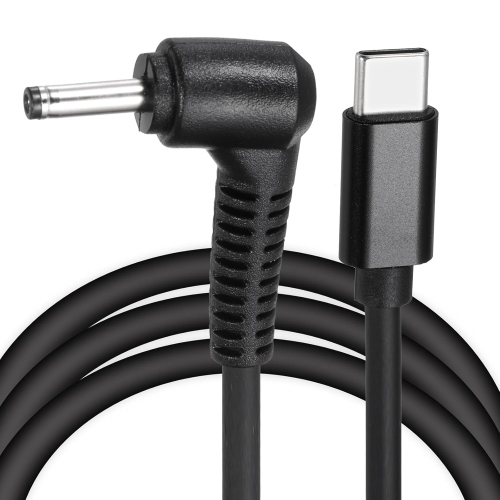
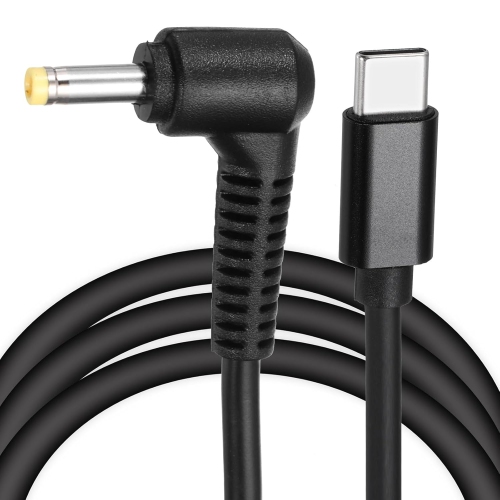
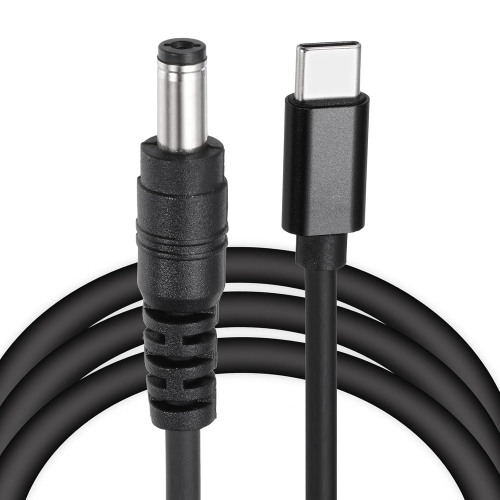
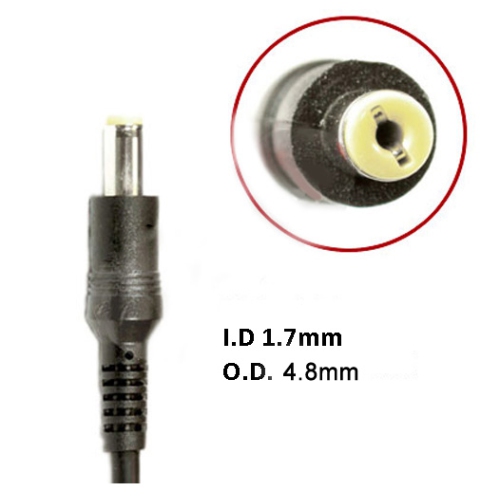
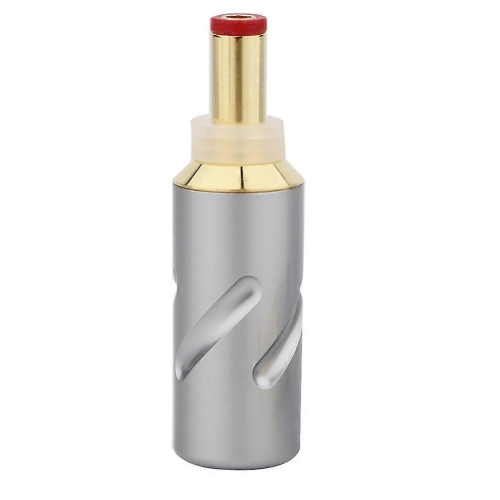
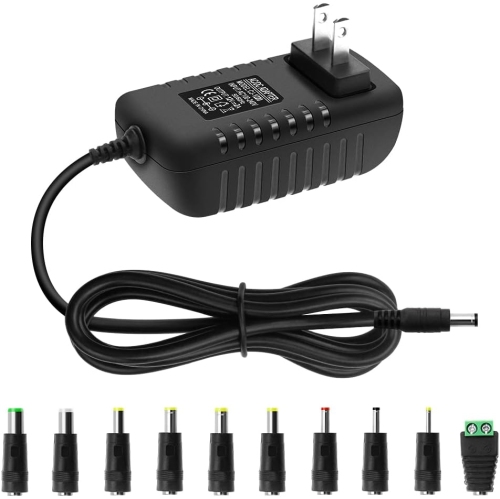
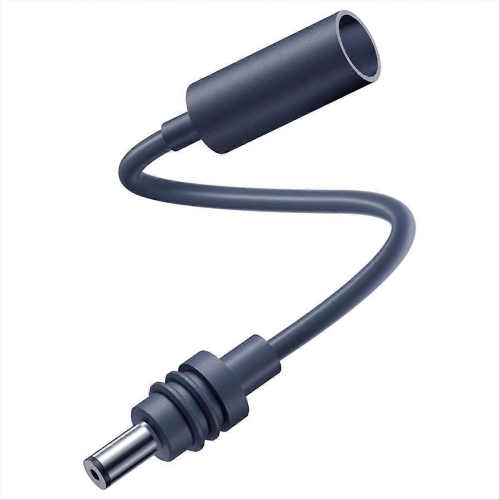
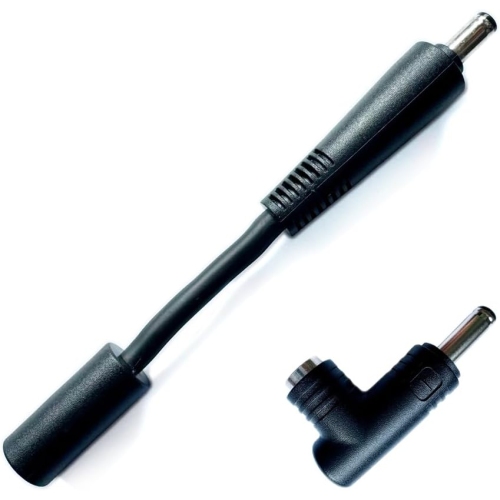
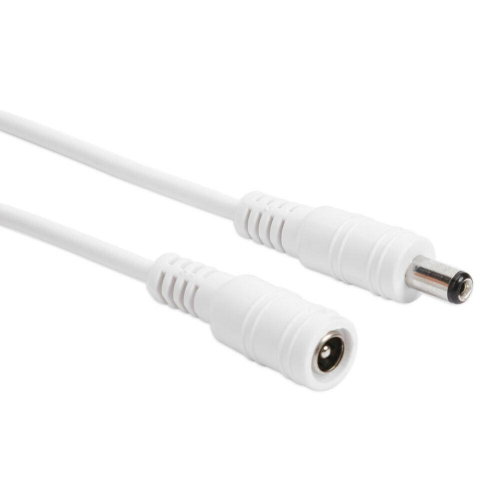
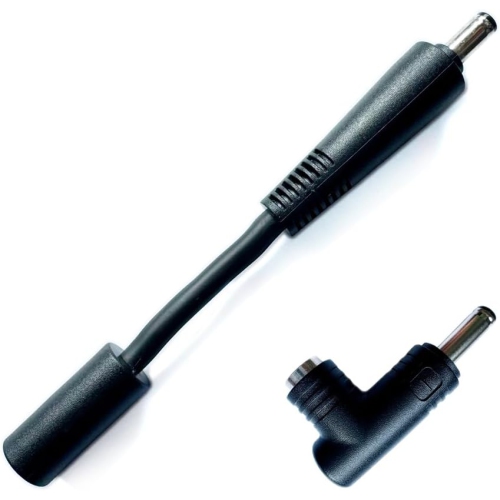
DC adapter plugs provide a practical connection between a compatible power source and the electronics that rely on direct current. They are commonly used with small devices such as routers, modems, compact audio equipment, monitors, LED lighting, security accessories, hobby electronics, and other equipment that uses a barrel-style power connection. While these plugs can look nearly identical at a glance, small differences in size and electrical specifications can determine whether an adapter works properly. Common barrel plug measurements include 5.5 mm x 2.1 mm and 5.5 mm x 2.5 mm, but many devices use less familiar dimensions. The first step in choosing a DC adapter plug is checking the original power supply, the label on the device, or the manufacturer’s specifications for the exact connector type. The outer diameter, inner diameter, plug length, and connection style all matter. A plug that fits loosely may disconnect when a cable is moved, while one that appears to fit but has the wrong inner measurement may fail to make reliable contact. It is also important to confirm polarity, particularly with barrel connectors. Many DC devices use centre-positive polarity, although centre-negative and other arrangements are possible. The voltage supplied should match the device’s requirements, and the adapter’s current rating should meet or exceed the device’s stated needs. Matching these details helps support dependable operation and reduces the risk of overheating, intermittent power, or damage to connected equipment. For anyone replacing a misplaced plug, setting up a small electronics project, or keeping a spare on hand, paying attention to these details is more useful than choosing based on appearance alone.
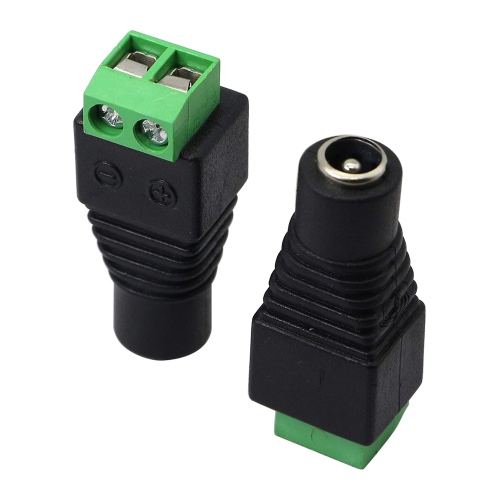
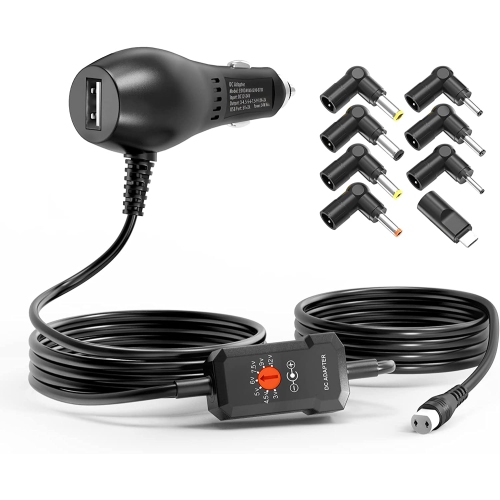
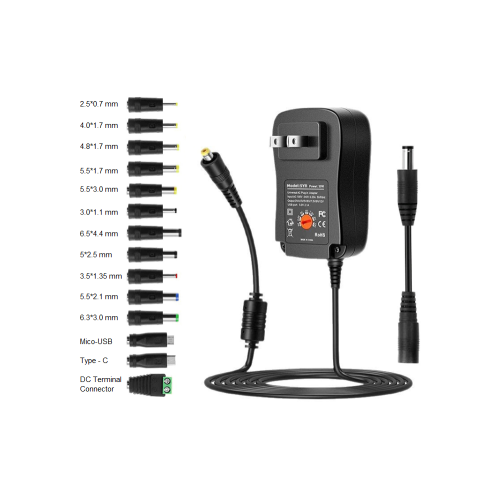
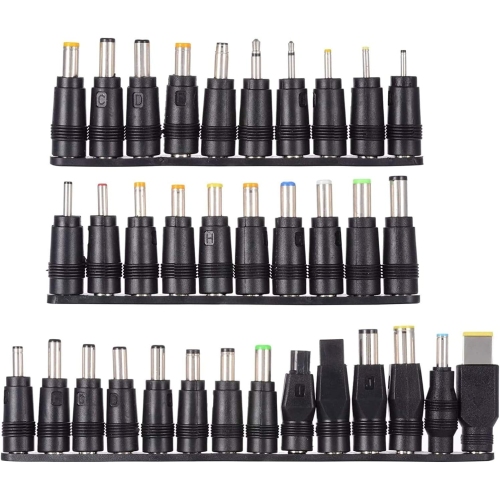
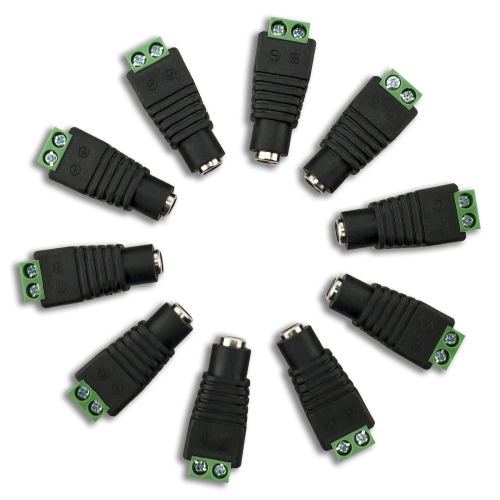
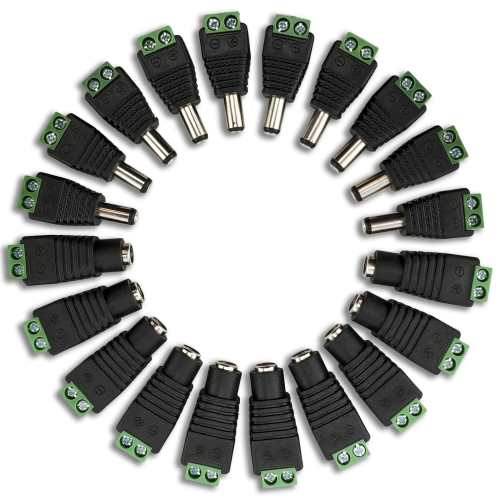
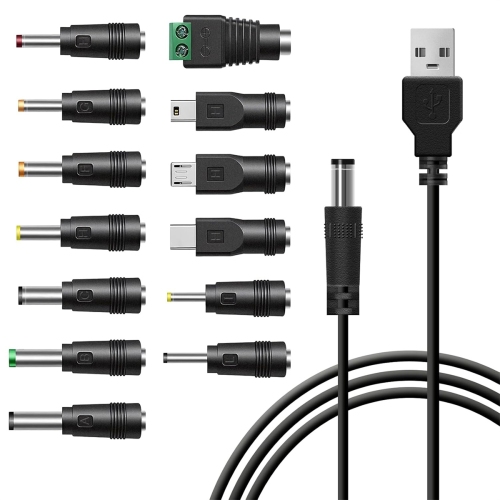
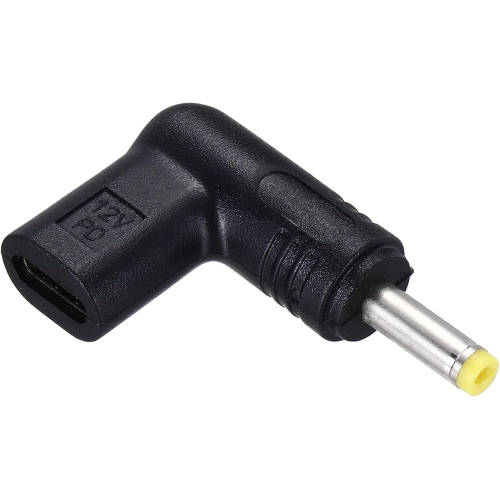
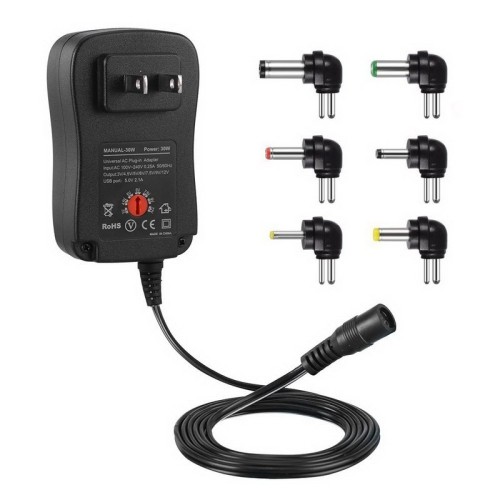
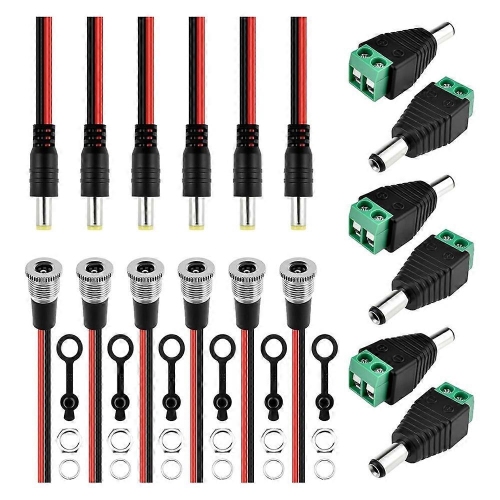
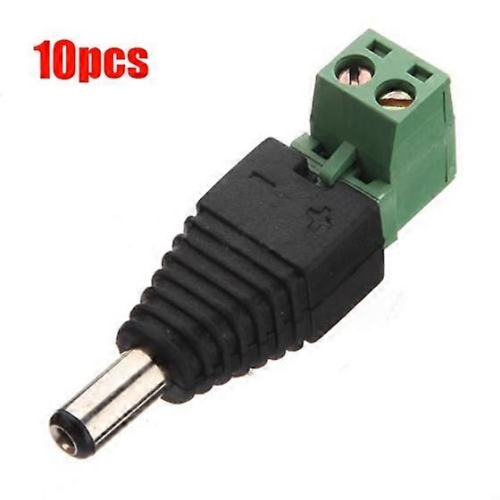
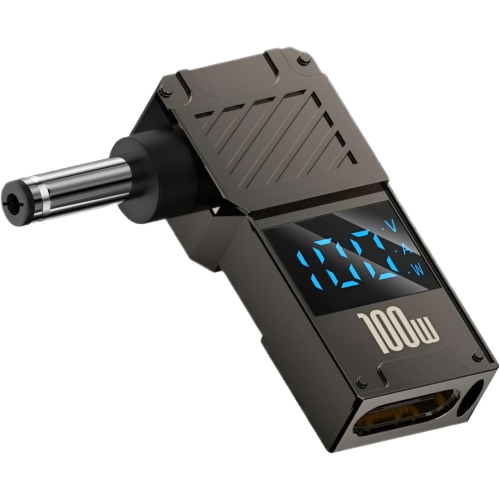
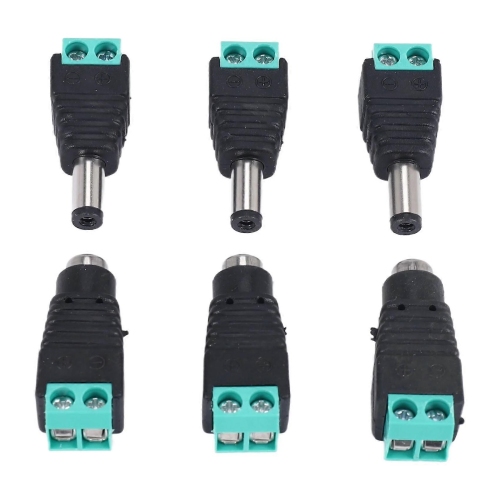
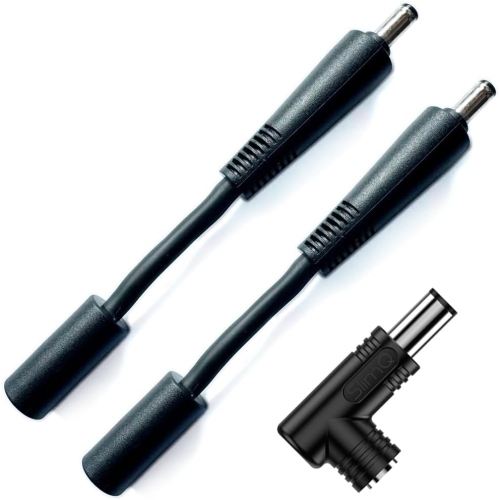
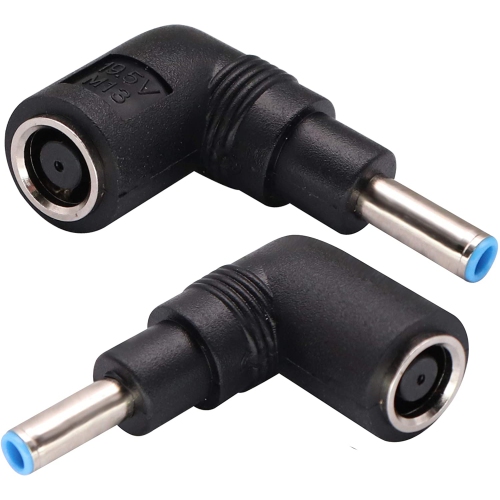
Different styles of DC adapter plugs suit different kinds of setups. Standard barrel plugs are a straightforward choice for equipment with a fixed DC input, including networking devices and compact electronics used around a home office. Universal adapters with interchangeable tips can be useful when several compatible devices use different connector sizes, provided the voltage, current, polarity, and tip selection are configured correctly for each one. Adjustable voltage settings require particular care: the chosen output should never exceed the device’s stated requirement, and the selector should be checked before connecting the plug. For projects involving exposed conductors, screw-terminal adapters can create a convenient connection between bare wires and a DC barrel jack or plug without soldering. These can be useful for low-voltage lighting projects, test benches, educational kits, and custom installations, but the wires still need to be connected with the correct polarity and secured so they cannot pull free. A right-angle plug may be preferable where space behind a device is limited, while a straight plug can be easier to route through an open workspace. Cable length is another practical consideration. A lead that is too short can place strain on the device connection, whereas extra length can become tangled behind a desk or entertainment unit. Travellers, students, remote workers, and people moving equipment between rooms may appreciate compact options that are easy to store with a charger pouch or electronics case. During the cooler months, when indoor workspaces, hobby stations, and home entertainment setups often see more use, a properly matched spare can help keep everyday equipment organized and ready without relying on a makeshift connection. For related power solutions used with computers and other electronics, you can also explore AC Adapters.
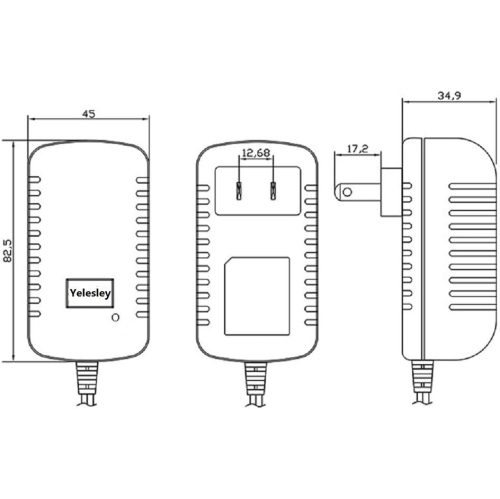
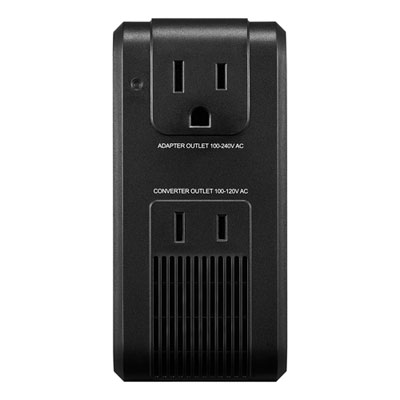
DC adapter plugs can be a thoughtful and useful gift for someone who enjoys building, repairing, or organizing electronics, especially when the recipient frequently works with small devices and accessories. They may be helpful for a university student assembling a study setup, a family member maintaining a home network, or a hobbyist creating low-voltage lighting and control projects. A small assortment of compatible tips or a universal option can be convenient, but the recipient’s equipment should guide the choice. Before purchasing, look for the device’s input information, usually printed near the power port or on a label underneath the unit. Note the required voltage, current, polarity symbol, and connector dimensions, then compare those details with the adapter plug specifications. If the device is powered by USB, uses a proprietary connector, or requires a specialised power supply, a standard DC barrel plug may not be appropriate. It is also wise to check whether the plug is intended only as a connector or includes an AC-to-DC power supply; these are not interchangeable terms. A DC plug may simply terminate an existing low-voltage cable, while a complete adapter converts household AC power into the DC output a device needs. When fitting a plug, disconnect power first, avoid forcing the connector, and keep cable joints away from moisture, heat, and areas where they could be pinched. For installations using bare wires, cover exposed connections and confirm that the power source is switched off before making adjustments. A well-matched DC adapter plug should seat firmly, deliver the correct electrical output, and allow the device to operate as intended. Taking a few minutes to verify the specifications can make a noticeable difference, whether the plug is being used to restore an essential router, tidy a workbench, complete a lighting project, or keep a frequently used electronic device running smoothly.
Top selling and popular products
-
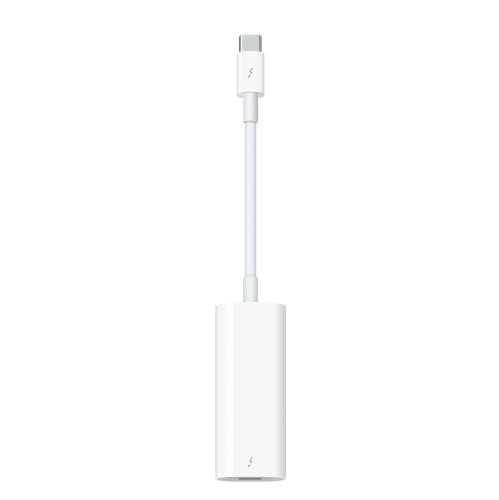 Your price for this item is $89.18
-
 Your price for this item is $19.99
-
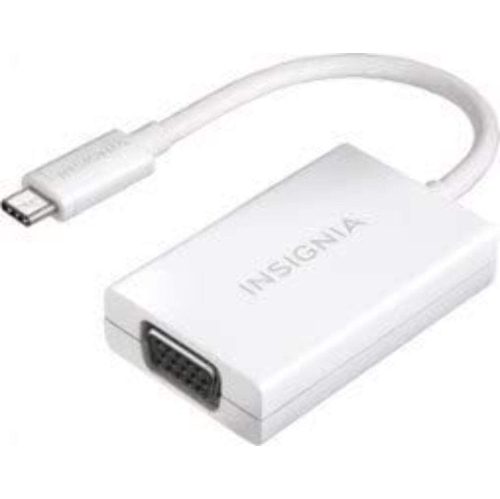 Your price for this item is $13.99
-
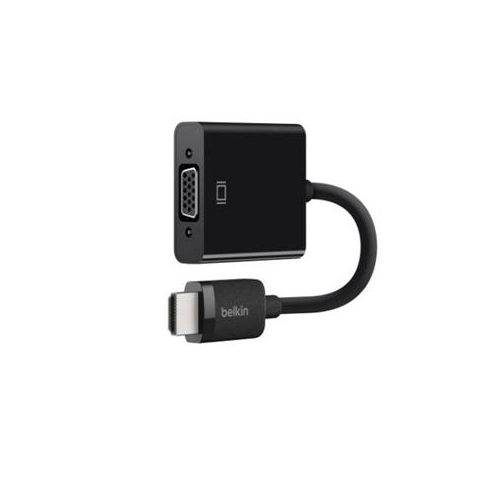 Your price for this item is $49.68
-
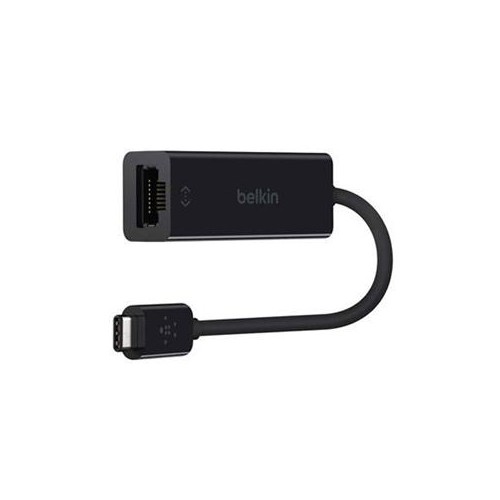 Your price for this item is $78.68
-
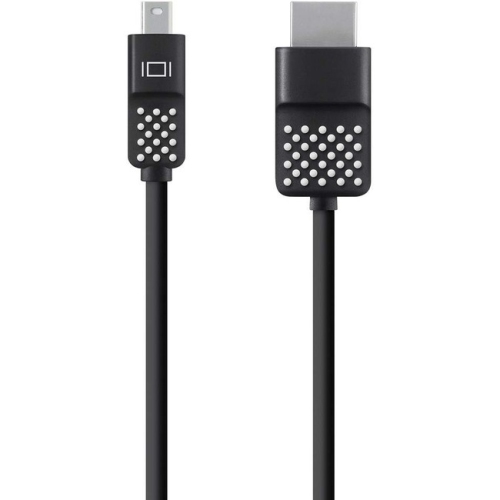 Your price for this item is $29.68
-
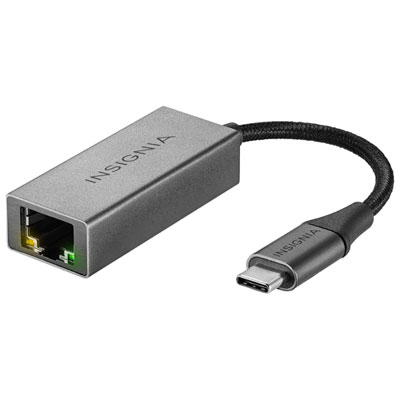 Your price for this item is $29.95
-
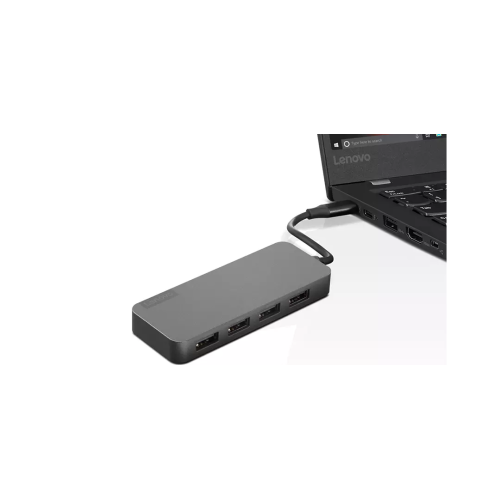 Your price for this item is $39.99
Discover more categories related to DC Adapter Plugs


Top Collections:
Pokemon Centers, Kindle Devices, Best Budget Office Chairs, Canon G7X Cameras, Apple iPhones 16, Samsung Galaxy Phones, Refurbished Apple Laptops, Laptops for Students, iPhone 15 Apple, Budget Smartphones
Some products may be subject to Environmental Handling Fees
(EHF) depending on your province.
Learn more about EHFs.