Decorative Light Bulbs
Elevate the ambiance of any room with our collection of decorative light bulbs, designed to add a touch of style and personality to your living space. Whether you're looking to create a cozy atmosphere with warm, soft lighting or make a statement with unique and eye-catching designs, our selection has something for every taste and preference. From vintage-inspired Edison bulbs to modern LED options, discover the perfect decorative light bulbs to illuminate your home in style.
Sort
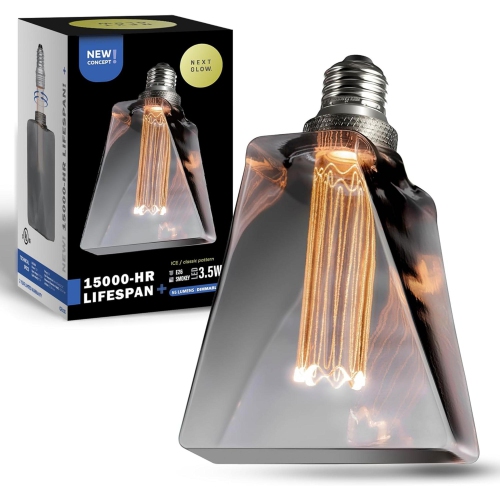

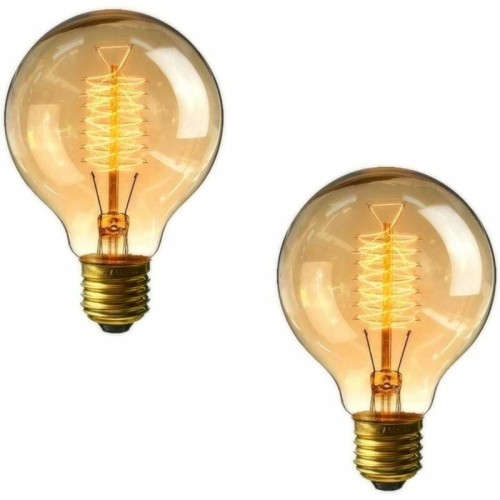
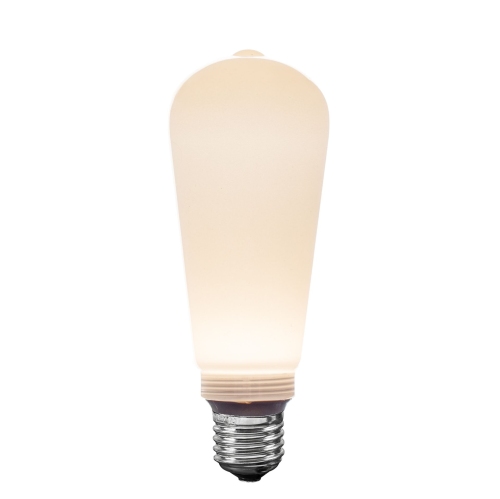


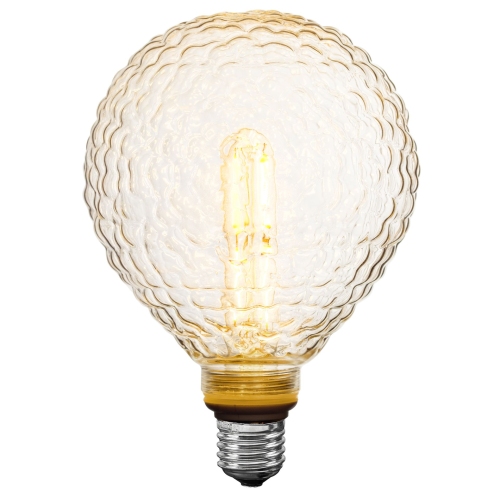


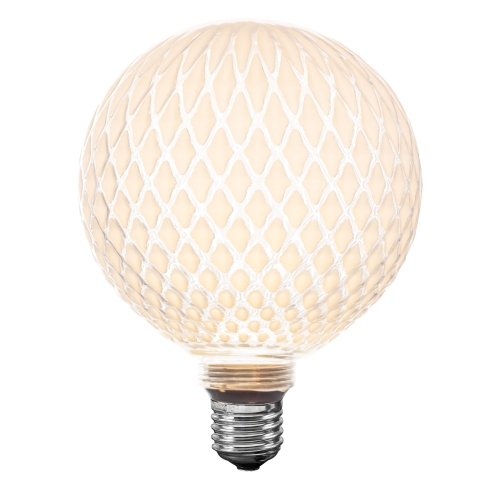
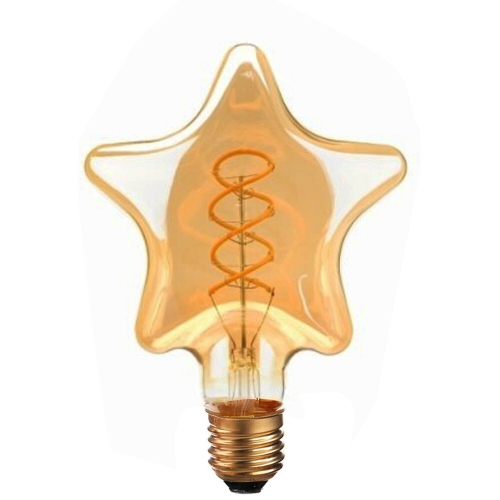
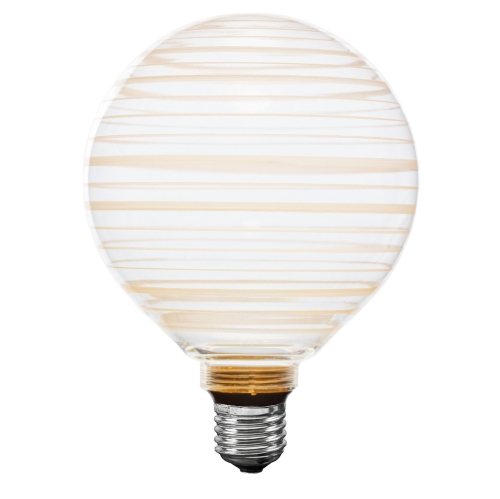
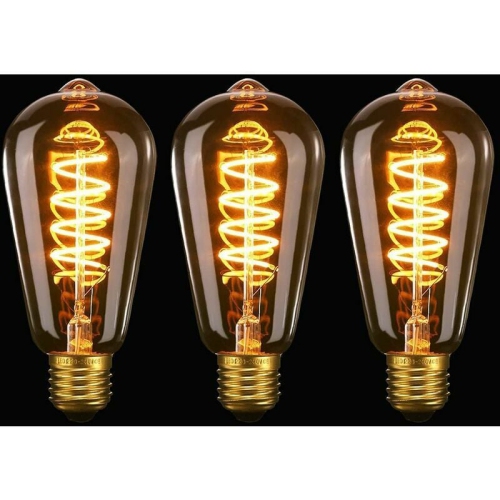
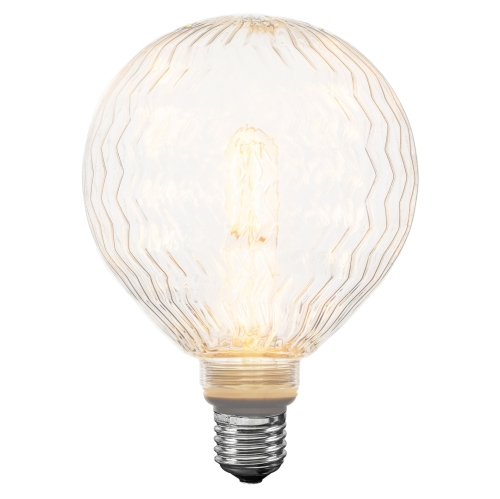
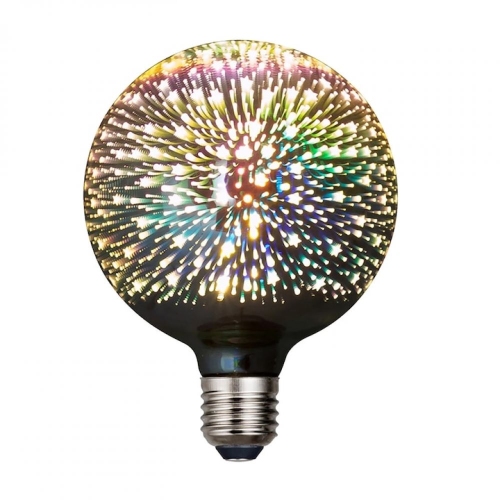


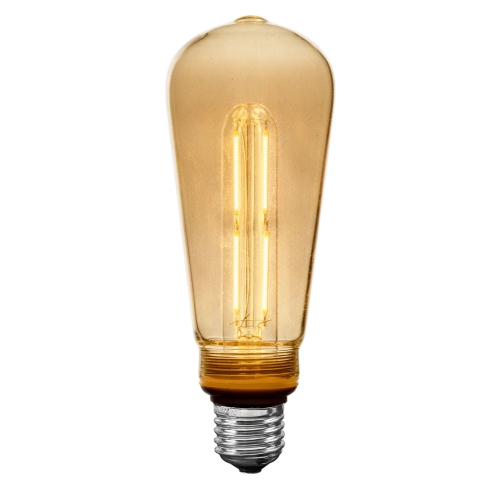
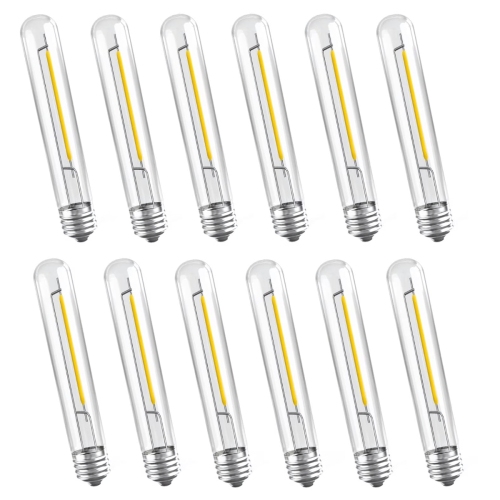


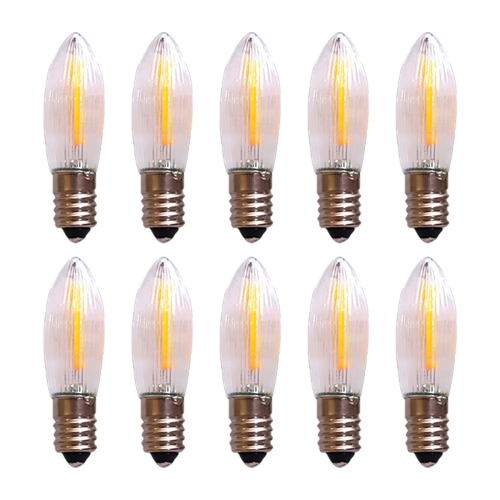
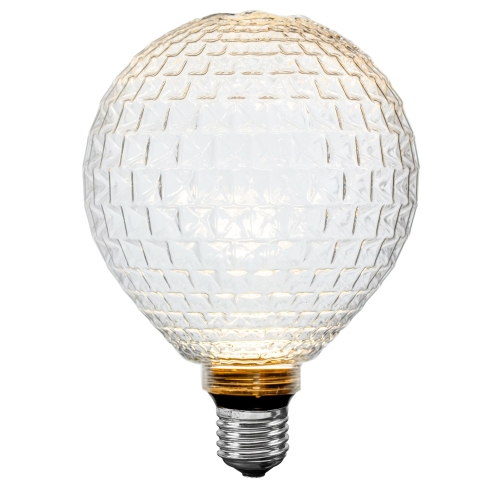

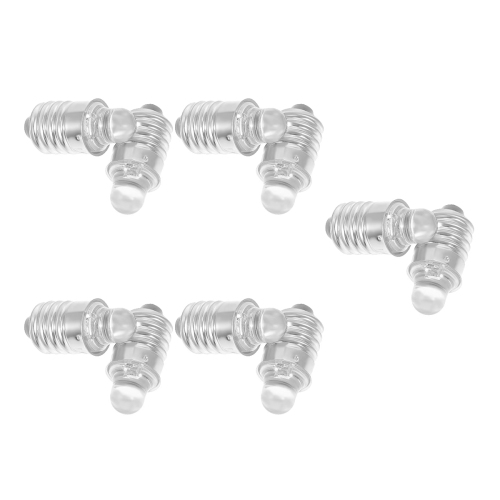

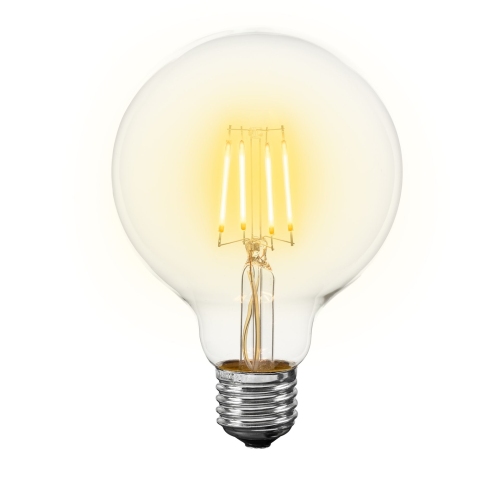


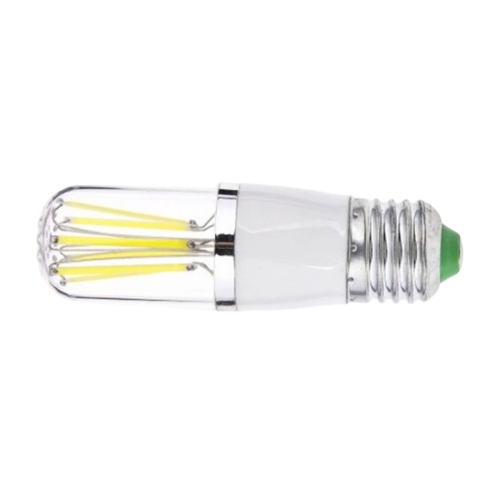
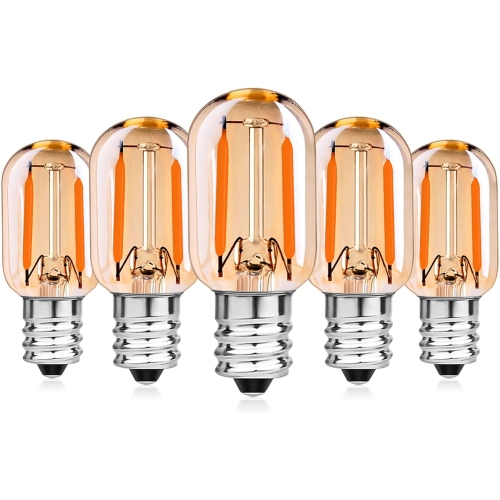
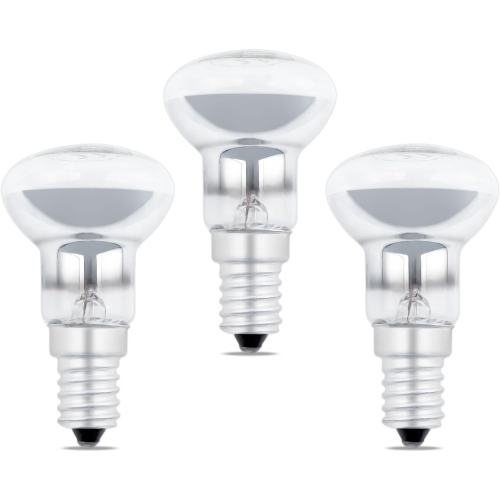


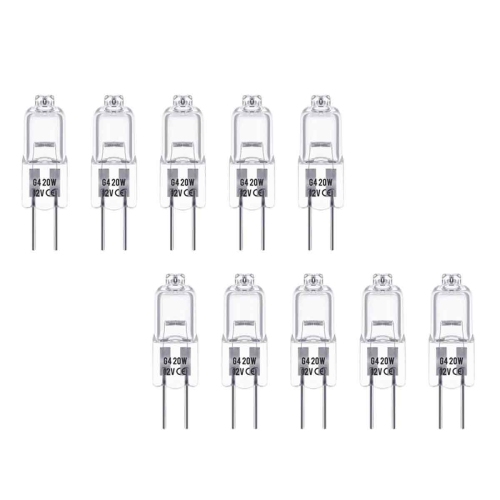
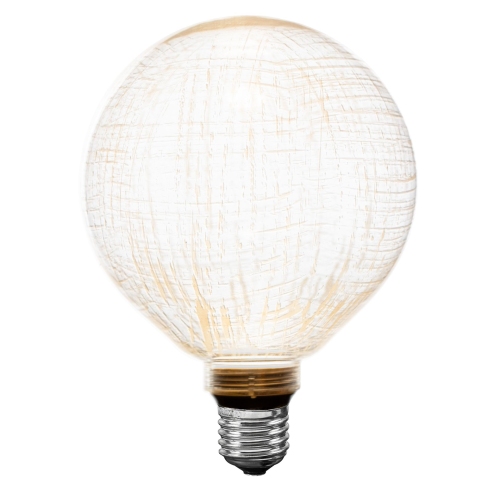
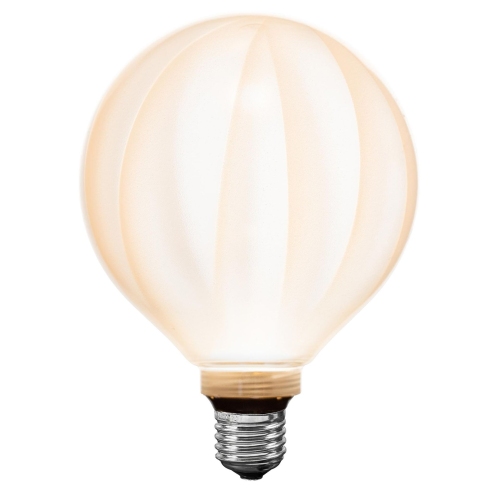


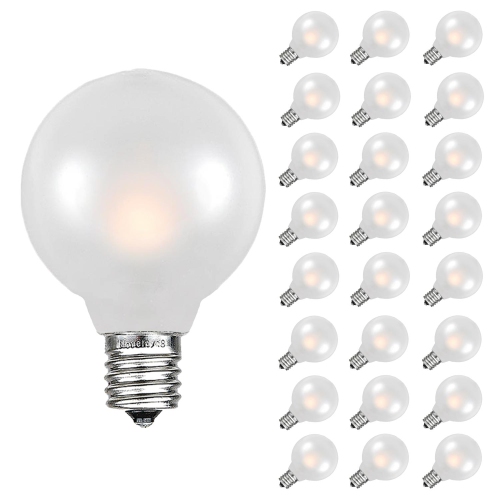


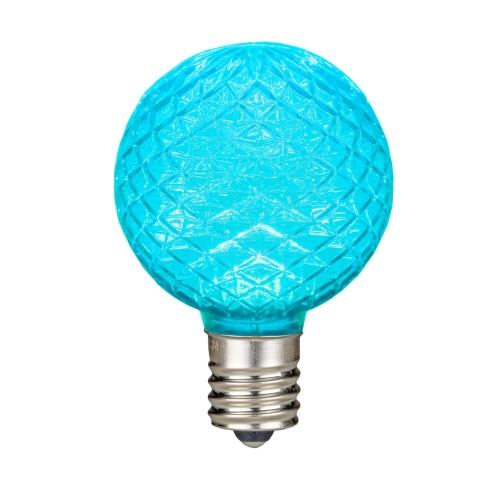

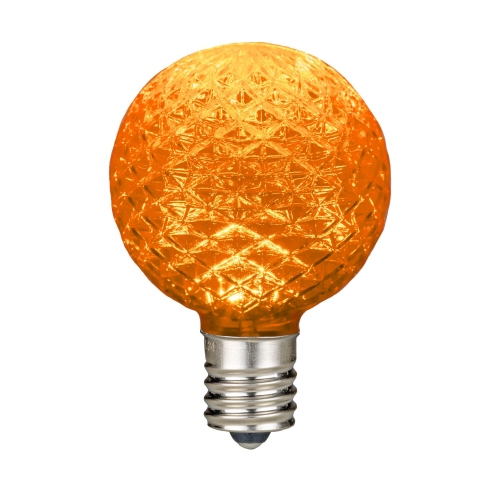
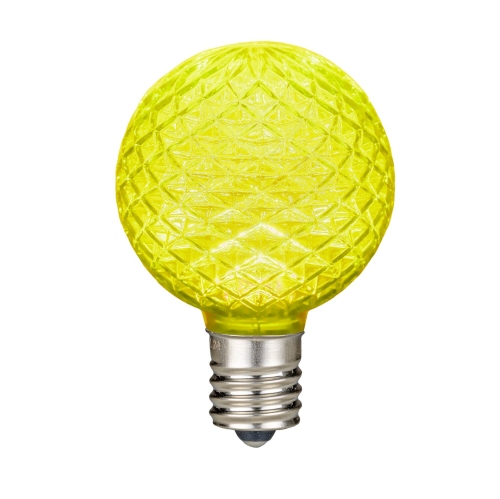

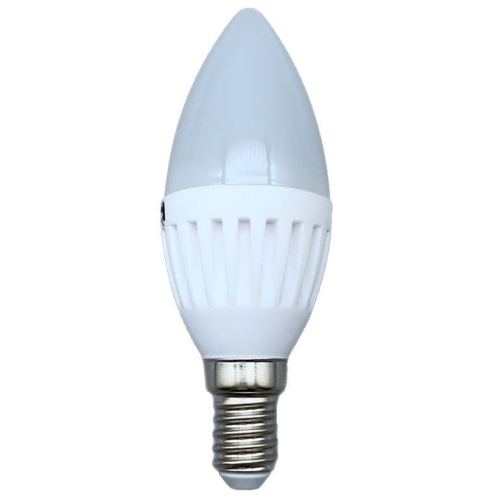
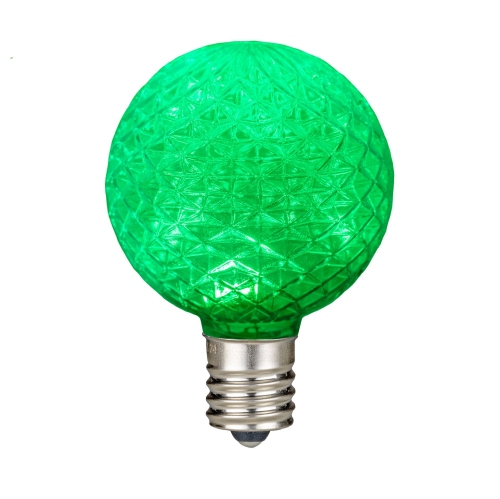

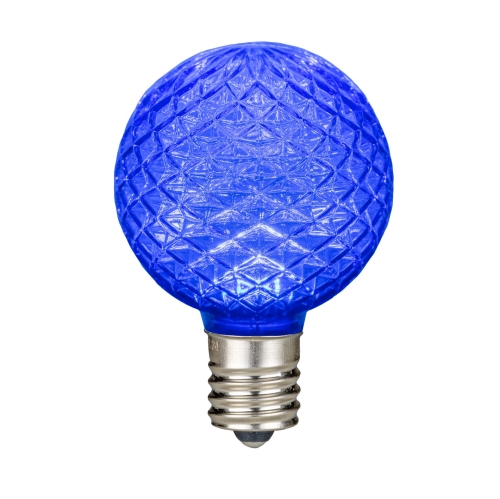

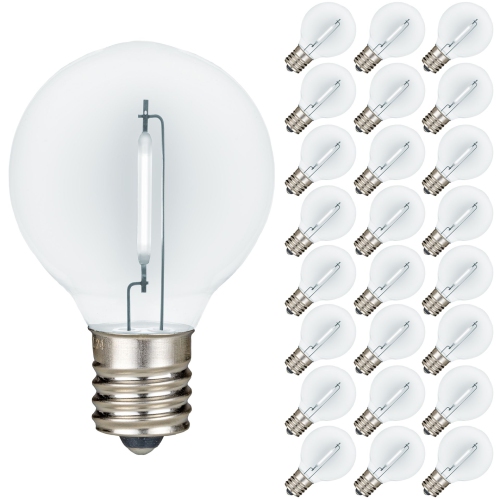


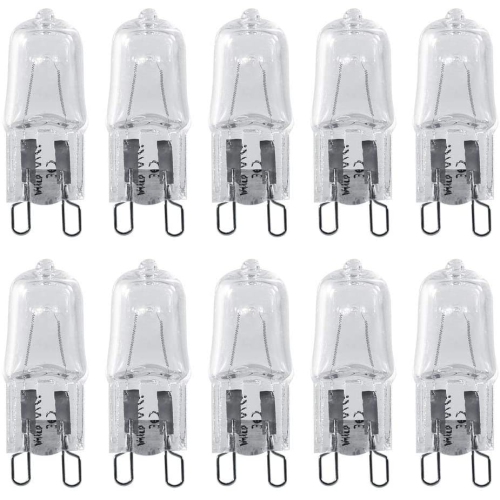

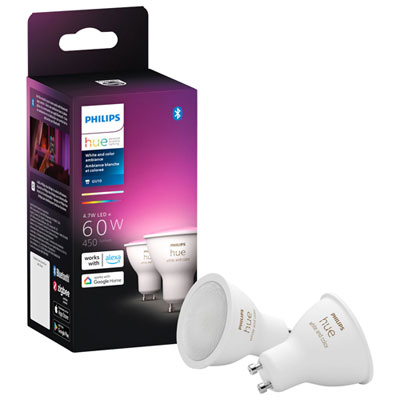
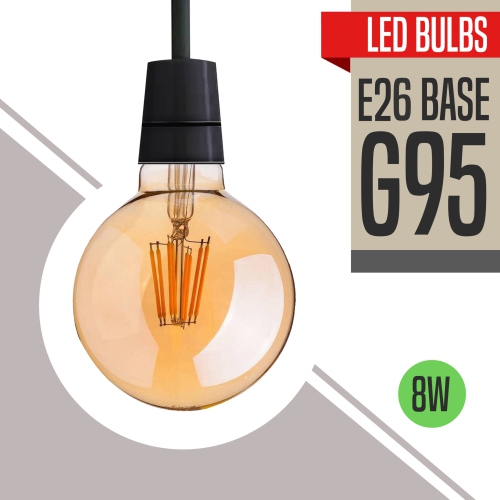

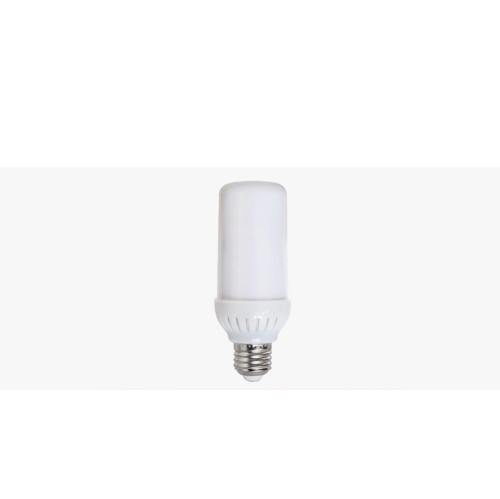
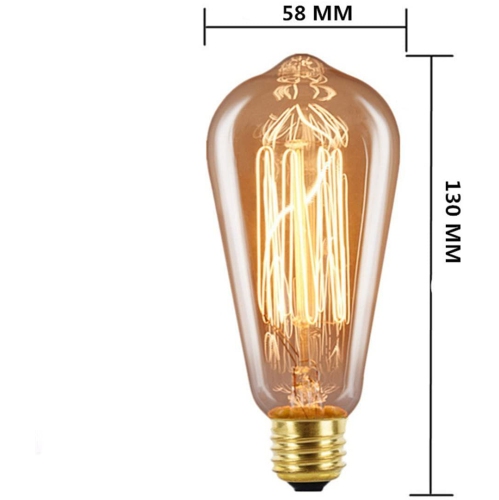
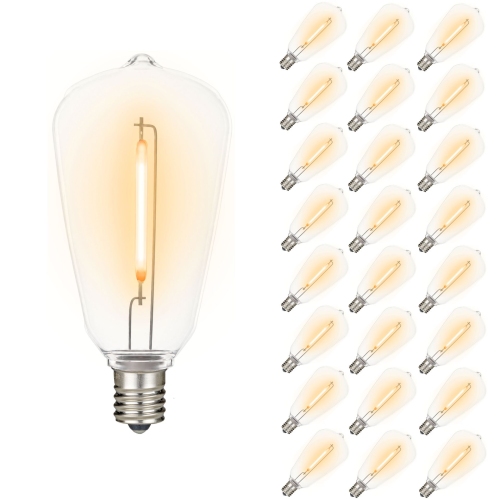


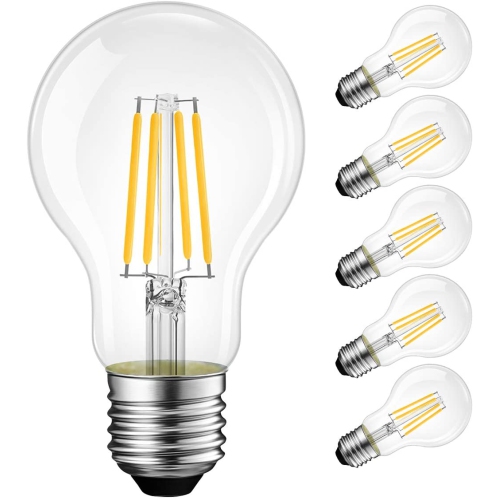


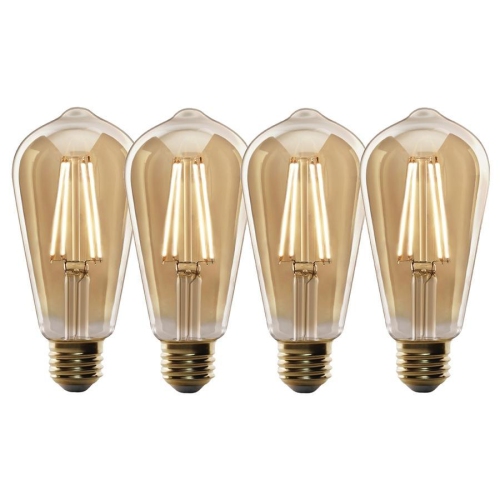
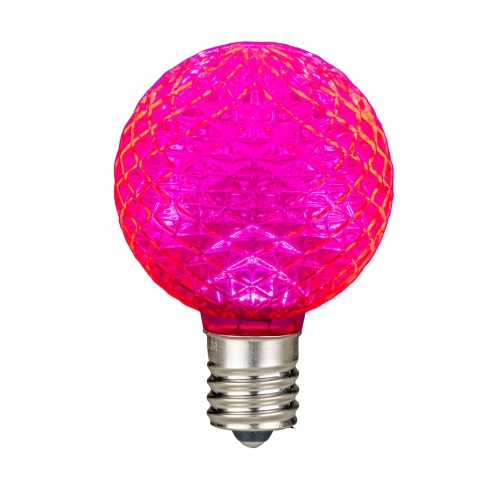

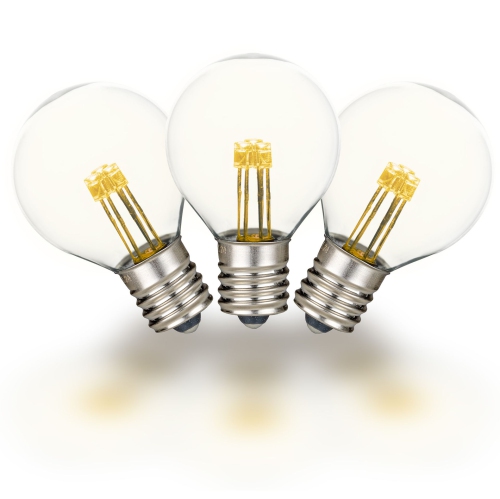
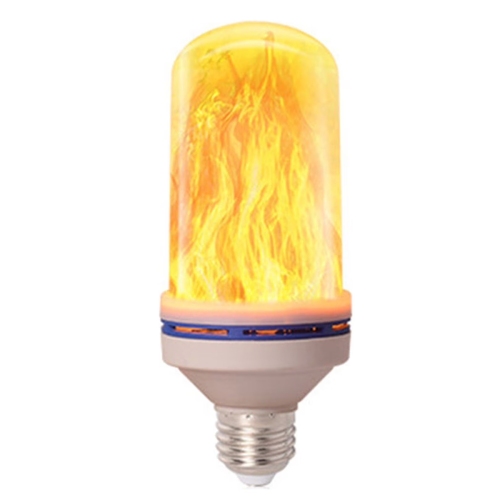


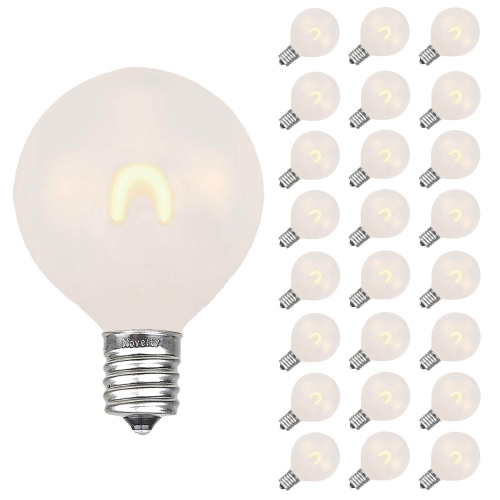

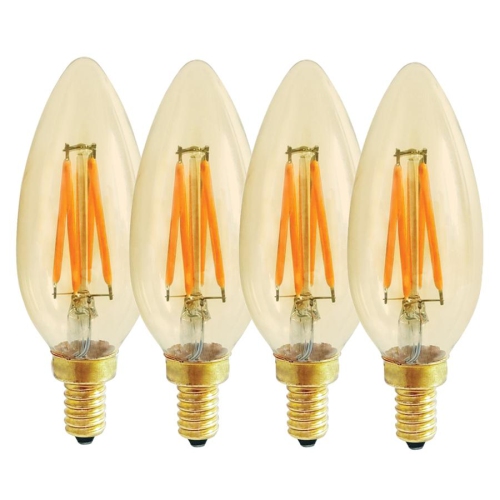


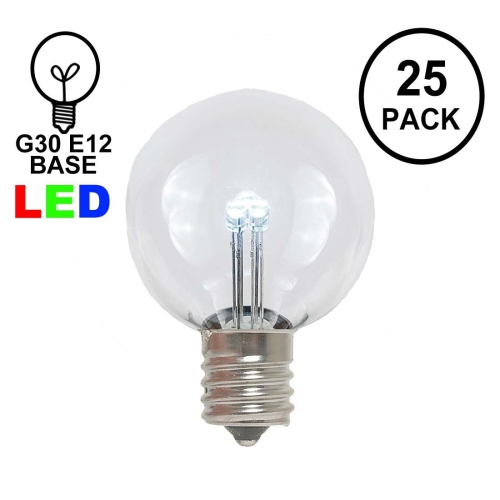

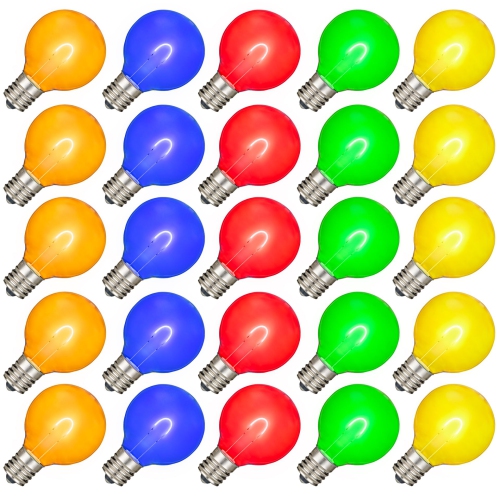


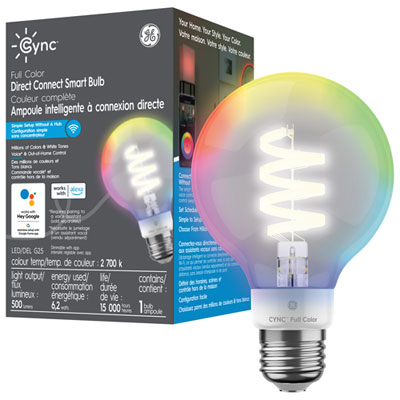


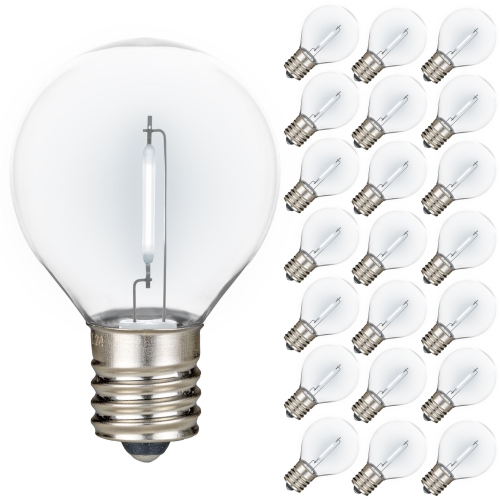


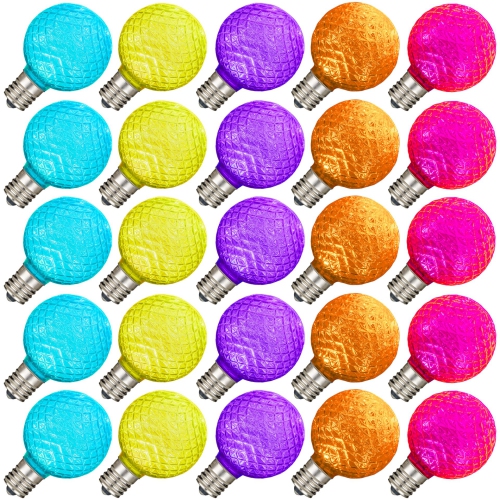

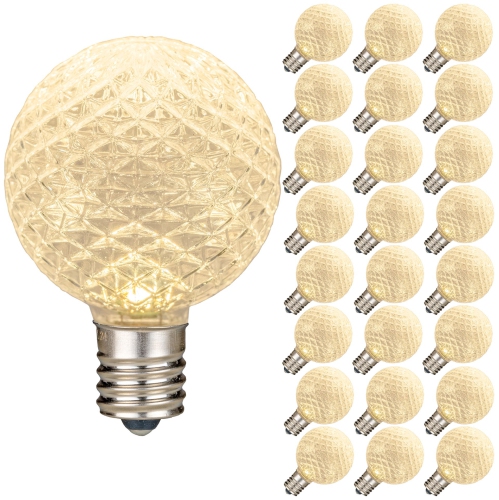


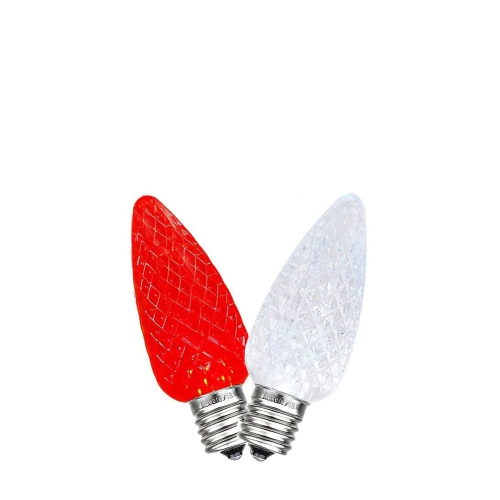


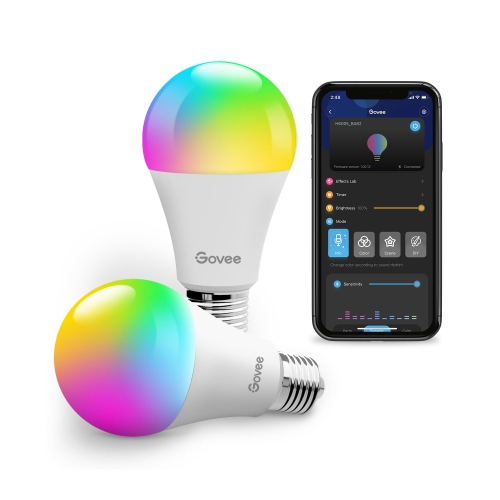
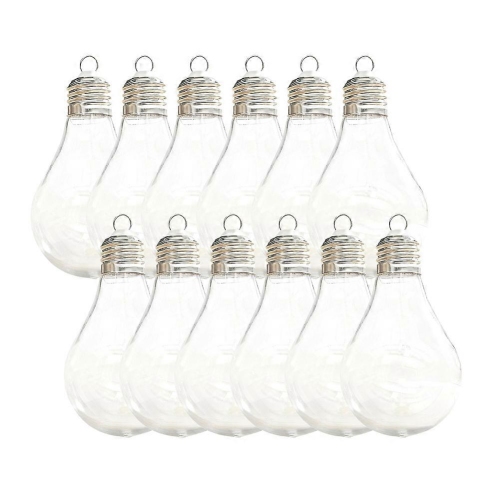
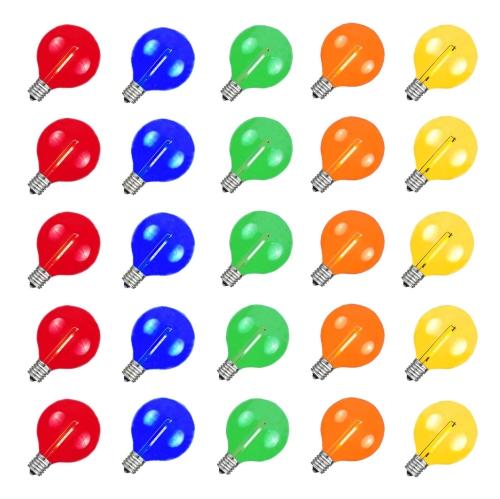

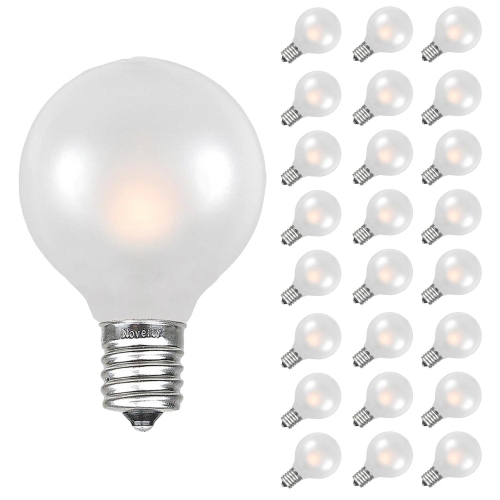


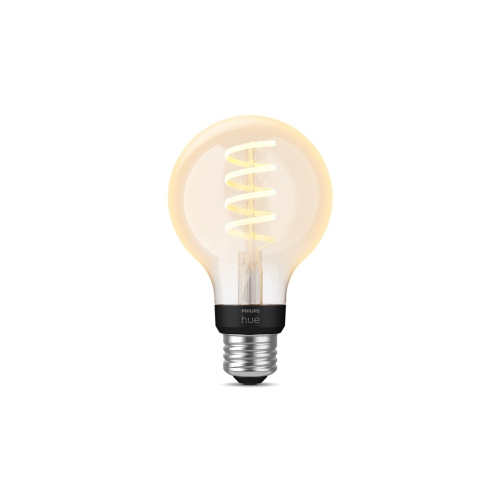

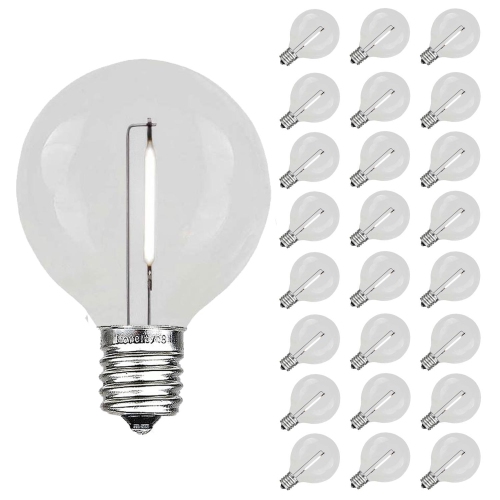
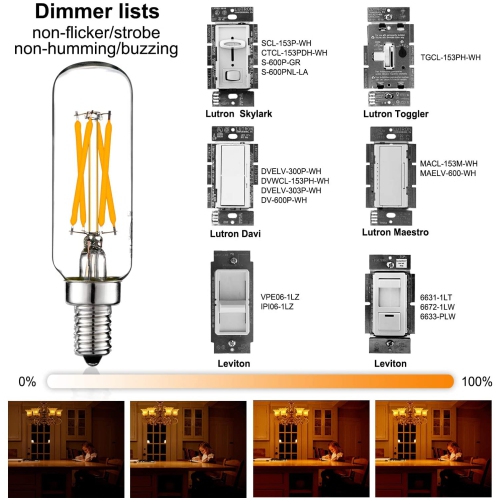
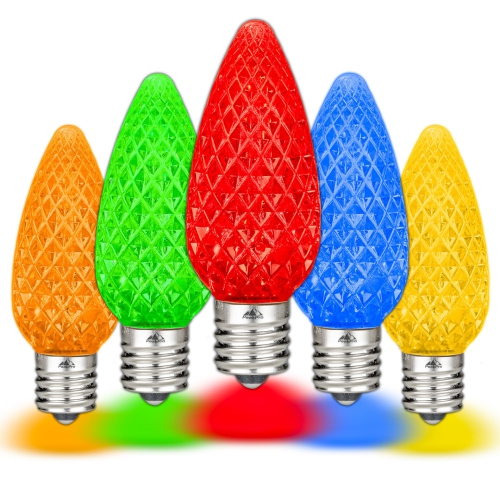

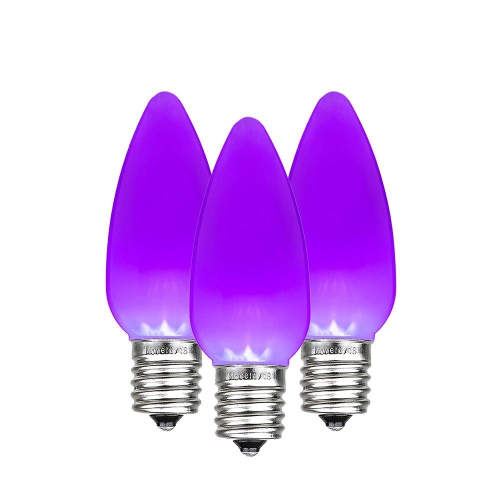
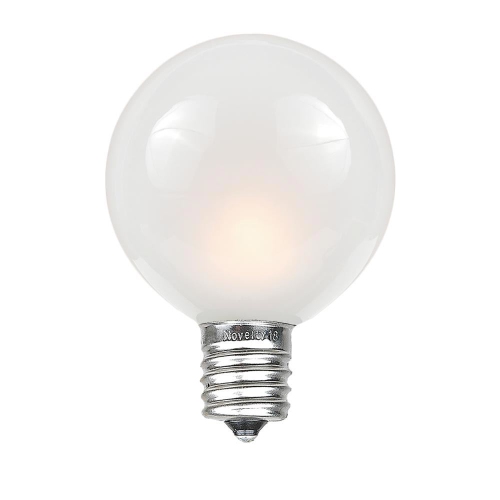
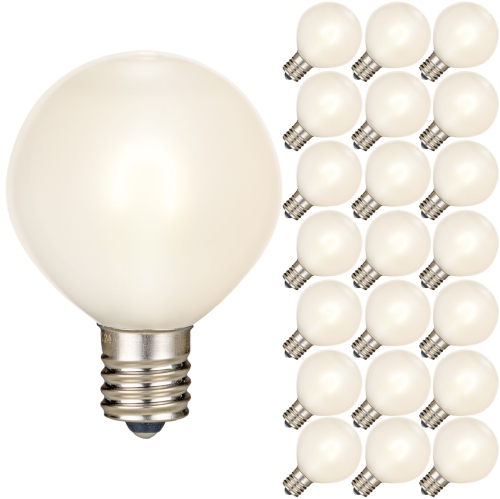
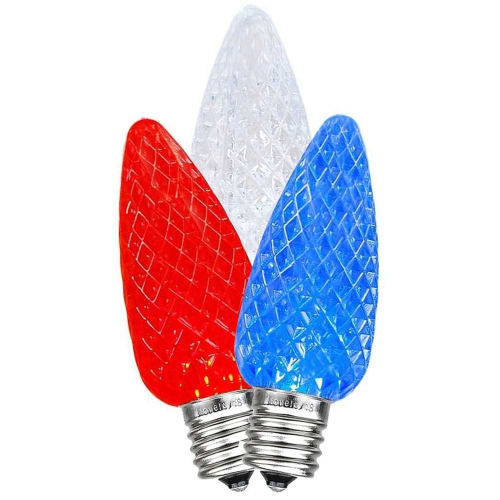
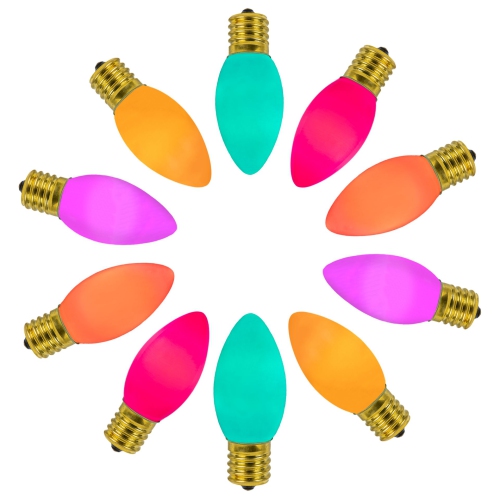


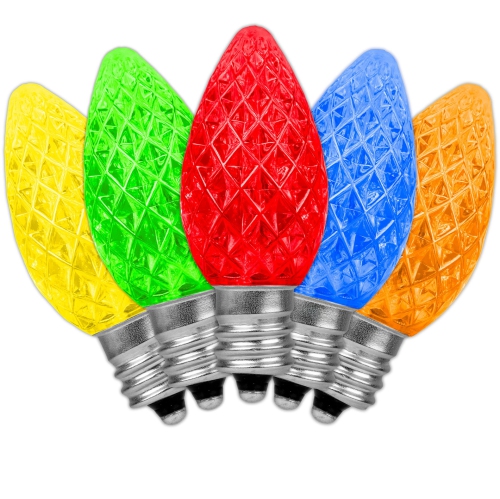
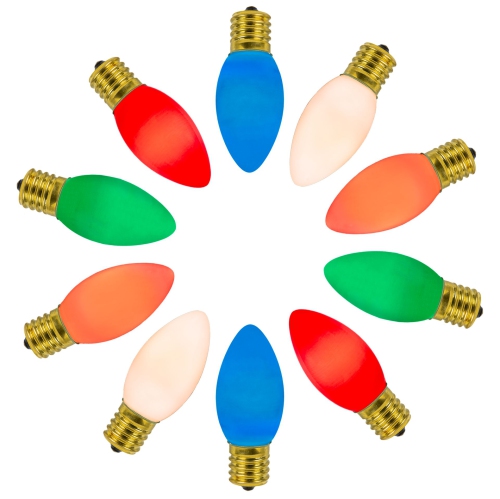

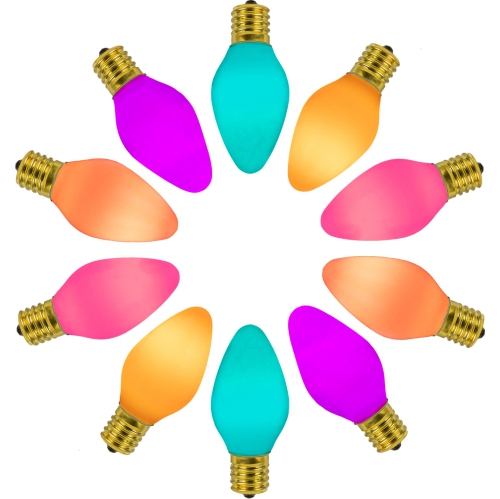
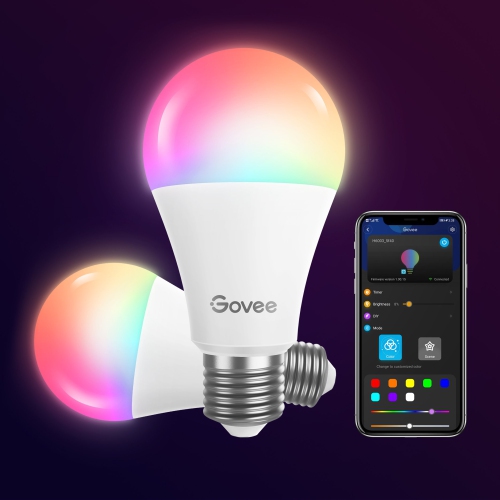


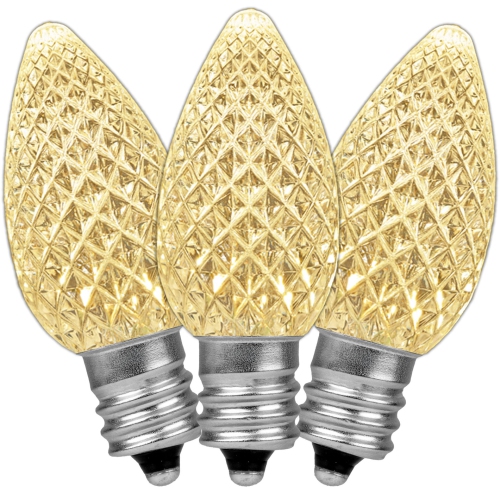


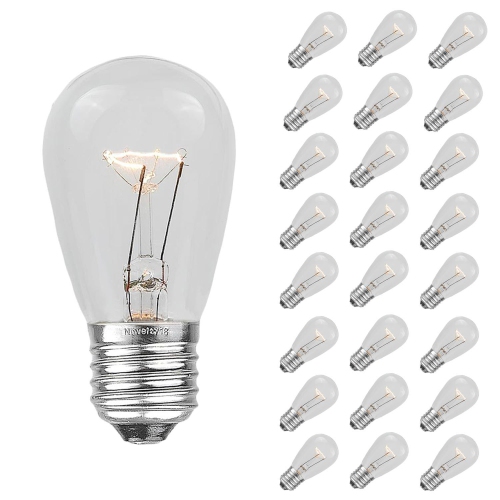
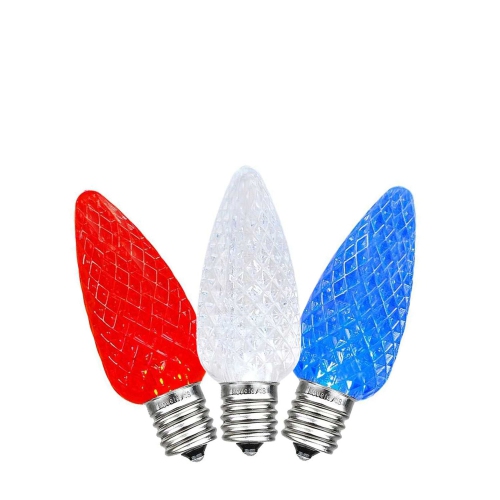
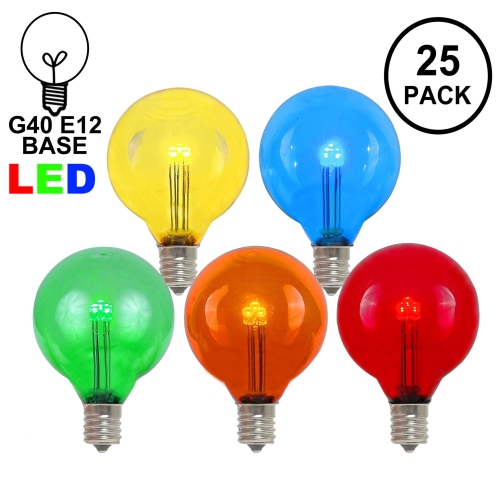

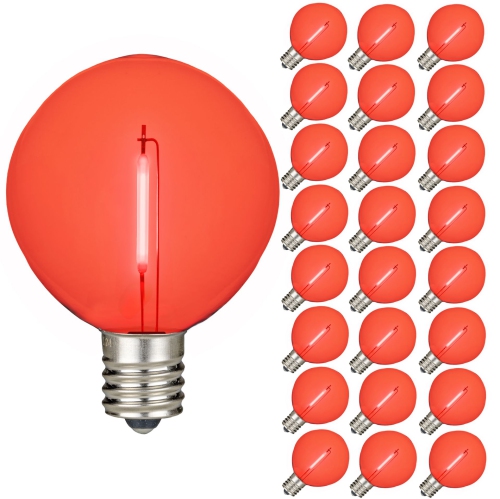
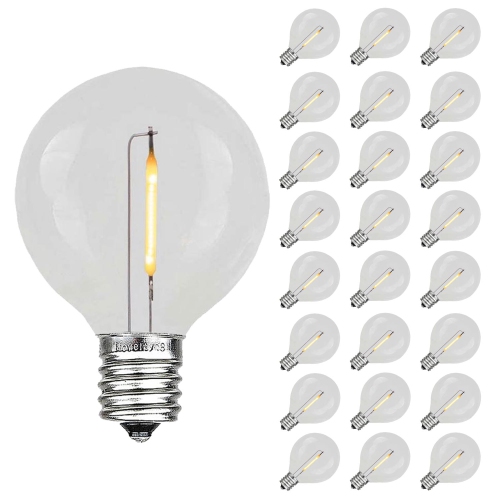
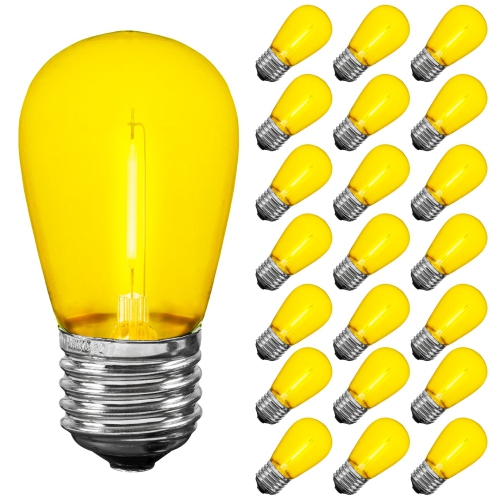
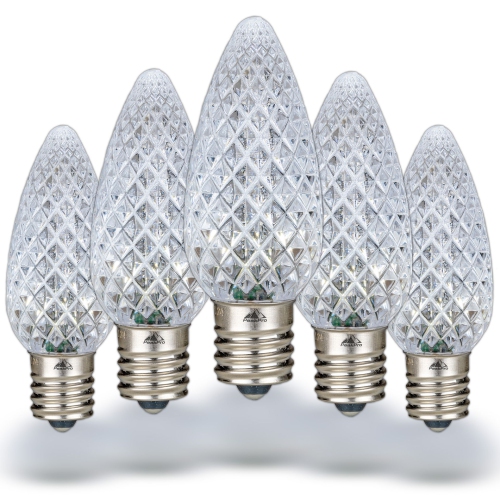


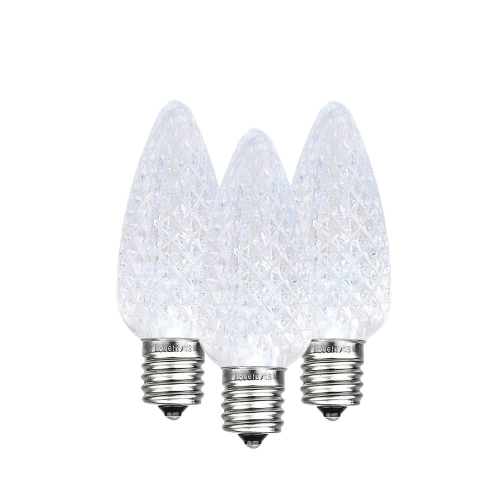


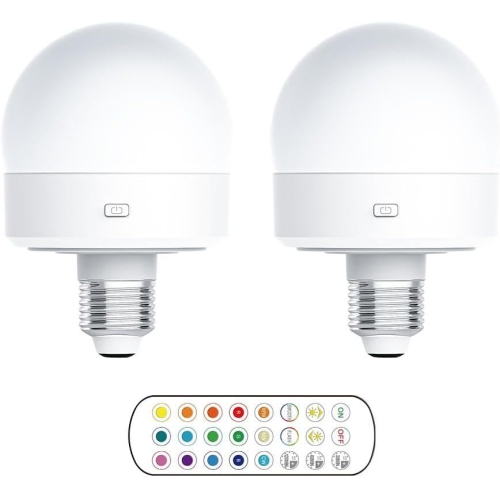


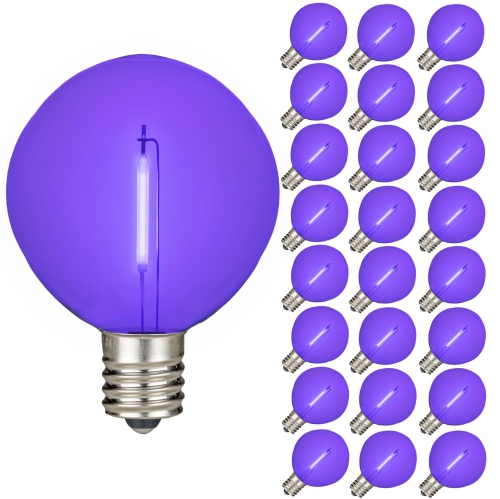

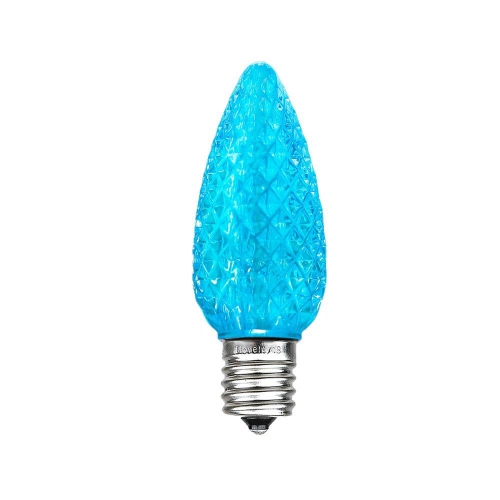

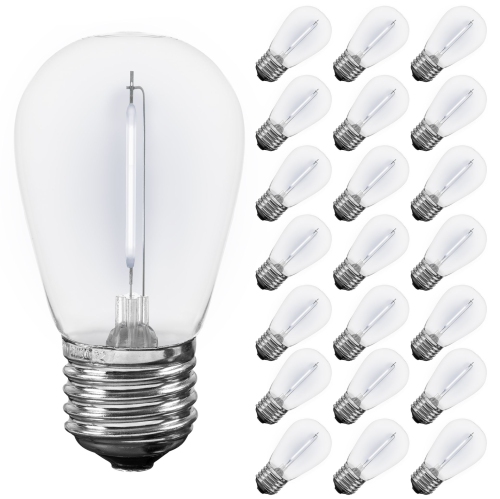
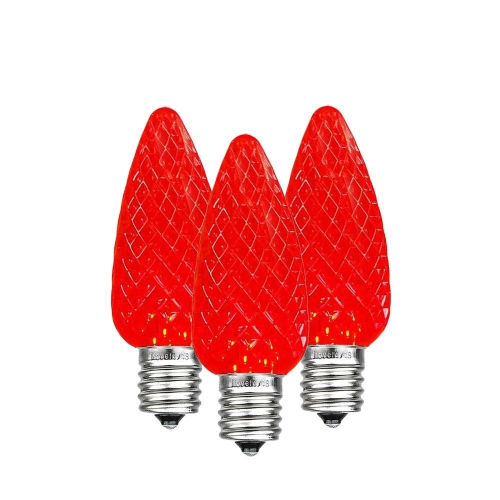
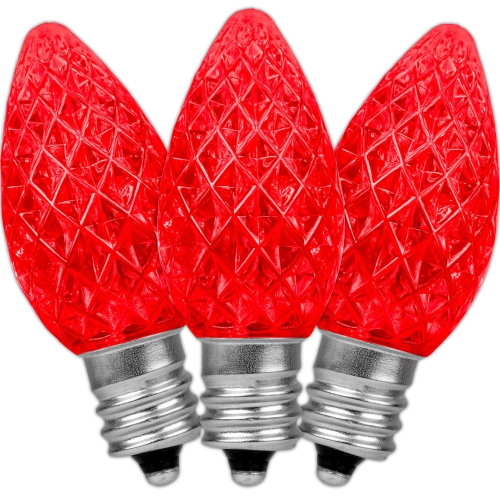


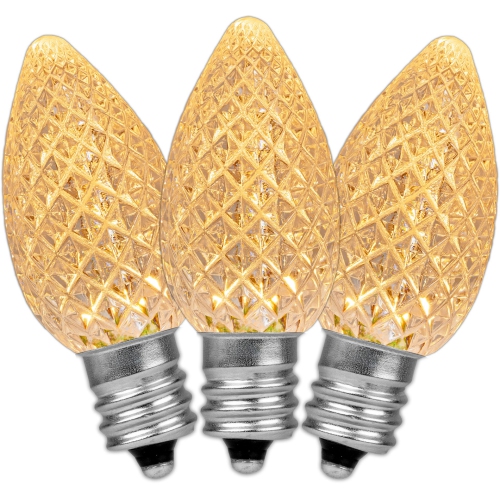

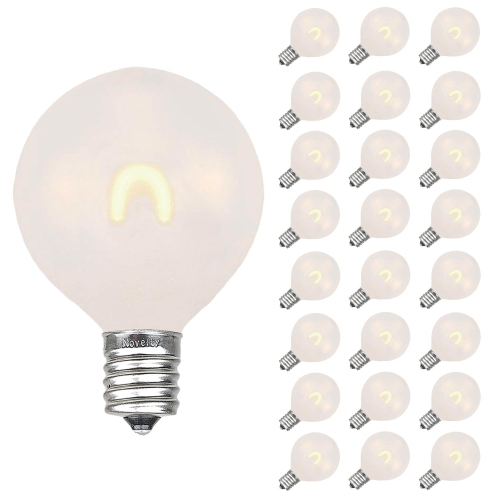


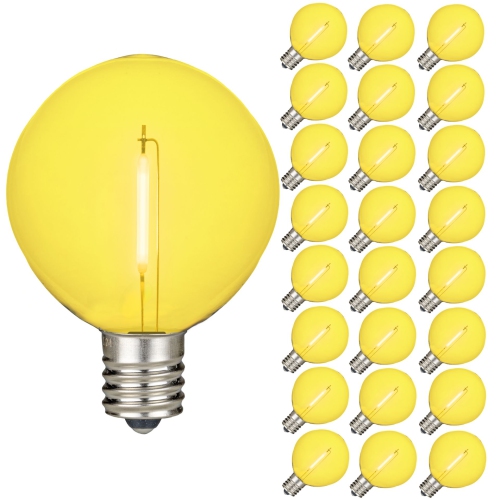



Exposed bulbs turn everyday fixtures into design features
Decorative light bulbs are designed to be seen, using distinctive shapes, visible filaments, tinted glass, and different light colours to make the bulb part of a room’s design. They work especially well in open pendants, chandeliers, wall sconces, and table lamps where a standard bulb would remain on display. Vintage-style Edison bulbs bring elongated shapes and intricate filament patterns to industrial metal fittings, while round globe bulbs give simple fixtures a fuller, more sculptural appearance. Candle-shaped bulbs suit narrow chandelier arms and traditional sconces; flame-tip designs add a curved silhouette that remains noticeable even when the light is switched off. Clear glass keeps the filament visible and gives the fixture a crisp outline, while amber or lightly smoked glass can soften its appearance and introduce a richer tone. Frosted finishes diffuse the light and make the bulb itself less visually sharp, which can be useful in a lamp positioned near eye level. Shape and finish affect the overall look, but brightness and colour temperature determine how comfortably the light serves the room. Lumens describe light output, while a Kelvin rating describes whether white light appears warmer or cooler. A bulb around 2200 K typically has a distinctly amber appearance, while 2700 K usually produces a warm white light suited to relaxed living spaces. A higher Kelvin rating can appear more neutral or cool, depending on the specification. Glass tint alone does not tell the whole story: two amber bulbs can have different brightness levels and light colours. A softly glowing bulb may look inviting above a dining table but provide too little light for reading. Where colours matter, such as beside artwork or a dressing mirror, the colour rendering index, or CRI, is another useful specification; higher values generally indicate more faithful colour rendering. Matching these qualities across a multi-bulb fixture creates a more consistent result than choosing by shape alone.
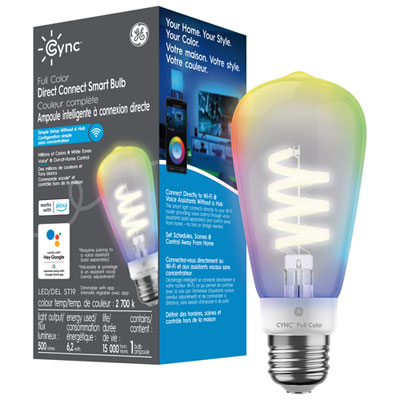
Fit matters just as much as appearance, particularly with compact sconces, shallow shades, and fixtures that hold several bulbs close together. The base must match the socket: E26 medium screw bases and E12 candelabra bases are common examples, but the fixture’s specifications should determine the choice. Similar-looking bulbs can have different bases, and a decorative shape does not guarantee compatibility. Overall length, diameter, and clearance also affect the finished look. A large globe can give an open pendant a pleasing sense of proportion, yet the same bulb may crowd a narrow shade or extend beyond its edge. In a chandelier, consistent bulb sizes help preserve the fixture’s balance and leave enough space between neighbouring glass surfaces. The fixture’s maximum wattage, required voltage, and restrictions remain important regardless of the bulb’s style. LED wattage and incandescent-equivalent brightness describe different things, so the actual power draw belongs alongside the lumen rating when comparing specifications. Decorative LED Filament Bulbs combine the visible filament look with LED light sources, making them a natural option for fixtures where the inside of the bulb is part of the design. Their appearance can range from straight filament lines to curved arrangements, with different glass shapes changing how those lines are framed. Dimming adds flexibility, but both the bulb and the dimmer need to be compatible; a dimmable label does not mean every wall control will deliver the same performance. The lowest dimming level can vary, and some combinations may produce flickering or an audible hum. Smart decorative bulbs may offer adjustable brightness, white tones, or colours, although their control requirements differ. Some connect through Wi-Fi, while others require a compatible hub or another connection method. Many need continuous power to remain accessible through an app. These details are particularly relevant in a shared living room, where wall-switch habits and app controls need to work comfortably together. Bulbs used inside enclosed fixtures must also be rated for that placement, since the fixture can affect heat dissipation.
Materials, finish quality, and intended location influence how decorative bulbs look over time and how they should be handled. Glass envelopes offer clarity and a familiar weight, but thin glass, pointed tips, and oversized globes need care during installation and cleaning. Some designs use plastic covers or other materials, so the material description is worth checking rather than assuming every clear bulb is glass. Durability depends on more than the outer shell: operating conditions, ventilation, switching patterns, and compatibility with controls can all affect performance. A stated lifespan is an estimate under specified conditions, not a promise that every bulb will last the same length of time. In bathrooms, covered patios, and other spaces where moisture may be present, the bulb and fixture both need ratings appropriate to the location. An indoor decorative bulb should not be assumed suitable for a damp or wet setting simply because it fits the socket. Everyday care is straightforward: switch off the power, allow the bulb to cool, and use a soft, dry cloth to remove dust when safe access is possible. Spraying cleaner directly onto the bulb or socket can introduce moisture where it does not belong, while abrasive cleaning can damage coatings and finishes. Clean glass helps preserve the intended appearance, especially in clear pendants where dust is easy to see. For renters personalizing an existing lamp, a different bulb shape can change the look without replacing the fixture. Homeowners may favour matching candle bulbs across a dining room chandelier, while someone furnishing a reading corner may prefer a diffused globe that complements the room’s brighter task lighting. Decorative bulbs can also make a thoughtful addition to a lamp given as a housewarming gift, provided the base, size, and electrical requirements are known. The most satisfying choice feels proportionate to the fixture, comfortable from nearby seating, and appropriate for the activities taking place beneath it.
Top selling and popular products
-
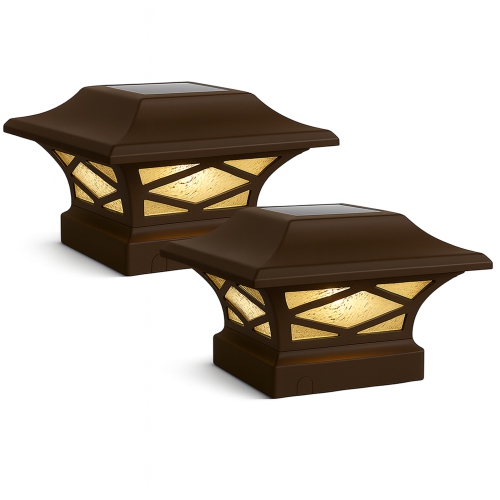 Your price for this item is $99.99
-
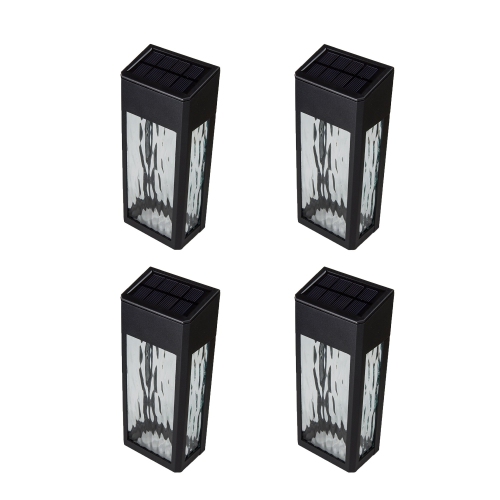 Your price for this item is $73.99
-
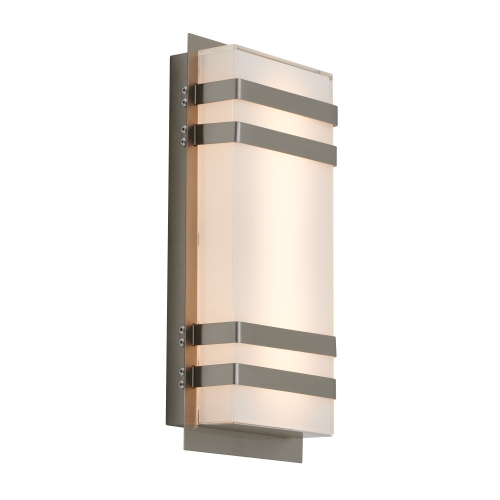 Your price for this item is $69.99
-
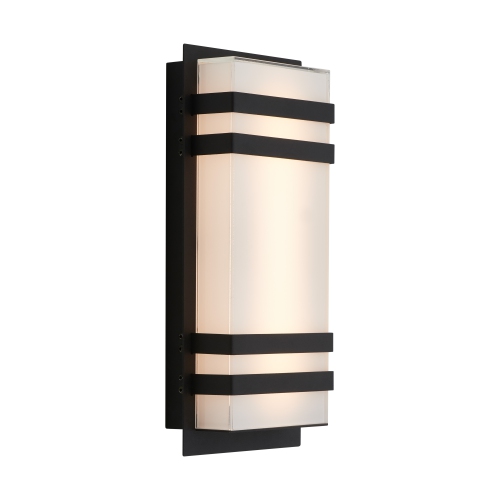 Your price for this item is $59.99
-
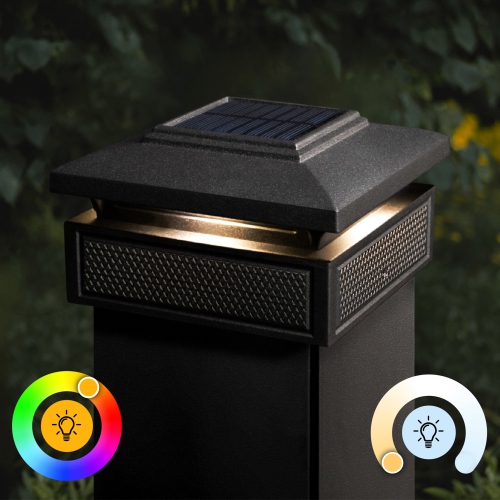 Your price for this item is $99.99
-
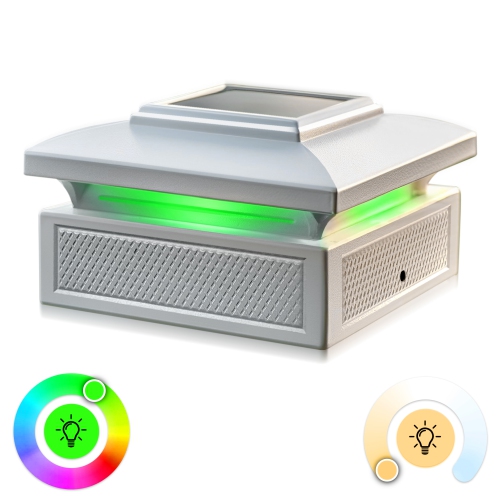 Your price for this item is $99.99
-
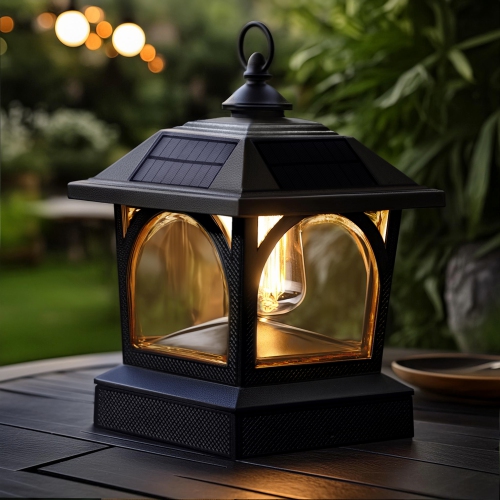 Your price for this item is $99.99
-
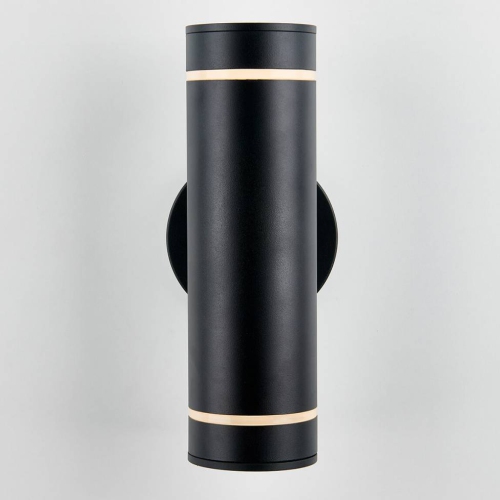 Your price for this item is $99
Discover more categories related to Decorative Light Bulbs

Top Collections:
Pokemon Centers, Best Budget Office Chairs, Kindle Devices, Best Cameras for Sports Photography, Pokémon 30th Celebration Cards, Best Laptops for Writers, Canon G7X Cameras, iPhone 15 Apple, Best Cell Phones Under $300, Apple iPhones 16
Some products may be subject to Environmental Handling Fees
(EHF) depending on your province.
Learn more about EHFs.