Dog Monitoring Cameras
Whether you're a dog owner who wants to keep an eye on your furry friend while you're away or simply want to ensure the safety and well-being of your pet at all times, dog monitoring cameras are a game-changer. These innovative devices offer real-time video streaming, two-way audio communication, and even motion detection capabilities, allowing you to stay connected with your beloved pooch no matter where you are. With a variety of features and options available, finding the perfect dog monitoring camera to suit your needs has never been easier. Discover the latest advancements in pet surveillance technology and take the first step towards peace of mind today.
Sort
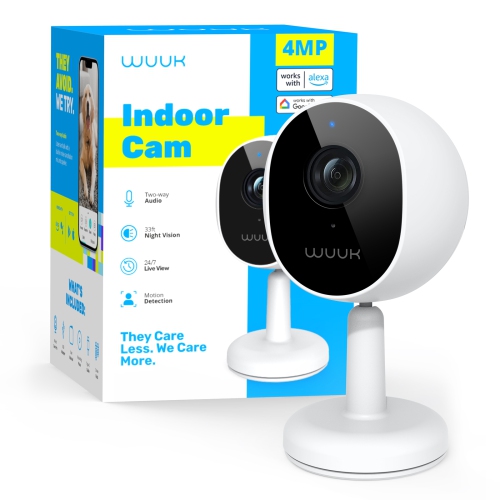


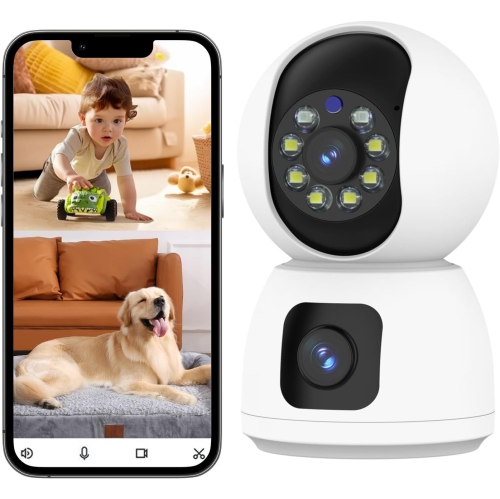
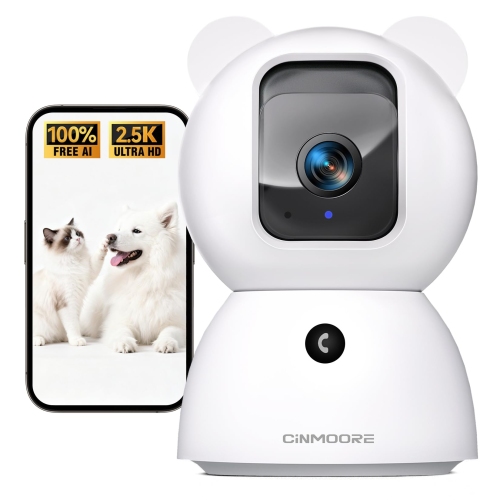

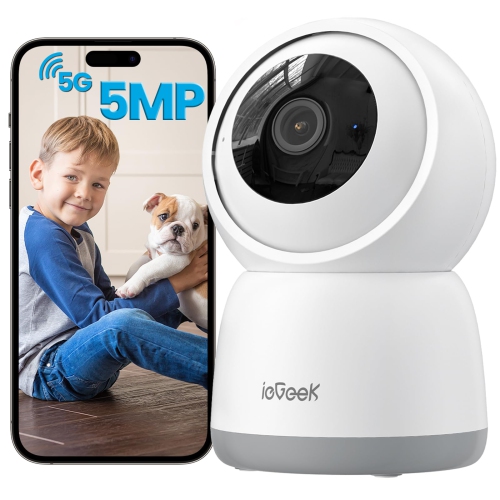
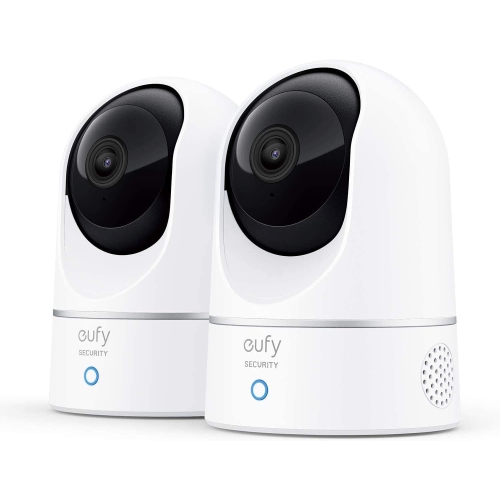
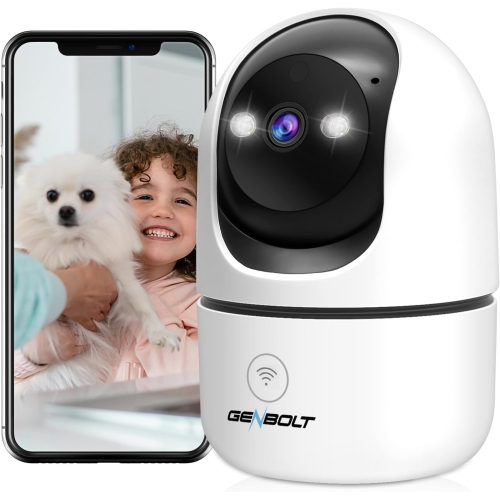
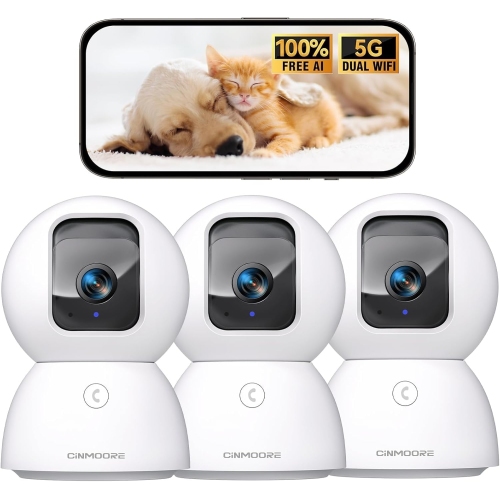
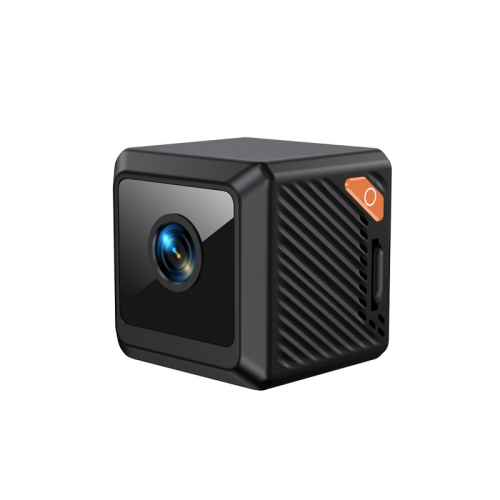

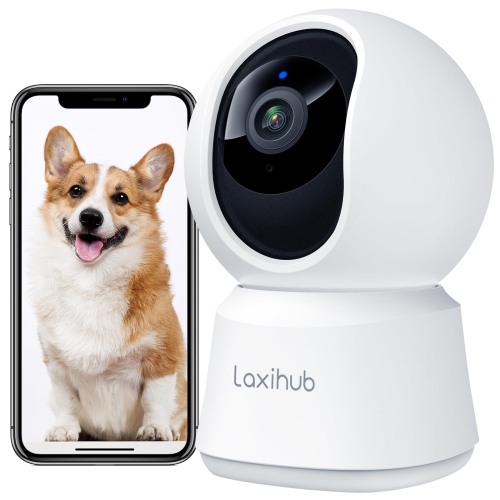
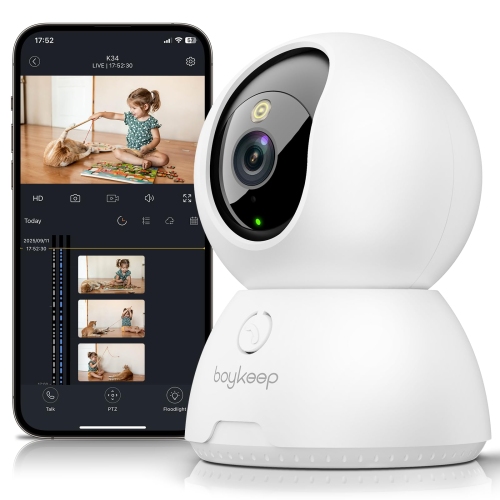
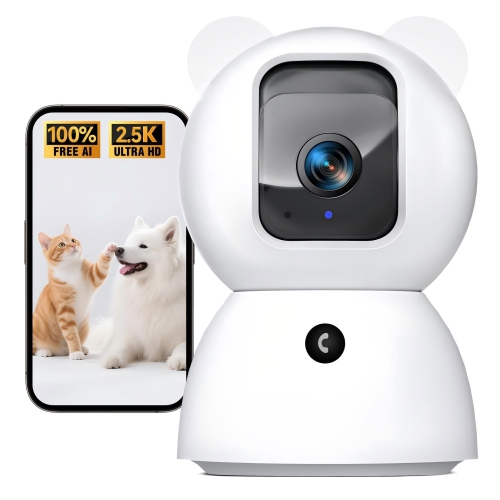
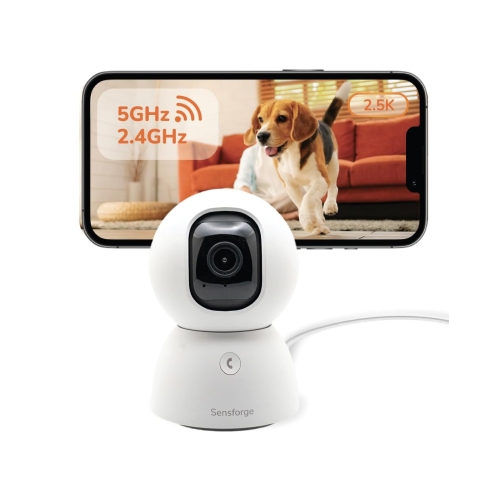
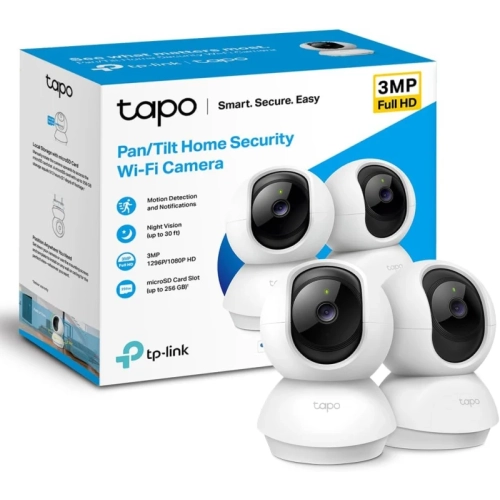
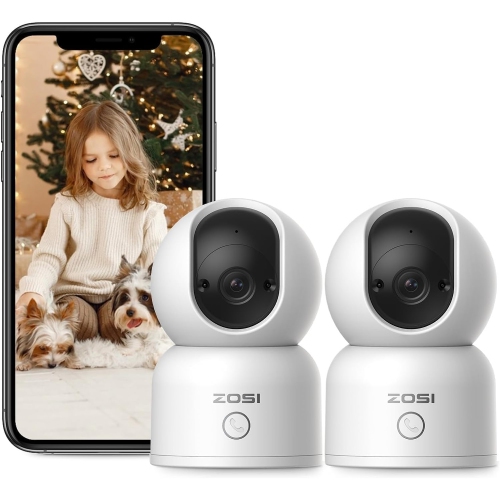
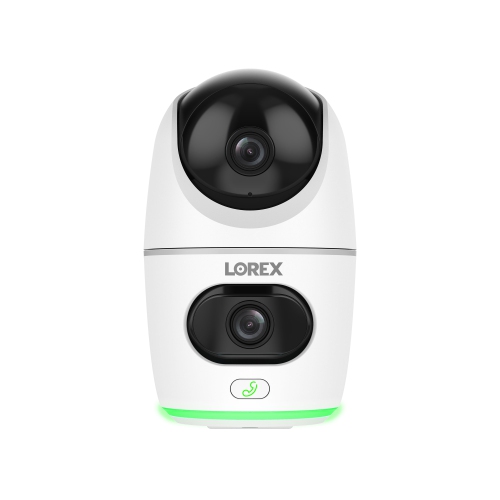
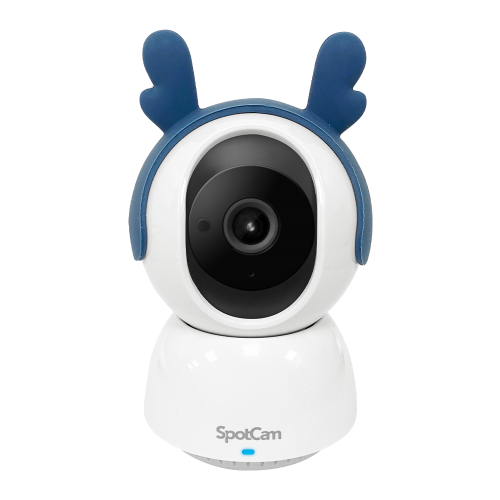
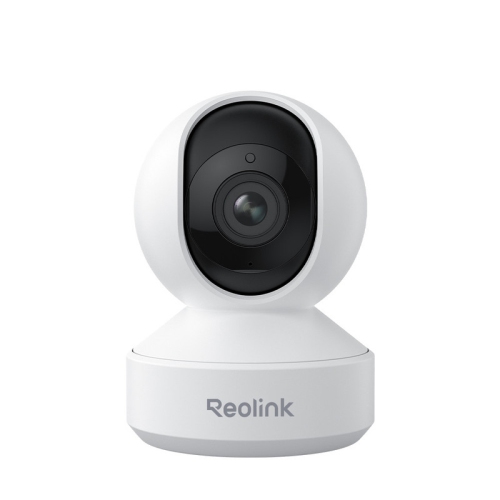
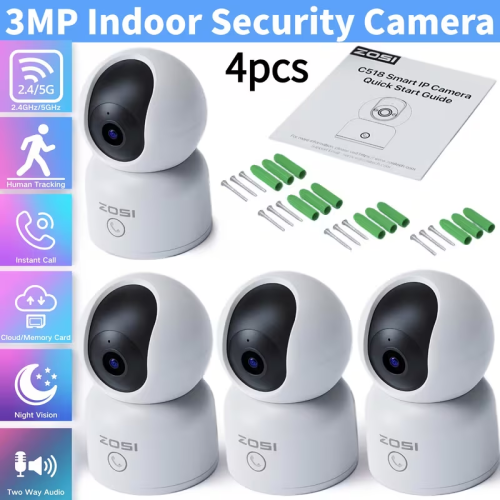
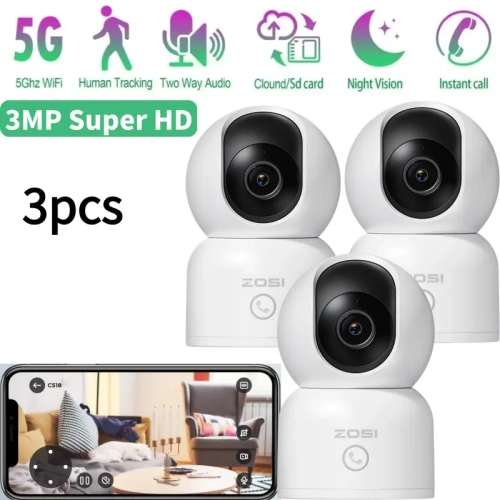
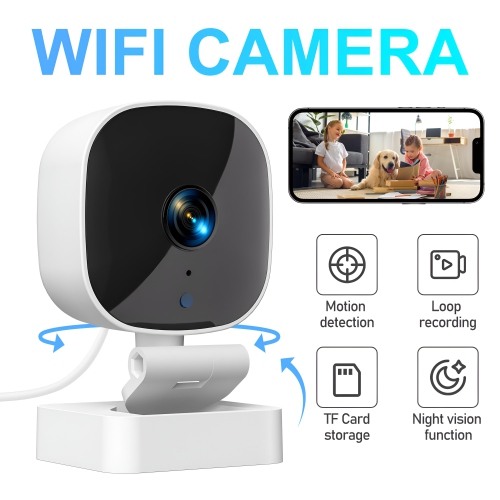
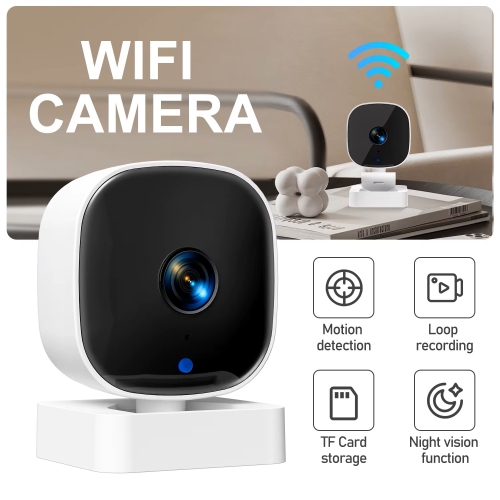
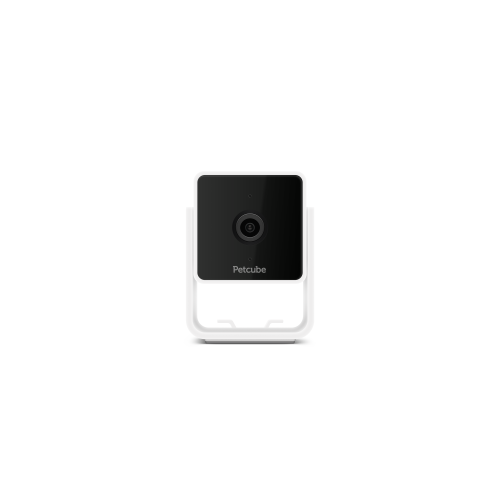

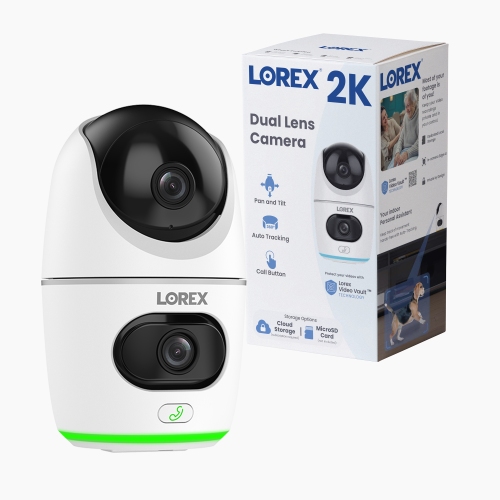
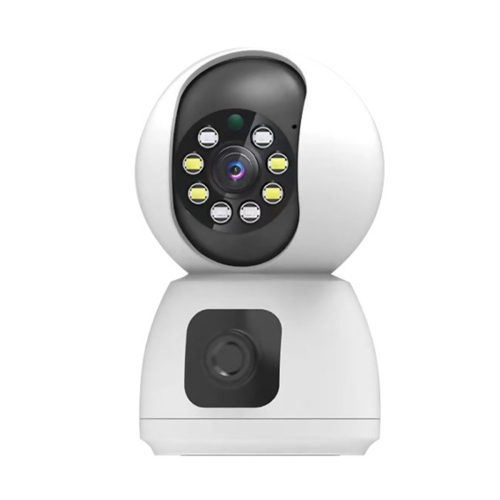


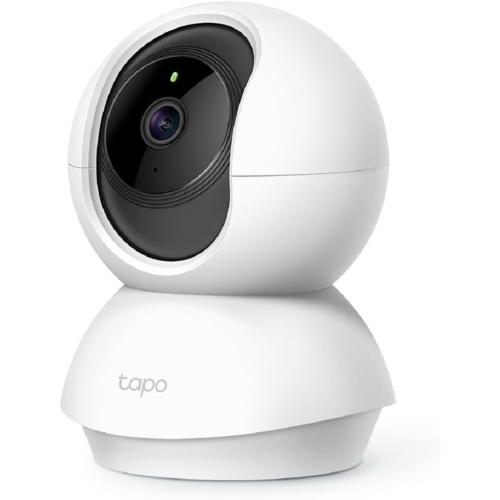

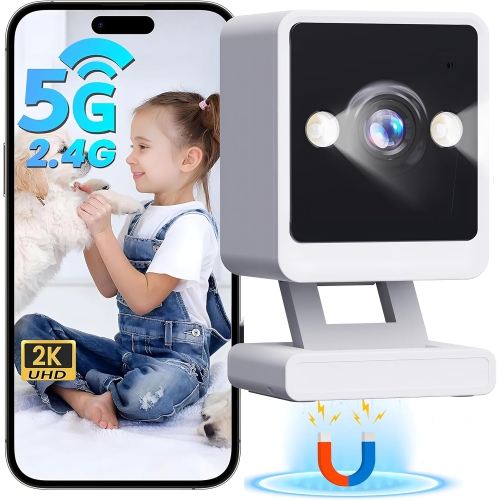
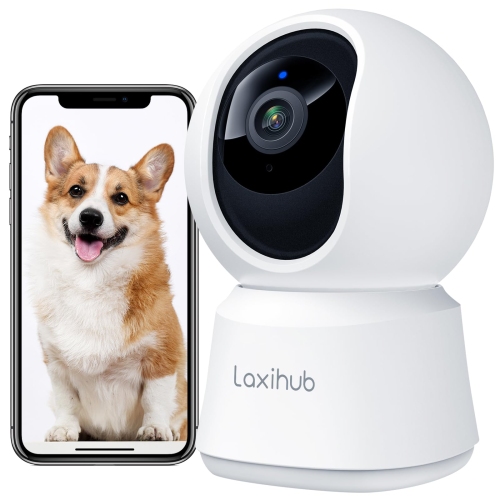
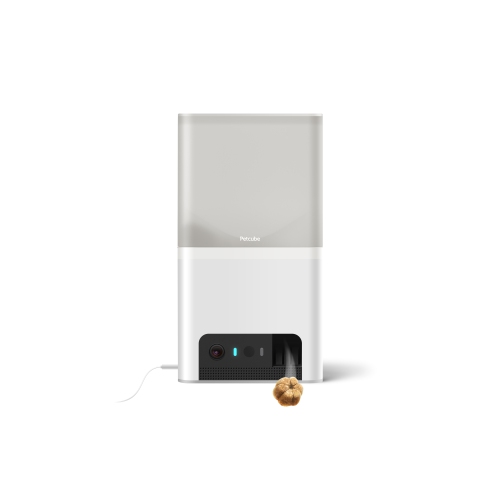
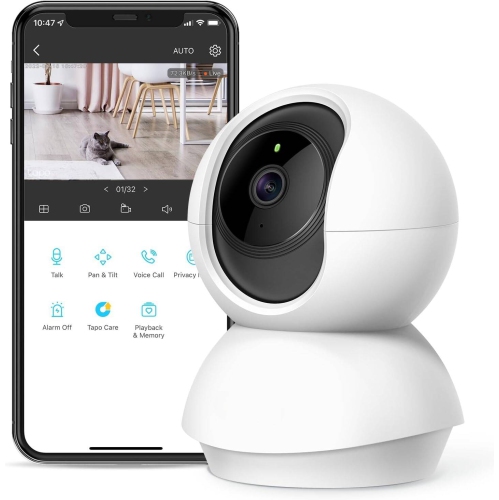
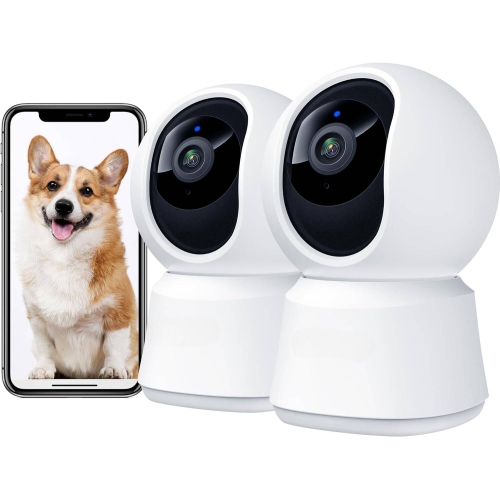


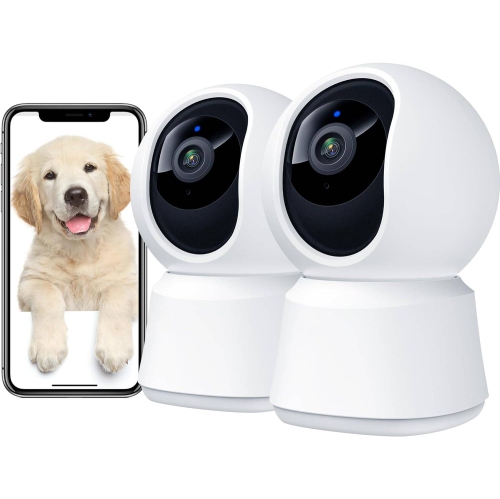














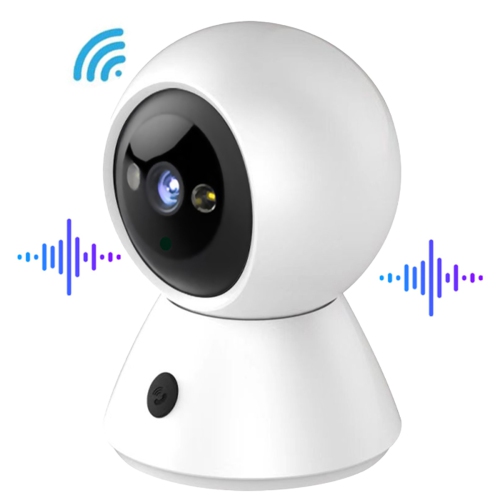


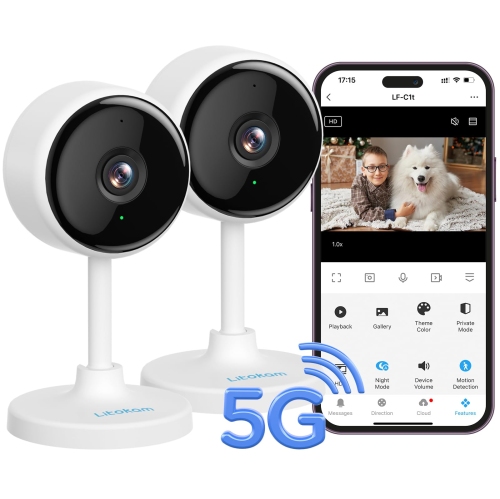


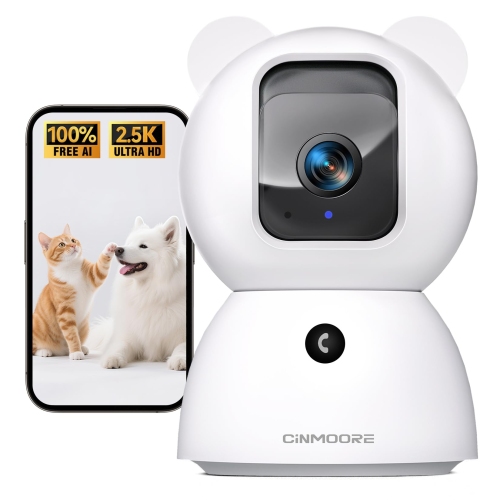

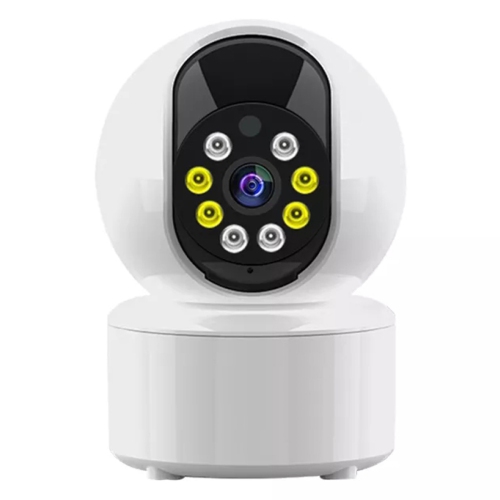
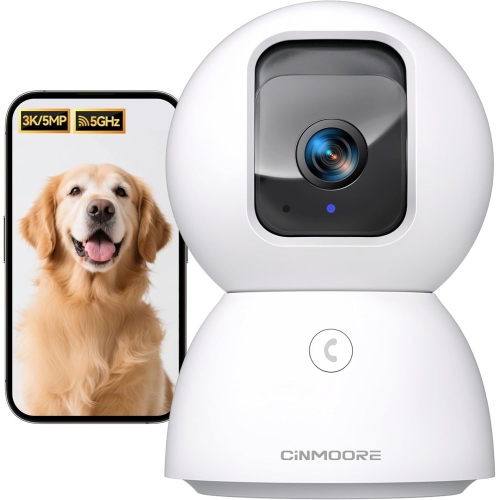
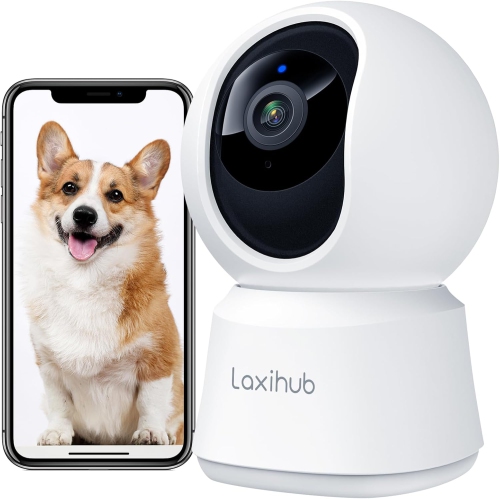
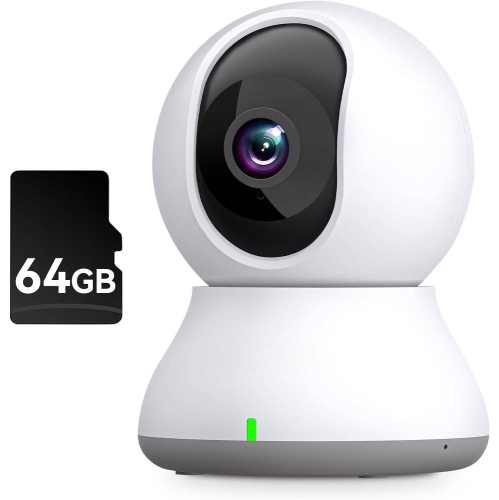
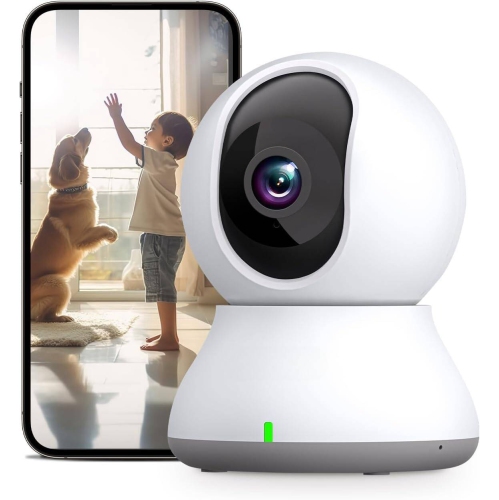
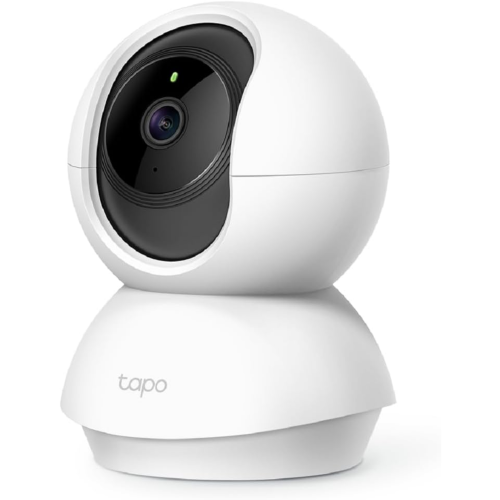
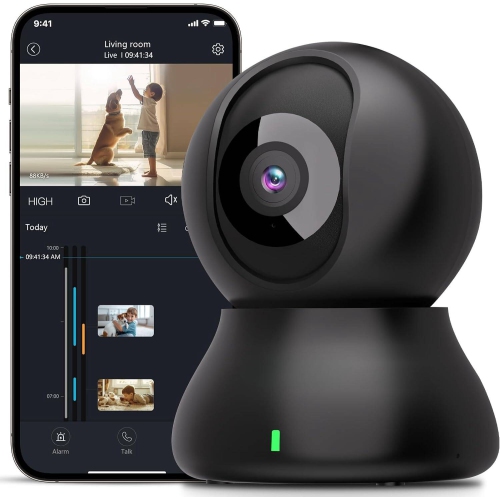
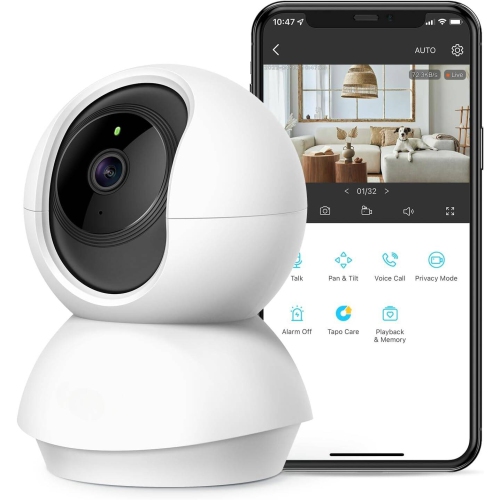
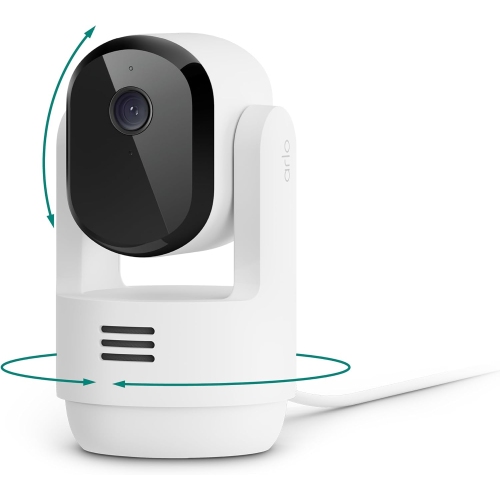


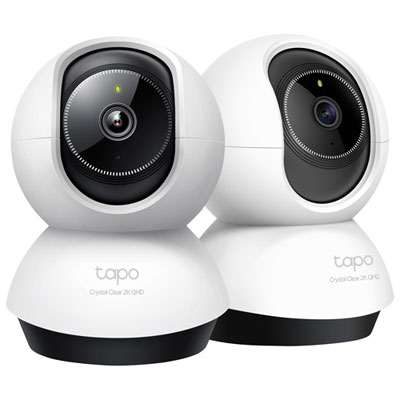

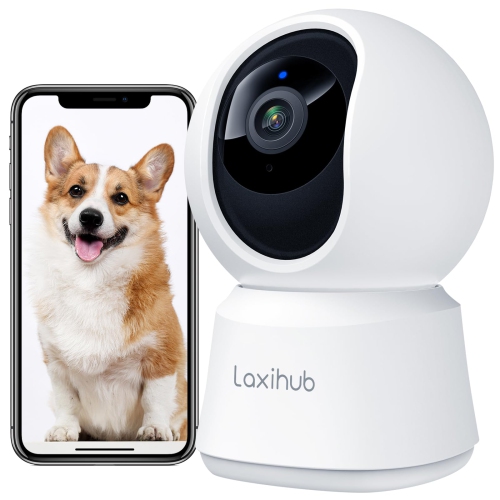
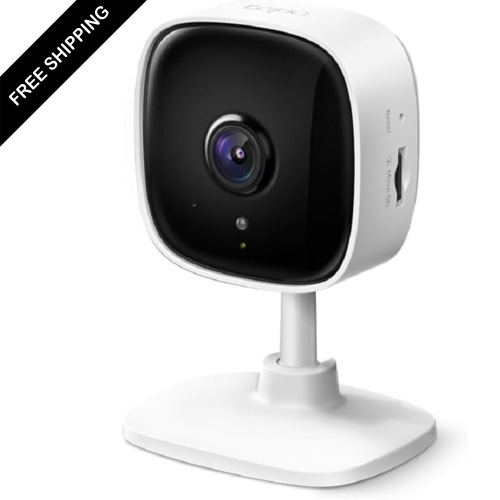

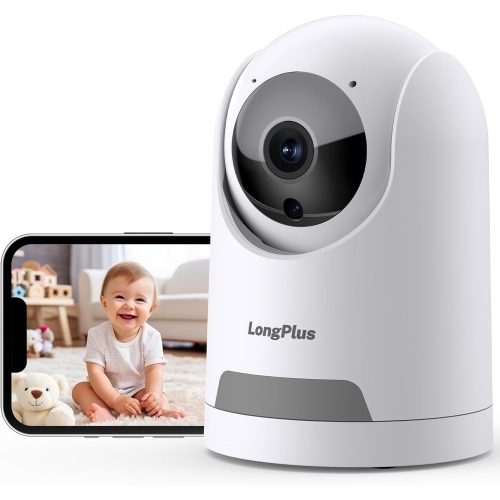
What your dog does while you're away
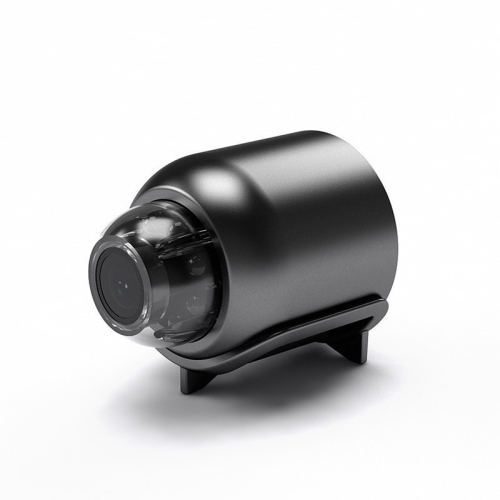
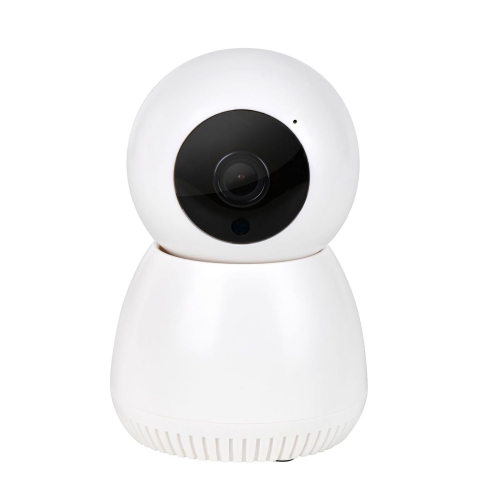
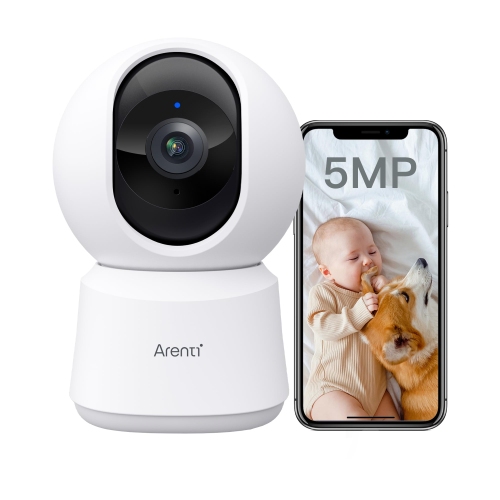
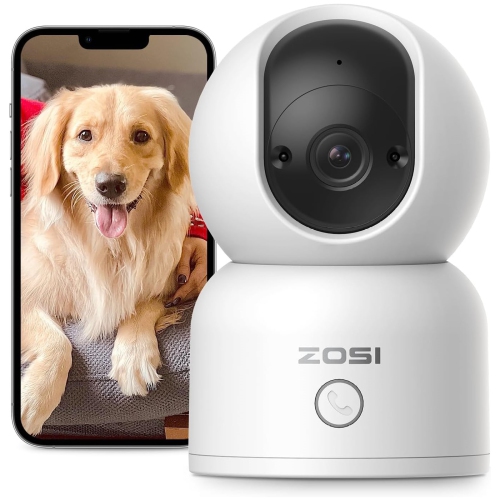
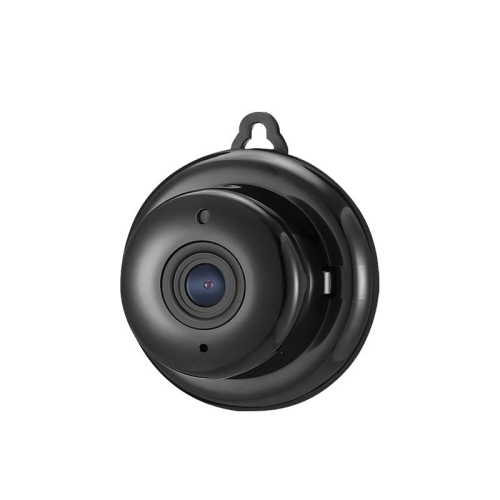
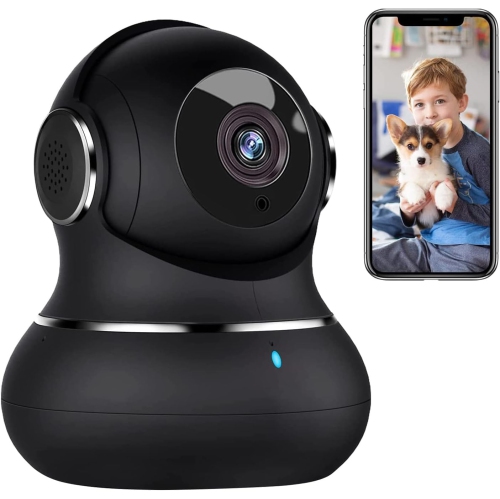
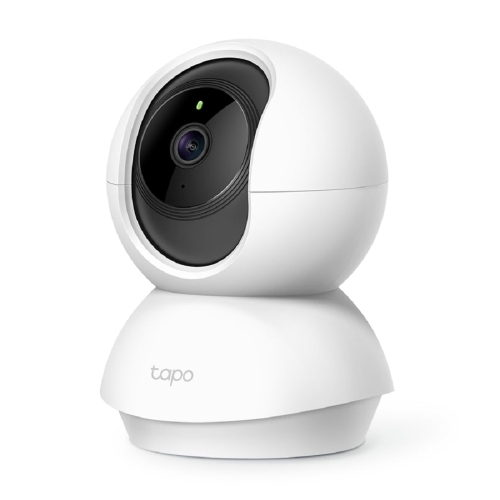
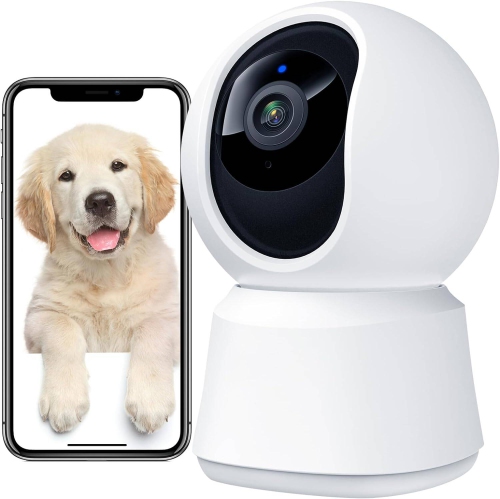
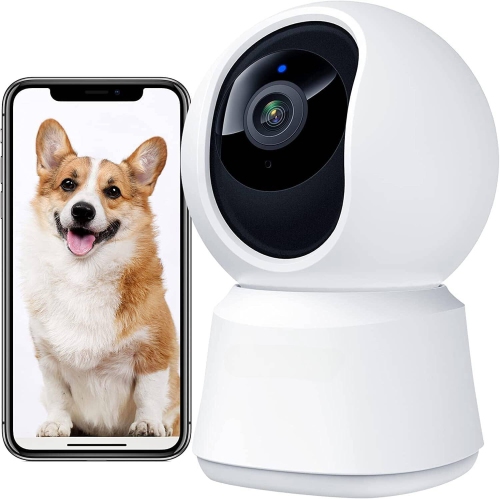
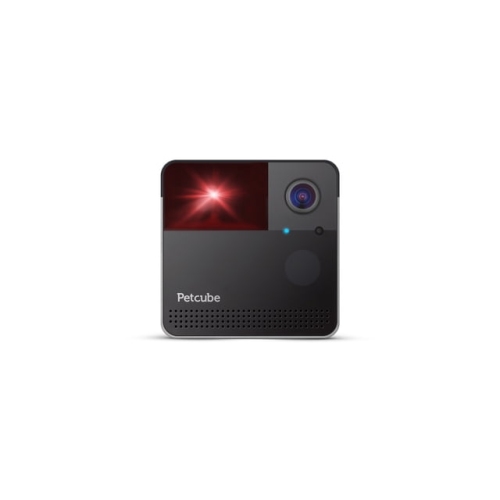
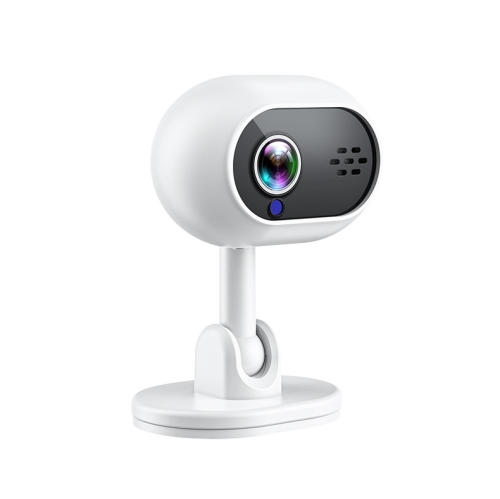
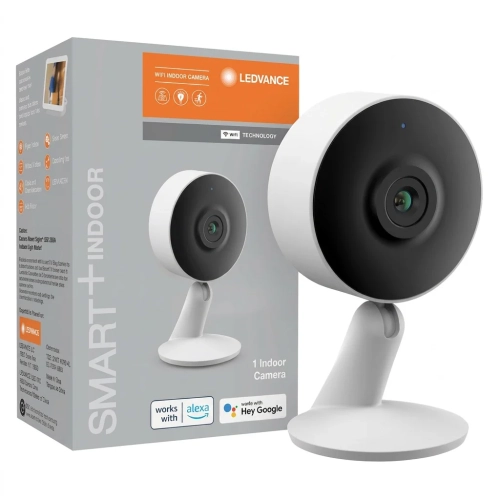
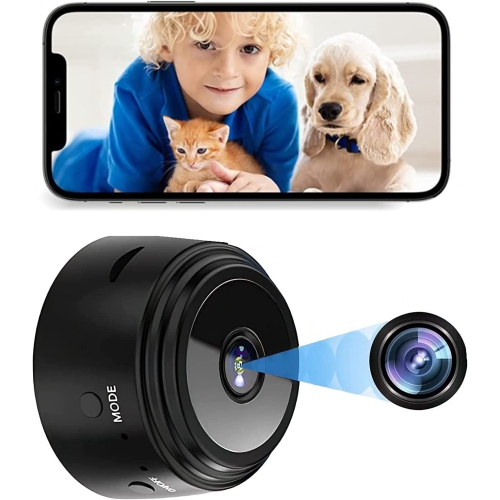
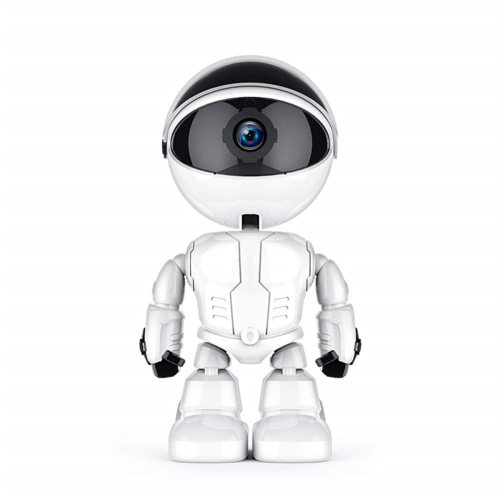
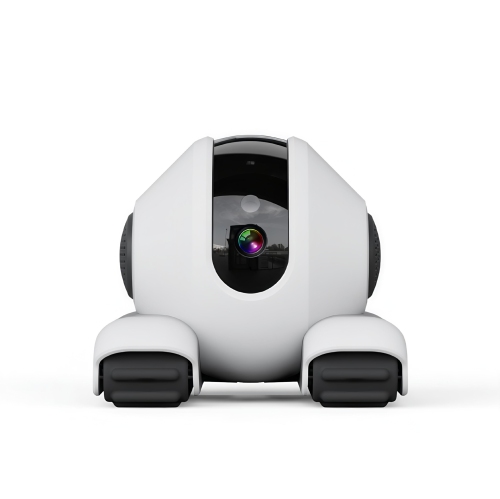
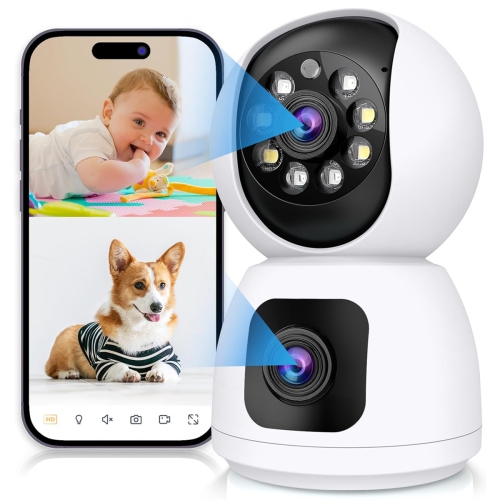
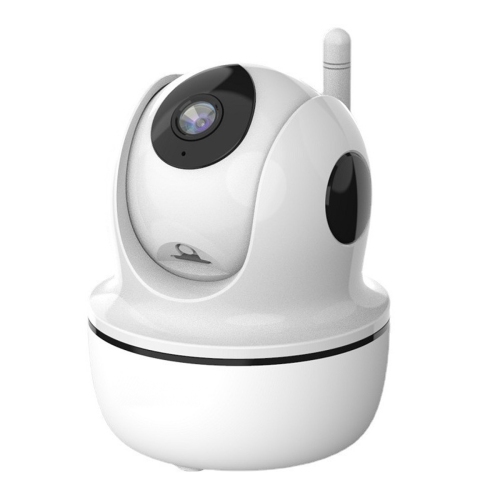
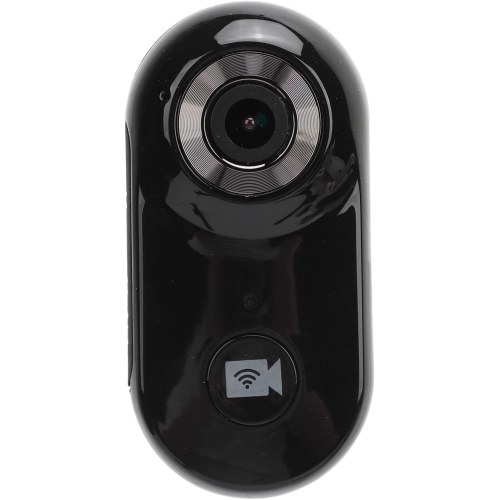
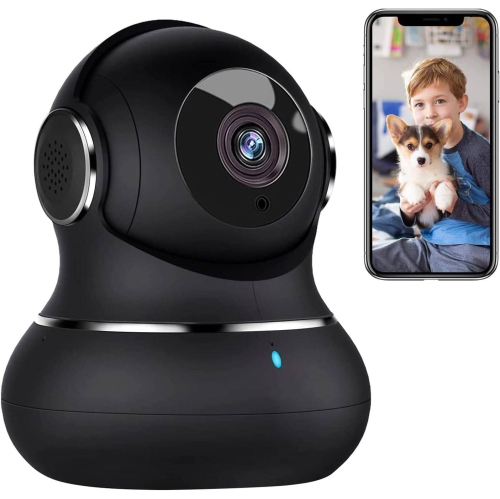
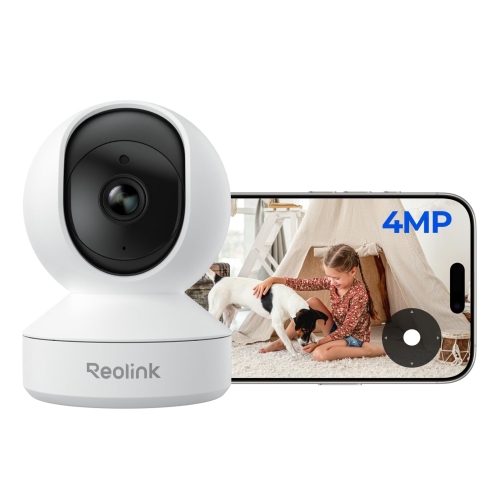
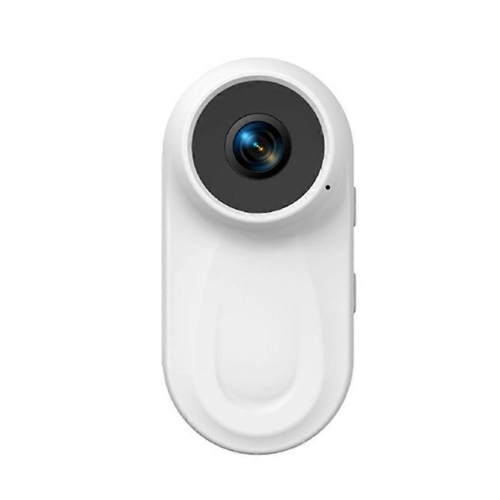
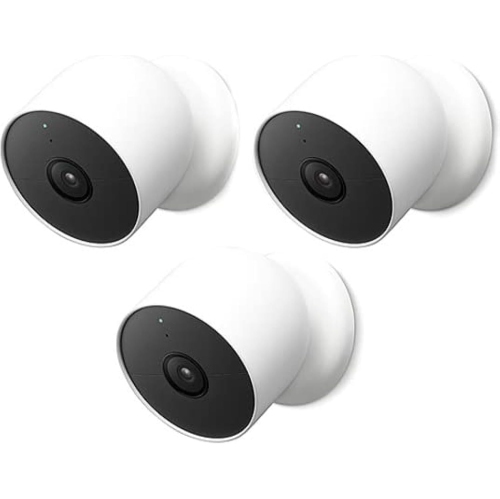
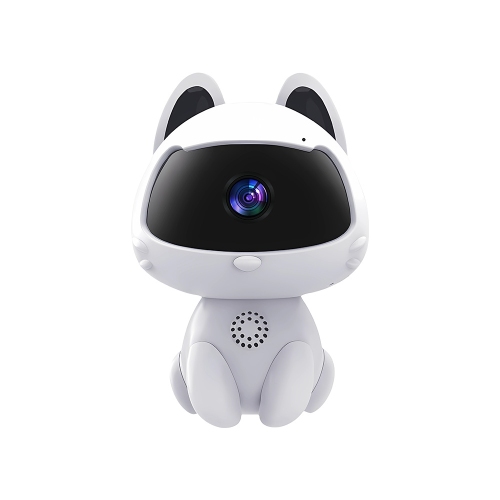
Dog monitoring cameras give pet owners a way to watch and listen to their dogs from another room or away from home, usually through a connected smartphone app. They can show whether a dog is sleeping on the sofa, waiting beside the front door, or carrying a favourite toy from room to room. Depending on the camera, two-way audio also lets someone speak through a built-in speaker, while motion or sound notifications can draw attention to activity without requiring constant viewing. These cameras suit everyday check-ins during work, errands, or an evening out, and can be helpful when a puppy is settling into a household or an older dog needs closer observation. A clear live view provides context that a bark notification alone cannot: a dog might be responding to a delivery, playing with another pet, or pacing near an exit. Video can help owners notice patterns and share observations with a veterinarian or qualified trainer, but a camera cannot diagnose a condition, treat separation anxiety, or replace in-person care. For monitoring a living room, kitchen, or dedicated pet area, Indoor Dog Cameras offer a closely related way to explore home viewing options. The most useful coverage follows the dog's actual routine rather than simply pointing towards the middle of a room. A dog that naps behind an armchair needs a different viewing angle from one that spends the afternoon stretched across a hallway. In a household with several pets, a wider view can make it easier to see who is using a bed or approaching a food bowl, although not every camera can distinguish individual animals. For a dog owner receiving a camera as a gift, compatibility with their phone, home network, and preferred approach to pet care matters more than an extensive feature list. Straightforward everyday access is especially valuable for someone who simply wants to open an app and see a familiar pair of ears resting on a cushion.
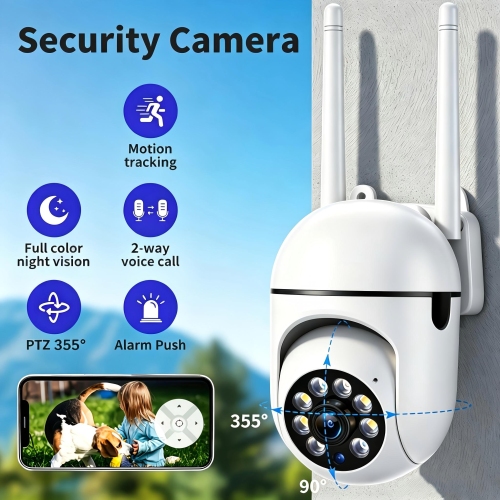
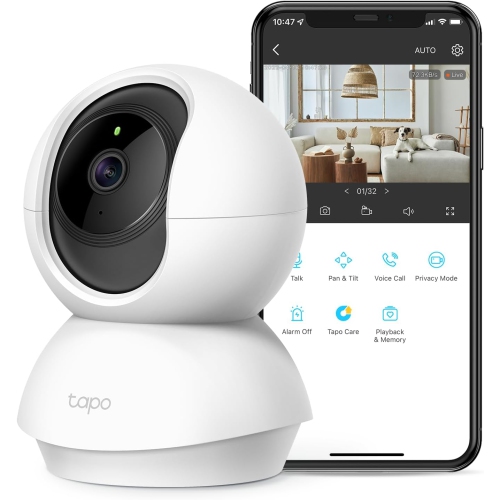
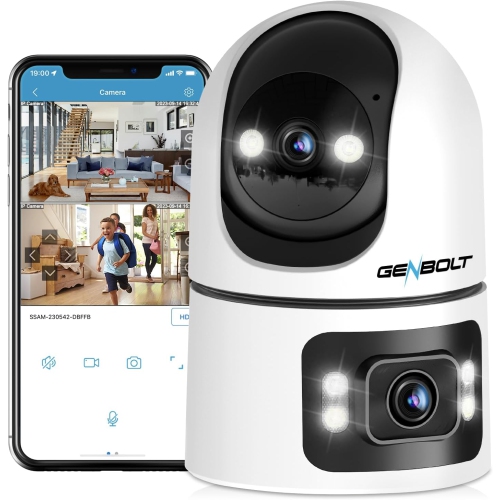
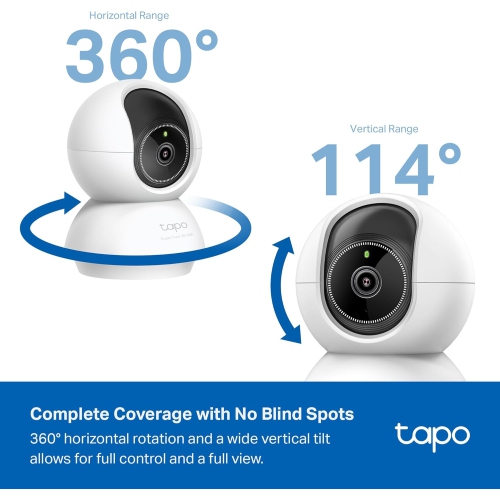
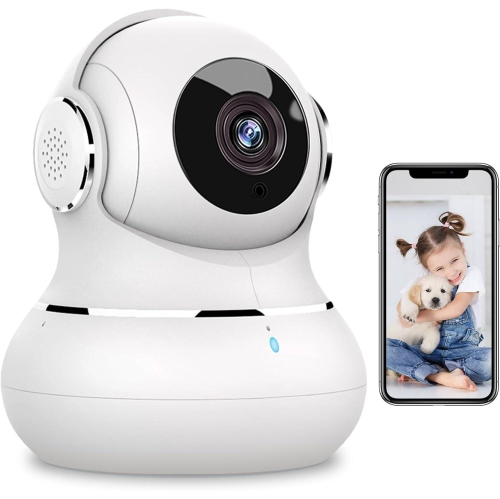
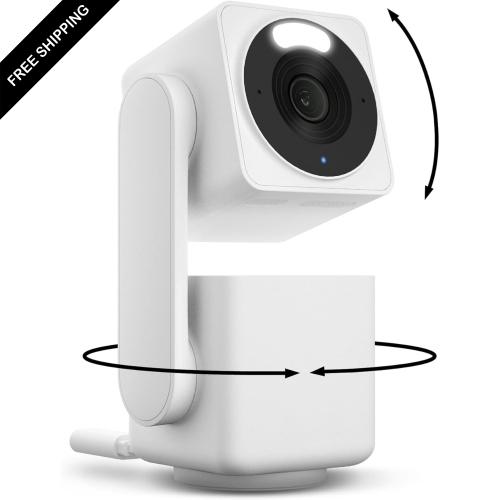
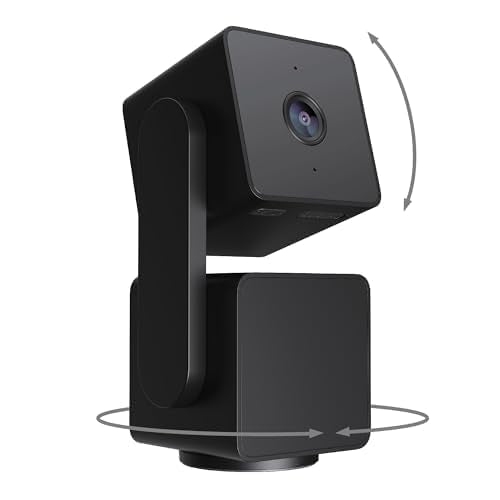
Picture quality, camera movement, and lighting all affect how much detail a dog monitoring camera can show. Resolution contributes to clarity, but the position of the lens and the quality of the connection matter too. A wide-angle lens can include more of an open-plan space, while a motorized pan-and-tilt camera can turn horizontally and vertically to follow different areas. Broad horizontal rotation does not mean every corner is visible at once, and furniture, walls, or an open door can still block the view. Automatic tracking, where supported, may help keep a moving dog in frame, but it can lose sight of a pet behind a sofa or shift towards another animal. A fixed camera aimed at a favourite resting spot may be more useful than moving coverage in a small room. Night vision helps maintain visibility when curtains are closed or daylight fades during the cooler months; infrared images are generally black and white, while colour night viewing depends on the camera's technology and lighting requirements. Reflections from a nearby window or glossy surface can interfere with the image, making placement as important after dark as it is during the day. Sound quality also deserves attention in a busy home. Two-way audio can carry a familiar voice, though some dogs settle when spoken to and others search for the person or become more excited. Brief, supervised introductions can reveal how a dog responds before remote audio becomes part of a routine. Motion zones, adjustable sensitivity, and pet or barking detection, when included, can help make notifications more relevant. These functions are not foolproof, and a passing shadow, television sound, or another pet may still trigger an alert. Treat-dispensing features add interaction on compatible cameras, but suitable treat dimensions, dietary needs, and portion limits remain important. Dispensed treats should fit into the dog's normal feeding plan, and the dispensing area should be clear of hazards or competition between pets. For some households, dependable video and well-tuned alerts are a better fit than extra interaction.
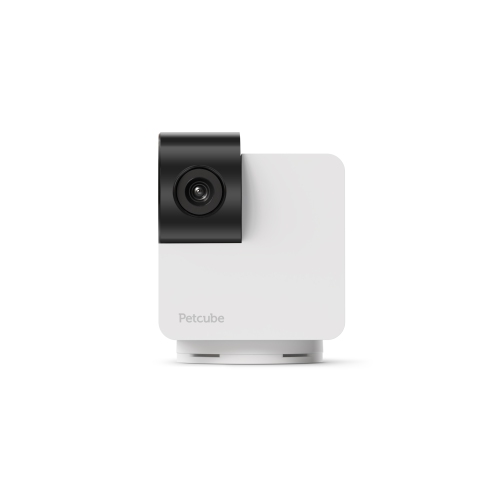
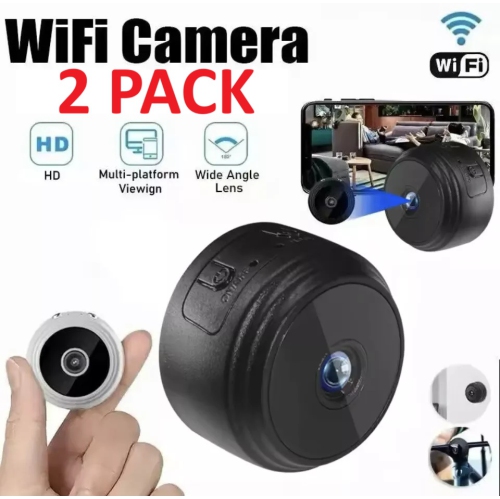
The physical design of a dog camera matters in a space shared with curious noses, wagging tails, and occasional spills. A stable base and a securely fitted mount help maintain the viewing angle, while smooth housing is easier to wipe free of dust and pet hair. Indoor camera housings are often plastic, but the material alone does not indicate chew resistance, impact protection, or suitability near water. Unless a camera is specifically rated for outdoor use, a sheltered porch or damp garage may still expose it to conditions it was not designed to handle. Placement should keep the camera, adapter, and cables beyond the dog's reach without putting small mounting parts near bedding or toys. A low shelf may provide an appealing dog's-eye view, yet it can also invite chewing or a playful knock; a secure elevated position angled towards the floor often offers more practical coverage. Care generally involves following the manufacturer's cleaning directions, gently clearing the lens, and keeping moisture away from electrical connections. Treat compartments, if present, need attention to crumbs and residue, with cleaning and drying handled as directed. Connectivity is another part of day-to-day reliability. Many cameras use Wi-Fi, and some require a particular network band, so compatibility and signal strength at the intended location affect setup and ongoing access. Remote viewing usually relies on power and an internet connection at home, as well as a connection on the viewing device. Live viewing, saved clips, local storage, and cloud storage are separate capabilities, and their requirements vary. Account security, supported software updates, and clear controls for shared access are particularly important when a camera looks into a private living space. Household members and visitors should know when monitoring is active, and framing can focus on the dog's area rather than unrelated activity. With thoughtful placement and realistic expectations, dog monitoring cameras can add useful visibility to daily pet care while walks, companionship, regular breaks, and hands-on attention remain essential.
Top selling and popular products
-
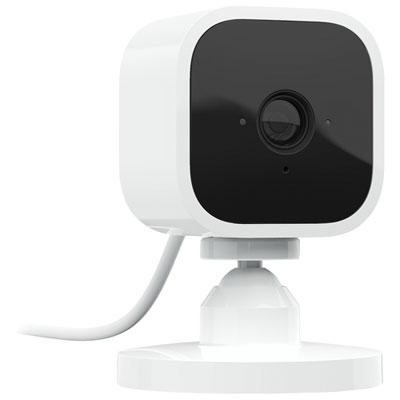 Your price for this item is $14.97
-
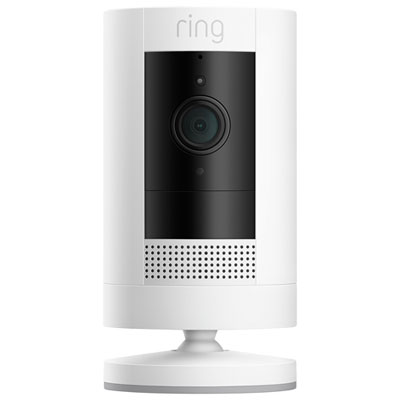 Your price for this item is $109.99
-
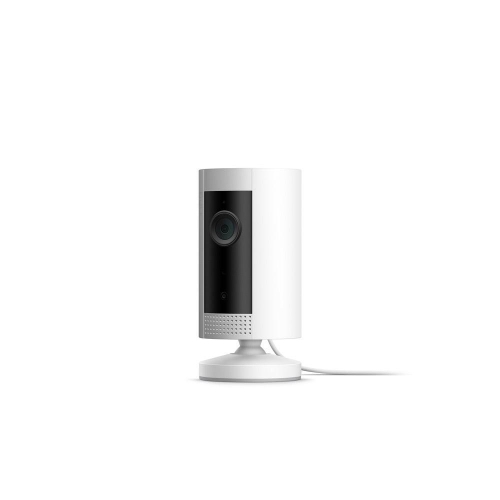 Your price for this item is $79.25
-
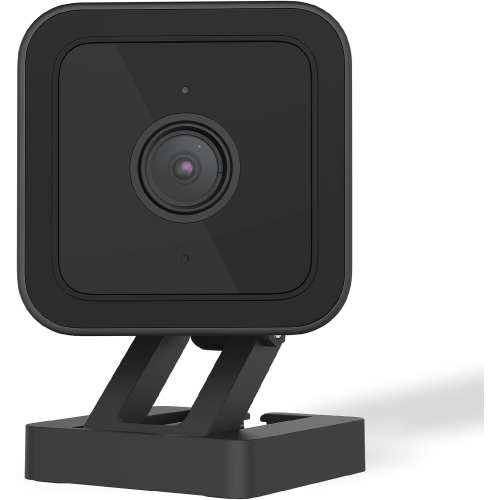 Your price for this item is $95.99
-
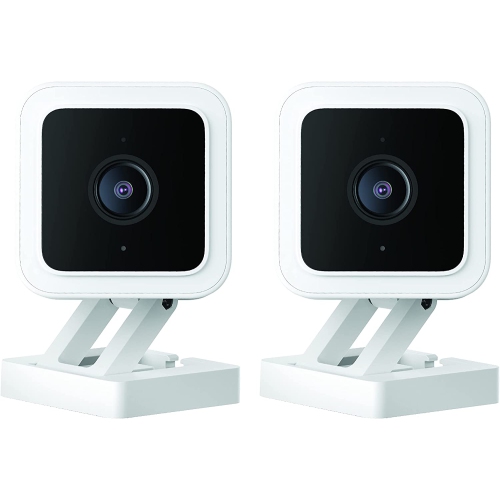 Your price for this item is $110.48
-
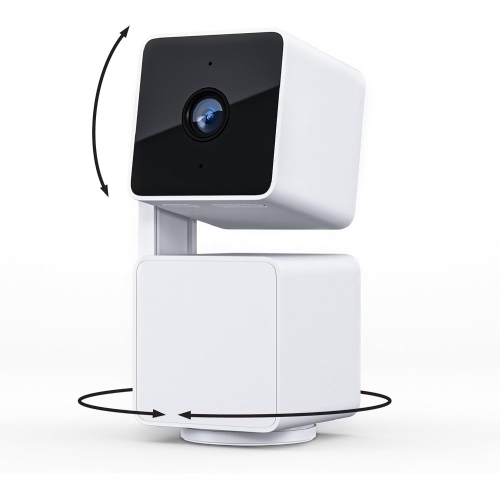 Your price for this item is $110.99
-
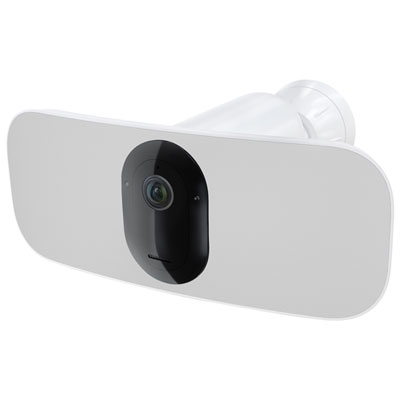 Your price for this item is $329.95
-
 Your price for this item is $105.99
Discover more categories related to Dog Monitoring Cameras
Top Collections:
Pokemon Centers, Kindle Devices, Best Cameras for Sports Photography, Pokémon 30th Celebration Cards, Apple iPhones 16, Canon G7X Cameras, iPhone 15 Apple, Flip Phones, Samsung Galaxy Phones, Alarm Clock
Some products may be subject to Environmental Handling Fees
(EHF) depending on your province.
Learn more about EHFs.