Doorbells With Chimes
Upgrade your home's entryway with our selection of doorbells with chimes, designed to add both style and functionality to your space. Whether you prefer a traditional chime or a more modern melody, we have a variety of options to suit every taste and decor style. From sleek and minimalist designs to ornate and decorative options, these doorbells are sure to make a statement while also alerting you to visitors in a pleasant and melodious way. Explore our collection now and find the perfect doorbell with chime to enhance your home today.
Sort
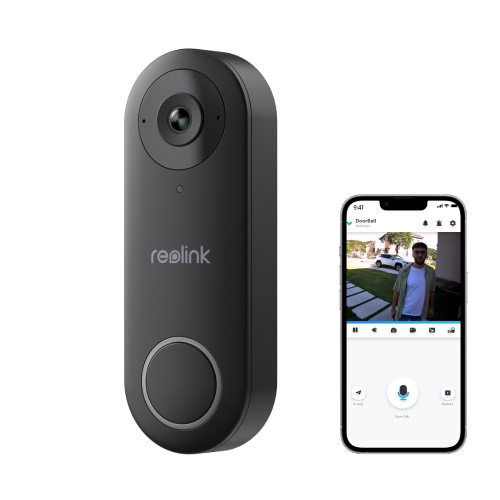
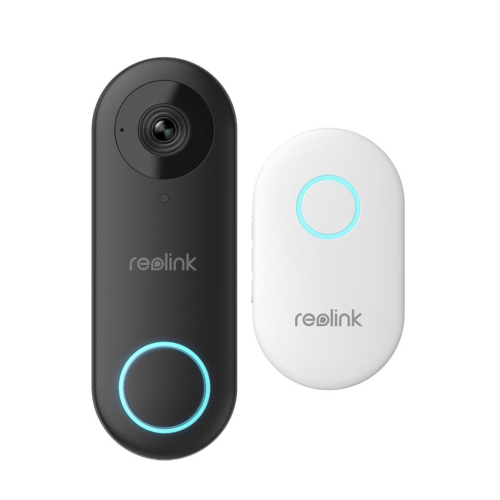

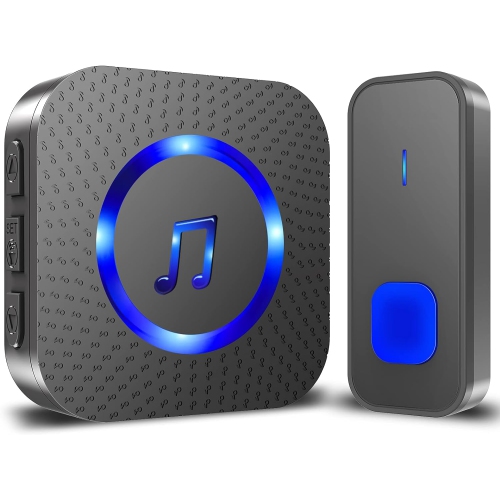
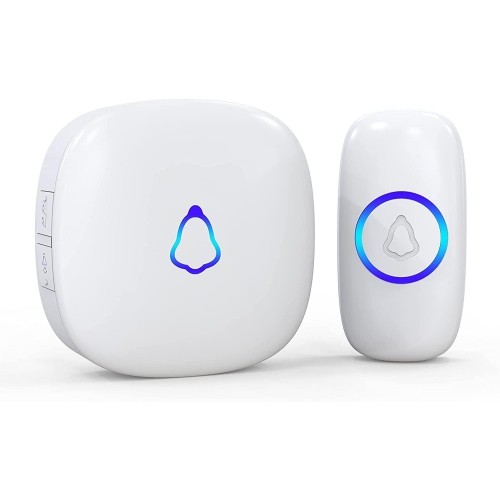
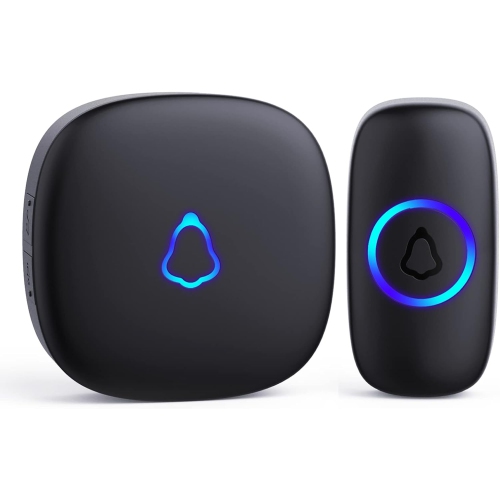

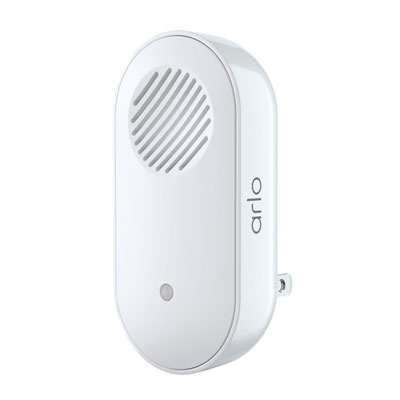
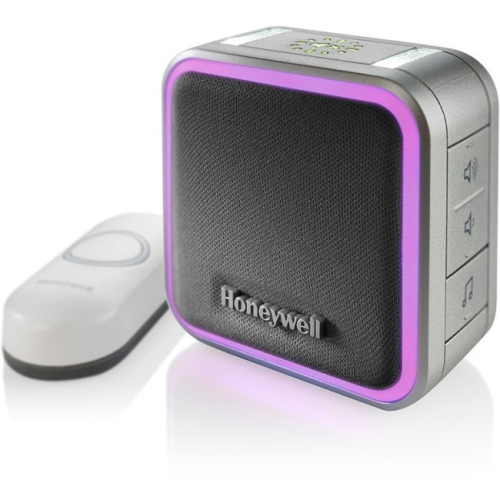
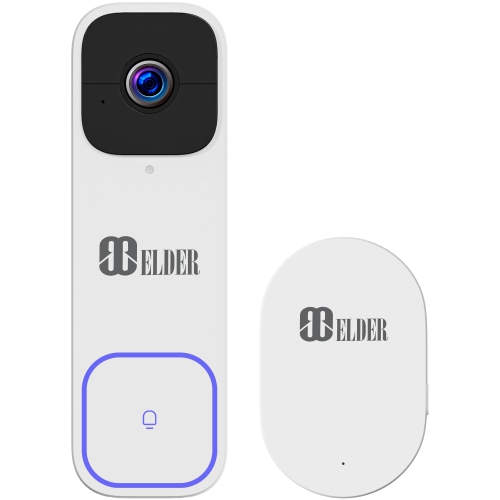
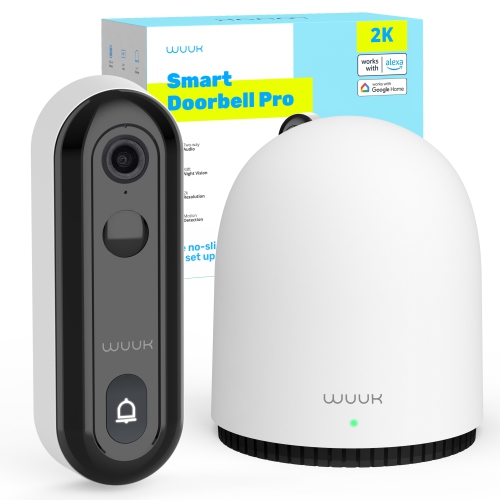
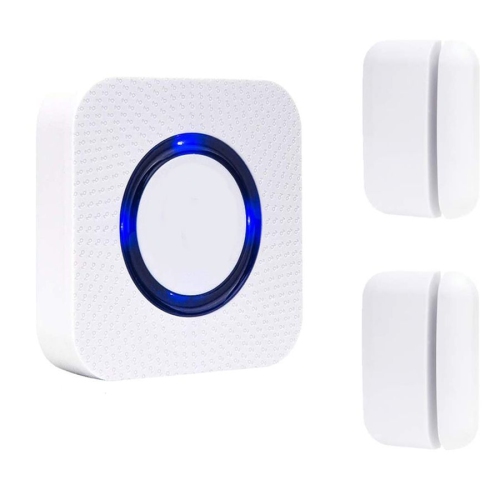
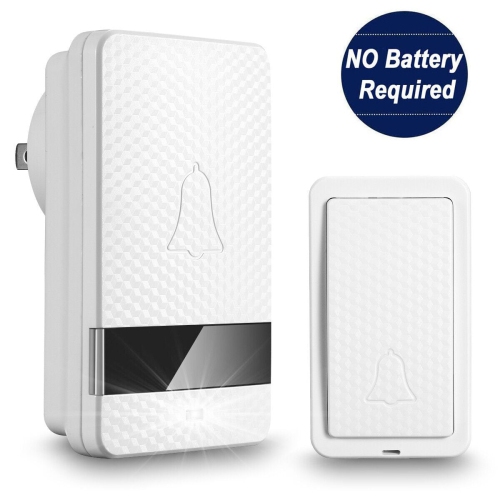
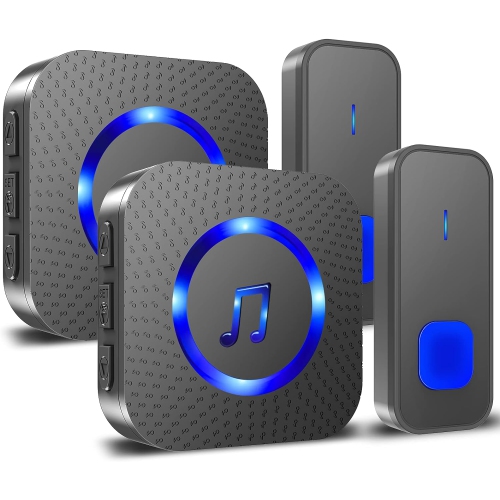
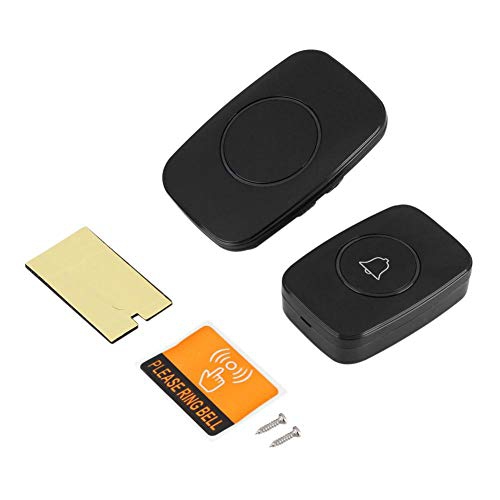
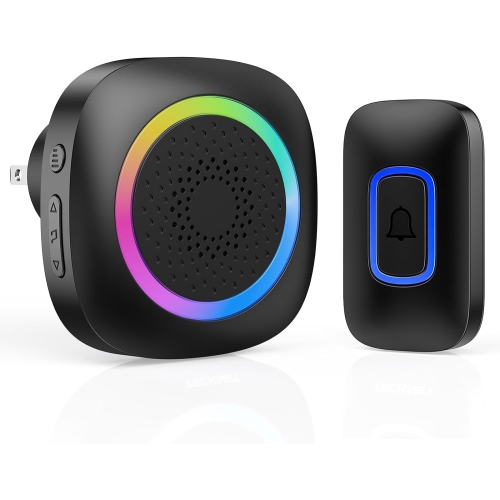
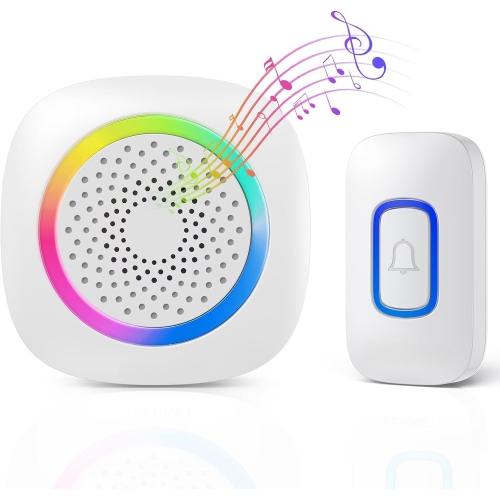
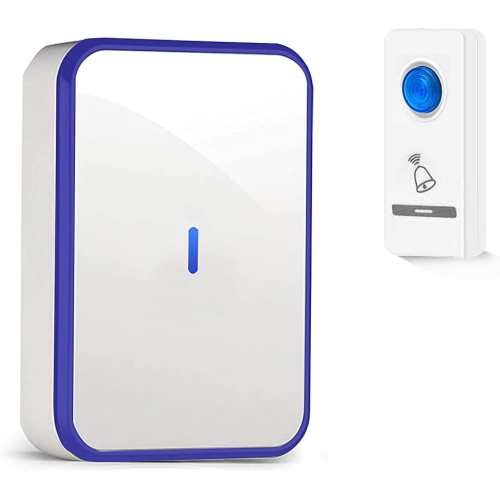

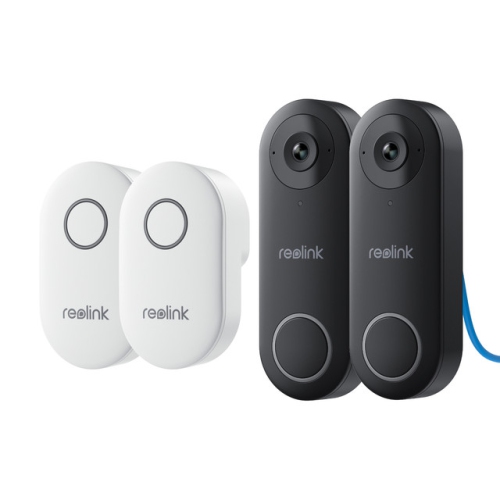
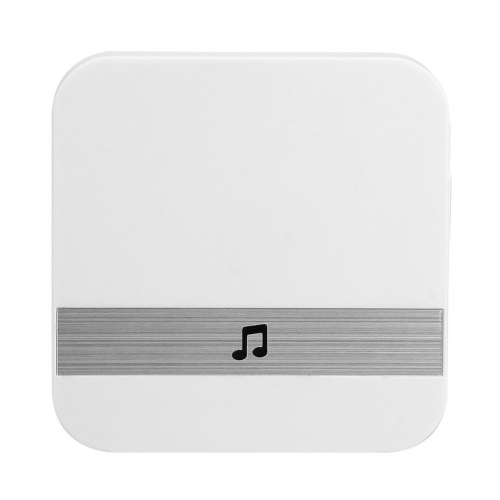
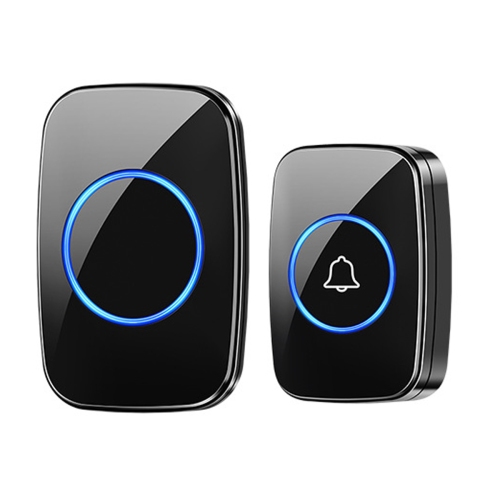
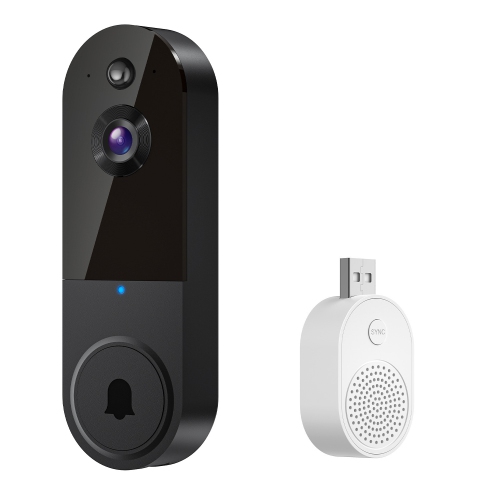


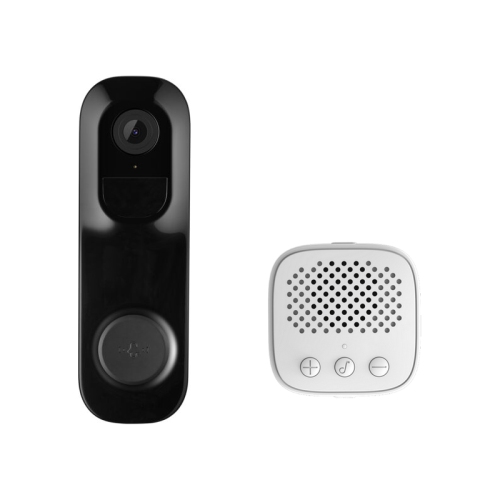
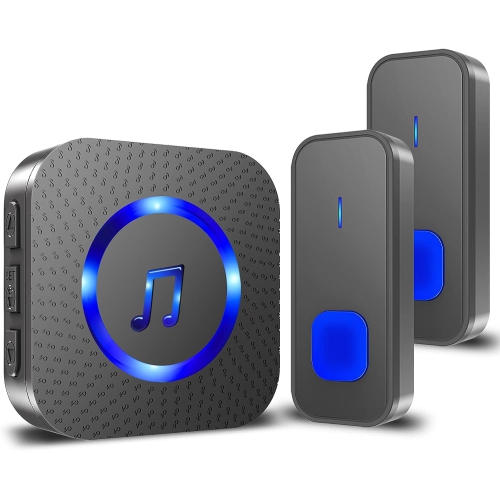
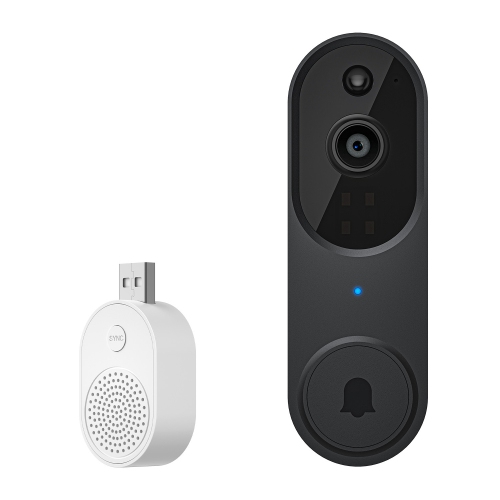

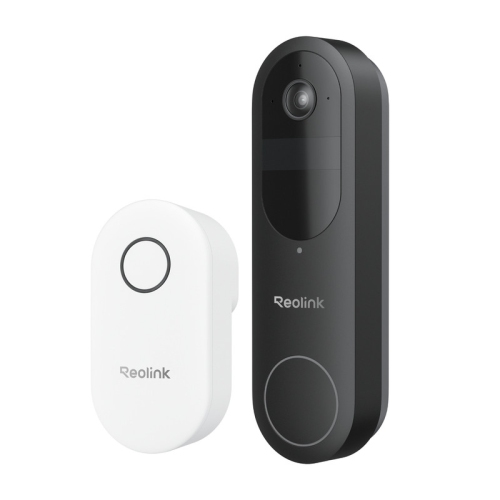
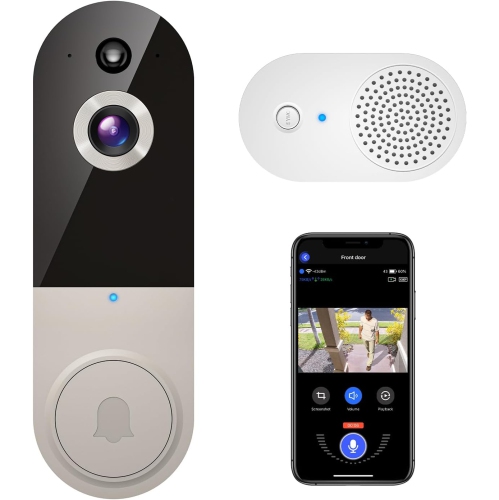
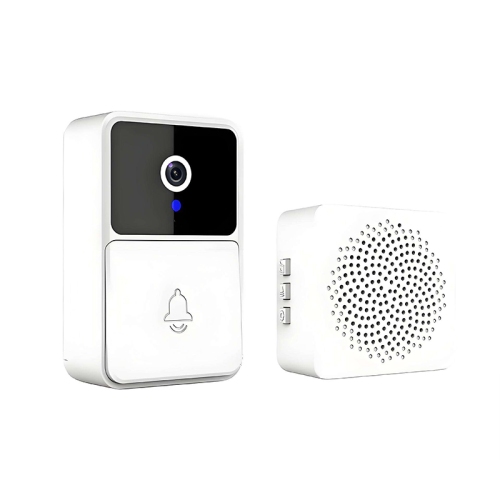
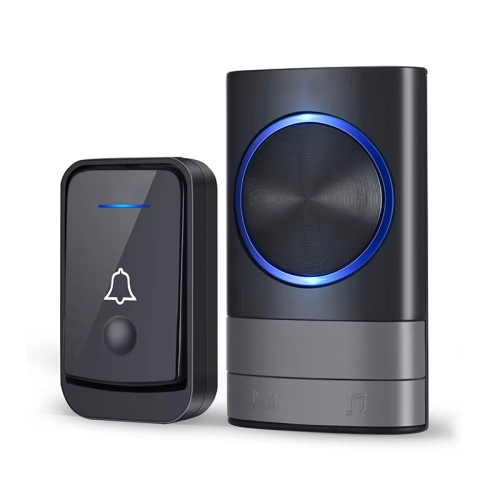
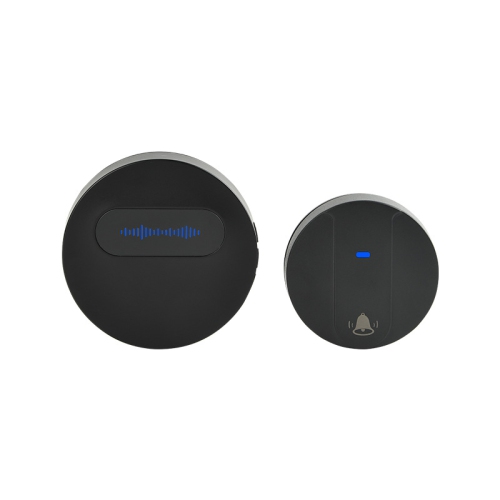
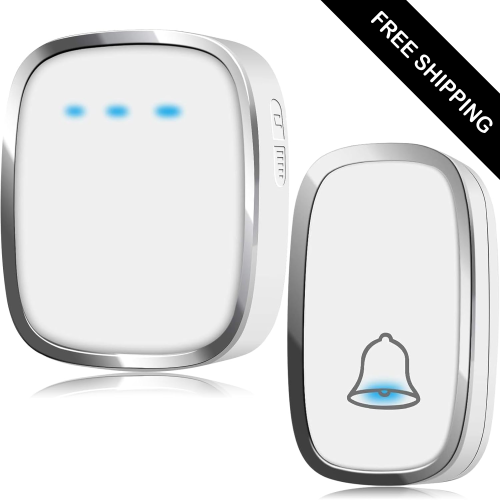
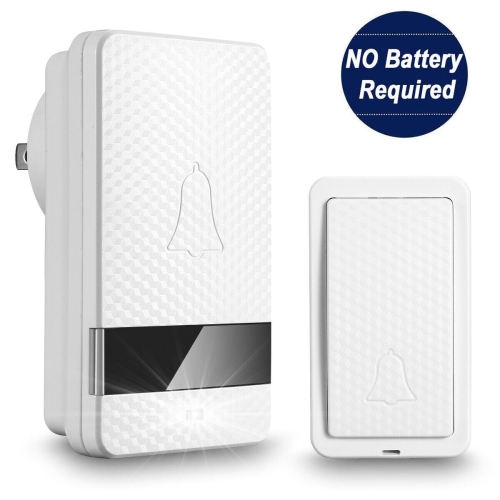
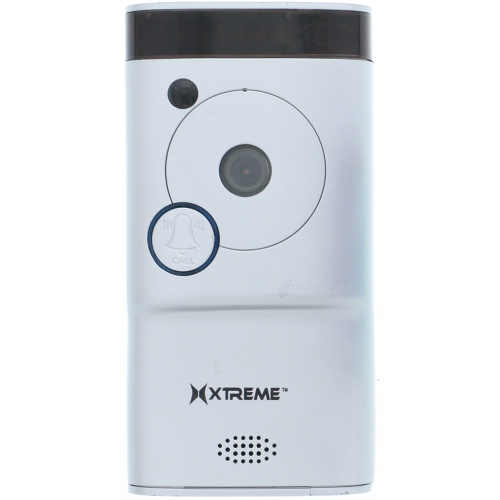

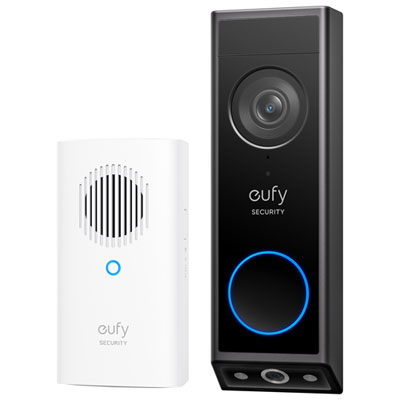
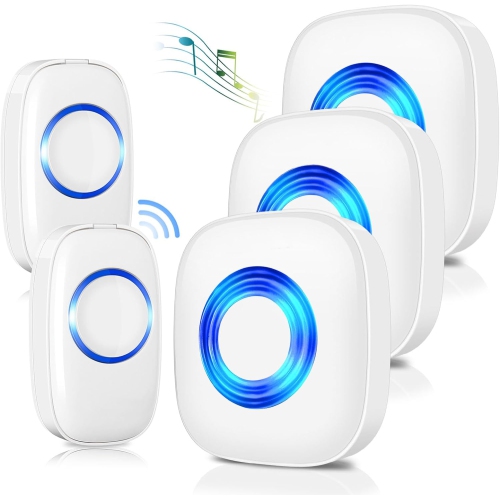
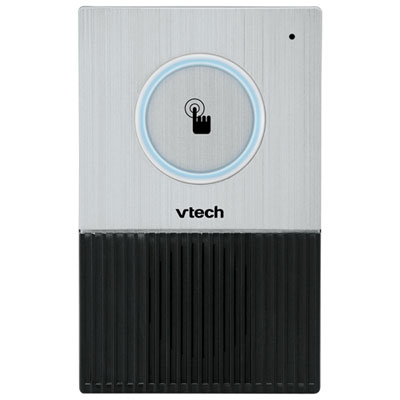
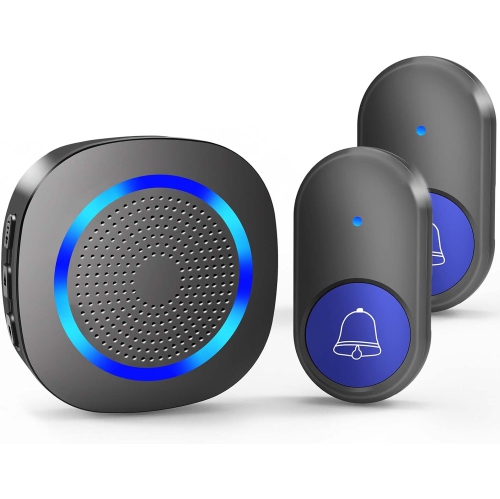

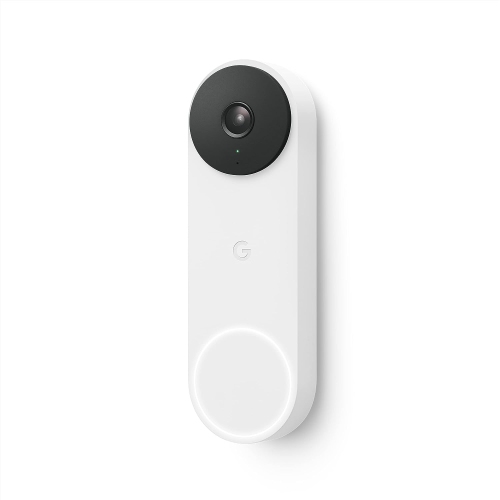
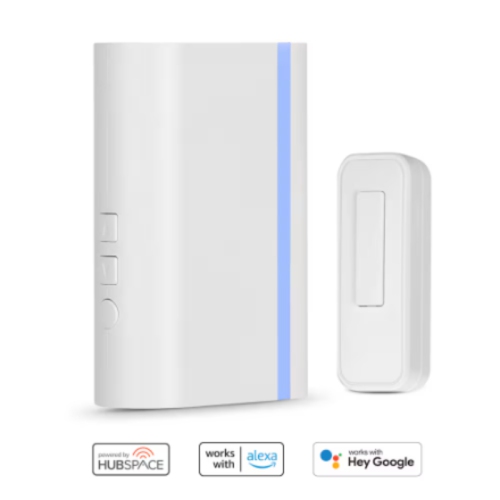
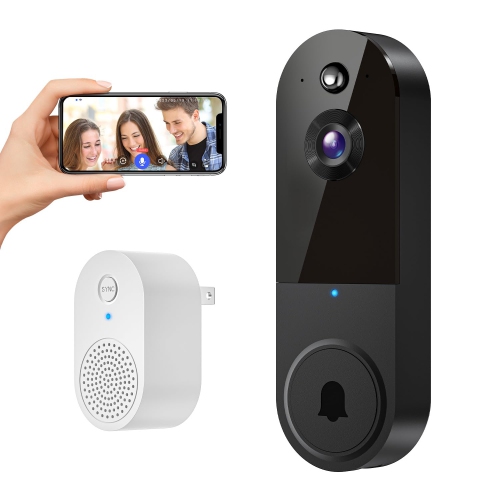
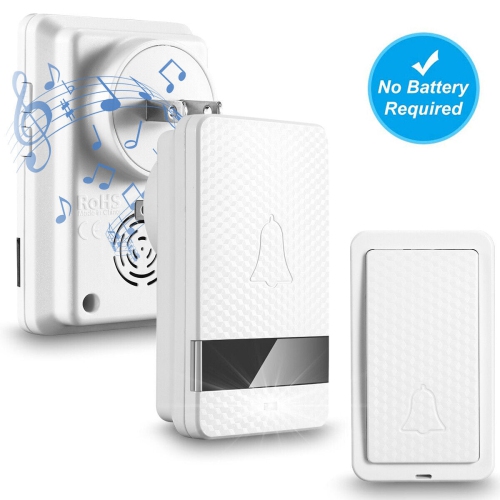
A clear indoor ring without relying on your phone
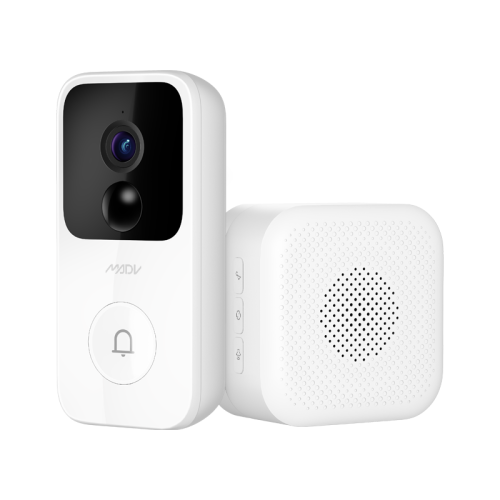
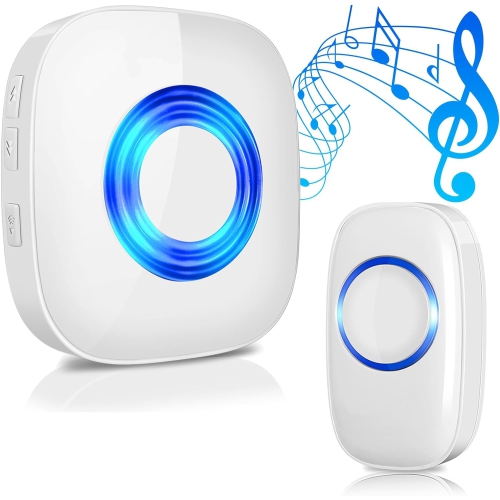
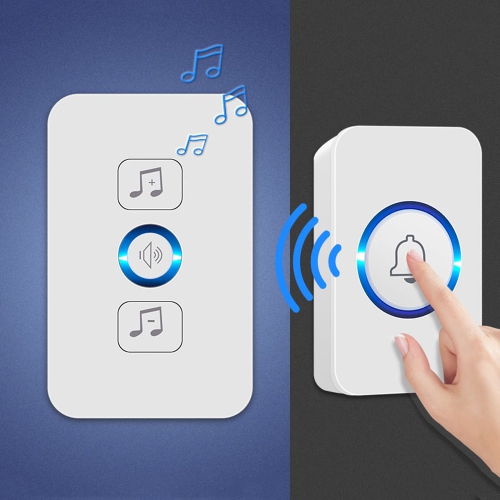
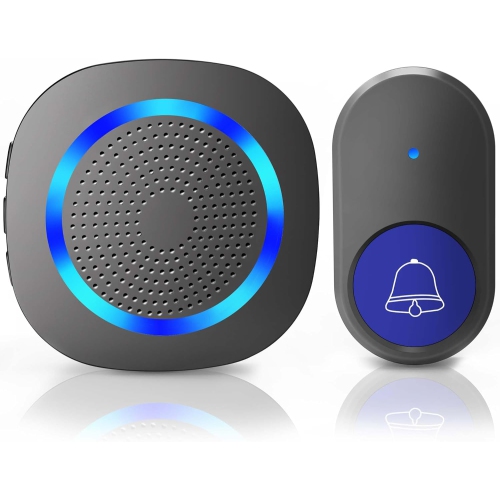
Doorbells with chimes pair an entrance button with an indoor sound unit, giving visitors a simple way to announce their arrival and helping people inside hear it. When the button is pressed, the chime plays a tone, melody, or familiar two-note sound. That audible signal is useful when a phone is charging in another room, someone is working away from a screen, or several people share the same home. A chime also gives guests, delivery drivers, and family members a consistent way to get attention without knocking repeatedly. The main options are wired doorbells, wireless doorbells, and smart doorbells that work with a compatible indoor chime. Wired systems typically use low-voltage wiring connected to a doorbell transformer, while many wireless systems send a radio signal from a battery-powered entrance button to a plug-in or battery-powered receiver. A basic wireless doorbell does not necessarily need Wi-Fi or an app; many operate as a standalone button-and-chime pair. Smart doorbells may add video, two-way audio, and phone notifications, but an indoor chime remains a separate consideration rather than a feature that should be assumed. Some systems include the sound unit, some work with suitable existing chimes, and others require a matching accessory. These differences matter in everyday use: a straightforward audible doorbell may suit an apartment entrance, while a house with a basement office or an upstairs sitting room may benefit from a system that supports additional receivers. For a household with multiple entrances, compatible buttons with distinct tones can help distinguish a visitor at the front door from someone at a side entrance. The central purpose stays the same across these designs: a clear, recognizable alert inside the home, delivered in a way that fits the layout and the people who live there. A doorbell with a chime is especially practical in a shared household because visitors can announce themselves without relying on one person’s phone or account.
The fit between a doorbell, its chime, and the home’s existing setup affects both installation and reliable operation. For a wired system, transformer voltage and power capacity need to match the doorbell’s requirements, and existing wiring should be in suitable condition. Mechanical chimes create sound by striking physical tone bars, while electronic chimes play sound through a speaker; compatibility with one type does not automatically mean compatibility with the other. This distinction is particularly important when adding a video doorbell to an older installation. Some combinations require a specified power accessory, and others cannot use the existing chime at all. Where wiring or transformer details are uncertain, assessment by a qualified installer can help establish what will work. Wireless doorbells offer more freedom in receiver placement, although their stated range is usually measured under favourable conditions. Walls, floors, masonry, metal doors, and nearby electronics can reduce the distance over which a button and receiver communicate reliably. A chime positioned near the centre of a home may be easier to hear from several rooms than one tucked behind furniture at the far end of a hallway. Plug-in receivers need a suitable outlet, and their dimensions matter when another device shares the same wall plate. Battery-powered receivers can offer more placement flexibility, with battery replacement or charging becoming part of routine care. At the entrance, the width of the doorframe, the shape of the mounting surface, and the space beside the door all influence how neatly the button fits. A slim housing may suit a narrow trim section, while a larger unit needs enough flat surface for secure mounting. Screw-mounted and adhesive-mounted designs have different surface requirements, and adhesive attachments may affect paint or finishes when removed. Renters may find a wireless setup convenient, but building rules and permission for exterior alterations still apply. Durable housings, secure battery covers, and buttons rated for their intended indoor or outdoor location are useful details for an entrance used many times each day.
Sound quality and control can make a doorbell chime easier to live with over time. Adjustable volume helps balance an alert that carries into a busy kitchen with one that does not overwhelm a small hallway. A choice of tones allows households to select a sound that is distinct from appliance alerts, phone notifications, or other electronic signals. For someone who works with headphones, a compatible receiver near the desk may be more useful than simply raising the volume elsewhere. Visual indicators can provide another cue for people who may not hear an audible alert, although a small flashing light is not necessarily a substitute for a purpose-built accessible alerting system. Mute settings or quiet modes, where supported, can be useful during a child’s nap or an online meeting, and their effect on other receivers or phone alerts varies by system. For smart doorbells with chimes, dependable operation also involves checking the supported Wi-Fi band, signal strength at the entrance, and whether the indoor sound unit communicates directly with the button or through a network connection. Phone notifications and an indoor ring are different functions, so the presence of one does not establish how the other behaves if the internet connection is interrupted. Video storage and app features likewise depend on the particular system and should not be inferred from chime compatibility alone. When the entrance button already works well, a compatible replacement or additional Doorbell Chime may address the need for a clearer alert elsewhere in the home without replacing the whole setup. Matching the stated compatibility is essential, since wireless receivers are not universally interchangeable. Routine care is generally modest: keeping the button and housing clean according to the manufacturer’s directions, checking mounting security, and monitoring battery condition where applicable. A soft cloth is often suitable for exterior surfaces, while openings and electrical connections should be kept free of cleaning liquid. With suitable placement and matched components, a doorbell and chime can become a dependable part of daily arrivals, from a friend stopping by to a parcel reaching the front door.
The fit between a doorbell, its chime, and the home’s existing setup affects both installation and reliable operation. For a wired system, transformer voltage and power capacity need to match the doorbell’s requirements, and existing wiring should be in suitable condition. Mechanical chimes create sound by striking physical tone bars, while electronic chimes play sound through a speaker; compatibility with one type does not automatically mean compatibility with the other. This distinction is particularly important when adding a video doorbell to an older installation. Some combinations require a specified power accessory, and others cannot use the existing chime at all. Where wiring or transformer details are uncertain, assessment by a qualified installer can help establish what will work. Wireless doorbells offer more freedom in receiver placement, although their stated range is usually measured under favourable conditions. Walls, floors, masonry, metal doors, and nearby electronics can reduce the distance over which a button and receiver communicate reliably. A chime positioned near the centre of a home may be easier to hear from several rooms than one tucked behind furniture at the far end of a hallway. Plug-in receivers need a suitable outlet, and their dimensions matter when another device shares the same wall plate. Battery-powered receivers can offer more placement flexibility, with battery replacement or charging becoming part of routine care. At the entrance, the width of the doorframe, the shape of the mounting surface, and the space beside the door all influence how neatly the button fits. A slim housing may suit a narrow trim section, while a larger unit needs enough flat surface for secure mounting. Screw-mounted and adhesive-mounted designs have different surface requirements, and adhesive attachments may affect paint or finishes when removed. Renters may find a wireless setup convenient, but building rules and permission for exterior alterations still apply. Durable housings, secure battery covers, and buttons rated for their intended indoor or outdoor location are useful details for an entrance used many times each day.
Sound quality and control can make a doorbell chime easier to live with over time. Adjustable volume helps balance an alert that carries into a busy kitchen with one that does not overwhelm a small hallway. A choice of tones allows households to select a sound that is distinct from appliance alerts, phone notifications, or other electronic signals. For someone who works with headphones, a compatible receiver near the desk may be more useful than simply raising the volume elsewhere. Visual indicators can provide another cue for people who may not hear an audible alert, although a small flashing light is not necessarily a substitute for a purpose-built accessible alerting system. Mute settings or quiet modes, where supported, can be useful during a child’s nap or an online meeting, and their effect on other receivers or phone alerts varies by system. For smart doorbells with chimes, dependable operation also involves checking the supported Wi-Fi band, signal strength at the entrance, and whether the indoor sound unit communicates directly with the button or through a network connection. Phone notifications and an indoor ring are different functions, so the presence of one does not establish how the other behaves if the internet connection is interrupted. Video storage and app features likewise depend on the particular system and should not be inferred from chime compatibility alone. When the entrance button already works well, a compatible replacement or additional Doorbell Chime may address the need for a clearer alert elsewhere in the home without replacing the whole setup. Matching the stated compatibility is essential, since wireless receivers are not universally interchangeable. Routine care is generally modest: keeping the button and housing clean according to the manufacturer’s directions, checking mounting security, and monitoring battery condition where applicable. A soft cloth is often suitable for exterior surfaces, while openings and electrical connections should be kept free of cleaning liquid. With suitable placement and matched components, a doorbell and chime can become a dependable part of daily arrivals, from a friend stopping by to a parcel reaching the front door.
Top selling and popular products
-
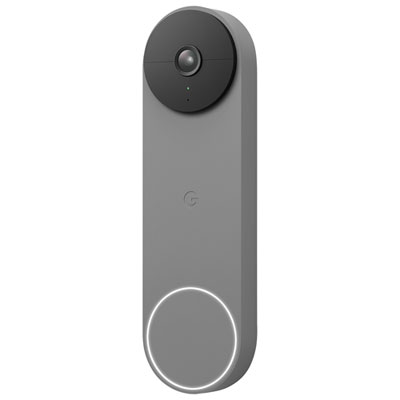 Your price for this item is $239.99
 -
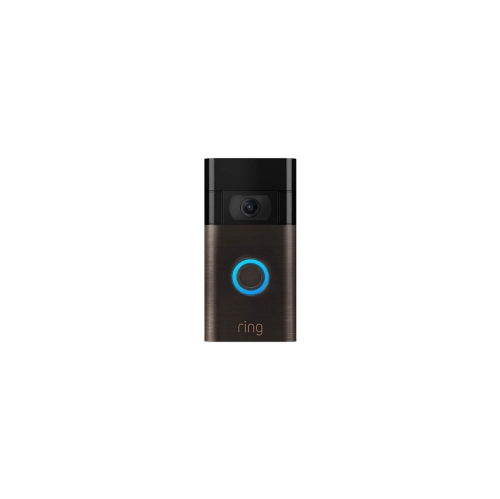 Your price for this item is $249.59
 -
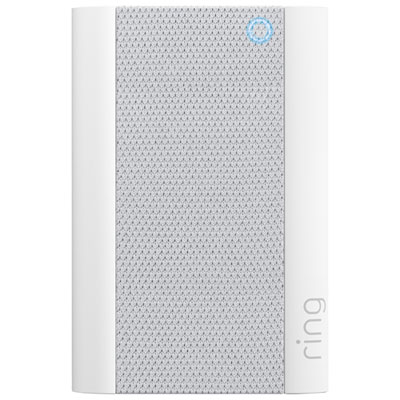 Your price for this item is $74.99
 -
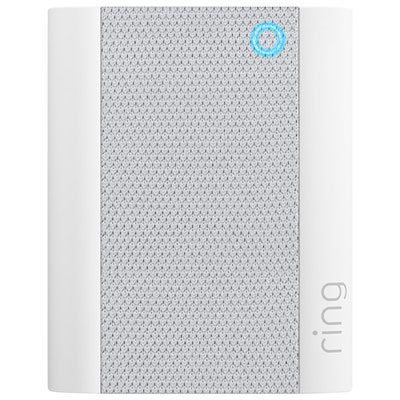 Your price for this item is $49.99
 -
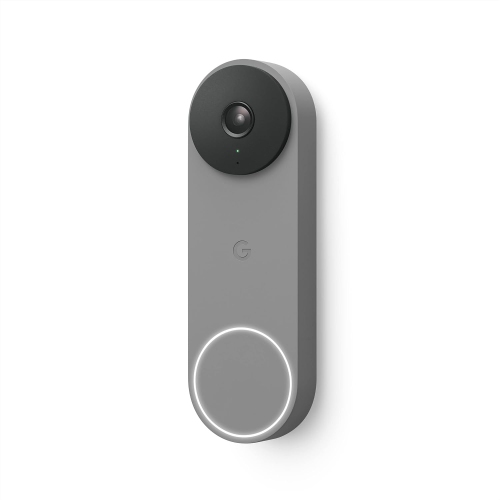 Your price for this item is $199
 -
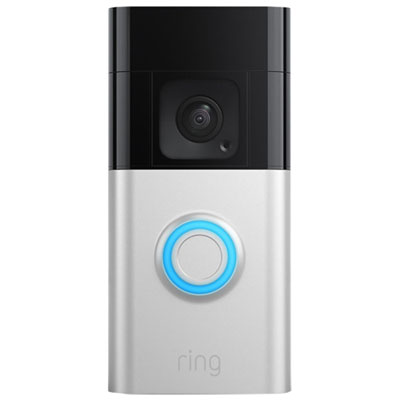 Your price for this item is $209.99
 -
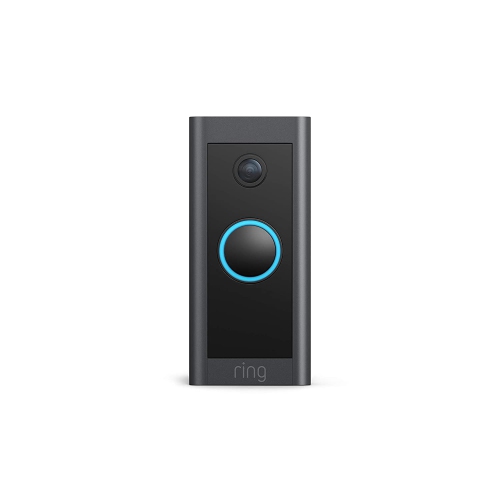 Your price for this item is $89.25
 -
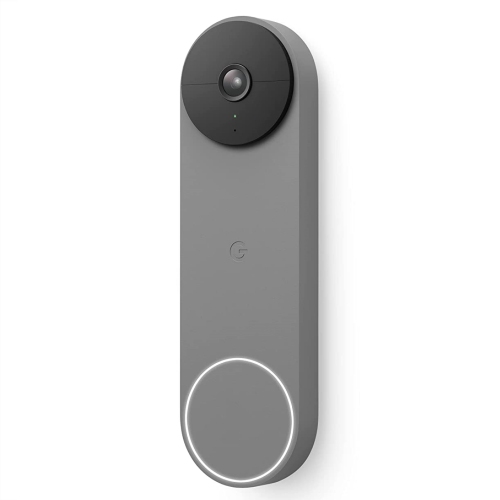 Your price for this item is $254.99
Discover more categories related to Doorbells With Chimes
Top Collections:
Pokemon Centers, Kindle Devices, Best Budget Office Chairs, Apple iPhones 16, Best Laptops for Writers, iPhone 15 Apple, Canon G7X Cameras, Refurbished Apple Laptops, Alarm Clock, Motorola Razr Phones
Some products may be subject to Environmental Handling Fees
(EHF) depending on your province.
Learn more about EHFs.