Electric Vehicle Charging Stations
As the world continues to embrace sustainable transportation solutions, electric vehicles have become increasingly popular. To keep up with the growing demand, Best Buy offers a wide selection of electric vehicle charging stations. Whether you're a proud owner of an electric car or considering making the switch, our range of charging stations provides convenient and efficient ways to power up your vehicle at home or on the go. With various charging speeds and features to choose from, you can find the perfect solution to keep your electric vehicle ready for your next adventure.
Sort
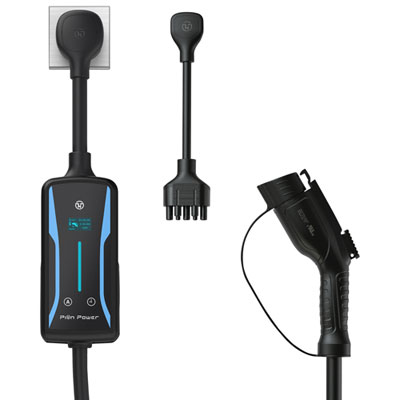
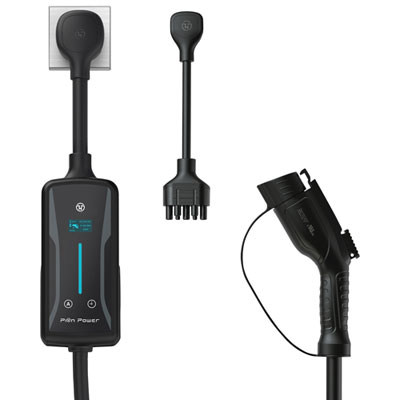
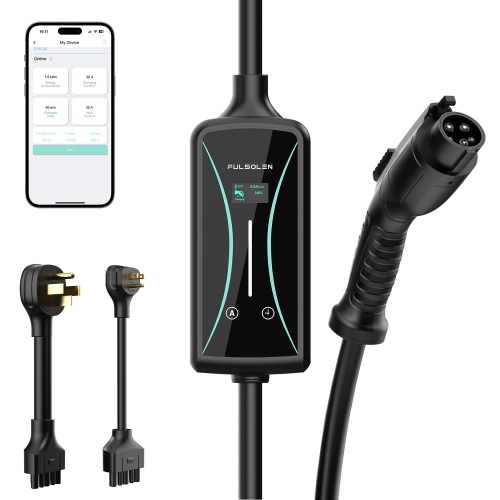
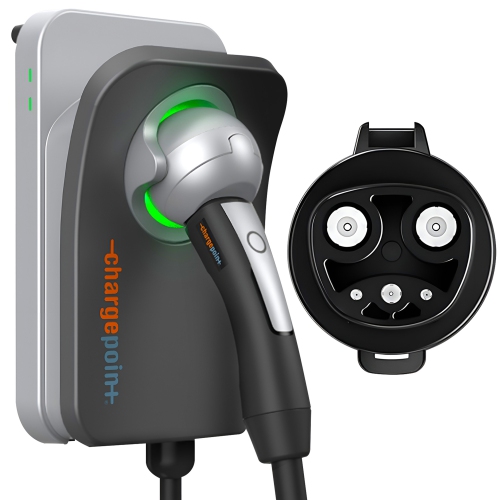
Understand charging levels, connectors, installation and everyday use
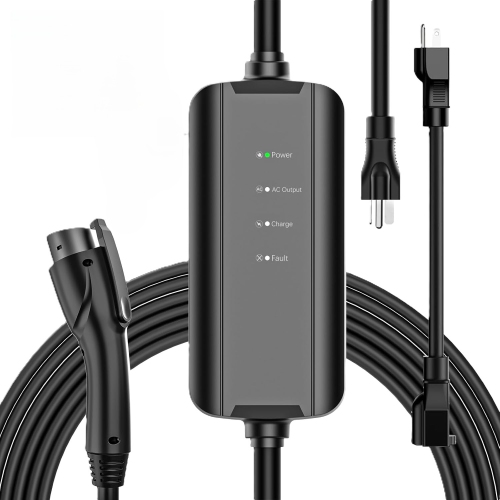
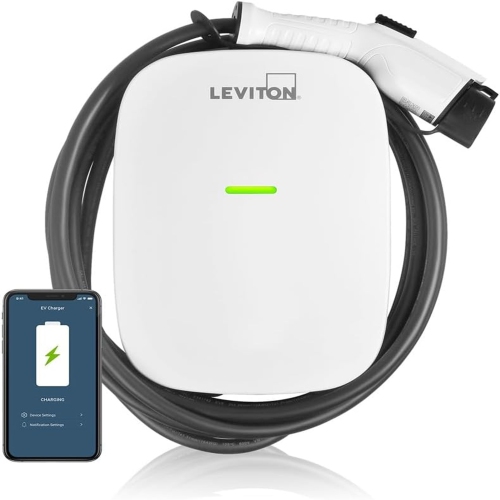
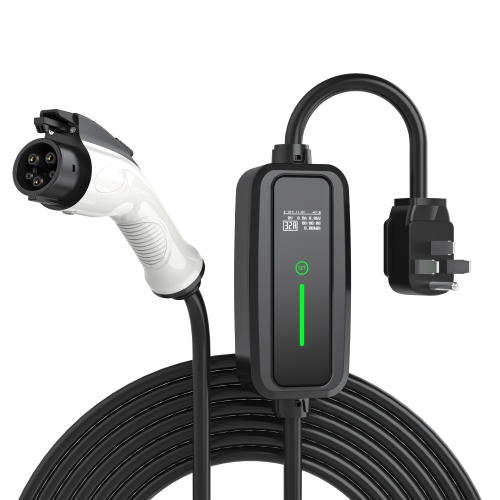
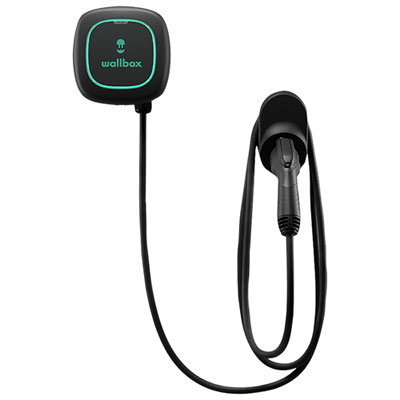
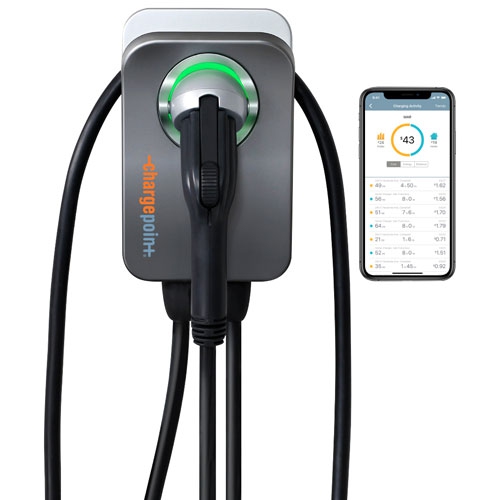
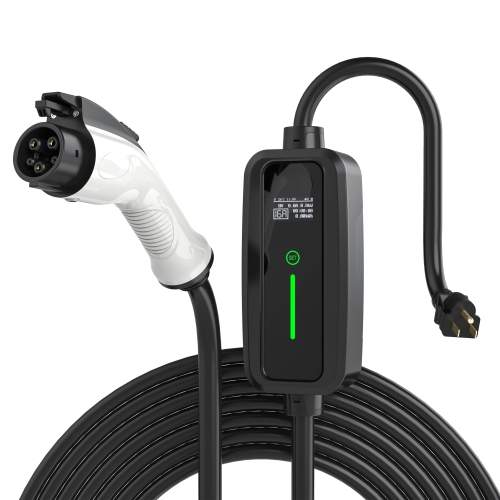
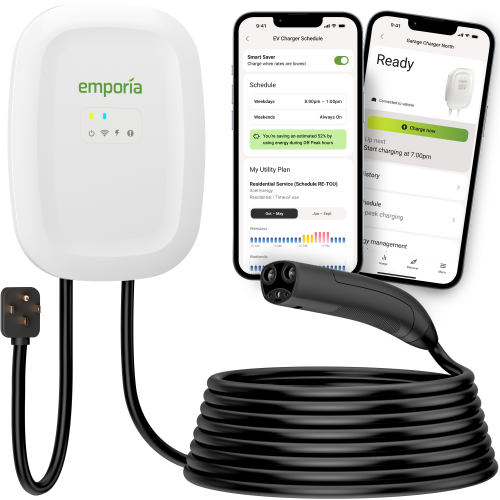
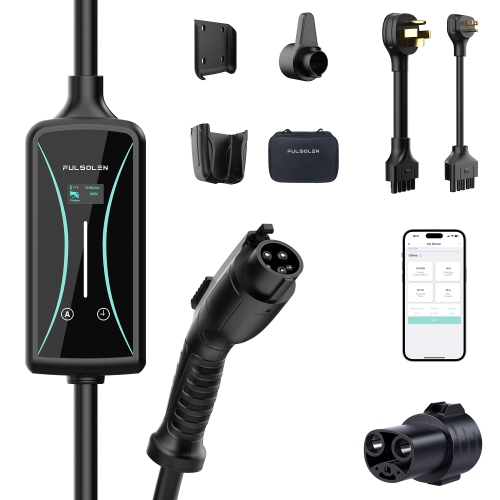
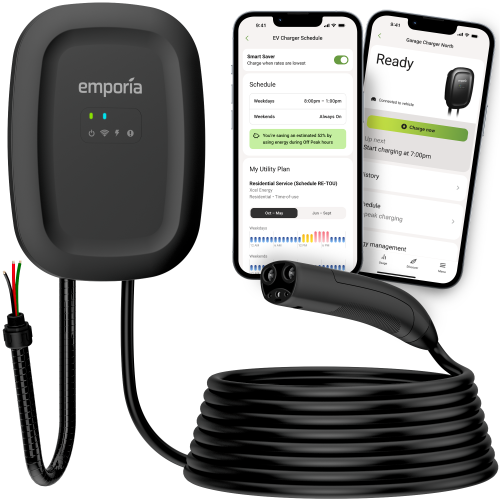
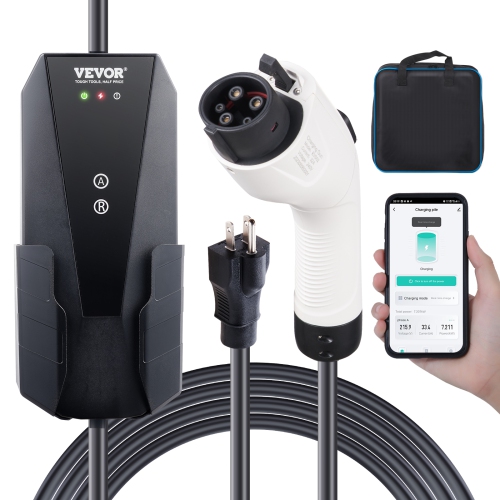
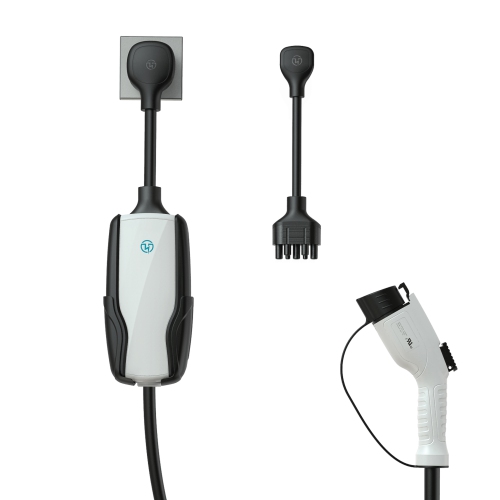
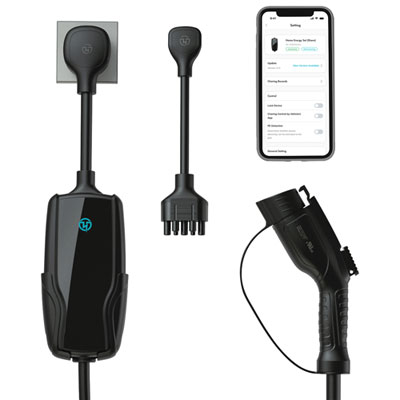
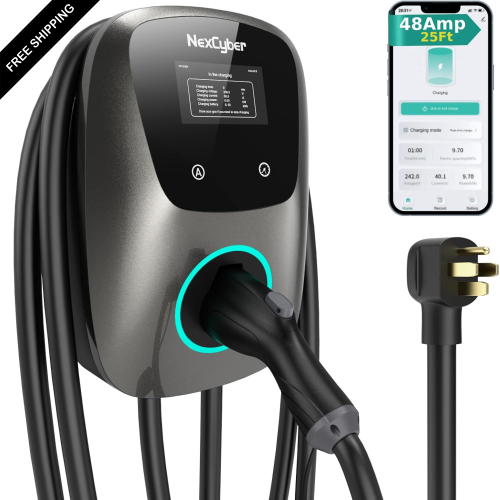
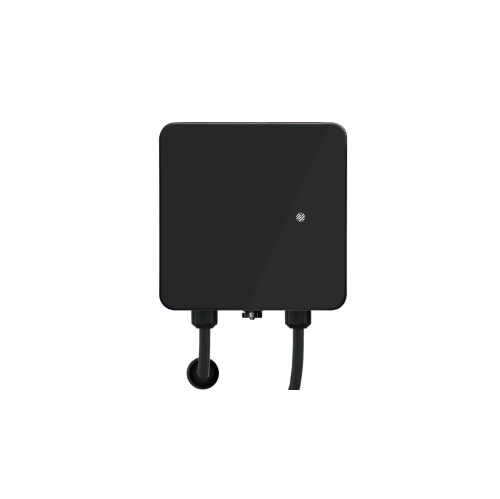
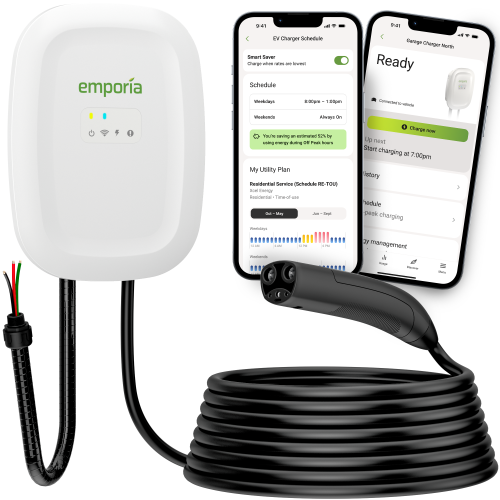
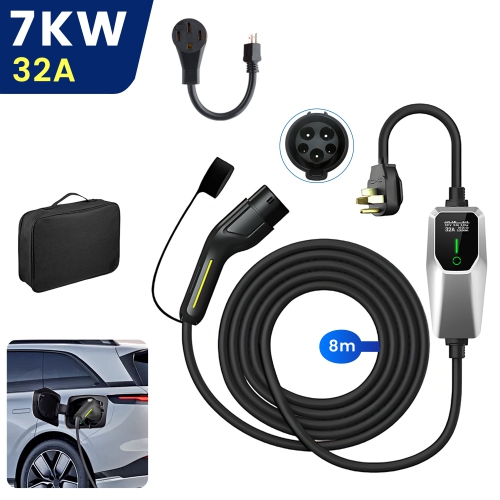
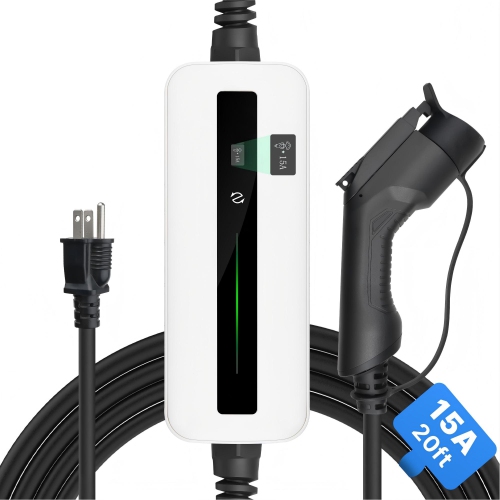
Electric vehicle charging stations make it easier to keep an EV or plug-in hybrid ready for daily driving, errands, road trips and everything in between. The right charger depends on the vehicle, the available electrical service, where the station will be installed and how much driving is typically done in a day. Level 1 charging uses a standard 120V household outlet and is the simplest option for overnight charging, adding roughly 3 to 8 km of range per hour. It can suit drivers with shorter commutes, plug-in hybrid owners or anyone who has plenty of time to recharge between trips. Level 2 charging uses a 208V or 240V connection and can add approximately 10 to 50 km of range per hour, making it a popular choice for homes, workplaces, condos and shared parking areas. A Level 2 station can be particularly helpful for households with two vehicles, drivers who travel frequently or anyone who wants to replenish more range during an evening at home. Level 3, also called DC fast charging, operates at much higher power and is generally found at public charging locations rather than in residential garages. Depending on the vehicle and station, DC fast charging can bring a battery to about 80% in roughly 20 to 40 minutes. Drivers can use these stations during longer journeys, meal breaks or other short stops, while a home charger is often better suited to routine overnight charging. Browse the selection of Charging Stations to compare options for different charging speeds, locations and vehicle requirements.
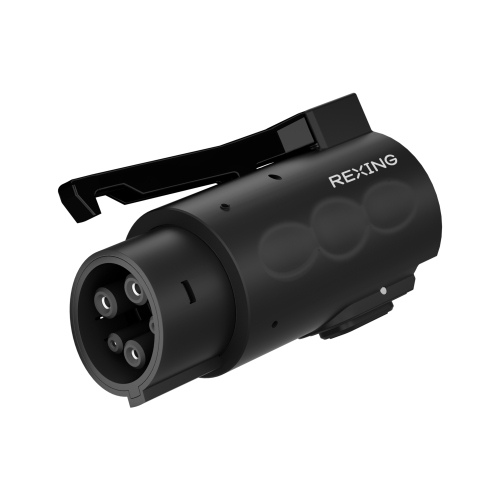
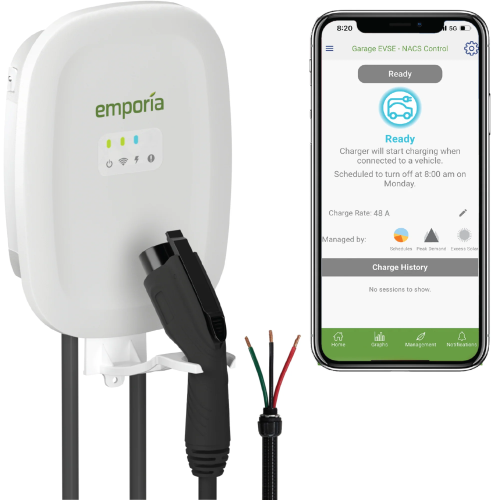
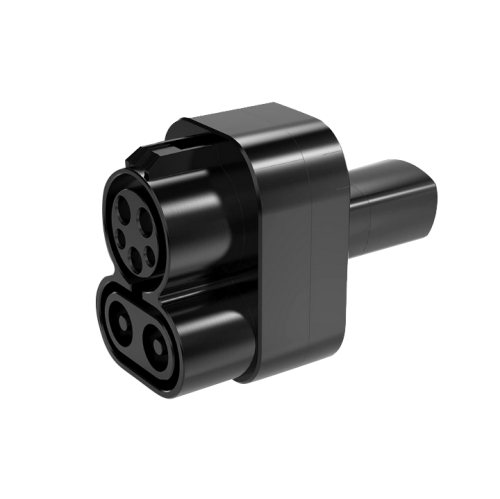
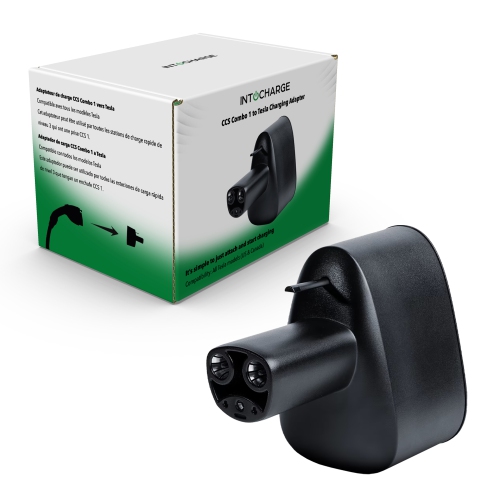
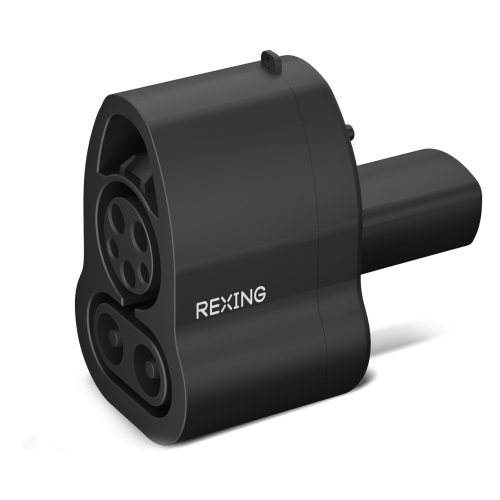
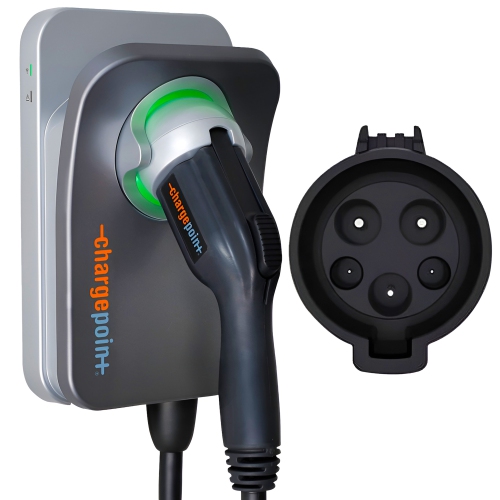
Connector compatibility is one of the most important details to check before choosing an electric vehicle charging station. J1772 is a common North American connector for Level 1 and Level 2 AC charging and is used by many EVs and plug-in hybrids. CCS and CHAdeMO connectors are associated with DC fast charging on various vehicle models, although availability can vary by vehicle generation and charging network. NACS, also known as the Tesla connector, is becoming increasingly common across North American public charging infrastructure, but drivers should still confirm the exact port and charging capability of their vehicle. An adapter may allow a vehicle to connect to a different plug type, but compatibility depends on the vehicle, charger and charging standard; an adapter does not automatically enable every charging speed or function. When comparing stations, review the connector type, cable length, maximum output, amperage and whether the unit is designed for indoor or outdoor use. A longer cable can make parking easier when the vehicle’s charge port is positioned at the front, rear or side, while a compact portable unit can be convenient for travel or occasional charging at a suitable outlet. Weather resistance, temperature ratings, protective covers and cable management are also worth considering for stations installed in a driveway or carport. During the cooler months, charging performance and vehicle range can be affected by temperature, so convenient access to a dependable station may be especially valuable. Drivers should also check whether their vehicle can accept the station’s maximum output, since a higher-rated charger will not necessarily make a vehicle charge faster than its onboard system allows.
Installation and everyday use deserve as much attention as charging speed. Level 1 units can often be connected to an appropriate household outlet, but the outlet, circuit and extension setup should be inspected to ensure they are suitable for continuous charging. Level 2 stations commonly require a dedicated 208V or 240V circuit, and installation should be assessed and completed by a qualified electrician in accordance with local electrical requirements. In a condo, rental property or shared parking area, permission may be needed before installation, and the available electrical capacity may affect the choice of station. Drivers who rely on public charging can use mapping and route-planning services to filter locations by connector type, charging level, network, operating status and availability. Checking live information before setting out can help avoid arriving at a busy, unavailable or incompatible station. At home, many drivers establish a simple routine: plug in after returning from work or an outing, keep the cable secured when it is not in use and set charging schedules through the vehicle or station when available. This can make the process feel as ordinary as parking the car overnight. Electric vehicle charging stations can also be practical gifts for a new EV owner, a family member preparing for a longer commute or a driver moving from a plug-in hybrid to a fully electric vehicle. The most useful gift is one matched to the recipient’s vehicle, parking arrangement and electrical setup, so confirm connector compatibility and installation needs before purchasing. Whether used in a private garage, driveway, workplace or travel kit, a well-matched charging station gives EV and plug-in hybrid drivers a more convenient way to plan their next drive and maintain the range they need.
Connector compatibility is one of the most important details to check before choosing an electric vehicle charging station. J1772 is a common North American connector for Level 1 and Level 2 AC charging and is used by many EVs and plug-in hybrids. CCS and CHAdeMO connectors are associated with DC fast charging on various vehicle models, although availability can vary by vehicle generation and charging network. NACS, also known as the Tesla connector, is becoming increasingly common across North American public charging infrastructure, but drivers should still confirm the exact port and charging capability of their vehicle. An adapter may allow a vehicle to connect to a different plug type, but compatibility depends on the vehicle, charger and charging standard; an adapter does not automatically enable every charging speed or function. When comparing stations, review the connector type, cable length, maximum output, amperage and whether the unit is designed for indoor or outdoor use. A longer cable can make parking easier when the vehicle’s charge port is positioned at the front, rear or side, while a compact portable unit can be convenient for travel or occasional charging at a suitable outlet. Weather resistance, temperature ratings, protective covers and cable management are also worth considering for stations installed in a driveway or carport. During the cooler months, charging performance and vehicle range can be affected by temperature, so convenient access to a dependable station may be especially valuable. Drivers should also check whether their vehicle can accept the station’s maximum output, since a higher-rated charger will not necessarily make a vehicle charge faster than its onboard system allows.
Installation and everyday use deserve as much attention as charging speed. Level 1 units can often be connected to an appropriate household outlet, but the outlet, circuit and extension setup should be inspected to ensure they are suitable for continuous charging. Level 2 stations commonly require a dedicated 208V or 240V circuit, and installation should be assessed and completed by a qualified electrician in accordance with local electrical requirements. In a condo, rental property or shared parking area, permission may be needed before installation, and the available electrical capacity may affect the choice of station. Drivers who rely on public charging can use mapping and route-planning services to filter locations by connector type, charging level, network, operating status and availability. Checking live information before setting out can help avoid arriving at a busy, unavailable or incompatible station. At home, many drivers establish a simple routine: plug in after returning from work or an outing, keep the cable secured when it is not in use and set charging schedules through the vehicle or station when available. This can make the process feel as ordinary as parking the car overnight. Electric vehicle charging stations can also be practical gifts for a new EV owner, a family member preparing for a longer commute or a driver moving from a plug-in hybrid to a fully electric vehicle. The most useful gift is one matched to the recipient’s vehicle, parking arrangement and electrical setup, so confirm connector compatibility and installation needs before purchasing. Whether used in a private garage, driveway, workplace or travel kit, a well-matched charging station gives EV and plug-in hybrid drivers a more convenient way to plan their next drive and maintain the range they need.
Top selling and popular products
-
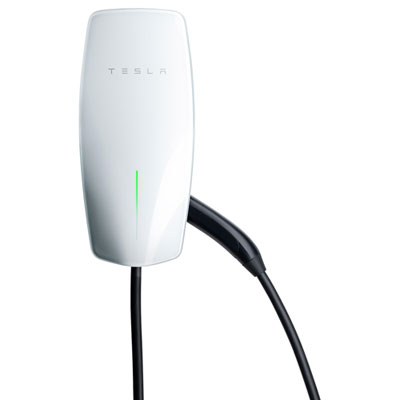 Your price for this item is $945
 -
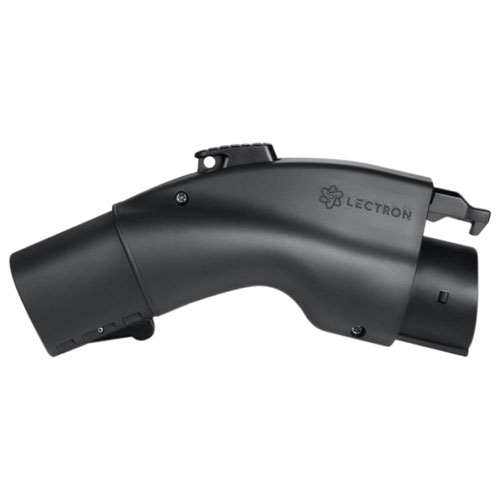 Your price for this item is $209.99
 -
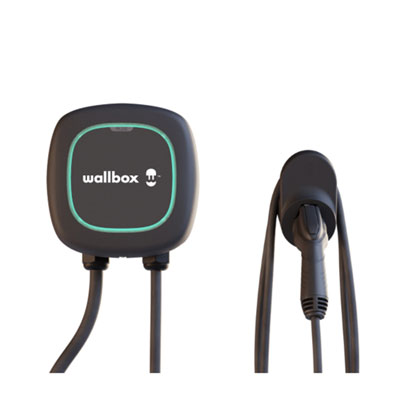 Your price for this item is $849.99
 -
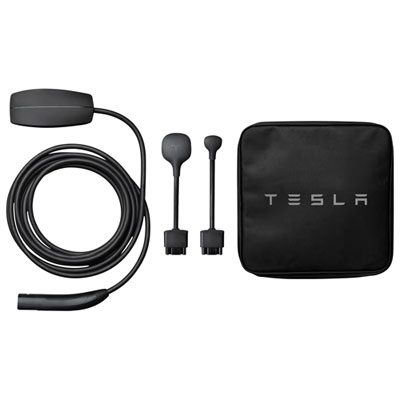 Your price for this item is $450
 -
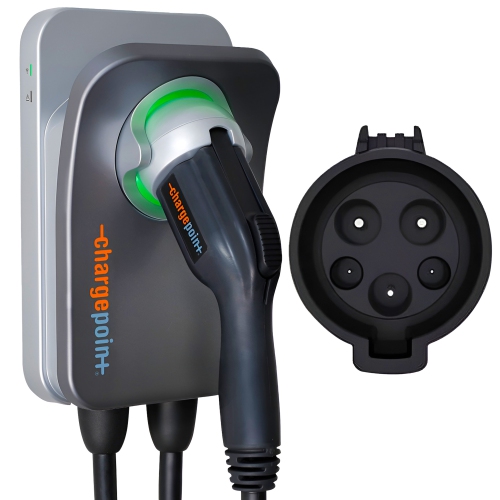 Your price for this item is $848.99
 -
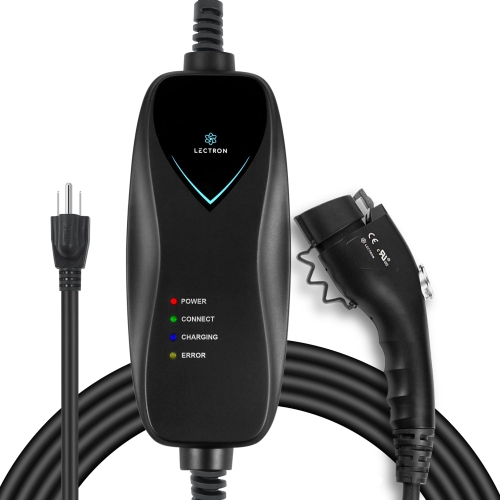 Your price for this item is $239.99
 -
 Your price for this item is $159.99
 -
 Your price for this item is $774.99
Discover more categories related to Electric Vehicle Charging Stations
Top Collections:
Pokemon Centers, Kindle Devices, Best Budget Office Chairs, Apple iPhones 16, Best Laptops for Writers, iPhone 15 Apple, Canon G7X Cameras, Refurbished Apple Laptops, Alarm Clock, Motorola Razr Phones
Some products may be subject to Environmental Handling Fees
(EHF) depending on your province.
Learn more about EHFs.