Smart Electric Vehicle Chargers
Looking to upgrade your electric vehicle charging setup? Our selection of smart electric vehicle chargers offers cutting-edge technology and convenience for powering up your EV at home or on the go. With features like Wi-Fi connectivity, mobile app control, and compatibility with various EV models, these smart chargers make it easier than ever to monitor charging status, schedule charging times, and optimize energy usage. Say goodbye to guesswork and hello to efficient and intelligent charging solutions with our range of smart electric vehicle chargers.
Sort
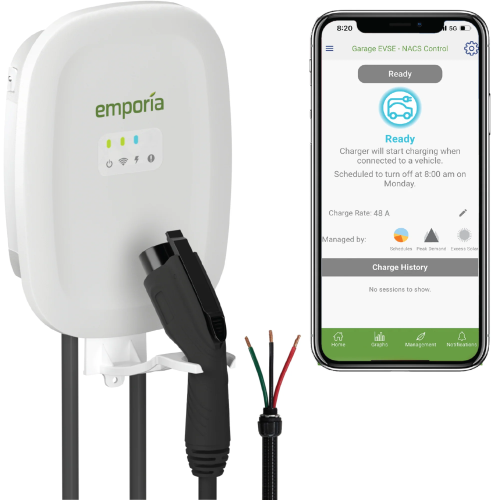
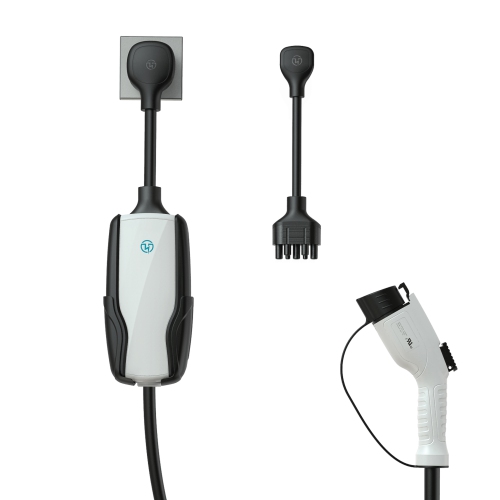
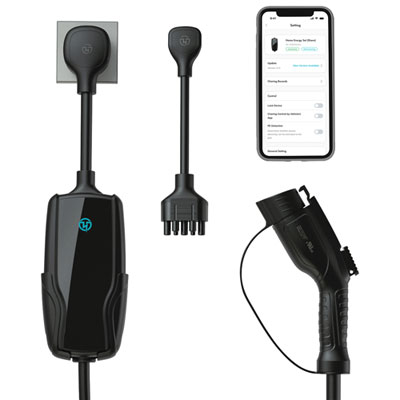
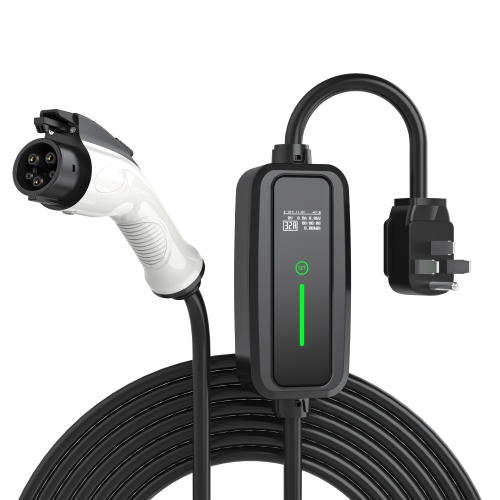
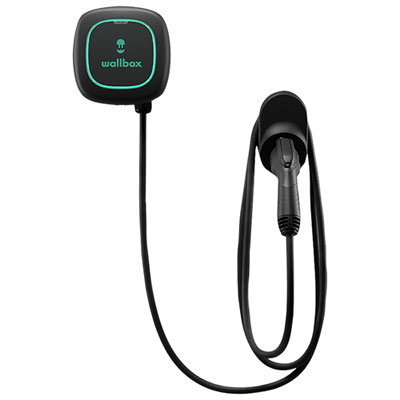
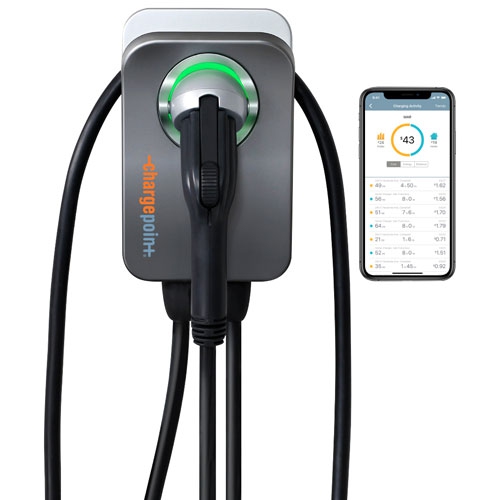
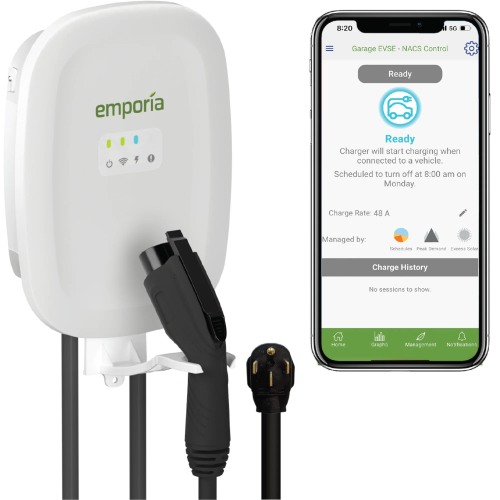
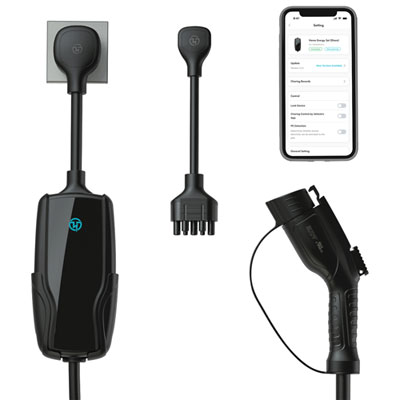
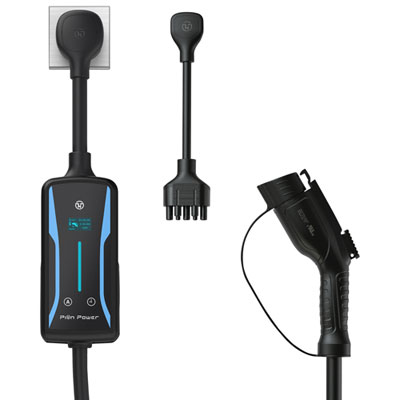
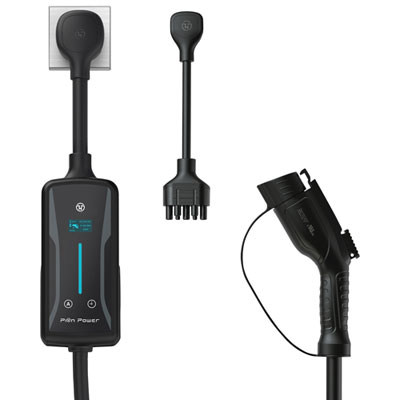
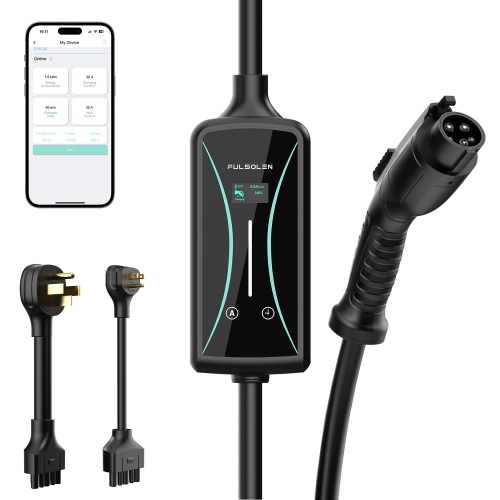
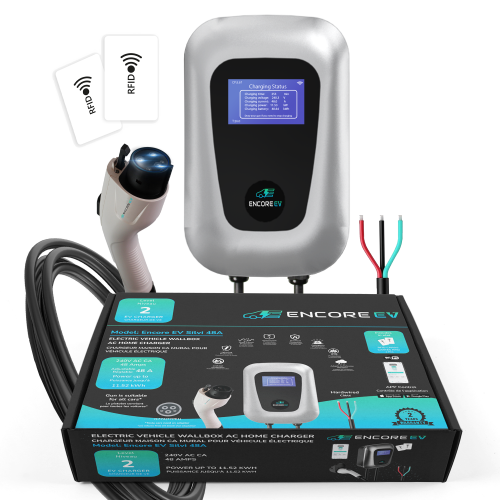
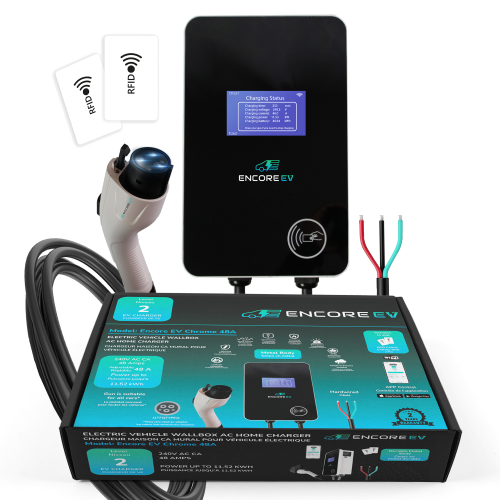
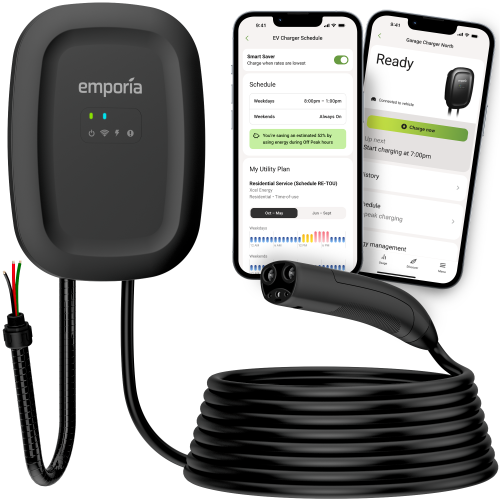
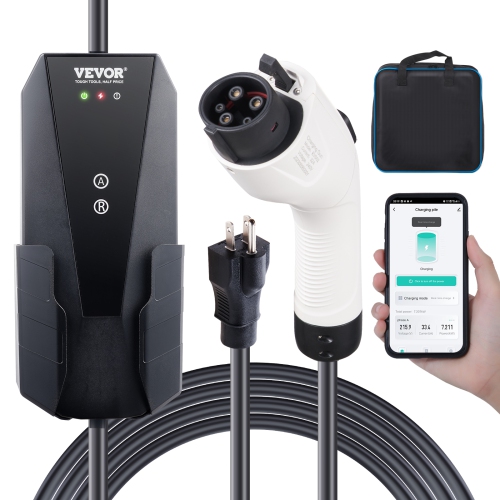
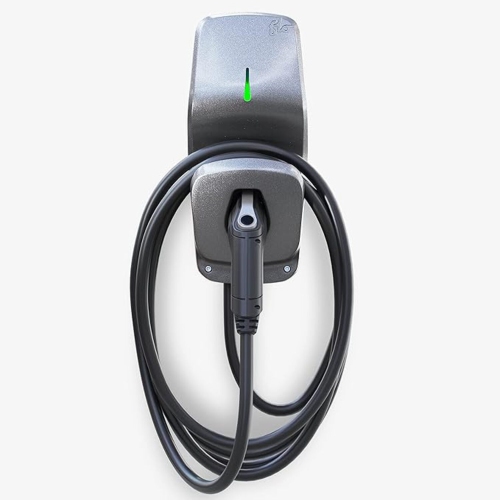
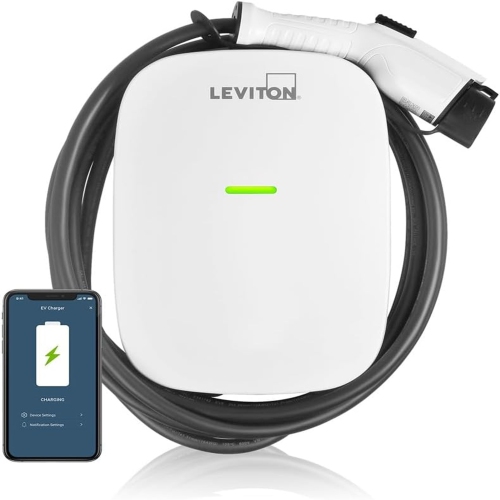
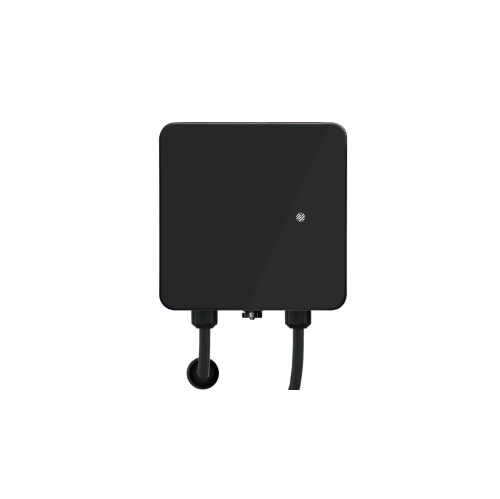
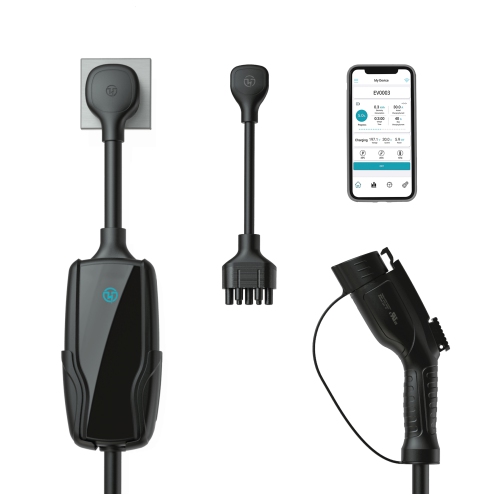
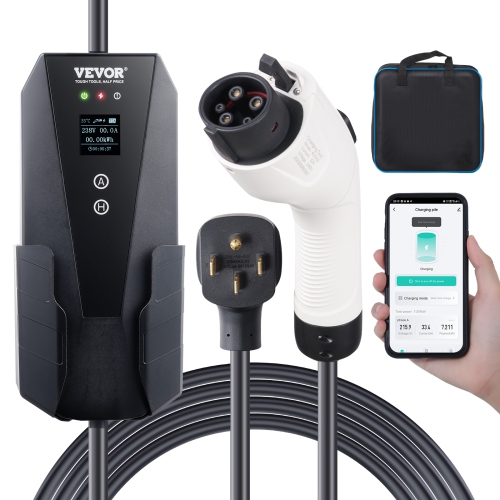
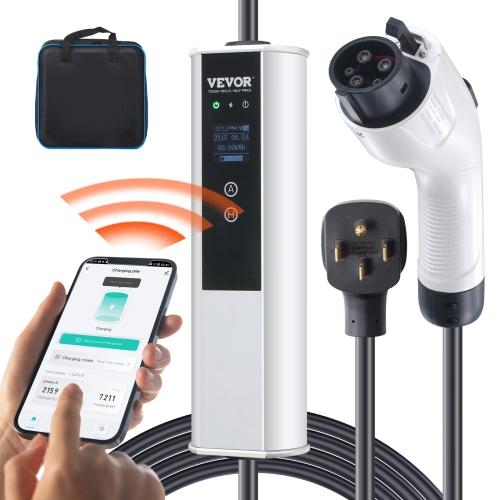
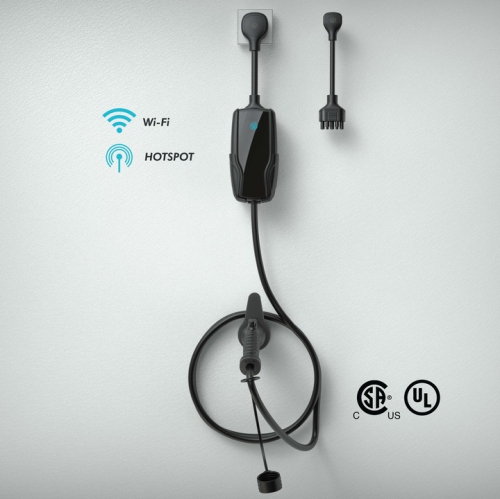
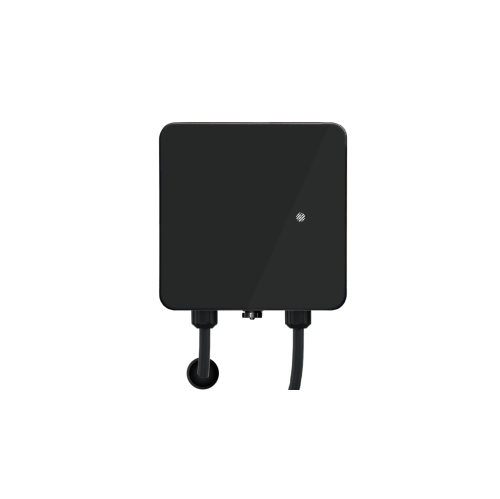
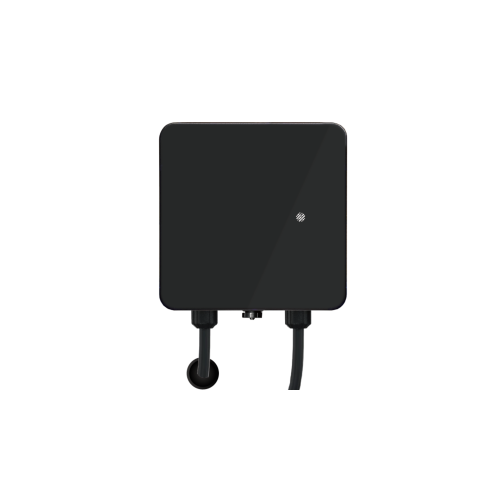
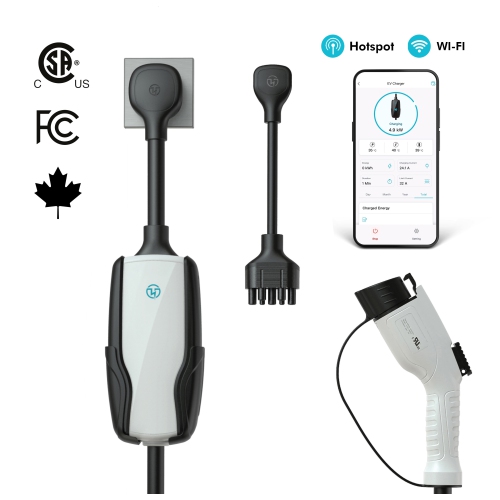
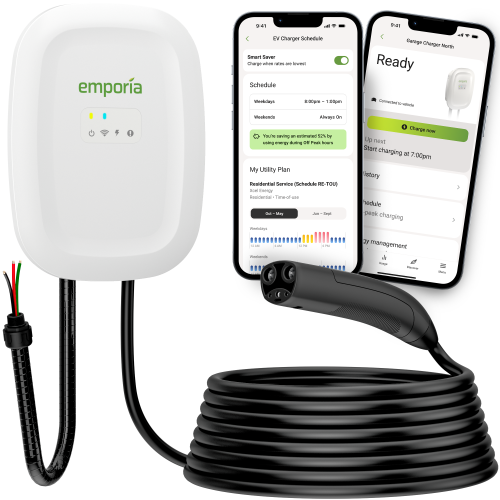
Connected charging that fits your vehicle and home
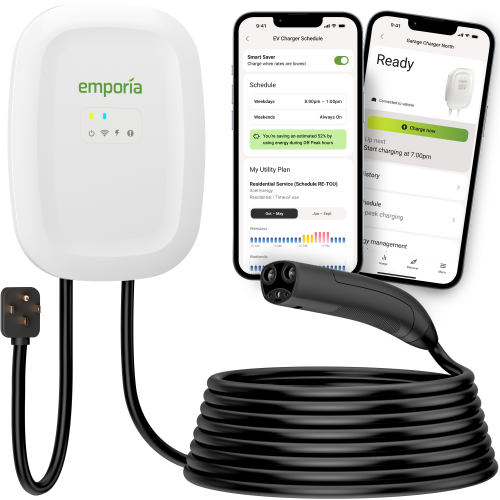
Smart electric vehicle chargers make home charging more convenient, connected, and easier to manage. Unlike a standard Level 1 charger that plugs into a regular household outlet, most smart chargers are Level 2 stations designed for a 208V–240V circuit. They can add approximately 40 to 50 km of driving range per hour, depending on the charger’s amperage, the vehicle’s onboard charging capability, and the electrical installation. This faster charging can be especially useful for commuters, families with more than one vehicle, and drivers who prefer to begin each day with a predictable level of charge. A smart charger connects through Wi-Fi or cellular service, allowing you to start or stop a session, check charging progress, and review charging information from a smartphone app. Instead of walking out to the driveway or garage to check whether charging has finished, you can see the vehicle’s status from inside the house, at work, or while travelling. Many models also let you set a charging schedule, which can help you plan charging around off-peak electricity periods offered by some utility providers. Scheduling can be useful for drivers who arrive home in the evening, plug in, and want the vehicle to charge later during the night. For a convenient selection of connected options, explore Home Charging Stations suited to different vehicle, home, and installation requirements.
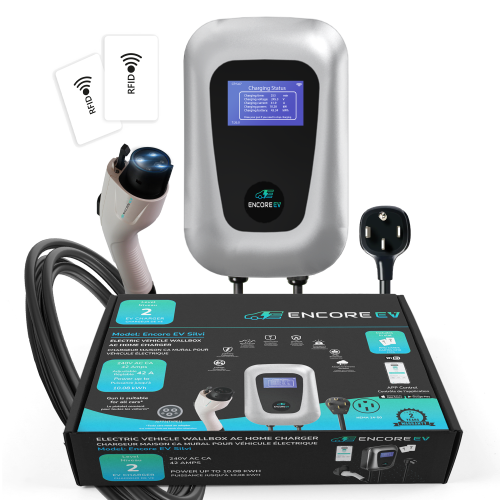
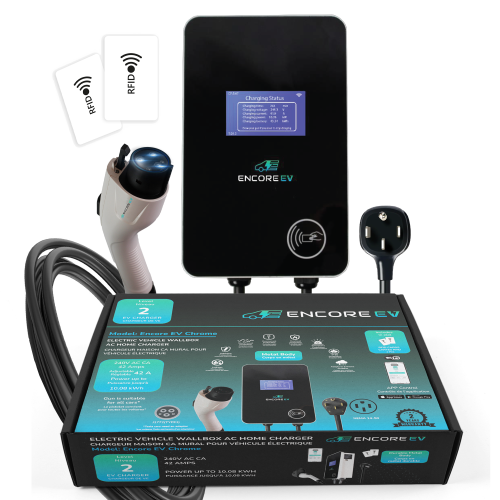
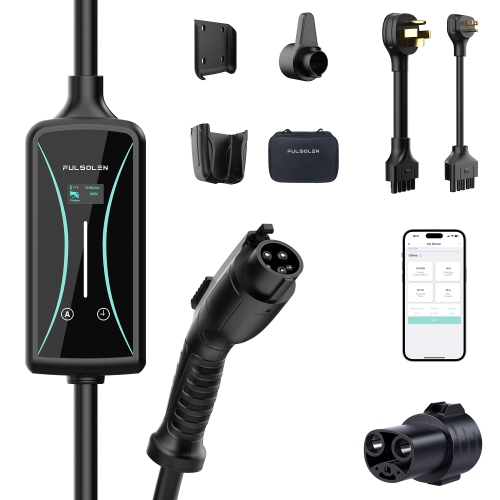
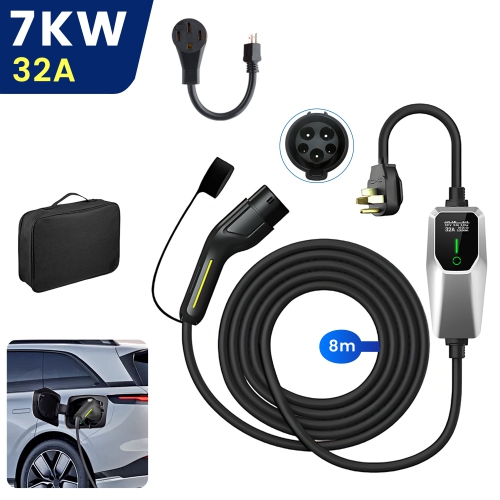
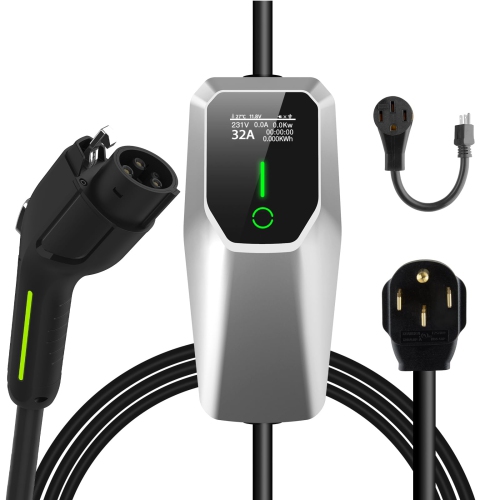
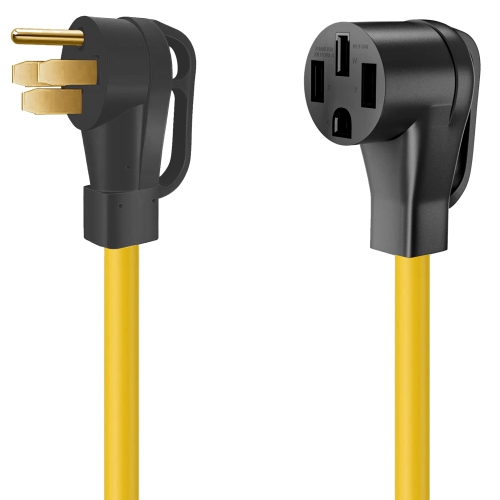
When choosing a smart electric vehicle charger, begin by checking the vehicle manufacturer’s charging specifications and the electrical capacity available at the intended installation location. A charger that supports a higher amperage does not necessarily make every vehicle charge faster, since the vehicle itself may limit the amount of power it can accept. Plug-in models with a NEMA 14-50 connection can offer flexibility for some garages and parking areas, while hardwired models can provide a more permanent installation and may be preferred for outdoor locations or new electrical work. A licensed electrician should confirm that the home’s panel, wiring, breaker, and circuit can support the selected charger before installation. Some connected chargers offer adjustable amperage settings, making it easier to match the station to the available electrical service. Dynamic load management is another important feature for homes with electric heating, large appliances, or multiple EVs. It monitors overall electricity demand and can automatically adjust the charger’s output to help prevent the home or building panel from being overloaded. Power-sharing features may also help distribute available charging capacity between two vehicles, although compatibility and installation requirements vary. Look for a cable length that reaches the vehicle’s charging port without creating a trip hazard, a connector that matches the vehicle, and a wall-mounted design that fits neatly in the garage or beside the driveway. Outdoor use calls for a durable enclosure, suitable weather protection, and installation that accounts for rain, snow, freezing temperatures, and changing conditions during the cooler months. App quality matters as well: clear session controls, dependable notifications, charging history, and straightforward setup can make a noticeable difference in everyday use.
Smart electric vehicle chargers can suit anyone who wants a more organised charging routine, from a first-time EV owner setting up a new home to an experienced driver replacing a slower or less convenient charging solution. They can be particularly helpful for people with long commutes, irregular schedules, limited access to public charging, or a parking space near the home’s electrical service. Families may appreciate the ability to monitor charging for more than one vehicle, while condominium residents, landlords, and small businesses may look for connected controls and usage records that help manage shared charging areas. Energy tracking can show how many kilowatt-hours were used during each session and, where supported, estimate charging costs. This information can make it easier to understand household electricity use, compare charging schedules, and keep records for a shared parking space. Some chargers send alerts when a session begins, pauses, or ends, which can be useful when a vehicle needs to be ready for an early departure. Installation location also deserves practical consideration: a garage can offer shelter from the elements, while a driveway or exterior wall may require a longer cable, a weather-rated enclosure, and careful placement of the charging handle. During warmer weather, ventilation and cable storage help keep the area tidy; as temperatures drop, a dependable outdoor-rated design and accessible controls can make plugging in less cumbersome. A smart charger can also be a thoughtful gift for a new EV owner, someone moving into a home with dedicated parking, or a family preparing for regular electric vehicle use, provided the recipient’s vehicle connection and electrical setup are confirmed first. By considering charging speed, amperage, connectivity, scheduling, load management, energy monitoring, installation type, cable reach, and weather protection together, shoppers can choose a smart charging station that fits naturally into their daily driving routine.
When choosing a smart electric vehicle charger, begin by checking the vehicle manufacturer’s charging specifications and the electrical capacity available at the intended installation location. A charger that supports a higher amperage does not necessarily make every vehicle charge faster, since the vehicle itself may limit the amount of power it can accept. Plug-in models with a NEMA 14-50 connection can offer flexibility for some garages and parking areas, while hardwired models can provide a more permanent installation and may be preferred for outdoor locations or new electrical work. A licensed electrician should confirm that the home’s panel, wiring, breaker, and circuit can support the selected charger before installation. Some connected chargers offer adjustable amperage settings, making it easier to match the station to the available electrical service. Dynamic load management is another important feature for homes with electric heating, large appliances, or multiple EVs. It monitors overall electricity demand and can automatically adjust the charger’s output to help prevent the home or building panel from being overloaded. Power-sharing features may also help distribute available charging capacity between two vehicles, although compatibility and installation requirements vary. Look for a cable length that reaches the vehicle’s charging port without creating a trip hazard, a connector that matches the vehicle, and a wall-mounted design that fits neatly in the garage or beside the driveway. Outdoor use calls for a durable enclosure, suitable weather protection, and installation that accounts for rain, snow, freezing temperatures, and changing conditions during the cooler months. App quality matters as well: clear session controls, dependable notifications, charging history, and straightforward setup can make a noticeable difference in everyday use.
Smart electric vehicle chargers can suit anyone who wants a more organised charging routine, from a first-time EV owner setting up a new home to an experienced driver replacing a slower or less convenient charging solution. They can be particularly helpful for people with long commutes, irregular schedules, limited access to public charging, or a parking space near the home’s electrical service. Families may appreciate the ability to monitor charging for more than one vehicle, while condominium residents, landlords, and small businesses may look for connected controls and usage records that help manage shared charging areas. Energy tracking can show how many kilowatt-hours were used during each session and, where supported, estimate charging costs. This information can make it easier to understand household electricity use, compare charging schedules, and keep records for a shared parking space. Some chargers send alerts when a session begins, pauses, or ends, which can be useful when a vehicle needs to be ready for an early departure. Installation location also deserves practical consideration: a garage can offer shelter from the elements, while a driveway or exterior wall may require a longer cable, a weather-rated enclosure, and careful placement of the charging handle. During warmer weather, ventilation and cable storage help keep the area tidy; as temperatures drop, a dependable outdoor-rated design and accessible controls can make plugging in less cumbersome. A smart charger can also be a thoughtful gift for a new EV owner, someone moving into a home with dedicated parking, or a family preparing for regular electric vehicle use, provided the recipient’s vehicle connection and electrical setup are confirmed first. By considering charging speed, amperage, connectivity, scheduling, load management, energy monitoring, installation type, cable reach, and weather protection together, shoppers can choose a smart charging station that fits naturally into their daily driving routine.
Top selling and popular products
-
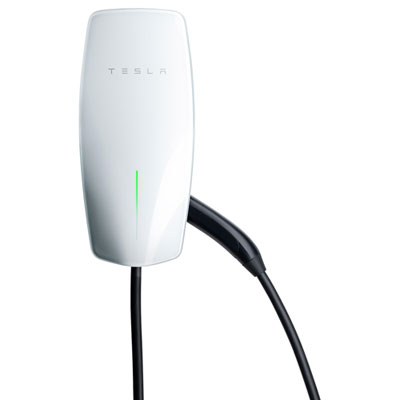 Your price for this item is $945
 -
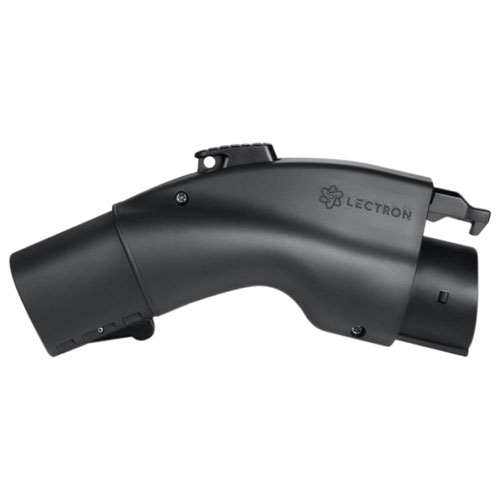 Your price for this item is $209.99
 -
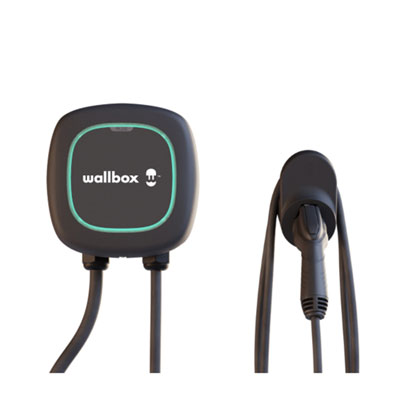 Your price for this item is $849.99
 -
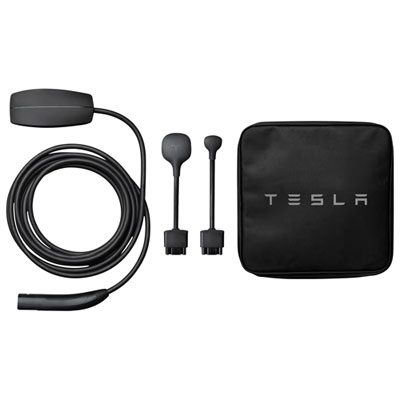 Your price for this item is $450
 -
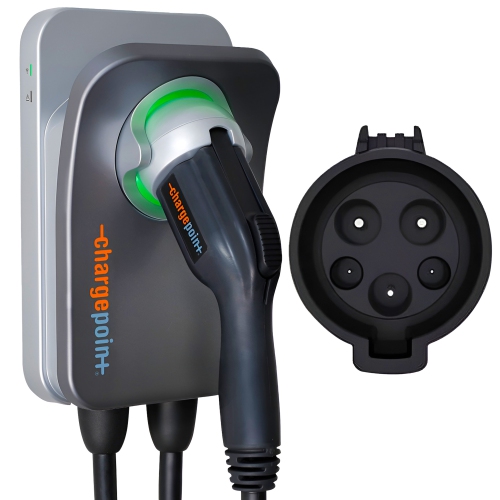 Your price for this item is $848.99
 -
 Your price for this item is $239.99
 -
 Your price for this item is $159.99
 -
 Your price for this item is $774.99
Discover more categories related to Smart Electric Vehicle Chargers
Top Collections:
Pokemon Centers, Kindle Devices, Best Budget Office Chairs, Apple iPhones 16, Best Laptops for Writers, iPhone 15 Apple, Canon G7X Cameras, Refurbished Apple Laptops, Alarm Clock, Motorola Razr Phones
Some products may be subject to Environmental Handling Fees
(EHF) depending on your province.
Learn more about EHFs.