Electronic Dimmers
An electronic dimmer switch is a device that allows you to control the brightness of light bulbs. It works by reducing the amount of electricity that reaches the bulb, which in turn reduces its brightness. Here are some of the best options available.
Sort

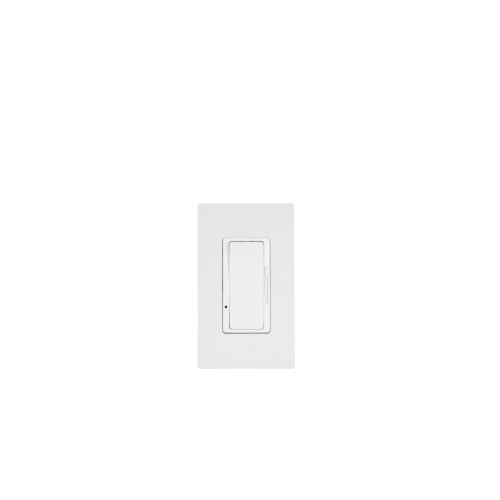
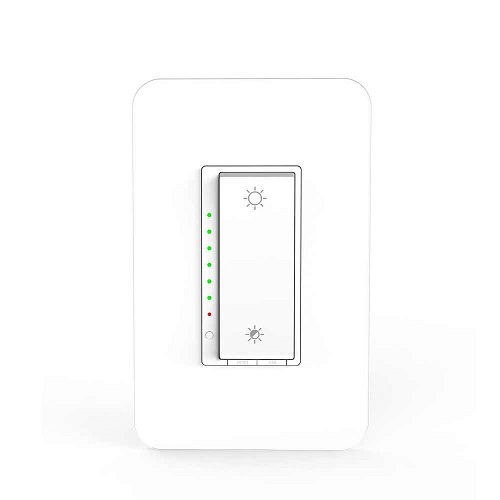

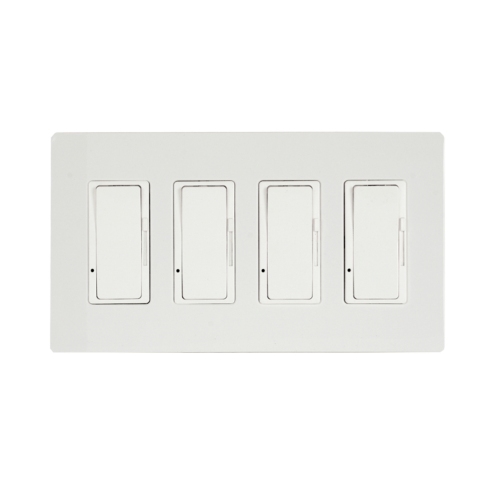
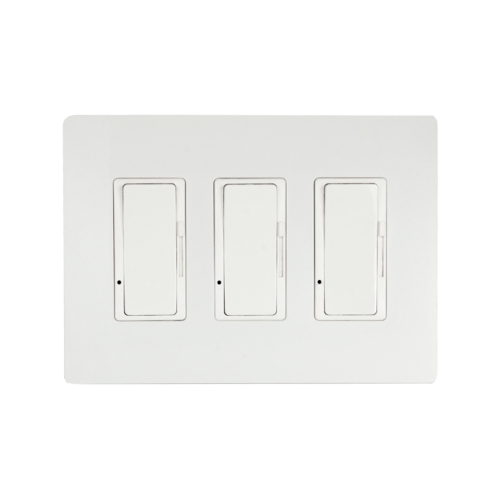

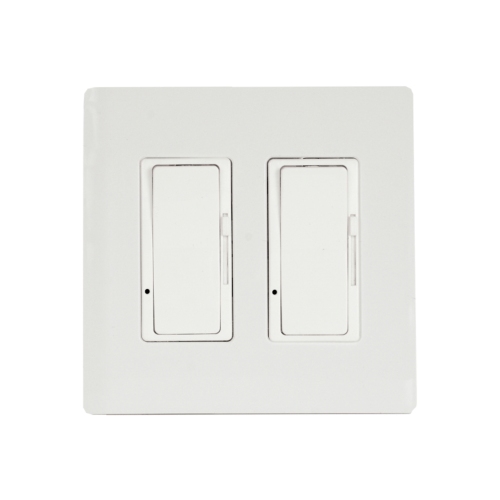
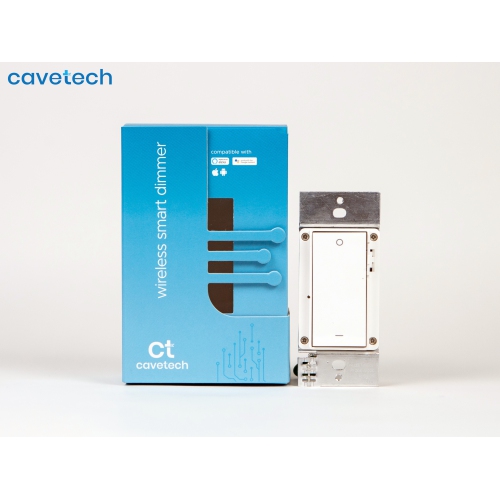

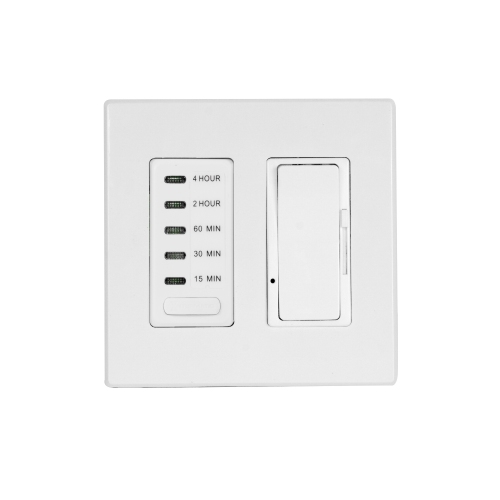
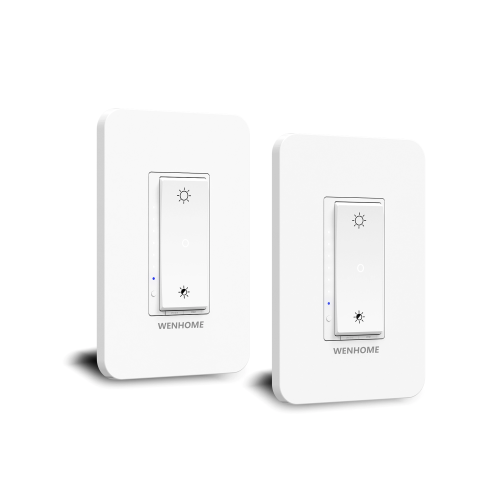
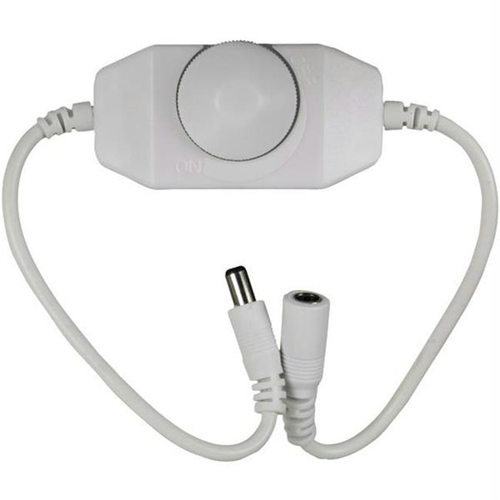


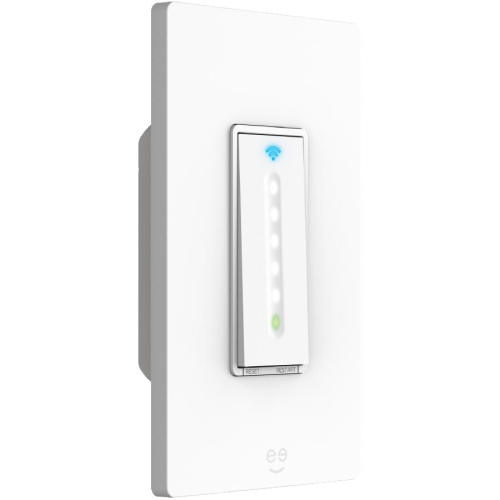
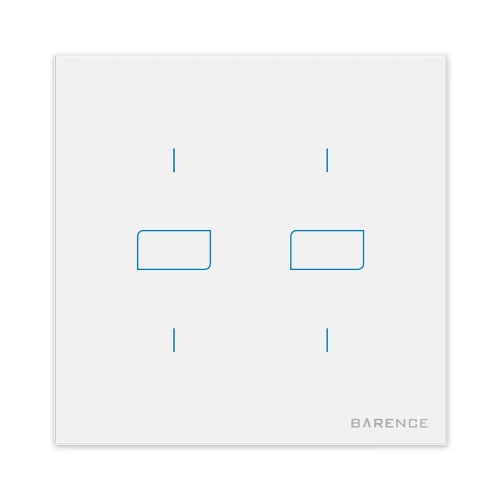


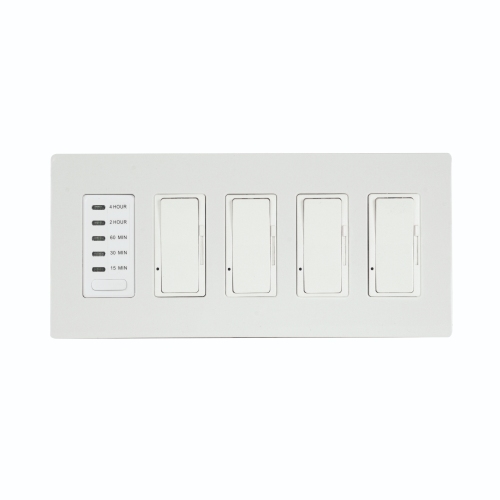
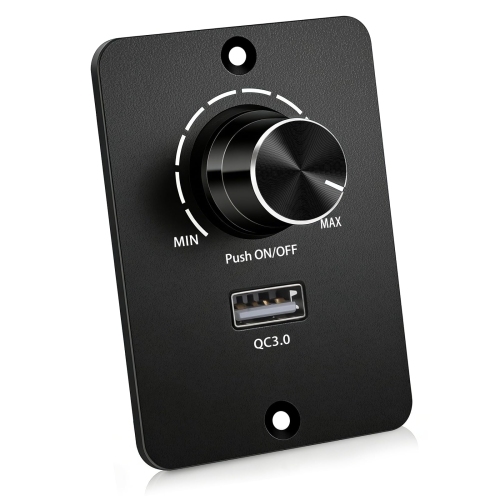
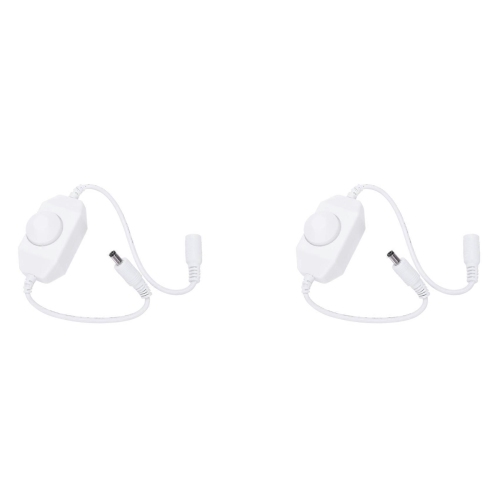
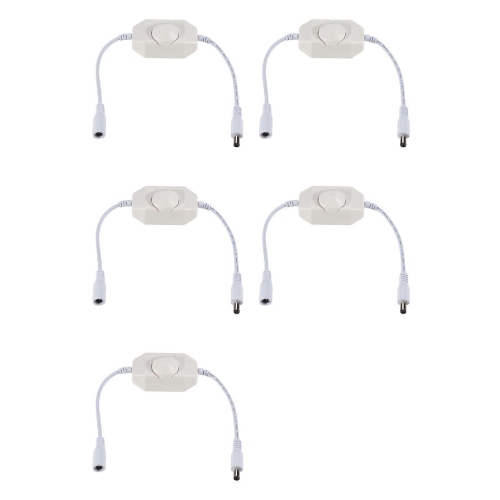
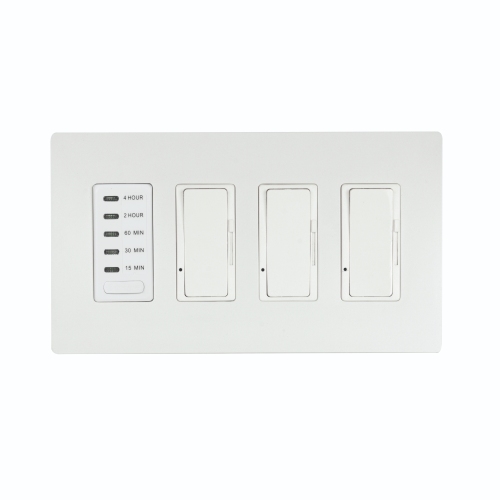
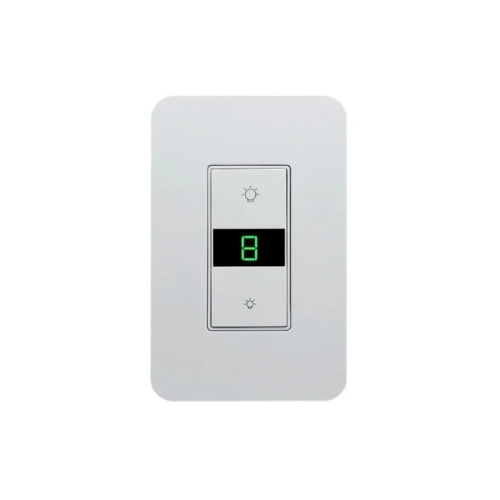


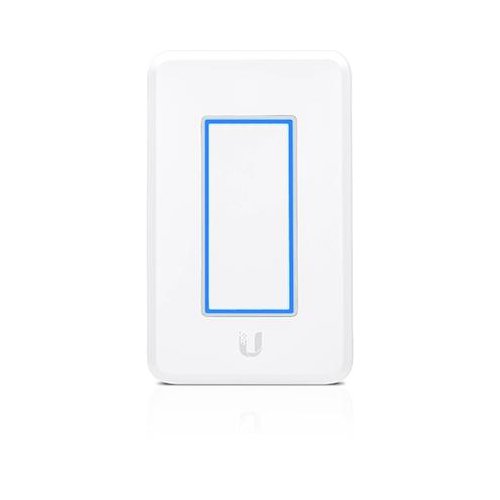


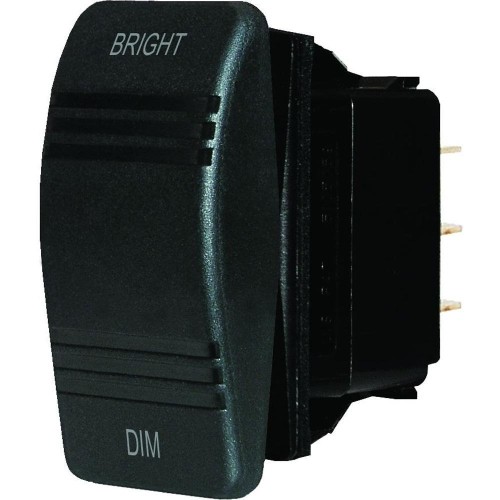
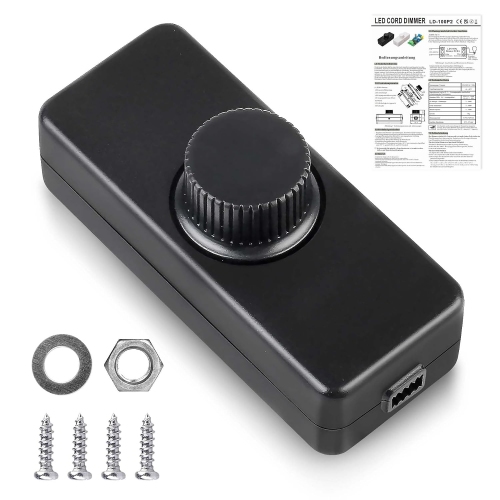
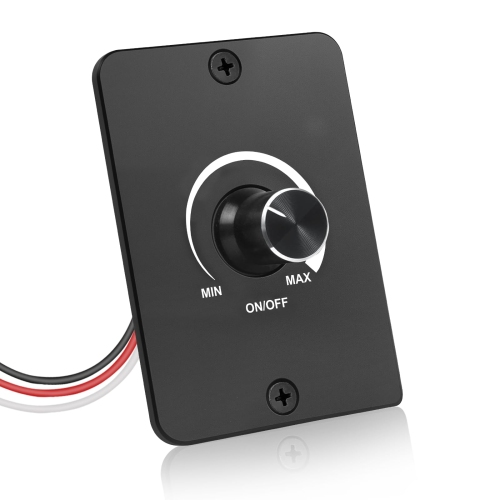
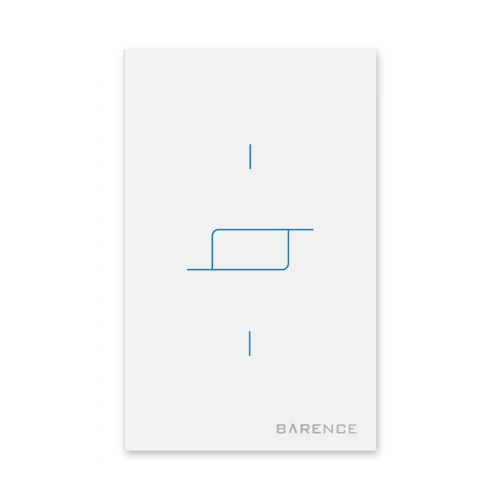
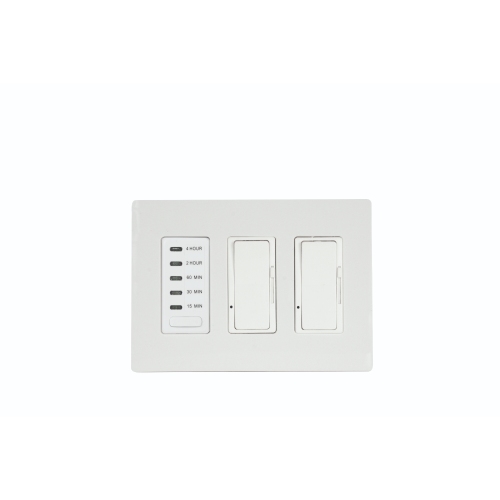
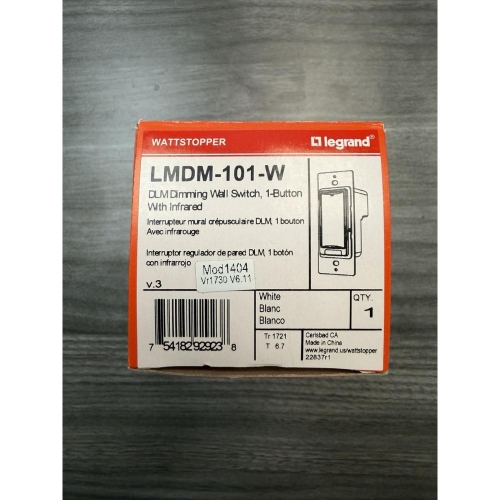
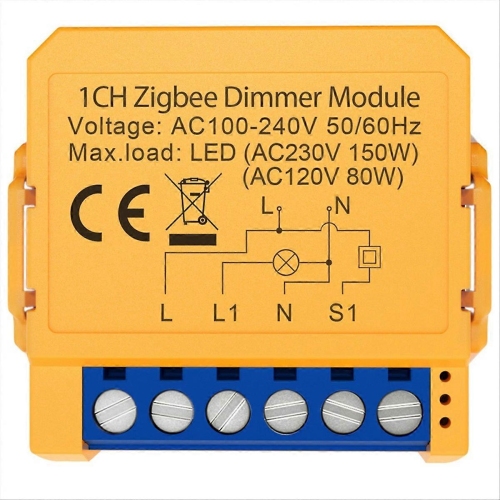
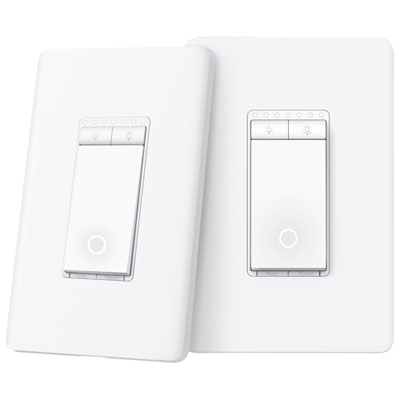
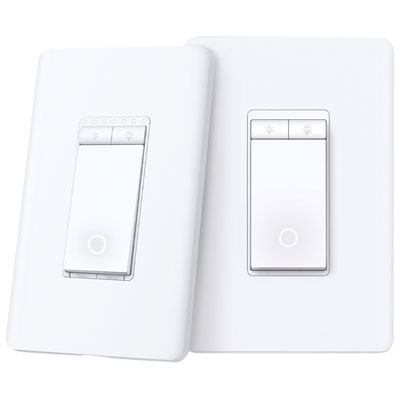


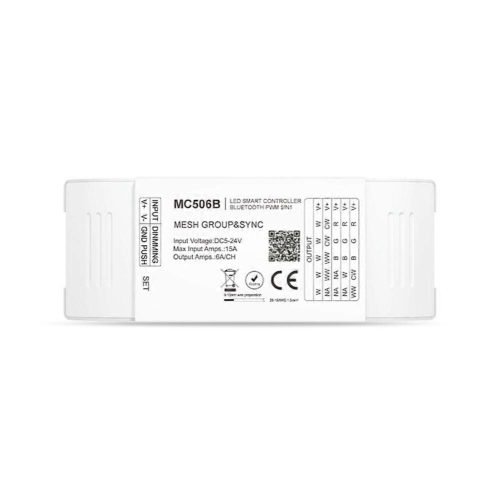


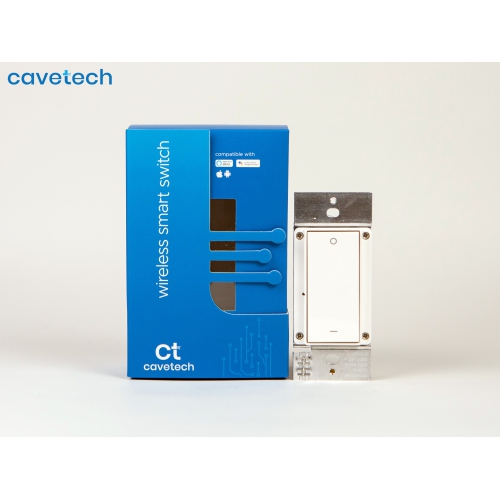
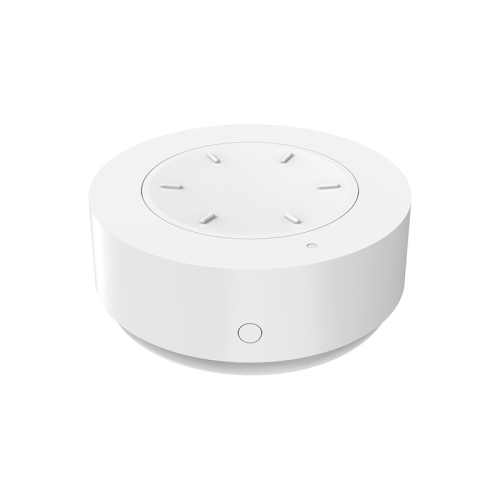


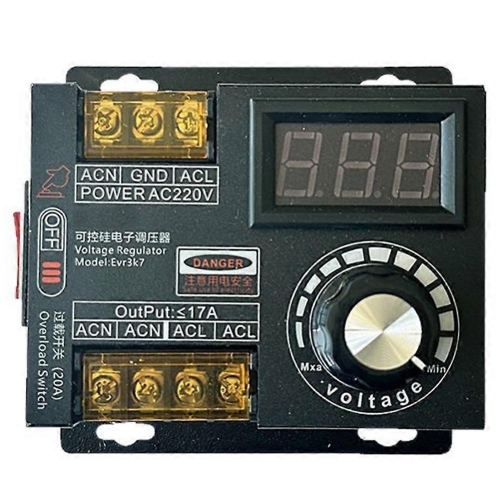

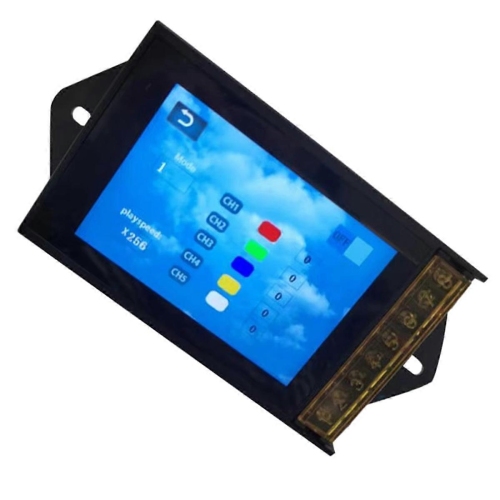



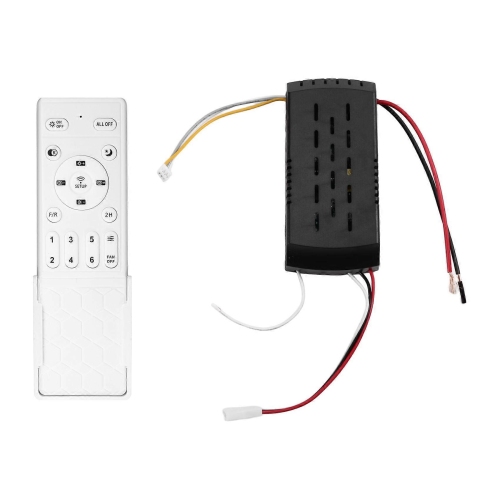
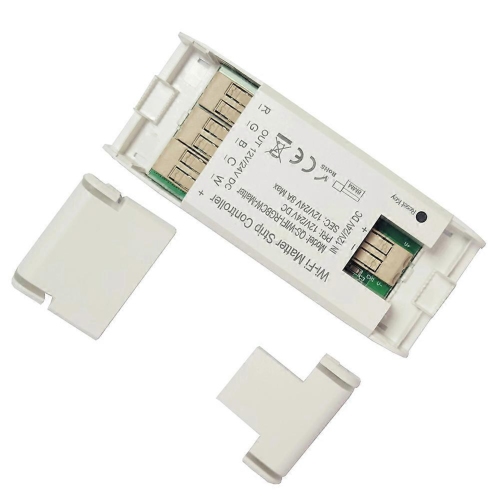
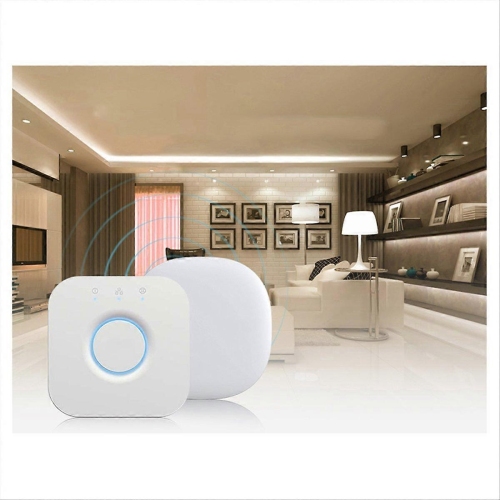
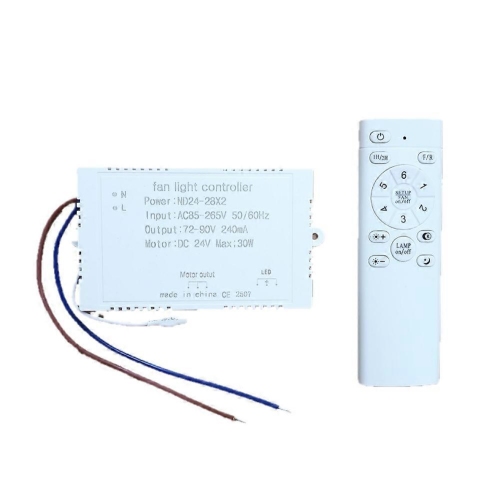
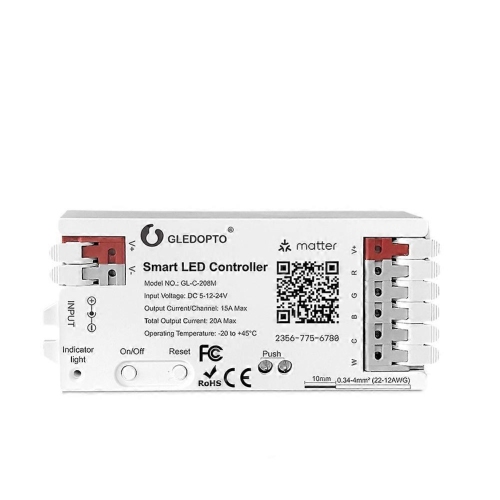
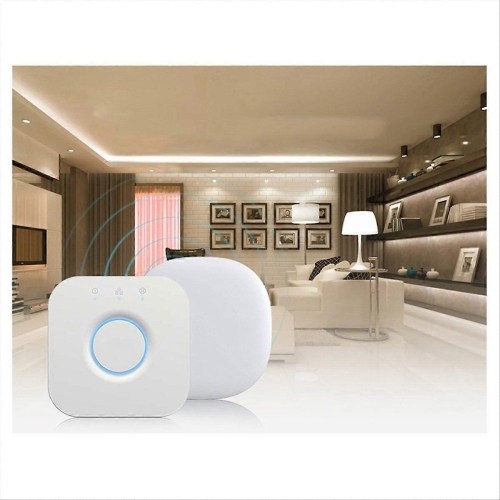


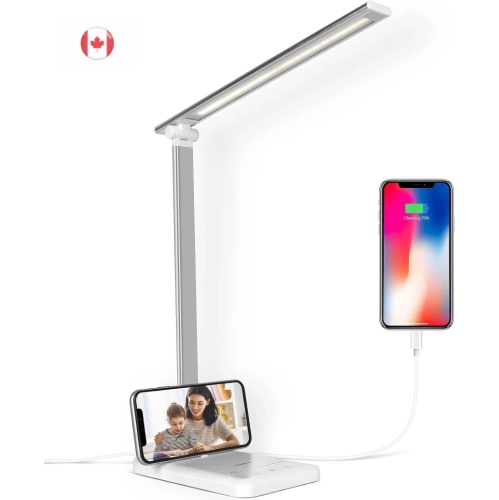
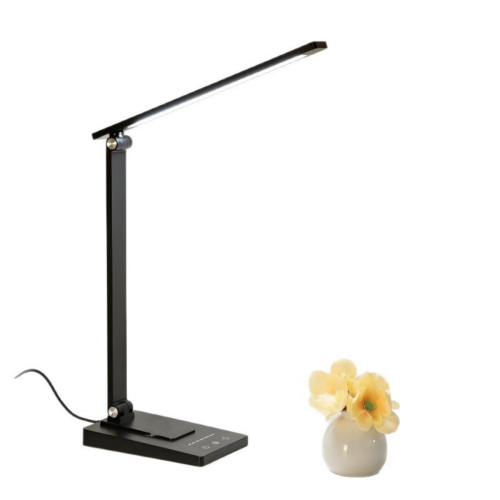





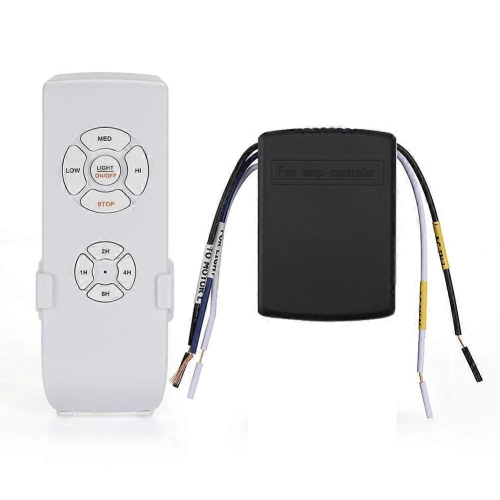
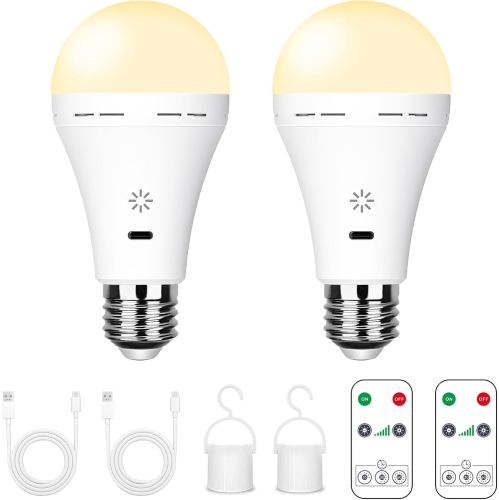
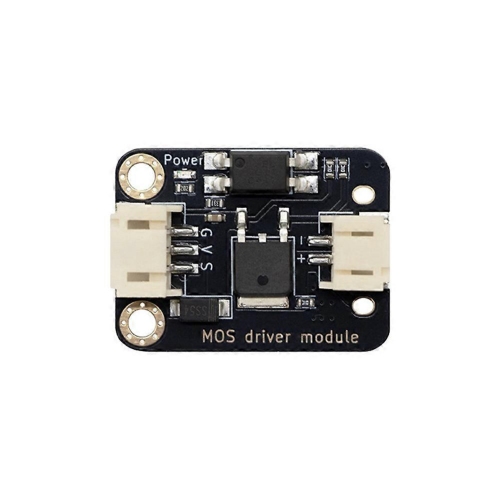





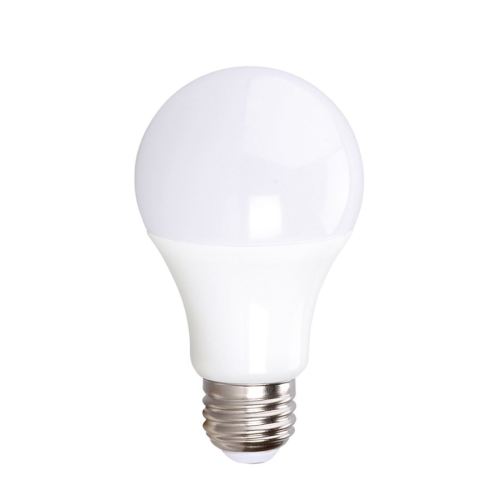

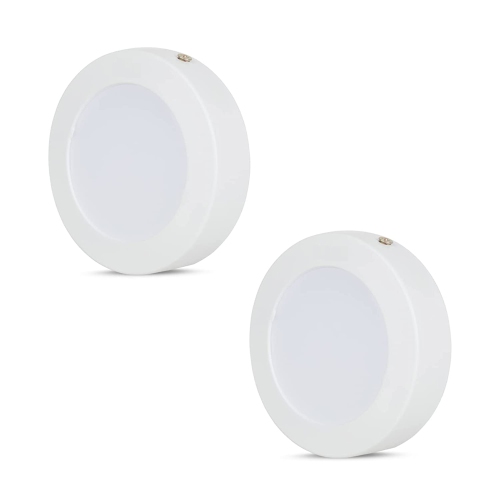


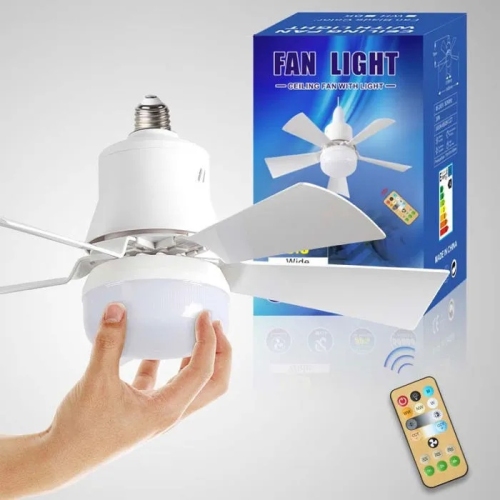

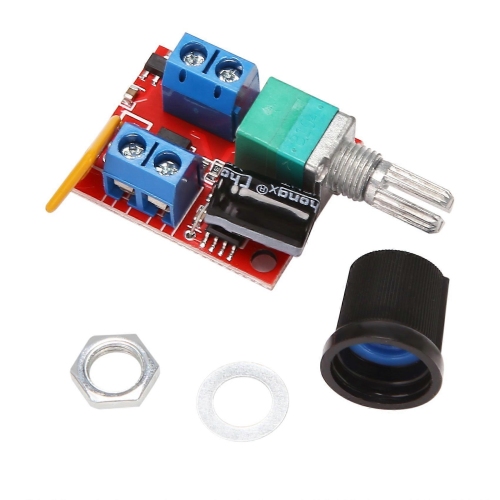
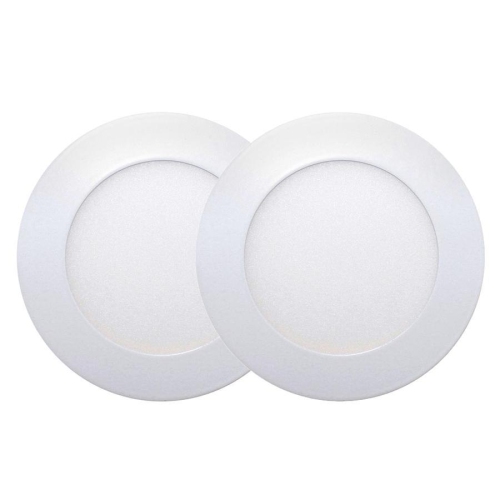

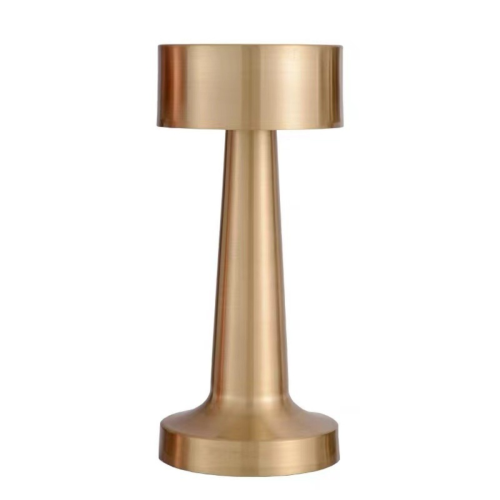

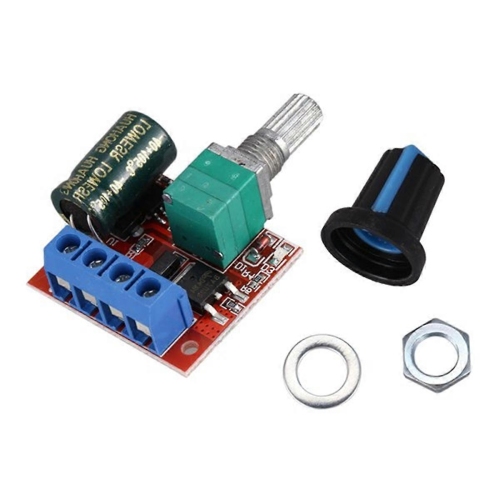
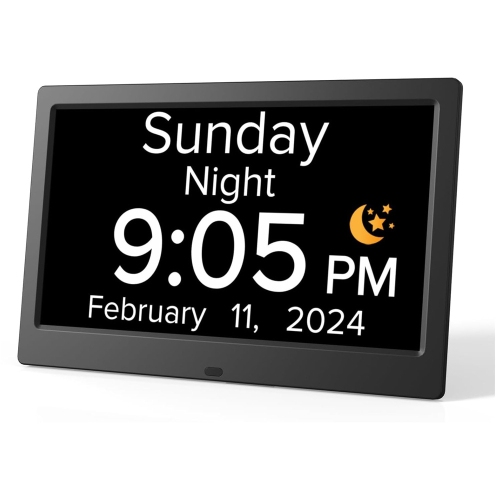











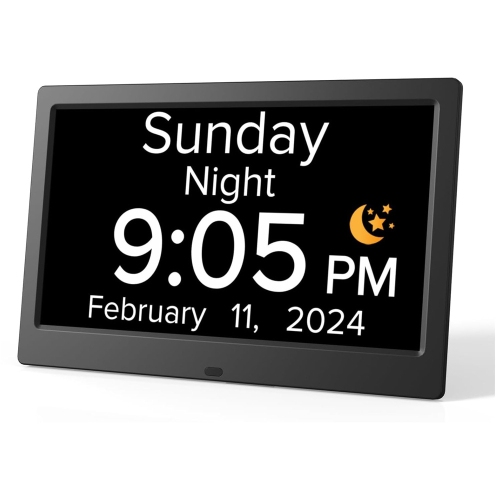
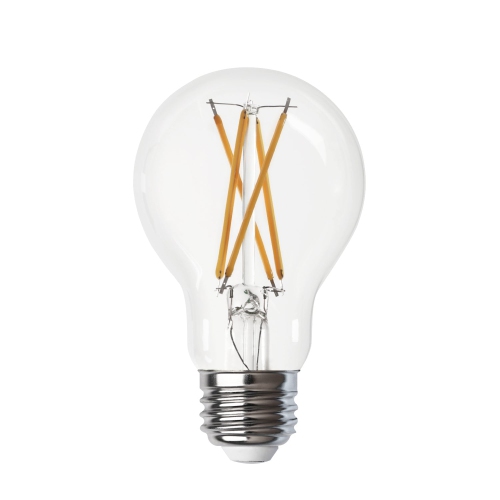
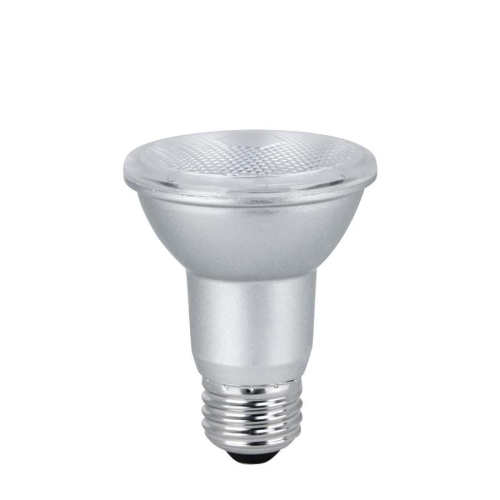

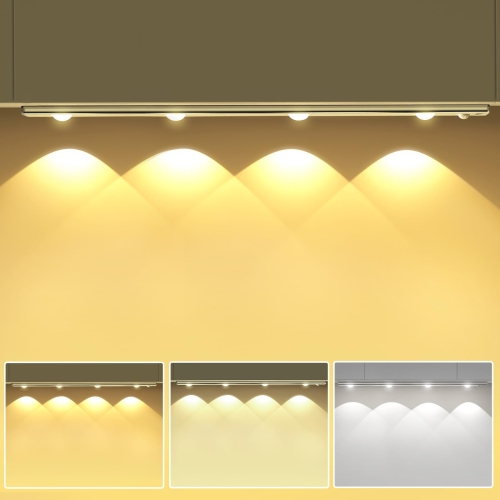
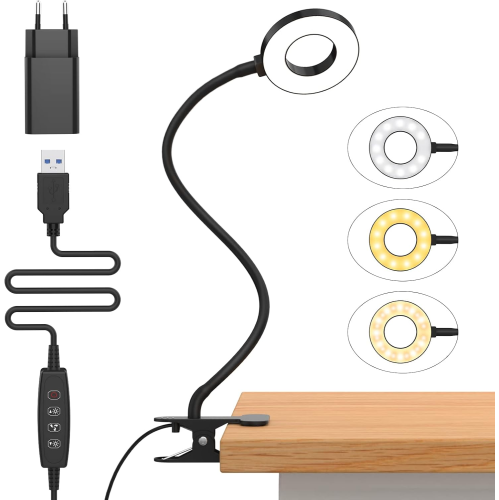

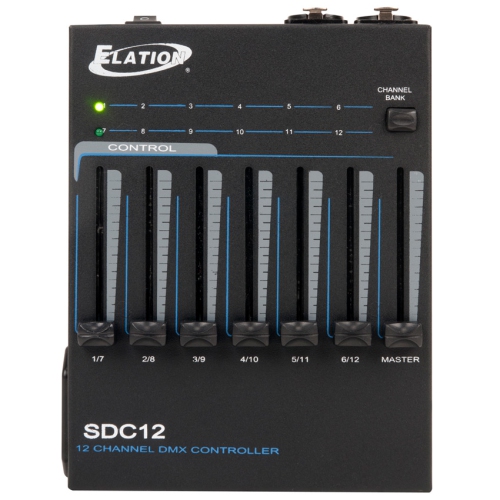

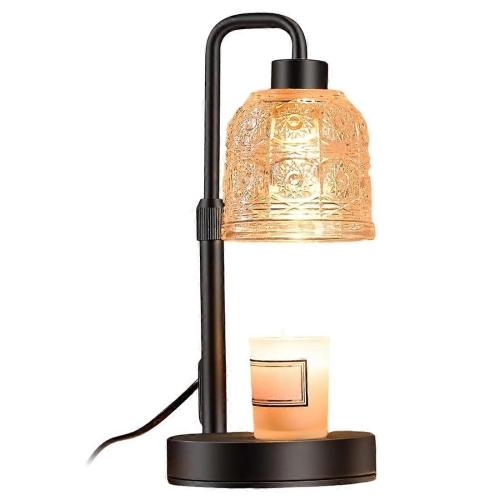
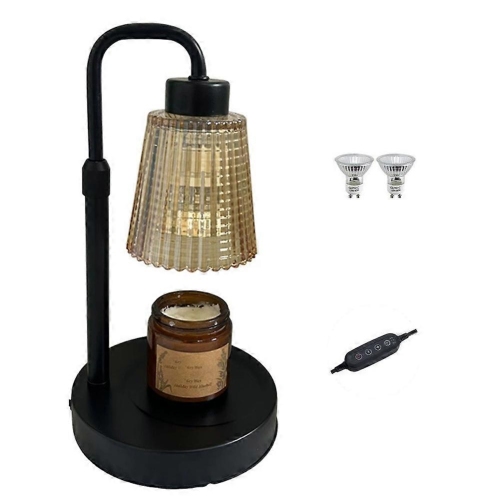
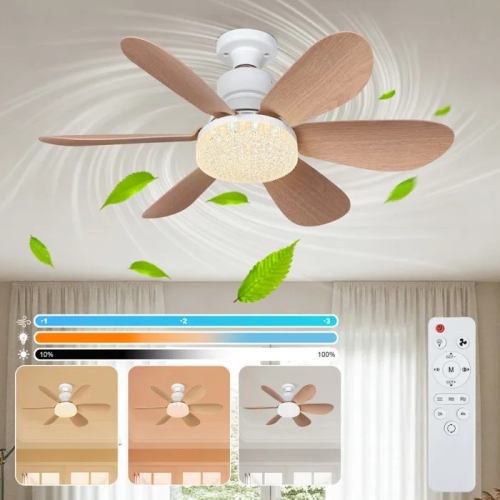
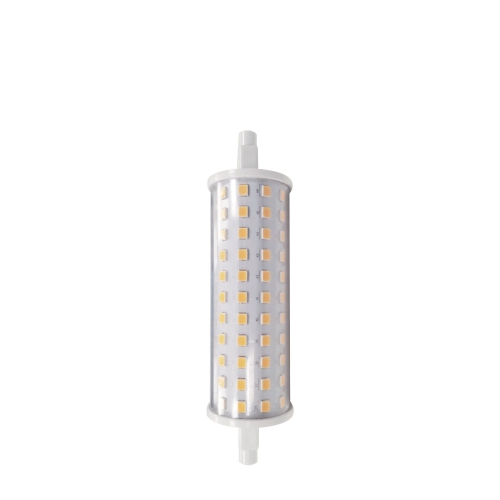

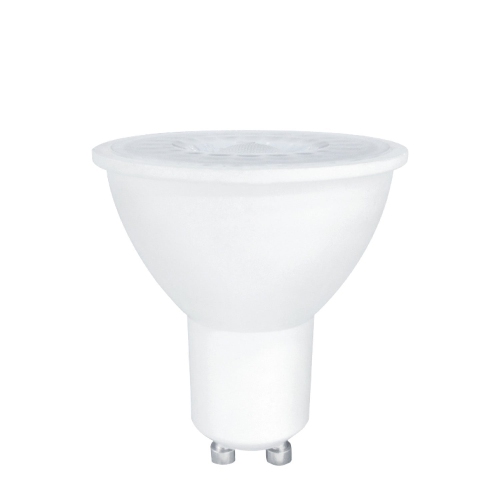

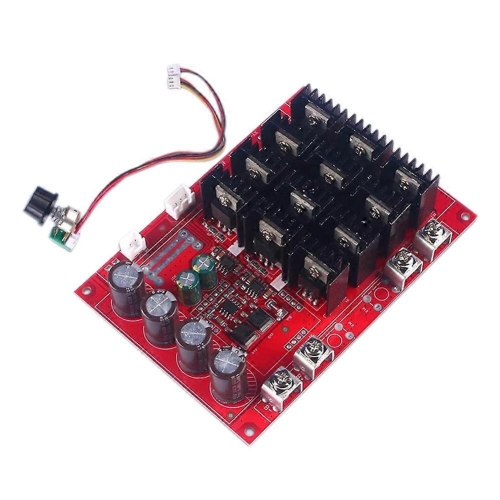
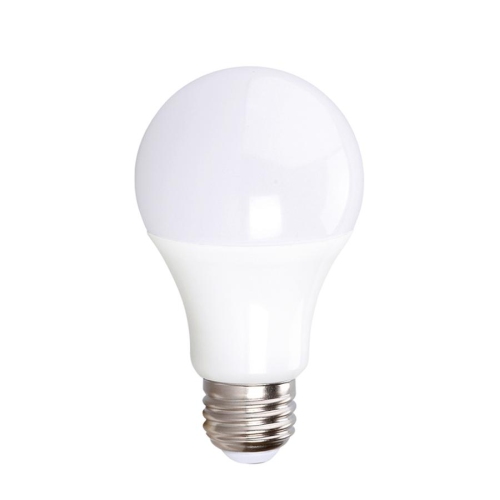
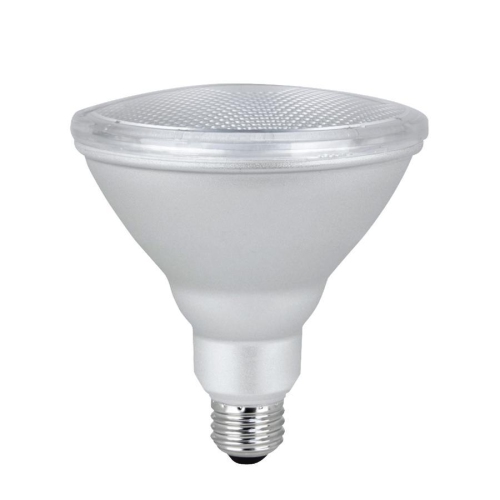
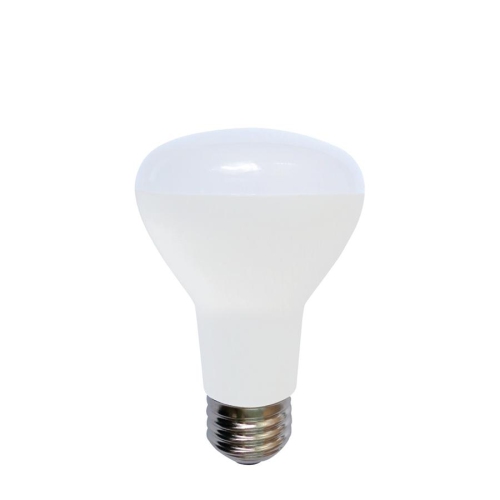


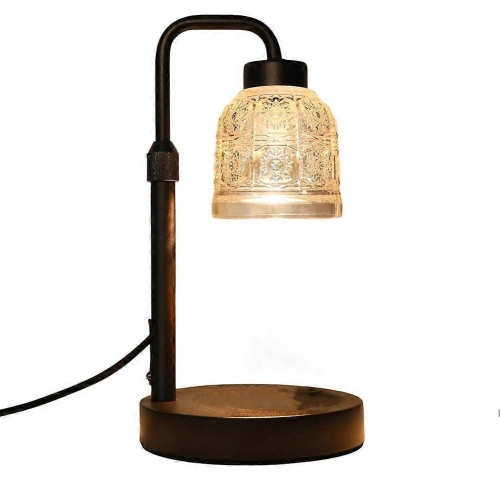
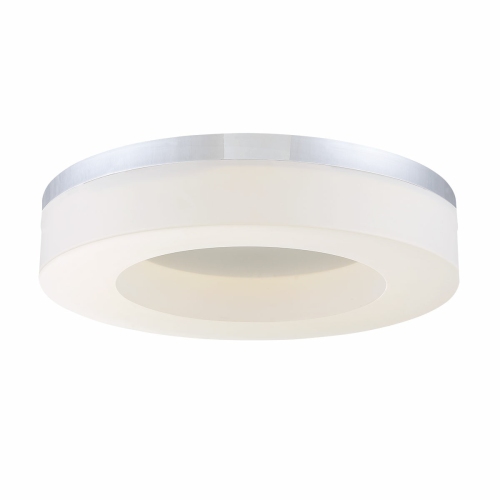
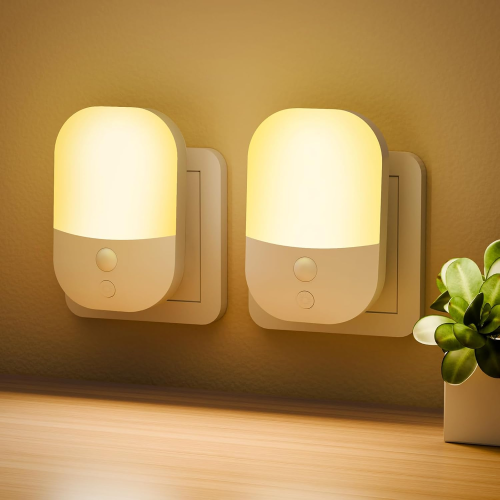

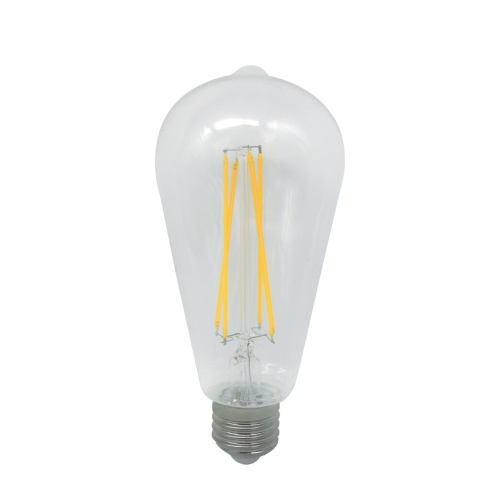
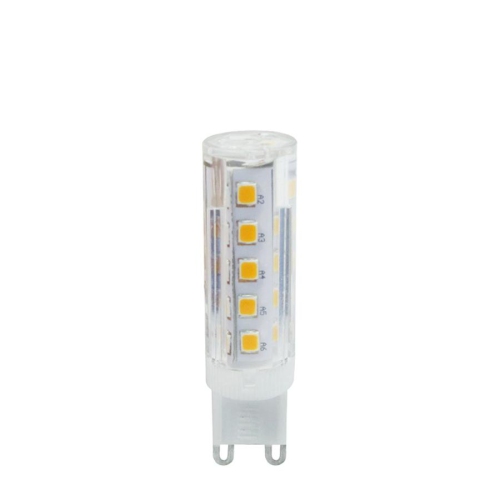


From bright task lighting to a softer glow
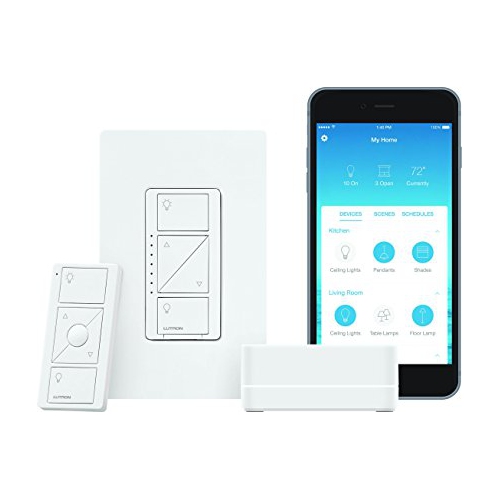
Electronic dimmers adjust the brightness of compatible lighting, giving a room more flexibility than a basic on/off switch. Most household models control how electrical power reaches a lamp by switching portions of the alternating-current waveform; other designs send a control signal to a compatible lighting driver. The result is adjustable light output rather than a change in the bulb’s colour or the direction of its beam. In a dining area, the same overhead fixture can provide clear light for setting the table and a softer glow once everyone sits down. In a living room, dimmed ceiling lights can reduce distracting reflections on a television while a separate reading lamp keeps a chair comfortably lit. Bedrooms, hallways, and home offices also benefit from lighting that can move between focused tasks and quieter activities. Electronic dimmers belong to the wider family of Dimmer Switches, with control styles that include sliders, rotary knobs, push buttons, and touch-operated surfaces. A slider gives a visible indication of the selected level, while a separate on/off button can make it easier to return to a preferred brightness without readjusting it. Brightness memory and gradual fade functions depend on the model rather than being standard features of every electronic control. The physical design matters alongside the electronics: wall controls commonly have moulded plastic faces, and some styles incorporate metal trim or decorative faceplates. Colours and finishes can coordinate with nearby outlets, cabinet hardware, and other switches, but matching the faceplate shape and mounting arrangement is just as important as matching the appearance. A clearly defined control that is comfortable to operate can be especially useful beside a doorway or bed, where lighting is often adjusted by touch. Plug-in dimmers serve a different purpose from hardwired wall controls, allowing compatible table or floor lamps to be adjusted without replacing a wall switch. Each format needs to suit the lamp, fixture, and electrical connection it will control.
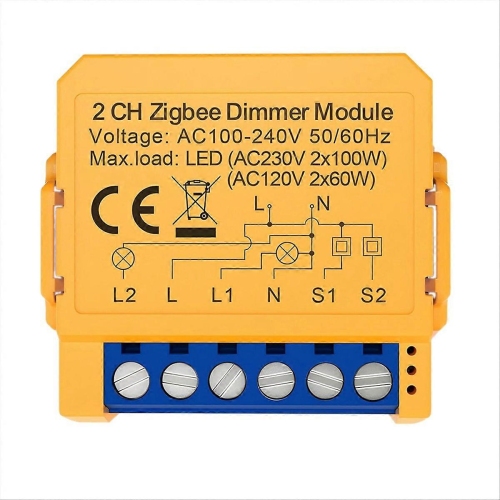
Bulb and driver compatibility determines how well an electronic dimmer performs. An LED bulb must be labelled dimmable, and that label alone does not guarantee that it will work smoothly with every dimmer. The bulb or fixture manufacturer’s compatibility information helps establish whether a particular combination supports stable light output across its intended range. Incandescent and halogen lamps often work with conventional forward-phase, or leading-edge, controls, which cut the beginning of each alternating-current half-cycle. Reverse-phase, or trailing-edge, controls cut the end of the half-cycle and are commonly used with electronic low-voltage transformers and some LED drivers. Neither approach is universally better for every lighting load; the correct choice follows the requirements of the connected equipment. Electronic low-voltage and magnetic low-voltage lighting also have different control requirements, so an ELV rating should not be treated as interchangeable with an MLV rating. Some low-voltage LED systems use pulse-width modulation, which adjusts brightness by rapidly varying the proportion of time power is supplied. Other lighting systems use a separate control signal, such as 0–10 V, and require the appropriate driver and wiring rather than an ordinary replacement wall dimmer. These distinctions matter with recessed fixtures, under-cabinet lighting, and integrated LED fittings, where the driver may be built into the fixture or located elsewhere. Load ratings deserve the same attention: a control’s permitted LED load may be lower than its incandescent rating, and both minimum and maximum load requirements can affect operation. The number of connected lamps, their combined wattage, and any rating reduction required when controls share a wall box all influence suitability. Flickering, buzzing, sudden changes in brightness, or lamps that will not turn fully off can indicate an incompatible combination or another installation issue. Adjustable low-end trim, when provided, can help establish a stable minimum brightness, but it cannot make a non-dimmable lamp suitable for dimming. A lighting dimmer is also not a substitute for a fan-speed controller or a general-purpose appliance control.
The switching arrangement and available wall-box space are important parts of fit. A single-pole dimmer controls a light from one location, while a three-way arrangement allows control from two locations, such as opposite ends of a hallway. Multi-location systems may require designated companion controls, and two ordinary dimmers should not be assumed to work together on the same circuit. Some electronic and smart dimmers need a neutral wire at the switch box; others are designed for installations without one, subject to their stated load requirements. Wall-box depth, the number of conductors, grounding provisions, and faceplate compatibility can all affect whether a control fits properly. A qualified electrician can confirm these details and install hardwired controls according to applicable electrical requirements. Recognized Canadian electrical safety certification is another important consideration. Smart electronic dimmers add functions such as app-based adjustment, schedules, scenes, and compatible voice control. Wi-Fi models connect through a home network, while other designs communicate through a hub or another supported connection. The required network, app, and smart-home platform should match the household’s existing setup, and local wall operation remains useful when a phone is not nearby. A scene might lower dining-room lighting and adjust nearby accent lights together, although every participating fixture still needs its own compatible control. Smart dimming does not automatically add colour-changing or adjustable-white functions to an ordinary bulb. For everyday durability, responsive buttons, secure mounting, and a firmly fitted faceplate help a control withstand repeated use without feeling loose. Cleaning generally involves a soft, dry cloth on the exterior, following the manufacturer’s care directions and avoiding liquid sprayed into openings. Cracked housings, persistent buzzing, a burning smell, or unusual heat warrant assessment by a qualified electrician rather than continued use. With correctly matched lamps and controls, electronic dimmers give households a practical way to tailor familiar spaces: bright enough to sort paperwork, gentle enough to settle into a film, and easy to adjust as the activity changes.
Top selling and popular products
-
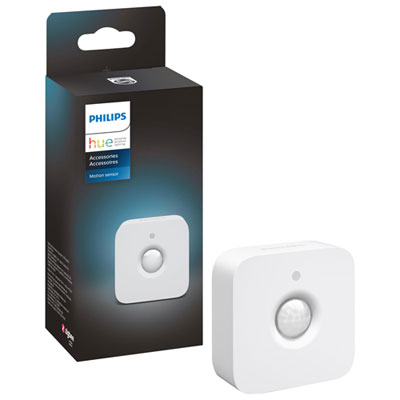 Your price for this item is $49.98
-
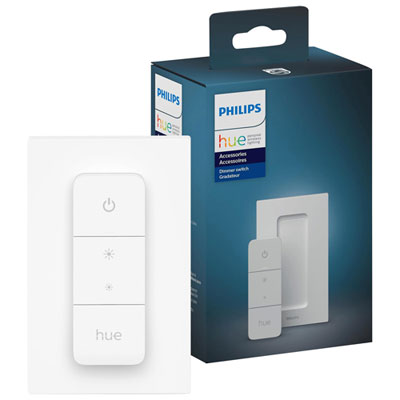 Your price for this item is $34.99
-
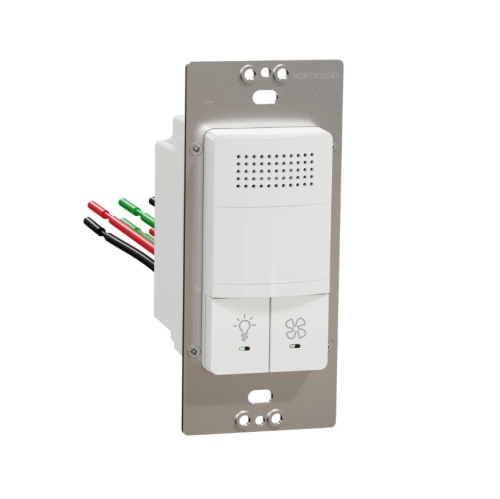 Your price for this item is $32.99
-
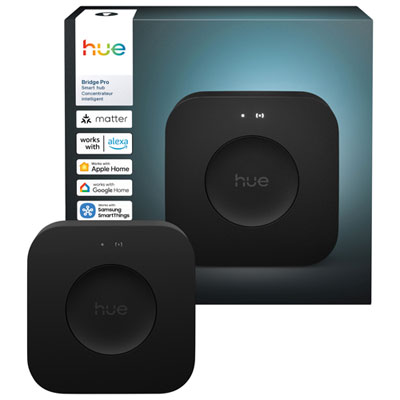 Your price for this item is $159.98
-
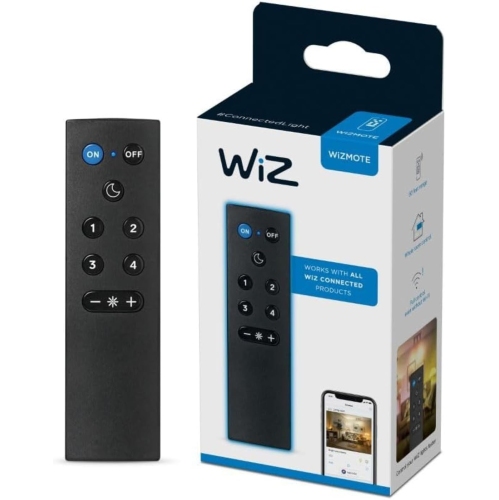 Your price for this item is $43.49
-
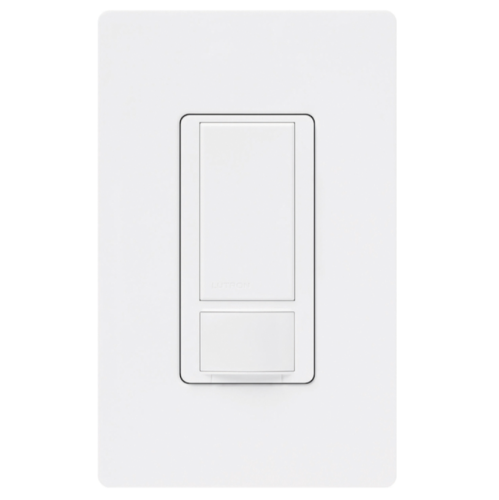 Your price for this item is $65.99
-
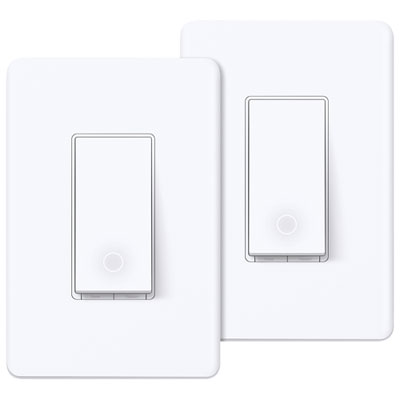 Your price for this item is $39.99
-
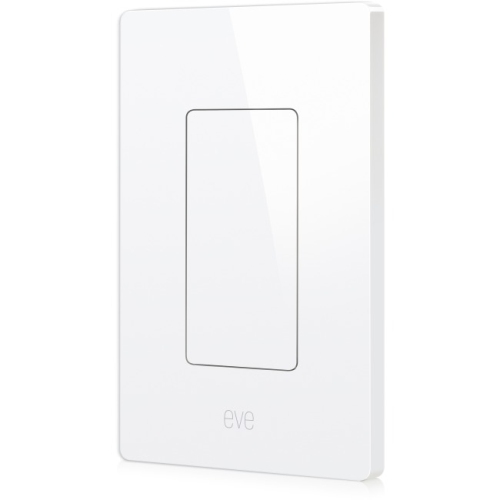 Your price for this item is $130.02
Discover more categories related to Electronic Dimmers
Top Collections:
Pokemon Centers, Best Cameras for Sports Photography, Kindle Devices, Samsung Galaxy Phones, Canon G7X Cameras, Pokémon 30th Celebration Cards, Refurbished Apple Laptops, iPhone 15 Apple, Laptops for Students, Budget Smartphones
Some products may be subject to Environmental Handling Fees
(EHF) depending on your province.
Learn more about EHFs.