Electronic Switches for Home
Transform your living space with the convenience and versatility of an electronic switch for home. Perfect for modernizing any room, these switches offer seamless control over lighting, appliances, and more, enhancing both functionality and style. Whether you're looking to simplify your daily routines or create the perfect ambiance, an electronic switch can be the key to unlocking a smarter home experience. Explore our wide selection to find the ideal solution that fits your needs and complements your decor.
Sort
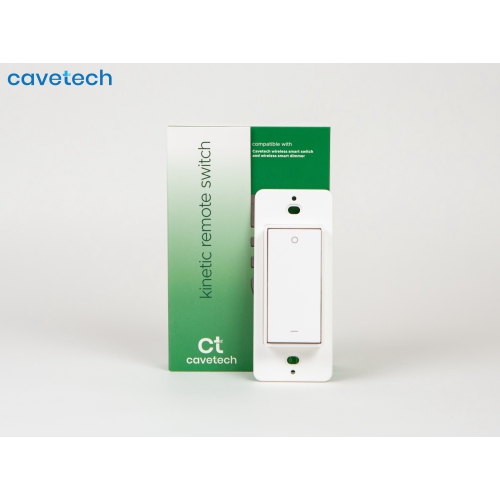
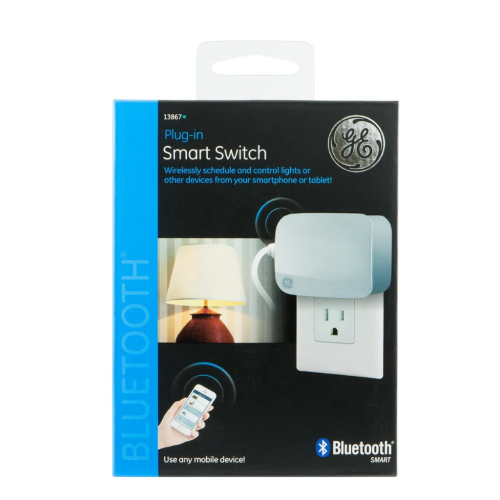
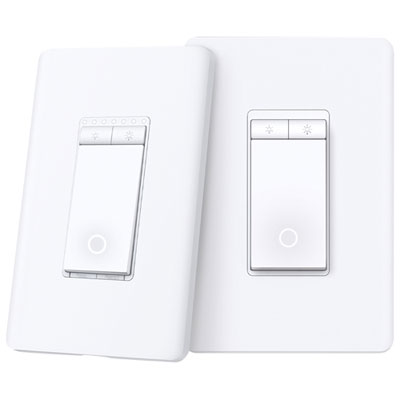
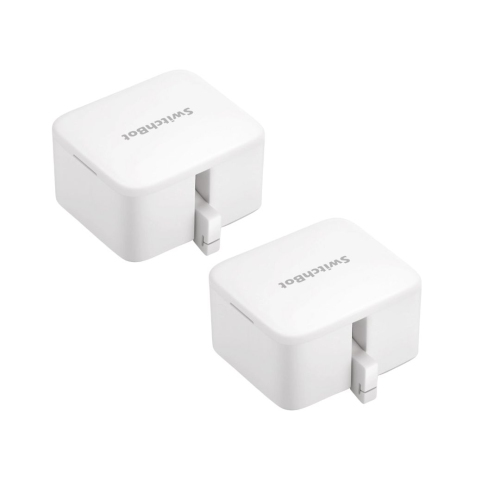


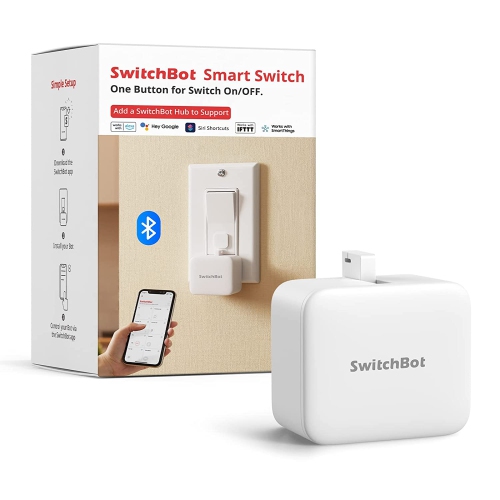
How connected lighting controls fit your home
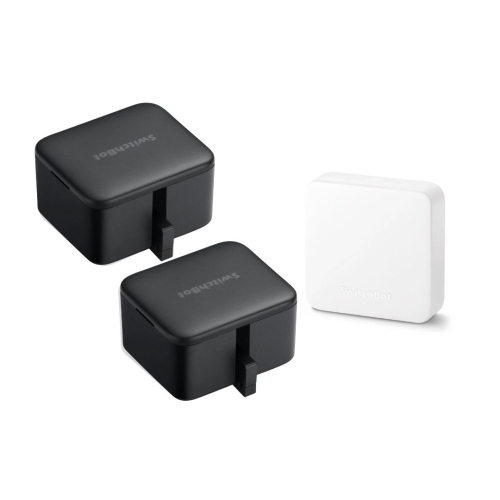
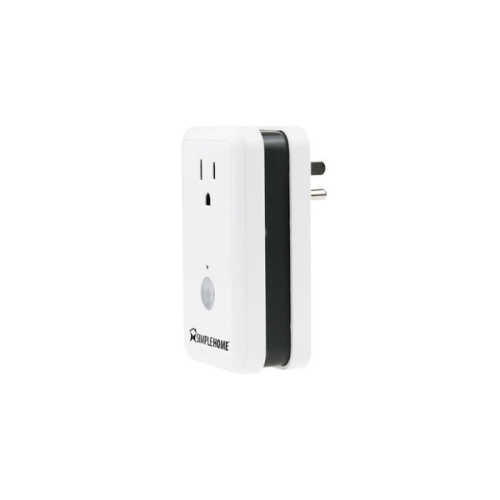
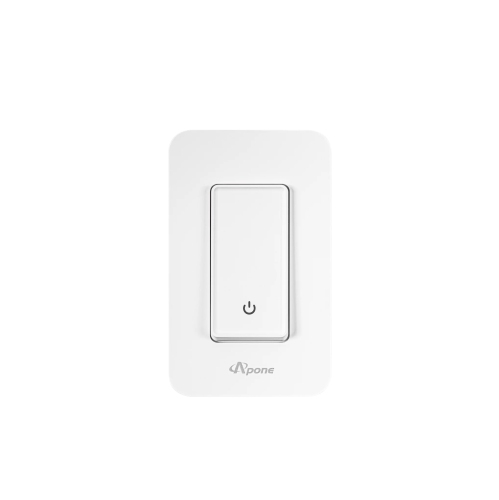
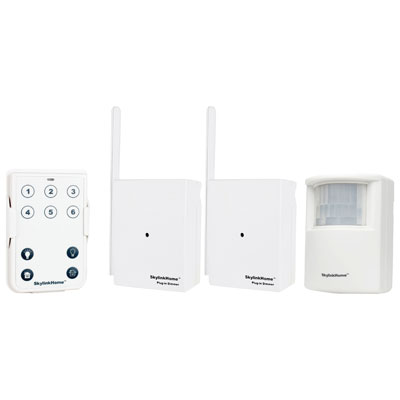
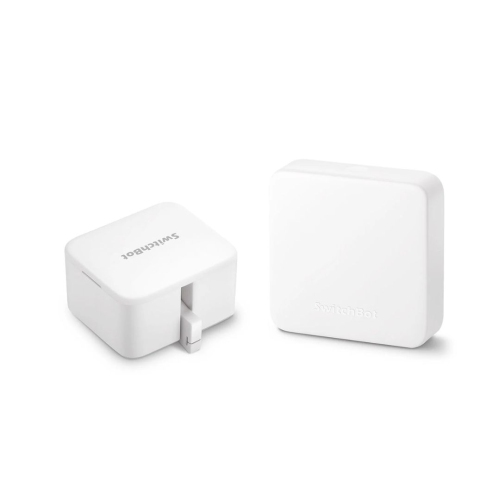
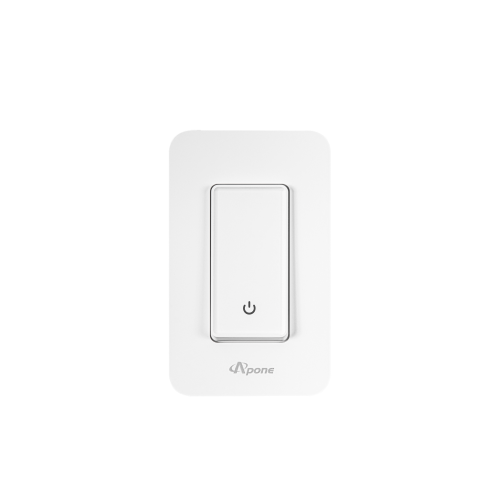
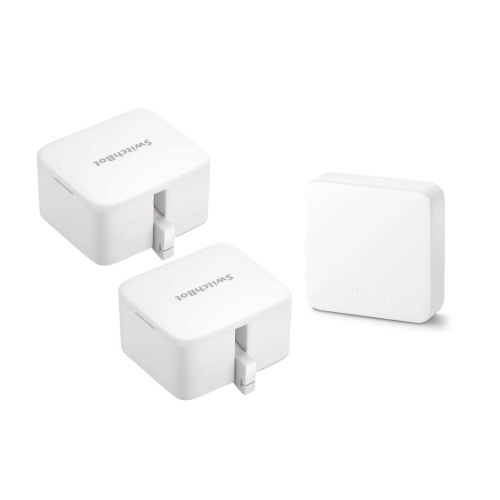
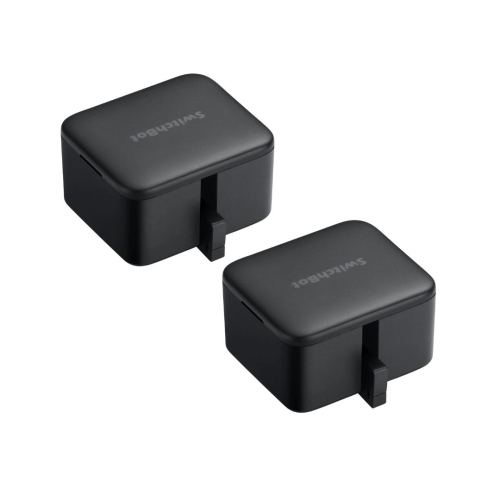
Electronic switches for home make it easier to manage lighting and connected fixtures throughout your living space. This category includes smart Wi-Fi switches, electronic dimmers, touch-sensitive controls, motion and occupancy sensors, and in-wall modules that can add connected features to existing lights. A smart switch can be operated from a mobile app, scheduled to follow your daily routine, or paired with a compatible voice assistant for hands-free control. A dimmer provides more precise control over brightness, helping create a comfortable setting for reading, preparing meals, relaxing in the evening, or welcoming guests. Motion sensors can turn lights on when someone enters a hallway, stairway, laundry room, or washroom, while occupancy sensors are designed to respond to activity within a room. These controls can be especially useful in homes with children, older adults, pets, or anyone who appreciates simple ways to manage lighting without reaching for a wall switch. They can also be a thoughtful housewarming gift for someone moving into a new home, renovating a room, or building a more connected household. For a broader selection of connected controls and compatible devices, explore Home Automation Switches.
Choosing the right electronic switch starts with the electrical layout and the type of fixture you want to control. A single-pole switch operates a light or fixture from one location, making it suitable for a bedroom, office, pantry, or small hallway with one control point. A three-way switch lets you operate the same light from two locations, such as the top and bottom of a staircase or both ends of a corridor. If a light is controlled from three or more locations, you may need a four-way configuration combined with compatible three-way switches. It is also important to check whether the electrical box contains a neutral wire. Many smart switches and electronic dimmers require one to power their internal electronics, wireless connection, or display, while certain models are designed for homes without a neutral wire. Older homes may have different wiring arrangements, shallow electrical boxes, or limited space behind the existing switch, so checking the installation requirements before purchase can prevent surprises. Confirm that the switch is rated for the voltage and load of your fixture, and check whether it supports the bulb type in use, including LED, incandescent, or other compatible lighting. Some fixtures may require a minimum load, a specific dimming range, or an additional component to prevent flickering, buzzing, or lights that continue to glow faintly when switched off. Smart switches may also need a home Wi-Fi network, a compatible hub, or a particular app platform. If you are building a connected home, look for compatibility with the devices and voice assistant you already use, along with support for common standards that can help different products work together. When wiring is unfamiliar or the installation involves new electrical work, consult a licensed electrician and follow local electrical requirements rather than relying on appearance alone.
Electronic switches can be selected to suit the way each room is used. In a living room, a dimmer can soften overhead lighting for movie nights or provide brighter illumination for games, crafts, and visits with family. In a kitchen, a smart switch can make it easier to control lights while carrying groceries or preparing food, while a motion sensor can be useful in a pantry or passageway where hands are often full. Bedrooms may benefit from scheduled lighting, bedside control, or gradual dimming that avoids the harshness of a fully bright fixture. In a home office, adjustable brightness can support focused work during the darker part of the day, and remote access can help confirm that a light was turned off after leaving. Entryways, staircases, and garages are practical locations for switches with sensors, particularly during the cooler months when coats, boots, and bags can make ordinary wall controls less convenient. Before choosing a model, consider the switch’s appearance, button or paddle style, installation depth, indicator lights, app features, and whether it will match the other controls in the room. A family renovating a hallway may prioritize multi-location control, while someone furnishing a first apartment may prefer a simple, app-enabled switch with straightforward installation. A carefully chosen electronic switch can add useful control without changing the fixture itself, helping a home feel more comfortable, accessible, and responsive from the moment the lights are turned on.
Choosing the right electronic switch starts with the electrical layout and the type of fixture you want to control. A single-pole switch operates a light or fixture from one location, making it suitable for a bedroom, office, pantry, or small hallway with one control point. A three-way switch lets you operate the same light from two locations, such as the top and bottom of a staircase or both ends of a corridor. If a light is controlled from three or more locations, you may need a four-way configuration combined with compatible three-way switches. It is also important to check whether the electrical box contains a neutral wire. Many smart switches and electronic dimmers require one to power their internal electronics, wireless connection, or display, while certain models are designed for homes without a neutral wire. Older homes may have different wiring arrangements, shallow electrical boxes, or limited space behind the existing switch, so checking the installation requirements before purchase can prevent surprises. Confirm that the switch is rated for the voltage and load of your fixture, and check whether it supports the bulb type in use, including LED, incandescent, or other compatible lighting. Some fixtures may require a minimum load, a specific dimming range, or an additional component to prevent flickering, buzzing, or lights that continue to glow faintly when switched off. Smart switches may also need a home Wi-Fi network, a compatible hub, or a particular app platform. If you are building a connected home, look for compatibility with the devices and voice assistant you already use, along with support for common standards that can help different products work together. When wiring is unfamiliar or the installation involves new electrical work, consult a licensed electrician and follow local electrical requirements rather than relying on appearance alone.
Electronic switches can be selected to suit the way each room is used. In a living room, a dimmer can soften overhead lighting for movie nights or provide brighter illumination for games, crafts, and visits with family. In a kitchen, a smart switch can make it easier to control lights while carrying groceries or preparing food, while a motion sensor can be useful in a pantry or passageway where hands are often full. Bedrooms may benefit from scheduled lighting, bedside control, or gradual dimming that avoids the harshness of a fully bright fixture. In a home office, adjustable brightness can support focused work during the darker part of the day, and remote access can help confirm that a light was turned off after leaving. Entryways, staircases, and garages are practical locations for switches with sensors, particularly during the cooler months when coats, boots, and bags can make ordinary wall controls less convenient. Before choosing a model, consider the switch’s appearance, button or paddle style, installation depth, indicator lights, app features, and whether it will match the other controls in the room. A family renovating a hallway may prioritize multi-location control, while someone furnishing a first apartment may prefer a simple, app-enabled switch with straightforward installation. A carefully chosen electronic switch can add useful control without changing the fixture itself, helping a home feel more comfortable, accessible, and responsive from the moment the lights are turned on.
Top selling and popular products
-
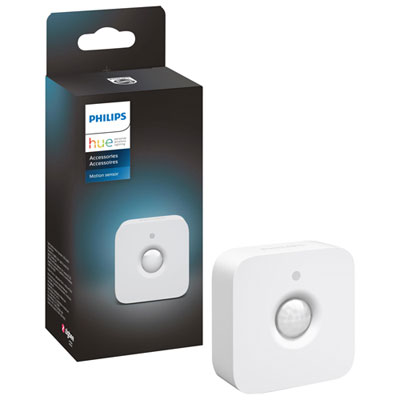 Your price for this item is $49.98
 -
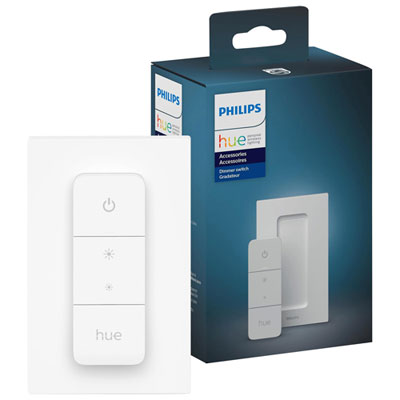 Your price for this item is $29.98
 -
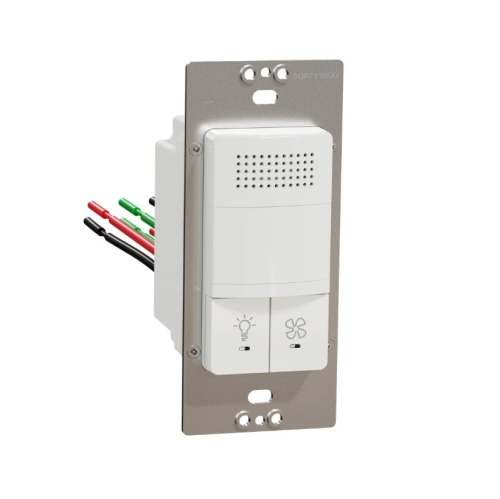 Your price for this item is $32.99
 -
 Your price for this item is $169.99
 -
 Your price for this item is $73.53
 -
 Your price for this item is $65.99
 -
 Your price for this item is $30.99
 -
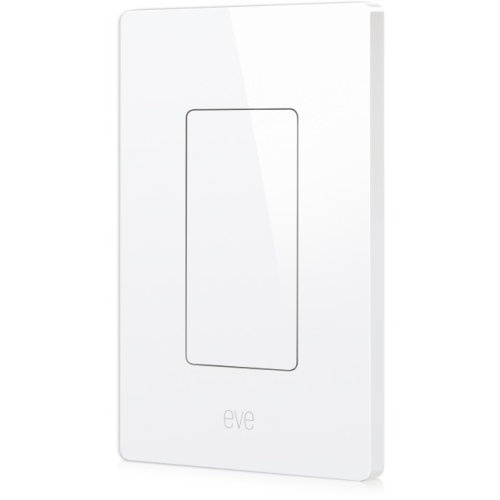 Your price for this item is $130.02
Discover more categories related to Electronic Switches for Home
Top Collections:
Pokemon Centers, Kindle Devices, Best Budget Office Chairs, Apple iPhones 16, Best Laptops for Writers, iPhone 15 Apple, Canon G7X Cameras, Refurbished Apple Laptops, Alarm Clock, Motorola Razr Phones
Some products may be subject to Environmental Handling Fees
(EHF) depending on your province.
Learn more about EHFs.