Electronic Switches
Electronic switches are essential components in modern technology, enabling the seamless control and manipulation of electronic circuits. From simple on/off switches to more sophisticated digital and programmable variants, these devices play a crucial role in everyday electronic devices and systems. Whether you're looking to upgrade existing equipment or embark on a new DIY electronics project, exploring the diverse range of electronic switches available can open up a world of possibilities for customization and innovation. Discover the versatility and functionality of electronic switches as you browse through our selection designed to meet various needs and applications.
Sort
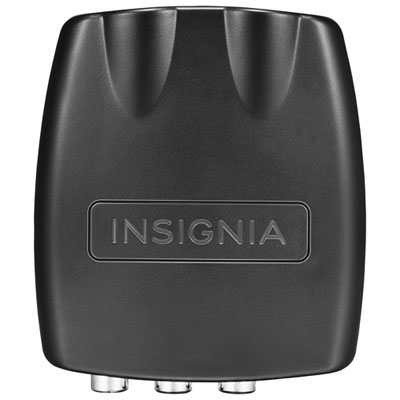
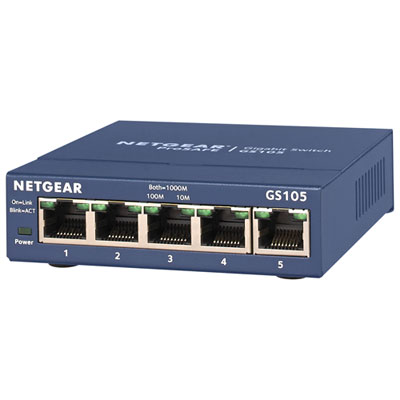
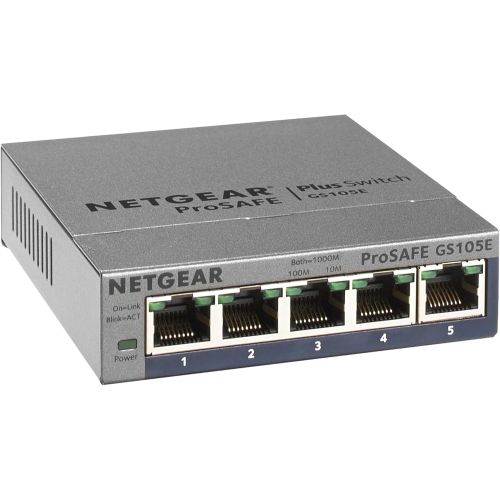
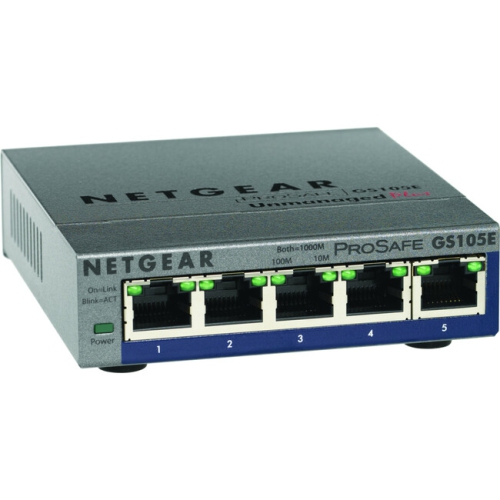



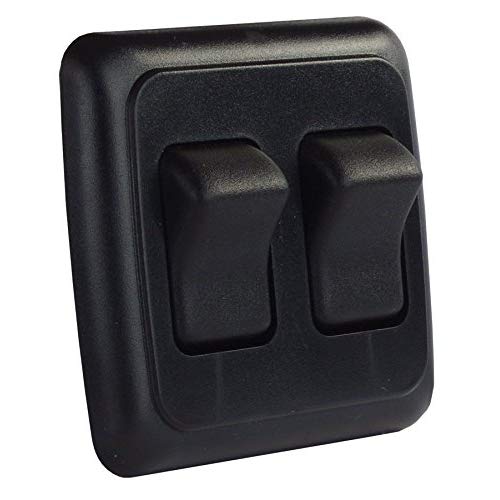
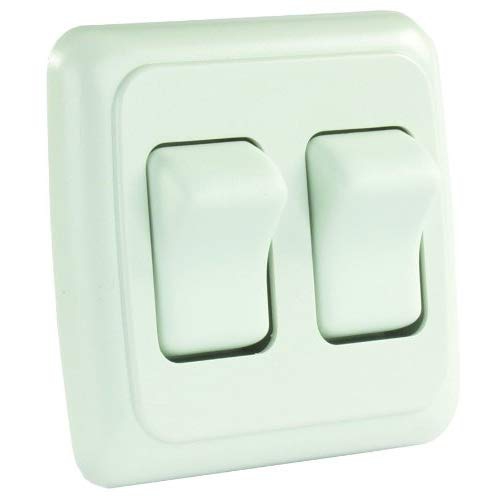
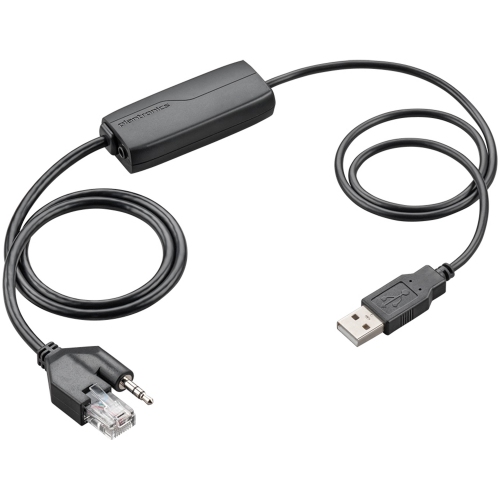
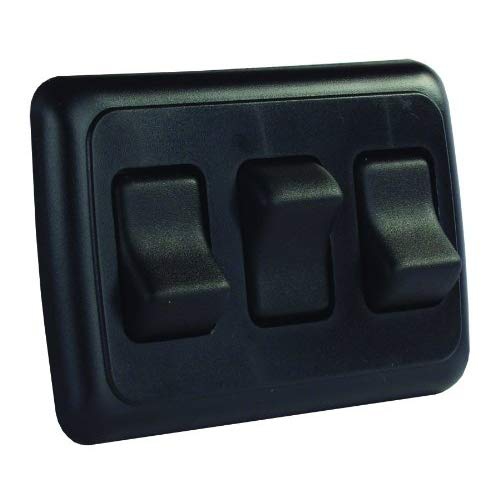







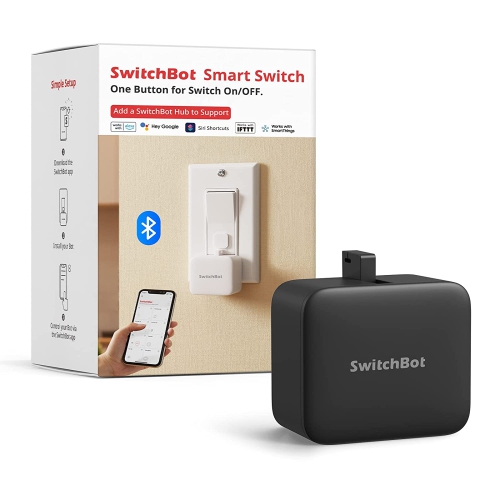
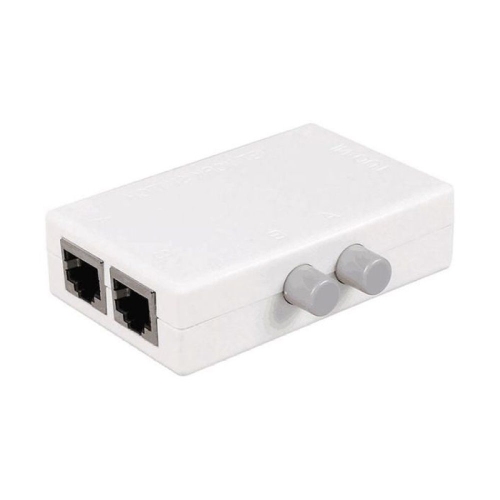
Why a switch’s function matters more than its appearance
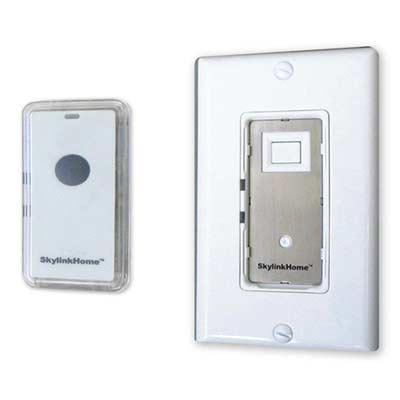
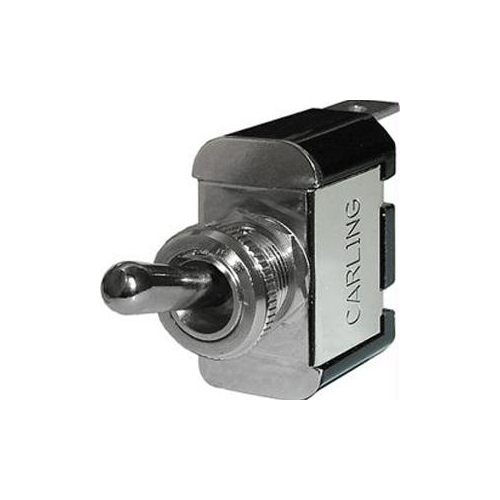
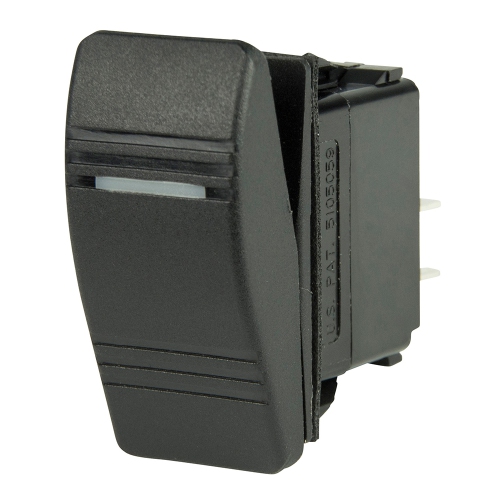
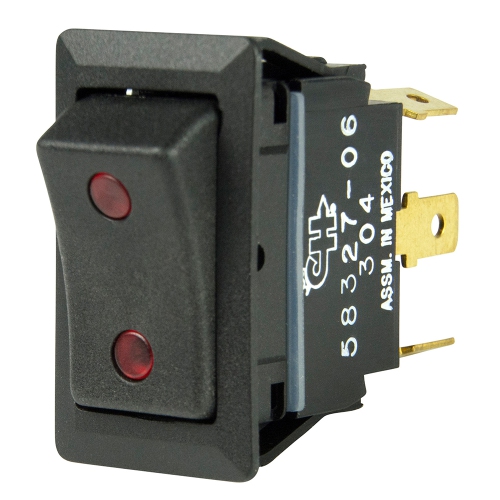
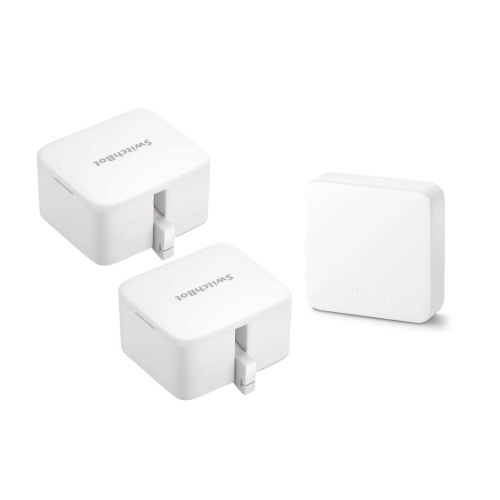
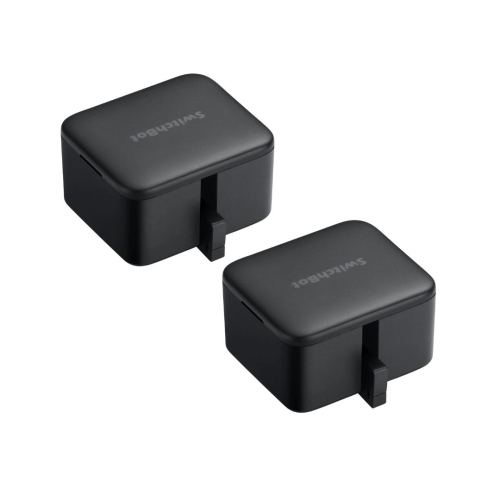
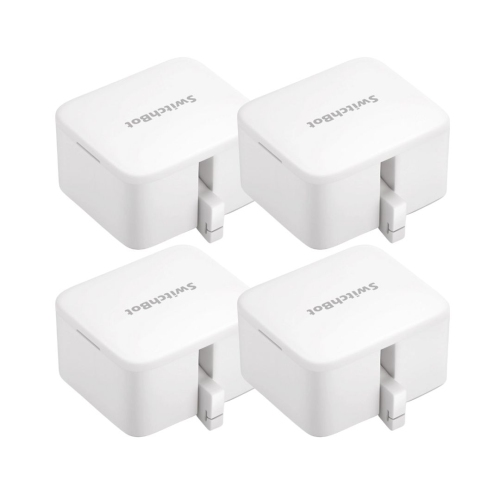
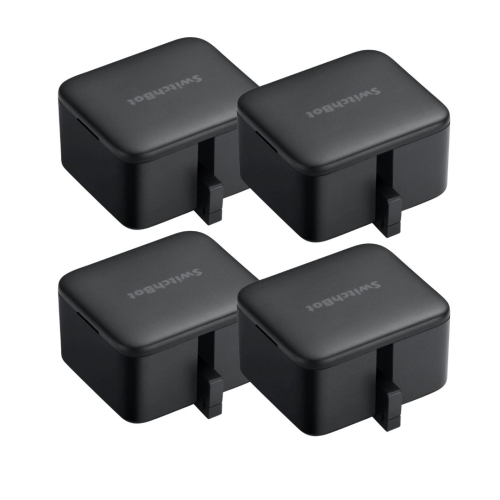
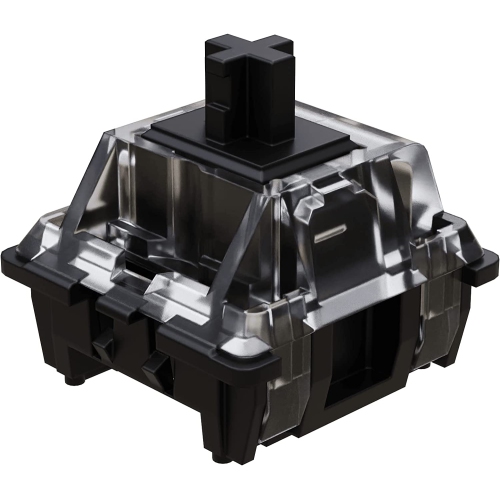
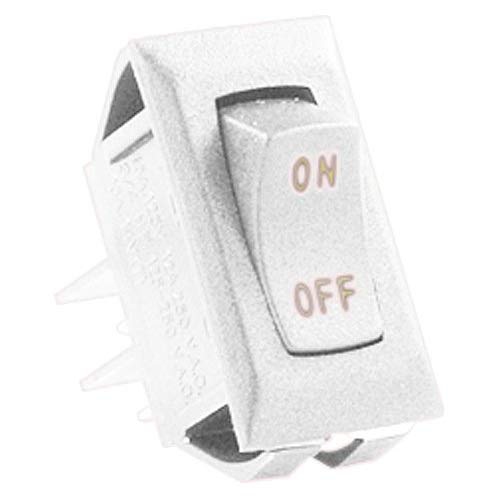
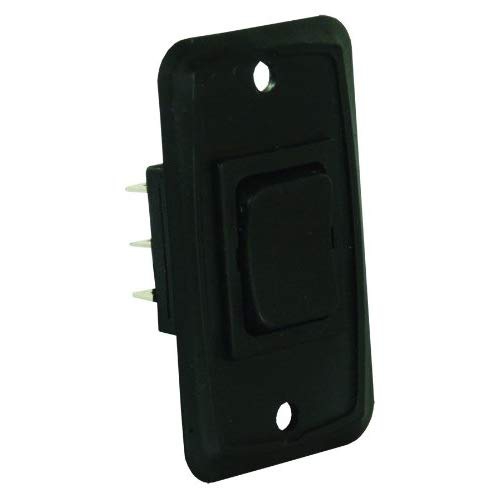
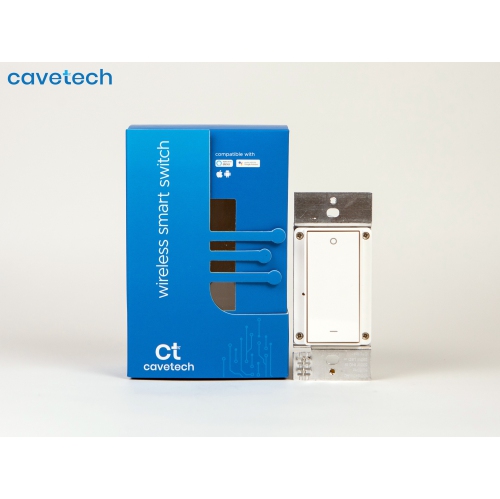
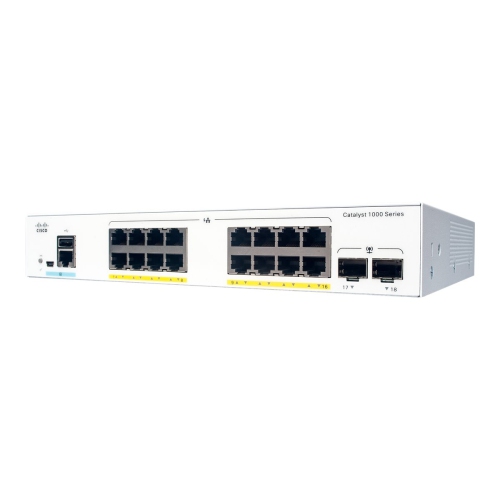
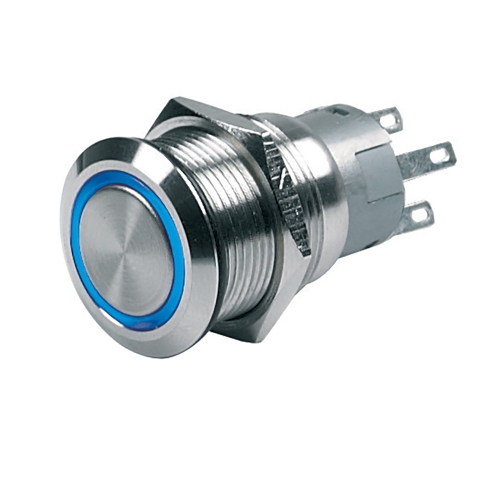
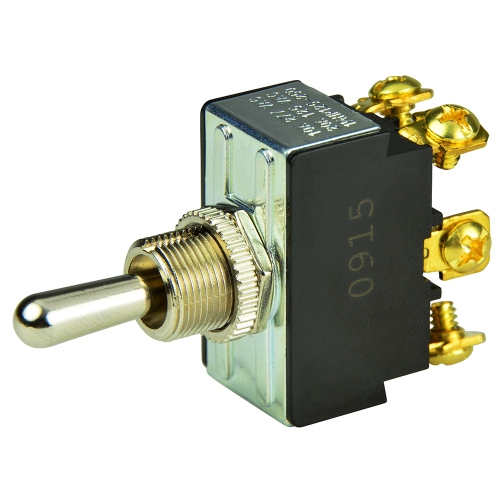
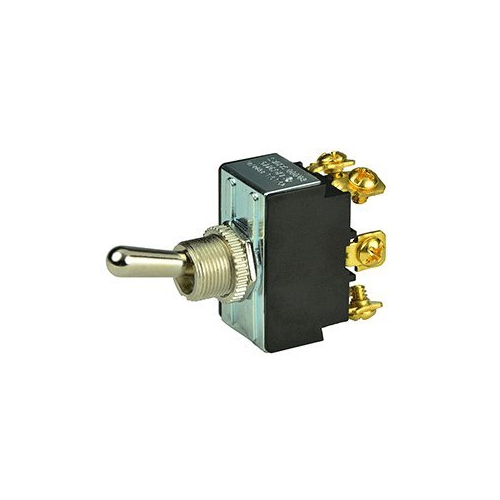
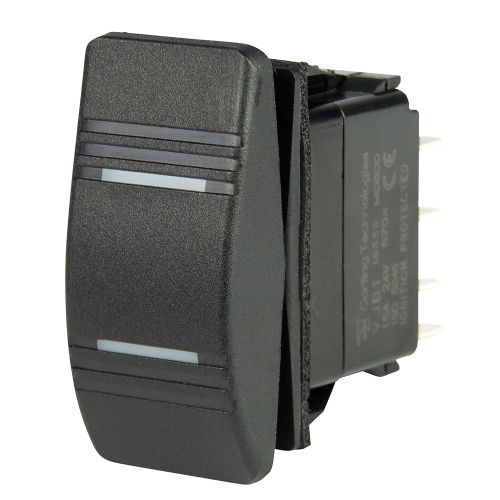
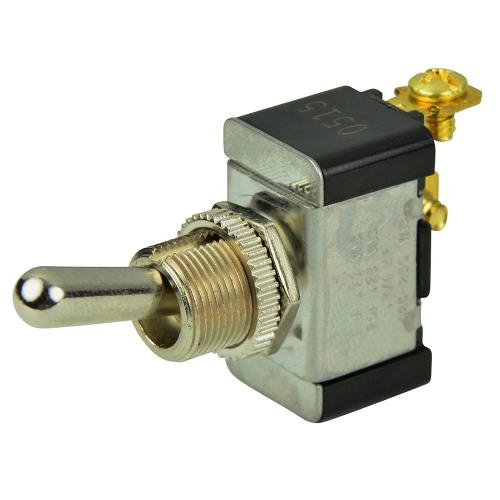
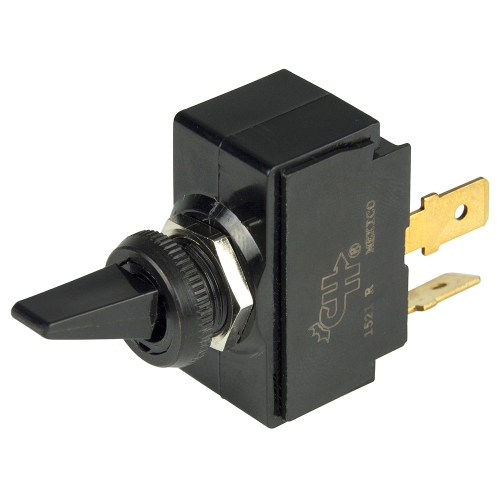
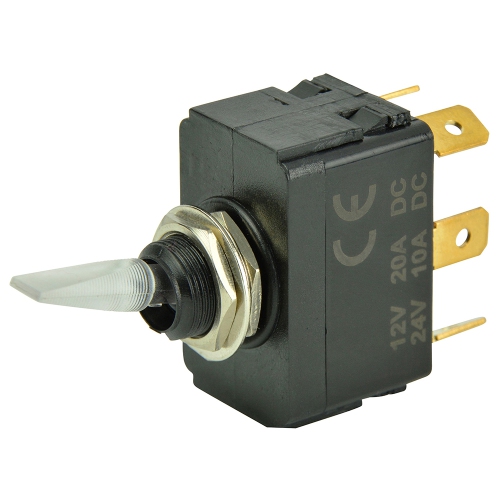
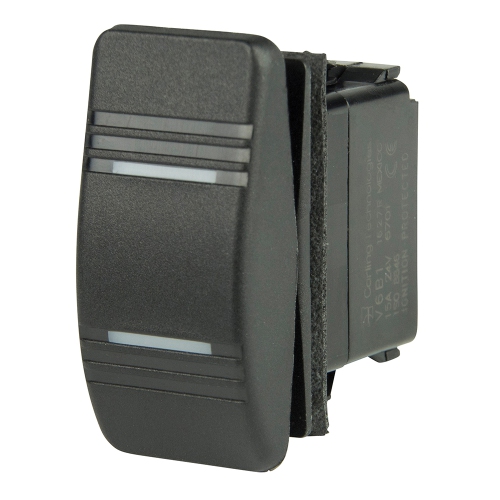
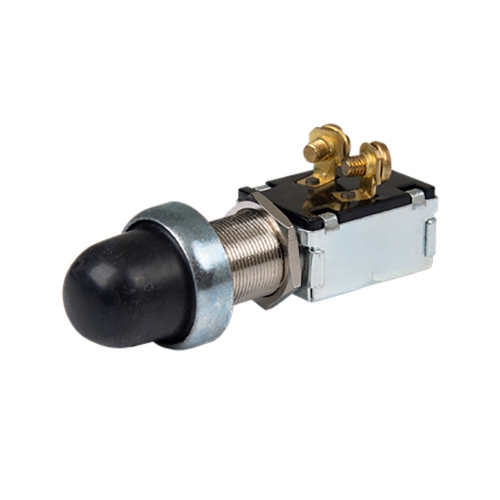
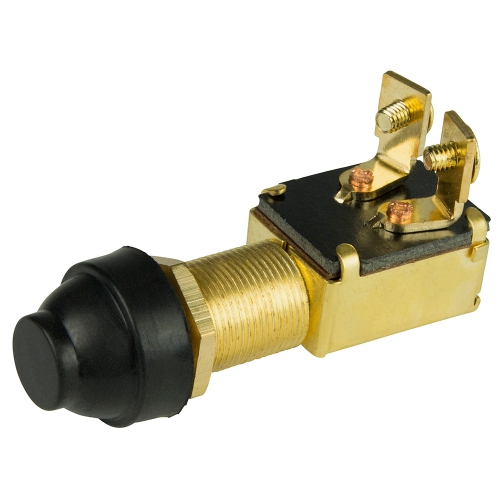
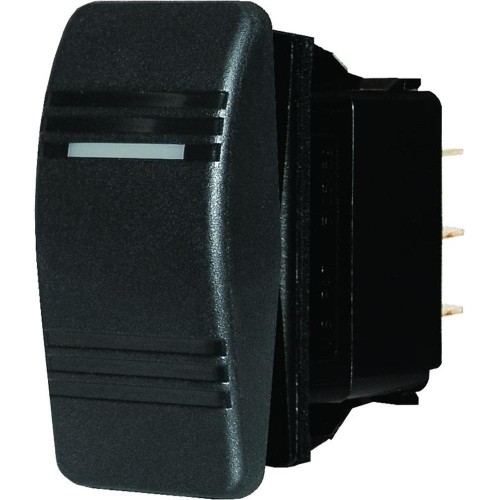
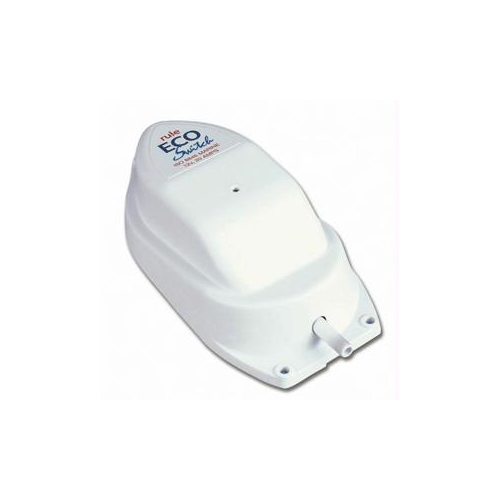
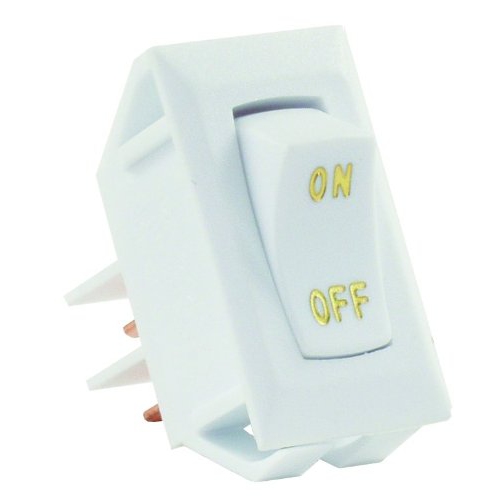
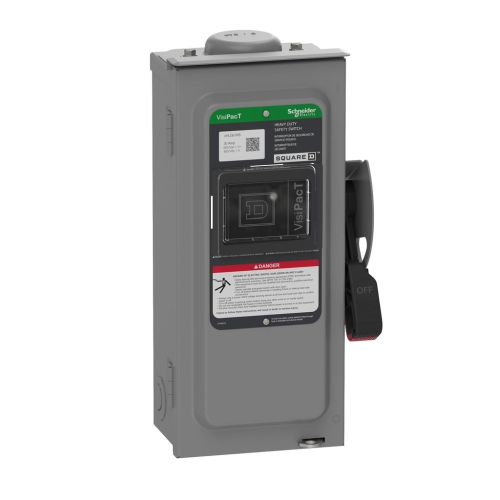
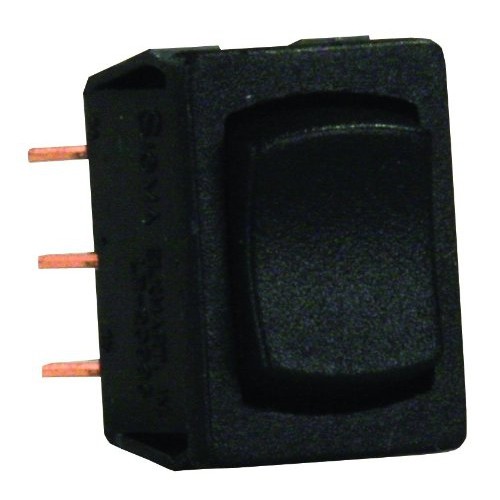
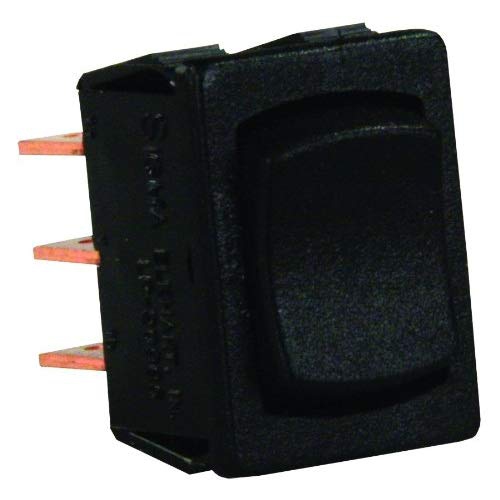
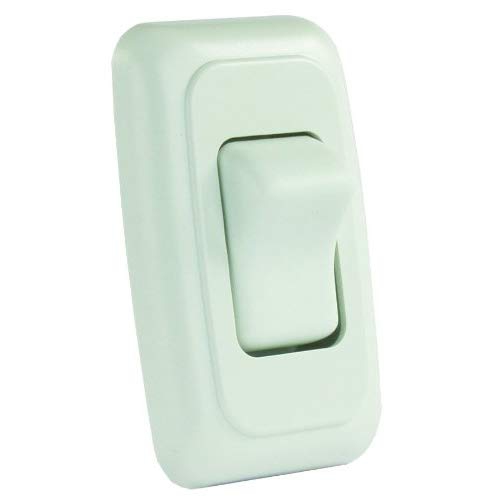
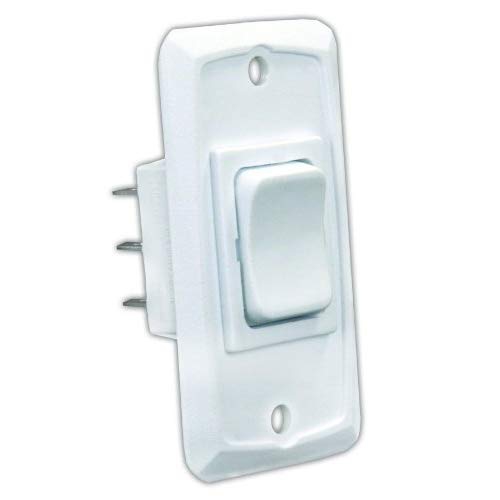
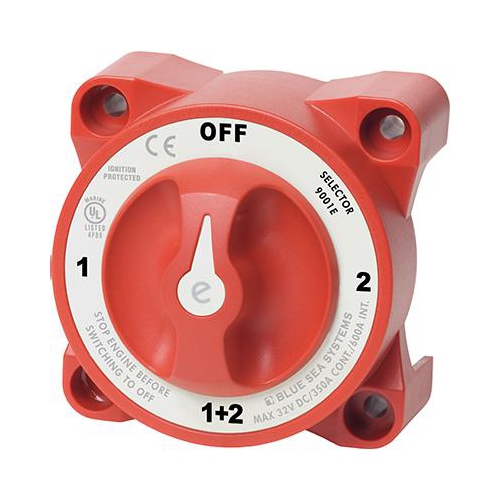
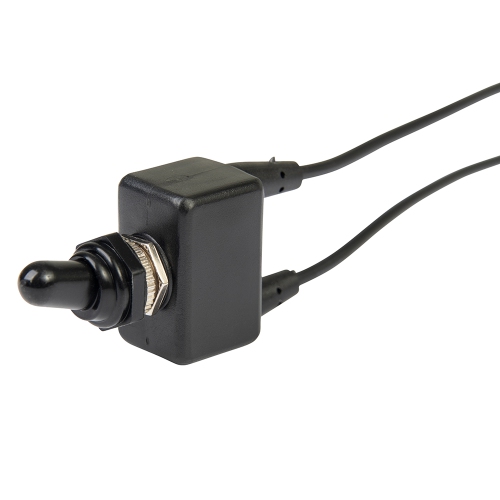
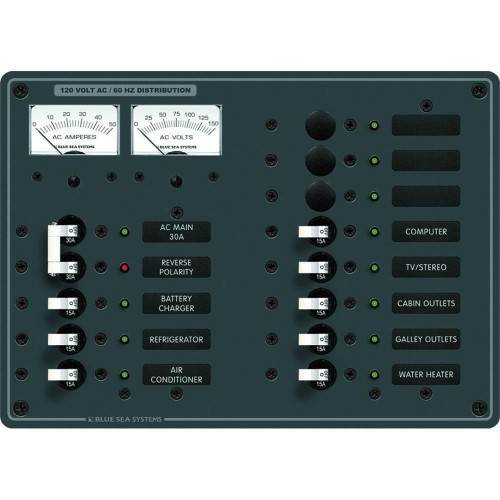
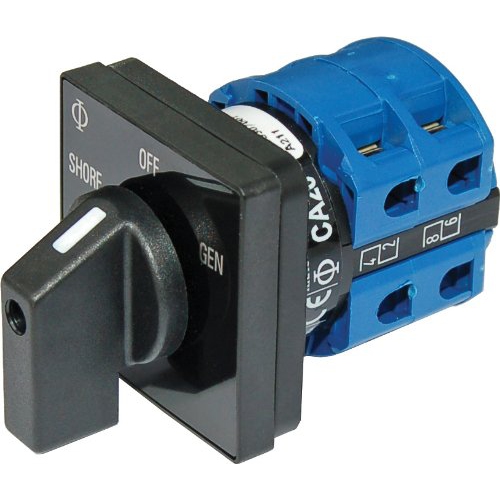
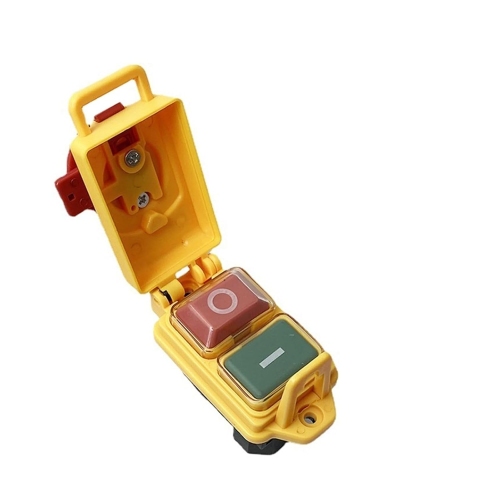
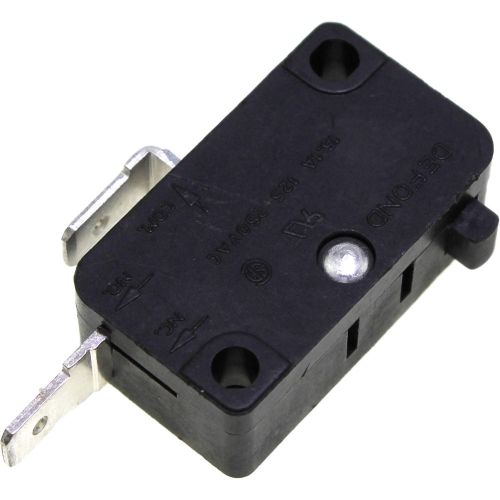
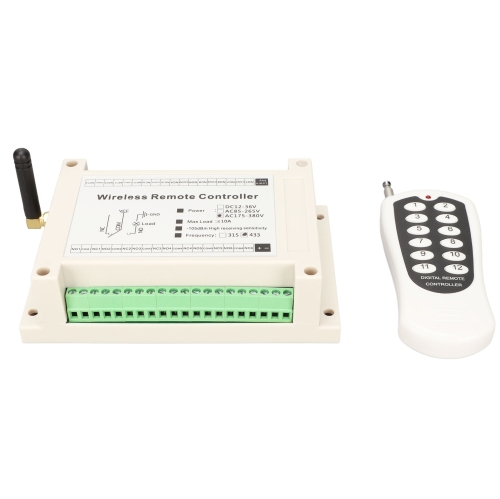
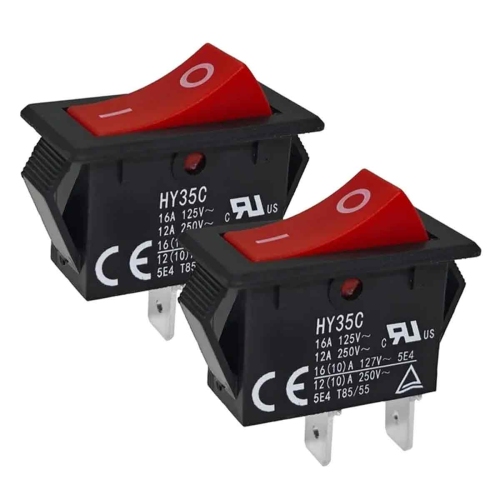
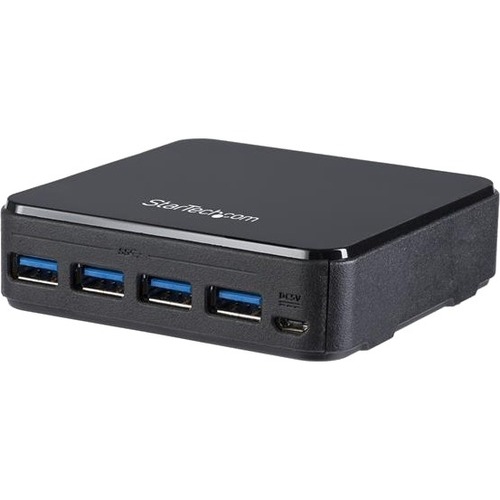
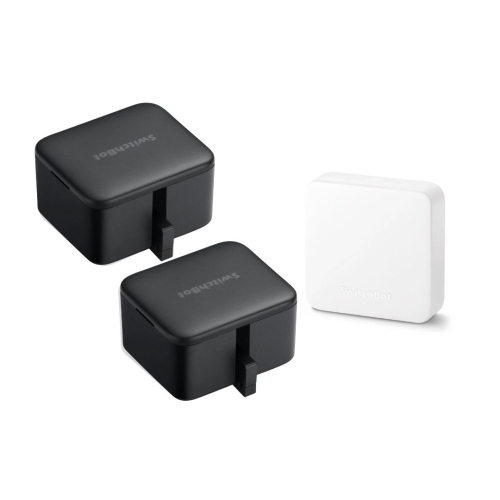
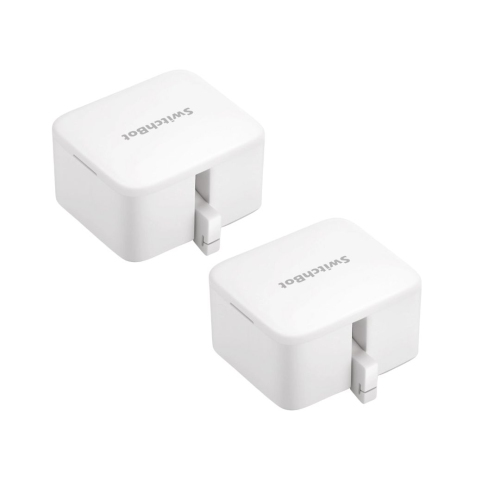
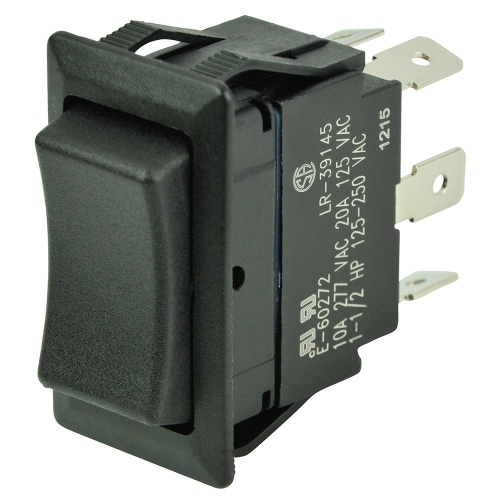
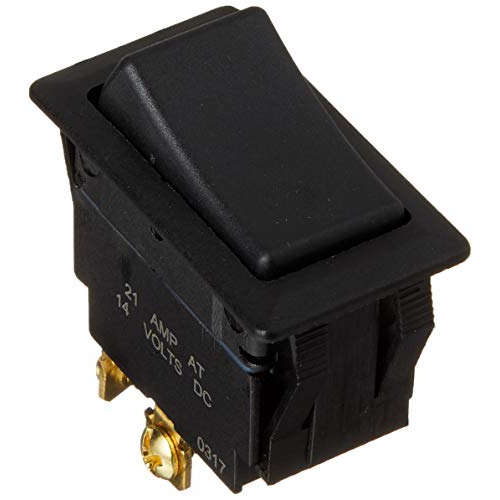
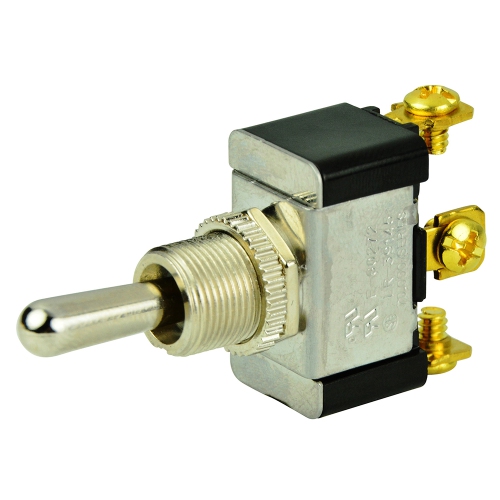
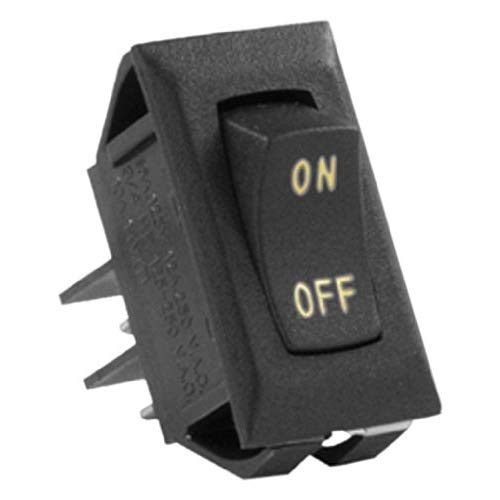
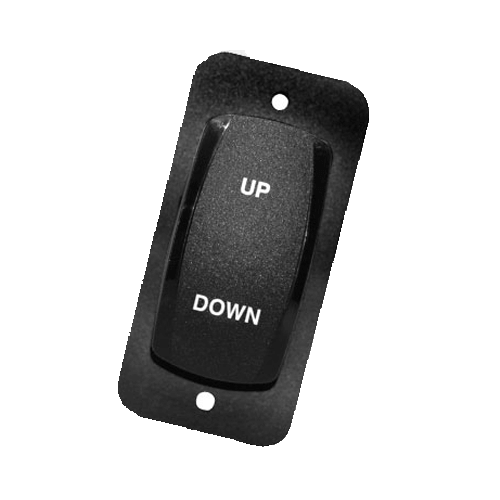
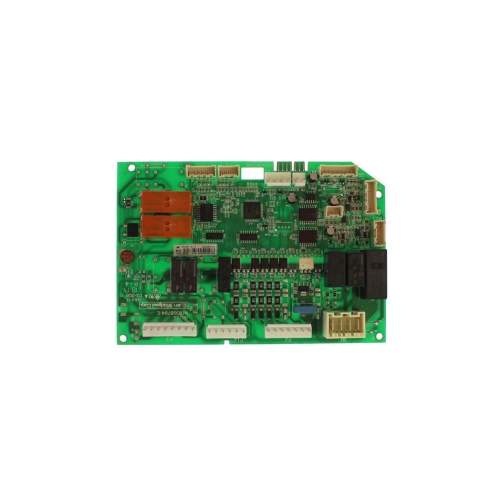
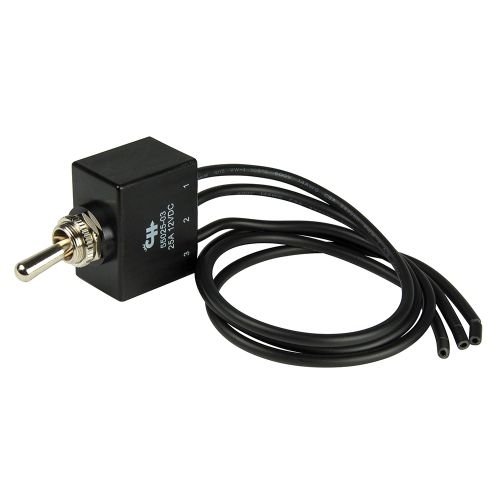
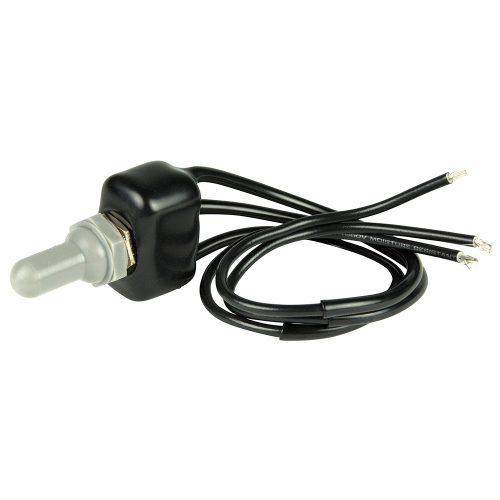
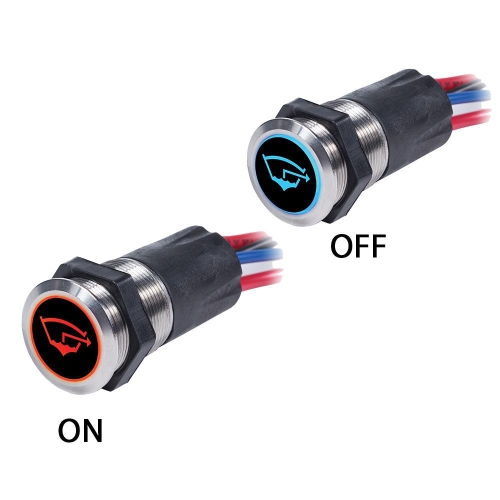
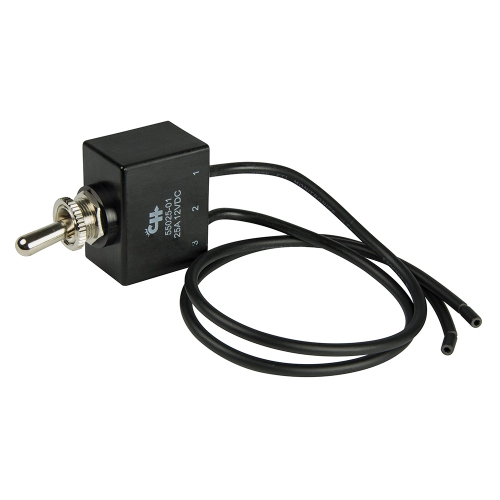
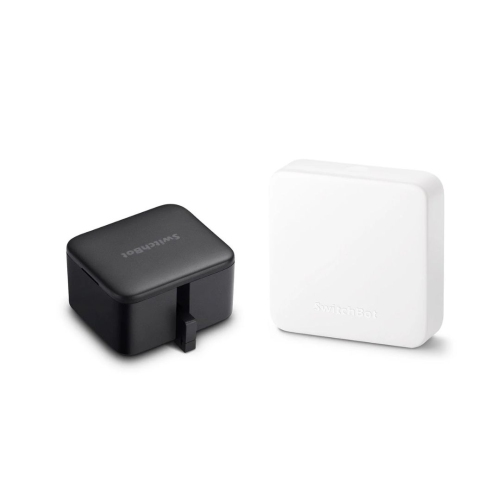
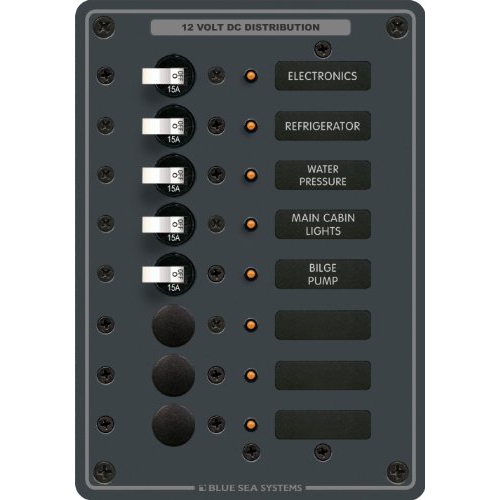
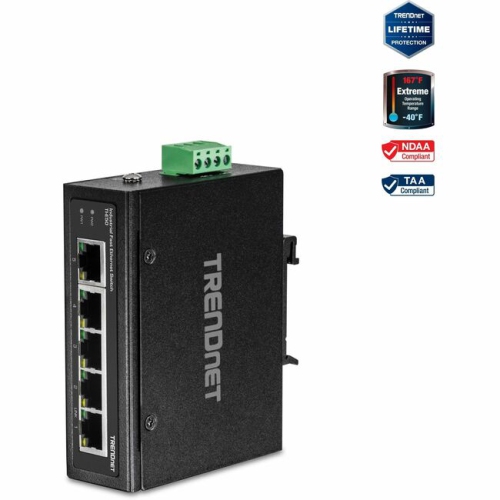
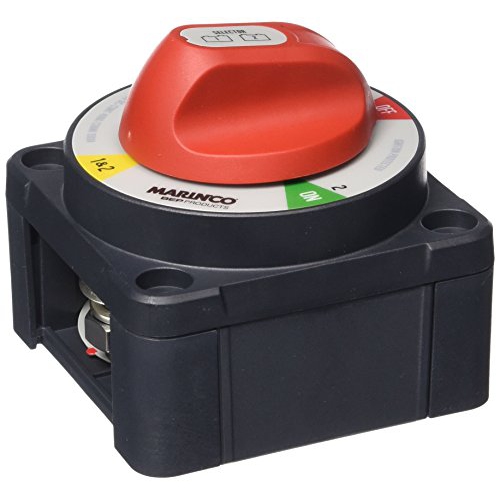
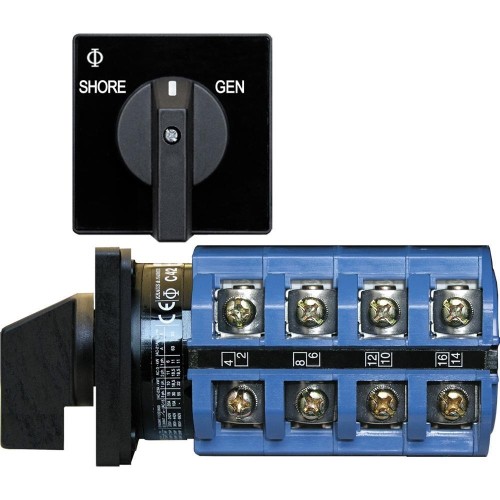
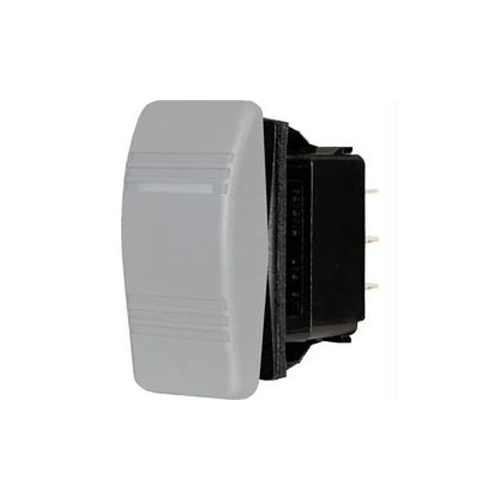
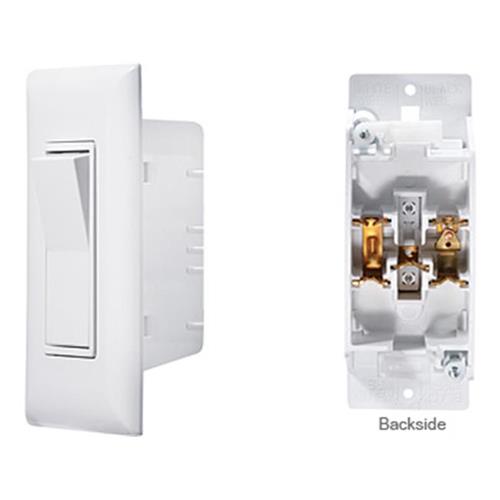
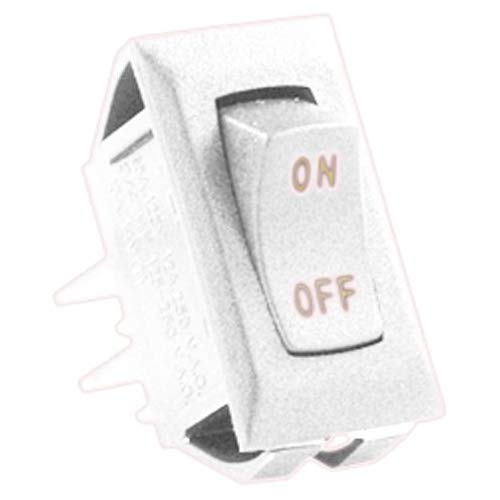
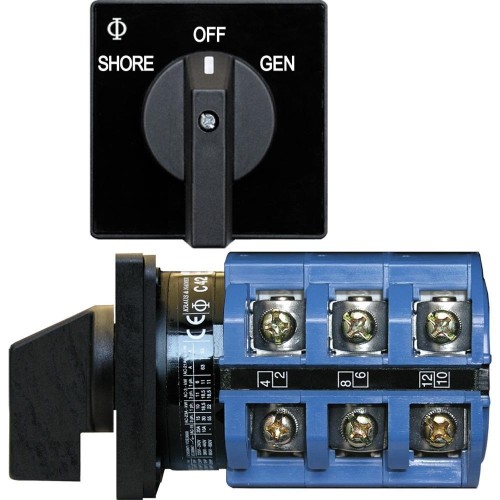
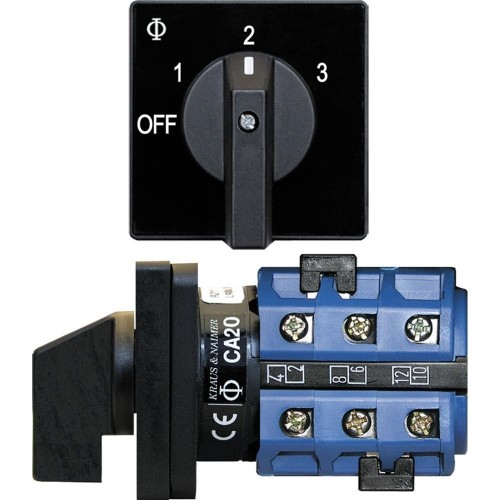
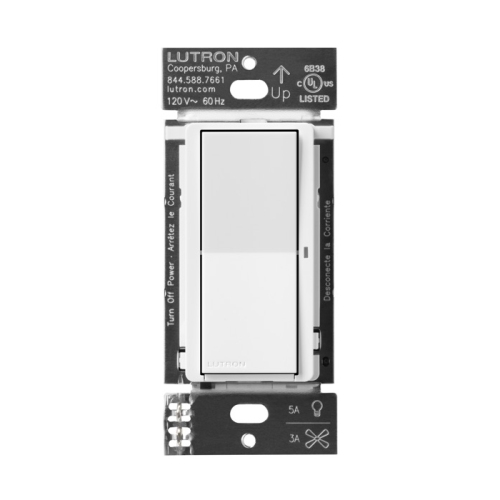
Electronic switches control the flow of electricity by opening, closing, or redirecting a circuit. The term covers several types of switching components: electromechanical switches use moving contacts, while solid-state switches use semiconductor components, such as transistors and MOSFETs, to control current without moving contacts. Both serve the same basic purpose of determining when and where electrical power or a signal can travel, but their operation suits different tasks. A push-button can provide a brief input to a control panel, a toggle can establish a clear on/off setting, and a rocker can offer a broad surface that is easy to operate by touch. Momentary switches return to their resting state when released, making them useful for inputs such as a reset command or a press-to-activate function. Maintained switches, often described as latching switches, stay in the selected position until operated again. That distinction matters when a device needs to remain on rather than respond only while a button is held. Solid-state switching is often suited to circuits that require rapid, frequent, or electronically controlled operation, including power management and automated control. Unlike a mechanical contact, a semiconductor switch may allow a small amount of current to pass when off, so the two types are not always interchangeable. Electronic switches are relevant to hobbyists building low-voltage projects, technicians maintaining equipment, students learning circuit design, and people replacing a worn control with a properly matched component. In each case, the intended function matters more than appearance alone. A switch that feels right under a fingertip still needs the correct electrical characteristics, mounting arrangement, and operating action. Clear markings, a comfortable actuator, and a layout that distinguishes one control from another can also make everyday use more straightforward, especially on a panel with several buttons or levers.
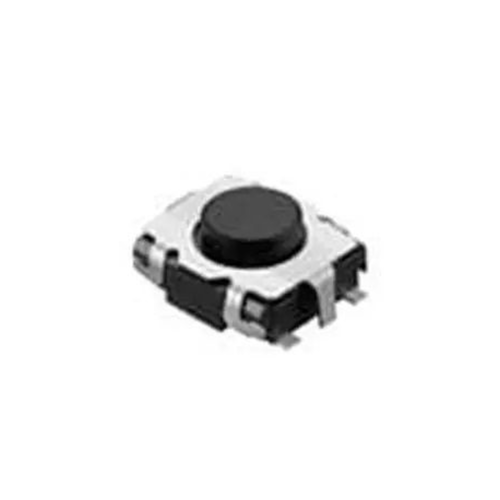
Electrical compatibility is the starting point for matching a switch to its task. Voltage and current ratings describe the conditions a component is designed to handle, and ratings for alternating current and direct current should not be treated as equivalent. A switch intended for a low-voltage signal circuit is not automatically suitable for household wiring, even if its shape resembles a wall control. The type of load also matters: motors and some lighting circuits can draw a brief surge of current at startup, while inductive loads can create voltage spikes when switched off. Relevant manufacturer specifications help establish whether a component is suitable for those demands. Contact arrangements provide another important distinction. A single-pole, single-throw switch controls one circuit through a simple open or closed path. A single-pole, double-throw switch connects one common terminal to either of two other terminals, allowing a circuit to select between paths. Double-pole designs can operate two separate circuits together. Normally open and normally closed describe the contact state when the switch is not actuated; these terms are especially useful when matching momentary controls. For a solid-state switch, control-signal requirements, on-state resistance, off-state leakage, and heat dissipation can all affect compatibility. Physical fit is just as practical a concern. Panel-mounted switches need a matching opening, sufficient clearance behind the panel, and a fastening method suited to its thickness. Circuit-board switches require the correct footprint, terminal spacing, and orientation. Solder terminals, quick-connect tabs, screw terminals, and board pins call for different connection methods, so a matching faceplate does not guarantee a matching installation. In a compact enclosure, the body of the switch and the space needed for wiring may matter more than the visible button. For projects where space is limited, Mini Switches provide a related category to explore, with dimensions and electrical specifications remaining essential to the choice. Any component intended for household mains power needs appropriate ratings and applicable Canadian safety approvals; installation involving fixed wiring is best handled by a qualified electrician.
Materials, construction, and handling influence how an electronic switch performs over time. Housings may use moulded plastic, metal, or a combination of both, while internal contacts use conductive metals or plated surfaces selected for particular electrical duties. A metal actuator can offer a firm feel, but the outer material alone does not establish electrical capacity or service life. Gold-plated contacts are often used for low-level signals, where dependable contact at very small currents is important, while other contact materials may be better suited to higher-power switching. Mechanical life and electrical life are different specifications: a mechanism may withstand many operations without a load, yet have a different rated lifespan when switching its specified current. For frequently used controls, operating force, travel distance, and tactile feedback help determine whether a switch feels deliberate or tiring. A recessed button or guarded actuator can reduce unintended operation on equipment that is moved or handled often. Where dust or splashes are a concern, an ingress protection rating offers more useful information than a general description such as rugged, and any stated protection may depend on correct mounting and seals. Care usually involves keeping the actuator and surrounding surface clean, preventing debris from collecting around moving parts, and avoiding cleaners that could damage plastics, markings, or seals. Equipment should be disconnected from power before inspection or maintenance, and cleaning should follow the manufacturer’s directions rather than involve spraying liquid into the mechanism. A loose actuator, intermittent response, visible damage, or signs of overheating warrant stopping use and having the fault assessed. Replacement involves matching the original function and specifications, not simply choosing a control with a similar shape or colour. For a workbench project, a clear click and readable on/off markings may be useful; for a compact control panel, low-profile construction and consistent spacing may take priority. The best match brings electrical suitability, secure fit, comfortable operation, and durability together so that the switch performs its intended role reliably.
Electrical compatibility is the starting point for matching a switch to its task. Voltage and current ratings describe the conditions a component is designed to handle, and ratings for alternating current and direct current should not be treated as equivalent. A switch intended for a low-voltage signal circuit is not automatically suitable for household wiring, even if its shape resembles a wall control. The type of load also matters: motors and some lighting circuits can draw a brief surge of current at startup, while inductive loads can create voltage spikes when switched off. Relevant manufacturer specifications help establish whether a component is suitable for those demands. Contact arrangements provide another important distinction. A single-pole, single-throw switch controls one circuit through a simple open or closed path. A single-pole, double-throw switch connects one common terminal to either of two other terminals, allowing a circuit to select between paths. Double-pole designs can operate two separate circuits together. Normally open and normally closed describe the contact state when the switch is not actuated; these terms are especially useful when matching momentary controls. For a solid-state switch, control-signal requirements, on-state resistance, off-state leakage, and heat dissipation can all affect compatibility. Physical fit is just as practical a concern. Panel-mounted switches need a matching opening, sufficient clearance behind the panel, and a fastening method suited to its thickness. Circuit-board switches require the correct footprint, terminal spacing, and orientation. Solder terminals, quick-connect tabs, screw terminals, and board pins call for different connection methods, so a matching faceplate does not guarantee a matching installation. In a compact enclosure, the body of the switch and the space needed for wiring may matter more than the visible button. For projects where space is limited, Mini Switches provide a related category to explore, with dimensions and electrical specifications remaining essential to the choice. Any component intended for household mains power needs appropriate ratings and applicable Canadian safety approvals; installation involving fixed wiring is best handled by a qualified electrician.
Materials, construction, and handling influence how an electronic switch performs over time. Housings may use moulded plastic, metal, or a combination of both, while internal contacts use conductive metals or plated surfaces selected for particular electrical duties. A metal actuator can offer a firm feel, but the outer material alone does not establish electrical capacity or service life. Gold-plated contacts are often used for low-level signals, where dependable contact at very small currents is important, while other contact materials may be better suited to higher-power switching. Mechanical life and electrical life are different specifications: a mechanism may withstand many operations without a load, yet have a different rated lifespan when switching its specified current. For frequently used controls, operating force, travel distance, and tactile feedback help determine whether a switch feels deliberate or tiring. A recessed button or guarded actuator can reduce unintended operation on equipment that is moved or handled often. Where dust or splashes are a concern, an ingress protection rating offers more useful information than a general description such as rugged, and any stated protection may depend on correct mounting and seals. Care usually involves keeping the actuator and surrounding surface clean, preventing debris from collecting around moving parts, and avoiding cleaners that could damage plastics, markings, or seals. Equipment should be disconnected from power before inspection or maintenance, and cleaning should follow the manufacturer’s directions rather than involve spraying liquid into the mechanism. A loose actuator, intermittent response, visible damage, or signs of overheating warrant stopping use and having the fault assessed. Replacement involves matching the original function and specifications, not simply choosing a control with a similar shape or colour. For a workbench project, a clear click and readable on/off markings may be useful; for a compact control panel, low-profile construction and consistent spacing may take priority. The best match brings electrical suitability, secure fit, comfortable operation, and durability together so that the switch performs its intended role reliably.
Top selling and popular products
-
 Your price for this item is $30.51
 -
 Your price for this item is $30.54
 -
 Your price for this item is $38.8
 -
 Your price for this item is $844.91
 -
 Your price for this item is $909.33
 -
 Your price for this item is $30.54
 -
 Your price for this item is $712.99
 -
 Your price for this item is $65.68
Discover more categories related to Electronic Switches
Top Collections:
Pokemon Centers, Budget 4K TVs, Best Budget Office Chairs, Kindle Devices, Canon G7X Cameras, Apple iPhones 16, iPhone 15 Apple, Laptops for Business Work, Xiaomi Phones, Flip Phones
Some products may be subject to Environmental Handling Fees
(EHF) depending on your province.
Learn more about EHFs.