Extension Cables
Looking to extend the reach of your electronic devices? Look no further than our collection of extension cables. Whether you need a longer cable for your TV, computer, gaming console, or any other device, we have a wide selection to meet your needs. With various lengths and types available, you can easily find the perfect extension cable to provide the extra length and flexibility you require. Say goodbye to limited reach and hello to seamless connectivity with our reliable and durable extension cables.
Sort


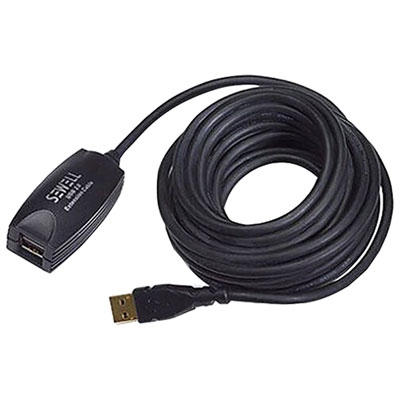
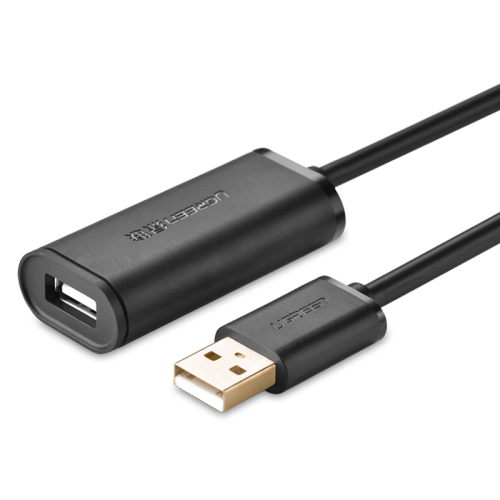

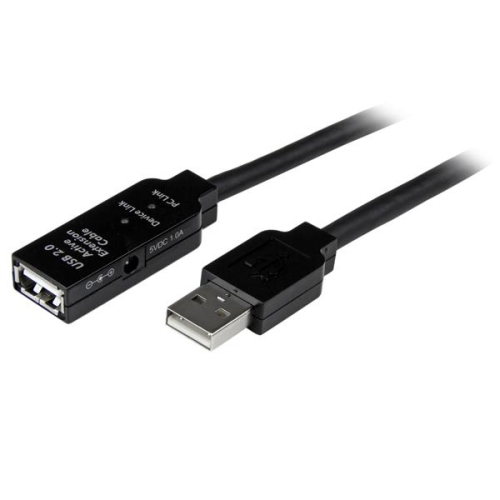









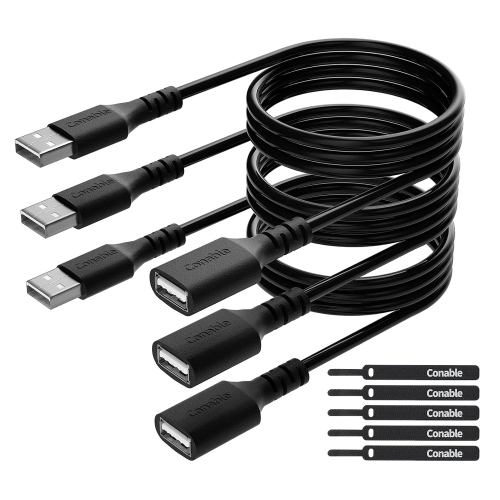
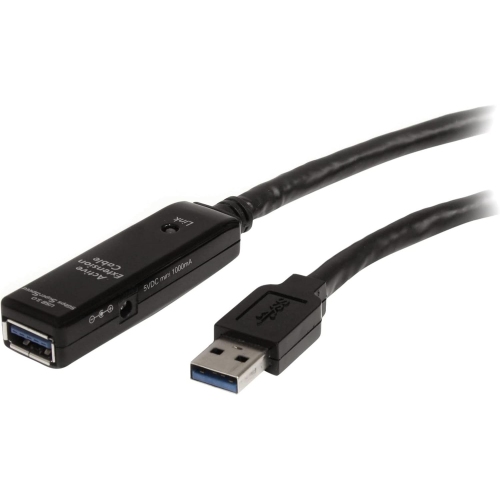


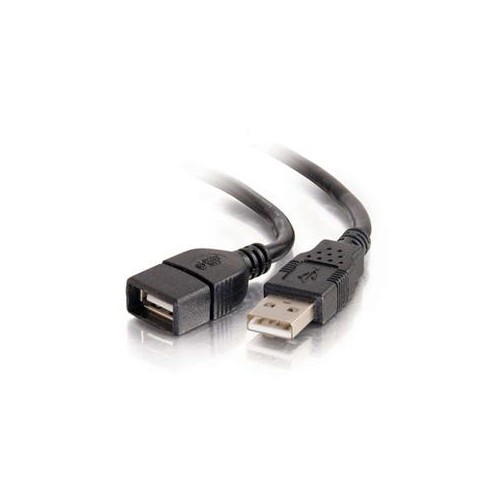


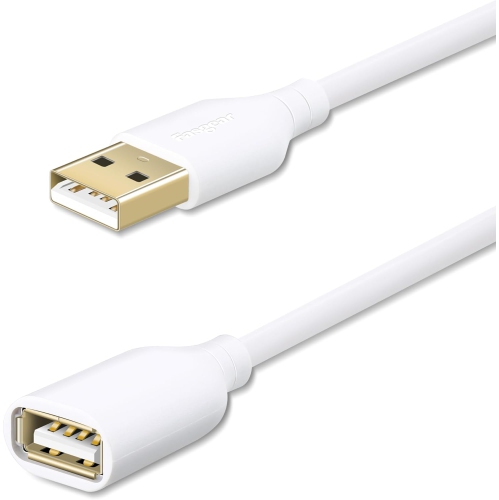
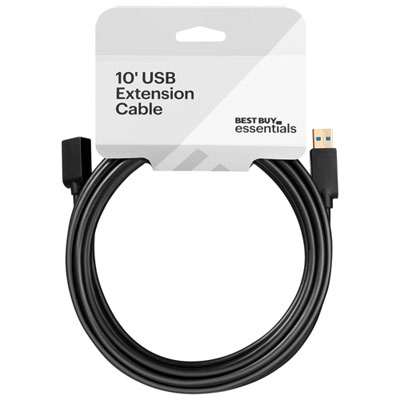
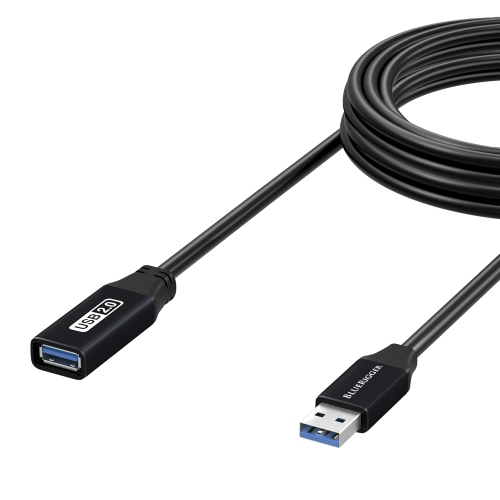


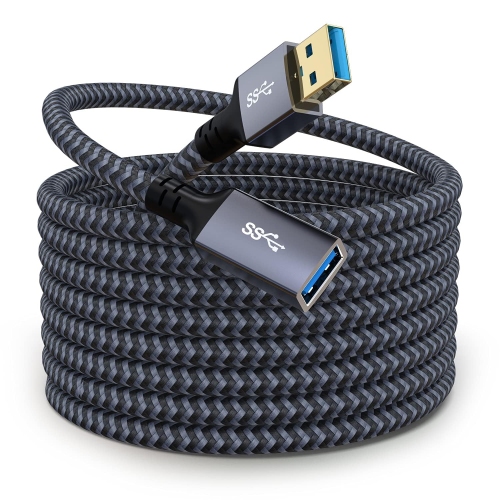

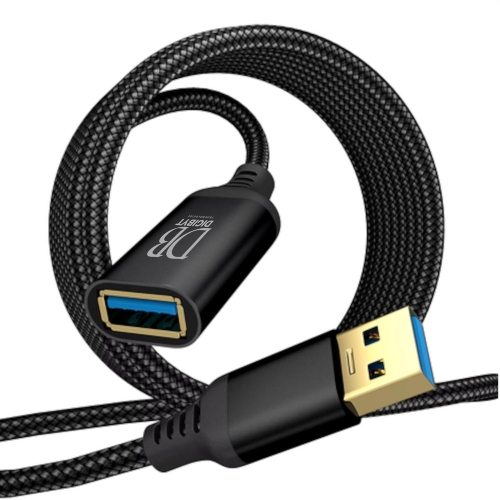


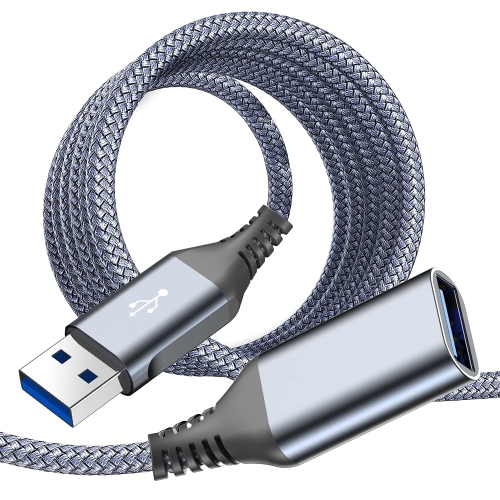


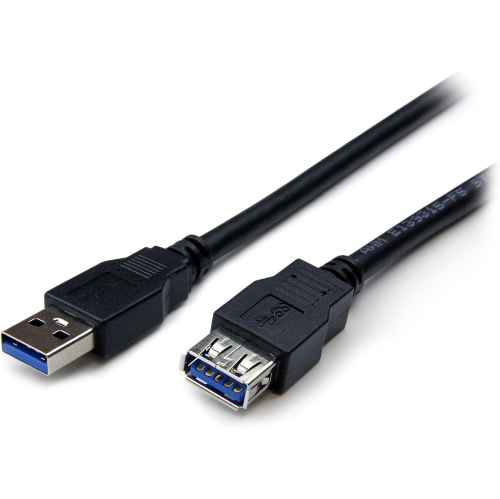
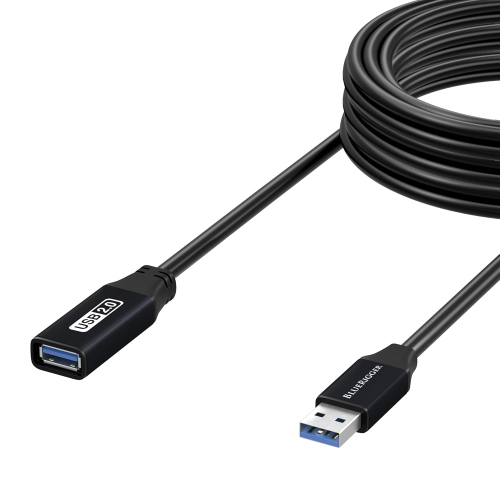
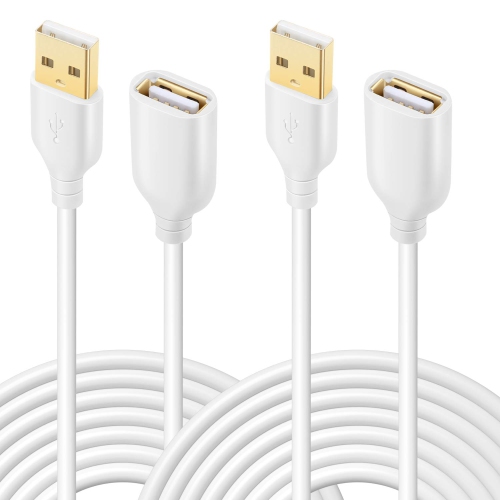
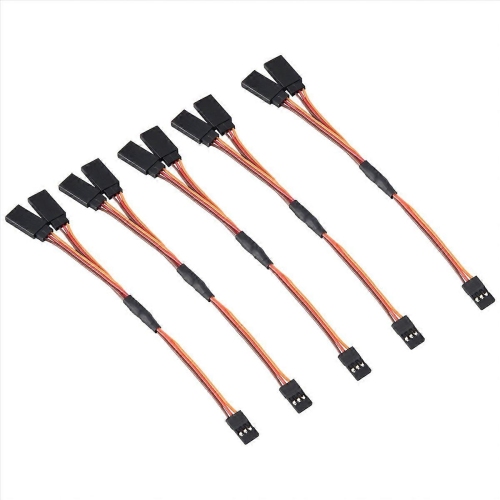


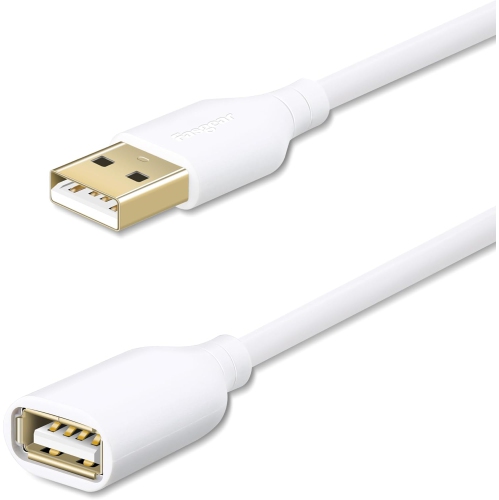

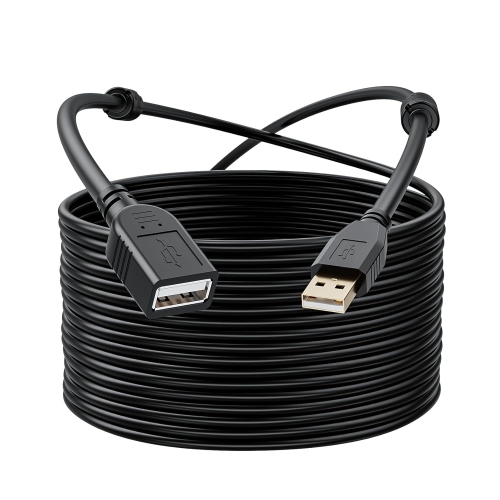


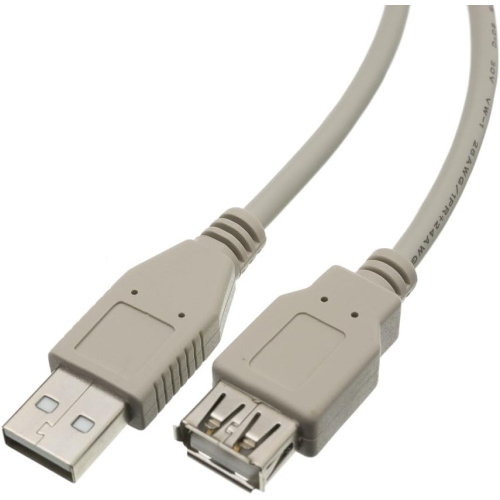
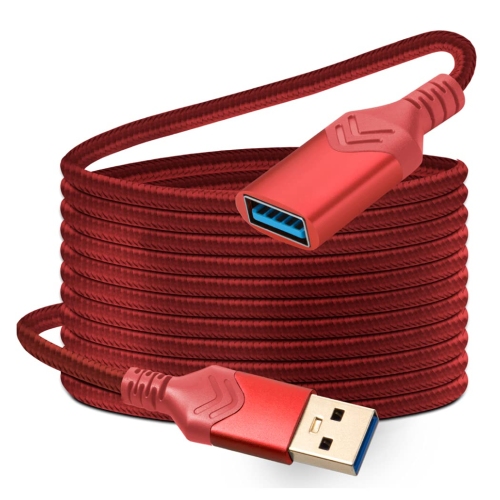

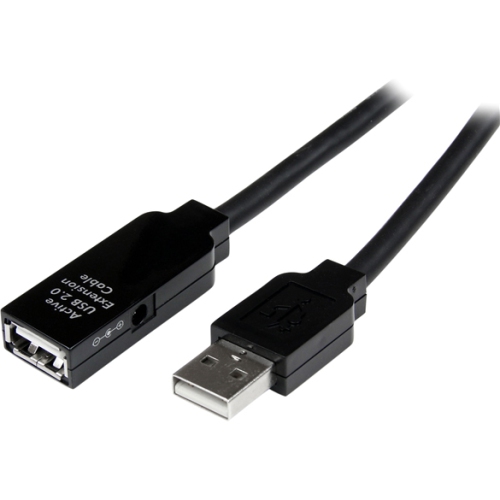


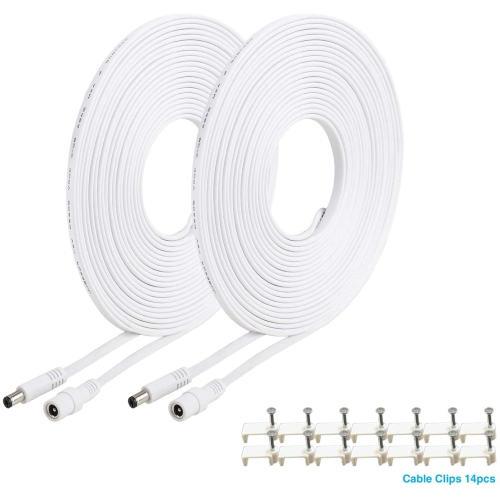


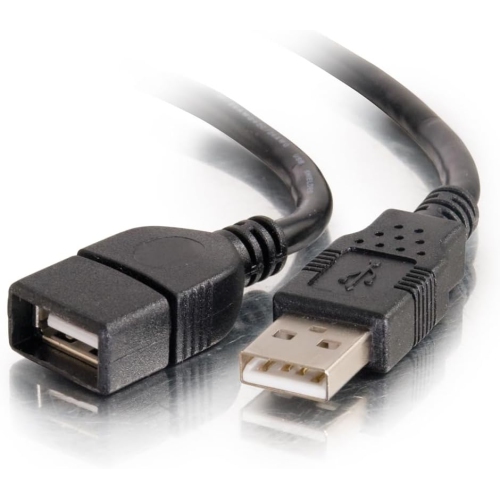
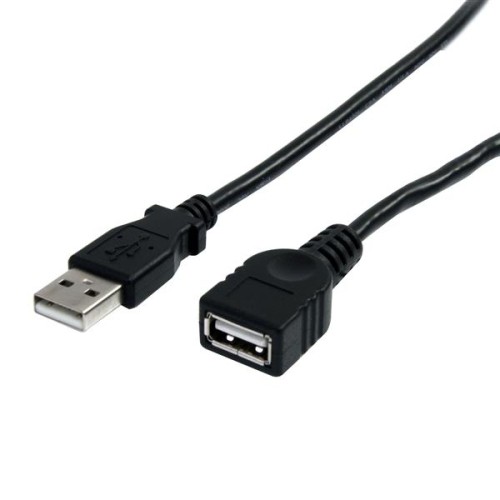

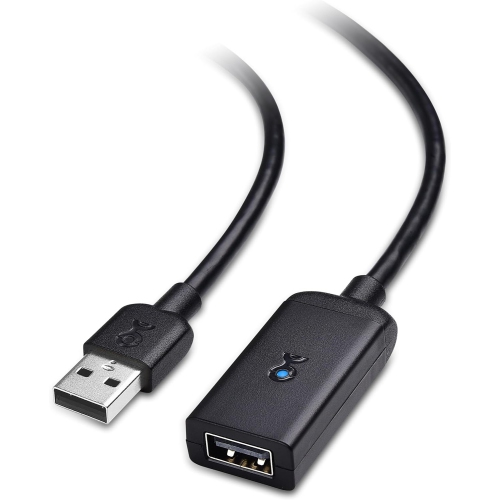
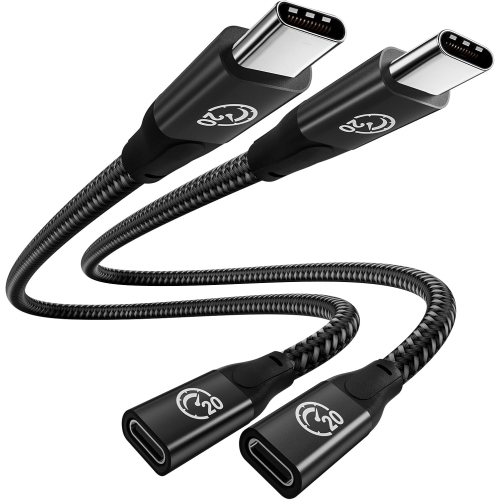


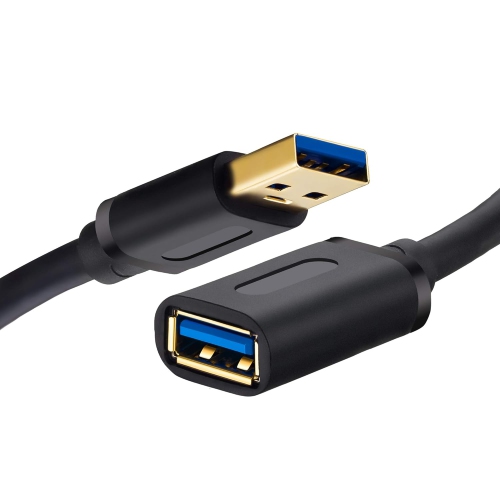
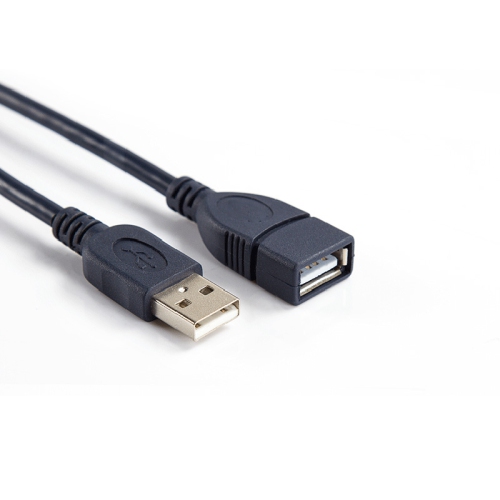









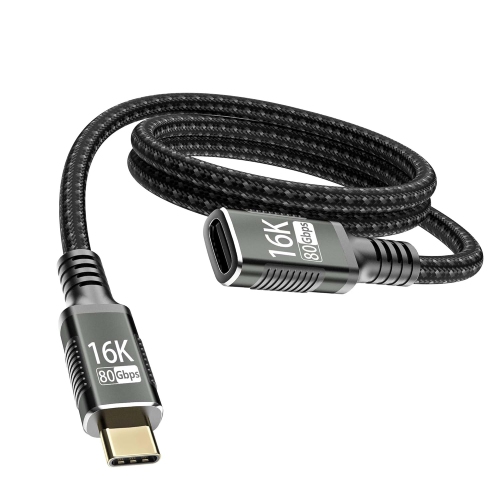

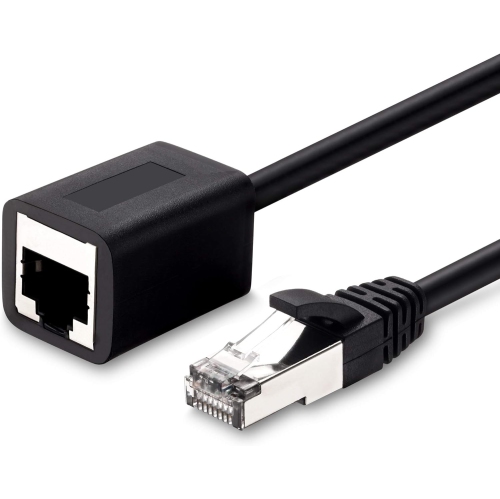

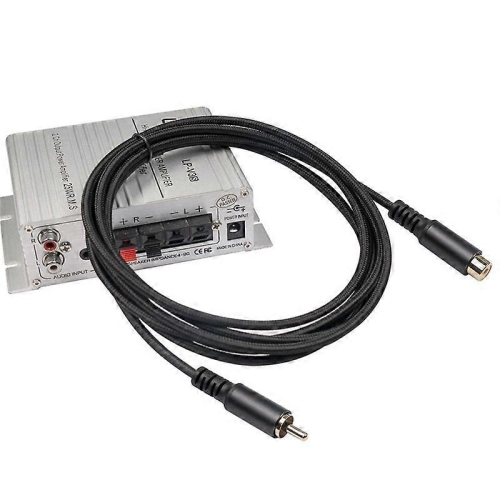

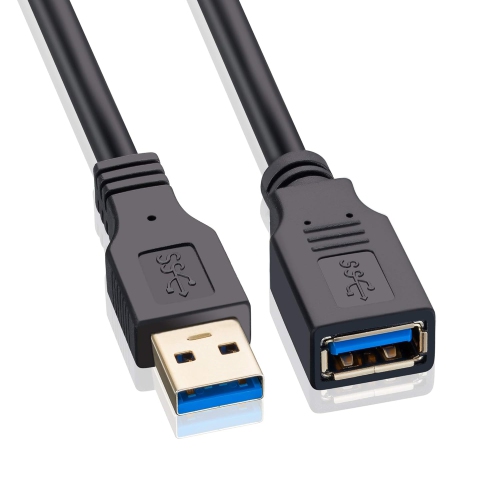

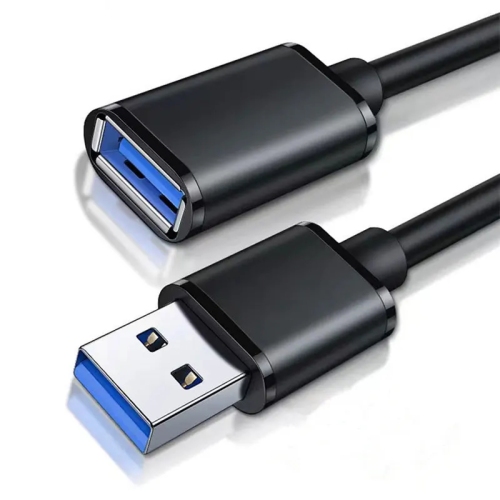
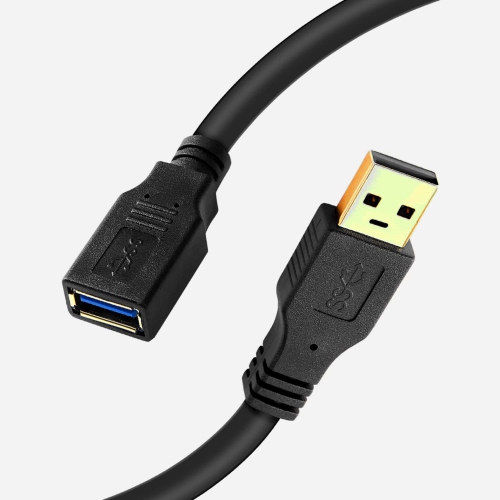

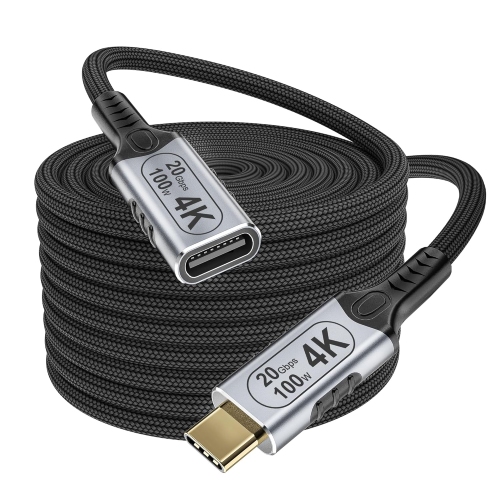

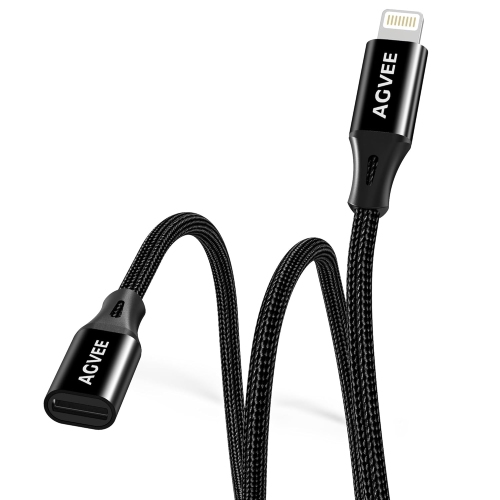
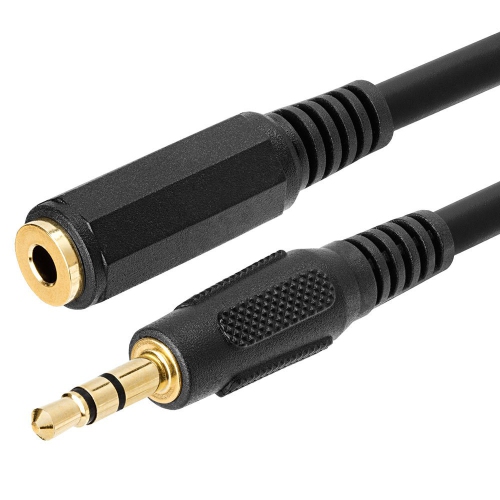
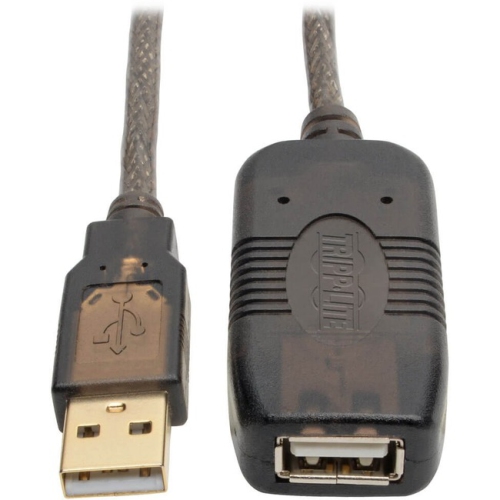

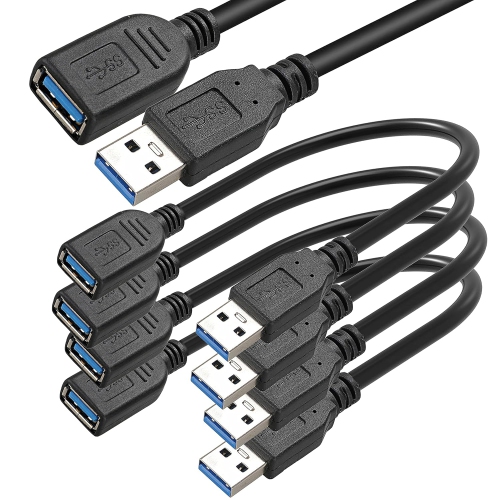

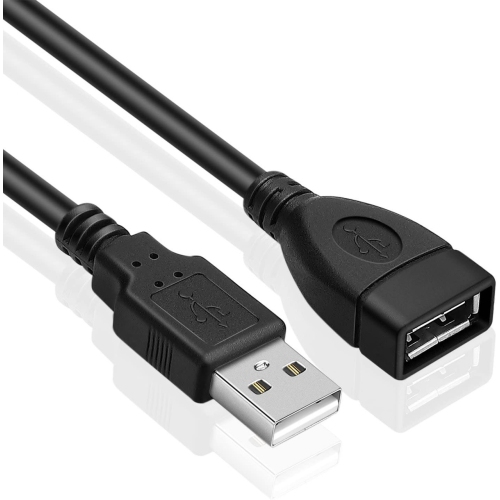
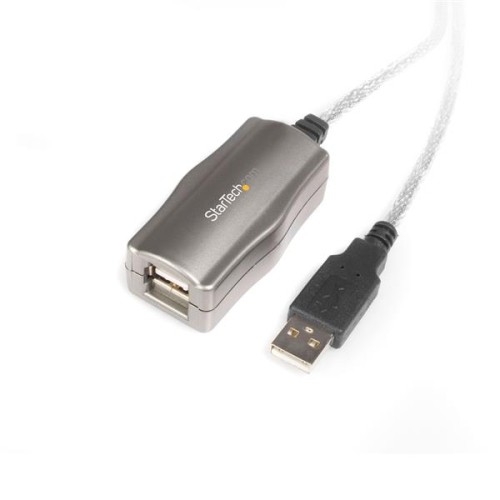


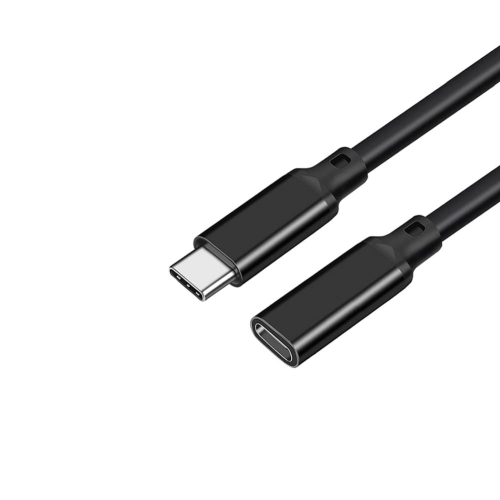
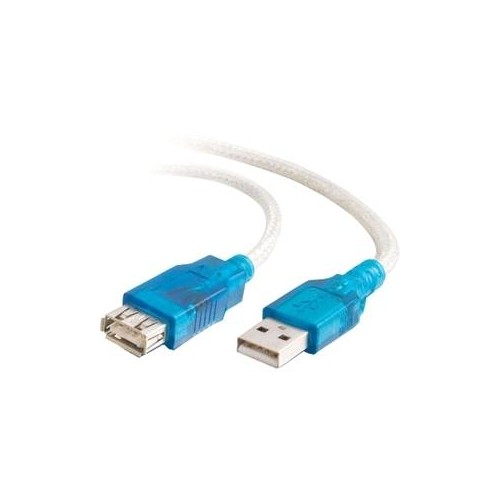

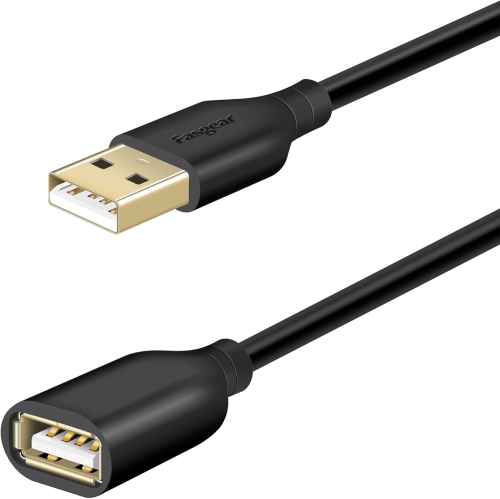





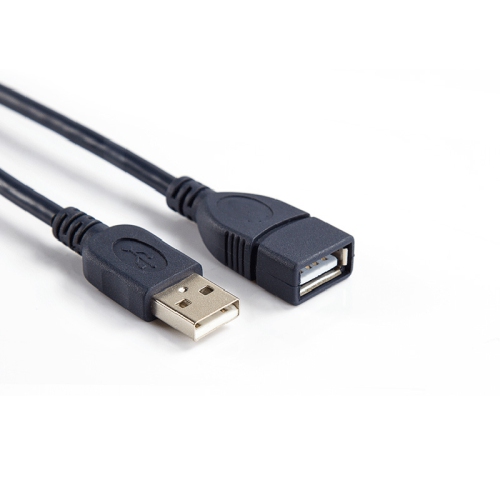
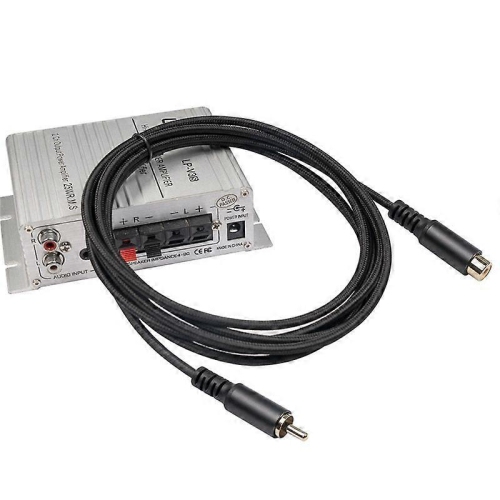


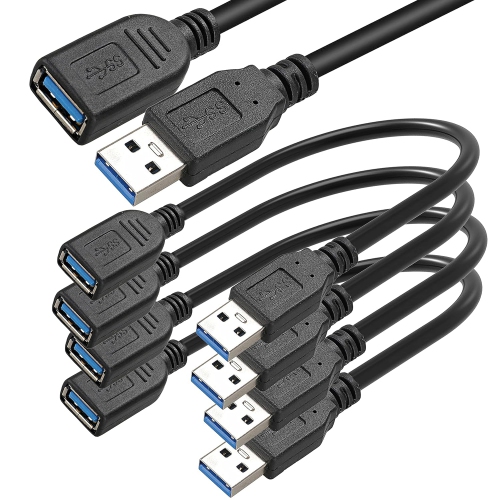
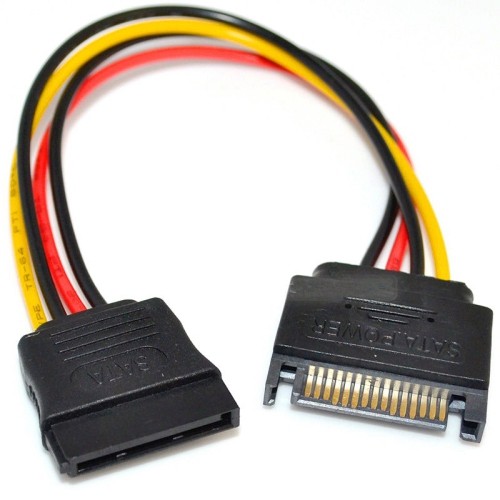

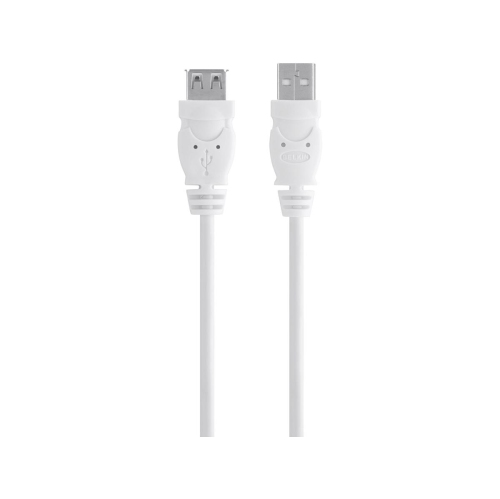
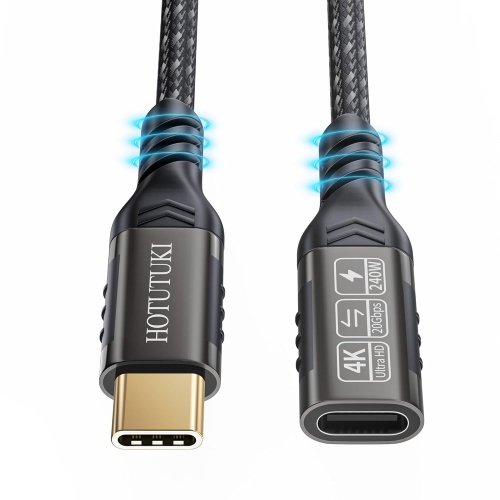
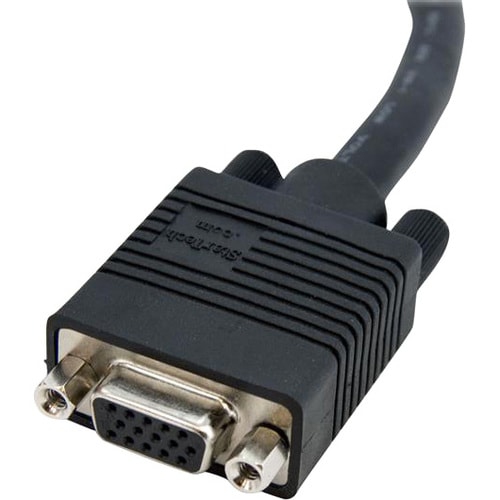


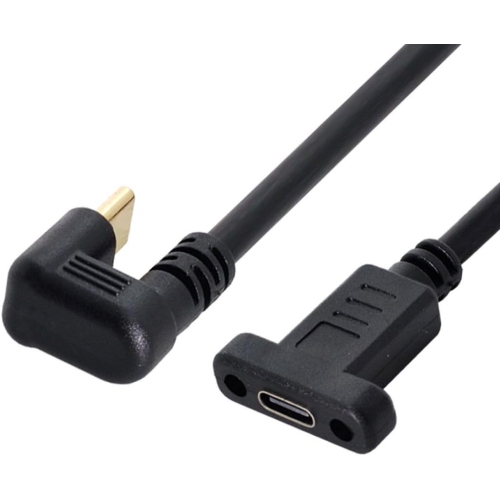






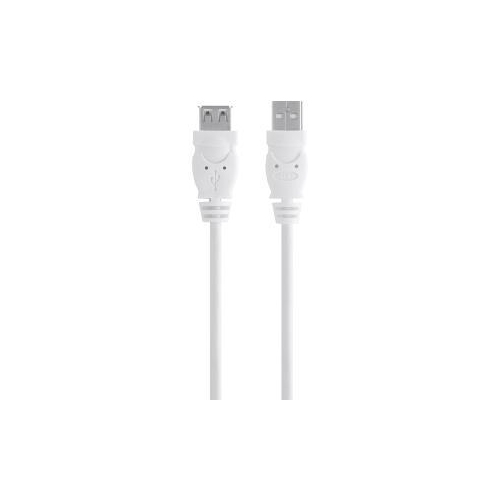

Why the right fit goes beyond cable length
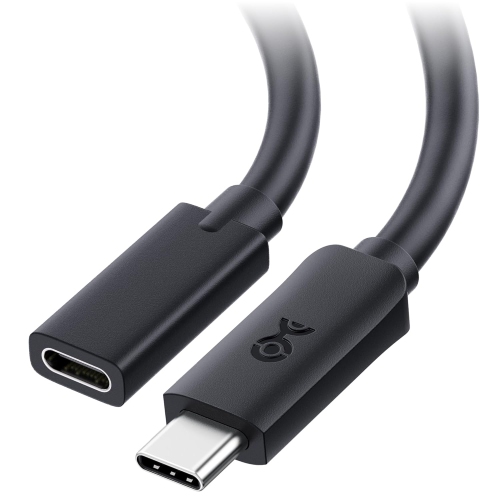
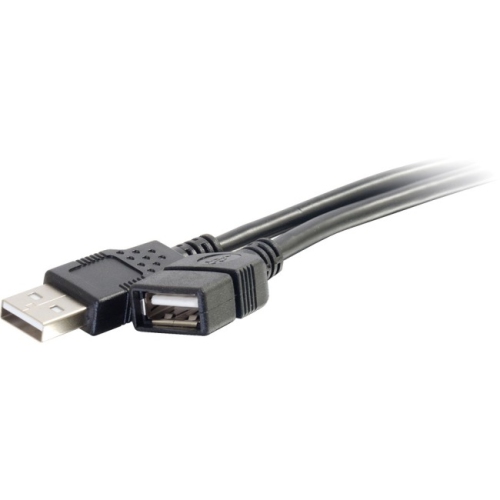
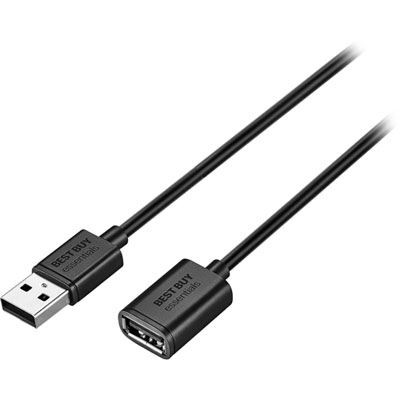
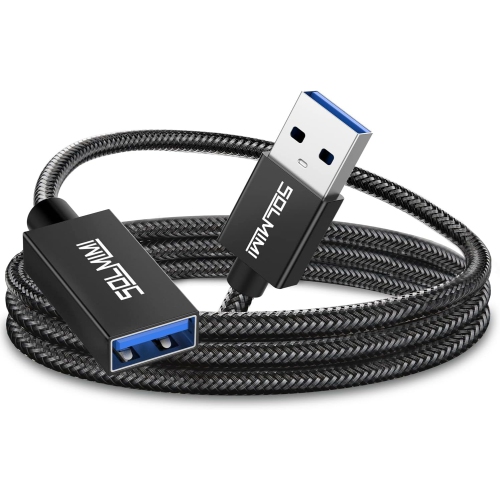
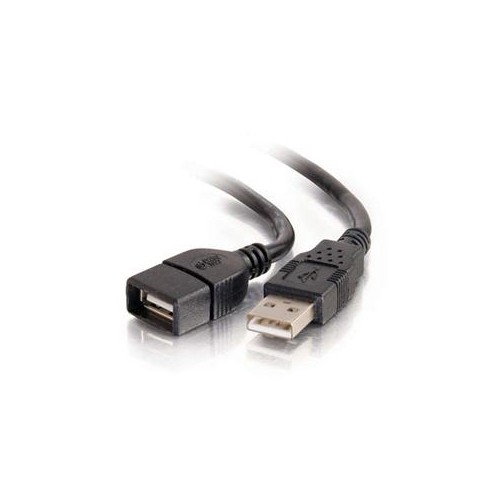
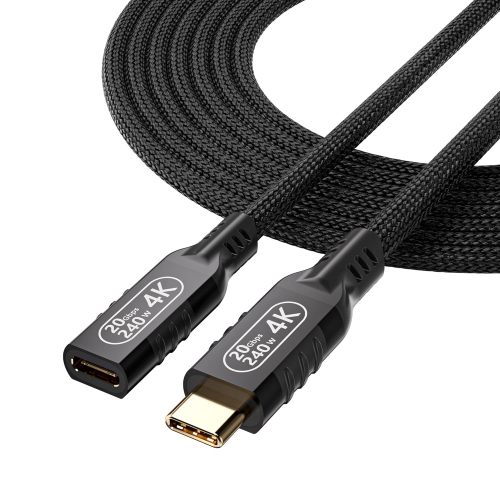
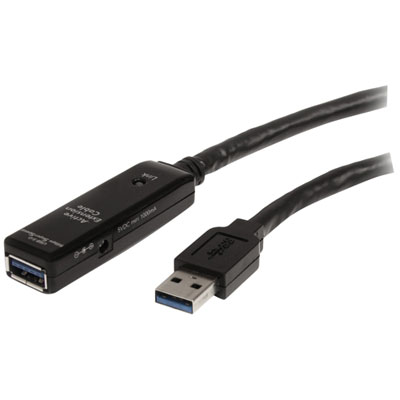
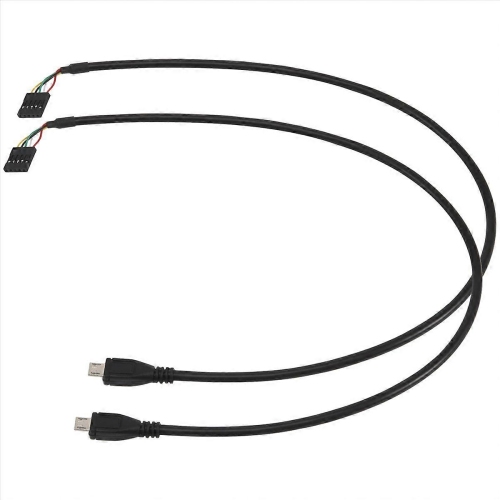
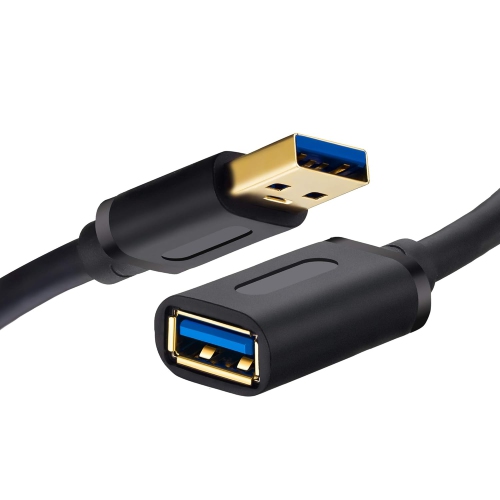
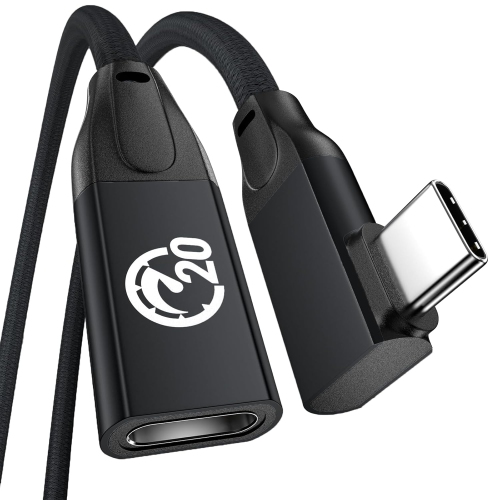
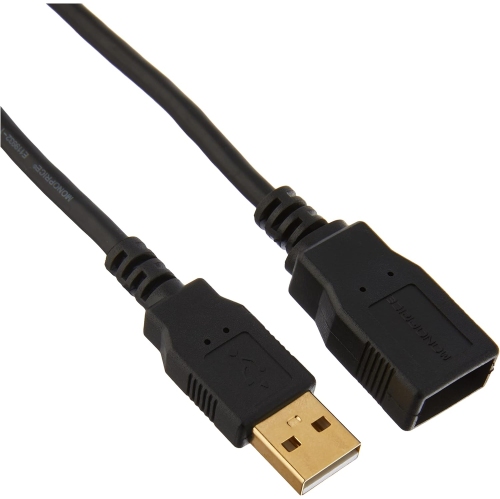
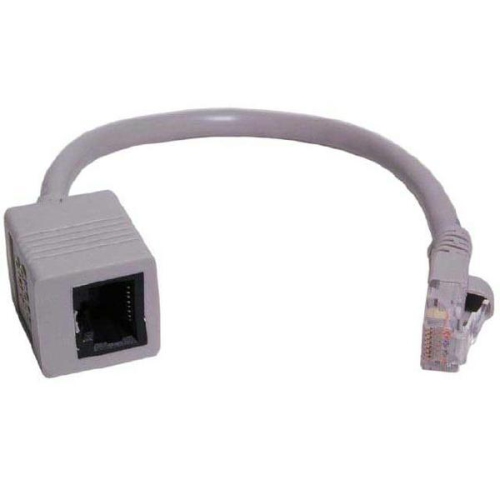
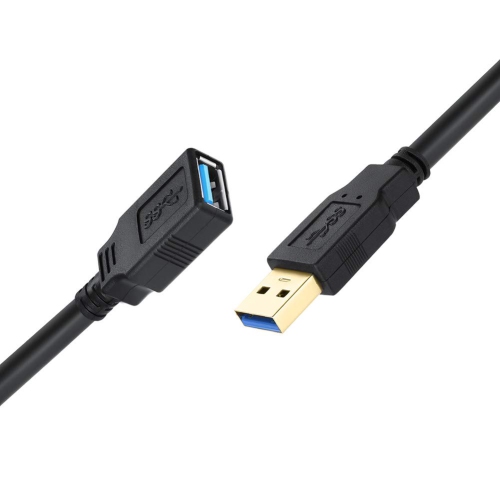
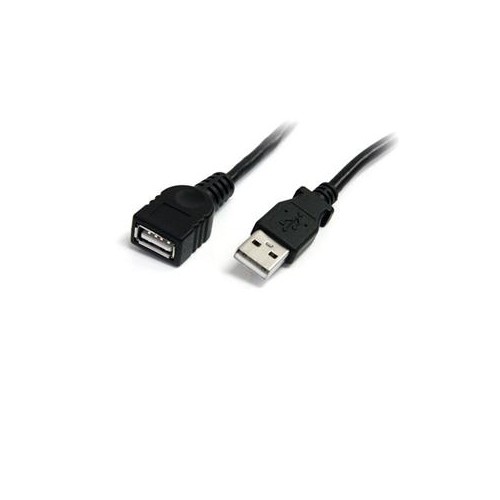
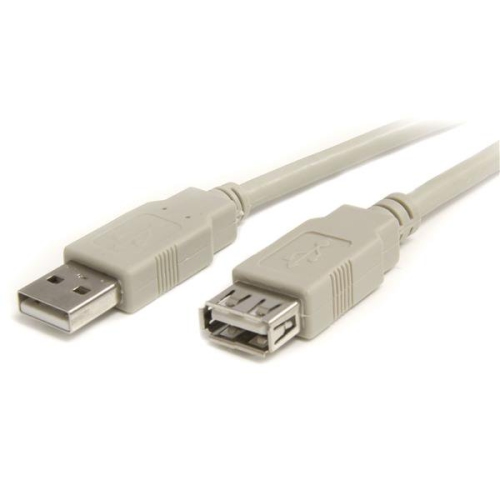
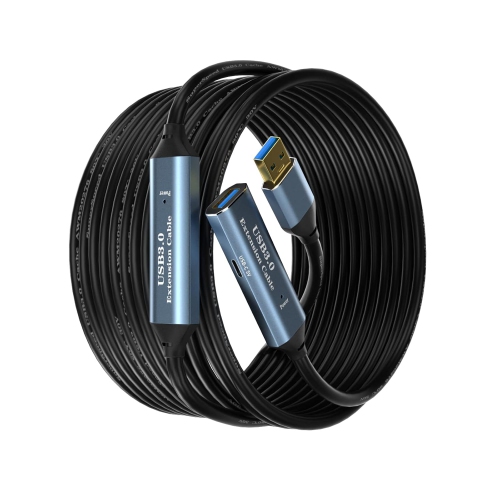
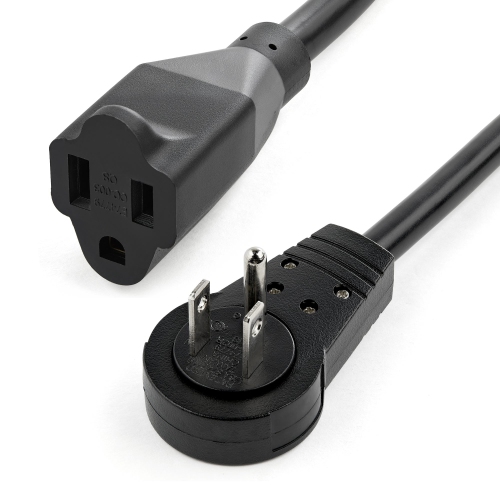
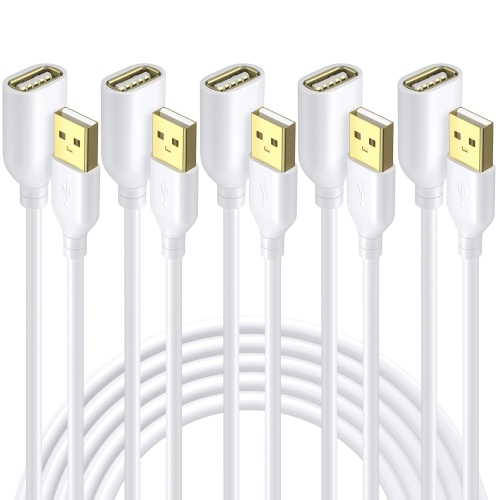
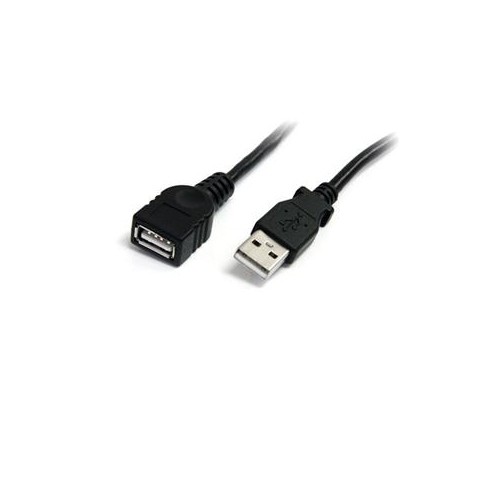
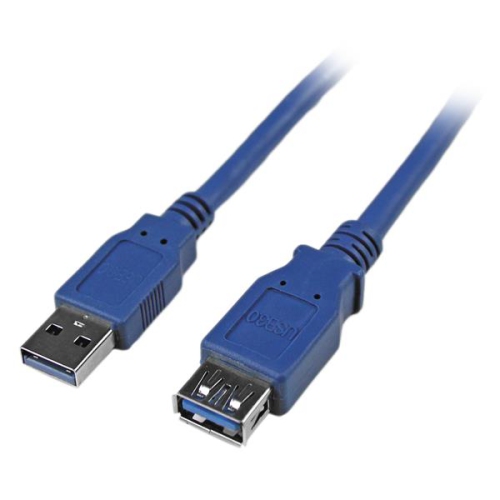
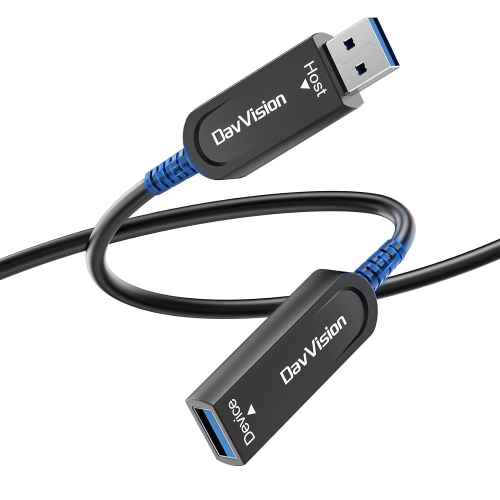
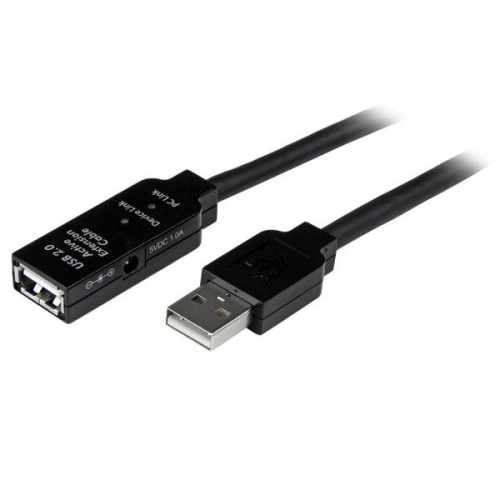
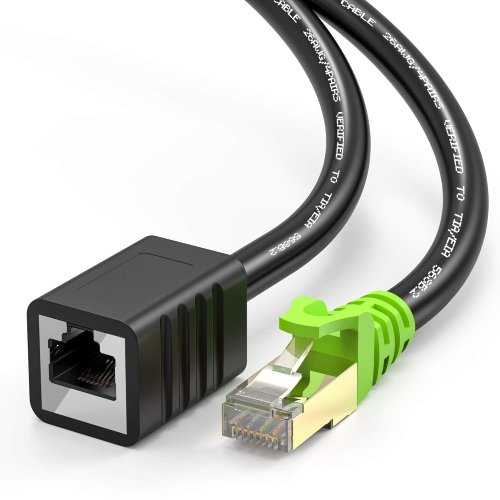
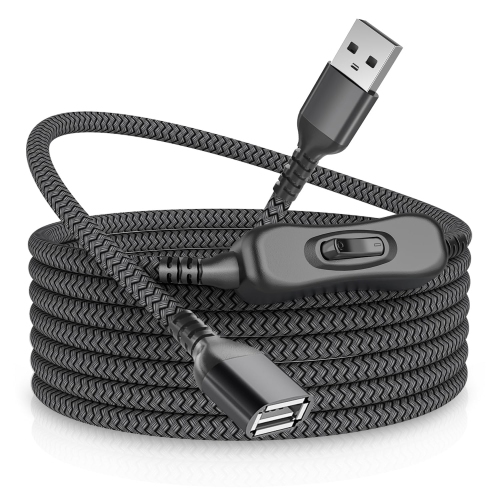
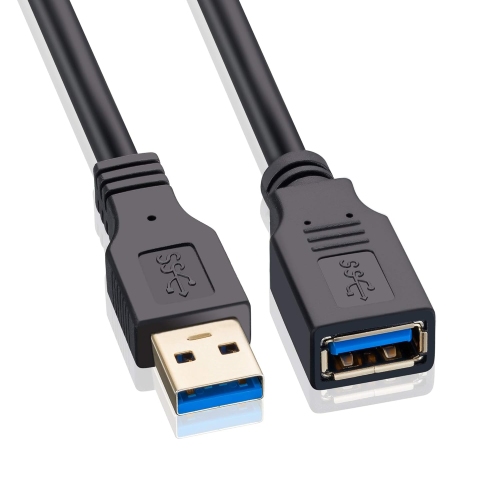
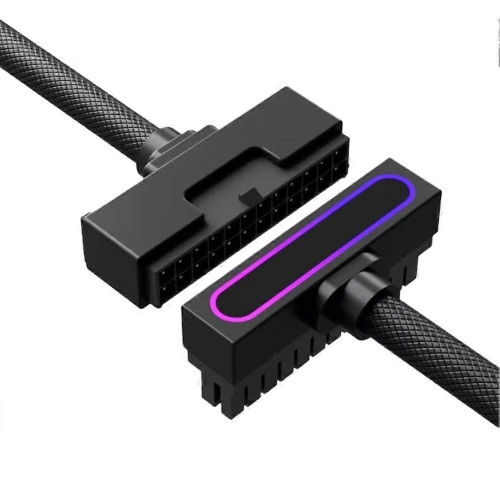
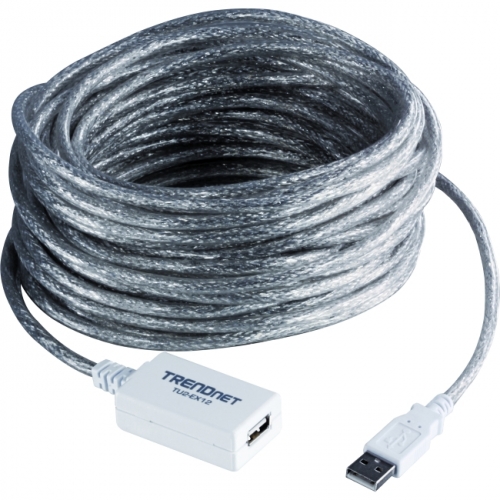
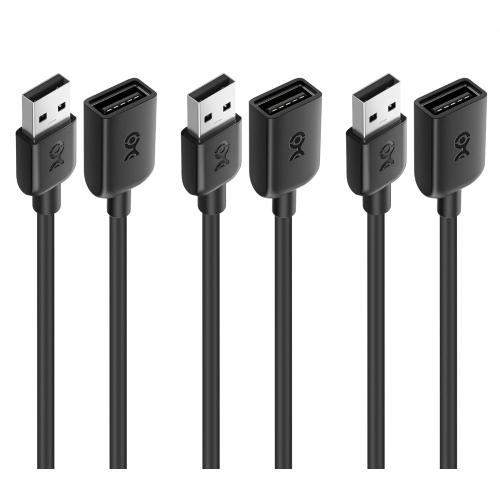
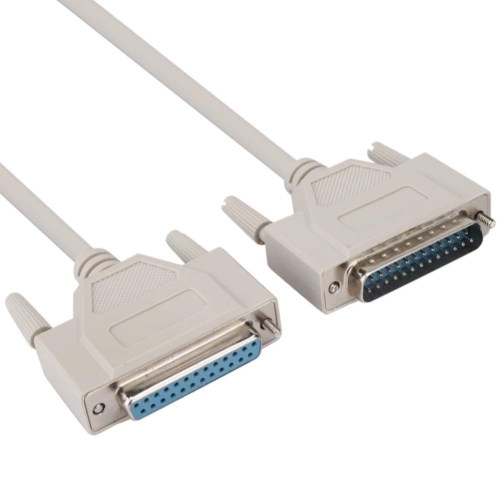
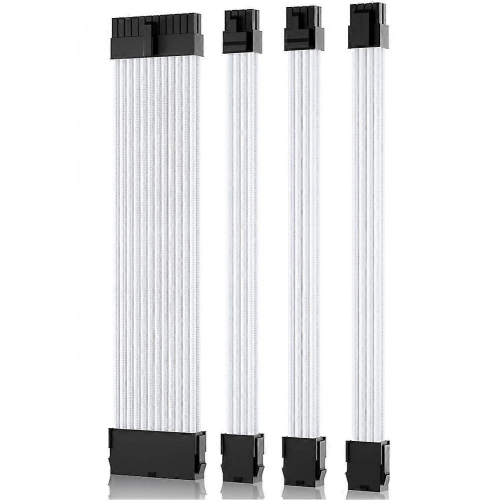
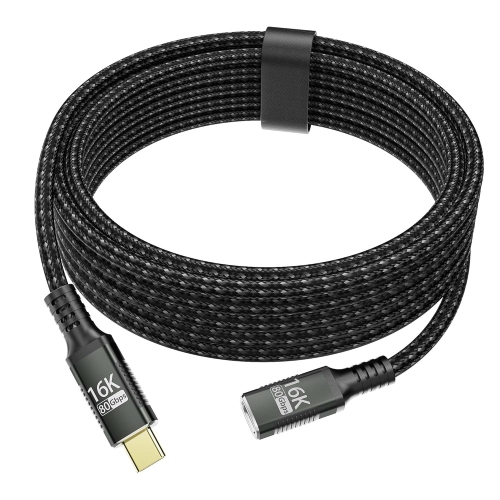
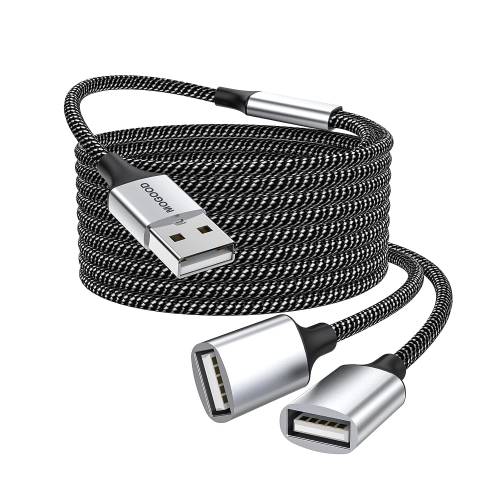
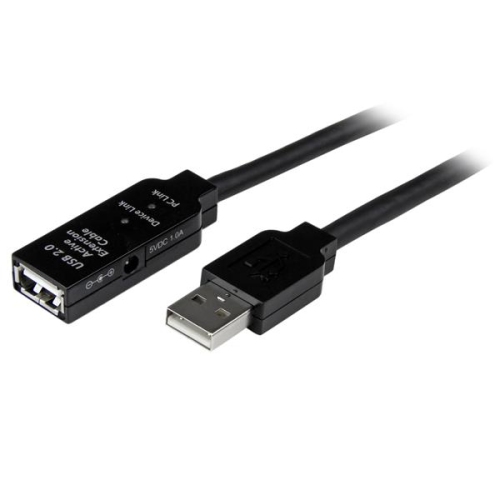
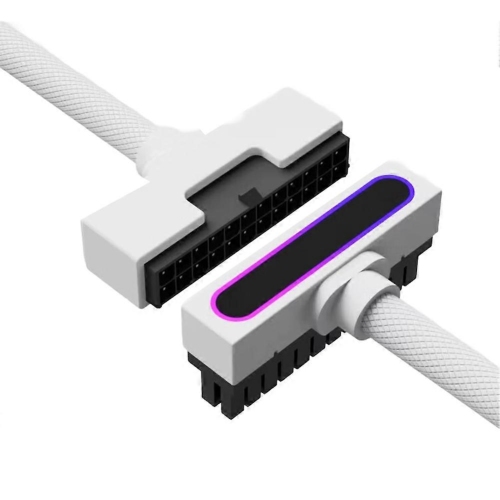
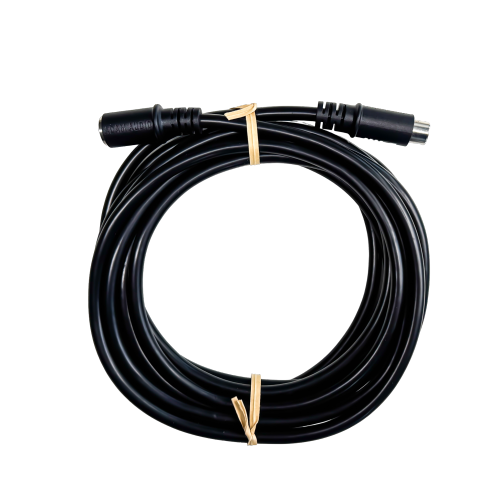
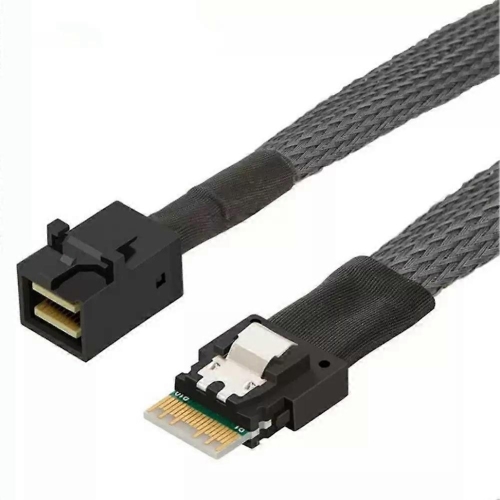
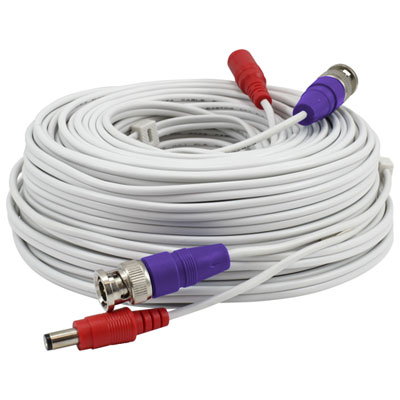
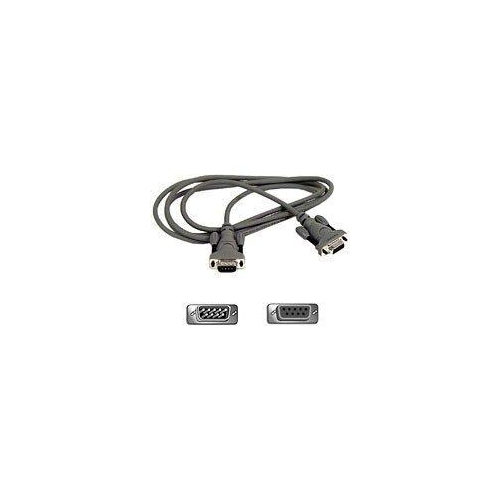
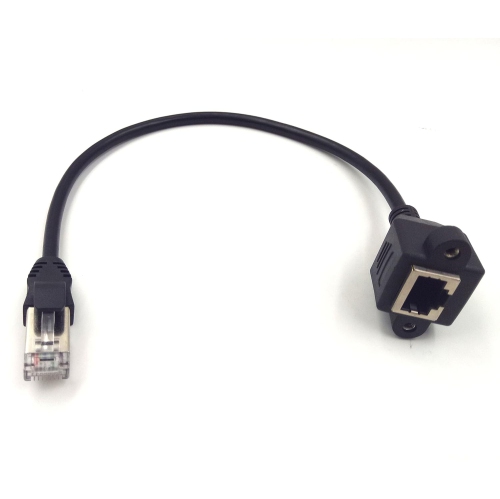
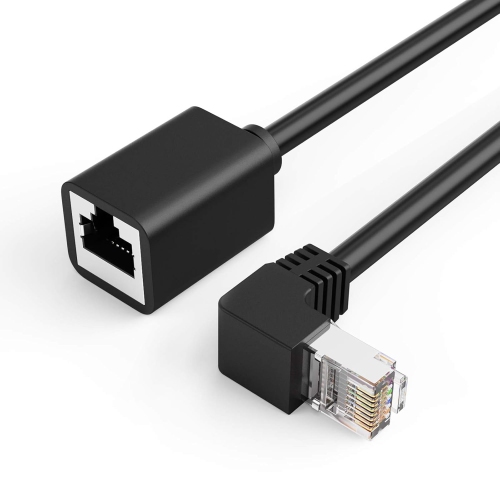
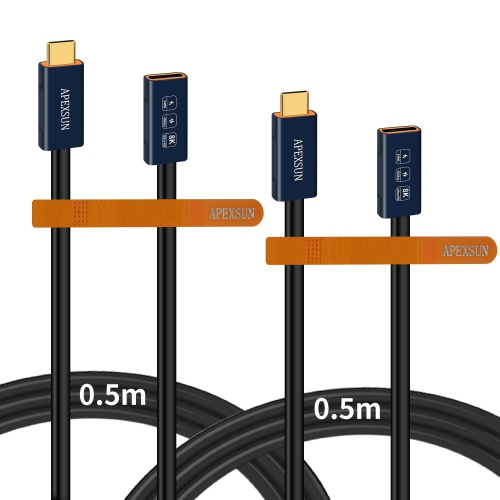
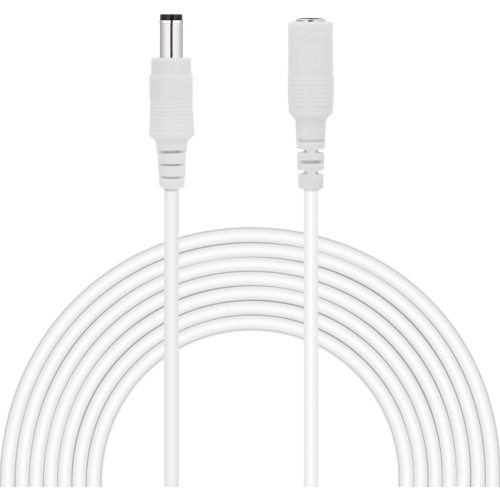
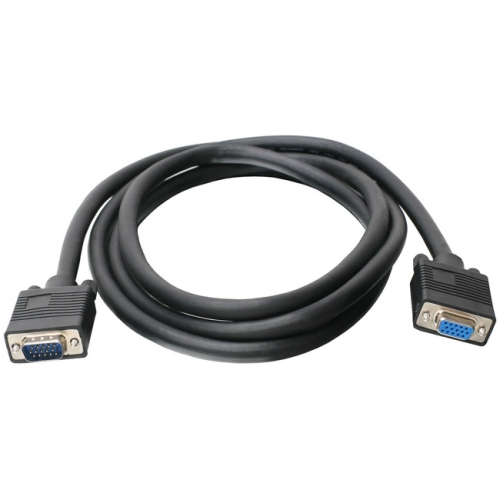
Extension cables add reach between a power source and an electrical device, or between compatible connections in an electronics setup. An electrical extension cord is a flexible cable with a plug at one end and one or more sockets at the other, intended to supply temporary power when a device’s own cord cannot reach an outlet. That extra distance can be useful for a lamp beside a reading chair, a charger at a temporary workspace, or a power tool on a project bench. The right fit depends on more than length: the plug configuration, wire gauge, electrical rating, jacket material, and intended location all help determine whether a cable suits the task. Light-duty extension cords generally serve lower-power household electronics, while heavier-duty cords are built for greater electrical loads within their stated ratings. A thicker-looking exterior alone does not establish capacity, so the markings on the cord and its packaging matter more than appearance. Flat-plug designs can reduce the space needed at a wall outlet behind furniture, provided the cable is not pinched, sharply bent, or pressed against a moving part. A right-angle connector may help direct the cable along a wall rather than straight into the back of a cabinet. Socket spacing also affects usability when a device has a bulky power adapter, although extra sockets do not increase the cord’s total power capacity. For desk setups, entertainment areas, and shared workspaces, a suitable cable length can make connections easier to position without leaving large loops across the floor. Colour can help a cable blend into a room or stand out clearly in a work area, but visibility and a clear walking path remain important. Extension cables also include signal and data extensions, which lengthen compatible audio, video, or computer connections rather than providing household electrical power. These have different compatibility requirements from electrical cords, even when their purpose is similarly to bridge a short gap between devices.
For electrical extension cords, the key specifications are voltage, amperage, wattage, length, and American Wire Gauge, usually written as AWG. A lower AWG number indicates thicker conductors: a 12-gauge cord has thicker wires than a 14-gauge cord, and a 14-gauge cord has thicker wires than a 16-gauge cord. Thicker conductors generally support higher current over a given distance, but the cord’s stated rating and the connected equipment’s instructions determine suitable use. A 16-gauge cord may suit a low-power device, while a tool with a larger electrical demand may require a heavier gauge. Length matters because electrical resistance increases as the cable gets longer, which can cause voltage drop and affect equipment performance. Choosing enough reach for a clear route, without unnecessary excess, helps match the cord to the task. The cord’s amperage and wattage ratings must meet or exceed the total connected load at the applicable voltage; a multi-outlet end does not allow each socket to carry the cord’s full rating at once. Equipment with a motor may also have start-up requirements that need consideration. Grounded devices require a compatible three-prong extension cord and a properly grounded outlet, with the grounding pin intact. An extension cord does not provide surge protection unless it is specifically designed and labelled to do so. High-power appliances and heating devices often require a direct wall connection, so a heavy-duty label is not permission to use an extension cord with every appliance. The equipment manufacturer’s directions take priority. Location is another essential distinction: indoor-rated cords must not be used outdoors. Outdoor-rated cords have jackets designed for the conditions specified by their manufacturer, but that rating does not make every connection waterproof or suitable for immersion. Outdoor electrical use also calls for appropriate ground-fault circuit interrupter protection and connections kept clear of standing water. Canadian shoppers can look for certification marks recognized in Canada, such as CSA or cUL, alongside legible electrical ratings and use designations.
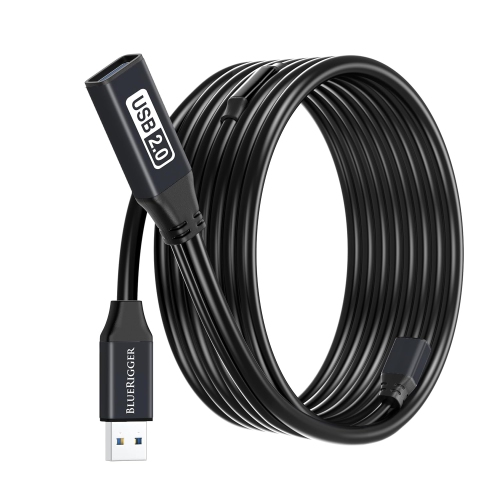
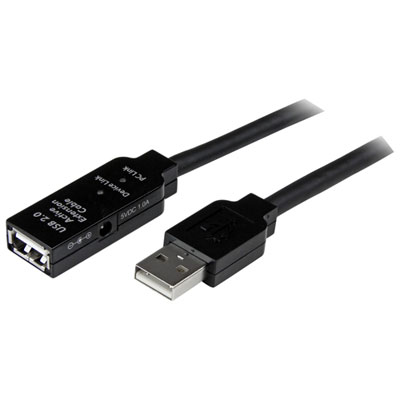
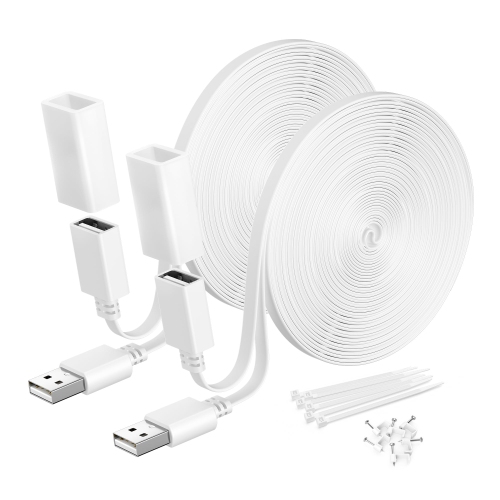
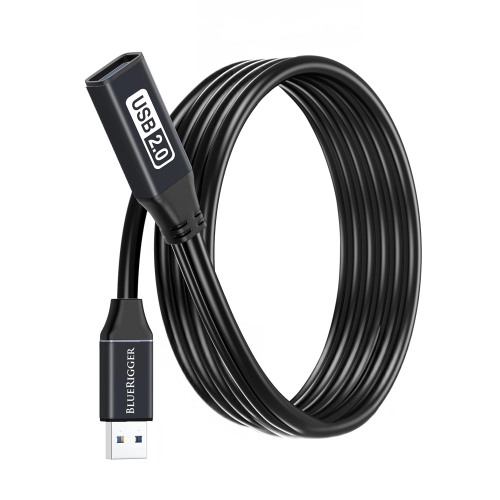
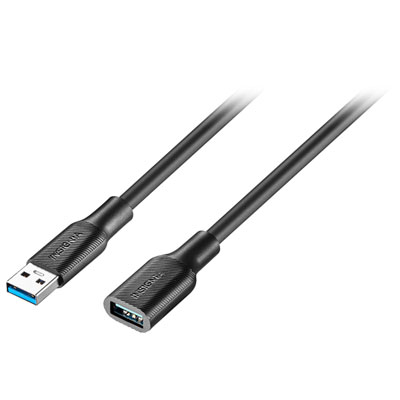
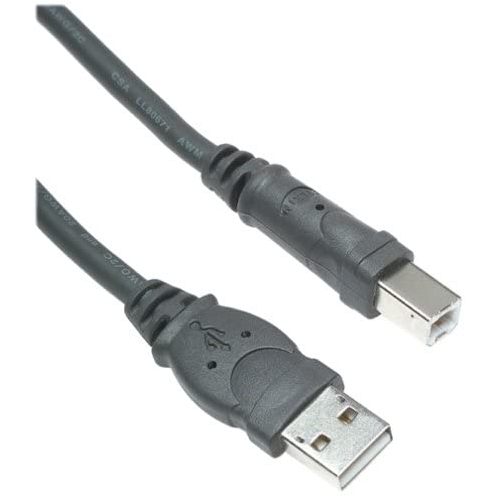
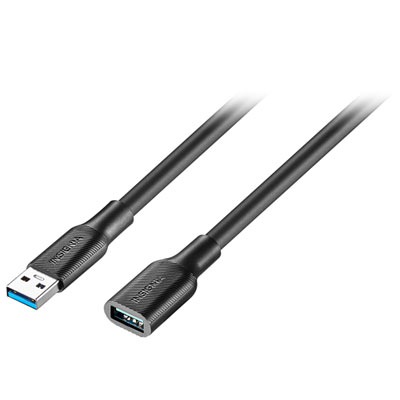
Materials and construction influence how an extension cable handles repeated setup, storage, and everyday movement. Flexible jackets made from materials such as PVC, rubber, or other formulated compounds protect the conductors, with resistance to abrasion, oil, or moisture varying by cable rating. Reinforced strain relief at the plug and socket helps limit stress where the flexible cable meets a rigid connector. Even a sturdy jacket can be damaged by a chair wheel, a closing door, or a sharp desk edge, so the route deserves as much attention as the endpoints. Power extension cords belong in open, visible paths rather than beneath rugs, through walls, or under furniture legs, and they are not a substitute for permanent wiring. A distant outlet that is needed every day may be better addressed by a qualified electrician. Avoid connecting extension cords together, and follow the manufacturer’s instructions for fully unwinding a cable reel before use, since heat can build up in a tightly wound cord under load. Before connecting equipment, check for split insulation, exposed wires, loose sockets, bent pins, or discolouration. A damaged cord should be taken out of service rather than covered with tape. Disconnect by holding the plug instead of pulling the cable, and store cords in loose coils without tight knots. For computer, audio, and video extensions, fit involves the connector type, plug and socket orientation, and supported signal standard. A connector that physically fits does not necessarily support the required charging power, data speed, display resolution, or audio function. Longer signal paths can also have performance limits, and some setups need an active extension designed for the connection involved. When the task involves changing between connection types rather than simply adding reach, Conversion Cables serve a different purpose, with compatibility depending on the devices and signal direction. Whether extending a temporary workstation connection or bringing power within reach of a project, matching the cable’s construction and ratings to its intended use supports a tidy, practical setup.
Top selling and popular products
-
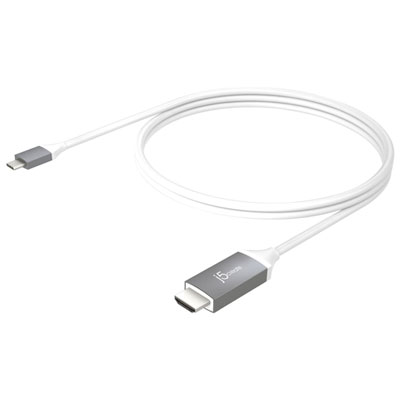 Your price for this item is $39.99
-
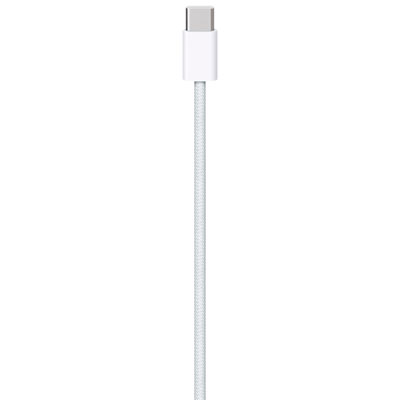 Your price for this item is $24.99
-
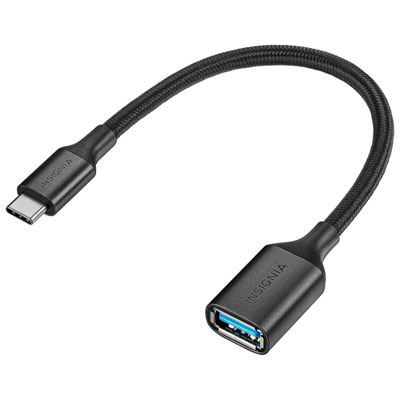 Your price for this item is $19.99
-
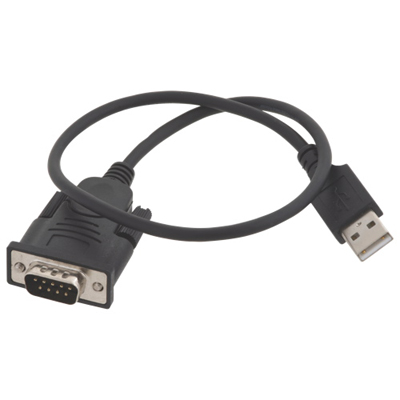 Your price for this item is $29.99
-
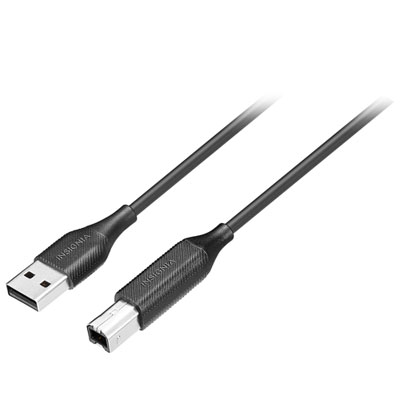 Your price for this item is $29.99
-
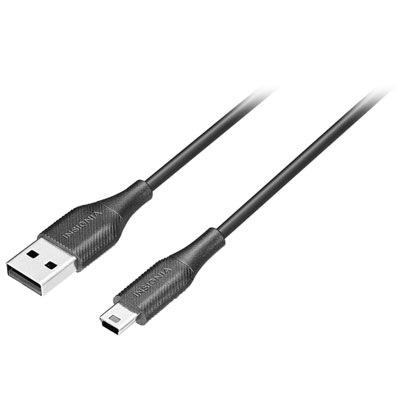 Your price for this item is $19.99
-
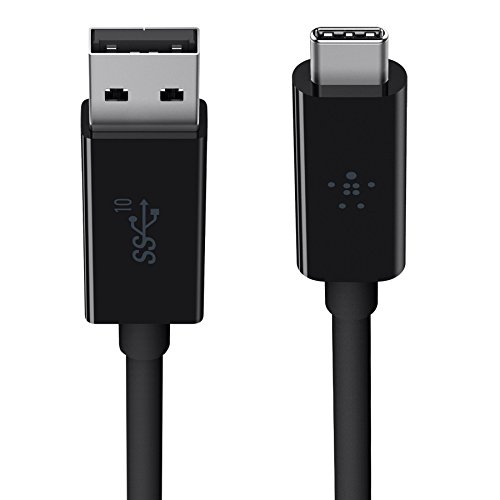 Your price for this item is $31.99
-
 Your price for this item is $24.99
Discover more categories related to Extension Cables

Top Collections:
Pokemon Centers, Kindle Devices, Best Budget Office Chairs, Canon G7X Cameras, Apple iPhones 16, Samsung Galaxy Phones, Refurbished Apple Laptops, Laptops for Students, iPhone 15 Apple, Budget Smartphones
Some products may be subject to Environmental Handling Fees
(EHF) depending on your province.
Learn more about EHFs.