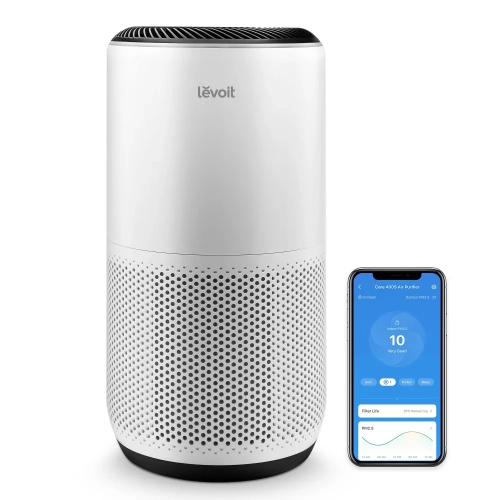
Indoor Air Quality Monitors
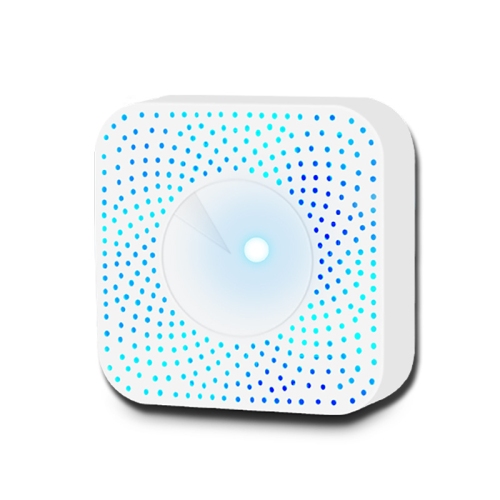
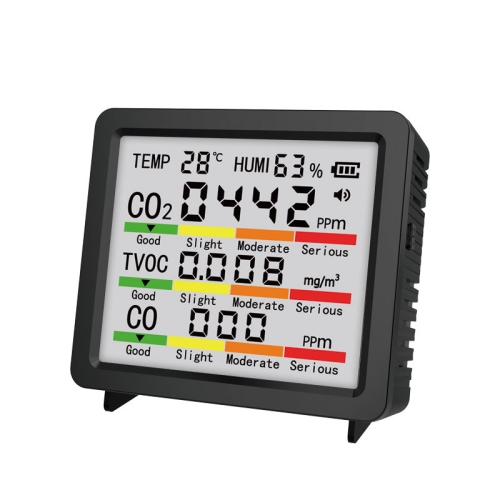
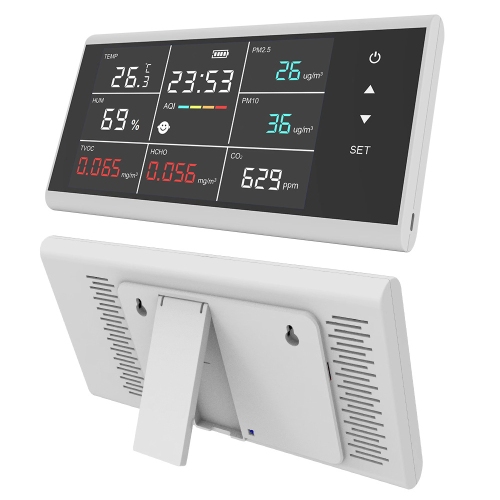
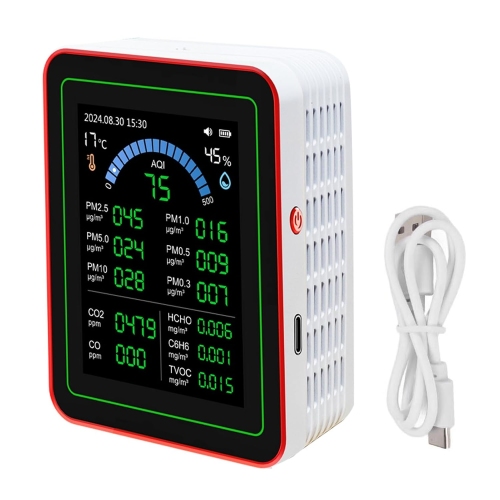
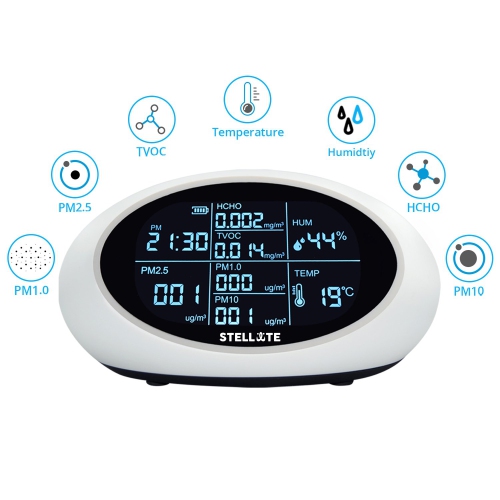
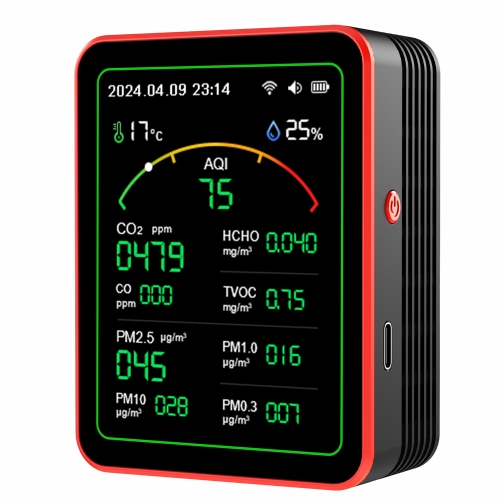
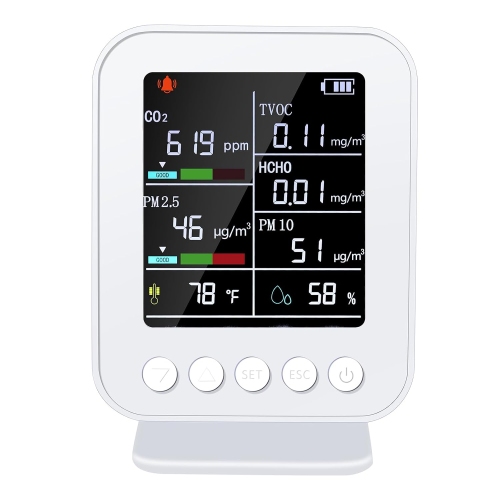
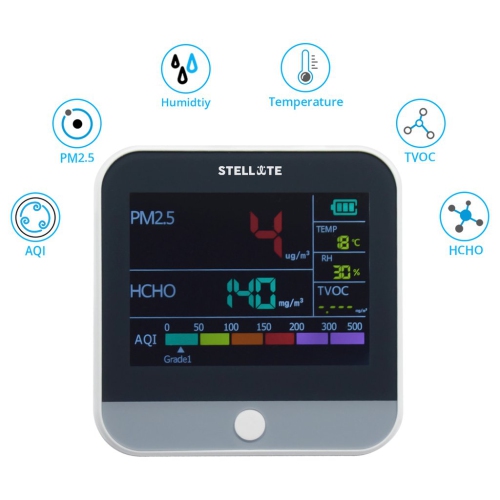
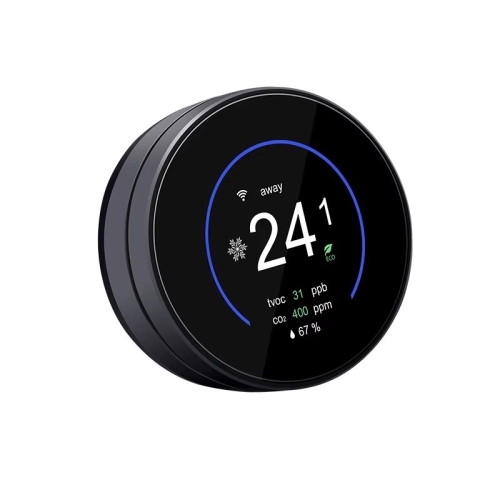
Maintaining a healthy indoor environment is essential for our overall well-being, and one crucial aspect of this is monitoring the air quality in our homes. With the increasing awareness of the impact of indoor pollutants on our health, indoor air quality monitors have become an indispensable tool for many households. These innovative devices allow you to keep track of various factors that affect the air you breathe, such as humidity levels, temperature, particulate matter, and volatile organic compounds (VOCs). Whether you're concerned about allergies, asthma triggers, or simply want to ensure a clean and comfortable living space, our selection of indoor air quality monitors offers you peace of mind by providing real-time data and insights into your home's air quality.
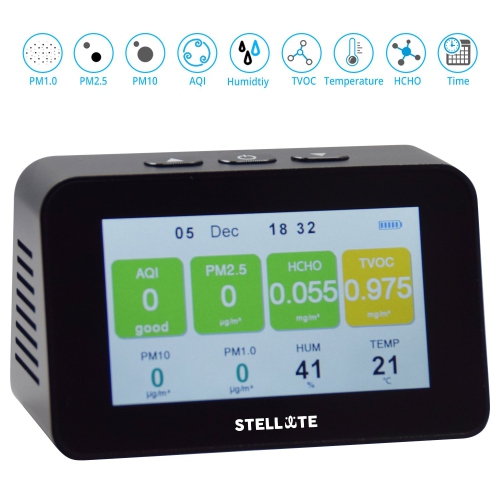
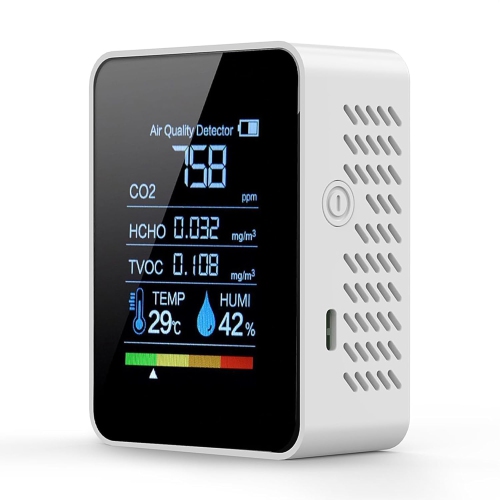
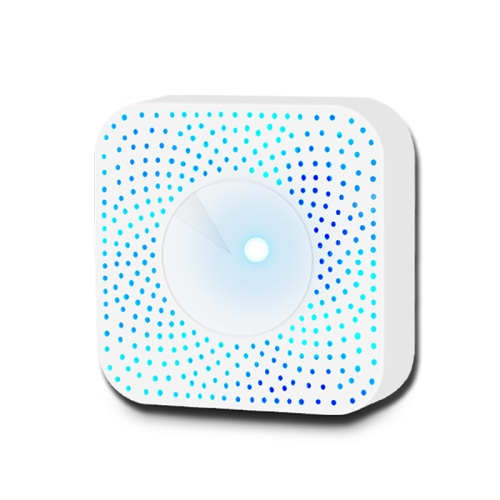
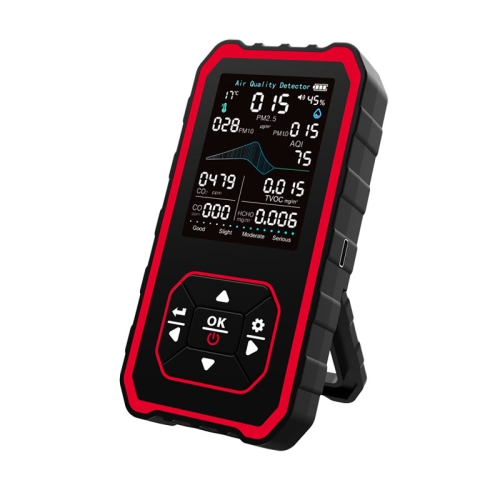
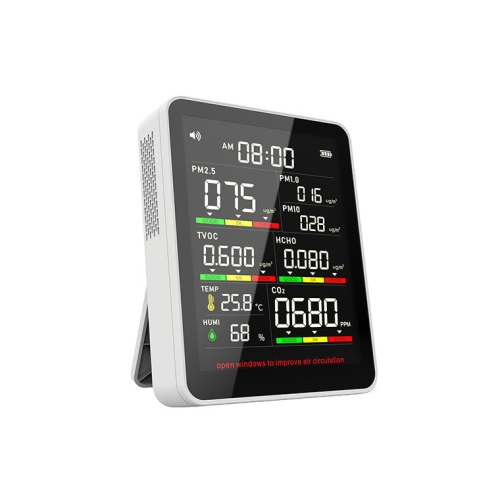
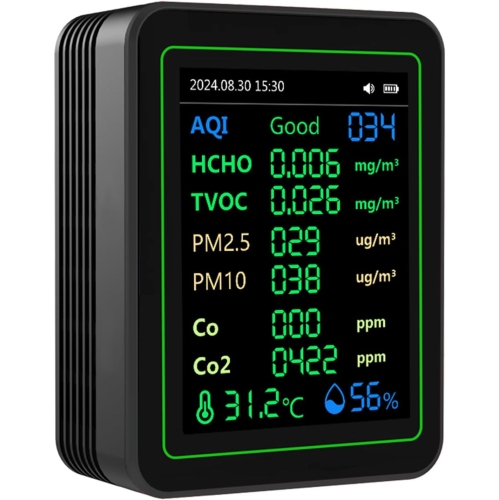
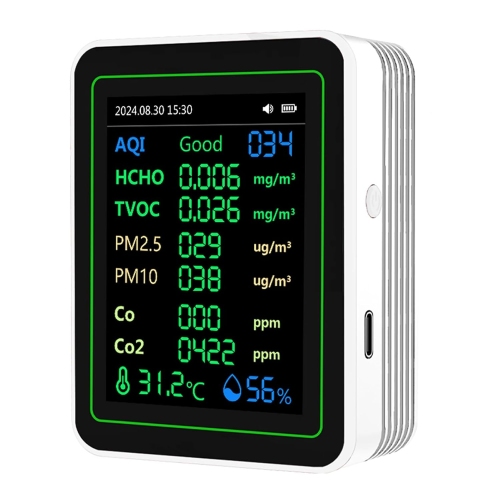
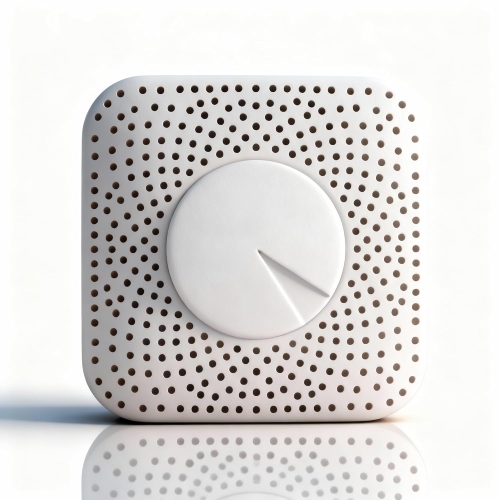
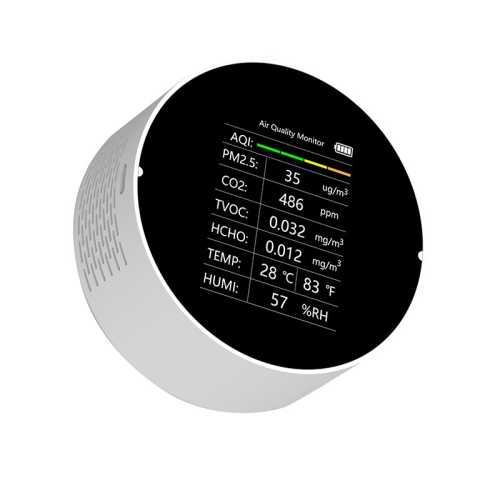
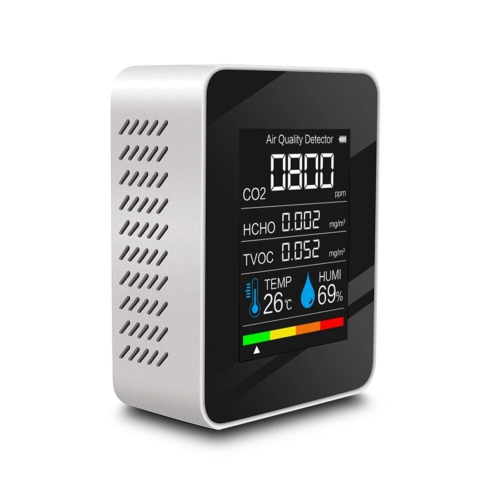
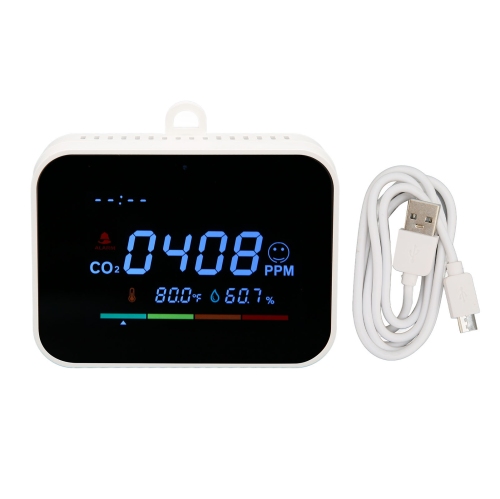
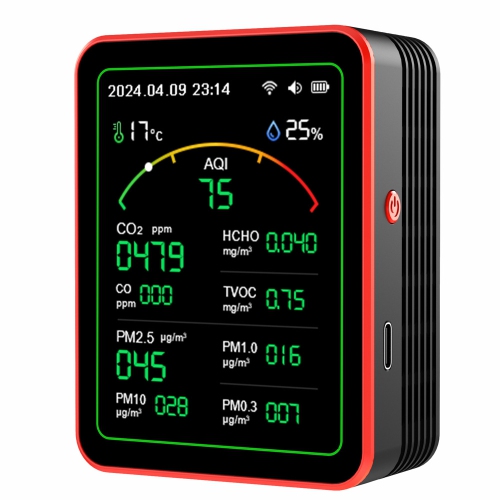
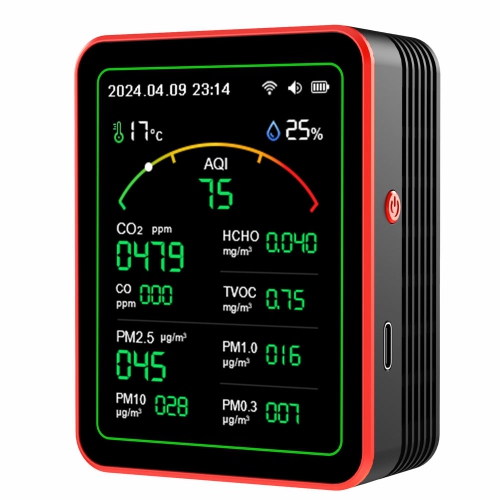
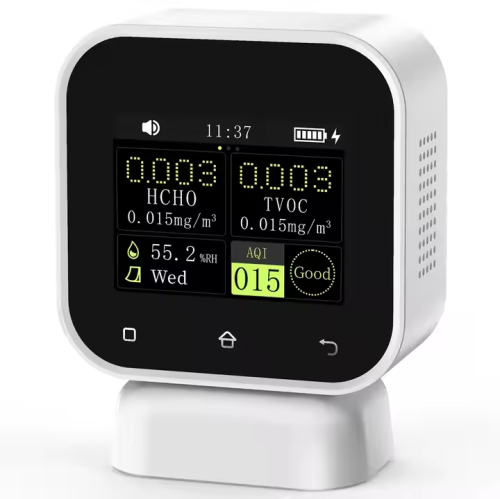
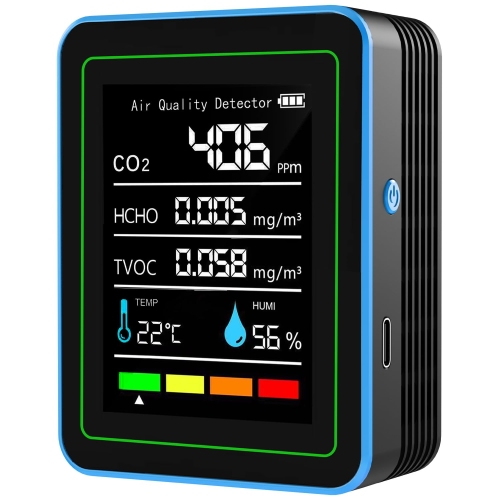
What indoor readings can reveal about your home
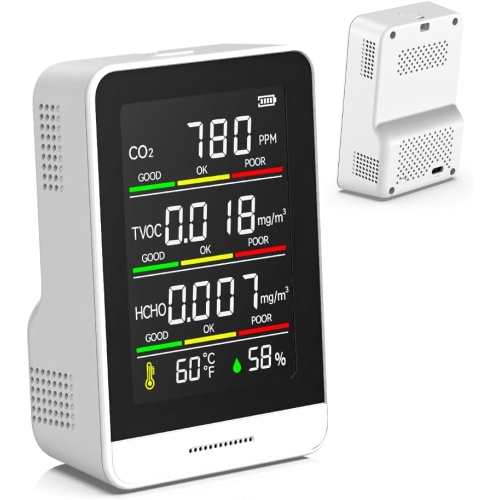
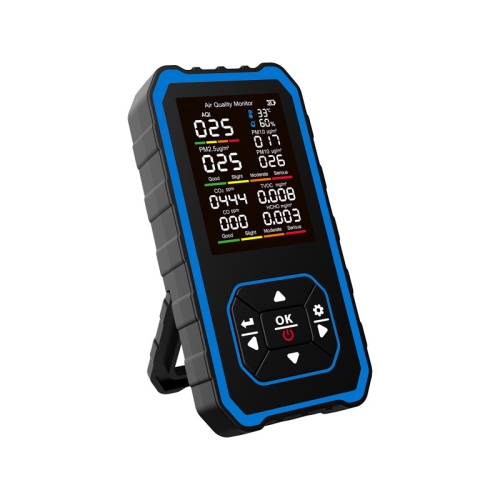
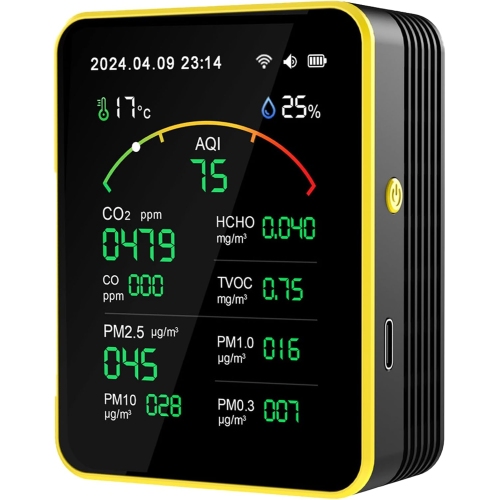
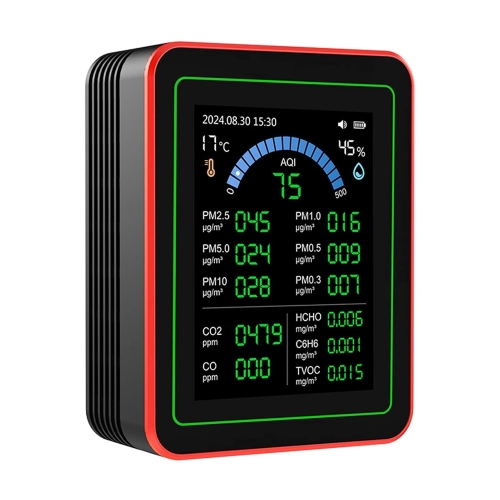
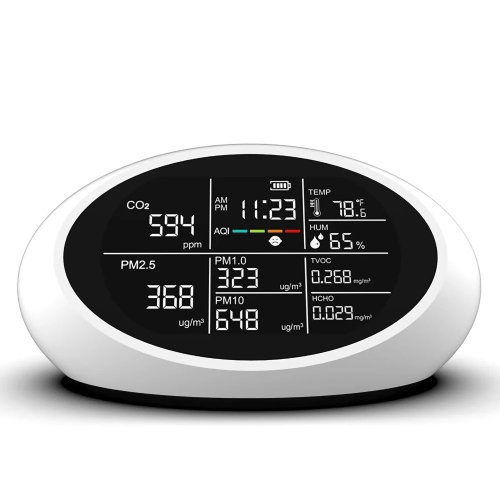
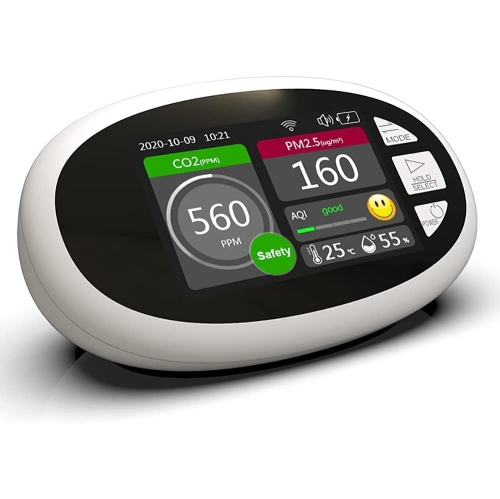
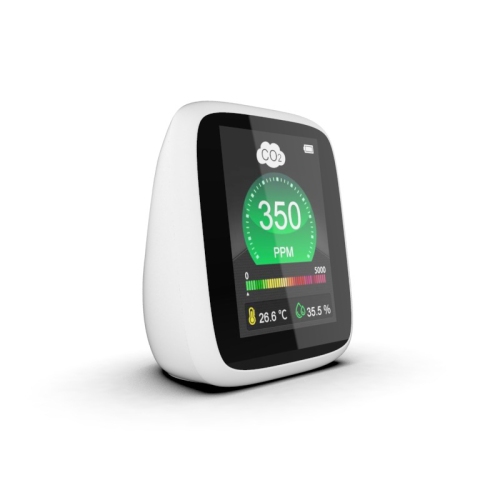
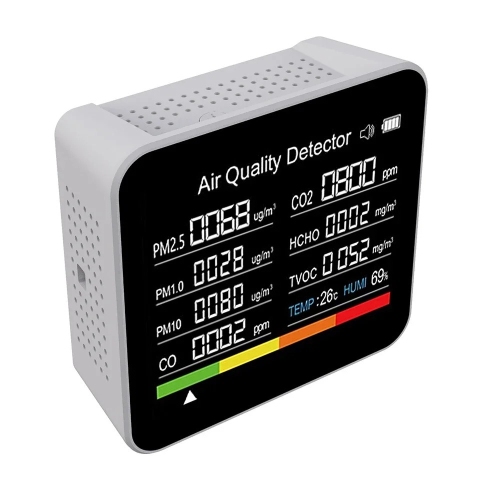
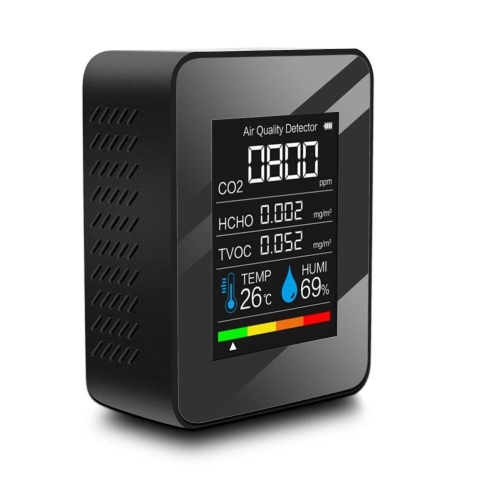
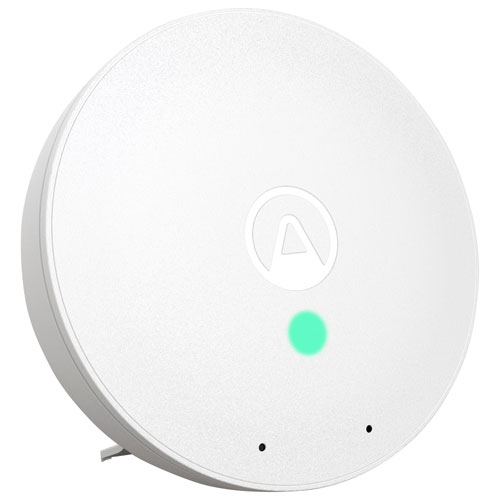
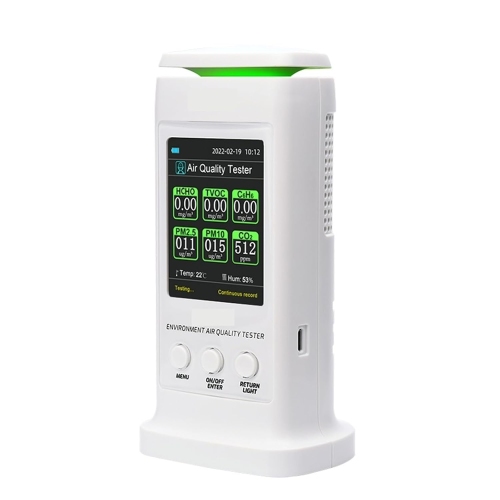
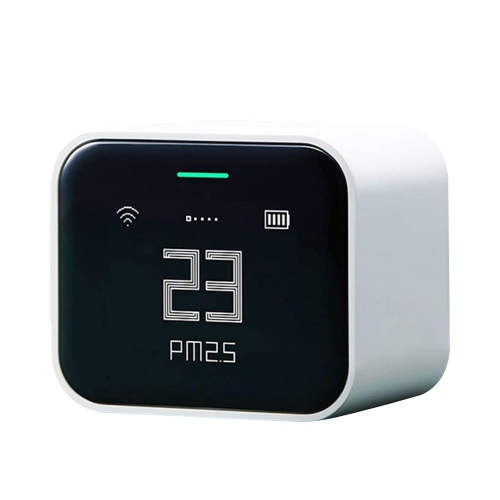
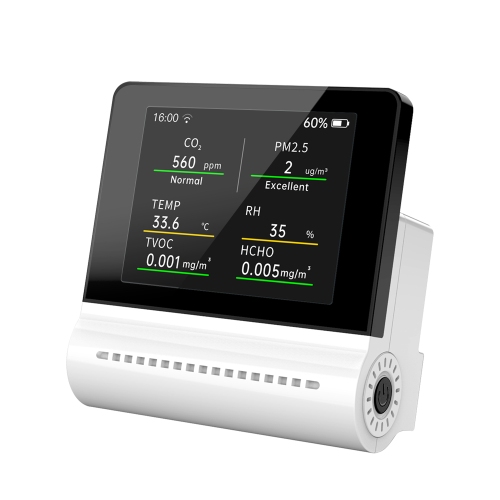
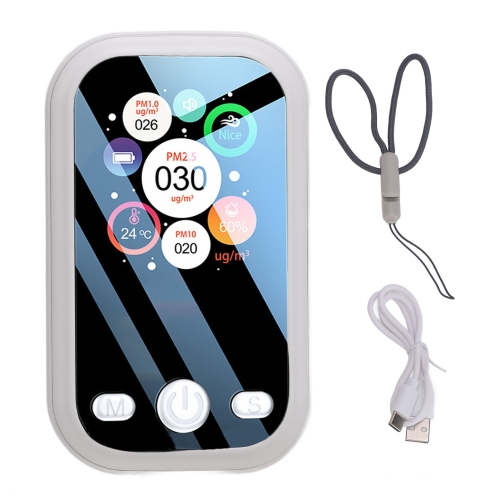
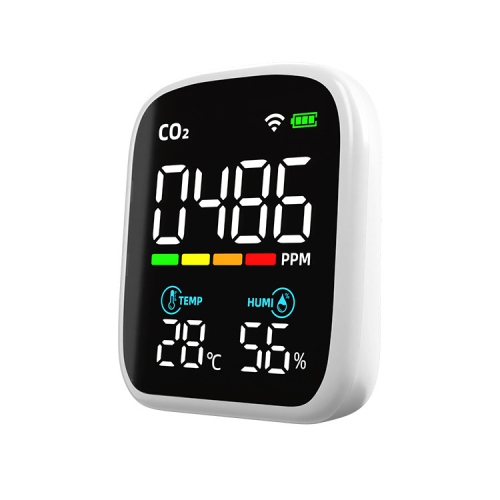
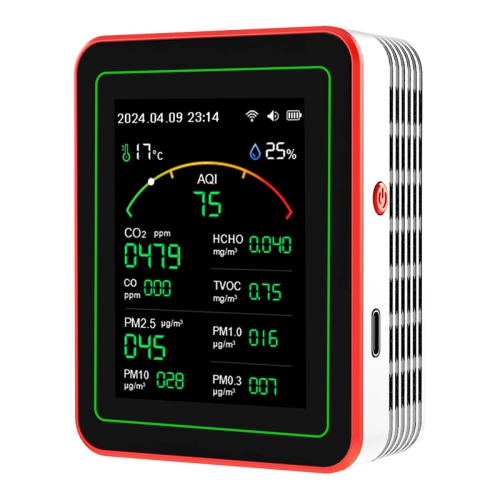
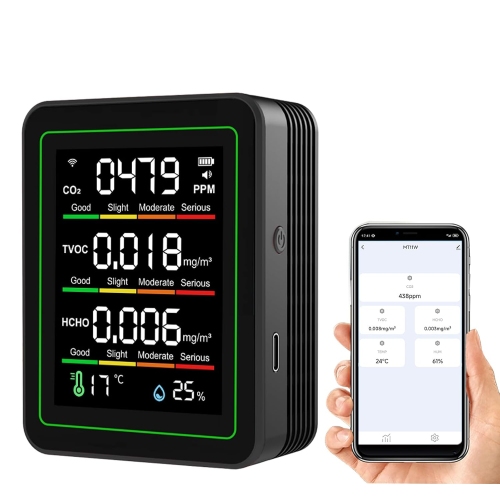
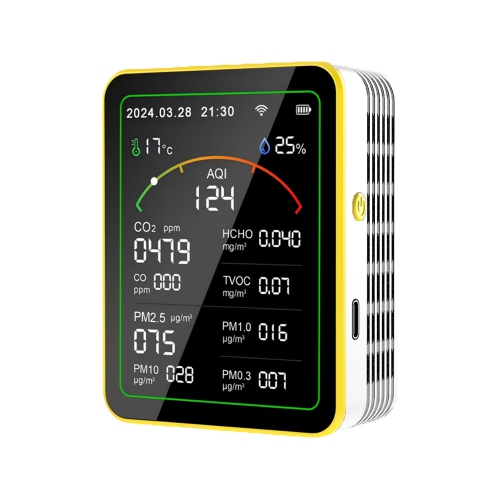
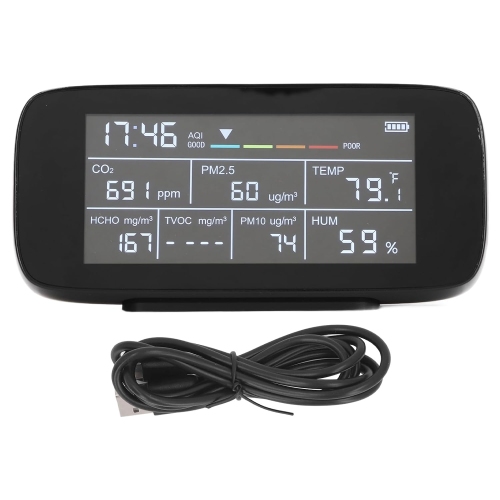
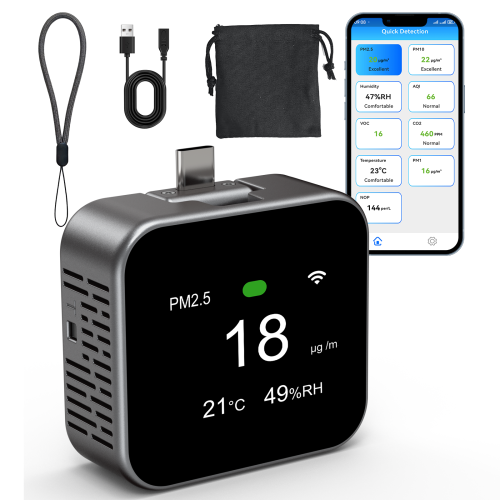
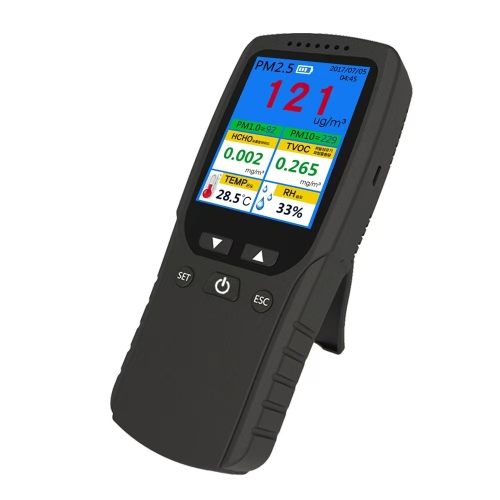
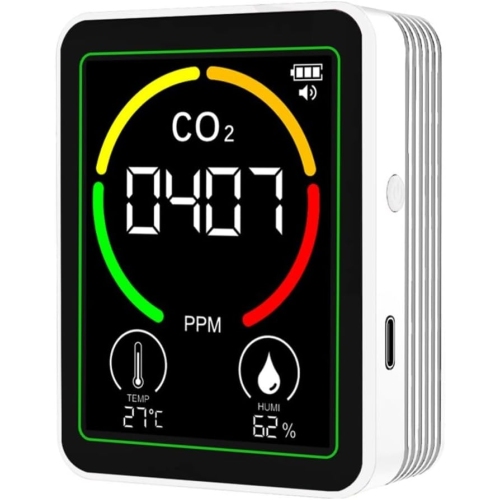
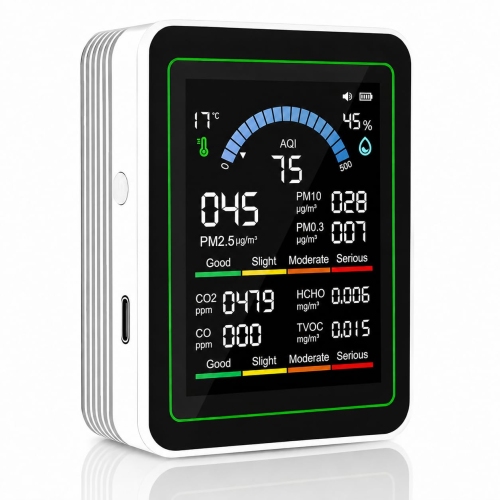
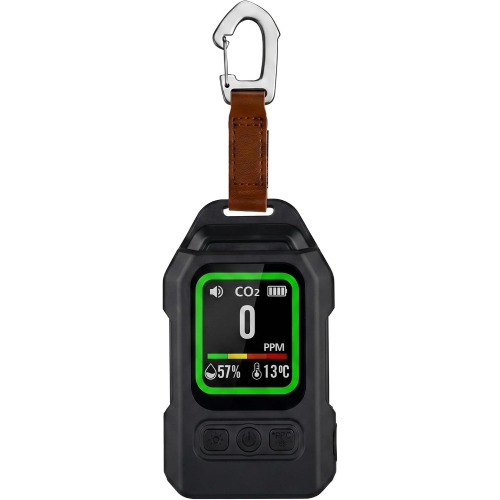
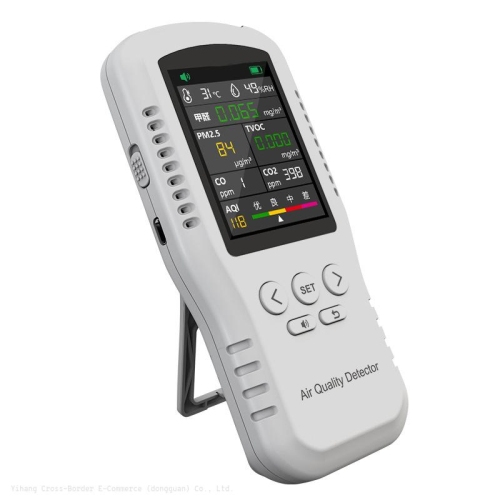
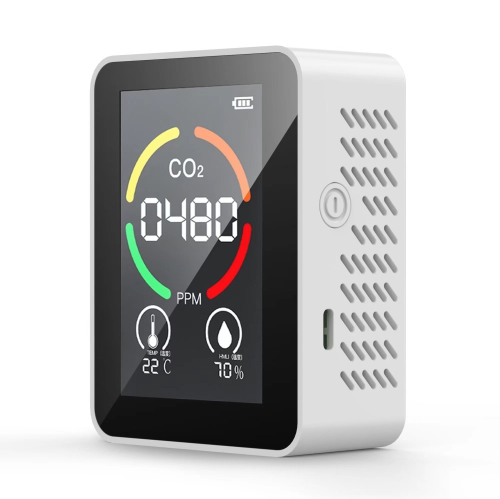
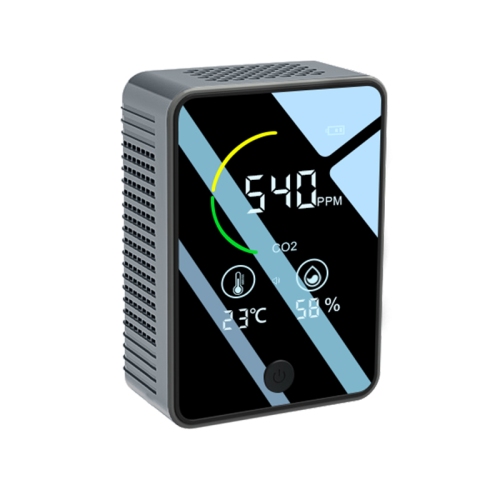
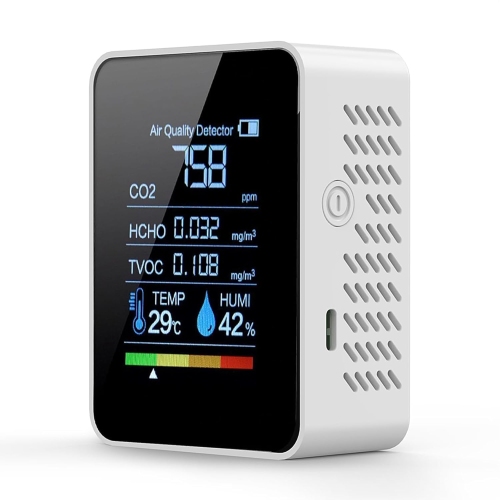
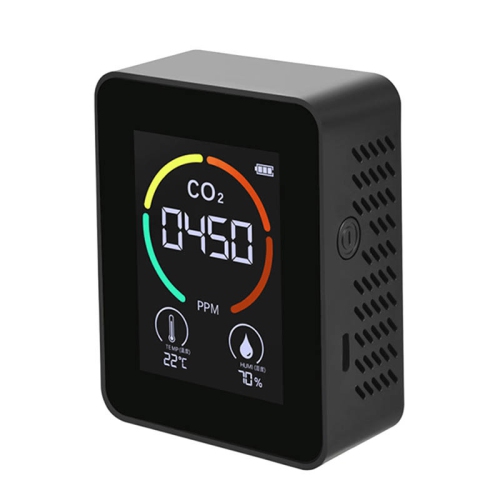
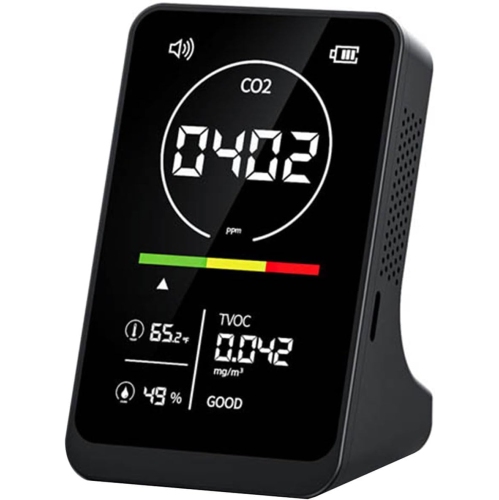
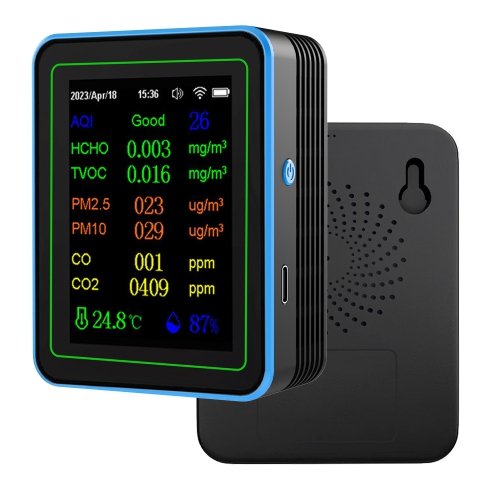
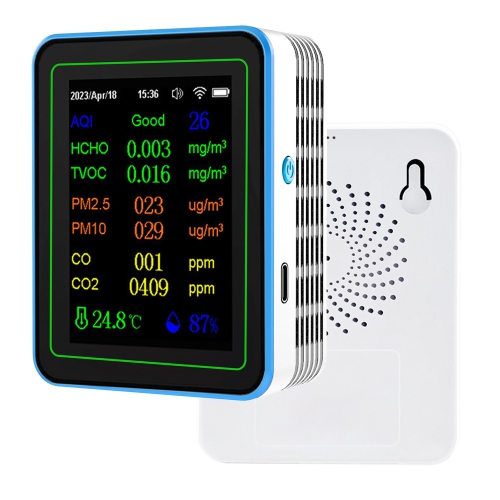
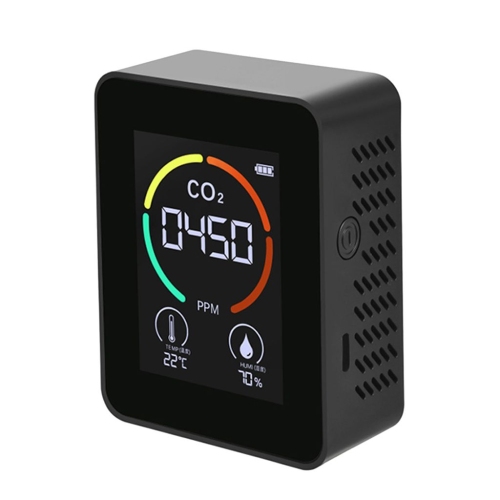
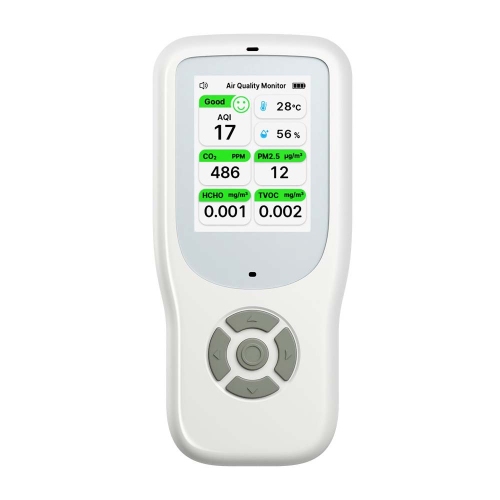
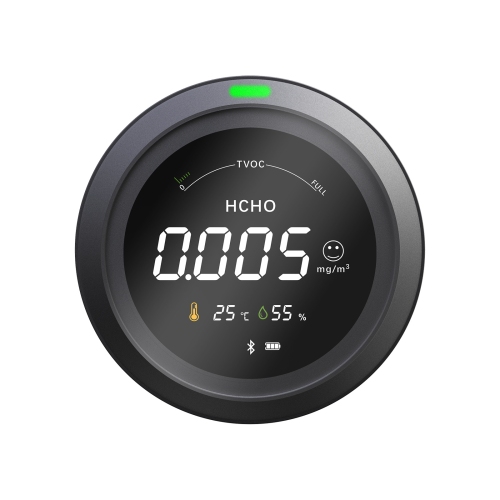
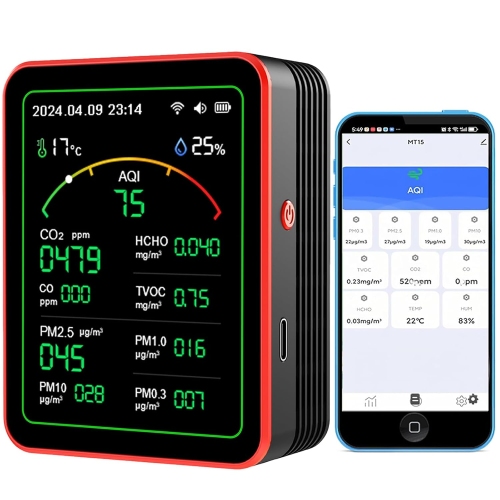
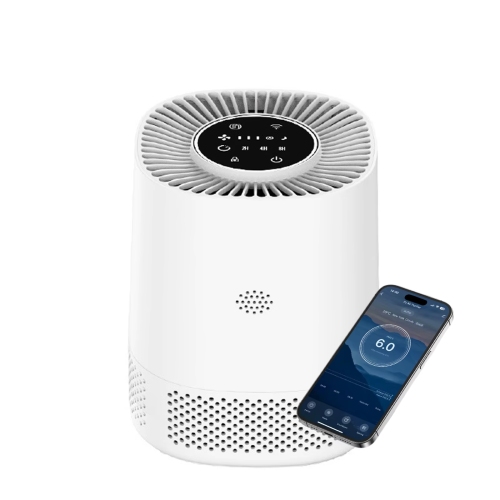
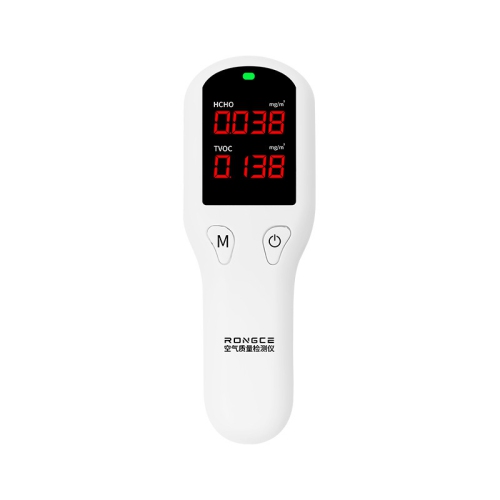
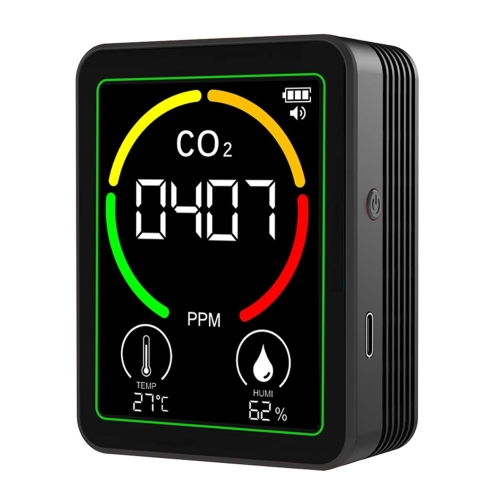
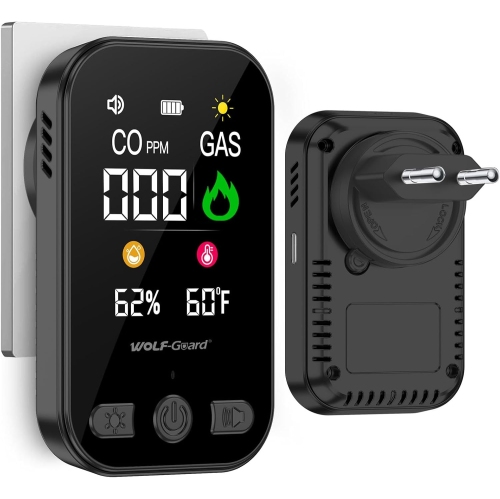
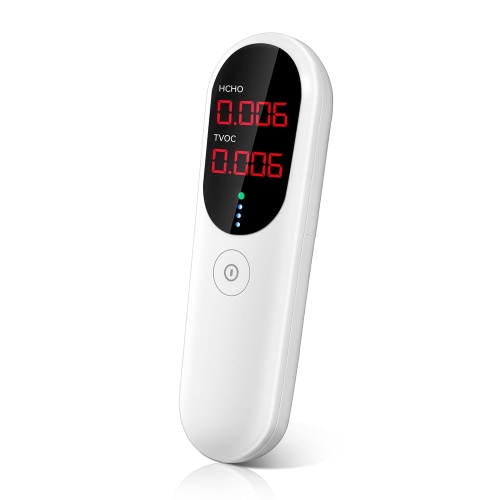
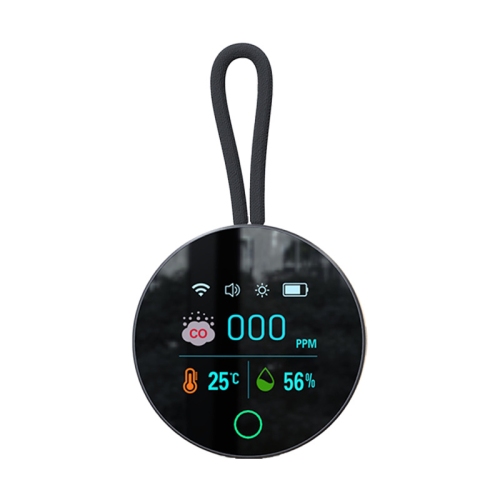
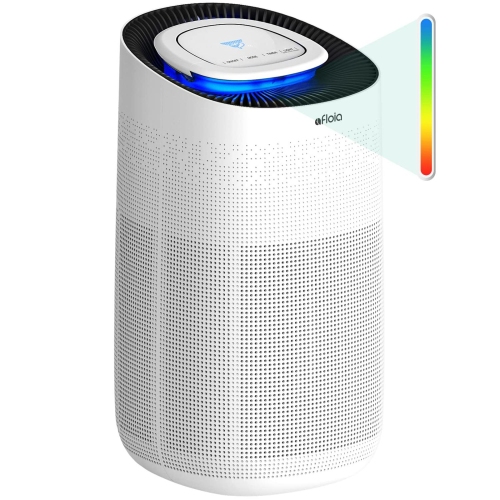
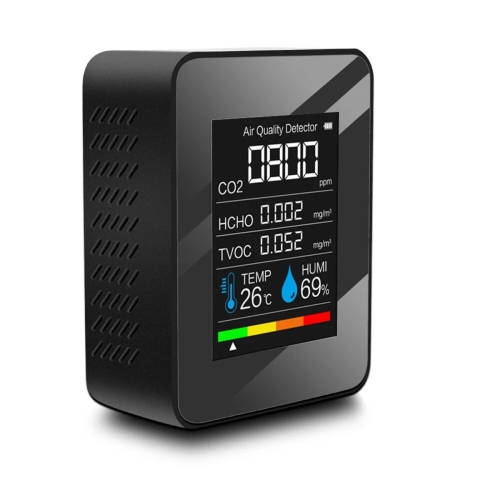
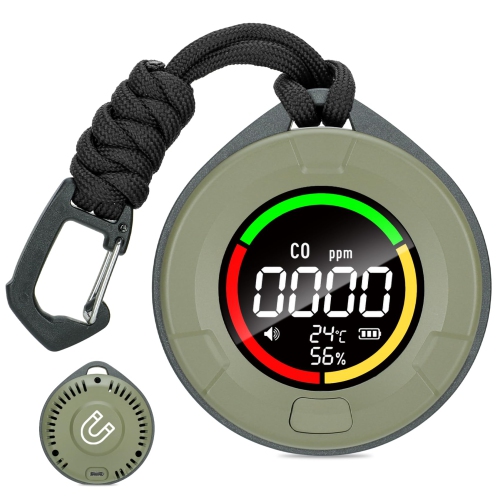
When choosing an indoor air quality monitor, begin by considering which measurements are most relevant to your space and routine. A basic model that tracks temperature and humidity may suit someone who mainly wants to manage comfort in a bedroom, nursery, basement, or home office. If the goal is to understand stuffiness and ventilation, look for a monitor with a CO₂ sensor rather than relying on a general air-quality score alone. For households concerned about smoke, dust, or fine airborne particles, PM2.5 and PM10 measurements provide more specific information. TVOC tracking can be helpful after painting, bringing home new furniture, using strong cleaners, or completing home improvement work, although TVOC readings are best treated as an overall signal rather than a precise identification of one particular chemical. If radon is a concern, select a device designed to measure radon and follow its instructions for placement, operating time, and interpretation; short-term readings may fluctuate, while longer monitoring periods can offer a more meaningful picture. Sensor accuracy, refresh rate, data history, calibration requirements, and the ability to export or review trends can matter as much as the number of measurements listed on the box. Consider whether the display will be readable from across a room, whether an app sends alerts when a threshold is exceeded, and whether the monitor can operate independently or needs a connected phone, hub, or Wi-Fi network. Placement also affects results. Set the unit in a representative part of the room, away from direct sunlight, vents, open windows, cooking steam, bathrooms, and areas where it could be bumped or covered. A monitor beside a running kettle may report a temporary humidity spike, while one directly beside an air purifier may not reflect the broader room. Checking readings at different times, such as after waking, during meal preparation, after cleaning, or following a period with the windows closed, can reveal useful patterns. Use the information as a practical guide: ventilate when appropriate, maintain heating and cooling equipment as recommended, control sources of smoke and strong fumes, and investigate persistent readings instead of reacting to a single momentary change.
Indoor air quality monitors can be useful for many households, from people working or studying at home to families managing bedrooms, playrooms, basements, workshops, and shared living spaces. They may also appeal to anyone who is sensitive to stuffy rooms, changing humidity, dust, smoke, or seasonal outdoor air conditions. A parent may place one in a child’s bedroom to keep an eye on temperature and humidity overnight, while someone working remotely may use CO₂ trends as a reminder to take a break and refresh a closed office. In a basement or lower-level room, humidity and radon monitoring may be especially relevant, while a kitchen monitor can show how cooking affects particles and ventilation. These devices can make thoughtful gifts for a new homeowner, a student moving into a compact residence, a frequent home cook, or a relative setting up a dedicated workspace. For smaller rooms with limited airflow, the Air Quality Monitors for Student Apartments collection can help narrow the selection to options suited to student living arrangements. A monitor is also a practical addition to a smart home, particularly when its alerts can be viewed remotely or combined with compatible ventilation and air-cleaning equipment. Keep in mind that readings should be interpreted in context: opening a window, showering, frying food, vacuuming, welcoming guests, or running a humidifier can cause temporary changes that are expected. Follow the manufacturer’s guidance for setup, sensor care, and calibration, and replace batteries or connect power as required. With consistent placement and regular attention to trends rather than isolated numbers, an indoor air quality monitor can turn vague impressions such as “the room feels stale” into clear, actionable information for creating a more comfortable indoor environment.
Top selling and popular products
-
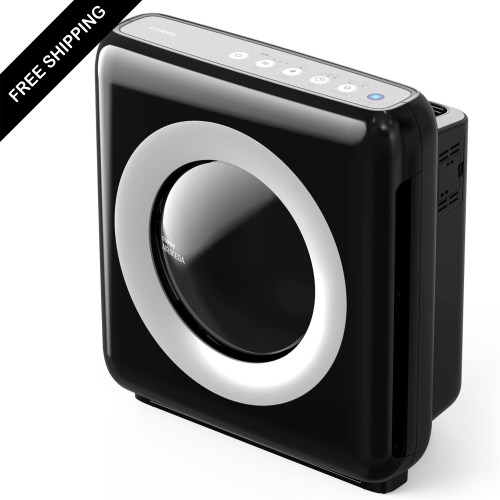
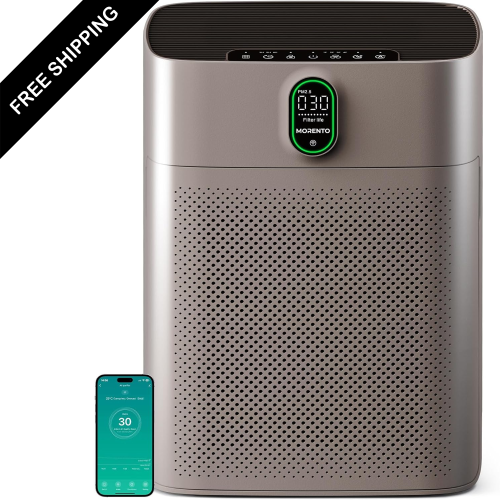
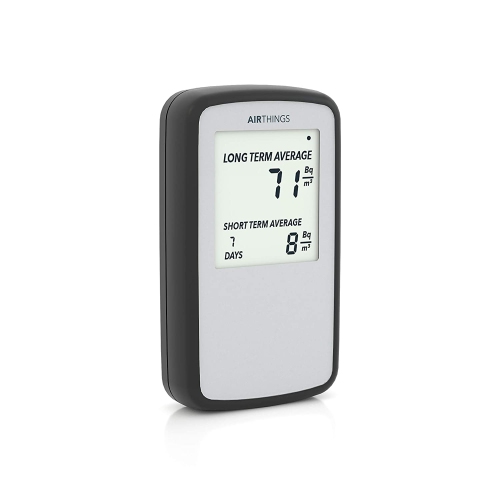 Your price for this item is $301.99
 -
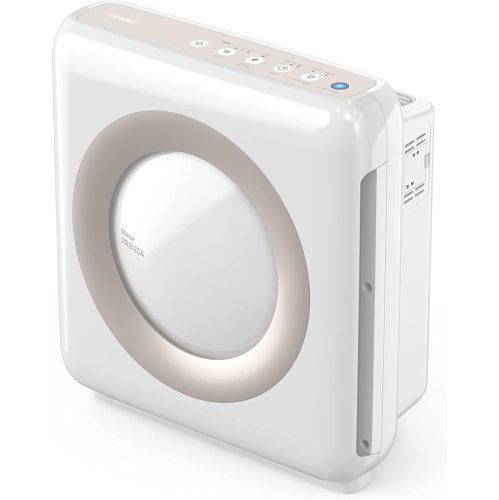
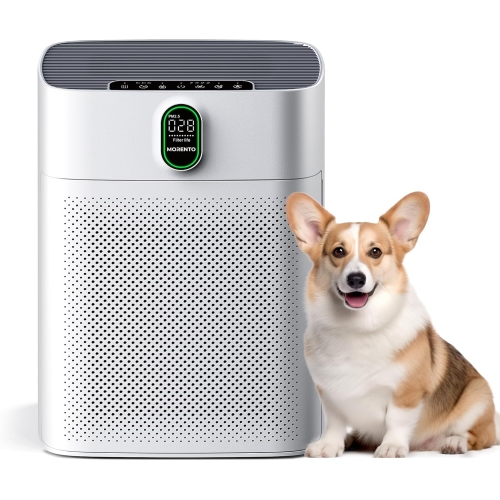
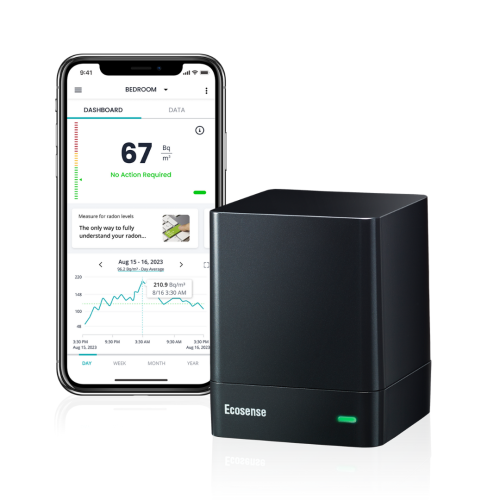 Your price for this item is $169
 -
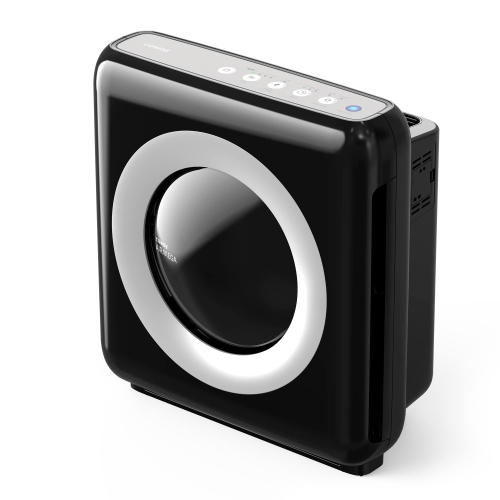
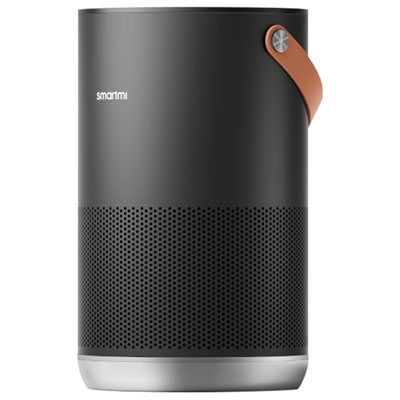
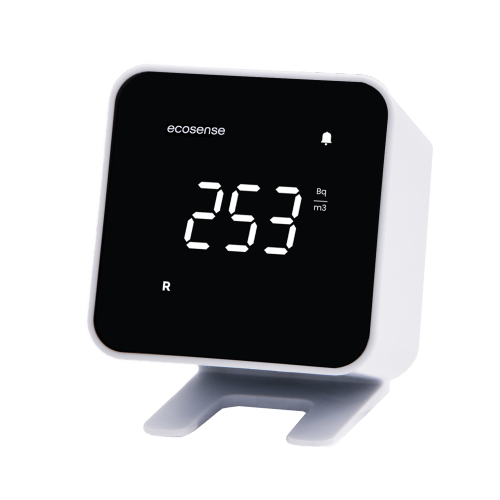 Your price for this item is $139
 -
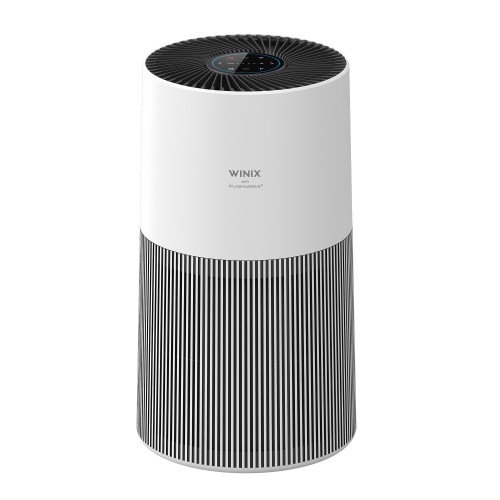
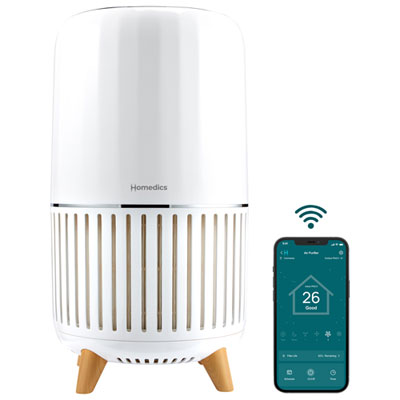
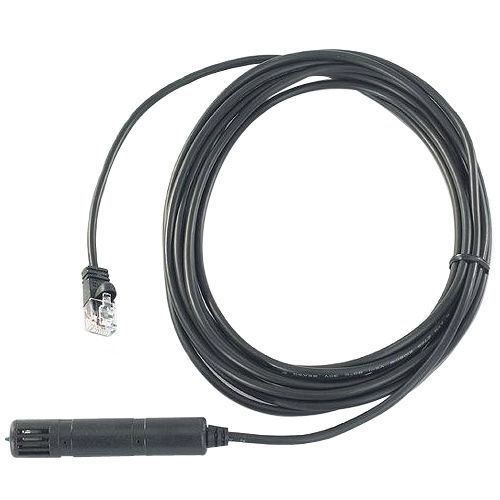 Your price for this item is $255.89
 -
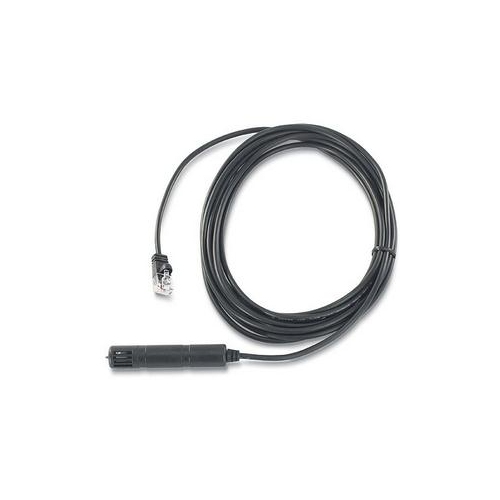 Your price for this item is $217.68
 -
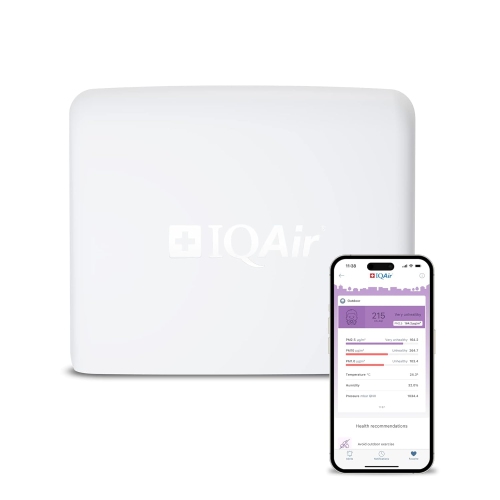 Your price for this item is $429.99
 -
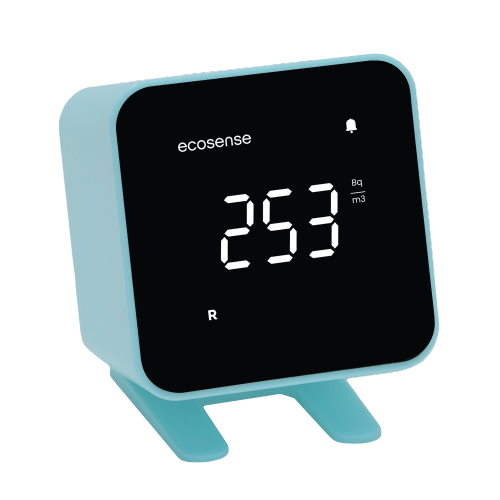 Your price for this item is $139
 -
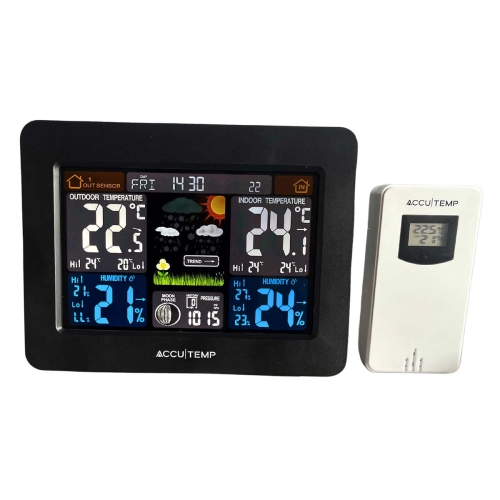 Your price for this item is $68.83