LED Backlights
Transform your viewing experience and add a touch of ambiance to any room with LED backlights. These versatile lighting solutions not only enhance the visual appeal of your spaces but also provide practical benefits for your eyes by reducing strain during extended screen time. Whether you're looking to create a cozy atmosphere in your living room, add flair to your gaming setup, or simply illuminate dark corners, LED backlights offer customizable options to suit every style and mood. Discover the perfect balance of functionality and design with our wide selection of LED backlights that seamlessly integrate into any environment, elevating both aesthetics and comfort.
Sort
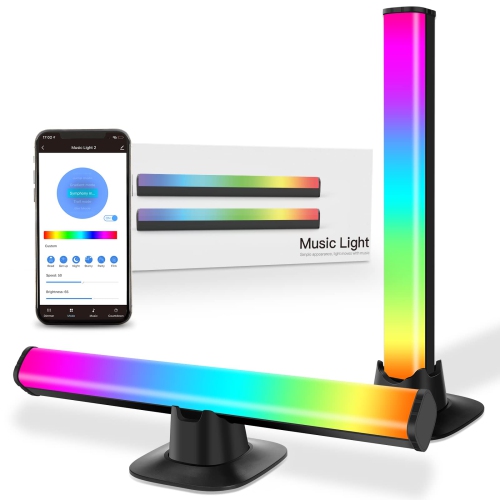
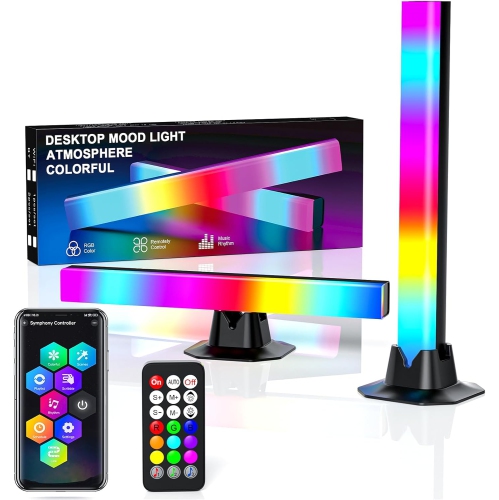
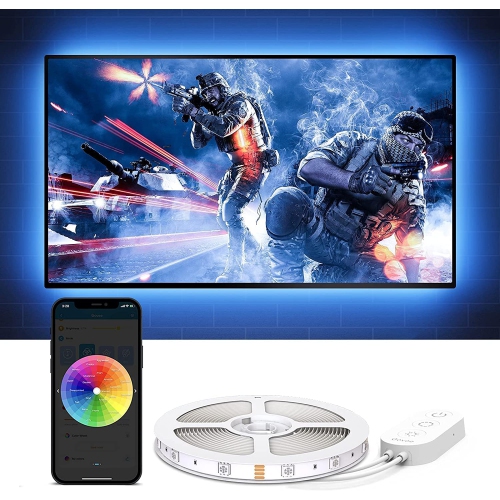
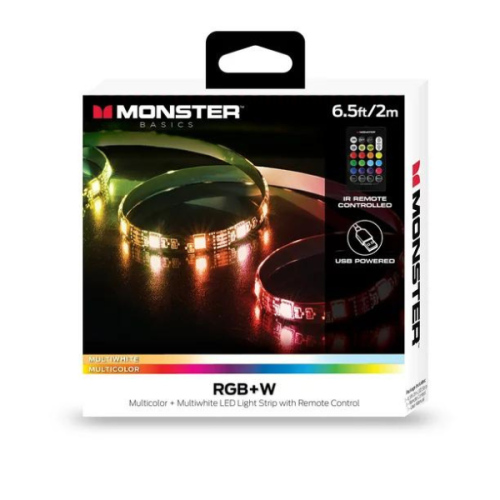




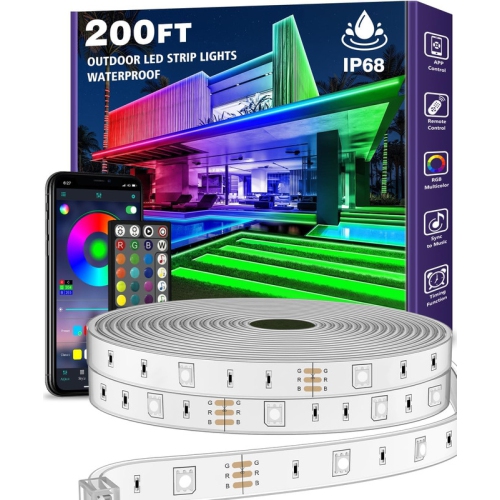
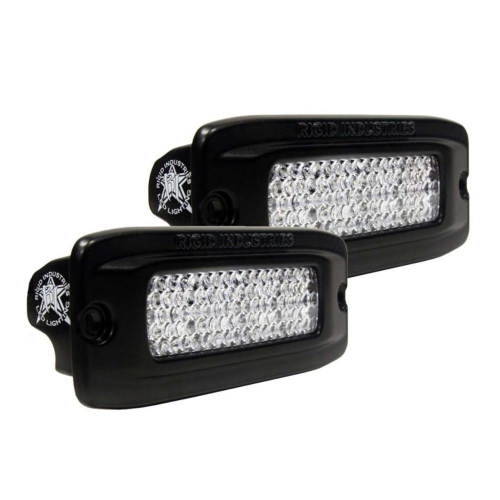
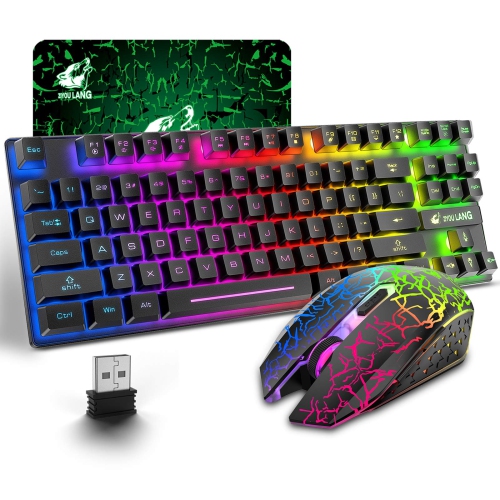
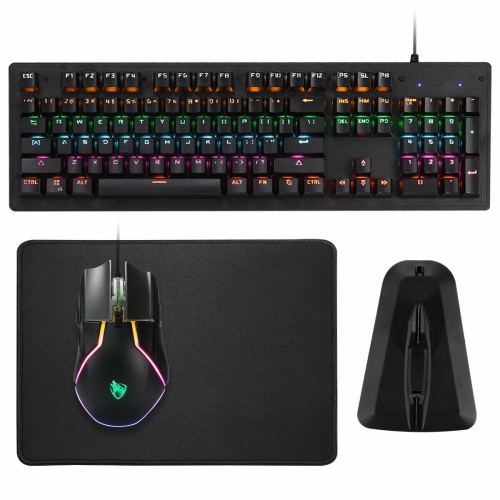
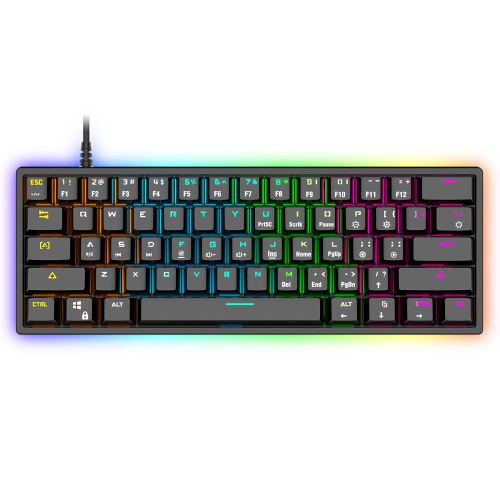
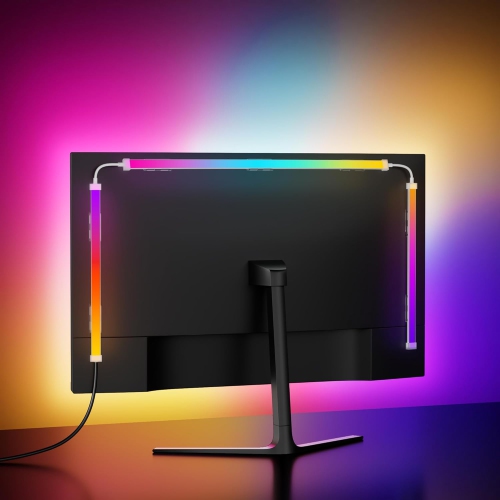
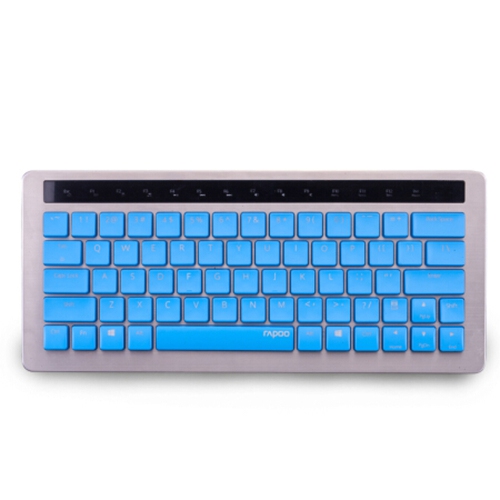
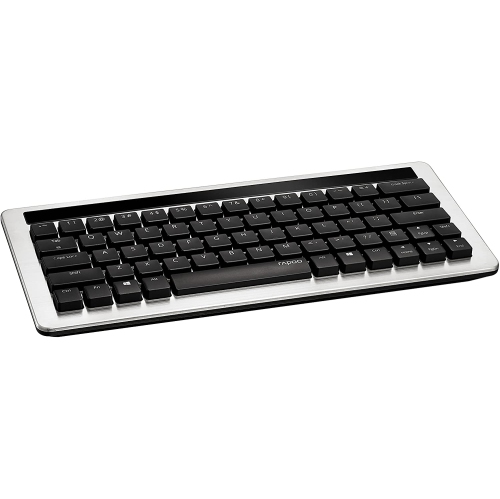
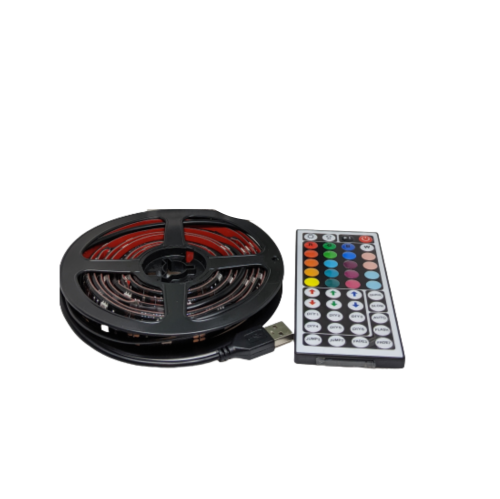
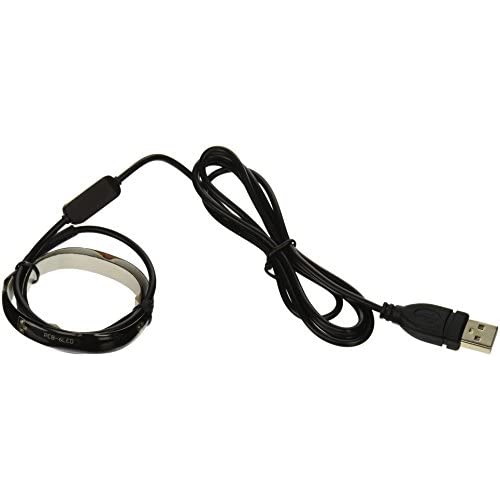
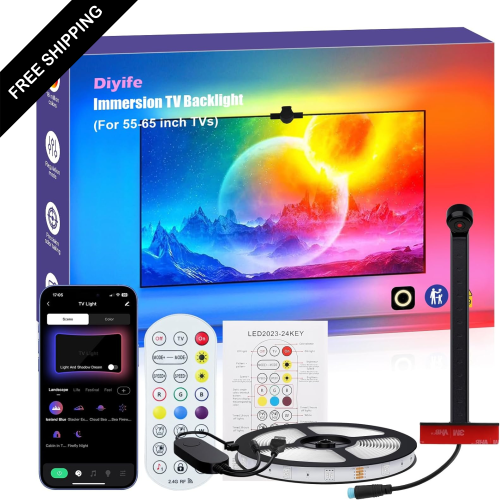


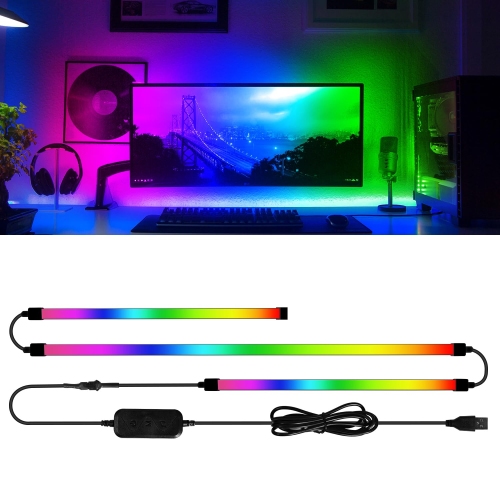
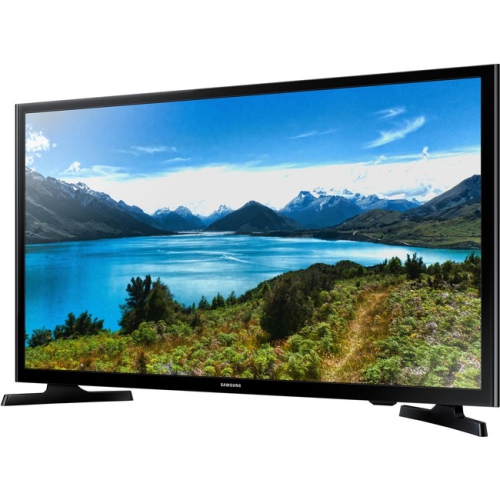
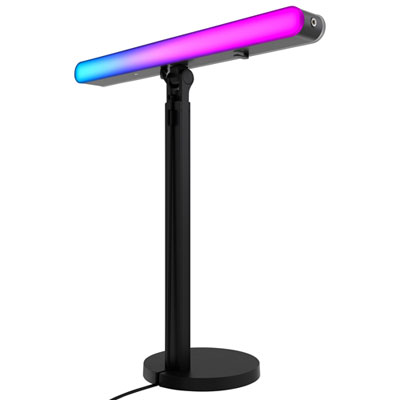
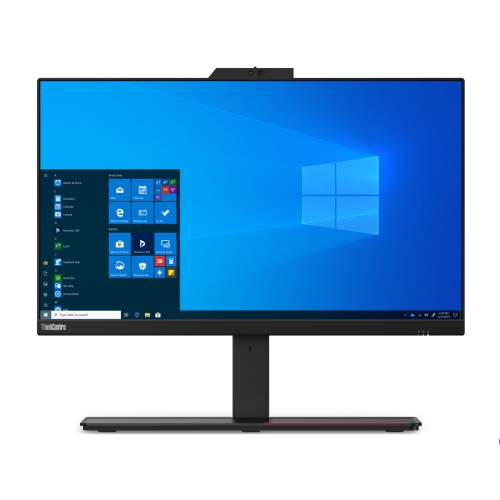
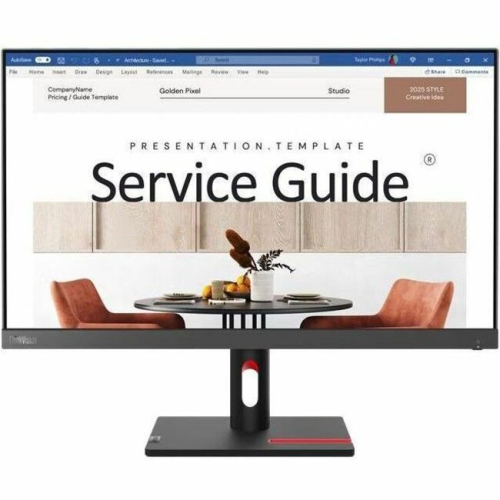

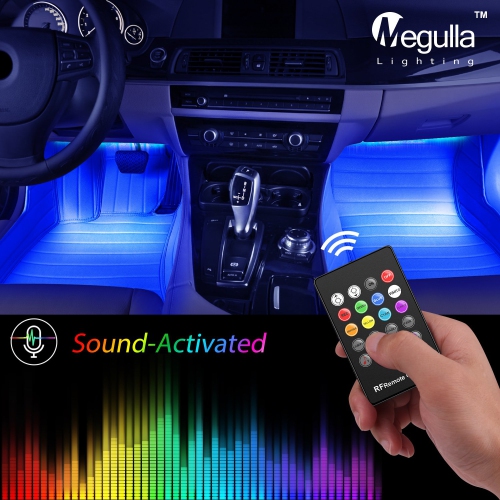
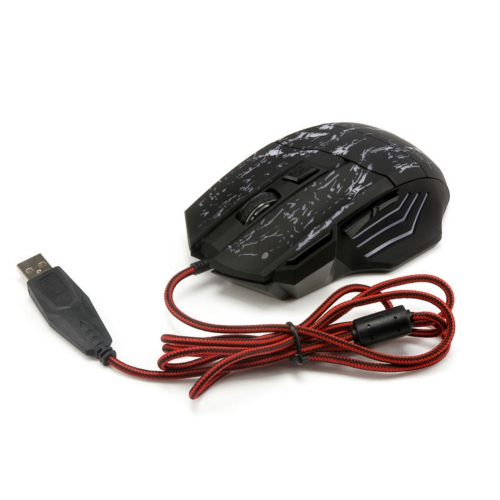
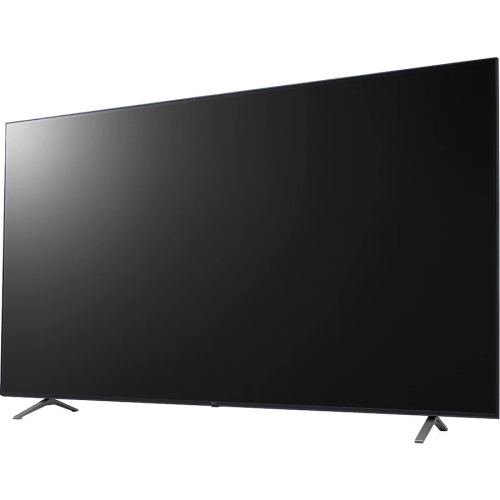
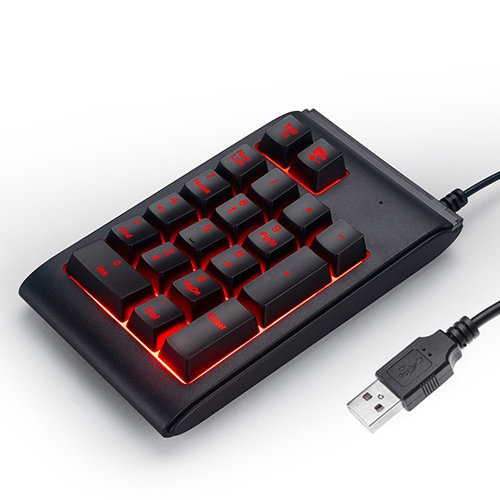
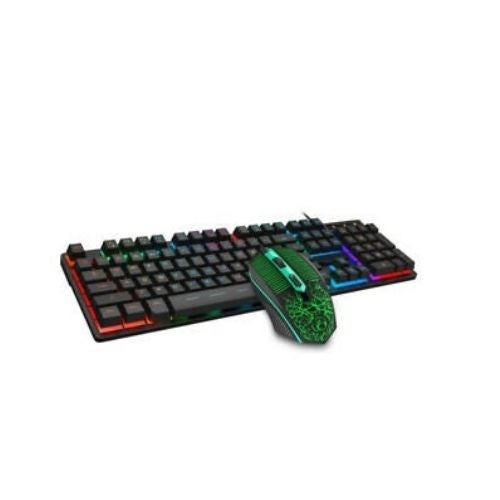
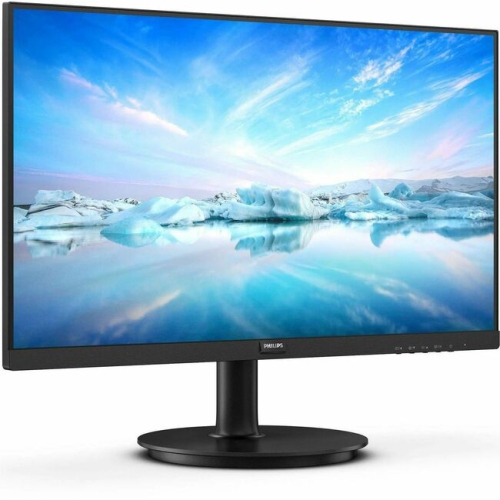
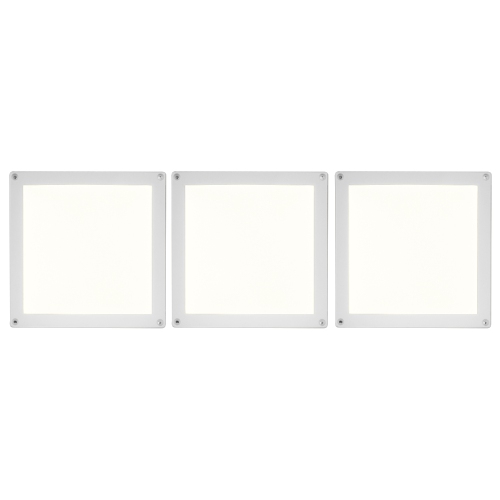
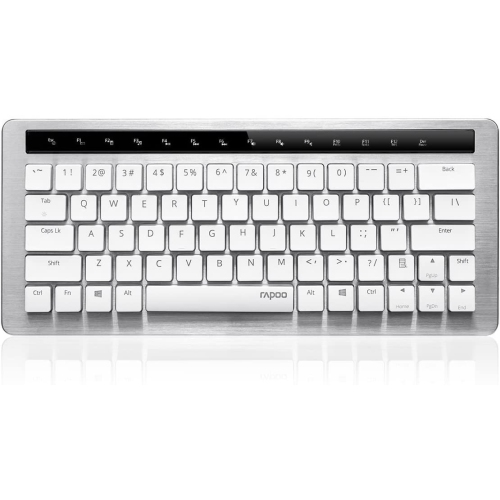

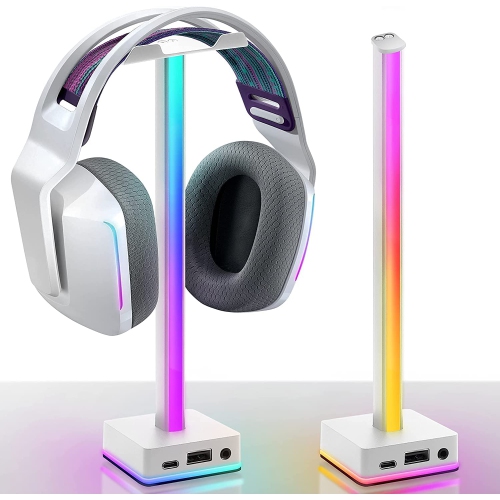
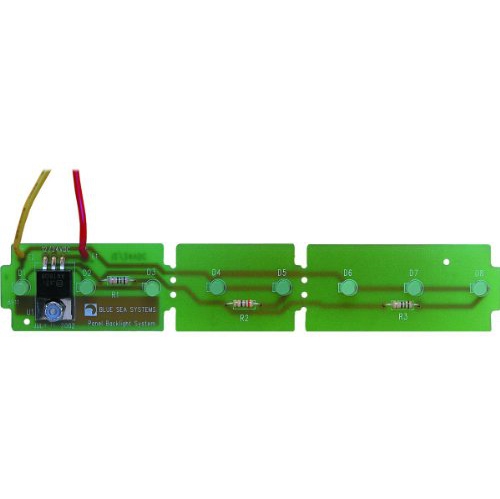
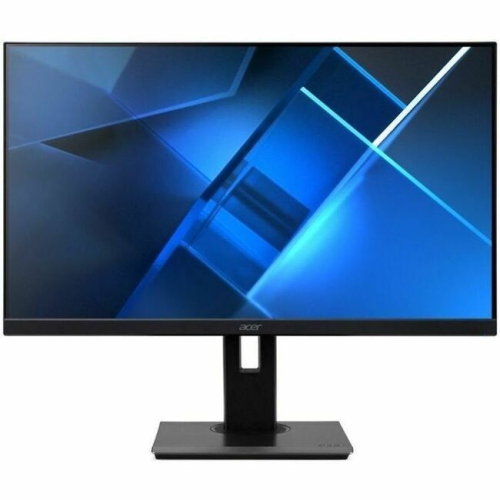
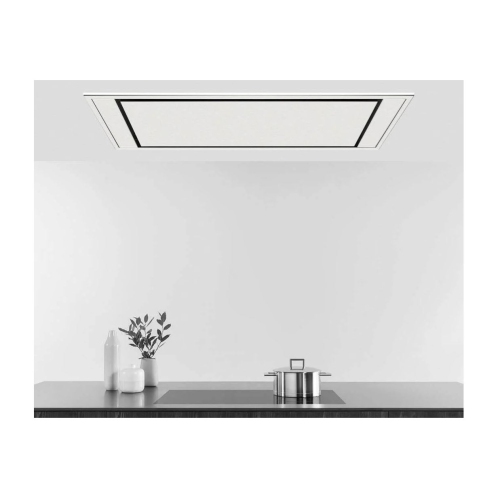
The right glow can transform your screen and space
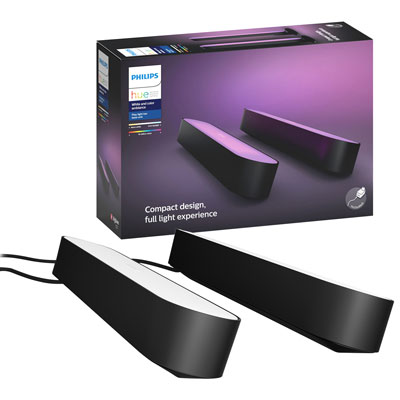
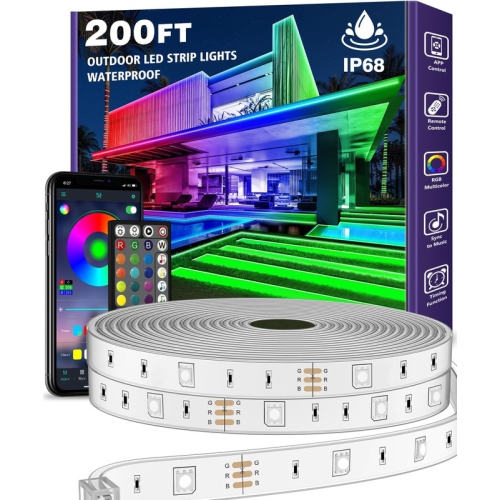
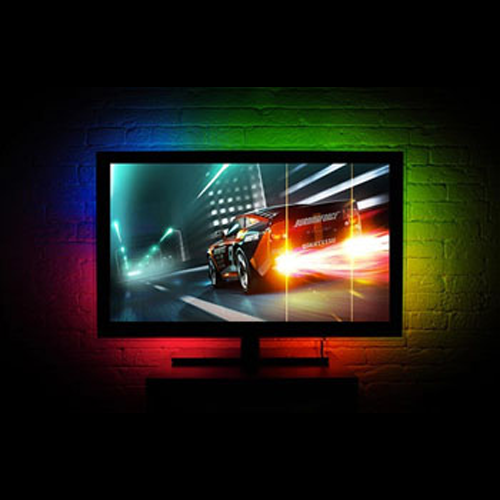
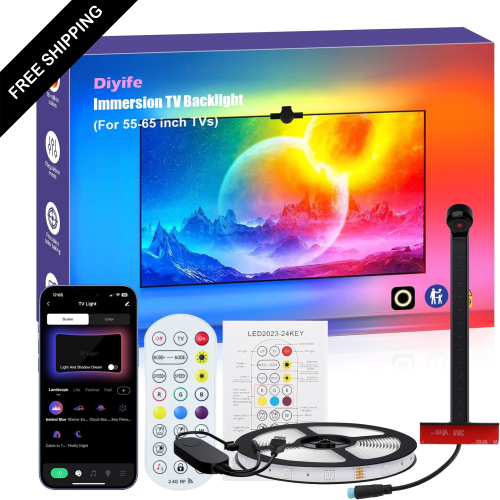
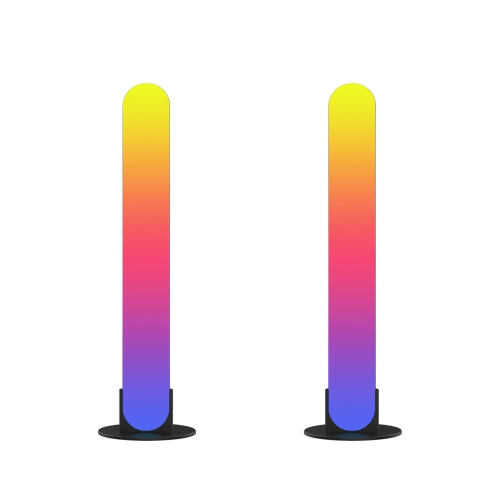
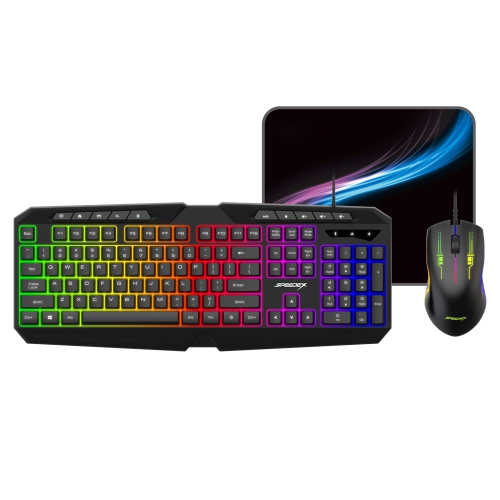
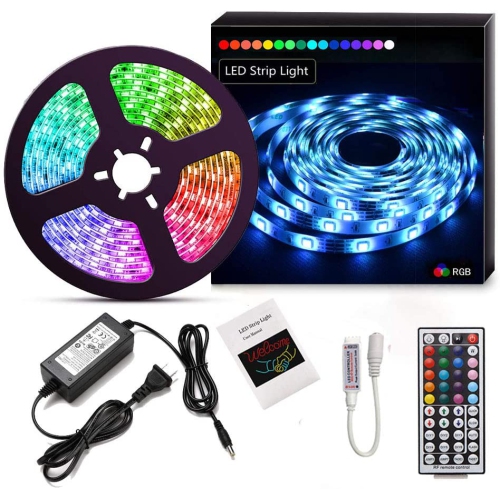
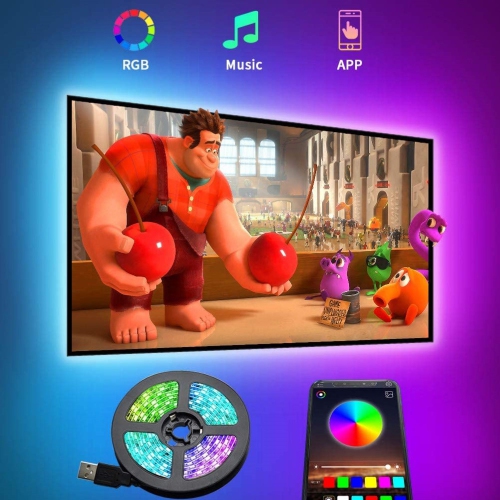
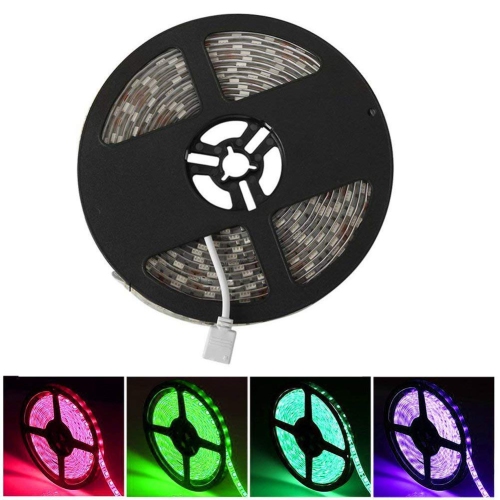
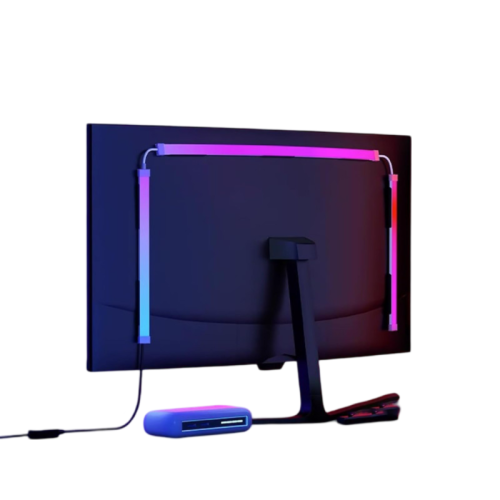
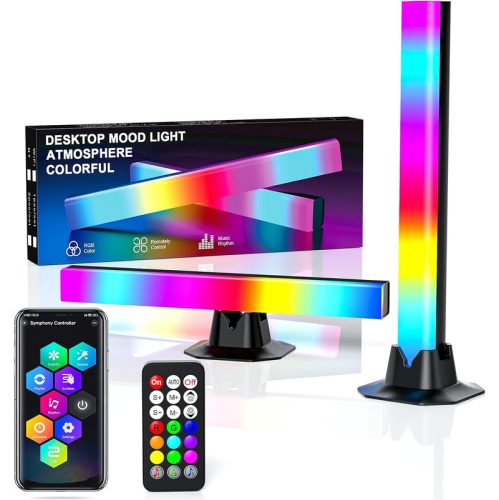
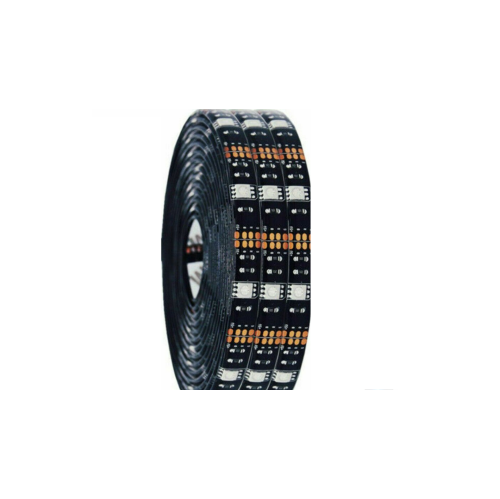
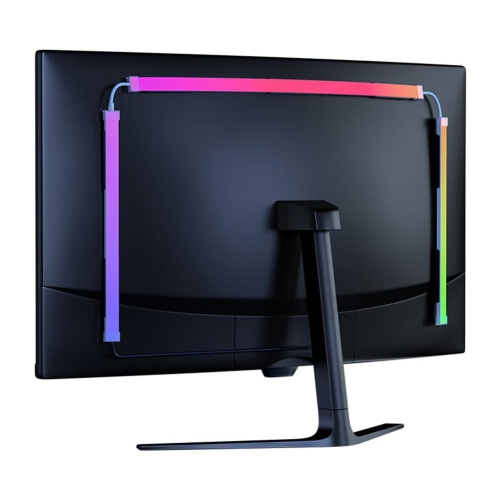
LED backlights can refer to two related types of lighting: the LEDs built into an LCD display and the external light strips installed behind a television, monitor, desk, or other screen. On a product page for LED backlights, most shoppers are looking for external accent or bias lighting that adds a soft glow around the screen. Placed behind a display, these lights can make a dark entertainment area feel more comfortable, help the screen stand out against the wall, and add colour to a gaming setup, home office, bedroom, or media room. Bias lighting is typically kept at a low brightness and positioned around the rear edges of the screen so it illuminates the wall rather than shining directly into your eyes. This can make the transition between a bright screen and a dark room feel less harsh during an evening film or a long gaming session. Some people prefer a single warm or cool white shade for a clean, understated appearance, while others choose adjustable RGB lighting to create colourful effects for music, games, parties, or casual entertaining. LED backlights can also be a practical gift for someone who enjoys upgrading their desk or entertainment space. They are useful for students setting up a study area, streamers improving the look of a camera background, and movie fans who want a more immersive atmosphere without changing the television itself. For a softer decorative effect around a shelf, headboard, cabinet, or console, shoppers may also want to explore Backdrop Lights.
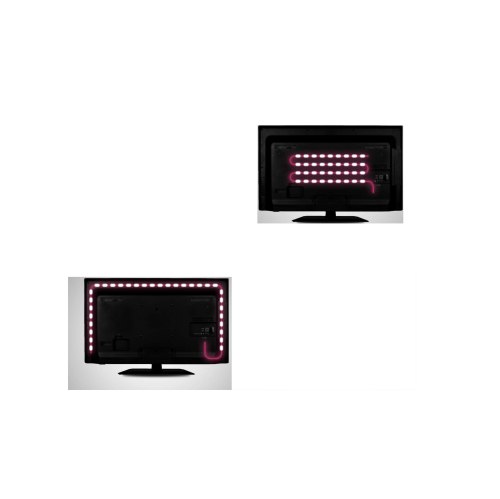
Before choosing LED backlights, start by measuring the screen and checking how much of its rear surface is accessible. A strip should be long enough to follow the sides and top of the display, or the full perimeter if that is the intended look, without bunching up or extending past the edges. Check whether the lighting is designed for a television, computer monitor, desk, or general room use, since mounting surfaces and available power connections can vary. Many compact models draw power through USB, making them convenient for a television or monitor with a nearby USB port. Others use a wall adapter or a dedicated controller, which may be preferable when the display does not provide enough power. Adhesive backing can make installation quick, but smooth, clean surfaces usually provide the best hold; textured plastic, dusty panels, and warm surfaces may require extra preparation or additional clips. Look for flexible strips that can follow corners without being sharply folded, and take care when routing the cable so it does not hang across ventilation openings or interfere with wall mounting. Brightness adjustment is important because a light that looks impressive in a bright showroom may feel overwhelming in a dim room. Dimming controls, colour temperature options, and preset scenes allow the lighting to suit different activities, from focused work during the day to relaxed viewing during the cooler months. If the lights will be used in a bedroom or shared living area, quiet operation and simple controls can be just as valuable as a large selection of colours.
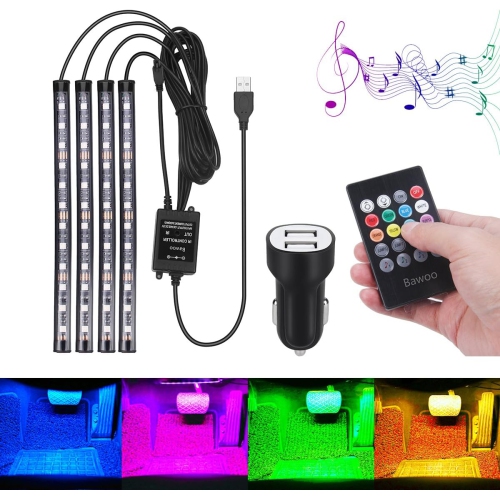
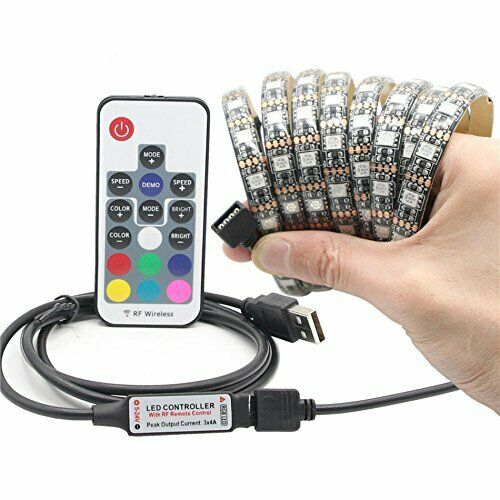
The main difference between LED backlight systems is how they create and control the light. Static USB strips offer a straightforward way to add a single colour or a basic selection of colours behind a screen. Models with a remote, wired controller, or mobile app may provide more precise brightness, colour, timing, and scene controls. Music-reactive modes can shift colours in response to sound, while screen-synchronised systems use a camera, HDMI connection, or other signal-based method to match the lighting to on-screen content. Camera-based systems typically view the display from above or below and reproduce broad colours on the wall in real time, creating a more immersive effect for films, sports, and games. HDMI-based systems can offer close coordination with compatible video sources, but shoppers should confirm support for their resolution, refresh rate, HDR format, gaming console, streaming device, and audio-video receiver before purchasing. Some systems are divided into independently controlled segments, allowing different parts of the strip to show different colours, while simpler models display one colour across the entire strip. Internal LED backlighting is a separate display technology: edge-lit screens place LEDs around the panel frame, direct-lit screens position them behind the panel, and full-array designs can use local dimming zones for stronger contrast. Mini-LED displays use much smaller LEDs and a greater number of lighting zones to improve brightness control. These internal systems are built into the screen and are not interchangeable with external strips, so shoppers replacing a television or monitor should compare display specifications rather than looking for a detachable backlight. For an external installation, consider the wall colour, viewing distance, cable length, control method, and the overall mood you want to create. A low, even glow can make a compact room feel polished without drawing attention away from the picture, while brighter multicolour effects can give a gaming desk or entertainment area a more energetic personality. Proper placement, moderate brightness, and compatibility with the rest of the setup will help the LED backlights look intentional and remain enjoyable for everyday use.
Before choosing LED backlights, start by measuring the screen and checking how much of its rear surface is accessible. A strip should be long enough to follow the sides and top of the display, or the full perimeter if that is the intended look, without bunching up or extending past the edges. Check whether the lighting is designed for a television, computer monitor, desk, or general room use, since mounting surfaces and available power connections can vary. Many compact models draw power through USB, making them convenient for a television or monitor with a nearby USB port. Others use a wall adapter or a dedicated controller, which may be preferable when the display does not provide enough power. Adhesive backing can make installation quick, but smooth, clean surfaces usually provide the best hold; textured plastic, dusty panels, and warm surfaces may require extra preparation or additional clips. Look for flexible strips that can follow corners without being sharply folded, and take care when routing the cable so it does not hang across ventilation openings or interfere with wall mounting. Brightness adjustment is important because a light that looks impressive in a bright showroom may feel overwhelming in a dim room. Dimming controls, colour temperature options, and preset scenes allow the lighting to suit different activities, from focused work during the day to relaxed viewing during the cooler months. If the lights will be used in a bedroom or shared living area, quiet operation and simple controls can be just as valuable as a large selection of colours.
The main difference between LED backlight systems is how they create and control the light. Static USB strips offer a straightforward way to add a single colour or a basic selection of colours behind a screen. Models with a remote, wired controller, or mobile app may provide more precise brightness, colour, timing, and scene controls. Music-reactive modes can shift colours in response to sound, while screen-synchronised systems use a camera, HDMI connection, or other signal-based method to match the lighting to on-screen content. Camera-based systems typically view the display from above or below and reproduce broad colours on the wall in real time, creating a more immersive effect for films, sports, and games. HDMI-based systems can offer close coordination with compatible video sources, but shoppers should confirm support for their resolution, refresh rate, HDR format, gaming console, streaming device, and audio-video receiver before purchasing. Some systems are divided into independently controlled segments, allowing different parts of the strip to show different colours, while simpler models display one colour across the entire strip. Internal LED backlighting is a separate display technology: edge-lit screens place LEDs around the panel frame, direct-lit screens position them behind the panel, and full-array designs can use local dimming zones for stronger contrast. Mini-LED displays use much smaller LEDs and a greater number of lighting zones to improve brightness control. These internal systems are built into the screen and are not interchangeable with external strips, so shoppers replacing a television or monitor should compare display specifications rather than looking for a detachable backlight. For an external installation, consider the wall colour, viewing distance, cable length, control method, and the overall mood you want to create. A low, even glow can make a compact room feel polished without drawing attention away from the picture, while brighter multicolour effects can give a gaming desk or entertainment area a more energetic personality. Proper placement, moderate brightness, and compatibility with the rest of the setup will help the LED backlights look intentional and remain enjoyable for everyday use.
Top selling and popular products
-
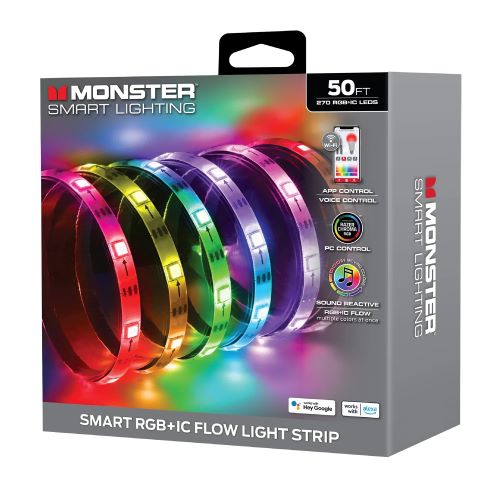 Your price for this item is $39.99
 -
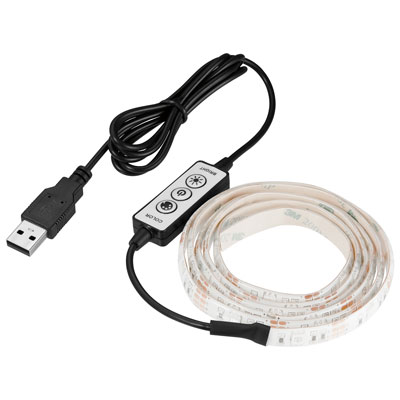 Your price for this item is $34.95
 -
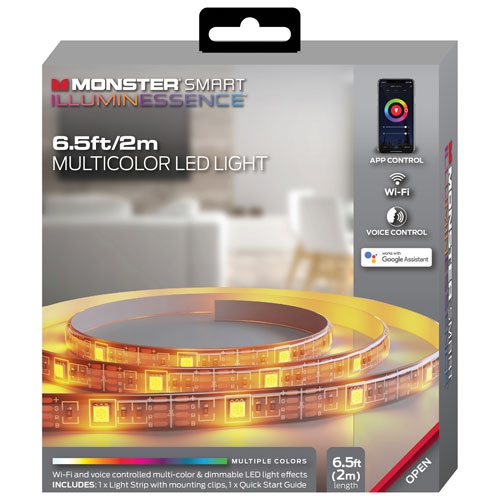 Your price for this item is $57.99
 -
 Your price for this item is $49.99
 -
 Your price for this item is $19.99
 -
 Your price for this item is $46.99
 -
 Your price for this item is $15.97
 -
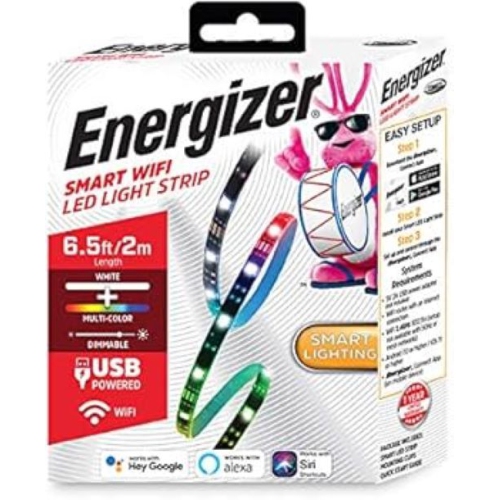 Your price for this item is $25.99
Discover more categories related to LED Backlights
Top Collections:
Pokemon Centers, Budget 4K TVs, Best Budget Office Chairs, Kindle Devices, Canon G7X Cameras, Apple iPhones 16, iPhone 15 Apple, Laptops for Business Work, Xiaomi Phones, Flip Phones
Some products may be subject to Environmental Handling Fees
(EHF) depending on your province.
Learn more about EHFs.