LED Dining Table Lights
LED dining table lights are a great way to add a modern touch to your home. They are available in a wide range of styles, so you can find one that matches the rest of your home. LED lighting is more energy-efficient, so you can save money on your electric bill every year. Here are some great options for LED dining tables available today.
Sort
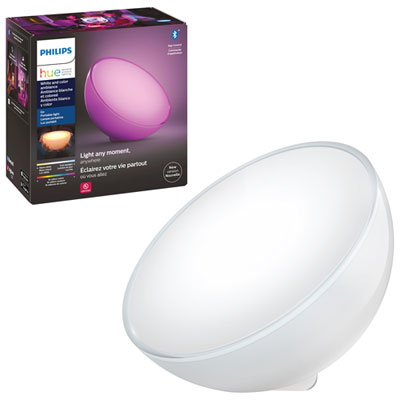
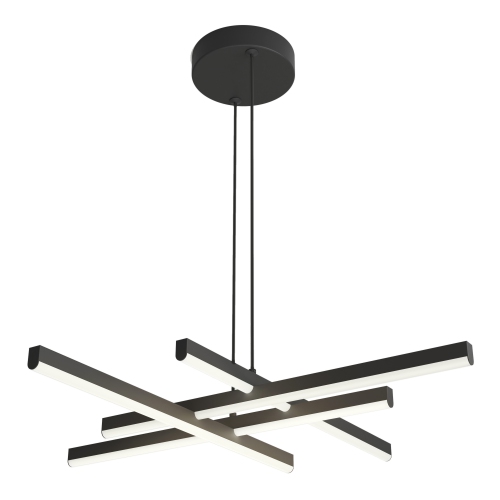
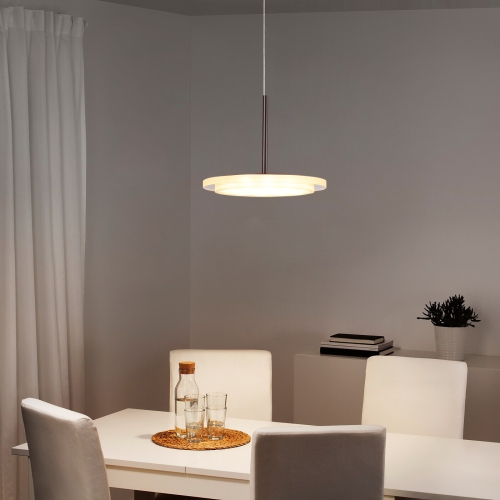
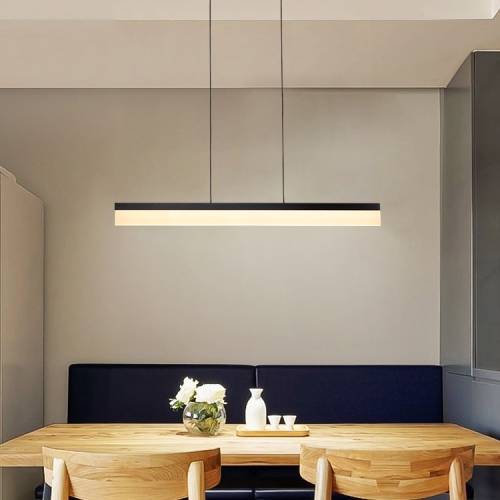
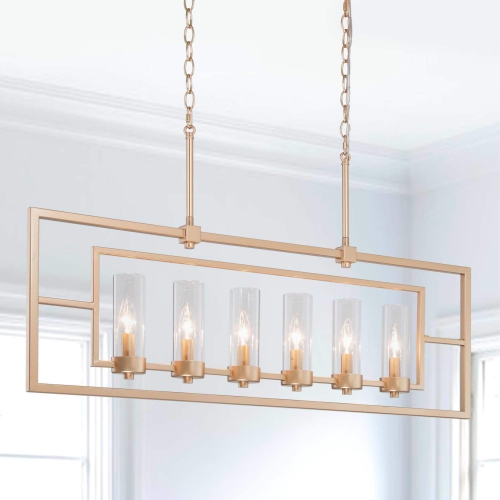
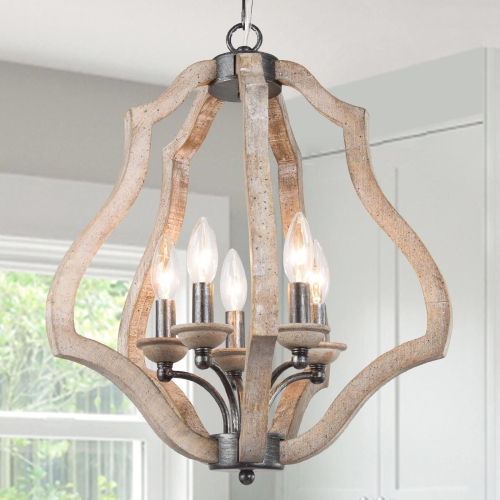
Why fixture shape and hanging height matter at dinner
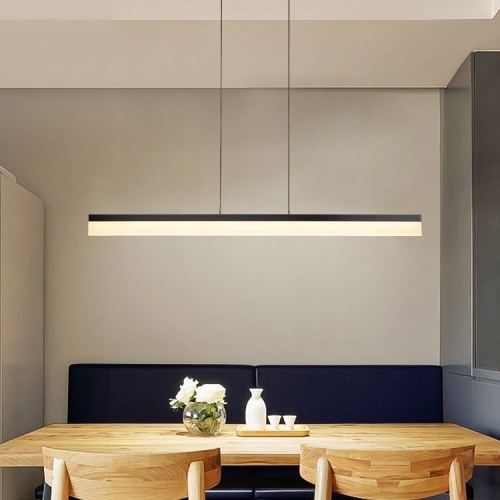
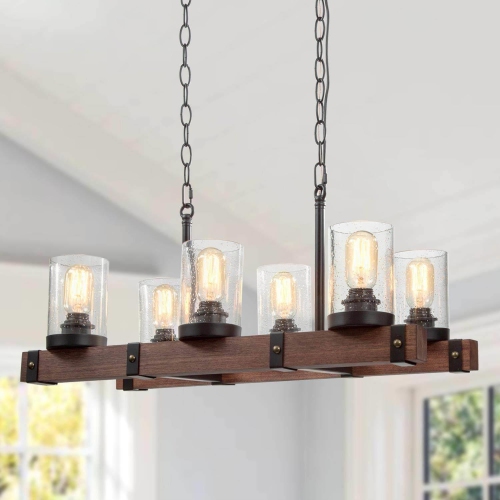
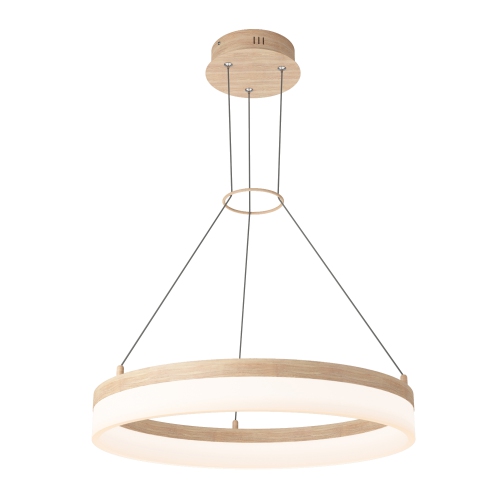
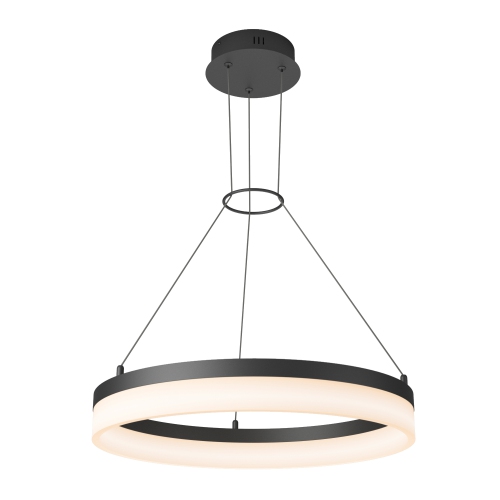
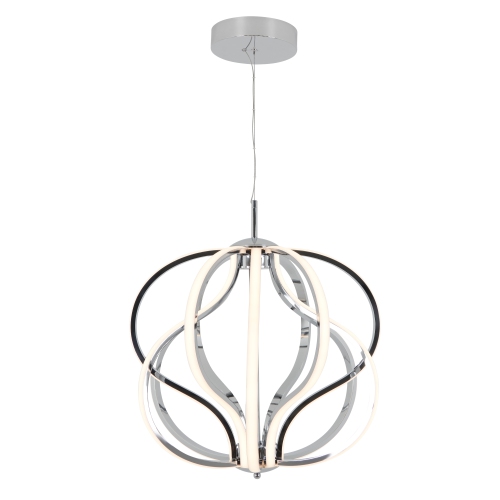
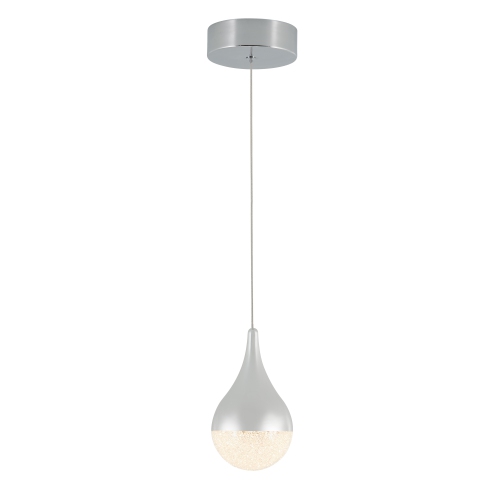
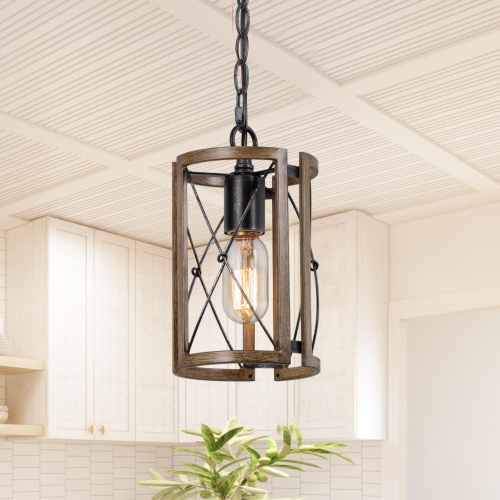
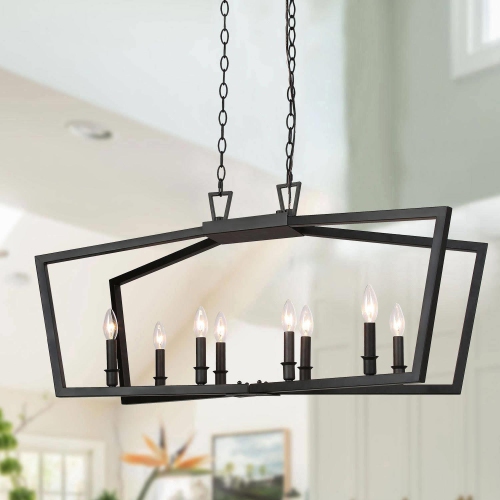
LED dining table lights bring focused illumination to the place where meals, conversations, homework, and everyday projects often share the same surface. The category includes slim linear pendants, sculptural ring fixtures, multi-light chandeliers, and compact suspended designs, with shapes suited to different tables and room layouts. A long rectangular table often pairs well with a linear light that spreads illumination along its length, while a round table can feel balanced beneath a circular pendant or a centrally positioned chandelier. For a square table, a compact cluster or a broad, shallow fixture can provide a strong focal point without stretching beyond the dining area. These proportions matter in open-plan rooms, where the light helps define the eating space without adding a physical divider. A fixture roughly one-half to two-thirds of the table’s width is a common starting point for round or compact designs; for linear fixtures, both length and width deserve attention so the light complements the tabletop rather than overwhelming it. The table’s extended size also matters when leaves are regularly added for guests. Hanging height affects comfort just as much as shape. With a standard 8-foot ceiling, the bottom of a suspended dining light commonly sits 30 to 36 inches above the tabletop, leaving space for conversation while keeping the light close enough to the dining surface. Higher ceilings may suit a higher position, although sightlines, fixture depth, light distribution, and the manufacturer’s installation requirements should determine the final placement. A deep shade over a small table feels quite different from an open ring at the same height. Someone seated at either end should be able to see across the table without a bright light source directly in their eyes. Related LED pendant lights offer suspended forms that can coordinate with nearby kitchen or living areas, helping connected spaces feel considered without requiring every fixture to match.
The character of the light is especially noticeable at a dining table, where it falls across food, faces, glassware, and finishes. A colour temperature of 2700K to 3000K typically provides warm white light, creating a comfortable setting for dinner while keeping the table clearly visible. Adjustable colour temperature can be useful when the same surface doubles as a desk or a place for puzzles and craft projects, allowing a warmer setting for meals and a cooler appearance for concentrated work. Colour rendering is a separate consideration: a colour rendering index, or CRI, of 90 or higher generally helps colours appear more natural, from the red of a tomato to the grain in a wooden tabletop. Brightness is best compared in lumens rather than watts, since wattage describes electrical power use rather than visible light output. The amount of light needed depends on table size, shade design, room finishes, and other lighting in the space. A dark tabletop and deep wall colours can make a room feel less bright than pale surfaces under the same fixture. Diffusers and frosted covers soften the appearance of individual LEDs, which can make dining more comfortable and reduce sharp reflections on glossy tables. Downward-facing illumination concentrates light on place settings, while designs that also cast light upward can lend a gentler glow to the room. Dimming adds flexibility for a quick breakfast, an evening of board games, or a relaxed dinner with friends, but the fixture, LED driver, and dimmer switch must be compatible. Not every LED light supports dimming, and some adjustable fixtures rely on their own remote or app instead of a wall dimmer. Smart features may include schedules, voice control, or saved brightness settings, depending on the design and its connection requirements. For a shared household, straightforward everyday controls remain valuable: guests and family members should be able to turn on comfortable light without needing to navigate several settings.
Materials and construction shape both the appearance of LED dining table lights and the attention they need over time. Aluminium can suit slender profiles, while steel supports more substantial frames and defined geometric shapes. Glass shades offer clarity or a softened glow depending on their finish, and acrylic diffusers can create an even band of light without the weight of a large glass panel. Matte black provides a crisp outline above a pale table, brushed metallic finishes add subtle texture, and white housings can blend into a light ceiling. Wood accents may connect a fixture visually with dining chairs or cabinetry, although variations in grain and tone mean that an exact match is not always necessary. The finish also influences upkeep: polished surfaces tend to show fingerprints, while broad horizontal frames and layered designs give dust more places to settle. Routine care generally involves switching the light off, allowing it to cool, and wiping accessible surfaces with a soft, dry cloth, following the manufacturer’s cleaning directions. Abrasive cleaners and excess moisture can damage finishes or electrical components. Durability depends on more than the housing material; secure suspension hardware, well-finished joints, and the serviceability of electrical components also matter. Integrated LED fixtures contain a built-in light source, so replacement options for the LED module or driver are worth checking. Designs that use replaceable LED bulbs offer a different maintenance approach, with bulb size, base type, and fixture ratings determining compatible replacements. Adjustable cables or rods help accommodate different ceiling heights, but their minimum and maximum suspension lengths need to suit the room. Sloped ceilings may require a compatible canopy or mounting accessory, and an off-centre electrical box can affect whether the fixture hangs over the middle of the table. Hardwired installation should be handled by a qualified electrician in accordance with applicable local requirements. These practical details are particularly relevant for condo dining nooks, family dining rooms, and multipurpose apartments, where a single light may serve several daily routines. A well-proportioned fixture with comfortable illumination can make that shared space more useful while giving the table a clear place within the room.
The character of the light is especially noticeable at a dining table, where it falls across food, faces, glassware, and finishes. A colour temperature of 2700K to 3000K typically provides warm white light, creating a comfortable setting for dinner while keeping the table clearly visible. Adjustable colour temperature can be useful when the same surface doubles as a desk or a place for puzzles and craft projects, allowing a warmer setting for meals and a cooler appearance for concentrated work. Colour rendering is a separate consideration: a colour rendering index, or CRI, of 90 or higher generally helps colours appear more natural, from the red of a tomato to the grain in a wooden tabletop. Brightness is best compared in lumens rather than watts, since wattage describes electrical power use rather than visible light output. The amount of light needed depends on table size, shade design, room finishes, and other lighting in the space. A dark tabletop and deep wall colours can make a room feel less bright than pale surfaces under the same fixture. Diffusers and frosted covers soften the appearance of individual LEDs, which can make dining more comfortable and reduce sharp reflections on glossy tables. Downward-facing illumination concentrates light on place settings, while designs that also cast light upward can lend a gentler glow to the room. Dimming adds flexibility for a quick breakfast, an evening of board games, or a relaxed dinner with friends, but the fixture, LED driver, and dimmer switch must be compatible. Not every LED light supports dimming, and some adjustable fixtures rely on their own remote or app instead of a wall dimmer. Smart features may include schedules, voice control, or saved brightness settings, depending on the design and its connection requirements. For a shared household, straightforward everyday controls remain valuable: guests and family members should be able to turn on comfortable light without needing to navigate several settings.
Materials and construction shape both the appearance of LED dining table lights and the attention they need over time. Aluminium can suit slender profiles, while steel supports more substantial frames and defined geometric shapes. Glass shades offer clarity or a softened glow depending on their finish, and acrylic diffusers can create an even band of light without the weight of a large glass panel. Matte black provides a crisp outline above a pale table, brushed metallic finishes add subtle texture, and white housings can blend into a light ceiling. Wood accents may connect a fixture visually with dining chairs or cabinetry, although variations in grain and tone mean that an exact match is not always necessary. The finish also influences upkeep: polished surfaces tend to show fingerprints, while broad horizontal frames and layered designs give dust more places to settle. Routine care generally involves switching the light off, allowing it to cool, and wiping accessible surfaces with a soft, dry cloth, following the manufacturer’s cleaning directions. Abrasive cleaners and excess moisture can damage finishes or electrical components. Durability depends on more than the housing material; secure suspension hardware, well-finished joints, and the serviceability of electrical components also matter. Integrated LED fixtures contain a built-in light source, so replacement options for the LED module or driver are worth checking. Designs that use replaceable LED bulbs offer a different maintenance approach, with bulb size, base type, and fixture ratings determining compatible replacements. Adjustable cables or rods help accommodate different ceiling heights, but their minimum and maximum suspension lengths need to suit the room. Sloped ceilings may require a compatible canopy or mounting accessory, and an off-centre electrical box can affect whether the fixture hangs over the middle of the table. Hardwired installation should be handled by a qualified electrician in accordance with applicable local requirements. These practical details are particularly relevant for condo dining nooks, family dining rooms, and multipurpose apartments, where a single light may serve several daily routines. A well-proportioned fixture with comfortable illumination can make that shared space more useful while giving the table a clear place within the room.
Top selling and popular products
-
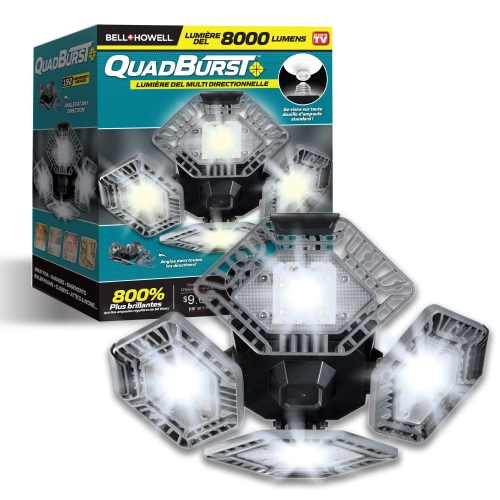 Your price for this item is $49.95
 -
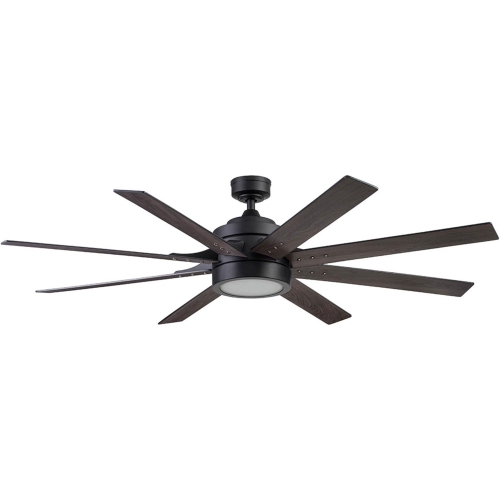 Your price for this item is $424.99
 -
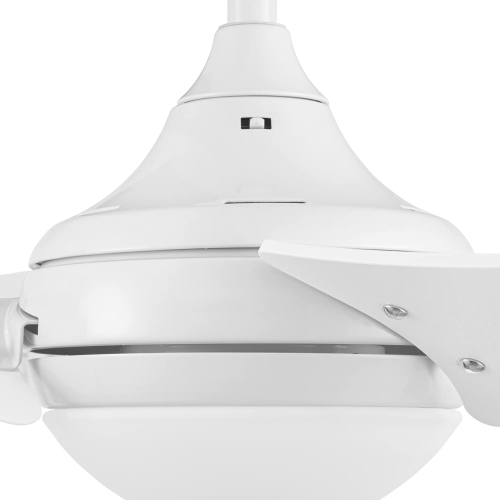 Your price for this item is $205.99
 -
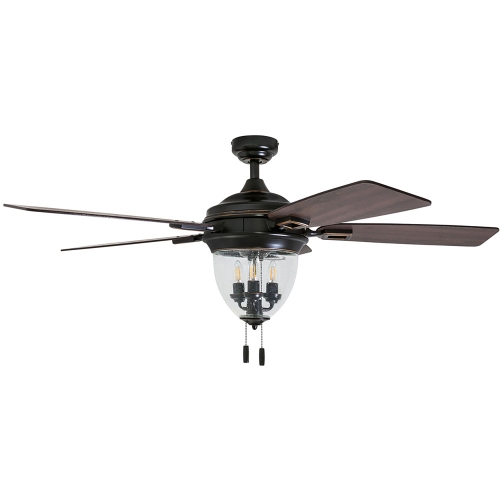 Your price for this item is $287.99
 -
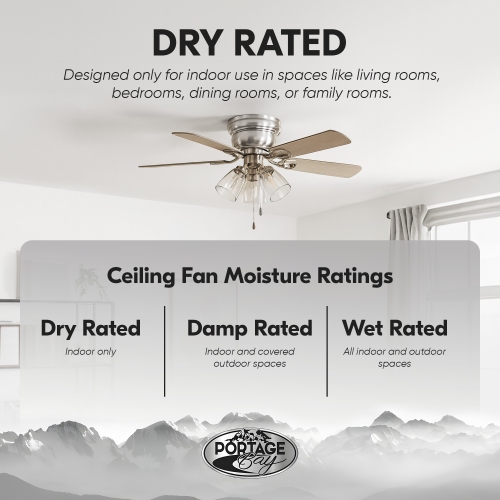 Your price for this item is $184.99
 -
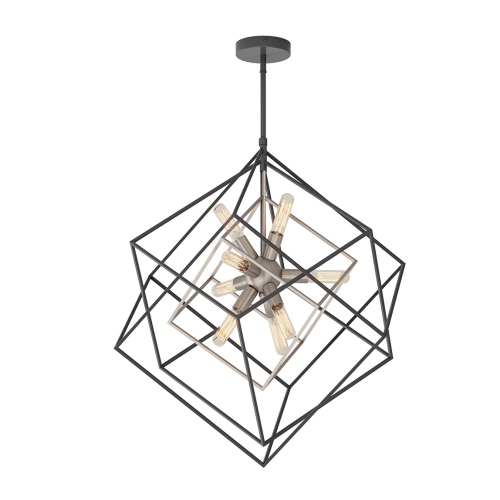 Your price for this item is $299
 -
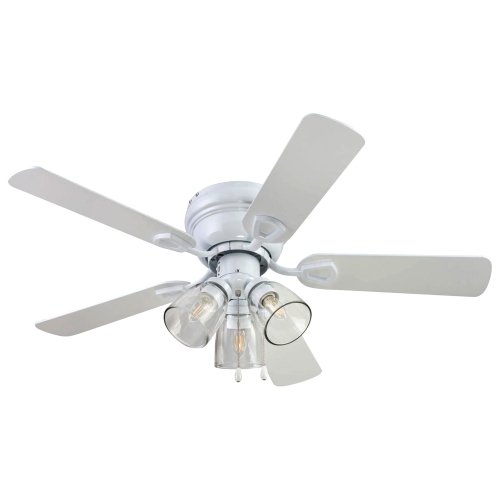 Your price for this item is $193.99
 -
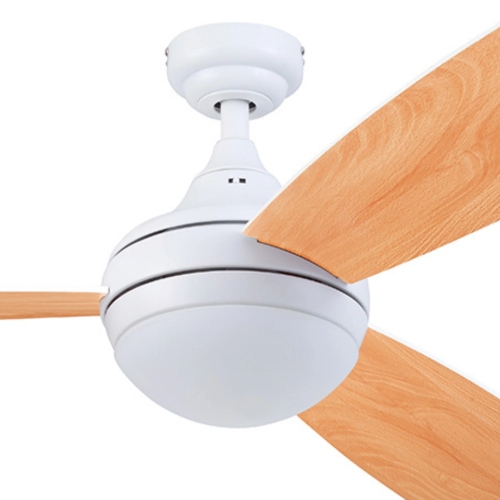 Your price for this item is $176.99
Discover more categories related to LED Dining Table Lights
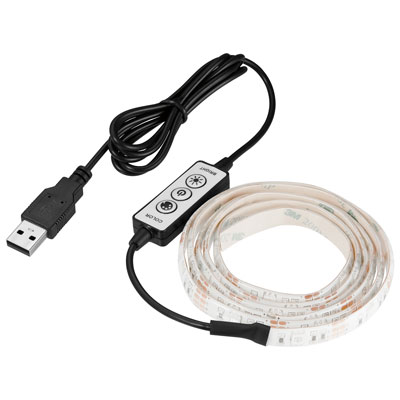
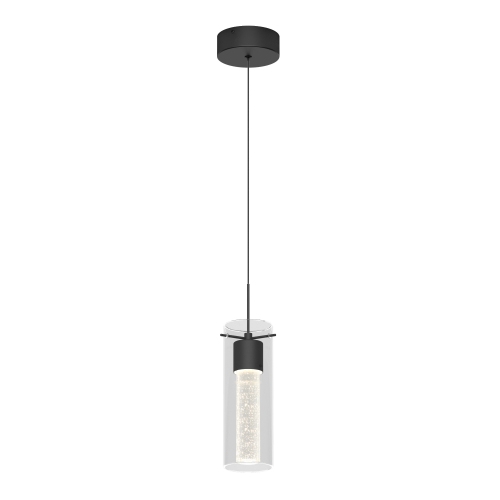

Top Collections:
Pokemon Centers, Kindle Devices, Best Budget Office Chairs, Apple iPhones 16, Best Laptops for Writers, iPhone 15 Apple, Canon G7X Cameras, Refurbished Apple Laptops, Alarm Clock, Motorola Razr Phones
Some products may be subject to Environmental Handling Fees
(EHF) depending on your province.
Learn more about EHFs.