LED Strip Light Power Supplies
When it comes to powering your LED strip lights, having the right power supply is crucial to ensure optimal performance and longevity. Our selection of LED strip light power supplies offers a range of options to suit different needs and preferences. Whether you are looking for a high-powered supply for commercial installations or a compact option for home use, we have you covered. Explore our collection to find the perfect power supply for your LED strip lights and illuminate your space with ease.
Sort
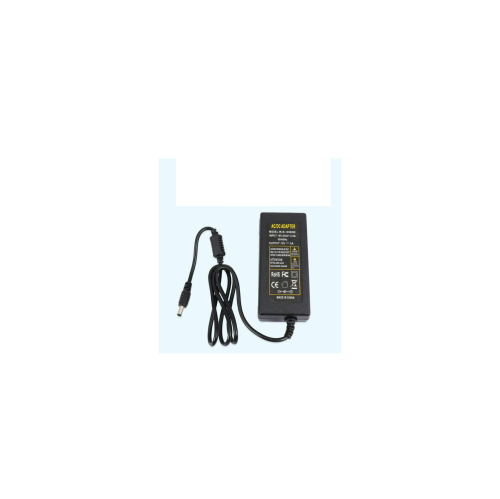
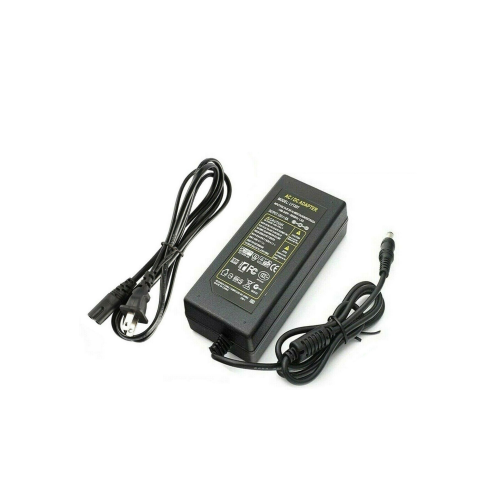
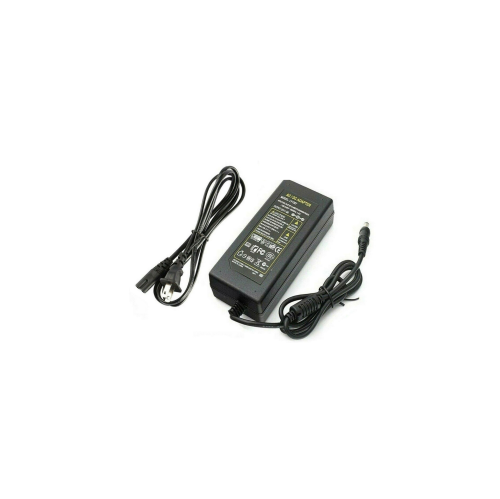
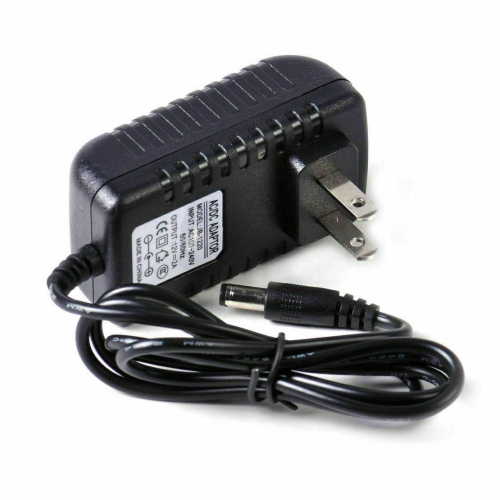
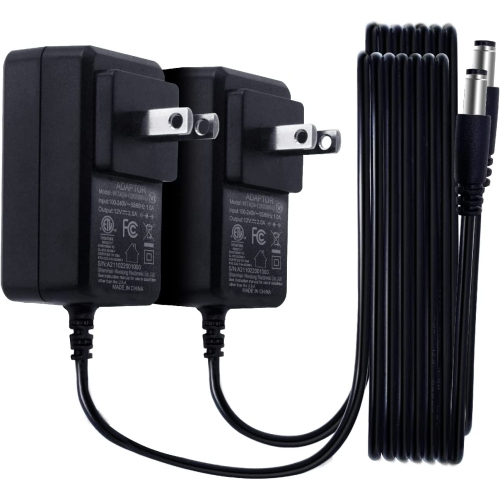
![DOLAER [Ul Listed Fcc] 2Pack Dc 12V 2A Power Supply Adapter 5.5MM X 2.1Mm, for Dc 12V Cctv Camera Led Strip Light, 1.5M Cord](https://multimedia.bbycastatic.ca/multimedia/products/500x500/163/16378/16378841.jpeg)
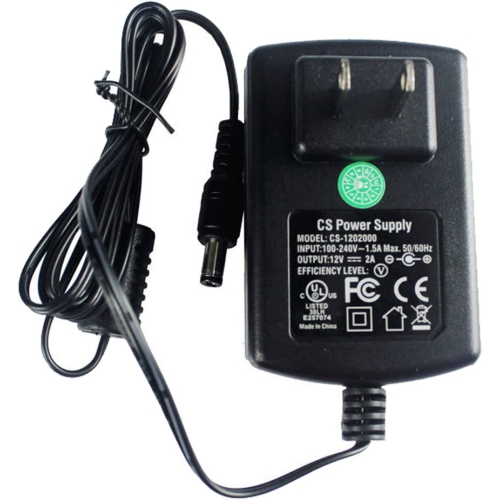
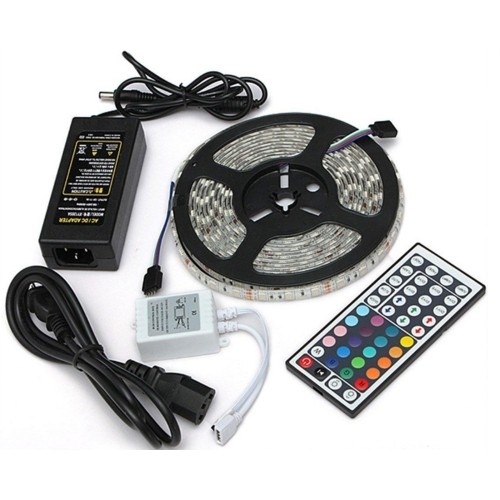
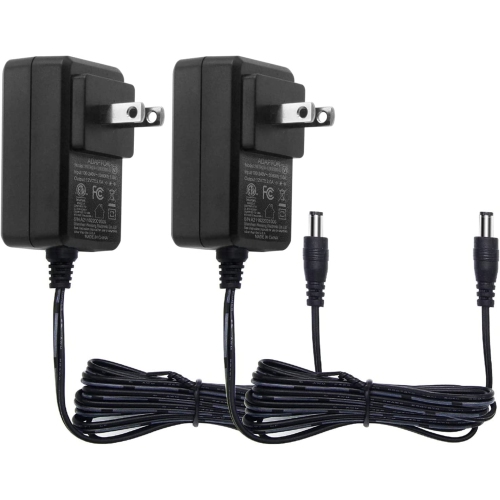
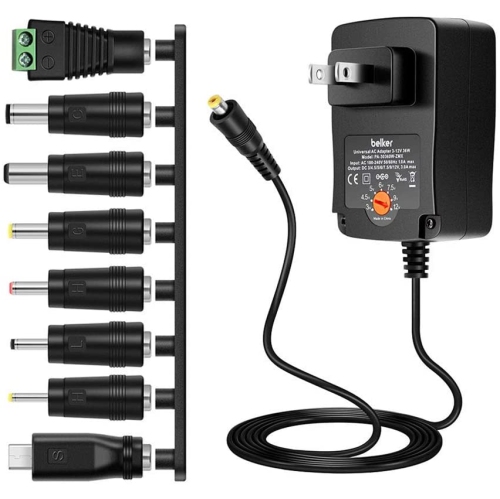
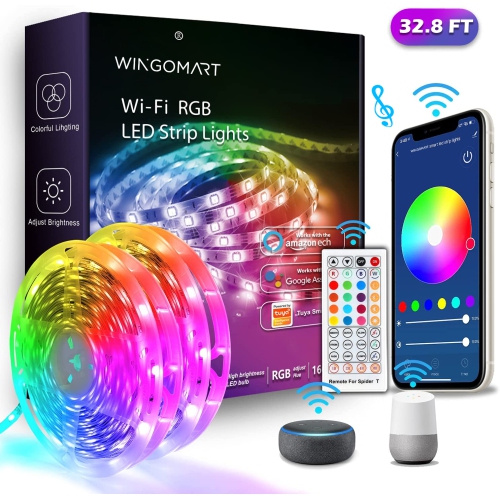
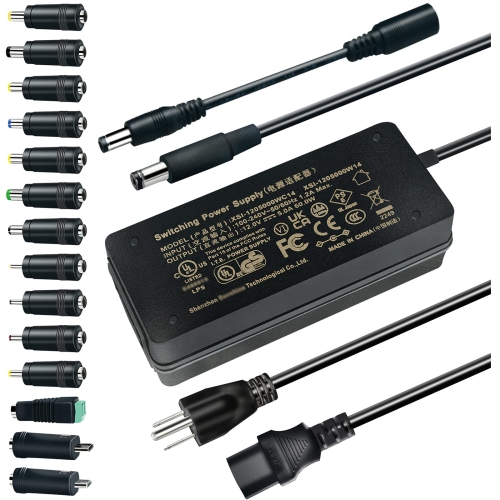
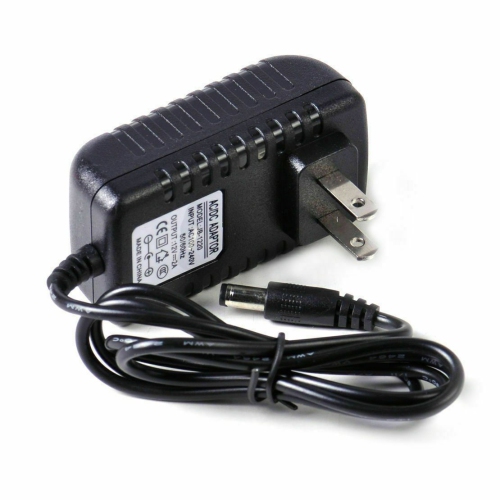
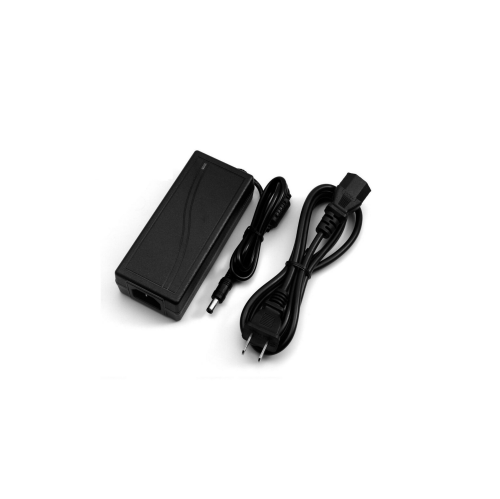
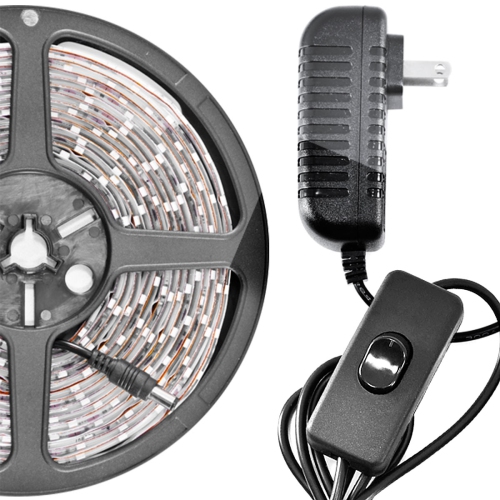
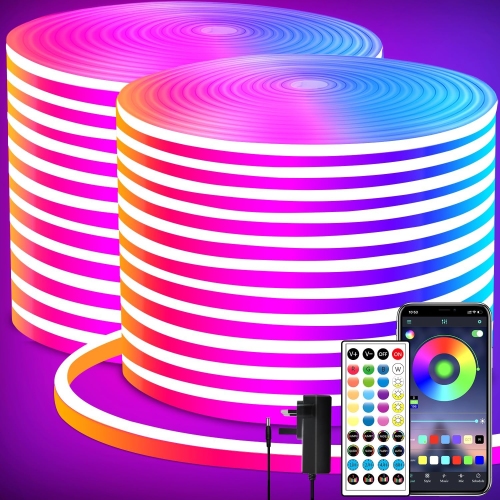
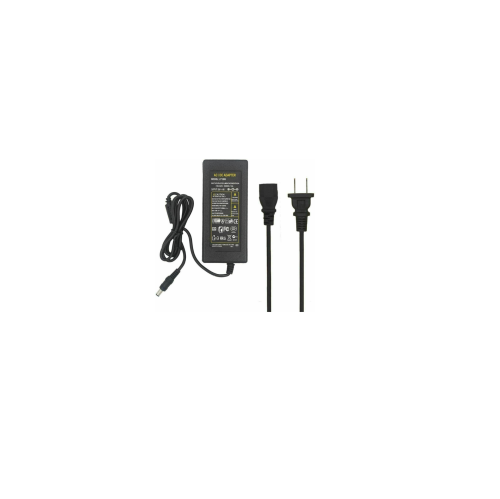
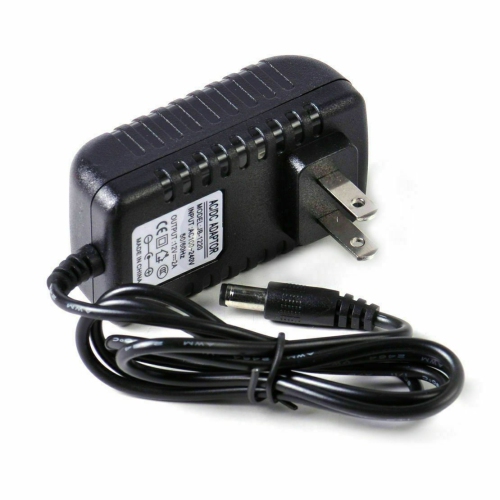


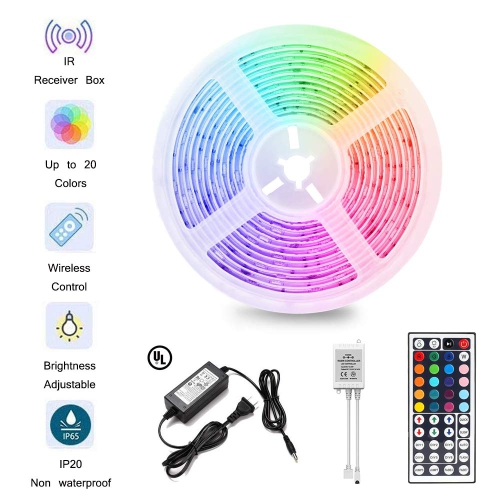
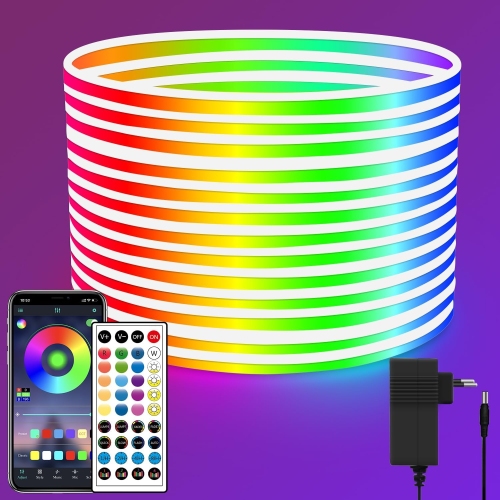
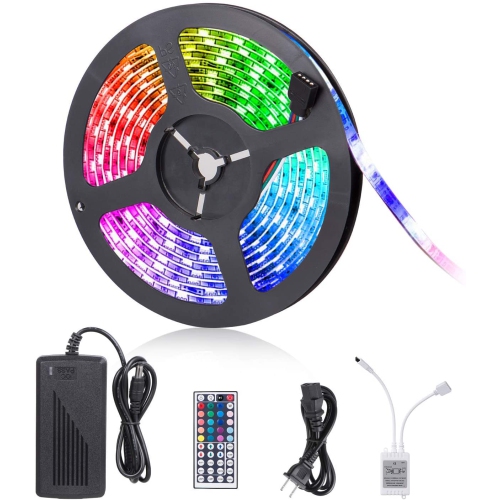
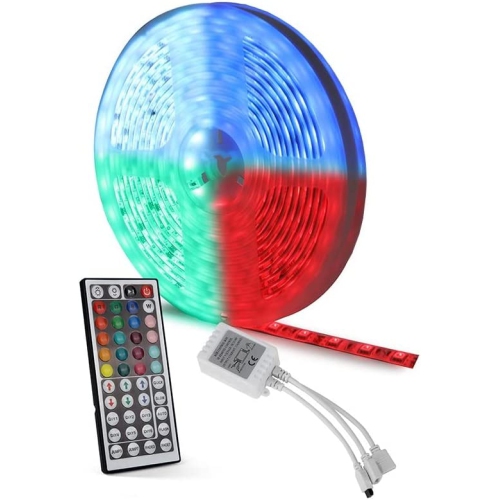
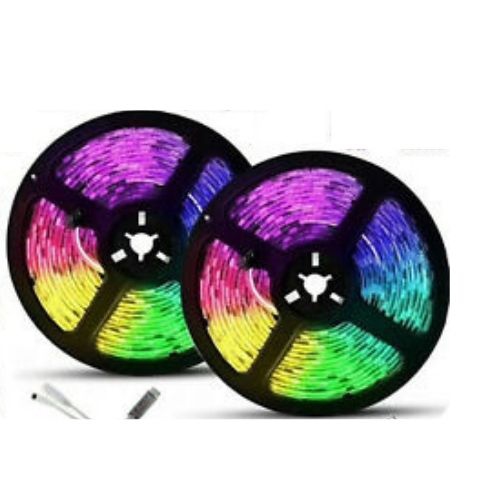
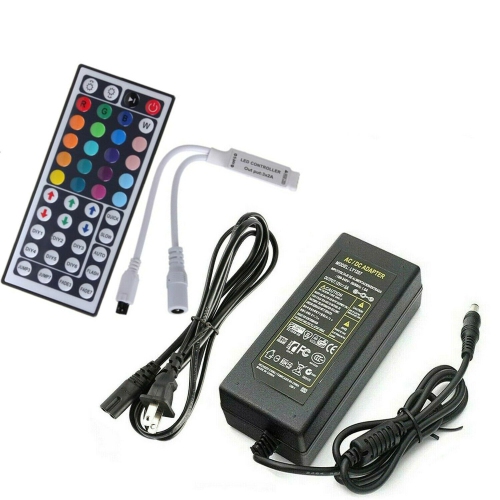
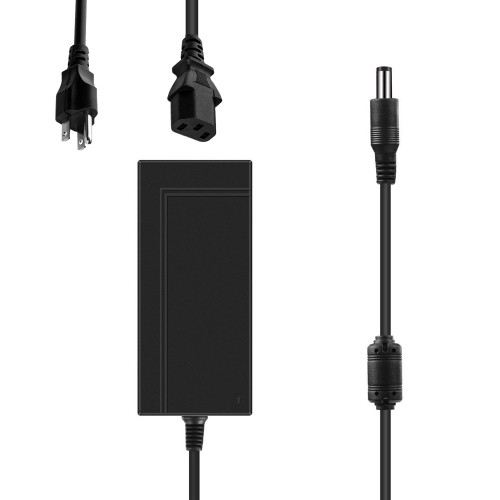
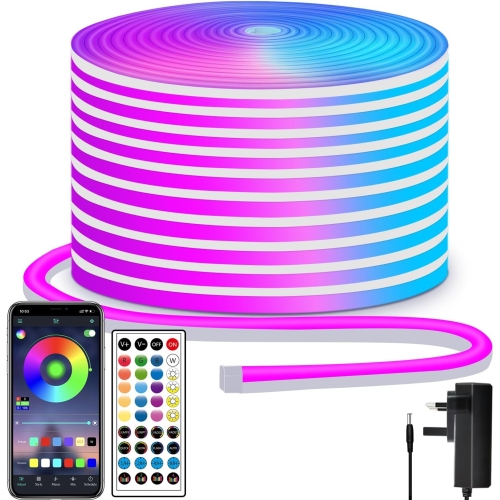
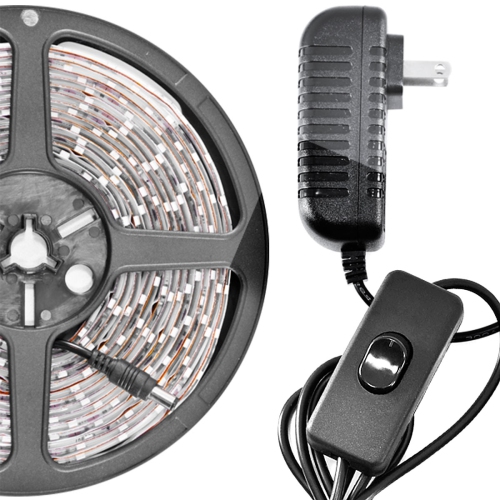
Steady strip lighting starts with the right electrical match
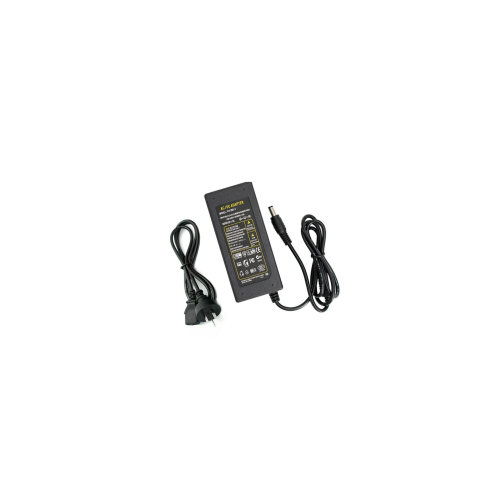
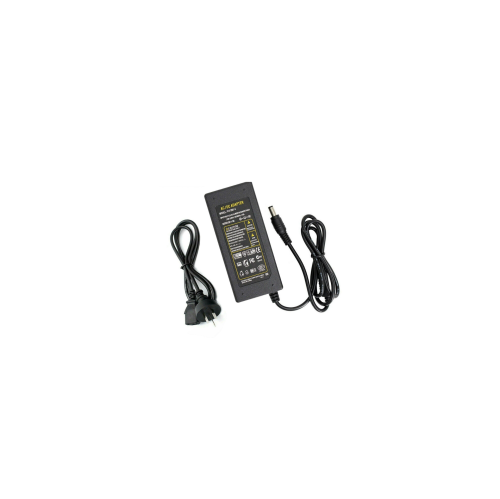
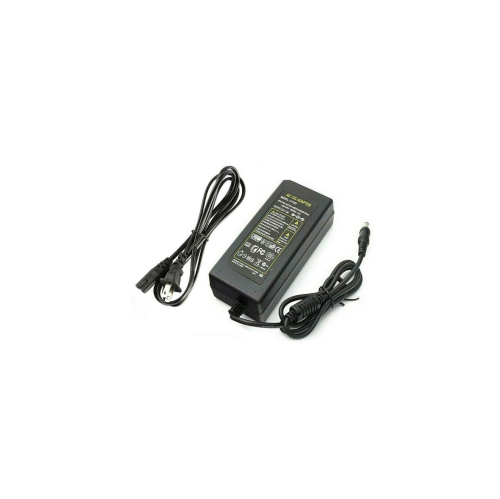
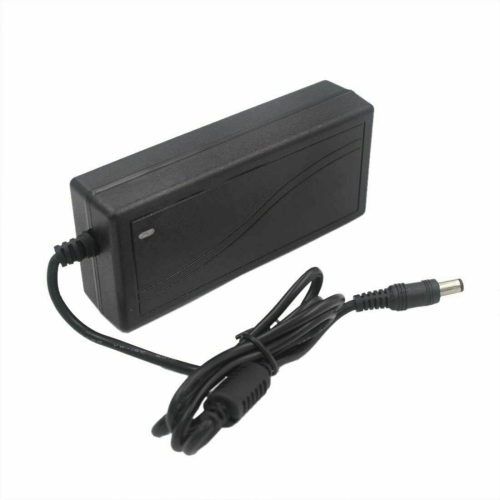
LED strip light power supplies provide the electrical output that compatible light strips need for steady, reliable illumination. Most low-voltage LED strips use constant-voltage direct current, commonly 12V or 24V DC, while a household outlet provides alternating current. The power supply converts that input into the output specified for the strip. Matching the voltage is essential: a 12V strip needs a 12V DC supply, and a 24V strip needs a 24V DC supply. A higher wattage rating does not make an incorrect voltage suitable. Capacity matters just as much as voltage, particularly when lighting extends beneath several kitchen cabinets, around a media console, or along shelving. The required wattage is calculated by multiplying the strip’s watts per metre by the total length being powered, then accounting for any additional connected load. For example, five metres of strip rated at 10 watts per metre requires 50 watts before allowing for extra capacity. Adding 20% to 30% headroom gives a target of 60 to 65 watts, provided this meets the manufacturer’s loading requirements. That margin helps avoid operating the supply at its full rated capacity; it does not replace any installation limits or derating requirements in the specifications. A compatible constant-voltage supply with additional wattage capacity does not force all of that power into the strip, which draws according to its requirements. Its rated current must also meet the connected load: wattage divided by voltage gives the current in amperes. For colour-changing strips, the calculation should reflect the manufacturer’s maximum power rating rather than a favourite dimmed setting. These electrical details make LED strip power adapters relevant to homeowners adding under-cabinet lighting, renters using removable accent lighting, and hobbyists illuminating display shelves. For a replacement supply, the original output label and the strip’s specifications are more useful than the appearance of the adapter alone.
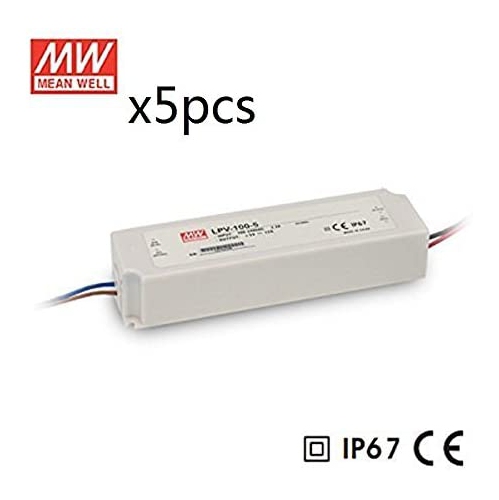
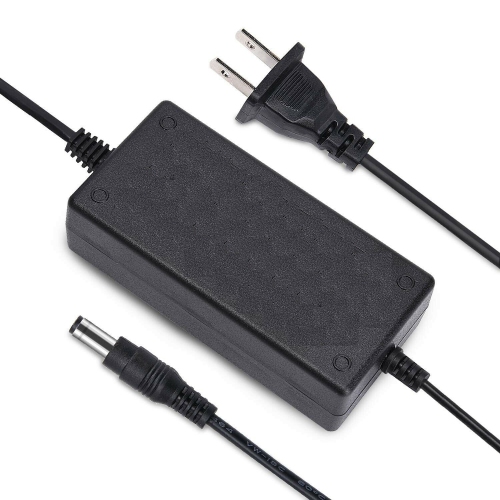
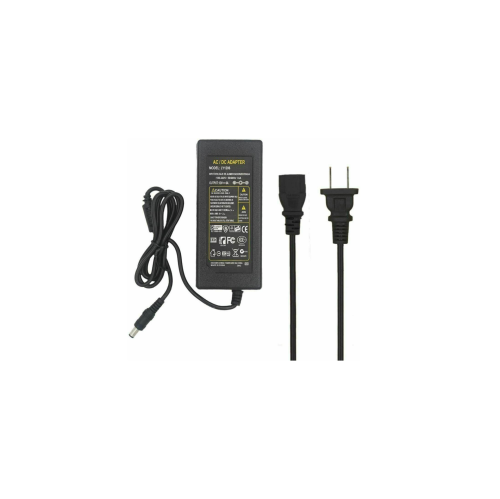
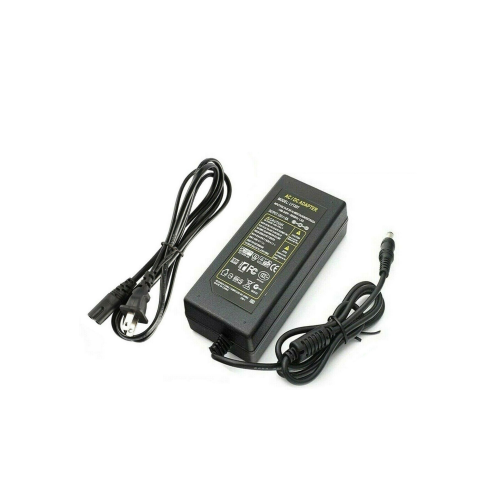
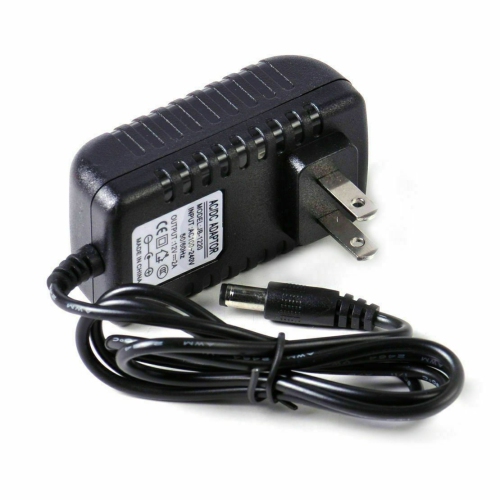
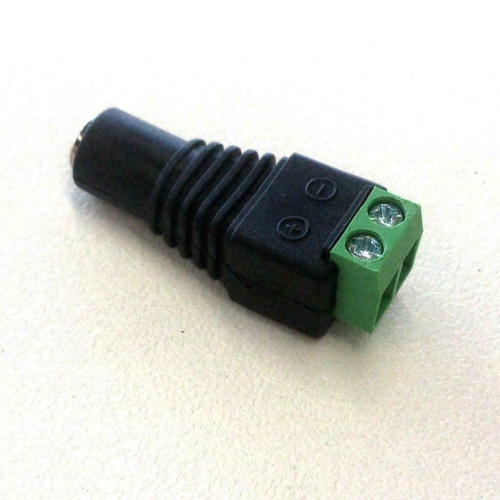
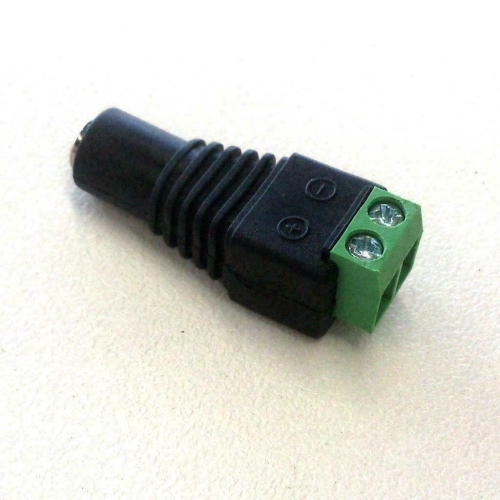
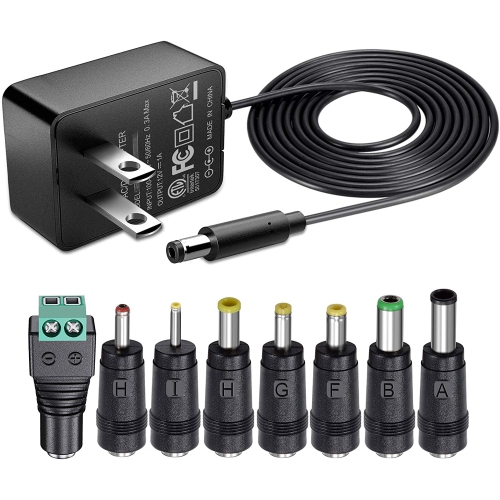
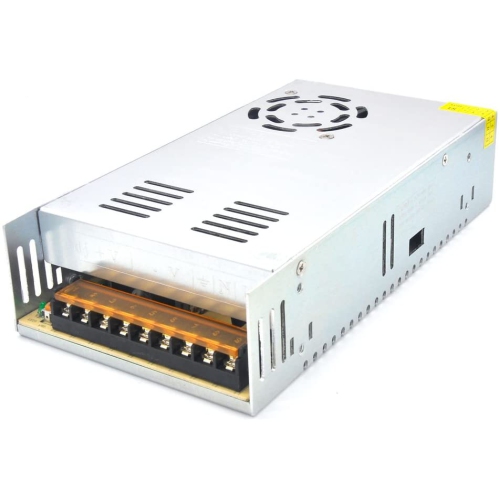
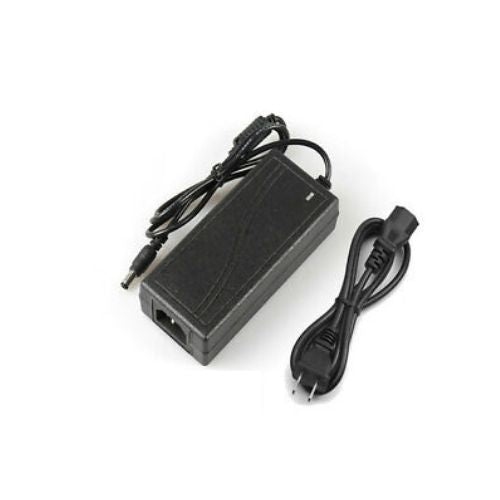
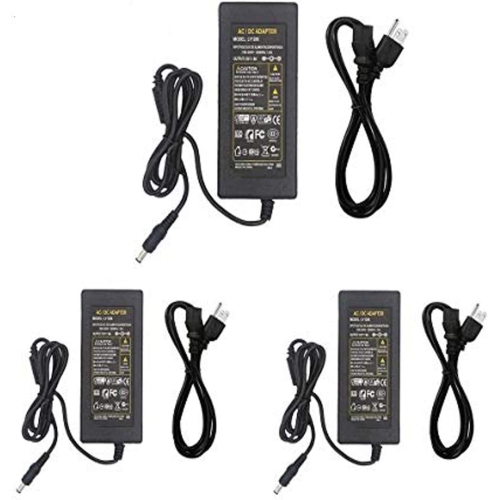
The physical format of an LED strip light power supply affects how neatly it fits into a space and how it connects to the rest of the lighting system. Plug-in adapters suit many straightforward indoor installations, with an enclosed body, an outlet connection, and a low-voltage lead that connects to a compatible strip or controller. A compact wall adapter may work well behind a desk, while an adapter with a separate mains cable offers more flexibility when an outlet sits below a cabinet or beside a shelving unit. Cable length, plug orientation, and access to neighbouring sockets all influence the finished arrangement. Barrel connectors can look alike while differing in diameter, internal pin size, or polarity, so a matching shape is not enough to establish compatibility. Screw-terminal supplies and hardwired drivers offer other connection formats, but exposed mains terminals require appropriate protection, and hardwired installation should be handled by a qualified electrician in accordance with local electrical requirements. Enclosures may use insulating plastic, metal, or sealed construction, each with its own mounting and ventilation needs. Metal housings can help dissipate heat, but the enclosure material alone does not establish suitability for a particular location. Dimensions, mounting points, cable entry positions, and the manufacturer’s clearance requirements are practical measures of fit. Beneath a kitchen cabinet, a tidy installation keeps the adapter away from splashes and leaves connections accessible without placing cables near sharp edges or moving hardware. Around a television or gaming desk, space for ventilation matters more than hiding the supply inside a tightly packed cable box. For locations exposed to moisture, the power supply, strip, connectors, and cable entries all need ratings appropriate to their exposure. An ingress protection rating applies to the component tested, not automatically to the entire connected assembly. Indoor adapters should not be treated as suitable for damp or outdoor locations simply because the strip itself has a protective coating. Electrical certification recognized in Canada, together with an input rating suitable for the intended supply, is another important specification.
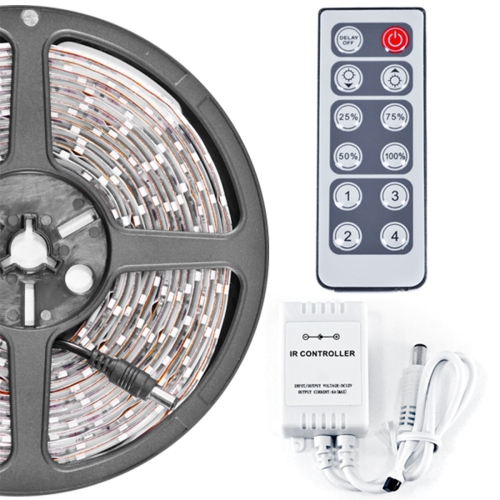
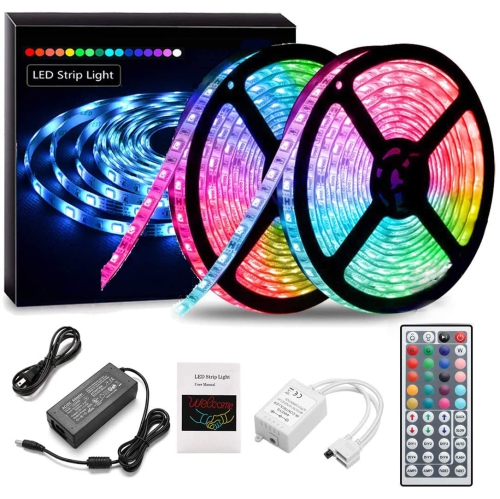
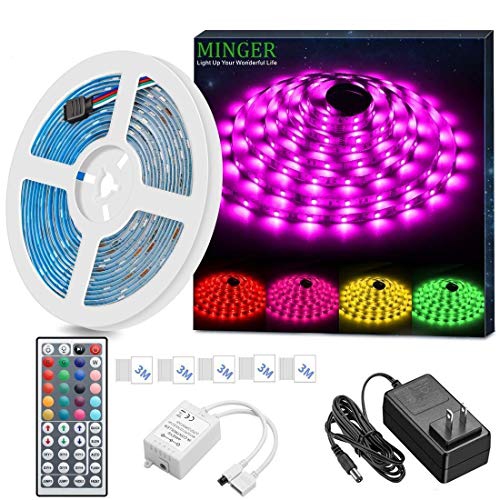
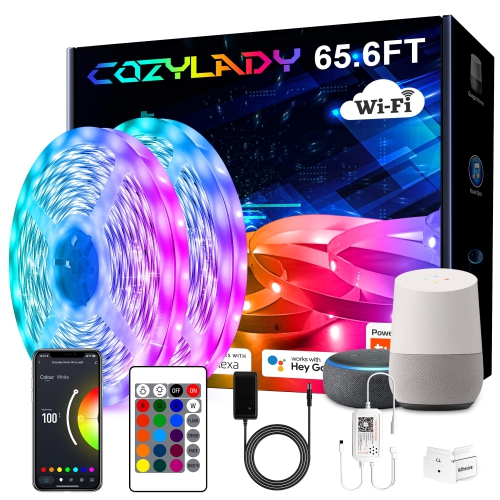
Control compatibility and installation quality help determine how well LED strip lighting performs over time. A power supply provides electricity, while a controller may handle brightness, colour selection, or lighting effects. RGB, RGBW, and other multi-channel strips require compatible controllers and connections; their additional conductors do not mean that any multi-output adapter will work. Smart controls may sit between the supply and the strip, and their voltage and current limits must support the connected lighting. Dimming also depends on the complete setup. A standard power adapter is not necessarily compatible with a household wall dimmer, and a driver described as dimmable must support the intended dimming method. Where a low-voltage controller adjusts brightness, its specifications should align with both the strip and the power supply. Longer lighting runs introduce another consideration: voltage drop can leave the far end noticeably dimmer, even when the supply has enough wattage. Suitable cable size, permitted run length, and manufacturer-approved power distribution or additional feed points help address this issue; increasing output voltage beyond the strip’s rating is not a safe solution. Supply outputs should not be joined unless the equipment is expressly designed for that arrangement. For a workbench or utility area that needs broad task illumination as well as accent lighting, LED Shop Lights serve a different purpose from strips fitted along shelves or cabinet edges. Keeping those roles distinct helps match each lighting format to the job. Durability depends on more than the housing: secure mounting, strain relief, protected connections, and adequate airflow all contribute to dependable service. Overload, short-circuit, and overvoltage protection are useful features to check in the specifications, though they do not compensate for an incompatible installation. Routine care is generally limited to keeping the exterior clean and ventilation openings unobstructed, following the manufacturer’s directions and disconnecting power before cleaning. Frayed leads, damaged connectors, persistent flickering, or an unusual smell warrant stopping use and having the setup assessed. The best fit is a supply whose voltage, capacity, connections, controls, and installation requirements support the lighting as a complete system.
The physical format of an LED strip light power supply affects how neatly it fits into a space and how it connects to the rest of the lighting system. Plug-in adapters suit many straightforward indoor installations, with an enclosed body, an outlet connection, and a low-voltage lead that connects to a compatible strip or controller. A compact wall adapter may work well behind a desk, while an adapter with a separate mains cable offers more flexibility when an outlet sits below a cabinet or beside a shelving unit. Cable length, plug orientation, and access to neighbouring sockets all influence the finished arrangement. Barrel connectors can look alike while differing in diameter, internal pin size, or polarity, so a matching shape is not enough to establish compatibility. Screw-terminal supplies and hardwired drivers offer other connection formats, but exposed mains terminals require appropriate protection, and hardwired installation should be handled by a qualified electrician in accordance with local electrical requirements. Enclosures may use insulating plastic, metal, or sealed construction, each with its own mounting and ventilation needs. Metal housings can help dissipate heat, but the enclosure material alone does not establish suitability for a particular location. Dimensions, mounting points, cable entry positions, and the manufacturer’s clearance requirements are practical measures of fit. Beneath a kitchen cabinet, a tidy installation keeps the adapter away from splashes and leaves connections accessible without placing cables near sharp edges or moving hardware. Around a television or gaming desk, space for ventilation matters more than hiding the supply inside a tightly packed cable box. For locations exposed to moisture, the power supply, strip, connectors, and cable entries all need ratings appropriate to their exposure. An ingress protection rating applies to the component tested, not automatically to the entire connected assembly. Indoor adapters should not be treated as suitable for damp or outdoor locations simply because the strip itself has a protective coating. Electrical certification recognized in Canada, together with an input rating suitable for the intended supply, is another important specification.
Control compatibility and installation quality help determine how well LED strip lighting performs over time. A power supply provides electricity, while a controller may handle brightness, colour selection, or lighting effects. RGB, RGBW, and other multi-channel strips require compatible controllers and connections; their additional conductors do not mean that any multi-output adapter will work. Smart controls may sit between the supply and the strip, and their voltage and current limits must support the connected lighting. Dimming also depends on the complete setup. A standard power adapter is not necessarily compatible with a household wall dimmer, and a driver described as dimmable must support the intended dimming method. Where a low-voltage controller adjusts brightness, its specifications should align with both the strip and the power supply. Longer lighting runs introduce another consideration: voltage drop can leave the far end noticeably dimmer, even when the supply has enough wattage. Suitable cable size, permitted run length, and manufacturer-approved power distribution or additional feed points help address this issue; increasing output voltage beyond the strip’s rating is not a safe solution. Supply outputs should not be joined unless the equipment is expressly designed for that arrangement. For a workbench or utility area that needs broad task illumination as well as accent lighting, LED Shop Lights serve a different purpose from strips fitted along shelves or cabinet edges. Keeping those roles distinct helps match each lighting format to the job. Durability depends on more than the housing: secure mounting, strain relief, protected connections, and adequate airflow all contribute to dependable service. Overload, short-circuit, and overvoltage protection are useful features to check in the specifications, though they do not compensate for an incompatible installation. Routine care is generally limited to keeping the exterior clean and ventilation openings unobstructed, following the manufacturer’s directions and disconnecting power before cleaning. Frayed leads, damaged connectors, persistent flickering, or an unusual smell warrant stopping use and having the setup assessed. The best fit is a supply whose voltage, capacity, connections, controls, and installation requirements support the lighting as a complete system.
Top selling and popular products
-
 Your price for this item is $19.99
 -
 Your price for this item is $94.99
 -
 Your price for this item is $13.99
 -
 Your price for this item is $48.68
 -
 Your price for this item is $49.68
 -
 Your price for this item is $29.68
 -
 Your price for this item is $29.95
 -
 Your price for this item is $49.99
Discover more categories related to LED Strip Light Power Supplies
Top Collections:
Pokemon Centers, Kindle Devices, Best Budget Office Chairs, Apple iPhones 16, Best Laptops for Writers, iPhone 15 Apple, Canon G7X Cameras, Refurbished Apple Laptops, Alarm Clock, Motorola Razr Phones
Some products may be subject to Environmental Handling Fees
(EHF) depending on your province.
Learn more about EHFs.