Modern Roller Blinds
Upgrade your home with sleek and stylish Modern Roller Blinds that effortlessly combine form and function. These versatile window treatments are perfect for adding a touch of modern sophistication to any room while providing privacy and light control. With a variety of colors, patterns, and materials to choose from, you can easily find the perfect roller blinds to complement your existing decor and elevate the aesthetic appeal of your living space. Discover the perfect blend of contemporary design and practicality with our collection of Modern Roller Blinds.
Sort
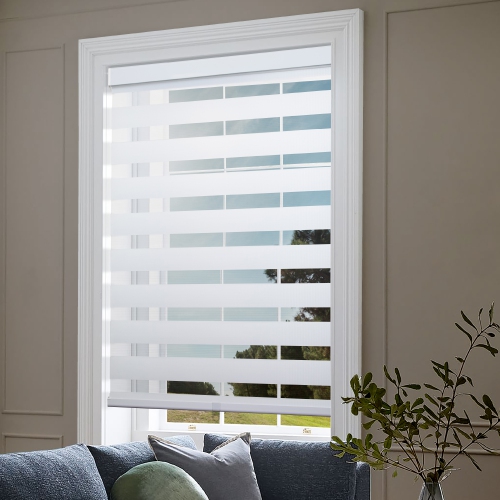
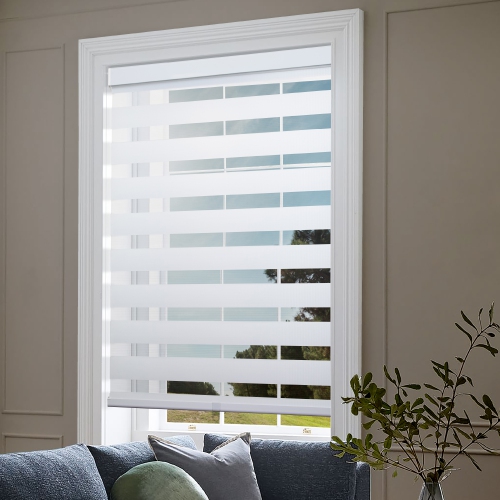

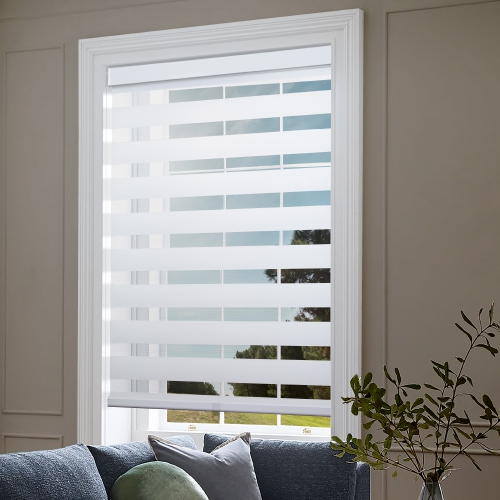
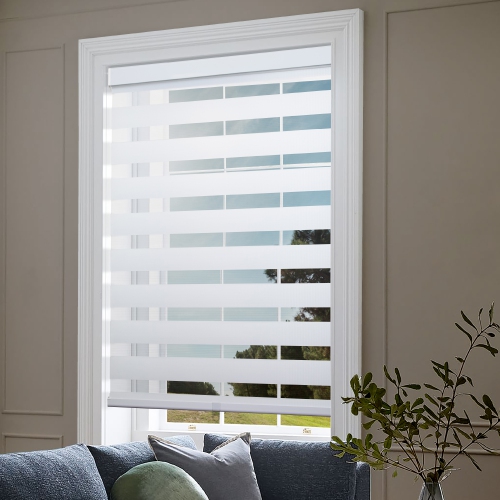
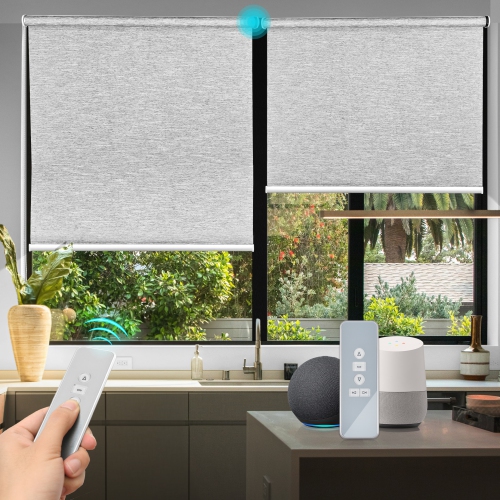
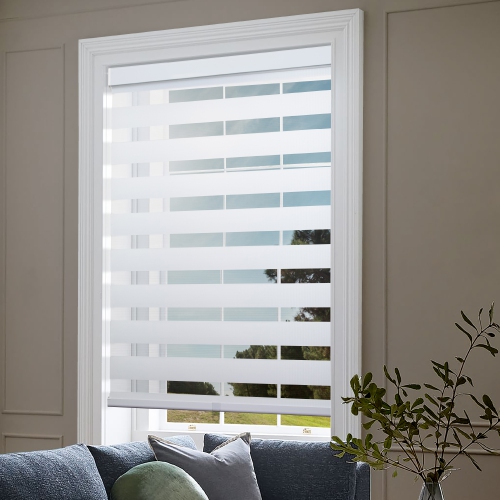
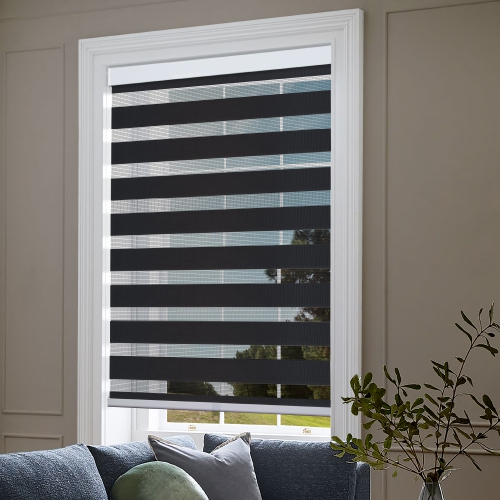
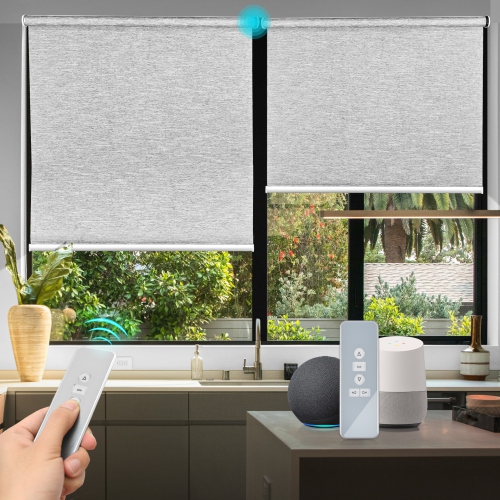
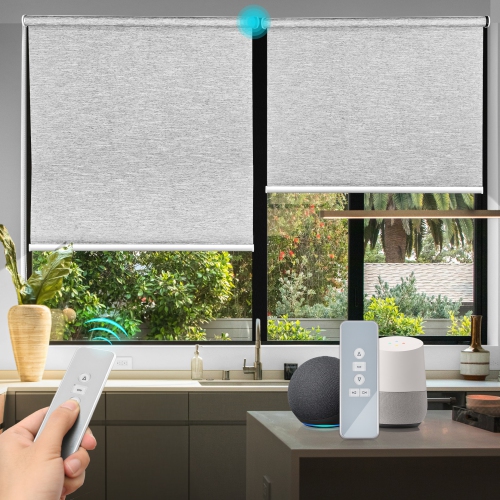
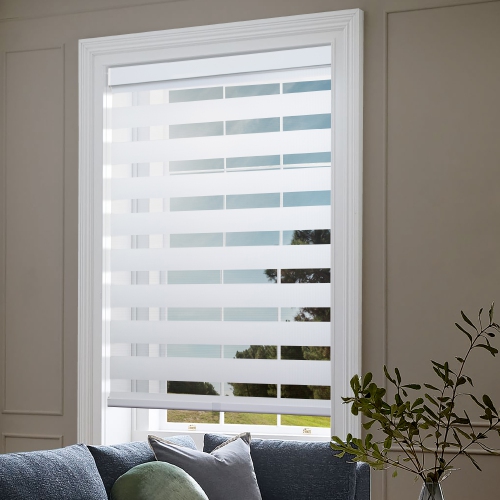
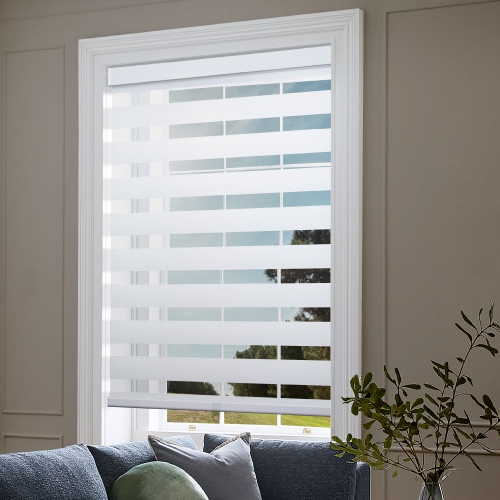
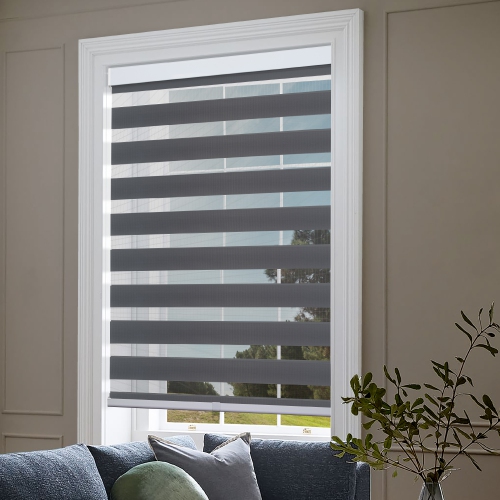
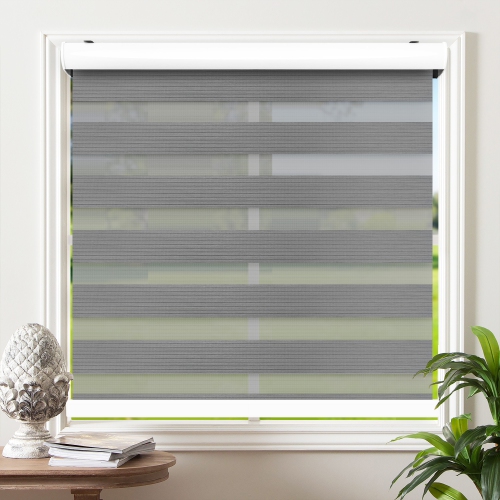
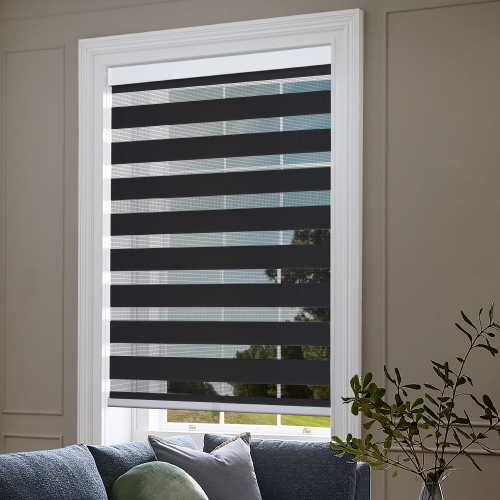
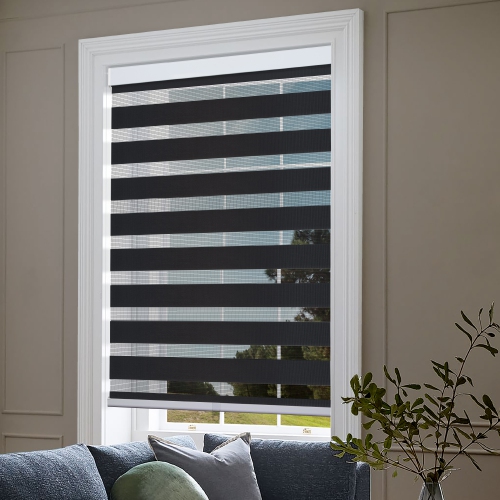

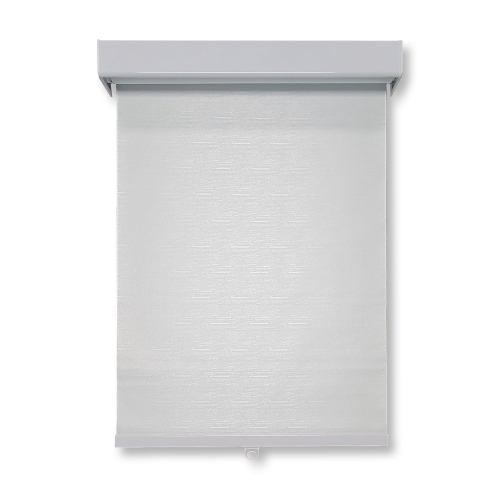

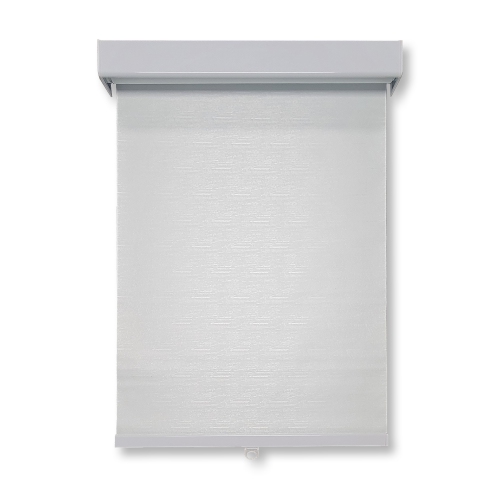
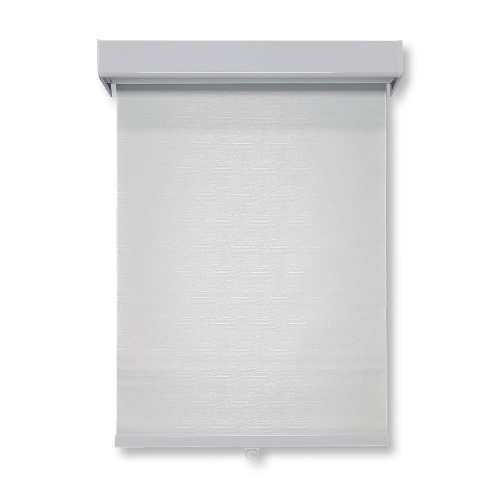
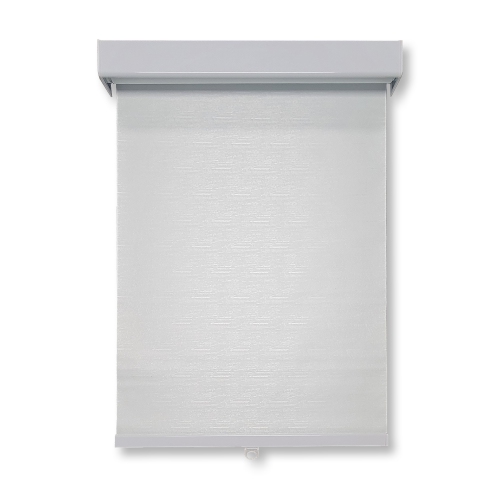
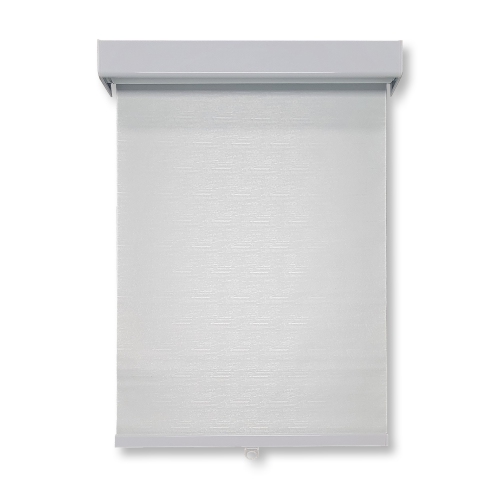
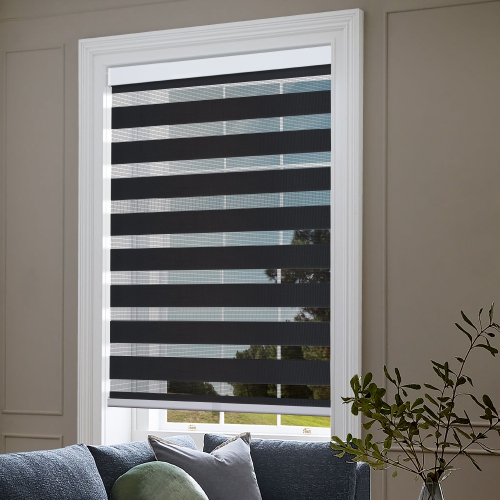
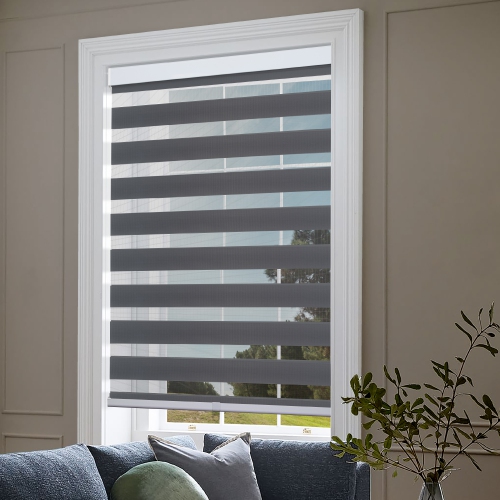
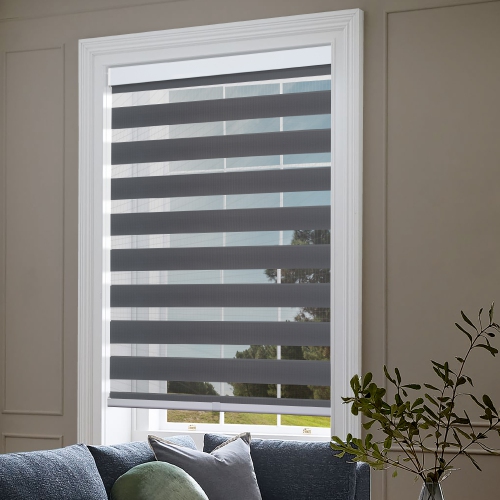
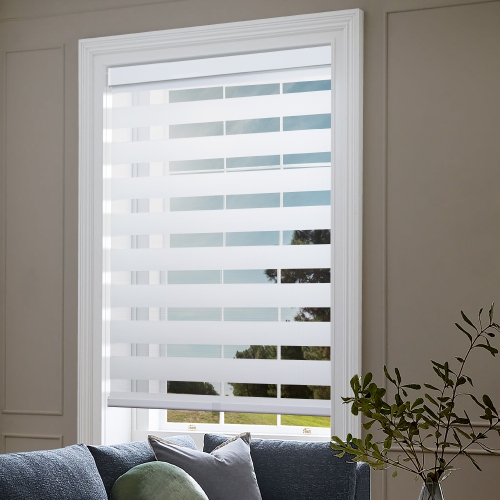
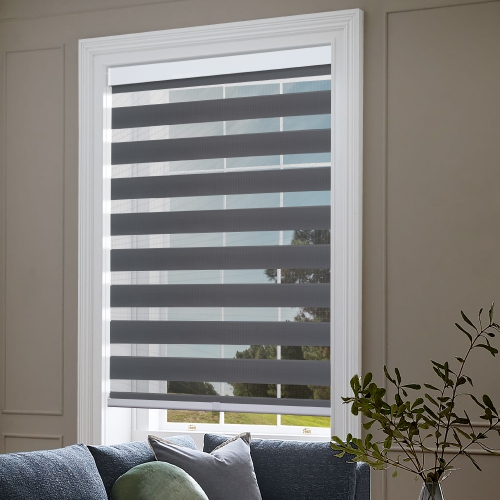
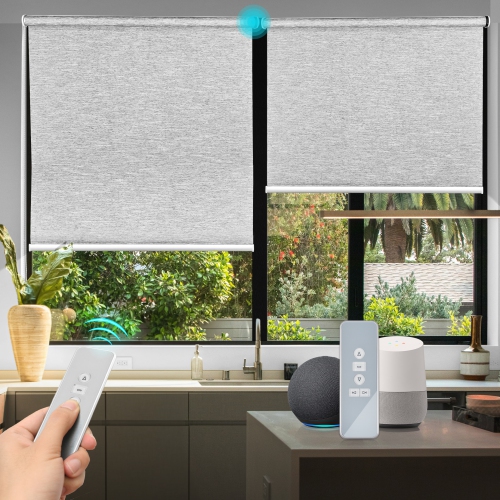
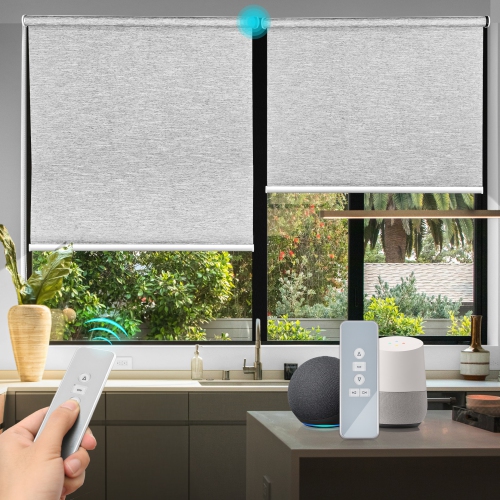
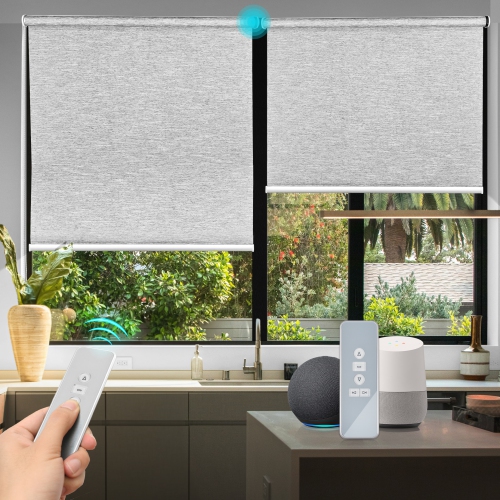
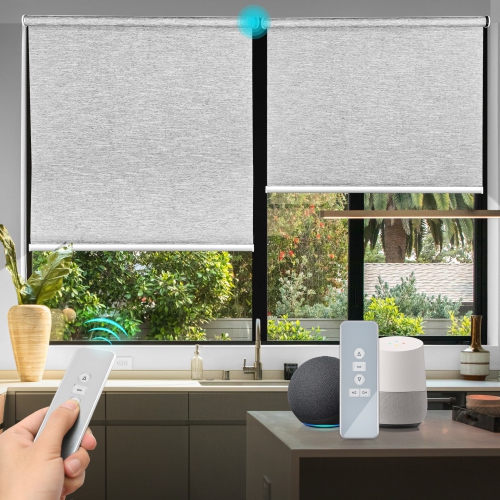
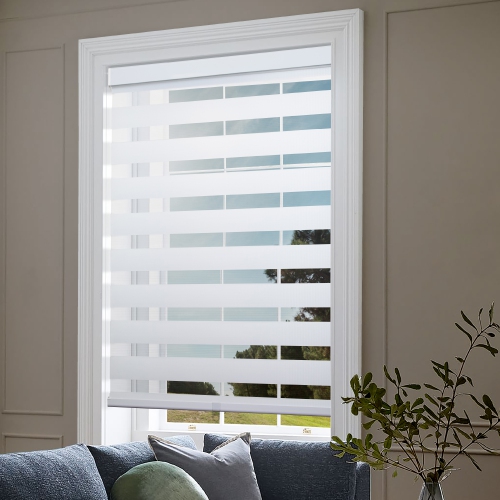
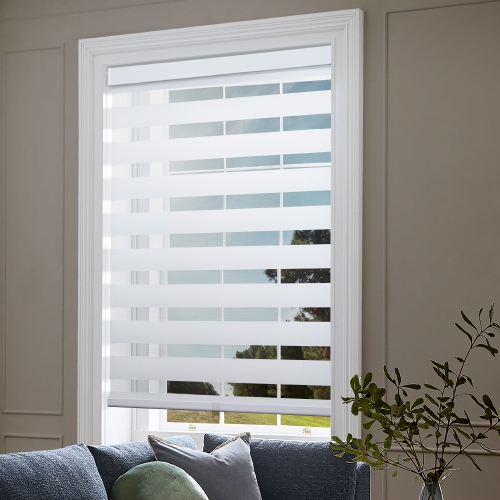
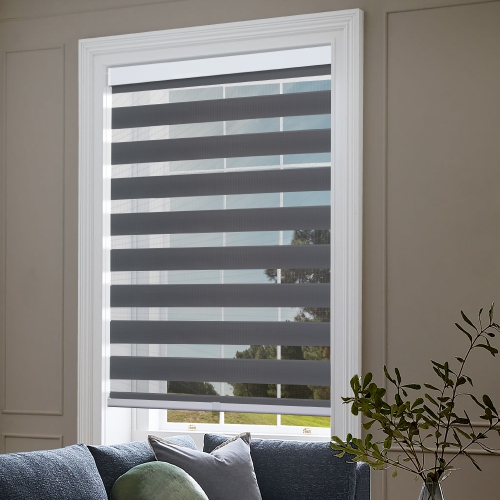
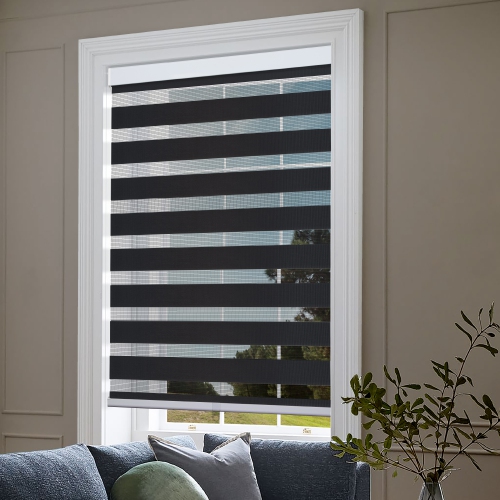
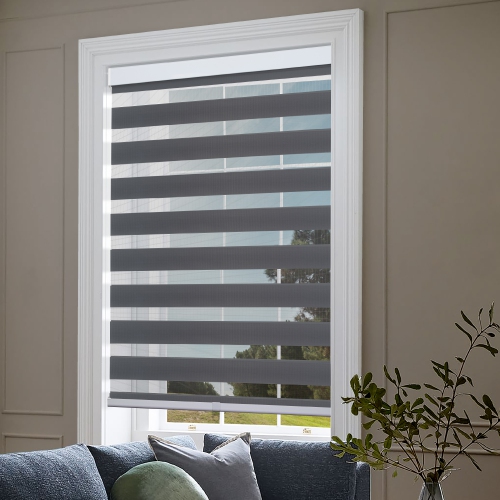
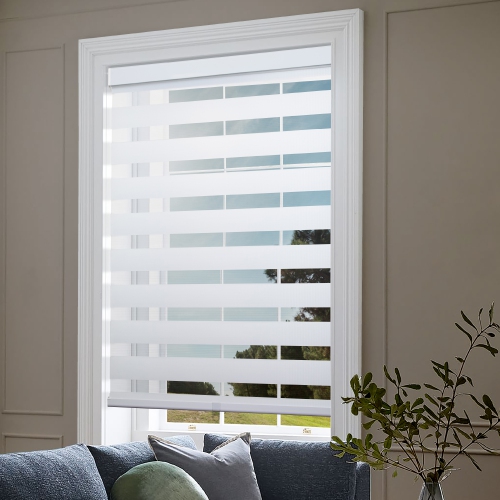
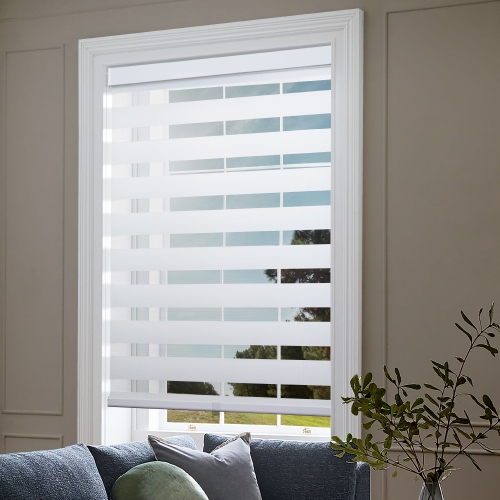
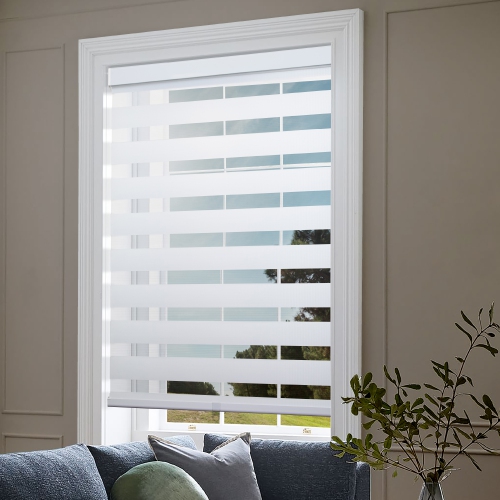
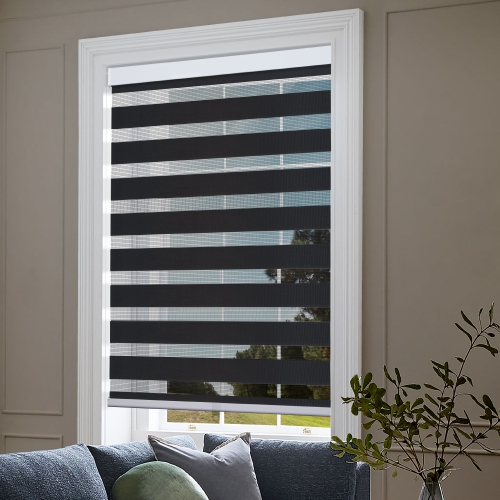
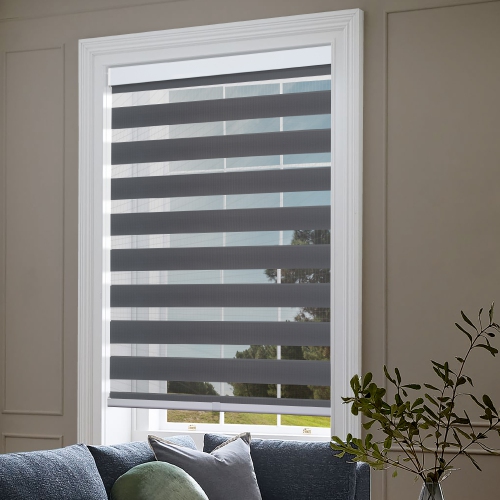
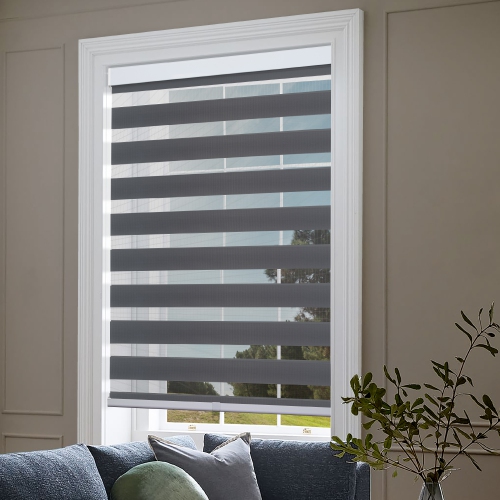
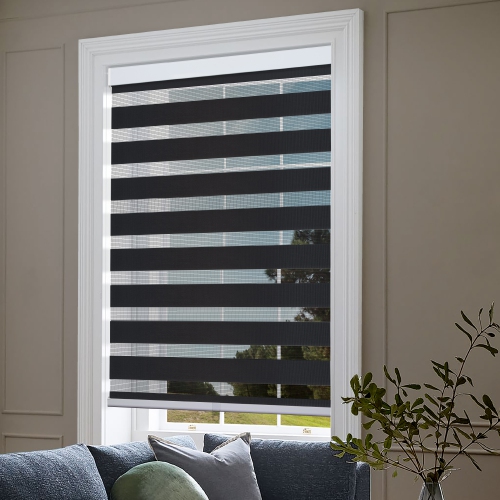
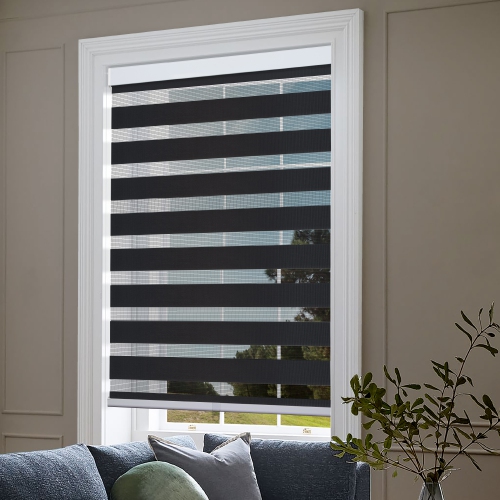
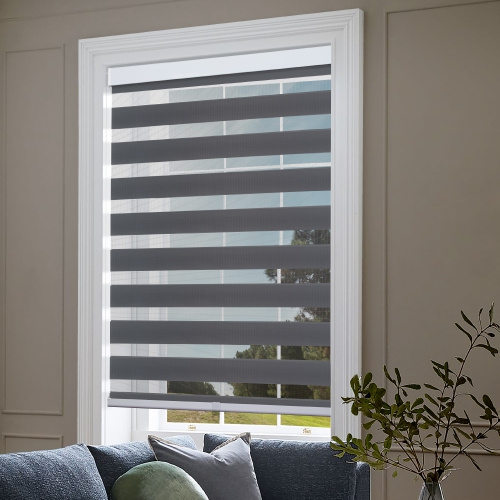
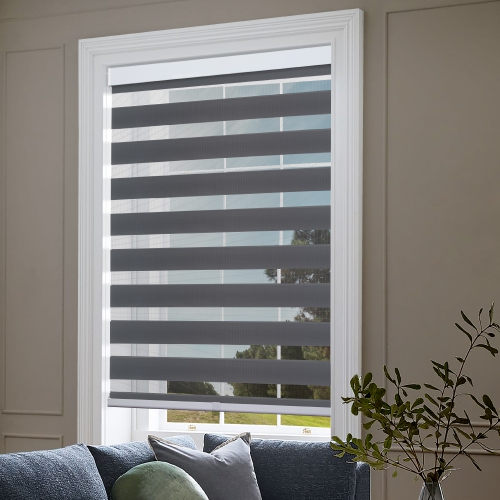
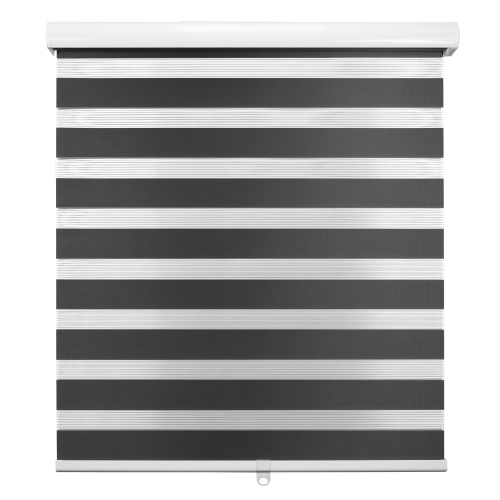
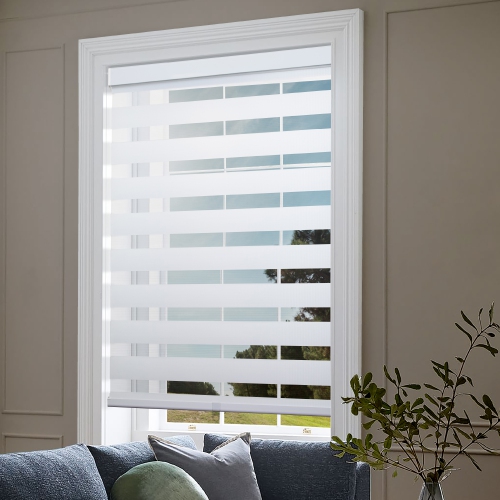
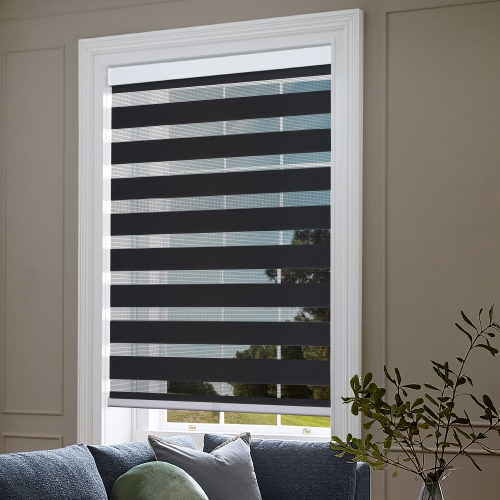
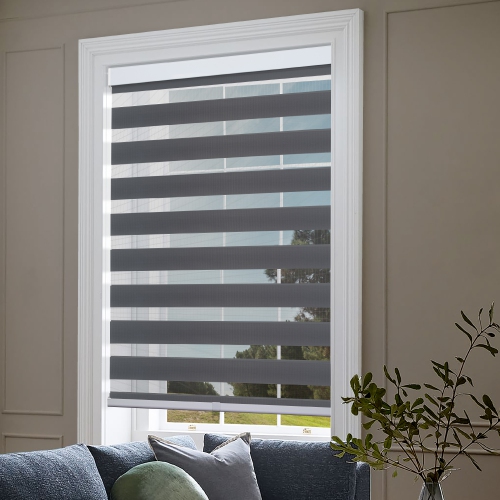
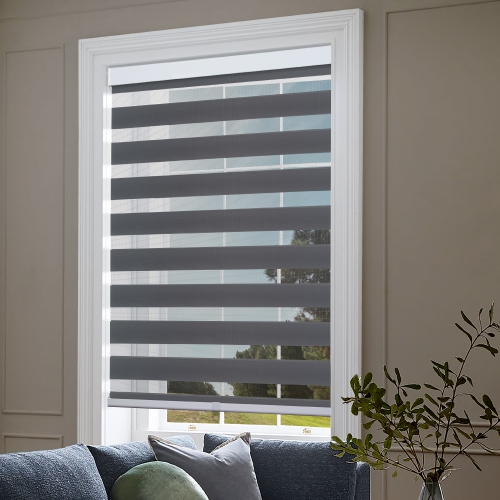
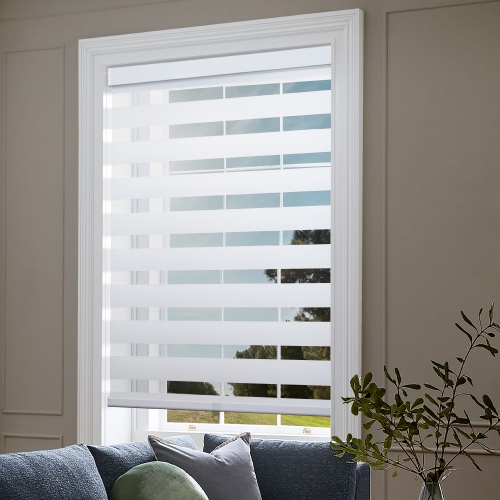
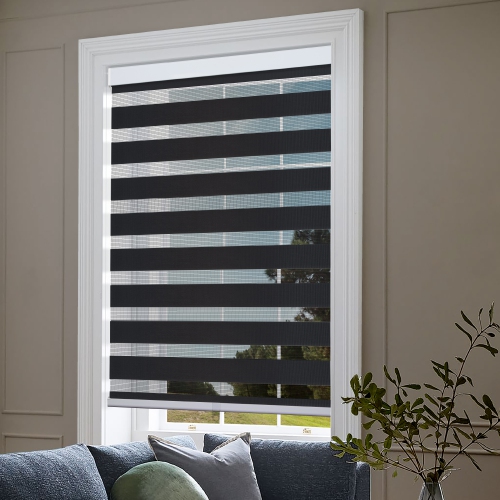
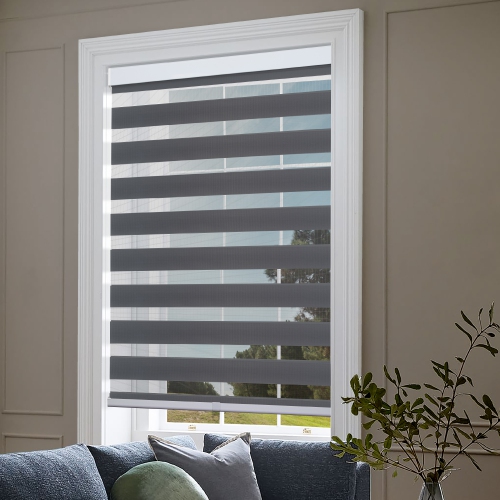
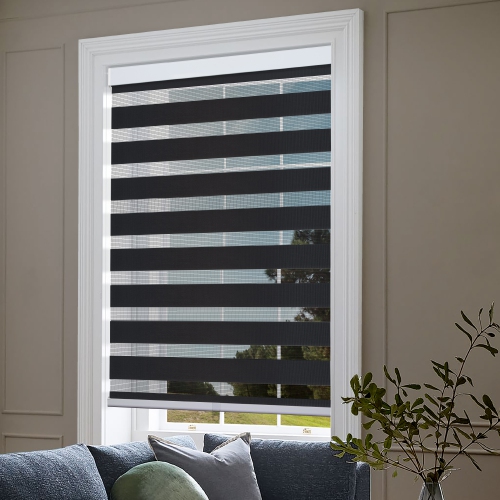


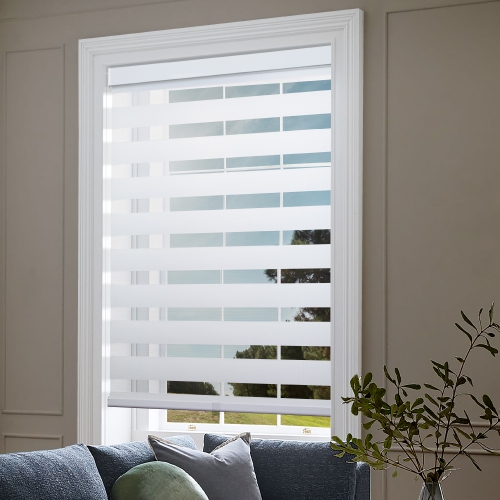
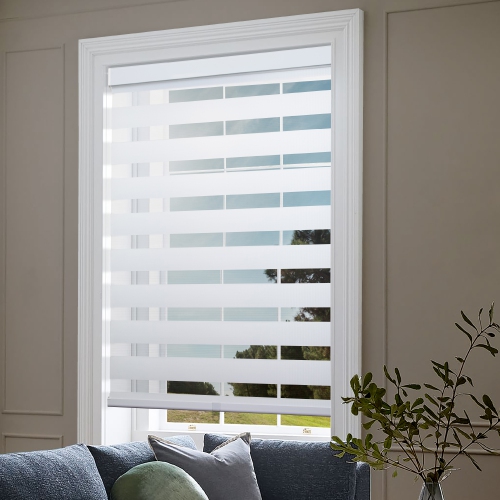
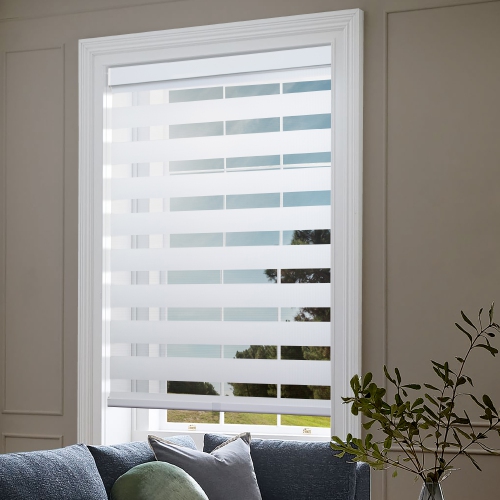
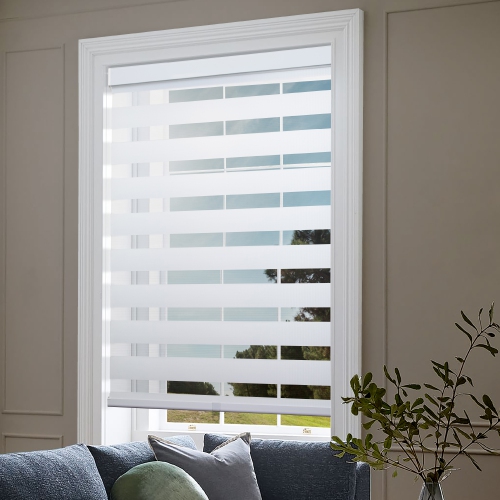
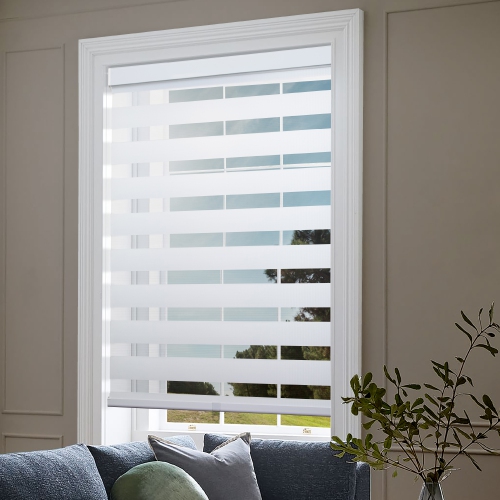
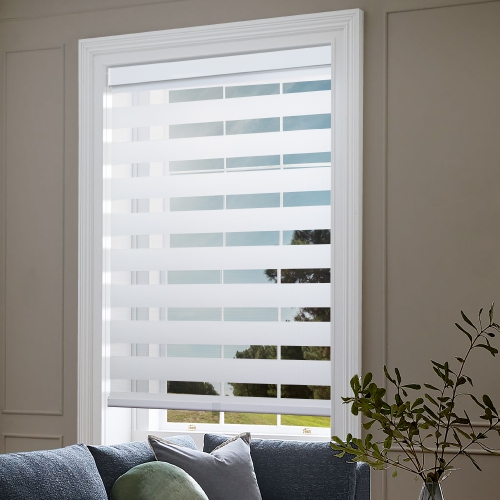
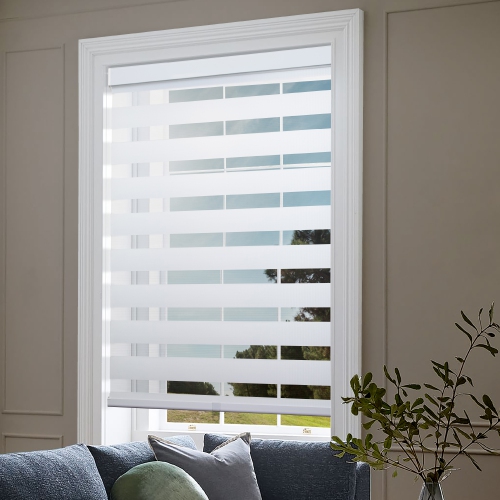
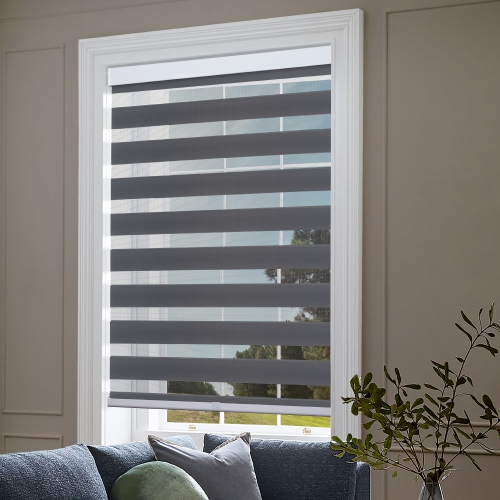
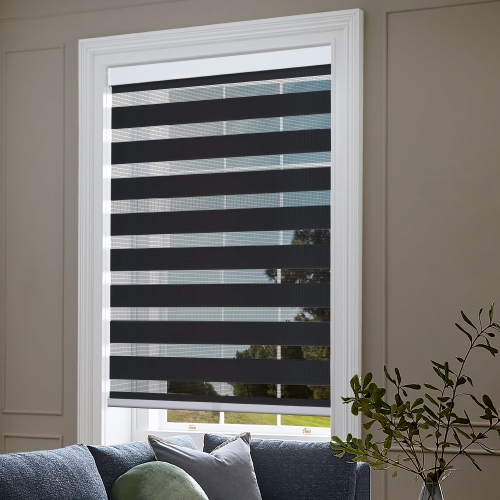
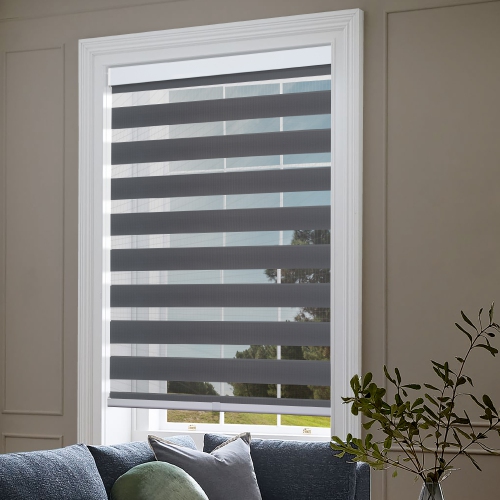
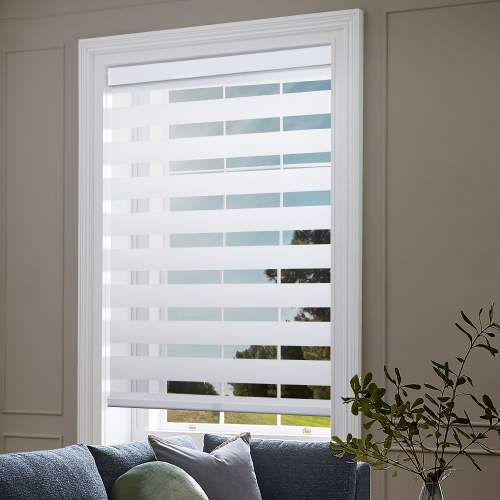
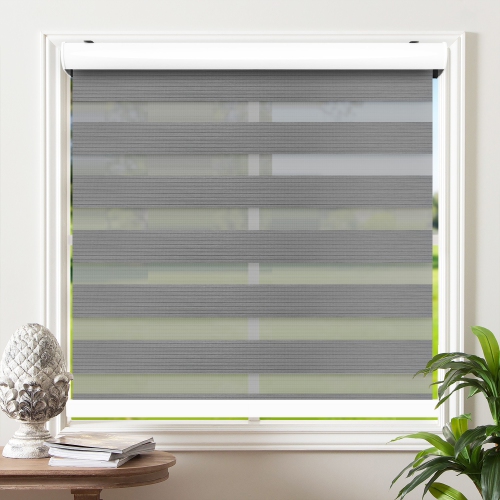
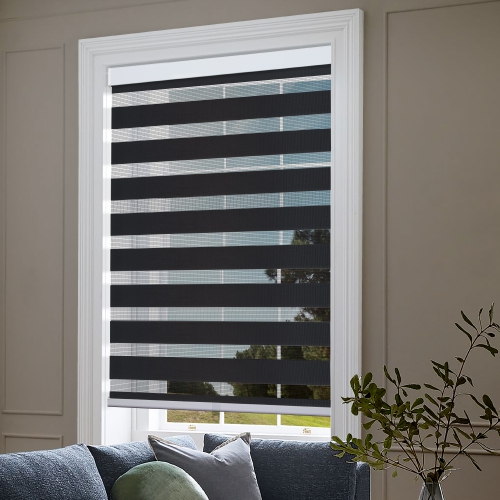
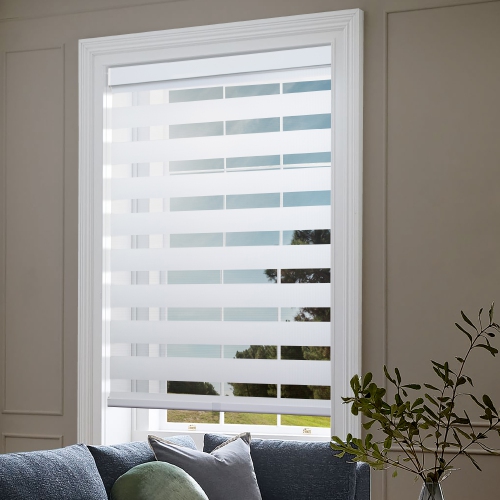
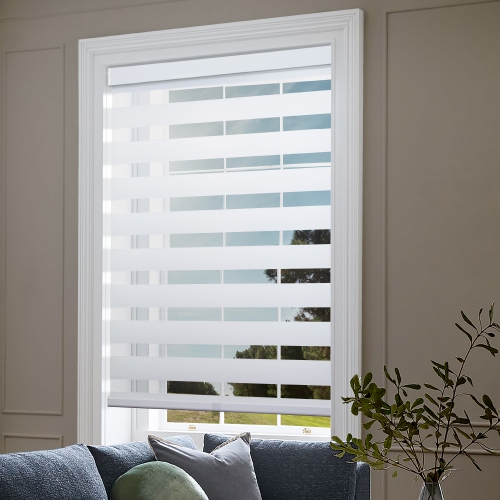
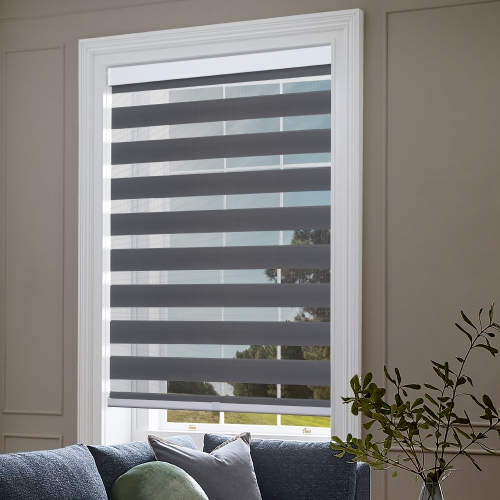
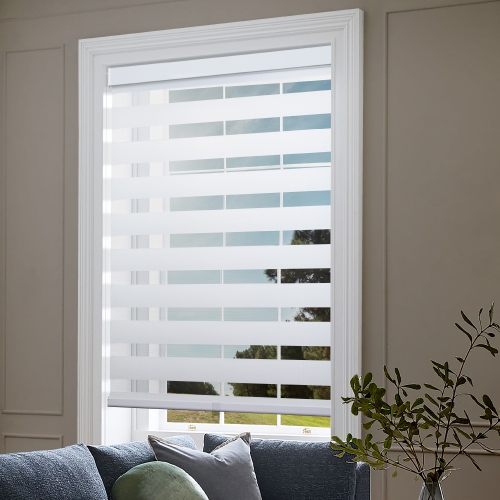
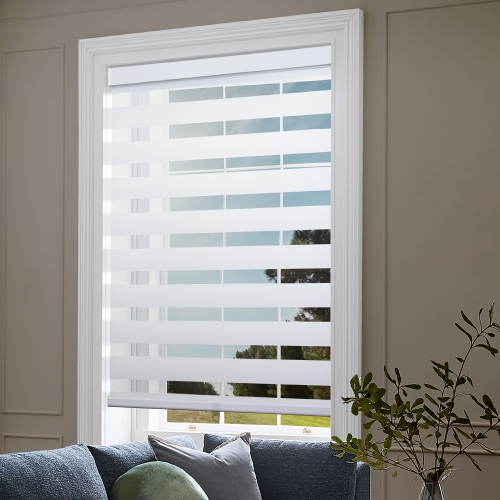
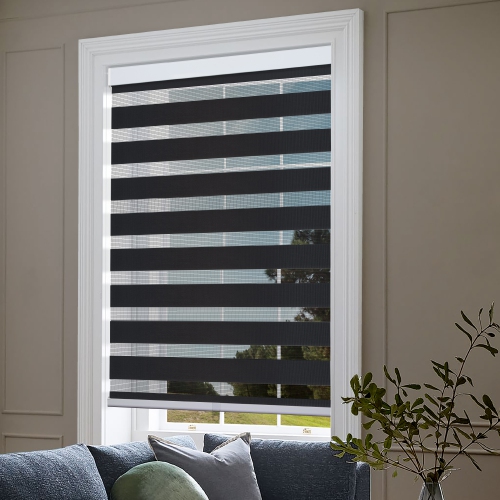
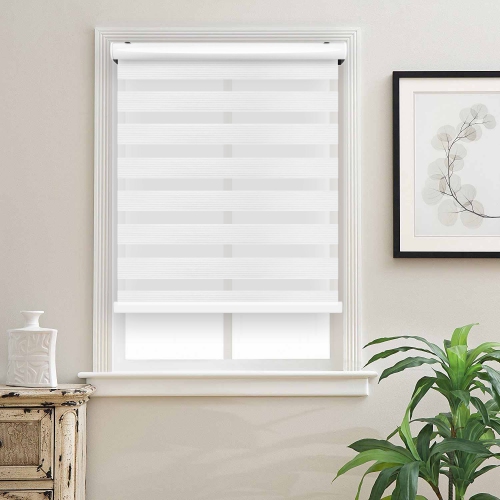
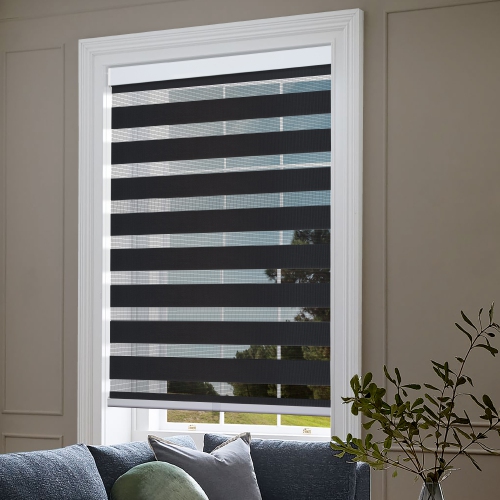
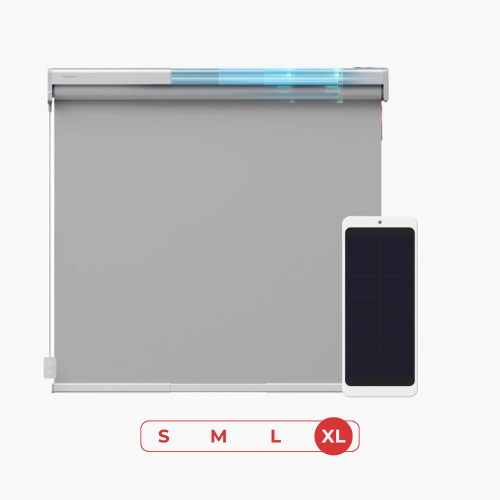
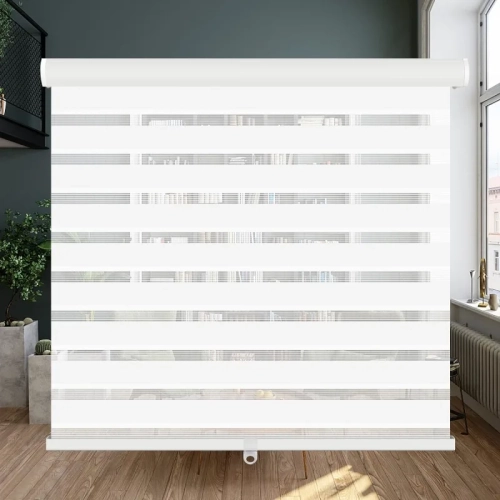
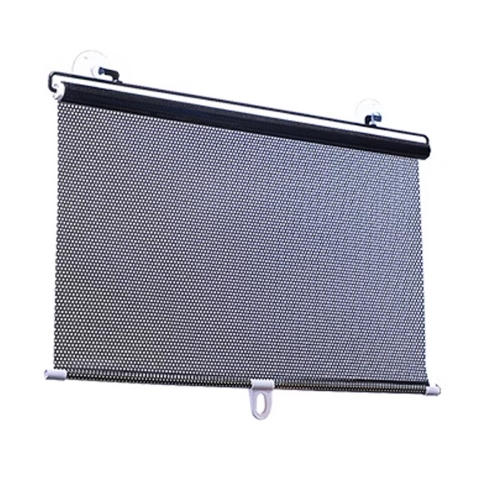
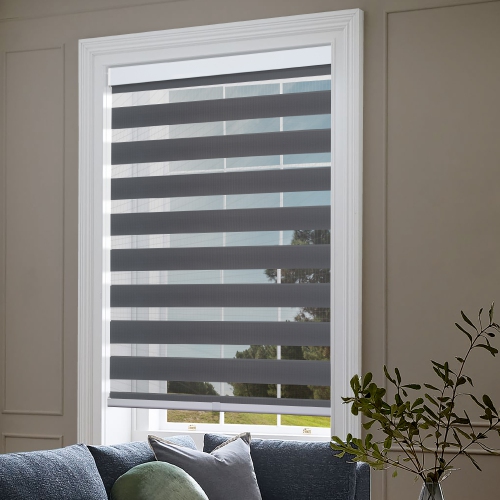

How fabric and fit shape light and privacy
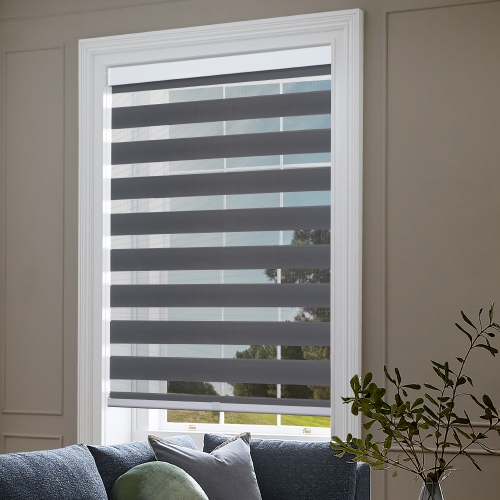
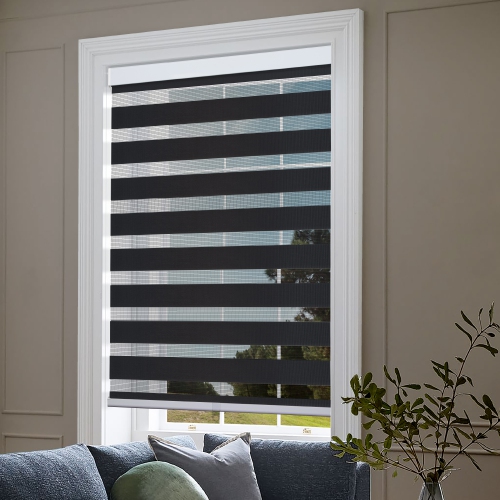
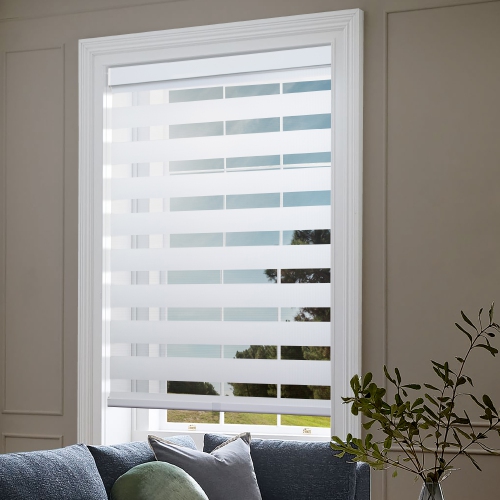
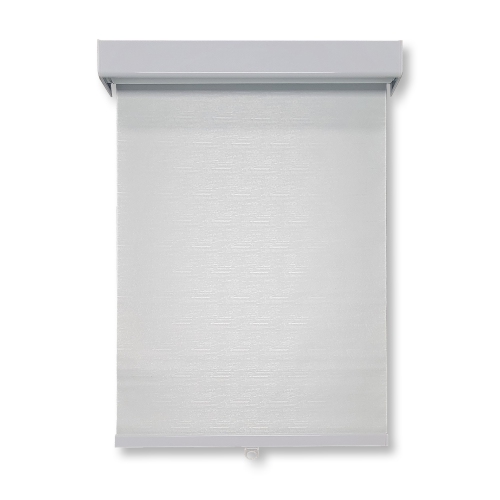
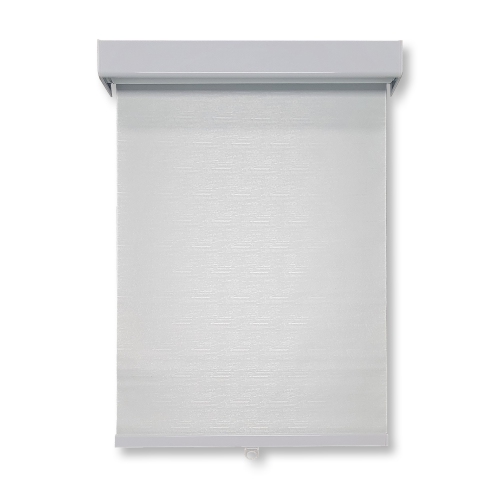
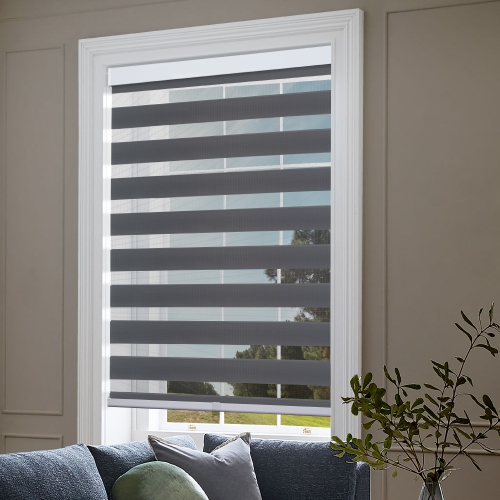
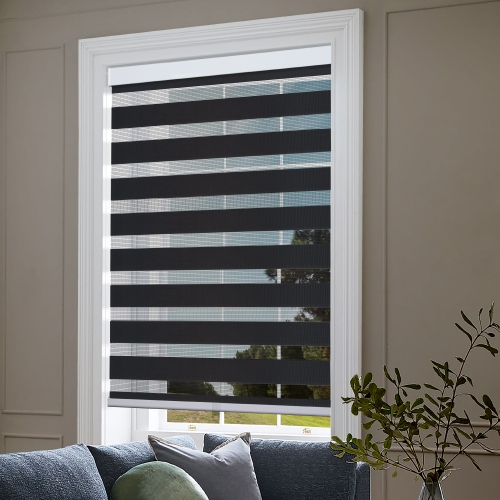
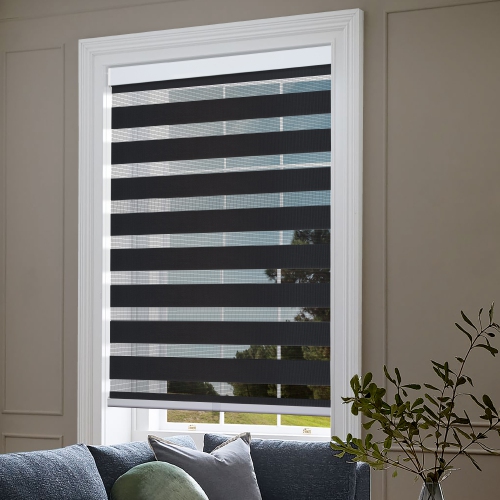
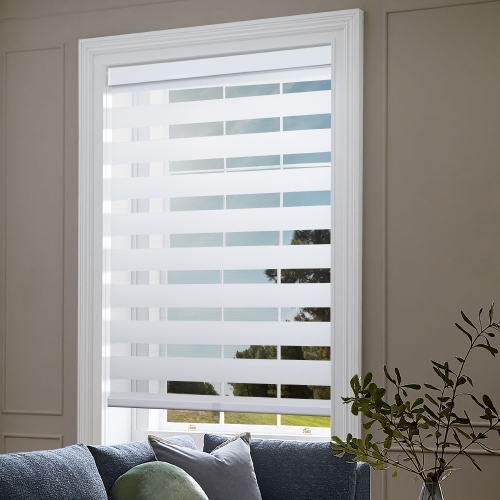
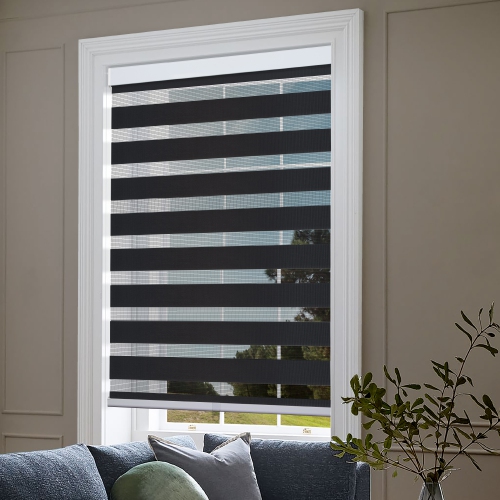
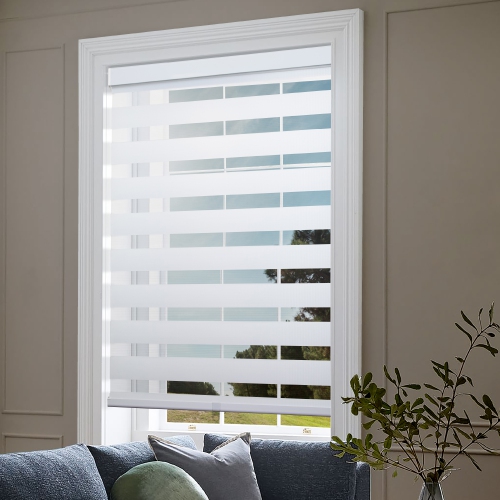
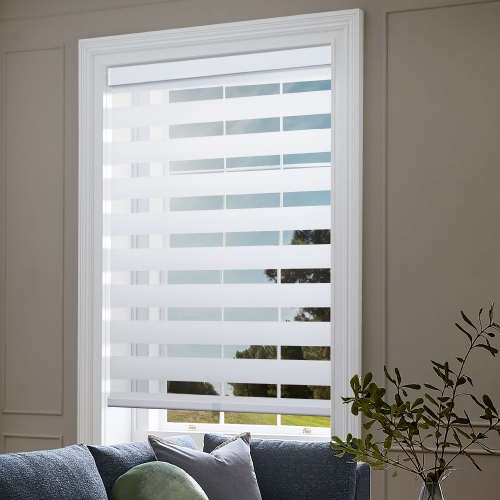
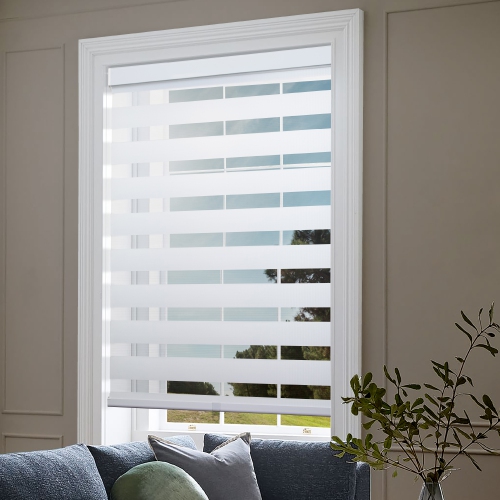
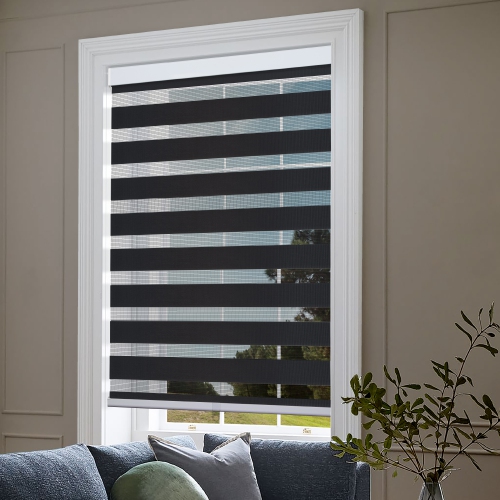
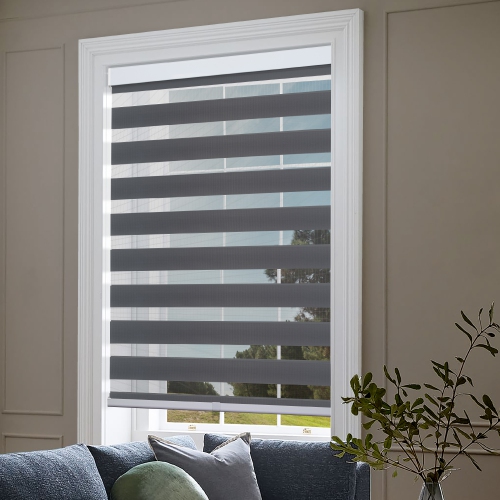
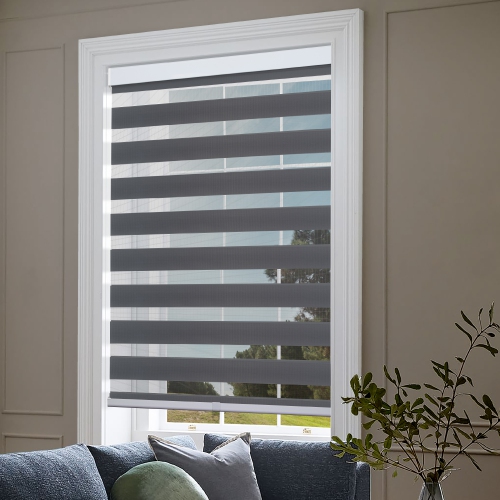
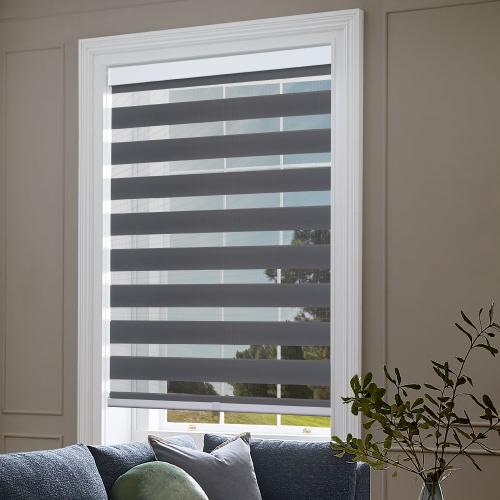
Modern roller blinds are window coverings made from a continuous panel of fabric that rolls around a tube at the top of the window. Their clean lines, compact profile, and straightforward operation suit spaces where window treatments should feel like part of the room rather than its main feature. Lowered, they create a smooth backdrop; raised, they leave much of the glass and view unobstructed. That simplicity works well in a condo living room, a busy family kitchen, or a home office with a desk beside the window. Fabric choice makes a substantial difference to how the room looks and functions. Light-filtering roller blinds soften incoming daylight while retaining a bright, open feel, making them useful in shared spaces where complete darkness is unnecessary. Sheer and screen-style fabrics can preserve some outward visibility, although their openness also affects privacy. Room-darkening fabrics reduce more light, while blackout fabrics block light through the material itself. A blackout fabric does not necessarily make a room completely dark: light can still enter around the edges, depending on the mounting position and whether the system includes side channels. For bedrooms, media rooms, and spaces used by people who sleep during the day, both fabric opacity and edge coverage matter. Privacy also changes with lighting conditions. A fabric that limits views into a room during daylight may reveal silhouettes after indoor lights are switched on, particularly if it has an open weave. Spaces facing a sidewalk, neighbouring windows, or a shared courtyard often call for more opaque coverage. The Privacy Roller Blinds collection focuses on this everyday need. Across these uses, modern styling does not have to mean stark white or plain grey. Warm neutrals, deep charcoal, subtle woven textures, and muted colours can give a roller blind presence without adding the visual weight of full-length curtains. Matching the fabric to wall colours creates a quiet, continuous look, while a contrasting shade gives the window a more defined outline.
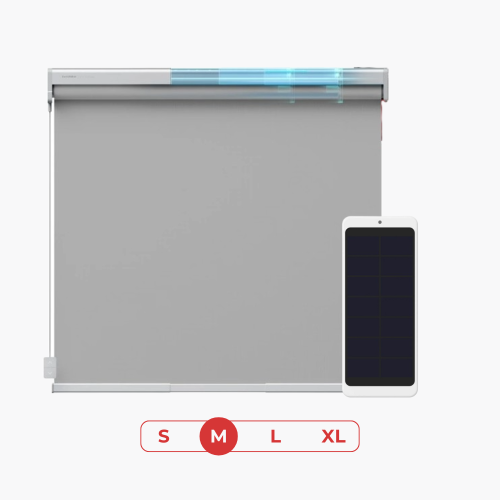
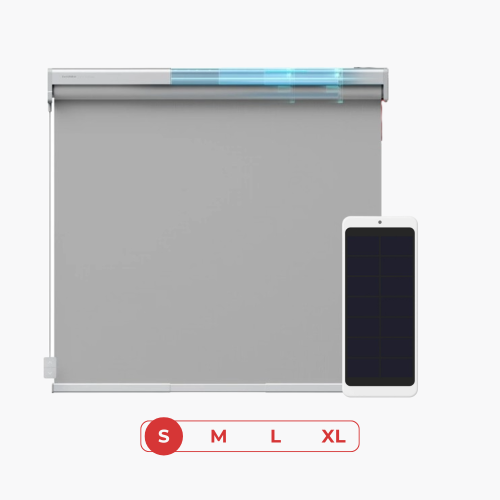
The materials and construction of modern roller blinds influence their appearance, care requirements, and suitability for different rooms. Polyester is common because it offers a consistent surface and is generally easy to maintain, though cleaning instructions vary by fabric and finish. Woven blends can introduce a softer, textile-like texture, while coated fabrics may provide greater opacity or a wipeable surface. A linen-look weave can soften the hard edges of a dining area with glass and metal furniture; a smooth, matte fabric can sit neatly against flat-front cabinetry or a streamlined desk. In kitchens and bathrooms, suitability depends on the manufacturer's stated resistance to moisture and the recommended cleaning method, not simply on the colour or appearance of the blind. Fabric positioned near a sink may need more frequent attention than a blind in a spare bedroom, and window coverings should remain clear of cooking surfaces and other heat sources. Fit is just as important as material. An inside mount sits within the window recess and keeps the surrounding trim visible, but it requires enough depth for the brackets and roll. Handles, locks, and inward-opening windows can affect that clearance. An outside mount sits above or around the opening, providing more overlap when the wall space and mounting surface allow it. This can help reduce light at the sides, although the result depends on the complete installation. Listed width may refer to the overall mechanism rather than the fabric alone, so the distinction matters when assessing coverage. Window openings are not always perfectly square, especially in older homes, and measurements taken at several points help reveal those differences. Manufacturer sizing instructions determine whether any deductions are needed. For a row of windows, consistent mounting heights and aligned bottom edges create a more orderly appearance. Wide windows also place greater demands on the tube and brackets, making the permitted span and mounting requirements important considerations. A cassette or fascia can conceal the roll for a more finished look, provided there is enough clearance above the glass.
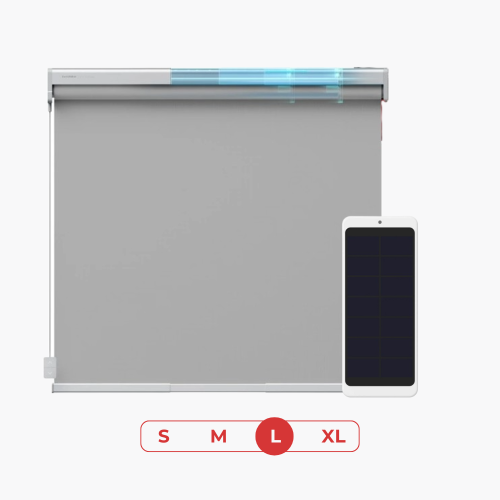
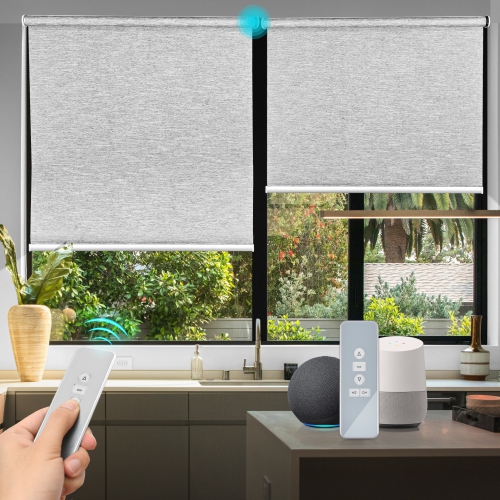
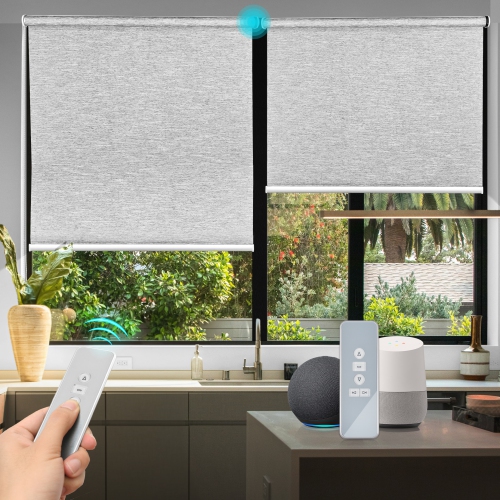
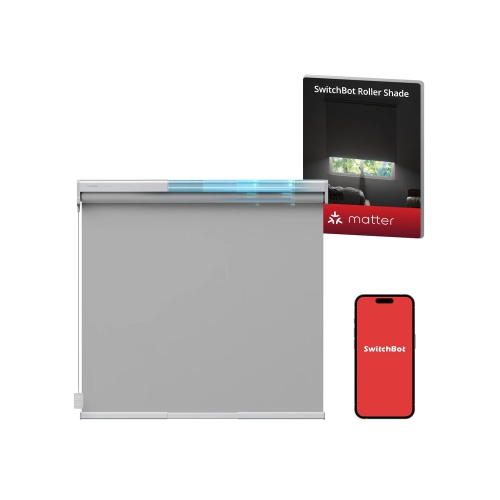
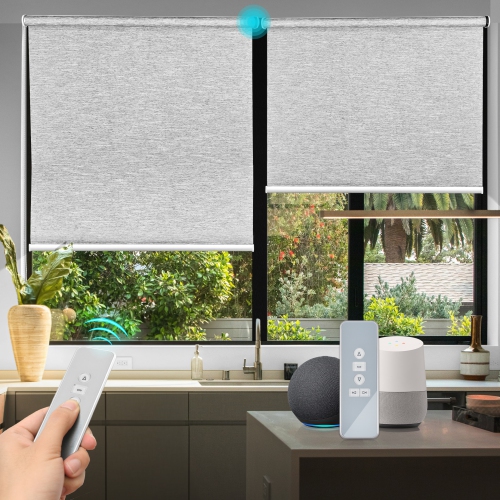
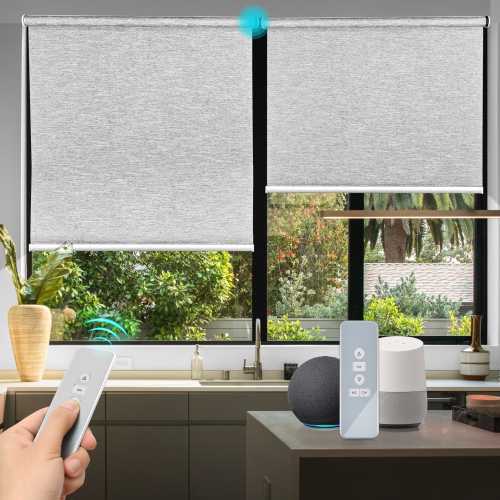
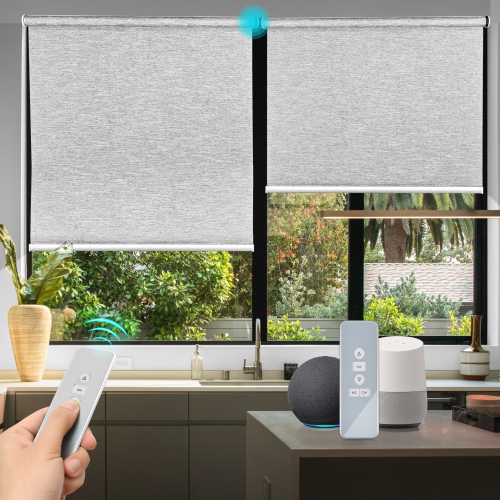
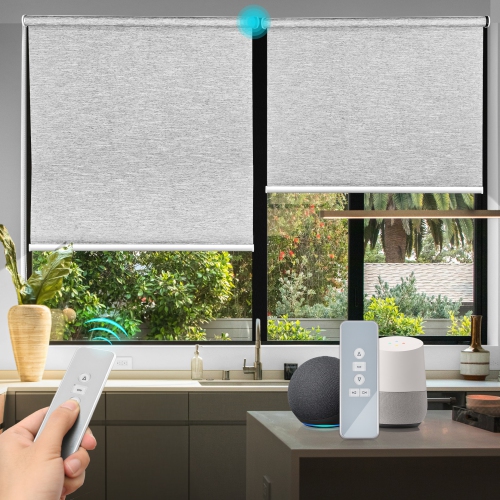
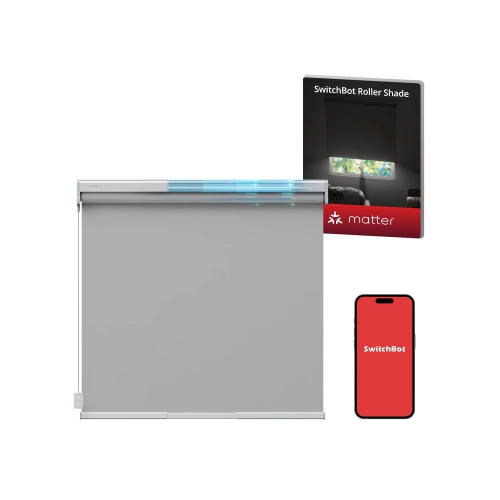
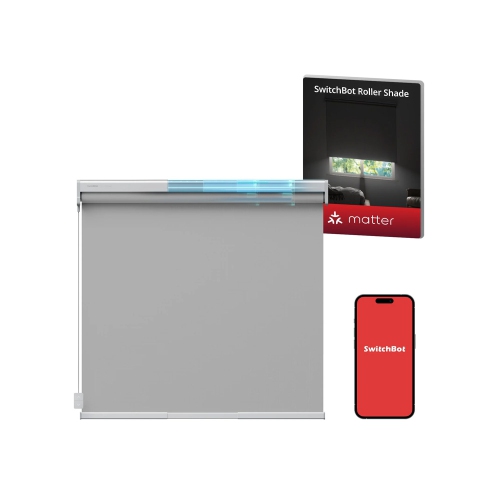
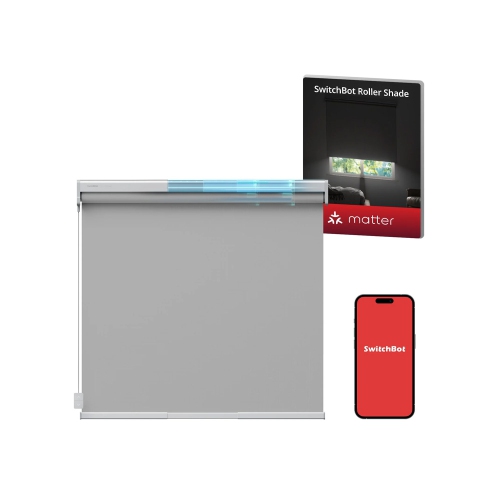
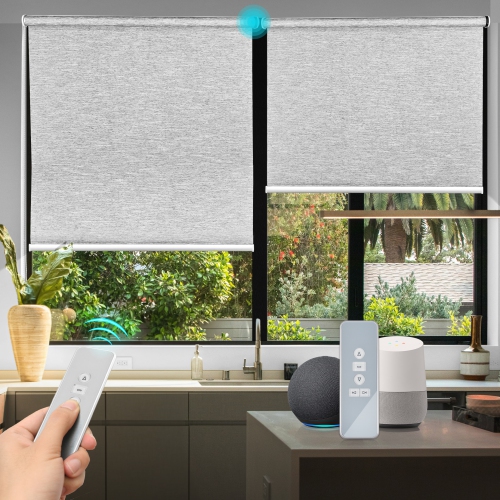
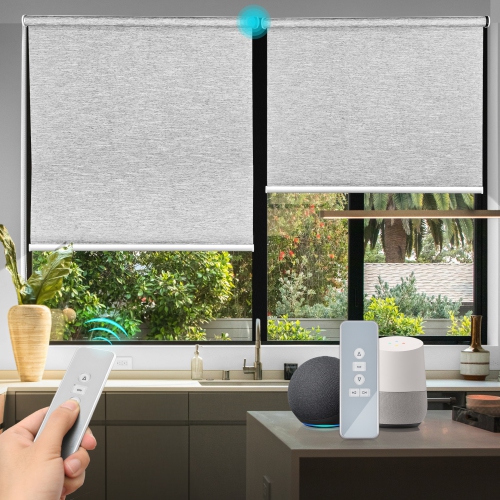
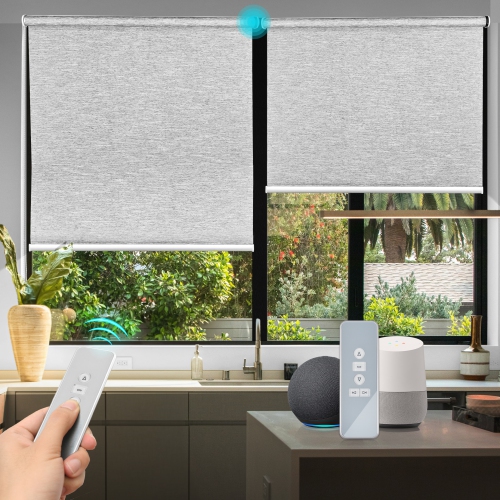
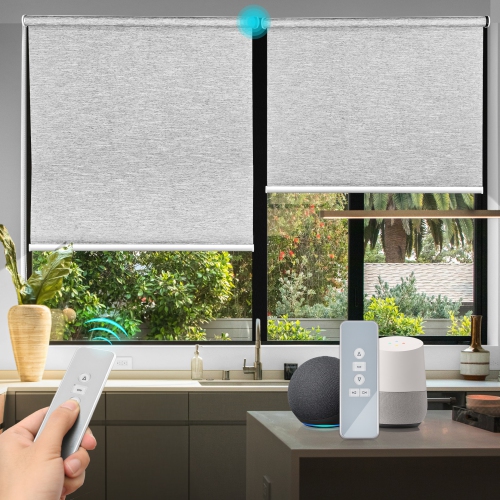
Day-to-day operation helps determine whether roller blinds feel effortless in a particular space. Cordless manual designs offer a simple way to adjust coverage without a dangling control cord, while motorized roller blinds can be useful for tall windows, windows behind furniture, or several blinds adjusted together. In a living room with a sofa beneath the window, remote operation can remove the need to reach across the cushions each time the light changes. For someone with limited reach or hand mobility, the control method may matter more than a small difference in fabric texture. Motorized systems vary: some use rechargeable batteries, some require another power source, and connected functions may depend on a compatible hub or home network. Remote control, scheduling, and voice control are separate features rather than standard functions of every motorized blind. Where supported, scheduled positions can provide consistent coverage during a video call or lower bedroom blinds without an extra trip across the room. For homes with children or pets, cordless operation and secure installation are important, and cribs, beds, and climbable furniture should be kept away from windows and window coverings. Durability comes from the whole assembly, including secure brackets, an appropriate tube size, a straight bottom bar, and a mechanism suited to the blind's dimensions. Fabric that tracks evenly onto the roll is less likely to rub against nearby surfaces or develop uneven edges. Routine care is usually modest, but it should follow the fabric's instructions: gentle dusting or vacuuming with a suitable soft attachment may be appropriate, while spot cleaning is only suitable for materials approved for it. Soaking, abrasive cleaners, and vigorous rubbing can damage coatings or alter the finish. In everyday use, allowing the blind to move freely and keeping objects clear of its path helps protect both the fabric and mechanism. Paired with curtains, modern roller blinds can provide practical daytime coverage beneath a softer outer layer; used alone, they keep the window treatment compact and visually uncluttered. The strongest fit brings together the desired light level, reliable privacy, comfortable operation, and a finish that belongs naturally in the room.
The materials and construction of modern roller blinds influence their appearance, care requirements, and suitability for different rooms. Polyester is common because it offers a consistent surface and is generally easy to maintain, though cleaning instructions vary by fabric and finish. Woven blends can introduce a softer, textile-like texture, while coated fabrics may provide greater opacity or a wipeable surface. A linen-look weave can soften the hard edges of a dining area with glass and metal furniture; a smooth, matte fabric can sit neatly against flat-front cabinetry or a streamlined desk. In kitchens and bathrooms, suitability depends on the manufacturer's stated resistance to moisture and the recommended cleaning method, not simply on the colour or appearance of the blind. Fabric positioned near a sink may need more frequent attention than a blind in a spare bedroom, and window coverings should remain clear of cooking surfaces and other heat sources. Fit is just as important as material. An inside mount sits within the window recess and keeps the surrounding trim visible, but it requires enough depth for the brackets and roll. Handles, locks, and inward-opening windows can affect that clearance. An outside mount sits above or around the opening, providing more overlap when the wall space and mounting surface allow it. This can help reduce light at the sides, although the result depends on the complete installation. Listed width may refer to the overall mechanism rather than the fabric alone, so the distinction matters when assessing coverage. Window openings are not always perfectly square, especially in older homes, and measurements taken at several points help reveal those differences. Manufacturer sizing instructions determine whether any deductions are needed. For a row of windows, consistent mounting heights and aligned bottom edges create a more orderly appearance. Wide windows also place greater demands on the tube and brackets, making the permitted span and mounting requirements important considerations. A cassette or fascia can conceal the roll for a more finished look, provided there is enough clearance above the glass.
Day-to-day operation helps determine whether roller blinds feel effortless in a particular space. Cordless manual designs offer a simple way to adjust coverage without a dangling control cord, while motorized roller blinds can be useful for tall windows, windows behind furniture, or several blinds adjusted together. In a living room with a sofa beneath the window, remote operation can remove the need to reach across the cushions each time the light changes. For someone with limited reach or hand mobility, the control method may matter more than a small difference in fabric texture. Motorized systems vary: some use rechargeable batteries, some require another power source, and connected functions may depend on a compatible hub or home network. Remote control, scheduling, and voice control are separate features rather than standard functions of every motorized blind. Where supported, scheduled positions can provide consistent coverage during a video call or lower bedroom blinds without an extra trip across the room. For homes with children or pets, cordless operation and secure installation are important, and cribs, beds, and climbable furniture should be kept away from windows and window coverings. Durability comes from the whole assembly, including secure brackets, an appropriate tube size, a straight bottom bar, and a mechanism suited to the blind's dimensions. Fabric that tracks evenly onto the roll is less likely to rub against nearby surfaces or develop uneven edges. Routine care is usually modest, but it should follow the fabric's instructions: gentle dusting or vacuuming with a suitable soft attachment may be appropriate, while spot cleaning is only suitable for materials approved for it. Soaking, abrasive cleaners, and vigorous rubbing can damage coatings or alter the finish. In everyday use, allowing the blind to move freely and keeping objects clear of its path helps protect both the fabric and mechanism. Paired with curtains, modern roller blinds can provide practical daytime coverage beneath a softer outer layer; used alone, they keep the window treatment compact and visually uncluttered. The strongest fit brings together the desired light level, reliable privacy, comfortable operation, and a finish that belongs naturally in the room.
Top selling and popular products
-
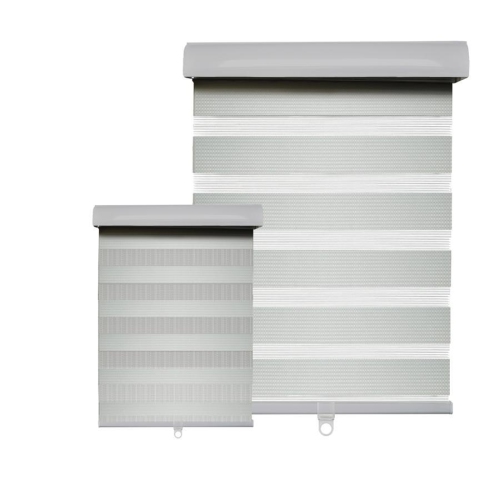 Your price for this item is $57.97
 -
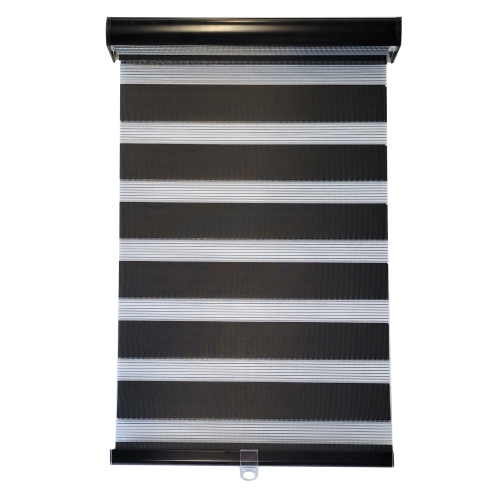 Your price for this item is $119.97
 -
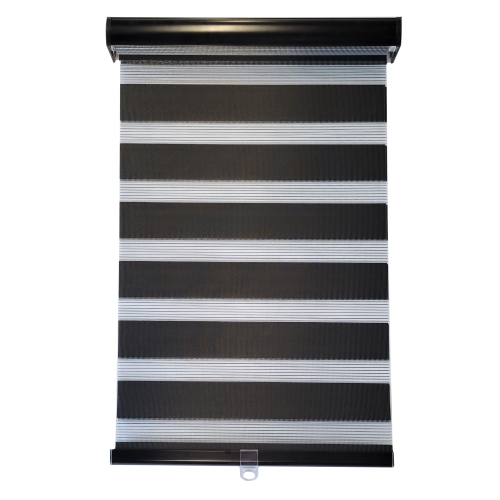 Your price for this item is $134.97
 -
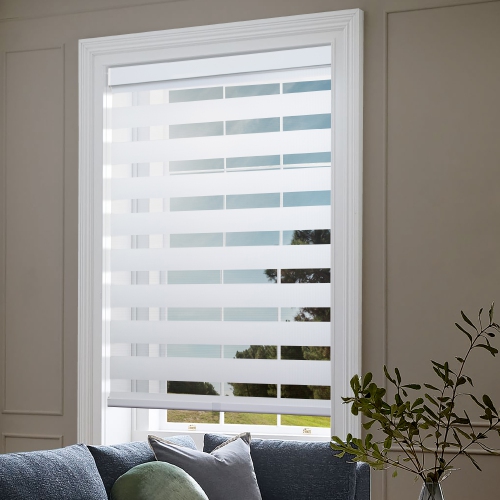 Your price for this item is $61.99
 -
 Your price for this item is $75.99
 -
 Your price for this item is $33.99
 -
 Your price for this item is $46.99
 -
 Your price for this item is $46.99
Discover more categories related to Modern Roller Blinds
Top Collections:
Pokemon Centers, Kindle Devices, Best Budget Office Chairs, Apple iPhones 16, Canon G7X Cameras, iPhone 15 Apple, Alarm Clock, Refurbished Apple Laptops, Flip Phones, Best Laptops for Writers
Some products may be subject to Environmental Handling Fees
(EHF) depending on your province.
Learn more about EHFs.