Music Sync Lights
Get ready to elevate your music listening experience with our collection of Best Led Lights For Your Room. These innovative devices are designed to bring your favorite tunes to life by syncing colorful lights and mesmerizing visual effects to the rhythm and beats of your songs. Whether you're hosting a party, setting the mood for a cozy night in, or simply want to add a touch of excitement to your daily music sessions, our Music Sync Lights are the perfect addition to any audio setup. Explore our wide range of options and discover the perfect companion to enhance your music enjoyment.
Sort
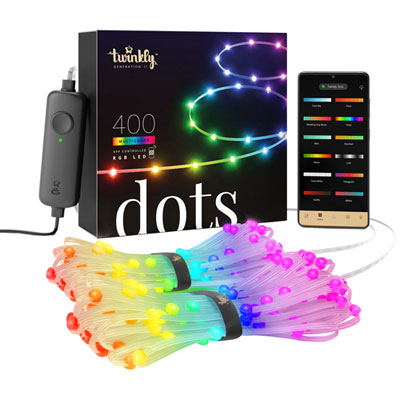
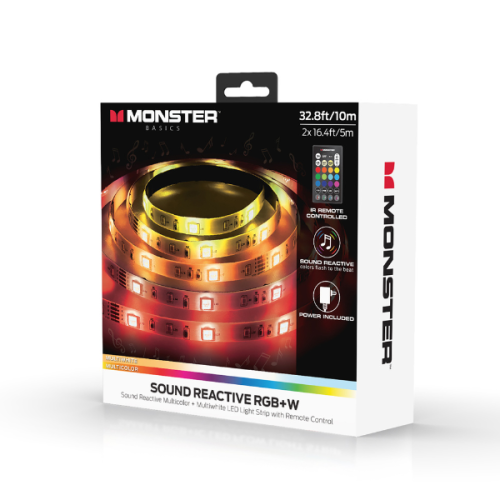
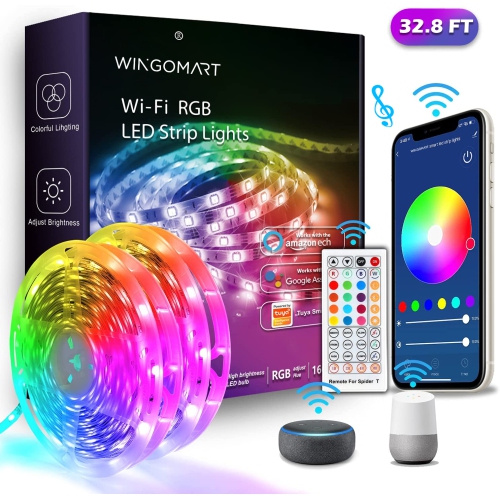
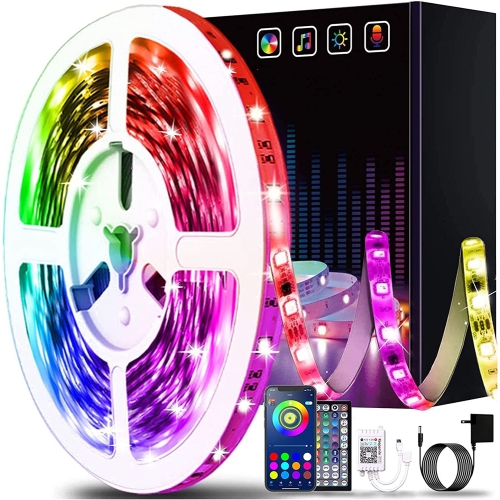


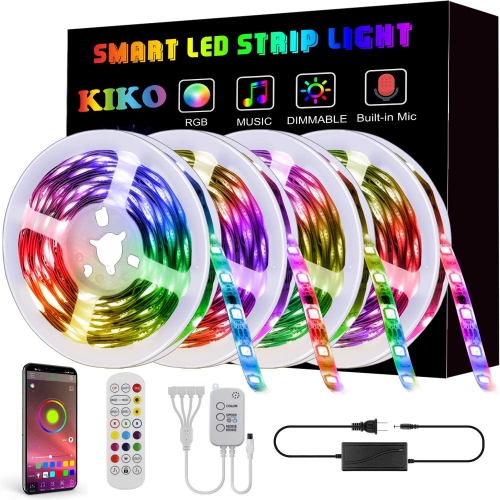
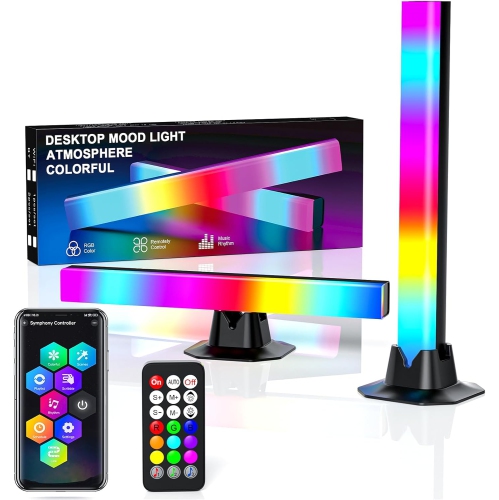
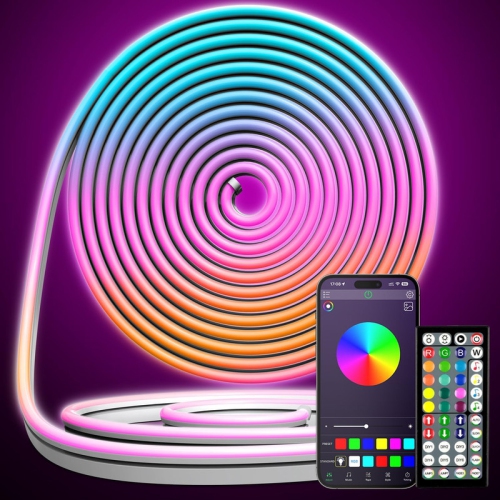
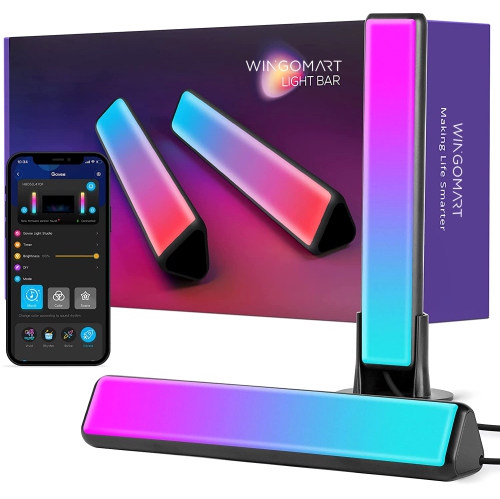
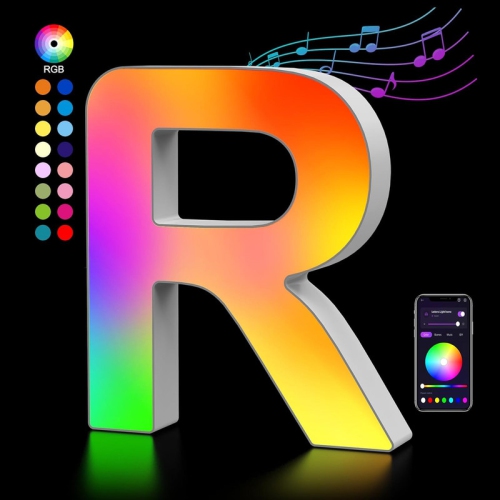
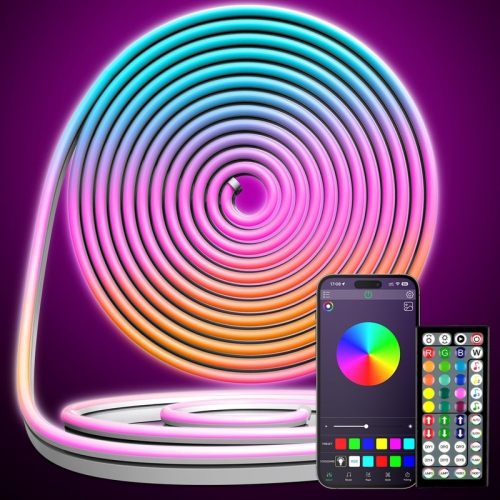
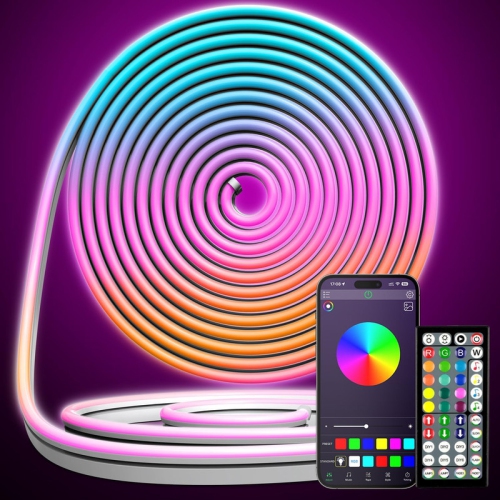
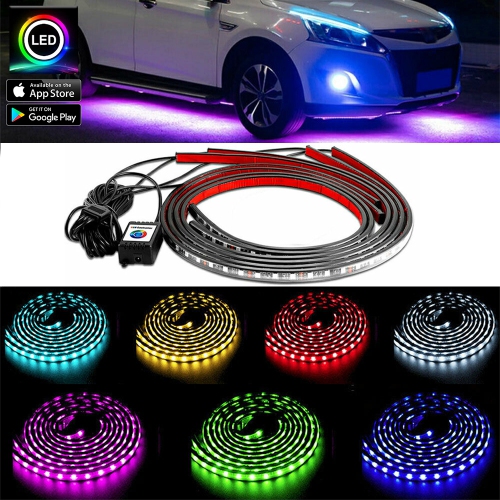
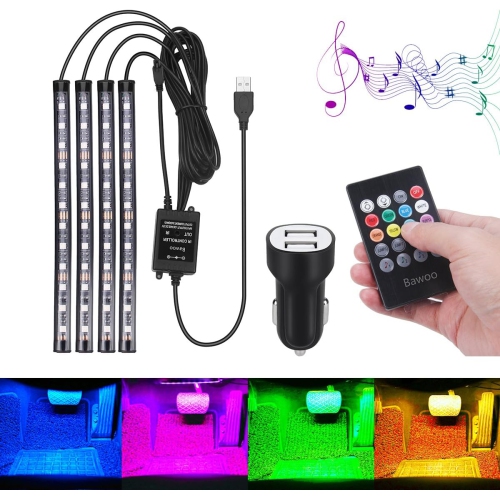
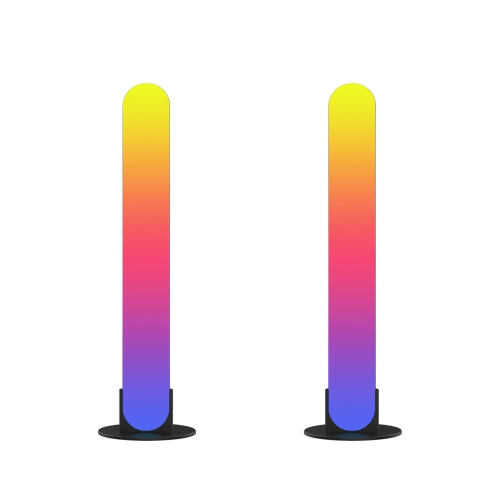
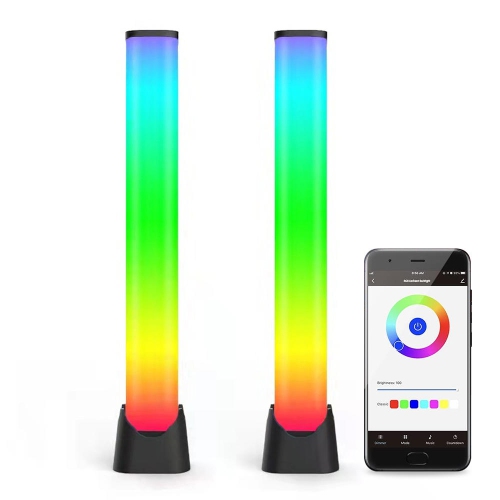
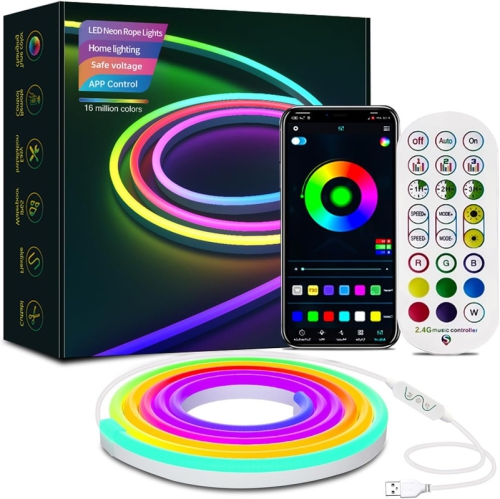
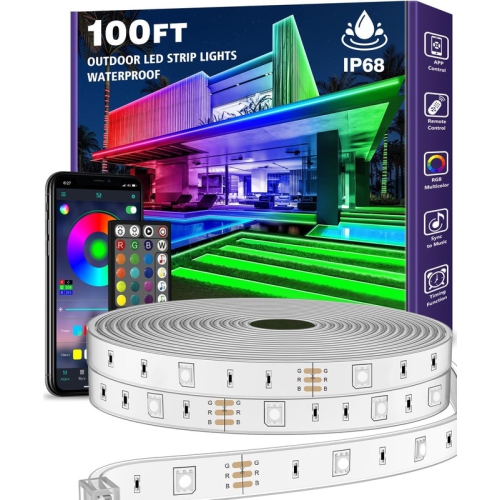
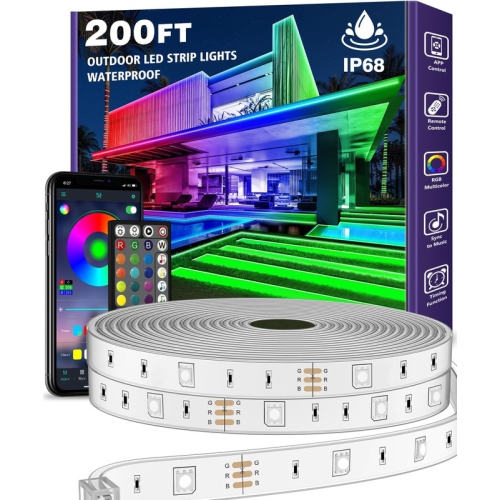
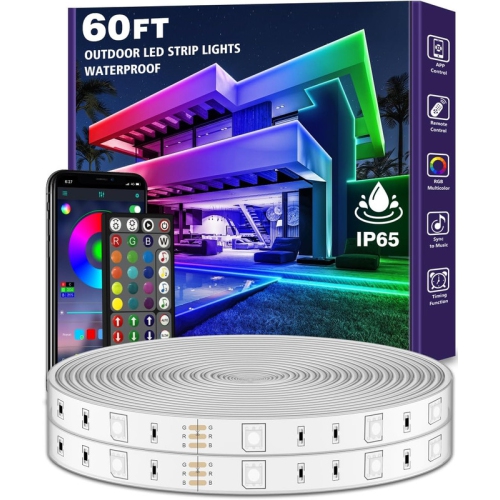
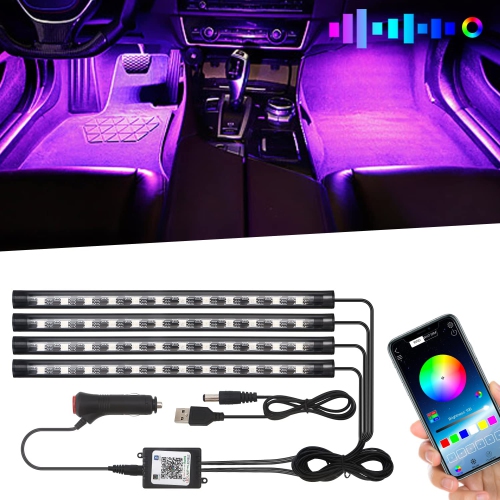
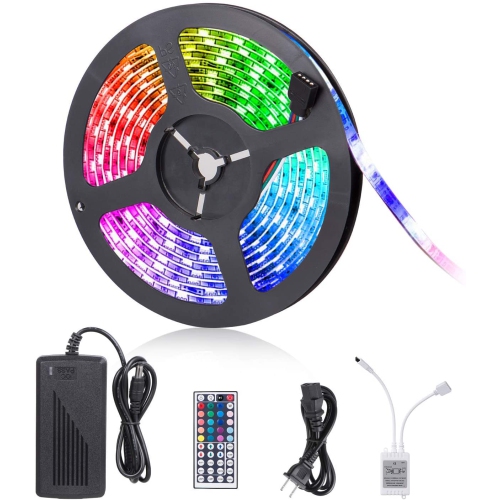
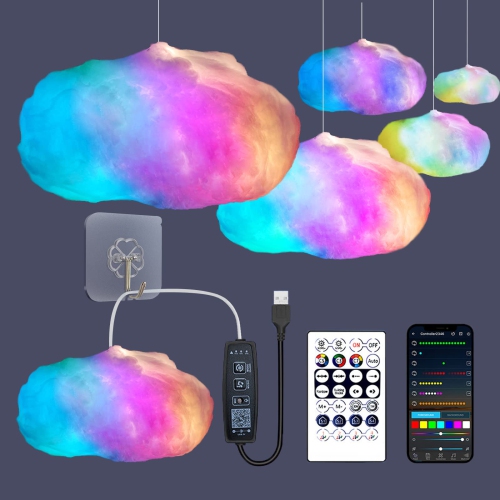
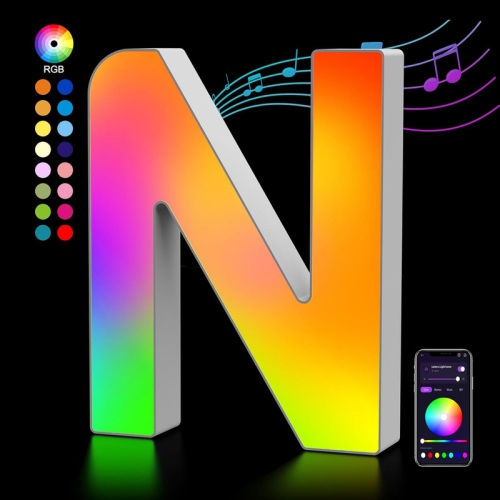
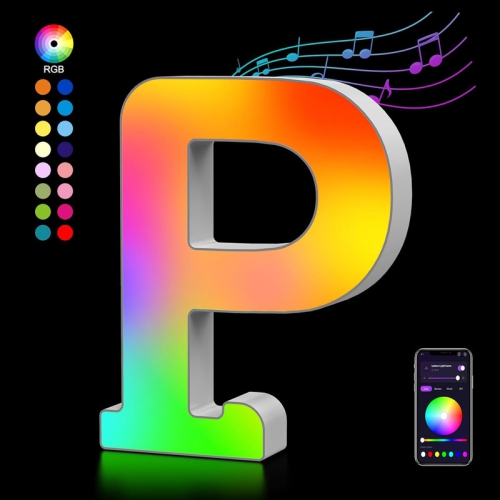
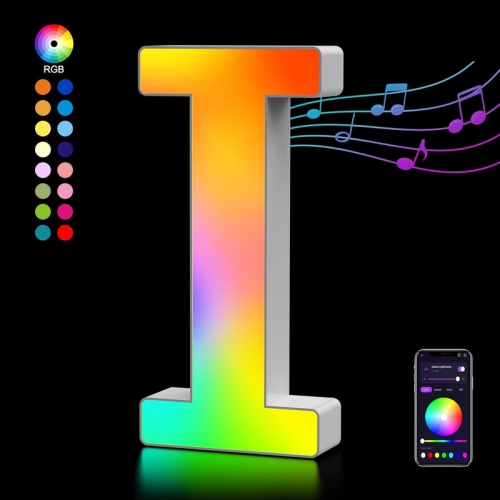
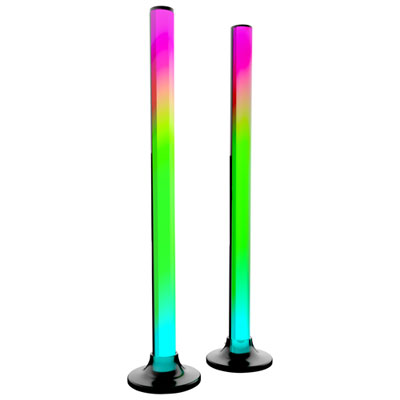
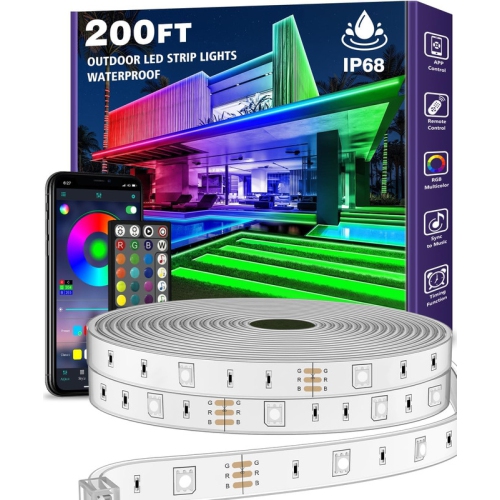

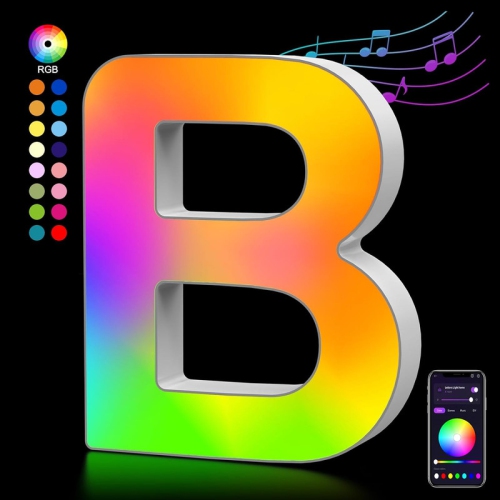
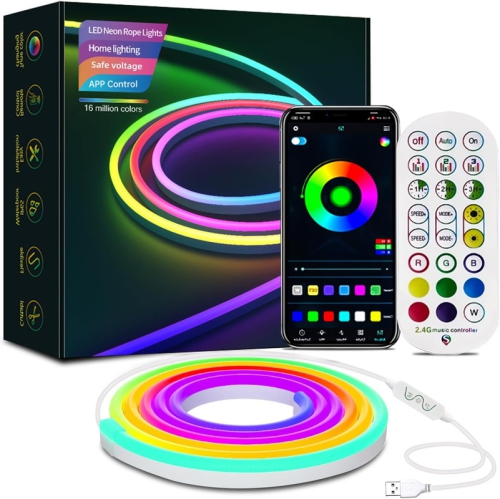
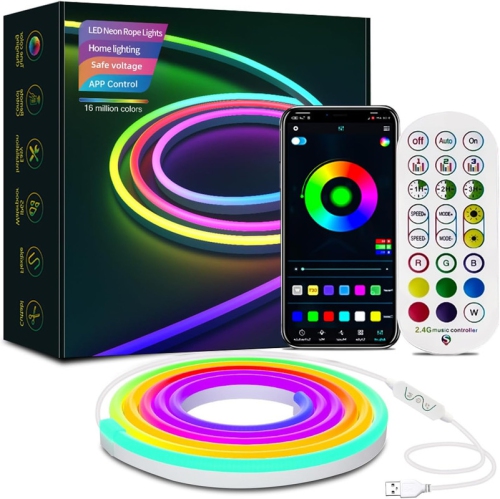
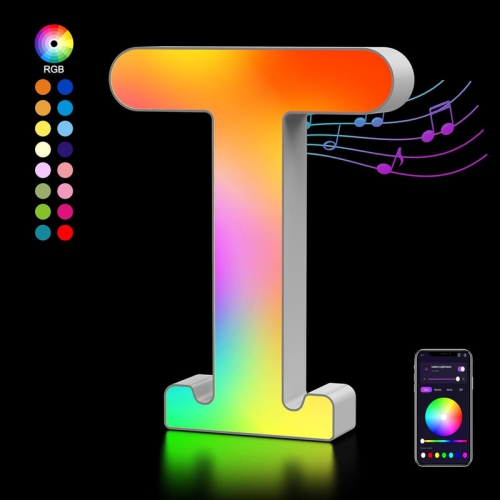

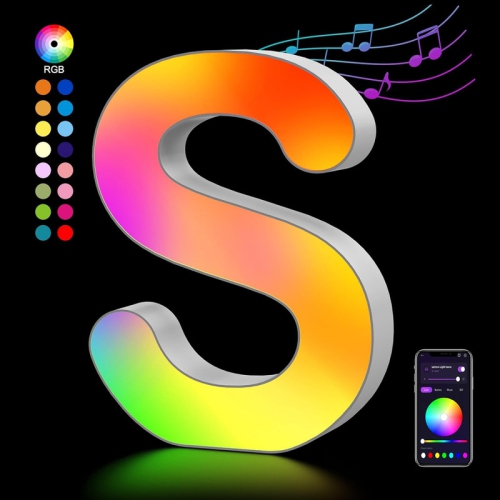
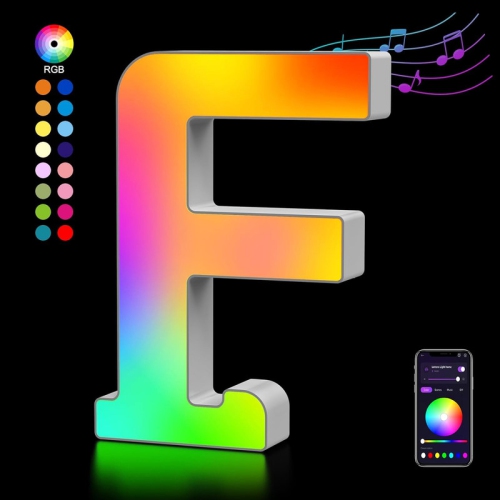
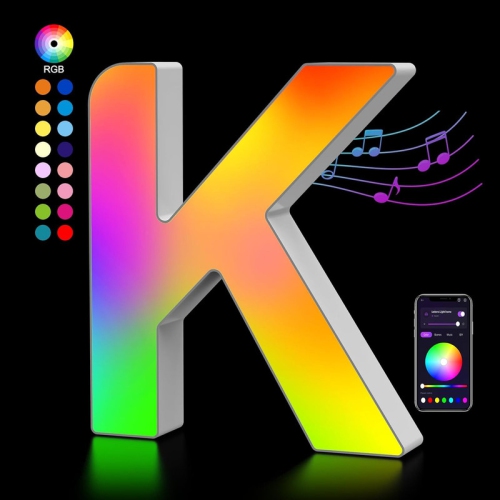
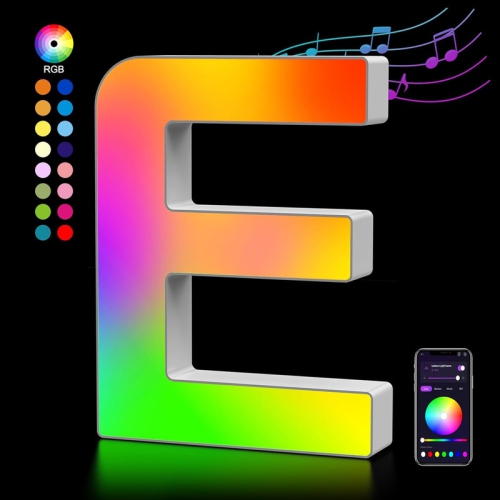
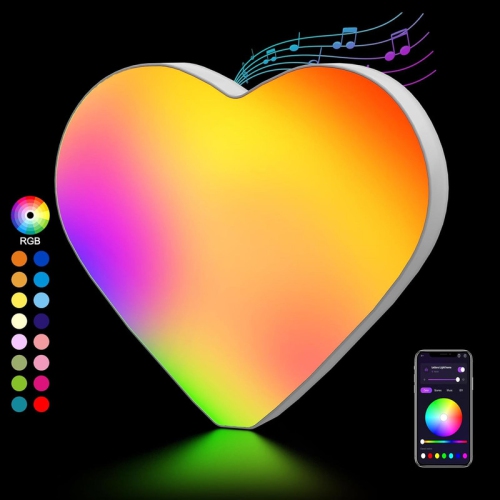
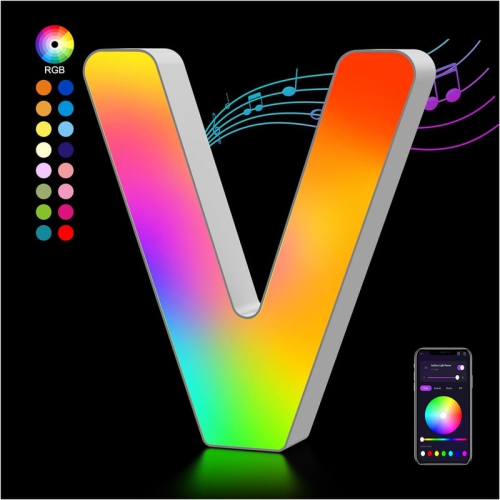
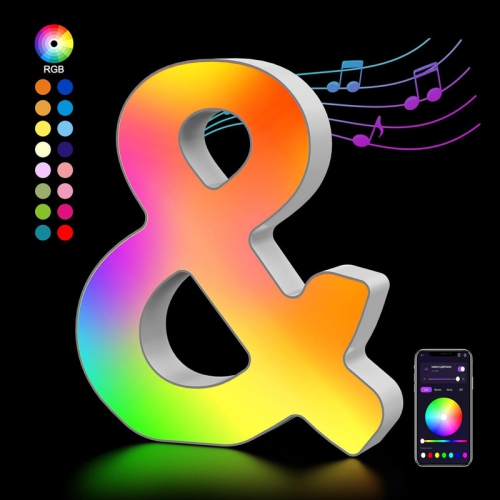
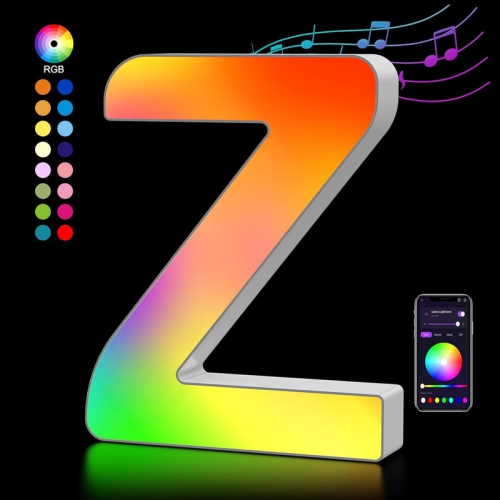
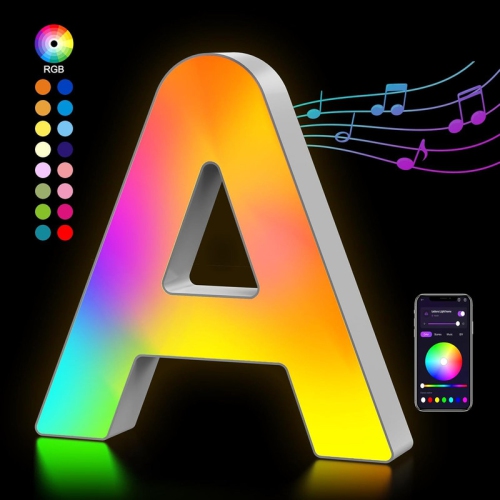
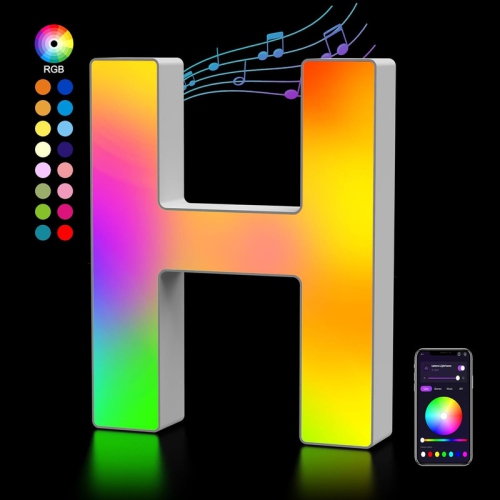
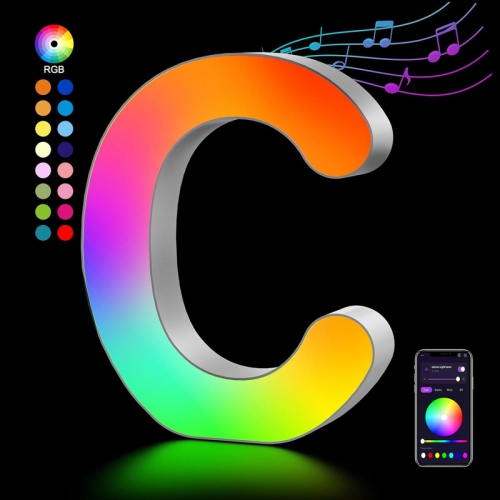
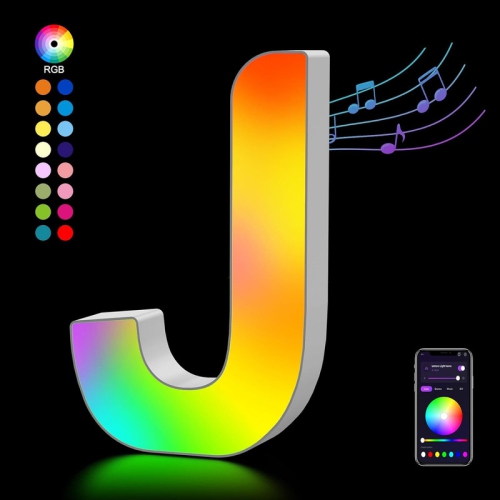
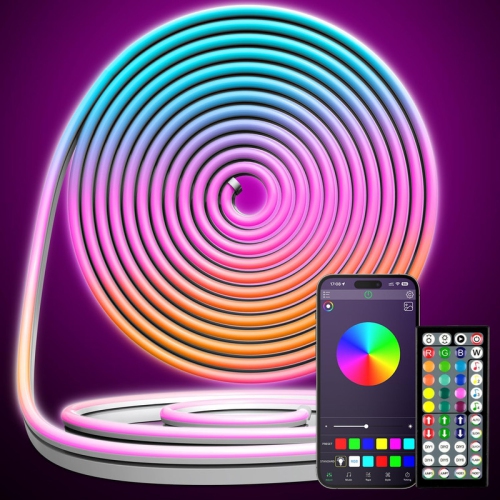
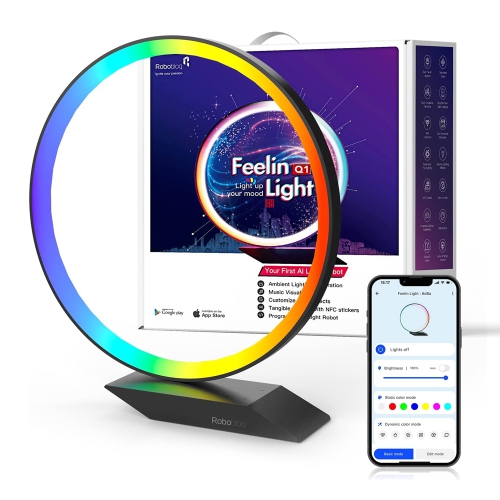
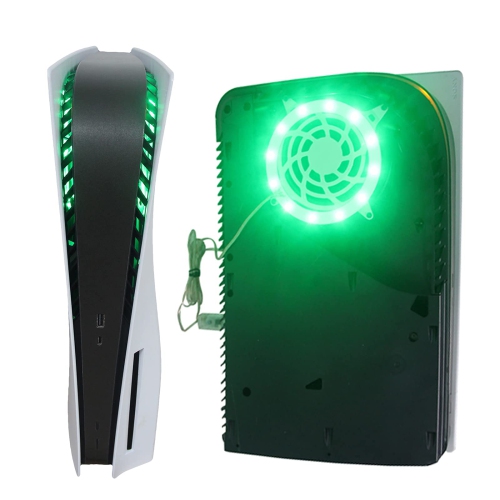
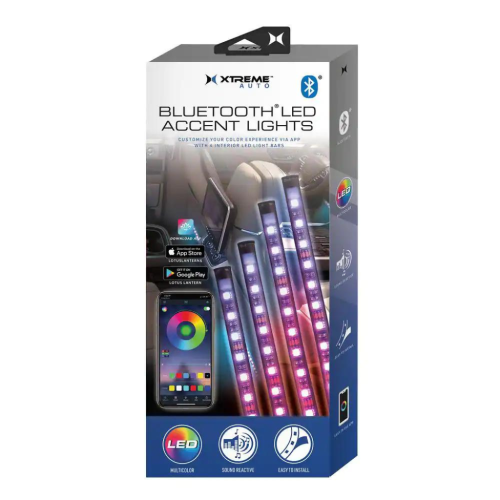
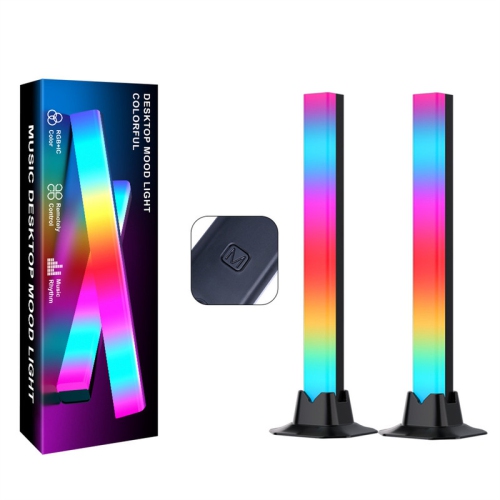
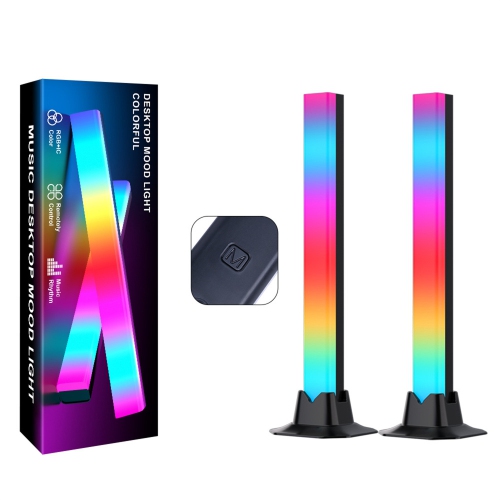
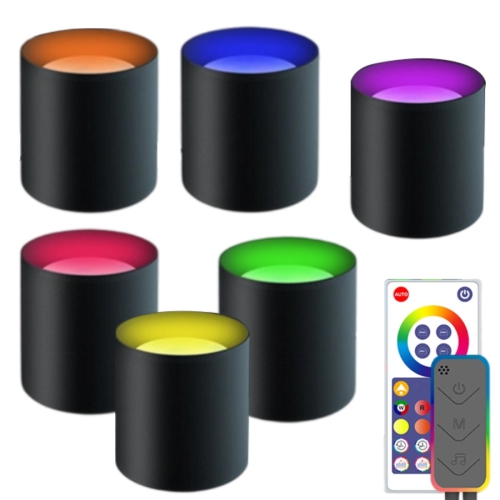
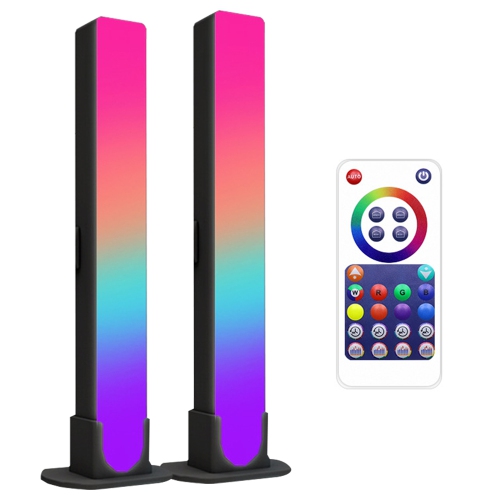
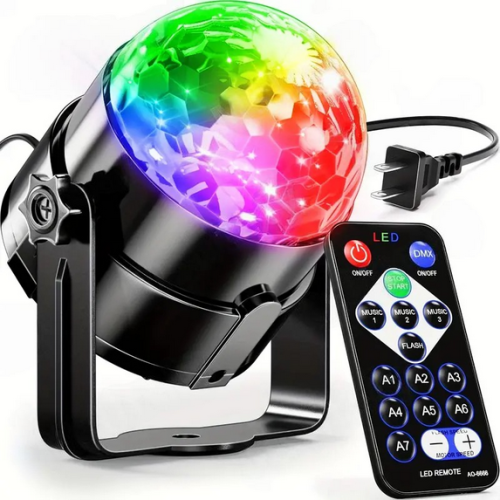
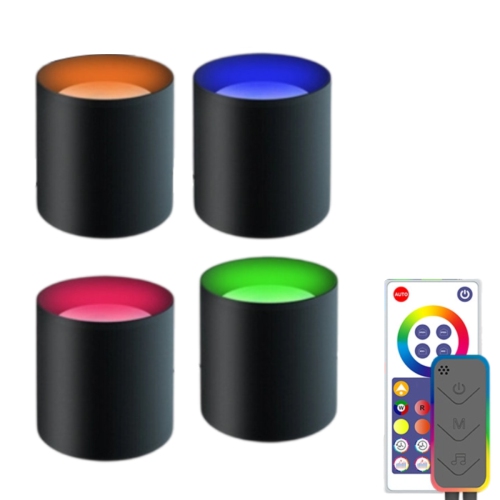
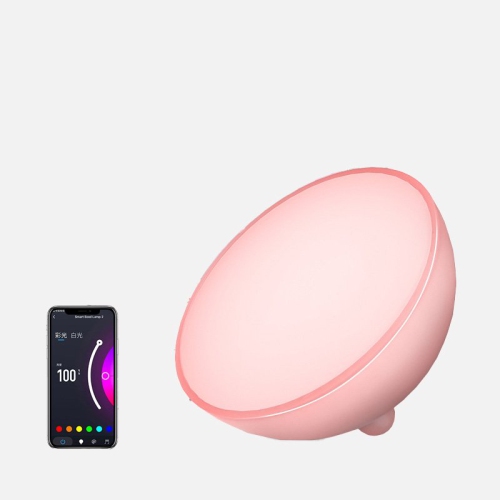
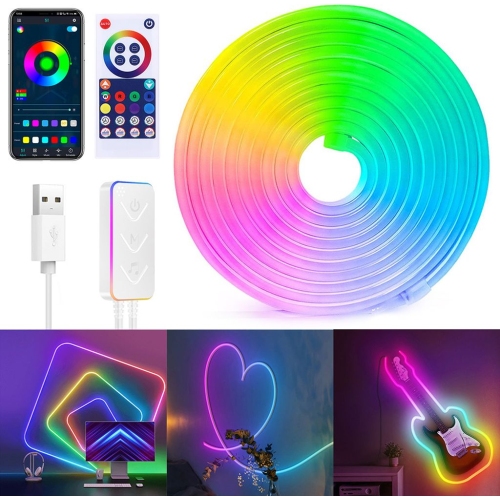
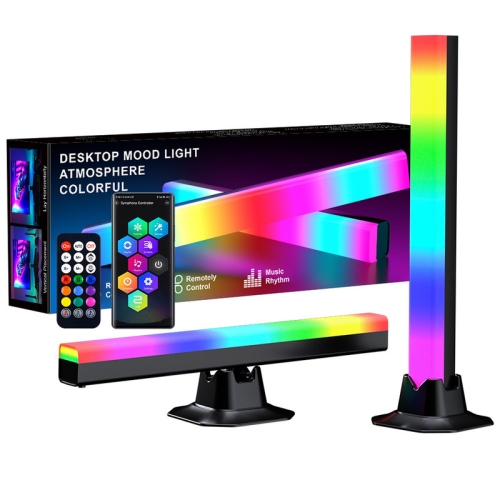
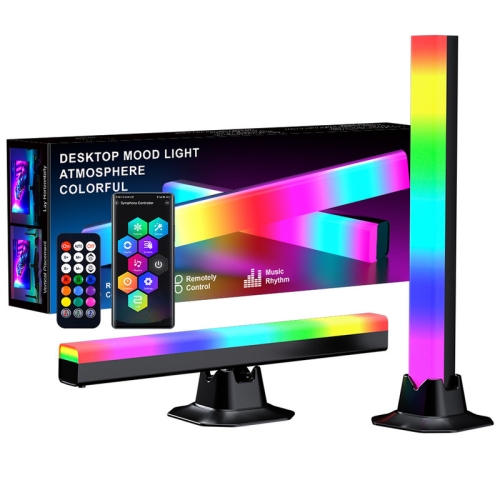
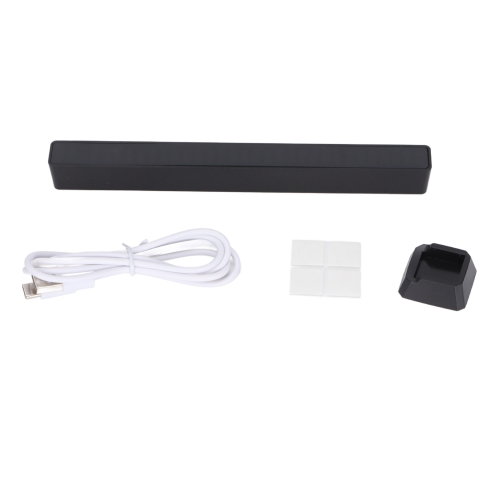
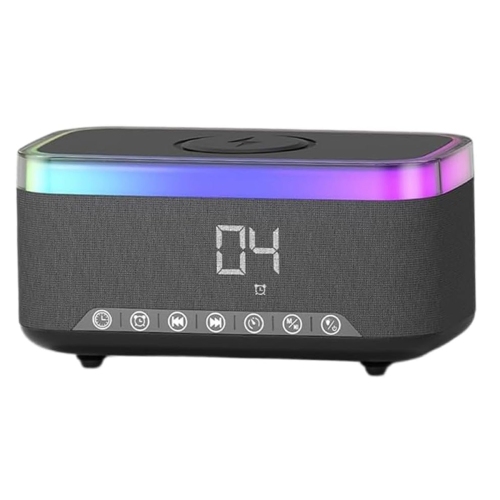
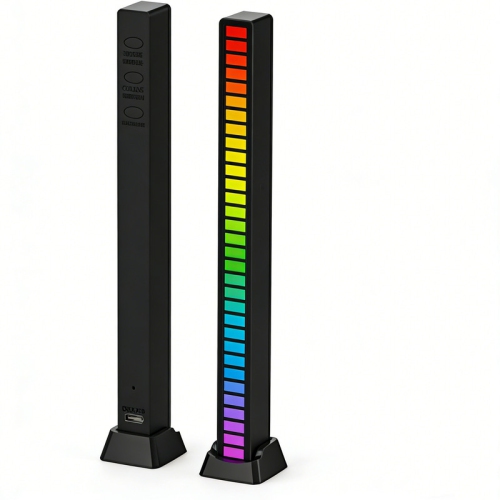
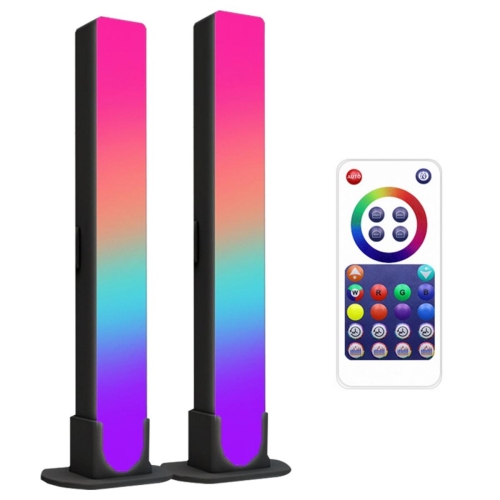
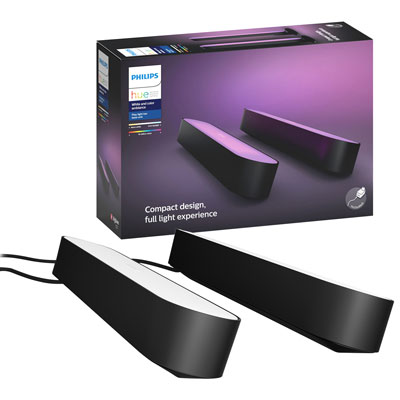
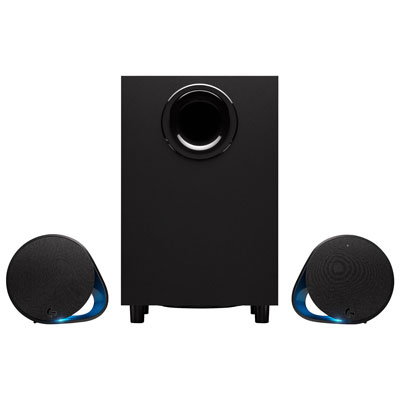
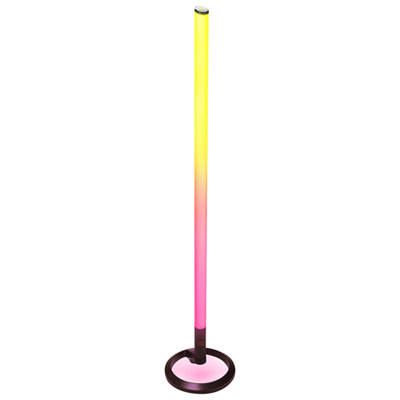
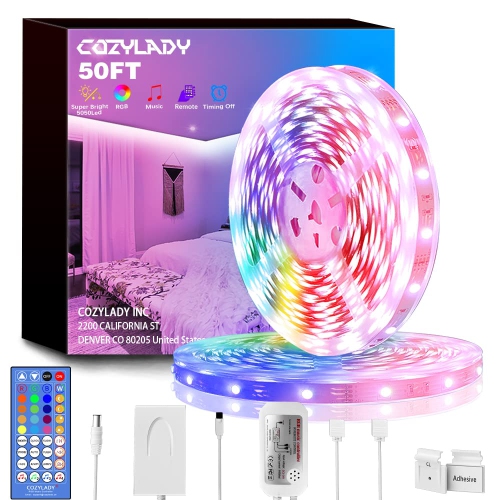
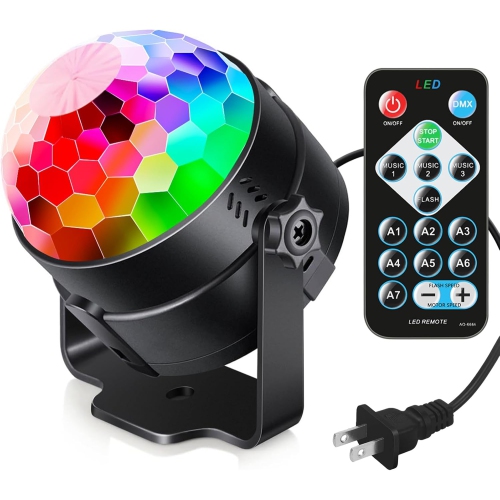
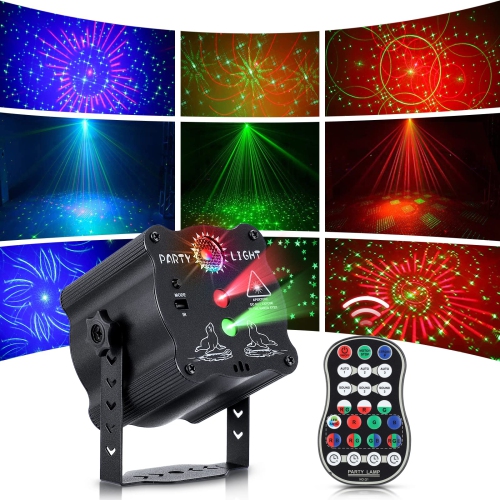
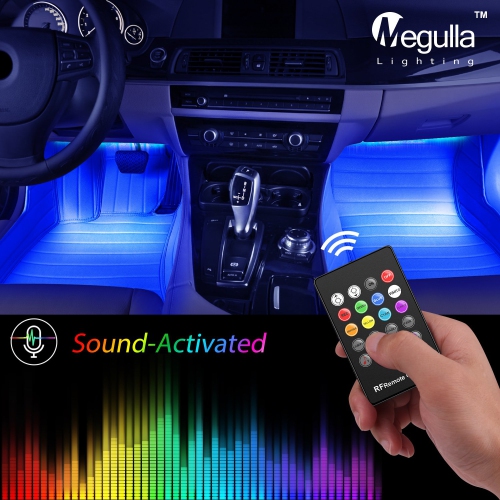
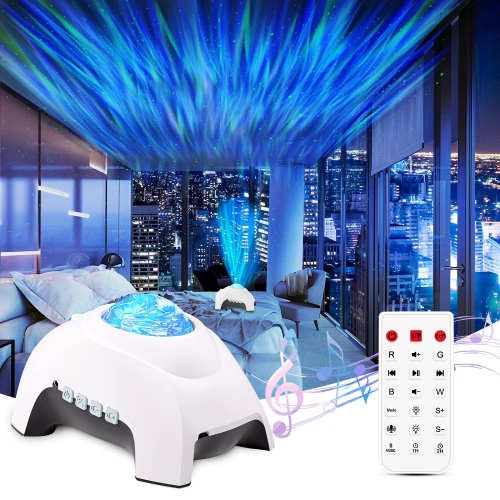
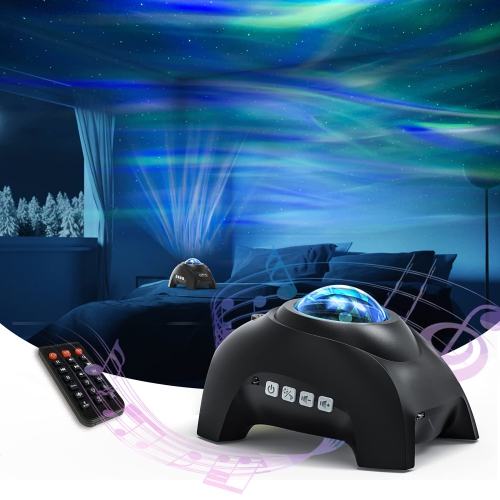

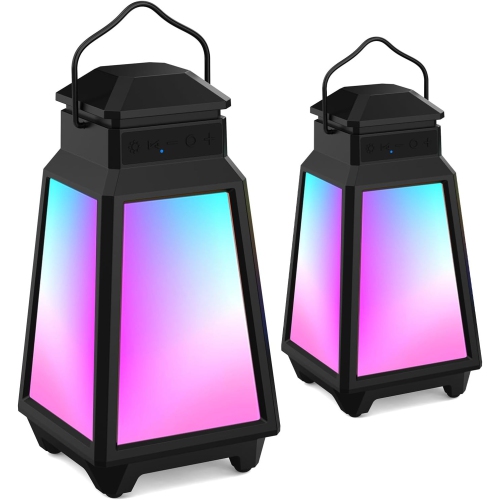
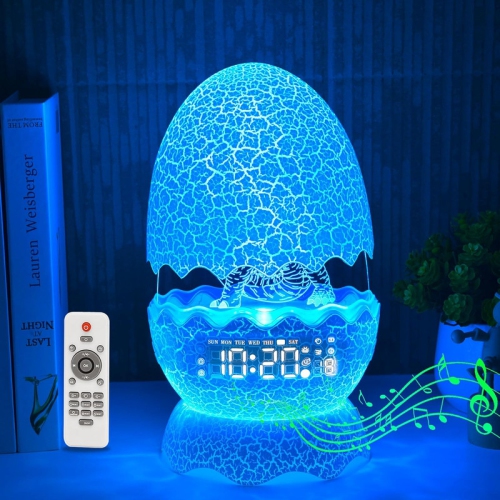
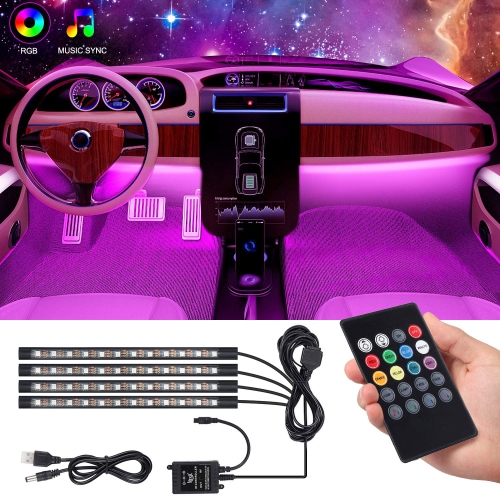
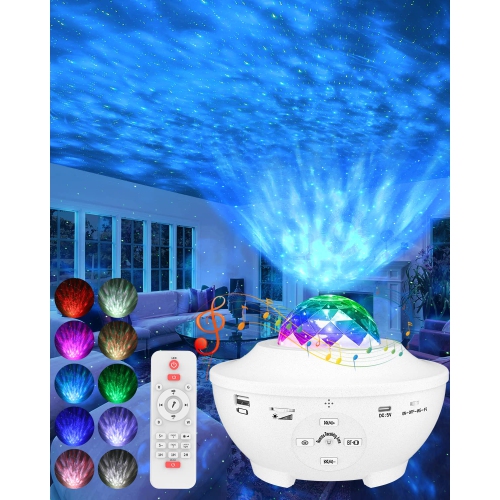
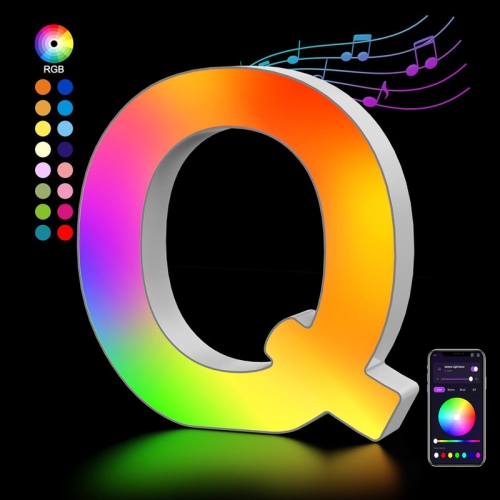
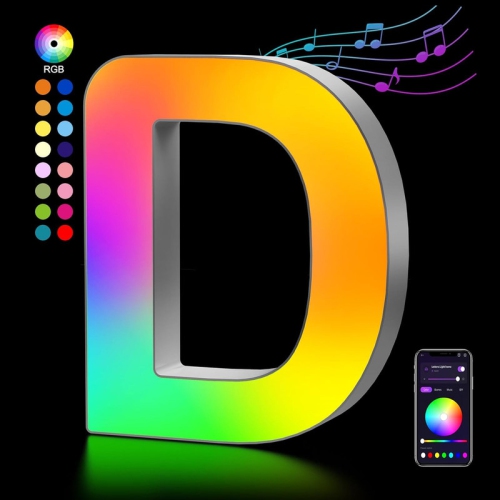

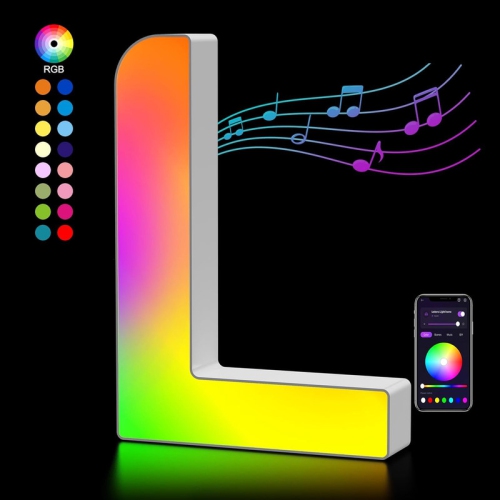
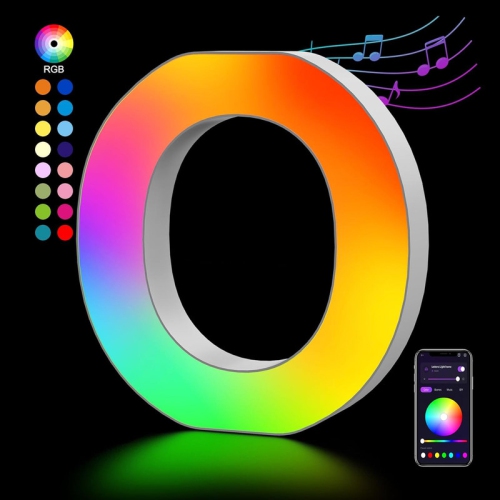
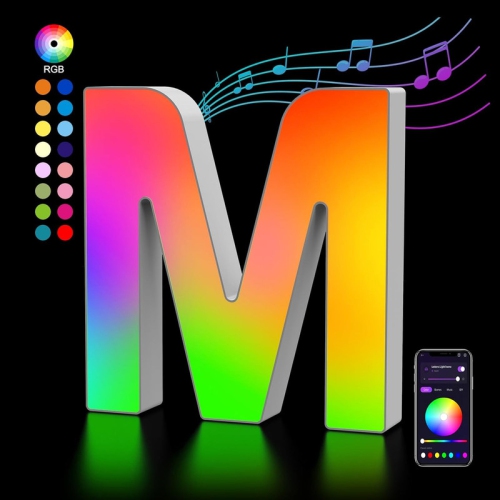
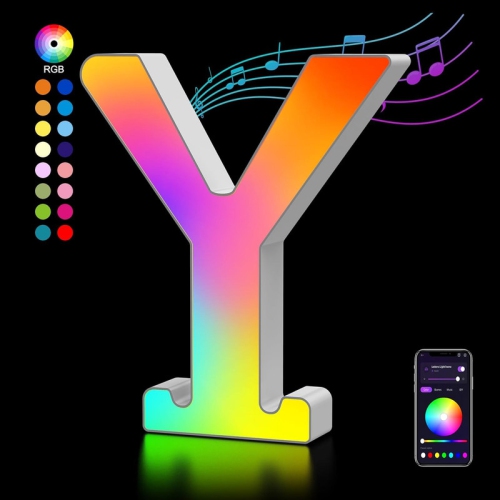
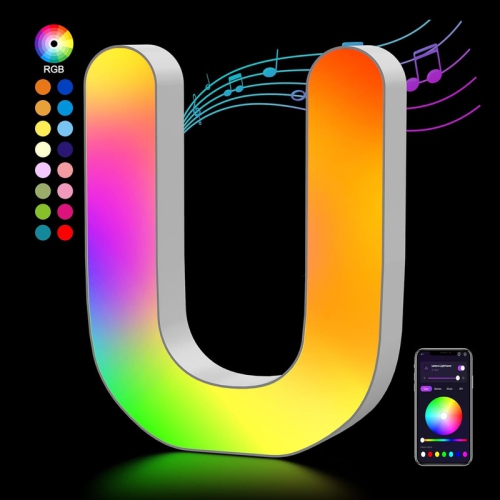
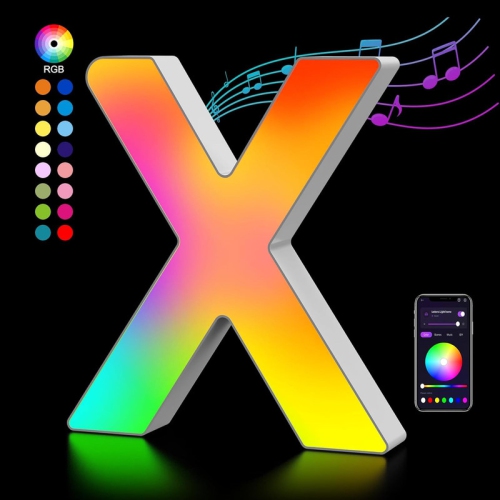
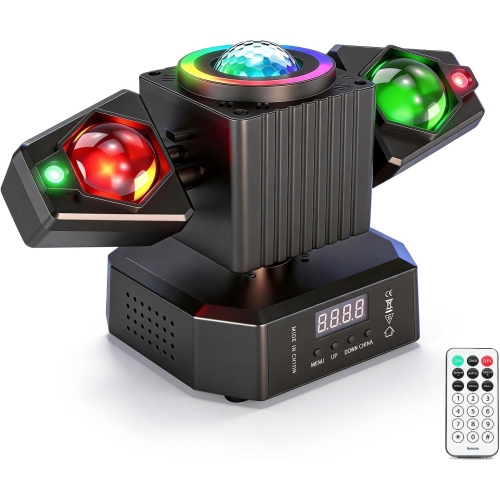
Lighting that moves with every beat and playlist
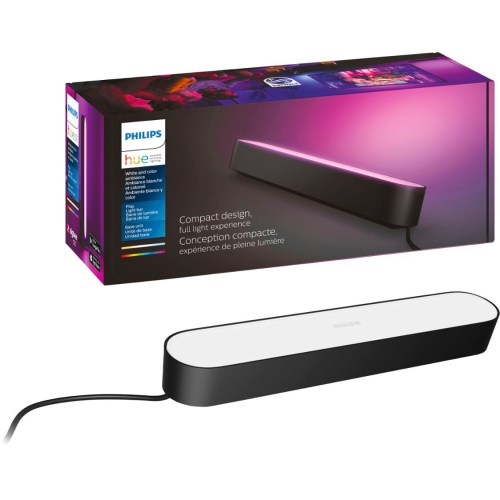
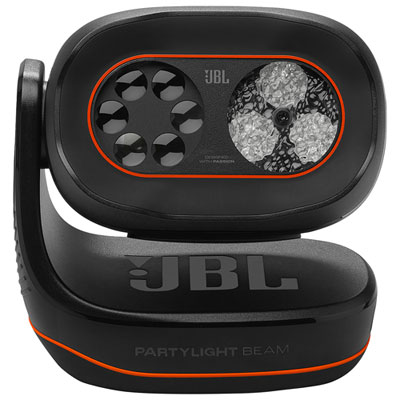
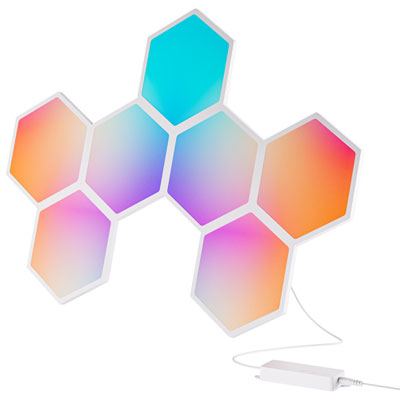
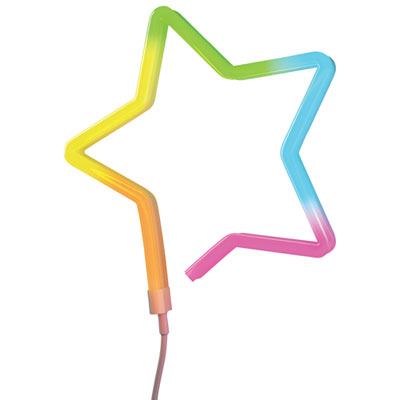
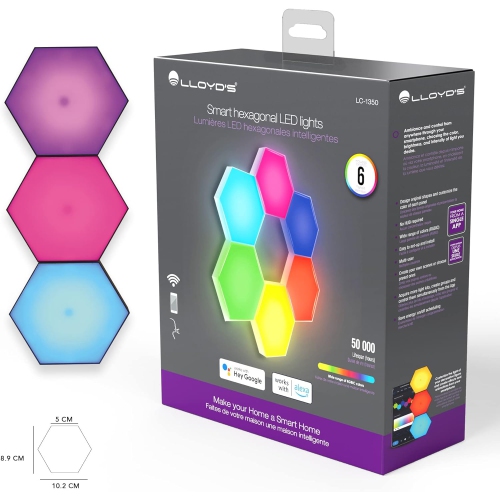
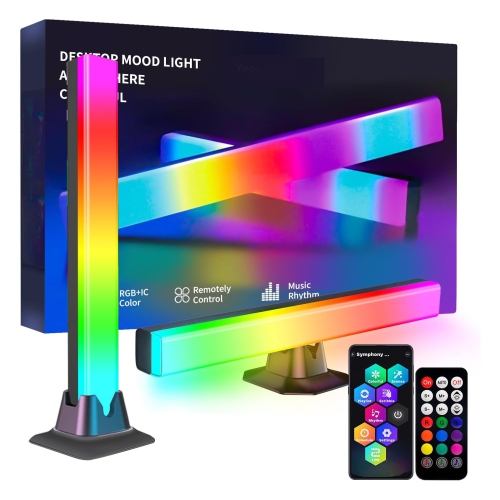
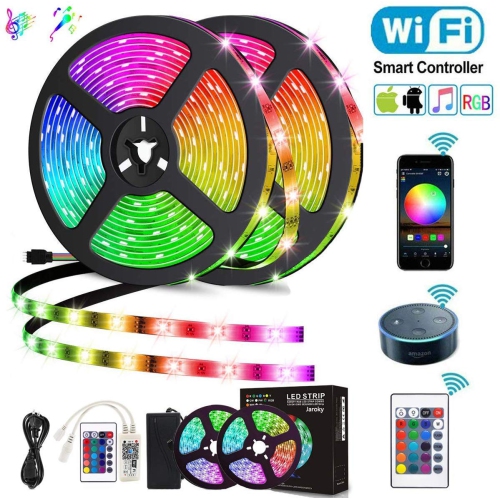
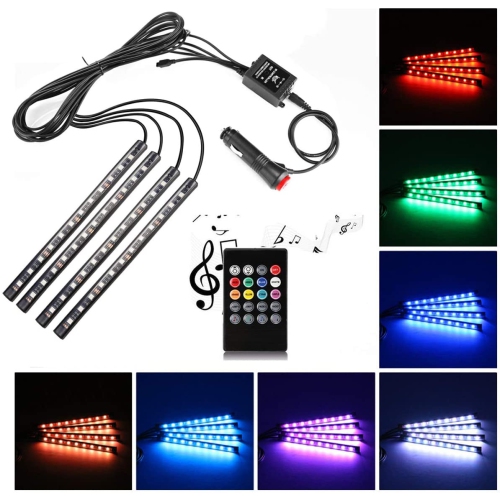
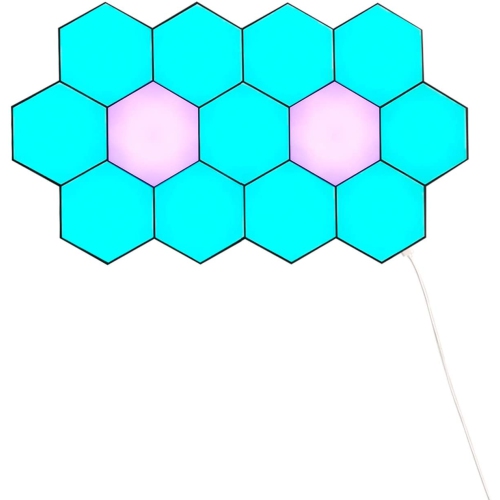
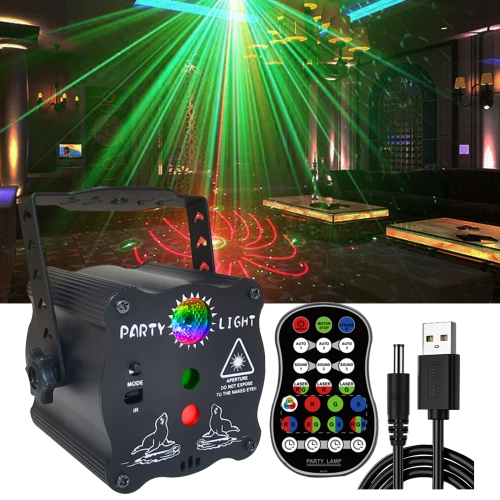
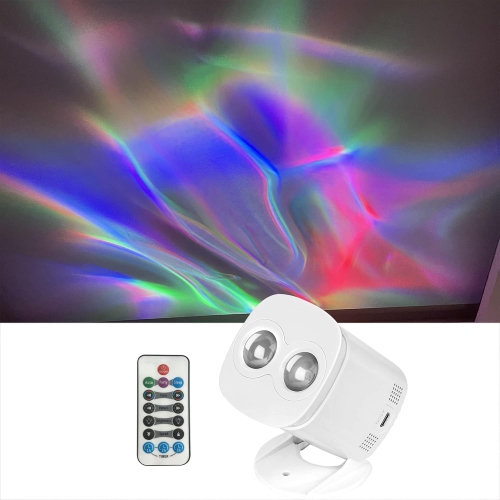
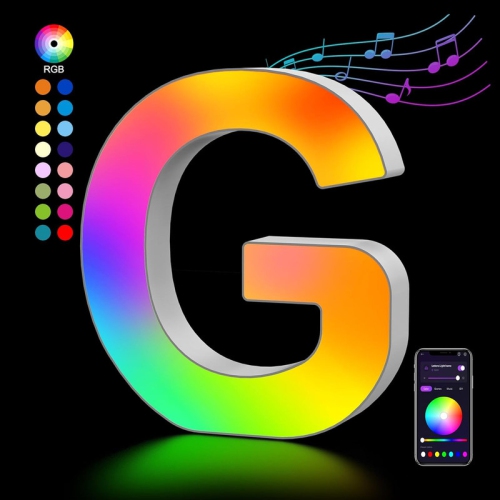
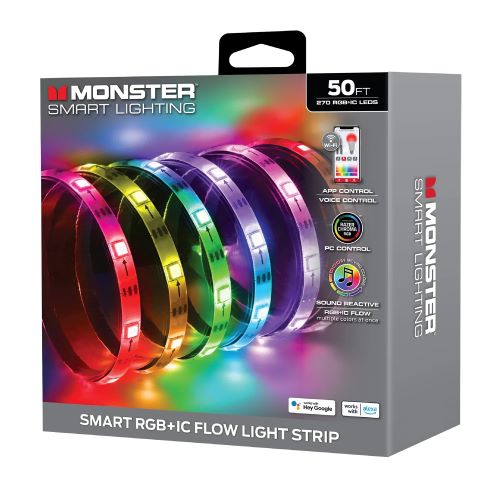
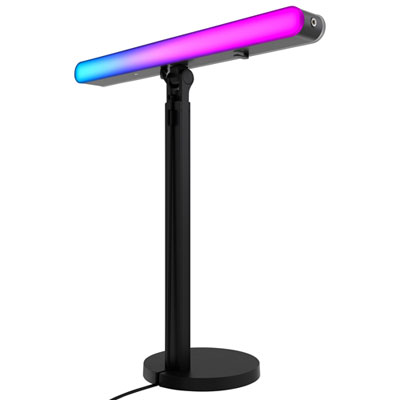
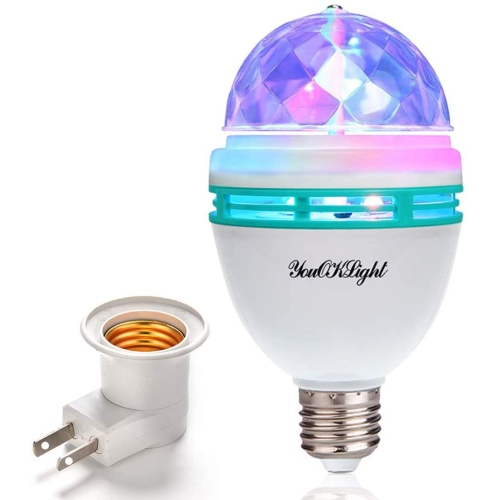
Music sync lights bring sound and colour together, turning an ordinary room into a more expressive space for listening, gaming, entertaining, or relaxing. Depending on the design, these lights may use a built-in microphone, a microphone in a control box, a mobile device, or a direct software connection to detect the rhythm of the music and adjust brightness, colour, and movement in real time. Some modes respond to the overall volume, while others create more detailed effects that follow the beat, bass, vocals, or changes in a song. The result can be subtle, such as a gentle glow that shifts with a mellow playlist, or highly animated, with vivid colours pulsing across a wall during an energetic track. Music sync lights are available in different formats, including flexible light strips for shelves and desks, bars or panels for accent walls, smart bulbs for existing fixtures, and standalone lamps that add a focused pool of colour. Browse Music Lighting to explore lighting designed to complement an audio setup. When choosing a style, consider the size and shape of the room, the surfaces where the lights will be placed, and whether you want an understated accent or a more immersive display. A strip tucked behind a television, desk, headboard, or shelving unit can create a soft halo that reduces the starkness of a dark room, while wall-mounted panels or freestanding lights can become a visible part of the décor. For a cleaner installation, look for suitable mounting accessories, adequate cable length, and a control unit that can be positioned where it is easy to reach.
The way music sync lights receive audio has a direct effect on the experience. Microphone-based lighting is often the simplest option: a small sensor listens to nearby sound and changes the lights without requiring a complicated connection. This approach can work well in a bedroom, recreation room, home office, or party area, especially when music is playing through a speaker. Because the sensor is listening to the room, placement matters. A light positioned too far from the speaker may react slowly or miss quieter parts of a track, while a sensor placed beside a loud speaker may respond more dramatically than intended. App-based systems offer additional control through a phone or tablet, allowing users to select colours, adjust sensitivity, save scenes, set schedules, and switch between music modes. Some apps use the mobile device’s microphone, while others communicate with the light through a wireless connection. Systems with direct integration can connect with compatible streaming services, computer software, or other smart-home equipment, giving the lights a more coordinated response and potentially reducing the delay between the audio and the visual effect. For computer or television setups, advanced options may use dedicated sync hardware to interpret audio or video signals before sending instructions to the lights. This can be useful for gaming, films, live performances, or multi-light arrangements where timing and consistency are especially important. Before buying, check which connections are supported, whether a separate hub or bridge is required, and whether the desired controls work with your phone’s operating system, computer, television, or preferred streaming service. It is also worth reviewing how many lights can be grouped together, how far they can be placed from the controller, and whether the system continues to offer basic controls if the internet connection is unavailable.
Music sync lights can suit a wide range of people because they can be used for both atmosphere and entertainment. Someone setting up a first apartment might use a compact lamp or a short strip to add personality without changing the room’s main lighting. A music enthusiast may combine several lights around a listening area to make albums, playlists, and live recordings feel more engaging. In a gaming space, reactive lighting can extend the action beyond the screen, with colours that shift as sound effects and music fill the room. These lights can also make a thoughtful gift for a teenager, university student, new homeowner, content creator, or anyone who enjoys customizing a desk or media area. For a gift, app simplicity and flexible placement may be more valuable than a large number of advanced effects, particularly if the recipient is new to smart lighting. Families and hosts can use brighter, more animated settings during gatherings, then save calmer scenes for reading, casual conversation, or winding down during the cooler months. When planning a larger display, matching colour temperature, brightness, and response settings across the lights helps the arrangement feel intentional rather than scattered. Consider whether the lights will be used in a dark room or alongside overhead lighting, since highly saturated colours are most visible when competing illumination is limited. Keep cords routed away from walkways, follow the mounting and power instructions, and avoid placing lighting components where heat, moisture, or physical pressure could cause damage. With the right combination of placement, controls, and audio connection, music sync lights can give a desk, lounge, bedroom, or entertainment area a distinct atmosphere that changes naturally with every playlist.
The way music sync lights receive audio has a direct effect on the experience. Microphone-based lighting is often the simplest option: a small sensor listens to nearby sound and changes the lights without requiring a complicated connection. This approach can work well in a bedroom, recreation room, home office, or party area, especially when music is playing through a speaker. Because the sensor is listening to the room, placement matters. A light positioned too far from the speaker may react slowly or miss quieter parts of a track, while a sensor placed beside a loud speaker may respond more dramatically than intended. App-based systems offer additional control through a phone or tablet, allowing users to select colours, adjust sensitivity, save scenes, set schedules, and switch between music modes. Some apps use the mobile device’s microphone, while others communicate with the light through a wireless connection. Systems with direct integration can connect with compatible streaming services, computer software, or other smart-home equipment, giving the lights a more coordinated response and potentially reducing the delay between the audio and the visual effect. For computer or television setups, advanced options may use dedicated sync hardware to interpret audio or video signals before sending instructions to the lights. This can be useful for gaming, films, live performances, or multi-light arrangements where timing and consistency are especially important. Before buying, check which connections are supported, whether a separate hub or bridge is required, and whether the desired controls work with your phone’s operating system, computer, television, or preferred streaming service. It is also worth reviewing how many lights can be grouped together, how far they can be placed from the controller, and whether the system continues to offer basic controls if the internet connection is unavailable.
Music sync lights can suit a wide range of people because they can be used for both atmosphere and entertainment. Someone setting up a first apartment might use a compact lamp or a short strip to add personality without changing the room’s main lighting. A music enthusiast may combine several lights around a listening area to make albums, playlists, and live recordings feel more engaging. In a gaming space, reactive lighting can extend the action beyond the screen, with colours that shift as sound effects and music fill the room. These lights can also make a thoughtful gift for a teenager, university student, new homeowner, content creator, or anyone who enjoys customizing a desk or media area. For a gift, app simplicity and flexible placement may be more valuable than a large number of advanced effects, particularly if the recipient is new to smart lighting. Families and hosts can use brighter, more animated settings during gatherings, then save calmer scenes for reading, casual conversation, or winding down during the cooler months. When planning a larger display, matching colour temperature, brightness, and response settings across the lights helps the arrangement feel intentional rather than scattered. Consider whether the lights will be used in a dark room or alongside overhead lighting, since highly saturated colours are most visible when competing illumination is limited. Keep cords routed away from walkways, follow the mounting and power instructions, and avoid placing lighting components where heat, moisture, or physical pressure could cause damage. With the right combination of placement, controls, and audio connection, music sync lights can give a desk, lounge, bedroom, or entertainment area a distinct atmosphere that changes naturally with every playlist.
Top selling and popular products
-
 Your price for this item is $274.99
 -
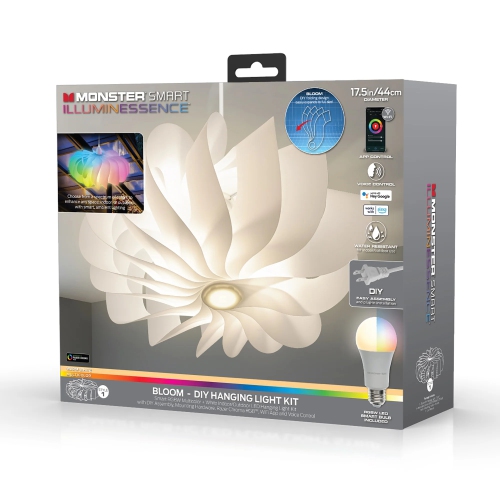 Your price for this item is $49.99
 -
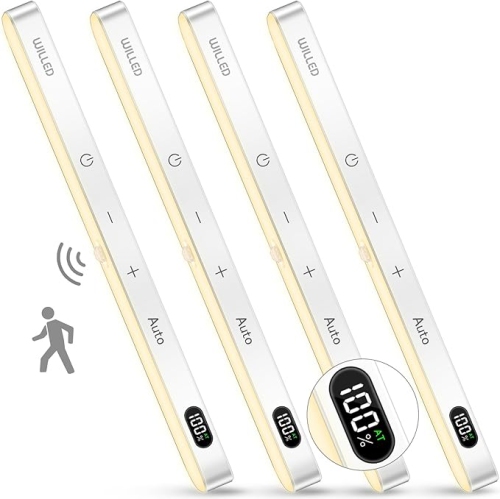 Your price for this item is $48.2
 -
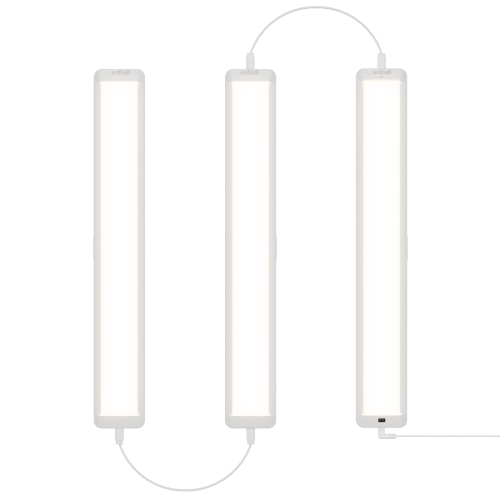 Your price for this item is $89.99
 -
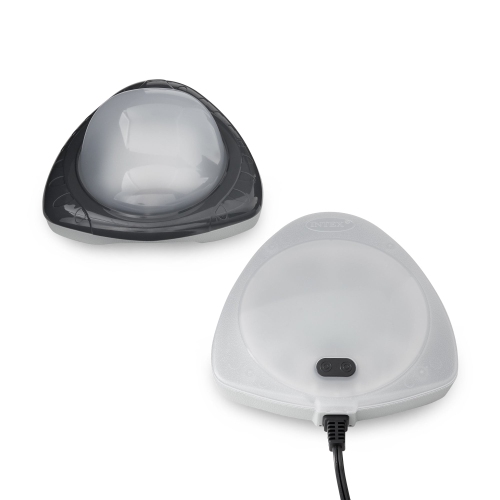 Your price for this item is $89.99
 -
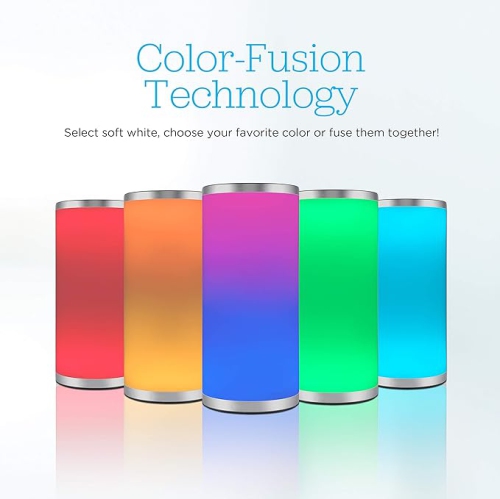 Your price for this item is $26.99
 -
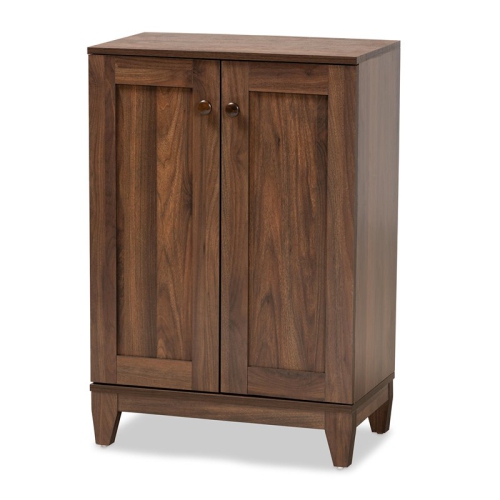 Your price for this item is $370.07
 -
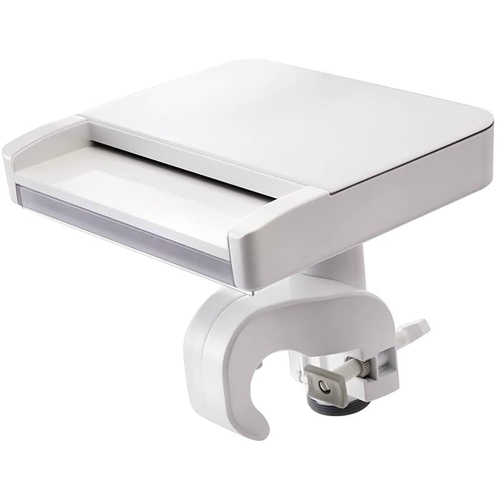 Your price for this item is $99.99
Discover more categories related to Music Sync Lights
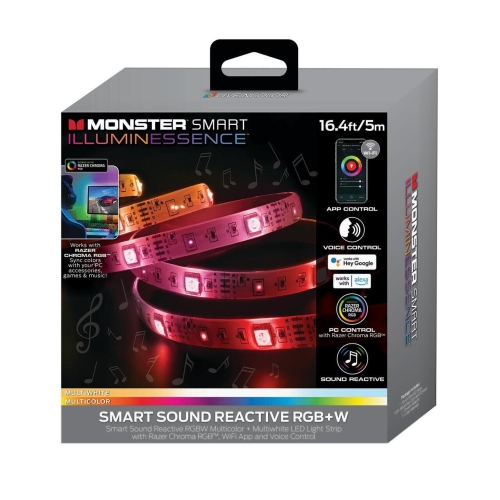
Top Collections:
Pokemon Centers, Kindle Devices, Best Budget Office Chairs, Apple iPhones 16, Best Laptops for Writers, iPhone 15 Apple, Canon G7X Cameras, Refurbished Apple Laptops, Alarm Clock, Motorola Razr Phones
Some products may be subject to Environmental Handling Fees
(EHF) depending on your province.
Learn more about EHFs.