Panoramic Cameras
Capture stunning wide-angle shots and immerse yourself in breathtaking landscapes with our selection of panoramic cameras. Designed to provide a unique perspective, these cameras allow you to capture the entire scene in one frame, from sweeping cityscapes to majestic mountain ranges. Whether you're an avid traveler, a passionate photographer, or simply looking to expand your creative horizons, our range of panoramic cameras offers the perfect solution for capturing the world in all its panoramic glory. Explore our collection and unleash your creativity today.
Sort
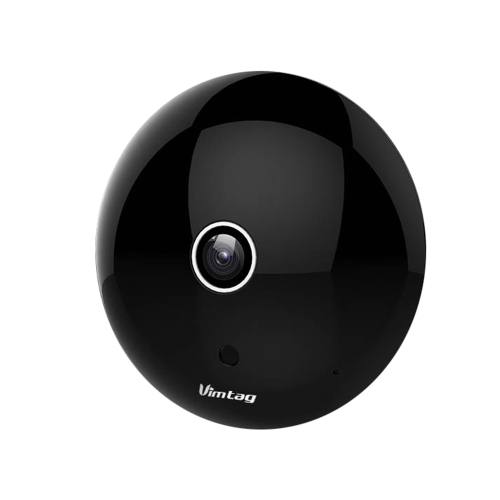
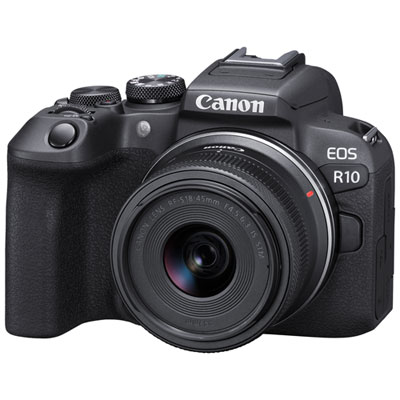
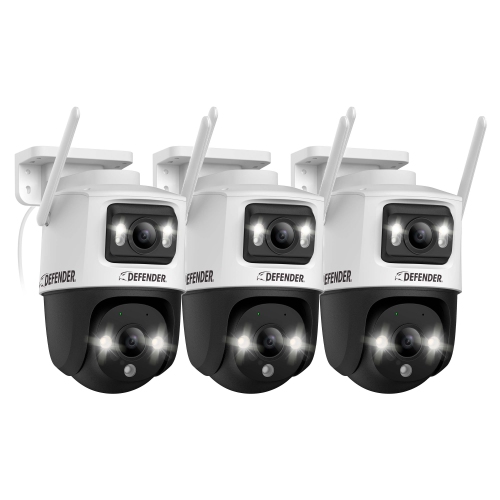
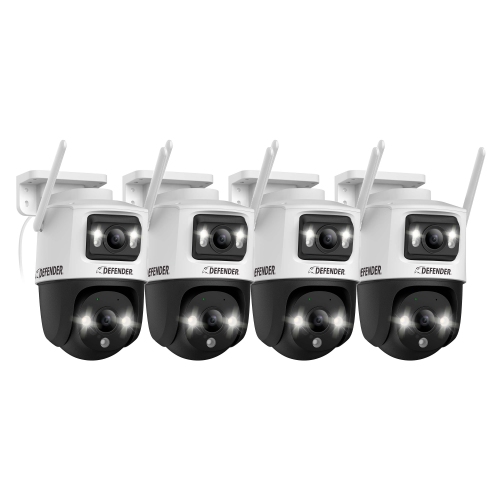
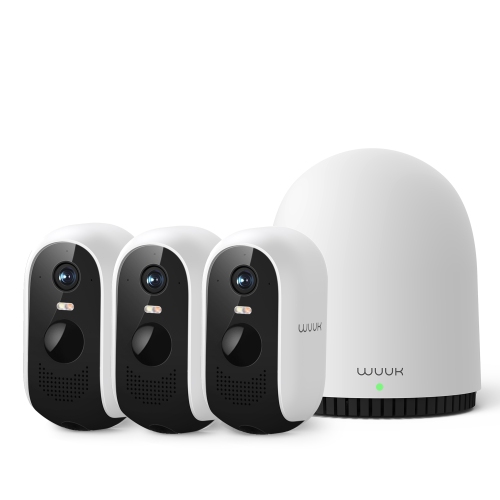
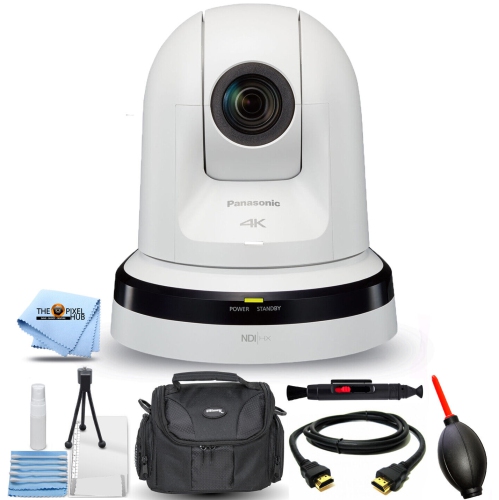
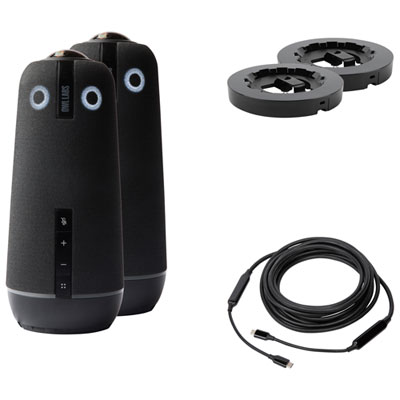
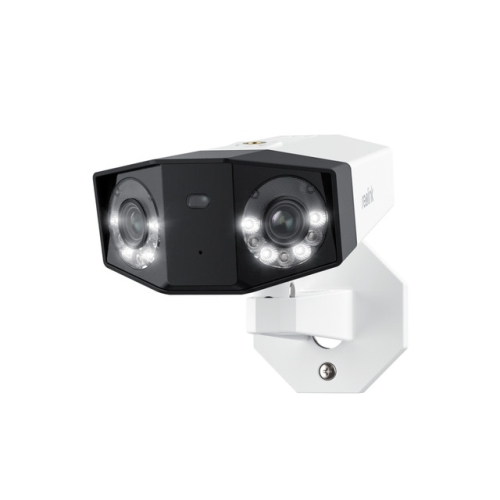

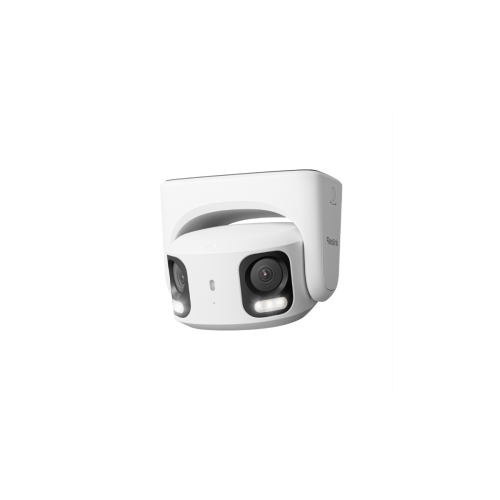
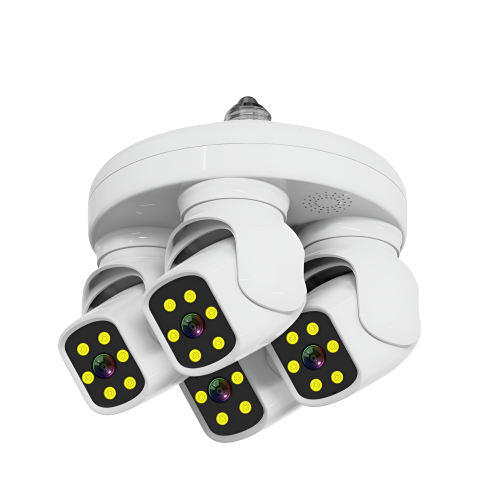
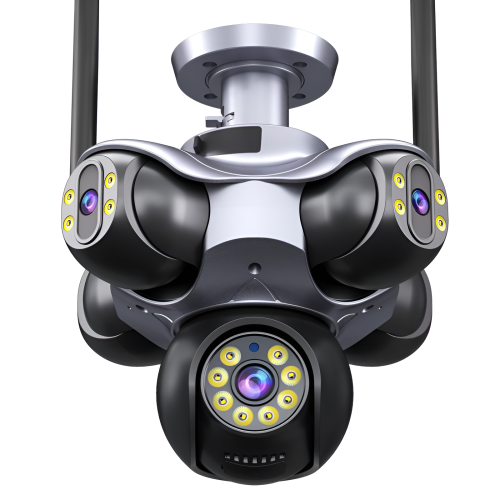
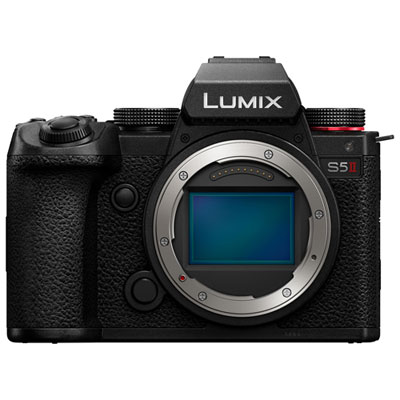
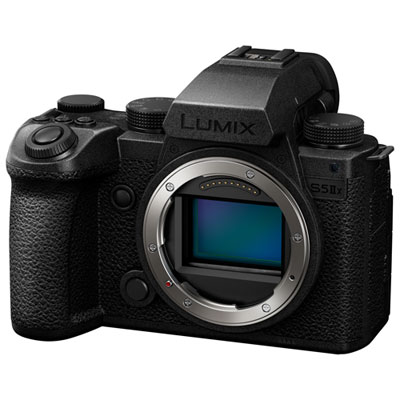
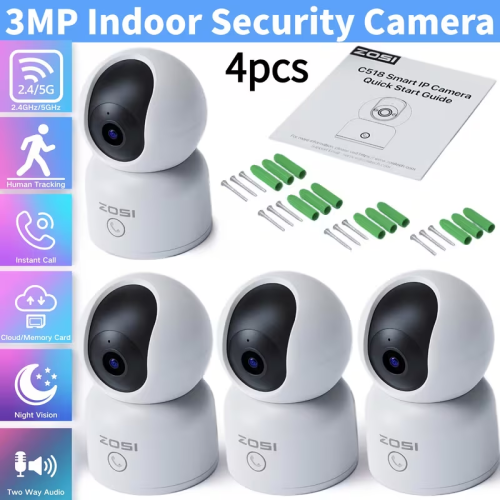
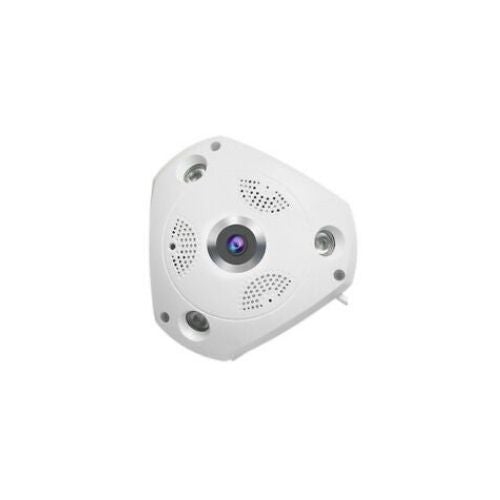
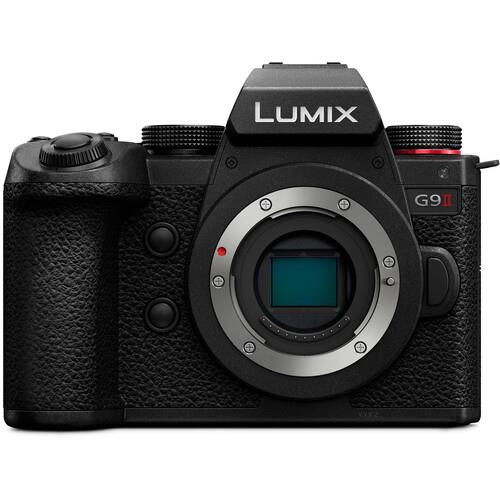



How panoramic camera designs shape immersive images and video
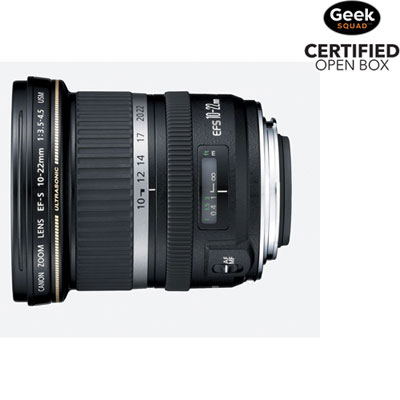
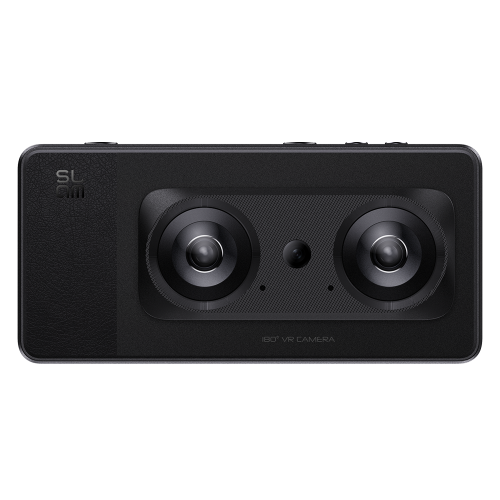
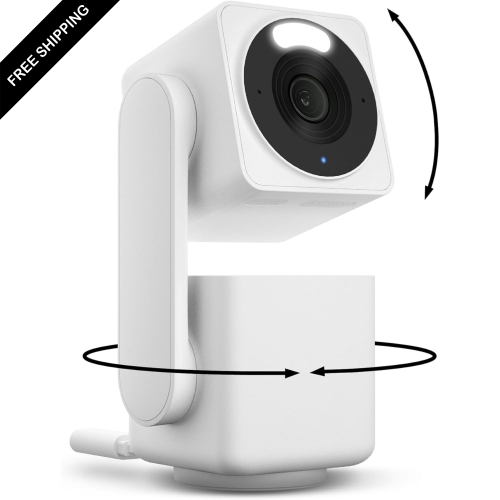
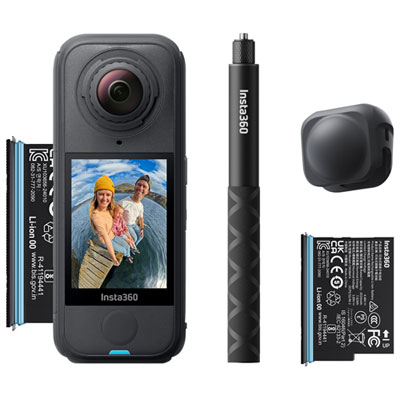
Panoramic cameras are designed to capture more of a scene than a conventional camera, making them a compelling choice for wide landscapes, immersive travel footage, creative photography, action sports, and security monitoring. Depending on the design, a panoramic camera may create an extended horizontal image, a very wide-angle photograph, or a complete 360-degree view that surrounds the camera. Traditional swing-lens cameras achieve a panoramic effect by rotating the lens across a curved film plane, exposing a broad image as the lens sweeps from one side to the other. Wide-format still cameras use an extra-wide frame or sensor to produce a distinctive cinematic composition without moving parts. Modern digital 360 cameras typically use two fish-eye lenses, positioned back to back, to capture the scene in every direction before combining the footage into a single spherical image. Multi-sensor security cameras take another approach, using several fixed lenses and sensors to cover a wide area and stitch the views together. These different designs can all be described as panoramic cameras, but they suit very different kinds of photography and recording. A photographer documenting a mountain ridge may prefer the depth and proportions of a broad horizontal frame, while a traveller recording a busy market, cycling route, or family gathering may appreciate the ability to reframe a 360-degree video after it has been captured. For a closer look at immersive models built around an all-around field of view, explore 360 Degree Cameras.
When comparing panoramic cameras, start by considering the type of image or video you want to create and how much control you want during editing. A camera with a very wide field of view can include an impressive amount of scenery, but nearby subjects may appear stretched around the edges, especially when using a fish-eye lens. Stitching software can correct some of this distortion, though results depend on lighting, subject movement, and how evenly the two lenses capture the scene. Resolution is also important: a high-resolution recording gives you more flexibility when cropping a panoramic frame or selecting a smaller portion of a 360-degree image, while lower-resolution footage may look soft when viewed on a large screen. For video, check the available recording resolutions, frame rates, stabilization features, file formats, and maximum recording times. Electronic stabilization can help smooth footage while walking, skiing, cycling, or travelling over uneven ground, but it may crop the image slightly. Battery life, charging options, removable storage, and wireless connectivity are practical details that can make a noticeable difference during a full day away from an outlet. Weather resistance and the availability of protective housings are worth reviewing for outdoor use, particularly when a camera may encounter rain, dust, snow, or splashes. If the camera relies on companion software, consider how easily clips can be transferred, stitched, edited, shared, and viewed on your preferred phone or computer. For film-based panoramic photography, look at the film format, lens movement, shutter controls, exposure options, focusing method, and the availability of processing services. A more hands-on camera may appeal to someone who enjoys carefully composing each frame, while a digital model may be a better fit for fast-moving scenes and immediate playback.
Panoramic cameras can be useful for creative projects, travel memories, real estate presentation, outdoor recreation, and keeping an eye on large indoor or outdoor spaces. Landscape photographers can use the broad perspective to place a winding shoreline, forest trail, open prairie, or dramatic skyline within one composition, especially when a standard frame would leave out important details. Architecture and interior photography can benefit from a wide view that shows the relationship between rooms, walls, entrances, and furnishings, although careful positioning is important to avoid exaggerated lines. For sports and adventure activities, a compact 360-degree camera can record the person using it as well as the surrounding route, creating footage that can be reframed later for different viewing angles. Travellers may enjoy capturing a complete scene at a lookout, historic site, or family gathering instead of choosing a single direction before pressing record. These cameras can also make thoughtful gifts for photography enthusiasts, content creators, outdoor adventurers, and anyone who enjoys experimenting with unusual perspectives. A beginner may value automatic exposure, straightforward mobile editing, and one-button recording, while an experienced photographer may prioritize manual controls, interchangeable accessories, precise exposure settings, and a lens system suited to their preferred style. Before choosing, think about where the camera will be carried, how it will be mounted, whether the footage will be edited on a phone or computer, and how the finished images will be shared. During warmer outdoor days and cooler-season trips alike, the right panoramic camera can turn an expansive view, lively gathering, or memorable journey into an image that feels immersive rather than simply wide.
When comparing panoramic cameras, start by considering the type of image or video you want to create and how much control you want during editing. A camera with a very wide field of view can include an impressive amount of scenery, but nearby subjects may appear stretched around the edges, especially when using a fish-eye lens. Stitching software can correct some of this distortion, though results depend on lighting, subject movement, and how evenly the two lenses capture the scene. Resolution is also important: a high-resolution recording gives you more flexibility when cropping a panoramic frame or selecting a smaller portion of a 360-degree image, while lower-resolution footage may look soft when viewed on a large screen. For video, check the available recording resolutions, frame rates, stabilization features, file formats, and maximum recording times. Electronic stabilization can help smooth footage while walking, skiing, cycling, or travelling over uneven ground, but it may crop the image slightly. Battery life, charging options, removable storage, and wireless connectivity are practical details that can make a noticeable difference during a full day away from an outlet. Weather resistance and the availability of protective housings are worth reviewing for outdoor use, particularly when a camera may encounter rain, dust, snow, or splashes. If the camera relies on companion software, consider how easily clips can be transferred, stitched, edited, shared, and viewed on your preferred phone or computer. For film-based panoramic photography, look at the film format, lens movement, shutter controls, exposure options, focusing method, and the availability of processing services. A more hands-on camera may appeal to someone who enjoys carefully composing each frame, while a digital model may be a better fit for fast-moving scenes and immediate playback.
Panoramic cameras can be useful for creative projects, travel memories, real estate presentation, outdoor recreation, and keeping an eye on large indoor or outdoor spaces. Landscape photographers can use the broad perspective to place a winding shoreline, forest trail, open prairie, or dramatic skyline within one composition, especially when a standard frame would leave out important details. Architecture and interior photography can benefit from a wide view that shows the relationship between rooms, walls, entrances, and furnishings, although careful positioning is important to avoid exaggerated lines. For sports and adventure activities, a compact 360-degree camera can record the person using it as well as the surrounding route, creating footage that can be reframed later for different viewing angles. Travellers may enjoy capturing a complete scene at a lookout, historic site, or family gathering instead of choosing a single direction before pressing record. These cameras can also make thoughtful gifts for photography enthusiasts, content creators, outdoor adventurers, and anyone who enjoys experimenting with unusual perspectives. A beginner may value automatic exposure, straightforward mobile editing, and one-button recording, while an experienced photographer may prioritize manual controls, interchangeable accessories, precise exposure settings, and a lens system suited to their preferred style. Before choosing, think about where the camera will be carried, how it will be mounted, whether the footage will be edited on a phone or computer, and how the finished images will be shared. During warmer outdoor days and cooler-season trips alike, the right panoramic camera can turn an expansive view, lively gathering, or memorable journey into an image that feels immersive rather than simply wide.
Top selling and popular products
-
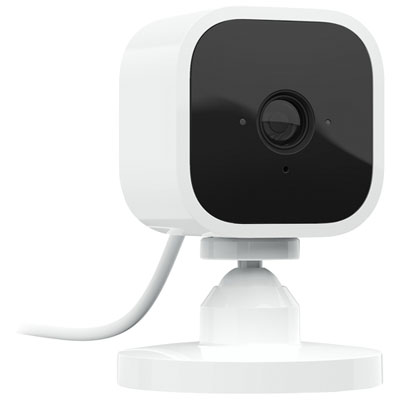 Your price for this item is $34.97
 -
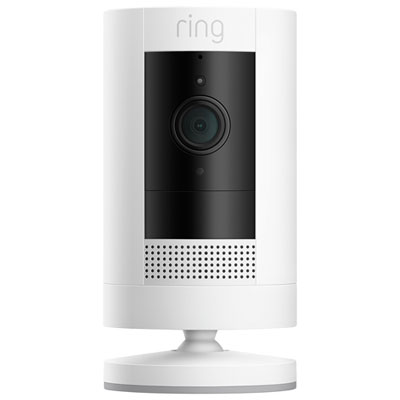 Your price for this item is $69.99
 -
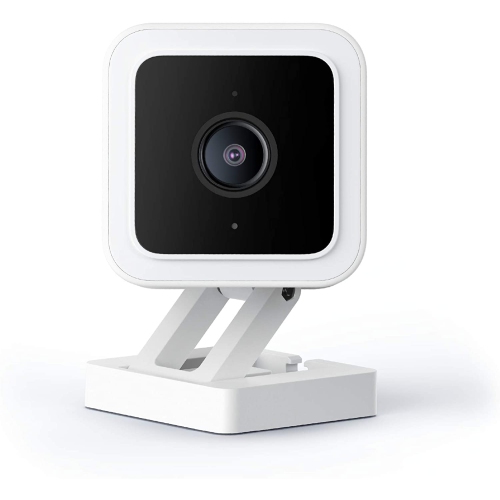 Your price for this item is $95.99
 -
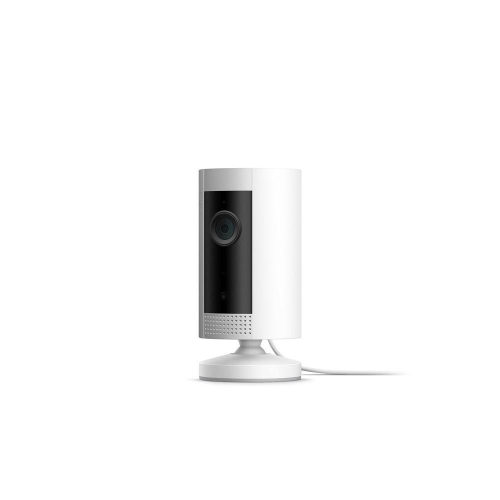 Your price for this item is $79.25
 -
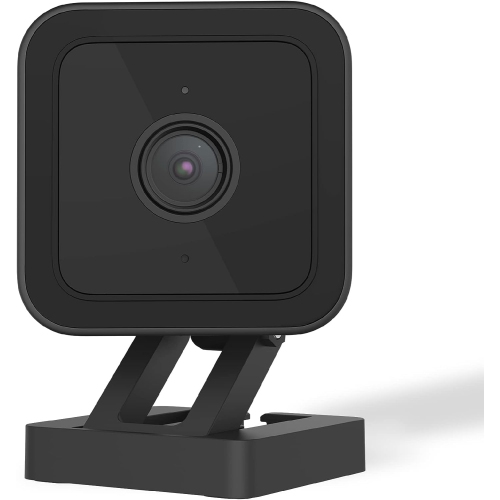 Your price for this item is $95.99
 -
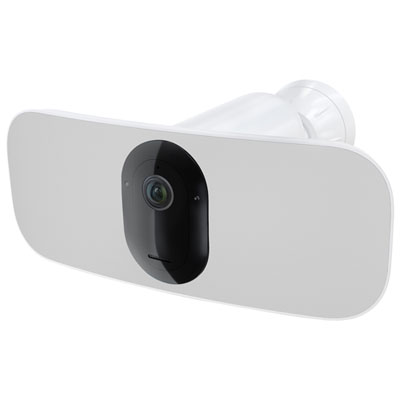 Your price for this item is $169.95
 -
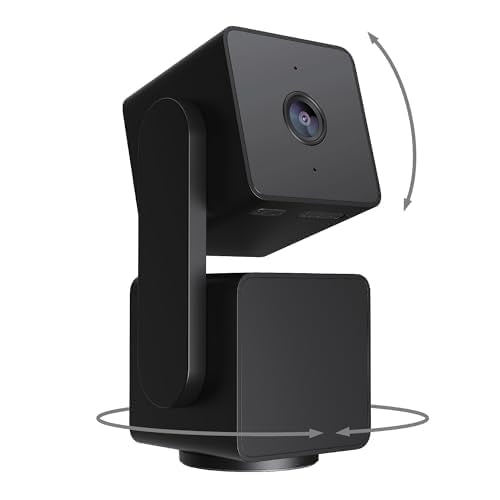 Your price for this item is $105.99
 -
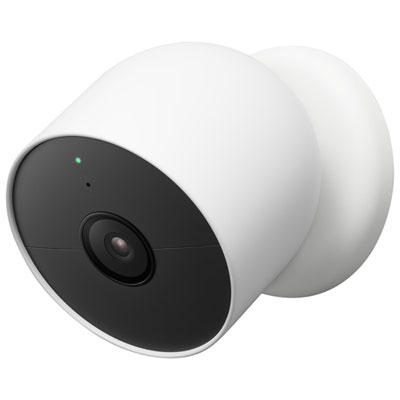 Your price for this item is $239.99
Discover more categories related to Panoramic Cameras
Top Collections:
Pokemon Centers, Kindle Devices, Best Budget Office Chairs, Apple iPhones 16, Best Laptops for Writers, iPhone 15 Apple, Canon G7X Cameras, Refurbished Apple Laptops, Alarm Clock, Motorola Razr Phones
Some products may be subject to Environmental Handling Fees
(EHF) depending on your province.
Learn more about EHFs.