360 Degree Video Cameras
Capture every angle of your adventures with our selection of 360-degree video cameras. Whether you're a travel enthusiast, an action sports junkie, or simply want to document precious moments in a unique way, these cameras offer an immersive experience like no other. With the ability to capture stunning panoramic views and breathtaking footage, you can relive your memories from every perspective. Shop from our range of 360-degree video cameras and discover the perfect companion for your next adventure.
Sort
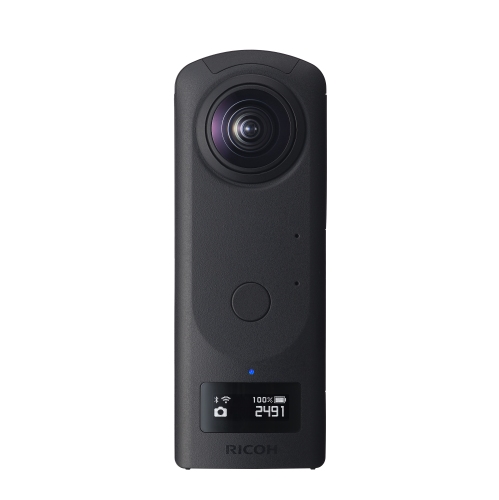
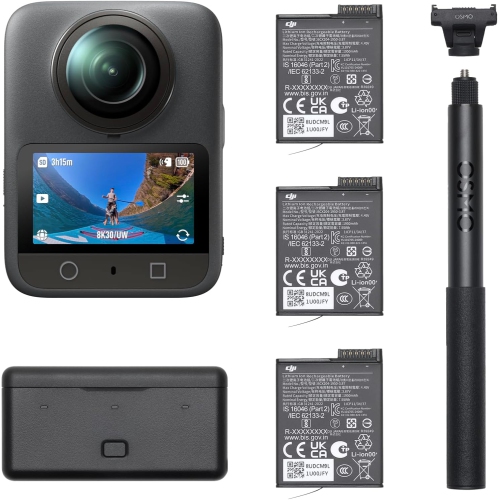
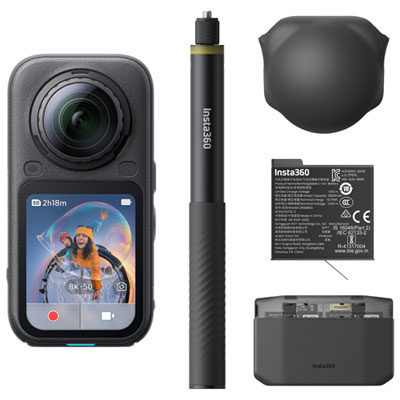
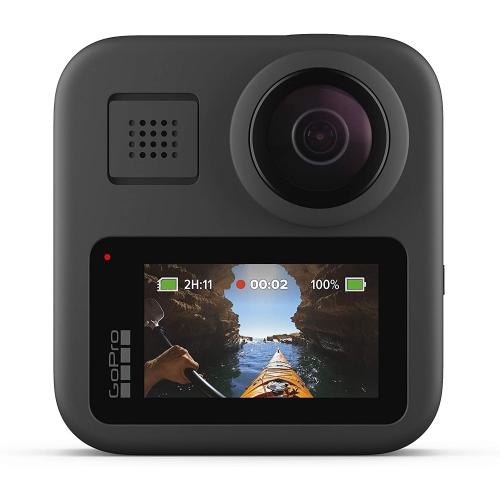
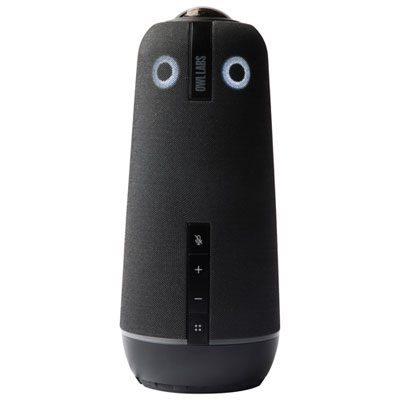
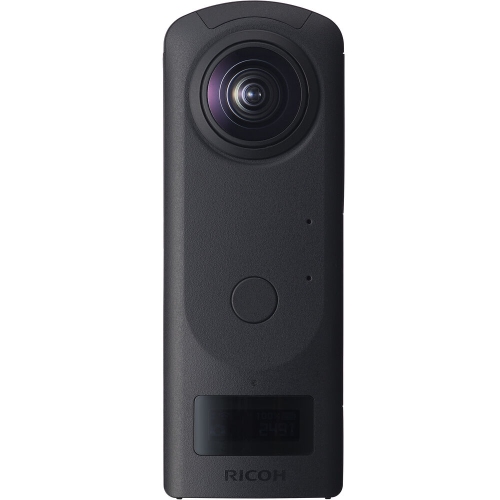
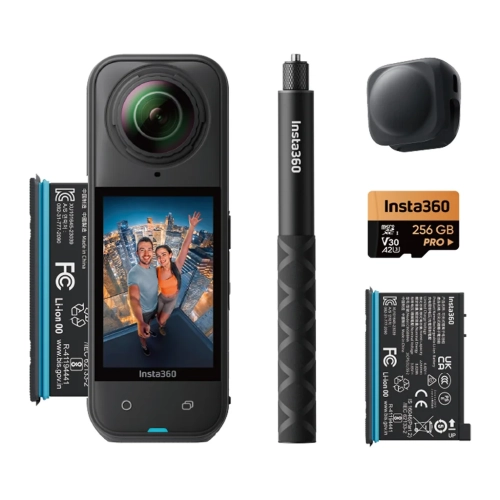
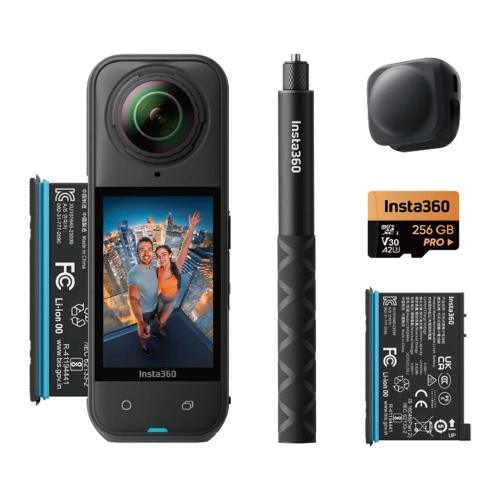
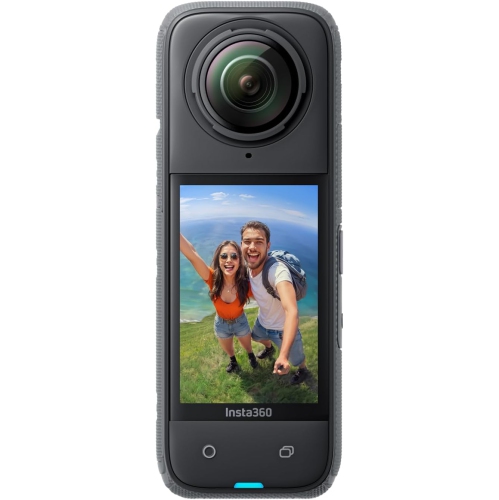
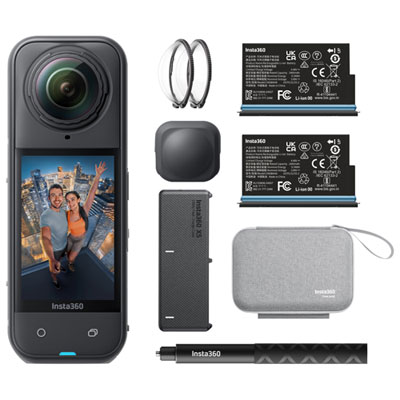
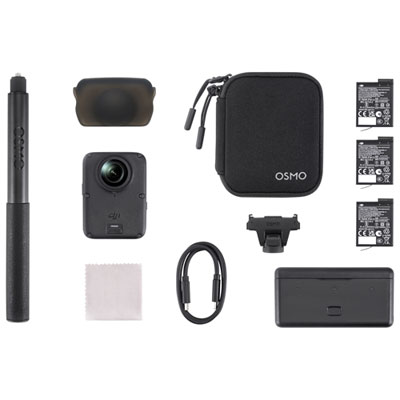
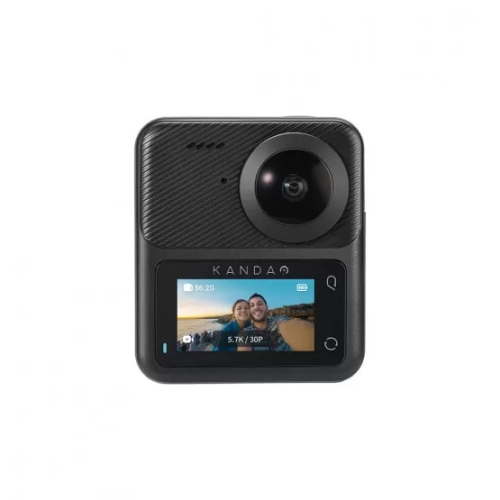
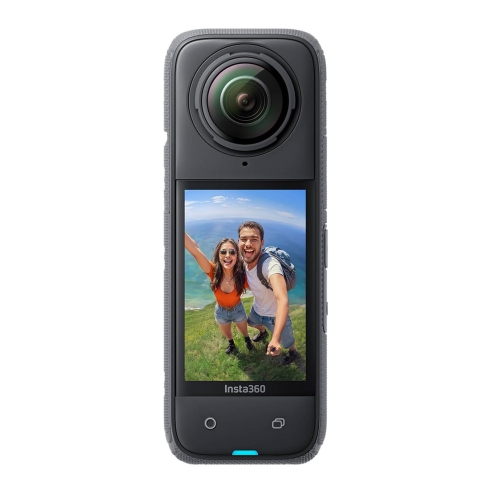
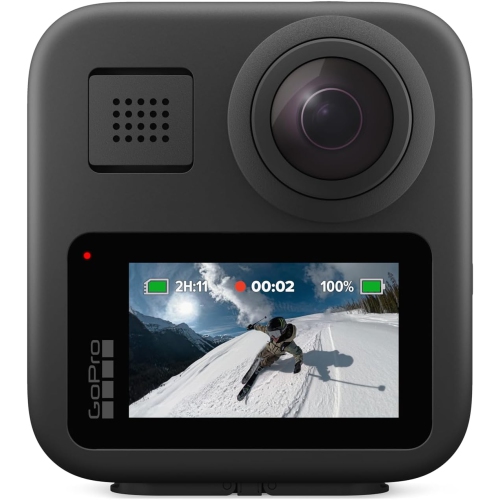
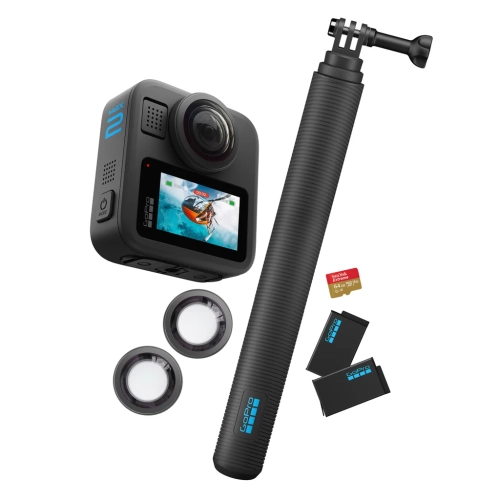
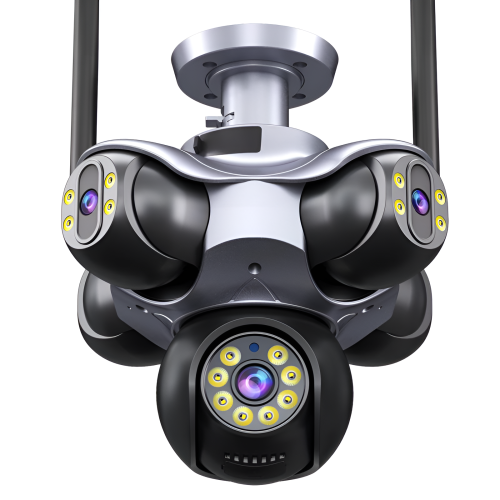
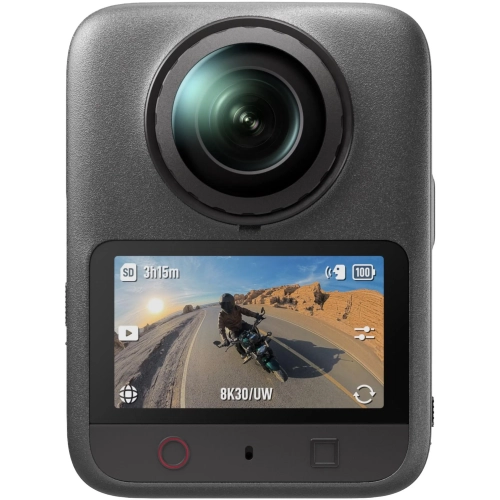
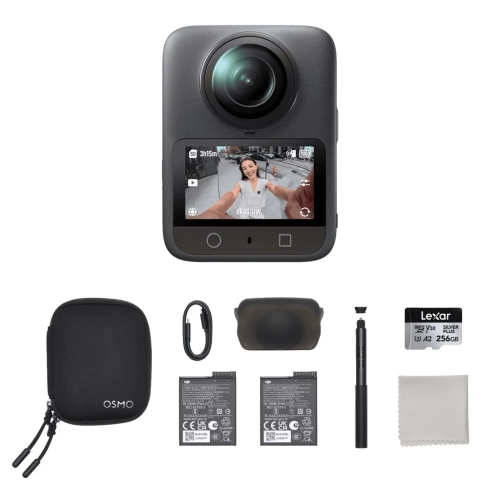
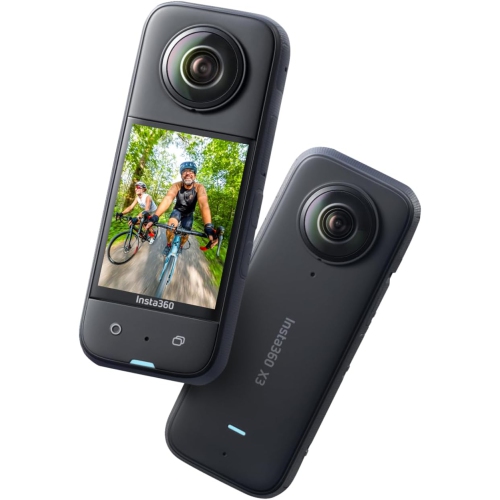
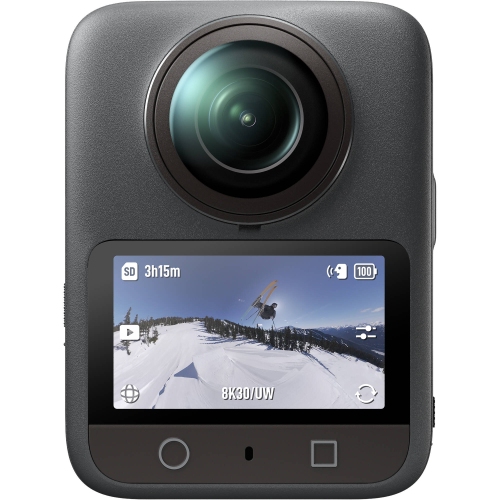
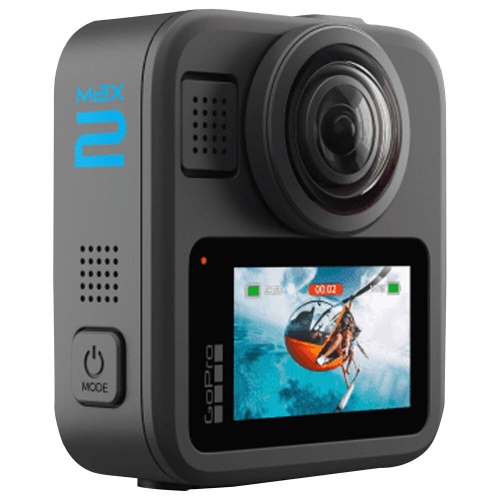
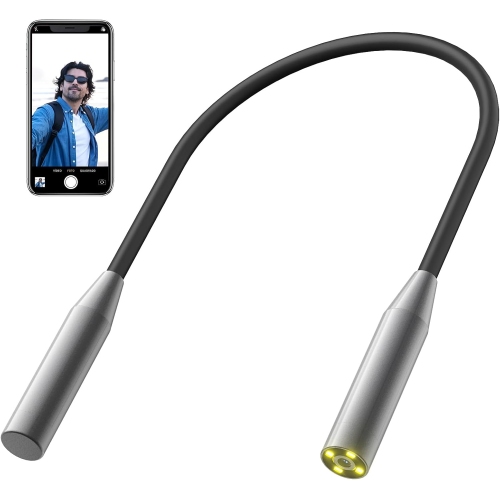
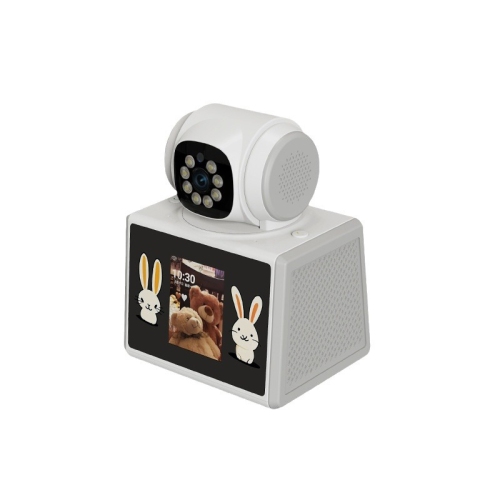
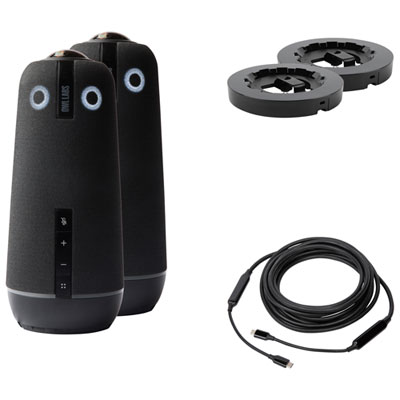
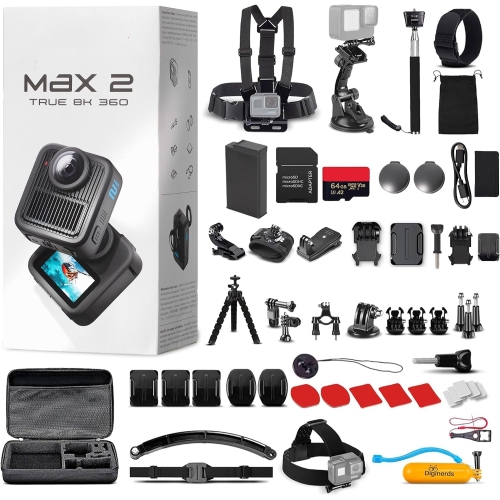
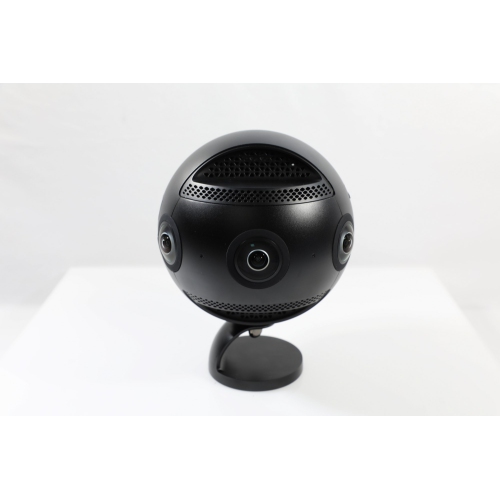
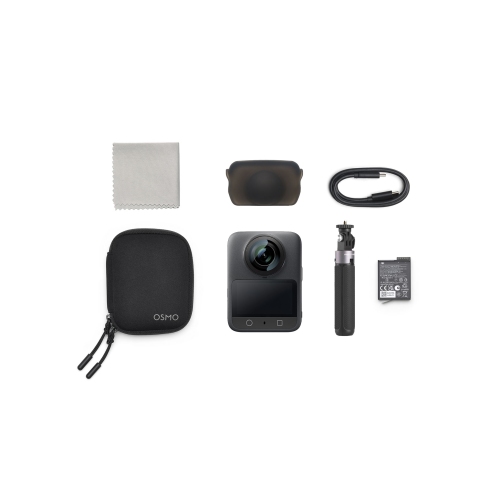
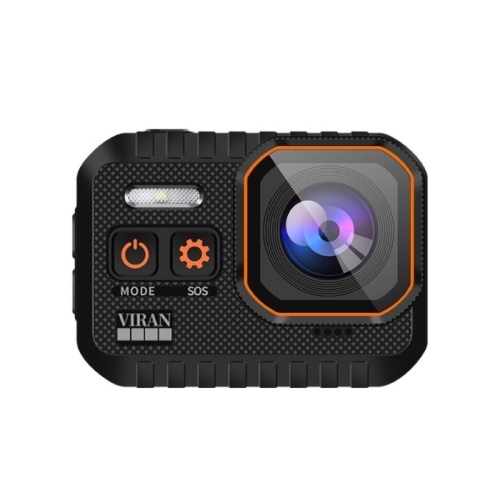
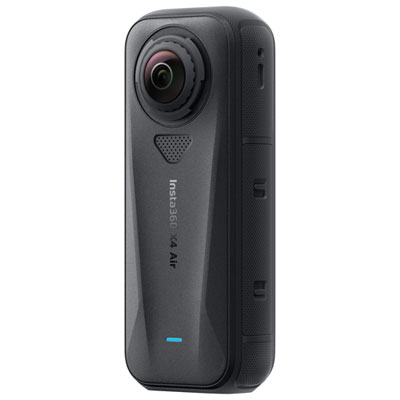
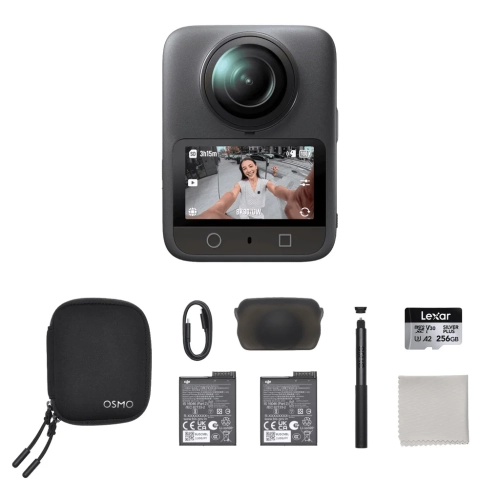
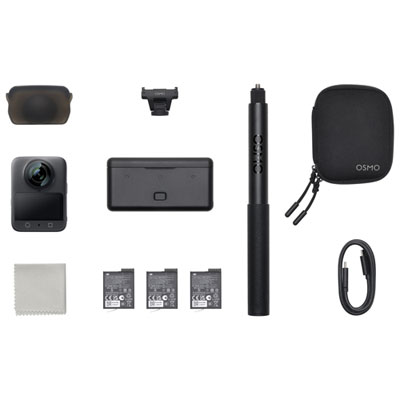
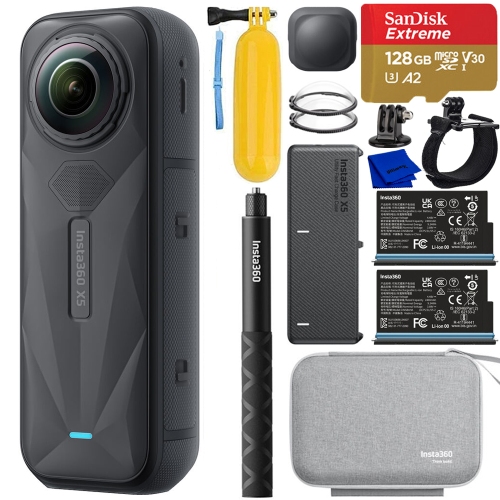
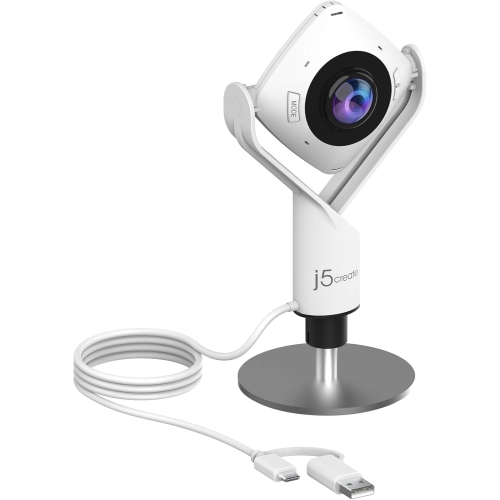
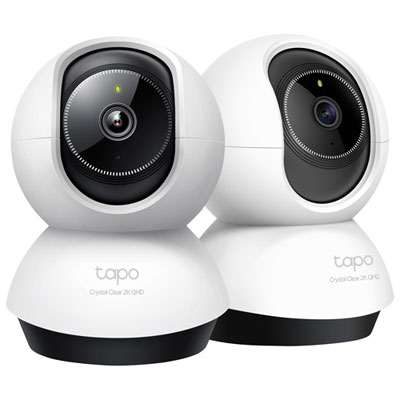
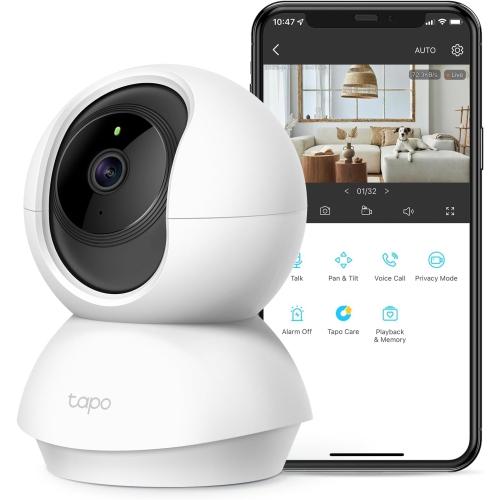

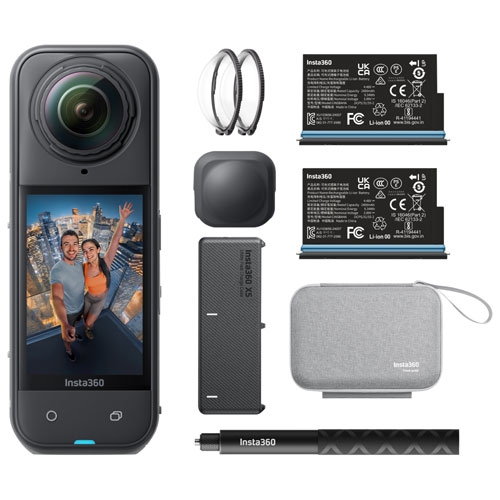
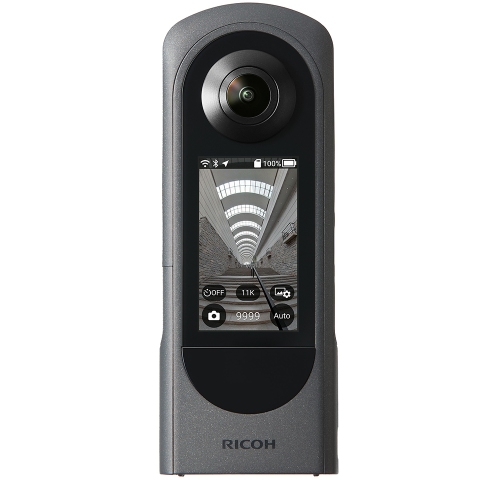
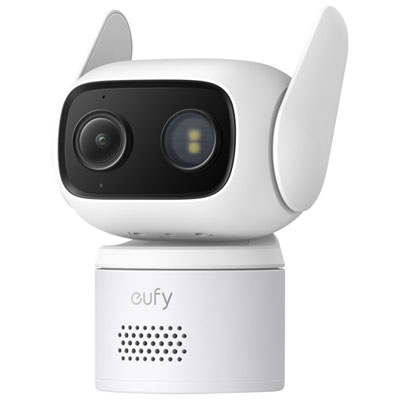
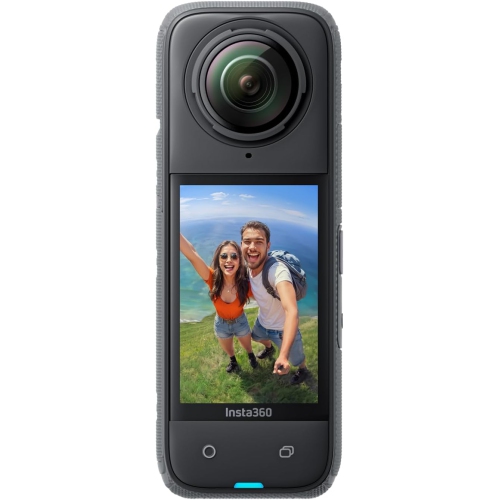
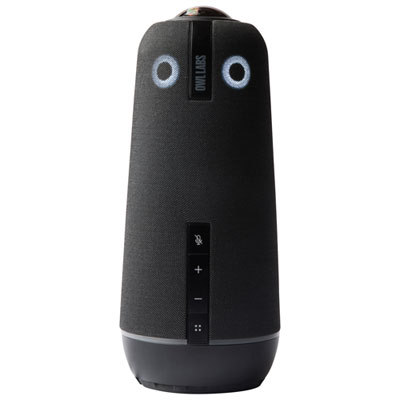
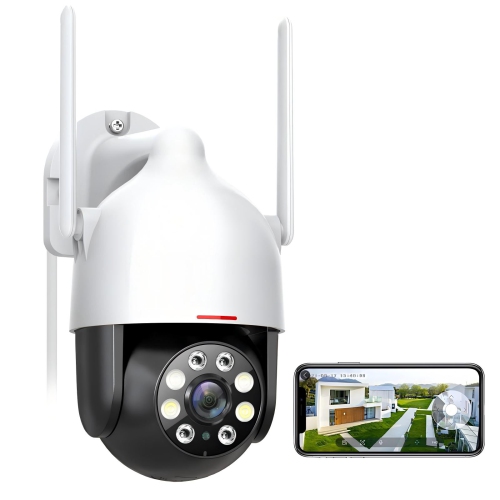
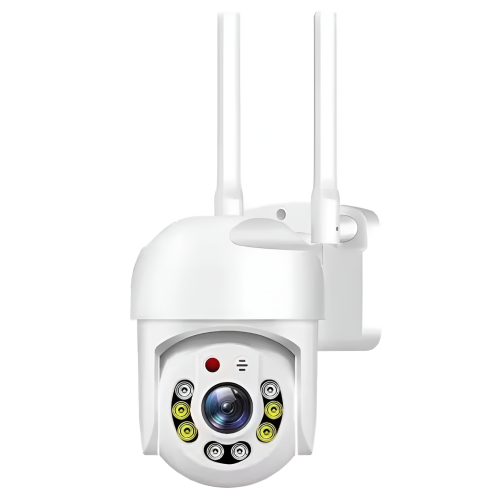
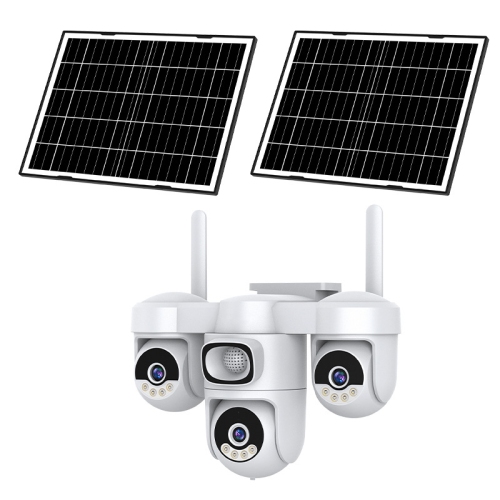
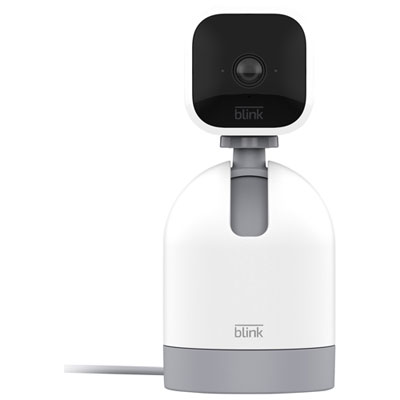
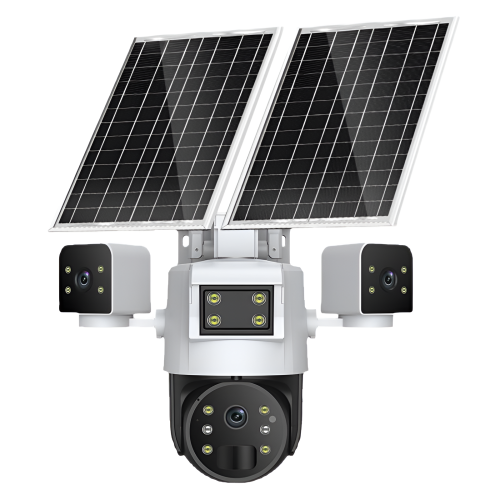
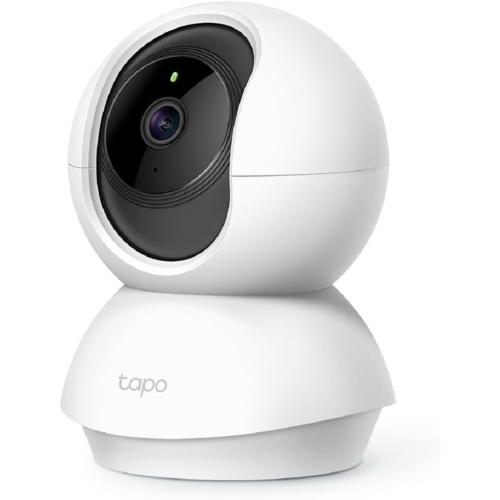
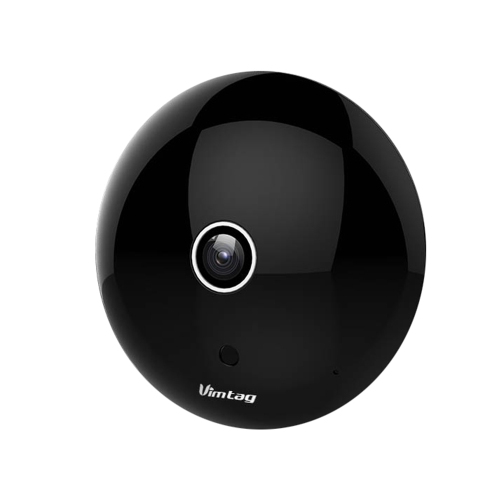
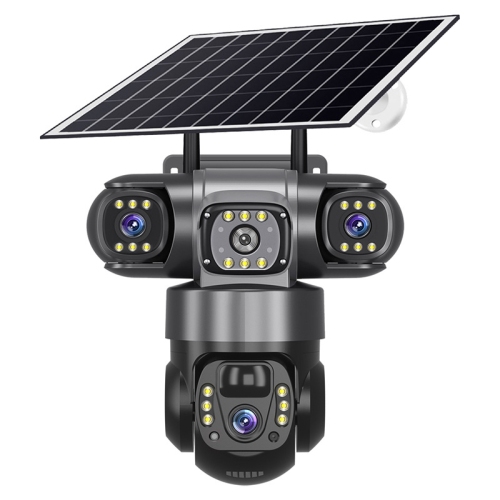

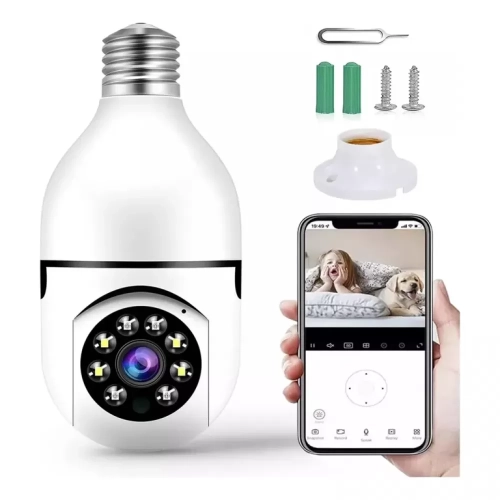
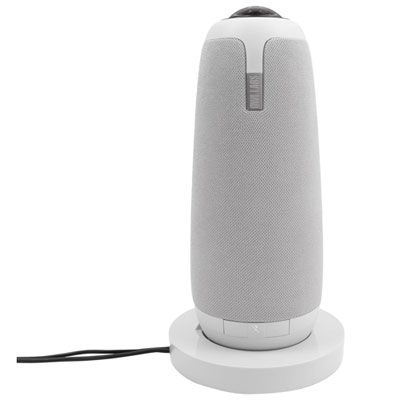
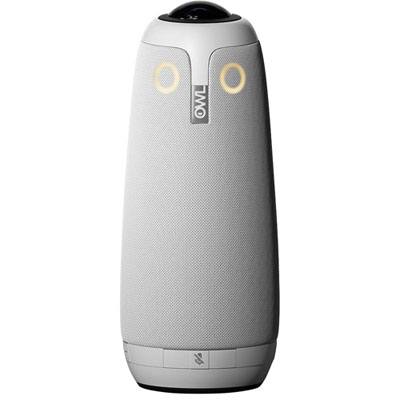
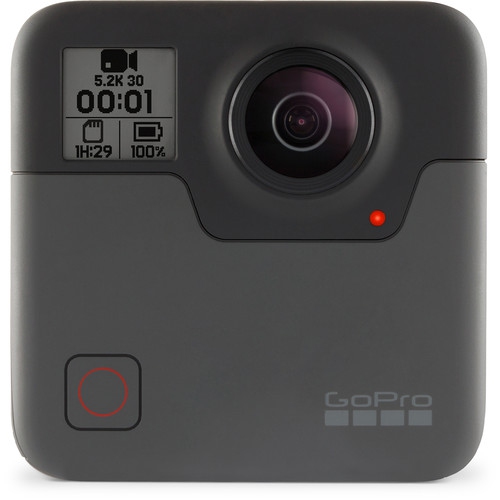
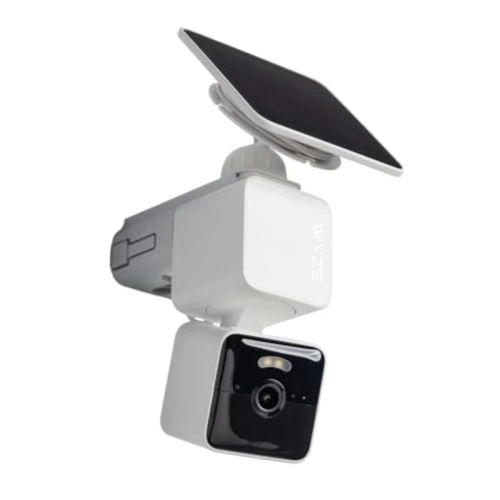
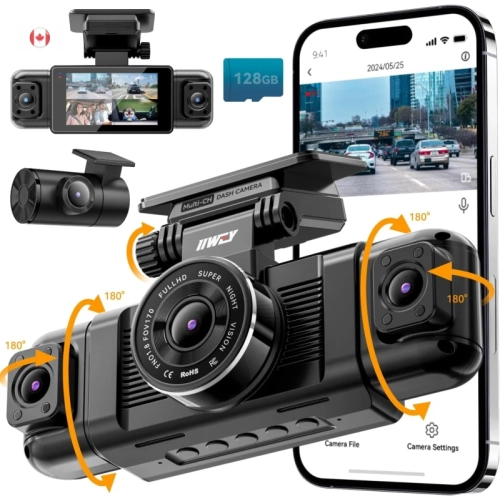
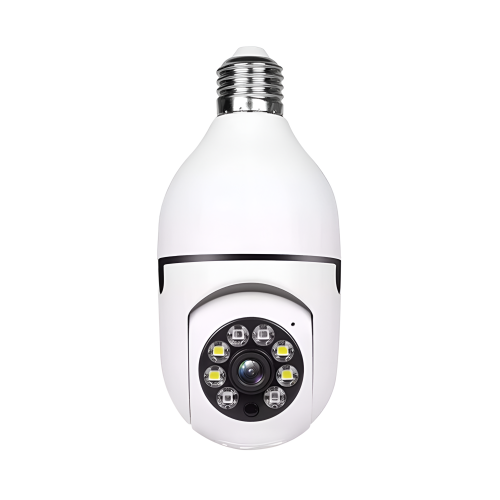
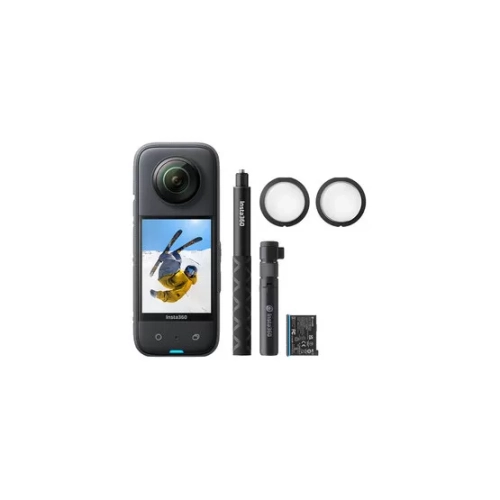

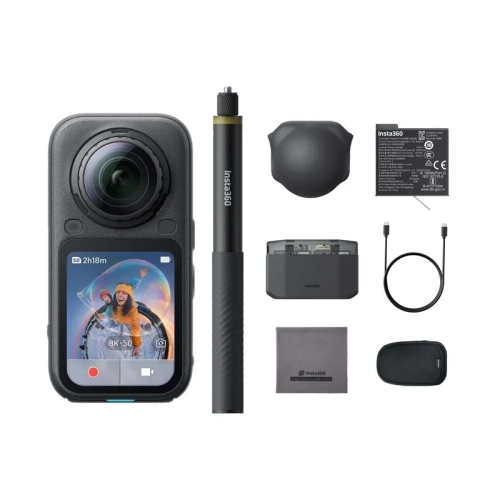
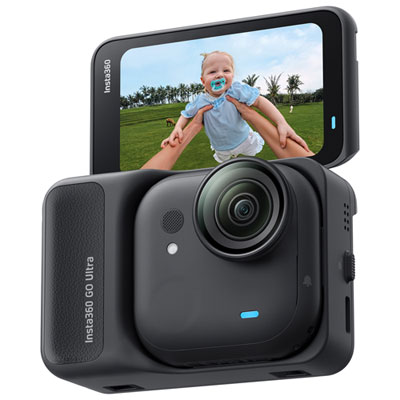
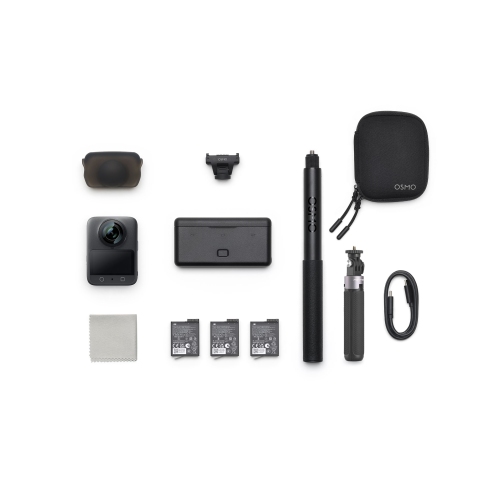
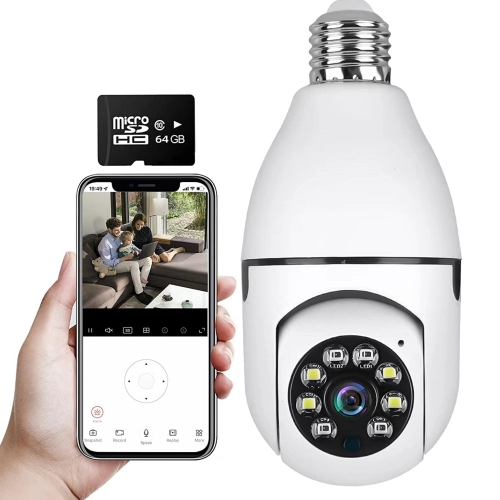
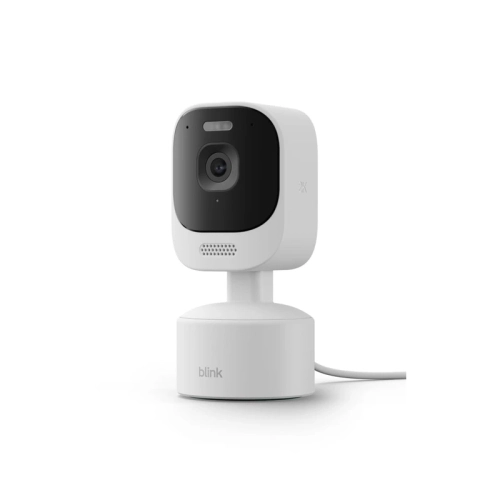
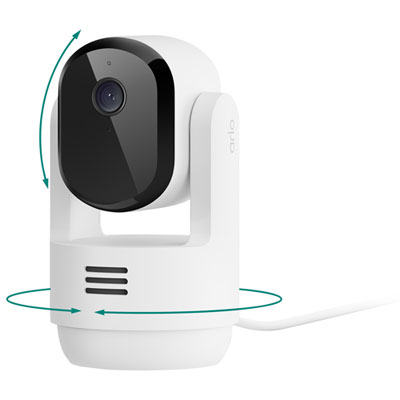
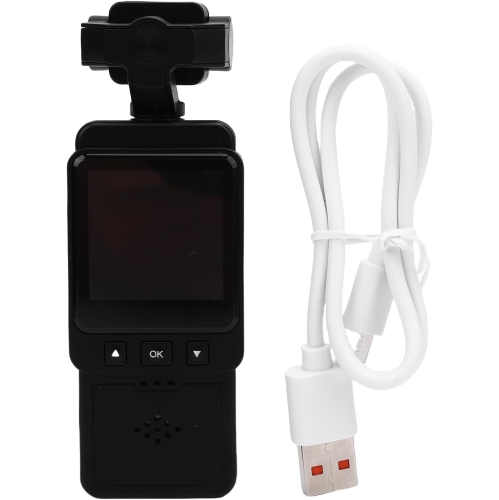
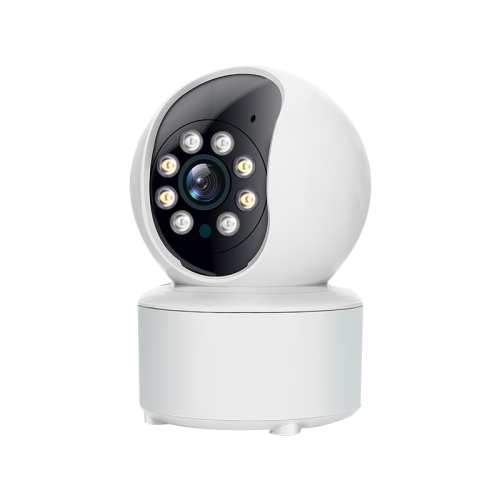
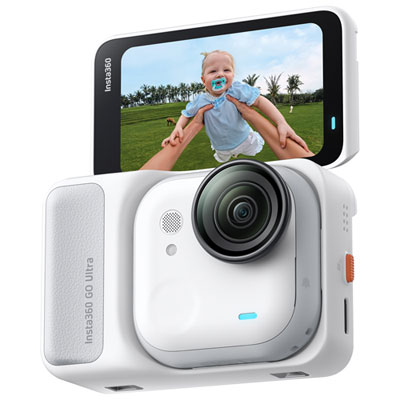

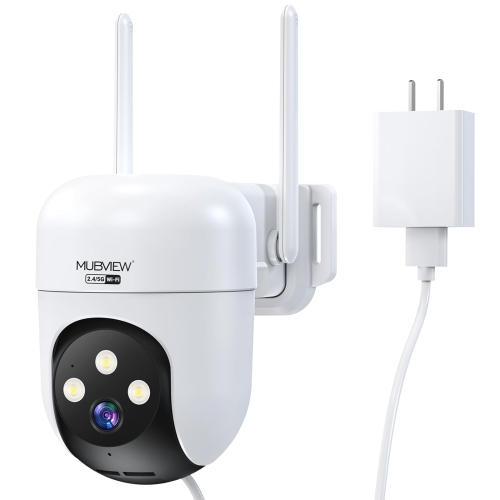
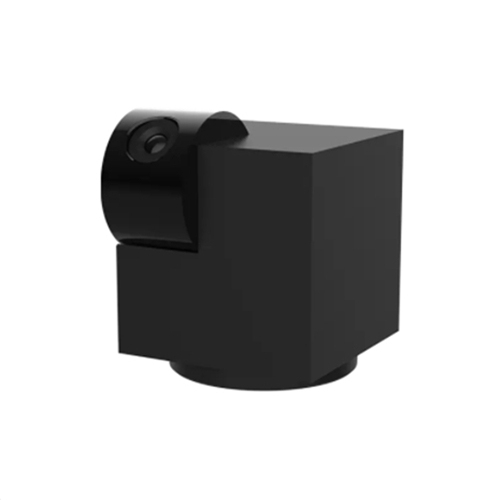
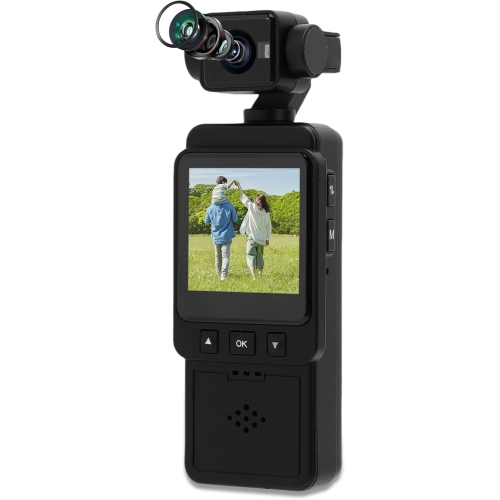
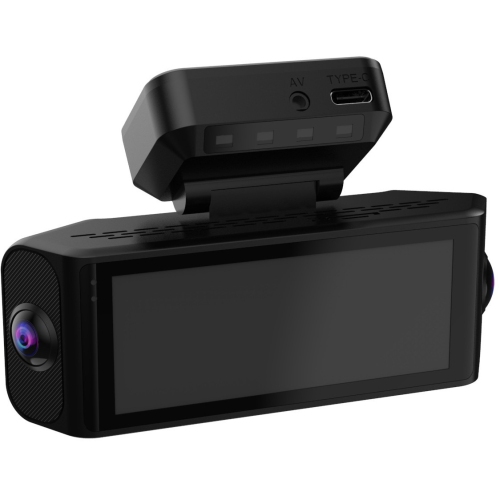
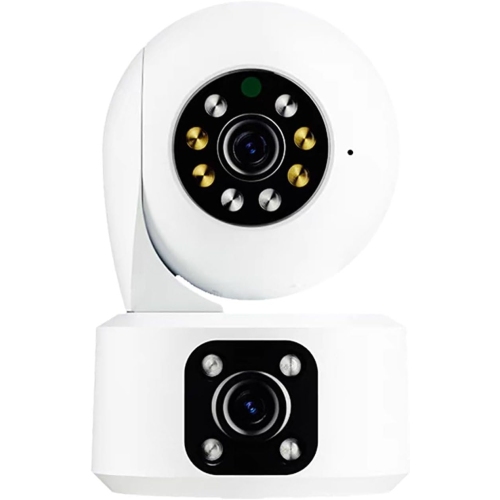
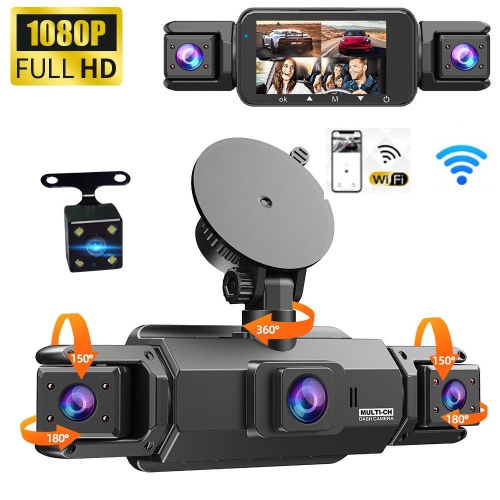
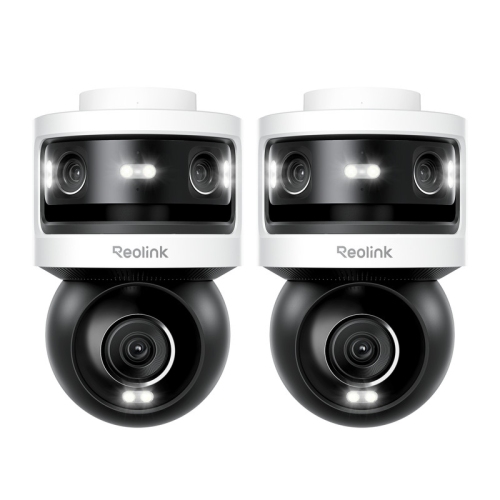
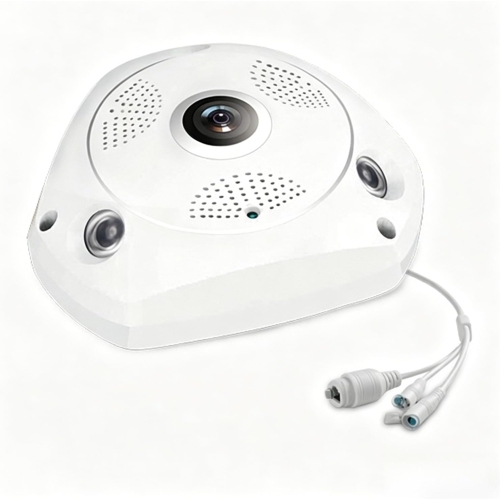
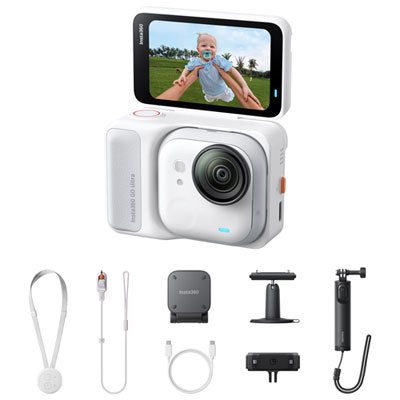

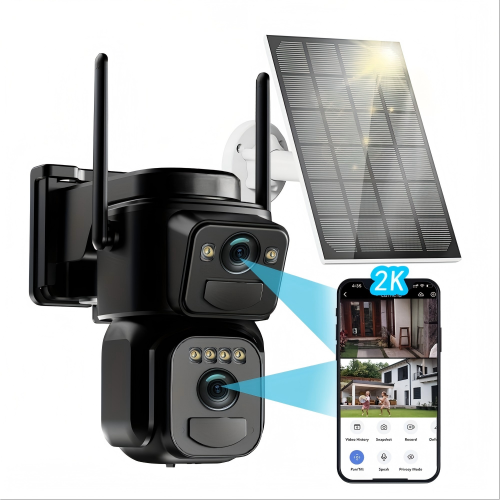
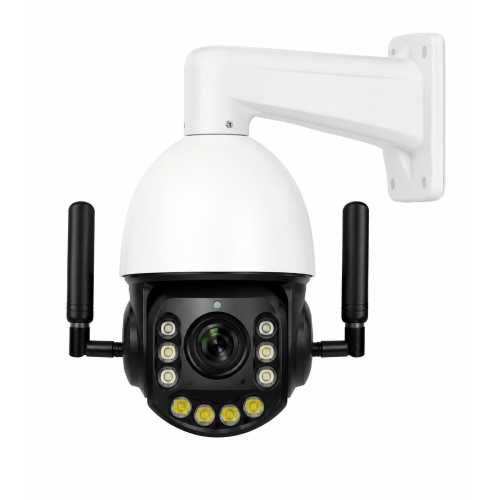
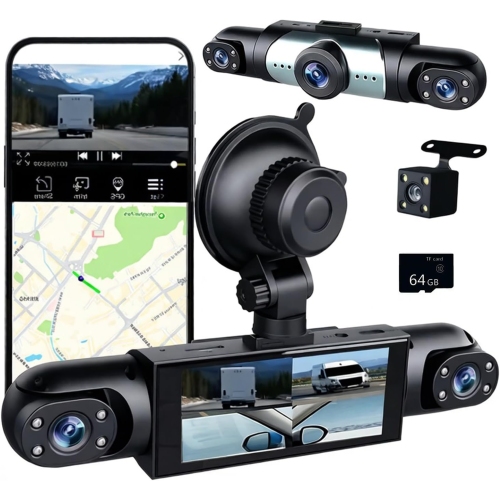
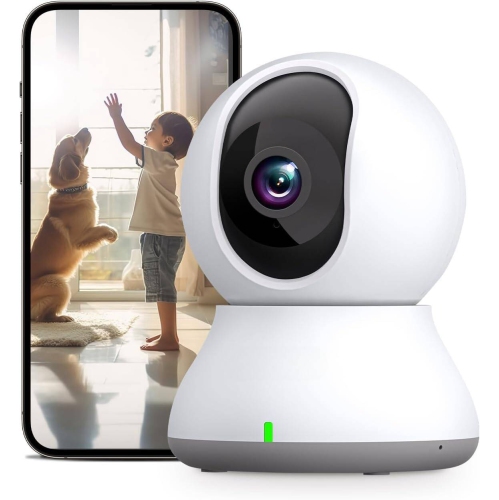
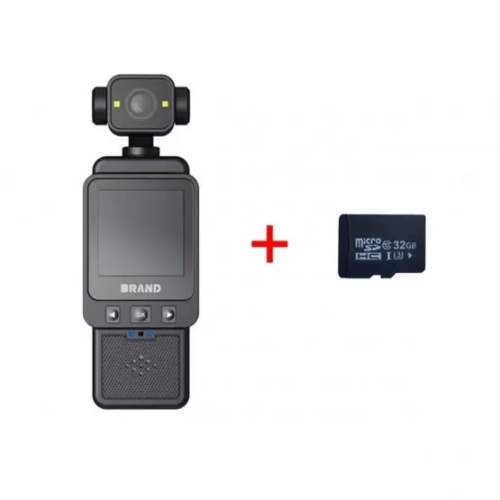
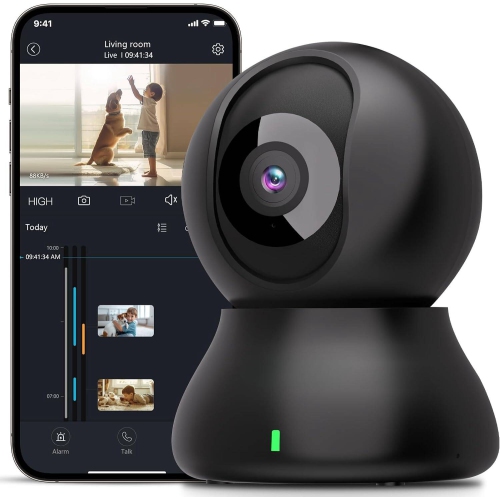
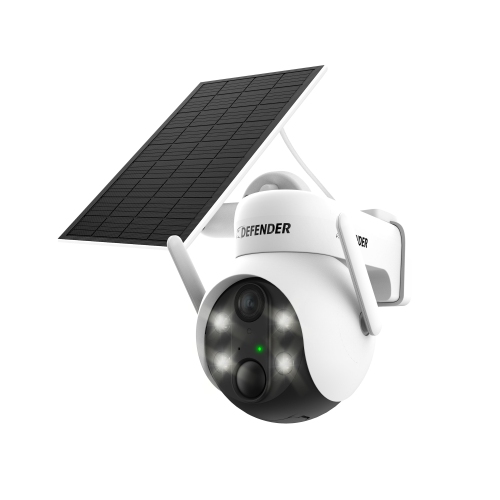
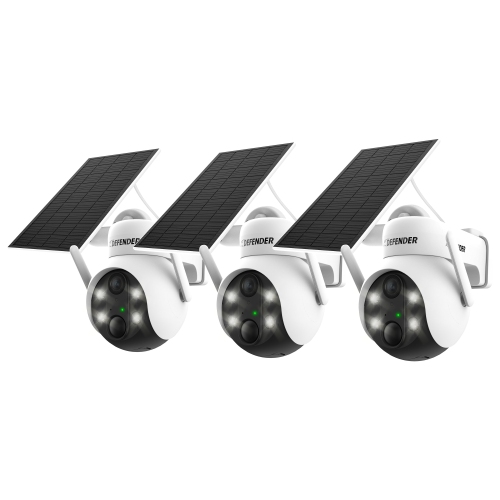
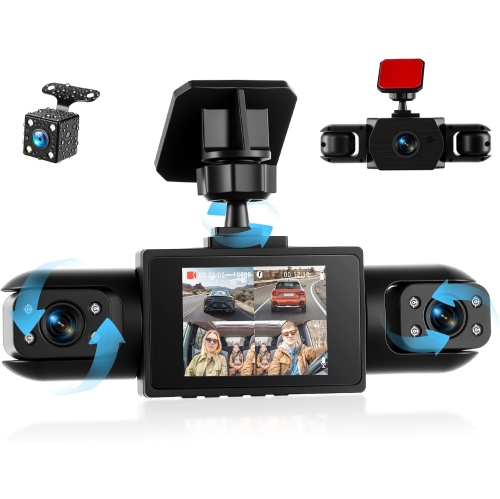
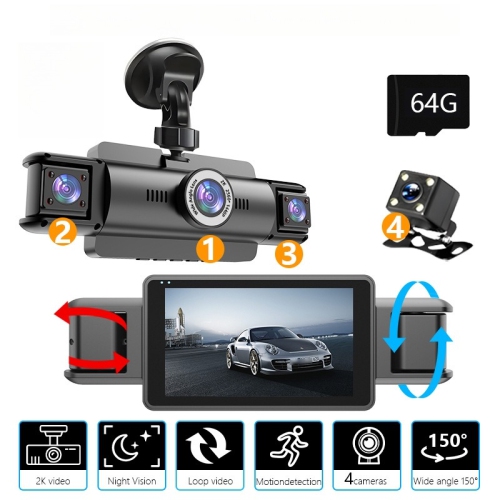
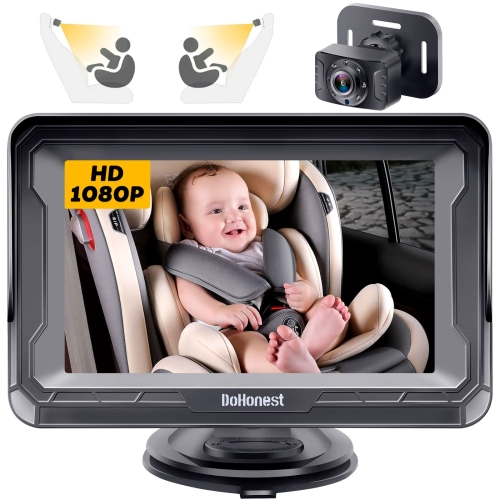
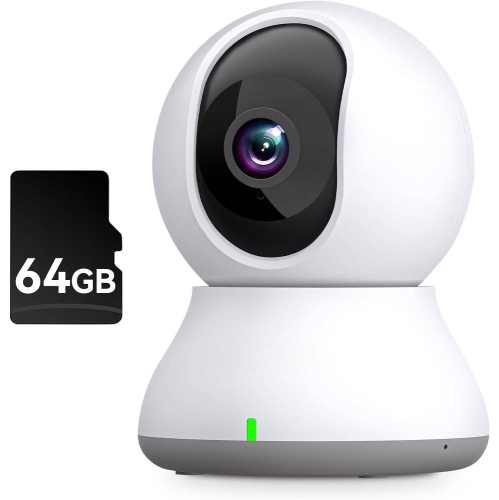
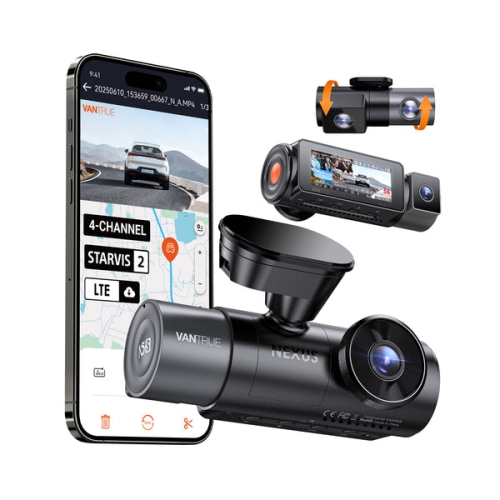
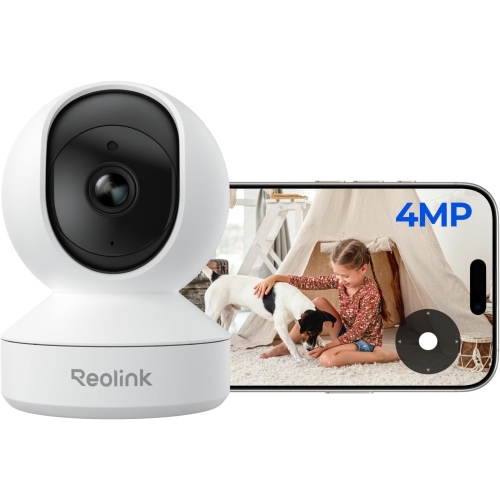
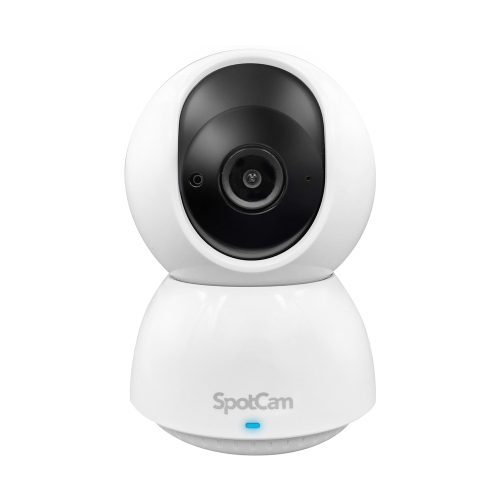
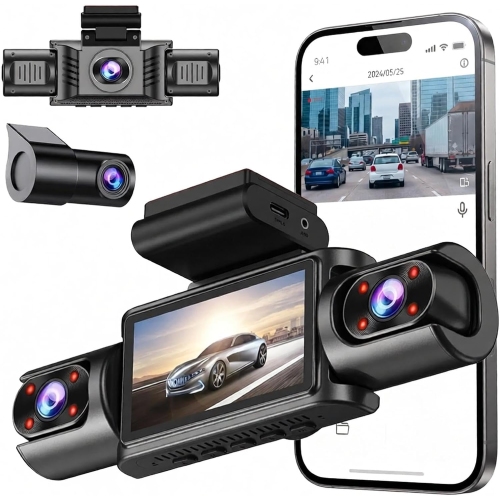
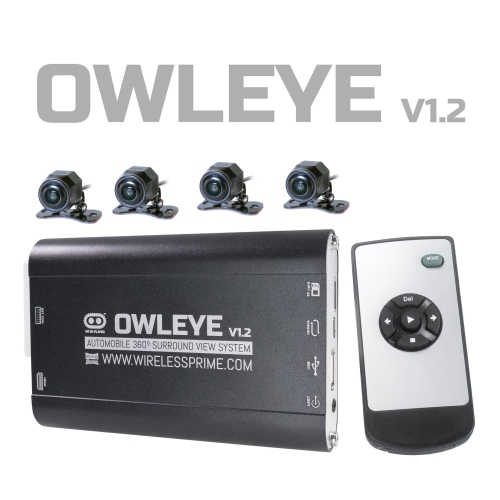
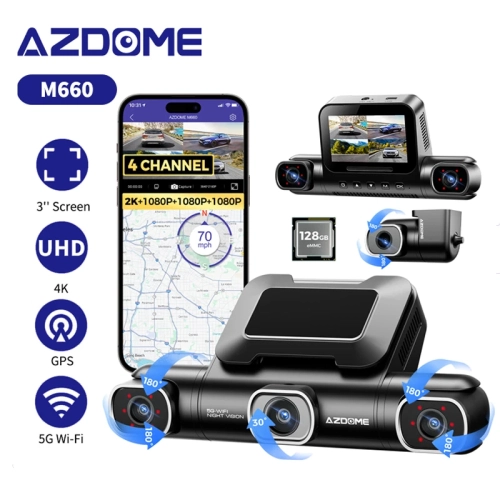

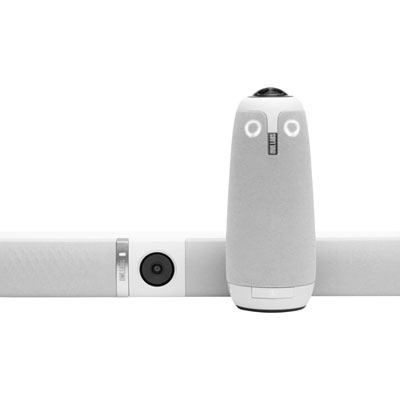

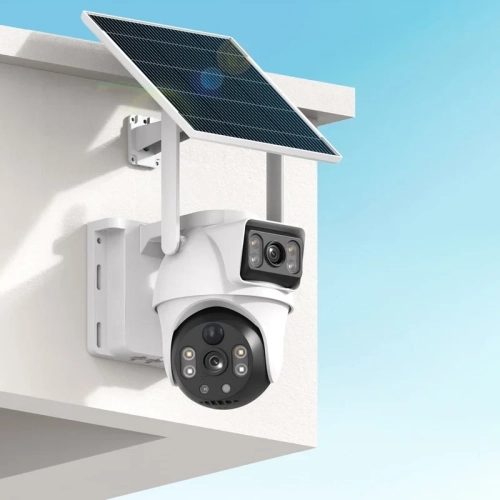
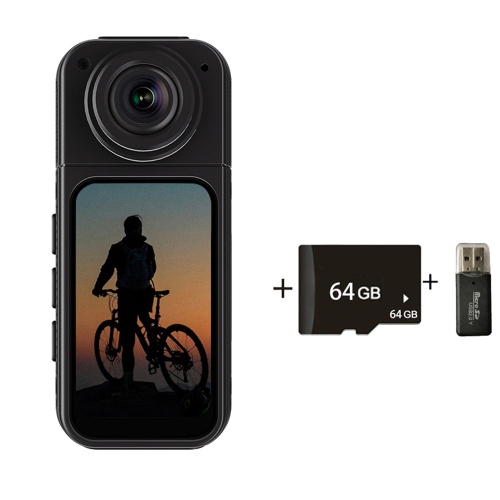
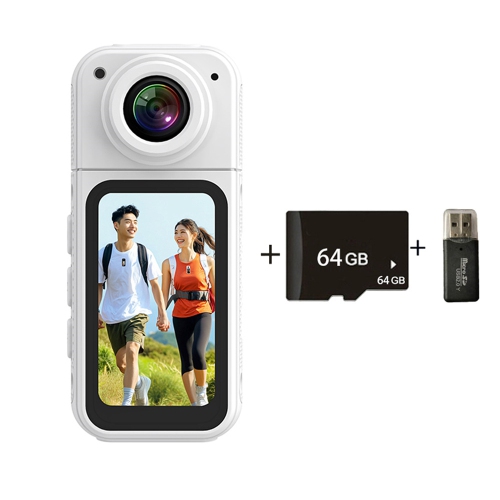
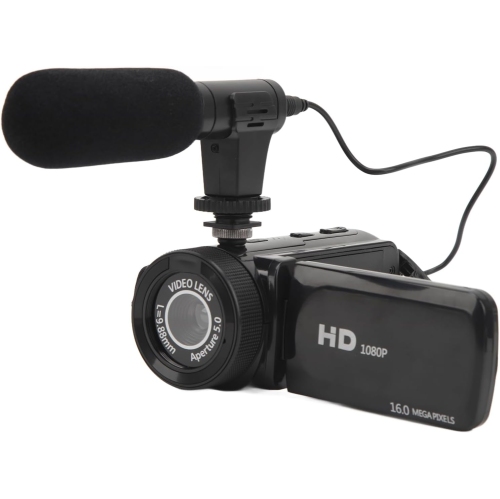
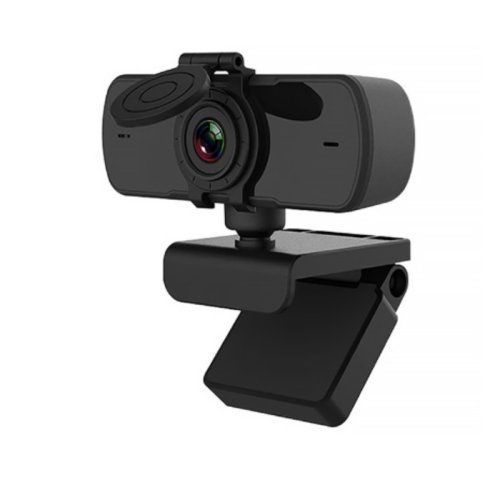
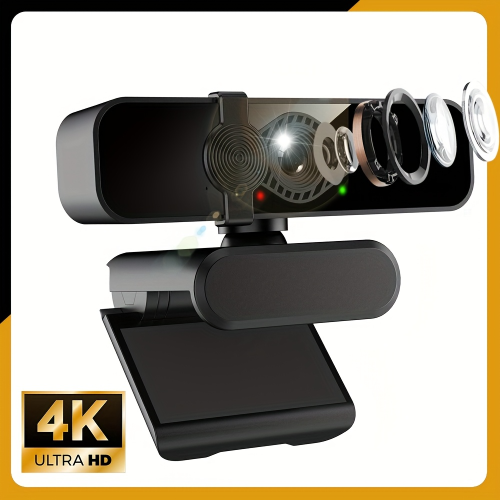
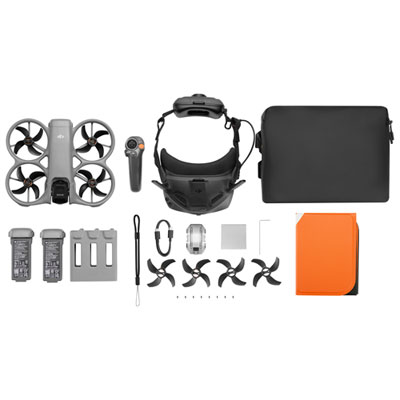
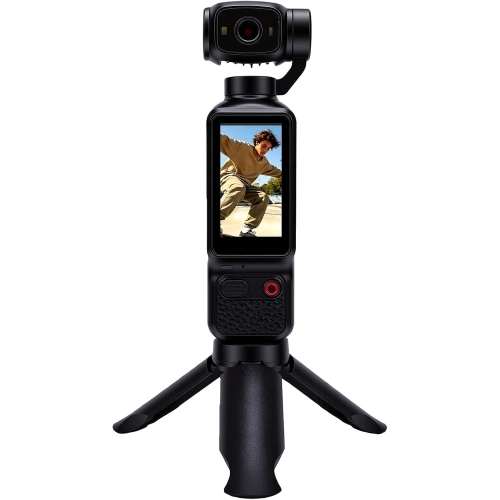
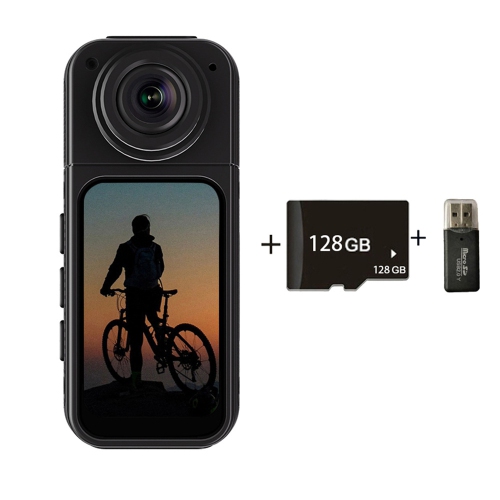
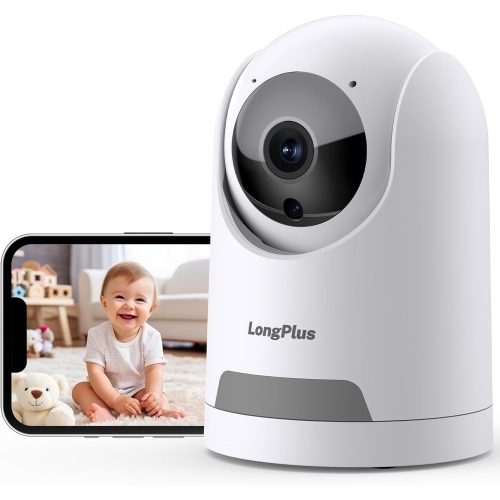
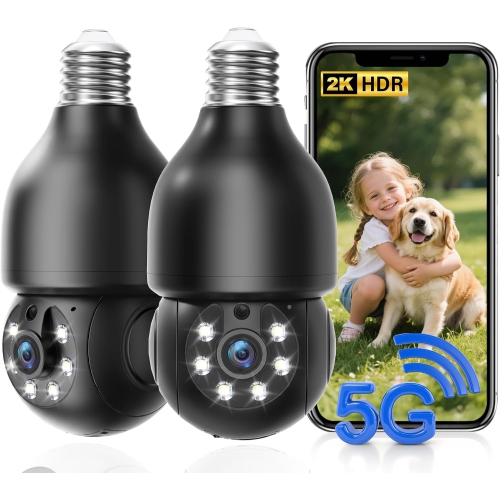
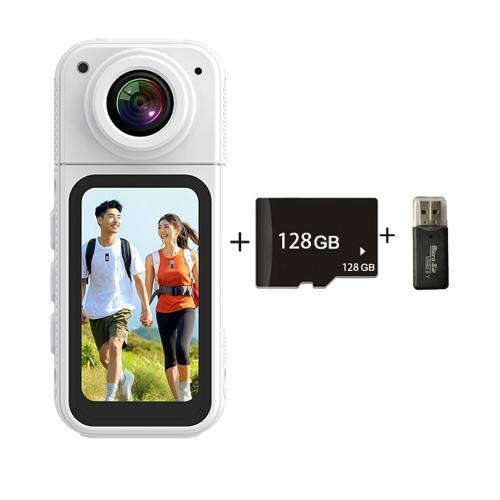
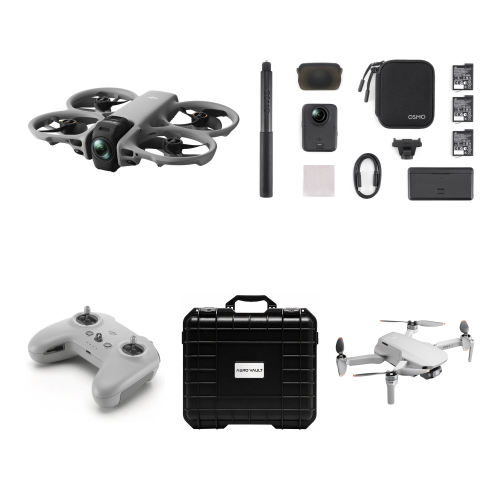
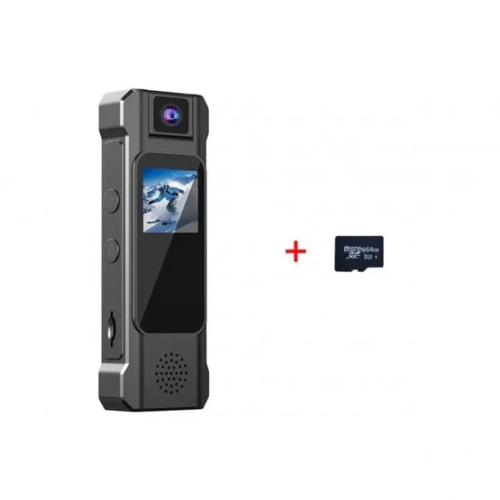
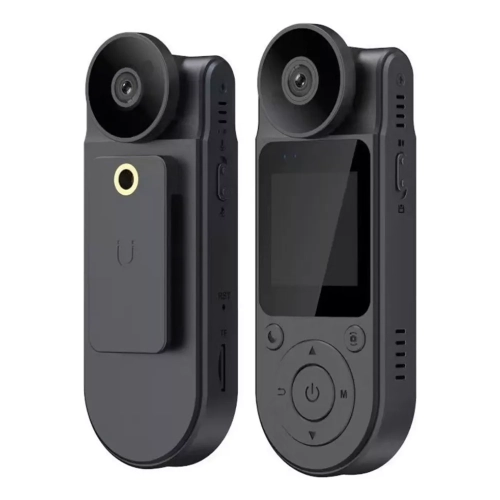
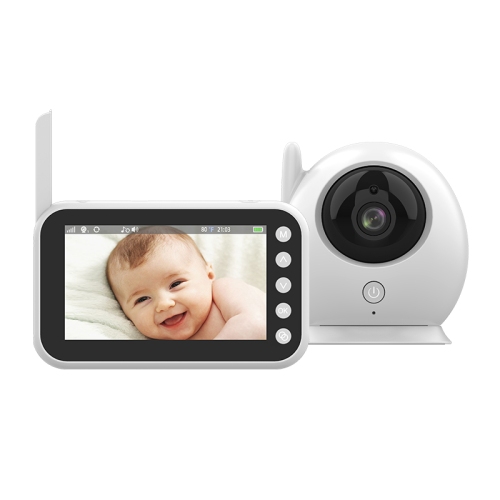
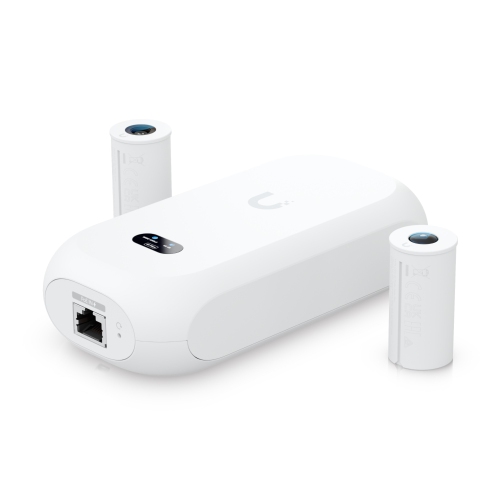
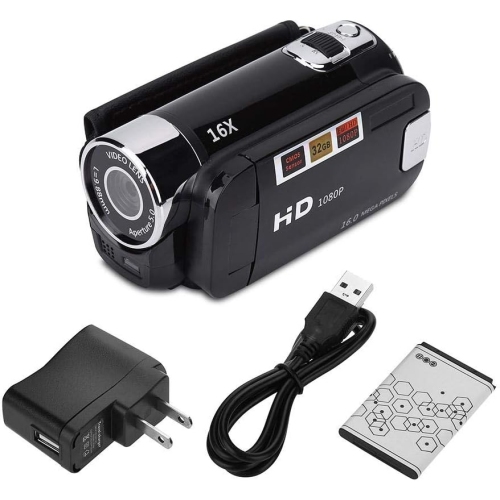
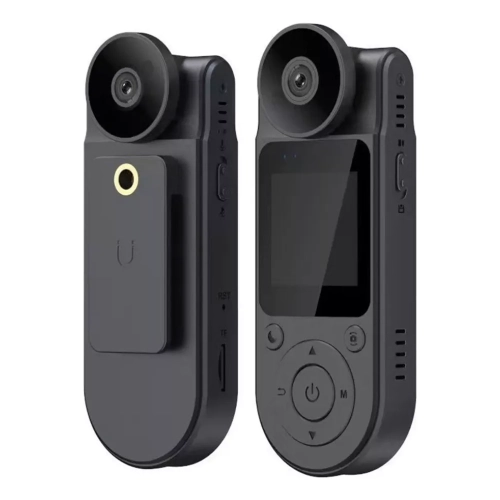
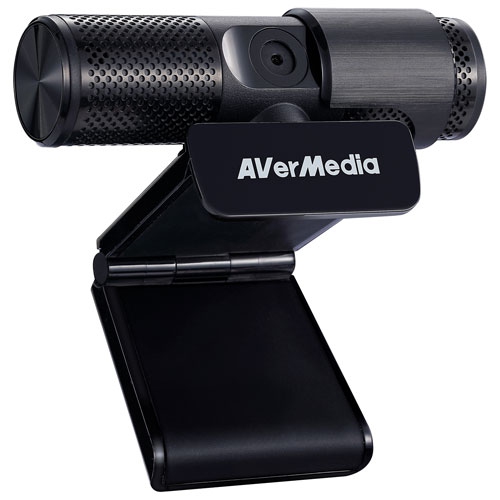
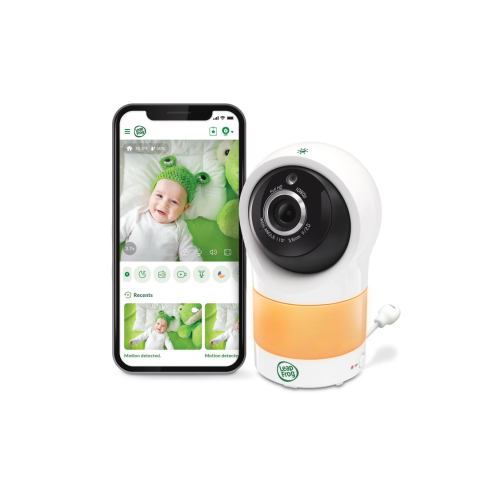
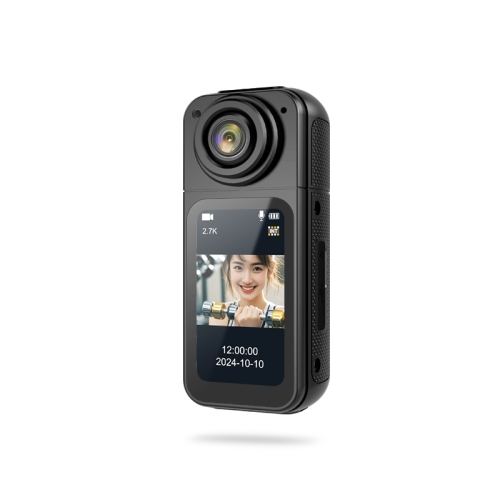
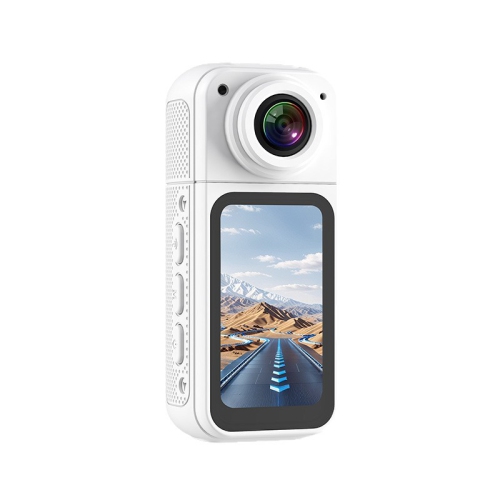
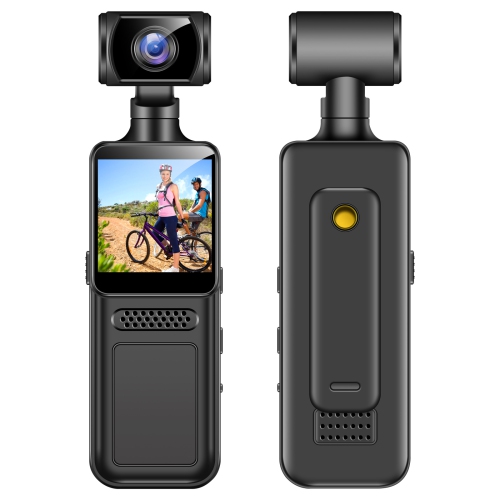
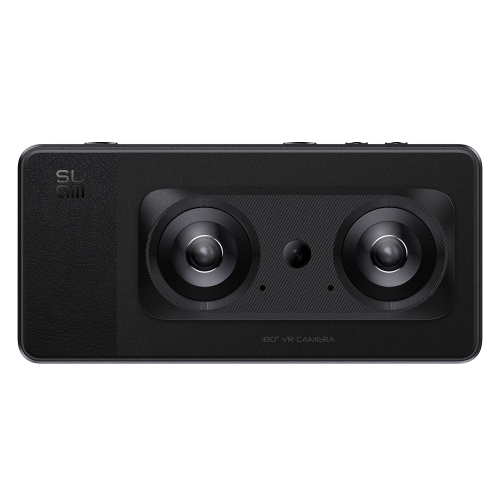
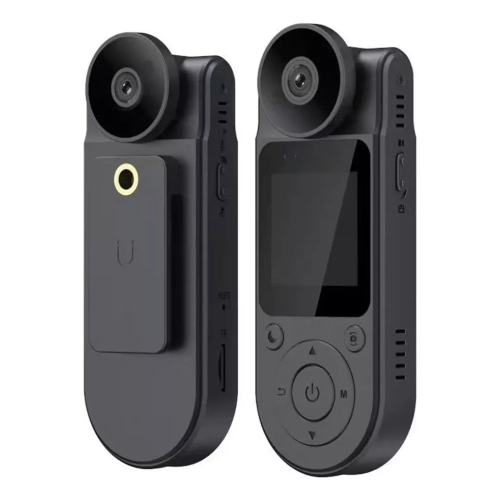
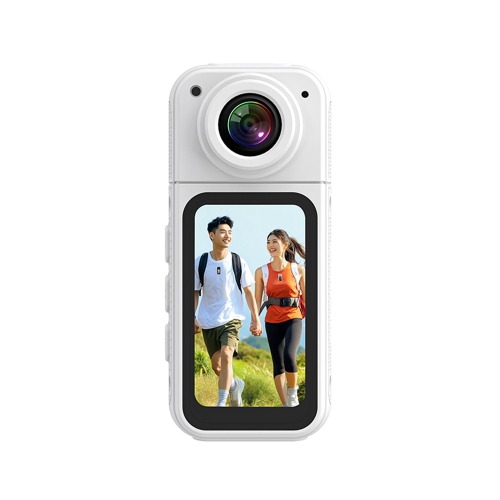
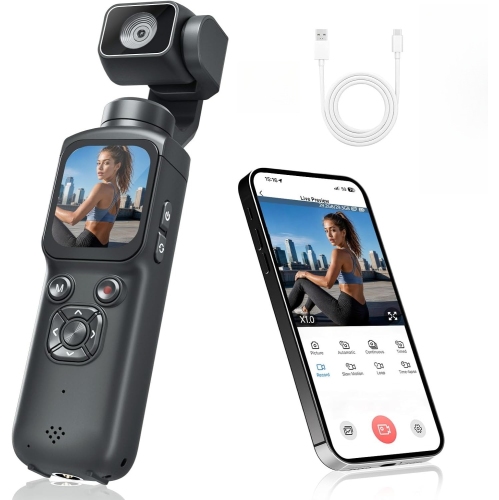
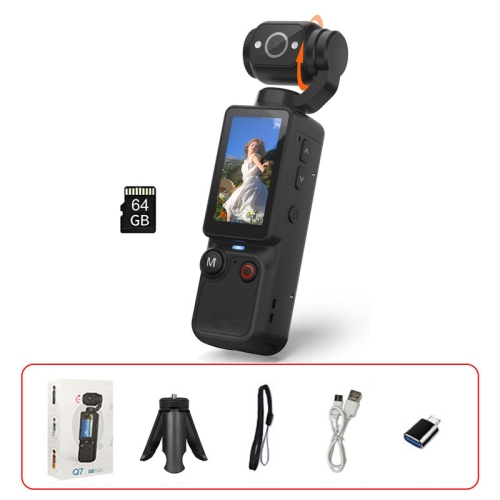
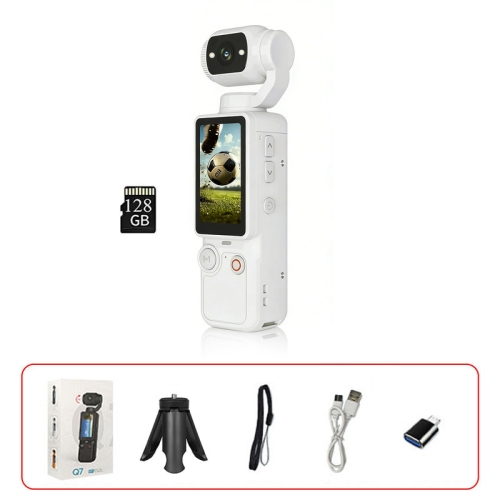
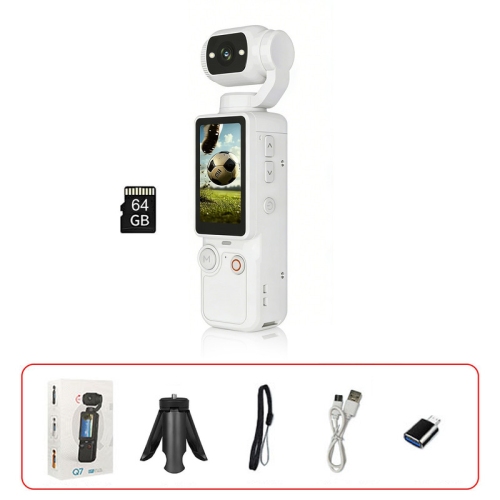
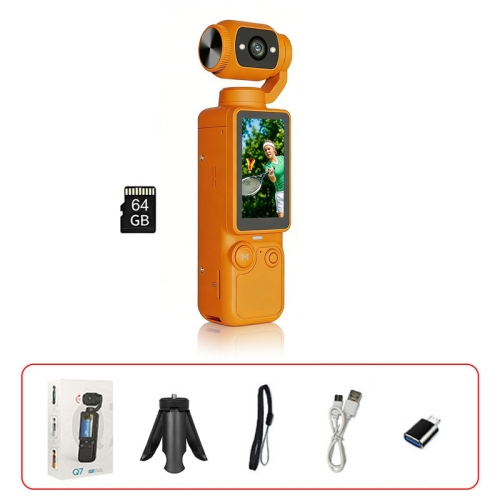
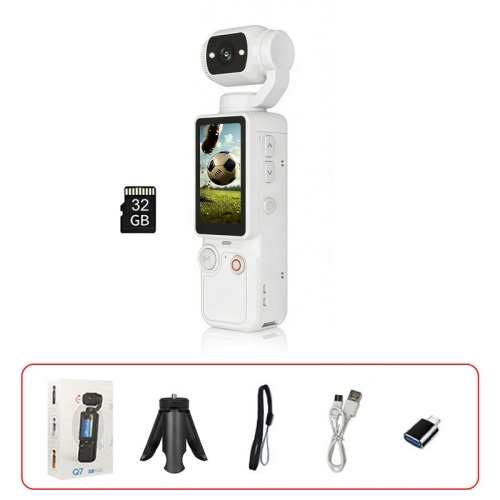
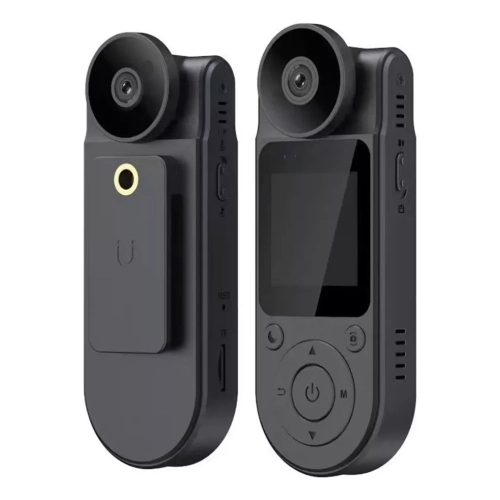
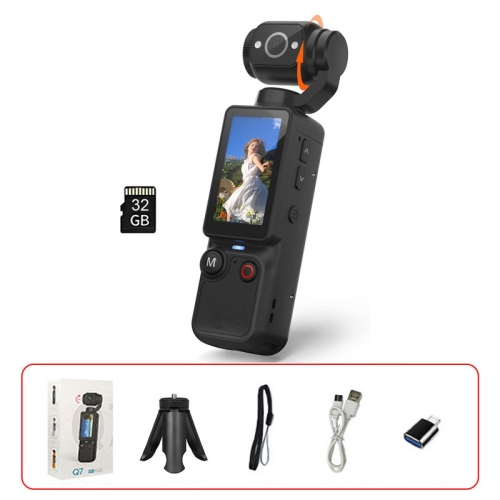
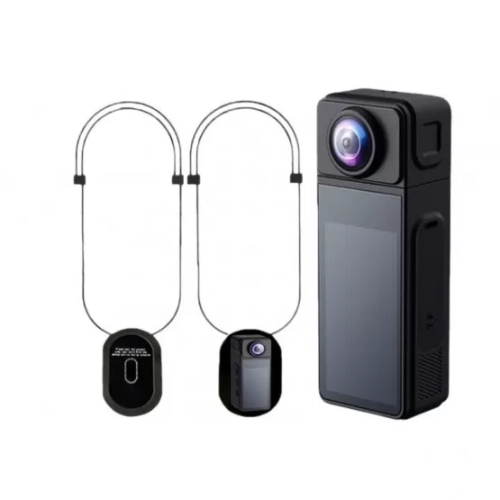
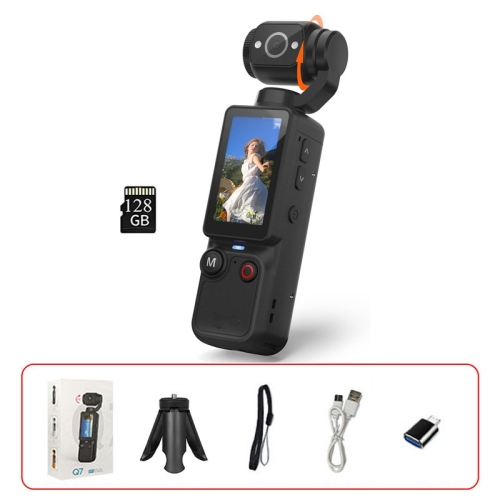
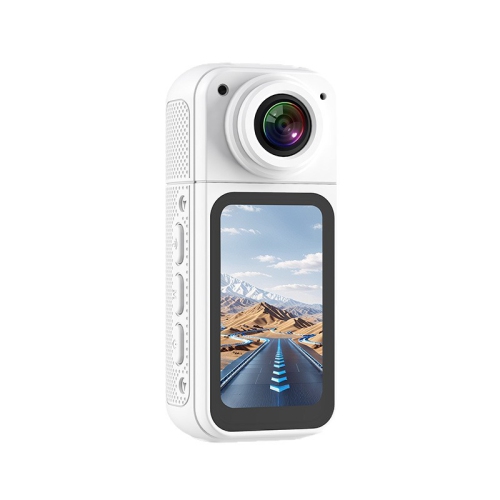
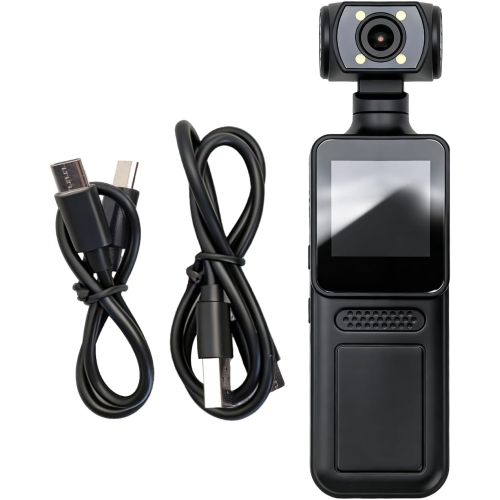
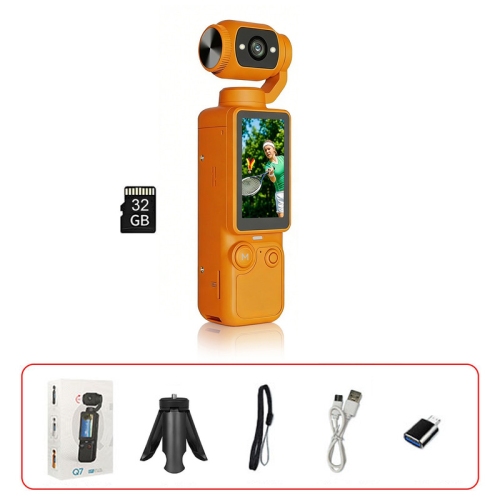
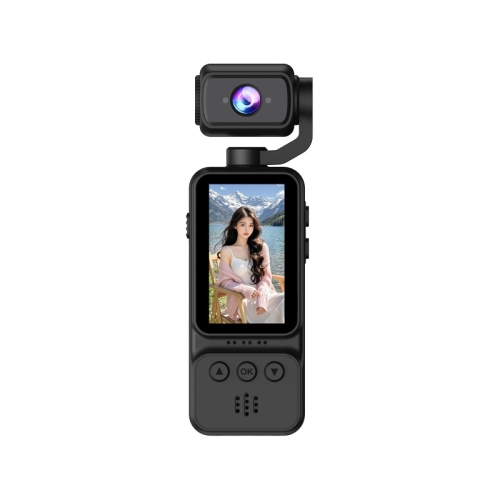
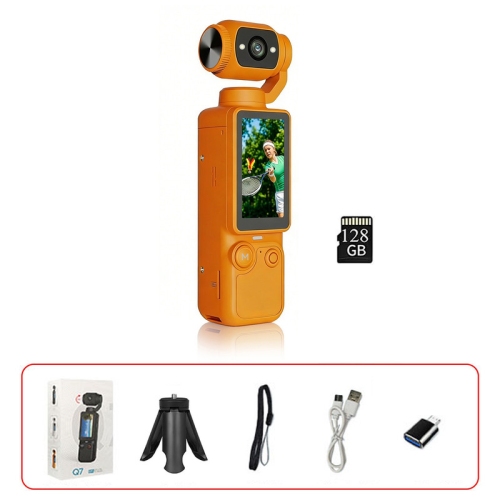
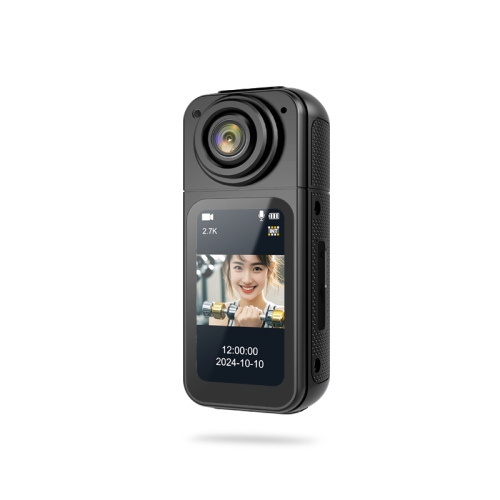
The freedom to choose your angle after filming
360-degree video cameras capture a spherical view of a scene, typically using two opposing ultra-wide-angle lenses whose footage is stitched together by software. Unlike a conventional camera that records only what is directly in front of its lens, a 360 camera records the action around it, allowing the angle and framing to be chosen after filming. That makes these cameras useful for moments that are difficult to anticipate: a cyclist rounding a bend, a performer moving across a rehearsal room, or a family celebration where reactions happen on both sides of the camera. A single recording can become an immersive video that viewers explore by dragging across the screen, or a conventional flat video with carefully chosen close-ups, wide shots, and changes in perspective. This process, called reframing, gives creators room to follow a subject without physically turning the camera throughout the recording. Image quality depends on more than the resolution printed in a specification. Because a 360-degree recording spreads its pixels across the entire sphere, a cropped view will contain less detail than the full recording, especially when reframed tightly around a distant subject. Higher recording resolutions can provide more flexibility for reframing, while higher frame rates can help fast movement look smoother or support slow-motion playback when the recording mode allows it. Lens quality, image processing, and lighting also influence the result. Detailed indoor scenes and moving subjects in dim light can be more demanding than brightly lit, evenly illuminated spaces. Stabilization and horizon-levelling features are especially relevant for handheld filming and active use, helping footage look steadier as the camera moves. These features vary by camera and recording mode, so the most useful combination depends on whether the priority is immersive playback, energetic action clips, or polished everyday videos. For a creator filming alone, the freedom to choose the viewpoint later can be as valuable as the resolution itself.
The physical design of a 360-degree video camera matters because its lenses usually extend beyond the body to capture such a wide view. A compact body can be comfortable on a handheld grip, while its weight and shape become more noticeable when attached to a helmet, bicycle mount, or extended pole. Mounting compatibility, the position of the attachment point, and access to the screen and buttons all affect how practical a setup feels in use. A secure attachment is important for moving shots, and a mount should suit both the camera’s weight and the intended activity. Some camera-and-pole combinations can hide a narrow support from the stitched image, creating a floating viewpoint, but that effect depends on correct positioning and compatible equipment. Body materials, protective frames, and lens guards influence durability without making every camera equally suited to knocks or rough handling. The exposed lenses deserve particular care: fingerprints can soften detail and produce glare, while scratches may remain visible across future recordings. A protective case helps keep lenses away from keys, loose accessories, and abrasive surfaces during transport. Cleaning is best matched to the manufacturer’s guidance, using suitable lens-cleaning materials rather than a shirt sleeve or household cleaner. Protective lens covers can add reassurance, although they may also introduce reflections or require a matching software setting for accurate stitching. Resistance to splashes or submersion is a separate consideration from impact protection, and any stated rating applies only under the conditions specified by the manufacturer. Battery design also shapes everyday use. Removable batteries can suit longer recording sessions, while an integrated battery may favour a simpler, compact body. Actual recording time changes with resolution, frame rate, screen use, and wireless connections. For a creator filming a long performance or several activities in one outing, battery capacity, charging arrangements, and supported recording limits deserve as much attention as the camera’s headline video specification. Comfortable controls and a readable display can make a difference when a shot needs to start quickly.
The experience continues after recording, so editing and sharing tools are central to choosing a 360-degree video camera. Companion software may handle stitching, stabilization, subject tracking, and the conversion of spherical footage into a conventional video. Some workflows are designed around a phone, while others offer desktop tools for more detailed adjustments. Compatibility with the intended phone or computer matters, including operating-system requirements, supported file formats, processing demands, and the space needed to store original footage and exported edits. High-resolution 360 video can create large files, making supported memory-card capacity and write-speed requirements practical considerations rather than minor details. Wireless connections such as Wi-Fi can simplify previews and transfers where supported, although wired transfer may be preferable for larger projects. For social sharing, the ability to export vertical, square, and widescreen versions from the same recording can reduce the need to film a scene repeatedly. Immersive viewing has different requirements: the exported file needs to retain the correct 360 information, and the destination platform must support interactive playback. Audio deserves attention too, particularly for spoken commentary, interviews, or performances; built-in microphone placement and support for external audio can influence how clearly voices come through. Still photography is another possible use, but photo resolution, exposure controls, and stitching quality should be assessed separately from video specifications. For projects centred on panoramic still images, 360 Photo Cameras provide a related category to explore. These cameras can appeal to travellers capturing the character of a busy square, instructors demonstrating movement, property professionals documenting interiors, and creators who want several perspectives from one recording. As a gift, a 360-degree video camera is particularly suited to someone who enjoys both filming and editing, since much of its creative flexibility comes from choosing the final viewpoint afterwards. The best fit balances capture quality, comfortable handling, dependable protection, and an editing workflow that feels manageable enough to use regularly.
Top selling and popular products
-
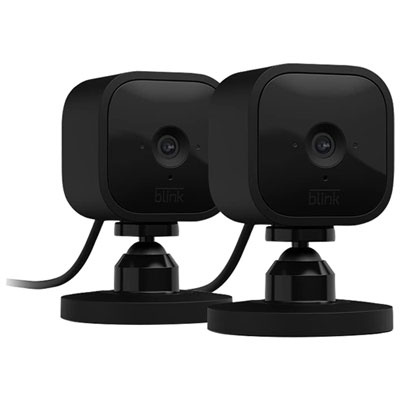 Your price for this item is $59.99
-
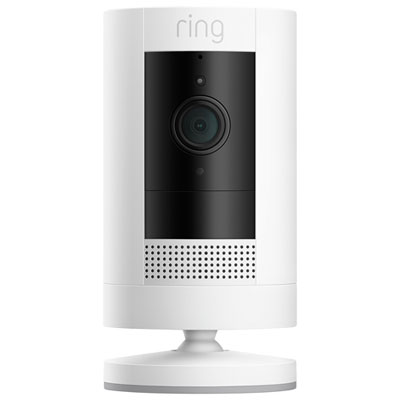 Your price for this item is $109.99
-
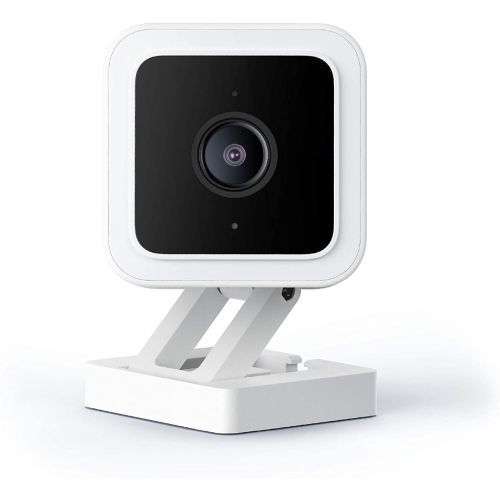 Your price for this item is $95.99
-
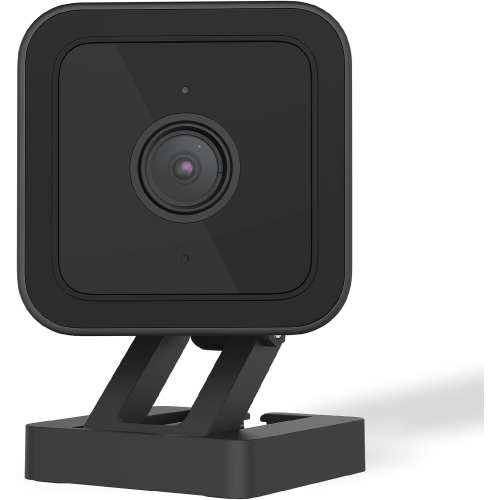 Your price for this item is $89.49
-
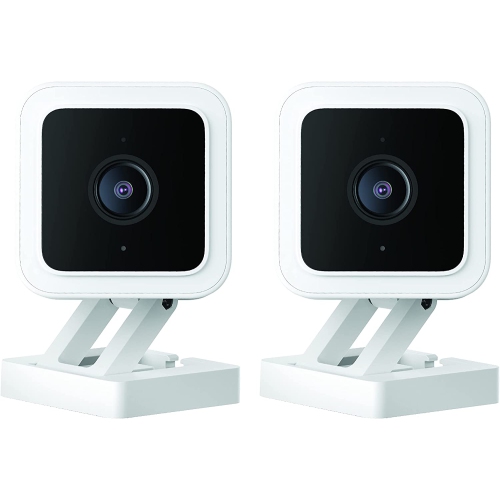 Your price for this item is $97.99
-
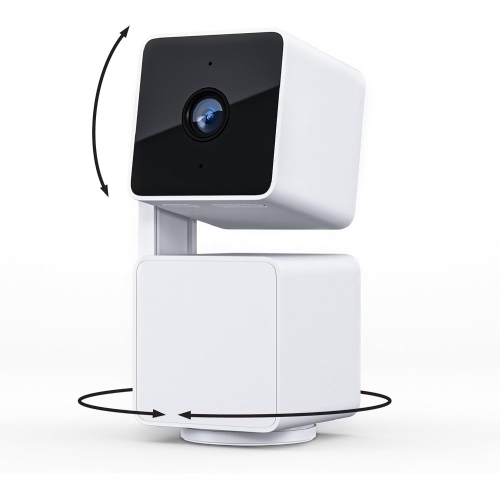 Your price for this item is $107.49
-
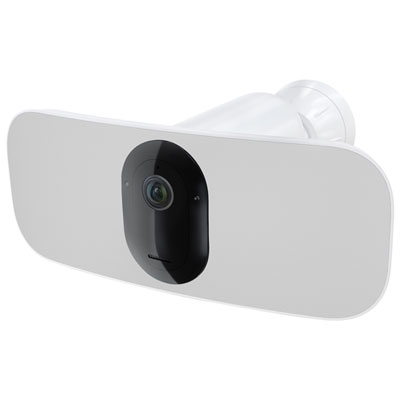 Your price for this item is $329.95
-
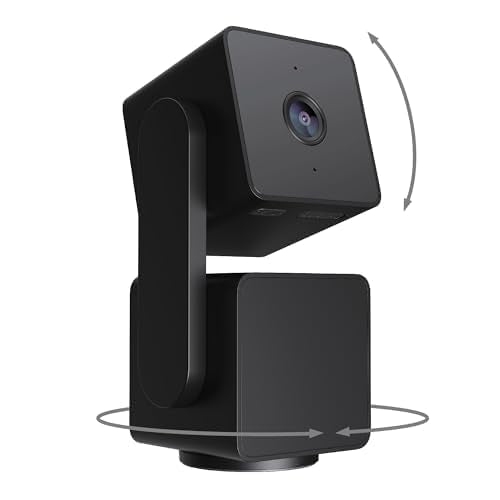 Your price for this item is $96.49
Discover more categories related to 360 Degree Video Cameras
Top Collections:
Best Black Friday Deals This Year, Best Black Friday Deals On Electronics, Kindle Devices, Pokemon Centers, Best Black Friday Deals On Apple Products, Best Cameras for Sports Photography, Dyson Airwrap, Pokémon 30th Celebration Cards, Apple iPhone 17 Pro, Canon G7X Cameras
Some products may be subject to Environmental Handling Fees
(EHF) depending on your province.
Learn more about EHFs.