Range Outlets
Upgrade your home with a range of outlets that combine functionality and style. Whether you're in need of a new outlet for your electric range or looking to replace an outdated one, these outlets have got you covered. Designed to provide a safe and convenient power source for your appliances, these range of outlets offer easy installation and reliable performance. With various options available, you can find the perfect match for your home decor while ensuring a seamless experience.
Sort



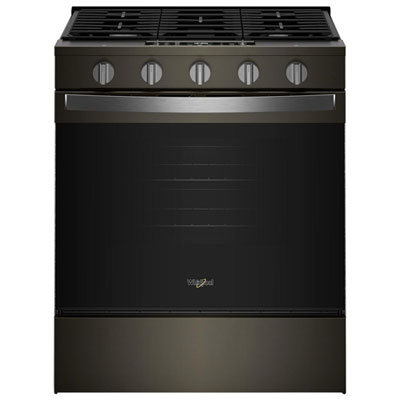
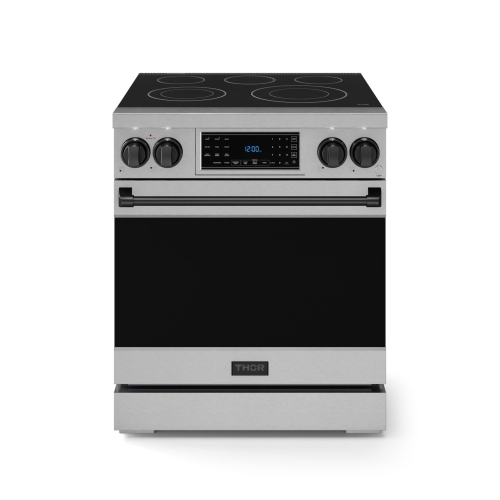


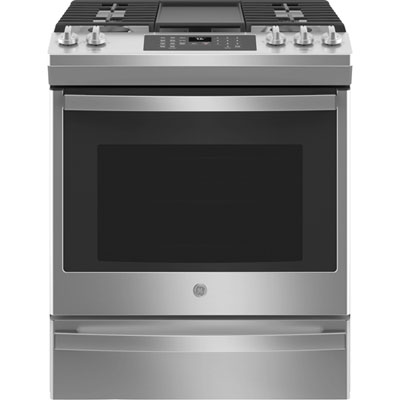


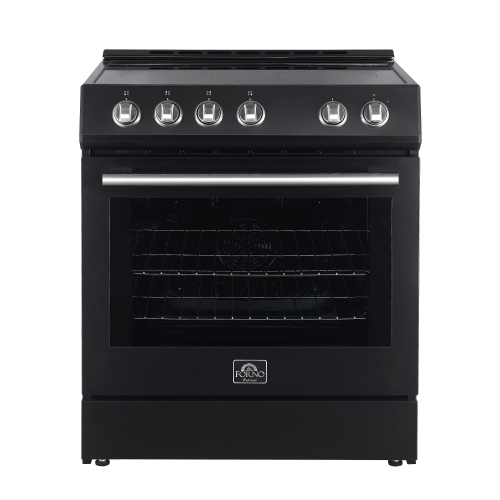






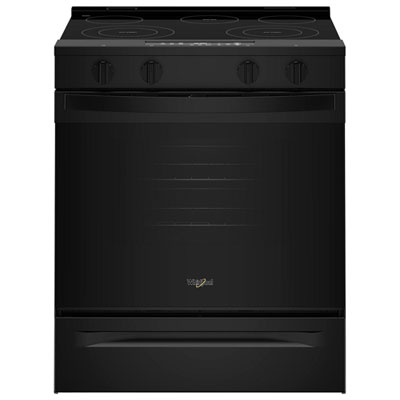


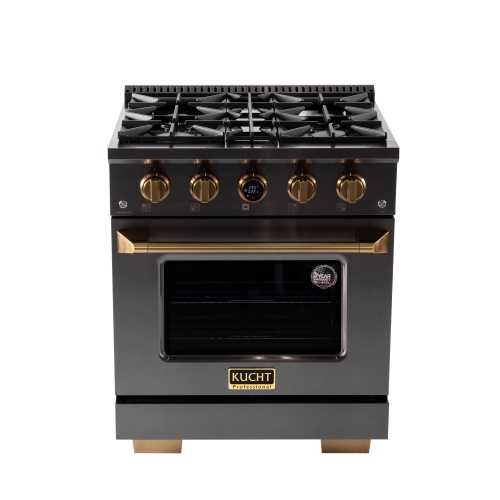
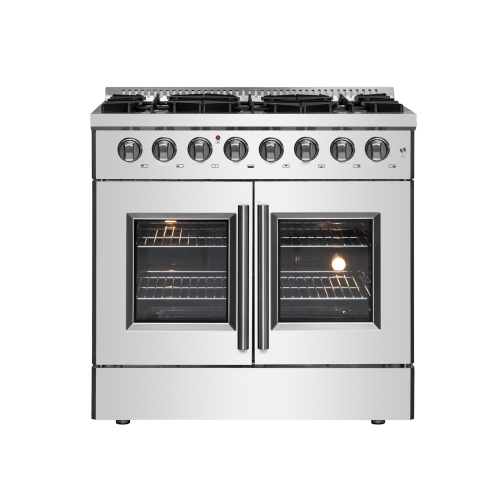

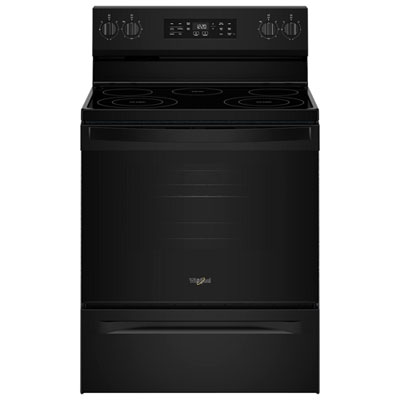





















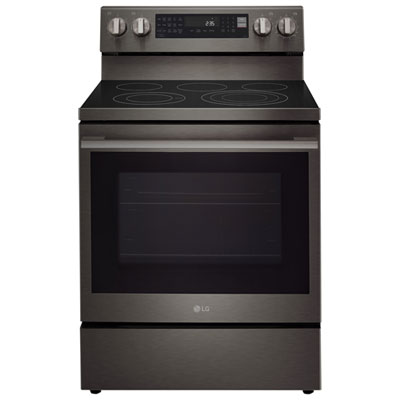
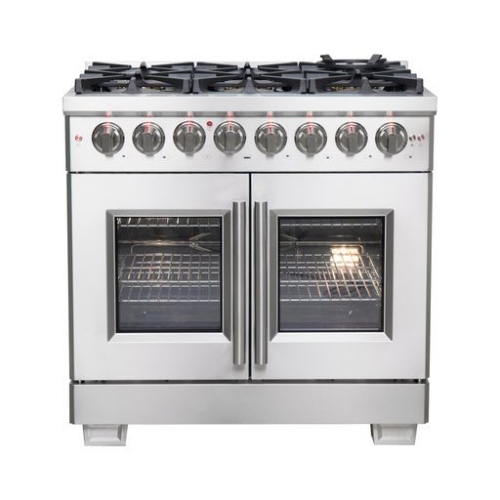


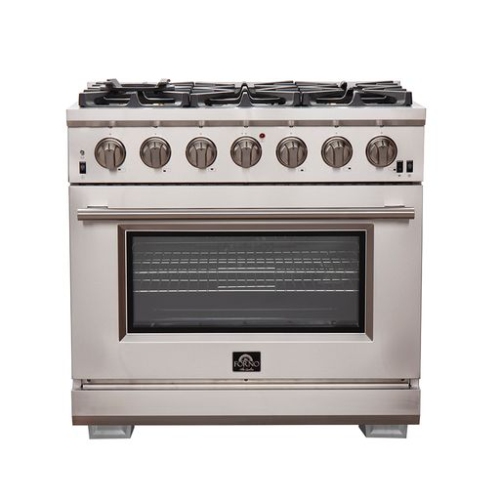

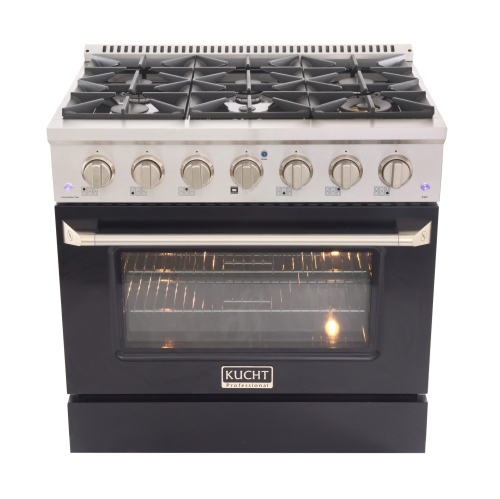







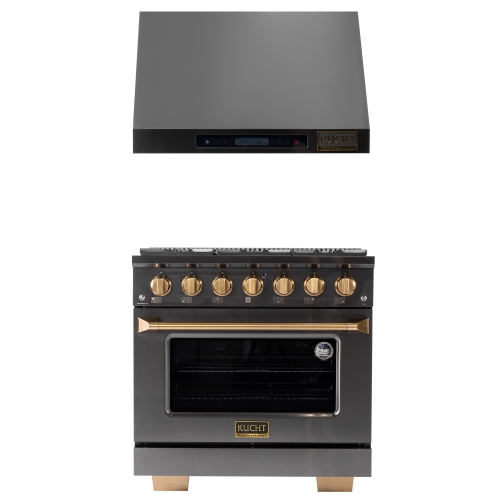

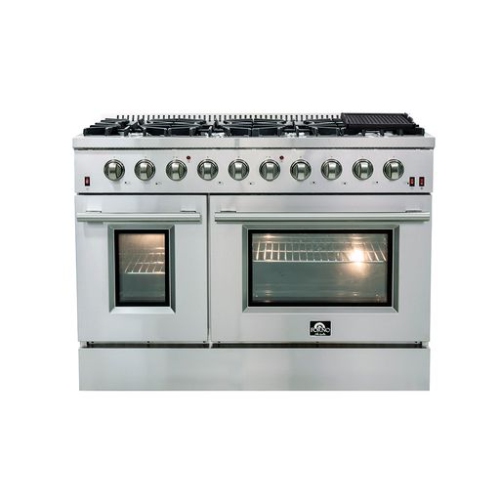
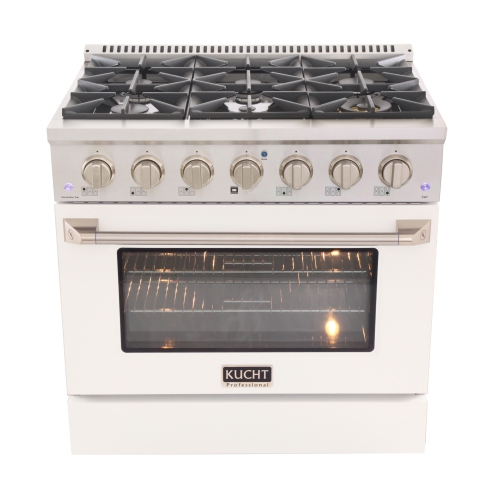






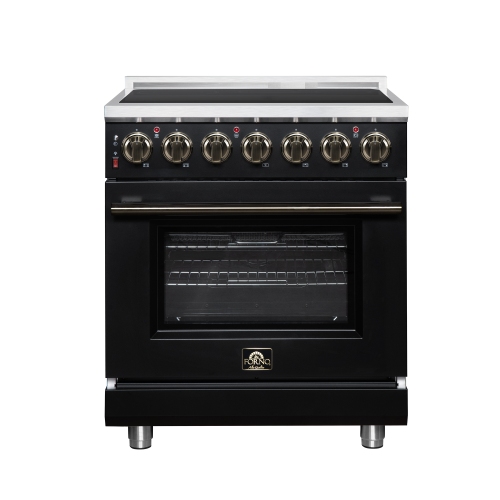
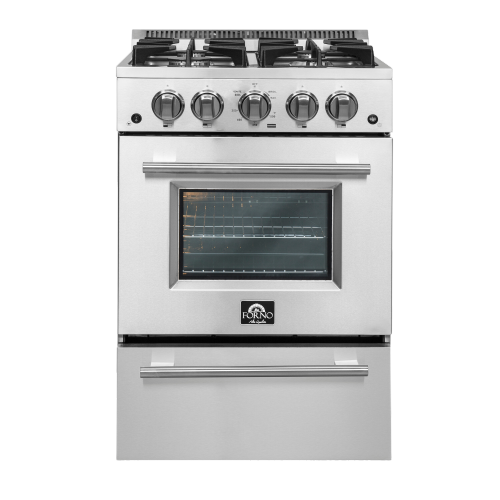
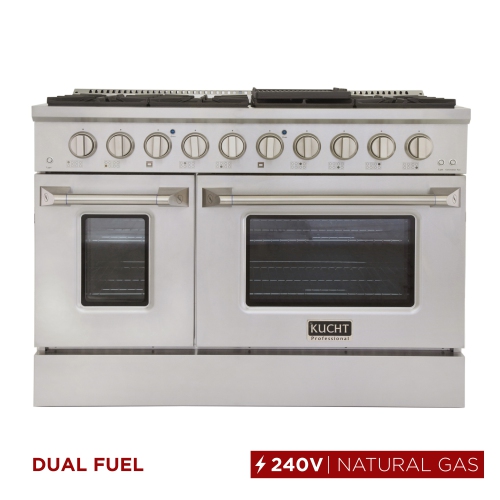

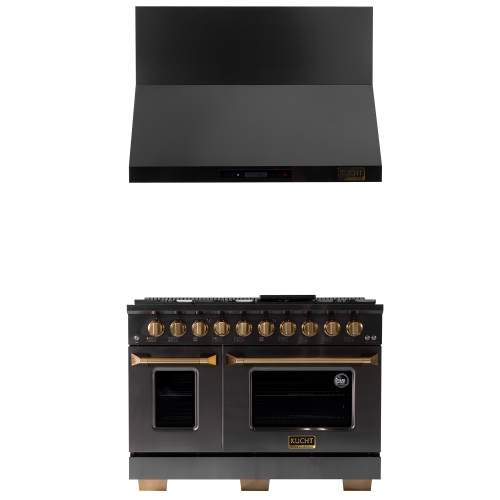



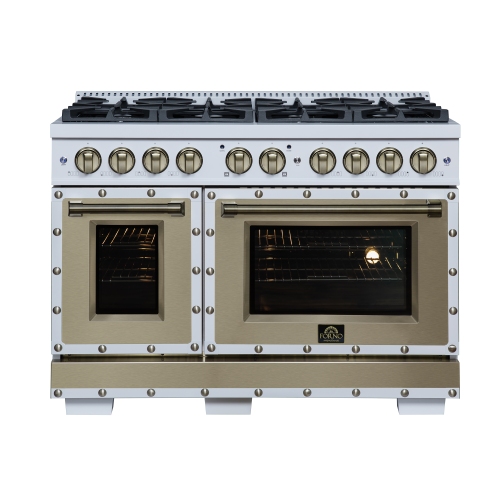

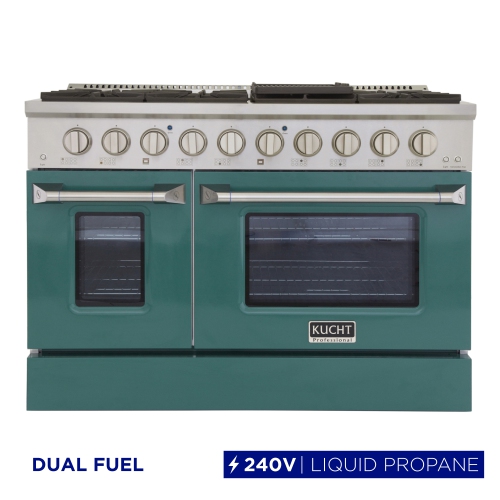



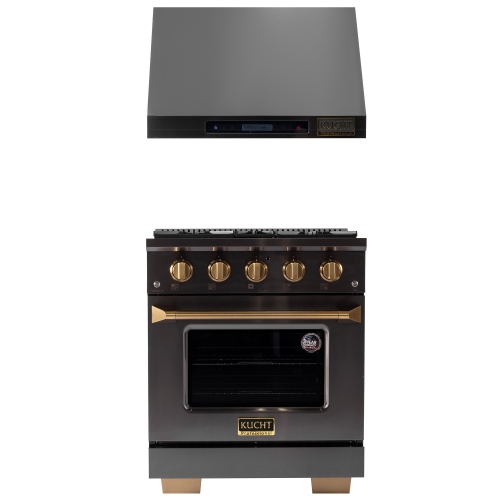
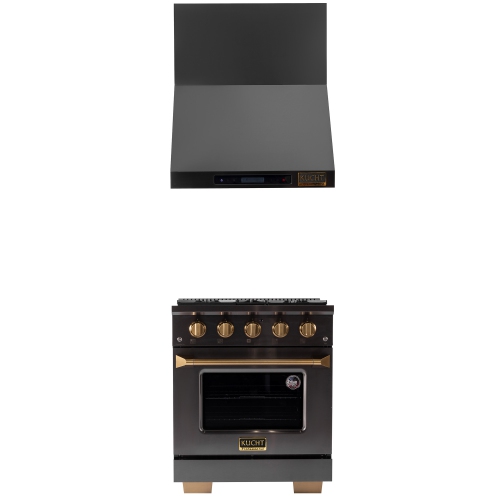
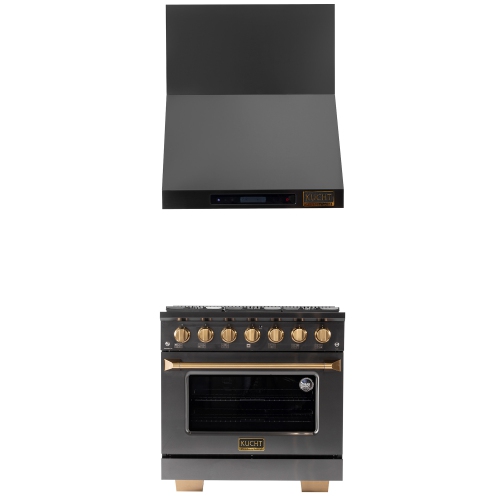

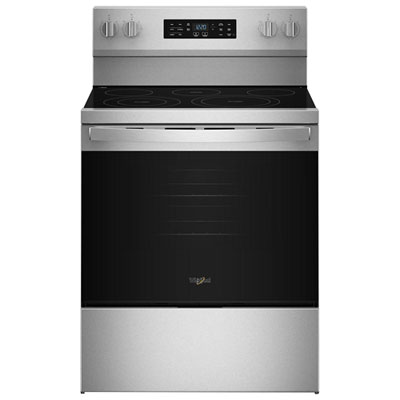
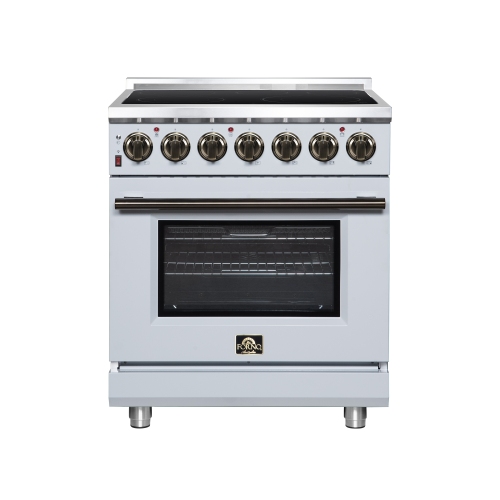
What to know about wiring, placement and safe installation
Range outlets are the connection point between a hard-working electric range and the home’s electrical supply, so choosing the correct receptacle is about much more than finding a socket that fits the wall box. Most modern electric ranges and freestanding stoves require a dedicated 50-amp circuit rated for 125/250 volts, commonly described as a 120/240-volt supply, with a four-wire configuration. That arrangement includes two hot wires, one neutral wire and one ground wire, allowing the appliance to receive the power it needs while maintaining a separate grounding path. A compatible range receptacle is often identified by its NEMA configuration, but the exact outlet type should always match the range’s installation instructions, power cord and the electrical setup already in the home. Induction ranges, conventional electric ranges and slide-in models can have different requirements, even when they appear similar from the front. Before purchasing, check the appliance specifications, the cord connection and the rating printed on the existing receptacle if it is being replaced. It is also important to confirm that the circuit is dedicated to the range rather than shared with another high-draw appliance. This makes range outlets particularly useful for homeowners replacing an older stove, renovating a kitchen, finishing a new home or preparing a rental property for an appliance upgrade. They can also be a practical addition during a kitchen refresh, when cabinets, flooring and walls are already being opened up for other work. For general-purpose plug needs elsewhere in the home, an Outlet Adapters page may be more relevant, but a travel or household adapter should never be treated as a substitute for a properly rated range receptacle.
Placement matters because a range outlet needs to provide a secure connection without preventing the appliance from sitting properly against the wall. In many installations, the receptacle box is positioned low on the wall, often within approximately 6 to 12 inches of the finished floor, so it lines up with the recessed area at the back of the range. The final position depends on the appliance design, the location of the wall studs, the depth of the electrical box and local installation requirements. A box placed too high can interfere with the rear panel and leave the range standing farther forward than intended, which may affect the fit of the cabinets, the alignment of the countertop and the clearance around the cooking surface. Installers may also position the outlet slightly to one side of the appliance centreline to provide room for the heavy cord to bend naturally without being crushed or sharply kinked. This is especially helpful when the range is pushed into a snug alcove or sits between two runs of cabinetry. When replacing an existing receptacle, compare its location and wiring with the new range’s instructions rather than assuming that the previous arrangement will suit every appliance. Older homes may have three-wire range connections, while newer installations commonly use four-wire grounding arrangements. These systems should not be mixed or modified casually, and a four-wire outlet should not be connected to wiring that cannot support it. The electrical box, conductors, breaker and receptacle all need to be rated as one complete system. A careful assessment before work begins can help avoid a situation where the range arrives, the kitchen is ready and the final connection still requires an unexpected change to the wall or circuit.
Because range outlets carry substantial electrical current, installation and replacement should be handled with particular care. Turning off the range breaker is an essential first step, but switching off a breaker does not replace testing the circuit with appropriate equipment or confirming that the correct circuit has been disconnected. Anyone who is unsure about the wiring, grounding, conductor size or breaker rating should consult a licensed electrician. Local electrical codes may set requirements for cable type, wire gauge, box capacity, receptacle placement, strain relief and protection around the appliance, and those requirements can vary by province, municipality and installation conditions. Heavy-gauge wiring is commonly used for a 50-amp range circuit, but the correct conductor size depends on factors such as the installation method, cable length, temperature rating, voltage drop and applicable code. The receptacle should sit firmly in a suitable electrical box, with terminals tightened to the manufacturer’s specifications and the cord routed so it is protected from heat, abrasion and pressure behind the appliance. A loose connection can generate heat, while an incorrectly grounded or overloaded circuit can create a serious hazard. These outlets are most often purchased by homeowners, landlords, kitchen renovators, builders and tradespeople who need a dependable connection for a replacement or newly installed range. They are less commonly chosen as gifts, although they can be a thoughtful practical item for someone completing a first-home renovation when the exact electrical requirements have already been confirmed. During the cooler months, when kitchens often become a central gathering place for baking, simmering and shared meals, a properly installed range outlet supports reliable everyday cooking without compromising the fit or safety of the appliance. Before finalizing a purchase, verify the range’s voltage and amperage, the required receptacle configuration, the number of wires in the existing circuit and the installation rules that apply to the home.
Top selling and popular products
-
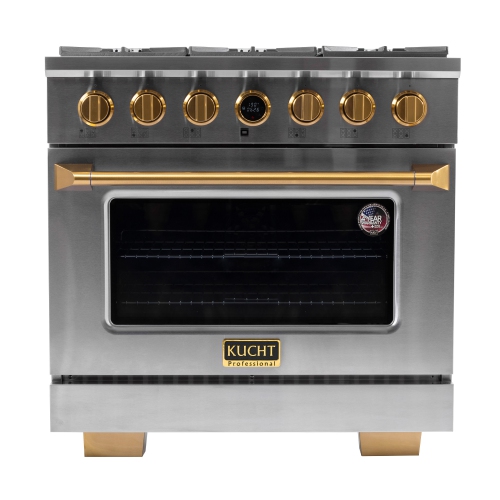 Your price for this item is $5010.75
-
 Your price for this item is $8092
-
 Your price for this item is $7916
-
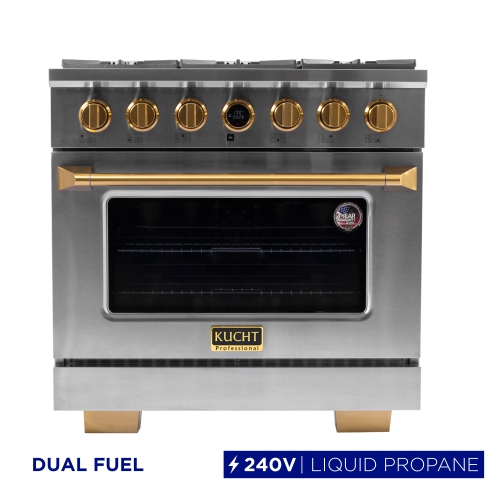 Your price for this item is $5095.75
-
 Your price for this item is $7916
-
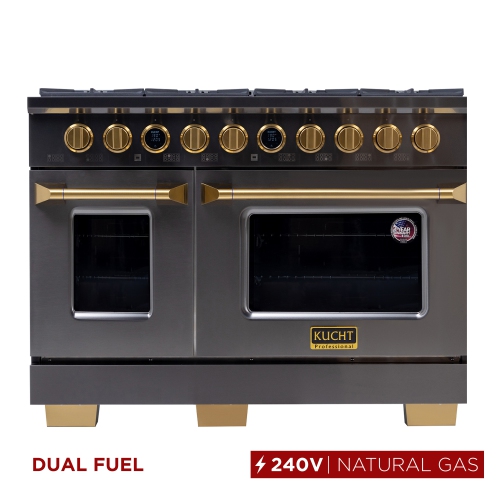 Your price for this item is $8275.5
-
 Your price for this item is $8092
-
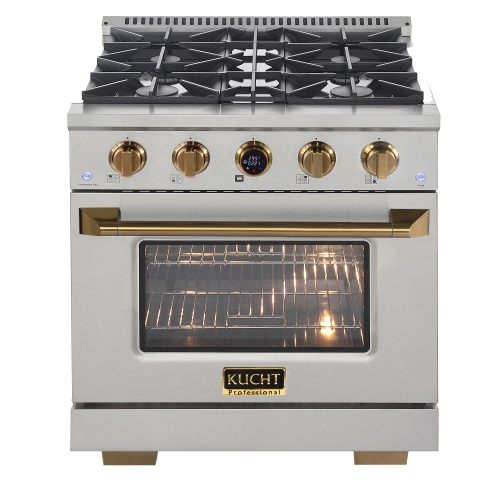 Your price for this item is $4695
Discover more categories related to Range Outlets
Top Collections:
Pokemon Centers, Best Cameras for Sports Photography, Kindle Devices, Samsung Galaxy Phones, Canon G7X Cameras, Pokémon 30th Celebration Cards, Refurbished Apple Laptops, iPhone 15 Apple, Laptops for Students, Budget Smartphones
Some products may be subject to Environmental Handling Fees
(EHF) depending on your province.
Learn more about EHFs.