Security Cameras With Local Storage
When it comes to keeping your home or business secure, security cameras with local storage are an essential investment. With the ability to record and store footage directly on the camera itself, these devices offer a convenient and reliable way to monitor and protect your property. Whether you're looking for a solution to enhance the security of your home or wanting to keep a close eye on your business premises, our range of security cameras with local storage provides peace of mind and advanced surveillance capabilities. Discover the perfect camera to suit your needs and take control of your security today.
Sort







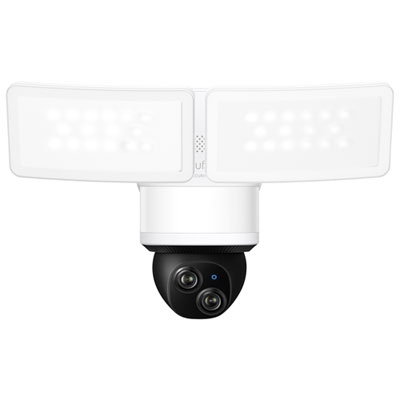

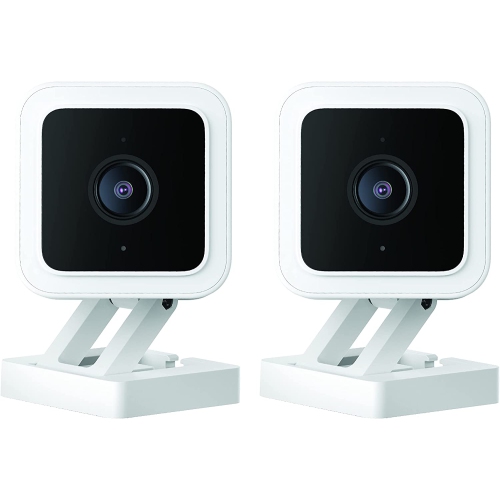
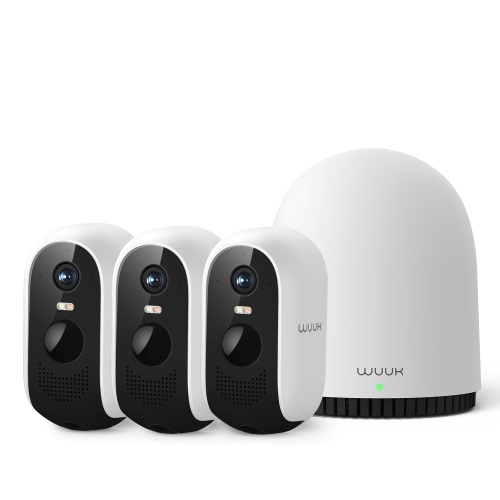

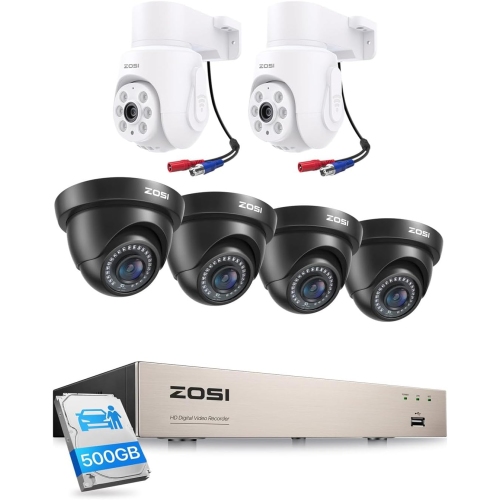
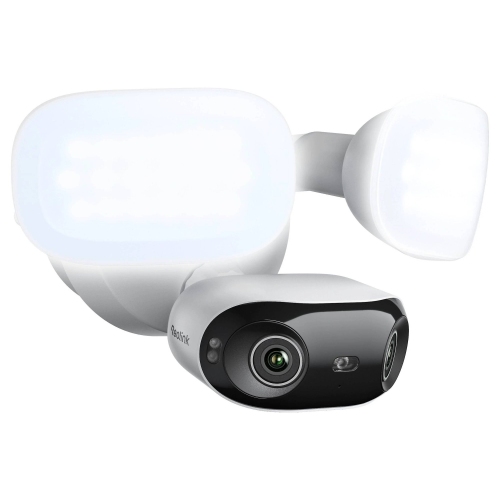
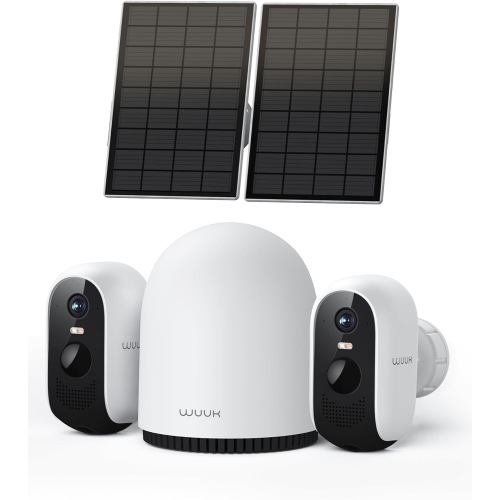


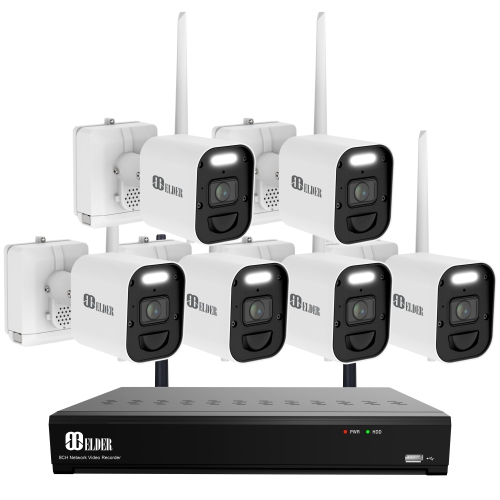


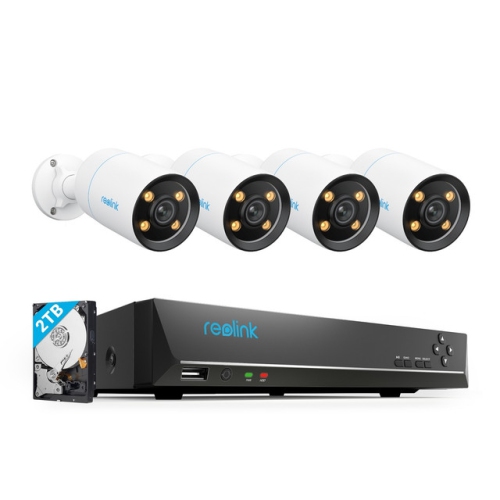
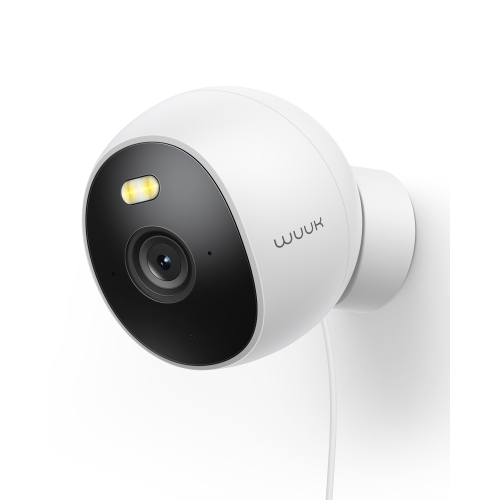
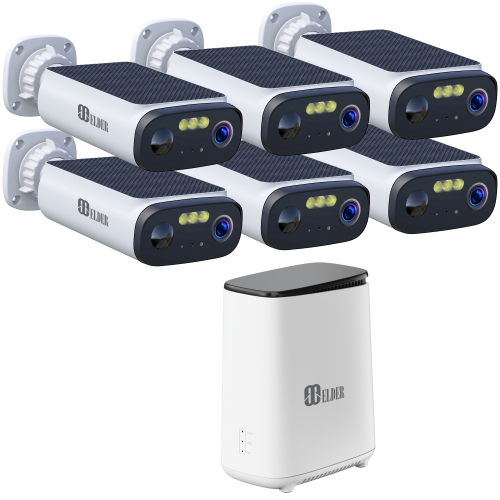
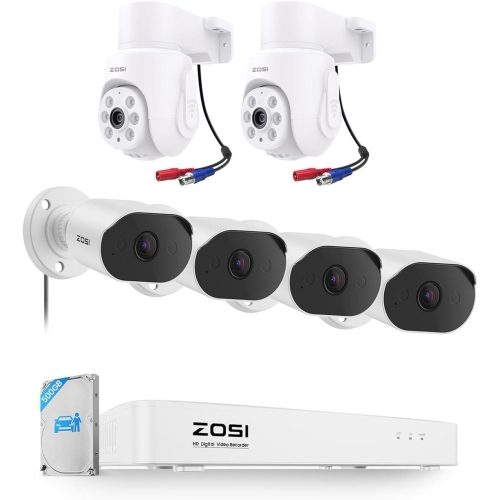
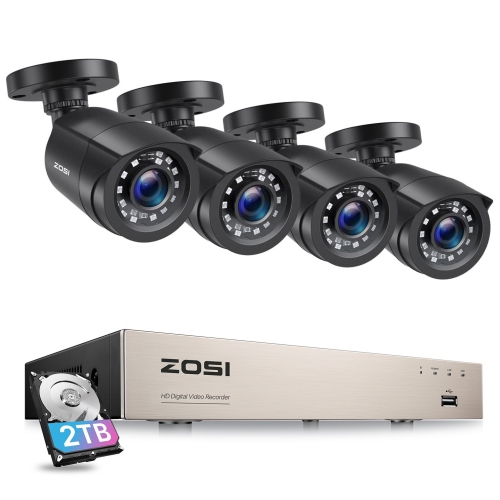



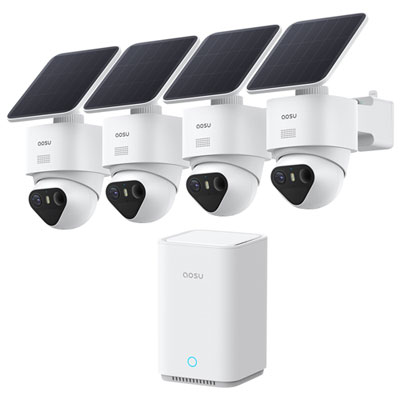
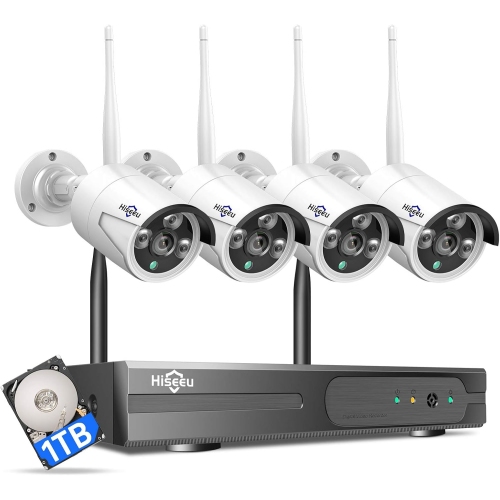
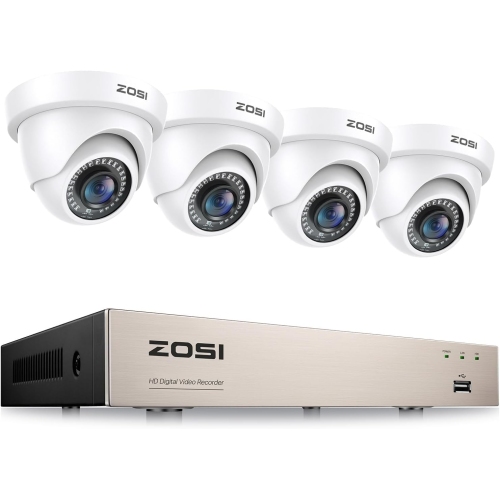
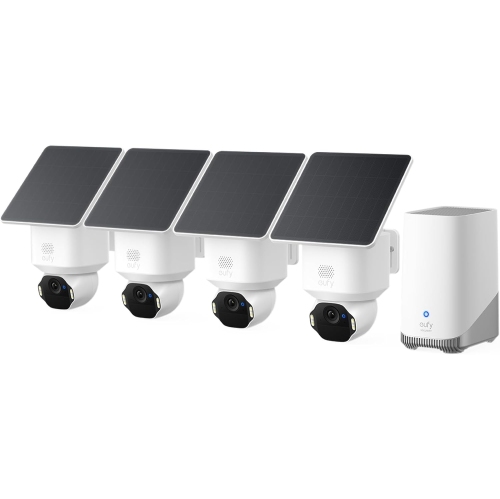


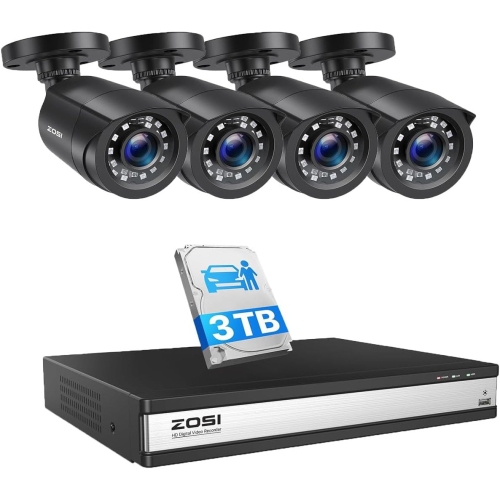
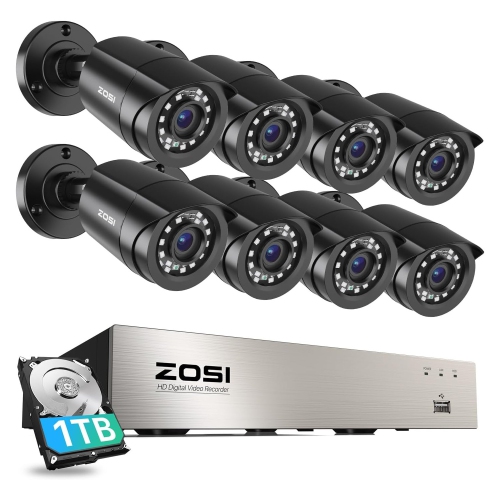
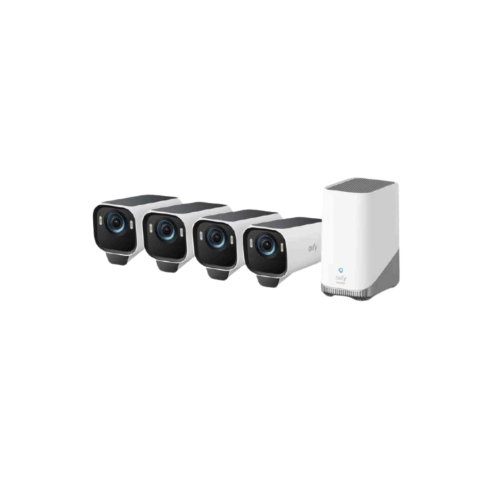
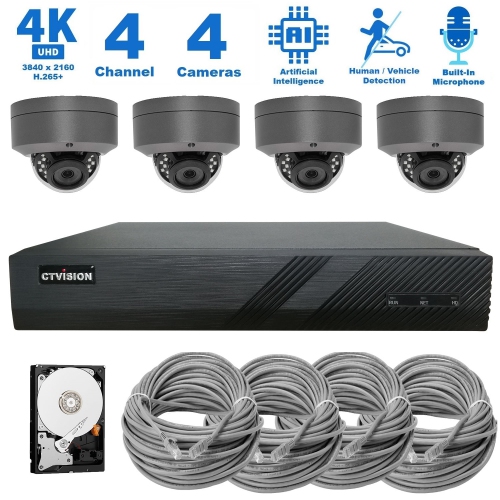

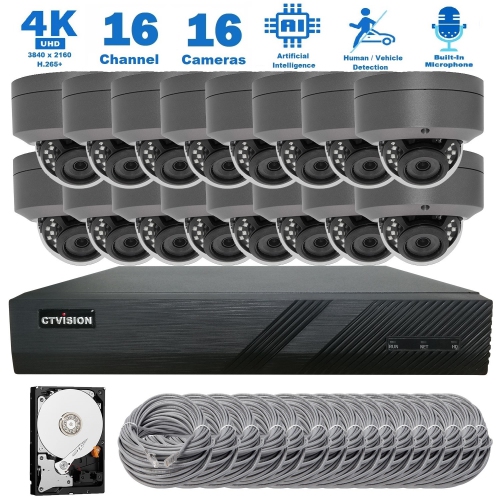
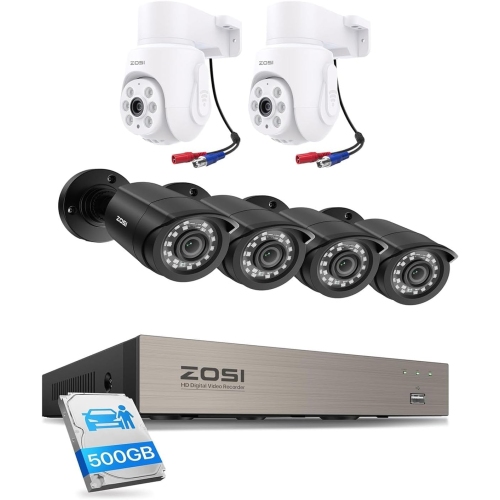
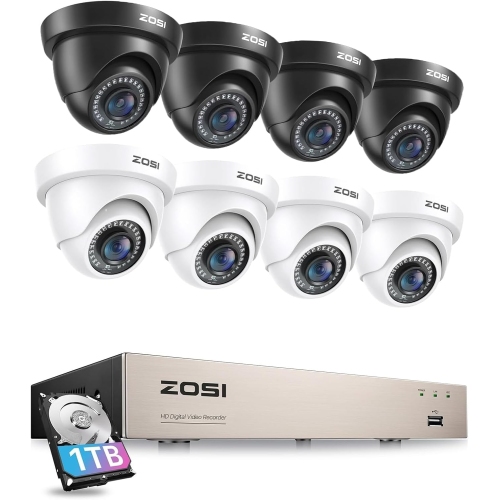
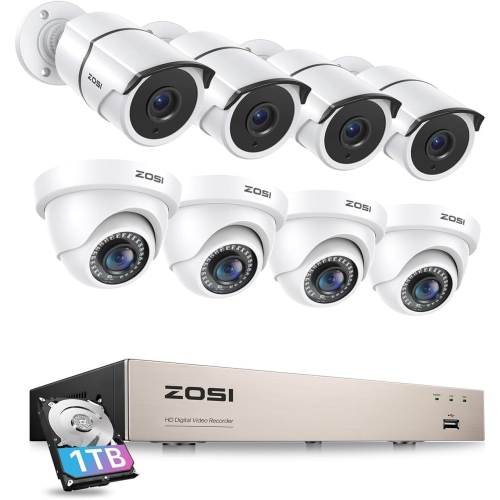

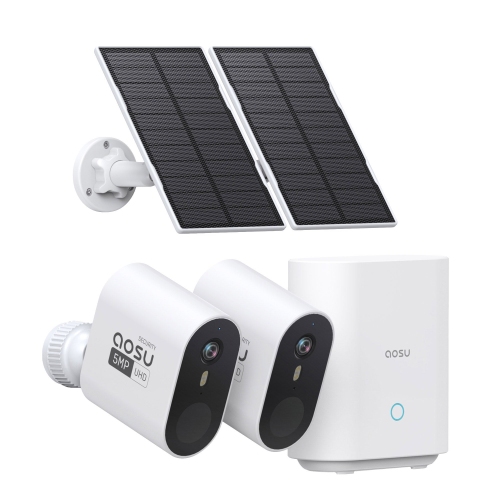

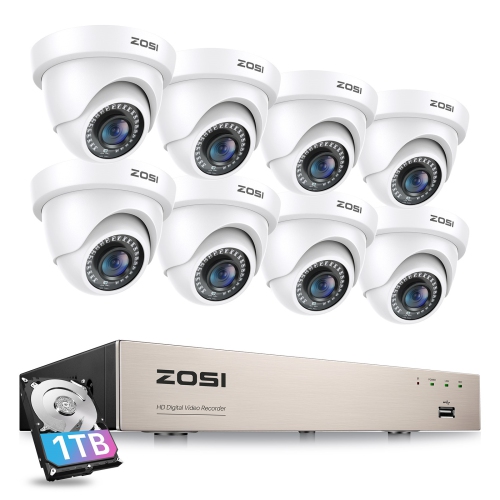
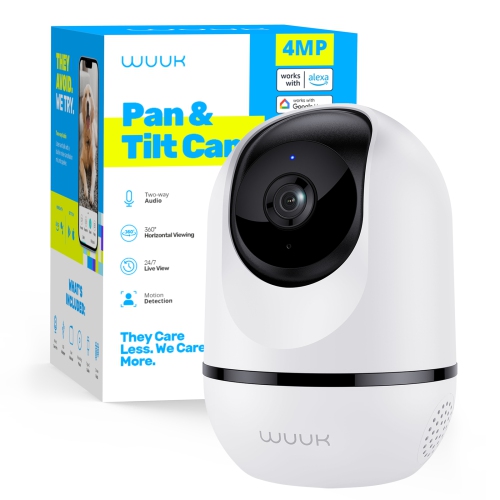
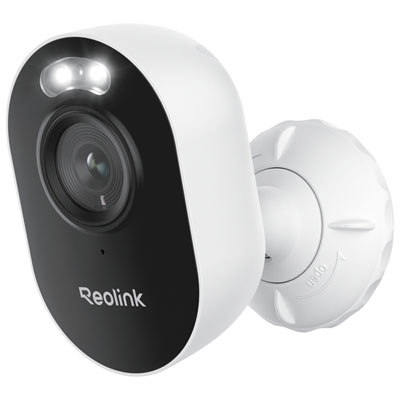

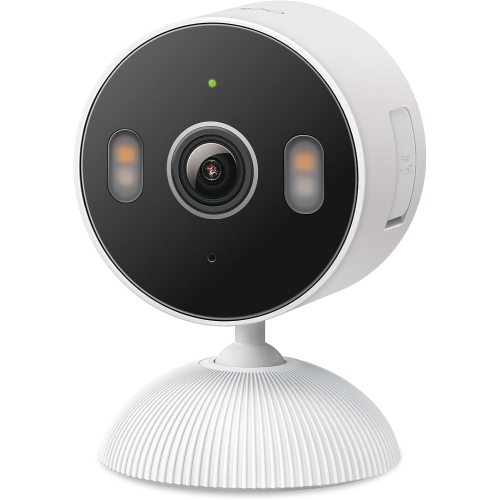
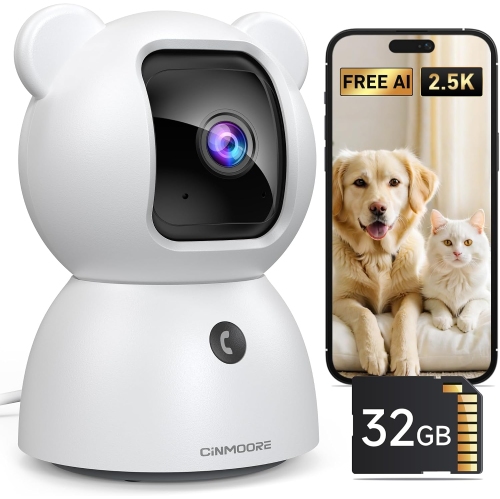
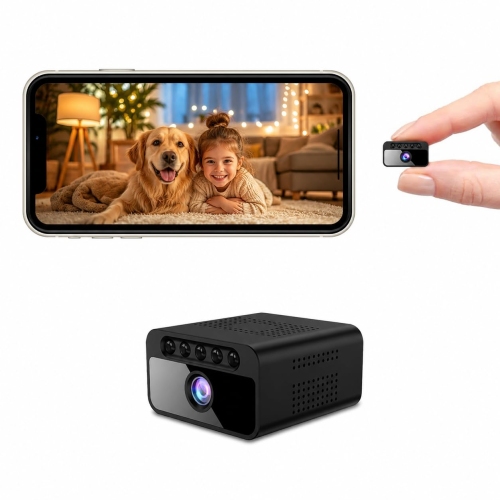

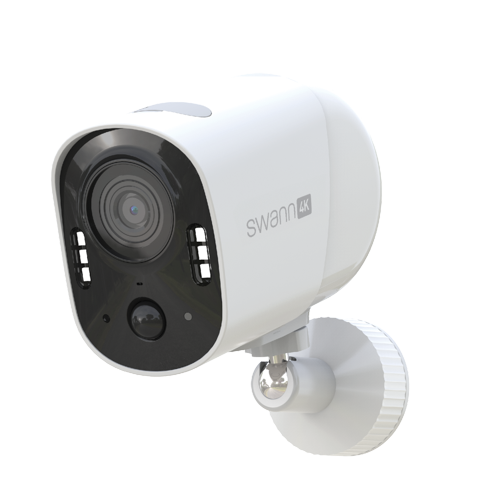
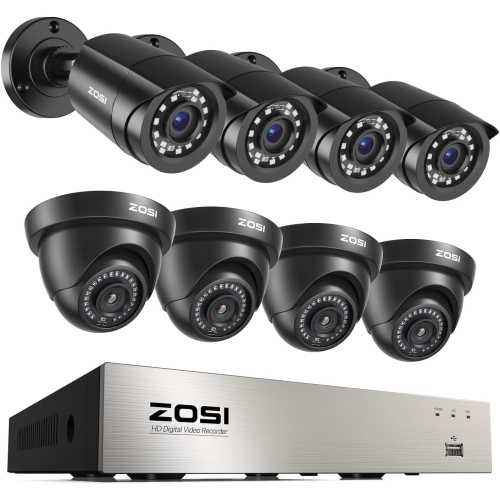
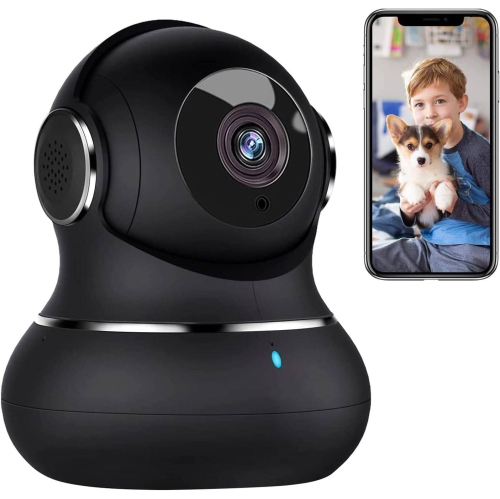


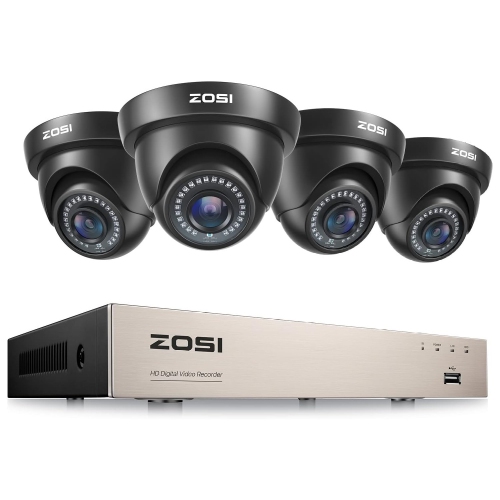
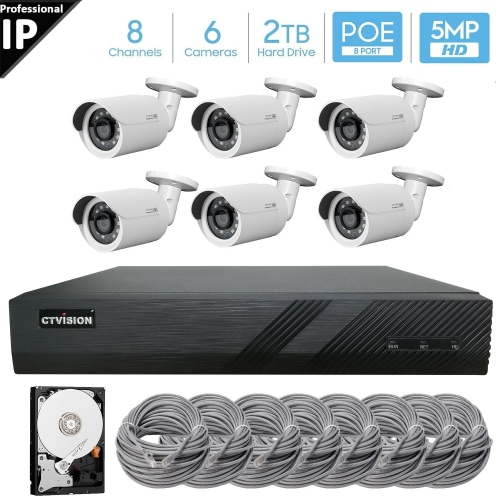
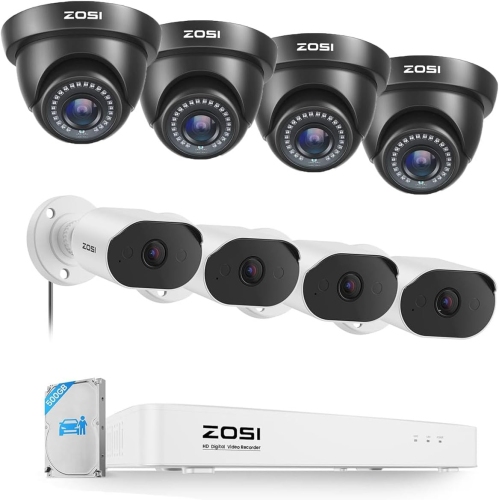
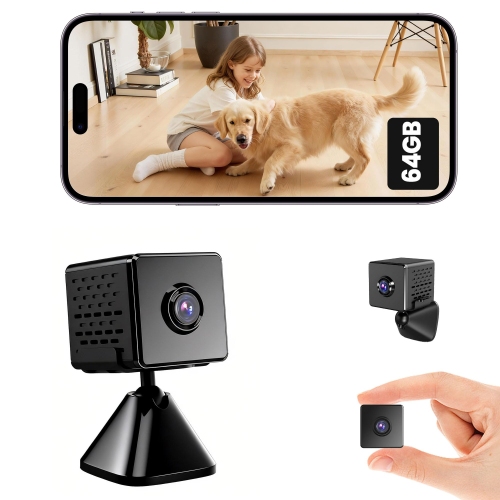
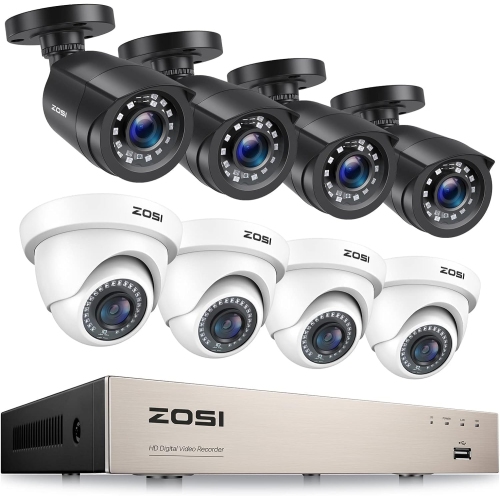
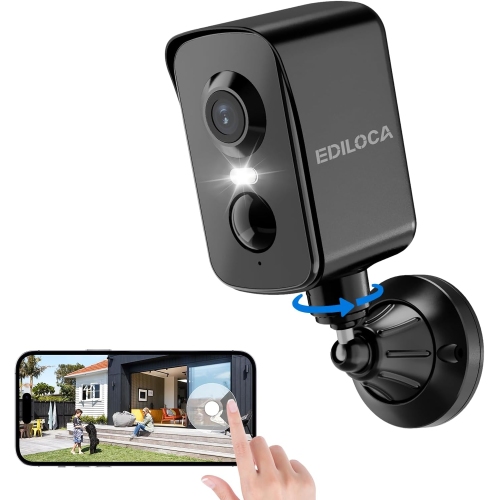
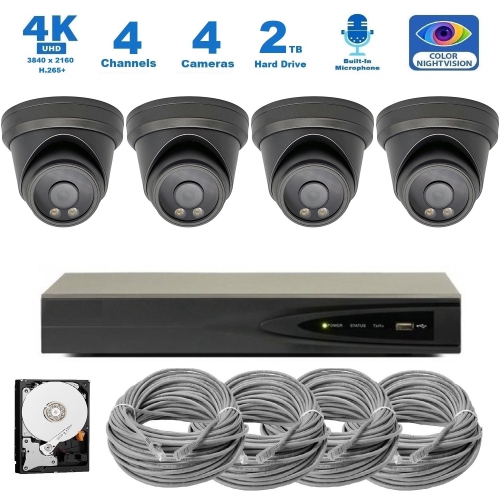
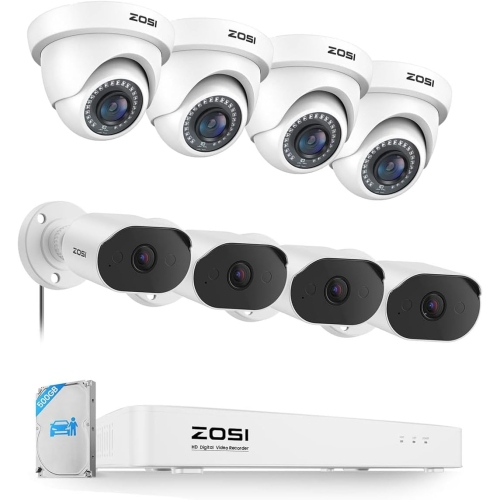
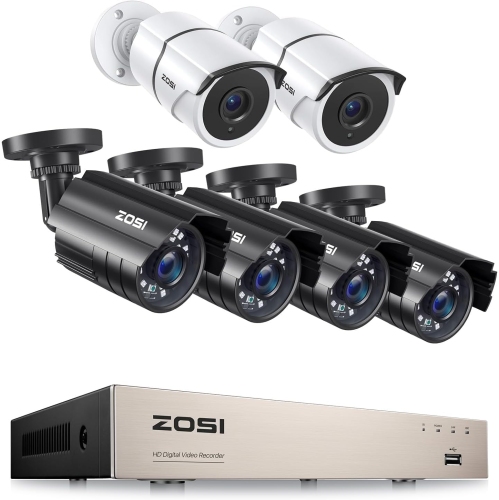
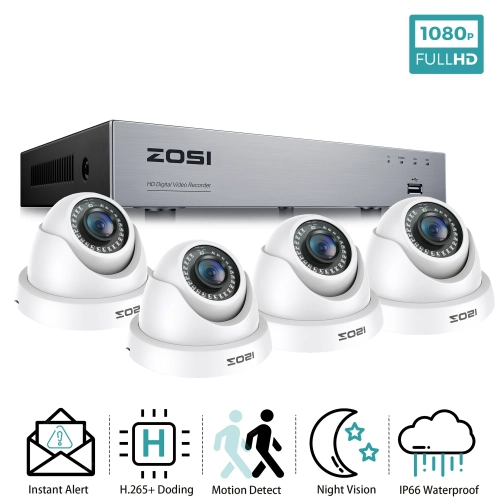

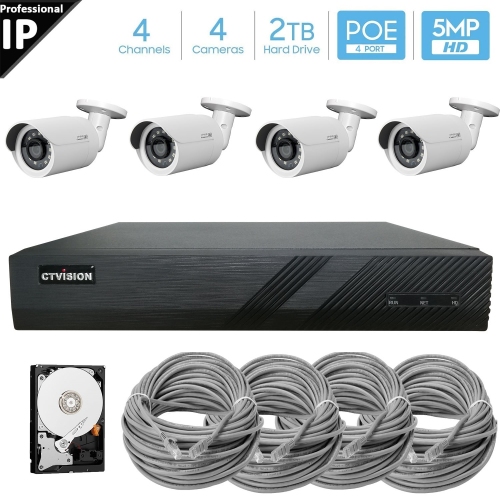
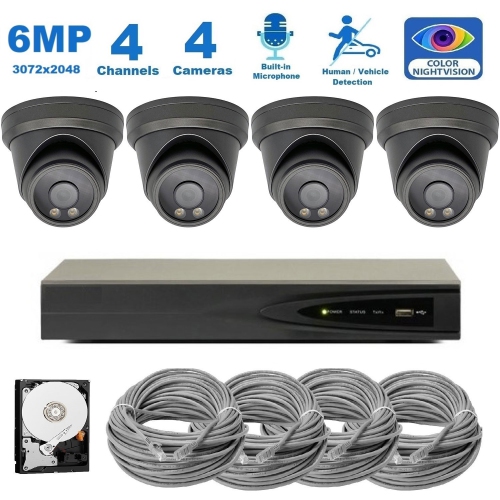
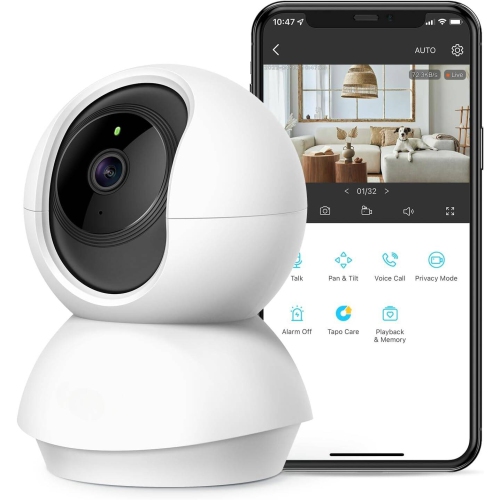
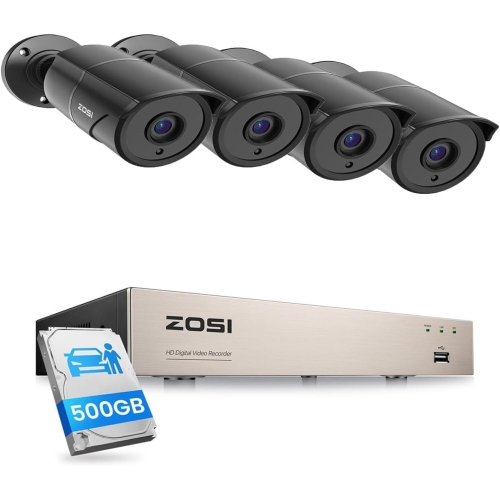
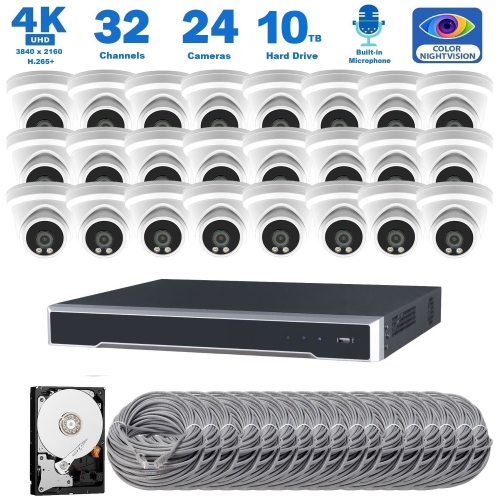
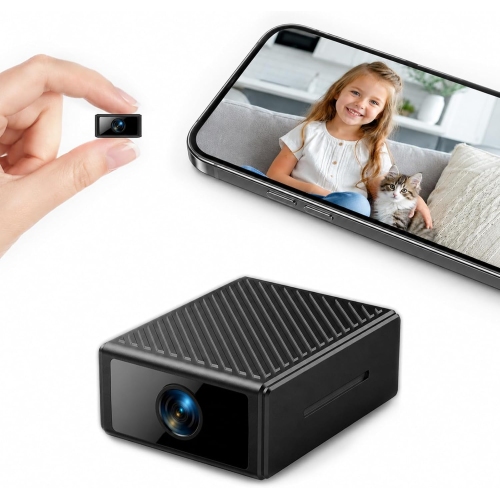
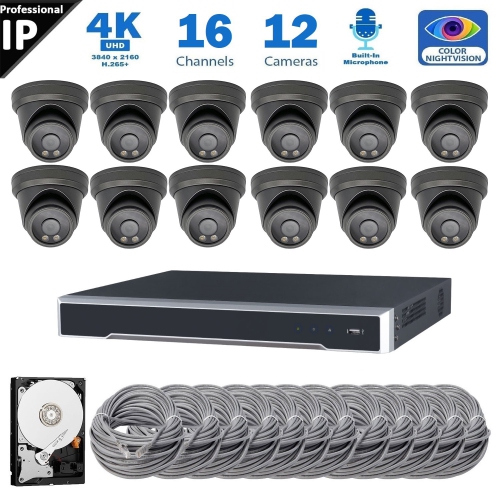
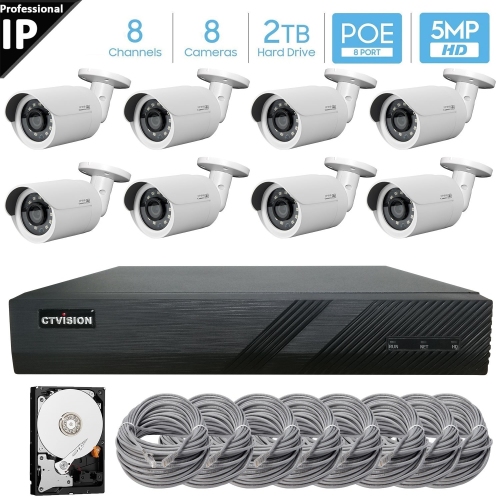

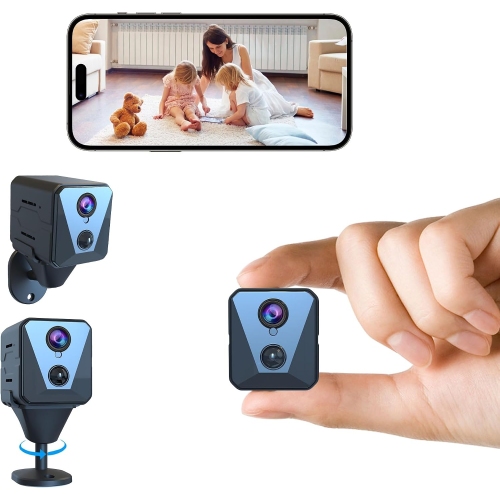
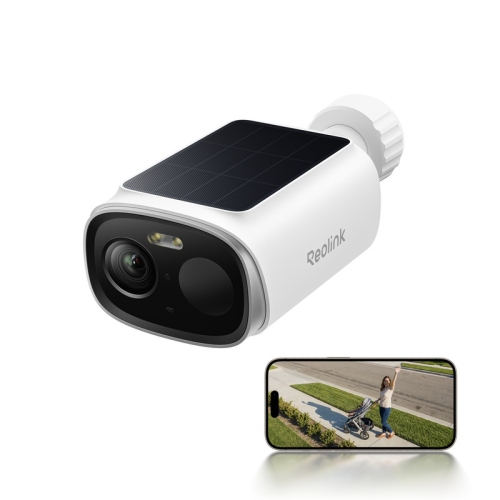
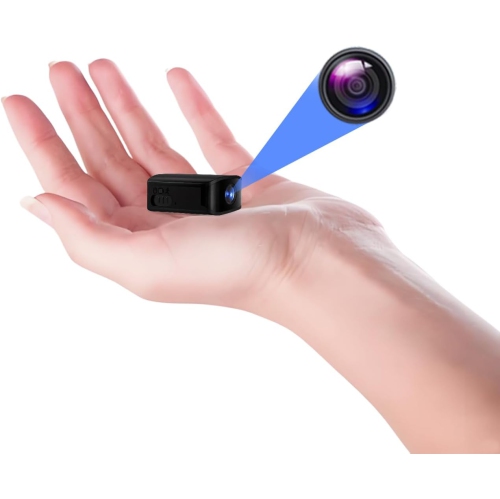
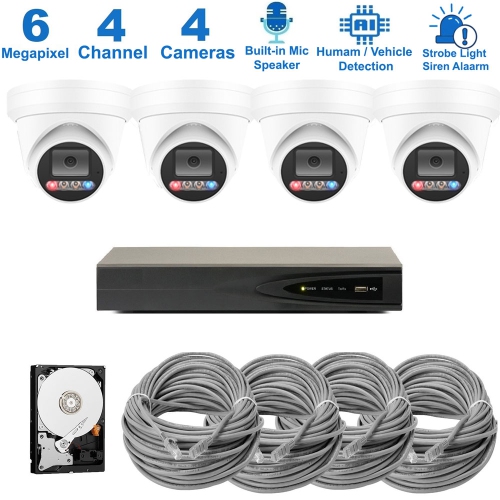
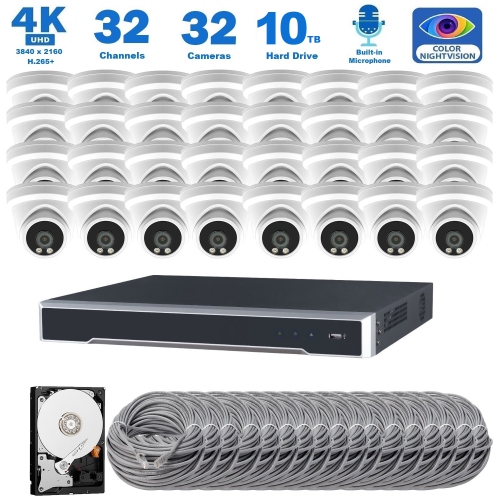
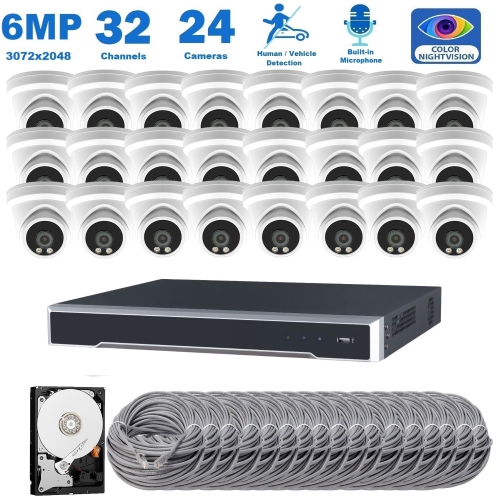
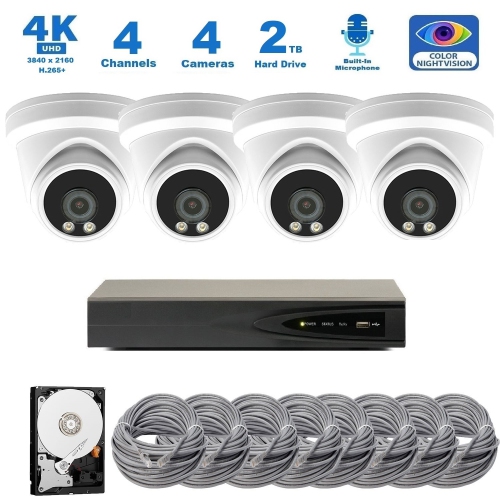
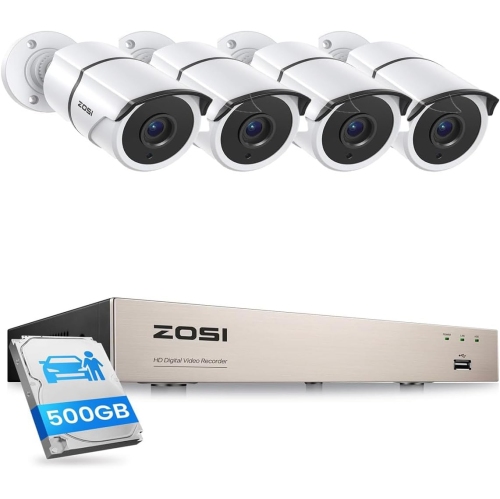
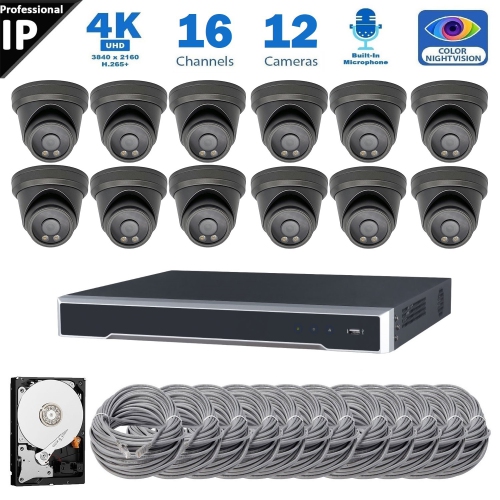
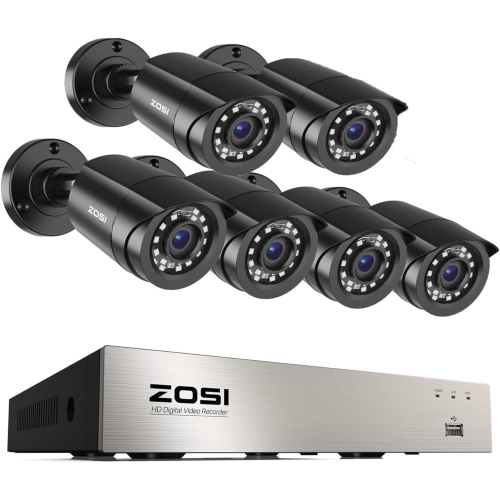
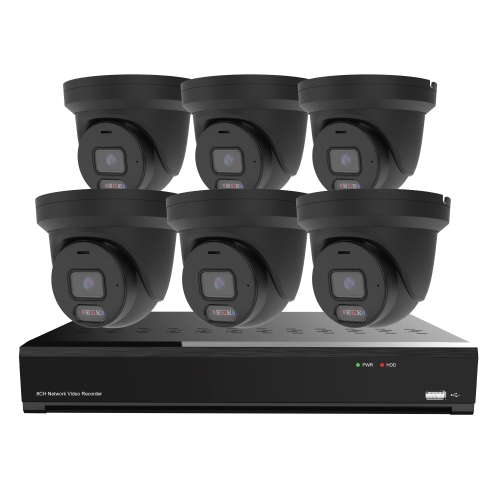
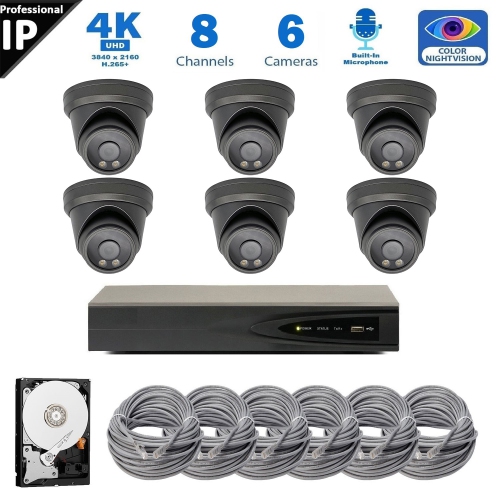
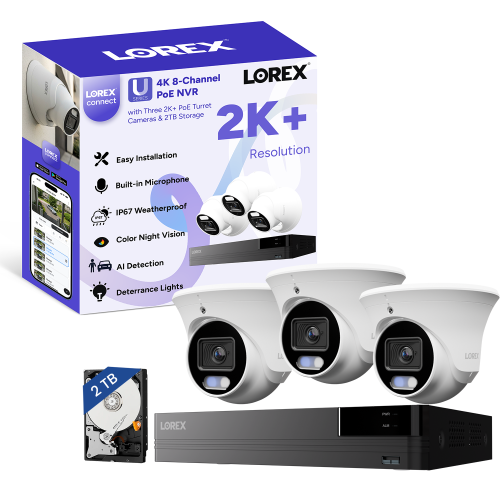
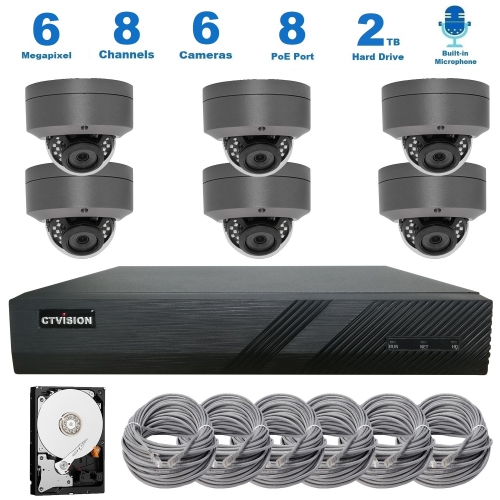
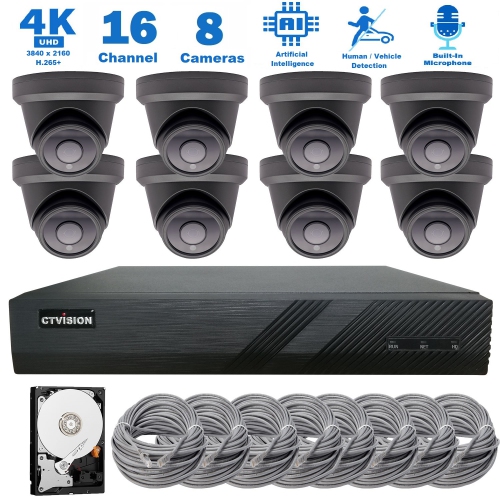
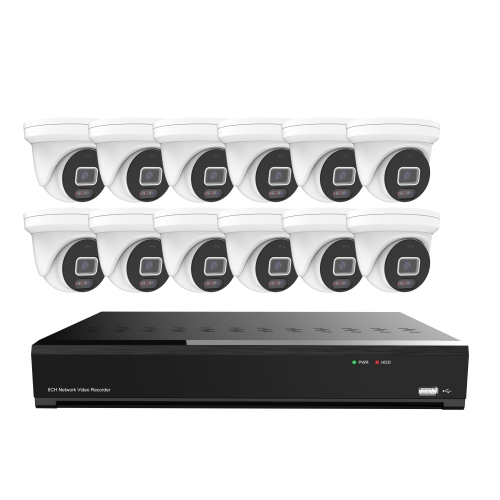
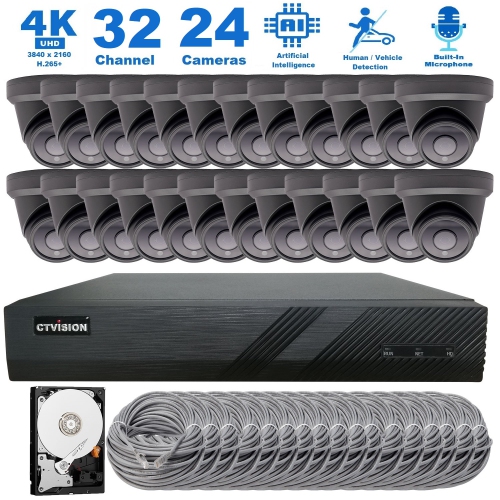
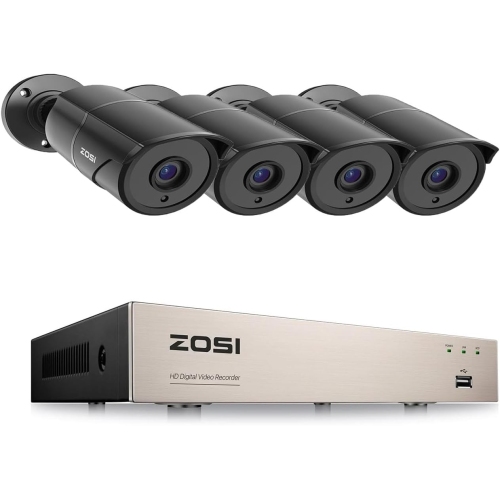
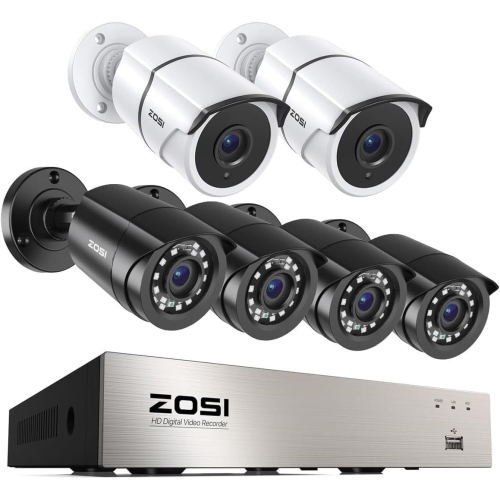
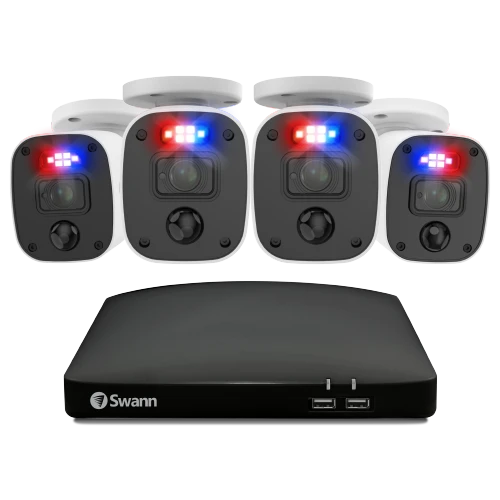
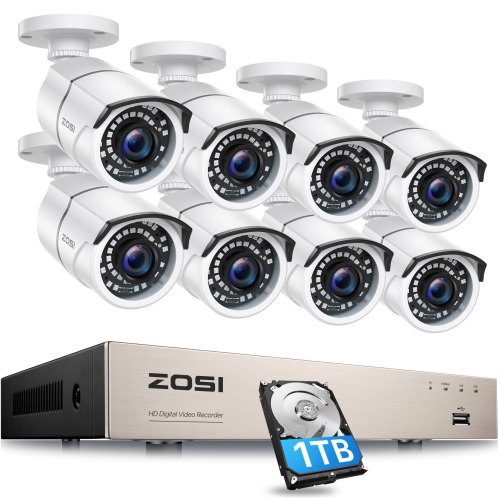
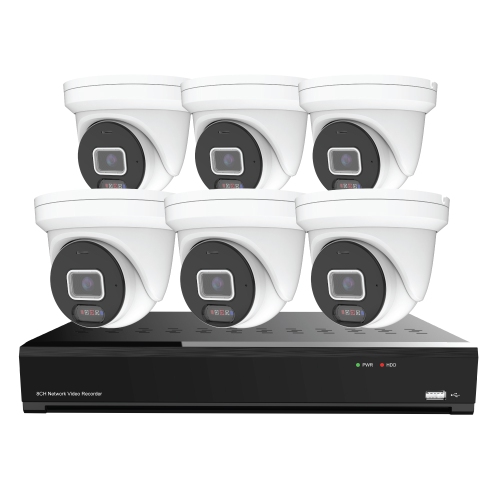
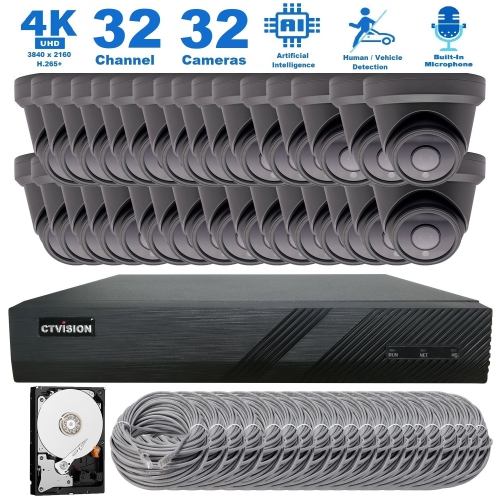
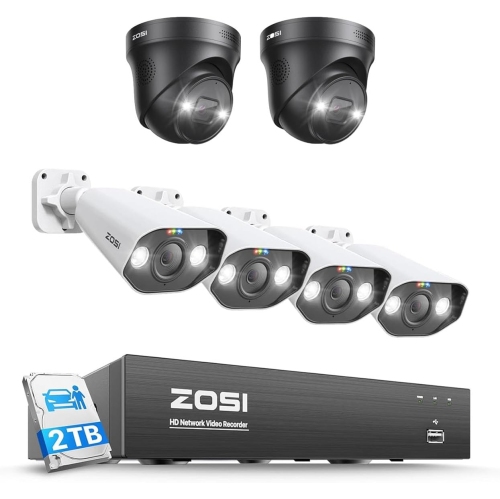
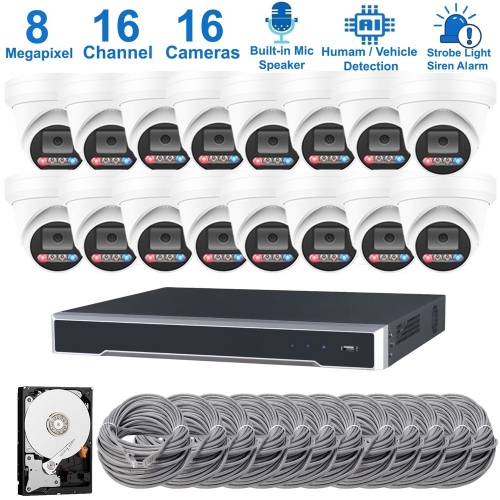
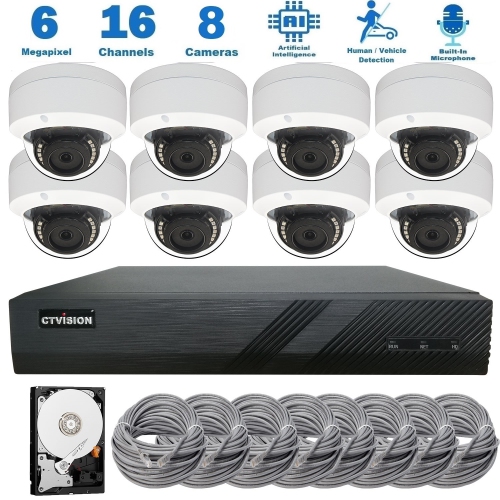
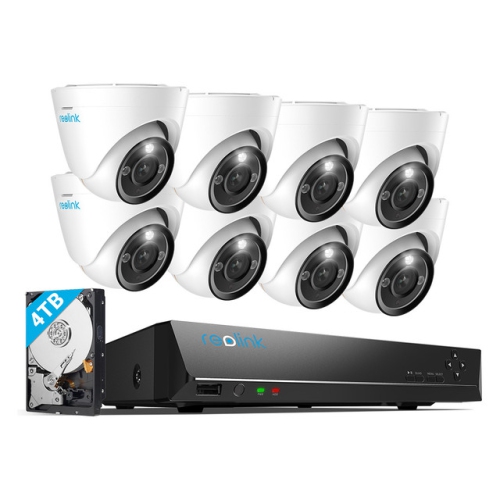
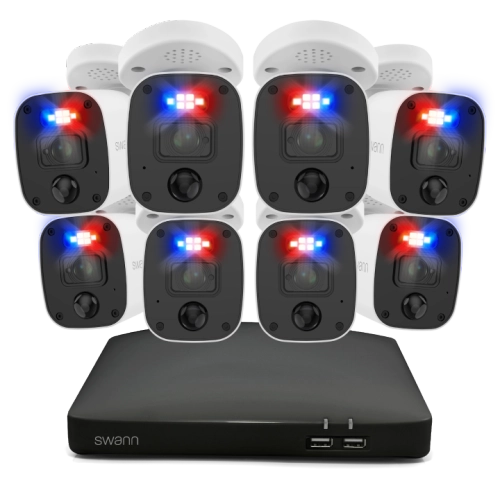
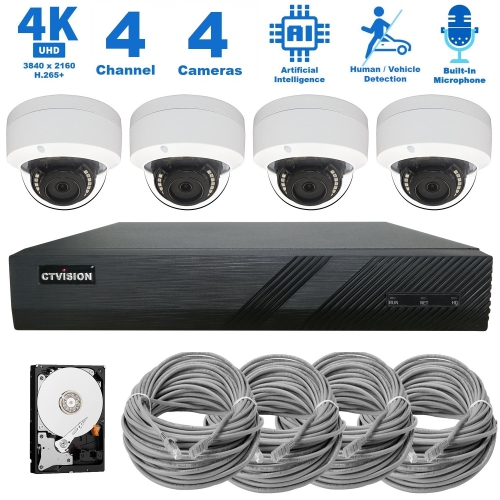
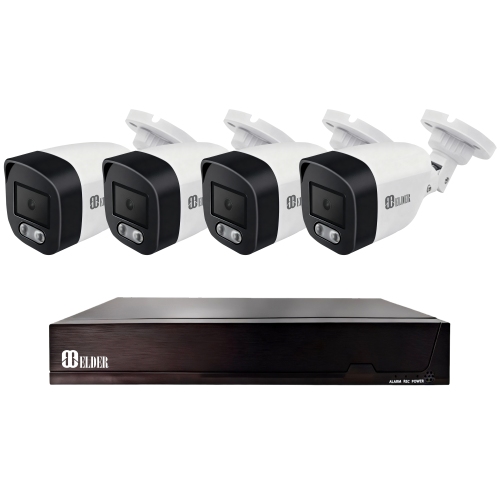
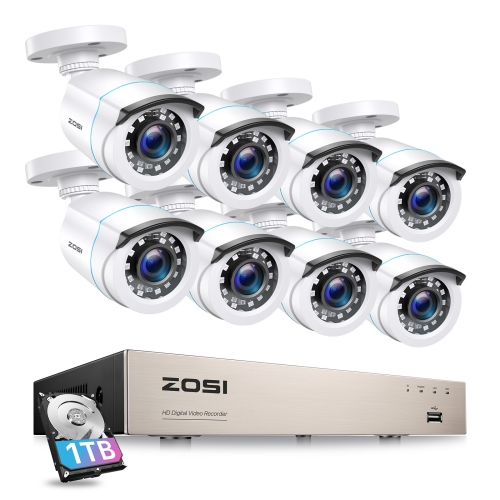
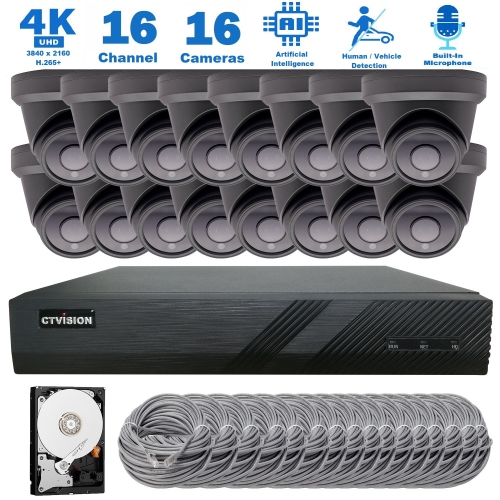
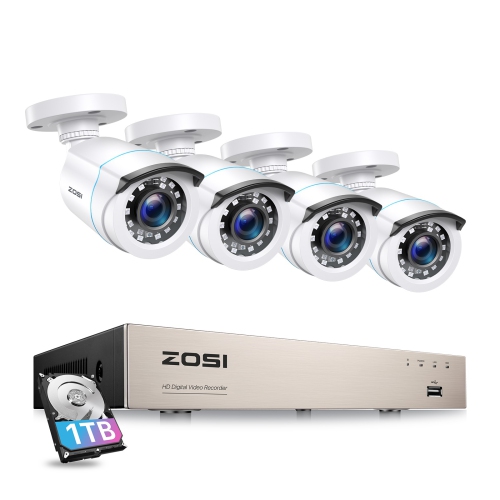
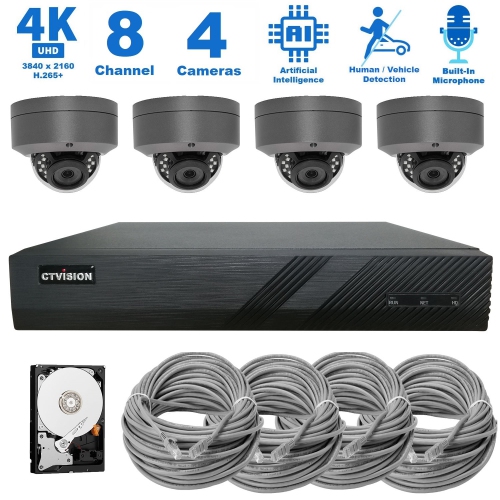
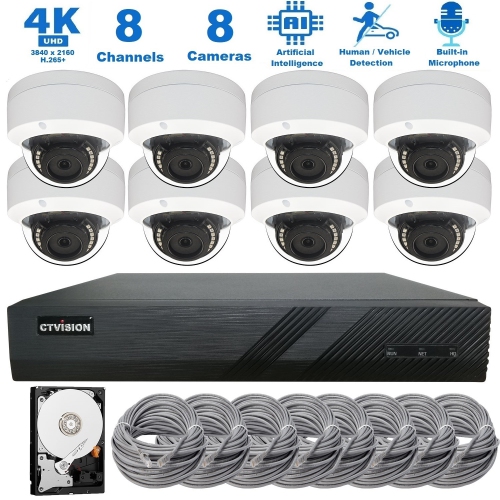
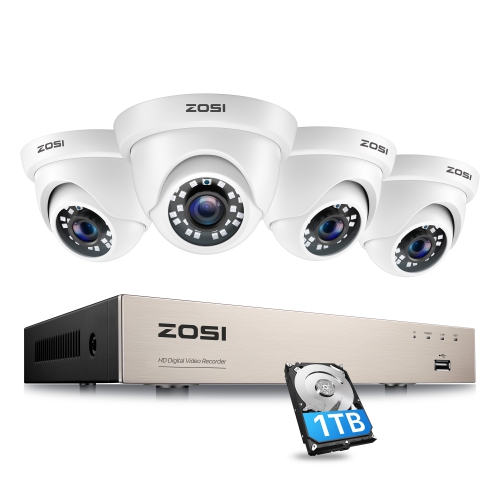
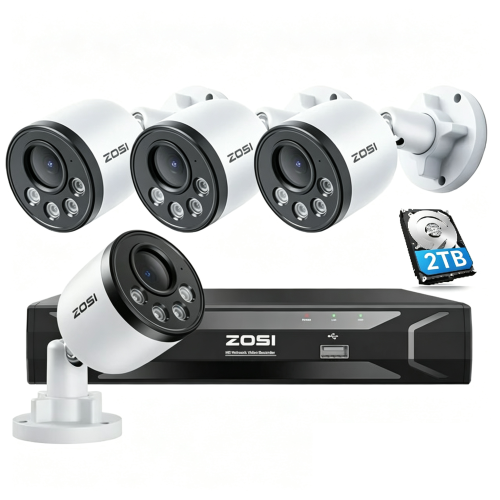
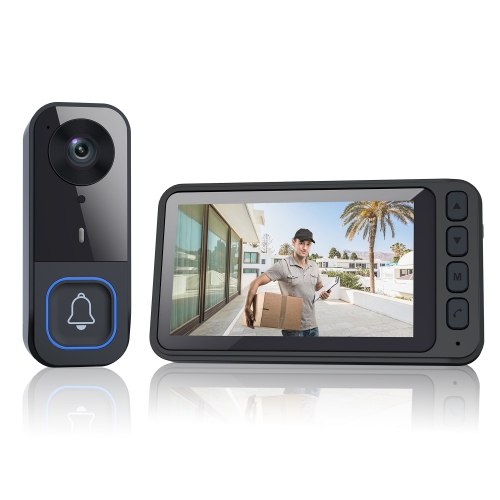
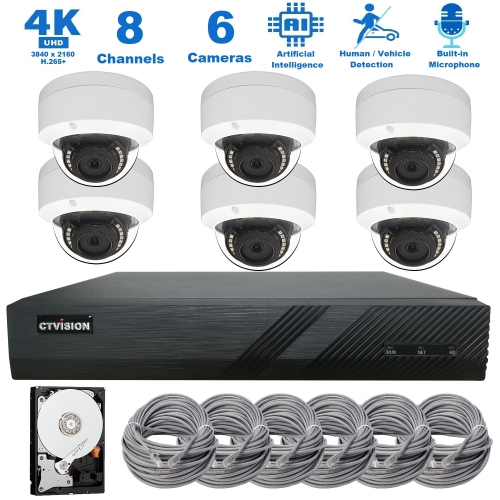
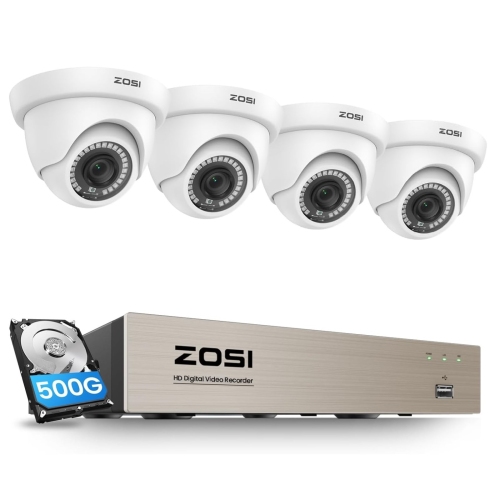
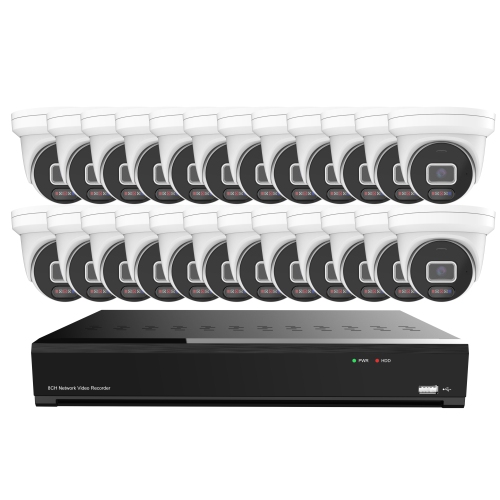
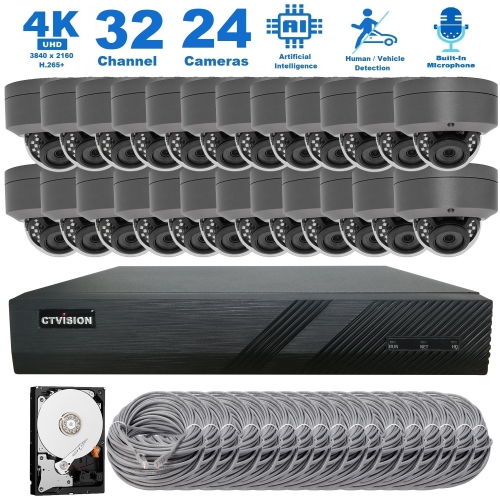
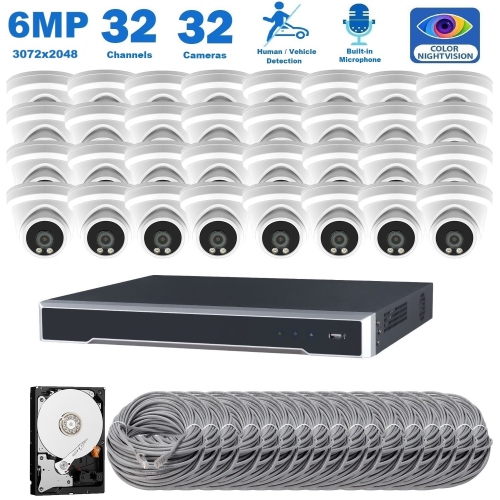
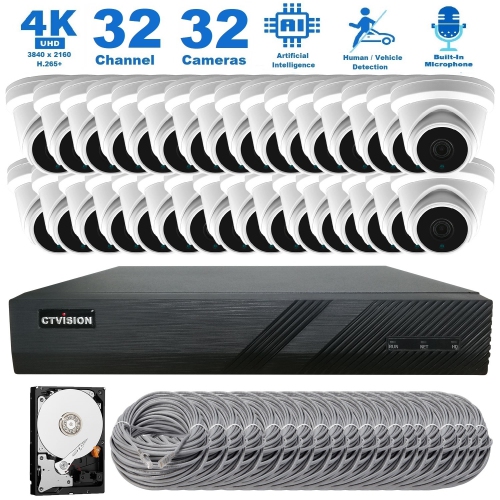
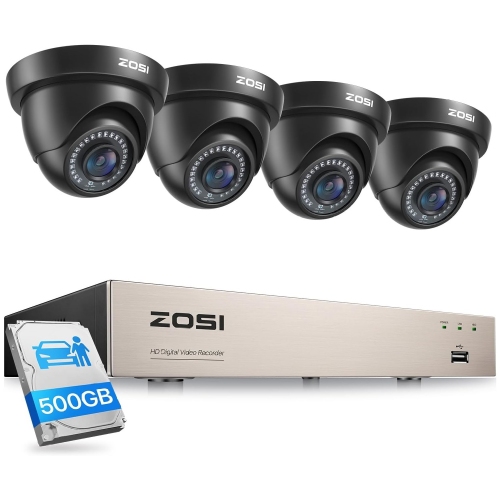
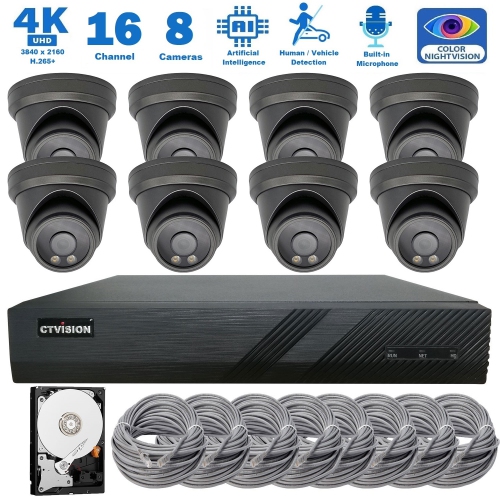
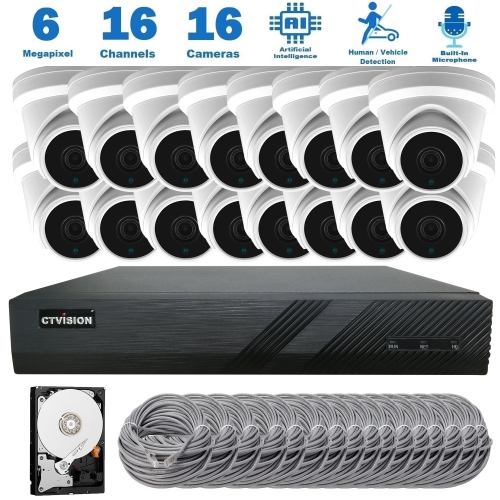

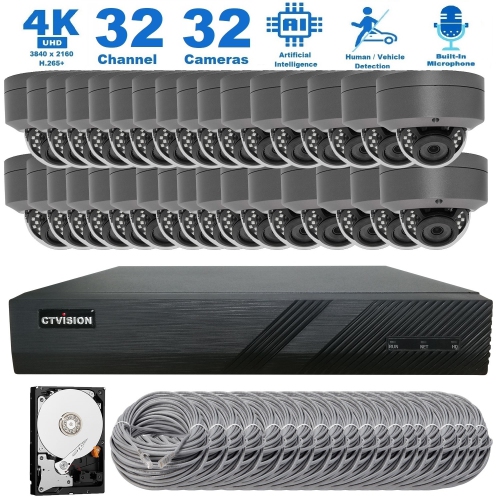
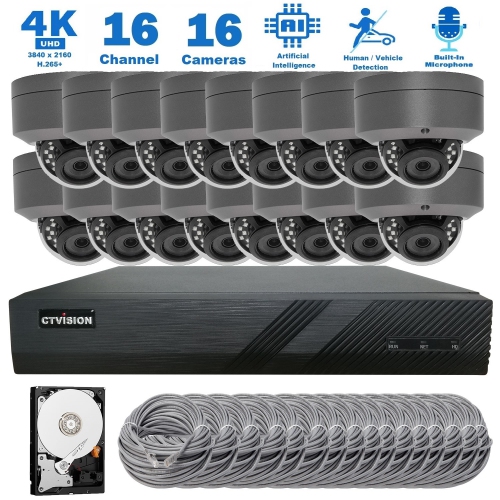
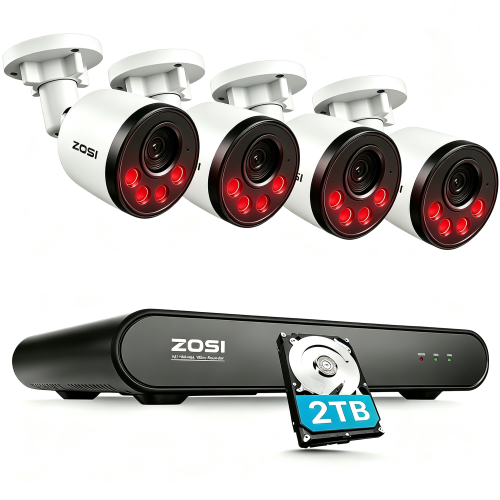

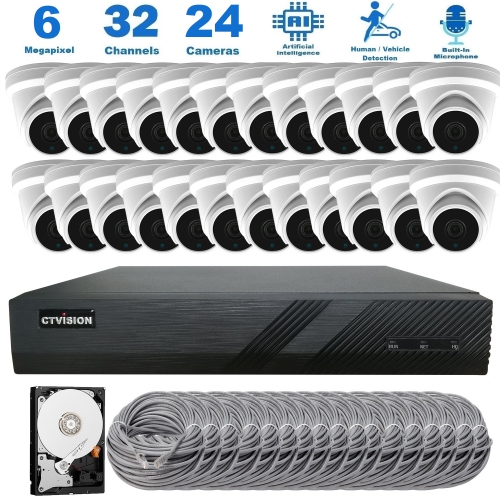
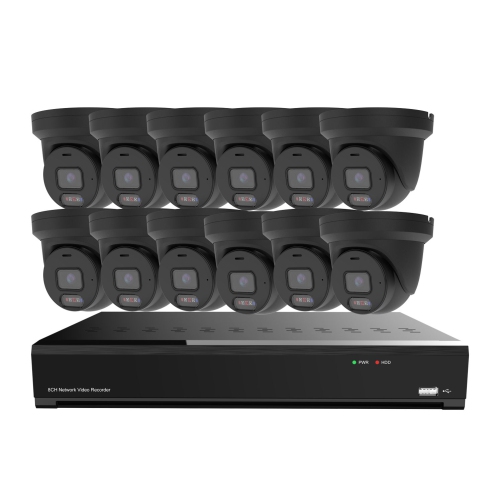
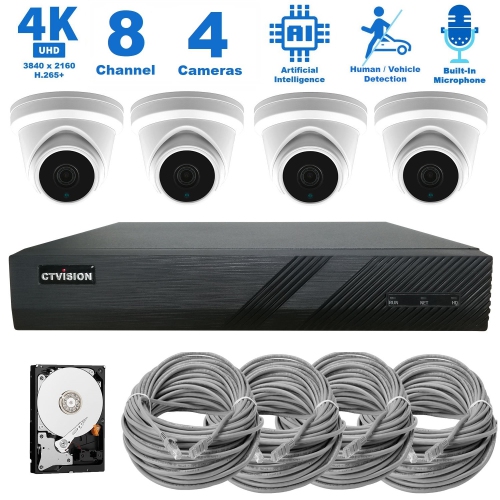
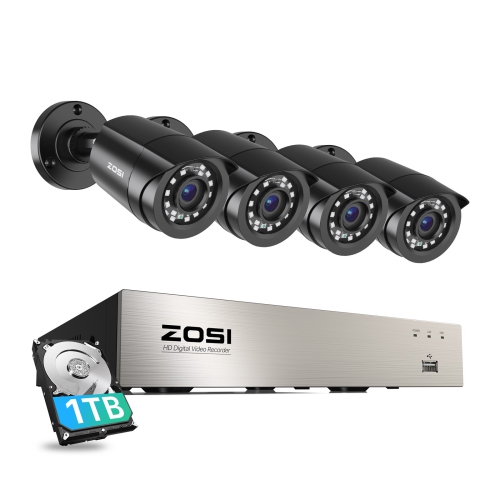
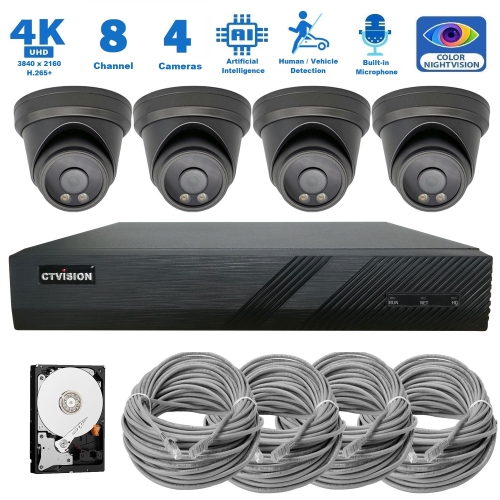
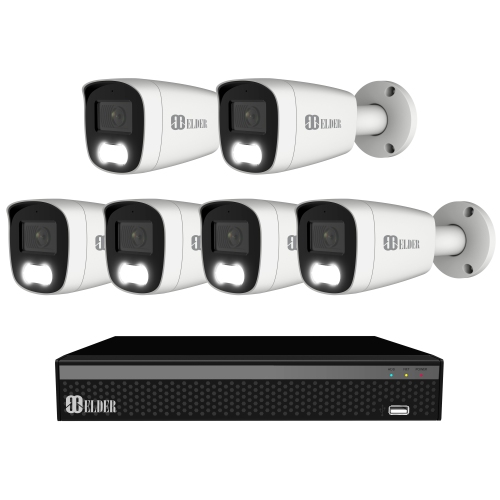
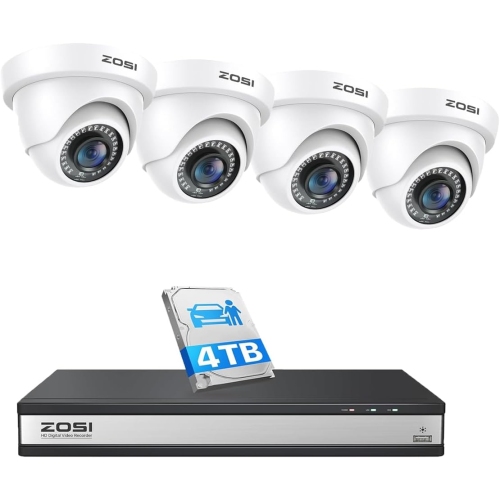
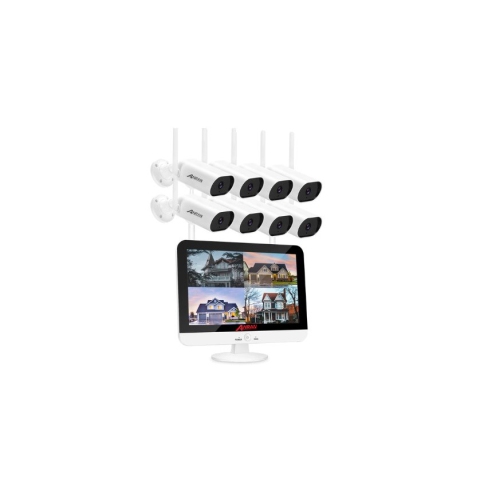
What matters beyond where your camera saves footage
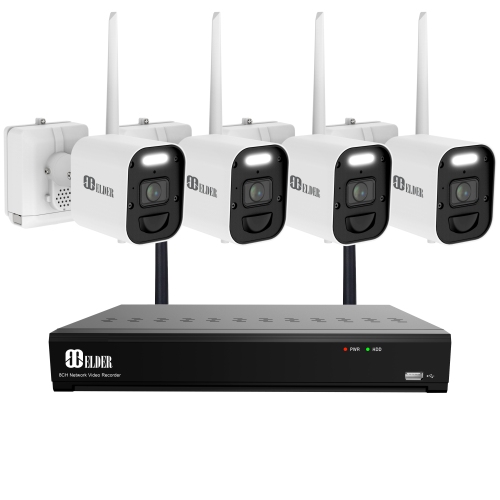
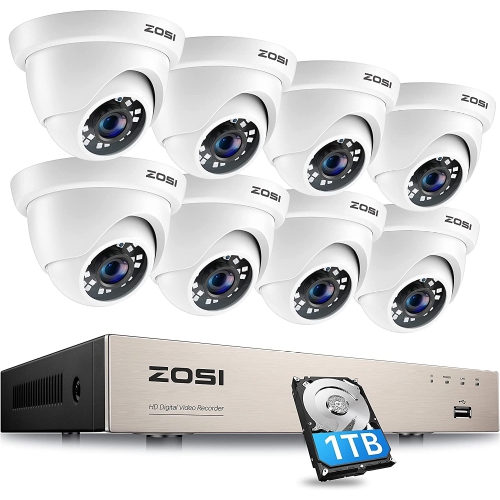
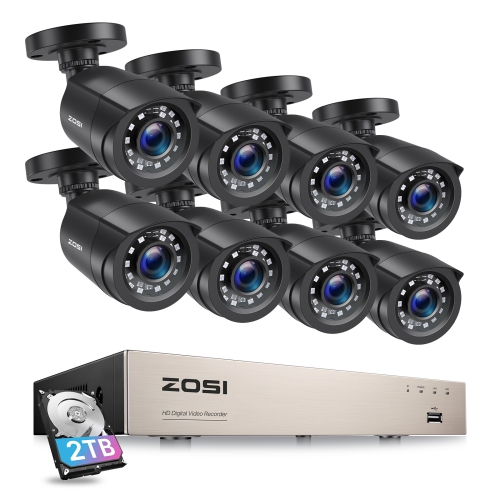
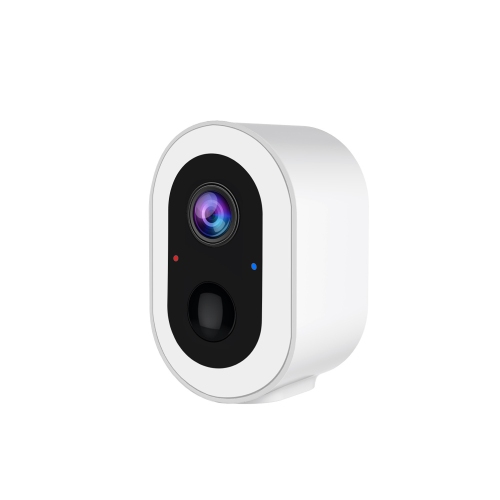
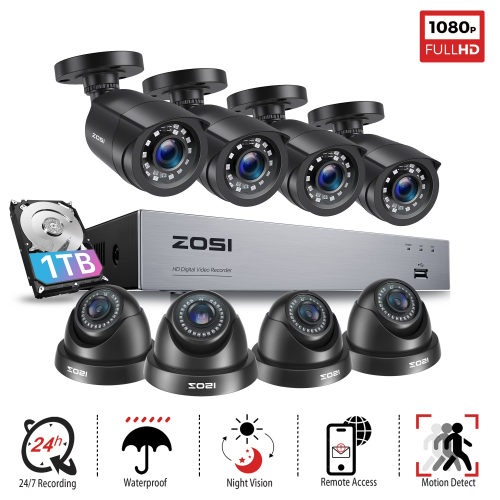
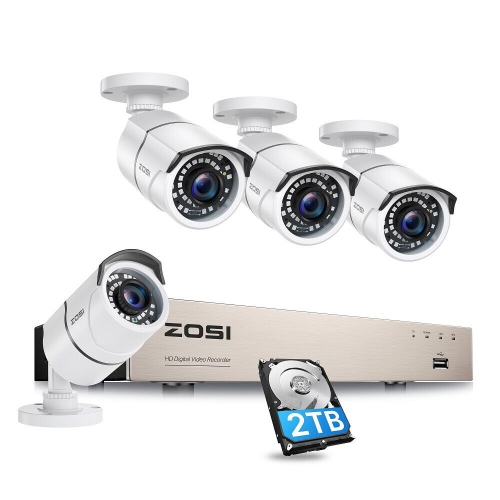
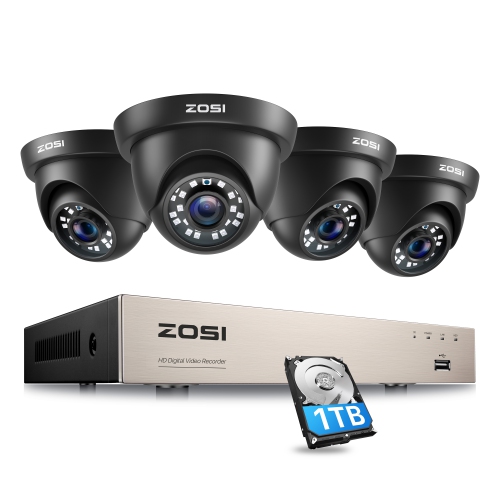
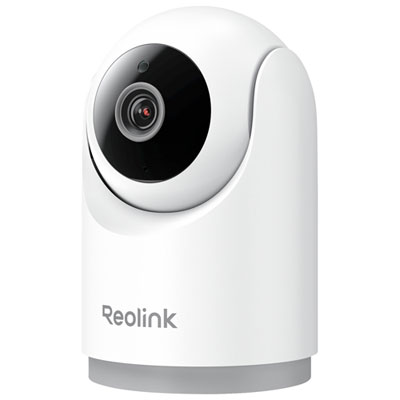
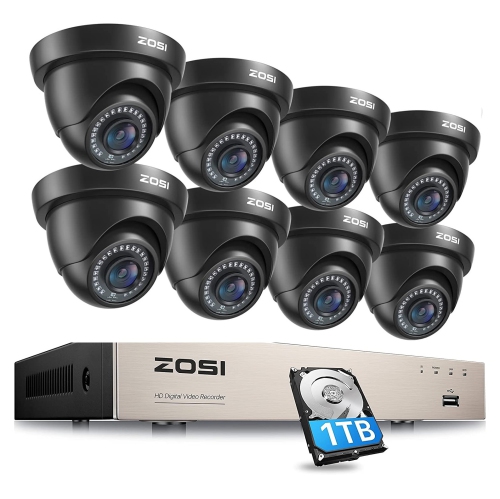
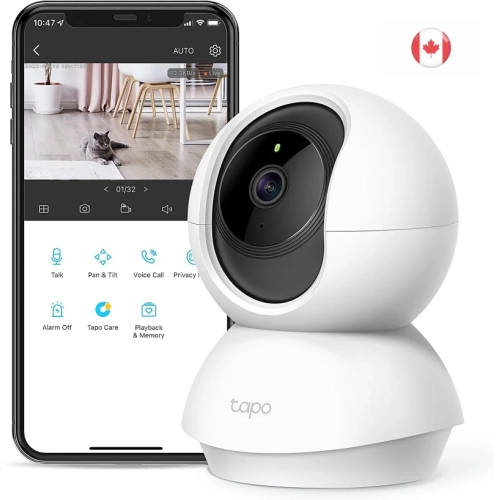
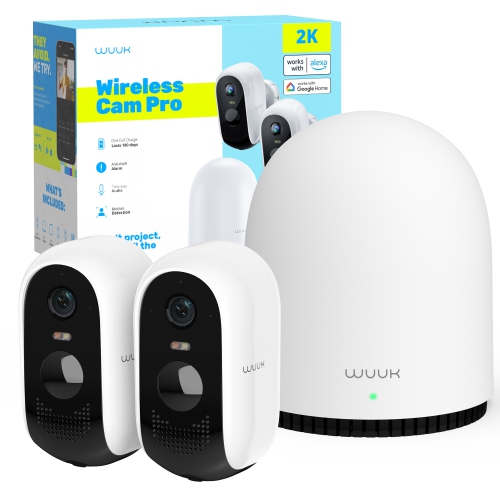
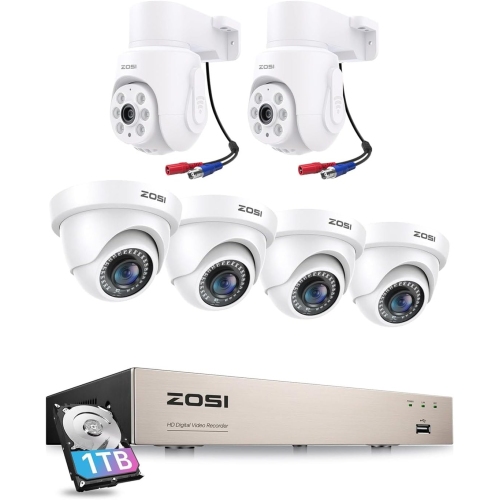
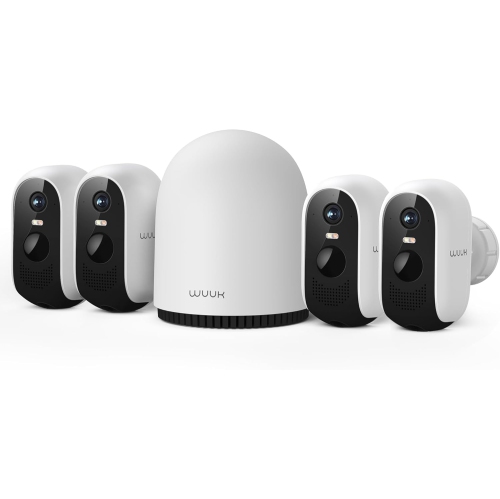
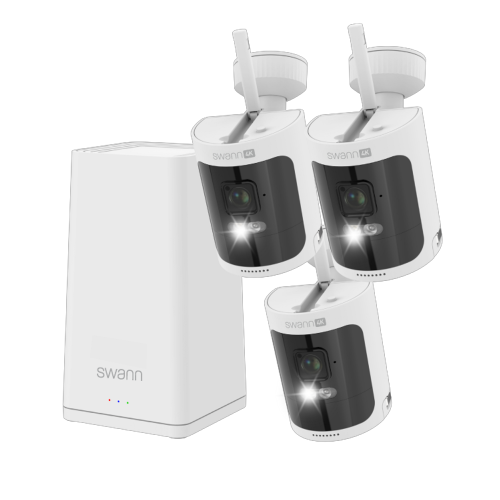
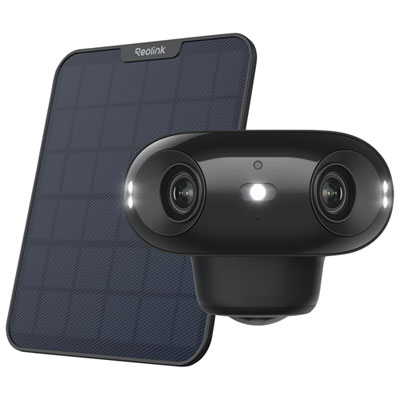
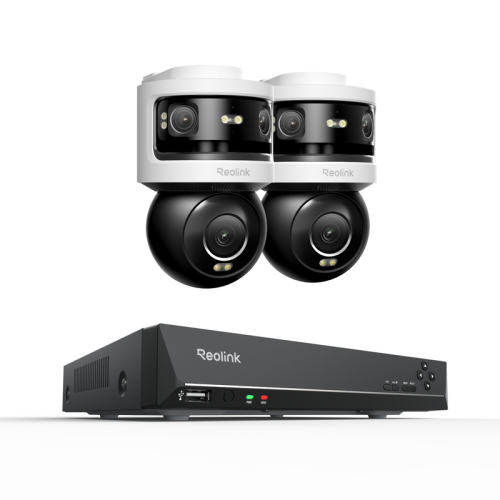
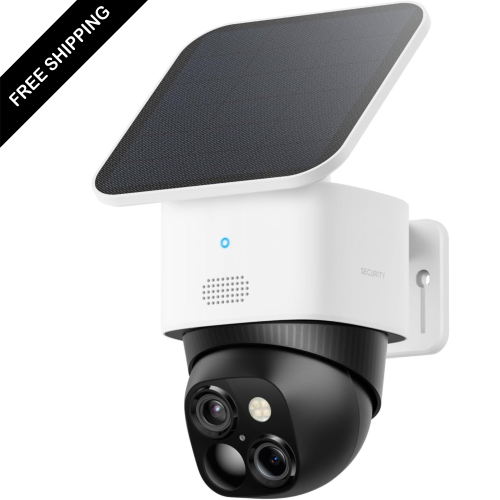
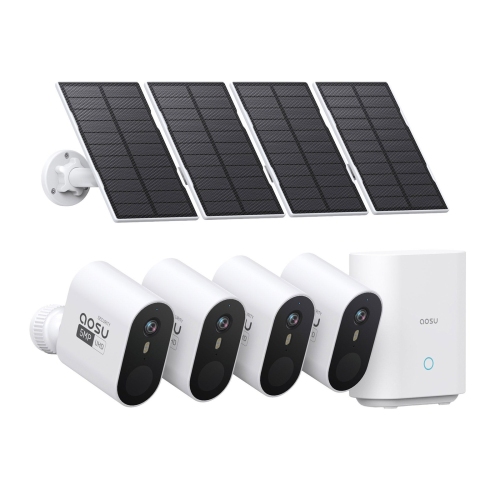
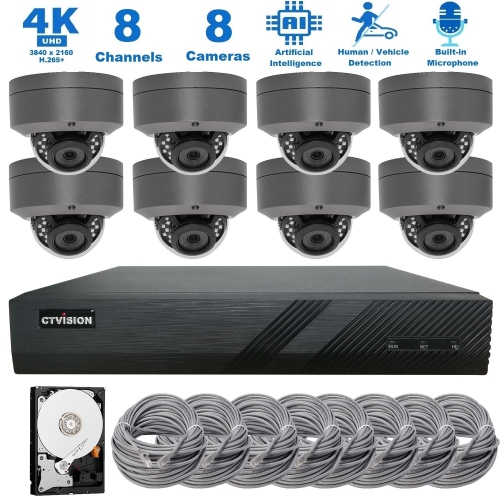
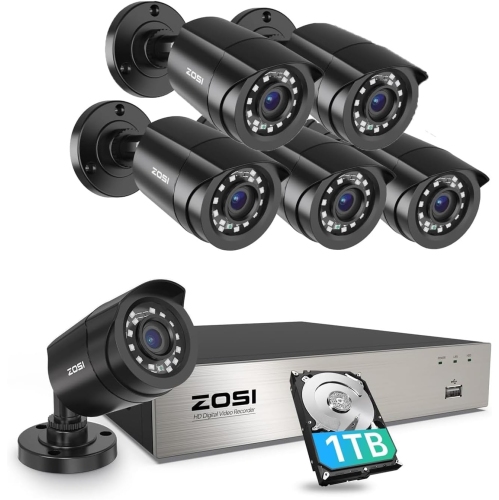
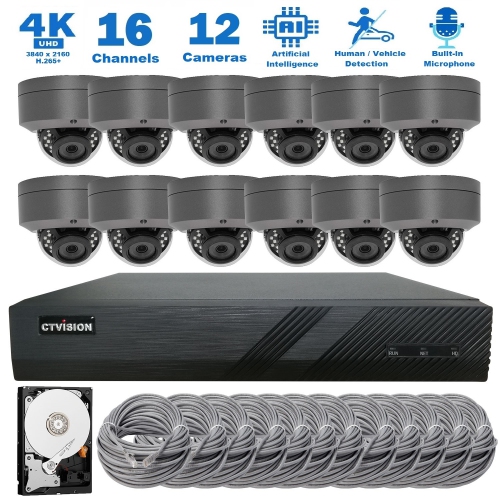
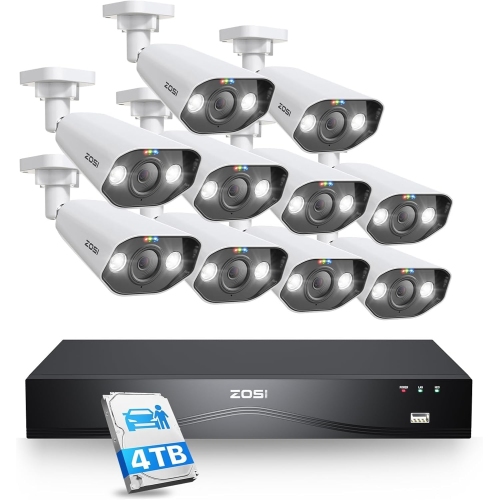
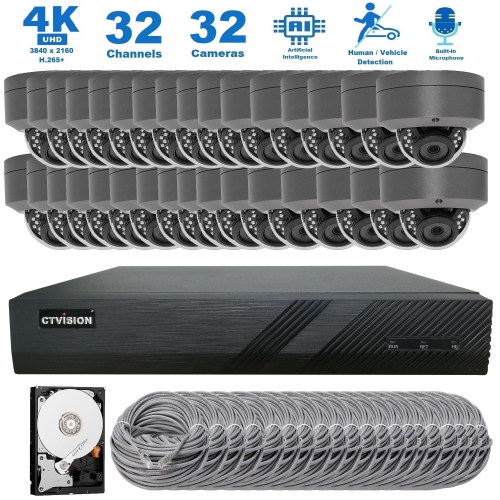
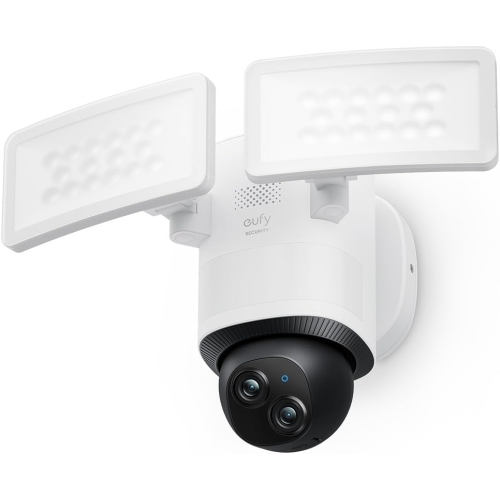
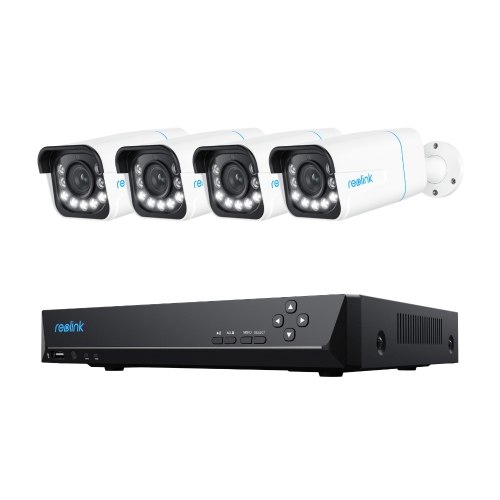
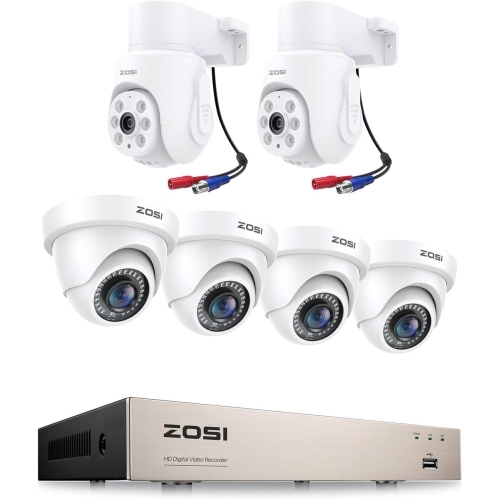
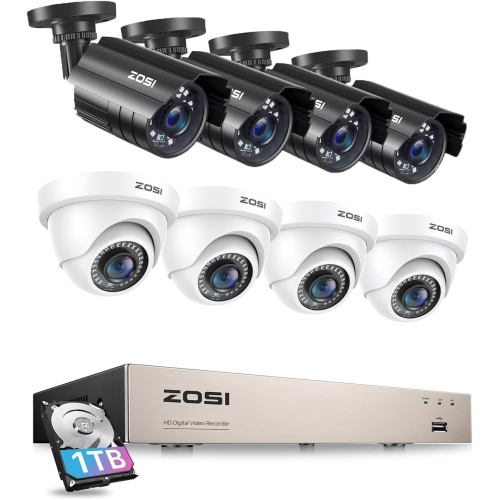
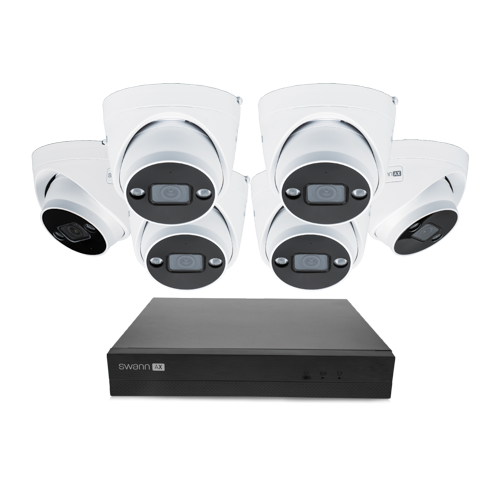
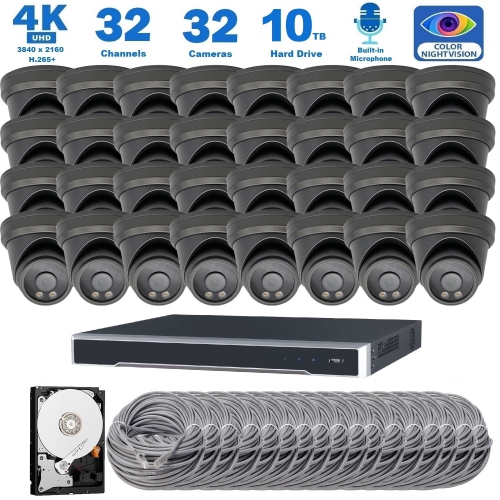
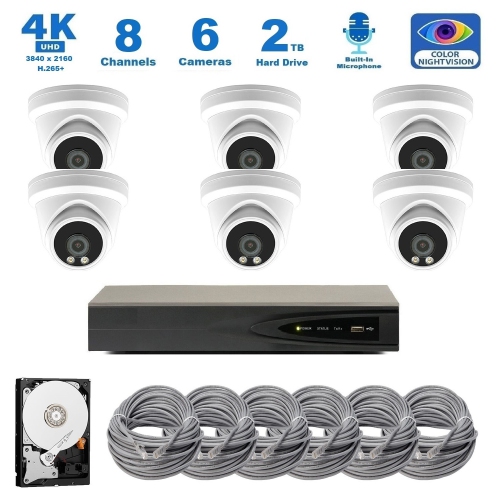
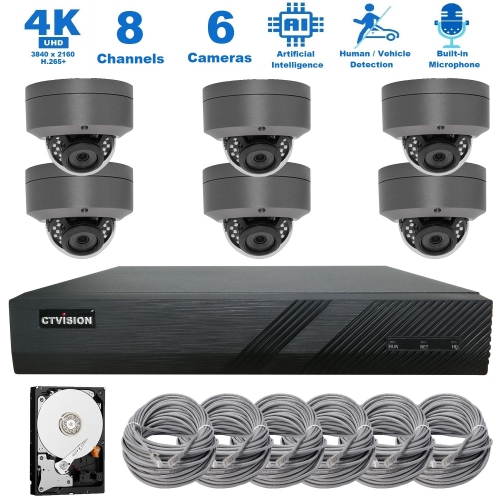
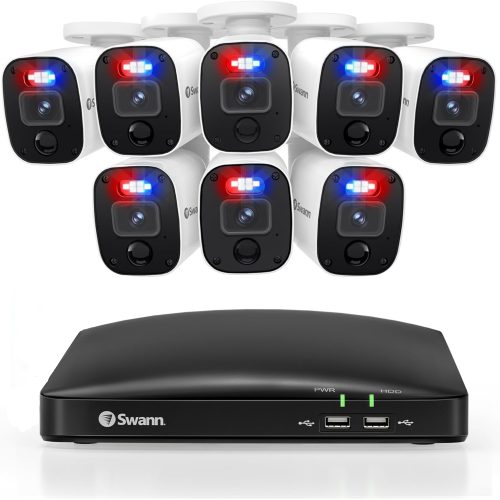
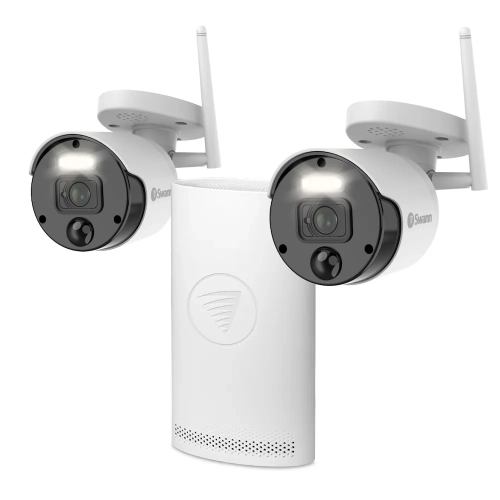
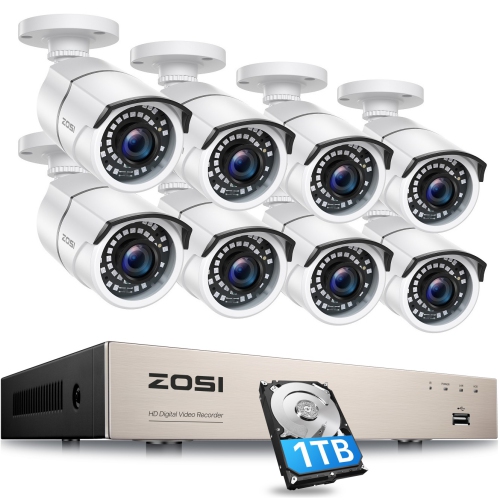
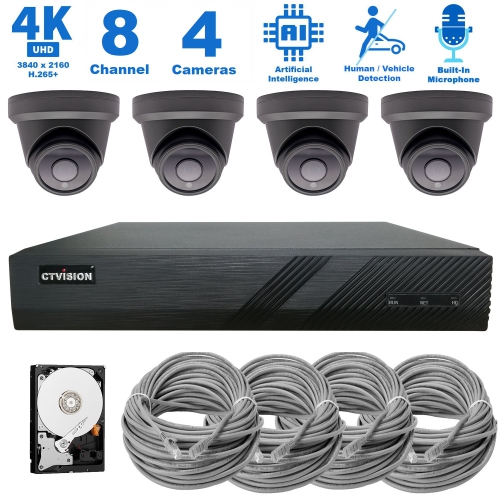
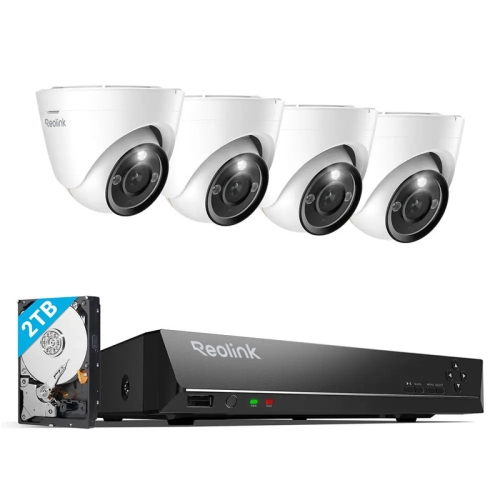
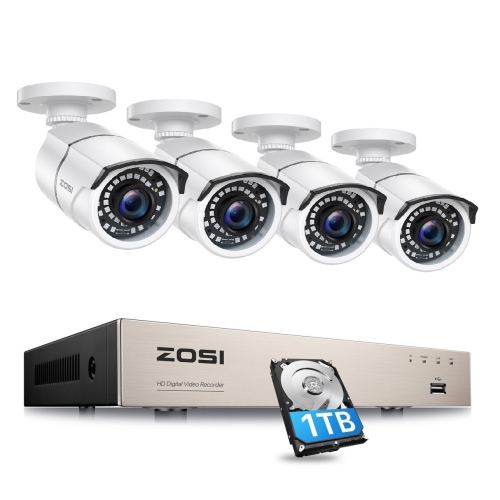
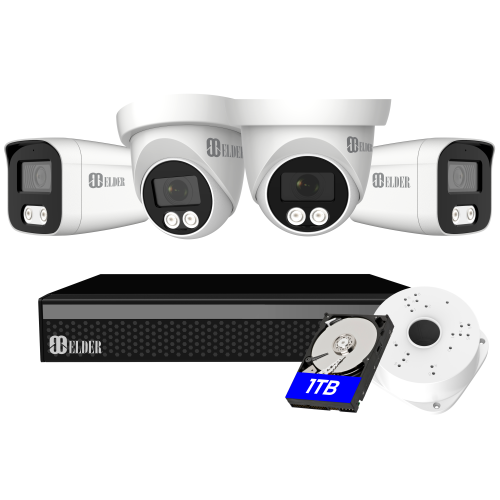
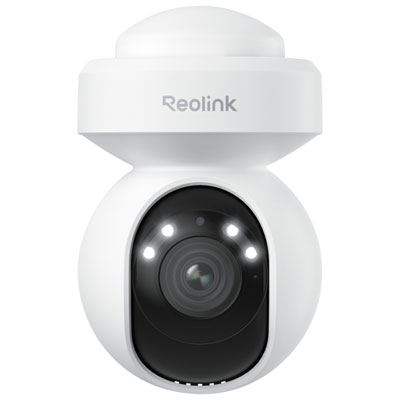
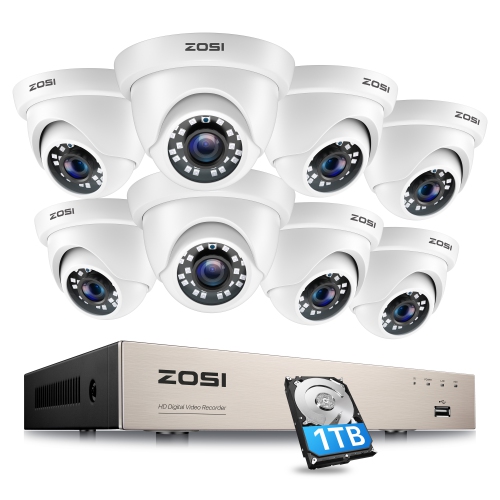
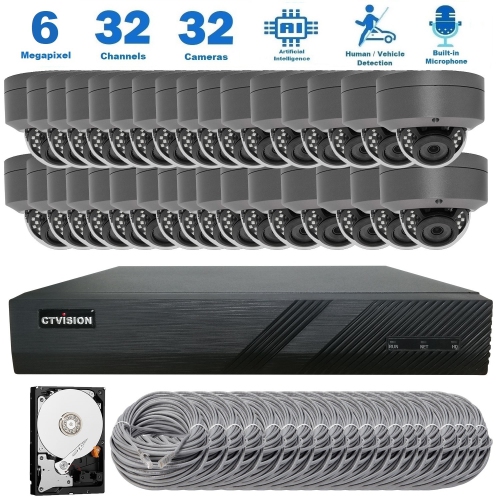
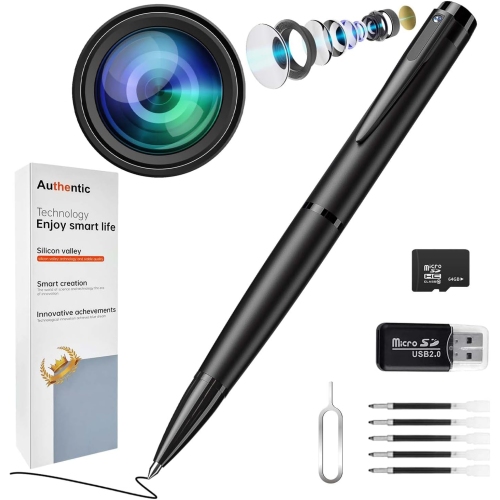
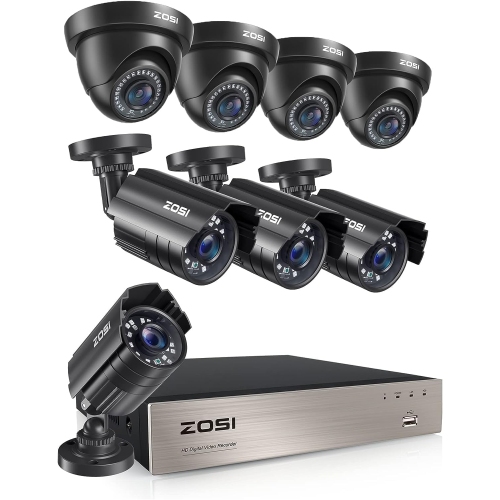
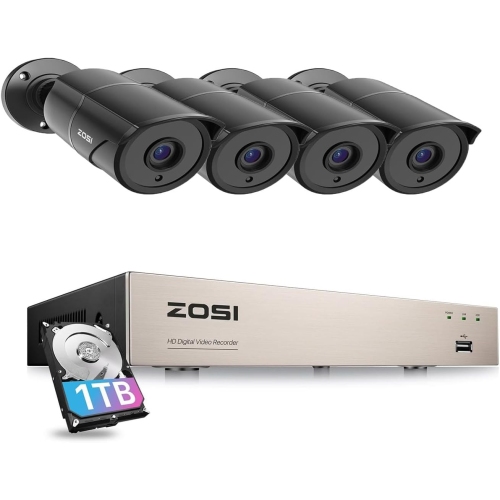
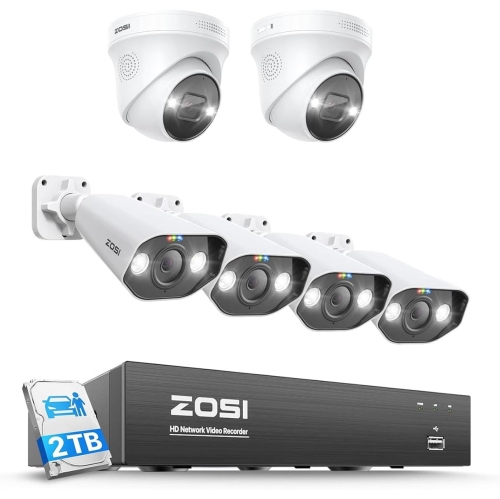
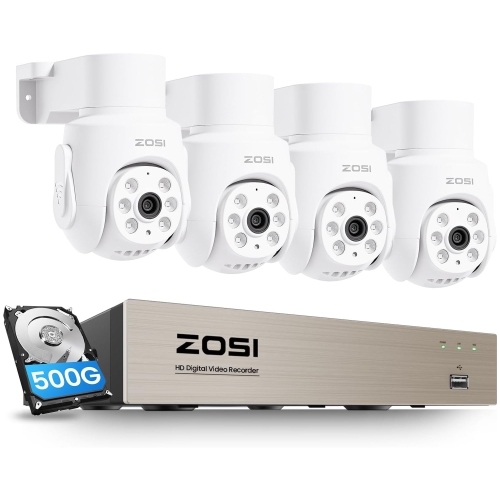
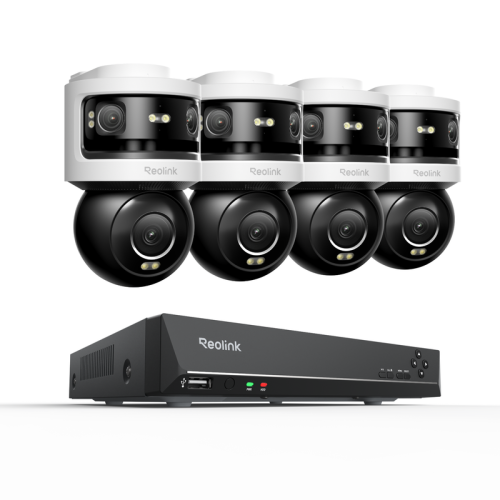
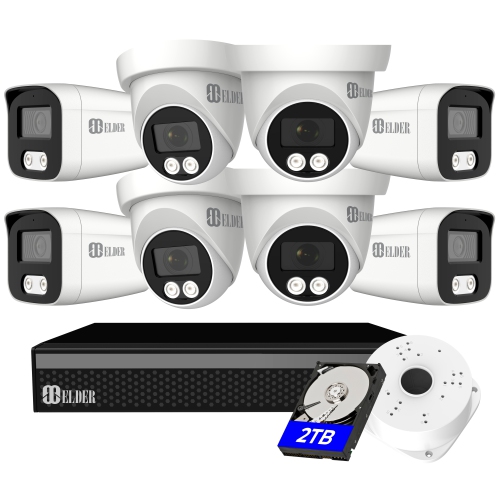
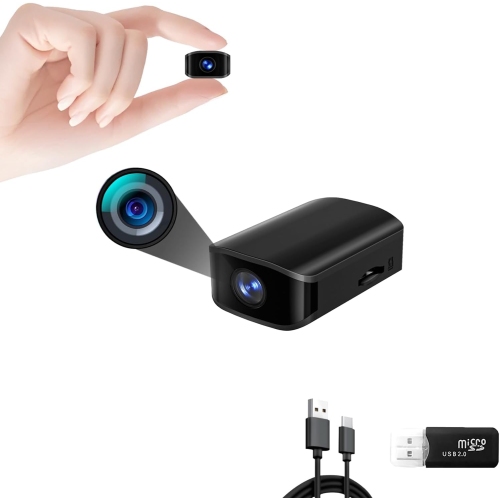
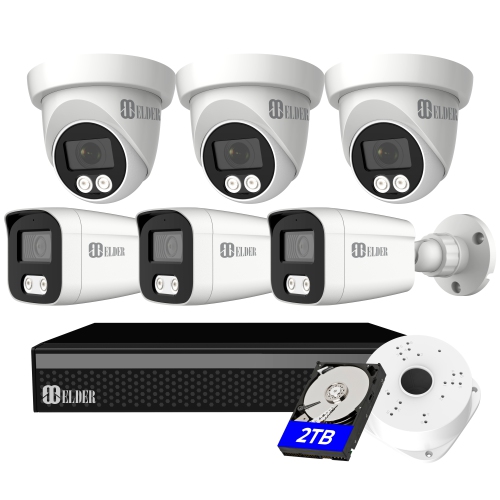
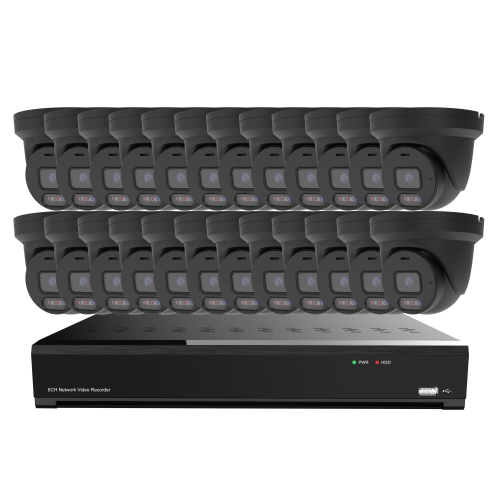
Security cameras with local storage save video directly to a microSD card, a compatible hub or base station, or a network video recorder (NVR), rather than relying solely on cloud storage. This gives households and small businesses a way to keep footage on-site, with recording and playback options that vary by system. A camera with a built-in memory card slot can be a practical fit for monitoring one doorway, a pet’s favourite spot, or a detached workspace. A hub-based setup brings footage from compatible cameras together, while an NVR can support a more extensive arrangement covering entrances, a driveway, and other areas around a property. Depending on the model, local recording can work without a cloud subscription, although certain alerts, search tools, or remote viewing features may have separate requirements. Local storage also does not automatically mean that every function works without internet access. Some systems can continue recording during an internet interruption as long as power and the necessary camera-to-storage connection remain intact; viewing footage from away from home generally requires an internet connection. Recording modes make another important distinction. Motion-triggered recording saves clips when activity is detected, which can suit a front entrance where the main interest is deliveries and visitors. Continuous recording captures a longer timeline and can provide context before and after an incident, but requires compatible equipment and more storage capacity. Battery-powered cameras often emphasize event recording, while wired systems are more commonly suited to continuous use. For someone checking when a parcel arrived or reviewing activity near a shop entrance, the most useful setup is one that combines dependable recording with a straightforward way to find and play back the relevant footage. The storage location matters, too: a memory card inside a camera keeps the setup compact, while a recorder placed securely elsewhere can keep saved footage separate from an exposed camera.
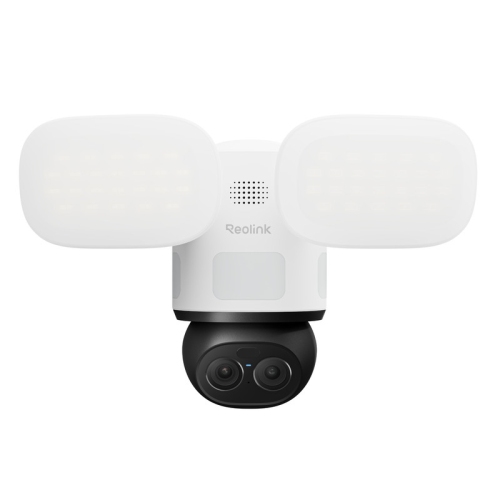
Image quality, viewing angle, and storage capacity work together to determine how useful recorded video will be. Higher-resolution footage can reveal more detail, but it also uses more space, especially when several cameras record at once. Video compression, frame rate, audio settings, and the amount of movement in the scene all affect how much footage a card or recorder can hold. A stated storage capacity therefore does not translate into the same number of recording days for every setup. Many systems overwrite the oldest footage when storage fills, making a simple export function valuable for saving an important clip before it is replaced. Memory card compatibility also deserves attention: supported capacities vary, and high-endurance cards designed for repeated video writing are often better suited to camera use than general-purpose cards. For the picture itself, a wide-angle lens can cover an open living area or a broad entrance, while a narrower view may capture more useful detail at a particular doorway. Camera placement influences results as much as resolution. A view aimed directly at a bright window can leave a person’s face difficult to distinguish, and an overly high mounting position may show the top of a visitor’s head rather than identifying features. Infrared night vision supports recording in darkness, while colour night vision may depend on available light or an integrated light. Reflections can affect cameras placed behind glass, particularly when infrared illumination is active. Motion detection can range from basic movement alerts to recognition of people, vehicles, or animals, depending on the system. Activity zones can help focus notifications on a gate rather than every movement across a shared path. Two-way audio adds another layer of usefulness for speaking with a visitor or checking in on a pet, although microphone placement, background noise, and applicable privacy rules affect how that feature fits into everyday use.
The physical setup is just as important as the recording format. Compact indoor cameras can sit on a shelf or mount discreetly near an entrance, while outdoor-rated housings and secure brackets are designed for placement outside the home. Housing materials, sealed access covers, cable protection, and mounting hardware all contribute to durability. A lightweight camera may be easy to position, but its mount still needs to suit the wall or ceiling material and keep the view steady. Power and connectivity are separate considerations: a Wi-Fi camera may still need a nearby electrical outlet, while a battery-operated model needs accessible placement for recharging or battery changes. Compatible Power over Ethernet cameras can receive power and transmit video through one Ethernet cable, which can simplify a multi-camera installation where cable routing is practical. For larger homes or detached garages, the strength of the connection between each camera and its recorder affects recording reliability. Local storage also benefits from thoughtful access controls. Device passwords, supported encryption, software updates, and account security help protect footage, while a recorder positioned out of casual reach adds physical protection. Local storage alone does not guarantee privacy, and shared household access is easier to manage when the system supports separate users and clear permissions. Routine care is generally straightforward: a clean lens, an unobstructed view, secure connections, and occasional playback checks help confirm that the camera is capturing useful footage. Storage health alerts, where supported, can flag a failing card or drive before an important recording is missed. Explore Local Storage Security Cameras for recording approaches suited to a single room, a busy front entrance, or a coordinated multi-camera setup. Whether used by homeowners, renters with permission to install equipment, or small business operators, these systems are most effective when camera coverage, storage capacity, playback access, and everyday maintenance fit the space and the people using it.
Top selling and popular products
-
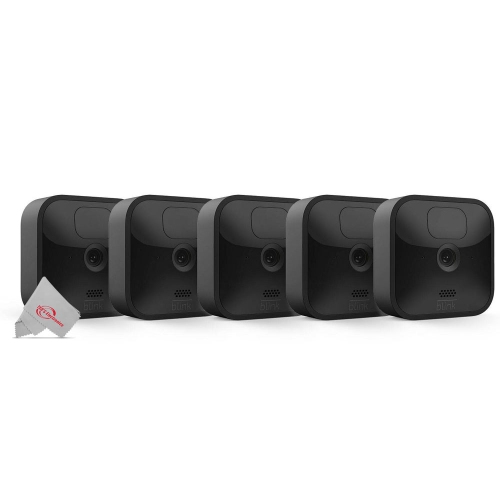 Your price for this item is $659.99
-
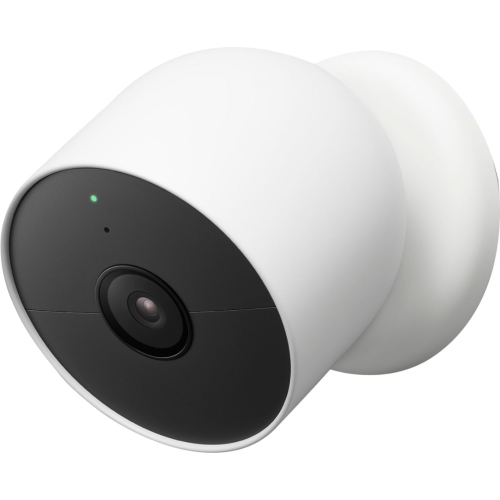 Your price for this item is $199.99
-
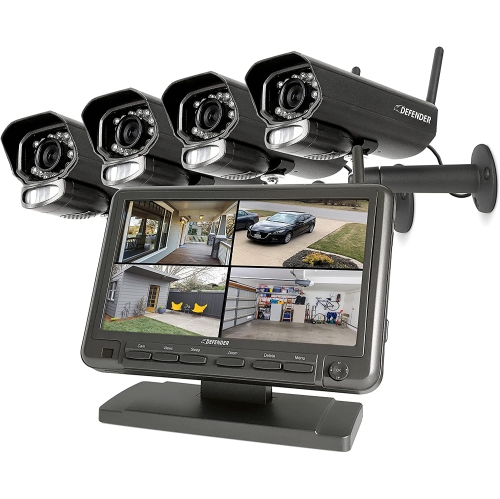 Your price for this item is $449.99
-
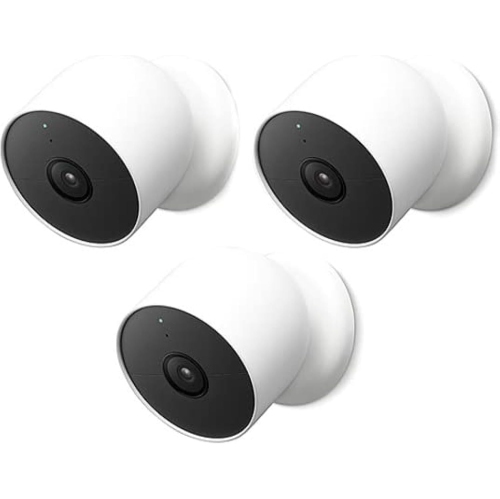 Your price for this item is $519.19
-
 Your price for this item is $199.99
-
 Your price for this item is $369.99
-
 Your price for this item is $129
-
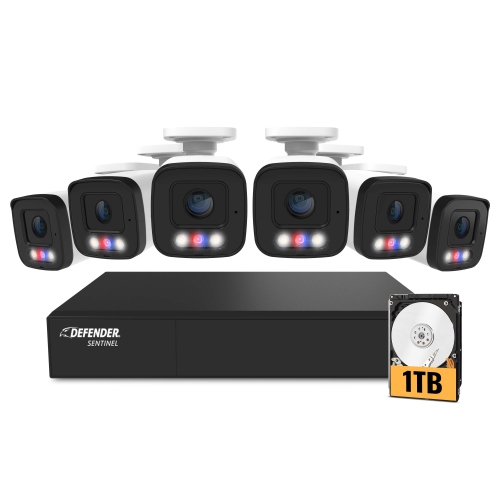 Your price for this item is $449.99
Discover more categories related to Security Cameras With Local Storage
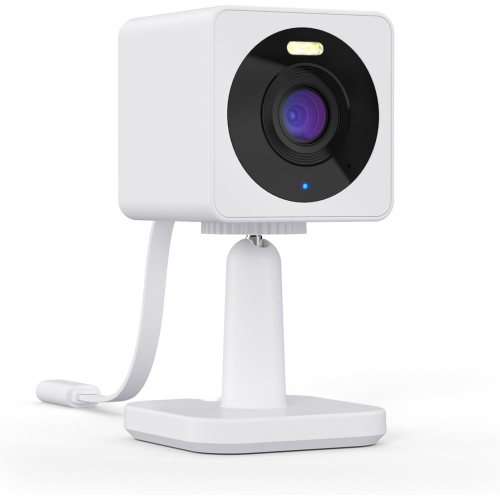
Top Collections:
Best Black Friday Deals This Year, Best Black Friday Deals On Electronics, Kindle Devices, Pokemon Centers, Best Black Friday Deals On Apple Products, Best Cameras for Sports Photography, Dyson Airwrap, Pokémon 30th Celebration Cards, Apple iPhone 17 Pro, Canon G7X Cameras
Some products may be subject to Environmental Handling Fees
(EHF) depending on your province.
Learn more about EHFs.