Smart Thermostats for Winter
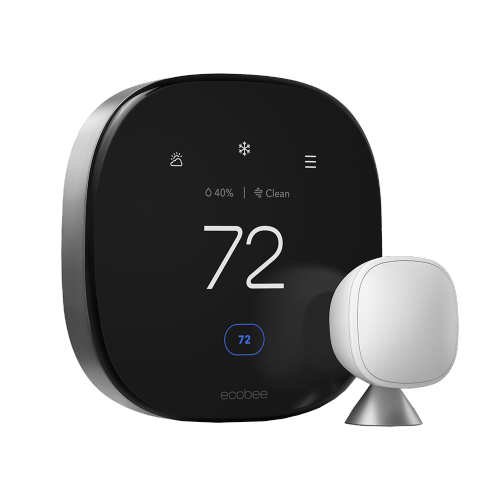
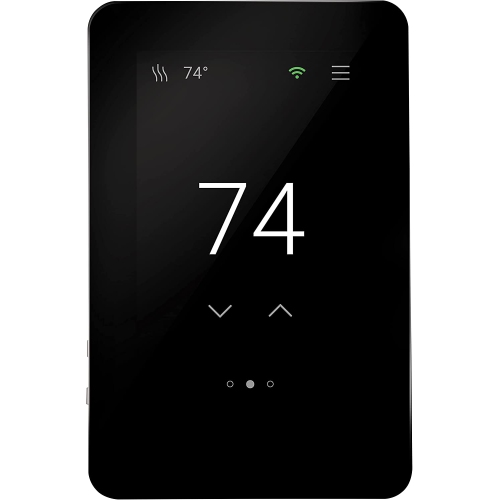
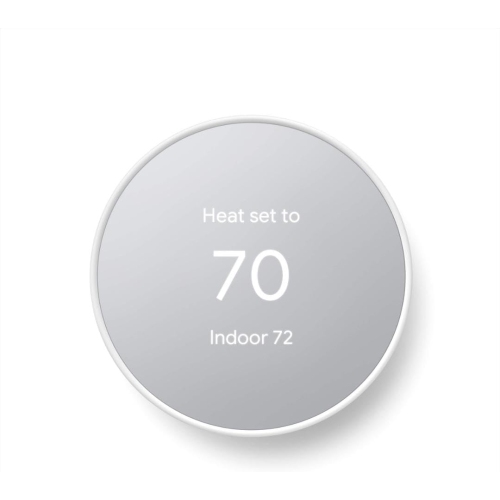
Smart thermostats for winter help you manage home heating as temperatures drop. Explore options with programmable schedules, Wi-Fi connectivity and remote temperature control to find a fit for your routine. Before choosing, check compatibility with your heating system, wiring and any smart home platform you use.

FAQ
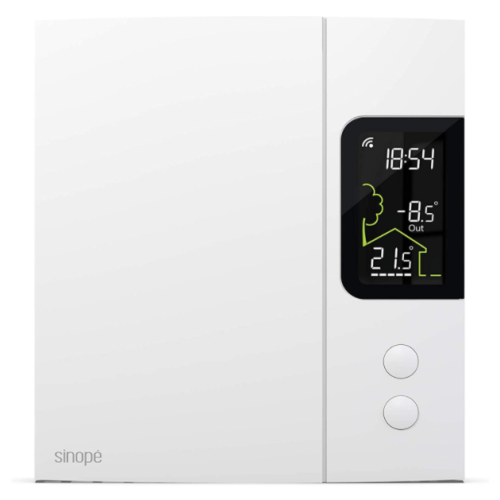
Compatibility varies by model. Many smart thermostats support low-voltage systems such as furnaces, boilers and heat pumps. Electric baseboard heating generally requires a thermostat designed for line-voltage systems. Check the thermostat’s compatibility requirements against your heating system and existing wiring.
Many smart thermostats use a common wire, or C-wire, to provide continuous power. Some models support a power adapter or another manufacturer-approved power option. Review your existing thermostat’s wire labels and the new model’s installation requirements to confirm compatibility.
Many smart thermostats let you create separate weekday and weekend schedules, with temperature settings for different times of day. Depending on the model, you can also create a temporary hold or switch to an away setting without replacing your regular schedule.
Models with remote access let you view and change thermostat settings through a compatible mobile app. This typically requires the thermostat to be connected to your home Wi-Fi network with internet access, along with an internet connection on your phone or tablet. App features and account requirements vary by model.
Many smart thermostats work with compatible voice assistants or smart home platforms. Depending on the supported integration, you can use voice commands to change temperature settings or include thermostat adjustments in routines. Check compatibility with your preferred platform, as available controls vary.
Top selling and popular products
Discover more categories related to Smart Thermostats for Winter
Some products may be subject to Environmental Handling Fees (EHF) depending on your province. Learn more about EHFs.