Solutions for Home Security
Enhancing your peace of mind starts with the right solutions for home security. Explore a wide range of options designed to help you protect your home, loved ones, and valuables. Whether you're looking to monitor your entryways, keep an eye on your property remotely, or simply add an extra layer of protection, you'll find solutions tailored to fit every home and lifestyle. Discover how easy it can be to create a safer environment with the latest in home security technology.
Sort
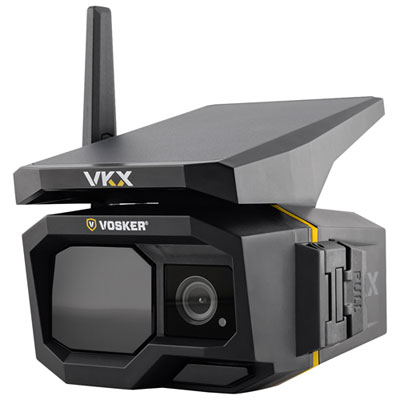
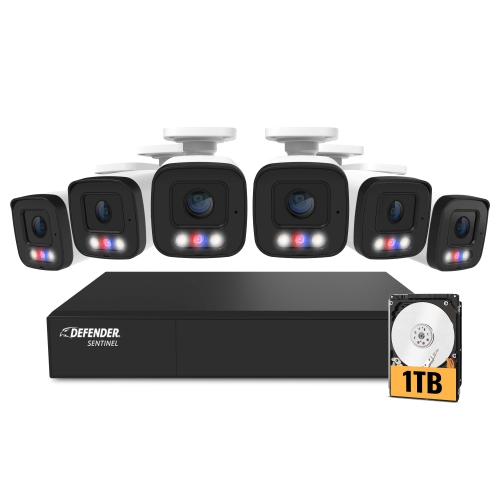
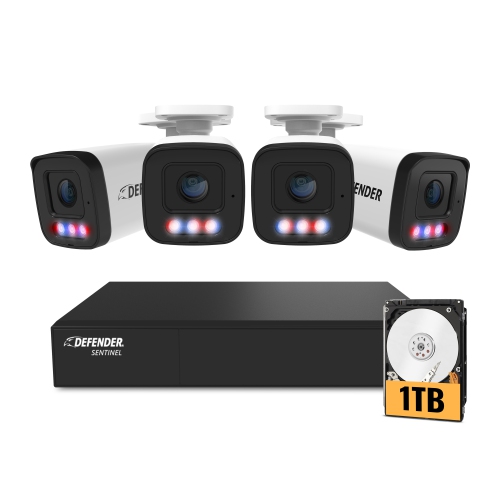
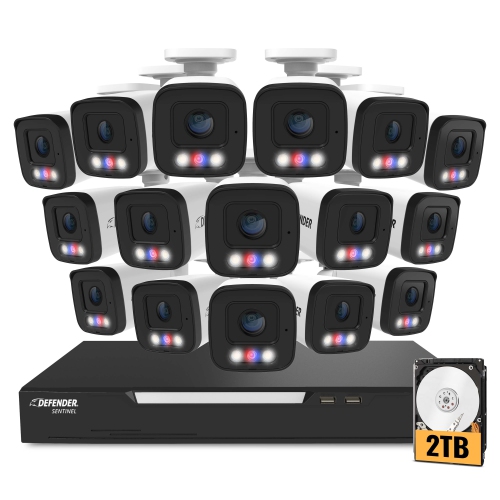
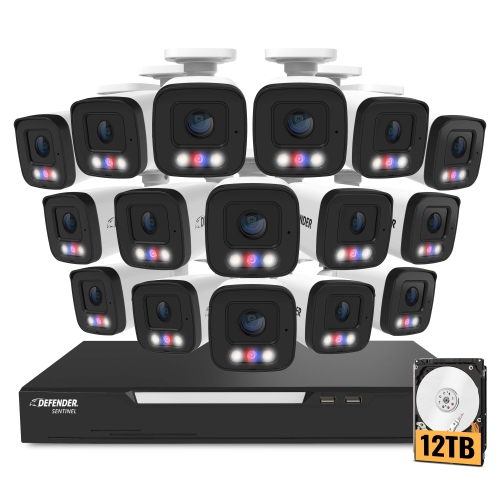
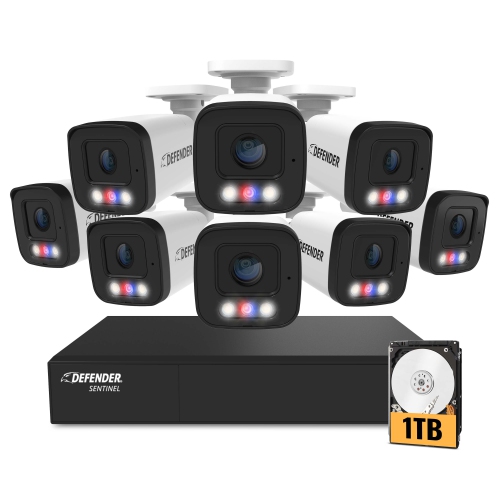
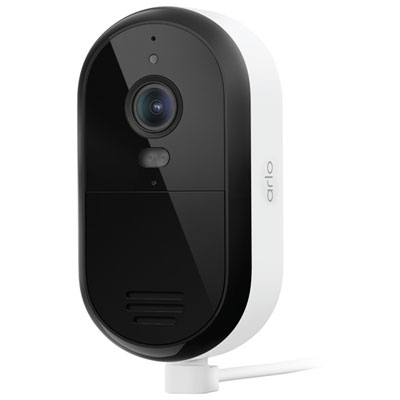
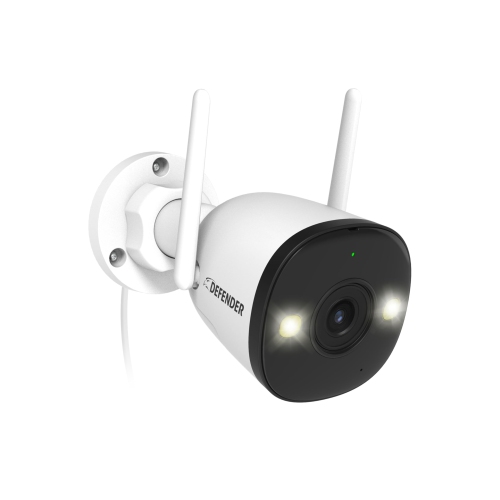
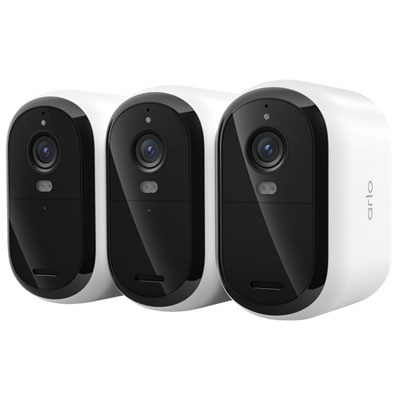
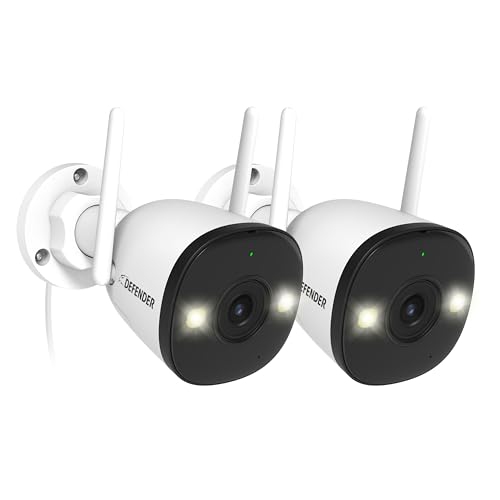
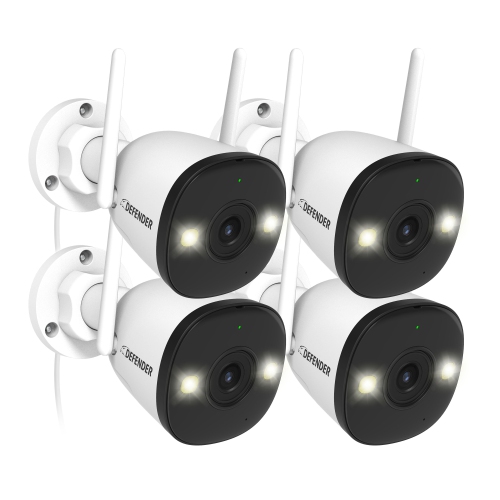
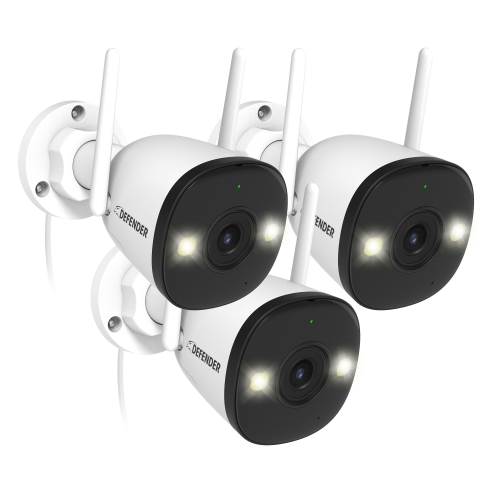
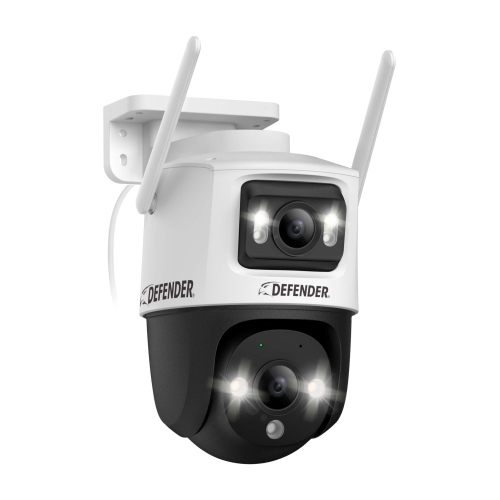
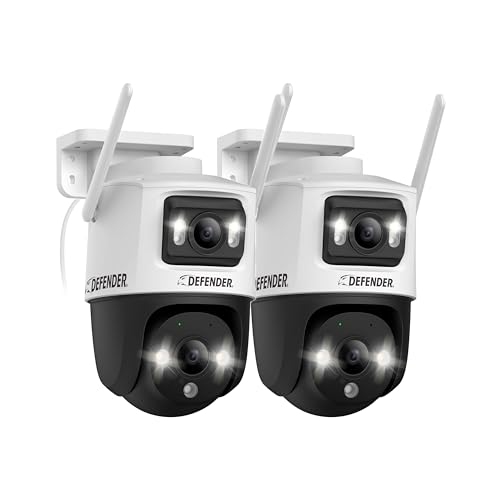
Why security coverage starts with your home’s layout
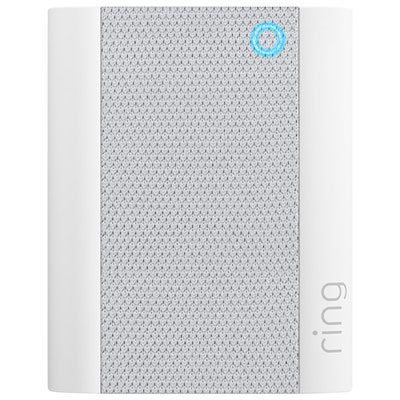
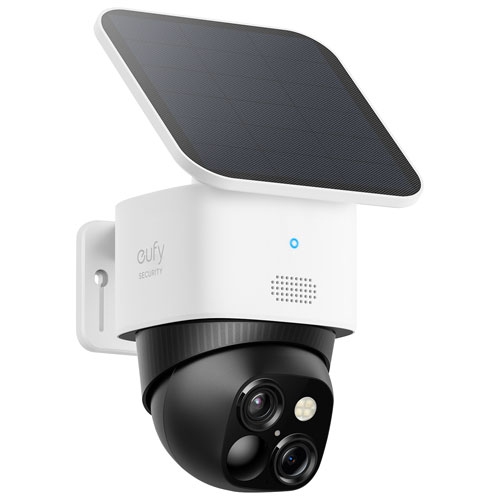
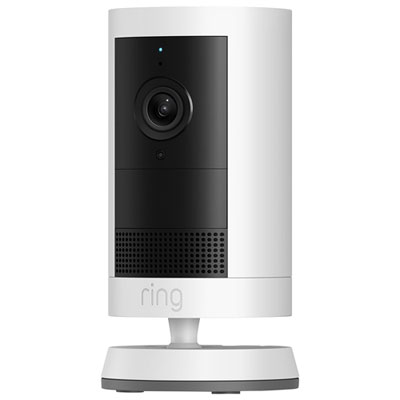
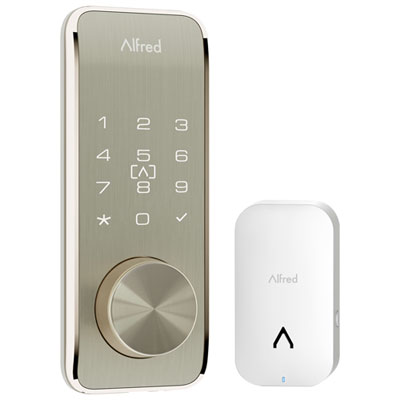
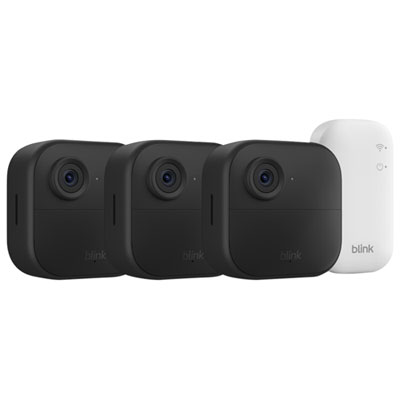
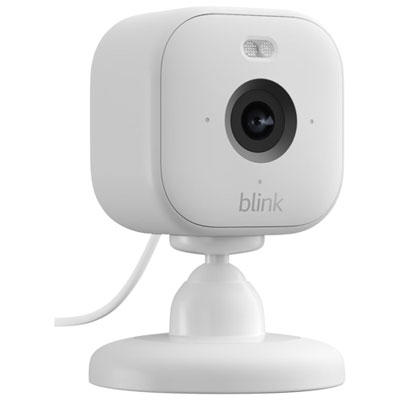
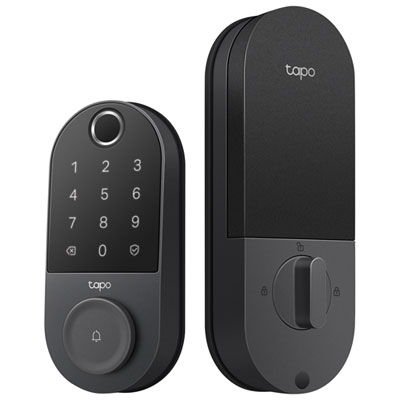
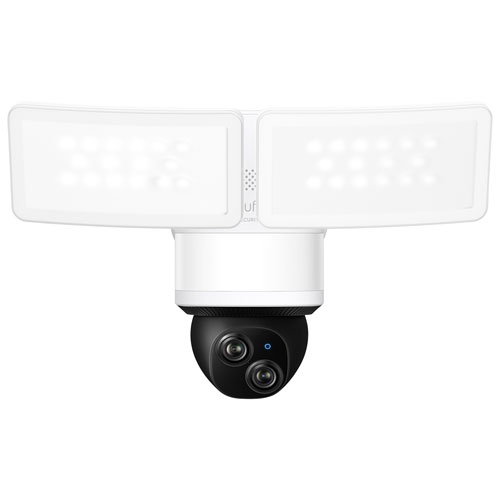
Solutions for home security bring together connected devices that help households see activity, manage access, and receive alerts when something needs attention. The most suitable setup depends on the layout of the home, the areas that need coverage, and whether someone wants to handle notifications personally or use a compatible professional monitoring service. Self-monitored systems send alerts to a phone so a household member can review an event and decide what to do next. Professionally monitored systems can send supported alarm signals to a monitoring centre, where staff follow the service’s procedures for contacting designated people or requesting emergency assistance. Those capabilities depend on the equipment, service agreement, and connection, rather than being standard features of every security device. For a condo, the focus might be the main entrance, a balcony door, and a clear view of visitors without capturing neighbouring doorways. A detached house may need coverage across several entrances, an attached garage, and a side passage that is difficult to see from indoors. Video doorbells, security cameras, contact sensors, motion sensors, smart locks, and alarm hubs serve different purposes within those spaces. A contact sensor reports whether a door or window has opened; a camera adds visual context; a smart lock manages entry through supported keys, codes, or app controls. Together, compatible devices can make a notification more useful than an isolated alert. An open-door signal followed by a view of a familiar person carrying grocery bags tells a different story from unexpected movement near an unused entrance. Households exploring Safe Home Security can consider these categories as parts of a connected setup, rather than assuming that every room needs the same equipment. The aim is useful coverage that fits daily routines, whether someone lives alone, shares a home with family, or wants to check on an entrance while away. No setup can guarantee that an incident will be prevented, but well-matched components can improve awareness and make access easier to manage.
Physical fit and placement matter as much as a feature list. A video doorbell needs a mounting position that shows the approach to the entrance, not just a close view of the door frame. Camera viewing angles affect how much of a room or pathway is visible, while image detail, lighting, and distance influence whether a face or delivered parcel can be seen clearly. Night vision can help reveal activity in darker areas, although reflections from nearby glass or walls may reduce image quality. Two-way audio allows a conversation through a supported device, which can be useful when a visitor arrives while someone is upstairs or when a delivery needs clarification. Inside the home, motion sensors work best when their placement suits the room and the manufacturer’s detection requirements. Pet-related settings may reduce unwanted alerts, but their effectiveness depends on factors such as the animal’s size, movement, and the sensor’s position. Door and window sensors need adequate mounting space and alignment between their two parts. Recessed frames, decorative trim, and sliding openings can affect that fit. Smart locks also require a close match to the existing door: door thickness, bore dimensions, backset, and deadbolt alignment can determine compatibility. For renters, removable mounting options and devices that retain existing lock hardware may be practical, subject to the lease and any necessary permission. Housings, brackets, and mounting hardware contribute to durability, particularly where equipment could be bumped or handled frequently. An indoor device should not be treated as suitable for outdoor installation unless it is explicitly rated for that use. Battery-powered designs offer more placement flexibility, while wired designs require appropriate power access and may need qualified installation. Neither approach removes the need for routine care. Clean lenses, secure brackets, properly closing doors, and batteries maintained according to the manufacturer’s directions help equipment function as intended. Accessible placement makes those tasks easier without putting a camera or sensor where it can readily be disturbed.
Connected home security also depends on what happens behind the scenes: reliable communication, clear app controls, appropriate storage, and sensible account protection. Wi-Fi coverage at the installation point matters more than the strength of the signal beside the router. A camera near a garage or a doorbell beside a solid exterior wall may have a less reliable connection than a device in the living room. Some systems use a central hub and a separate wireless protocol for sensors, so compatibility involves more than simply connecting everything to the same home network. Support for an existing smart home platform can make everyday controls more convenient, but devices from different ranges do not necessarily share every feature. Storage is another important distinction. Local storage keeps footage on supported equipment, while cloud storage sends it to a remote service; retention periods, access methods, and whether recording continues during a connection loss vary by system. Event-based recording captures supported activity, whereas continuous recording, where offered, provides a longer timeline to review. Useful notification controls let household members distinguish activity at an entrance from movement in less relevant areas. Detection zones and supported person or package alerts can help reduce interruptions, although automated detection is not infallible. Shared access is particularly helpful for families and households with caregivers: separate accounts or entry codes can give each authorized person the access they need without sharing a single password. Temporary codes may suit visiting relatives or a scheduled dog walker when the lock supports them. Strong, unique passwords, multifactor authentication where offered, and software updates help protect connected devices and accounts. Camera placement should respect privacy, especially around neighbouring properties and shared spaces. Backup batteries and supported cellular connections can improve continuity during certain outages, but their scope and operating duration differ. A system’s everyday value comes from clear alerts, dependable access, manageable upkeep, and coverage that suits the home, with room to add compatible devices as household needs change.
Physical fit and placement matter as much as a feature list. A video doorbell needs a mounting position that shows the approach to the entrance, not just a close view of the door frame. Camera viewing angles affect how much of a room or pathway is visible, while image detail, lighting, and distance influence whether a face or delivered parcel can be seen clearly. Night vision can help reveal activity in darker areas, although reflections from nearby glass or walls may reduce image quality. Two-way audio allows a conversation through a supported device, which can be useful when a visitor arrives while someone is upstairs or when a delivery needs clarification. Inside the home, motion sensors work best when their placement suits the room and the manufacturer’s detection requirements. Pet-related settings may reduce unwanted alerts, but their effectiveness depends on factors such as the animal’s size, movement, and the sensor’s position. Door and window sensors need adequate mounting space and alignment between their two parts. Recessed frames, decorative trim, and sliding openings can affect that fit. Smart locks also require a close match to the existing door: door thickness, bore dimensions, backset, and deadbolt alignment can determine compatibility. For renters, removable mounting options and devices that retain existing lock hardware may be practical, subject to the lease and any necessary permission. Housings, brackets, and mounting hardware contribute to durability, particularly where equipment could be bumped or handled frequently. An indoor device should not be treated as suitable for outdoor installation unless it is explicitly rated for that use. Battery-powered designs offer more placement flexibility, while wired designs require appropriate power access and may need qualified installation. Neither approach removes the need for routine care. Clean lenses, secure brackets, properly closing doors, and batteries maintained according to the manufacturer’s directions help equipment function as intended. Accessible placement makes those tasks easier without putting a camera or sensor where it can readily be disturbed.
Connected home security also depends on what happens behind the scenes: reliable communication, clear app controls, appropriate storage, and sensible account protection. Wi-Fi coverage at the installation point matters more than the strength of the signal beside the router. A camera near a garage or a doorbell beside a solid exterior wall may have a less reliable connection than a device in the living room. Some systems use a central hub and a separate wireless protocol for sensors, so compatibility involves more than simply connecting everything to the same home network. Support for an existing smart home platform can make everyday controls more convenient, but devices from different ranges do not necessarily share every feature. Storage is another important distinction. Local storage keeps footage on supported equipment, while cloud storage sends it to a remote service; retention periods, access methods, and whether recording continues during a connection loss vary by system. Event-based recording captures supported activity, whereas continuous recording, where offered, provides a longer timeline to review. Useful notification controls let household members distinguish activity at an entrance from movement in less relevant areas. Detection zones and supported person or package alerts can help reduce interruptions, although automated detection is not infallible. Shared access is particularly helpful for families and households with caregivers: separate accounts or entry codes can give each authorized person the access they need without sharing a single password. Temporary codes may suit visiting relatives or a scheduled dog walker when the lock supports them. Strong, unique passwords, multifactor authentication where offered, and software updates help protect connected devices and accounts. Camera placement should respect privacy, especially around neighbouring properties and shared spaces. Backup batteries and supported cellular connections can improve continuity during certain outages, but their scope and operating duration differ. A system’s everyday value comes from clear alerts, dependable access, manageable upkeep, and coverage that suits the home, with room to add compatible devices as household needs change.
Top selling and popular products
-
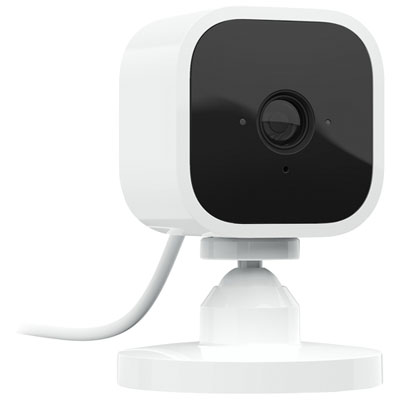 Your price for this item is $34.97
 -
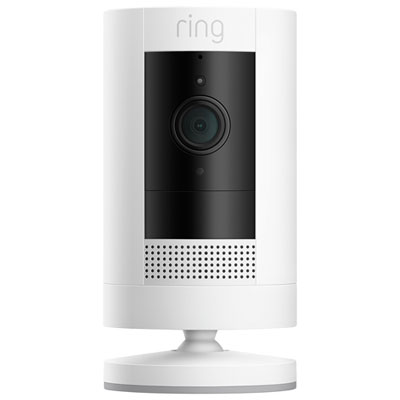 Your price for this item is $69.99
 -
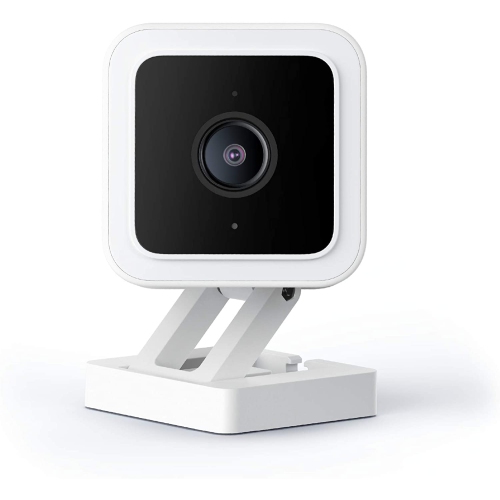 Your price for this item is $95.99
 -
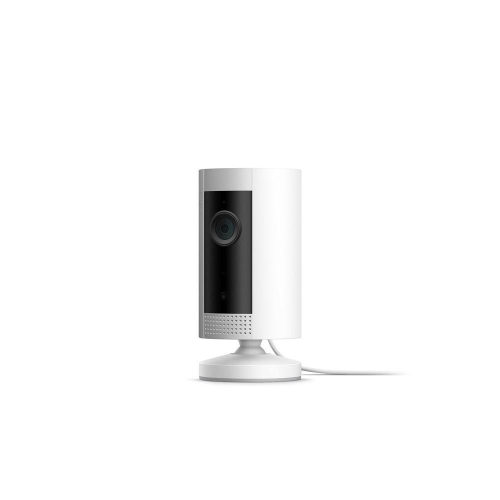 Your price for this item is $79.25
 -
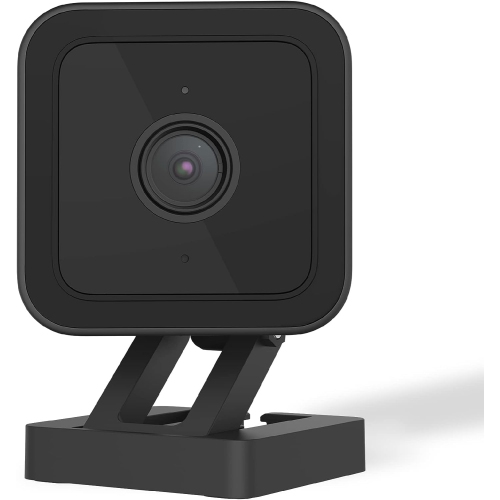 Your price for this item is $95.99
 -
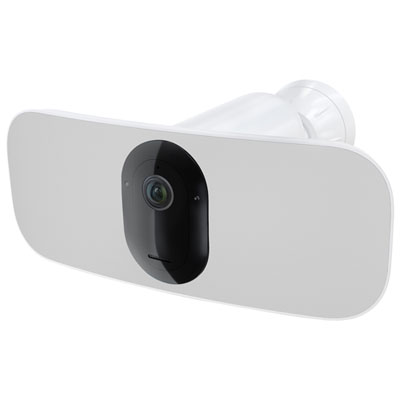 Your price for this item is $169.95
 -
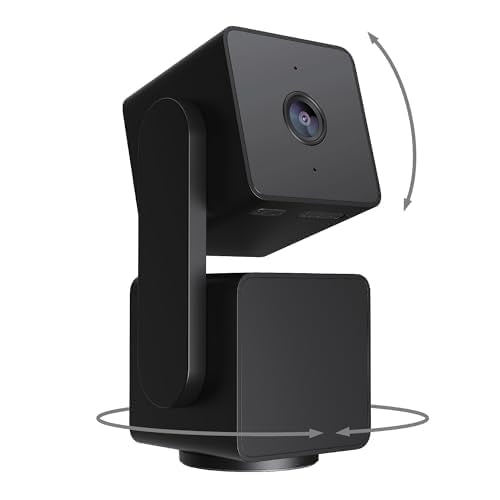 Your price for this item is $105.99
 -
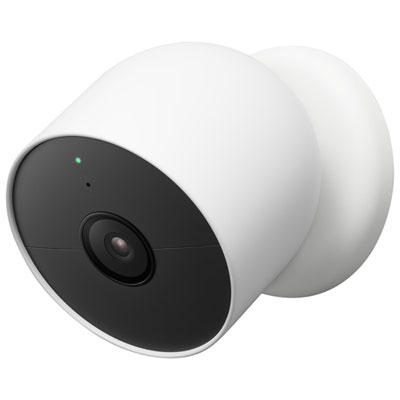 Your price for this item is $239.99
Discover more categories related to Solutions for Home Security
Top Collections:
Pokemon Centers, Kindle Devices, Best Budget Office Chairs, Apple iPhones 16, Best Laptops for Writers, iPhone 15 Apple, Canon G7X Cameras, Refurbished Apple Laptops, Alarm Clock, Motorola Razr Phones
Some products may be subject to Environmental Handling Fees
(EHF) depending on your province.
Learn more about EHFs.