Temperature Controllers
Discover the perfect solution for maintaining optimal conditions in your environment with our range of temperature controllers. Whether you're managing a cozy home setup or overseeing a large-scale industrial operation, these devices offer precision and reliability to ensure your space remains comfortable and efficient. With advanced technology and user-friendly interfaces, temperature controllers are essential for anyone looking to achieve consistent climate control. Explore the diverse selection available at Best Buy Canada, where quality meets innovation, and find the ideal match to suit your specific needs.
Sort

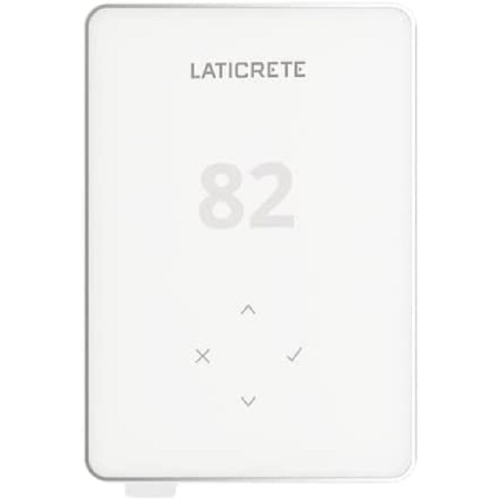
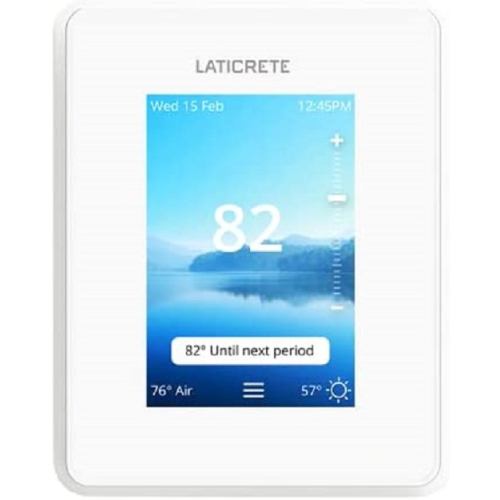
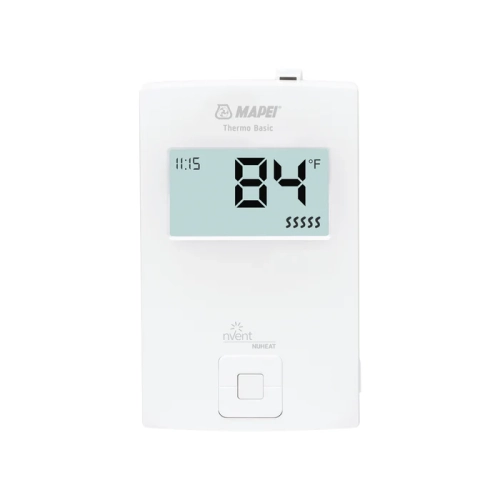
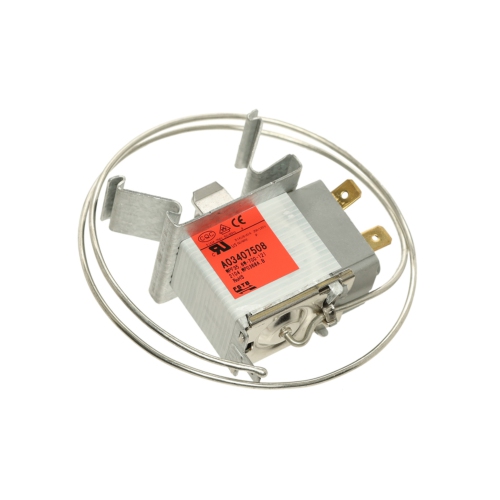
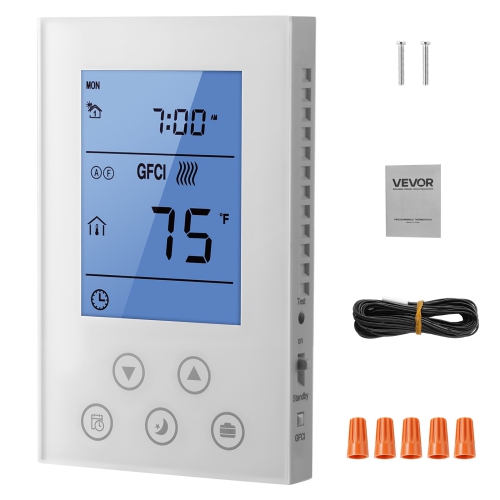
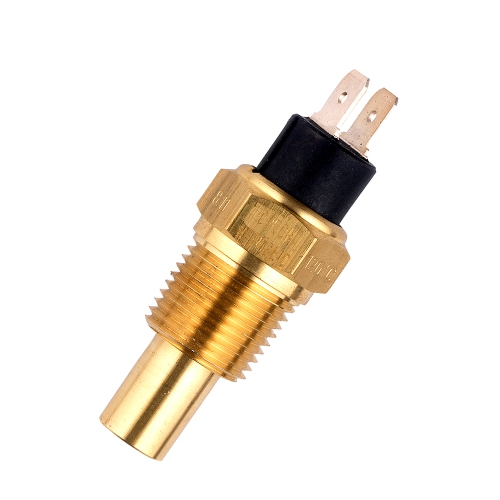
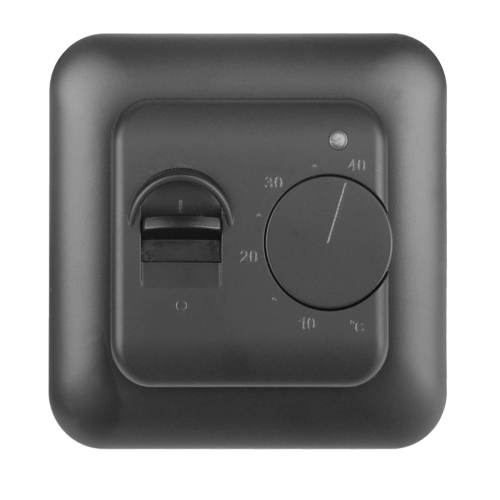
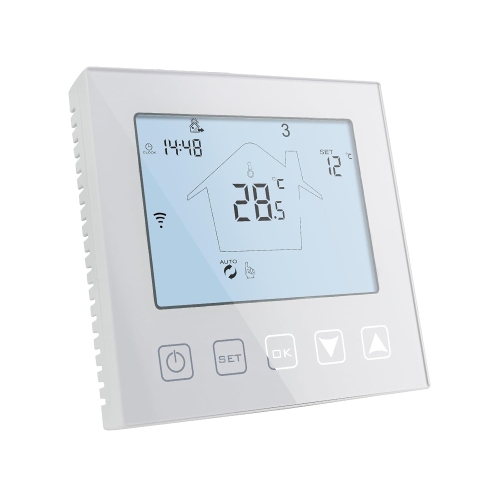
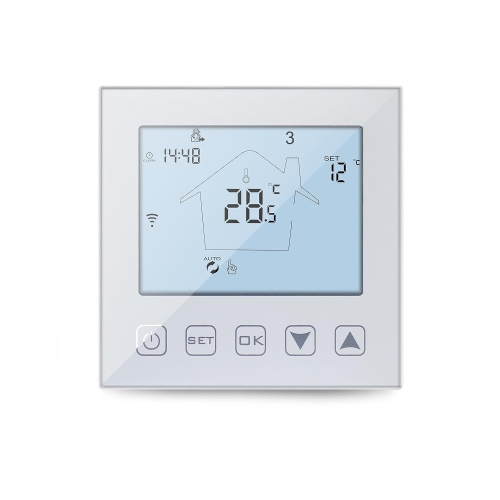
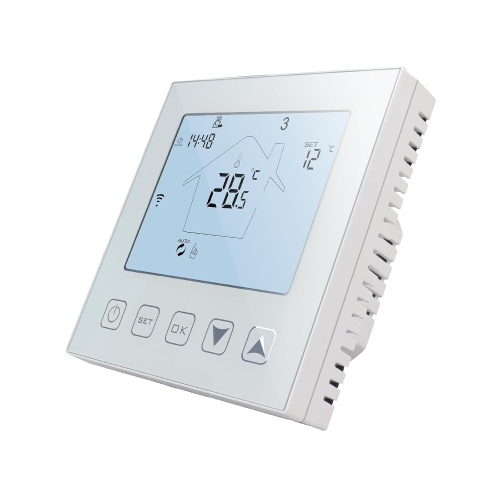
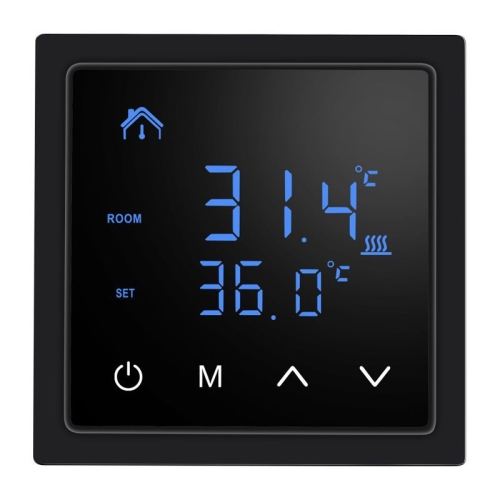
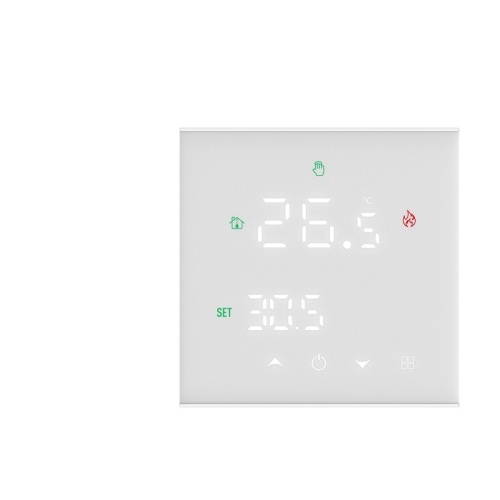
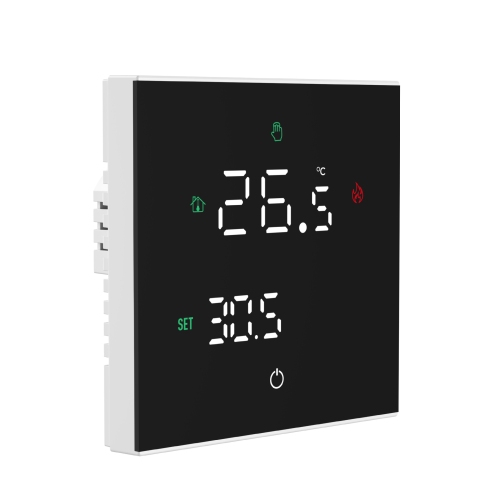
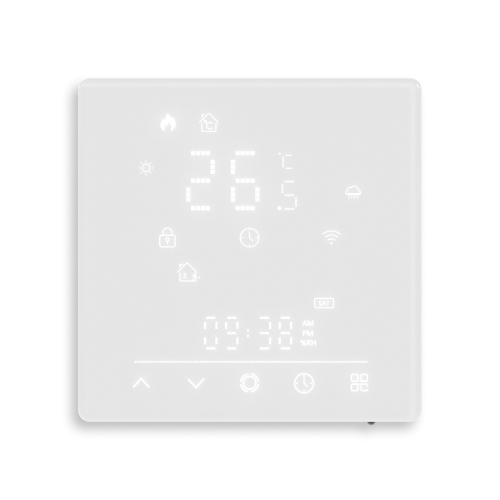
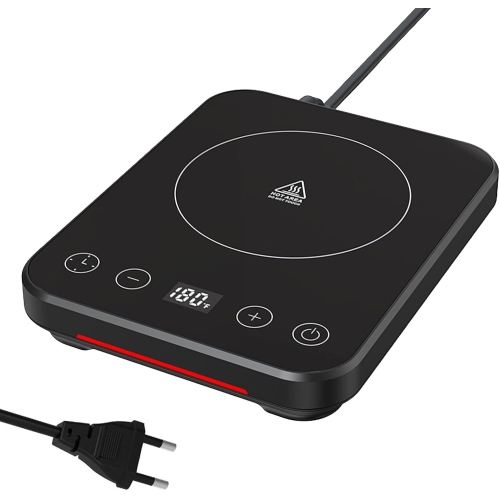
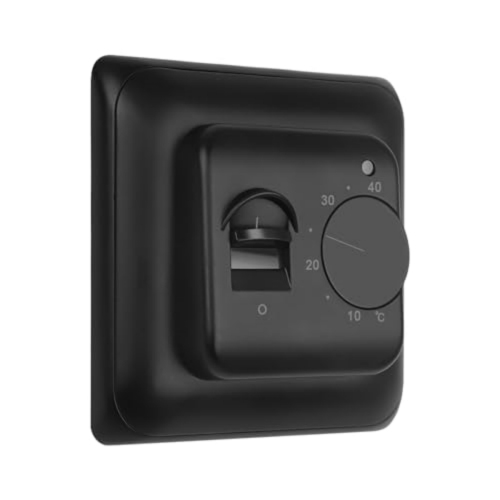
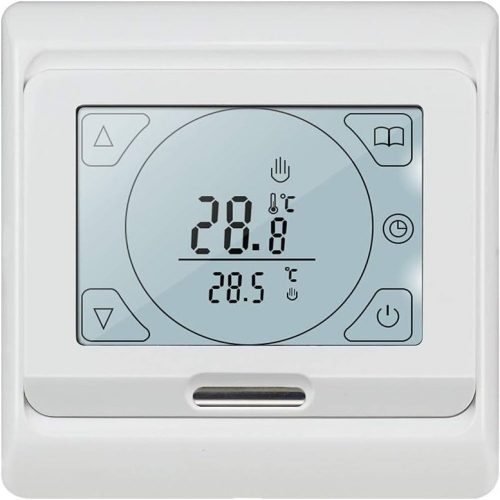
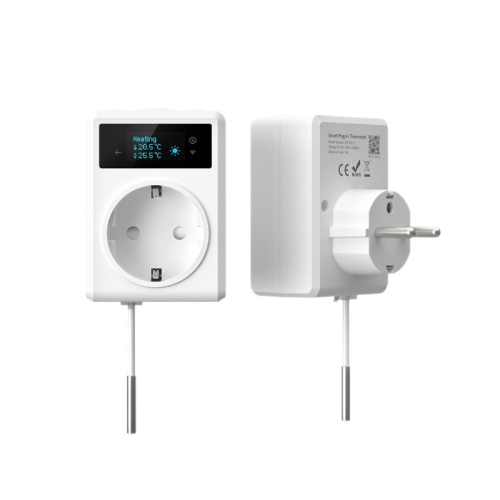
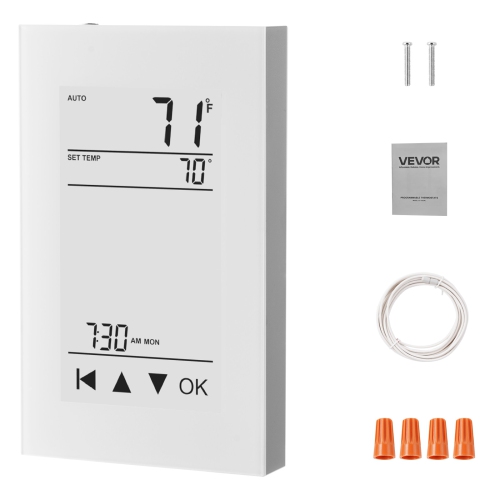
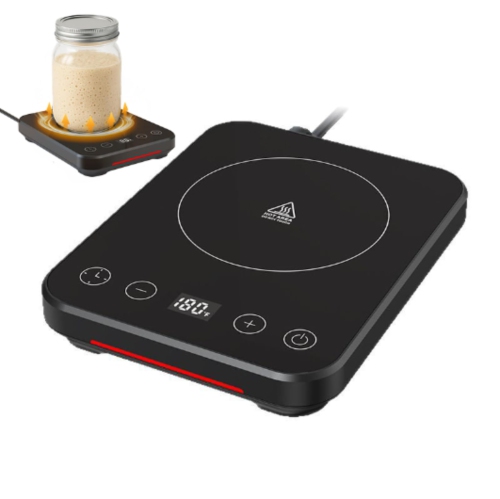
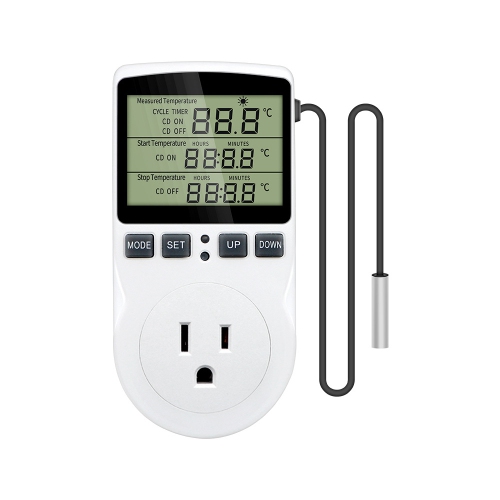
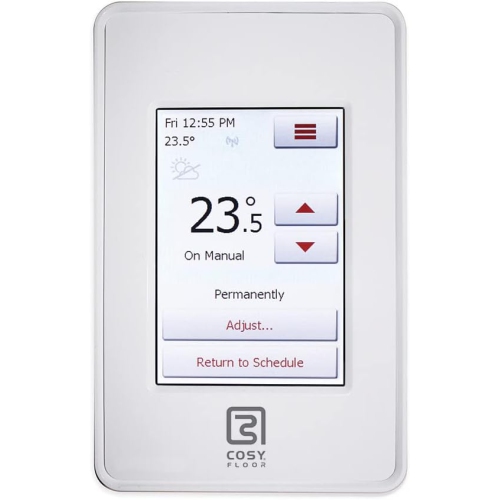
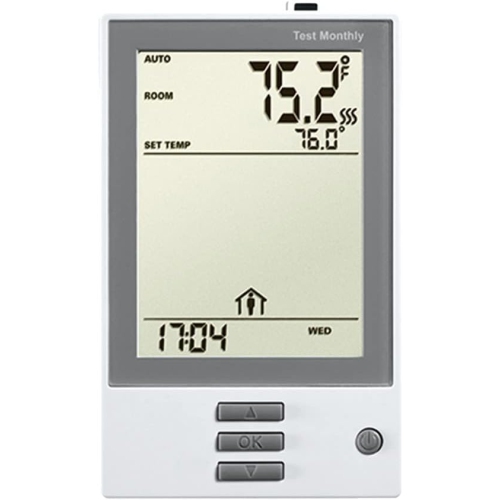

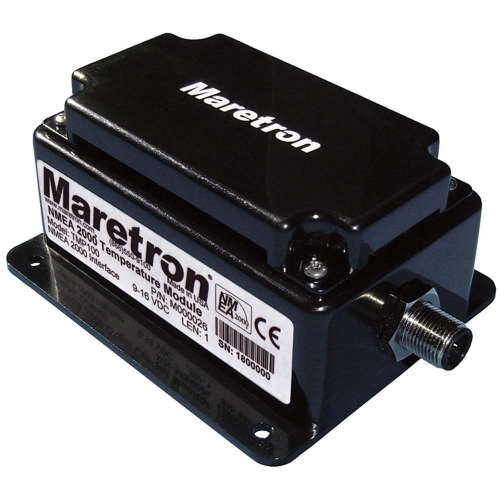
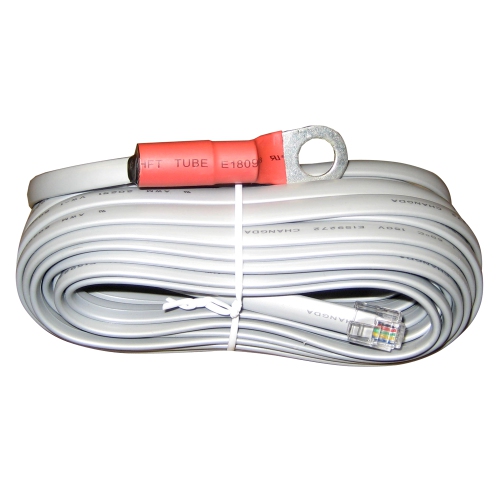
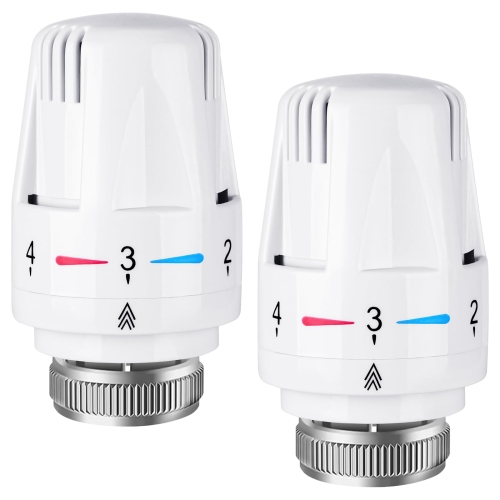
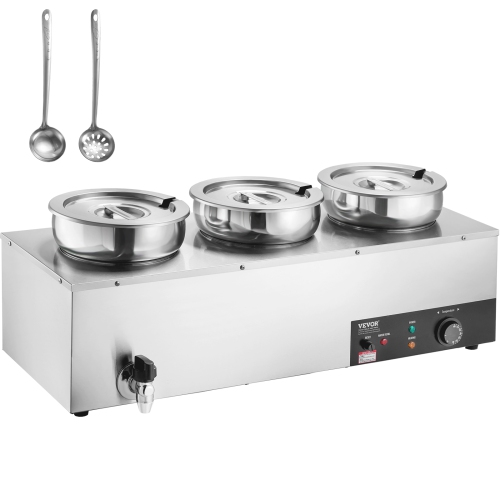
Understanding sensors, setpoints, and precise temperature regulation
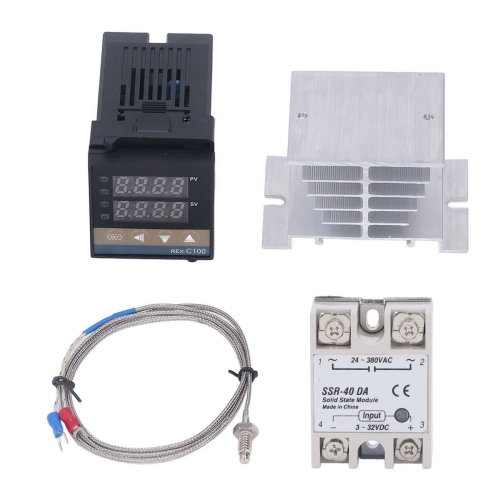
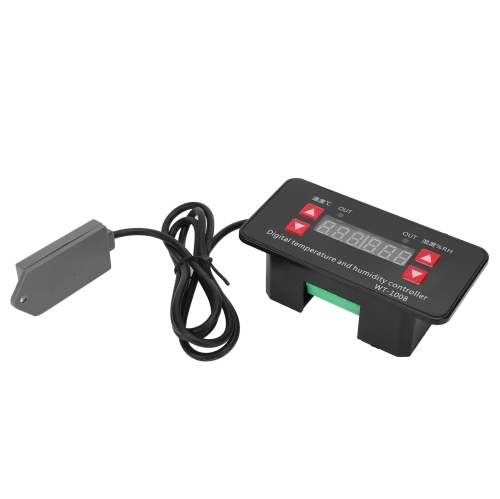
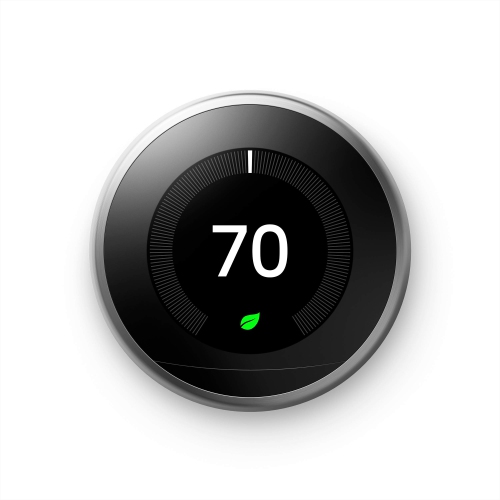
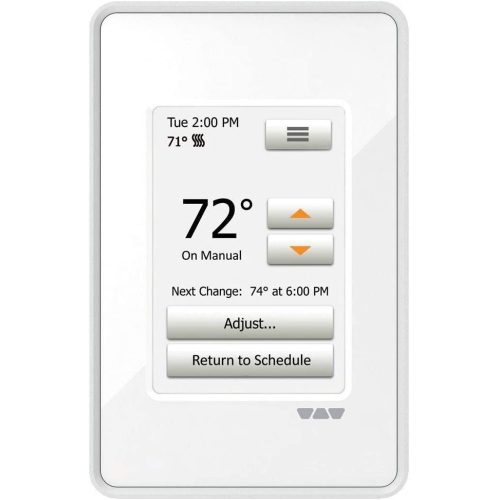
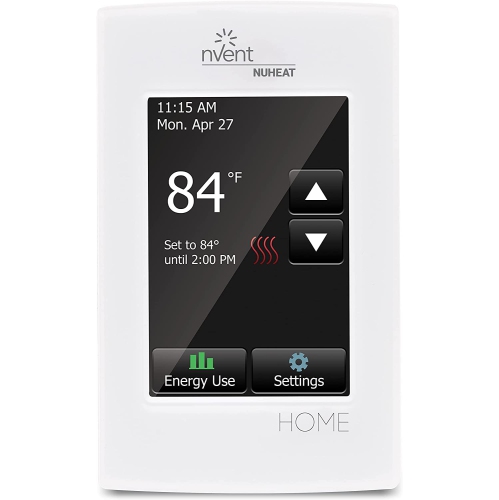
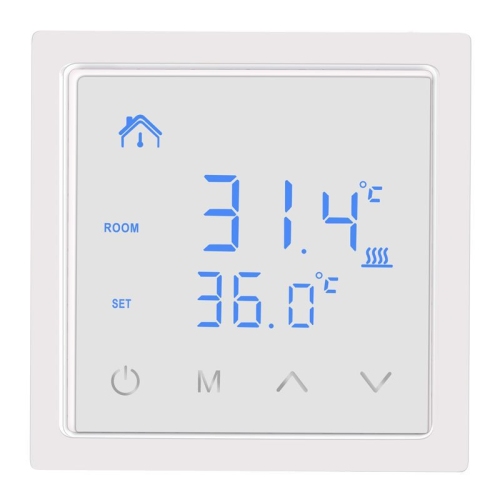
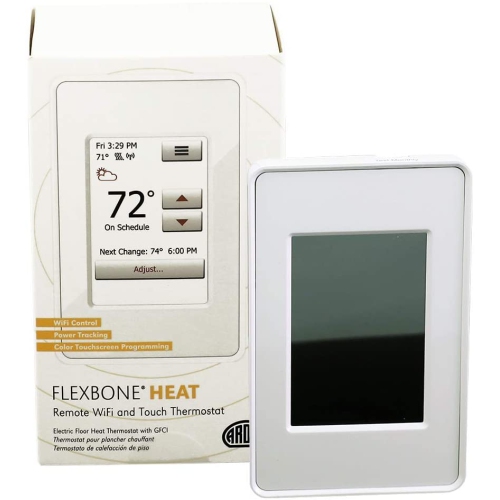
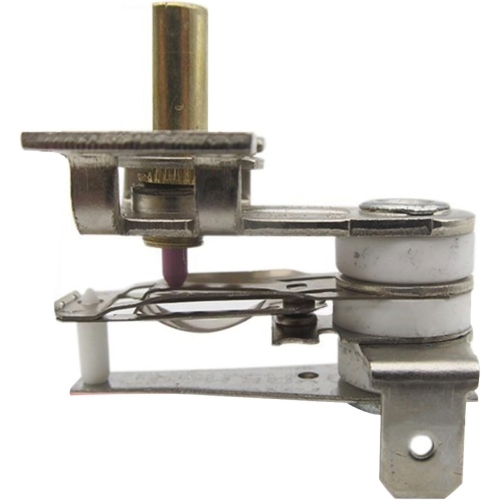
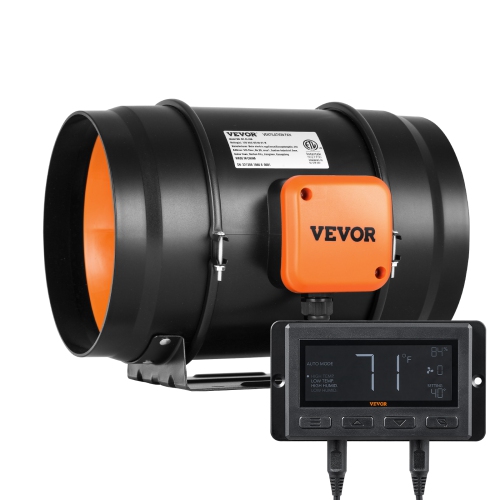
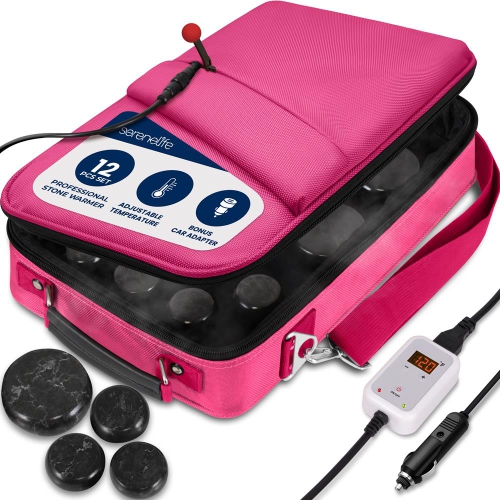
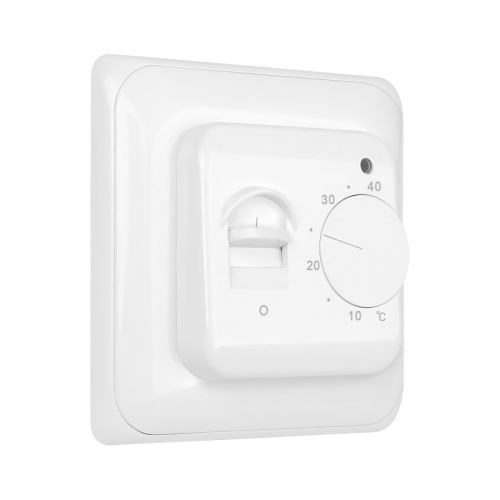
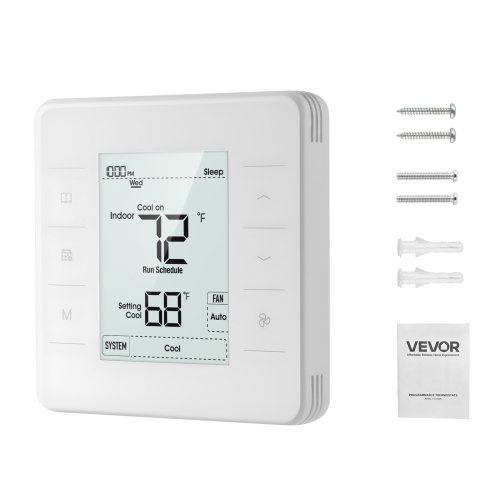
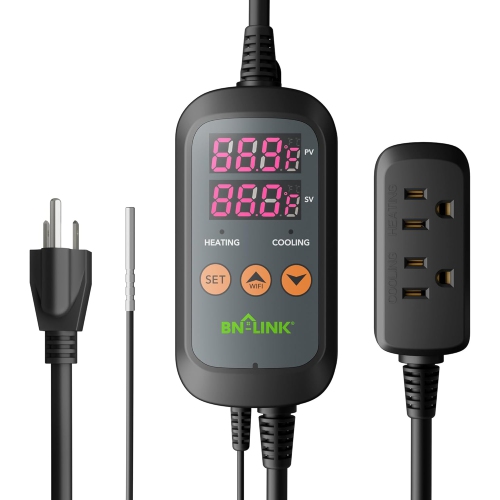
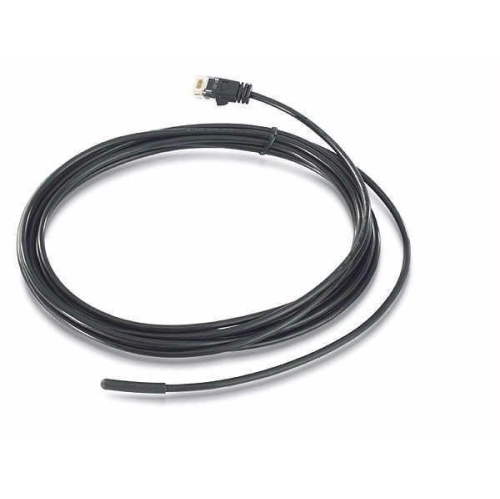
Temperature controllers are designed to monitor a measured temperature and help maintain a chosen target with less manual adjustment. They are used wherever steady heat or cooling matters, from workshops and food preparation areas to aquariums, home brewing setups, incubators, greenhouses, refrigeration systems, and equipment rooms. A typical controller works with a temperature sensor, such as a thermocouple or RTD, to detect the actual process temperature. It compares that reading with the setpoint selected by the user, then sends a signal to a connected control device, such as a relay, heater, cooling unit, fan, valve, or other compatible load. This creates a practical feedback loop: the sensor reports conditions, the controller evaluates the difference between the measured temperature and the desired temperature, and the connected equipment responds accordingly. For simple applications, an ON/OFF controller may activate a heating or cooling device when the temperature crosses a defined threshold. This approach is straightforward and can work well where a small amount of fluctuation is acceptable. More sensitive applications may benefit from proportional control, which adjusts output as the measured temperature approaches the setpoint to help reduce overshooting. PID control offers a more refined method by continuously calculating present error, accumulated error, and the rate of change, allowing the system to make smaller, more precise adjustments. When browsing temperature controllers, consider the temperature range, sensor type, control method, output rating, display style, and installation requirements before choosing a model. The right controller depends on the application rather than on a single feature, since the needs of a small enclosed project can differ significantly from those of a high-temperature process or a larger climate-control system.
Compatibility is one of the most important purchase considerations. Start by confirming which sensor the controller accepts and whether that sensor is included, sold separately, or already part of the existing setup. Thermocouples are commonly used across a broad range of applications, while RTD sensors are often selected where accurate and stable measurement is important. Sensor placement also affects performance. A probe positioned too close to a heating element may register a misleadingly high reading, while one placed near a draft or an exterior wall may respond more quickly to surrounding changes than to the temperature of the material or enclosure being controlled. Check the controller’s supported temperature range and measurement units, along with the precision of its display and the smallest adjustment it allows. Electrical specifications deserve equal attention: verify the input voltage, output type, relay capacity, and whether the connected heater, cooler, or fan requires a separate relay or contactor. Some controllers are intended for panel mounting and permanent wiring, while others are suited to enclosed projects or plug-in arrangements. Installation should follow the manufacturer’s instructions, and electrical work involving mains voltage should be handled by a qualified professional. Look for adjustable hysteresis or differential settings when cycling needs to be managed, and consider alarm outputs or high- and low-temperature limits for applications where an unexpected change could damage equipment or affect stored materials. A clear digital display can make day-to-day monitoring easier, especially in a dim workshop or utility area, while a compact design may be preferable when space is limited. For a simple heating setup in a room or enclosed area, browsing Heaters With Temperature Control may also help when an integrated temperature-management solution is more convenient than pairing separate components.
Temperature controllers can be useful for experienced technicians, hands-on hobbyists, small business operators, and homeowners who want more consistent control over a recurring task. A home brewer may use one to keep fermentation within a preferred range, while an aquarium keeper may rely on steady water temperature for a stable environment. In a workshop, a controller can help manage a warming cabinet, kiln-related process, or enclosed curing project, provided every component is rated for the intended temperature and load. Gardeners may use temperature control with a greenhouse or propagation enclosure, and hobbyists working with reptiles, poultry, or other animals may use it as part of a carefully monitored habitat or incubation system. These applications often benefit from recording the temperature over time, checking the sensor against a trusted thermometer, and allowing the setup to run under observation before leaving it unattended. Temperature controllers can also make thoughtful gifts for someone who enjoys electronics, fabrication, home projects, aquariums, baking, brewing, or technical hobbies, particularly when the recipient already has equipment that could benefit from steadier regulation. Before giving one as a gift, confirm the intended use because sensor compatibility, voltage requirements, and control capacity can vary widely. During the cooler months, precise control may be especially helpful for keeping a work area, enclosure, cabinet, or process within a comfortable range, while changing outdoor conditions can make automatic adjustment more convenient than frequent manual checks. The most dependable setup is one that matches the controller, sensor, and controlled device as a complete system. Review the operating instructions, secure exposed connections, keep probes clean and correctly positioned, and test the response to both rising and falling temperatures. With suitable components and sensible installation, a temperature controller can turn a fluctuating process into one that is easier to monitor, repeat, and manage.
Compatibility is one of the most important purchase considerations. Start by confirming which sensor the controller accepts and whether that sensor is included, sold separately, or already part of the existing setup. Thermocouples are commonly used across a broad range of applications, while RTD sensors are often selected where accurate and stable measurement is important. Sensor placement also affects performance. A probe positioned too close to a heating element may register a misleadingly high reading, while one placed near a draft or an exterior wall may respond more quickly to surrounding changes than to the temperature of the material or enclosure being controlled. Check the controller’s supported temperature range and measurement units, along with the precision of its display and the smallest adjustment it allows. Electrical specifications deserve equal attention: verify the input voltage, output type, relay capacity, and whether the connected heater, cooler, or fan requires a separate relay or contactor. Some controllers are intended for panel mounting and permanent wiring, while others are suited to enclosed projects or plug-in arrangements. Installation should follow the manufacturer’s instructions, and electrical work involving mains voltage should be handled by a qualified professional. Look for adjustable hysteresis or differential settings when cycling needs to be managed, and consider alarm outputs or high- and low-temperature limits for applications where an unexpected change could damage equipment or affect stored materials. A clear digital display can make day-to-day monitoring easier, especially in a dim workshop or utility area, while a compact design may be preferable when space is limited. For a simple heating setup in a room or enclosed area, browsing Heaters With Temperature Control may also help when an integrated temperature-management solution is more convenient than pairing separate components.
Temperature controllers can be useful for experienced technicians, hands-on hobbyists, small business operators, and homeowners who want more consistent control over a recurring task. A home brewer may use one to keep fermentation within a preferred range, while an aquarium keeper may rely on steady water temperature for a stable environment. In a workshop, a controller can help manage a warming cabinet, kiln-related process, or enclosed curing project, provided every component is rated for the intended temperature and load. Gardeners may use temperature control with a greenhouse or propagation enclosure, and hobbyists working with reptiles, poultry, or other animals may use it as part of a carefully monitored habitat or incubation system. These applications often benefit from recording the temperature over time, checking the sensor against a trusted thermometer, and allowing the setup to run under observation before leaving it unattended. Temperature controllers can also make thoughtful gifts for someone who enjoys electronics, fabrication, home projects, aquariums, baking, brewing, or technical hobbies, particularly when the recipient already has equipment that could benefit from steadier regulation. Before giving one as a gift, confirm the intended use because sensor compatibility, voltage requirements, and control capacity can vary widely. During the cooler months, precise control may be especially helpful for keeping a work area, enclosure, cabinet, or process within a comfortable range, while changing outdoor conditions can make automatic adjustment more convenient than frequent manual checks. The most dependable setup is one that matches the controller, sensor, and controlled device as a complete system. Review the operating instructions, secure exposed connections, keep probes clean and correctly positioned, and test the response to both rising and falling temperatures. With suitable components and sensible installation, a temperature controller can turn a fluctuating process into one that is easier to monitor, repeat, and manage.
Top selling and popular products
-
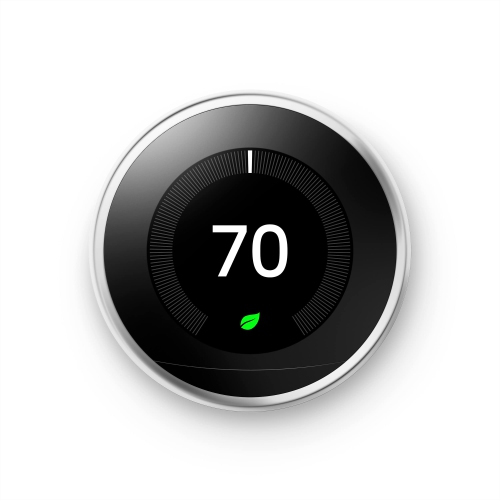 Your price for this item is $329.99
 -
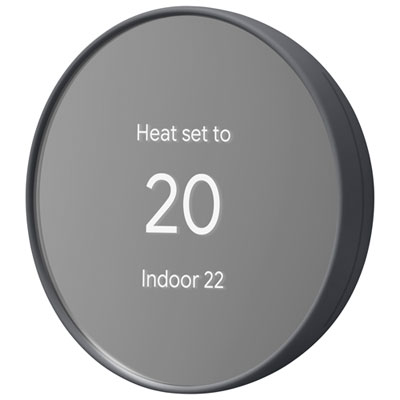 Your price for this item is $125.99
 -
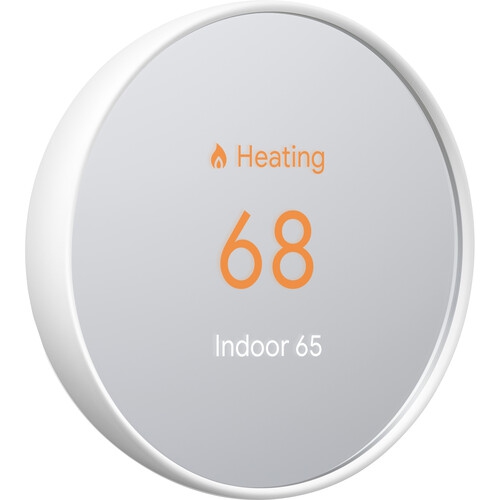 Your price for this item is $149.99
 -
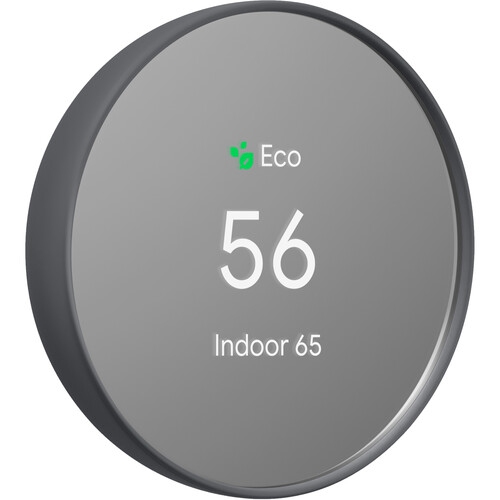 Your price for this item is $139
 -
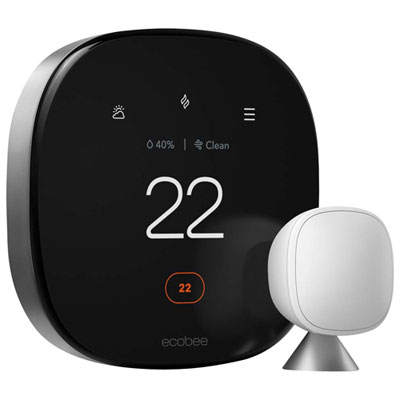 Your price for this item is $279.99
 -
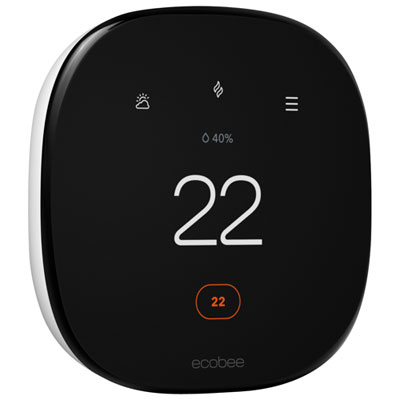 Your price for this item is $204.99
 -
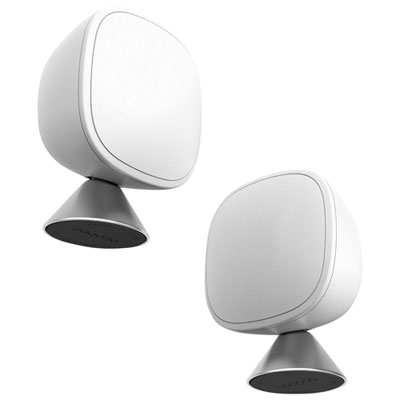 Your price for this item is $73.98
 -
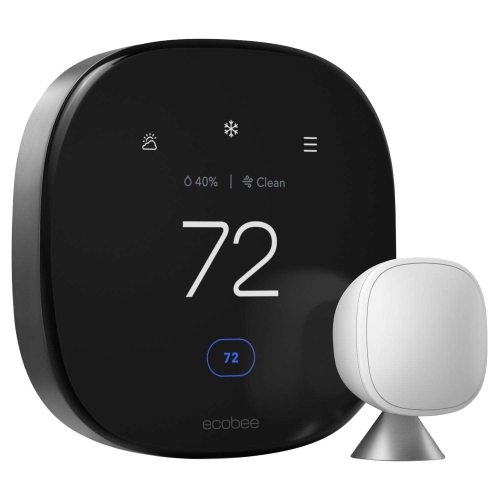 Your price for this item is $239.99
Discover more categories related to Temperature Controllers
Top Collections:
Pokemon Centers, Kindle Devices, Best Budget Office Chairs, Apple iPhones 16, Best Laptops for Writers, iPhone 15 Apple, Canon G7X Cameras, Refurbished Apple Laptops, Alarm Clock, Motorola Razr Phones
Some products may be subject to Environmental Handling Fees
(EHF) depending on your province.
Learn more about EHFs.