Trailer Plug Adapters
Whether you're hitting the road for a camping trip or towing equipment for work, having the right trailer plug adapter can make all the difference in ensuring a seamless connection between your vehicle and trailer. These handy devices come in various shapes and sizes to accommodate different types of plugs, making it easy to hook up your trailer lights, brakes, and more. Browse our selection of trailer plug adapters to find the perfect solution for your towing needs.
Sort
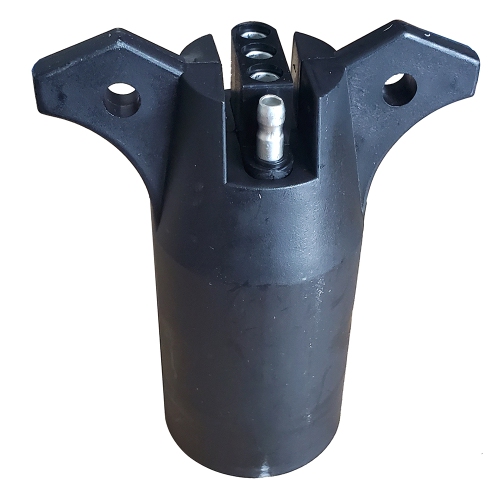
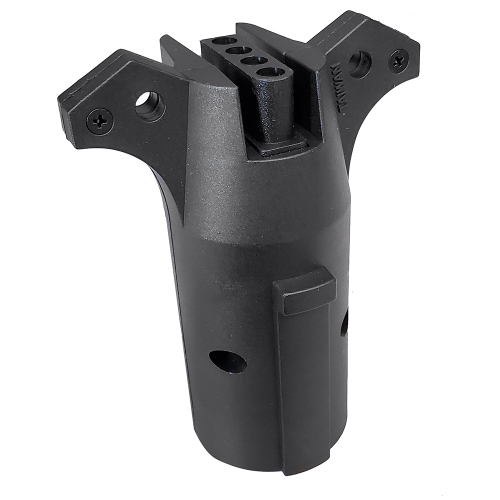
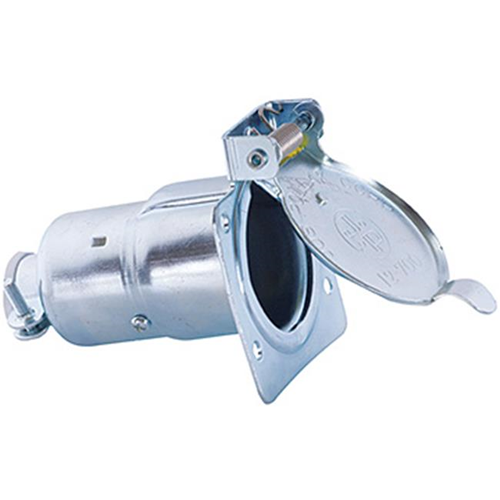
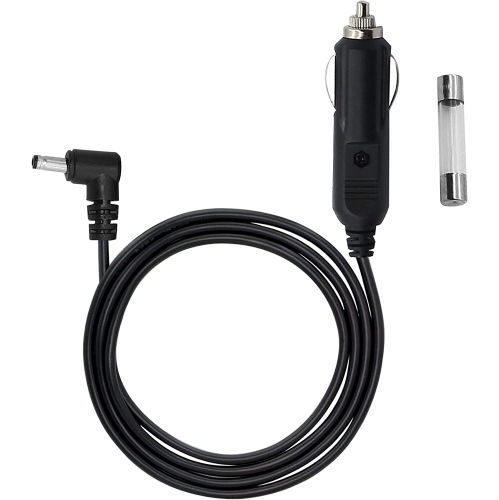
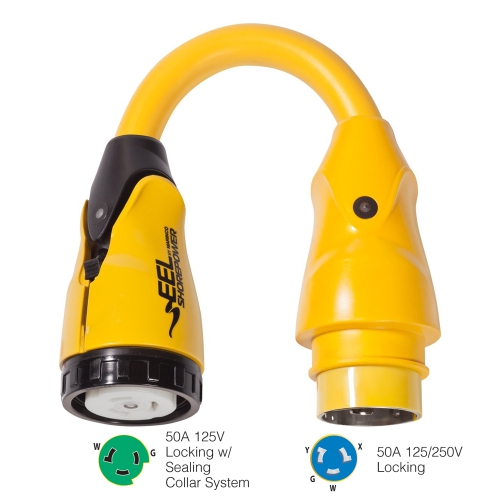
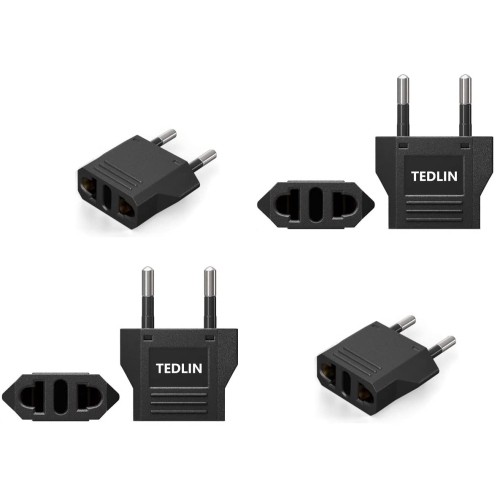
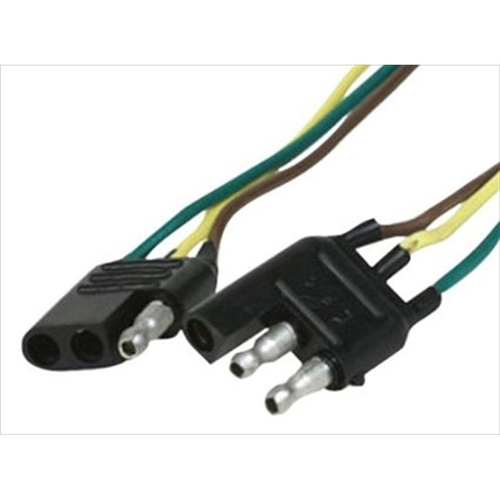
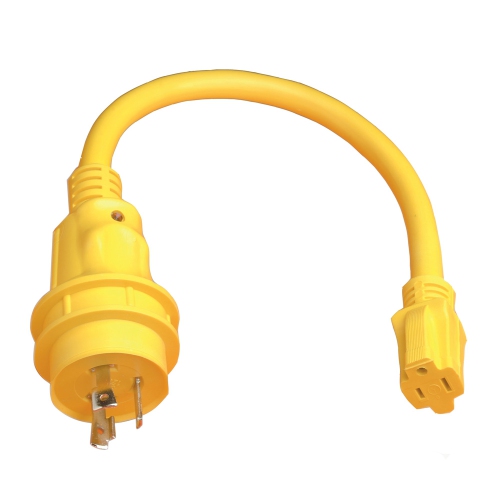
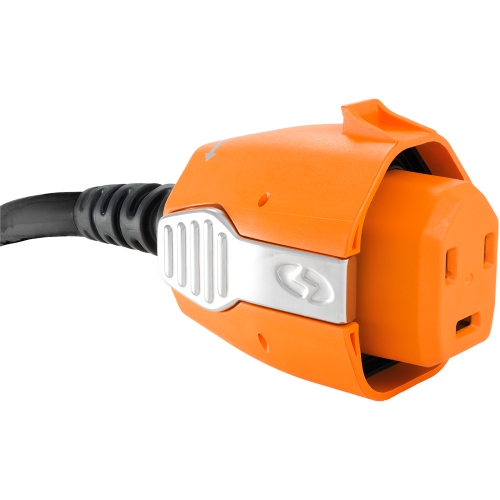
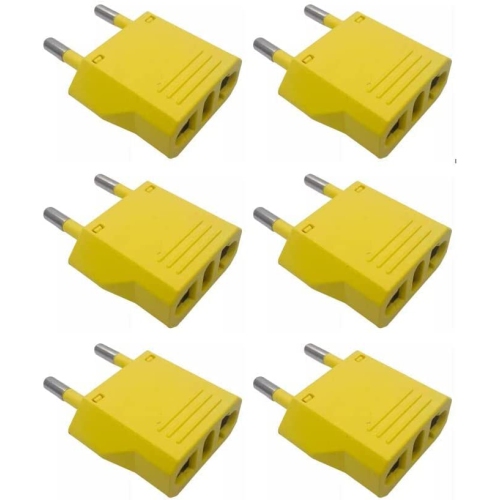
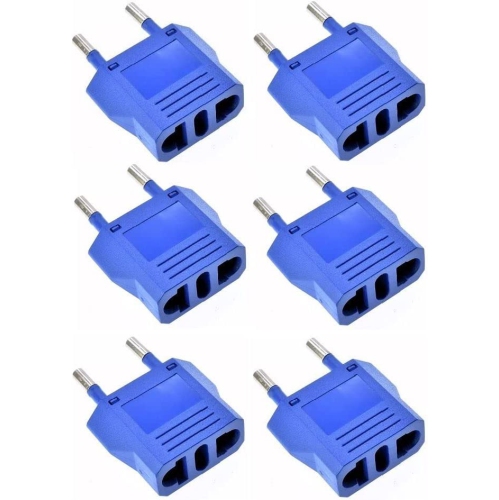
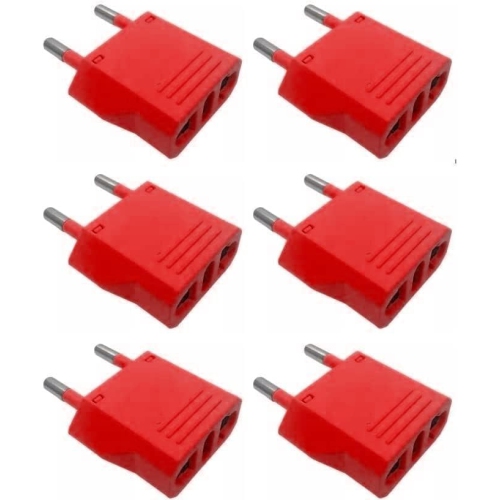
Match towing connections without rewiring the harness
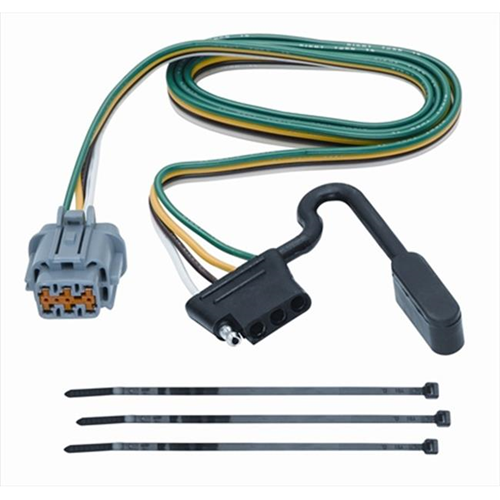
Trailer plug adapters make it easier to connect a vehicle and trailer when their electrical sockets use different plug styles. Instead of cutting, splicing, or rewiring the harness, an adapter provides a practical connection between the vehicle-side socket and the trailer-side plug. This can be especially helpful when a truck, SUV, van, or crossover is used with more than one trailer, such as a utility trailer, boat trailer, cargo trailer, camper, motorcycle trailer, or small equipment trailer. Before choosing an adapter, identify both plug ends carefully: one is fitted to the vehicle and the other is fitted to the trailer. The number of pins, the shape of the housing, and whether the connector is flat or round all matter. Common configurations include 4-way flat, 5-way flat, 6-way round, and 7-way RV blade connectors. A 4-way flat connection generally supports the basic lighting functions required for many smaller trailers, including running lights, left and right turn signals, brake lights, and the ground connection. A 5-way flat connector adds an extra circuit, which may be used for reverse lights or a surge-brake lockout function depending on the trailer wiring. A 6-way round connector can support additional functions such as 12-volt auxiliary power and electric trailer brakes, while a 7-way RV blade connection typically brings together trailer lighting, electric brake control, auxiliary 12-volt power, and reverse-light circuits in one broader setup. Because wiring layouts can vary, matching the physical plug style alone is not always enough; confirm that the adapter supports the functions your trailer requires. Browsing related Trailer Connectors can also help when comparing connector formats and planning a complete towing setup.
The most common adapter choices convert between a larger vehicle socket and a smaller trailer plug, such as a 7-way blade connection to a 4-way or 5-way flat connection. Other adapters are designed to connect a 7-way blade socket to a 6-way round trailer plug, making them useful for certain horse trailers, utility trailers, and older towing equipment. The right choice depends on the wiring present on both sides and the features that need to remain active once connected. A basic lighting adapter may be suitable for a lightweight trailer that only needs running lights, brake lights, and turn signals, but it may not provide the circuits required for electric trailer brakes, reverse lights, or auxiliary battery charging. If the trailer has electric brakes, the vehicle must have the appropriate brake controller and wiring; an adapter by itself does not add braking capability or replace a properly installed controller. Similarly, an adapter cannot create a function that is not available from the vehicle or trailer wiring. Check the vehicle owner’s manual, trailer documentation, and the socket labels where available before making a selection. It is also worth checking the adapter’s construction and fit. A secure connection should sit firmly in the socket without excessive movement, and a weather-resistant housing or protective cover can be useful when towing through rain, road spray, dust, or changing conditions. Look for a design that allows enough clearance around the hitch area and does not place strain on the vehicle socket or trailer cable. A compact adapter can be convenient for keeping in a glove compartment, centre console, tool box, or towing kit, while a locking or retained design may be preferable for equipment that stays connected for longer trips. Keep the contacts clean, inspect the cable for cracking or abrasion, and test every trailer light before setting out, particularly after the trailer has been stored during the cooler months.
Trailer plug adapters are practical additions for drivers who tow occasionally as well as people who use trailers regularly for work, recreation, moving, or property maintenance. They can save time when borrowing a trailer from a friend, using a shared family vehicle, or switching between a newer truck with a 7-way blade socket and an older trailer with a flat or round connector. They are also a thoughtful gift for someone who has recently purchased a trailer, installed a hitch, bought a used towing vehicle, or spends weekends hauling outdoor equipment. A small adapter is easy to store and can prevent an otherwise frustrating delay at the driveway, storage lot, boat launch, campsite, or job site. During early fall and the cooler months, towing needs may include moving seasonal equipment, hauling firewood, transporting recreational gear, or bringing trailers home for storage, and a properly matched adapter helps keep those trips straightforward. Even when an adapter appears simple, safe towing begins with compatibility: match the vehicle-side socket to the trailer-side plug, confirm the required lighting and brake circuits, seat the connection fully, and verify that the trailer lights work before driving. After connecting, make sure the cable has enough slack for turns without dragging near the road, exhaust, or moving hitch components. If the connector does not fit securely, the lights behave unexpectedly, or the wiring configuration is unclear, stop and have the setup checked by a qualified technician rather than relying on a loose connection. With the correct format and functions in place, a trailer plug adapter offers a convenient way to keep different towing setups compatible without modifying the original wiring.
The most common adapter choices convert between a larger vehicle socket and a smaller trailer plug, such as a 7-way blade connection to a 4-way or 5-way flat connection. Other adapters are designed to connect a 7-way blade socket to a 6-way round trailer plug, making them useful for certain horse trailers, utility trailers, and older towing equipment. The right choice depends on the wiring present on both sides and the features that need to remain active once connected. A basic lighting adapter may be suitable for a lightweight trailer that only needs running lights, brake lights, and turn signals, but it may not provide the circuits required for electric trailer brakes, reverse lights, or auxiliary battery charging. If the trailer has electric brakes, the vehicle must have the appropriate brake controller and wiring; an adapter by itself does not add braking capability or replace a properly installed controller. Similarly, an adapter cannot create a function that is not available from the vehicle or trailer wiring. Check the vehicle owner’s manual, trailer documentation, and the socket labels where available before making a selection. It is also worth checking the adapter’s construction and fit. A secure connection should sit firmly in the socket without excessive movement, and a weather-resistant housing or protective cover can be useful when towing through rain, road spray, dust, or changing conditions. Look for a design that allows enough clearance around the hitch area and does not place strain on the vehicle socket or trailer cable. A compact adapter can be convenient for keeping in a glove compartment, centre console, tool box, or towing kit, while a locking or retained design may be preferable for equipment that stays connected for longer trips. Keep the contacts clean, inspect the cable for cracking or abrasion, and test every trailer light before setting out, particularly after the trailer has been stored during the cooler months.
Trailer plug adapters are practical additions for drivers who tow occasionally as well as people who use trailers regularly for work, recreation, moving, or property maintenance. They can save time when borrowing a trailer from a friend, using a shared family vehicle, or switching between a newer truck with a 7-way blade socket and an older trailer with a flat or round connector. They are also a thoughtful gift for someone who has recently purchased a trailer, installed a hitch, bought a used towing vehicle, or spends weekends hauling outdoor equipment. A small adapter is easy to store and can prevent an otherwise frustrating delay at the driveway, storage lot, boat launch, campsite, or job site. During early fall and the cooler months, towing needs may include moving seasonal equipment, hauling firewood, transporting recreational gear, or bringing trailers home for storage, and a properly matched adapter helps keep those trips straightforward. Even when an adapter appears simple, safe towing begins with compatibility: match the vehicle-side socket to the trailer-side plug, confirm the required lighting and brake circuits, seat the connection fully, and verify that the trailer lights work before driving. After connecting, make sure the cable has enough slack for turns without dragging near the road, exhaust, or moving hitch components. If the connector does not fit securely, the lights behave unexpectedly, or the wiring configuration is unclear, stop and have the setup checked by a qualified technician rather than relying on a loose connection. With the correct format and functions in place, a trailer plug adapter offers a convenient way to keep different towing setups compatible without modifying the original wiring.
Top selling and popular products
-
 Your price for this item is $30.59
 -
 Your price for this item is $30.54
 -
 Your price for this item is $38.85
 -
 Your price for this item is $92.99
 -
 Your price for this item is $844.91
 -
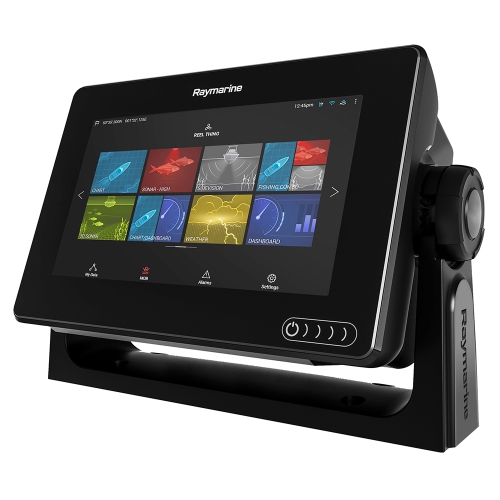 Your price for this item is $909.33
 -
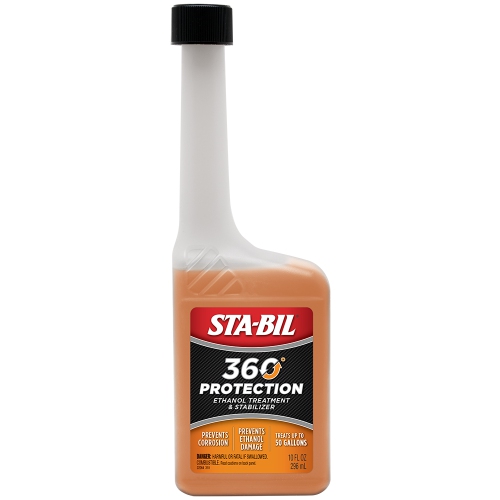 Your price for this item is $30.62
 -
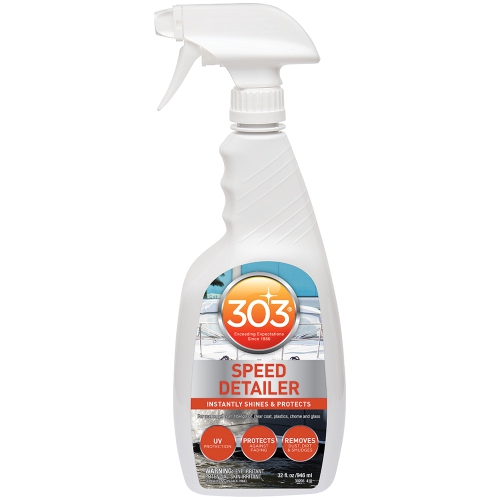 Your price for this item is $34.93
Discover more categories related to Trailer Plug Adapters
Top Collections:
Pokemon Centers, Kindle Devices, Best Budget Office Chairs, Apple iPhones 16, Best Laptops for Writers, iPhone 15 Apple, Canon G7X Cameras, Refurbished Apple Laptops, Alarm Clock, Motorola Razr Phones
Some products may be subject to Environmental Handling Fees
(EHF) depending on your province.
Learn more about EHFs.