Trailer Light Connectors
When it comes to ensuring safety and functionality while towing your trailer, having the right trailer light connectors is essential. These connectors are designed to establish a secure electrical connection between your vehicle and trailer, allowing for proper communication of lighting signals. Whether you're hauling a boat, RV, or utility trailer, having reliable trailer light connectors can make all the difference in visibility on the road. Explore our selection of high-quality connectors to keep your towing experience smooth and worry-free.
Sort
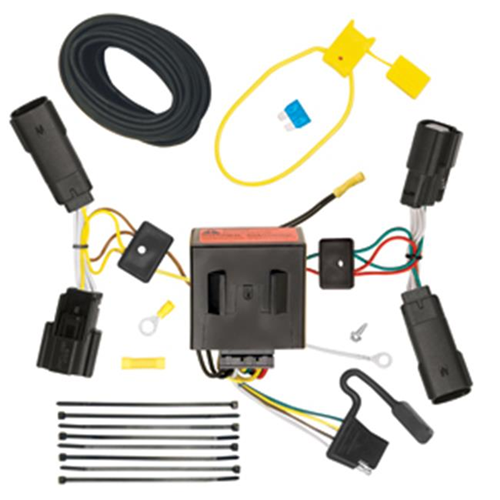
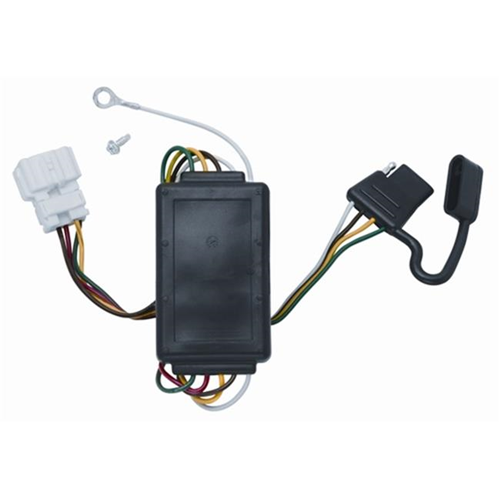
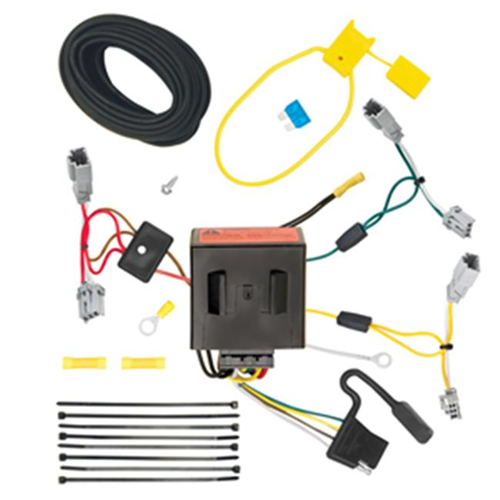
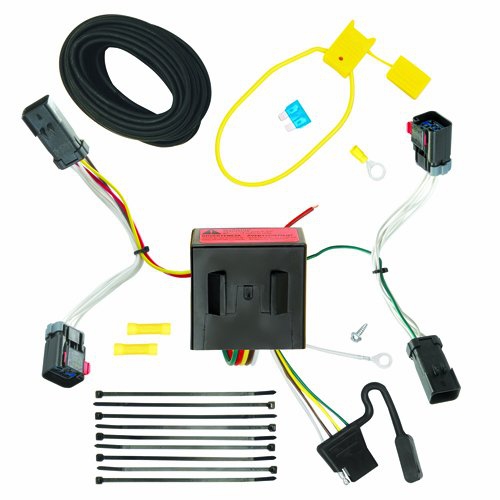
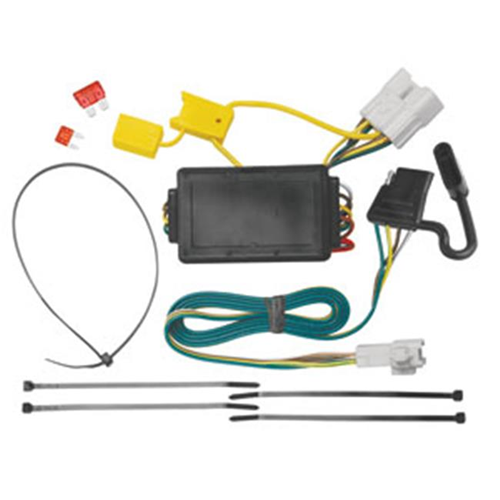
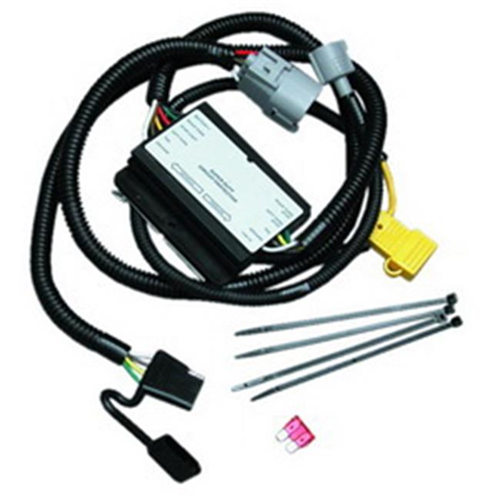
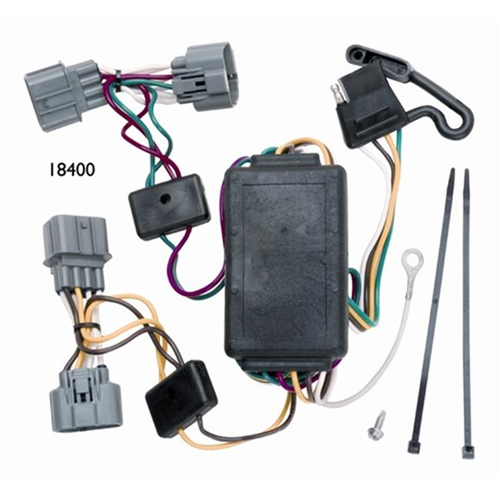
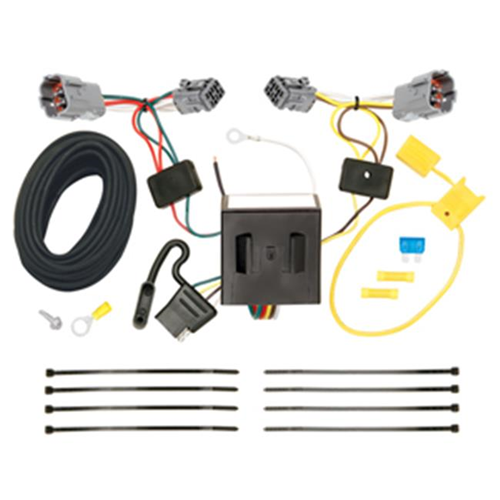
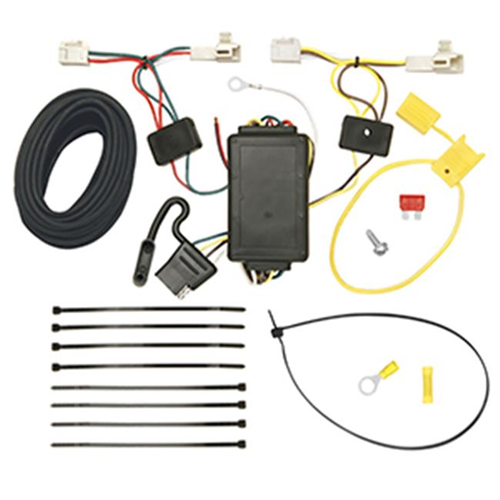
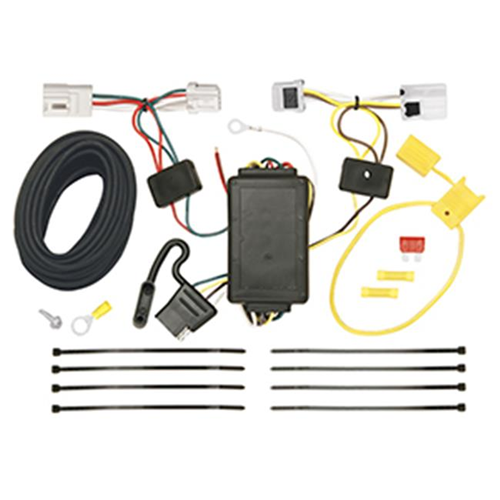
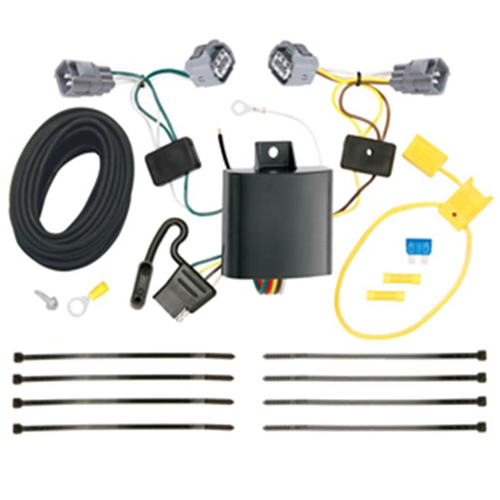
Why matching trailer wiring takes more than plug shape
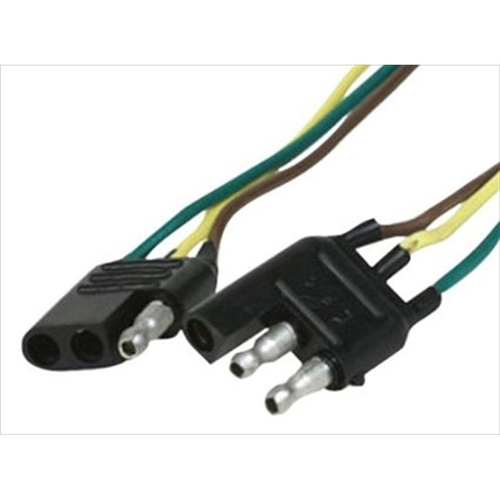
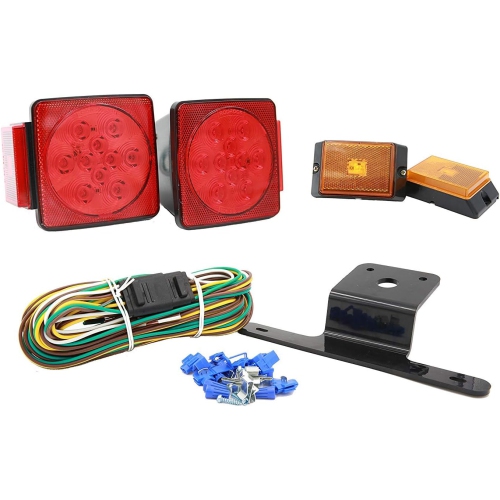
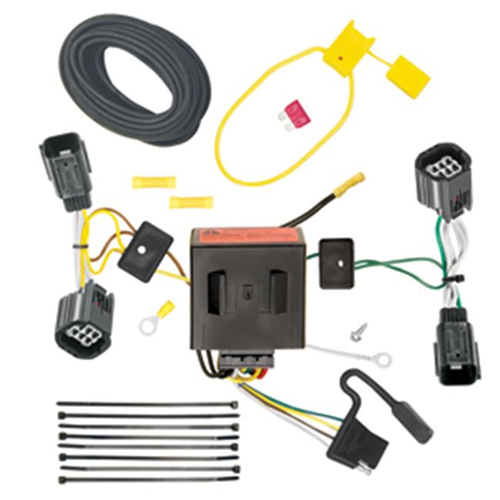
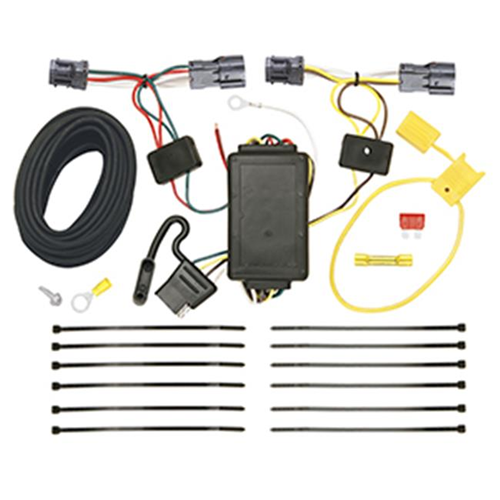
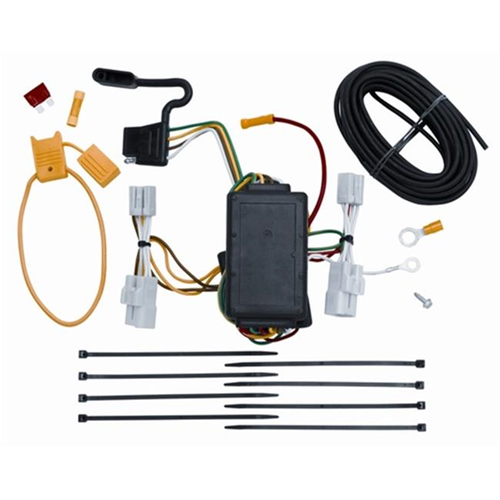
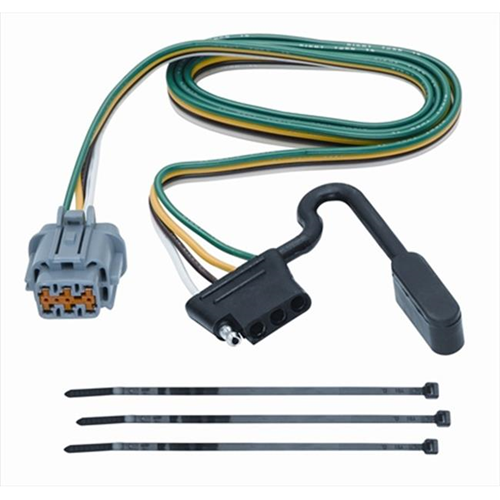
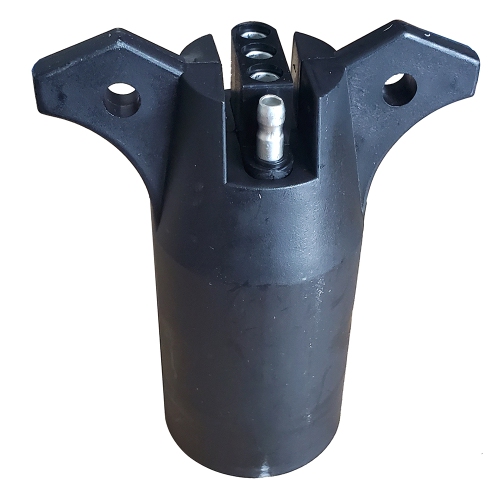
Trailer light connectors link a tow vehicle’s electrical system to a trailer’s lighting circuits, allowing its tail lights, brake lights, and turn signals to operate with the vehicle’s controls. Depending on the connector configuration and the vehicle’s wiring, that connection may also support reverse lights, electric trailer brakes, or auxiliary power. A dependable connection helps make a trailer’s movements visible to other drivers, whether it is carrying garden supplies across town, taking a boat to the launch, or hauling camping gear along a rural highway. The main connector styles differ in both their physical shape and the number of electrical circuits they carry. A 4-way flat connector has four circuits: ground, running lights, combined left turn and brake lights, and combined right turn and brake lights. It is commonly associated with smaller utility and boat trailers that do not require an electric brake circuit. A 5-way flat connector adds a fifth circuit, often used for the reverse signal that activates a surge brake actuator’s electric reverse lockout. That function can matter when backing a boat trailer up a sloped driveway, where pressure on the hitch could otherwise apply the trailer’s surge brakes. A 6-way round connector can provide lighting connections along with electric brake control and auxiliary power, although terminal assignments need to match the equipment involved. A 7-way RV blade connector typically accommodates the basic lighting circuits, ground, electric brake control, auxiliary power, and reverse lights. It is widely used with travel trailers and larger trailers equipped for those functions. These descriptions refer to common configurations rather than a guarantee of how any individual trailer is wired. The connector’s circuit layout, terminal style, and intended application remain more useful compatibility details than the number of contacts alone. For drivers comparing connections across different towing setups, Trailer Connectors offers a related category to explore alongside trailer lighting connections.
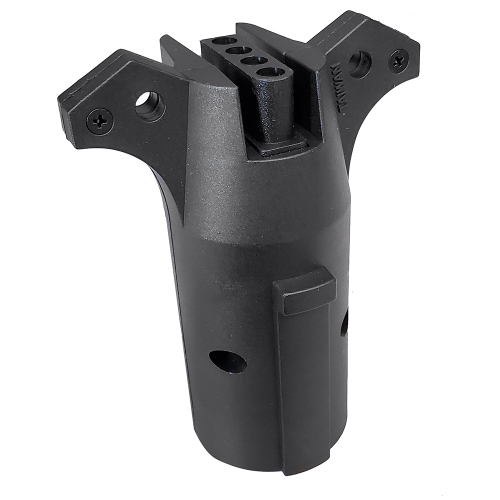
Fit involves more than whether a plug slides into a socket. Flat connectors, round-pin connectors, and RV blade connectors have different contact arrangements, and a 7-way round-pin connection is not interchangeable with a 7-way RV blade connection simply because both have seven contacts. Vehicle-side sockets and trailer-side plugs also need suitable mounting positions, cable lengths, and strain relief for the way the trailer moves behind the vehicle. At a tight turn, a cable needs enough slack to follow the hitch without pulling against its terminals; on a straight stretch of road, it should not hang low enough to scrape the pavement. A socket mounted near the hitch should be accessible while remaining clear of exhaust heat, sharp edges, and moving components. For a small utility trailer used to move furniture or collect building materials, a basic lighting connection may cover the trailer’s electrical needs. A travel trailer with electric brakes requires compatible brake wiring and an appropriate brake controller, not merely a connector with extra terminals. Likewise, an adapter can join certain connector styles, but it cannot create a missing vehicle circuit or supply a function that has not been wired. A 7-way-to-4-way adapter generally provides the basic trailer lighting circuits rather than carrying electric brake control through the 4-way connection. Vehicles with separate brake and turn signal circuits may require a compatible converter to operate trailer lights that combine those functions. Some vehicles also call for a vehicle-specific harness or powered interface to work properly with their electrical systems. Wire colours can offer useful context: in common 4-way trailer wiring, white identifies ground, brown serves the running, tail, and licence plate lights, yellow serves the left turn and brake light, and green serves the right turn and brake light. Colours are not universal, particularly on repaired wiring or other connector configurations, so the manufacturer’s wiring diagram and verified circuit functions take precedence. Matching those details helps avoid a connection that looks correct but operates the wrong lights.
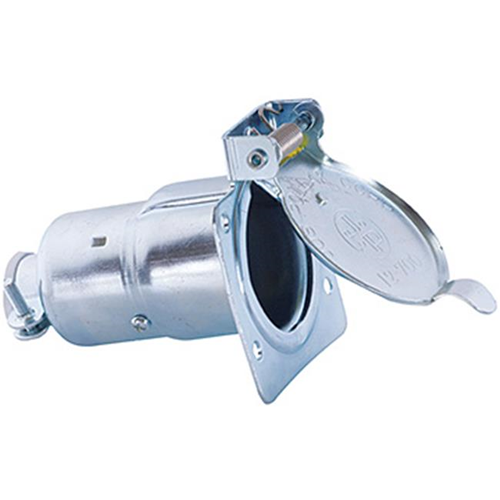
Materials and construction influence how well trailer light connectors handle vibration, moisture, road grit, and repeated coupling. Housings may use moulded plastic, rubber, or metal, with different designs offering protective covers, sealing features, and ways to secure the cable. Durable insulation and effective strain relief help protect the wires where they enter the plug, an area that sees frequent bending when a trailer is connected, parked, or stored. Corrosion-resistant contacts, snug terminal engagement, and a cover that closes securely are useful features for towing during the cooler months, when wet roads and road salt can leave residue around an exposed socket. A weather-resistant connector is not necessarily rated for submersion, an important distinction for boat trailers that spend time near the water. Its stated protection rating and the trailer manufacturer’s launch procedures help establish the limits of its intended use. Serviceable housings can suit owners who maintain their own trailer wiring, while sealed, pre-wired designs may reduce exposed connection points when installed correctly. Either approach still depends on suitable wire sizing, secure terminations, and a sound ground connection. A loose or corroded ground can contribute to dim lamps, flickering lights, or unexpected behaviour when several lighting functions operate together. Routine care centres on keeping contacts clean and dry, protecting disconnected ends from dirt, and checking for cracked insulation, bent contacts, or a cable jacket worn thin by rubbing. Pulling on the plug body rather than the cable reduces stress on the wire connections. Any contact treatment should follow the connector manufacturer’s directions, and damaged terminals deserve attention rather than being forced into place. For occasional towing, a protective cap and a tidy storage position can make the next hookup less troublesome. For frequent towing, easy-to-grip housings and secure mounting can make repeated connections more manageable with cold or gloved hands. Regardless of trailer size, confirming that the running lights, turn signals, and brake lights respond correctly before departure remains part of a dependable towing setup.
Fit involves more than whether a plug slides into a socket. Flat connectors, round-pin connectors, and RV blade connectors have different contact arrangements, and a 7-way round-pin connection is not interchangeable with a 7-way RV blade connection simply because both have seven contacts. Vehicle-side sockets and trailer-side plugs also need suitable mounting positions, cable lengths, and strain relief for the way the trailer moves behind the vehicle. At a tight turn, a cable needs enough slack to follow the hitch without pulling against its terminals; on a straight stretch of road, it should not hang low enough to scrape the pavement. A socket mounted near the hitch should be accessible while remaining clear of exhaust heat, sharp edges, and moving components. For a small utility trailer used to move furniture or collect building materials, a basic lighting connection may cover the trailer’s electrical needs. A travel trailer with electric brakes requires compatible brake wiring and an appropriate brake controller, not merely a connector with extra terminals. Likewise, an adapter can join certain connector styles, but it cannot create a missing vehicle circuit or supply a function that has not been wired. A 7-way-to-4-way adapter generally provides the basic trailer lighting circuits rather than carrying electric brake control through the 4-way connection. Vehicles with separate brake and turn signal circuits may require a compatible converter to operate trailer lights that combine those functions. Some vehicles also call for a vehicle-specific harness or powered interface to work properly with their electrical systems. Wire colours can offer useful context: in common 4-way trailer wiring, white identifies ground, brown serves the running, tail, and licence plate lights, yellow serves the left turn and brake light, and green serves the right turn and brake light. Colours are not universal, particularly on repaired wiring or other connector configurations, so the manufacturer’s wiring diagram and verified circuit functions take precedence. Matching those details helps avoid a connection that looks correct but operates the wrong lights.
Materials and construction influence how well trailer light connectors handle vibration, moisture, road grit, and repeated coupling. Housings may use moulded plastic, rubber, or metal, with different designs offering protective covers, sealing features, and ways to secure the cable. Durable insulation and effective strain relief help protect the wires where they enter the plug, an area that sees frequent bending when a trailer is connected, parked, or stored. Corrosion-resistant contacts, snug terminal engagement, and a cover that closes securely are useful features for towing during the cooler months, when wet roads and road salt can leave residue around an exposed socket. A weather-resistant connector is not necessarily rated for submersion, an important distinction for boat trailers that spend time near the water. Its stated protection rating and the trailer manufacturer’s launch procedures help establish the limits of its intended use. Serviceable housings can suit owners who maintain their own trailer wiring, while sealed, pre-wired designs may reduce exposed connection points when installed correctly. Either approach still depends on suitable wire sizing, secure terminations, and a sound ground connection. A loose or corroded ground can contribute to dim lamps, flickering lights, or unexpected behaviour when several lighting functions operate together. Routine care centres on keeping contacts clean and dry, protecting disconnected ends from dirt, and checking for cracked insulation, bent contacts, or a cable jacket worn thin by rubbing. Pulling on the plug body rather than the cable reduces stress on the wire connections. Any contact treatment should follow the connector manufacturer’s directions, and damaged terminals deserve attention rather than being forced into place. For occasional towing, a protective cap and a tidy storage position can make the next hookup less troublesome. For frequent towing, easy-to-grip housings and secure mounting can make repeated connections more manageable with cold or gloved hands. Regardless of trailer size, confirming that the running lights, turn signals, and brake lights respond correctly before departure remains part of a dependable towing setup.
Top selling and popular products
-
 Your price for this item is $95.68
 -
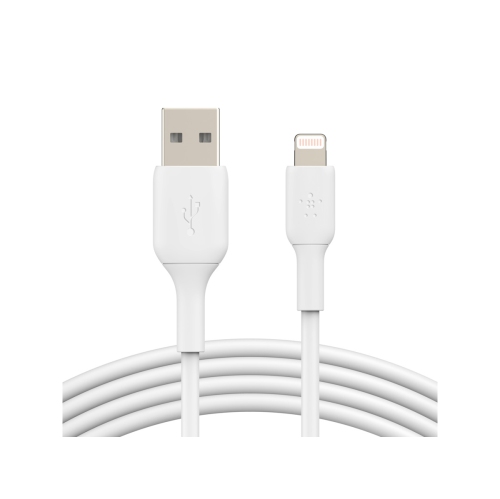 Your price for this item is $33.99
 -
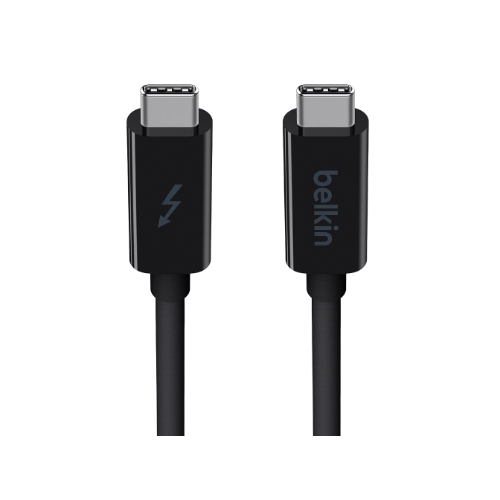 Your price for this item is $48.99
 -
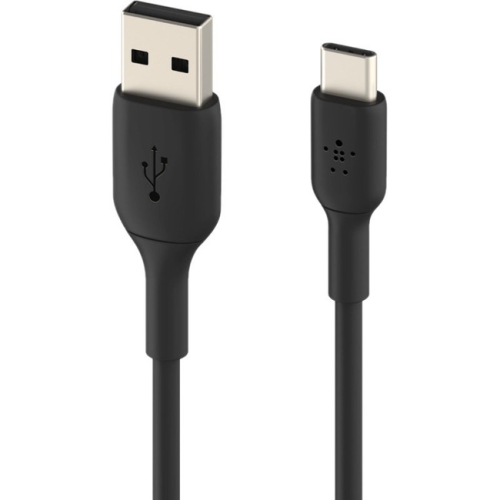 Your price for this item is $30.99
 -
 Your price for this item is $61.68
 -
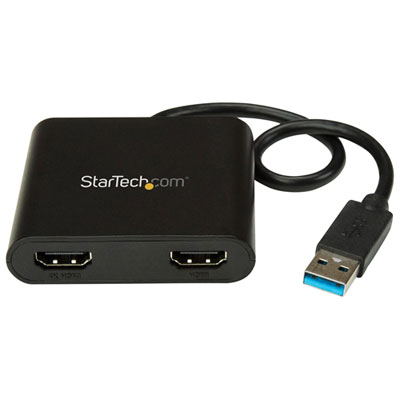 Your price for this item is $78.99
 -
 Your price for this item is $42.68
 -
 Your price for this item is $65.86
Discover more categories related to Trailer Light Connectors
Top Collections:
Pokemon Centers, Kindle Devices, Best Budget Office Chairs, Apple iPhones 16, Best Laptops for Writers, iPhone 15 Apple, Canon G7X Cameras, Refurbished Apple Laptops, Alarm Clock, Motorola Razr Phones
Some products may be subject to Environmental Handling Fees
(EHF) depending on your province.
Learn more about EHFs.