Wall Led Lights
Transform your living spaces with the modern elegance of wall LED lights, perfect for adding a touch of sophistication and ambiance to any room. These versatile lighting solutions effortlessly blend style and functionality, offering a sleek way to illuminate your home while saving energy. Whether you're looking to highlight artwork, create a cozy reading nook, or enhance your outdoor areas, wall LED lights provide endless possibilities for customization. Explore our wide selection to find the ideal fit for your decor and lighting needs, and experience the difference that quality lighting can make in your everyday life.
Sort
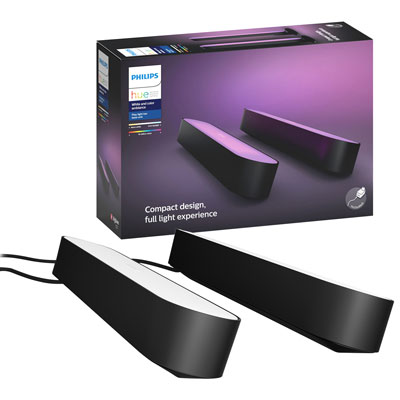
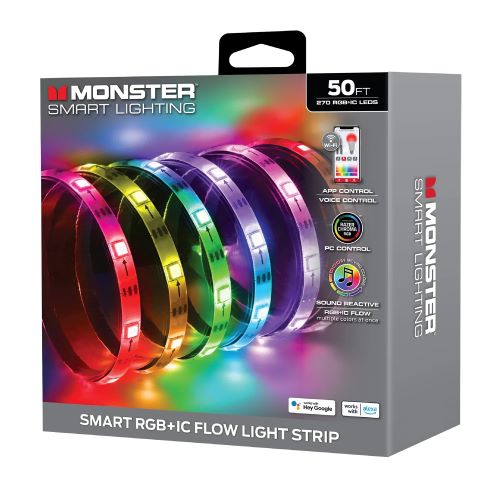
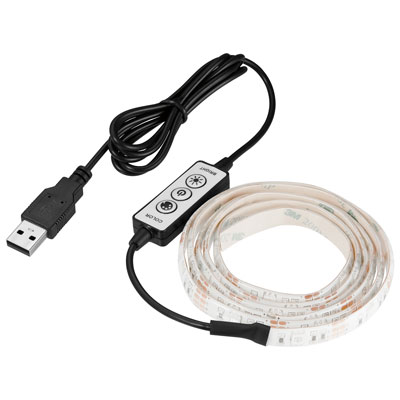
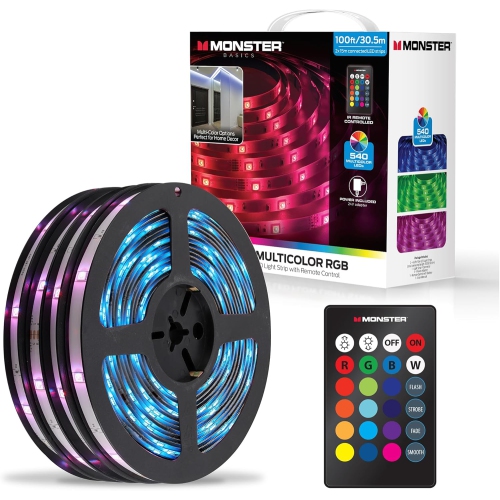

How light placement shapes a room’s glow and function
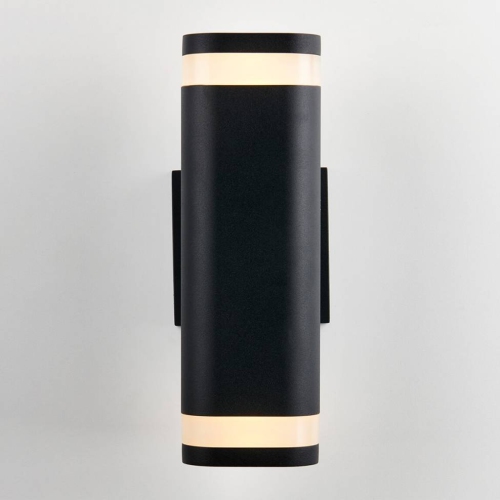
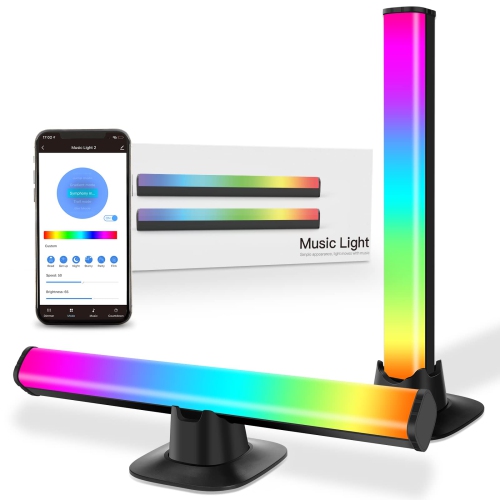
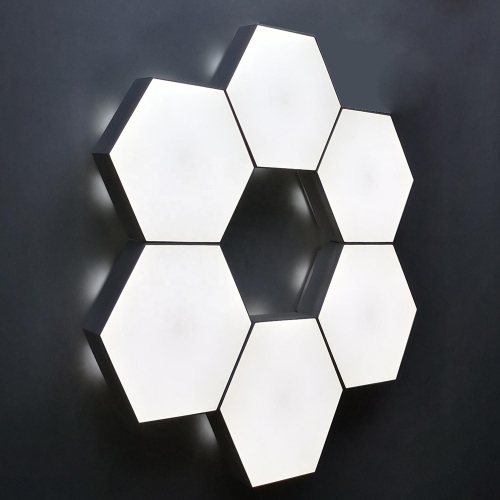
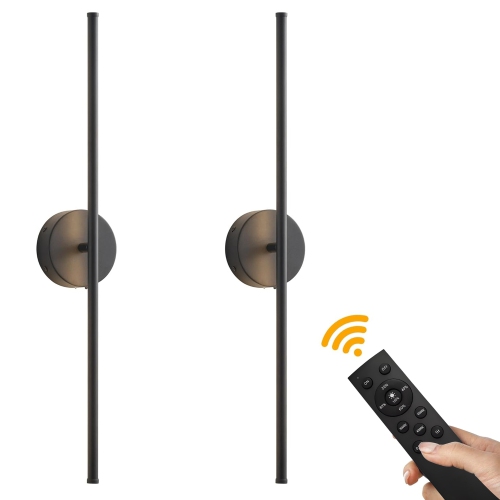
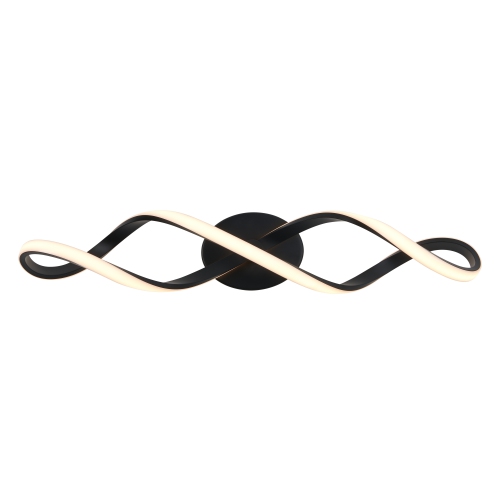
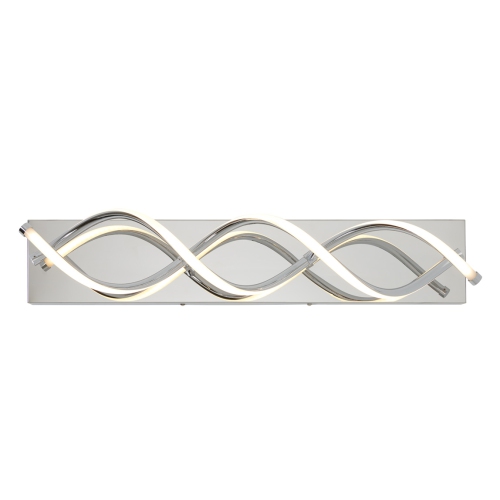
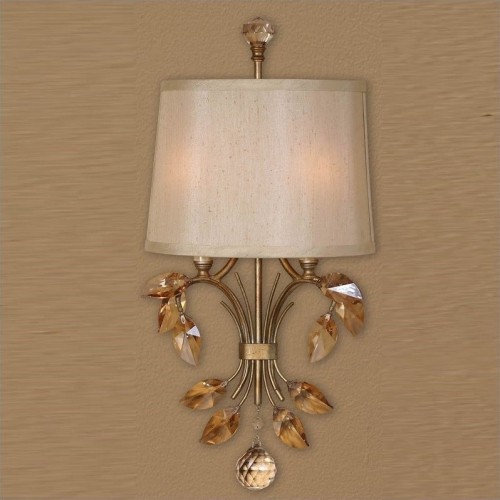
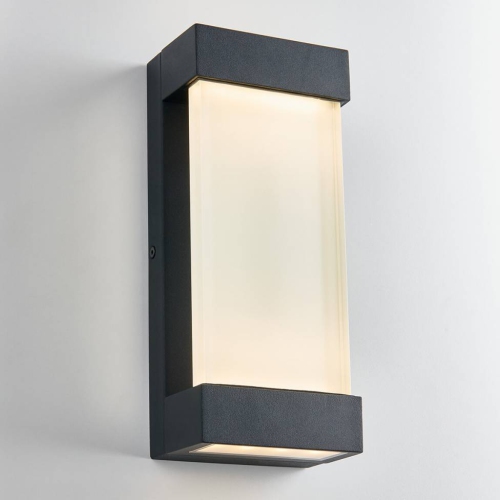
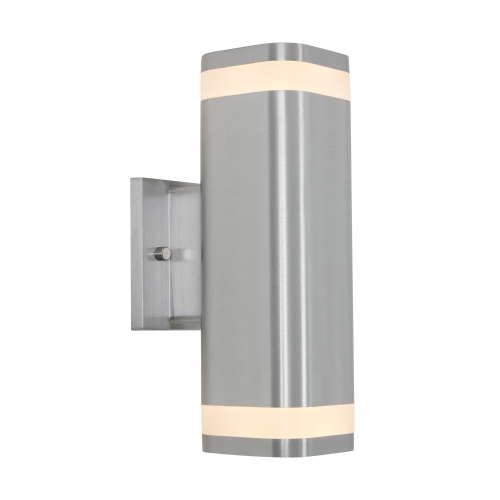
Wall LED lights bring illumination onto vertical surfaces, adding useful light without taking up floor or table space. The category includes wall sconces, flexible LED strips, modular light panels, picture lights, and exterior fixtures, with designs suited to everyday lighting, focused tasks, and visual accents. Their effect depends as much on placement and light direction as on brightness. An upward-facing sconce can soften a room by bouncing light off the ceiling, while a downward-facing fixture can create a defined pool of light beside a reading chair. LED strips tucked along shelving or behind a wall-mounted television produce a gentler glow, especially when the individual light points are hidden from view. Panels and sculptural designs make the lighting itself part of the room’s character, whether arranged above a desk or across an otherwise bare wall. For spaces where visual expression matters most, LED Wall Decorations offer another way to explore light as a design feature. Warm white light often suits bedrooms and living rooms, while neutral or cooler white light can suit work areas where a crisper appearance is preferred. Colour temperature, measured in kelvins, describes that warm-to-cool appearance; brightness is measured in lumens. A higher lumen output is not automatically better, particularly when a fixture sits near eye level or faces a screen. Diffused light can feel more comfortable than exposed LED points in a narrow hallway, and adjustable brightness helps the same room move from afternoon activities to a quieter evening setting. Wall lighting generally works best as part of a layered arrangement rather than as a substitute for every other light source. A pair of sconces can balance a sofa, a compact reading light can serve a bedside nook, and a soft wall wash can reveal the texture of brick, wood, or plaster during the darker hours of the cooler months.
Materials, proportions, and mounting details shape how wall LED lights look and perform over time. Metal housings, including aluminium and steel, can provide a sturdy structure, while glass, acrylic, and other plastic diffusers spread the light and influence its appearance. Clear covers create a different effect from frosted ones, which help soften visible bright points. Black, white, brushed metallic, and warm metallic finishes can either blend into the room or provide contrast, depending on the wall colour and surrounding furnishings. Fixture depth deserves attention in hallways, stairwells, and beside doors, where a projecting shade may interrupt movement or interfere with an opening door. Above a headboard, the position should allow comfortable sitting without placing the light directly in someone’s eyes. Power arrangements also affect fit. Plug-in wall lights need a reachable outlet and a sensible cord route, while rechargeable or battery-powered designs allow more flexibility but require charging or battery replacement. Battery life varies with brightness, operating mode, and frequency of use. Hardwired fixtures offer a tidy appearance without a visible power cord, though installation should be handled by a qualified electrician in accordance with local requirements. The weight of a fixture and the wall construction determine the appropriate mounting hardware; drywall, masonry, and wood each call for suitable fasteners. Adhesive-backed strips and lightweight panels depend on a clean, dry, compatible surface, and removal may affect paint or wallpaper. Flexible strips also have model-specific limits for cutting, bending, and joining, so their permitted layout matters around corners and along slatted walls. For ongoing care, disconnect power before cleaning and follow the manufacturer’s directions, typically using a soft cloth rather than abrasive cleaners. Keeping vents and heat-dissipating surfaces clear helps the fixture operate as intended. LED longevity varies by design and conditions, and an integrated LED fixture may require servicing or replacement when its light source fails, unlike a fixture designed for a replaceable bulb. Access to controls, connectors, and power supplies remains useful long after installation.
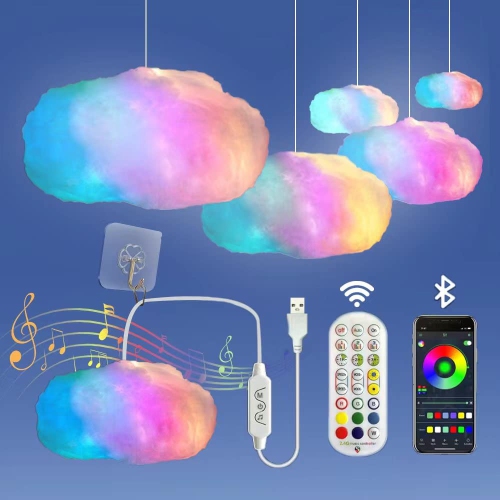
Controls and intended use distinguish a simple accent light from a more adaptable wall lighting setup. Dimmable designs can provide bright light for tidying a room and a softer setting for watching television, but compatibility matters: not every LED fixture works with every wall dimmer. Some lights use their own remote or touch controls, while smart versions may connect through Wi-Fi, Bluetooth, or a separate hub. Supported network requirements, app functions, and voice-control compatibility vary, so the connection method should suit the household’s existing devices and routines. Adjustable white light changes the warmth of the illumination, whereas RGB lighting mixes red, green, and blue to create different colours. Designs with dedicated white LEDs may provide a different white-light result from those that create white by mixing colours alone. Saved scenes, timers, and schedules can make a home office easier to settle into or bring a consistent evening glow to a living room. Music-responsive effects suit some gaming and entertainment spaces, while steady light is often more comfortable for reading, conversation, or shared rooms. Exterior wall LED lights have a different job: they can illuminate entrances, pathways beside a building, garages, and larger service areas. Outdoor wall packs typically prioritize broader coverage and durable housings, while porch sconces combine practical illumination with an architectural finish. Fixtures need a rating appropriate to their exposure to rain, snow, and moisture, along with an operating temperature range suited to local conditions. A sheltered location does not make an indoor-only light suitable for outdoor use. Motion sensors can activate lighting when someone approaches, and dusk-to-dawn sensors respond to changing daylight; thoughtful aiming helps keep that light on the intended area rather than in neighbouring windows. Moisture suitability also matters for interior locations such as bathrooms. For gifting, wall LED lights can appeal to gamers personalizing a setup, readers creating a comfortable corner, or someone settling into a new home. A design that suits the recipient’s space, mounting permissions, power access, and preferred controls is more likely to become a useful part of daily life.
Materials, proportions, and mounting details shape how wall LED lights look and perform over time. Metal housings, including aluminium and steel, can provide a sturdy structure, while glass, acrylic, and other plastic diffusers spread the light and influence its appearance. Clear covers create a different effect from frosted ones, which help soften visible bright points. Black, white, brushed metallic, and warm metallic finishes can either blend into the room or provide contrast, depending on the wall colour and surrounding furnishings. Fixture depth deserves attention in hallways, stairwells, and beside doors, where a projecting shade may interrupt movement or interfere with an opening door. Above a headboard, the position should allow comfortable sitting without placing the light directly in someone’s eyes. Power arrangements also affect fit. Plug-in wall lights need a reachable outlet and a sensible cord route, while rechargeable or battery-powered designs allow more flexibility but require charging or battery replacement. Battery life varies with brightness, operating mode, and frequency of use. Hardwired fixtures offer a tidy appearance without a visible power cord, though installation should be handled by a qualified electrician in accordance with local requirements. The weight of a fixture and the wall construction determine the appropriate mounting hardware; drywall, masonry, and wood each call for suitable fasteners. Adhesive-backed strips and lightweight panels depend on a clean, dry, compatible surface, and removal may affect paint or wallpaper. Flexible strips also have model-specific limits for cutting, bending, and joining, so their permitted layout matters around corners and along slatted walls. For ongoing care, disconnect power before cleaning and follow the manufacturer’s directions, typically using a soft cloth rather than abrasive cleaners. Keeping vents and heat-dissipating surfaces clear helps the fixture operate as intended. LED longevity varies by design and conditions, and an integrated LED fixture may require servicing or replacement when its light source fails, unlike a fixture designed for a replaceable bulb. Access to controls, connectors, and power supplies remains useful long after installation.
Controls and intended use distinguish a simple accent light from a more adaptable wall lighting setup. Dimmable designs can provide bright light for tidying a room and a softer setting for watching television, but compatibility matters: not every LED fixture works with every wall dimmer. Some lights use their own remote or touch controls, while smart versions may connect through Wi-Fi, Bluetooth, or a separate hub. Supported network requirements, app functions, and voice-control compatibility vary, so the connection method should suit the household’s existing devices and routines. Adjustable white light changes the warmth of the illumination, whereas RGB lighting mixes red, green, and blue to create different colours. Designs with dedicated white LEDs may provide a different white-light result from those that create white by mixing colours alone. Saved scenes, timers, and schedules can make a home office easier to settle into or bring a consistent evening glow to a living room. Music-responsive effects suit some gaming and entertainment spaces, while steady light is often more comfortable for reading, conversation, or shared rooms. Exterior wall LED lights have a different job: they can illuminate entrances, pathways beside a building, garages, and larger service areas. Outdoor wall packs typically prioritize broader coverage and durable housings, while porch sconces combine practical illumination with an architectural finish. Fixtures need a rating appropriate to their exposure to rain, snow, and moisture, along with an operating temperature range suited to local conditions. A sheltered location does not make an indoor-only light suitable for outdoor use. Motion sensors can activate lighting when someone approaches, and dusk-to-dawn sensors respond to changing daylight; thoughtful aiming helps keep that light on the intended area rather than in neighbouring windows. Moisture suitability also matters for interior locations such as bathrooms. For gifting, wall LED lights can appeal to gamers personalizing a setup, readers creating a comfortable corner, or someone settling into a new home. A design that suits the recipient’s space, mounting permissions, power access, and preferred controls is more likely to become a useful part of daily life.
Top selling and popular products
-
 Your price for this item is $99.99
 -
 Your price for this item is $419.99
 -
 Your price for this item is $159
 -
 Your price for this item is $169.99
 -
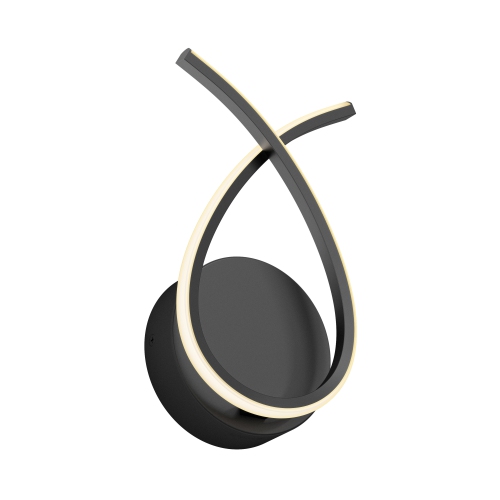 Your price for this item is $49.99
 -
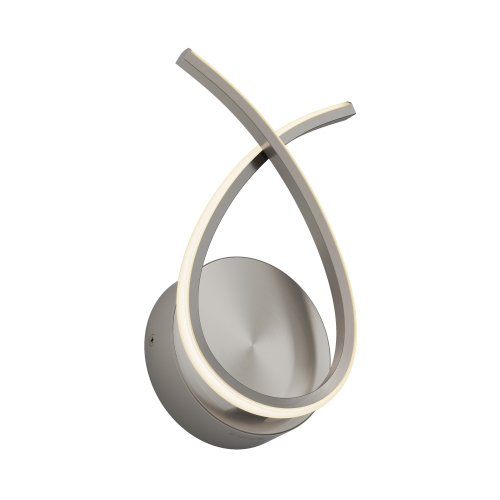 Your price for this item is $59.99
 -
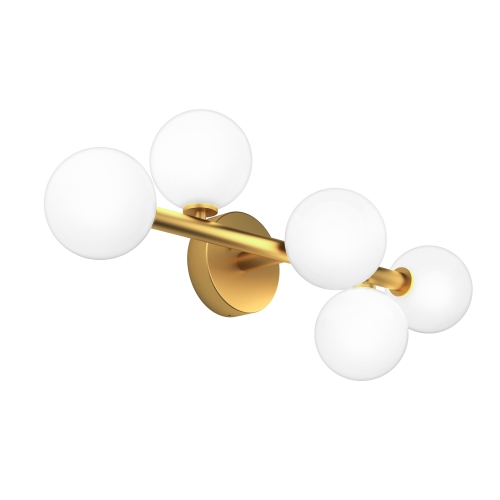 Your price for this item is $139
 -
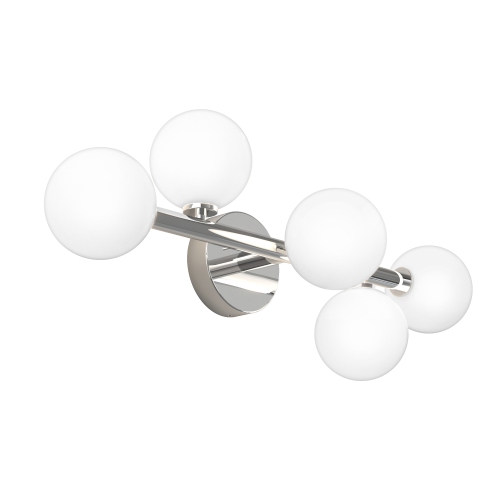 Your price for this item is $139
Discover more categories related to Wall Led Lights
Top Collections:
Pokemon Centers, Kindle Devices, Best Budget Office Chairs, Apple iPhones 16, Best Laptops for Writers, iPhone 15 Apple, Canon G7X Cameras, Refurbished Apple Laptops, Alarm Clock, Motorola Razr Phones
Some products may be subject to Environmental Handling Fees
(EHF) depending on your province.
Learn more about EHFs.