Water Level Detectors
Water level detectors are essential tools for monitoring and managing water levels in various settings. Whether you need to keep an eye on the water level in your swimming pool, aquarium, or basement, these detectors provide accurate readings to ensure optimal safety and functionality. With their advanced technology and user-friendly design, water level detectors offer peace of mind by alerting you to any potential issues before they become major problems. Explore our wide selection of water level detectors and find the perfect solution to suit your needs.
Sort
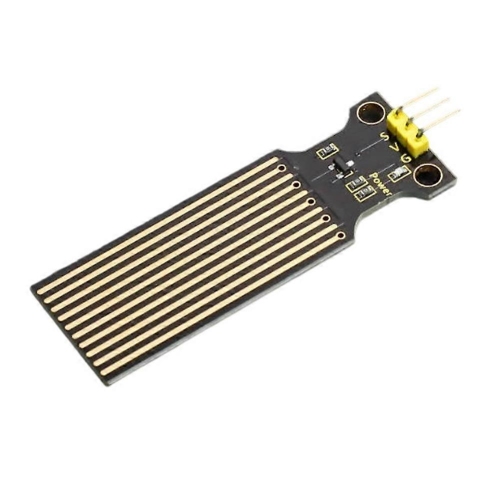
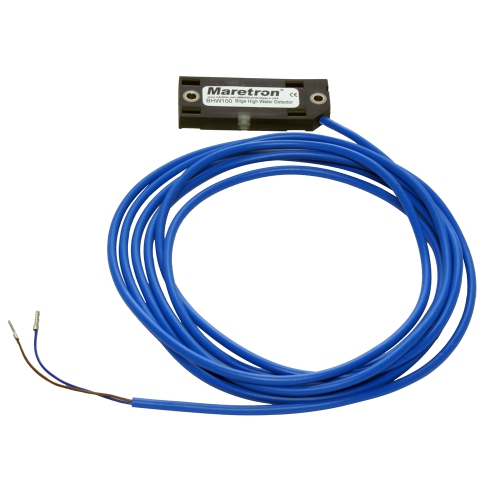
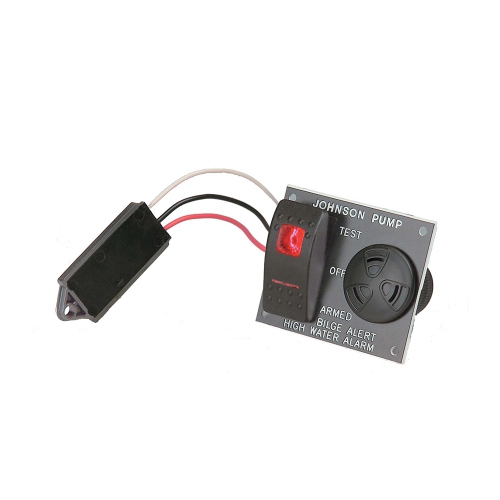
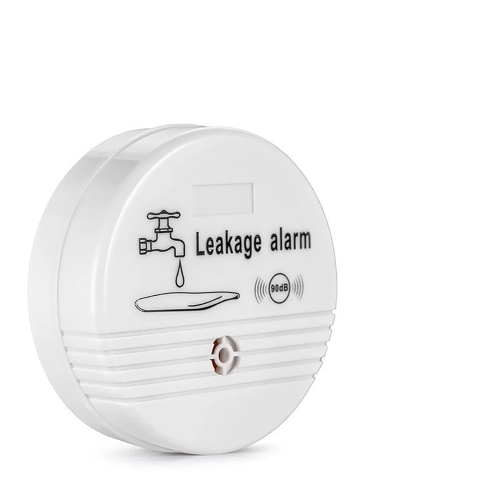
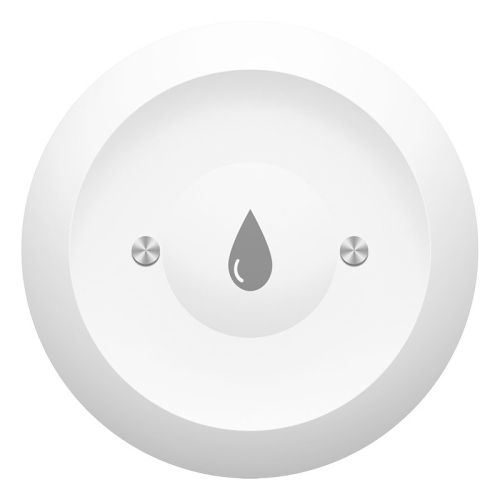
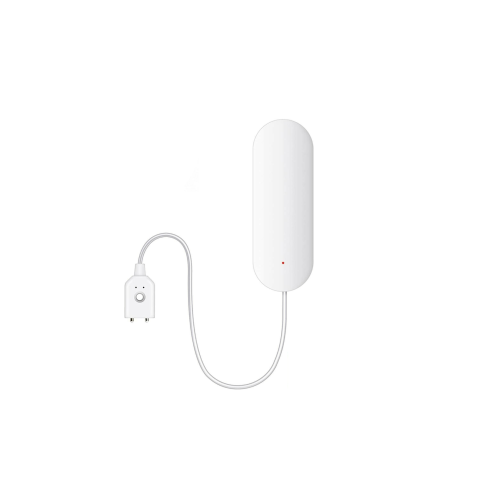
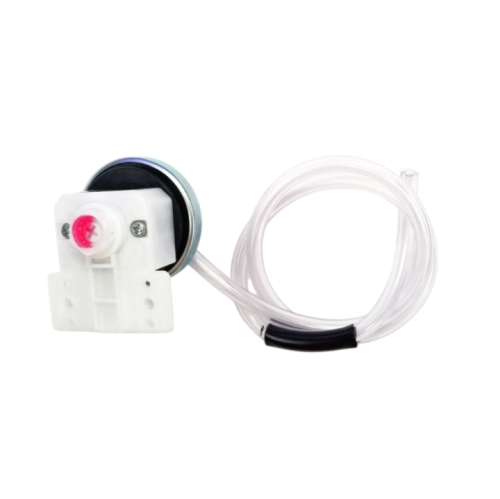
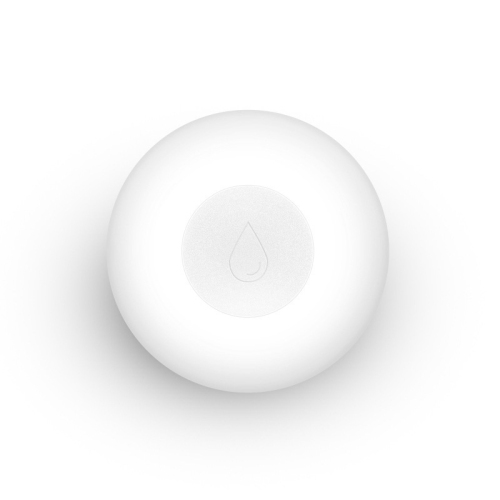
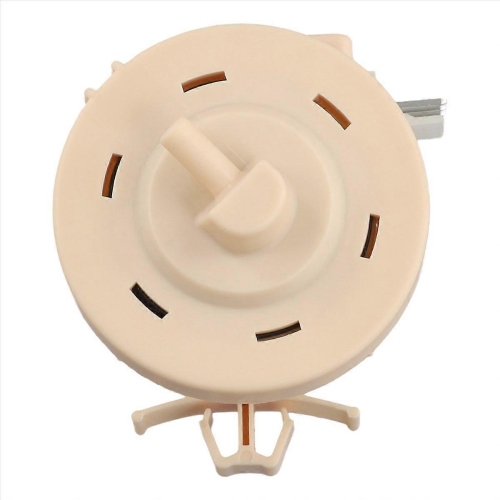
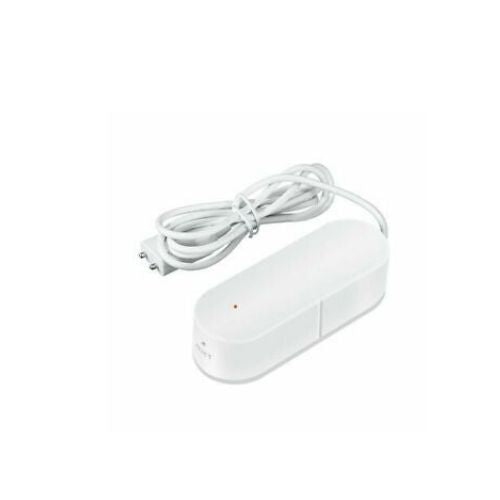
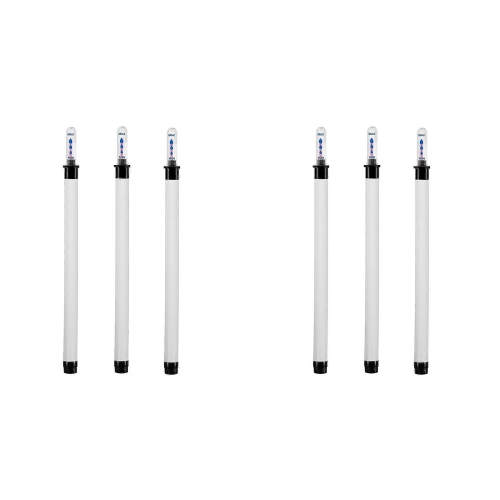
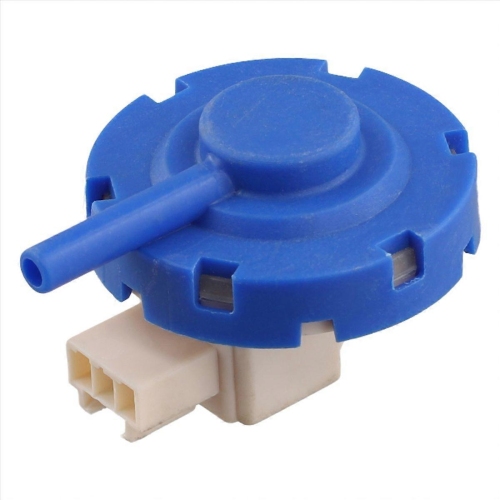
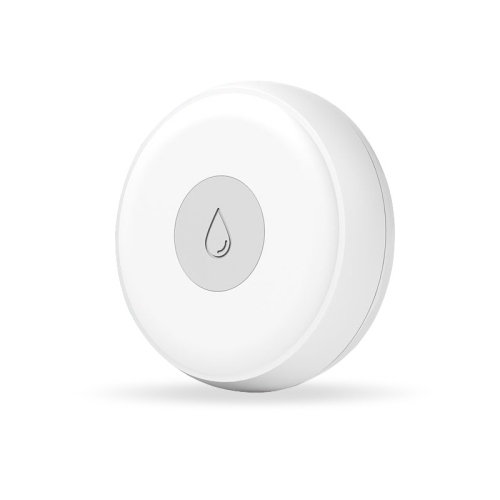
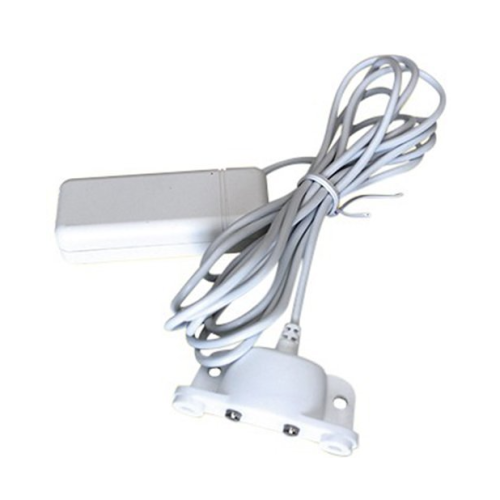
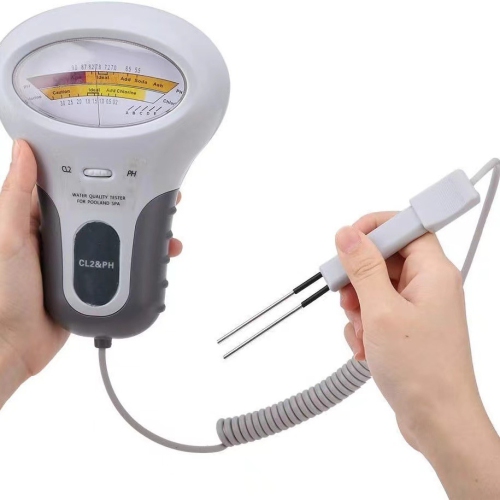
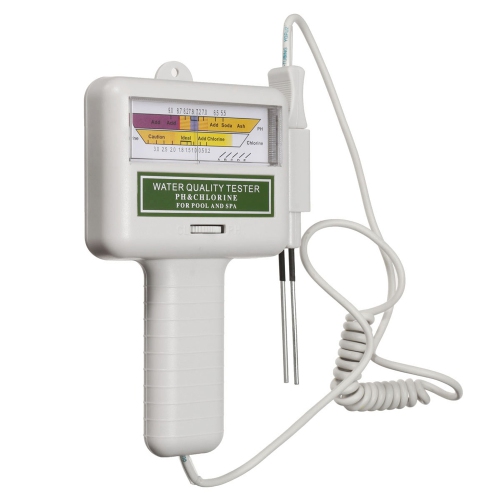
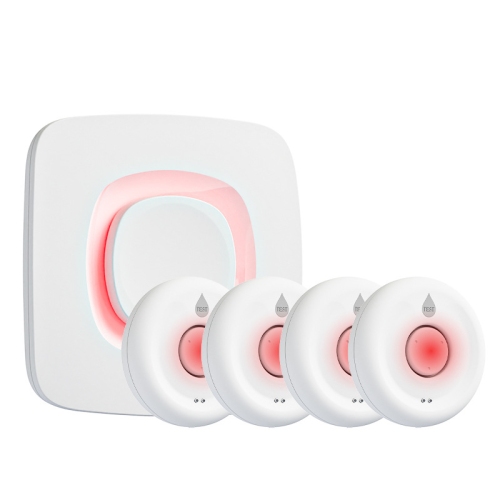
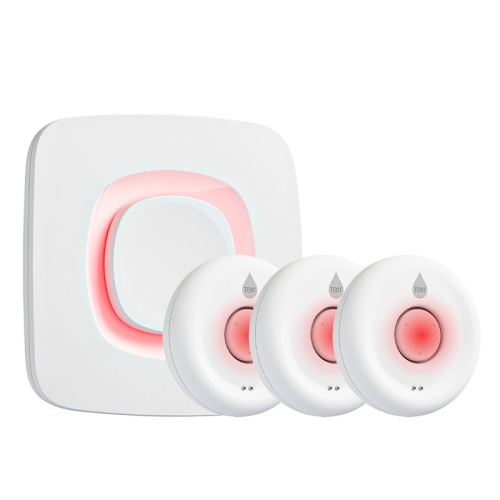
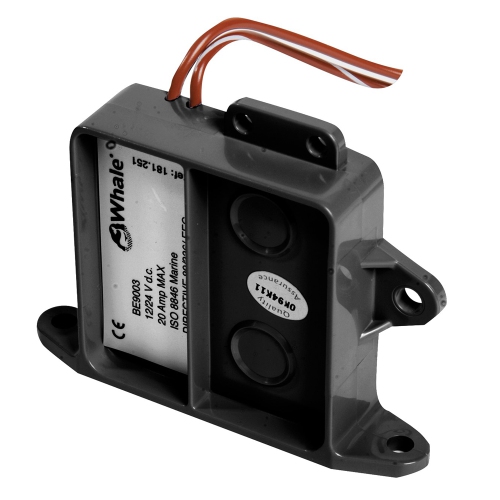
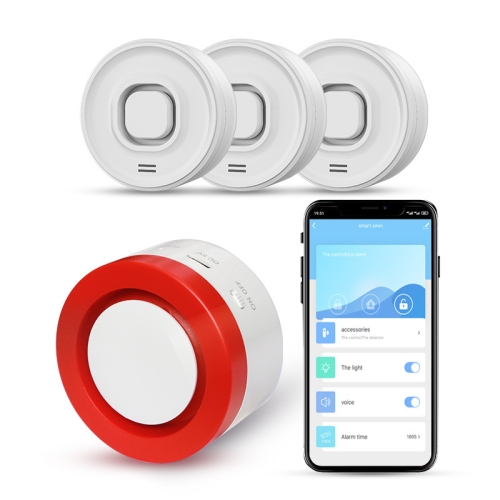
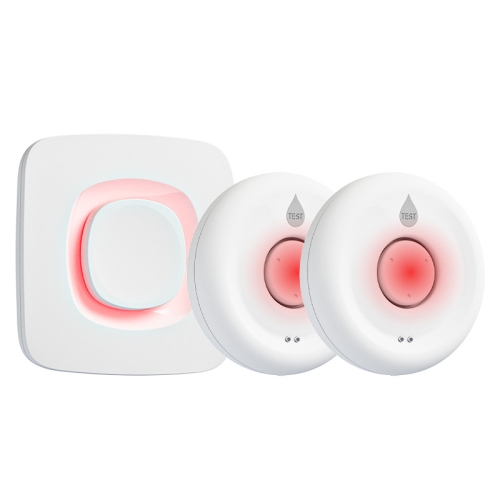

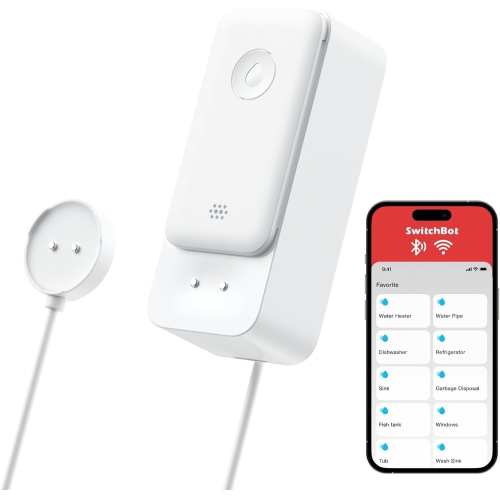
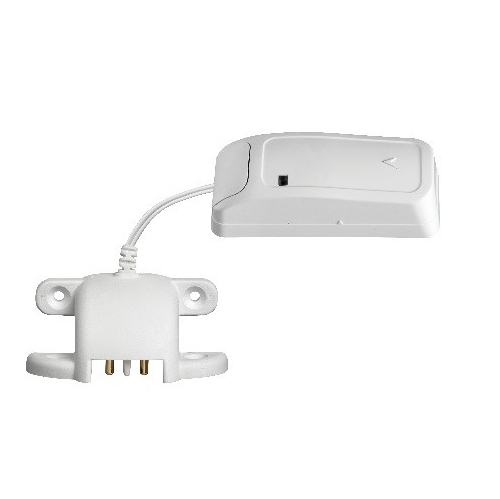

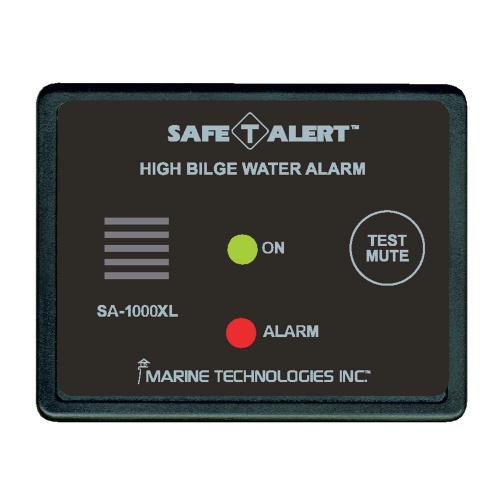

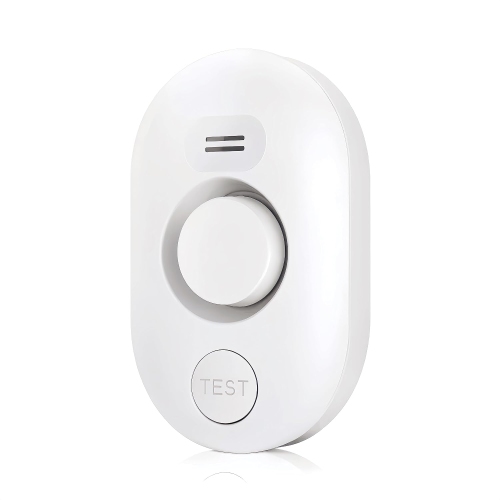
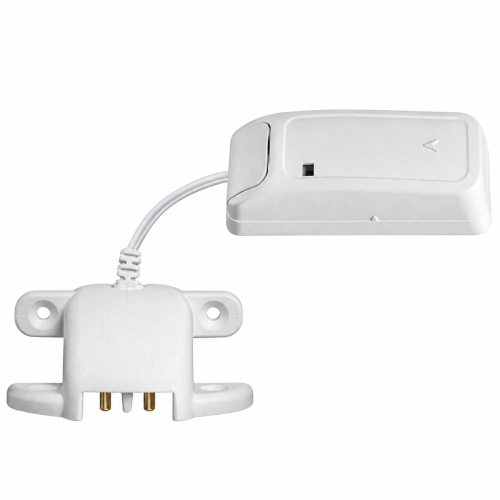
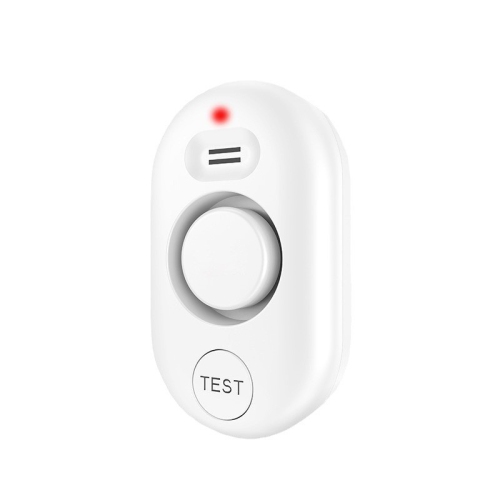
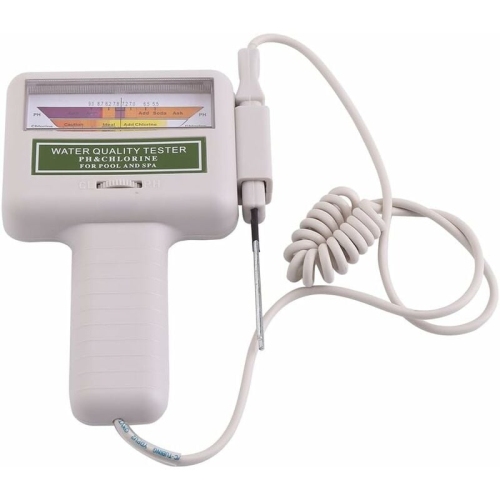
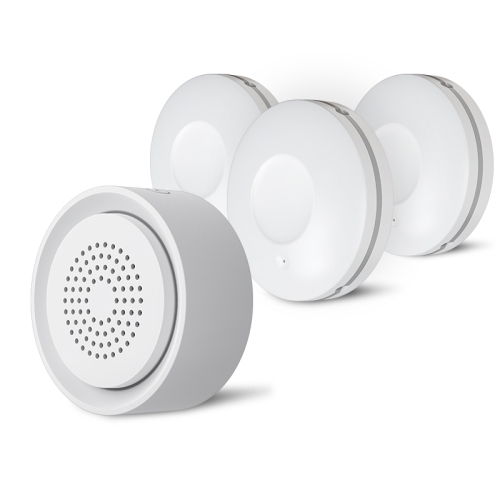
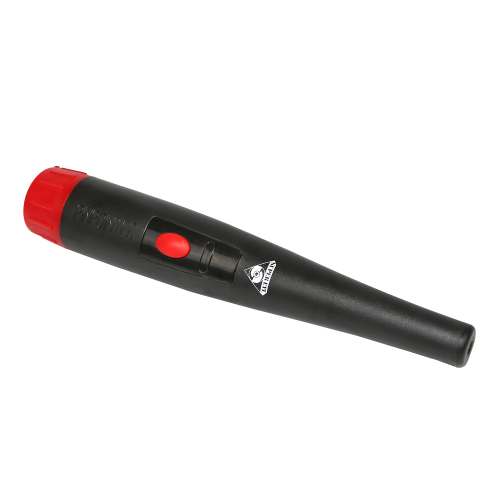
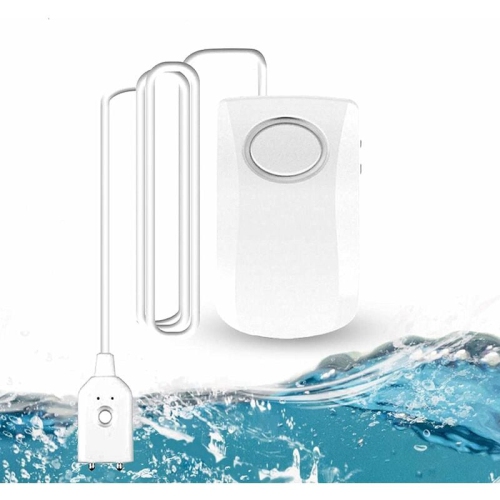
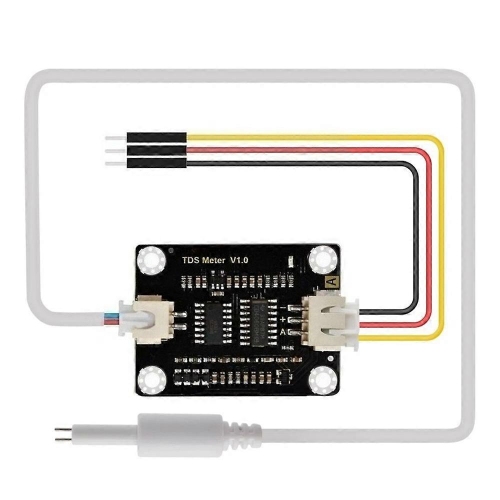
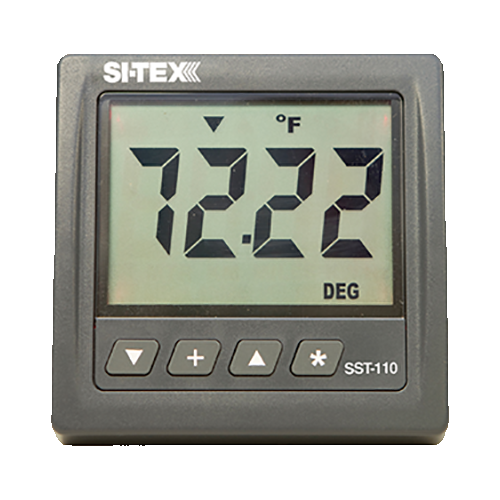
Early alerts for rising water and changing conditions
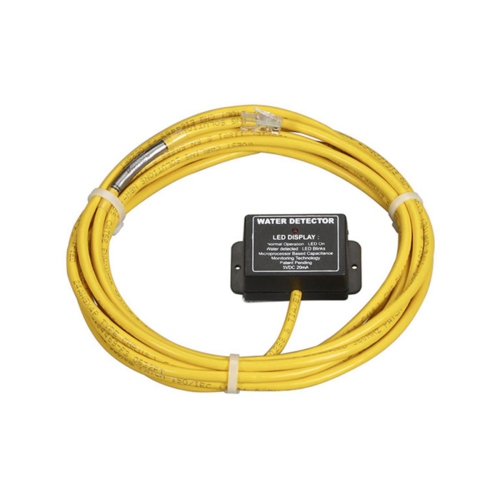
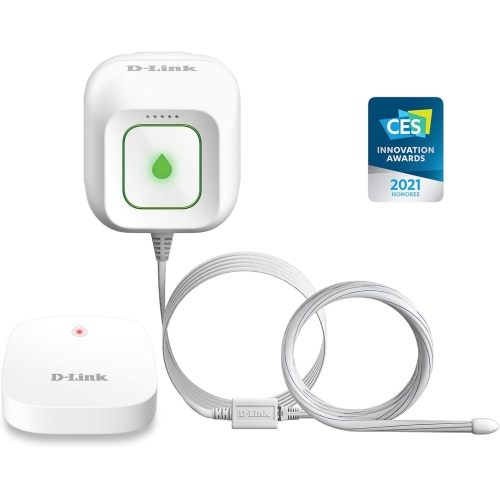
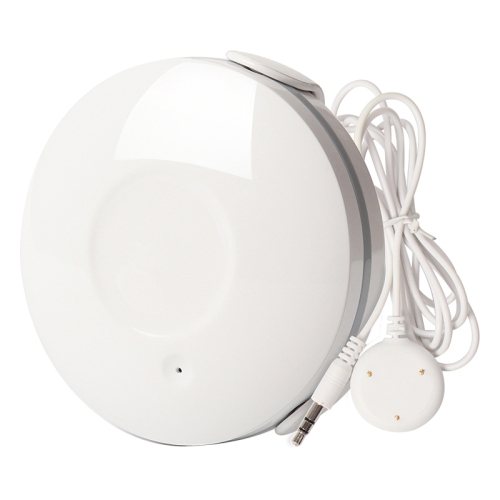
Water level detectors help you keep track of rising, falling, or unexpectedly changing water levels in places that are difficult to watch by hand. They can be used in sump pits, utility rooms, cisterns, storage tanks, wells, aquariums, pools, garden ponds, and other areas where water needs to stay within a safe range. Some models are designed to detect a specific point, such as when water reaches an overflow threshold, while others measure the approximate depth of the water and share ongoing readings. This makes them useful for homeowners checking a basement sump pump, cottage owners monitoring a remote tank, and anyone who wants an early warning before a small water issue becomes a larger one. A local alarm can provide an audible alert nearby, while a connected model may send notifications to a smartphone through a compatible app or smart home platform. For outdoor recreation areas and backyard maintenance, a water level detector can complement other monitoring equipment, including Pool Leak Detectors. During the warmer season, it may help keep an eye on water features or equipment that receives frequent use; during the cooler months, it can provide reassurance when a property is visited less often or when changing weather brings heavier rain and runoff.
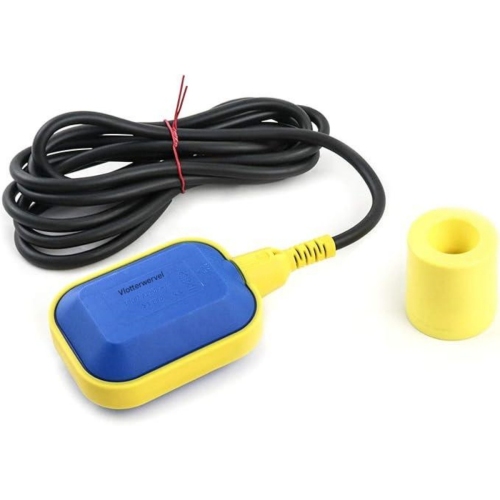
The right water level detector depends on the liquid being monitored, the container or space it will be installed in, and the type of information you want to receive. Float switches are a straightforward choice for point detection: a float rises with the water and activates a switch when it reaches a preset position. They may be suitable for sump pits, tanks, pumps, and other applications where the main concern is whether water has reached a particular level. Ultrasonic sensors work without touching the liquid, using sound waves to estimate the distance between the sensor and the surface. This non-contact design can be useful in enclosed tanks or areas where placing a probe directly in the water is inconvenient. Pressure transducers sit in or near the bottom of a tank and use hydrostatic pressure to calculate liquid depth, making them useful when more detailed level information is needed. Capacitive and conductive probes detect changes when water reaches sensing points or tracks, and are often considered for custom projects involving a microcontroller, home automation hub, or other control system. When comparing options, check the supported water depth, sensor placement, cable length, power source, alert method, and resistance to moisture or outdoor conditions. It is also important to confirm whether the detector is intended for clean water, treated water, or another type of liquid, since mineral deposits, debris, foam, and temperature changes may affect performance depending on the sensing method.
Water level detectors can be especially helpful for households with a basement, sump pump, well, rainwater tank, aquarium, hot tub, or pool, as well as for cottages, workshops, rental properties, and small commercial spaces. A detector installed near a sump pit may alert you to a high-water condition during heavy rain or to a possible pump problem, giving you time to inspect the area before water spreads across the floor. In a tank or cistern, level information can make it easier to plan refilling and recognize unusual changes that may indicate a leak, blocked line, or faulty valve. Aquarium hobbyists and pond owners may use compact sensors to help notice evaporation, overflow, or equipment issues, while do-it-yourself makers may connect a sensor to a controller for automated notifications, pump operation, or dashboard readings. Wireless models can be convenient where running a cable to a display or alarm is impractical, although signal range, network compatibility, and battery life should be reviewed before installation. A gift-giver might choose one for a new homeowner, cottage owner, aquarium enthusiast, or someone setting up a smart home, particularly when the recipient values practical tools that provide peace of mind without requiring constant manual checks. Look for clear installation instructions, adjustable thresholds, dependable alerts, and a design suited to the intended location. A well-matched detector can turn a hidden water-level change into timely information, helping you respond with greater confidence as conditions shift around the home or property.
The right water level detector depends on the liquid being monitored, the container or space it will be installed in, and the type of information you want to receive. Float switches are a straightforward choice for point detection: a float rises with the water and activates a switch when it reaches a preset position. They may be suitable for sump pits, tanks, pumps, and other applications where the main concern is whether water has reached a particular level. Ultrasonic sensors work without touching the liquid, using sound waves to estimate the distance between the sensor and the surface. This non-contact design can be useful in enclosed tanks or areas where placing a probe directly in the water is inconvenient. Pressure transducers sit in or near the bottom of a tank and use hydrostatic pressure to calculate liquid depth, making them useful when more detailed level information is needed. Capacitive and conductive probes detect changes when water reaches sensing points or tracks, and are often considered for custom projects involving a microcontroller, home automation hub, or other control system. When comparing options, check the supported water depth, sensor placement, cable length, power source, alert method, and resistance to moisture or outdoor conditions. It is also important to confirm whether the detector is intended for clean water, treated water, or another type of liquid, since mineral deposits, debris, foam, and temperature changes may affect performance depending on the sensing method.
Water level detectors can be especially helpful for households with a basement, sump pump, well, rainwater tank, aquarium, hot tub, or pool, as well as for cottages, workshops, rental properties, and small commercial spaces. A detector installed near a sump pit may alert you to a high-water condition during heavy rain or to a possible pump problem, giving you time to inspect the area before water spreads across the floor. In a tank or cistern, level information can make it easier to plan refilling and recognize unusual changes that may indicate a leak, blocked line, or faulty valve. Aquarium hobbyists and pond owners may use compact sensors to help notice evaporation, overflow, or equipment issues, while do-it-yourself makers may connect a sensor to a controller for automated notifications, pump operation, or dashboard readings. Wireless models can be convenient where running a cable to a display or alarm is impractical, although signal range, network compatibility, and battery life should be reviewed before installation. A gift-giver might choose one for a new homeowner, cottage owner, aquarium enthusiast, or someone setting up a smart home, particularly when the recipient values practical tools that provide peace of mind without requiring constant manual checks. Look for clear installation instructions, adjustable thresholds, dependable alerts, and a design suited to the intended location. A well-matched detector can turn a hidden water-level change into timely information, helping you respond with greater confidence as conditions shift around the home or property.
Top selling and popular products
-
 Your price for this item is $21.59
 -
 Your price for this item is $439.99
 -
 Your price for this item is $39.99
 -
 Your price for this item is $814.49
 -
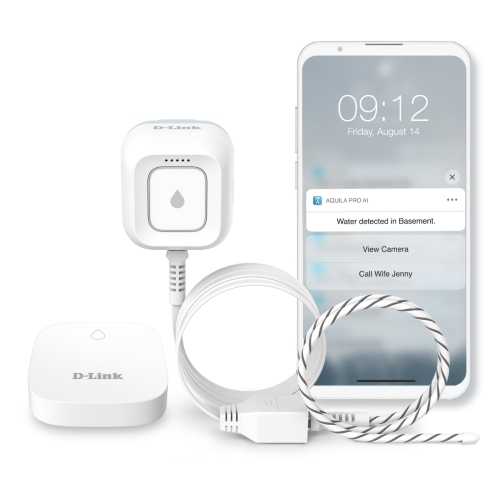 Your price for this item is $99.99
 -
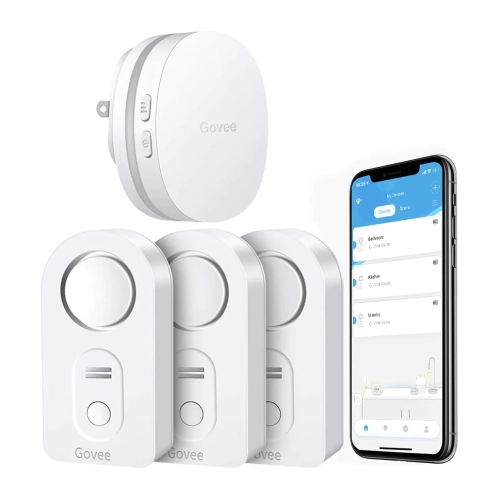 Your price for this item is $69.99
 -
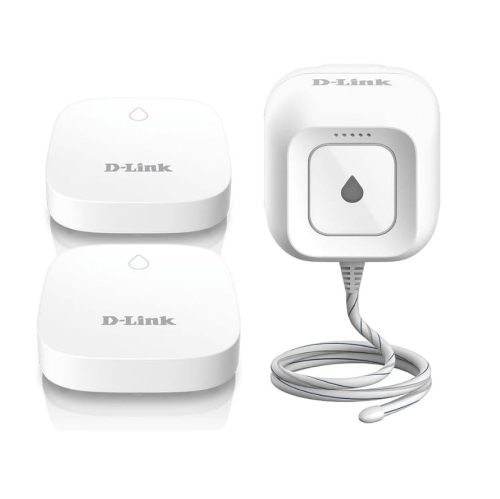 Your price for this item is $119.99
 -
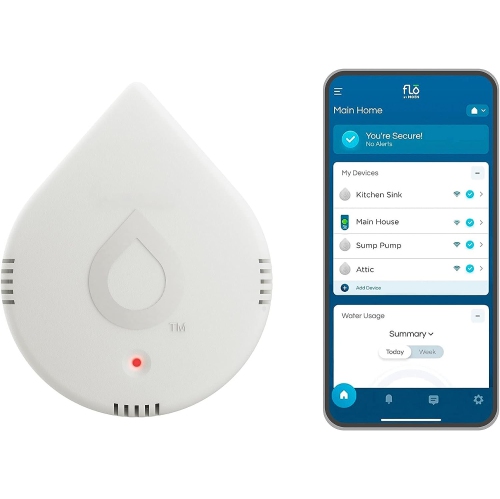 Your price for this item is $84
Discover more categories related to Water Level Detectors

Top Collections:
Pokemon Centers, Kindle Devices, Best Budget Office Chairs, Canon G7X Cameras, Apple iPhones 16, Samsung Galaxy Phones, Refurbished Apple Laptops, Laptops for Students, iPhone 15 Apple, Budget Smartphones
Some products may be subject to Environmental Handling Fees
(EHF) depending on your province.
Learn more about EHFs.