Level Measuring Tools
Whether you're a professional contractor or a DIY enthusiast, having accurate and reliable level-measuring tools is essential for almost any project. From leveling shelves and cabinets to hanging artwork and mirrors, these tools ensure that everything is perfectly aligned and balanced. At Best Buy, we offer a wide selection of level measuring tools that cater to various needs and budgets. Explore our range of options to find the perfect tool that will help you achieve precise measurements and create a polished finish for your next project.
Sort
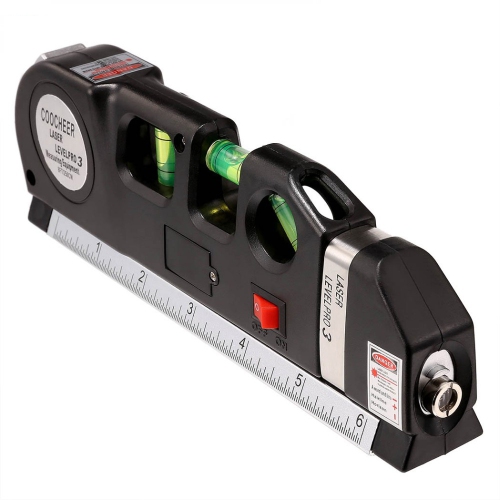
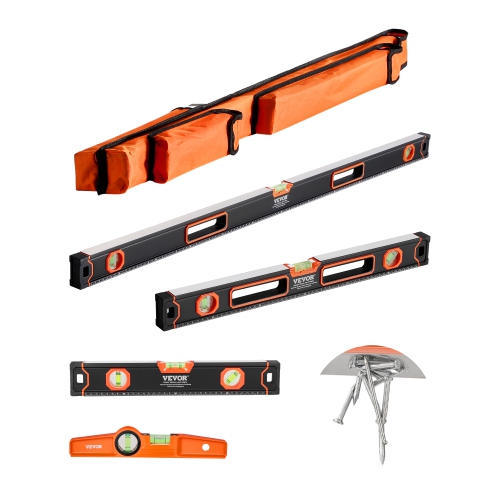
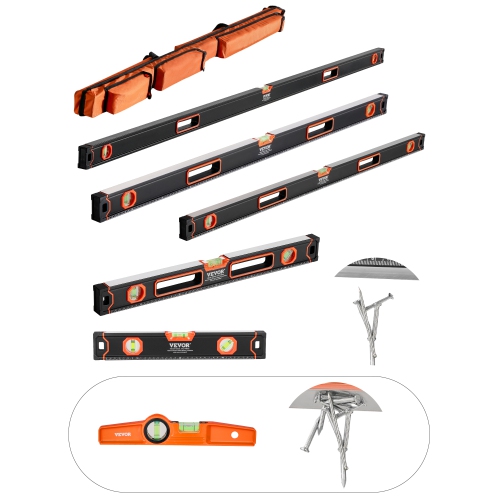
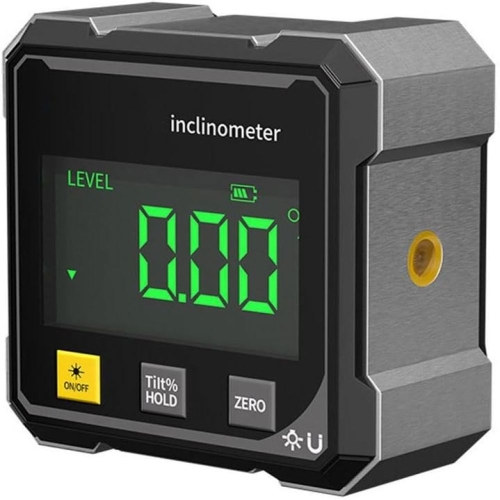
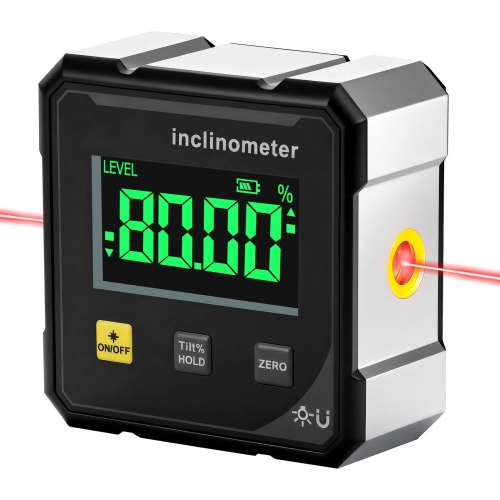
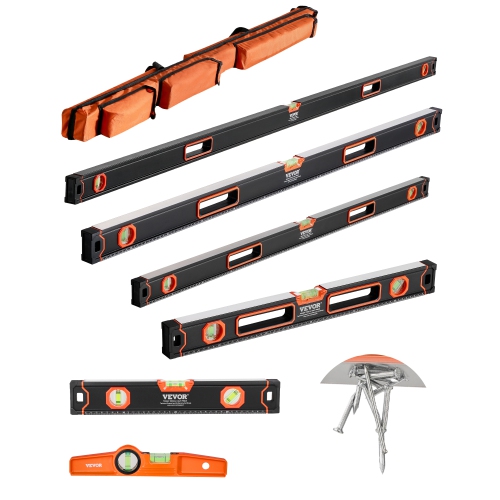
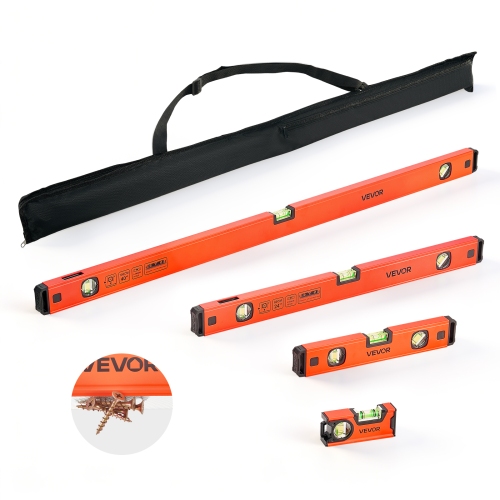
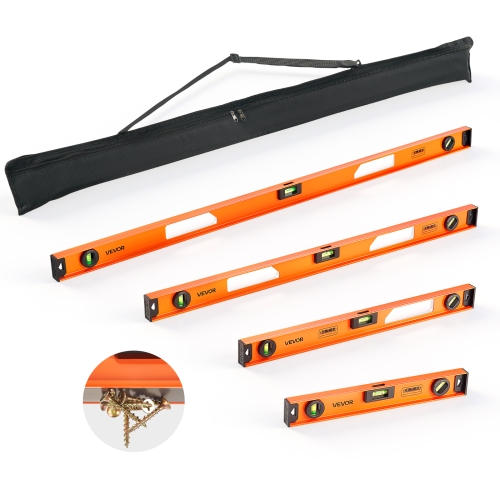
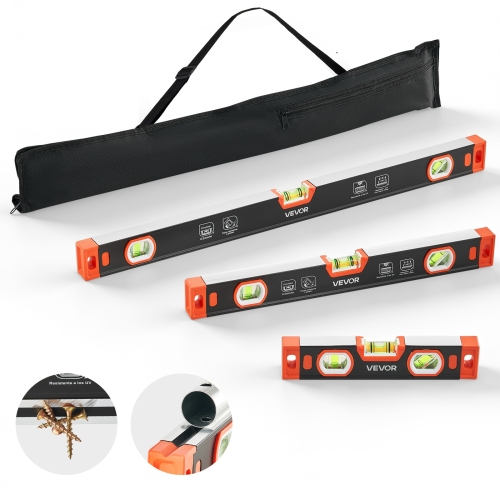
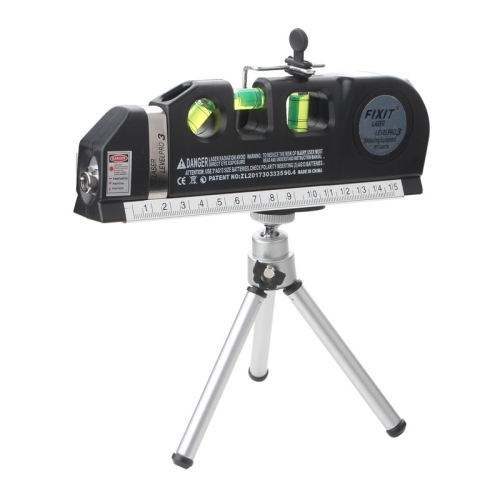
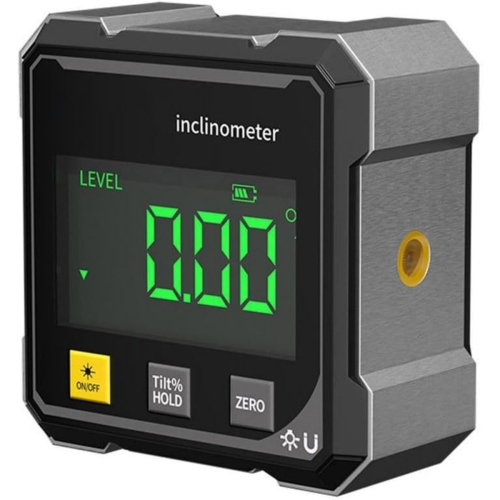
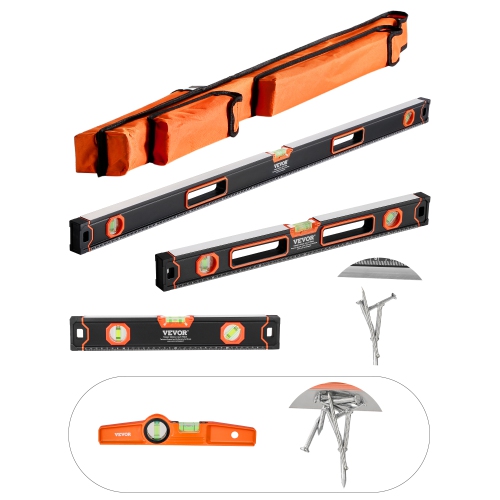

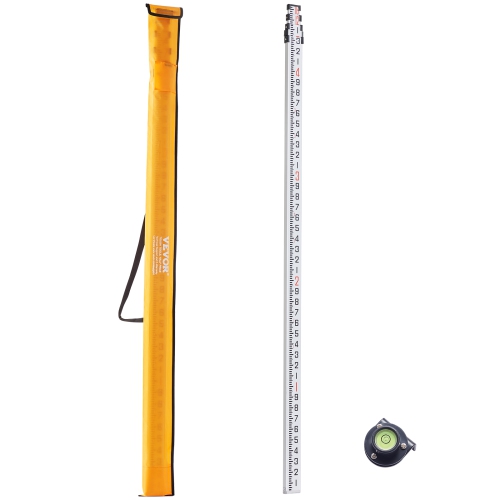
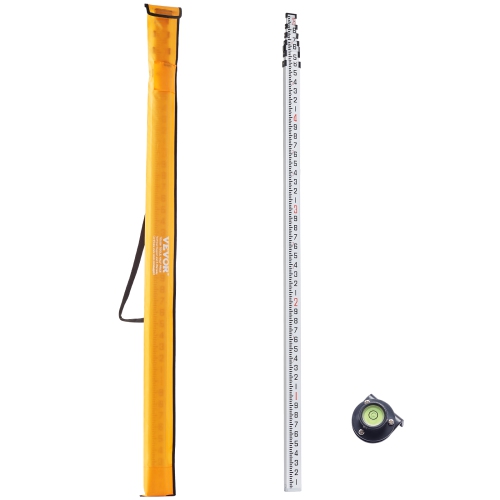
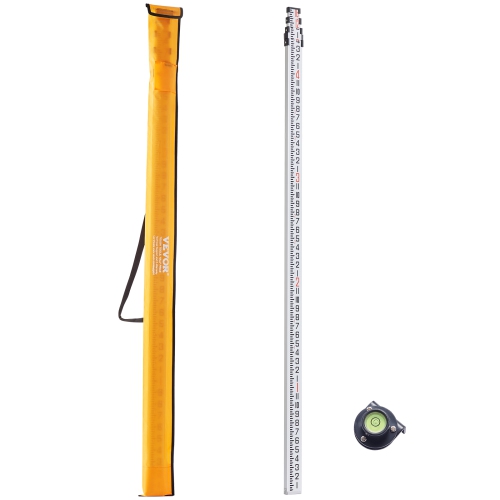
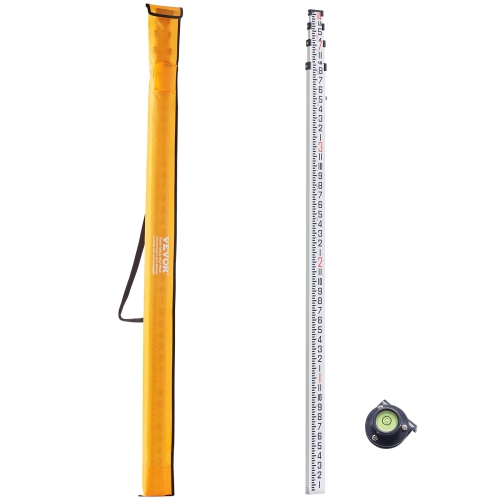
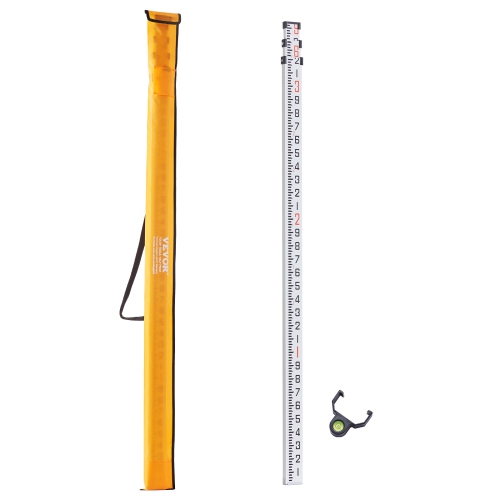

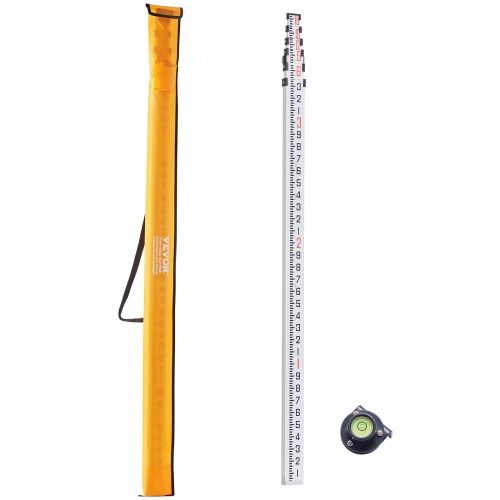
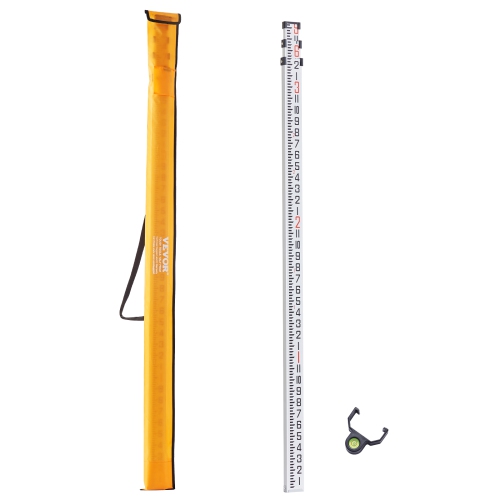
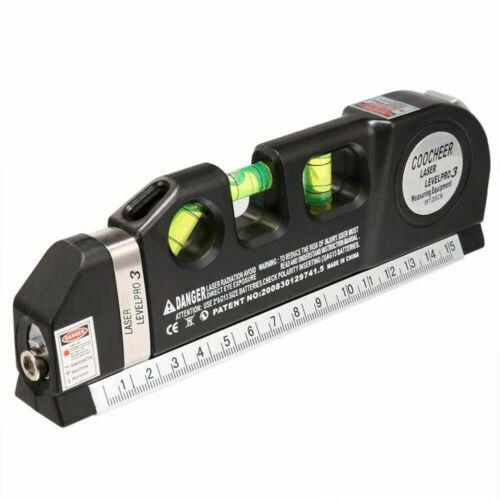
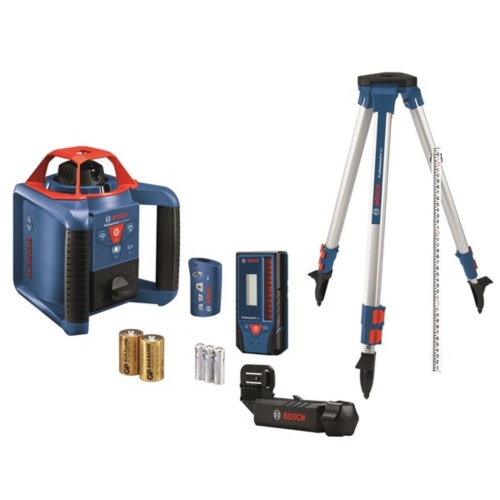
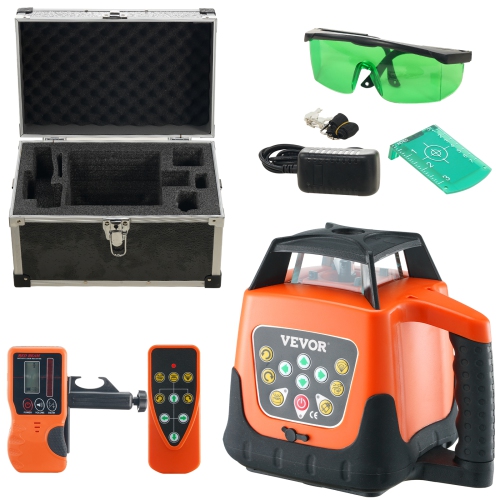
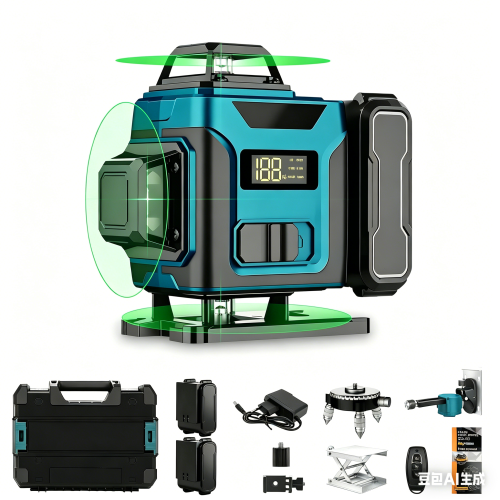
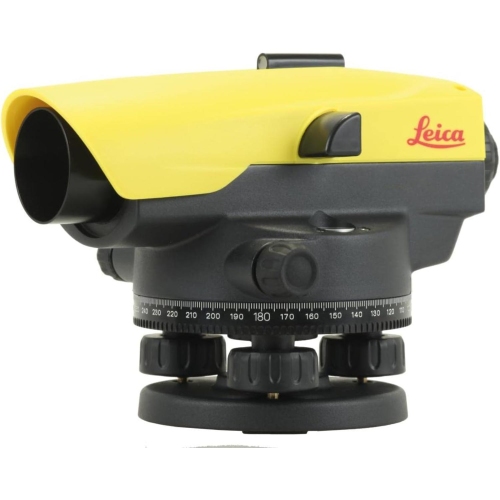

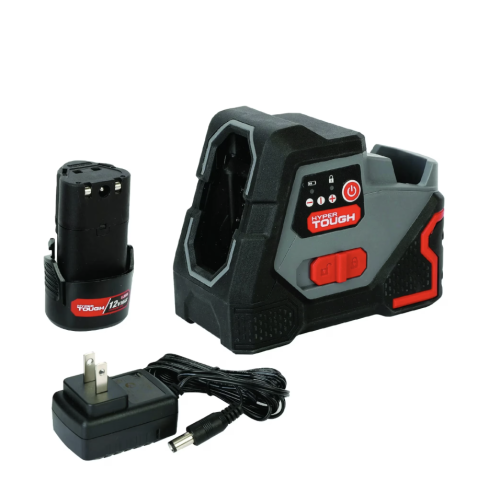
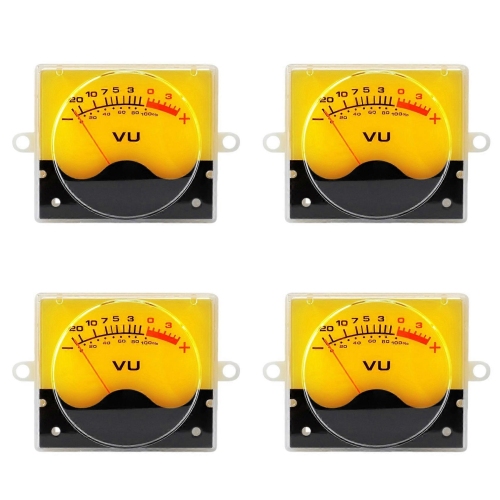

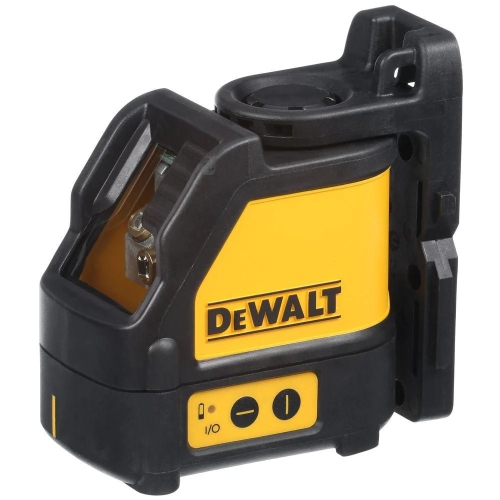

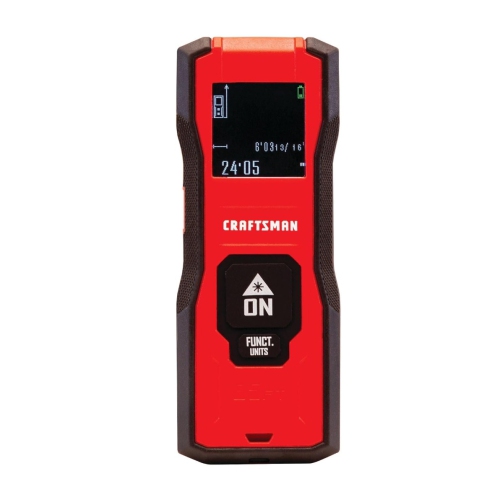
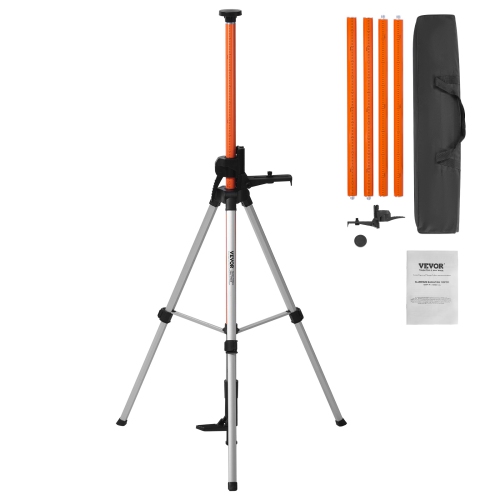
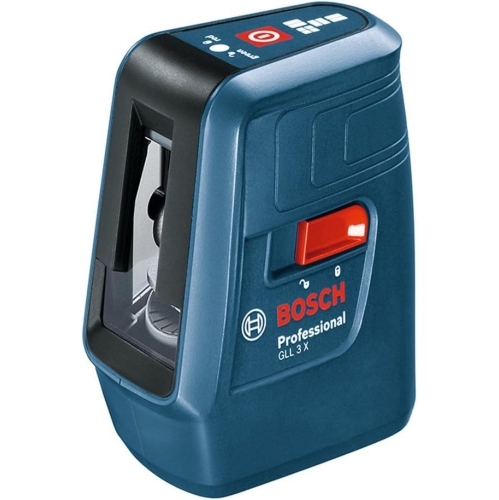
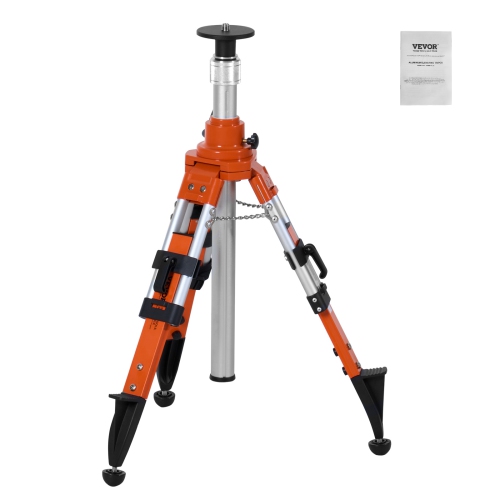
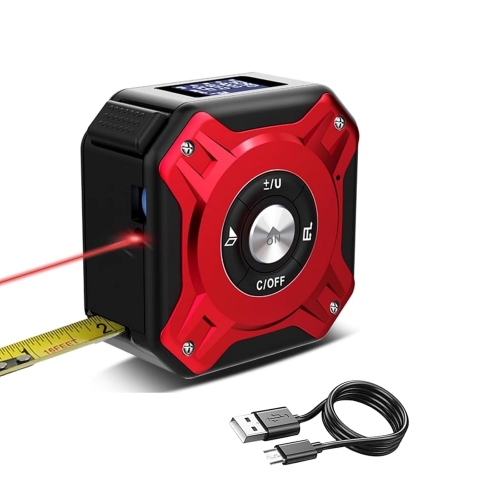
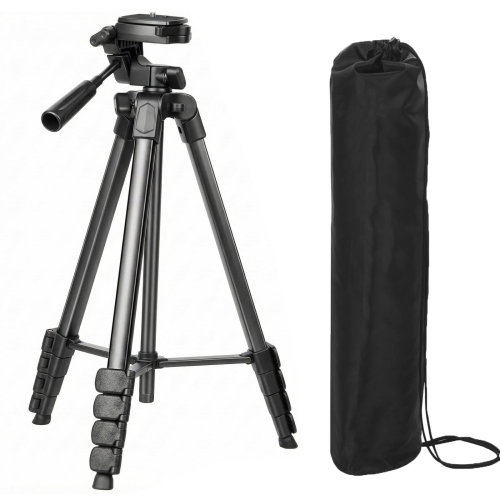
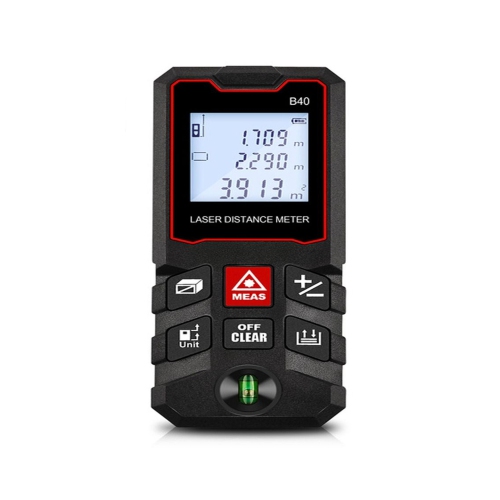
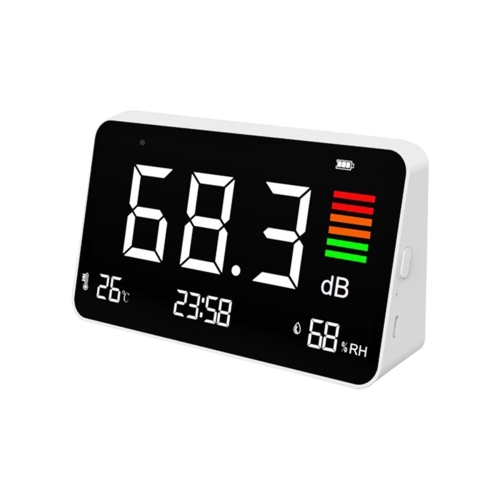

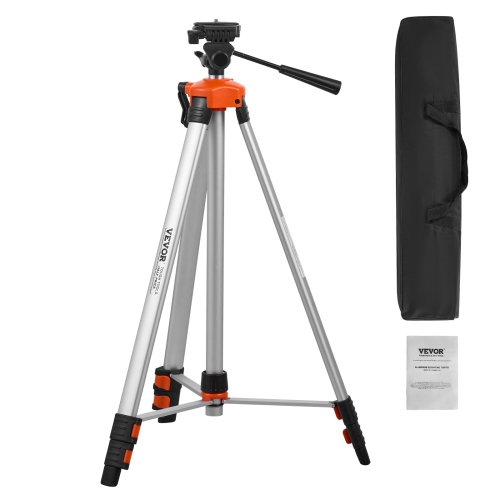
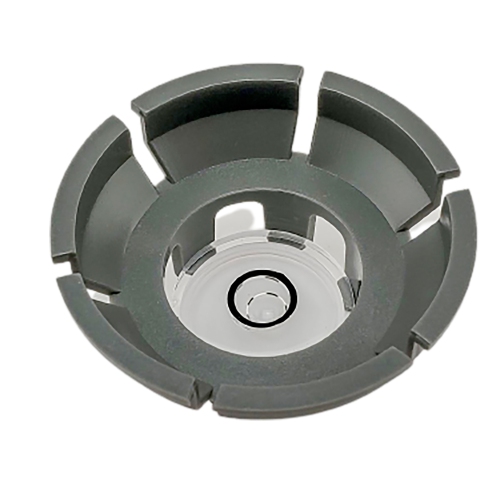
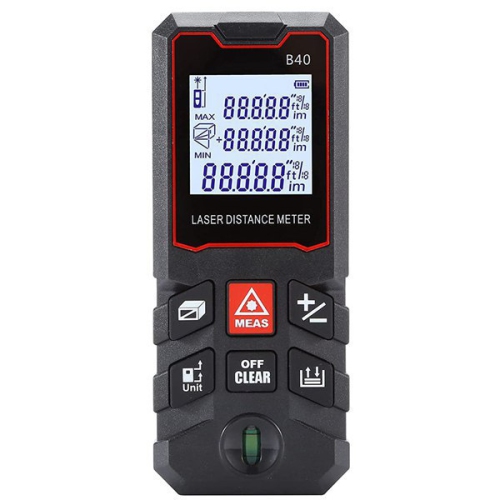
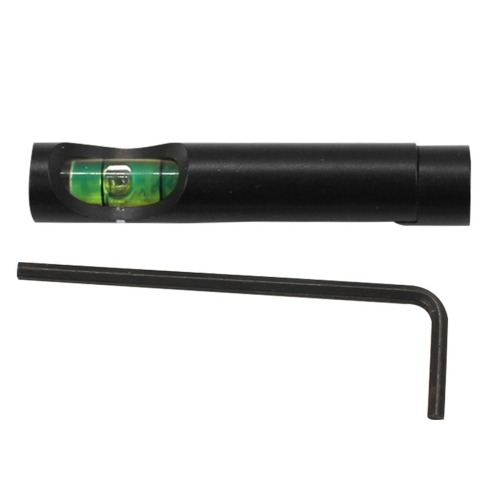
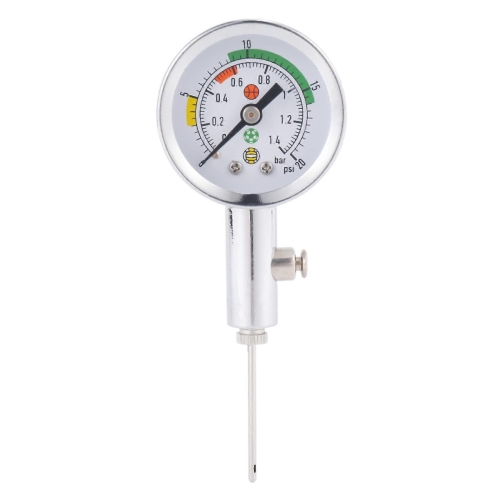
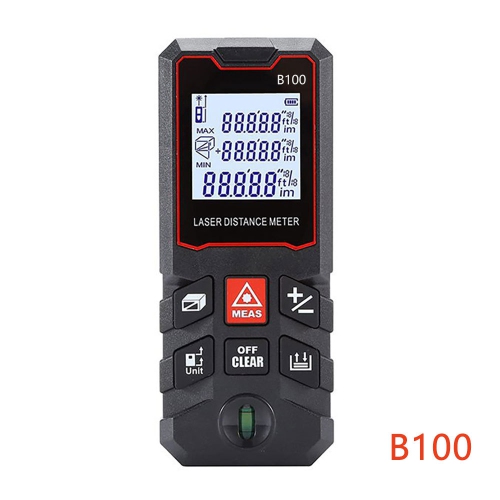
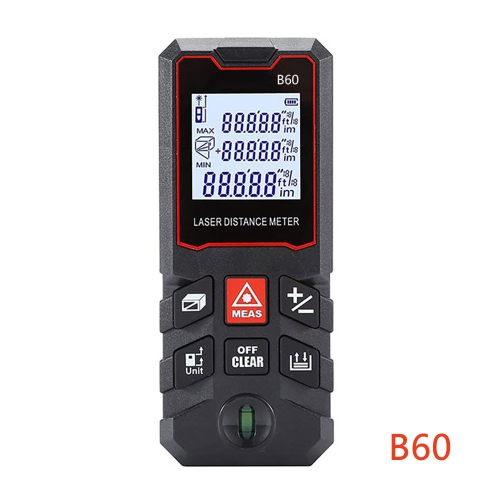
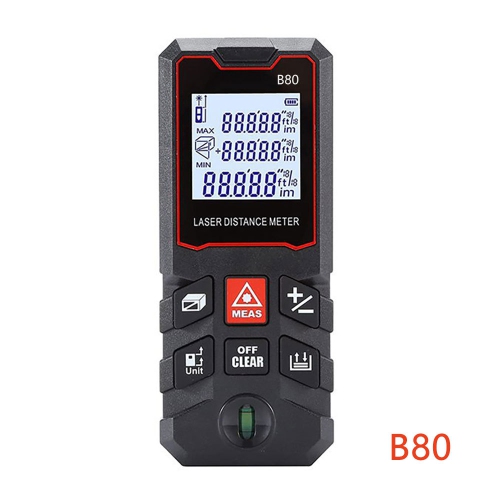
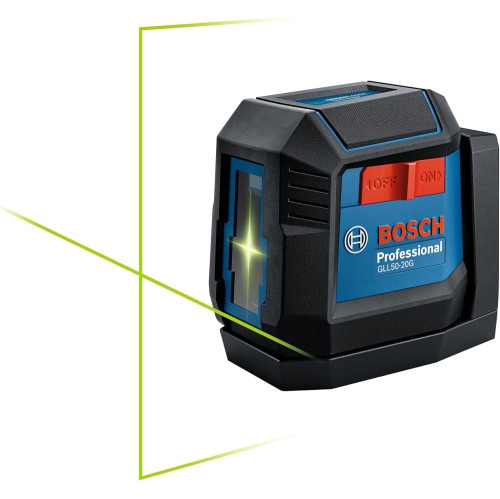
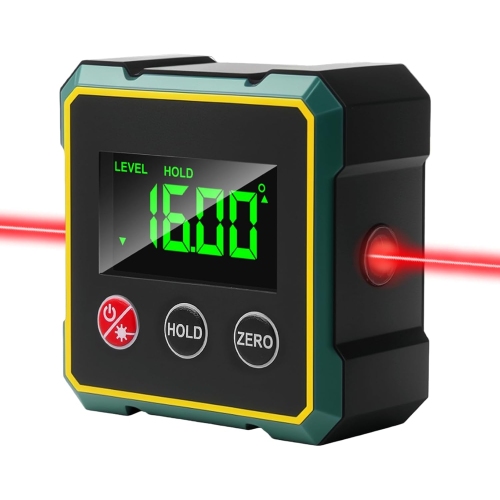
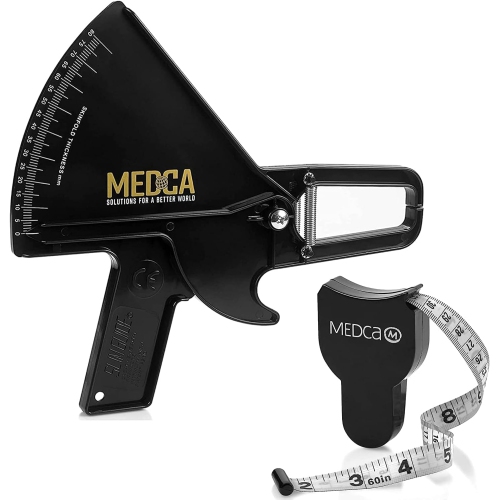
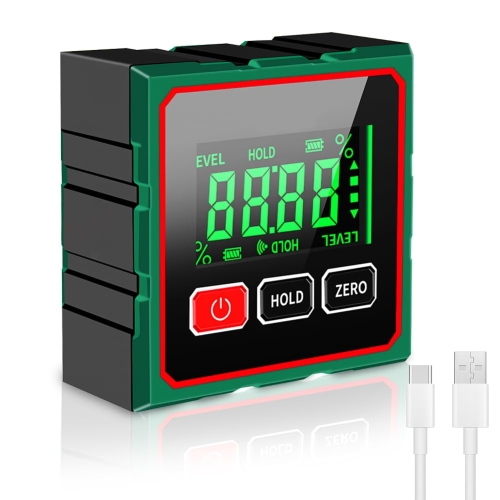
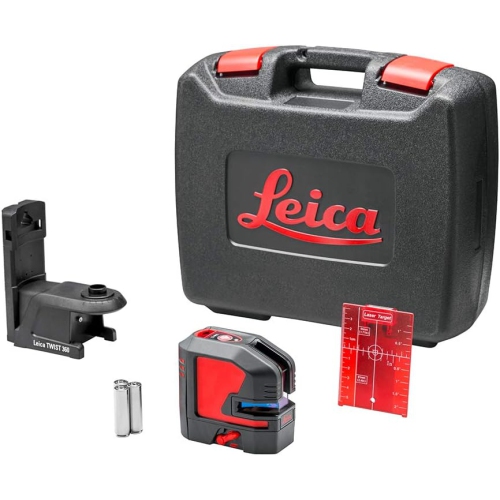
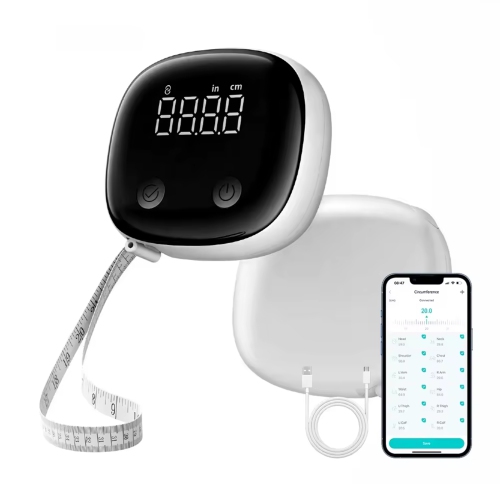
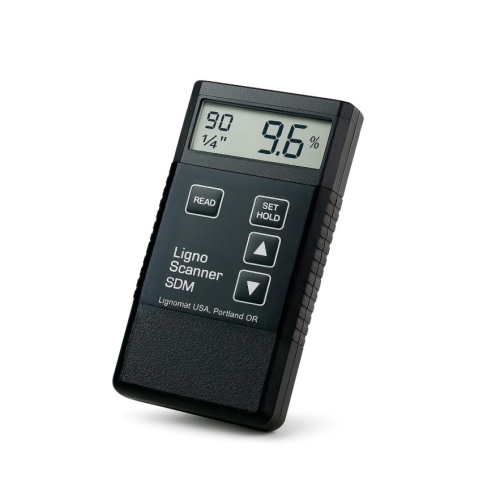
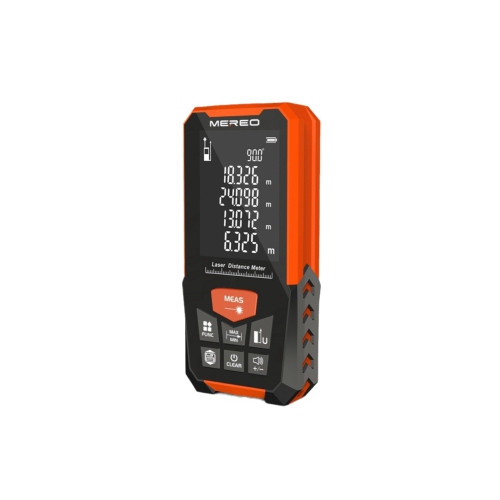
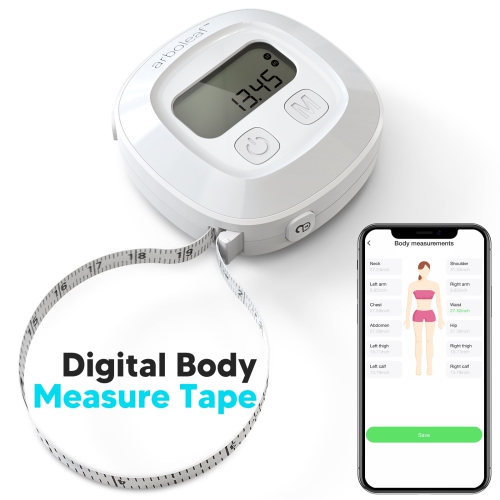
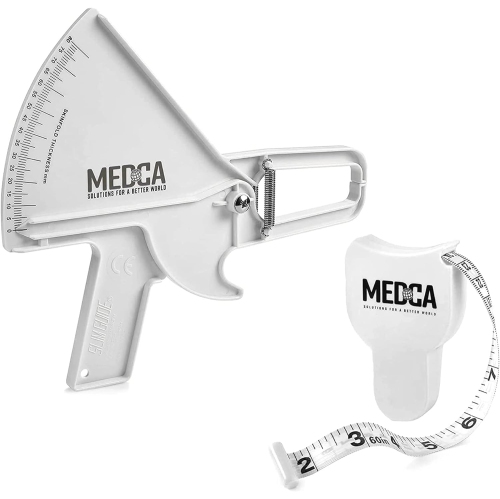
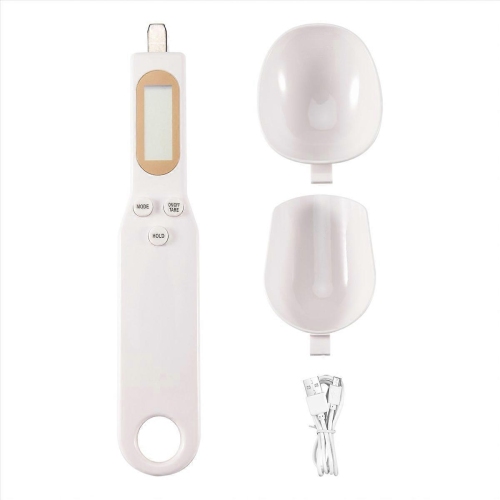
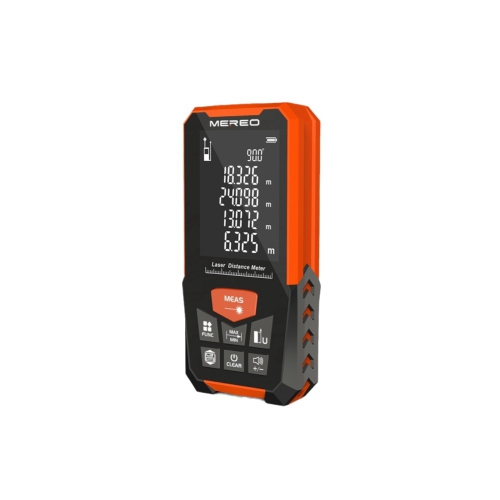
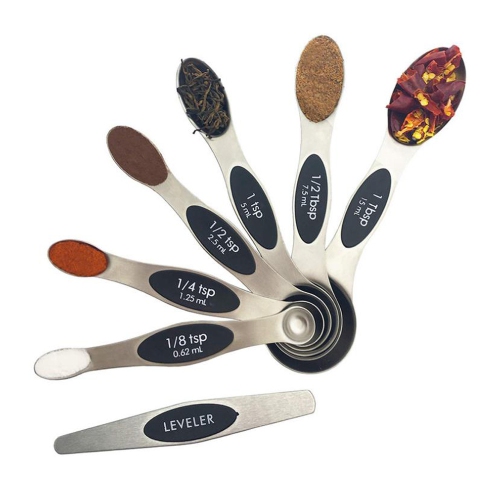
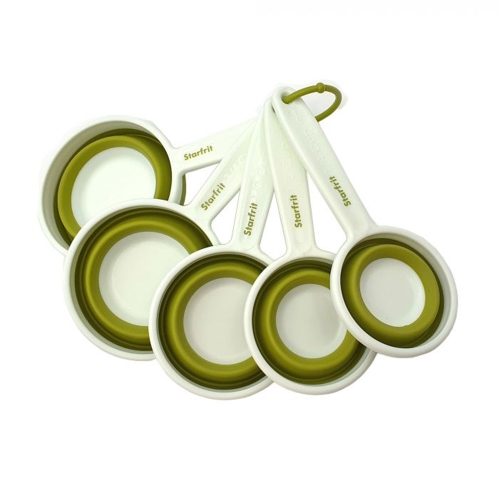
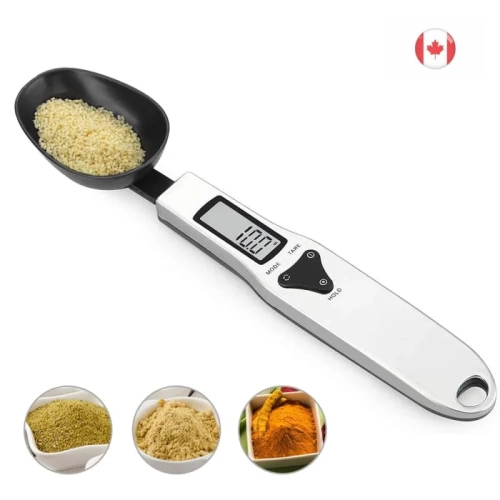
How different levels support accurate alignment and project planning
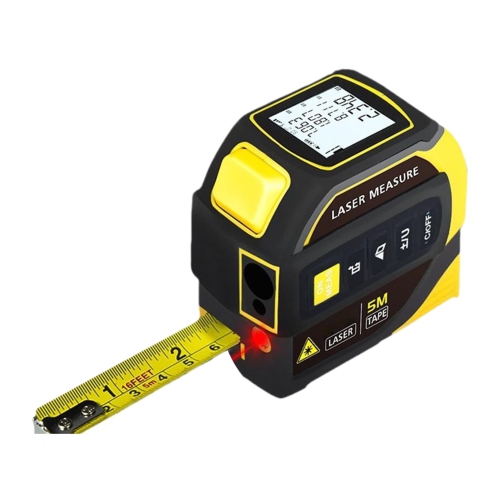
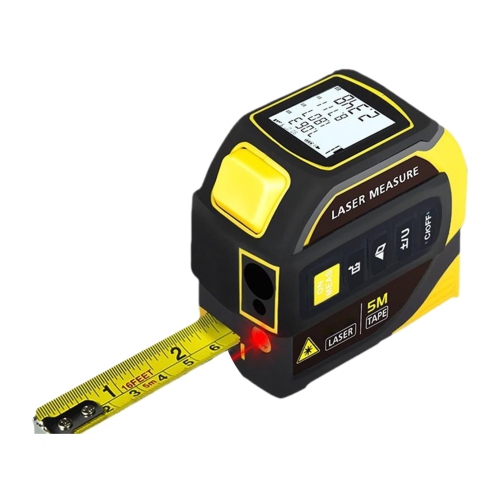
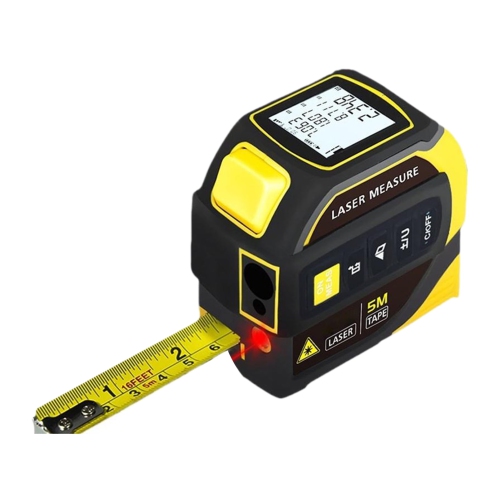
Level measuring tools help determine whether a surface is horizontal, vertical, or set at a precise angle. They are useful for everyday home projects, professional construction, repairs, decorating, landscaping, cabinetry, and many other tasks where accurate alignment matters. Traditional spirit or bubble levels use a liquid-filled vial and an air bubble: when the bubble sits evenly between the marked lines, the surface is level, and when it aligns with the appropriate vial, the surface is plumb. These straightforward tools remain popular because they are quick to read, do not require batteries, and work well for tasks such as hanging shelves, mounting cabinets, installing wall décor, checking door frames, or positioning appliances. A level’s length also affects how it performs. Short levels are convenient in compact spaces and for checking smaller objects, while longer levels can span a wider section and make it easier to identify gradual slopes or uneven framing. Torpedo levels are compact versions that fit neatly into tool bags and are especially useful around pipes, studs, narrow cabinets, and other confined areas. Many include magnetic edges that can hold the tool against a metal surface, leaving both hands available for positioning or fastening. Line levels offer another practical approach for long distances: attached to a tightly stretched string, they can help compare elevations across a garden bed, fence layout, masonry project, or other outdoor area. Choosing among these level measuring tools starts with considering the project, the available working space, and the type of information needed. A homeowner who occasionally hangs pictures may prefer a simple compact level, while someone working on renovations, framing, tile installation, or built-in storage may benefit from several lengths and formats.
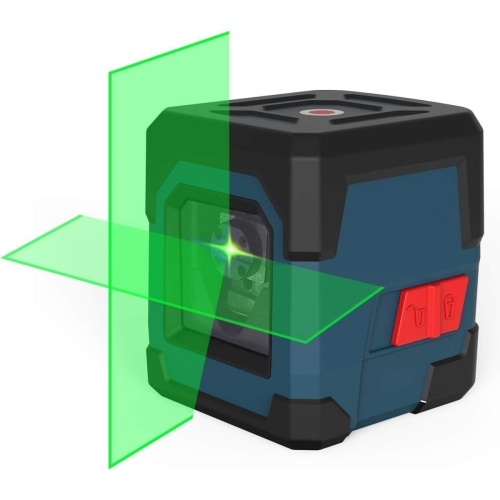
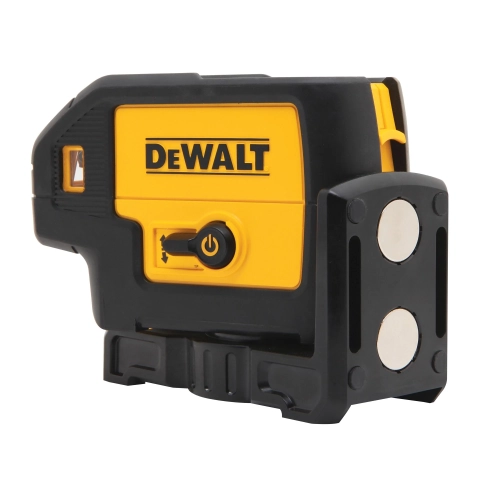
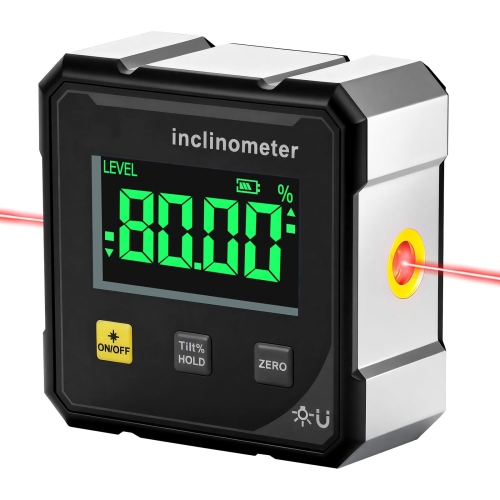
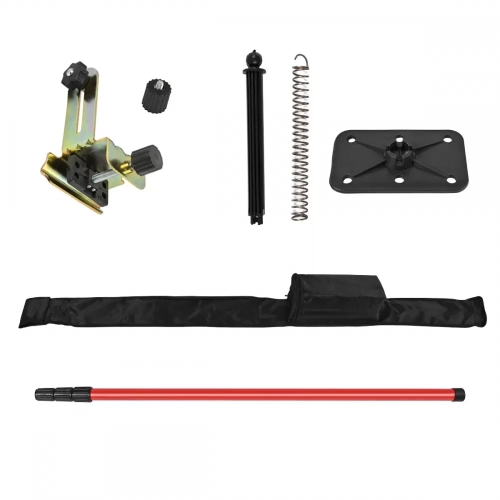
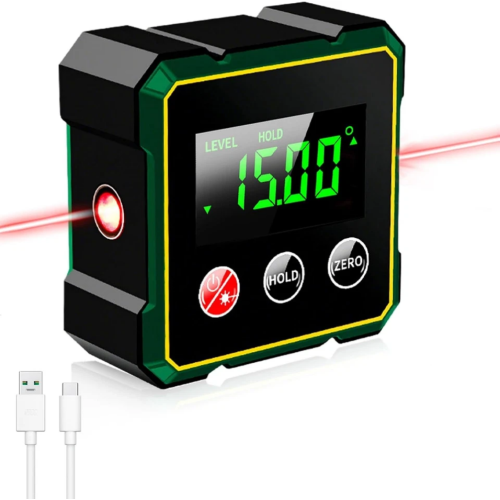
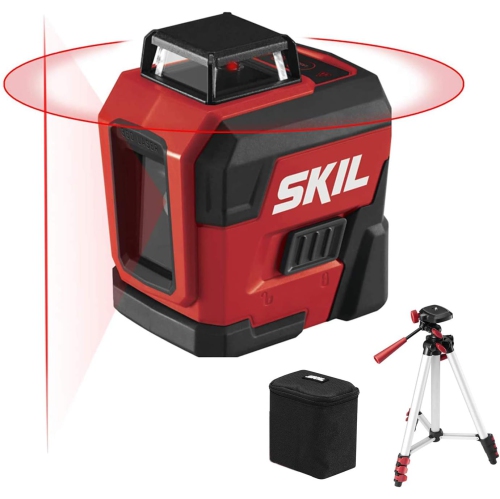
Laser levels project a visible line, crosshair, or point across a wall, floor, or room, making them useful when a single reference needs to continue well beyond the length of a conventional level. Depending on the design, a laser may project horizontal, vertical, or intersecting lines to assist with tasks such as aligning a row of cabinets, setting wall tiles, placing electrical fixtures, installing suspended ceilings, or positioning shelving around a room. The hands-free reference can be particularly helpful when working alone, although the tool should be placed on a stable surface or secured with a suitable mount for dependable results. Red laser lines are common for general indoor work, while green laser lines are often easier to see in brighter conditions; visibility can still vary with room lighting and surface colour. Digital levels add an electronic display that shows an angle numerically, often alongside traditional bubble vials. This can be helpful when a project calls for a specific slope rather than simply level or plumb, such as setting a drainage pitch, adjusting machinery, aligning a ramp, or checking an installation against measured specifications. When comparing digital or laser options, consider display readability, measurement range, accuracy, calibration features, battery requirements, mounting options, and how easily the controls can be used while wearing work gloves. A protective case can be valuable for transporting precision equipment, while a clearly marked scale and durable body can make a traditional level easier to handle on a busy worksite. For anyone seeking tools that extend beyond basic alignment and levelling, Precision Measuring Instruments can provide additional context around equipment designed for careful measurement.
Level measuring tools can be selected for a wide range of users, from first-time do-it-yourselfers and renters to renovators, tradespeople, property managers, hobbyists, and students learning practical skills. They can also make thoughtful gifts for someone setting up a first tool kit, moving into a new home, taking on woodworking, or preparing for seasonal maintenance during the cooler months. A well-chosen level can turn a frustrating trial-and-error job into a more orderly process: the bubble gives an immediate visual check, a digital readout confirms a fine adjustment, and a laser line helps carry a consistent reference across a larger area. For home decorating, a level can help create a neat gallery wall or keep curtain rods, mirrors, and floating shelves aligned. In the workshop, it can assist with benches, storage systems, equipment placement, and assembly. Outdoors, line levels and longer tools can support landscaping layouts, deck preparation, drainage planning, and fence installation, provided the string or measuring surface is properly tensioned and free from obstructions. Before purchase, think about storage as well as performance. A compact tool may be ideal for an apartment or small toolbox, whereas a longer level needs enough room to remain flat and protected when not in use. Check that the vials are easy to see, the edges are straight, and the construction suits the intended environment. For electronic tools, keep spare batteries or a charging solution available and follow the manufacturer’s calibration and care instructions. No level can compensate for an unstable base, loose mounting, or an inaccurate reference surface, so careful setup remains essential. With the right format for the task, level measuring tools provide a dependable way to check alignment, compare height differences, and bring greater precision to projects large and small.
Laser levels project a visible line, crosshair, or point across a wall, floor, or room, making them useful when a single reference needs to continue well beyond the length of a conventional level. Depending on the design, a laser may project horizontal, vertical, or intersecting lines to assist with tasks such as aligning a row of cabinets, setting wall tiles, placing electrical fixtures, installing suspended ceilings, or positioning shelving around a room. The hands-free reference can be particularly helpful when working alone, although the tool should be placed on a stable surface or secured with a suitable mount for dependable results. Red laser lines are common for general indoor work, while green laser lines are often easier to see in brighter conditions; visibility can still vary with room lighting and surface colour. Digital levels add an electronic display that shows an angle numerically, often alongside traditional bubble vials. This can be helpful when a project calls for a specific slope rather than simply level or plumb, such as setting a drainage pitch, adjusting machinery, aligning a ramp, or checking an installation against measured specifications. When comparing digital or laser options, consider display readability, measurement range, accuracy, calibration features, battery requirements, mounting options, and how easily the controls can be used while wearing work gloves. A protective case can be valuable for transporting precision equipment, while a clearly marked scale and durable body can make a traditional level easier to handle on a busy worksite. For anyone seeking tools that extend beyond basic alignment and levelling, Precision Measuring Instruments can provide additional context around equipment designed for careful measurement.
Level measuring tools can be selected for a wide range of users, from first-time do-it-yourselfers and renters to renovators, tradespeople, property managers, hobbyists, and students learning practical skills. They can also make thoughtful gifts for someone setting up a first tool kit, moving into a new home, taking on woodworking, or preparing for seasonal maintenance during the cooler months. A well-chosen level can turn a frustrating trial-and-error job into a more orderly process: the bubble gives an immediate visual check, a digital readout confirms a fine adjustment, and a laser line helps carry a consistent reference across a larger area. For home decorating, a level can help create a neat gallery wall or keep curtain rods, mirrors, and floating shelves aligned. In the workshop, it can assist with benches, storage systems, equipment placement, and assembly. Outdoors, line levels and longer tools can support landscaping layouts, deck preparation, drainage planning, and fence installation, provided the string or measuring surface is properly tensioned and free from obstructions. Before purchase, think about storage as well as performance. A compact tool may be ideal for an apartment or small toolbox, whereas a longer level needs enough room to remain flat and protected when not in use. Check that the vials are easy to see, the edges are straight, and the construction suits the intended environment. For electronic tools, keep spare batteries or a charging solution available and follow the manufacturer’s calibration and care instructions. No level can compensate for an unstable base, loose mounting, or an inaccurate reference surface, so careful setup remains essential. With the right format for the task, level measuring tools provide a dependable way to check alignment, compare height differences, and bring greater precision to projects large and small.
Top selling and popular products
-
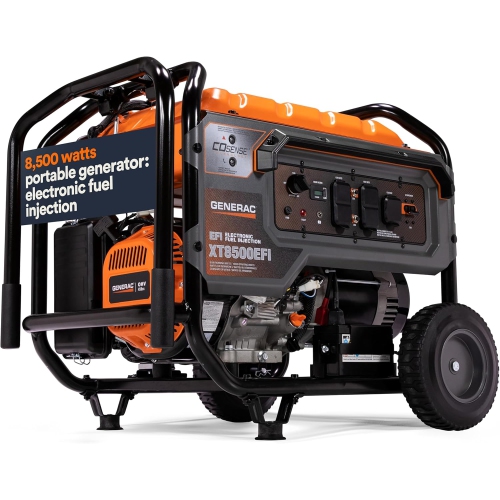 Your price for this item is $3000
 -
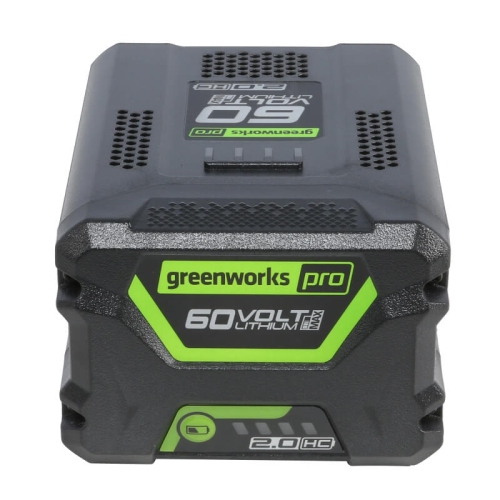 Your price for this item is $159.99
 -
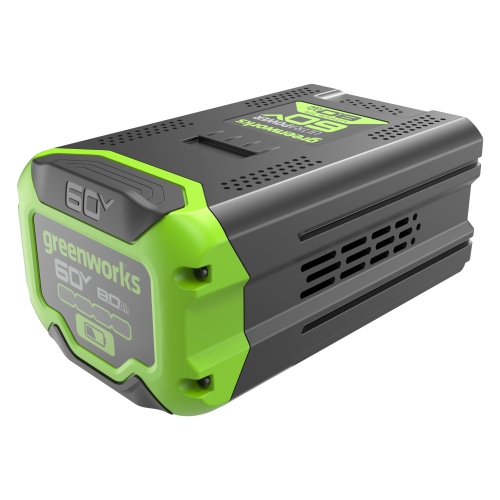 Your price for this item is $329.99
 -
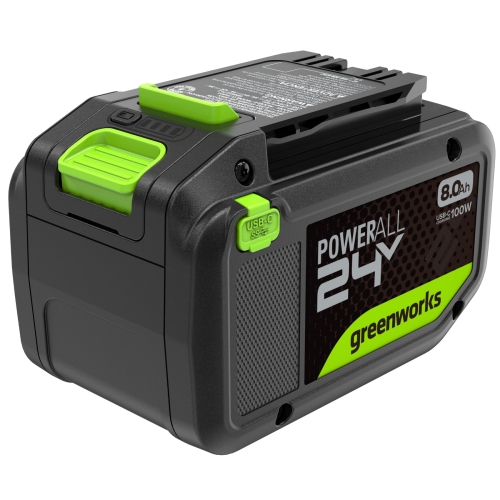 Your price for this item is $149.99
 -
 Your price for this item is $264
 -
 Your price for this item is $217.55
 -
 Your price for this item is $779.99
 -
 Your price for this item is $659.99
Discover more categories related to Level Measuring Tools
Top Collections:
Pokemon Centers, Kindle Devices, Best Budget Office Chairs, Canon G7X Cameras, Apple iPhones 16, Samsung Galaxy Phones, Refurbished Apple Laptops, Laptops for Students, iPhone 15 Apple, Budget Smartphones
Some products may be subject to Environmental Handling Fees
(EHF) depending on your province.
Learn more about EHFs.