Weiser Lock
Upgrade your home security and enhance peace of mind with Weiser Lock solutions. Explore a wide selection designed to suit various entryways and styles, making it easy to find the right fit for your needs. Whether you're updating your front door or adding extra protection throughout your space, Weiser Lock options offer both reliability and convenience. Discover choices that blend seamlessly with your décor while providing the dependable access control you expect.
Sort
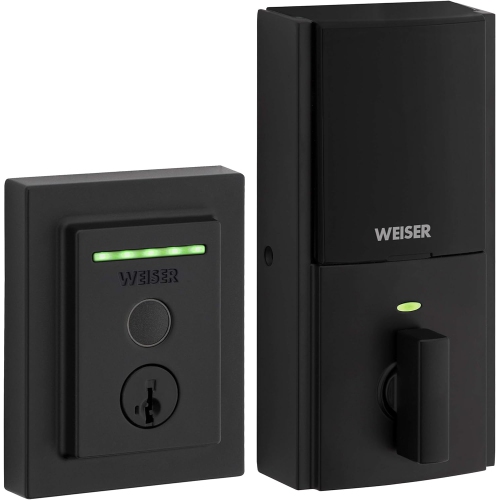
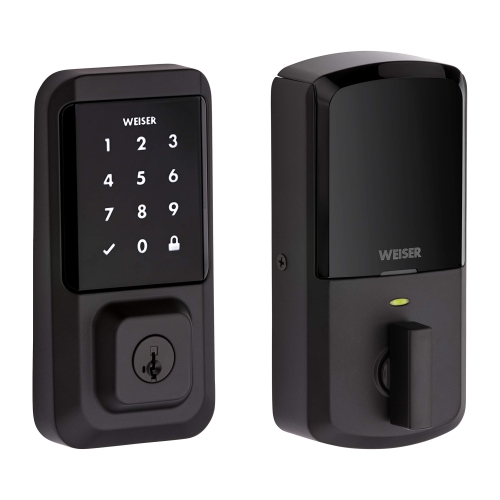
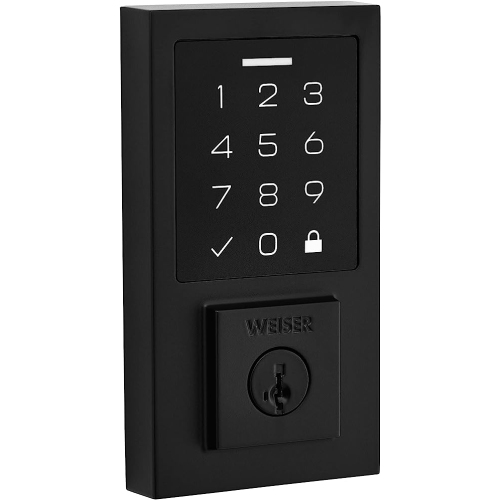
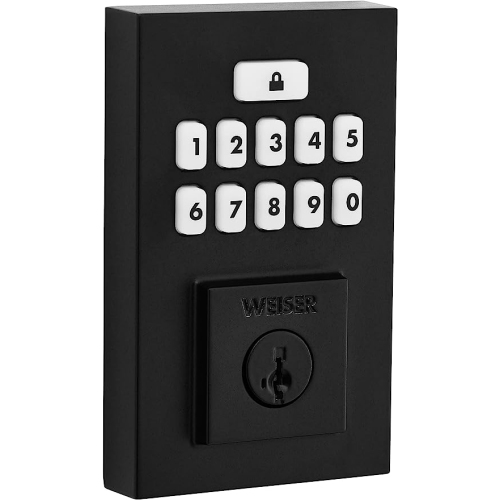

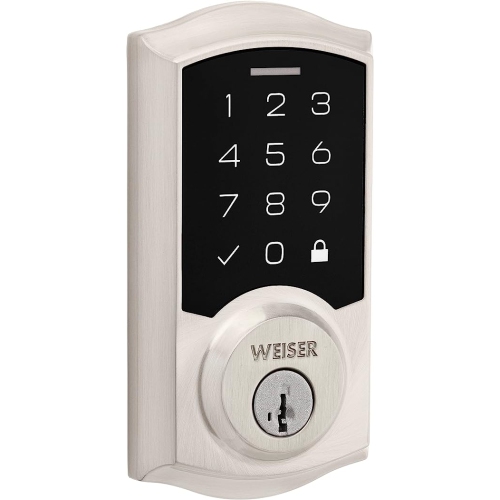
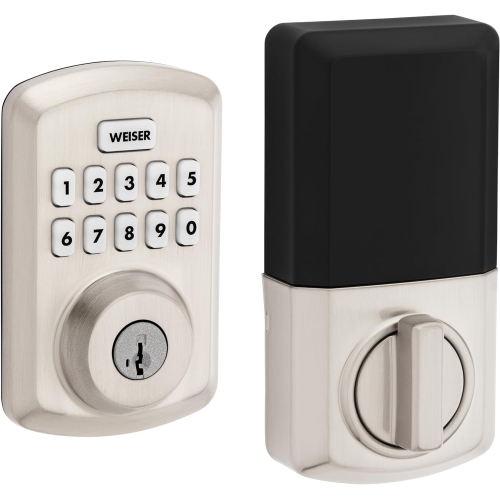
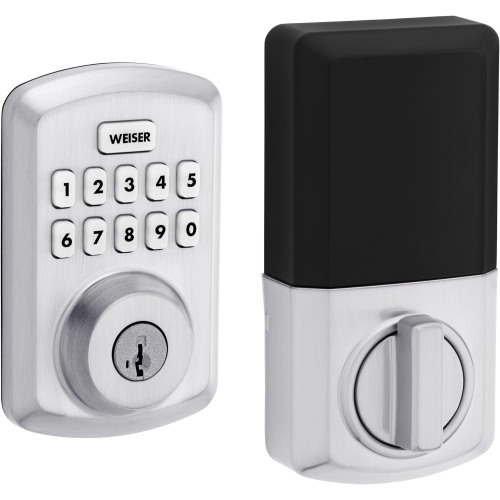
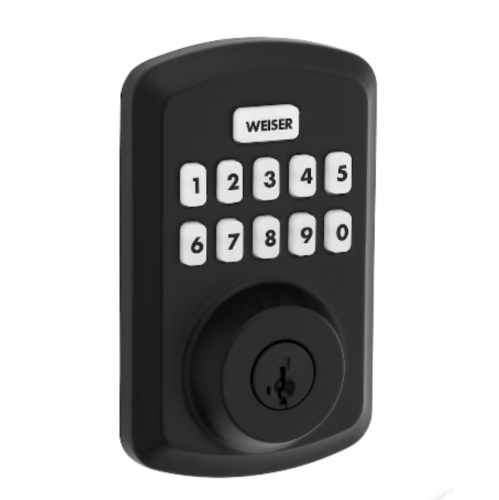


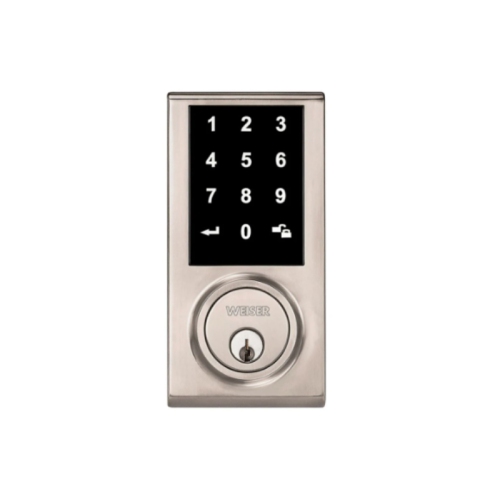

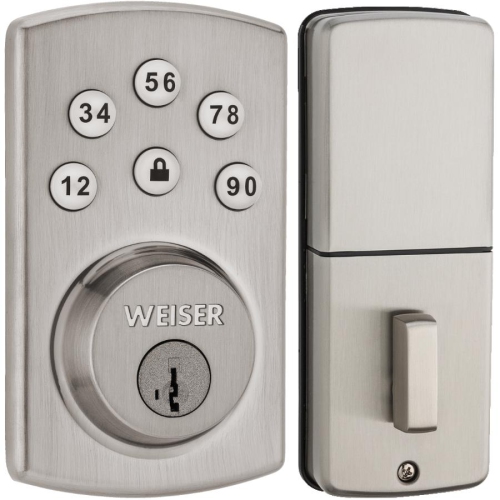
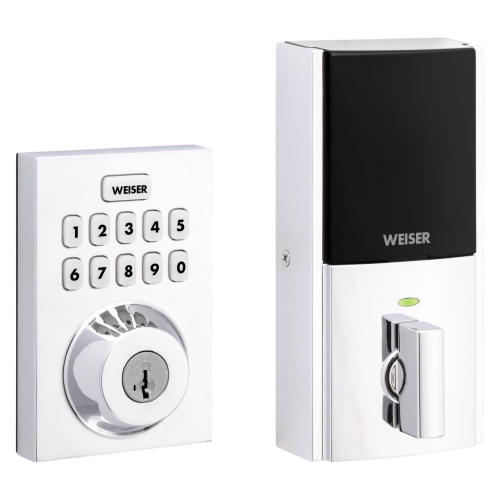
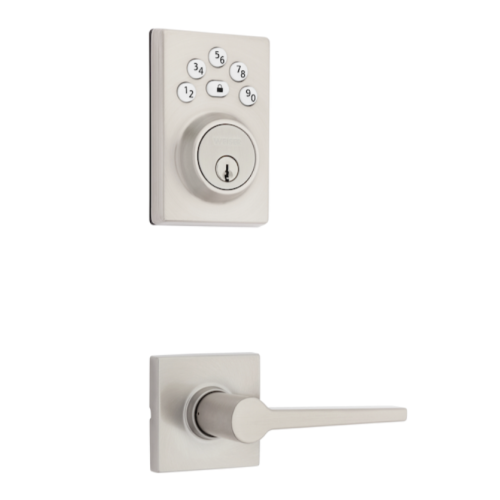
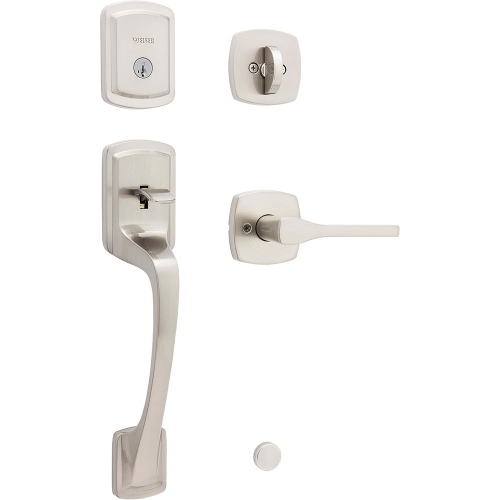
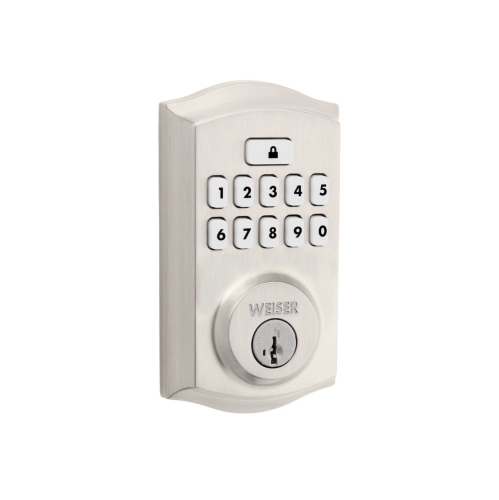
The right door lock fits more than your door
Residential door locks combine everyday access with a physical barrier at the door, whether entry relies on a traditional key, a keypad code, or a compatible smart-home connection. Mechanical deadbolts, electronic locks, and connected locks serve different routines, but the starting point is the same: hardware suited to the door, the household, and the way the entrance is used. A keyed deadbolt offers straightforward operation without batteries or a wireless connection. A keypad lock makes it possible to enter a code rather than reach for a key, which can be useful when returning home with grocery bags or letting a family member arrive independently. A smart lock adds connected features that may include app control, activity notifications, or scheduled access, depending on its capabilities. These categories can overlap: an electronic lock may retain a physical keyway, while a keypad does not necessarily include remote access. At a main entrance, a deadbolt is often paired with a handleset, knob, or lever that operates the latch. The latch keeps the door closed during ordinary use; the deadbolt provides a separate locking point. Interior privacy hardware serves a different purpose and should not be treated as a substitute for an exterior security lock. Appearance matters, too, especially where the hardware sits beside a prominent door pull, porch light, or house number. Matte black creates a defined contrast against lighter doors, while satin nickel and other brushed finishes offer a softer metallic look. Rounded trim can complement traditional detailing, while square profiles suit cleaner architectural lines. Coordinating the visible finish helps an entrance feel considered without requiring every piece of hardware to have an identical shape. For homeowners updating an entrance, families simplifying shared access, or property owners managing an authorized change of occupants, the most useful lock is one whose operation fits the people using it each day.
Fit is more than the size of the visible faceplate. Residential lock compatibility depends on door thickness, the diameter and placement of existing holes, and the backset: the distance from the edge of the door to the centre of the lock opening. The spacing between a deadbolt and a separate handle can also matter when replacing an existing set, particularly with electronic hardware that has a larger interior housing. Glass inserts, decorative moulding, screen doors, and nearby trim may leave less clearance than a plain door surface suggests. Some levers are reversible, while others require attention to the direction the door opens. Standardized fittings can make replacement straightforward, but a door with unusual preparation, worn holes, or older hardware may need additional work. Solid metal components, a well-fitted bolt, and securely mounted strike hardware all contribute to dependable use, though appearance alone does not establish a lock’s resistance to forced entry. Published security ratings, where provided, are more informative than the weight or sheen of the exterior trim. The surrounding door and frame matter just as much: a strong deadbolt cannot compensate for a damaged jamb or a strike plate that does not hold securely. Smooth alignment also affects everyday performance. A bolt that enters the strike opening freely is easier to operate than one that requires the door to be lifted or pushed into place, and electronic mechanisms benefit from that same unobstructed movement. Care generally centres on preserving the finish and keeping moving parts working as intended. A soft cloth and cleaning methods approved for the hardware help avoid unnecessary surface damage; abrasive pads, harsh cleaners, and unsuitable lubricants can do more harm than good. Rekeyable cylinders can offer flexibility when access needs change, allowing a different key to operate the lock without replacing the entire assembly. The method varies, and some designs require a locksmith, while others support owner rekeying with the appropriate key and tools.
Keypad and connected door locks are particularly relevant to households where several people need access at different times. Separate entry codes can make shared access easier to manage than a collection of copied keys, provided the lock supports enough individual codes for the household. A visiting relative, a dog walker, and an adult child returning home may each need different access arrangements; supported scheduling features can help distinguish occasional entry from ongoing access. For shoppers considering code-based entry, Weiser Smartcode is a related category to explore, with individual specifications determining how each lock operates. Keypad layout, button visibility, and the feel of the controls can be as important as connected features, especially for someone who prefers tactile buttons or regularly arrives with full hands. Automatic locking can add convenience, although the available settings and the household’s habits deserve consideration so that an unexpectedly locked door does not disrupt a familiar routine. Smart features require closer attention to connection type. Bluetooth commonly supports communication nearby, while remote control from outside the home generally requires a supported internet connection, bridge, hub, or other compatible setup. Wi-Fi connectivity does not automatically establish compatibility with every voice assistant or smart-home platform, and app features can differ between locks. Battery requirements are another practical distinction from purely mechanical hardware. Low-battery alerts, the position of the battery compartment, and any supported backup entry method affect how easy a lock is to live with over time. A physical keyway or an external emergency power connection may be included, but neither should be assumed. Household members also need an entry method that remains practical if a phone is misplaced or a connection is interrupted. Account security and thoughtful code management complement the physical hardware: unique credentials, removal of access that is no longer needed, and supported software updates help maintain control over entry. Whether the preference is a familiar key turn or app-enabled access, the strongest match balances security features, comfortable operation, compatible installation, and a finish that belongs on the door.
Top selling and popular products
-
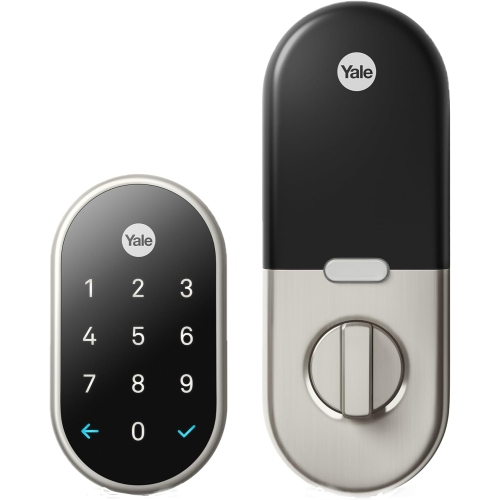 Your price for this item is $369.55
-
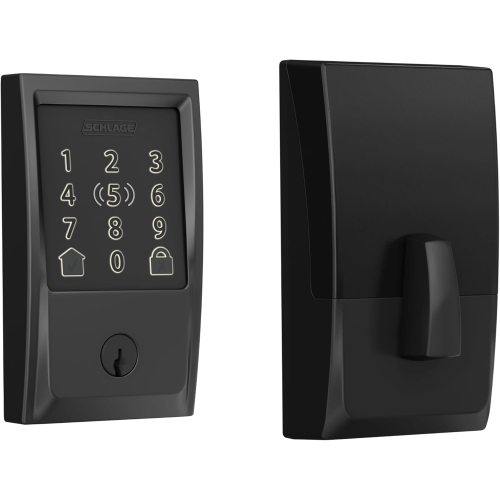 Your price for this item is $359.99
-
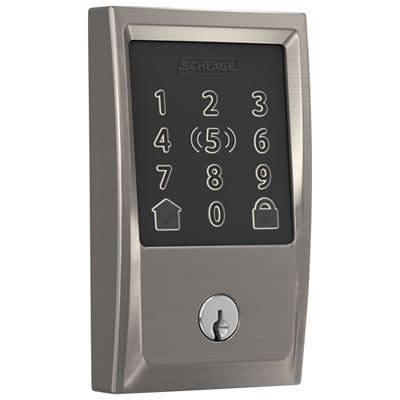 Your price for this item is $319.98
-
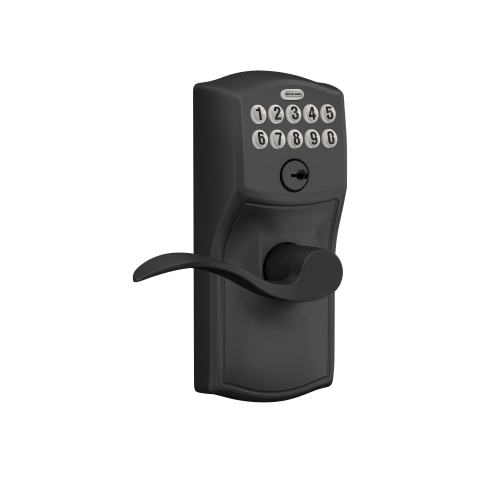 Your price for this item is $155
-
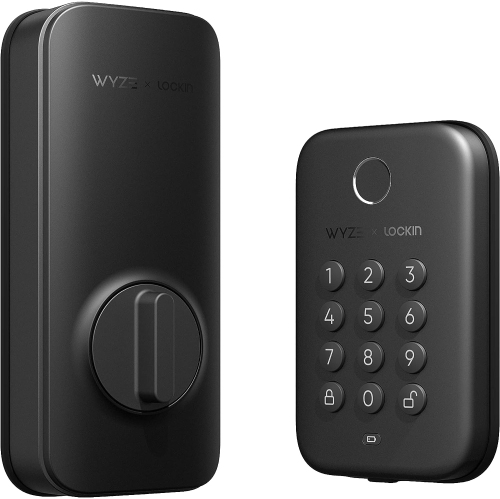 Your price for this item is $149
-
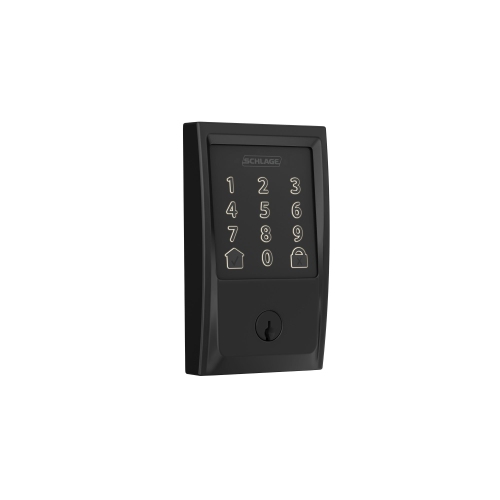 Your price for this item is $289.99
-
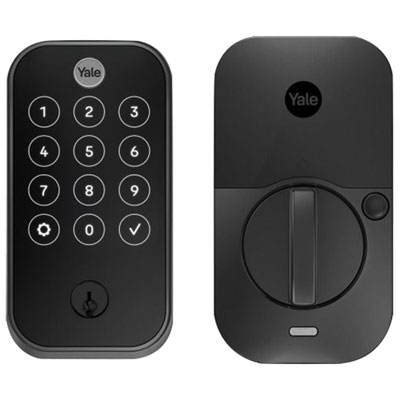 Your price for this item is $349.99
-
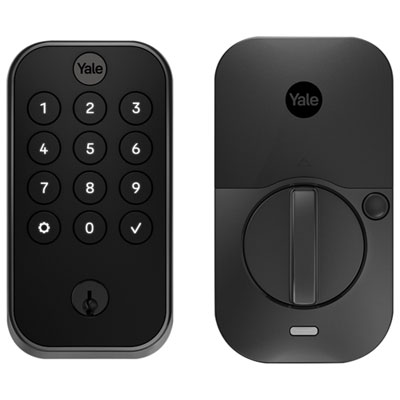 Your price for this item is $318.99
Discover more categories related to Weiser Lock

Top Collections:
Pokemon Centers, Best Cameras for Sports Photography, Kindle Devices, Samsung Galaxy Phones, Canon G7X Cameras, Pokémon 30th Celebration Cards, Refurbished Apple Laptops, iPhone 15 Apple, Laptops for Students, Budget Smartphones
Some products may be subject to Environmental Handling Fees
(EHF) depending on your province.
Learn more about EHFs.