Wireless Charging Tables
Elevate your charging experience with the seamless integration of wireless charging tables, where style meets functionality. These innovative pieces of furniture not only enhance your living space but also simplify your daily routine by eliminating the clutter of cables and adapters. Perfect for any room in the house, wireless charging tables offer a sleek and modern solution to keep your devices powered up effortlessly. Whether you're looking to streamline your home office or add a touch of tech-savvy elegance to your living room, these tables are designed to fit seamlessly into any decor while providing the convenience of wireless charging at your fingertips.
Sort
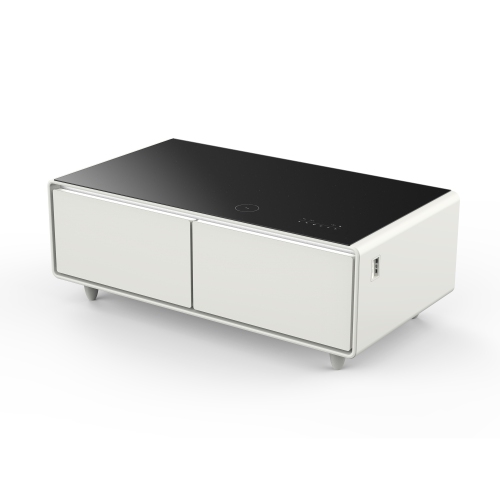

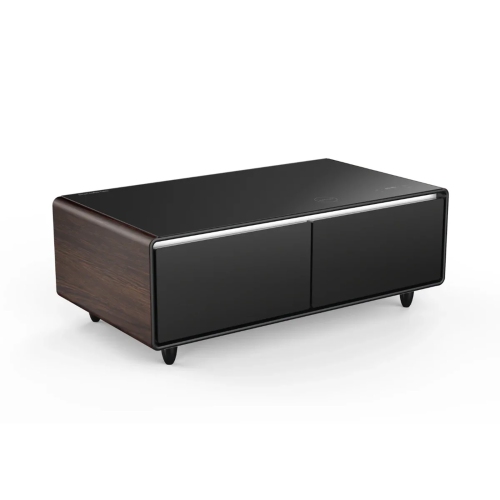
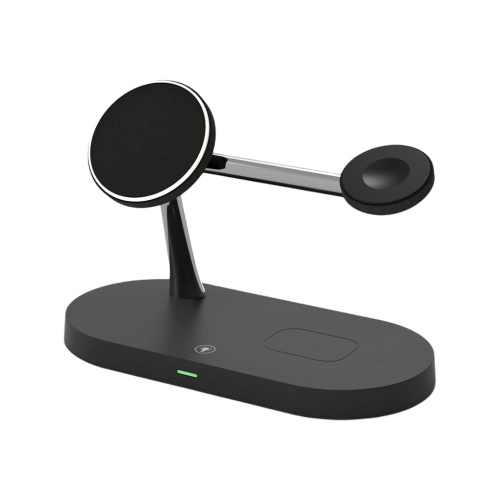
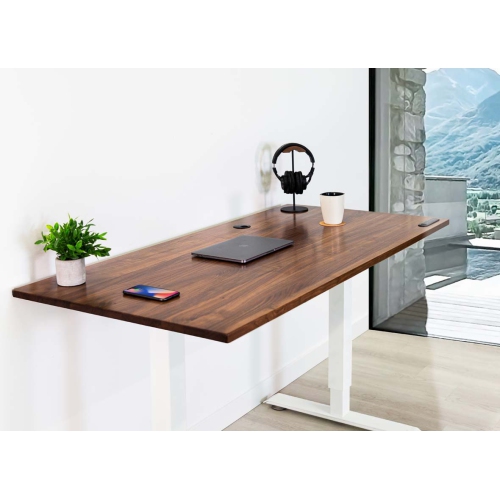
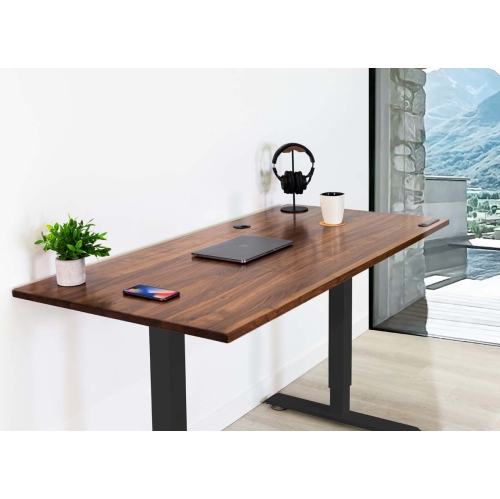
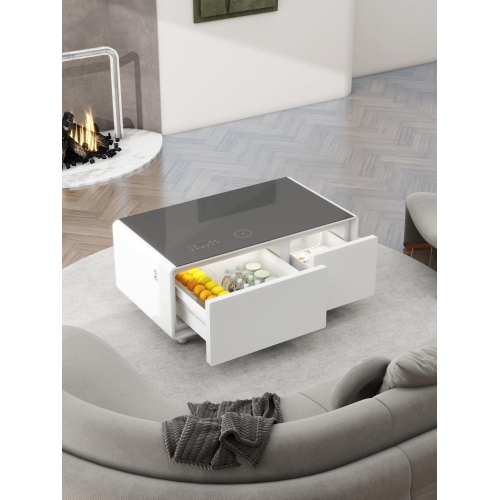
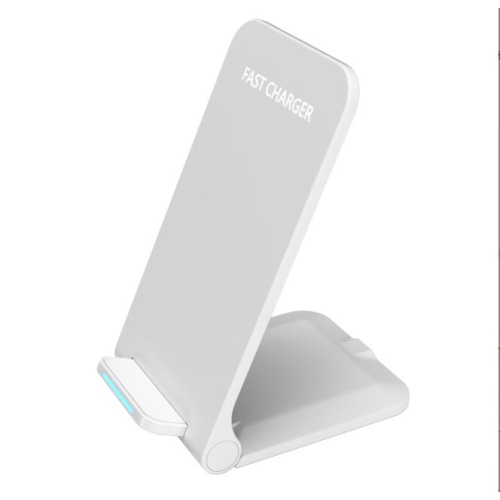
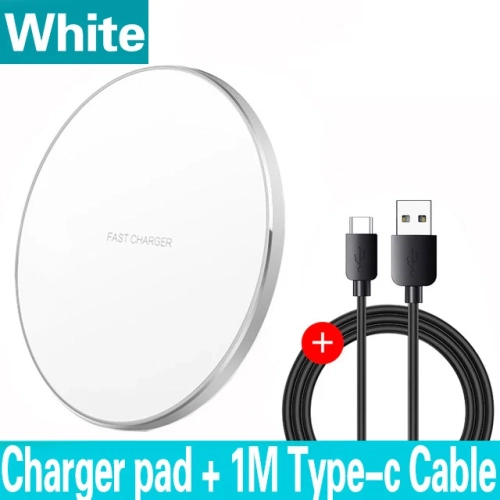


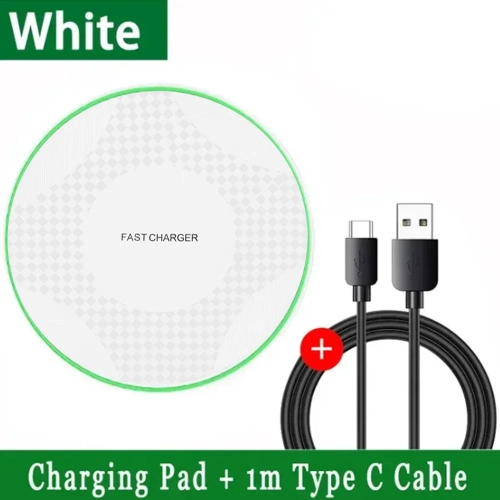
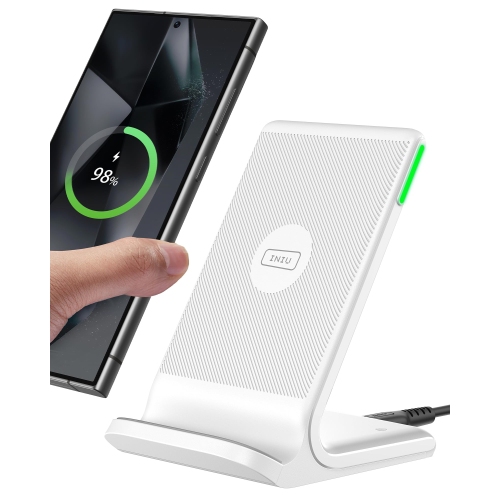


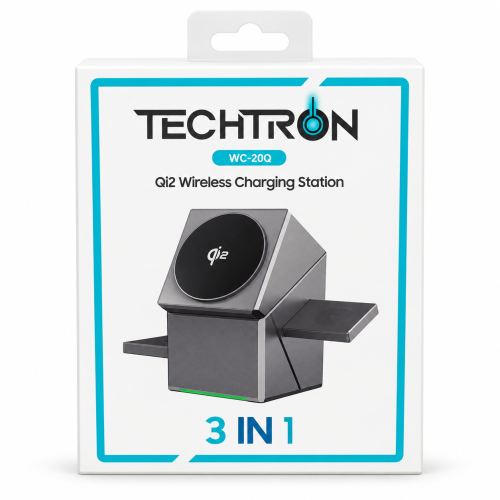
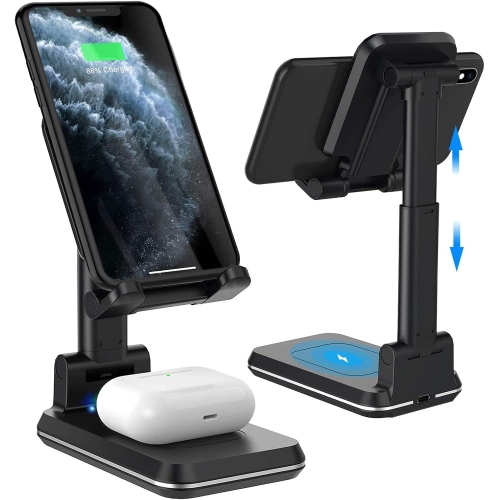
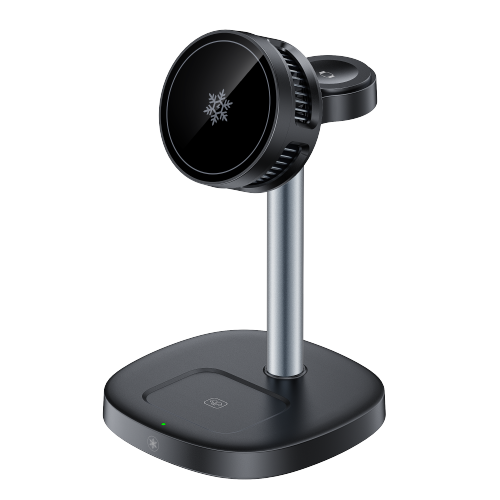
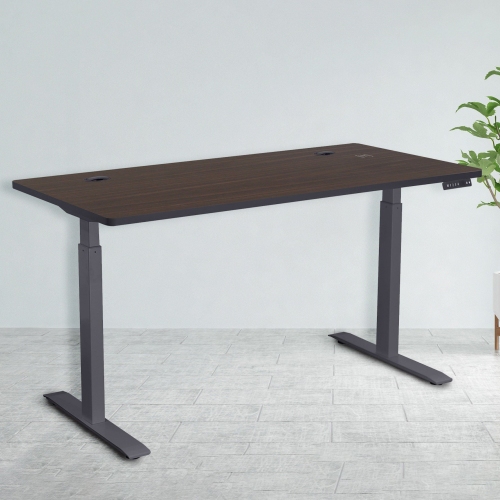
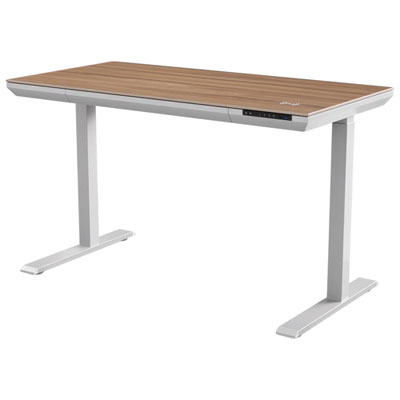
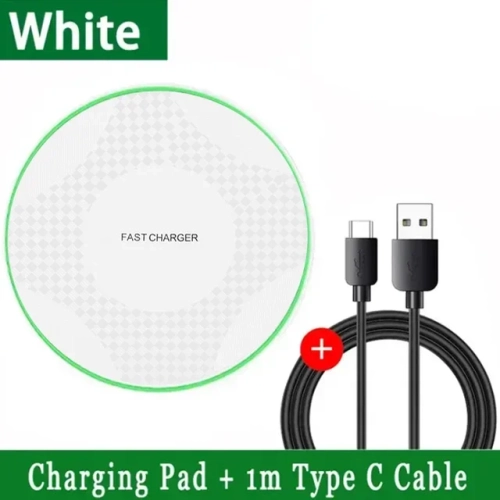
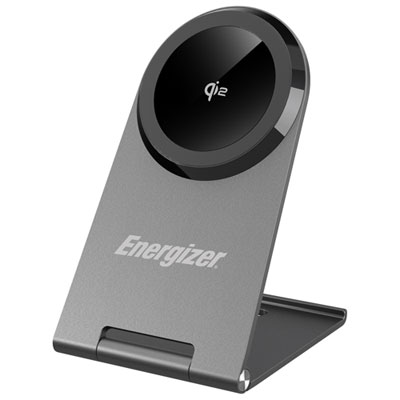
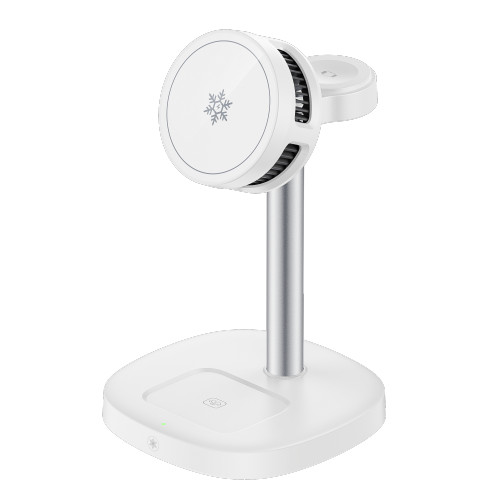
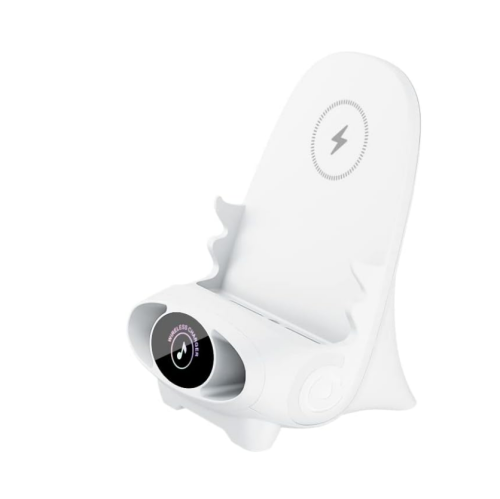
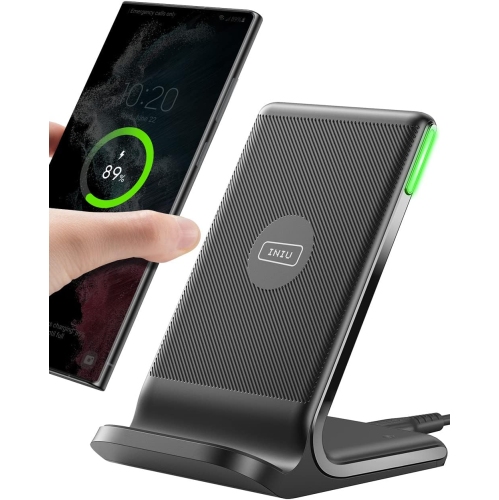

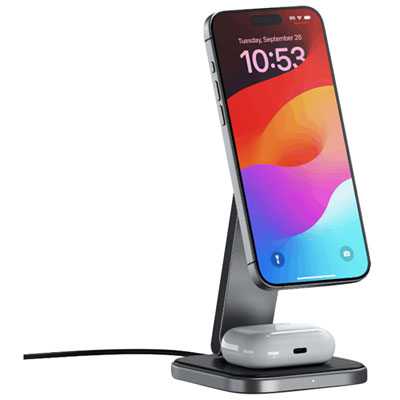
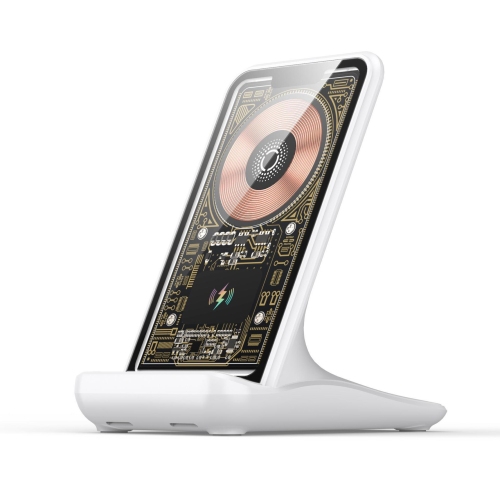
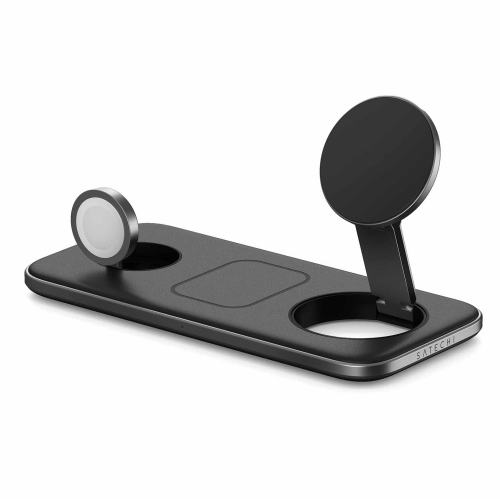
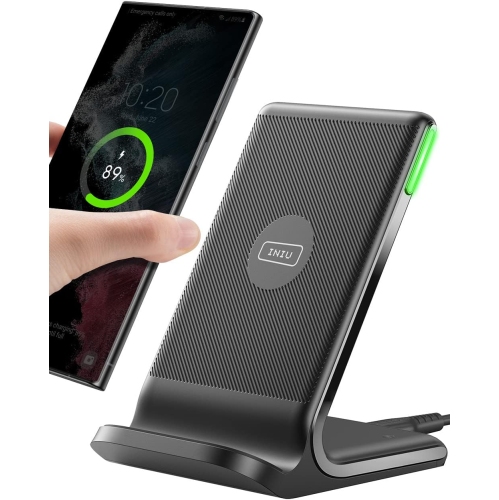
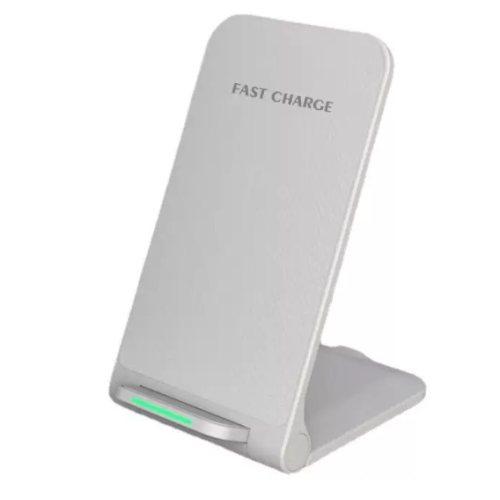
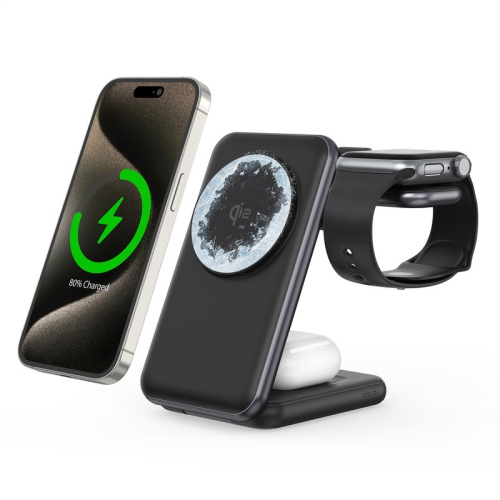
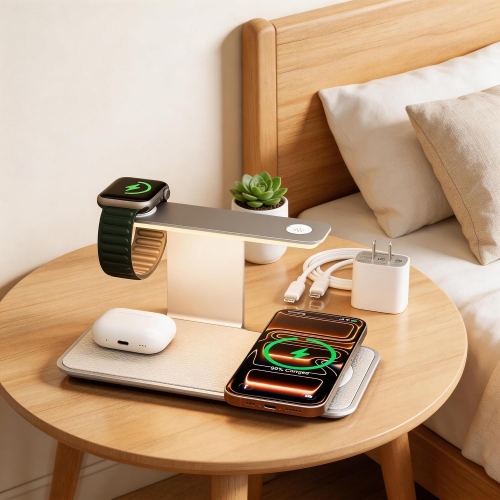
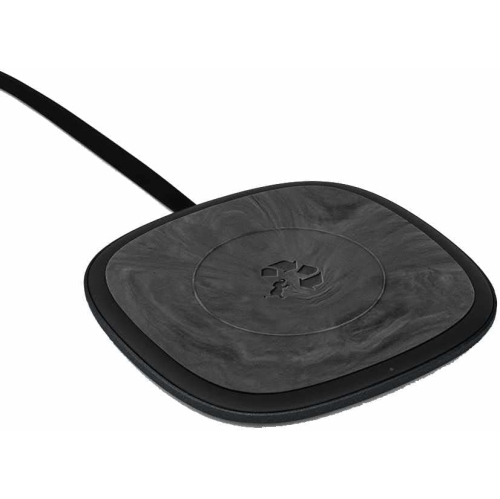
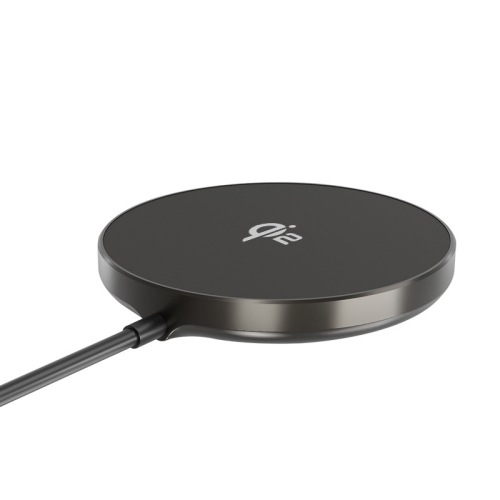
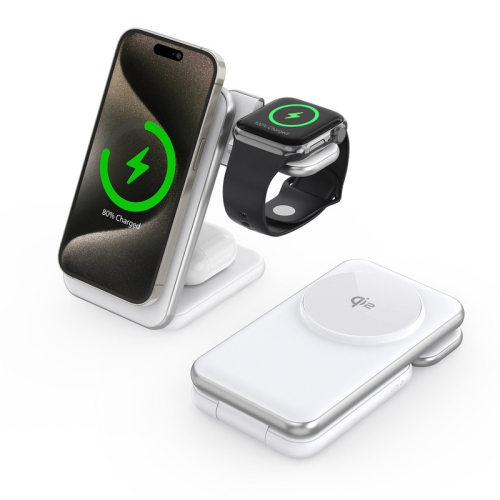
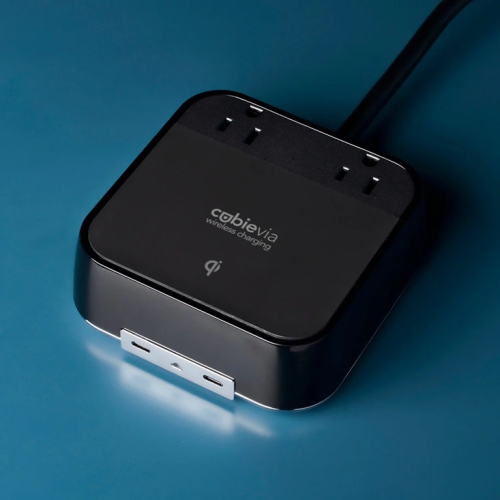
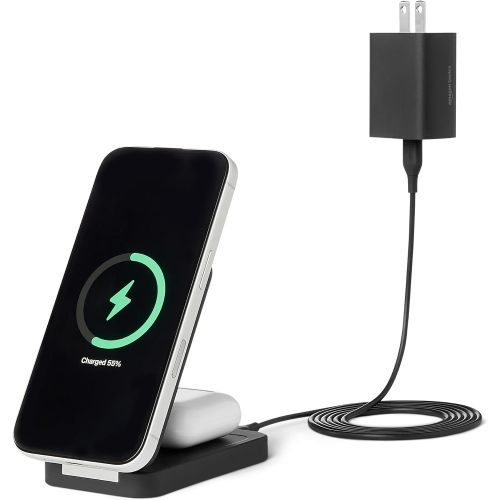
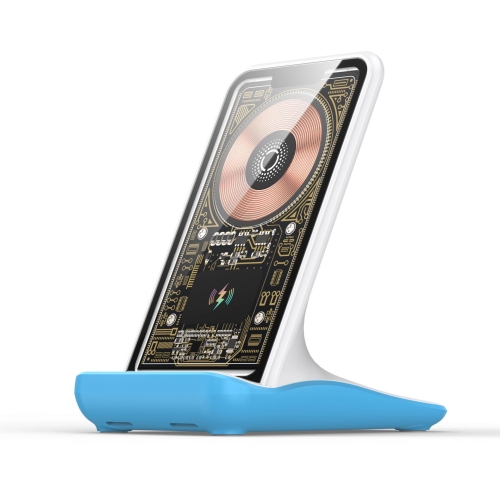
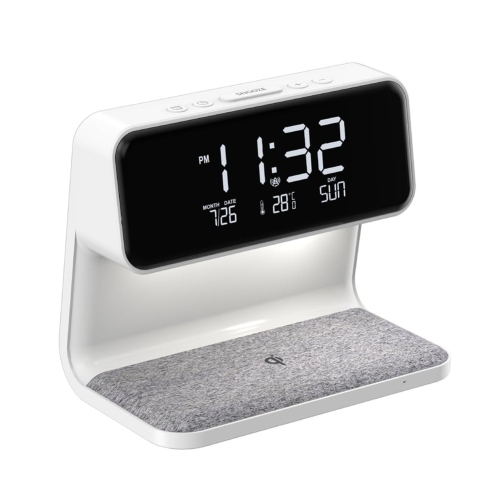

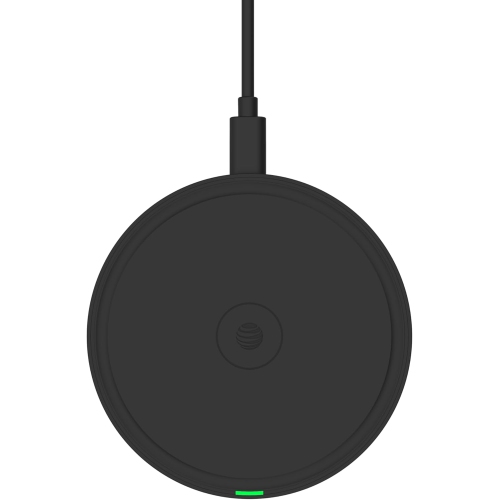
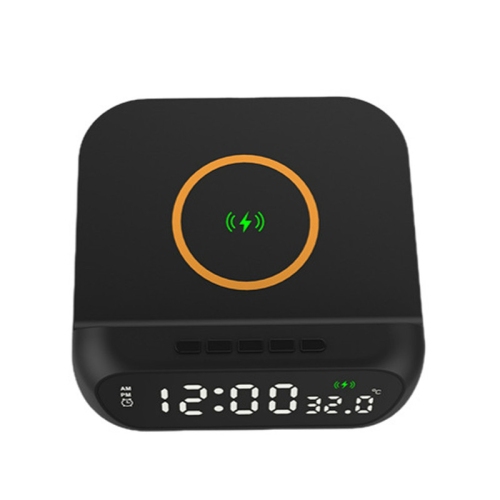

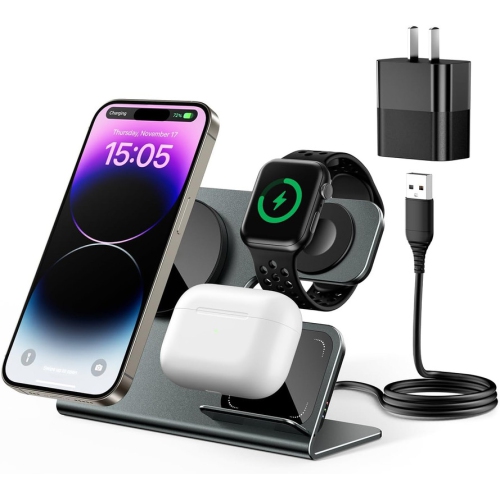
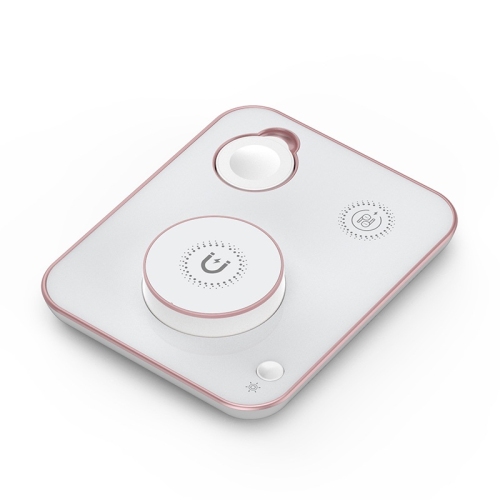

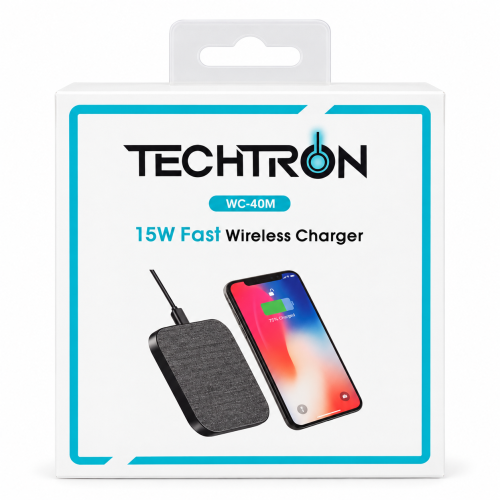
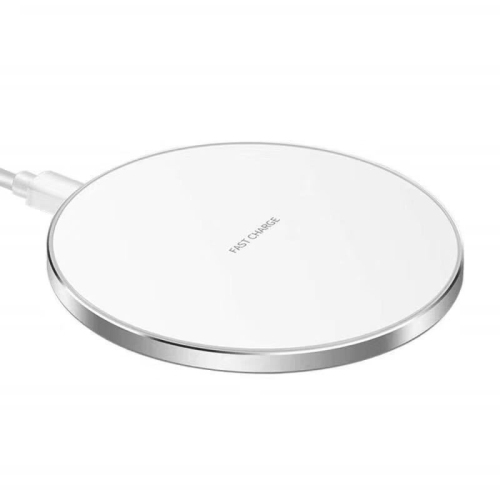

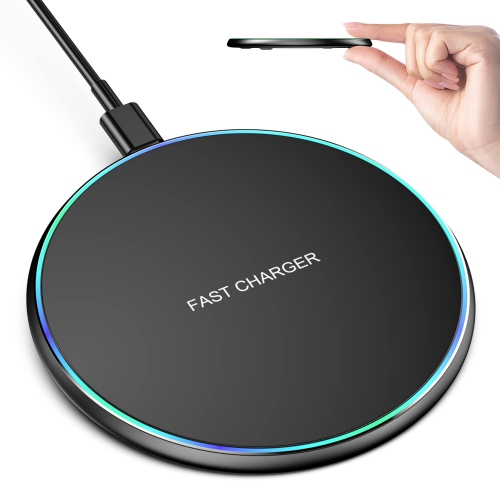
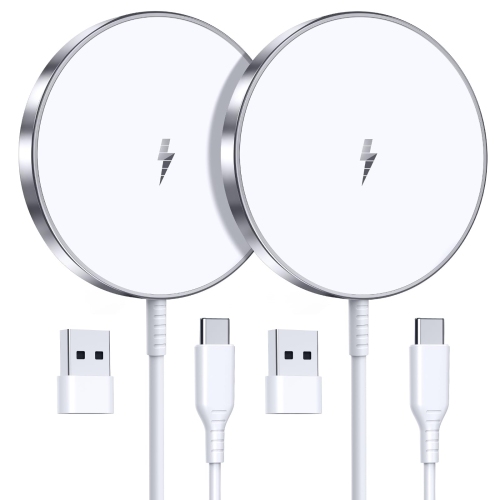
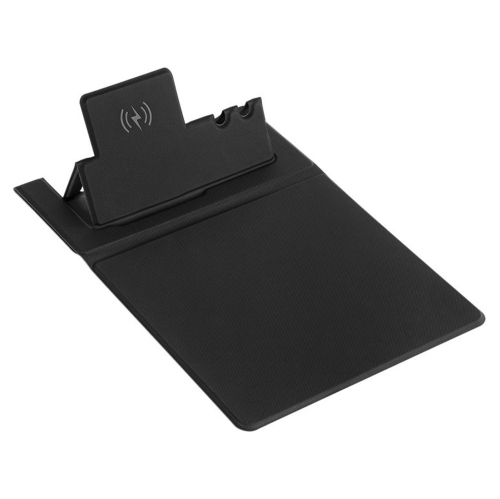
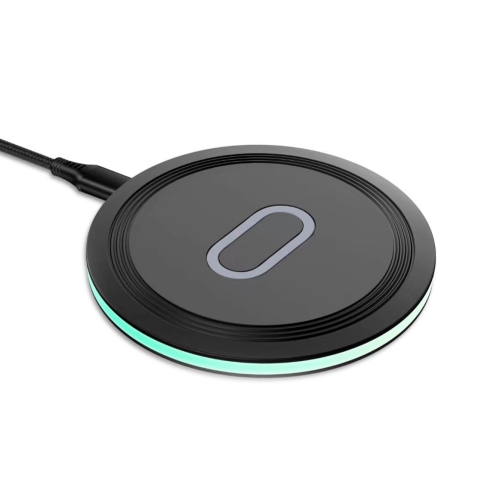
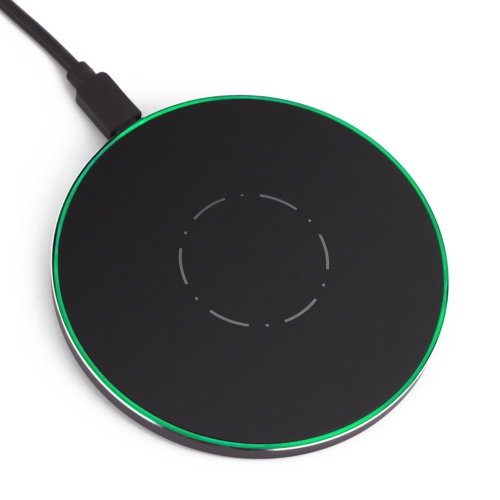
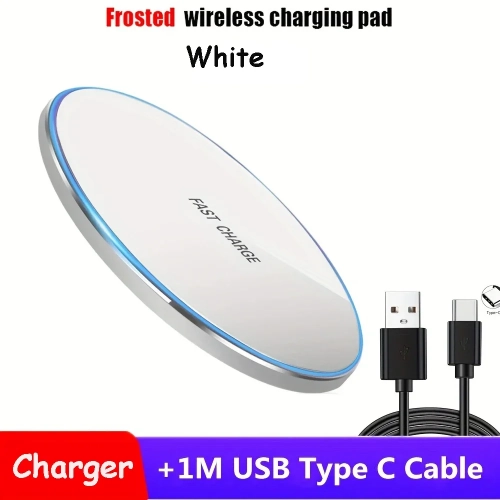
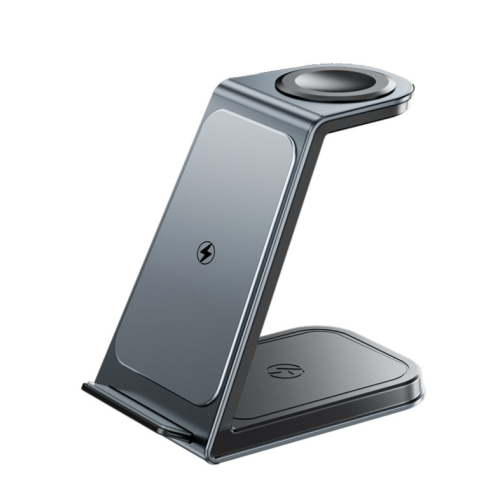

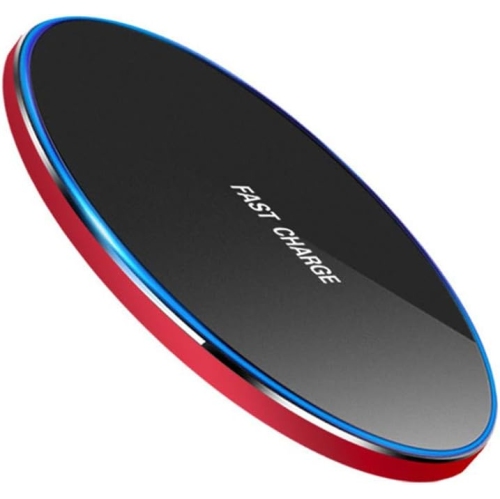
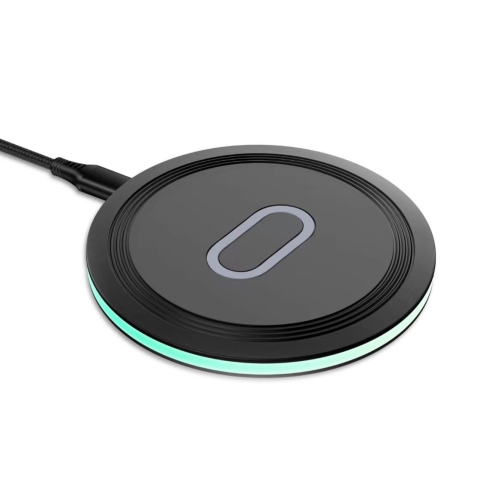


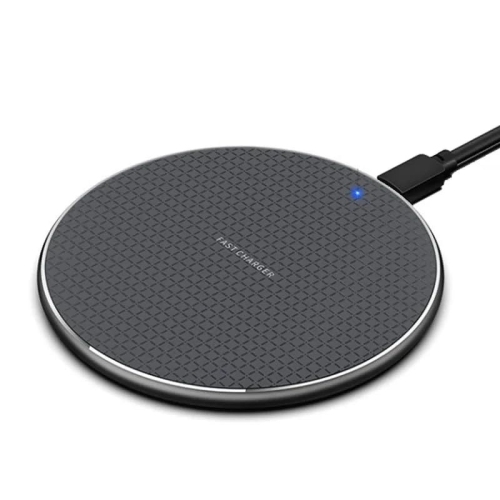

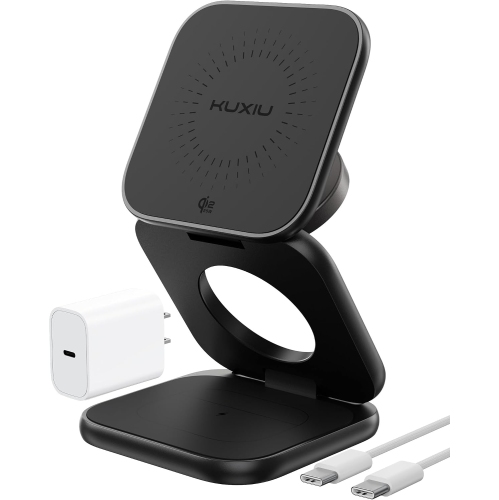
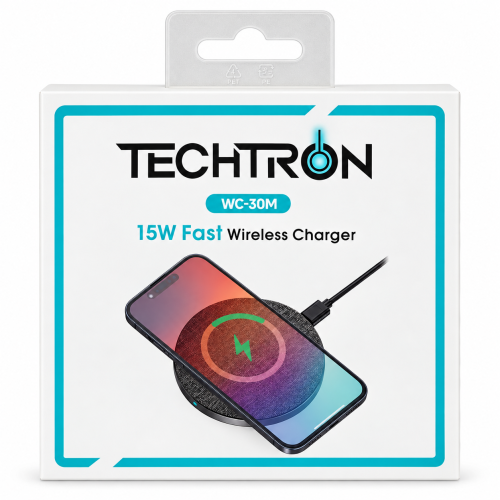
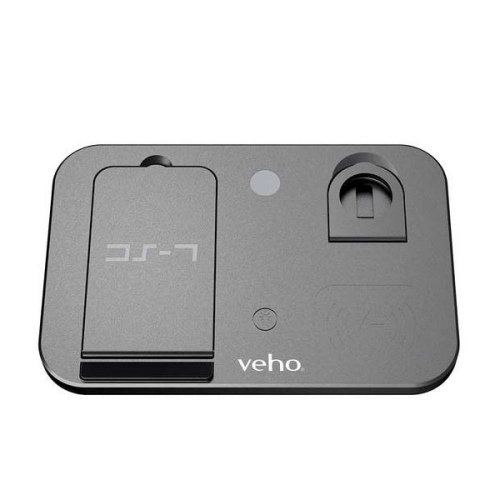

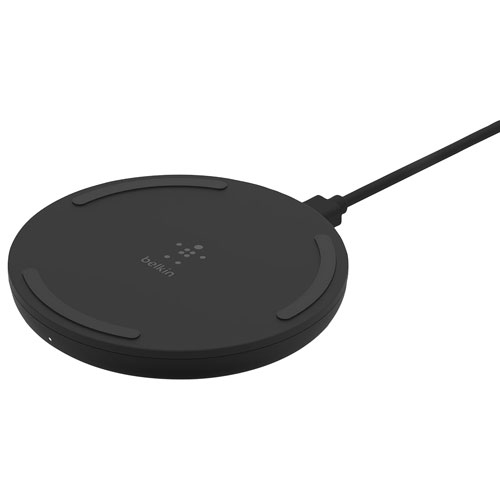
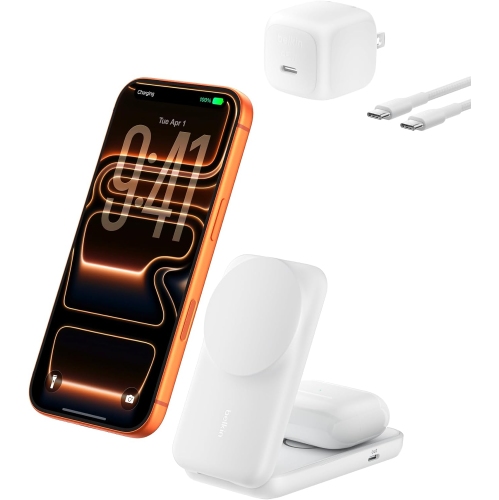
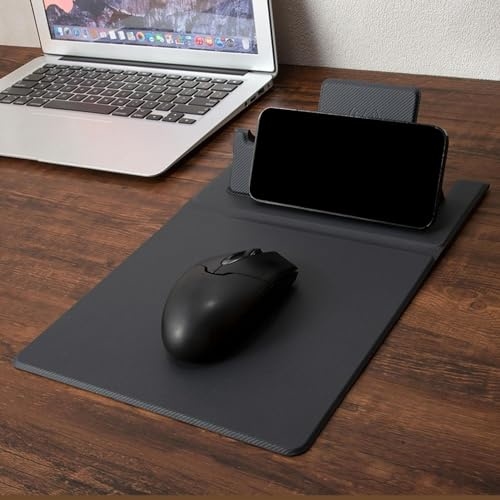
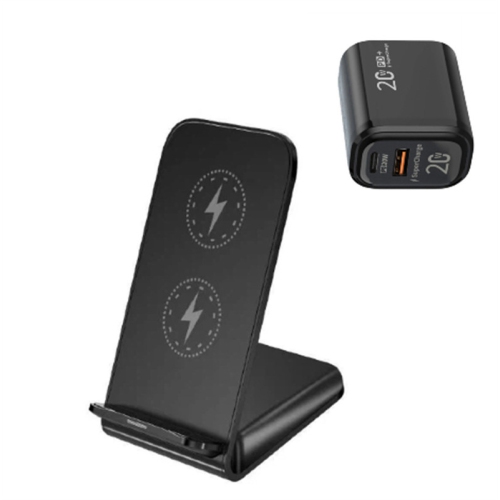
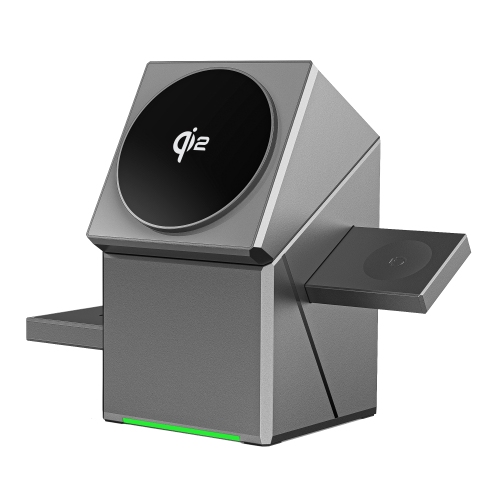

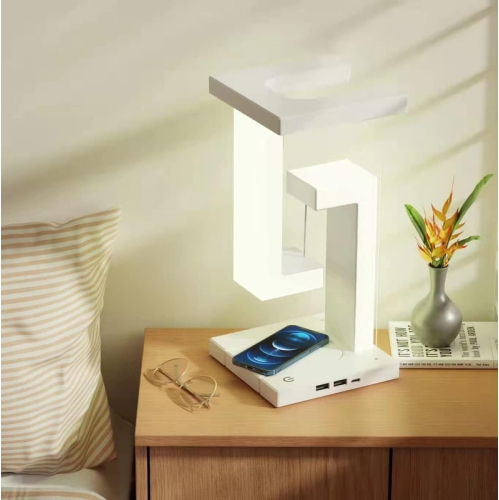
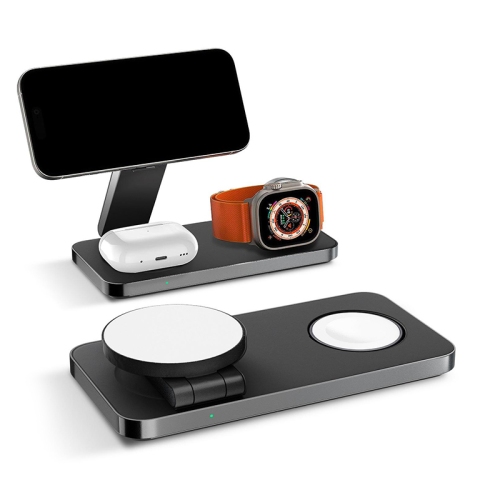

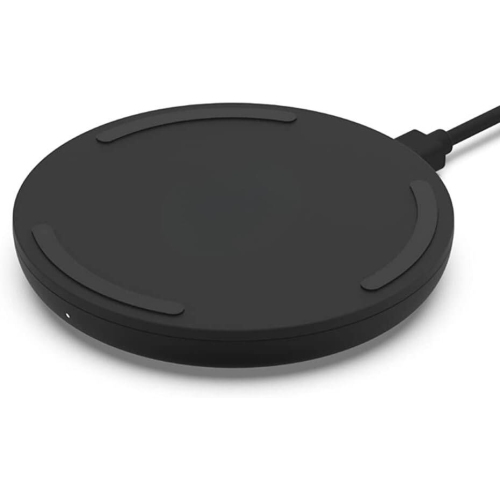
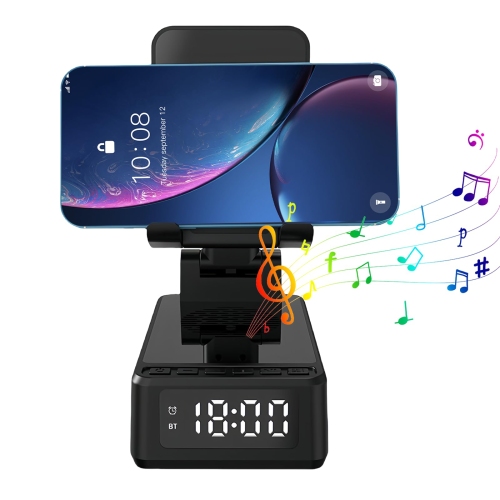
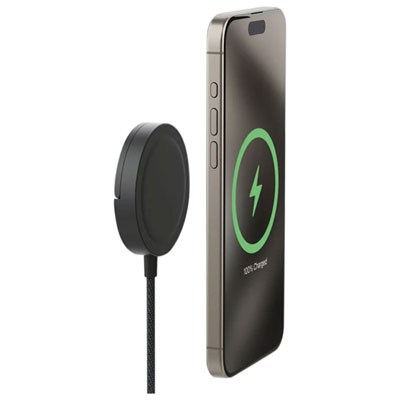

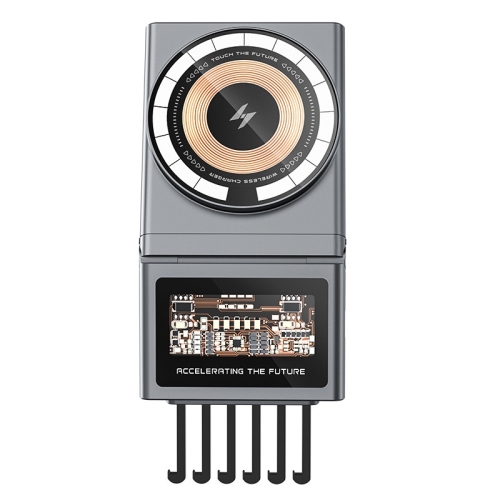





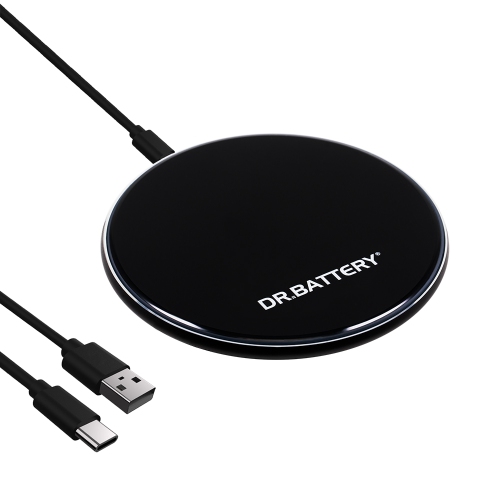
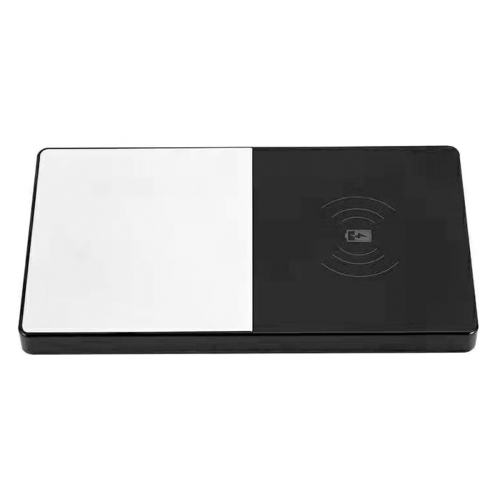
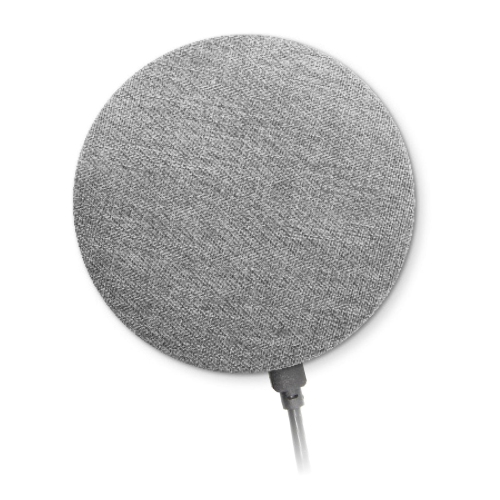
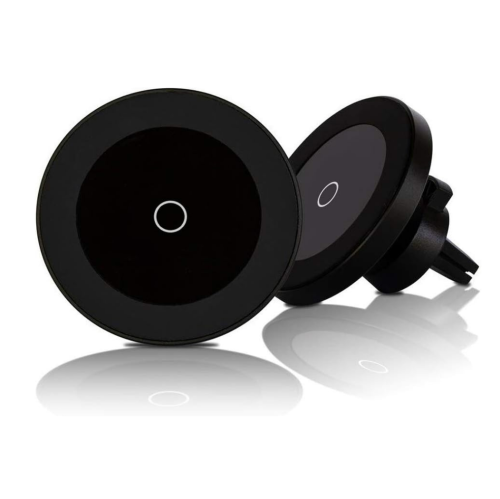
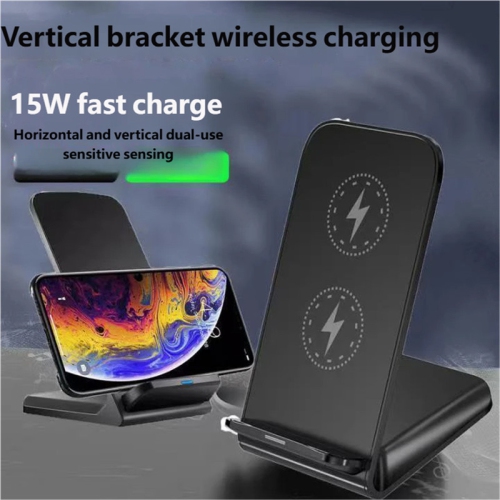
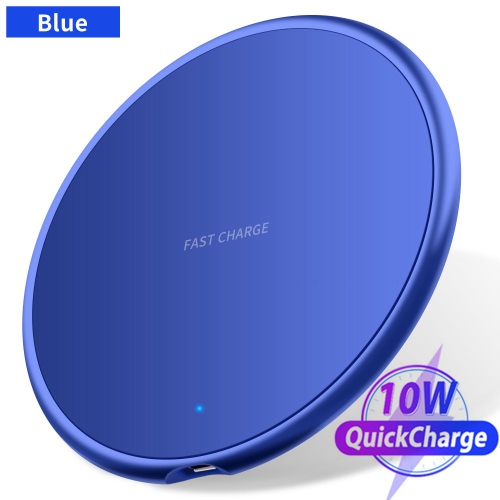
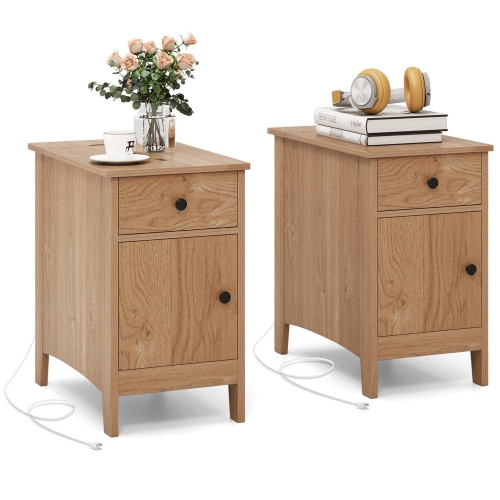
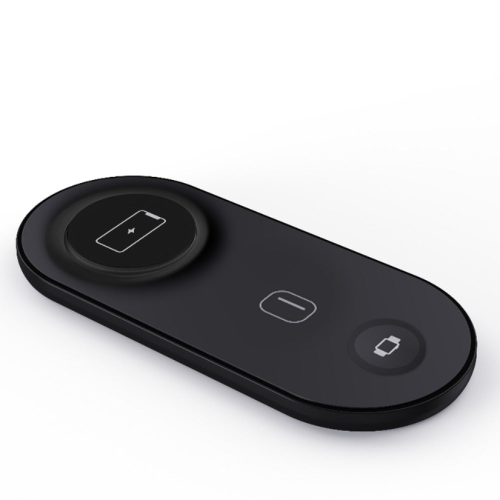
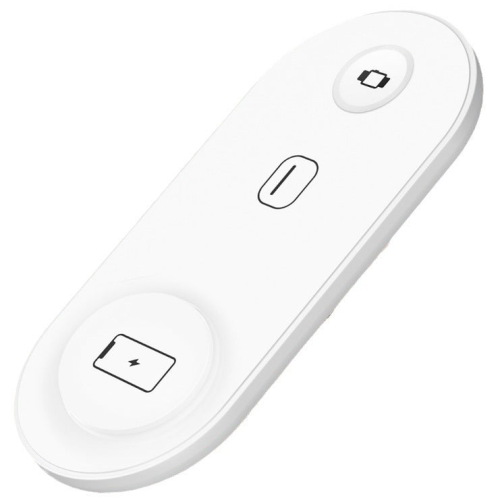
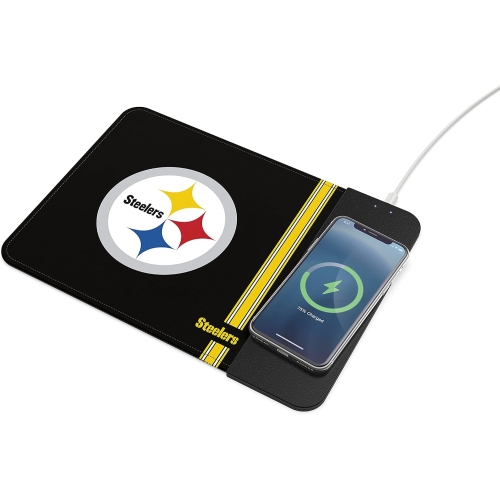
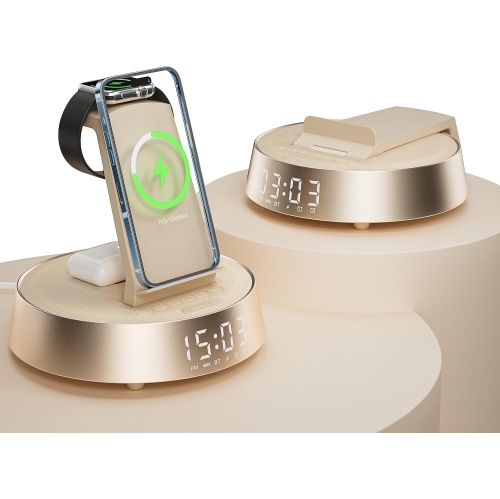
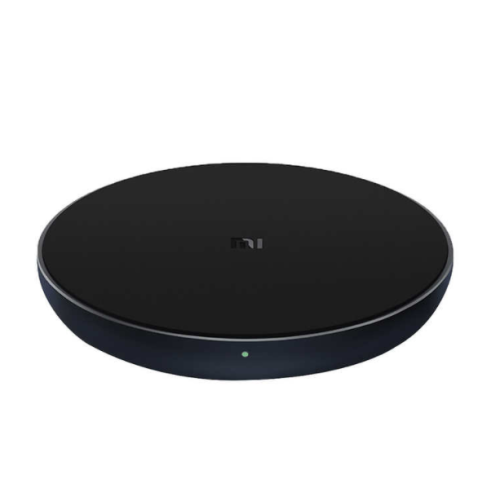



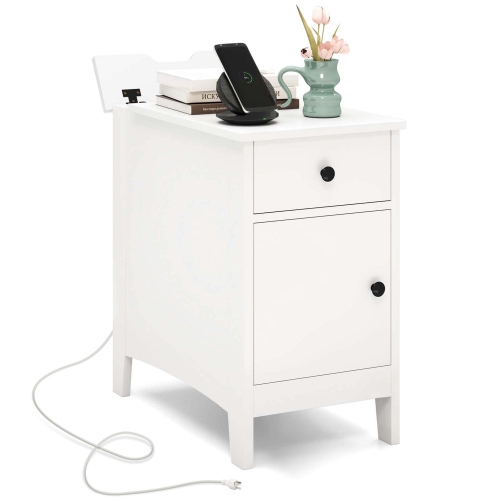
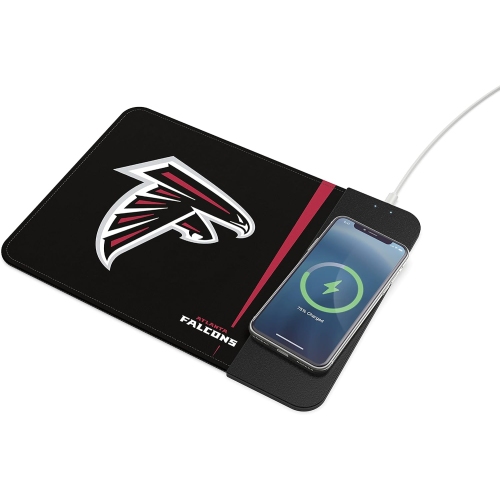
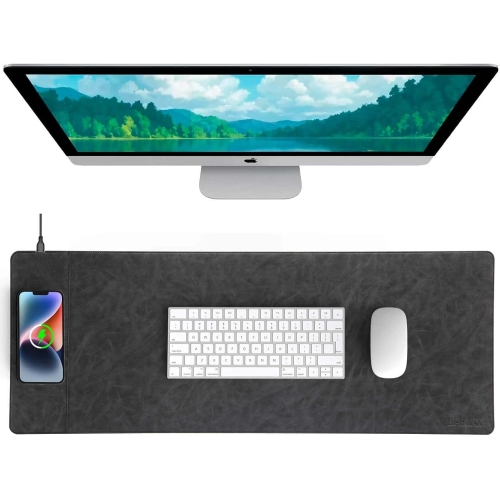
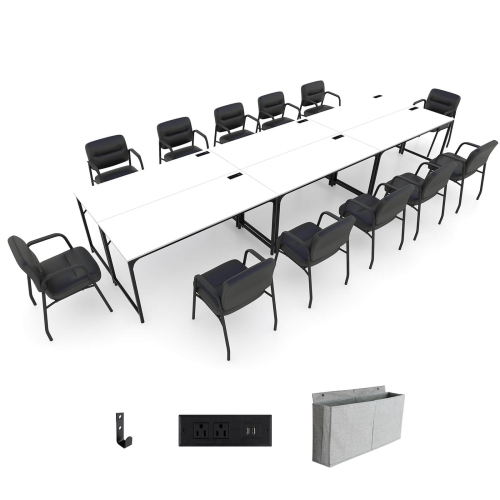
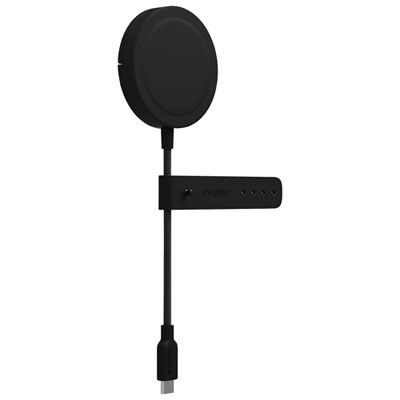
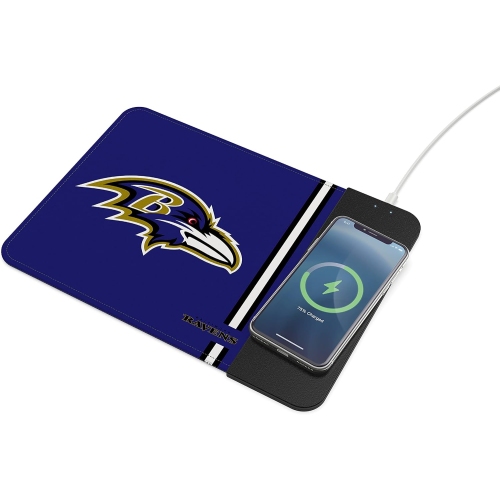
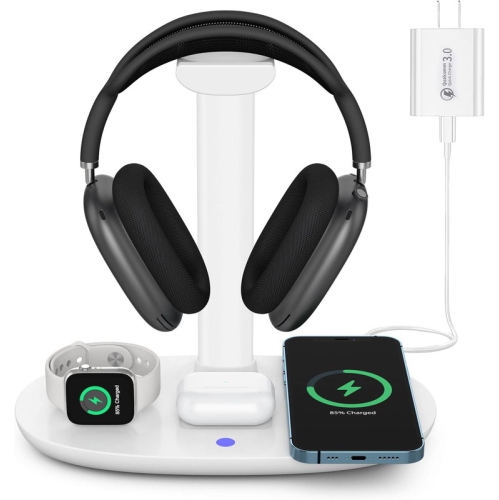
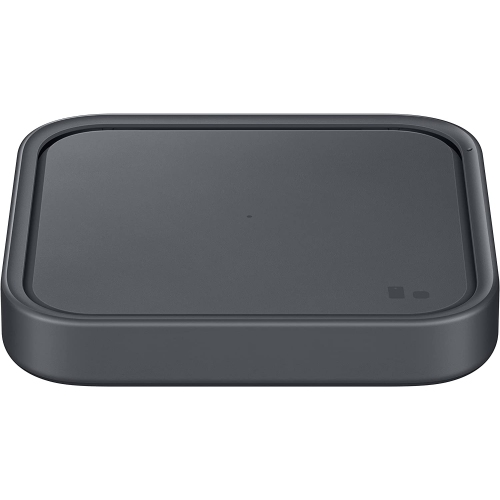
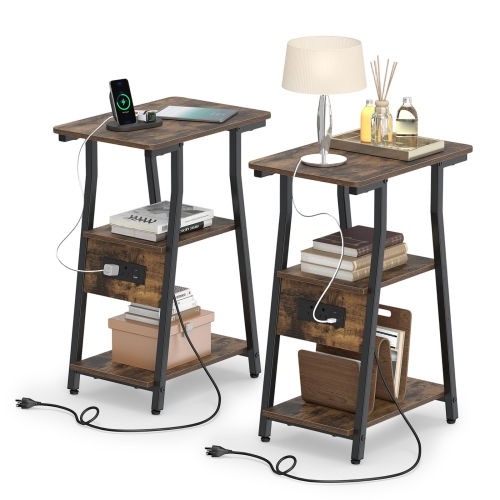
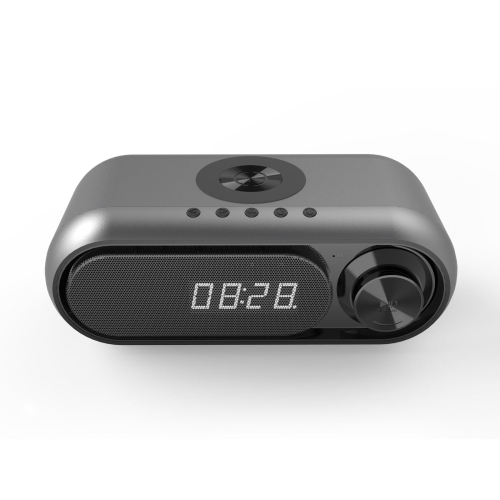
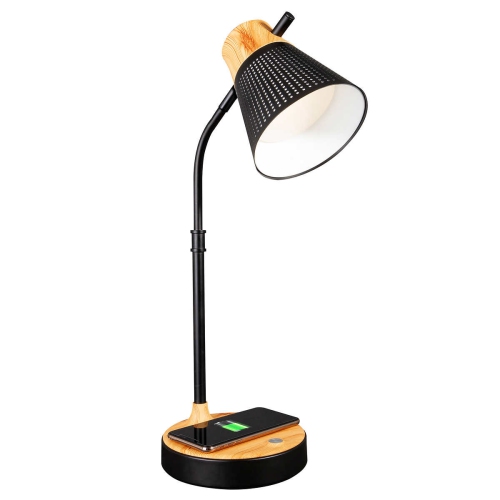

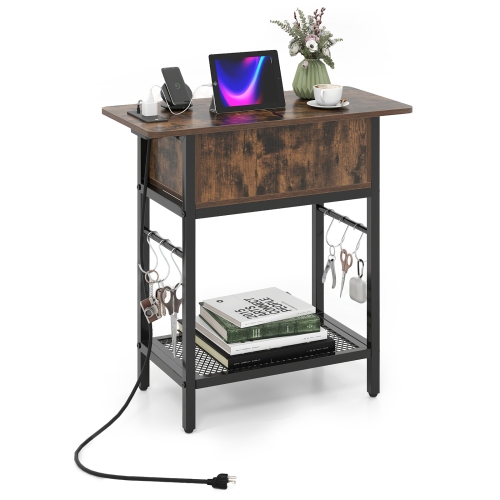
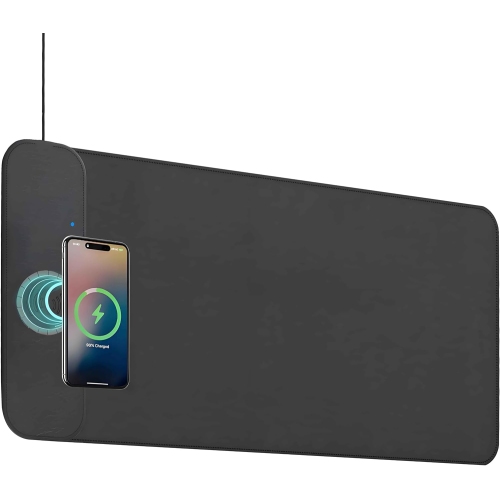
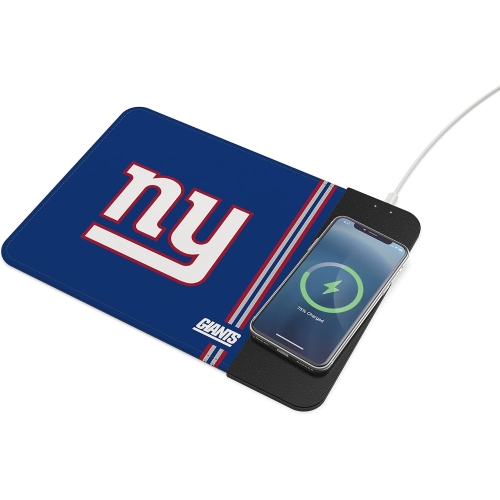
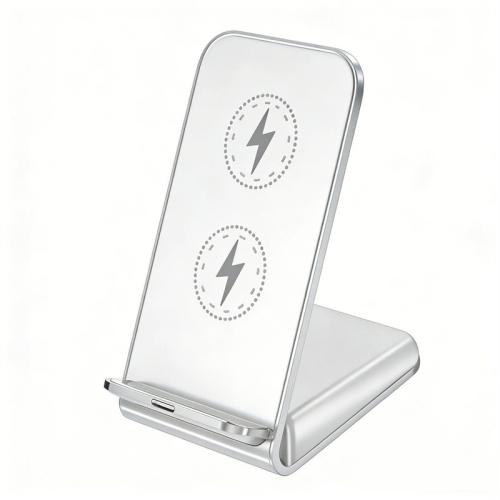

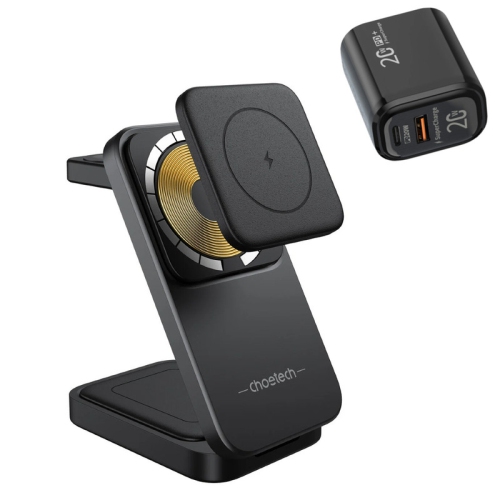
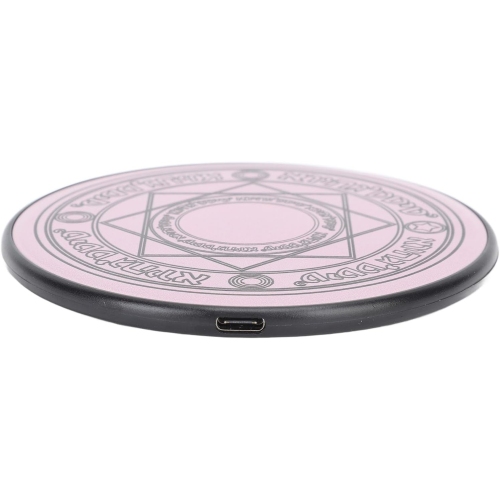

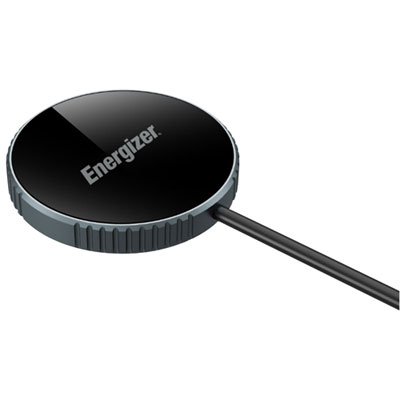
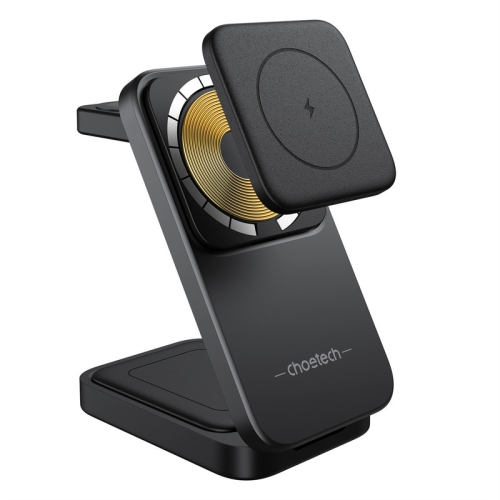

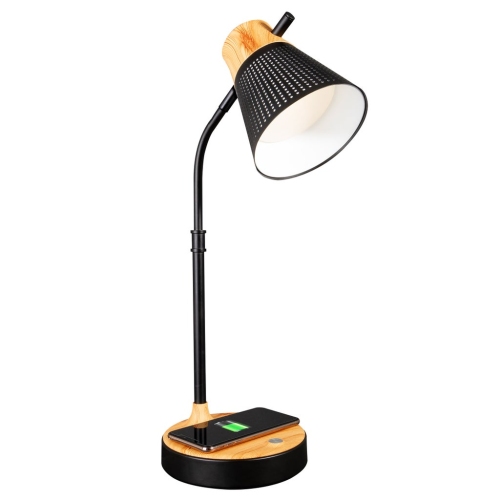
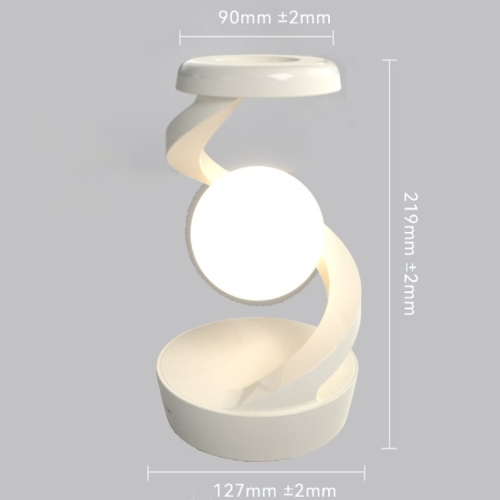
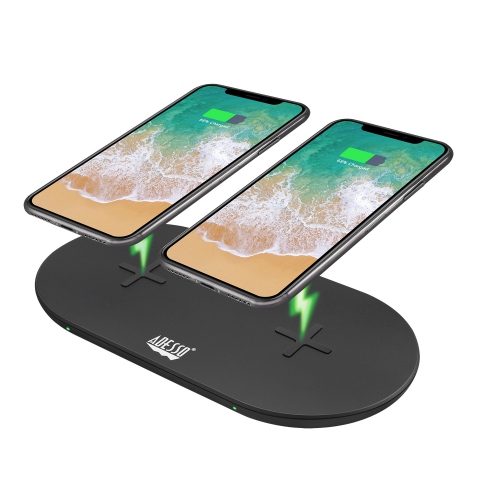
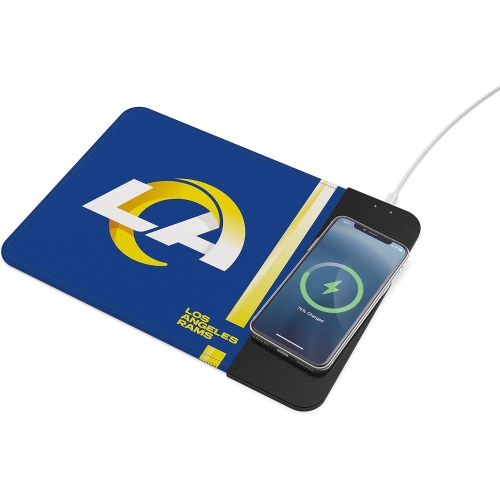


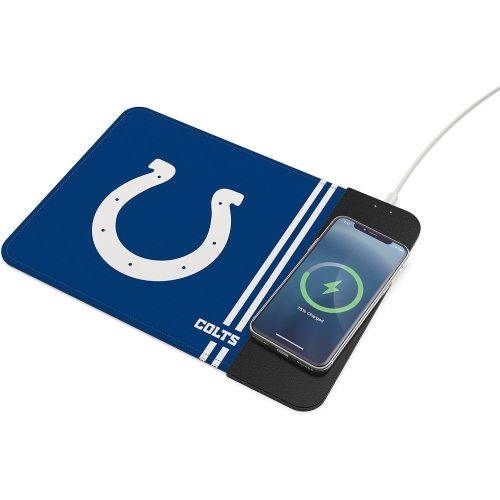
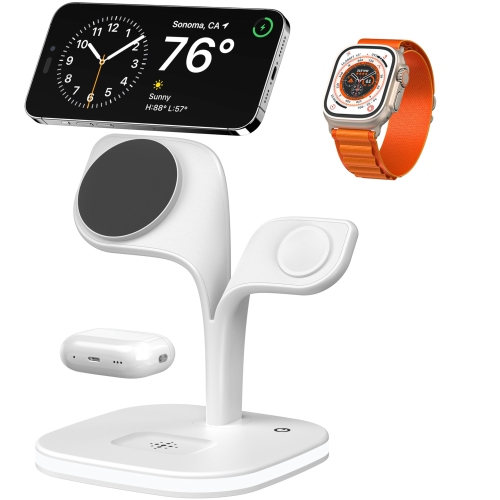
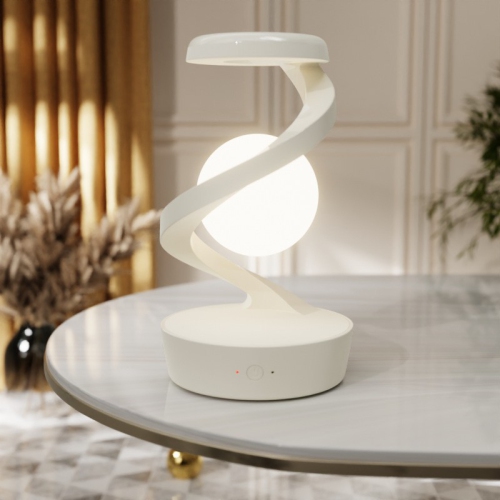

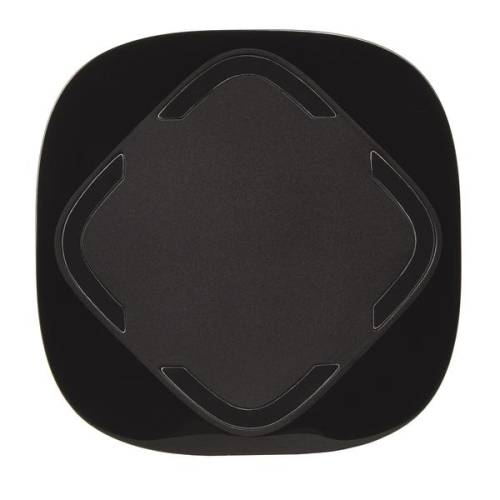
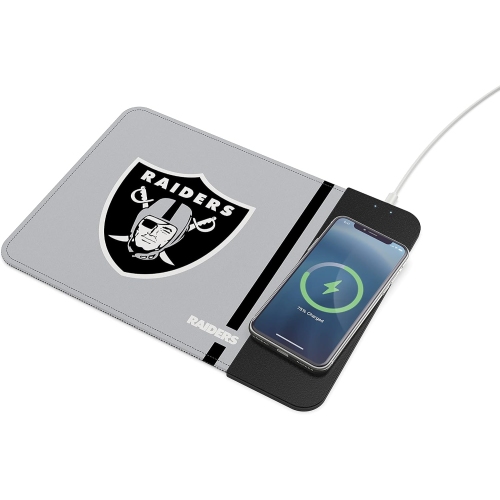
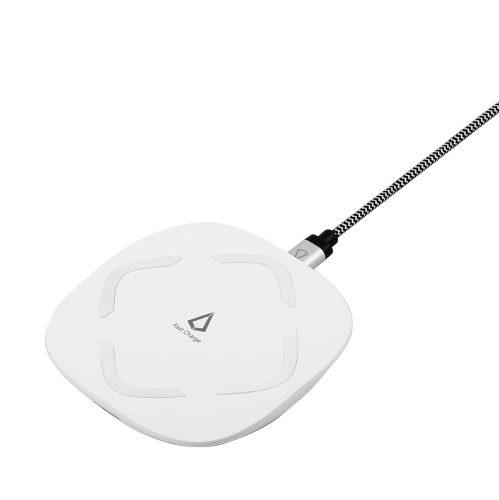


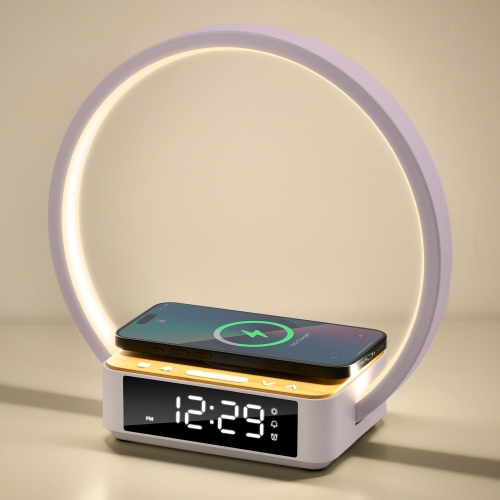
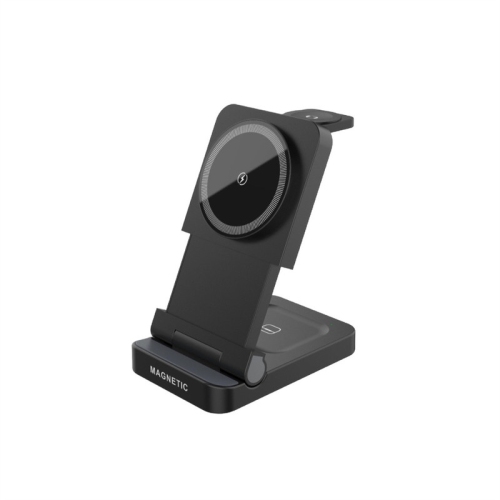
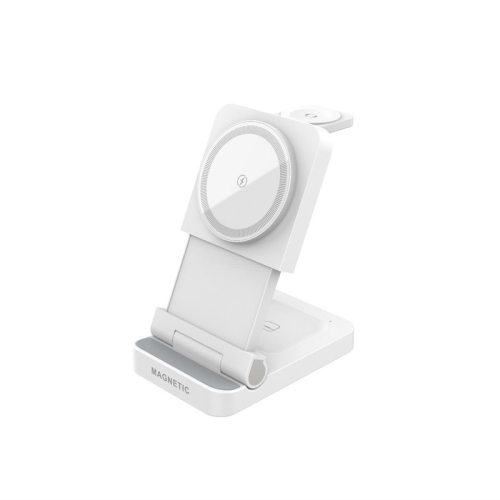
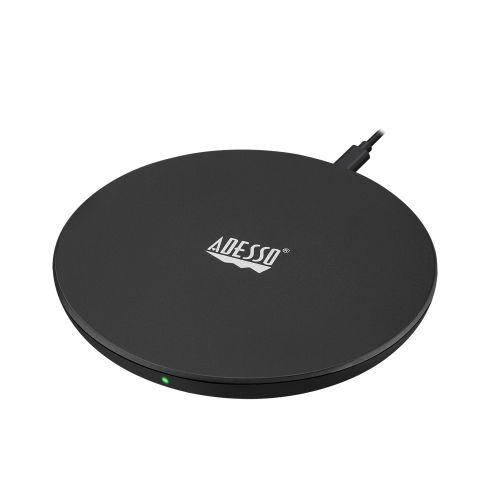




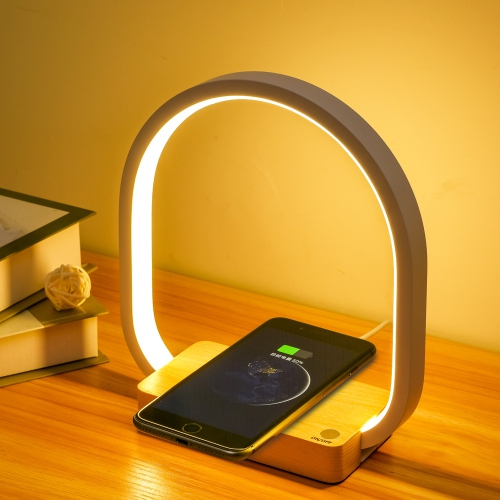
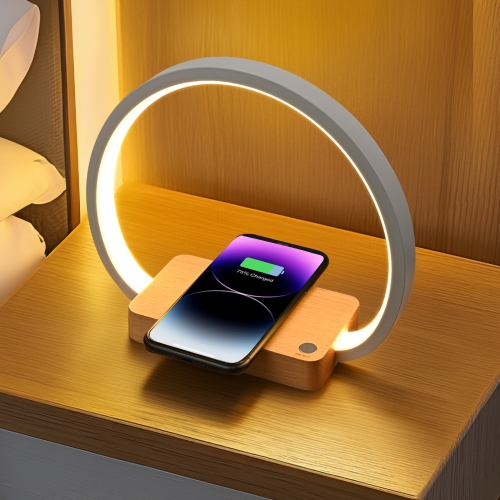


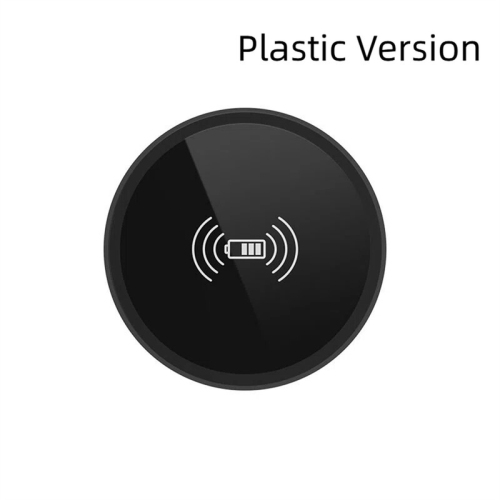

Everyday furniture with phone charging built right in
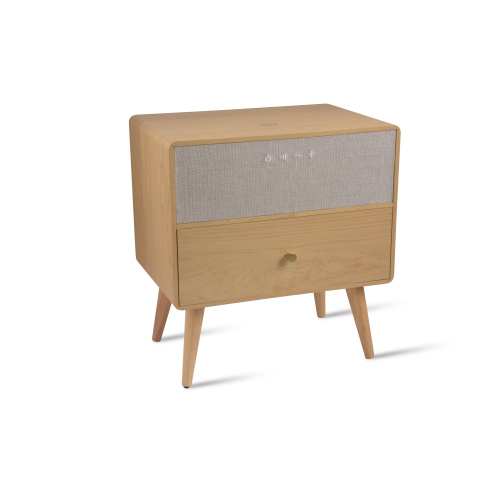
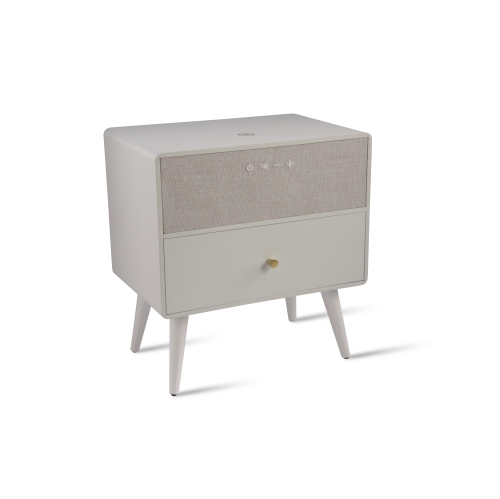
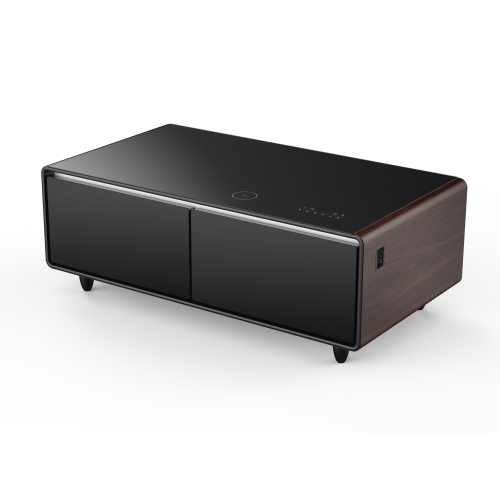
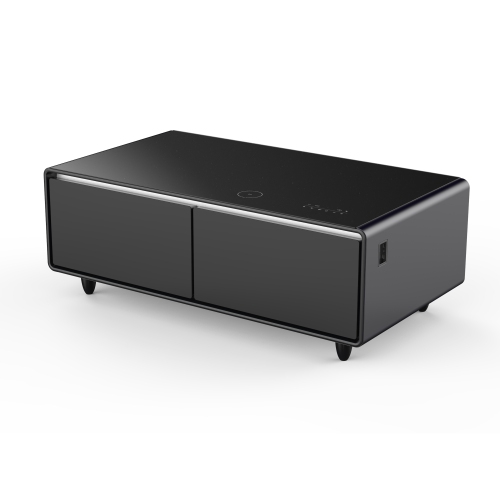
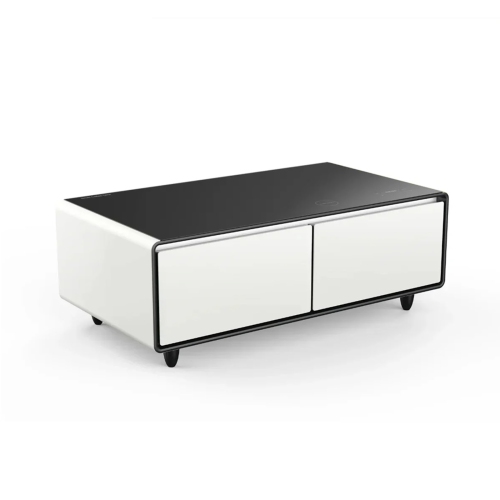
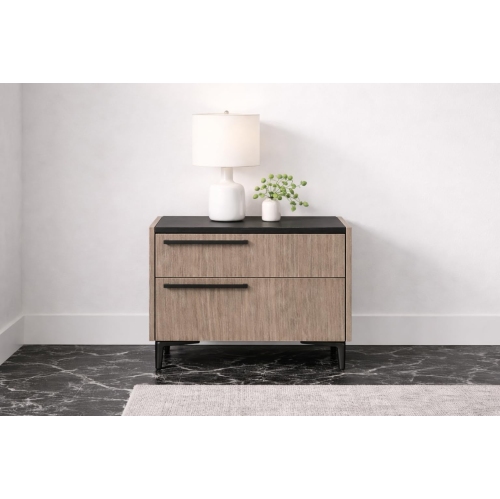
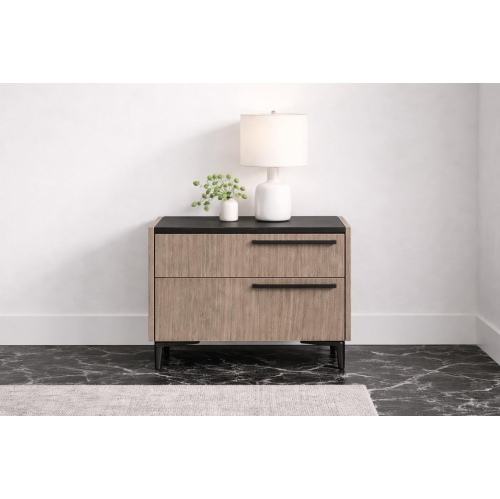
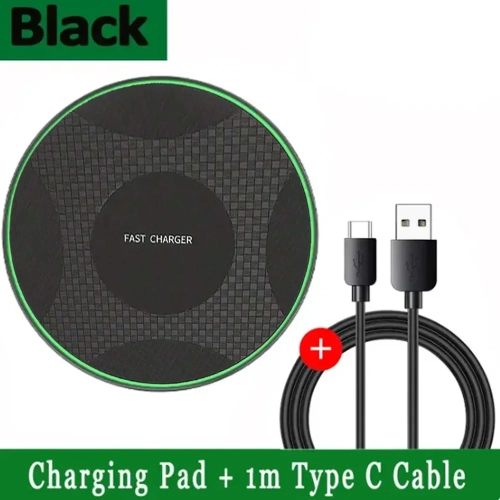
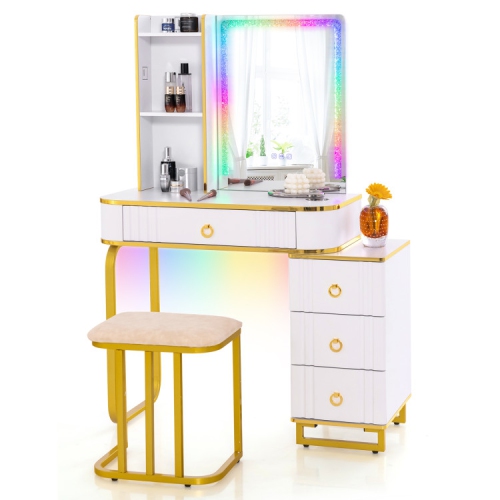
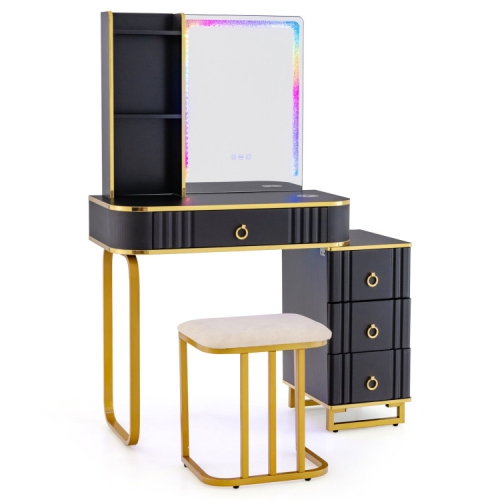
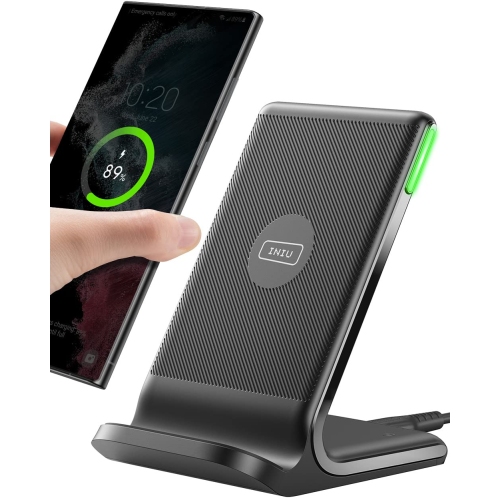
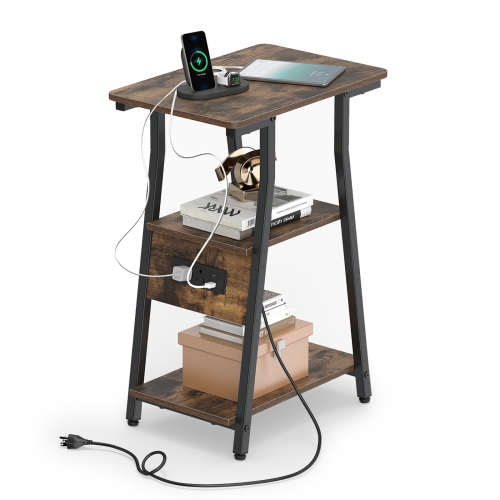
Wireless charging tables combine everyday furniture with an integrated charging surface for compatible phones and other small devices. A charging pad built into a nightstand, end table, or coffee table transfers power through electromagnetic induction when a compatible device rests over the charging area. The result is a familiar piece of furniture that also gives a phone a consistent place to recharge, without a separate charging stand occupying the tabletop. The table itself still needs an electrical connection, so its position relative to a wall outlet matters even though the connection between the phone and charging pad is wireless. Beside a bed, a wireless charging nightstand can keep a phone within reach while leaving room for a reading lamp, glasses, and a glass of water. Next to a sofa or armchair, a charging end table creates a convenient landing spot while someone reads, watches television, or takes a break. A coffee table with integrated charging can serve a shared seating area, provided the charging zone is easy to reach and does not compete with drinks, books, or serving trays. The furniture’s proportions remain just as important as its charging function. A bedside surface close to mattress height is easier to reach, while an end table near the height of a chair arm makes placing and retrieving a phone more comfortable. In a compact room, a narrow footprint and usable lower shelf can be more valuable than a broad tabletop. Drawers offer somewhere to tuck away cables and personal belongings, while open shelving keeps frequently used objects visible. Where several people share a room, the position and number of charging areas can influence how useful the table feels in daily life. A charging zone hidden beneath a decorative object or placed at the far edge of a large table may be less convenient than one beside the seat most often used. Furniture that suits the room’s layout makes the charging feature easier to use naturally, rather than turning the space into a dedicated electronics corner.
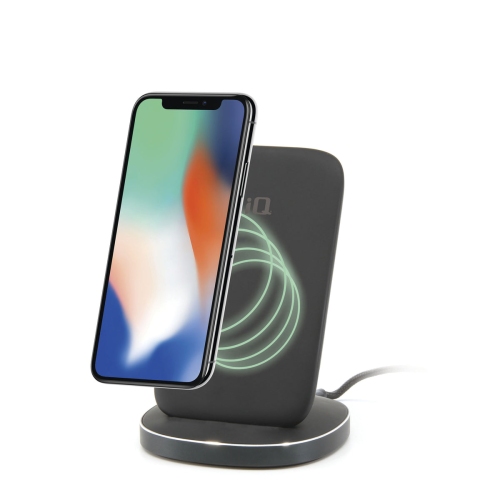
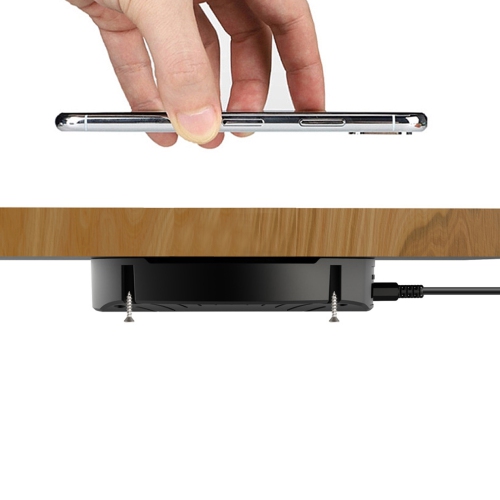
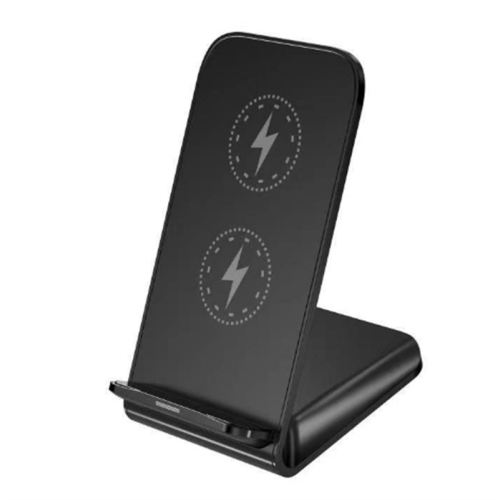
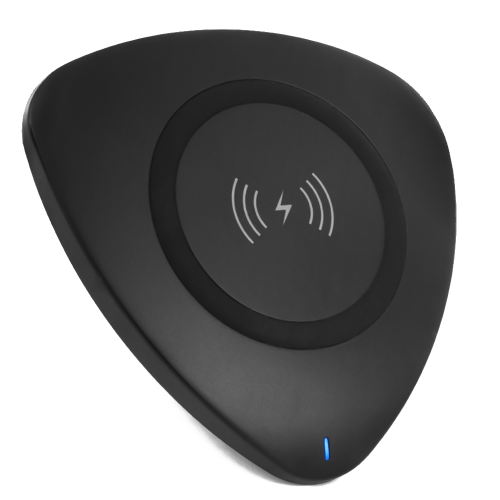
Device compatibility determines how well a wireless charging table fits a household’s routines. Qi is a widely used wireless charging standard, but a phone or accessory must support the standard used by the table’s charging system. A device that charges through a cable does not necessarily support wireless charging, and smaller accessories may require a particular charging arrangement rather than working on every phone-sized pad. The charging coil inside the device needs to line up with the coil in the table, so a marked charging zone can make placement more predictable. If magnetic alignment is offered, both the charging system and the device or case need to support that feature; an ordinary wireless pad does not automatically hold a phone in position. Charging speed also depends on the combination of the device, charging module, power supply, and any supported charging protocol. A higher stated output does not mean every phone will receive that amount of power. For overnight charging or a phone left beside a chair between uses, consistent placement may matter more than the fastest possible rate. Cases can affect performance, particularly if they are thick or contain metal plates, card holders, or attachments between the phone and charging surface. Keeping that area clear helps avoid interrupted charging and unnecessary heat. Tables with an integrated system differ from furniture fitted with a separate under-table charging module. Some purpose-built modules can transmit power through a suitable tabletop, allowing an existing surface to retain a clean appearance without a visible pad. That approach depends on the module’s specified charging distance, the tabletop’s material and thickness, and the mounting requirements. Wood, glass, or stone should not be assumed compatible simply because the charger can be attached underneath, and metal surfaces can interfere with charging. Under-table installations also need secure mounting, a clear charging position above the module, and a practical route for the power cable. These details distinguish furniture designed around charging from a table adapted to support it.
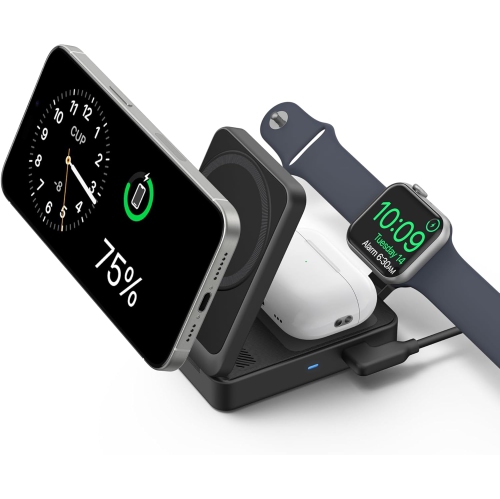
Materials, construction, and surface care shape the long-term usefulness of wireless charging tables as much as the electronics do. Solid wood brings visible grain and a substantial feel, while wood veneers and engineered wood offer different combinations of appearance, weight, and construction. Glass can give a room a lighter visual profile but tends to show fingerprints, and metal frames can provide a slim, structured base. The finish affects how the table handles ordinary contact with cups, books, keys, and charging devices. Rounded corners may be useful beside busy walkways, while a stable base helps keep a phone properly positioned when someone sets down a drink or opens a drawer. A table should have enough usable surface beyond its charging zone that everyday objects do not repeatedly displace the device. Coasters and prompt attention to spills help protect furniture finishes and keep moisture away from electrical components. Cleaning should follow the furniture and charging system’s care directions, with liquid kept out of seams, ports, and the charging module. A soft cloth is often suitable for routine dusting, but abrasive cleaners or excessive moisture can damage some surfaces. Cable routing deserves similar attention: a cord tucked along a leg or through a built-in channel is less intrusive than one stretched across an open walkway. The furniture’s weight capacity, assembly requirements, and access to the charging components are also relevant, particularly for a table expected to move between rooms. For a home office, a small charging table beside a reading chair can separate phone charging from the main work surface; in a bedroom, a drawer and uncluttered top can support a quieter arrangement. As a housewarming gift, this type of furniture is most useful when the recipient’s device compatibility, room dimensions, and preferred style are already known. For charging without replacing furniture, Wireless Charging Stations provide a separate accessory option. A well-matched wireless charging table serves both purposes comfortably: dependable everyday furniture and a convenient place for compatible devices to recharge.
Top selling and popular products
-
 Your price for this item is $34.99
-
 Your price for this item is $39
-
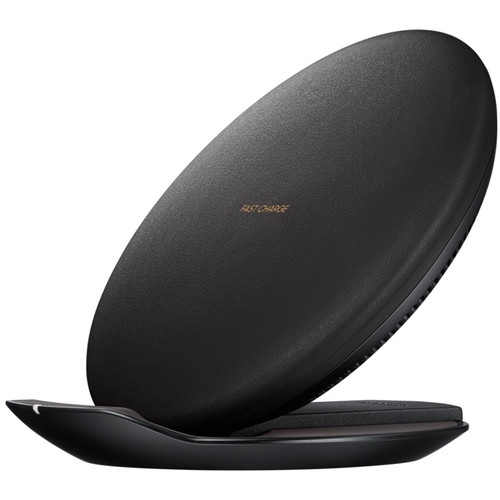 Your price for this item is $73.92
-
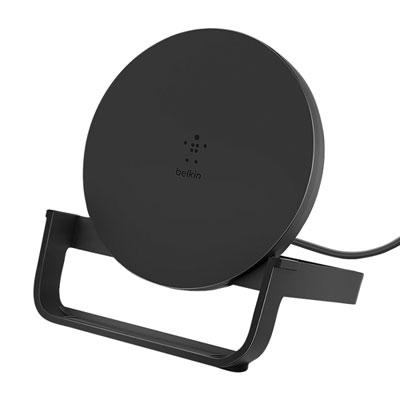 Your price for this item is $39.95
-
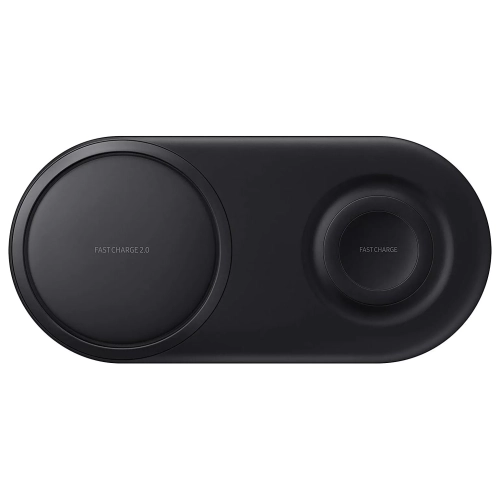 Your price for this item is $74.99
-
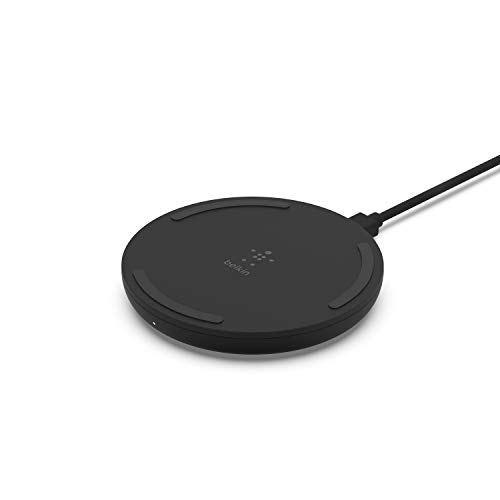 Your price for this item is $39.99
-
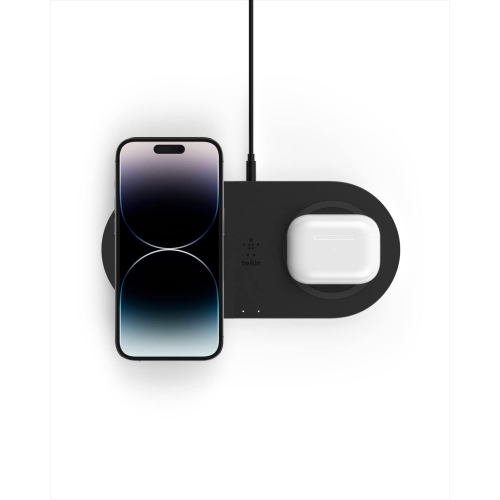 Your price for this item is $36.99
-
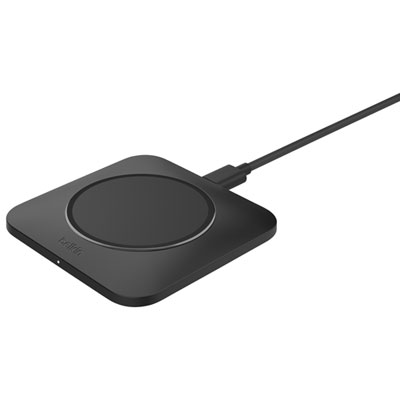 Your price for this item is $49.99
Discover more categories related to Wireless Charging Tables
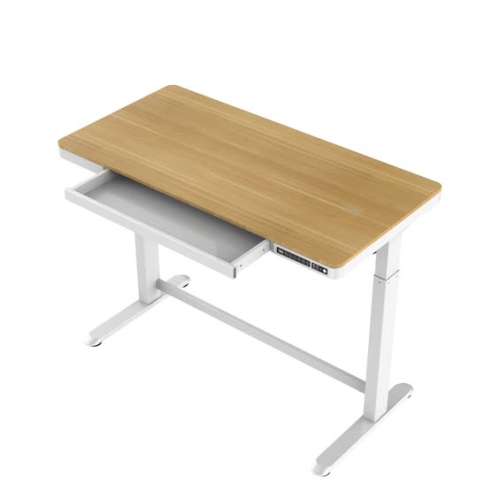
Top Collections:
Best Black Friday Deals This Year, Best Black Friday Deals On Electronics, Kindle Devices, Dyson Airwrap, Best Cameras for Sports Photography, Best Budget Office Chairs, Canon G7X Cameras, PS5 Pro Consoles, Best Black Friday Deals On Apple Products, XBOX One S Consoles
Some products may be subject to Environmental Handling Fees
(EHF) depending on your province.
Learn more about EHFs.