Wireless Door Sensors
Enhance the security of your home or office with wireless door sensors. These innovative devices provide an extra layer of protection by alerting you whenever a door is opened or closed. Whether you're concerned about potential break-ins or simply want to keep track of who's coming and going, wireless door sensors are a must-have addition to almost any security system. With their easy installation and reliable performance, you can enjoy peace of mind knowing that your property is well-guarded. Explore our wide selection of wireless door sensors and find the perfect solution to meet your security needs.
Sort
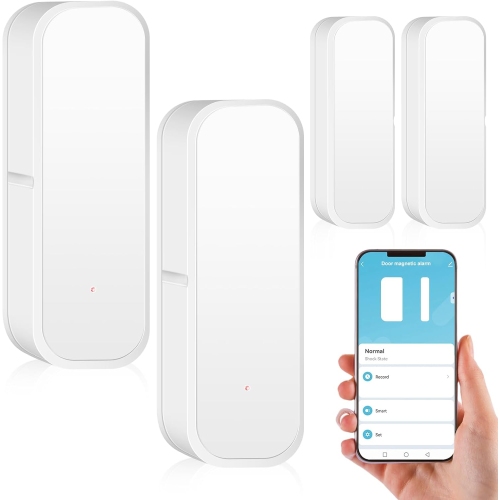
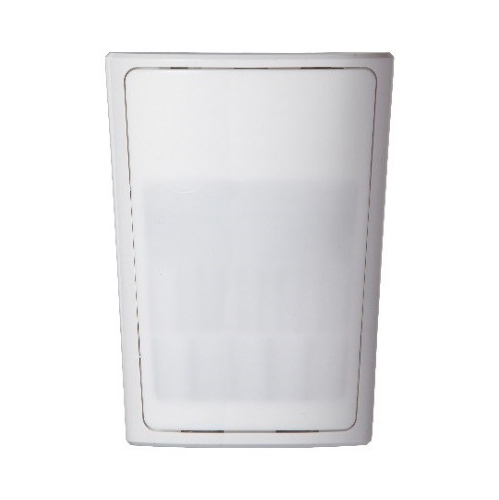
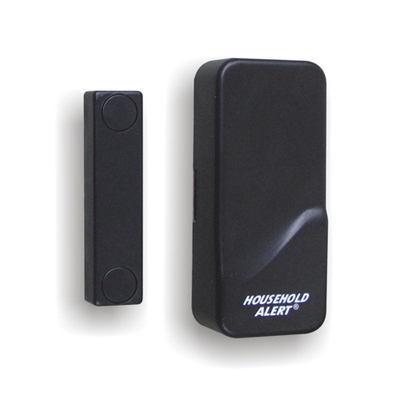
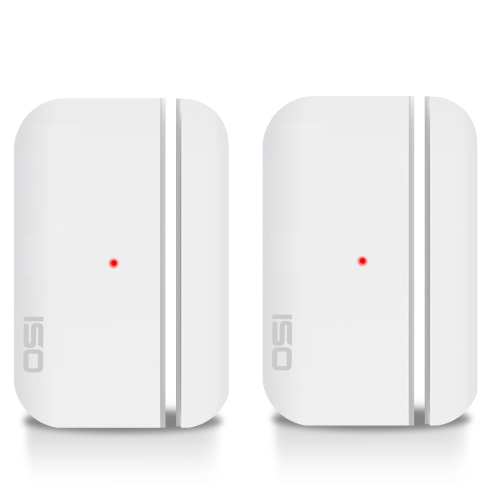


A simple way to stay aware of openings
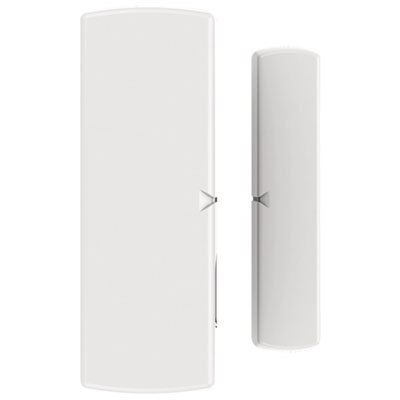
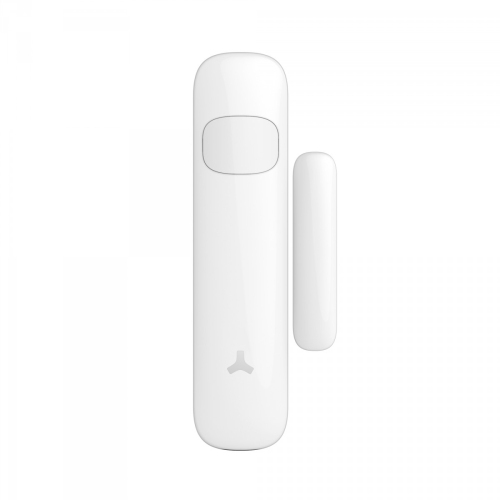
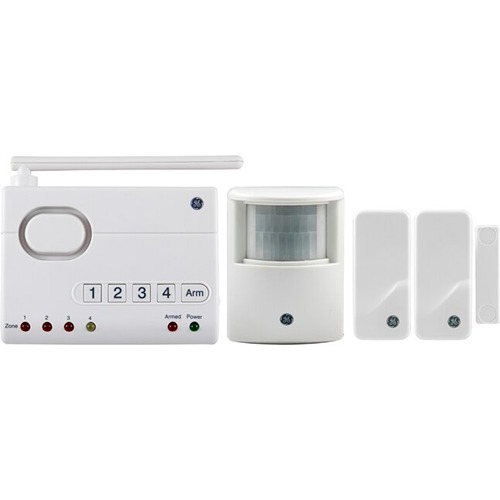
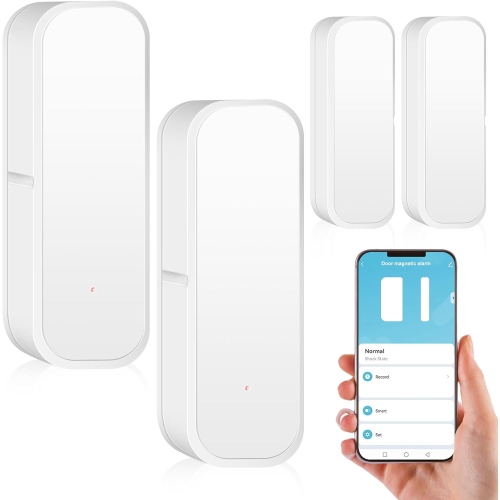
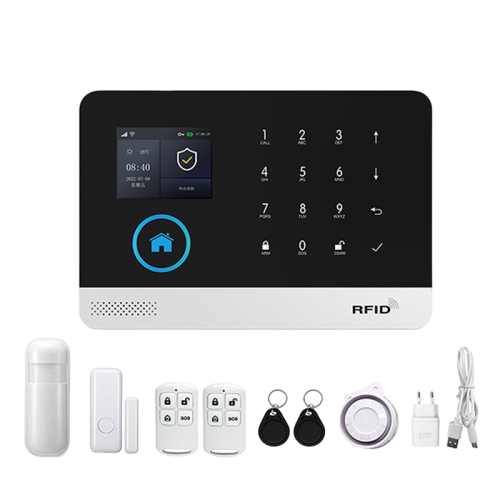
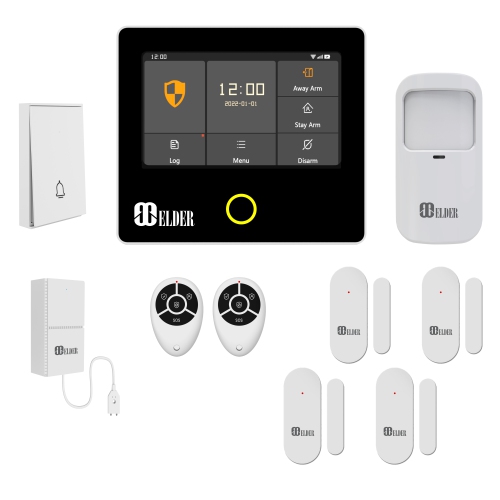
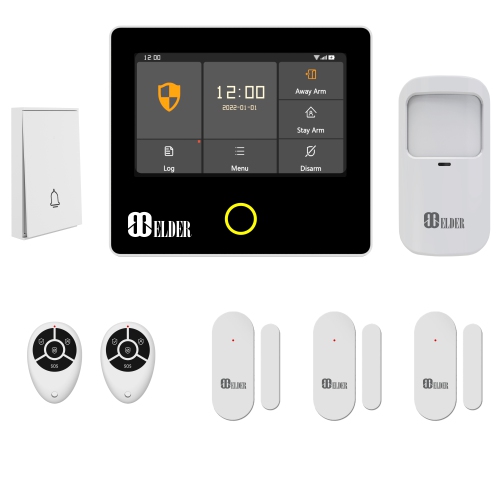
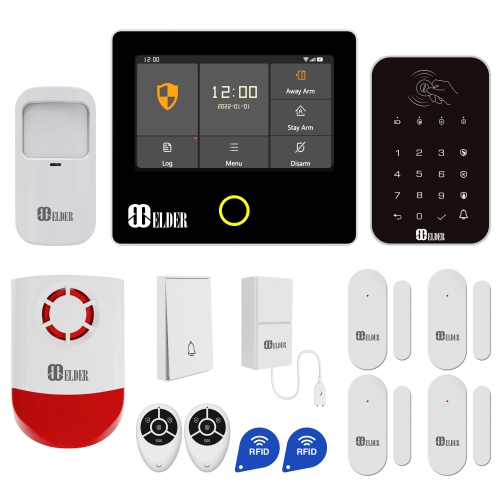
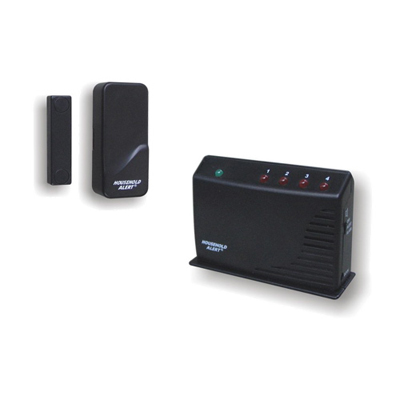
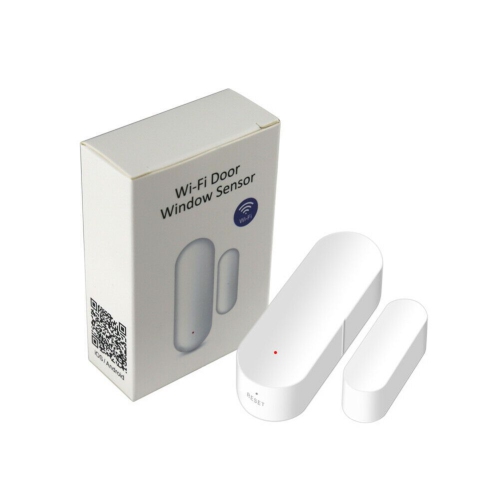
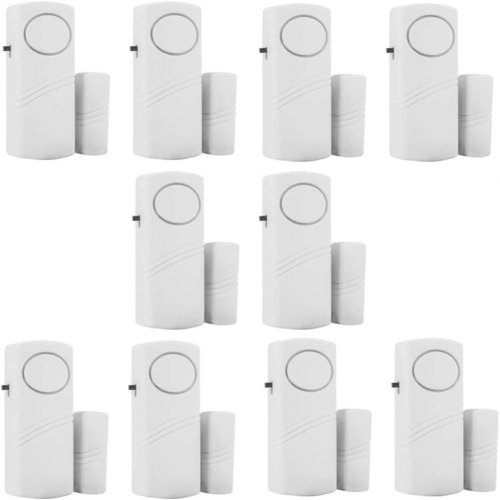
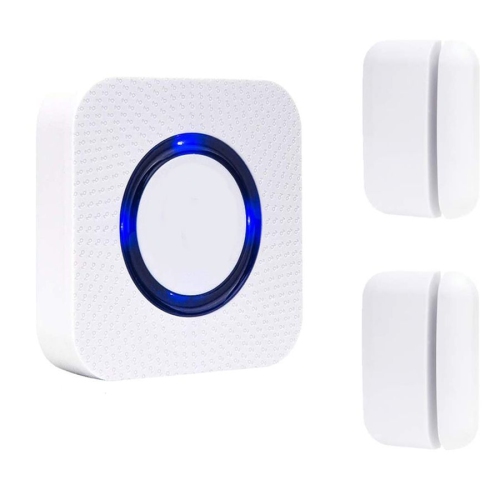
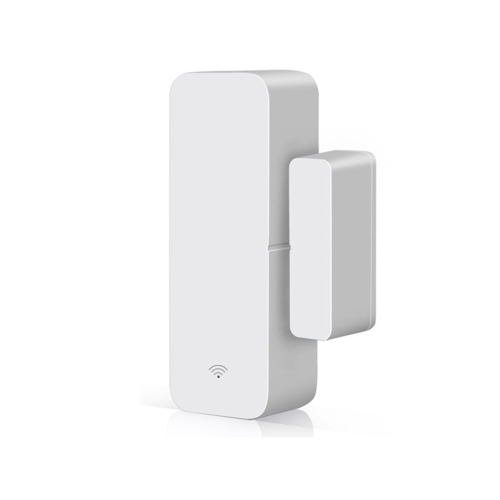
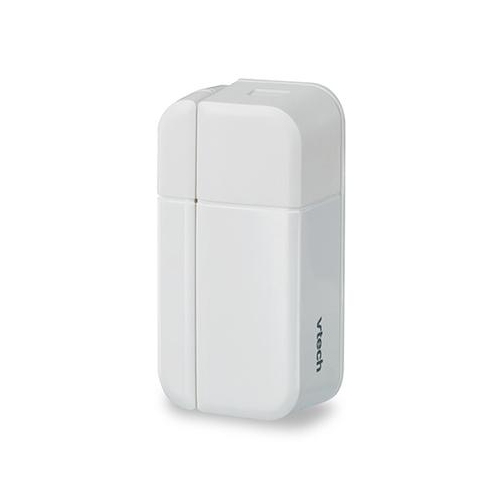
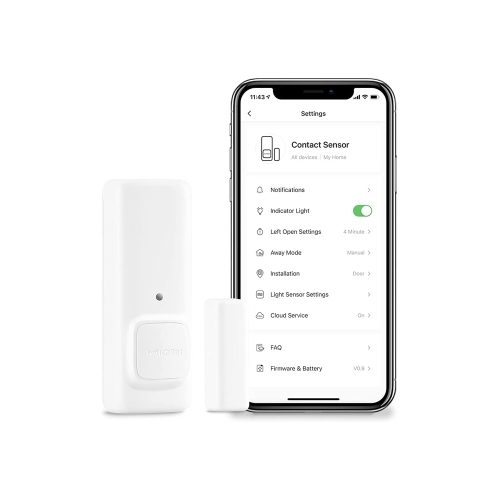
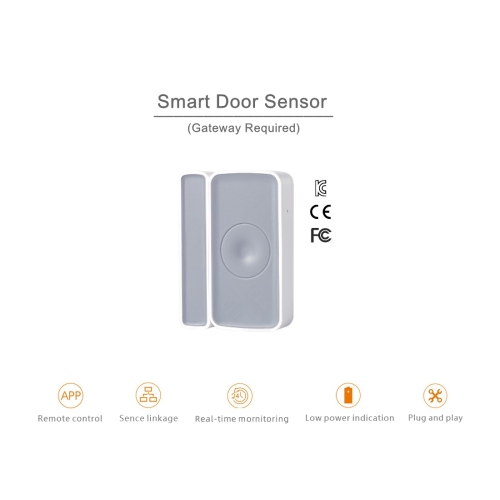
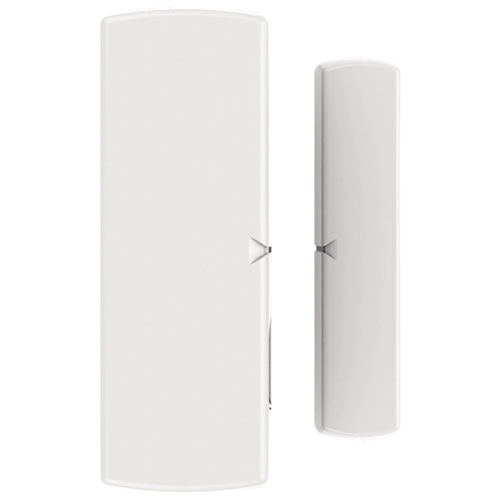
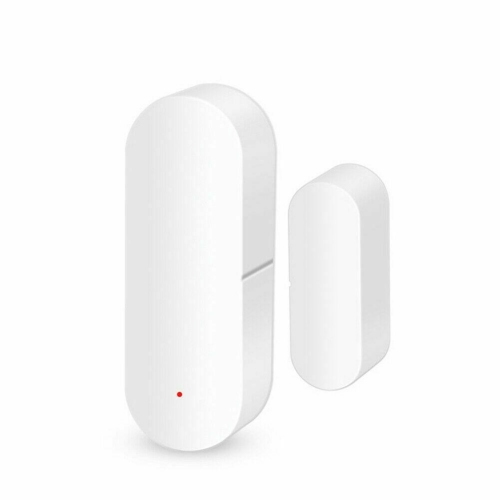
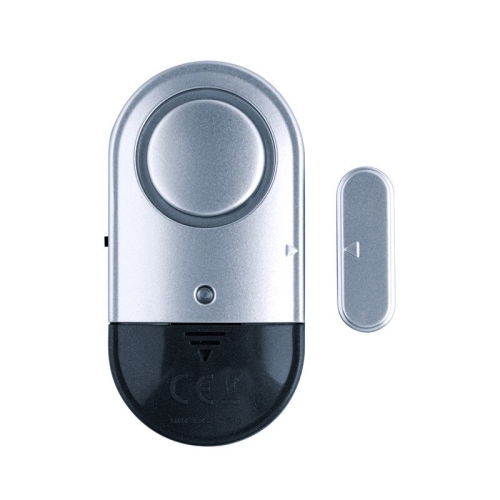
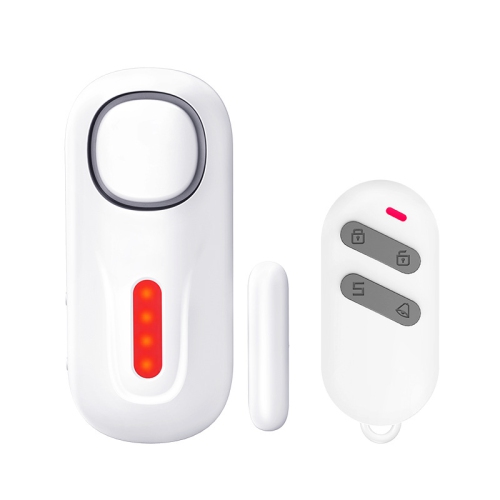
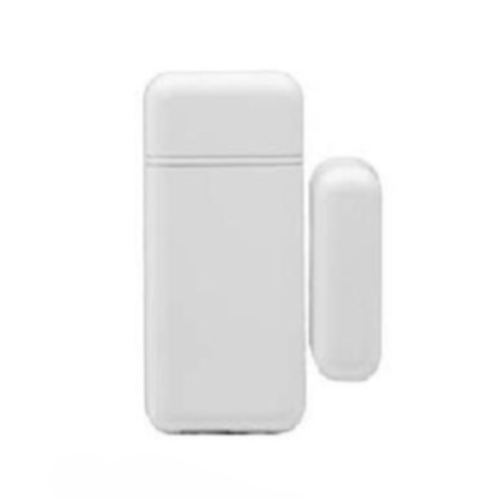
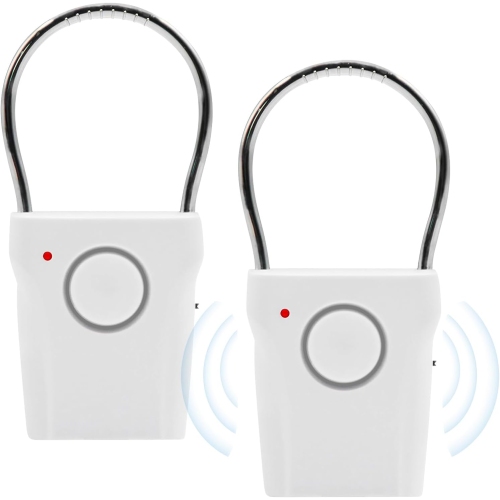
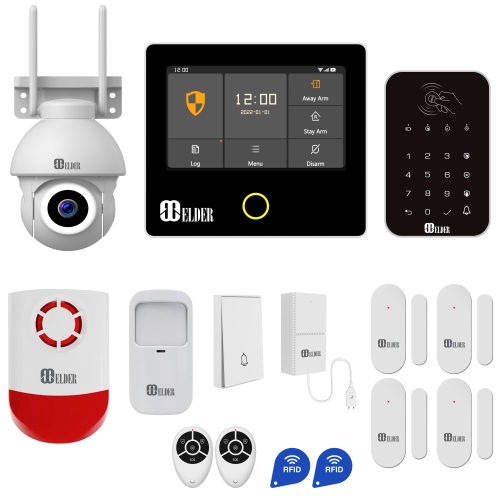
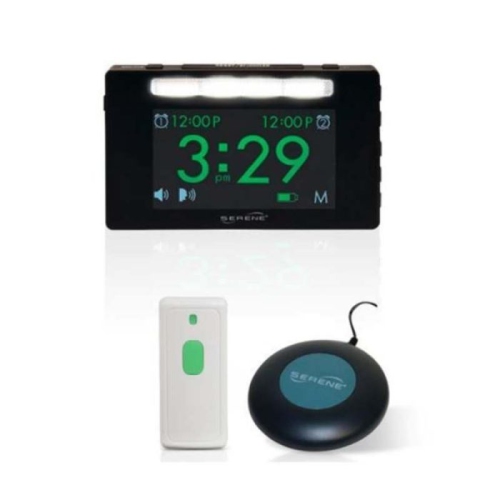
Wireless door sensors are compact, two-part devices designed to monitor whether a door or window is open or closed. One piece is installed on the fixed frame and the other is placed on the moving door, with a small magnet keeping the two components aligned while the door is shut. When the door opens and the magnetic connection is separated, the sensor sends an alert to a compatible app, hub, alarm system, or smart home routine. This simple design can add useful awareness to entry doors, patio doors, basement doors, garage access points, home offices, nurseries, medicine cabinets, storage rooms, and other areas where movement matters. Depending on the model, alerts may arrive as push notifications on a phone, audible warnings from a connected hub, or automated actions such as turning on lights when a door opens after dark. Wireless door sensors can suit homeowners who want extra awareness around their property, renters looking for a less intrusive option, parents keeping track of a frequently used back door, and caregivers who want to know when a particular entrance has been opened. They can also be a thoughtful practical gift for someone moving into a new home, setting up a first apartment, or building a connected home system. For broader entry monitoring, you can also explore Wireless Door Alarms for Smart Homes.
When comparing wireless door sensors, start with the way each option communicates with your home network. Some connect directly to a 2.4 GHz Wi-Fi router, which can simplify setup when no separate hub is required. Others use protocols such as Zigbee or Z-Wave and need a compatible smart home hub, but may offer efficient battery use and smoother coordination with other connected devices. Long-range wireless systems use a dedicated base station and can be useful in larger homes, detached garages, workshops, cabins, or areas where a regular indoor router signal may be unreliable. Compatibility is especially important if you already use a voice assistant, smart home platform, or automation service. A sensor that works with your existing setup can help you create practical routines, such as receiving an alert if a side door remains open, turning on an entry light when the door opens in the evening, or checking several access points from one app. Look for details about notification options, shared household access, hub requirements, operating range, and whether the system continues to provide basic alerts without a paid subscription. Battery life can vary from roughly one to several years depending on the model, connection type, temperature, activity level, and alert frequency. A low-battery notification is helpful, particularly for sensors installed on doors that are rarely used or located in less visible parts of the home. Some models may also offer tamper notifications, temperature readings, or a history of opening and closing events, which can provide more context than a simple alarm.
Installation is usually straightforward, but careful placement makes a noticeable difference in dependable operation. Mount the larger sensor body on the stationary door frame and the smaller magnet on the moving door, following the orientation shown in the instructions. With the door closed, the two pieces should sit close together and remain properly aligned; many models require a gap of less than 1 to 2 centimetres, although the exact distance varies. Before applying adhesive, clean and dry the surface with rubbing alcohol to remove dust, grease, and residue. Hold the pieces in position and test the sensor before committing to permanent placement. Screws may be preferable on painted wood, frequently used entrances, or surfaces where adhesive could loosen over time, while included mounting tape can be convenient for renters and lightweight indoor applications. Avoid placing the sensor where the door, trim, weather stripping, or a nearby metal surface could interfere with alignment. After installation, open and close the door several times to confirm that notifications arrive promptly and that the system correctly records both states. During the cooler months, exterior doors may contract slightly, weather stripping can shift, and garages or sheds may experience wider temperature changes, so checking alignment occasionally is worthwhile. For the best fit, consider the number of entrances you want to monitor, the distance from each sensor to the hub or router, the battery access, the appearance on your door trim, and the type of alerts that will be most useful in daily life. A well-placed wireless door sensor can quietly blend into the background while providing reassurance when the house is quiet, a child arrives home, a delivery entrance opens, or a door is accidentally left ajar.
When comparing wireless door sensors, start with the way each option communicates with your home network. Some connect directly to a 2.4 GHz Wi-Fi router, which can simplify setup when no separate hub is required. Others use protocols such as Zigbee or Z-Wave and need a compatible smart home hub, but may offer efficient battery use and smoother coordination with other connected devices. Long-range wireless systems use a dedicated base station and can be useful in larger homes, detached garages, workshops, cabins, or areas where a regular indoor router signal may be unreliable. Compatibility is especially important if you already use a voice assistant, smart home platform, or automation service. A sensor that works with your existing setup can help you create practical routines, such as receiving an alert if a side door remains open, turning on an entry light when the door opens in the evening, or checking several access points from one app. Look for details about notification options, shared household access, hub requirements, operating range, and whether the system continues to provide basic alerts without a paid subscription. Battery life can vary from roughly one to several years depending on the model, connection type, temperature, activity level, and alert frequency. A low-battery notification is helpful, particularly for sensors installed on doors that are rarely used or located in less visible parts of the home. Some models may also offer tamper notifications, temperature readings, or a history of opening and closing events, which can provide more context than a simple alarm.
Installation is usually straightforward, but careful placement makes a noticeable difference in dependable operation. Mount the larger sensor body on the stationary door frame and the smaller magnet on the moving door, following the orientation shown in the instructions. With the door closed, the two pieces should sit close together and remain properly aligned; many models require a gap of less than 1 to 2 centimetres, although the exact distance varies. Before applying adhesive, clean and dry the surface with rubbing alcohol to remove dust, grease, and residue. Hold the pieces in position and test the sensor before committing to permanent placement. Screws may be preferable on painted wood, frequently used entrances, or surfaces where adhesive could loosen over time, while included mounting tape can be convenient for renters and lightweight indoor applications. Avoid placing the sensor where the door, trim, weather stripping, or a nearby metal surface could interfere with alignment. After installation, open and close the door several times to confirm that notifications arrive promptly and that the system correctly records both states. During the cooler months, exterior doors may contract slightly, weather stripping can shift, and garages or sheds may experience wider temperature changes, so checking alignment occasionally is worthwhile. For the best fit, consider the number of entrances you want to monitor, the distance from each sensor to the hub or router, the battery access, the appearance on your door trim, and the type of alerts that will be most useful in daily life. A well-placed wireless door sensor can quietly blend into the background while providing reassurance when the house is quiet, a child arrives home, a delivery entrance opens, or a door is accidentally left ajar.
Top selling and popular products
-
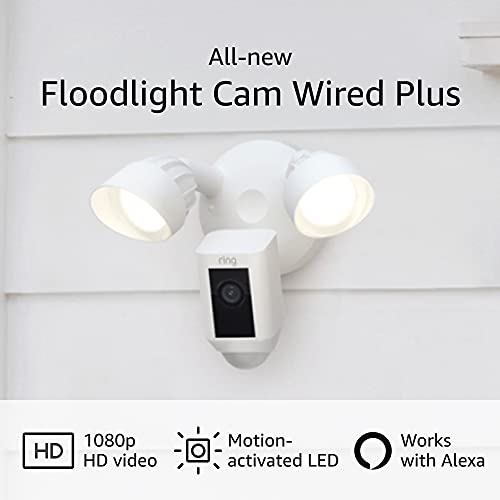 Your price for this item is $349.99
 -
 Your price for this item is $53.98
 -
 Your price for this item is $99.99
 -
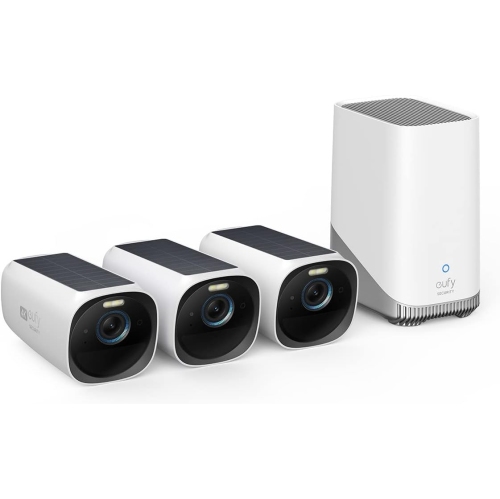 Your price for this item is $799.99
 -
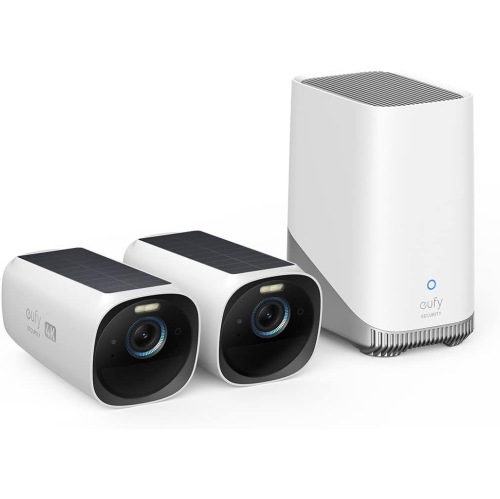 Your price for this item is $549.99
 -
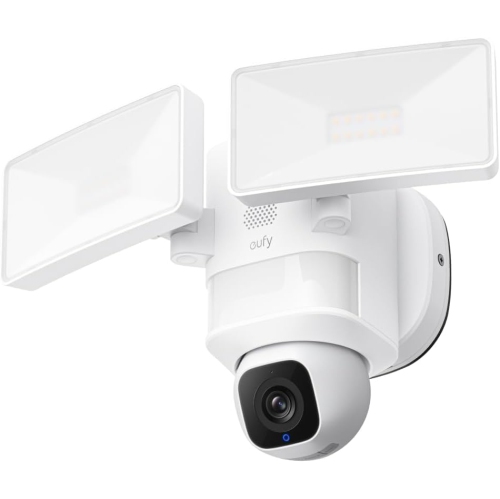 Your price for this item is $229.99
 -
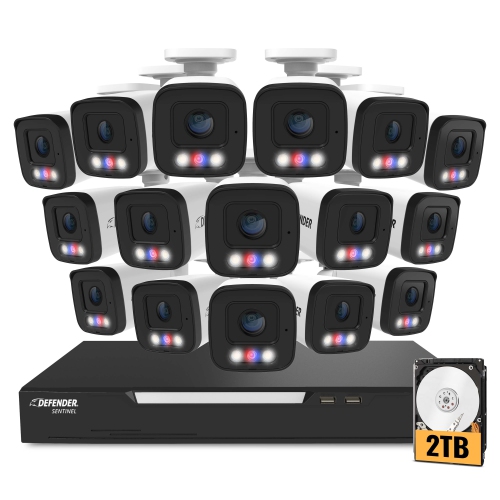 Your price for this item is $1859.99
 -
 Your price for this item is $899.99
Discover more categories related to Wireless Door Sensors
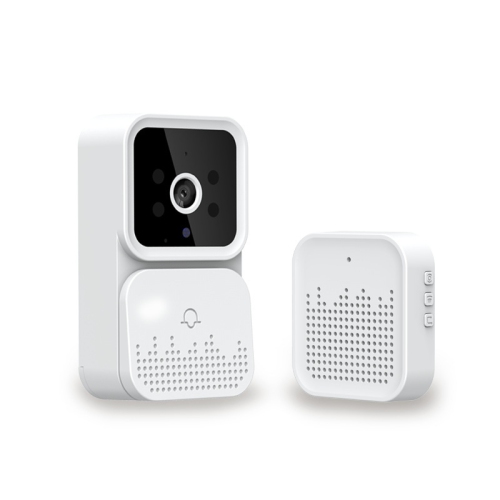
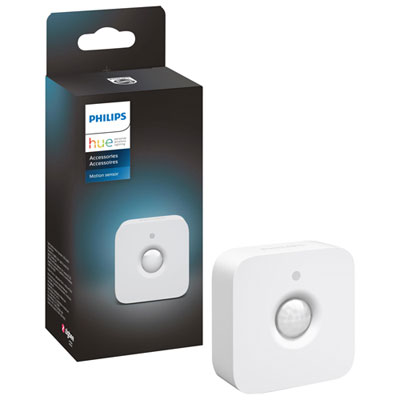
Top Collections:
Pokemon Centers, Kindle Devices, Best Budget Office Chairs, Apple iPhones 16, Best Laptops for Writers, iPhone 15 Apple, Canon G7X Cameras, Refurbished Apple Laptops, Alarm Clock, Motorola Razr Phones
Some products may be subject to Environmental Handling Fees
(EHF) depending on your province.
Learn more about EHFs.