Top 10 Smartwatches
Smartwatches are one of the most popular wearable devices on the market. They can do everything from alerting you to notifications to tracking your workouts. Here are some great smartwatches available today.
Sort
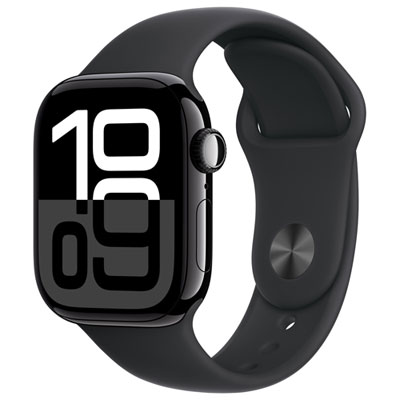
![APPLE Watch Series 10 [Gps 46MM Case] Smartwatch With Jet Aluminum Case With Sport Band - M/l In Black I love my new Iwatch Fast charging Great pricing from best buy](https://multimedia.bbycastatic.ca/multimedia/products/500x500/186/18618/18618511.jpeg)
![APPLE Watch Series 10 [Gps 42MM Case] Smartwatch With Rose Aluminum Case With Light Blush Sport Band - S/m In Gold I love it! By far best Apple Watch I’ve bought! Durable & better life great](https://multimedia.bbycastatic.ca/multimedia/products/500x500/185/18596/18596693.jpeg)
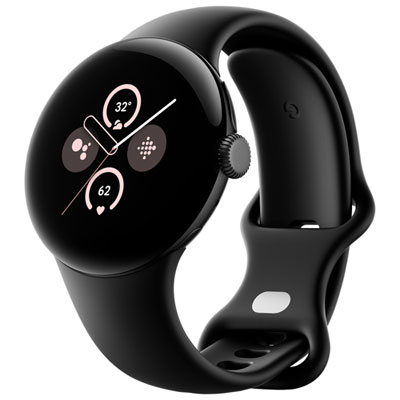
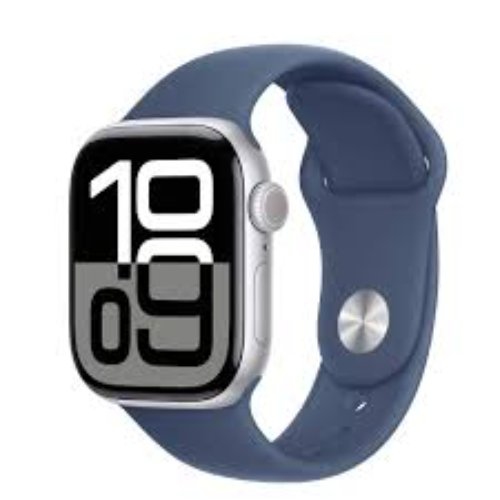
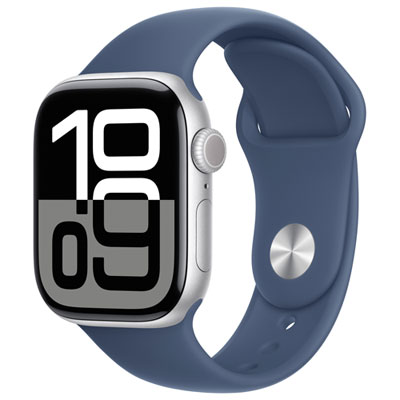
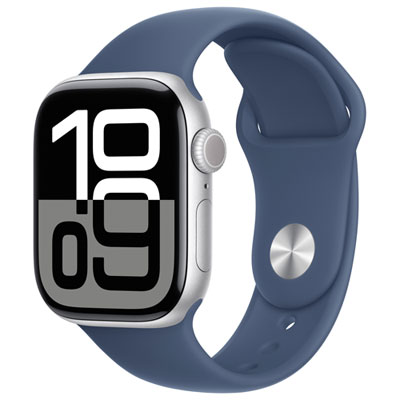
![APPLE Watch Series 10 [Gps 46MM Case] Smartwatch With Aluminum Case With Denim Sport Band - M/l In Silver Love my new watch! Best quality as usual! Thanks Best Buy!](https://multimedia.bbycastatic.ca/multimedia/products/500x500/186/18618/18618513.jpeg)
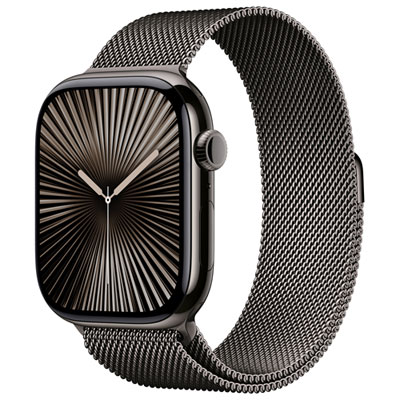
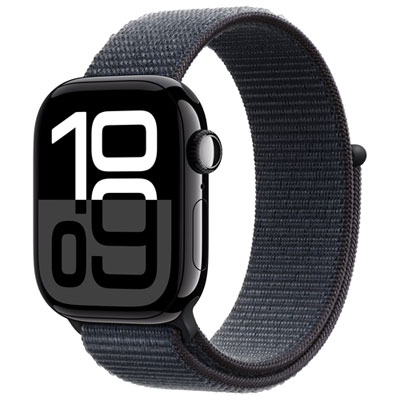
![APPLE Watch Series 10 [Gps 42MM Case] Smartwatch w Jet Aluminium Case w Ink Sport Loop. Fitness Tracker, Ecg App, Always-On Retina Display I Love the watch, it is the best size and shape and the best part is that it is waterproof](https://multimedia.bbycastatic.ca/multimedia/products/500x500/188/18891/18891521.jpeg)
![APPLE Watch Series 10 [Gps 46MM Case] Smartwatch With Rose Aluminum Case With Light Blush Sport Band - S/m In Gold I love it](https://multimedia.bbycastatic.ca/multimedia/products/500x500/186/18618/18618510.jpeg)

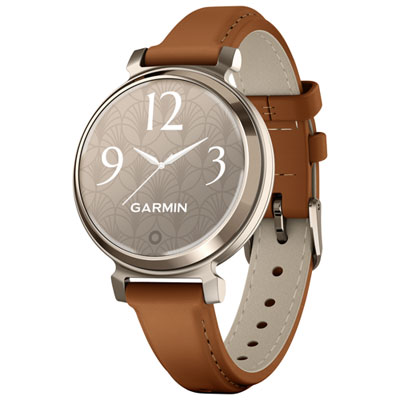
![APPLE Watch Series 10 [Gps 46MM Case] Smartwatch w Rose Aluminium Case w Plum Sport Loop. Fitness Tracker, Ecg App, Always-On Retina Display I love my watch!](https://multimedia.bbycastatic.ca/multimedia/products/500x500/188/18892/18892203.jpeg)
![APPLE Watch Series 10 [Gps 42MM Case] Smartwatch With Aluminum Case With Denim Sport Band - M/l In Silver Great services](https://multimedia.bbycastatic.ca/multimedia/products/500x500/186/18620/18620143.jpeg)
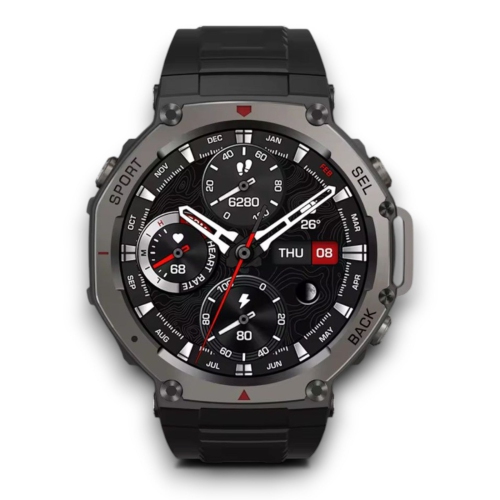
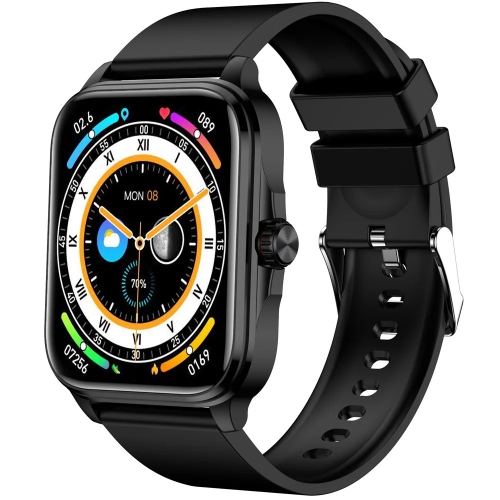
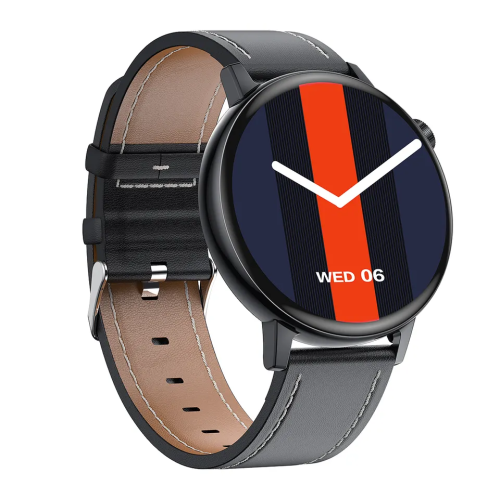
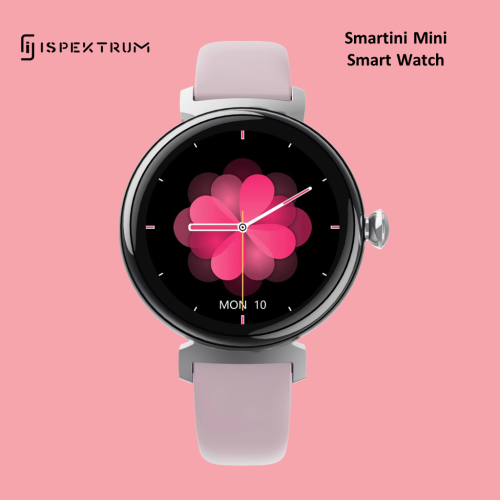
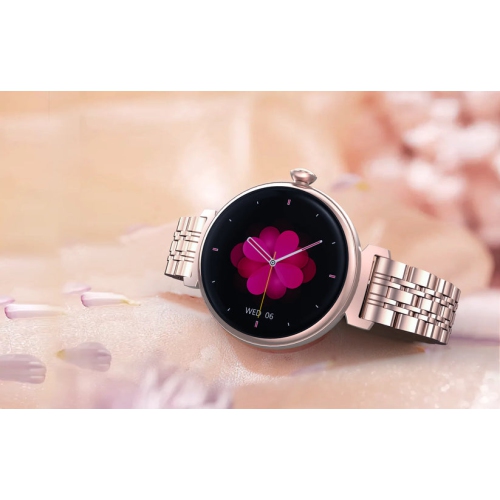
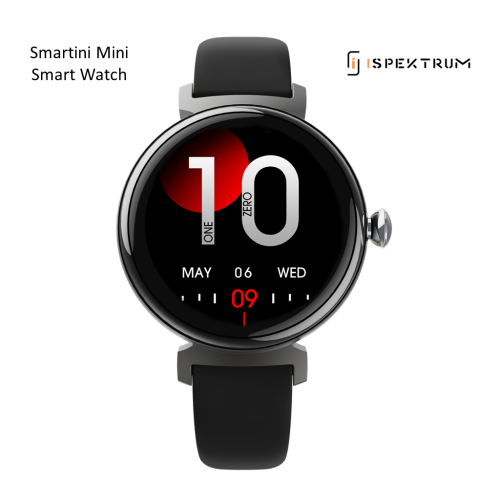

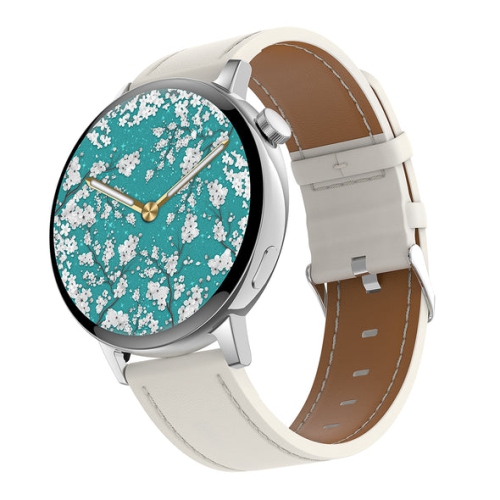
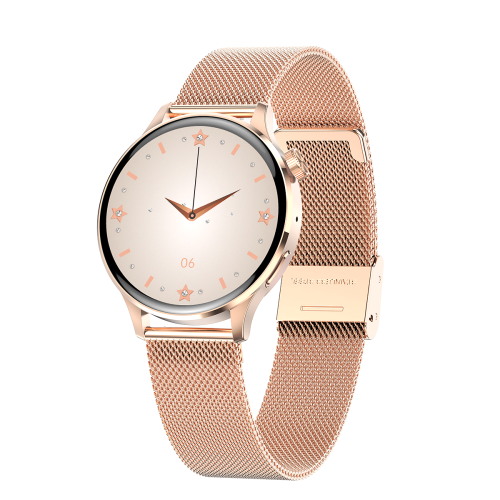
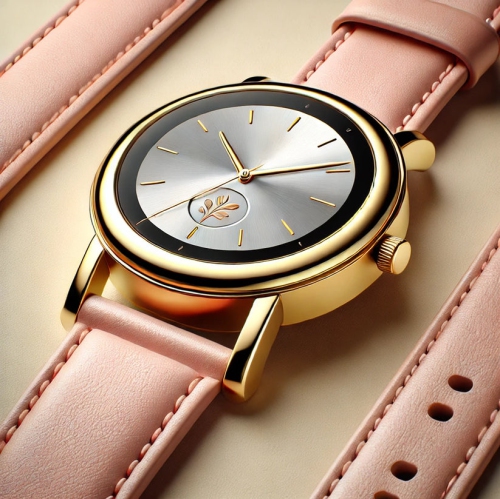
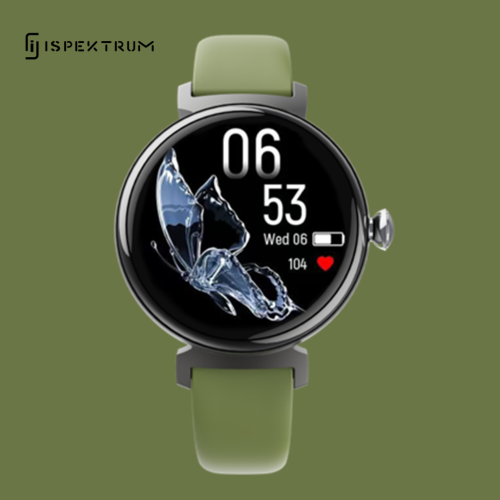
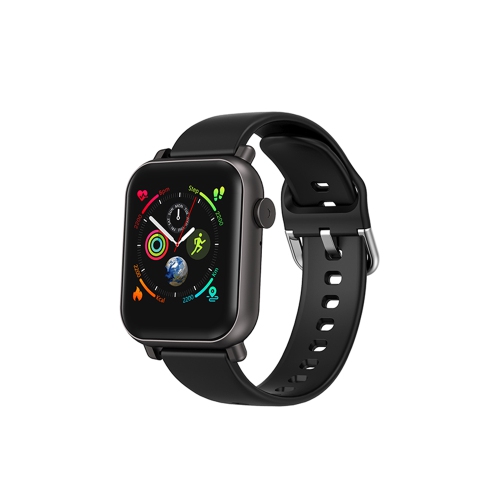
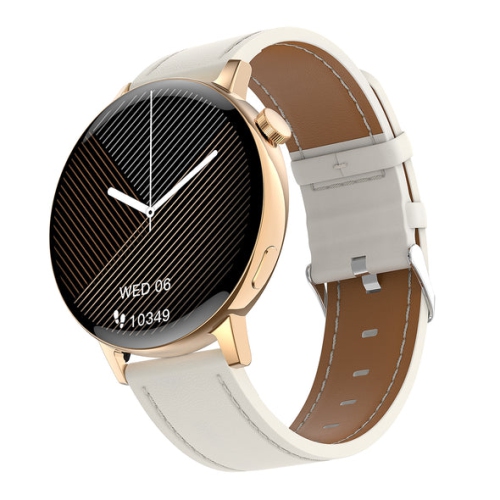
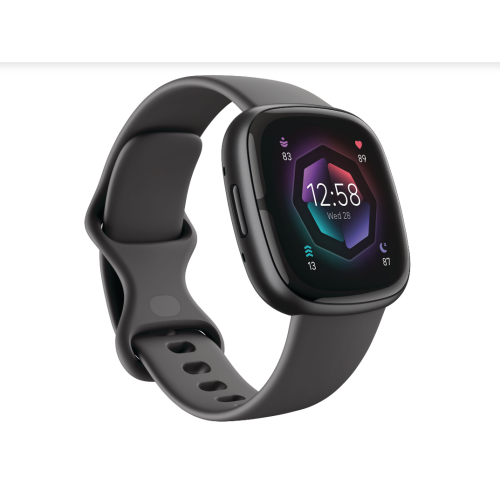
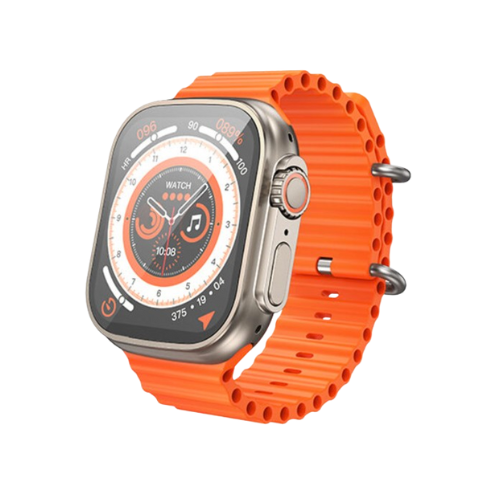

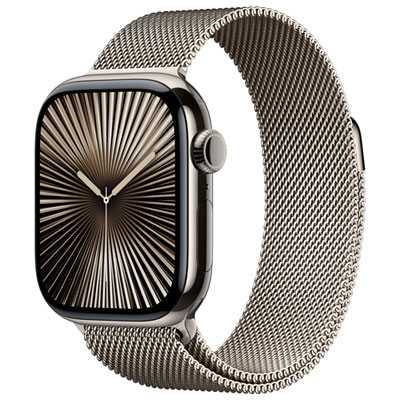
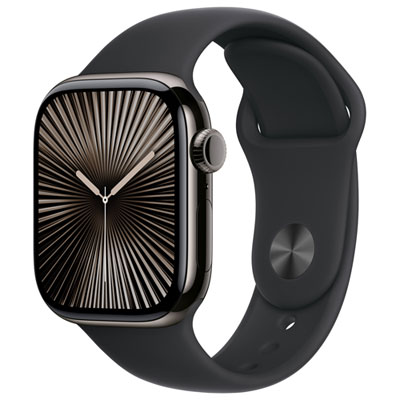
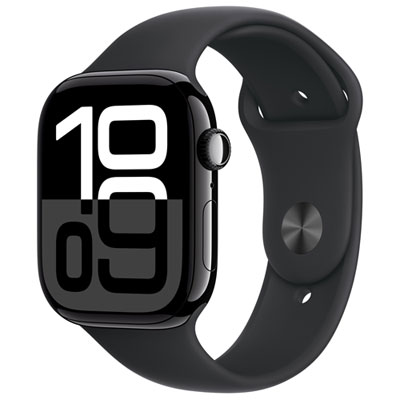
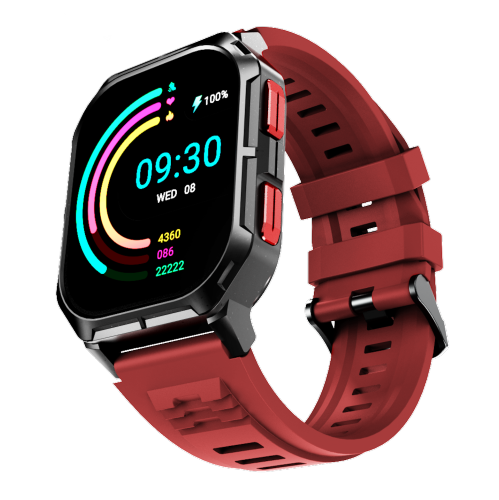
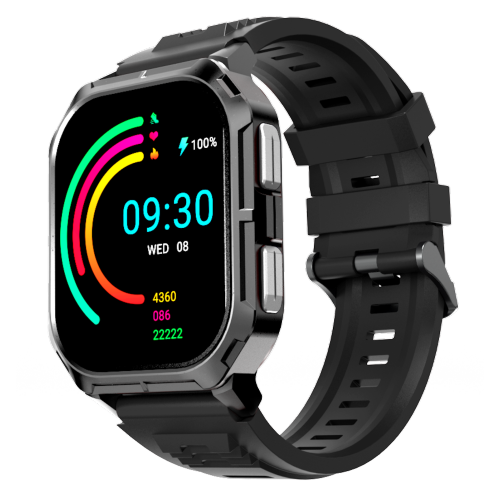
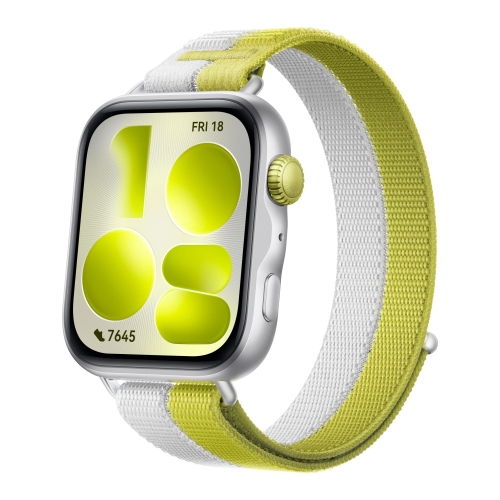
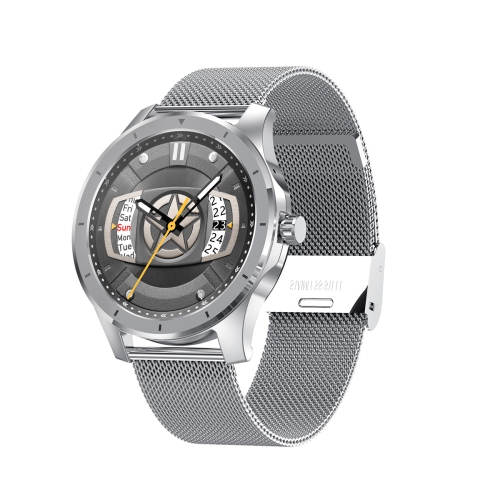
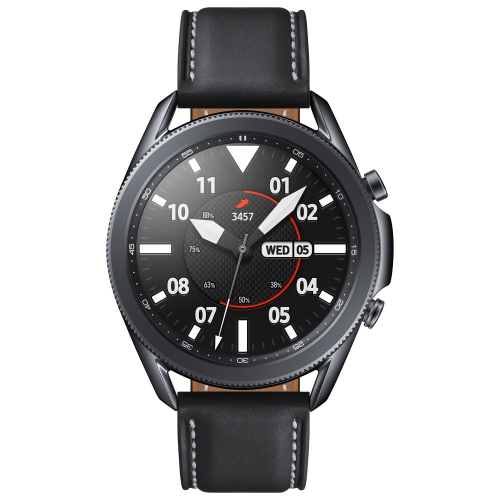
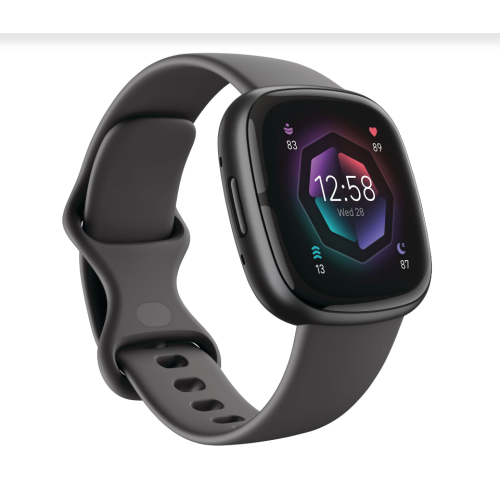
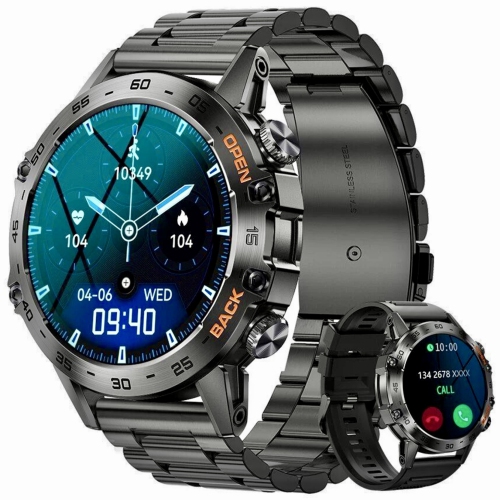
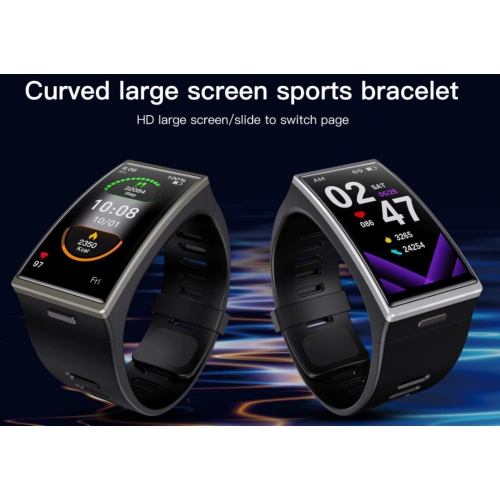
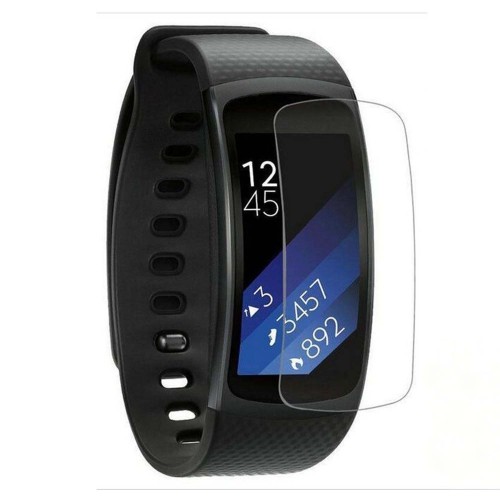
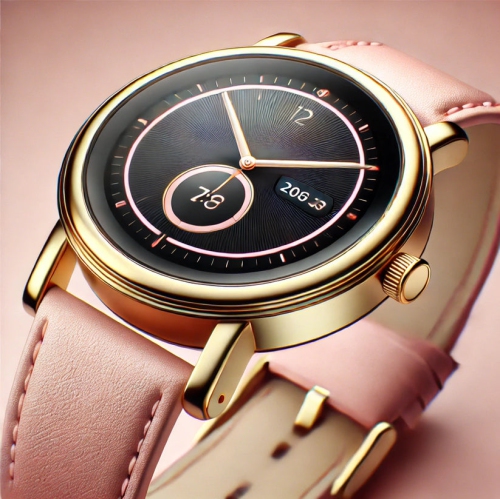
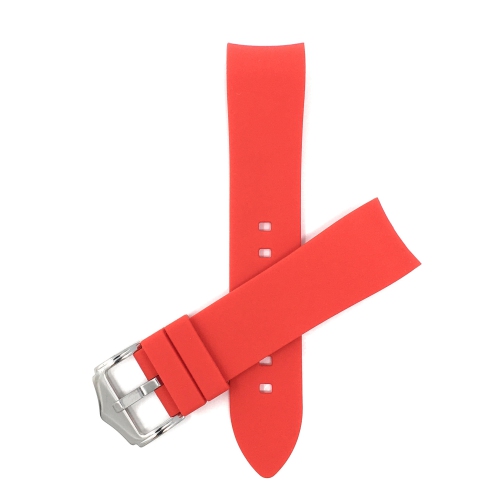
How smartwatches support fitness, work, and everyday routines
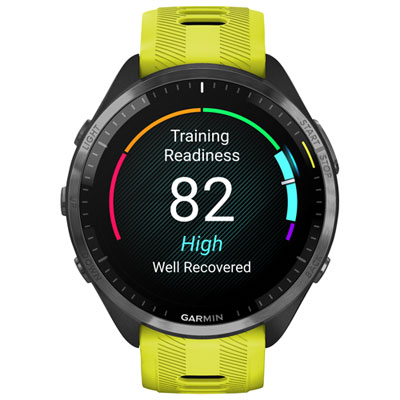
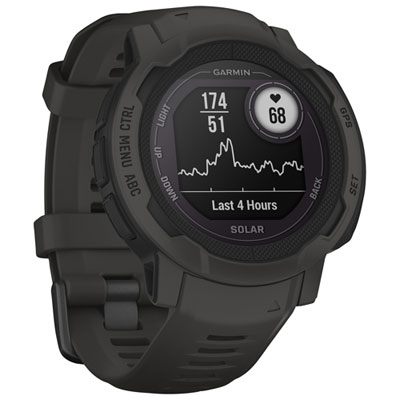
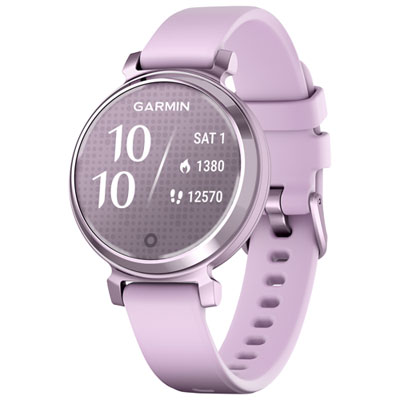
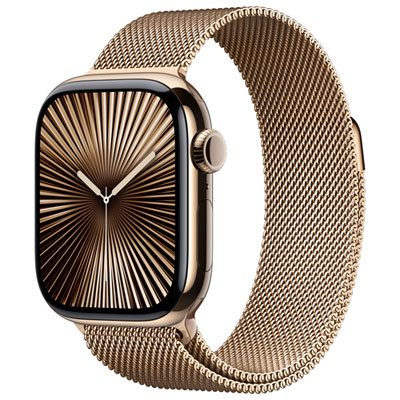
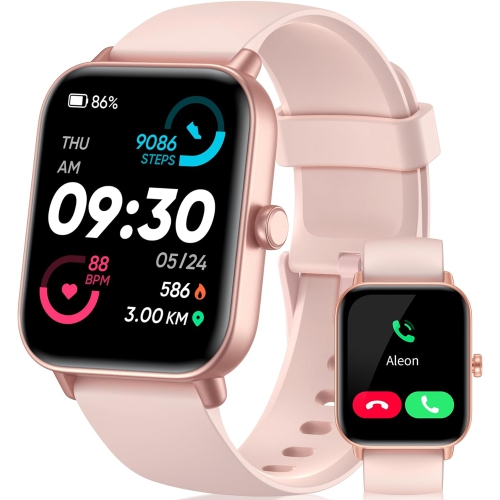
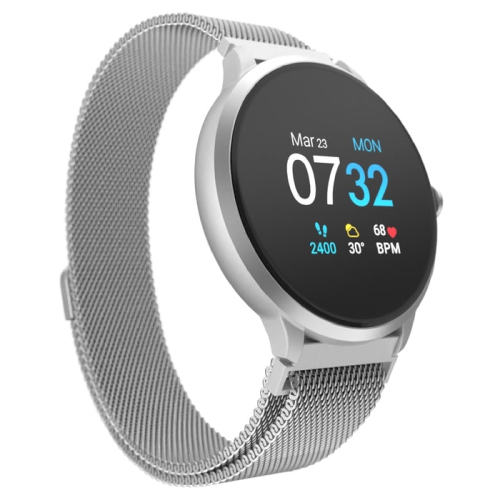
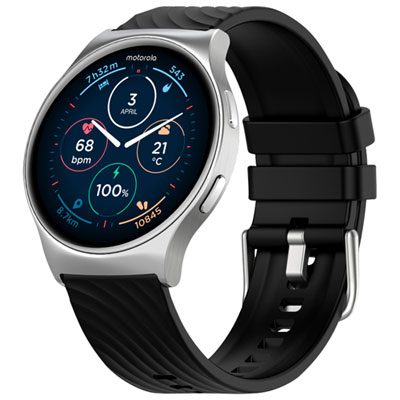
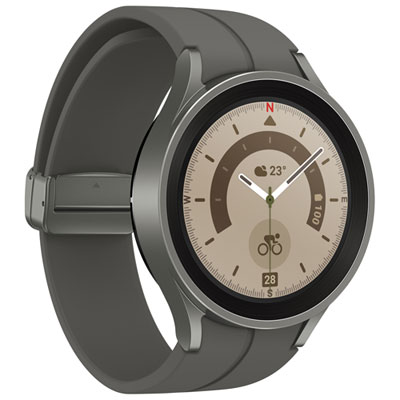
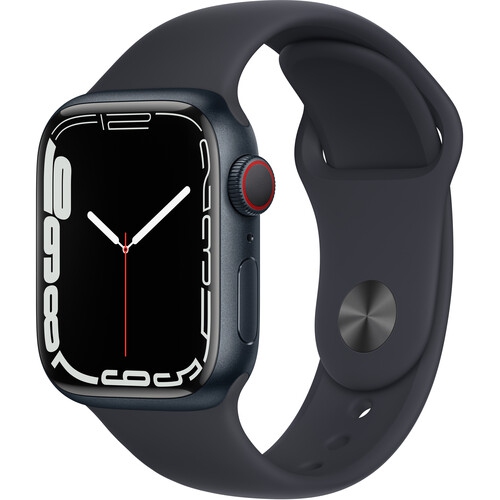
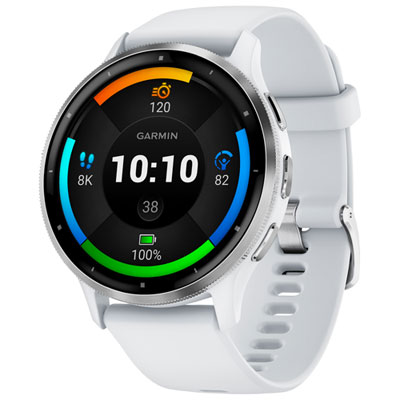
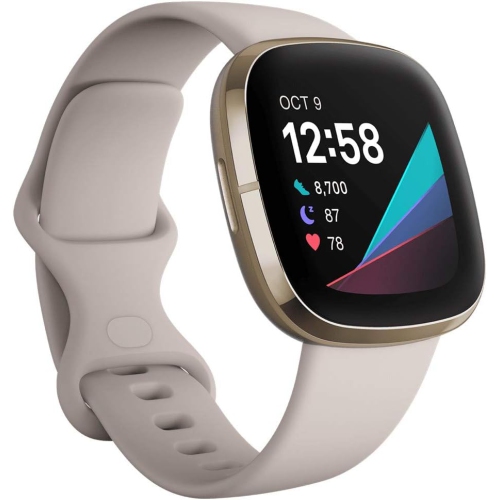
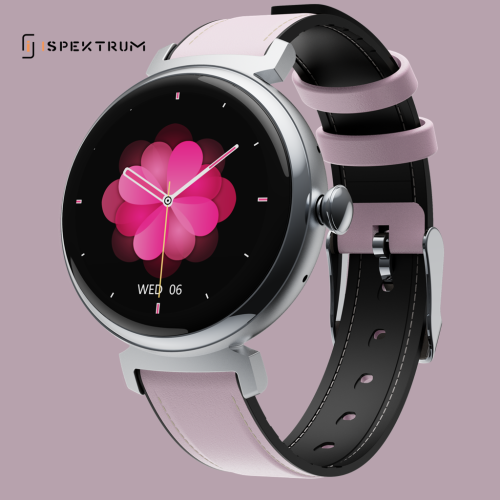
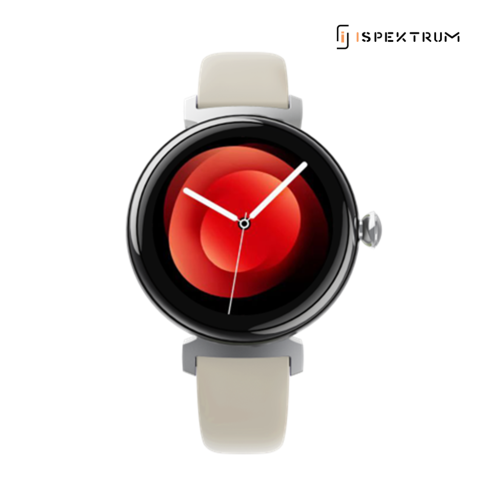
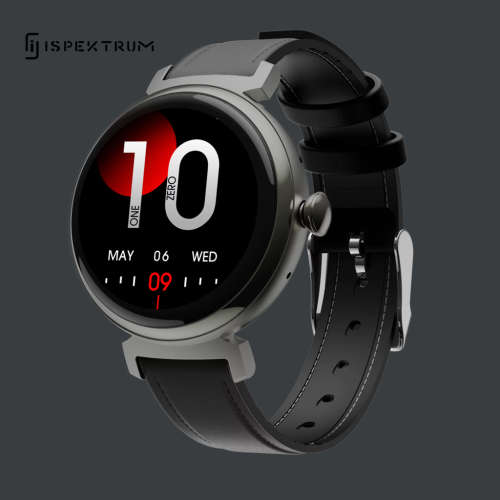
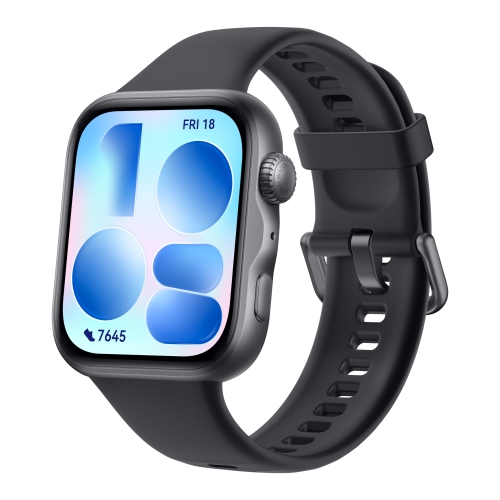
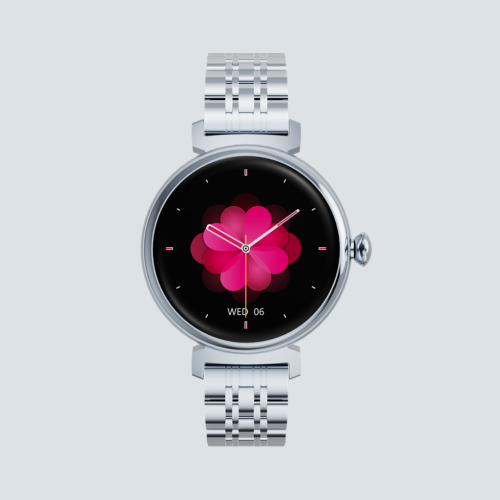
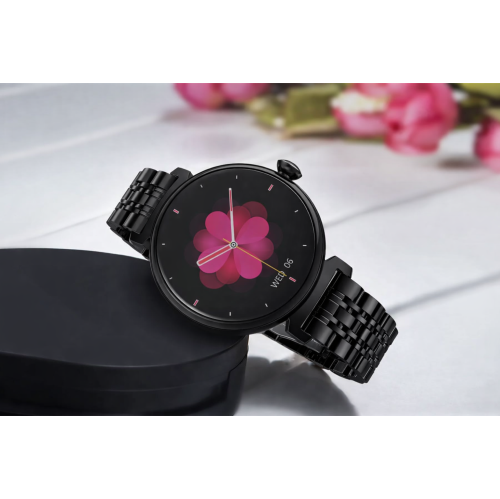
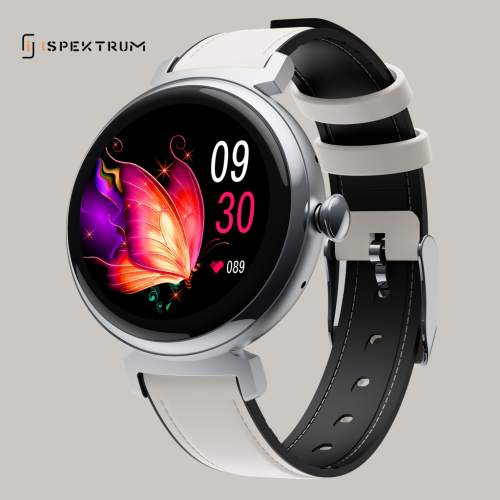
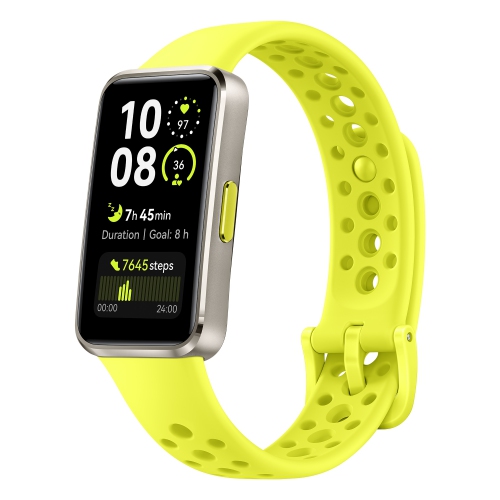
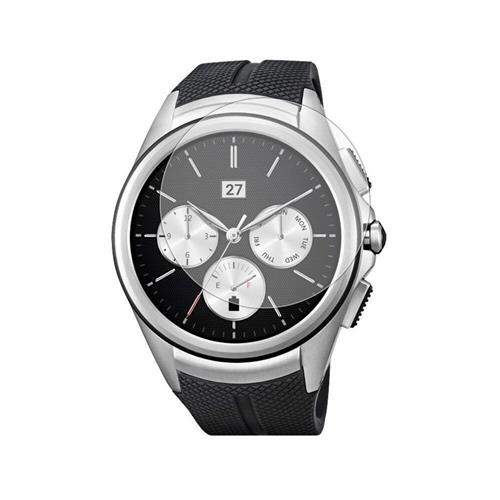
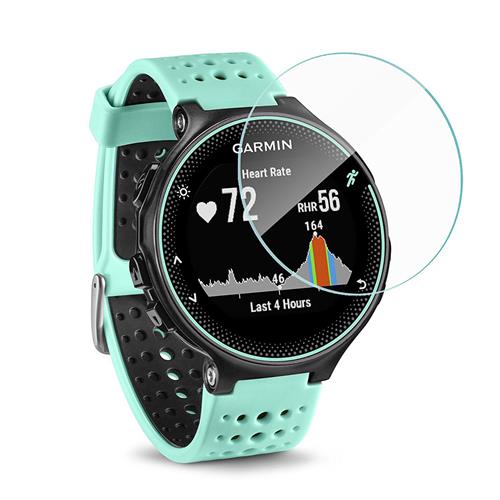
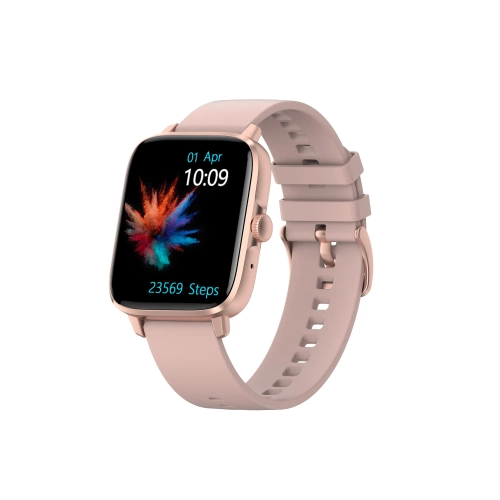
Top 10 Smartwatches bring together convenient communication, fitness tracking, wellness tools, and everyday features in a compact wearable designed to keep useful information close at hand. A smartwatch can show incoming calls and messages, provide calendar reminders, control music, display weather updates, support contactless payments, and help you find your phone without reaching into a pocket or bag. Many models also track steps, distance, calories, heart rate, sleep patterns, workouts, and other activity details, making it easier to notice routines over time. Compatibility is one of the first details to check before choosing a smartwatch. Some models are designed to work most seamlessly with iPhone, while others are built for Android phones, and features such as messaging, voice assistants, health records, and app support may vary between operating systems. It is also worth considering whether the watch can operate independently with a cellular connection or whether it needs to stay near a paired phone. For someone who spends the day moving between meetings, errands, and commutes, a watch that quietly filters notifications can reduce the number of times they check their phone. For a parent, safety tools such as emergency calling, location sharing, fall detection, or incident alerts may provide added reassurance, depending on the model and available service. For students, travellers, and busy households, timers, alarms, navigation prompts, and reminders can be especially handy. A bright, responsive display is helpful in direct sunlight, while an always-on option can make checking the time or a workout statistic feel as natural as glancing at a traditional watch. Consider the case size, strap material, button placement, and overall weight as well, since comfort becomes increasingly important when a smartwatch is worn from the first morning alarm through an evening walk.
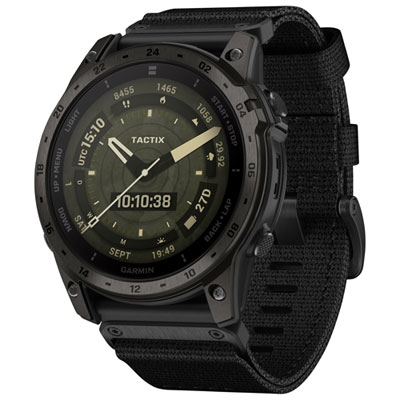
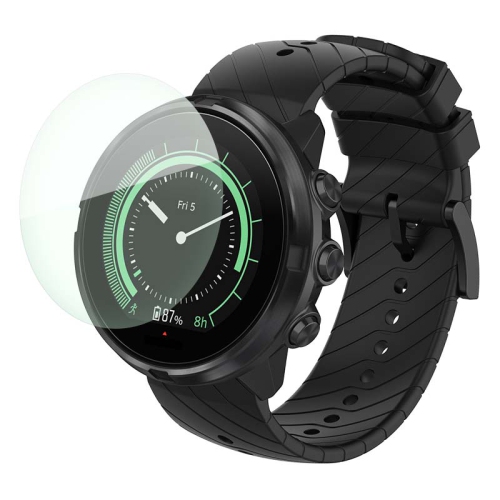
Different lifestyles call for different smartwatch strengths. Someone who enjoys weekend hikes, cycling routes, skiing, or long days outdoors may prefer a rugged design with a durable case, water resistance, built-in GPS, route guidance, altimeter, compass, and a battery that can keep going through extended activities. Satellite communication or emergency features may be valuable in areas where mobile coverage is limited, although availability can depend on the region, plan, and surroundings. Runners and triathletes may want detailed training modes, pace guidance, recovery information, heart-rate data, route maps, and the ability to connect with compatible sensors. A casual walker may be happier with a lighter watch that counts daily movement, encourages regular activity, and provides straightforward workout summaries. Health-focused shoppers can look for sleep tracking, breathing exercises, heart-rate notifications, blood oxygen readings, cycle tracking, and other wellness features, while keeping in mind that these tools are intended for general information and are not a replacement for professional medical advice. Battery life deserves close attention because charging habits can shape the experience. A watch that needs frequent charging may suit someone who already charges devices at a desk, whereas a longer-lasting model can be more convenient for travel, camping, multi-day events, or overnight sleep tracking. Charging time, power-saving modes, GPS usage, display settings, cellular connectivity, and the number of apps running in the background can all affect how long the battery lasts. Water resistance ratings also vary, so check whether a watch is suited to rain, showering, swimming, or deeper water rather than assuming every model offers the same protection. A hybrid-style design may appeal to someone who prefers the appearance of an analogue watch with selected smart features, while a full touchscreen model may be better for people who want richer maps, apps, workout screens, and on-watch interactions.
A smartwatch can be a thoughtful gift for a graduate starting a new routine, a relative who wants simple activity reminders, a runner preparing for a race, or a traveller who appreciates directions and notifications without constantly handling a phone. It can also suit someone returning to regular movement during the warmer season or maintaining an indoor and outdoor routine during the cooler months. Before giving one as a present, check the recipient’s phone type, preferred wrist size, and interest in fitness, communication, or classic watch styling. Some people enjoy detailed graphs and training scores; others want a clean time display, step count, and occasional message preview without a complicated setup. Look for adjustable bands and consider whether replacement straps are available in different colours and materials, especially if the watch will be worn at work, during exercise, and at social occasions. For shoppers comparing a smartwatch with a simpler activity device, a Top 10 Fitness Trackers list can help clarify which type of wearable better matches the intended use. The best choice balances the features that will be used regularly with the practical details that make a watch pleasant to wear: a comfortable fit, clear controls, reliable phone compatibility, suitable water resistance, enough storage for preferred apps or music, and battery performance that fits the owner’s routine. Whether it is used to record a quiet morning walk, guide a route through an unfamiliar neighbourhood, keep pace during intervals, or discreetly display a reminder during a busy afternoon, the right smartwatch can make everyday information feel more immediate and manageable.
Different lifestyles call for different smartwatch strengths. Someone who enjoys weekend hikes, cycling routes, skiing, or long days outdoors may prefer a rugged design with a durable case, water resistance, built-in GPS, route guidance, altimeter, compass, and a battery that can keep going through extended activities. Satellite communication or emergency features may be valuable in areas where mobile coverage is limited, although availability can depend on the region, plan, and surroundings. Runners and triathletes may want detailed training modes, pace guidance, recovery information, heart-rate data, route maps, and the ability to connect with compatible sensors. A casual walker may be happier with a lighter watch that counts daily movement, encourages regular activity, and provides straightforward workout summaries. Health-focused shoppers can look for sleep tracking, breathing exercises, heart-rate notifications, blood oxygen readings, cycle tracking, and other wellness features, while keeping in mind that these tools are intended for general information and are not a replacement for professional medical advice. Battery life deserves close attention because charging habits can shape the experience. A watch that needs frequent charging may suit someone who already charges devices at a desk, whereas a longer-lasting model can be more convenient for travel, camping, multi-day events, or overnight sleep tracking. Charging time, power-saving modes, GPS usage, display settings, cellular connectivity, and the number of apps running in the background can all affect how long the battery lasts. Water resistance ratings also vary, so check whether a watch is suited to rain, showering, swimming, or deeper water rather than assuming every model offers the same protection. A hybrid-style design may appeal to someone who prefers the appearance of an analogue watch with selected smart features, while a full touchscreen model may be better for people who want richer maps, apps, workout screens, and on-watch interactions.
A smartwatch can be a thoughtful gift for a graduate starting a new routine, a relative who wants simple activity reminders, a runner preparing for a race, or a traveller who appreciates directions and notifications without constantly handling a phone. It can also suit someone returning to regular movement during the warmer season or maintaining an indoor and outdoor routine during the cooler months. Before giving one as a present, check the recipient’s phone type, preferred wrist size, and interest in fitness, communication, or classic watch styling. Some people enjoy detailed graphs and training scores; others want a clean time display, step count, and occasional message preview without a complicated setup. Look for adjustable bands and consider whether replacement straps are available in different colours and materials, especially if the watch will be worn at work, during exercise, and at social occasions. For shoppers comparing a smartwatch with a simpler activity device, a Top 10 Fitness Trackers list can help clarify which type of wearable better matches the intended use. The best choice balances the features that will be used regularly with the practical details that make a watch pleasant to wear: a comfortable fit, clear controls, reliable phone compatibility, suitable water resistance, enough storage for preferred apps or music, and battery performance that fits the owner’s routine. Whether it is used to record a quiet morning walk, guide a route through an unfamiliar neighbourhood, keep pace during intervals, or discreetly display a reminder during a busy afternoon, the right smartwatch can make everyday information feel more immediate and manageable.
Top selling and popular products
-
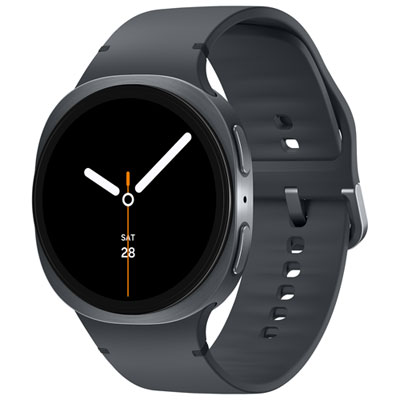 Your price for this item is $399.99
 -
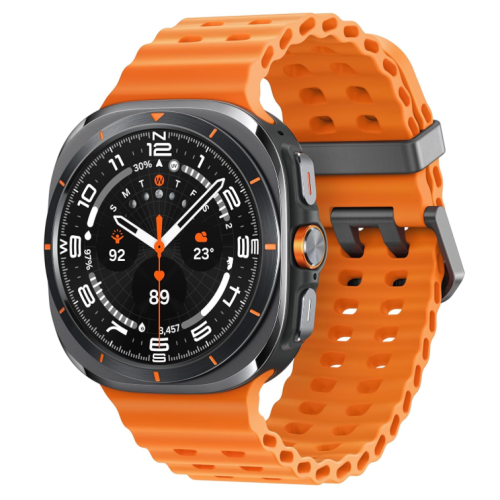 Your price for this item is $579.99
 -
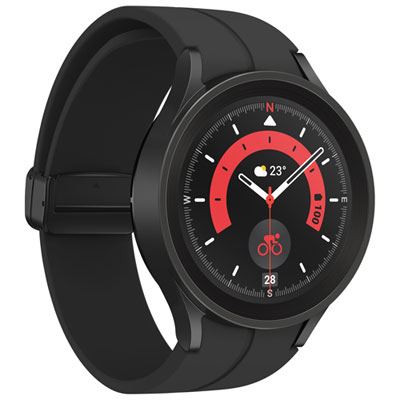 Your price for this item is $629.97
 -
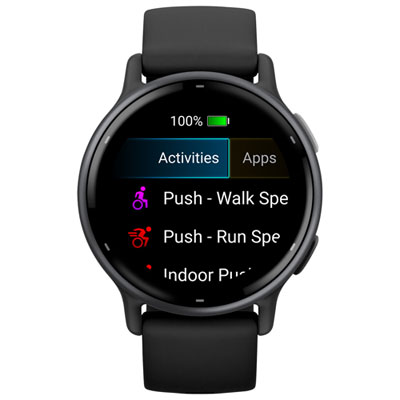 Your price for this item is $349.99
 -
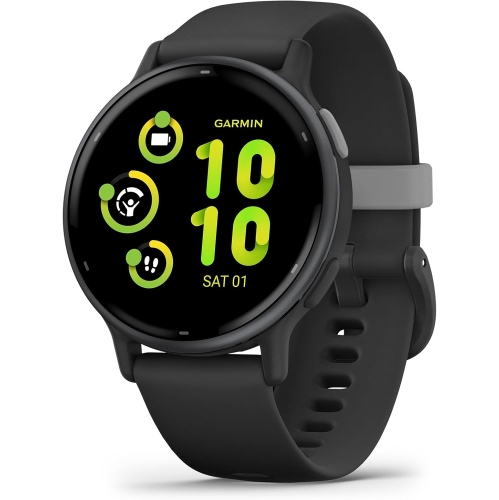 Your price for this item is $371.79
 -
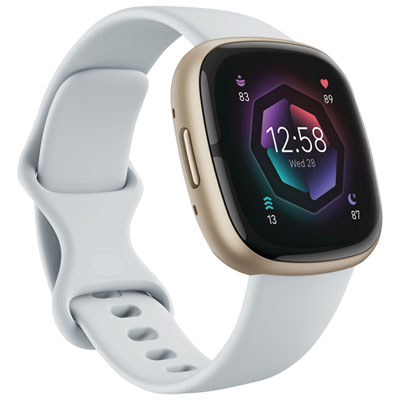 Your price for this item is $209.99
 -
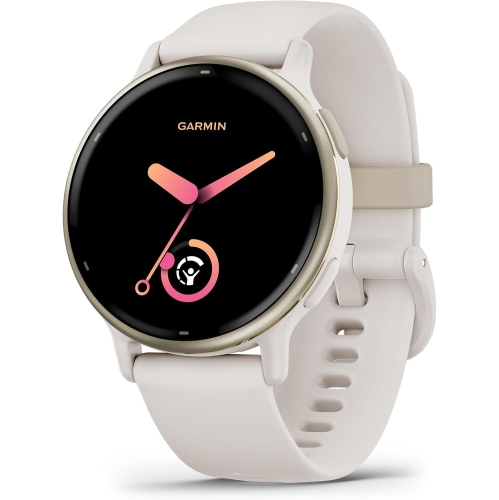 Your price for this item is $328.89
 -
 Your price for this item is $659.99
Discover more categories related to Top 10 Smartwatches
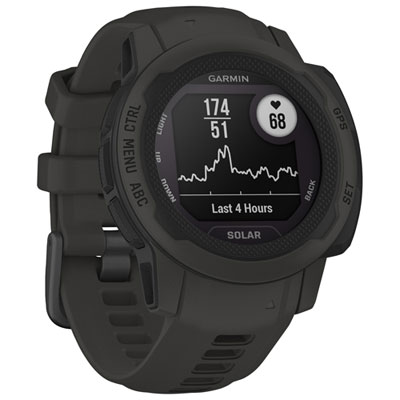
Top Collections:
Pokemon Centers, Kindle Devices, Best Budget Office Chairs, Apple iPhones 16, Best Laptops for Writers, iPhone 15 Apple, Canon G7X Cameras, Refurbished Apple Laptops, Alarm Clock, Motorola Razr Phones
Some products may be subject to Environmental Handling Fees
(EHF) depending on your province.
Learn more about EHFs.