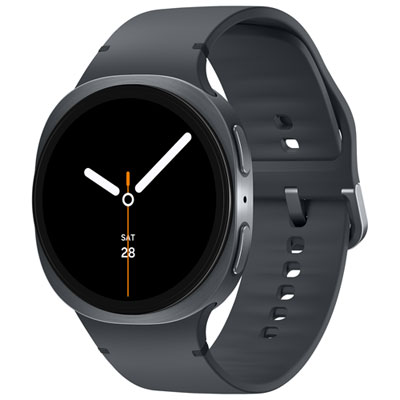
Smartwatches with SpO2 Sensors

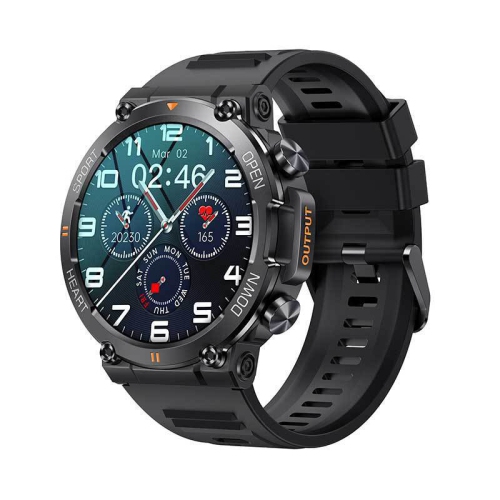
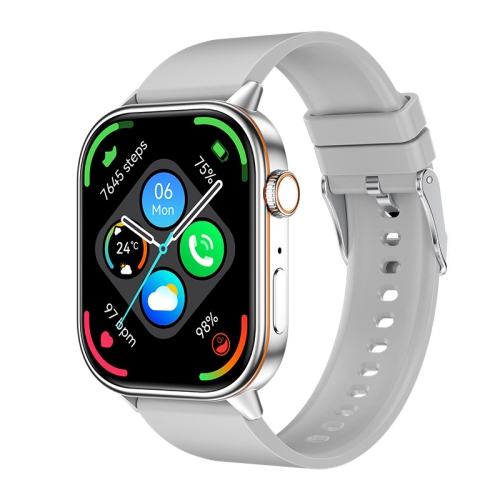
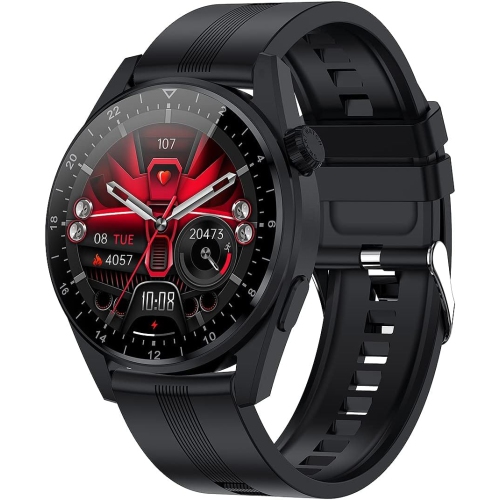
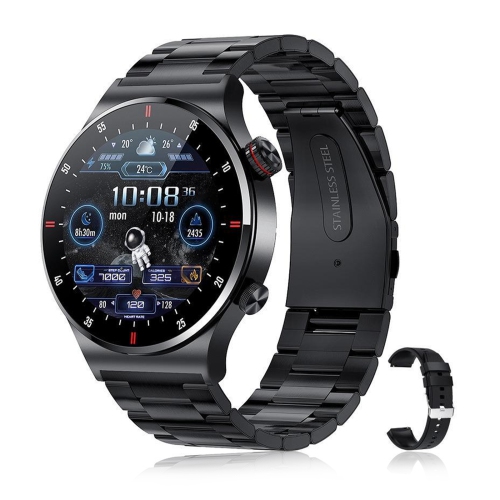
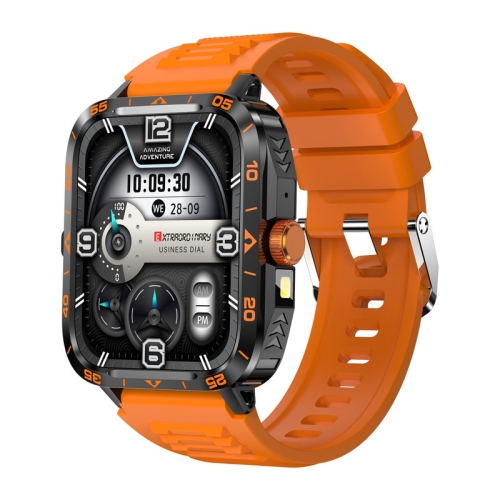
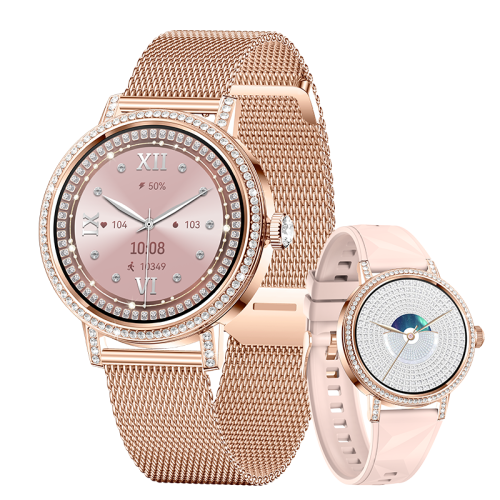
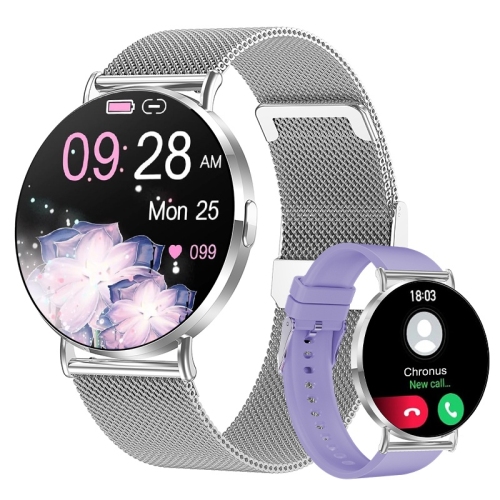
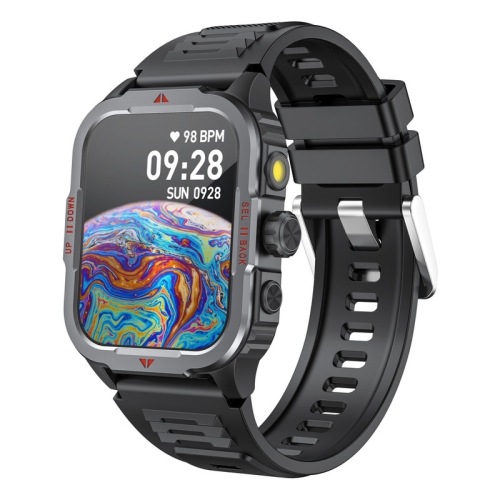
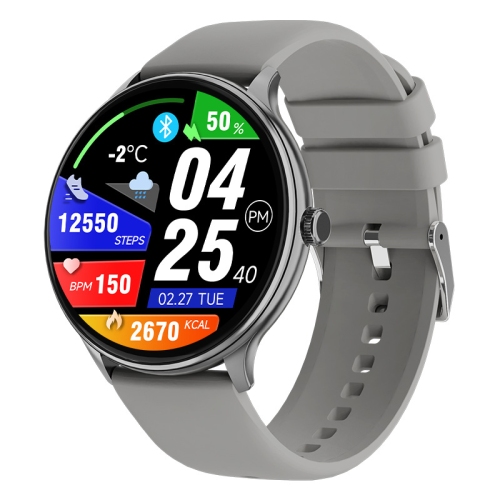
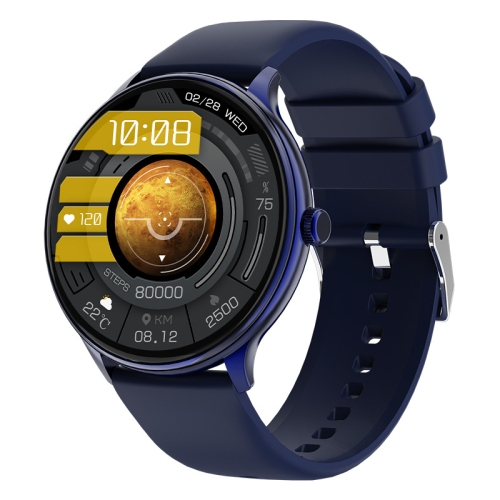
Smartwatches with SpO2 sensors provide wrist-based estimates of blood oxygen saturation for everyday wellness tracking. Compare options by phone compatibility, battery life, fit and other tracking features to find a watch that suits your routine. SpO2 readings are intended for general wellness, not medical diagnosis.
Read More

Sort

What wrist-based oxygen readings can and cannot tell you

Smartwatches with SpO2 sensors estimate blood oxygen saturation, or the percentage of haemoglobin in the blood that is carrying oxygen. They use optical sensors against the wrist, typically combining red and infrared light with light-sensitive components that analyse the returning signal. The result appears as a percentage on the watch or in a connected app, depending on the model. This adds another layer of information alongside familiar measurements such as heart rate, steps, activity minutes and sleep duration. Blood oxygen tracking is generally intended for personal wellness awareness rather than medical diagnosis, and a smartwatch is not a substitute for a medical pulse oximeter or professional assessment. Some watches offer a reading when requested, while others take periodic measurements during rest or sleep; these functions should not be assumed to work continuously or during every activity. For someone interested in daily routines, a history of readings may provide more context than a single number viewed in isolation. A clear app can make it easier to see when measurements were taken, distinguish overnight readings from daytime checks and notice gaps in the record. Those gaps do not necessarily indicate a health problem: movement, poor sensor contact and other measurement conditions can interrupt tracking. Accuracy can also be affected by circulation, tattoos and skin characteristics, and performance may vary across skin tones. Taking an on-demand reading while seated, with the arm supported and the watch positioned according to its instructions, helps reduce avoidable sources of interference. An unexpected result should not be treated as a diagnosis, just as a reassuring number should not override symptoms or medical advice. Sleep-related oxygen information also cannot, on its own, confirm or rule out a sleep disorder. The most useful distinction is between a wearable that adds context to everyday habits and a medical instrument used to assess a health concern.

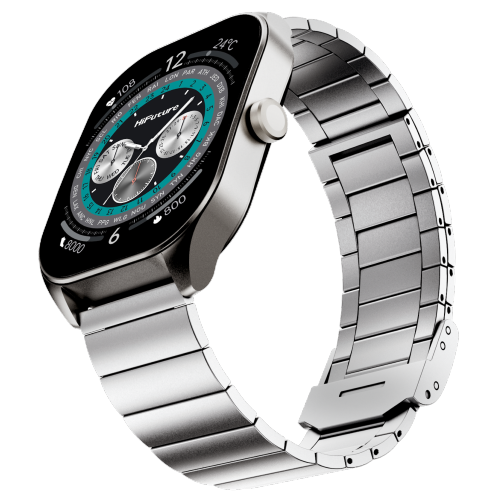
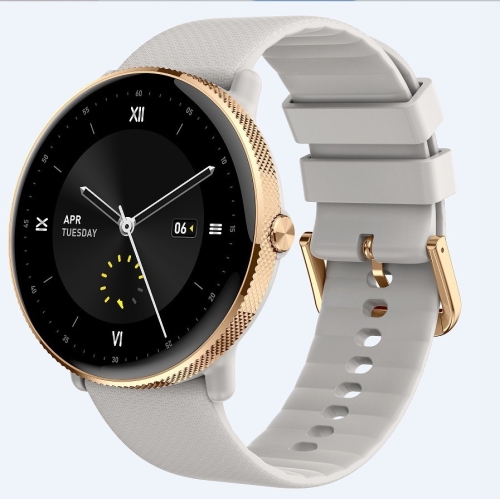
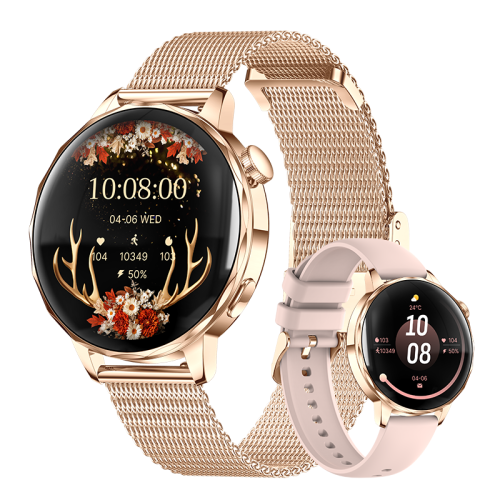
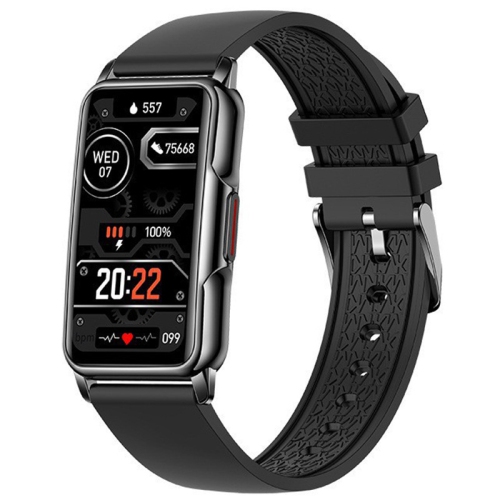
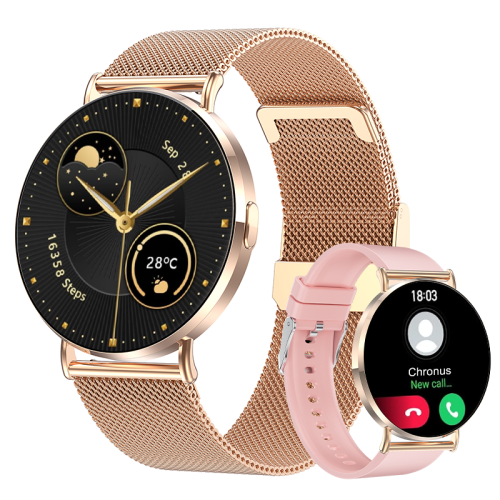
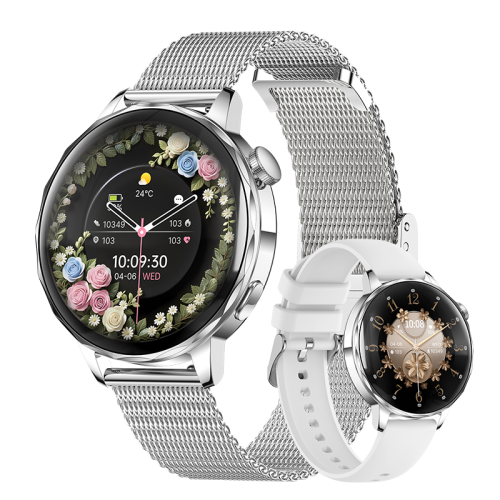
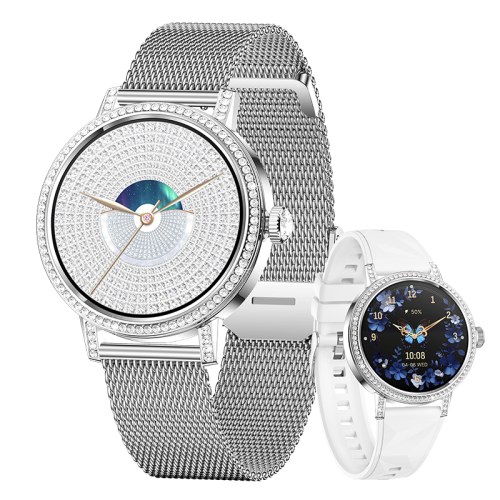
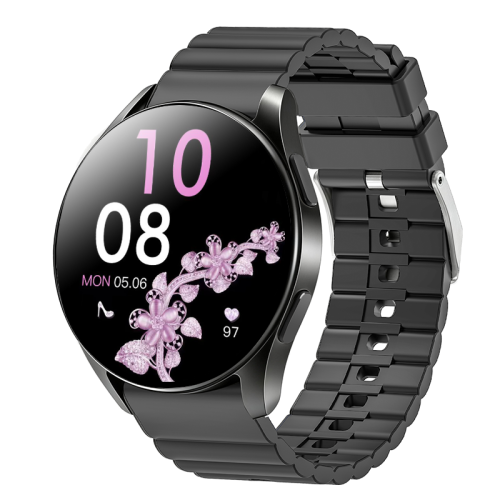
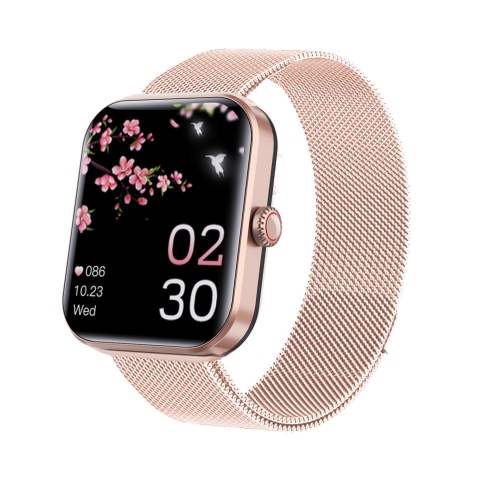
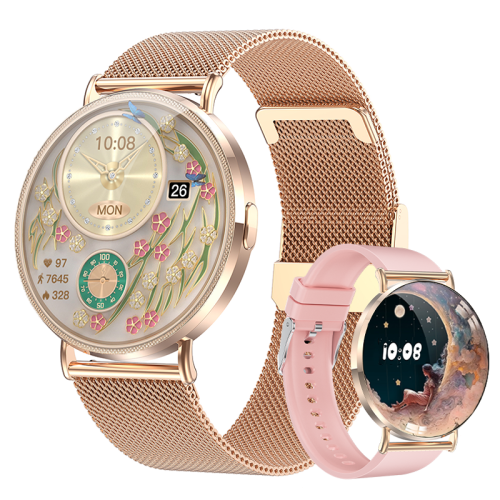
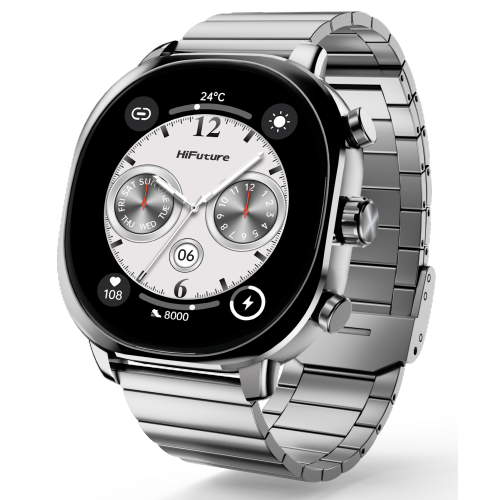
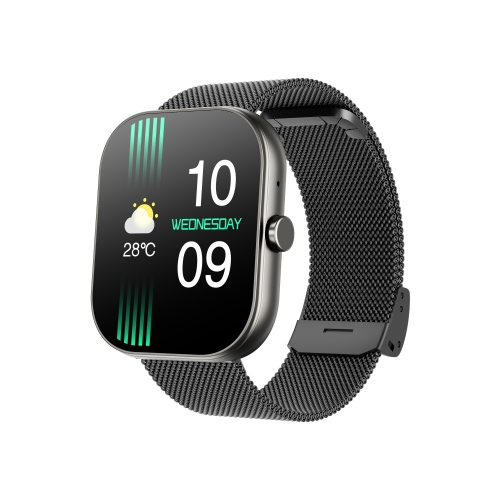
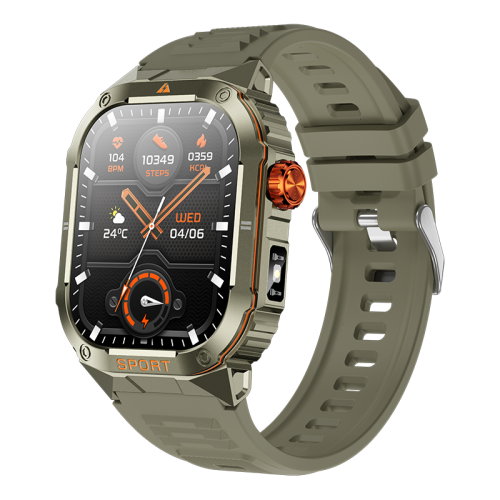
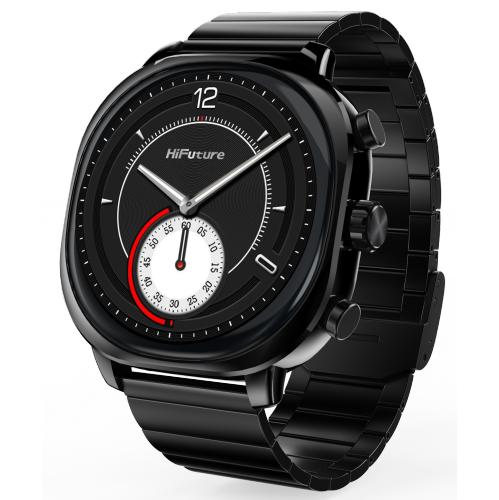
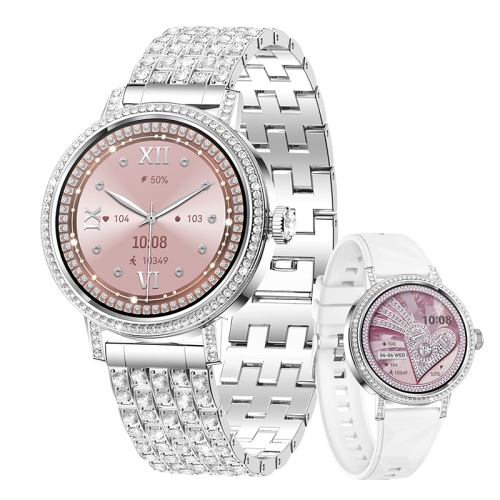
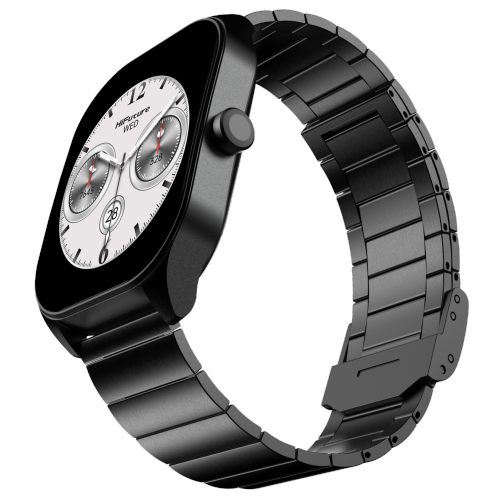
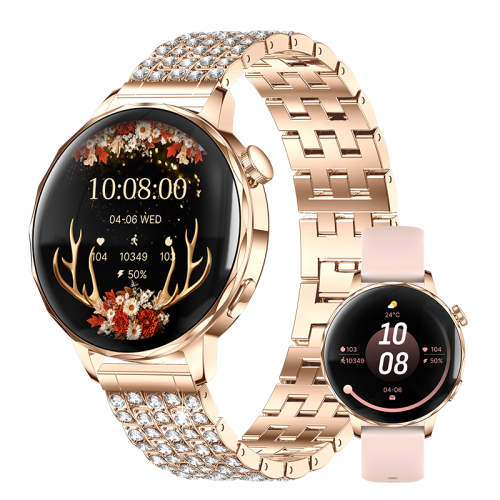
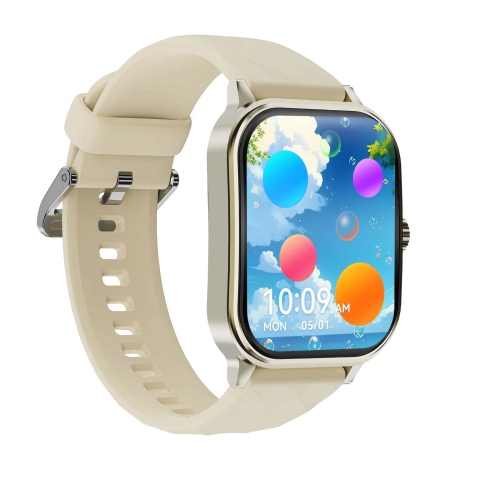
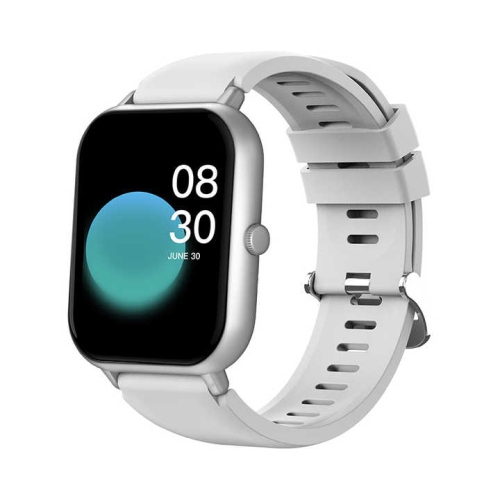
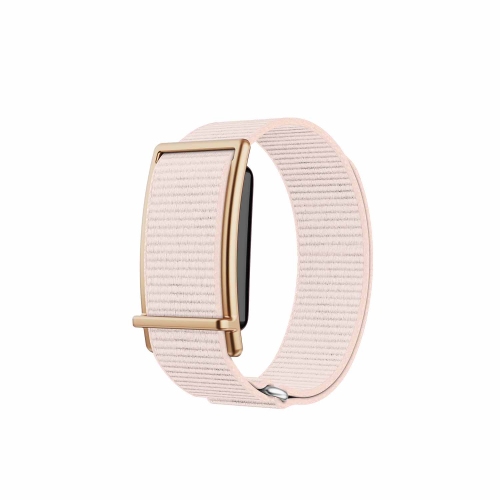
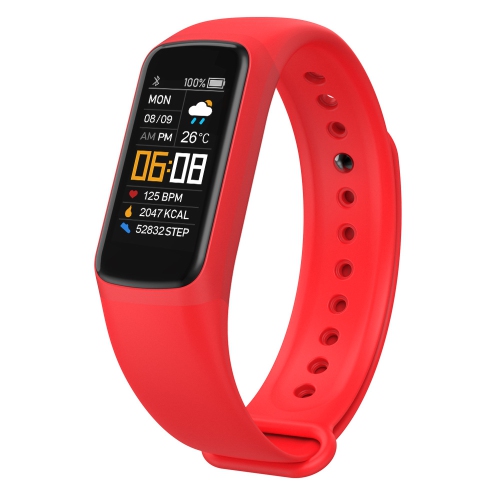
Comfort and fit matter because an SpO2 sensor needs consistent contact with the skin, especially when a watch is worn overnight. A case that sits neatly on the wrist is often easier to live with than one that feels bulky, catches on clothing or shifts whenever the hand moves. Case diameter, thickness, weight and strap adjustment all contribute to that fit; screen size alone does not tell the whole story. The strap should hold the sensor steadily without pinching, leaving deep marks or restricting circulation. Silicone straps are practical for workouts and easy to wipe down, while woven straps can offer a softer feel and finer adjustment for sleeping. Leather can suit everyday wear but generally needs more protection from sweat and water. Metal bracelets offer a different look and feel, although sizing may require adding or removing links. Interchangeable straps can help one watch move between exercise, work and downtime, provided the replacement is compatible with its attachment system. Case materials such as aluminium, stainless steel and titanium differ in weight and surface finish, while the display covering and bezel design influence resistance to everyday knocks and scratches. Water resistance deserves separate attention: a rating suitable for splashes does not automatically make a watch appropriate for swimming, diving or exposure to pressurized water. Manufacturer guidance should determine how it is used around water and which straps are suitable. After exercise, gently cleaning and drying the case back and strap helps remove sweat and residue that can irritate skin or interfere with sensor contact. Harsh cleaners, abrasive cloths and trapped moisture can damage finishes or make a watch uncomfortable to wear. For people who type for long stretches, lift weights or sleep with a wrist tucked beneath a pillow, a low-profile case and flexible strap can make a noticeable difference. A watch that feels comfortable through those ordinary moments is easier to wear consistently than one chosen only for its appearance.

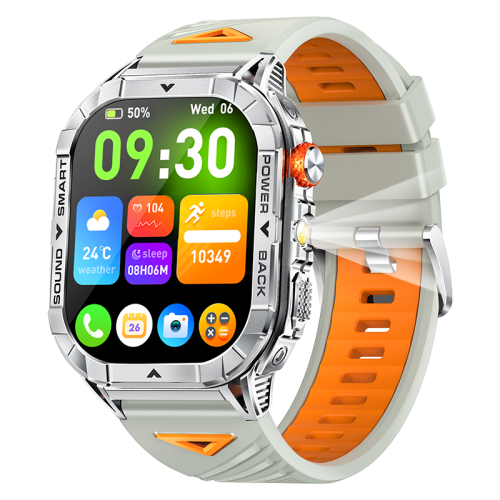
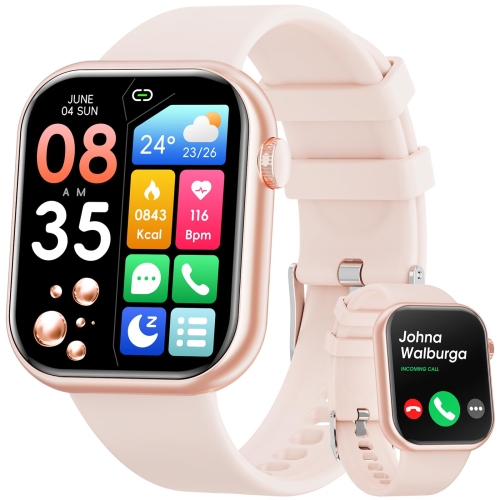
Beyond the oxygen sensor, the best fit depends on how a smartwatch works with the rest of a person’s day. Phone compatibility is an essential starting point, since supported apps, notifications, calls and health-data sharing can differ between mobile operating systems. A bright, readable screen helps with quick checks, while physical buttons can make it easier to start an activity without repeatedly tapping a small display. Text size, vibration strength and straightforward menus also affect everyday usability. Battery life needs to be considered alongside the intended tracking schedule: frequent oxygen checks, overnight monitoring, GPS activity tracking and an always-on display can all increase power use. Someone who wants sleep information may prefer a charging routine that leaves the watch ready at bedtime, such as charging while showering or sitting at a desk. Charging method and cable compatibility also matter when travelling or moving between home and work. For walkers, runners and gym users, activity modes and heart-rate tracking may be just as useful as SpO2 readings, although oxygen measurements should not be used alone to judge workout readiness or safety. People interested in sleep habits may place more value on a comfortable strap, clear overnight summaries and dependable syncing. A smartwatch can also be a thoughtful gift for someone who enjoys tracking personal routines, provided its phone requirements, wrist fit and charging needs suit the recipient. Health information is personal, so account controls, app permissions, sharing settings and options for deleting or exporting records deserve attention. Interest in oxygen saturation may overlap with other measurements, but a smartwatch to measure blood pressure serves a different purpose: blood pressure describes the force of blood against artery walls, not oxygen saturation. An SpO2 sensor does not automatically provide that function. Choosing with these distinctions in mind keeps the focus on useful features, comfortable wear and information that is easy to understand without expecting a wrist-worn device to replace medical care.
Read More

FAQ

Some products may be subject to Environmental Handling Fees (EHF) depending on your province. Learn more about EHFs.