Android Running Watches
Elevate your fitness journey with an android running watch, designed to seamlessly integrate technology and performance. These innovative wearables offer a blend of functionality and style, making them an essential companion for runners of all levels. Whether you're tracking your daily steps or analyzing your latest marathon, an android running watch provides the insights you need to optimize your workouts and achieve your fitness goals. Explore a variety of options that cater to different preferences and discover how these smart devices can enhance your running experience.
Sort
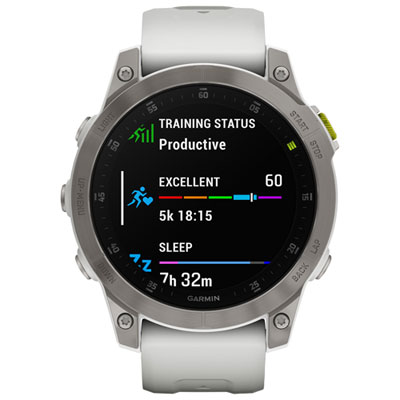
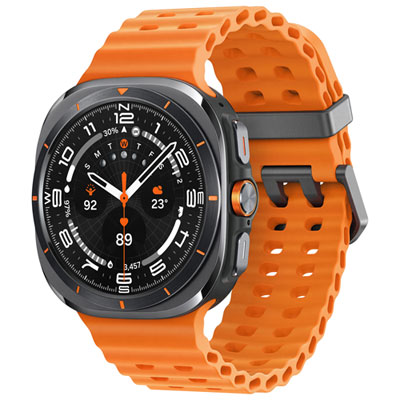
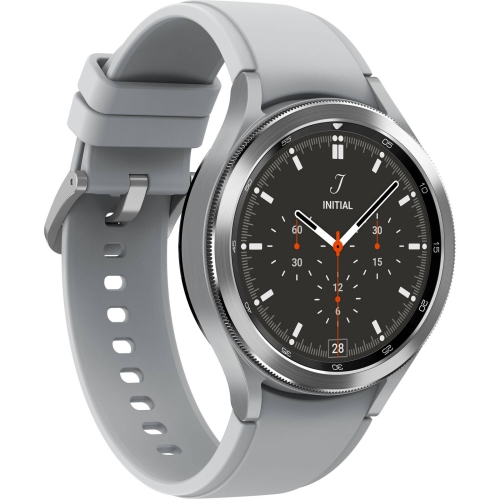
What running watches can track without your phone
Android running watches are wrist-worn fitness devices that pair with compatible Android phones to track runs, display training information, and sync activity data to a companion app. The category includes dedicated GPS running watches as well as smartwatches with running modes, so Android compatibility does not necessarily mean a watch uses an Android-based operating system. For someone building a consistent jogging routine, clear distance, pace, elapsed time, and heart-rate readings can make each outing easier to follow. A runner preparing for a longer race may also value structured workouts, lap controls, route navigation, and more detailed training summaries. Built-in GPS lets a compatible watch measure an outdoor route without relying on a phone for location tracking, while connected GPS generally requires a paired phone nearby. That distinction matters to anyone who prefers heading out with just a watch and a set of keys. Satellite reception can vary around tall buildings, dense tree cover, and other obstructions; multi-band positioning, where supported, can help improve tracking in challenging locations. Indoor running works differently, with watches typically estimating treadmill distance from movement rather than satellite signals. Calibration or a compatible external sensor may improve those estimates. Heart-rate zones, cadence, elevation, and lap pace offer different views of a run, but not every runner needs every measurement on the same screen. Large, customizable data fields can make a quick glance more useful than a crowded display. Some watches also estimate training load, recovery time, or aerobic fitness from accumulated activity data. These figures are most useful as trends rather than definitive assessments of health or readiness. Wrist-based heart-rate readings can be affected by fit, movement, and individual factors, and some watches support an external chest strap for additional training flexibility. Android running watches suit a wide range of routines, from short run-walk sessions to regular distance training, with the most practical features depending on how much information and phone independence the wearer wants.
Comfort becomes especially noticeable once a watch has been on the wrist for several hours or through a long run. Case diameter, thickness, weight, and strap adjustment all contribute to fit; a large screen is easier to read for some wearers, but an oversized case may shift around on a smaller wrist. A secure strap should hold the sensor steadily against the skin without pinching or leaving the wrist feeling restricted. Soft silicone straps are common for exercise because they are flexible and straightforward to clean, while woven nylon options can offer fine adjustment and a softer feel, depending on their construction. Fabric straps may take longer to dry after washing. Metal bracelets and leather straps can suit everyday wear, though they may be less practical for repeated sweaty workouts. Interchangeable bands make it possible to switch between training and daily use, provided the attachment system and band dimensions match. Watch cases may use resin, reinforced polymers, aluminium, stainless steel, or titanium, with different balances of weight, finish, and resistance to wear. Screen protection also varies, and scratch resistance should not be mistaken for protection against every impact. For runners who train on uneven paths or carry equipment close to the wrist, a raised bezel or protective case design may be useful. Touchscreens make menus approachable, while physical buttons can simplify starting a lap or pausing a workout without carefully tapping a small target. Display brightness, text size, and contrast affect readability at a glance, and an always-on display can keep information visible at the expense of some battery life. Water-resistance ratings deserve close attention: suitability for splashes does not automatically mean a watch is appropriate for swimming, showering, or other water exposure. Cleaning and care should follow the manufacturer's directions, particularly around seals, microphones, and charging contacts. Wiping away perspiration, allowing the watch and strap to dry, and avoiding abrasive cleaners can help keep a frequently worn device comfortable and in good condition.
Day-to-day convenience depends as much on phone compatibility and battery behaviour as on workout features. Minimum Android version requirements, companion-app support, account requirements, and permissions can differ, so compatibility with a particular phone matters more than a broad Android label alone. Notifications, message replies, calls, contactless payments, and music playback are not universal features, and their operation may depend on the paired phone, supported services, or regional support. A watch that stores music and connects directly to compatible Bluetooth headphones can reduce the need to carry a phone, although offline listening may require a supported music service and subscription. Cellular functions, where offered, may require a compatible carrier and a separate plan. Safety tools such as location sharing or incident alerts can also depend on phone connectivity, network access, and correct setup; they are not a substitute for emergency assistance. Battery figures need similar context. Everyday smartwatch use, continuous GPS tracking, navigation, music, and an always-on display place different demands on the battery, so a multi-day general-use estimate does not describe the length of a continuously tracked run. For longer training sessions, the relevant figure is battery life with the intended tracking features enabled. Charging speed and connector design also affect how easily a watch fits into a routine, especially for someone who wears it overnight to follow sleep patterns. App summaries can bring running sessions, sleep estimates, and other activity records together, while supported data exports or app connections may help runners keep a consistent training history. Beyond the wrist, a larger screen can be useful for following a separate stretching session or viewing general fitness content; Android Displays offer a related category to explore for that viewing setup, with app support varying by device. As a gift, an Android-compatible running watch is most personal when its size, controls, and training focus match the recipient's habits. A straightforward watch with readable essentials may suit a new runner better than a dense set of advanced metrics, while an experienced runner may appreciate route tools, sensor compatibility, and enough GPS battery life for their usual distances.
Comfort becomes especially noticeable once a watch has been on the wrist for several hours or through a long run. Case diameter, thickness, weight, and strap adjustment all contribute to fit; a large screen is easier to read for some wearers, but an oversized case may shift around on a smaller wrist. A secure strap should hold the sensor steadily against the skin without pinching or leaving the wrist feeling restricted. Soft silicone straps are common for exercise because they are flexible and straightforward to clean, while woven nylon options can offer fine adjustment and a softer feel, depending on their construction. Fabric straps may take longer to dry after washing. Metal bracelets and leather straps can suit everyday wear, though they may be less practical for repeated sweaty workouts. Interchangeable bands make it possible to switch between training and daily use, provided the attachment system and band dimensions match. Watch cases may use resin, reinforced polymers, aluminium, stainless steel, or titanium, with different balances of weight, finish, and resistance to wear. Screen protection also varies, and scratch resistance should not be mistaken for protection against every impact. For runners who train on uneven paths or carry equipment close to the wrist, a raised bezel or protective case design may be useful. Touchscreens make menus approachable, while physical buttons can simplify starting a lap or pausing a workout without carefully tapping a small target. Display brightness, text size, and contrast affect readability at a glance, and an always-on display can keep information visible at the expense of some battery life. Water-resistance ratings deserve close attention: suitability for splashes does not automatically mean a watch is appropriate for swimming, showering, or other water exposure. Cleaning and care should follow the manufacturer's directions, particularly around seals, microphones, and charging contacts. Wiping away perspiration, allowing the watch and strap to dry, and avoiding abrasive cleaners can help keep a frequently worn device comfortable and in good condition.
Day-to-day convenience depends as much on phone compatibility and battery behaviour as on workout features. Minimum Android version requirements, companion-app support, account requirements, and permissions can differ, so compatibility with a particular phone matters more than a broad Android label alone. Notifications, message replies, calls, contactless payments, and music playback are not universal features, and their operation may depend on the paired phone, supported services, or regional support. A watch that stores music and connects directly to compatible Bluetooth headphones can reduce the need to carry a phone, although offline listening may require a supported music service and subscription. Cellular functions, where offered, may require a compatible carrier and a separate plan. Safety tools such as location sharing or incident alerts can also depend on phone connectivity, network access, and correct setup; they are not a substitute for emergency assistance. Battery figures need similar context. Everyday smartwatch use, continuous GPS tracking, navigation, music, and an always-on display place different demands on the battery, so a multi-day general-use estimate does not describe the length of a continuously tracked run. For longer training sessions, the relevant figure is battery life with the intended tracking features enabled. Charging speed and connector design also affect how easily a watch fits into a routine, especially for someone who wears it overnight to follow sleep patterns. App summaries can bring running sessions, sleep estimates, and other activity records together, while supported data exports or app connections may help runners keep a consistent training history. Beyond the wrist, a larger screen can be useful for following a separate stretching session or viewing general fitness content; Android Displays offer a related category to explore for that viewing setup, with app support varying by device. As a gift, an Android-compatible running watch is most personal when its size, controls, and training focus match the recipient's habits. A straightforward watch with readable essentials may suit a new runner better than a dense set of advanced metrics, while an experienced runner may appreciate route tools, sensor compatibility, and enough GPS battery life for their usual distances.
Top selling and popular products
-
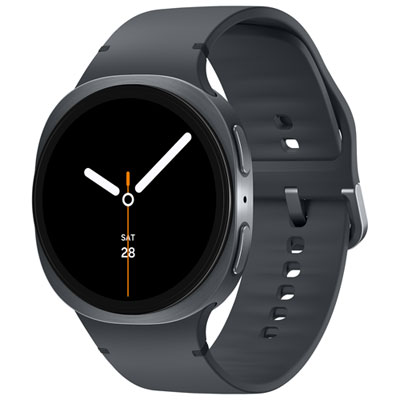 Your price for this item is $399.99
 -
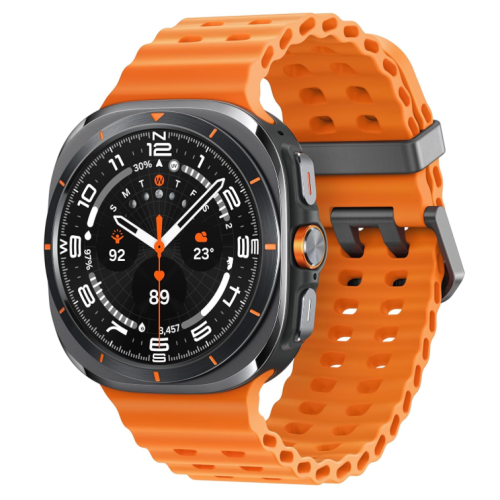 Your price for this item is $579.99
 -
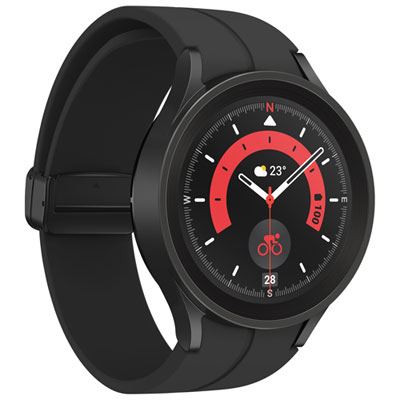 Your price for this item is $629.97
 -
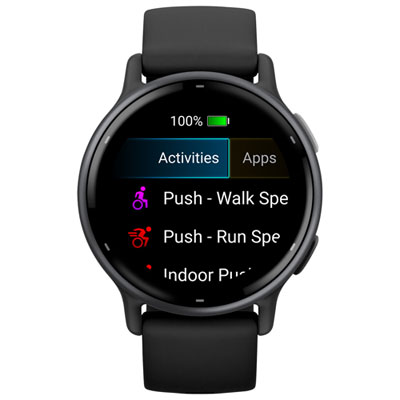 Your price for this item is $349.99
 -
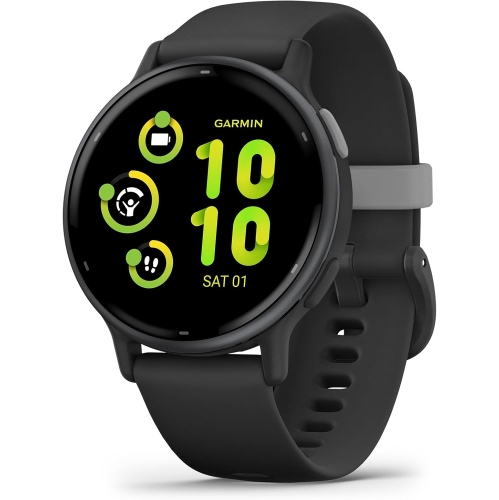 Your price for this item is $371.79
 -
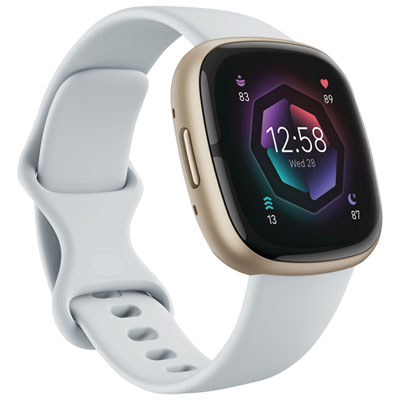 Your price for this item is $209.99
 -
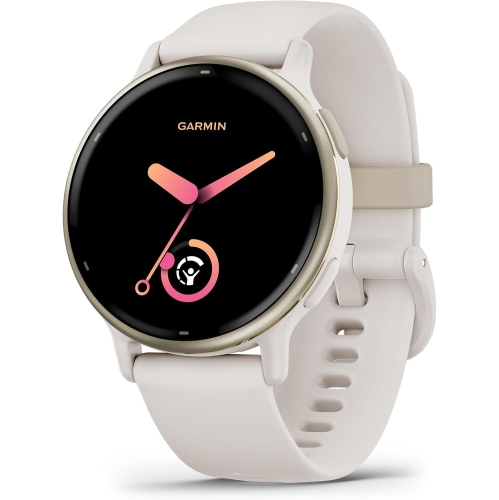 Your price for this item is $328.89
 -
 Your price for this item is $659.99
Discover more categories related to Android Running Watches
Top Collections:
Pokemon Centers, Kindle Devices, Best Budget Office Chairs, Apple iPhones 16, Best Laptops for Writers, iPhone 15 Apple, Canon G7X Cameras, Refurbished Apple Laptops, Alarm Clock, Motorola Razr Phones
Some products may be subject to Environmental Handling Fees
(EHF) depending on your province.
Learn more about EHFs.