Smartwatches With Bluetooth Calling
Stay connected on the go with our selection of smartwatches with Bluetooth calling capabilities. These innovative devices combine the functionality of a traditional watch with the convenience of hands-free calling, allowing you to make and receive calls directly from your wrist. With sleek designs and advanced features such as health tracking, notifications, and voice commands, these smartwatches are the perfect companion for busy lifestyles. Explore our range of smartwatches with Bluetooth calling to find the perfect blend of style and technology for your everyday needs.
Sort
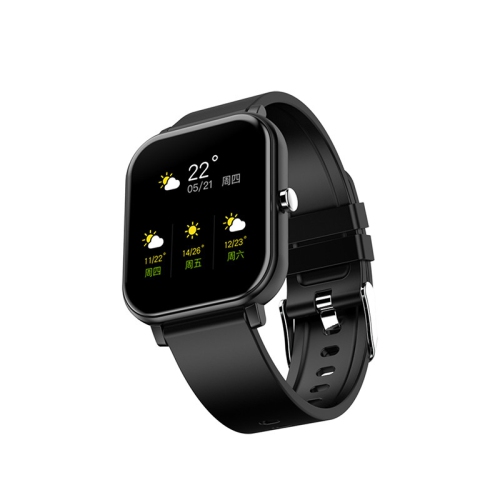
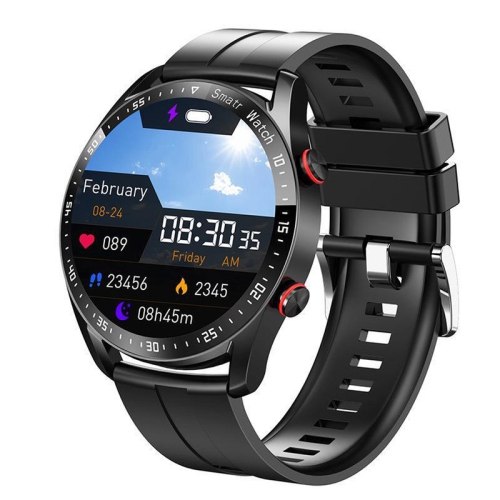
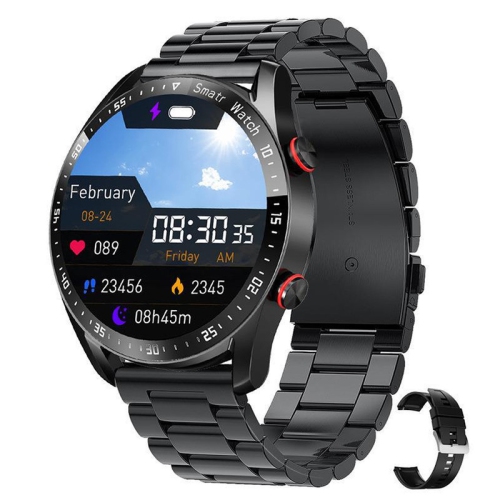
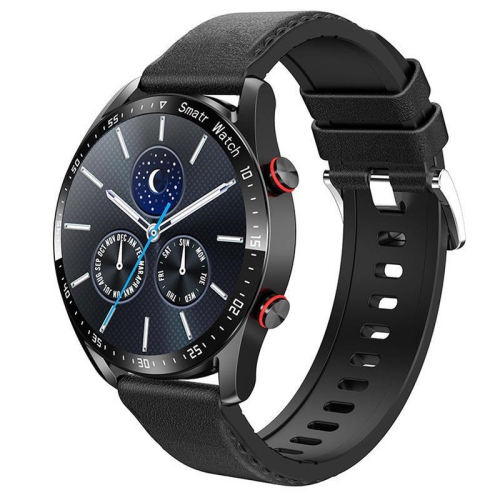
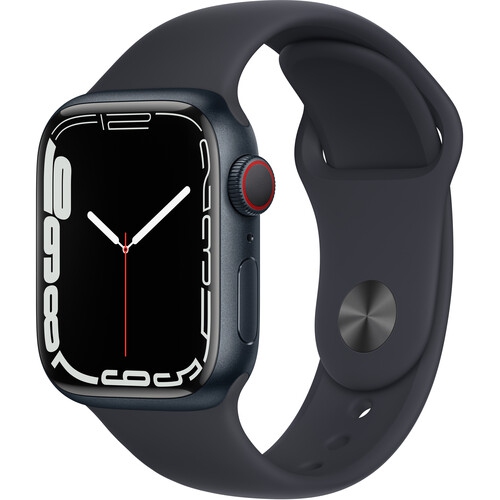
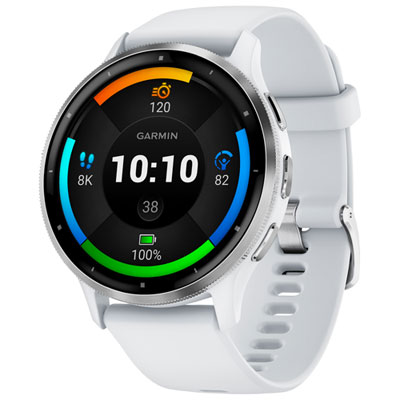
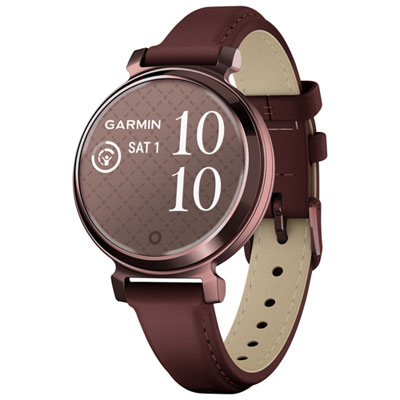
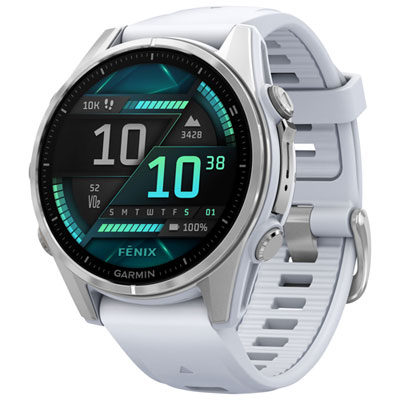

Quick wrist calls while your phone stays tucked away
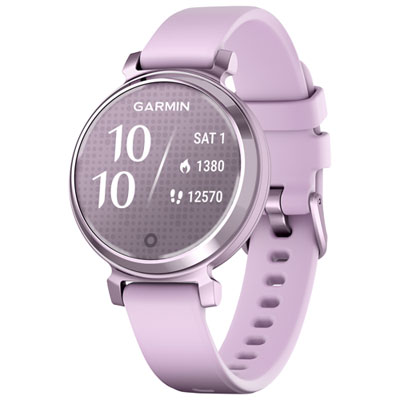
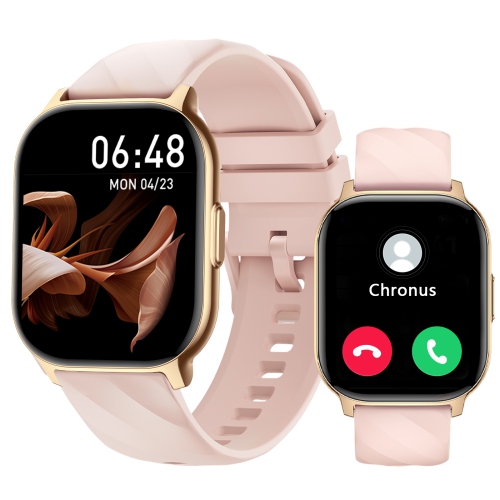
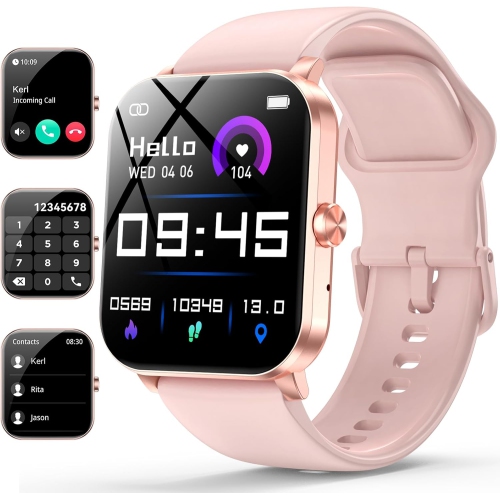
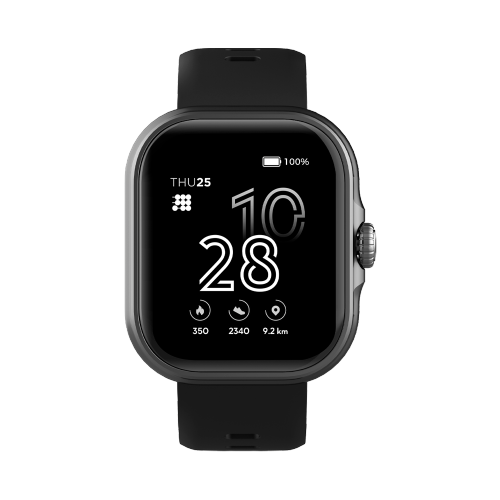
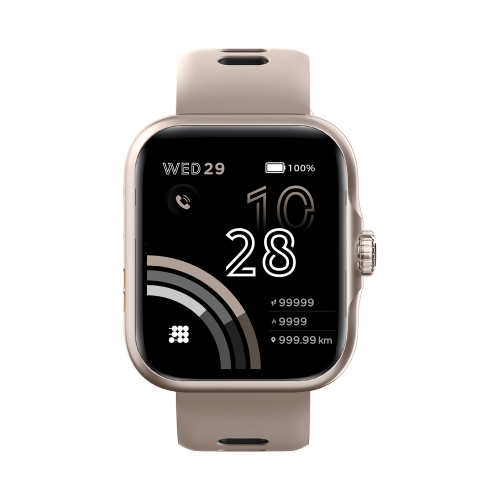
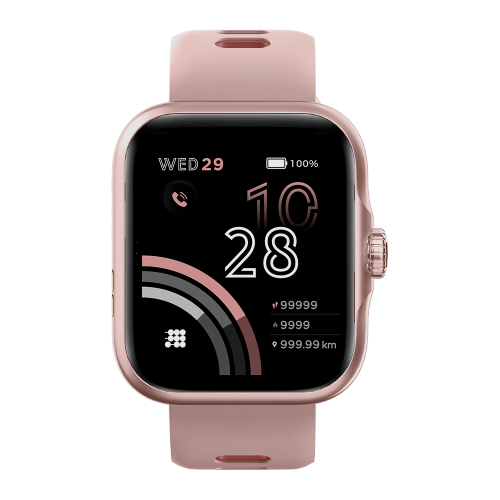
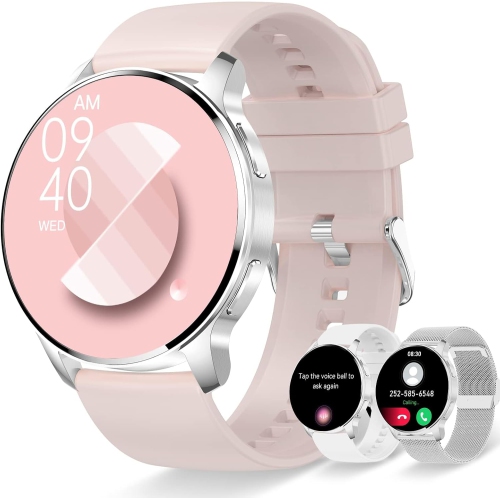
Smartwatches with Bluetooth calling let you make and answer phone calls from your wrist while a compatible paired smartphone supplies the connection to the mobile network. A built-in microphone picks up your voice, and a speaker lets you hear the person on the other end without taking your phone out of a pocket or bag. This makes wrist calling useful for brief conversations: letting someone know you have arrived, answering a family member while folding laundry, or checking a meeting point before heading out the door. Bluetooth calling is different from standalone cellular calling. A Bluetooth calling watch generally needs its paired phone nearby and connected, whereas a watch with supported cellular service may handle calls without a nearby phone. Bluetooth connectivity alone also does not guarantee voice calling; some watches display incoming call alerts or let you reject a call but do not support a conversation through the watch itself. Within the broader selection of Smartwatches With Bluetooth, a microphone, speaker, and explicit support for making and answering calls are the key features that distinguish wrist-calling capability. Depending on the watch and its companion app, calling controls may include a dial pad, favourite contacts, or a list of recent calls. Access to those features can require permission to share contacts and call information from the phone. Compatibility matters beyond simply being able to pair the devices: supported phone operating systems, software versions, and app permissions can affect which calling functions work. Support for calls placed through third-party messaging apps can differ from support for ordinary mobile calls, too. For everyday use, the appeal is straightforward access to a familiar phone function on a smaller screen. A clear caller name, a readable answer button, and easy volume controls can make a short conversation more convenient when a phone is tucked away but still within Bluetooth range.
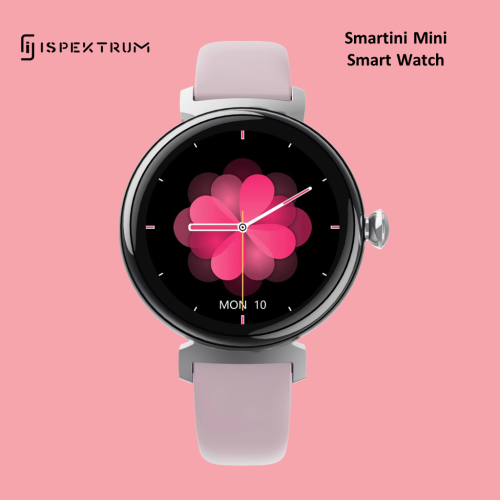
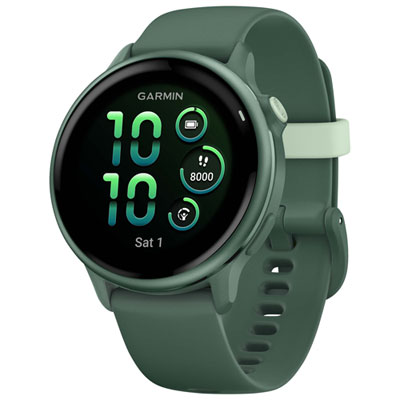
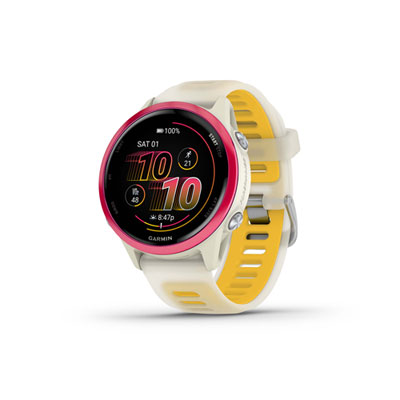
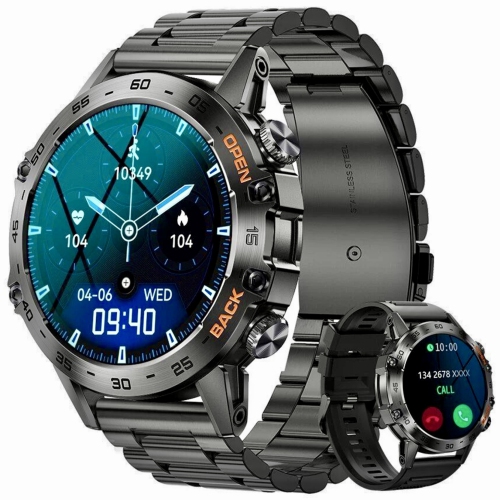
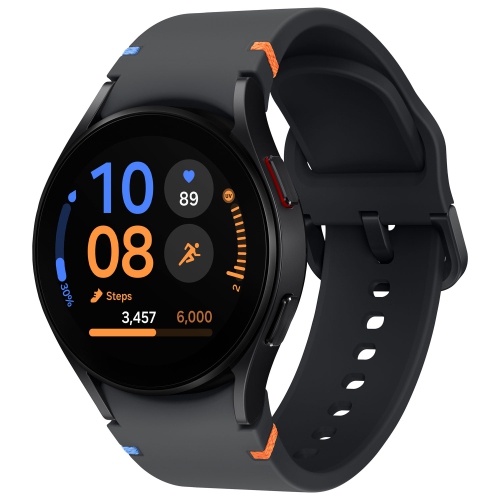
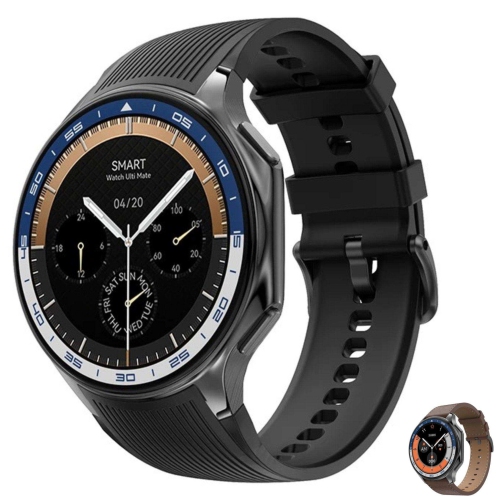
Comfort and construction shape how naturally a calling smartwatch fits into a full day. Case dimensions, thickness, and weight influence whether a watch feels unobtrusive at a desk, slides beneath a jacket cuff, or stays comfortable during a walk. A larger display can make contact names and dial-pad numbers easier to read, while a smaller case may suit a narrower wrist or someone who prefers a less prominent accessory. The usable screen area, text settings, contrast, and touch responsiveness matter as much as the overall case size. Physical buttons or a rotating control can provide another way to navigate, although their functions vary by design. Strap materials also change the wearing experience. Silicone straps are commonly suited to active routines because they are flexible and easy to wipe clean; woven fabric can feel soft and lightweight, while leather or metal offers a more dressed-up appearance. Leather generally needs protection from moisture, and fabric needs time to dry after cleaning. Metal bracelets may require link adjustments for a comfortable fit. A secure strap should keep the watch from sliding around without pinching, and wrist-based sensor readings often depend on the watch sitting correctly against the skin. Replaceable straps can help the same watch move between exercise, work, and social plans, provided the strap size and attachment are compatible. Case and screen materials influence weight, scratch resistance, and impact resistance, but no watch is immune to damage. Water-resistance ratings deserve careful attention because resistance to splashes does not necessarily mean suitability for swimming, hot showers, or exposure to soap. Calling functions may also be limited when the watch is wet, and water around a speaker opening can affect sound. Routine care is usually simple: follow the manufacturer's cleaning directions, remove residue after exercise, dry the watch and strap thoroughly, and keep charging contacts clean. During the cooler months, a case that sits comfortably beneath sleeves can be especially useful, allowing quick access to a call without repeatedly pulling a phone from an inner pocket.
Day-to-day calling performance depends on more than a feature listed on a specification sheet. A watch speaker is small, so conversations are generally easier to hear in a quiet room than beside a busy road or in a crowded station. Microphone quality, speaker volume, and any supported noise reduction can influence how clearly both people hear each other. Because wrist calls are played aloud, they are best suited to brief, non-sensitive conversations; switching to the phone or a compatible headset is more appropriate when privacy matters. Bluetooth range varies with the devices and surrounding obstacles, so a phone left upstairs may not maintain a reliable connection to a watch downstairs. Moving beyond range can interrupt watch calling even if the phone still has mobile service. Battery life also depends on use rather than a single advertised duration. Frequent calls, a bright or always-on display, location tracking, and regular notifications can increase power use, making charging habits an important part of ownership. Someone who wears a watch overnight for sleep tracking may prefer to charge during a quiet part of the day, while another wearer may find overnight charging more convenient. Beyond calls, these watches may bring together message previews, calendar reminders, timers, activity tracking, and music controls, with the exact combination varying by model and phone compatibility. Fitness functions can suit people who want a record of daily movement alongside their communications, but built-in location tracking and phone-assisted location tracking are not the same feature. Health and wellness readings are generally intended to support personal awareness rather than replace professional medical advice. For commuters, caregivers, students, and people moving between tasks at home, the most useful combination is often comfortable wear, readable controls, dependable pairing, and enough battery capacity for their routine. As a gift, a Bluetooth calling smartwatch is a personal accessory as well as a connected device, so the recipient's phone compatibility, wrist size, preferred strap feel, and willingness to charge another device all matter. A watch that fits those everyday habits can make short calls easier to manage while keeping essential phone interactions close at hand.
Comfort and construction shape how naturally a calling smartwatch fits into a full day. Case dimensions, thickness, and weight influence whether a watch feels unobtrusive at a desk, slides beneath a jacket cuff, or stays comfortable during a walk. A larger display can make contact names and dial-pad numbers easier to read, while a smaller case may suit a narrower wrist or someone who prefers a less prominent accessory. The usable screen area, text settings, contrast, and touch responsiveness matter as much as the overall case size. Physical buttons or a rotating control can provide another way to navigate, although their functions vary by design. Strap materials also change the wearing experience. Silicone straps are commonly suited to active routines because they are flexible and easy to wipe clean; woven fabric can feel soft and lightweight, while leather or metal offers a more dressed-up appearance. Leather generally needs protection from moisture, and fabric needs time to dry after cleaning. Metal bracelets may require link adjustments for a comfortable fit. A secure strap should keep the watch from sliding around without pinching, and wrist-based sensor readings often depend on the watch sitting correctly against the skin. Replaceable straps can help the same watch move between exercise, work, and social plans, provided the strap size and attachment are compatible. Case and screen materials influence weight, scratch resistance, and impact resistance, but no watch is immune to damage. Water-resistance ratings deserve careful attention because resistance to splashes does not necessarily mean suitability for swimming, hot showers, or exposure to soap. Calling functions may also be limited when the watch is wet, and water around a speaker opening can affect sound. Routine care is usually simple: follow the manufacturer's cleaning directions, remove residue after exercise, dry the watch and strap thoroughly, and keep charging contacts clean. During the cooler months, a case that sits comfortably beneath sleeves can be especially useful, allowing quick access to a call without repeatedly pulling a phone from an inner pocket.
Day-to-day calling performance depends on more than a feature listed on a specification sheet. A watch speaker is small, so conversations are generally easier to hear in a quiet room than beside a busy road or in a crowded station. Microphone quality, speaker volume, and any supported noise reduction can influence how clearly both people hear each other. Because wrist calls are played aloud, they are best suited to brief, non-sensitive conversations; switching to the phone or a compatible headset is more appropriate when privacy matters. Bluetooth range varies with the devices and surrounding obstacles, so a phone left upstairs may not maintain a reliable connection to a watch downstairs. Moving beyond range can interrupt watch calling even if the phone still has mobile service. Battery life also depends on use rather than a single advertised duration. Frequent calls, a bright or always-on display, location tracking, and regular notifications can increase power use, making charging habits an important part of ownership. Someone who wears a watch overnight for sleep tracking may prefer to charge during a quiet part of the day, while another wearer may find overnight charging more convenient. Beyond calls, these watches may bring together message previews, calendar reminders, timers, activity tracking, and music controls, with the exact combination varying by model and phone compatibility. Fitness functions can suit people who want a record of daily movement alongside their communications, but built-in location tracking and phone-assisted location tracking are not the same feature. Health and wellness readings are generally intended to support personal awareness rather than replace professional medical advice. For commuters, caregivers, students, and people moving between tasks at home, the most useful combination is often comfortable wear, readable controls, dependable pairing, and enough battery capacity for their routine. As a gift, a Bluetooth calling smartwatch is a personal accessory as well as a connected device, so the recipient's phone compatibility, wrist size, preferred strap feel, and willingness to charge another device all matter. A watch that fits those everyday habits can make short calls easier to manage while keeping essential phone interactions close at hand.
Top selling and popular products
-
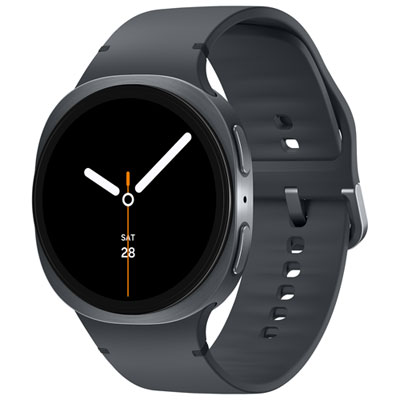 Your price for this item is $399.99
 -
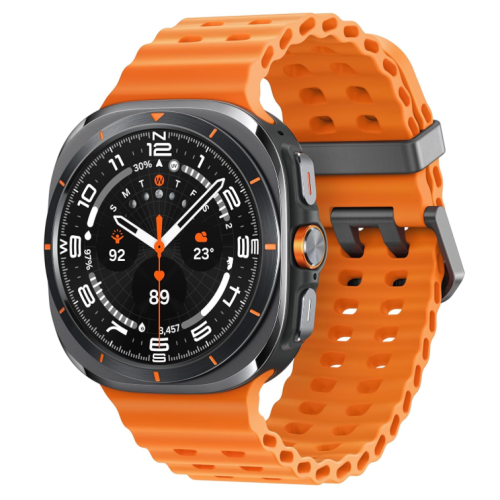 Your price for this item is $579.99
 -
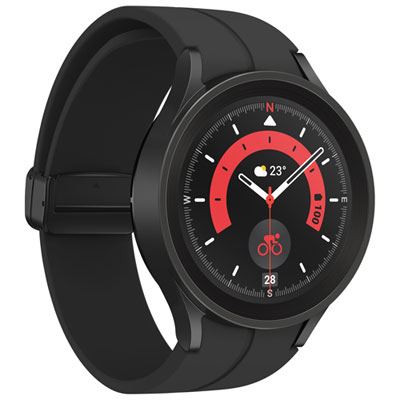 Your price for this item is $629.97
 -
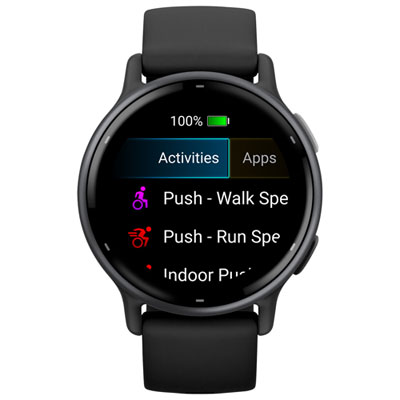 Your price for this item is $349.99
 -
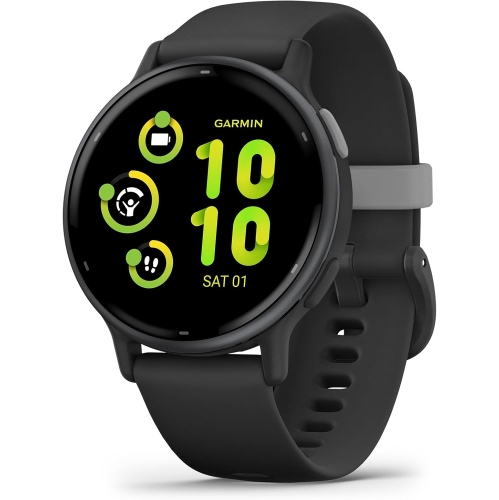 Your price for this item is $371.79
 -
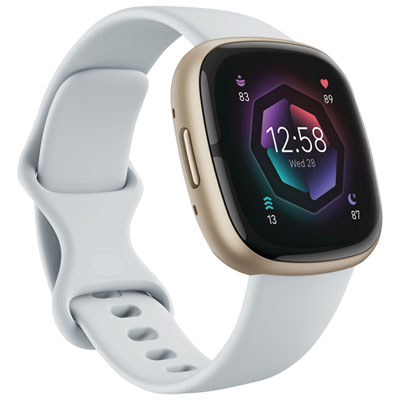 Your price for this item is $209.99
 -
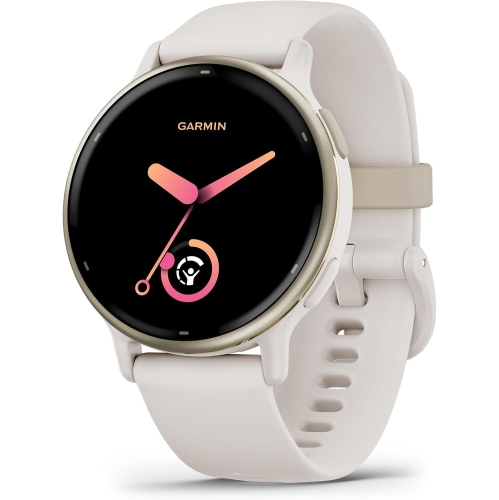 Your price for this item is $328.89
 -
 Your price for this item is $659.99
Discover more categories related to Smartwatches With Bluetooth Calling
Top Collections:
Pokemon Centers, Kindle Devices, Best Budget Office Chairs, Apple iPhones 16, Best Laptops for Writers, iPhone 15 Apple, Canon G7X Cameras, Refurbished Apple Laptops, Alarm Clock, Motorola Razr Phones
Some products may be subject to Environmental Handling Fees
(EHF) depending on your province.
Learn more about EHFs.