Smartwatches With Bluetooth
Stay connected and stylish with our selection of smartwatches featuring Bluetooth technology. These innovative wearables offer seamless connectivity to your devices, allowing you to receive notifications, track your fitness goals, and stay organized on the go. Whether you're looking for a sleek design for everyday wear or a rugged option for outdoor adventures, our range of Bluetooth-enabled smartwatches has something for every lifestyle. Explore the convenience and functionality of these cutting-edge devices and elevate your daily routine with ease.
Sort
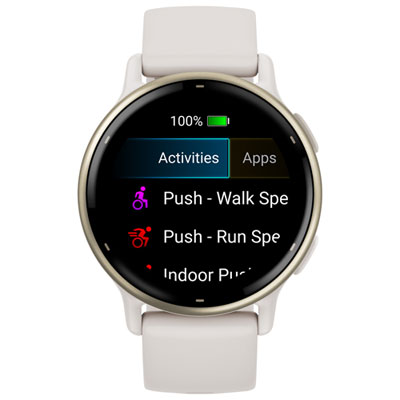
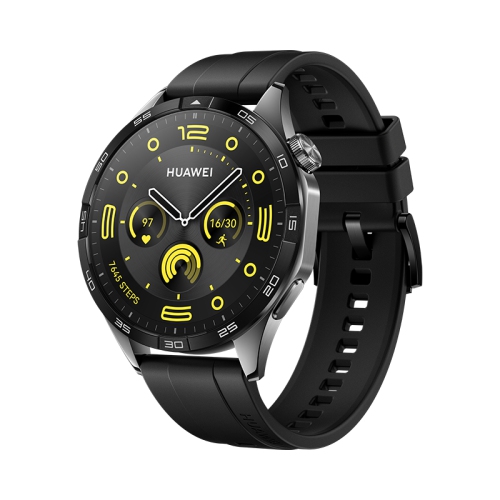
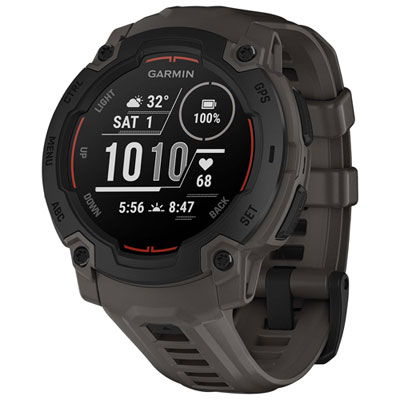
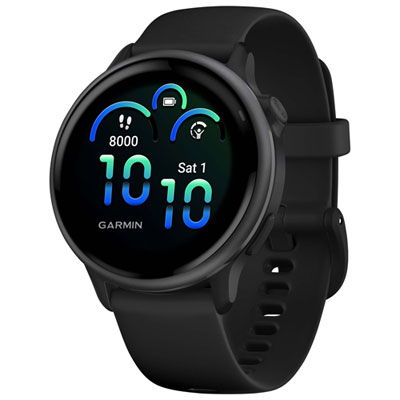
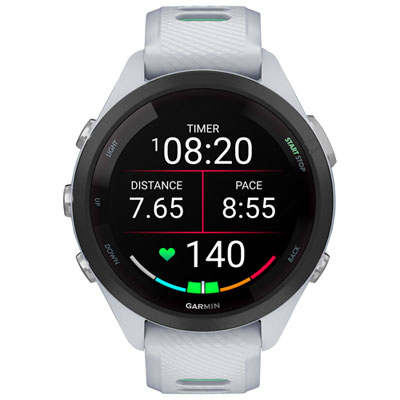

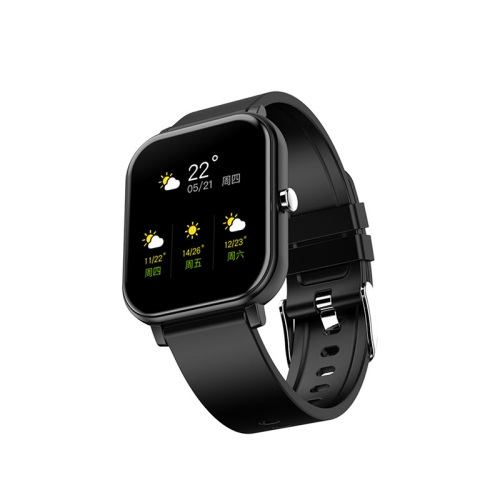
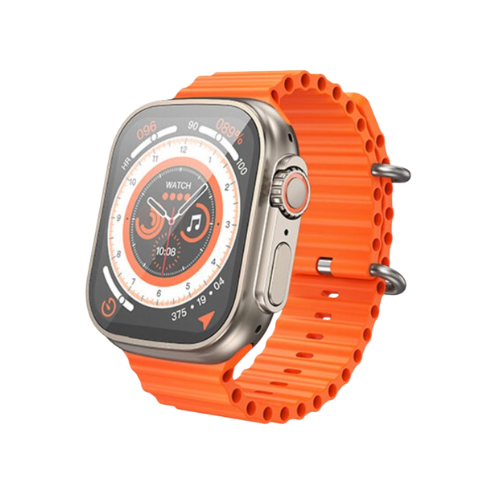
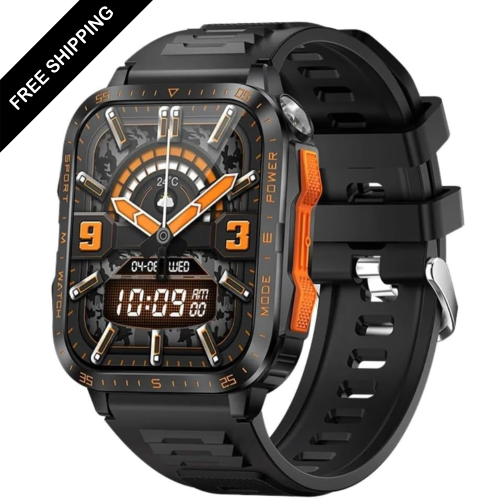
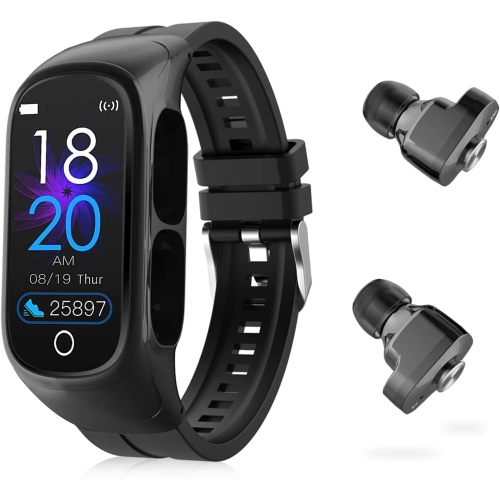
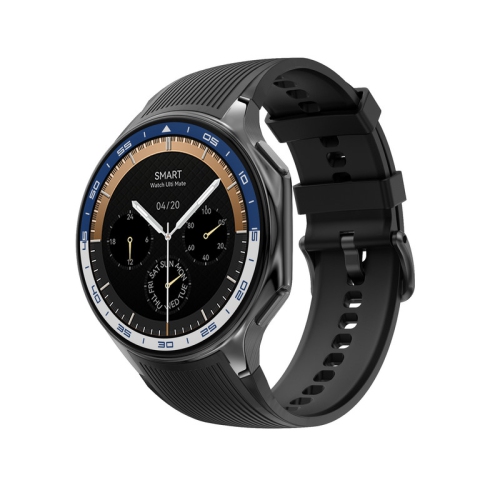
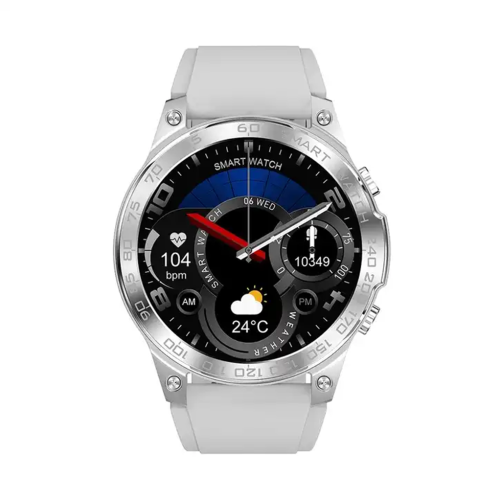
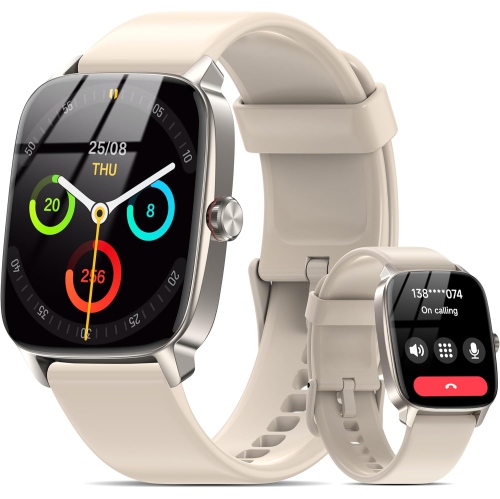
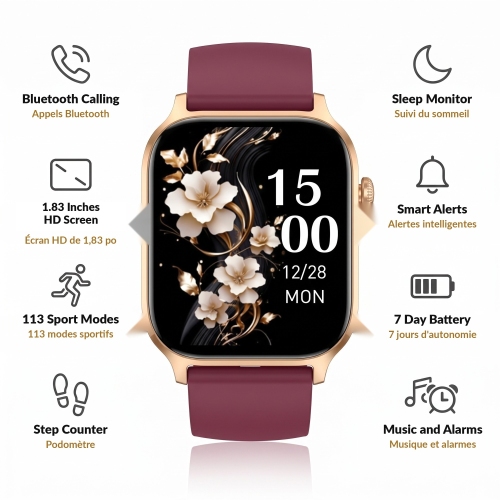
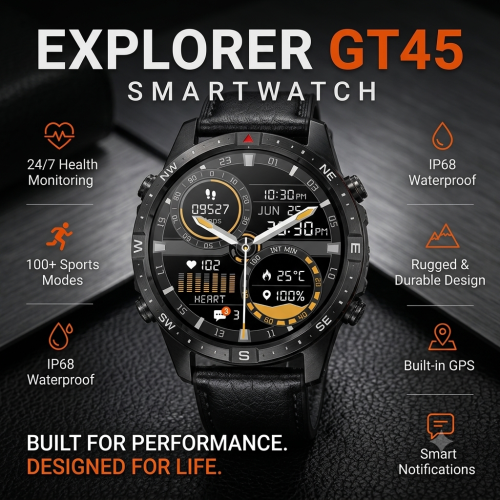
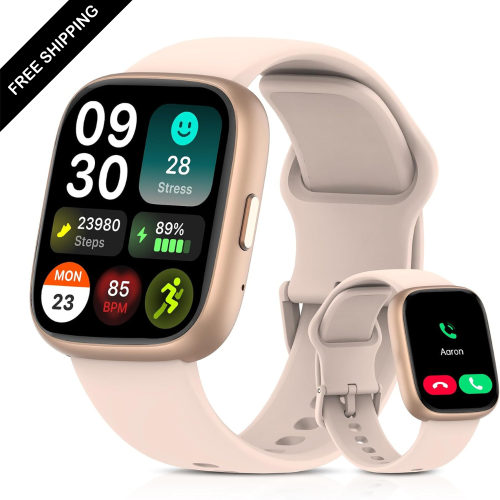
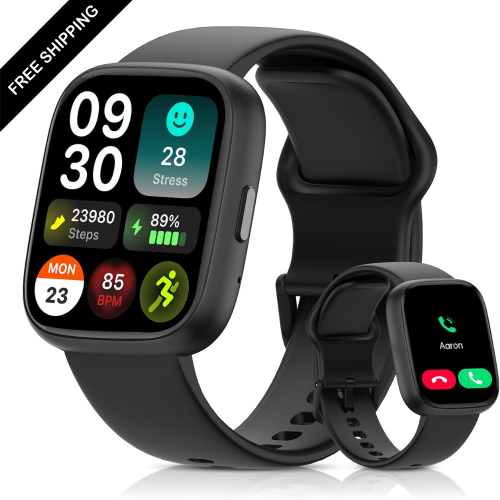
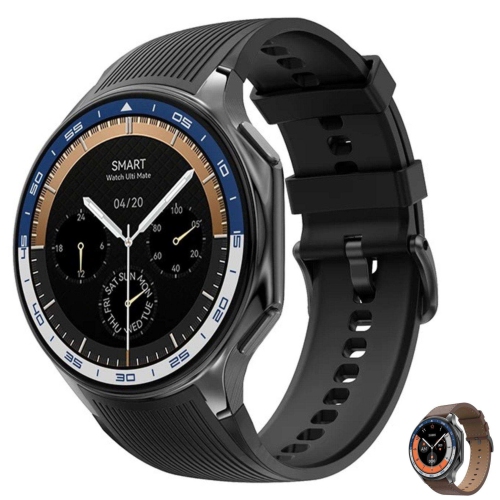

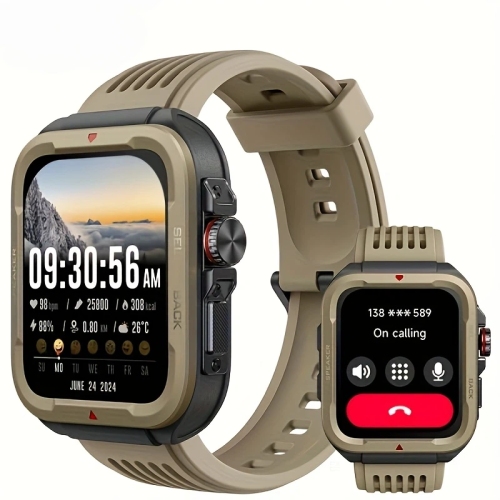
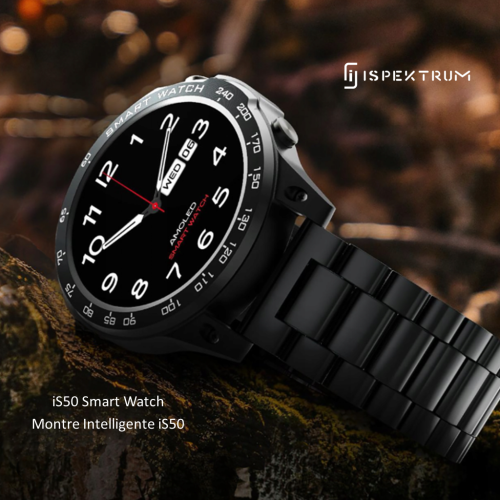
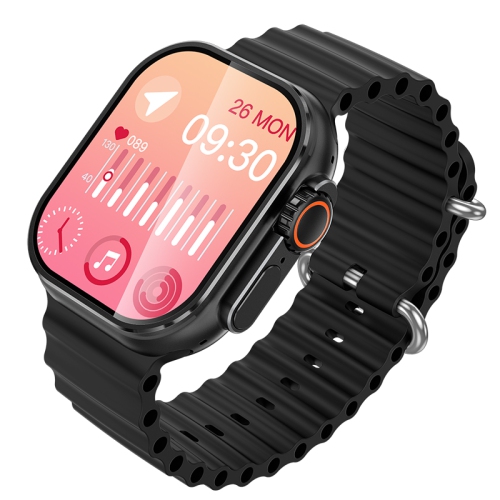
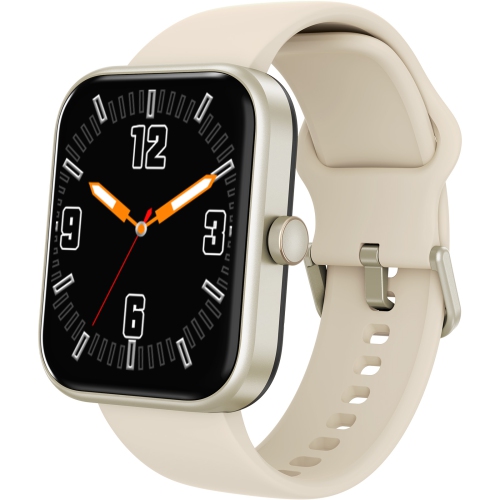

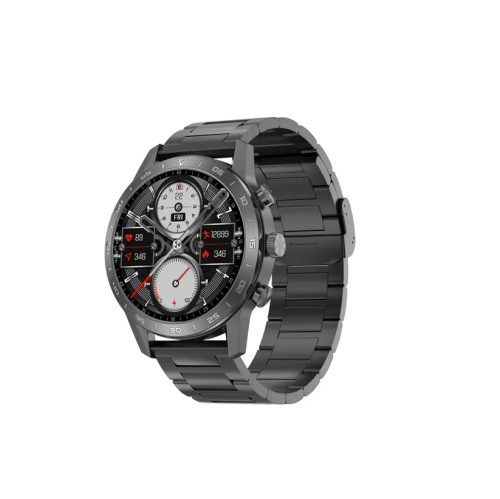

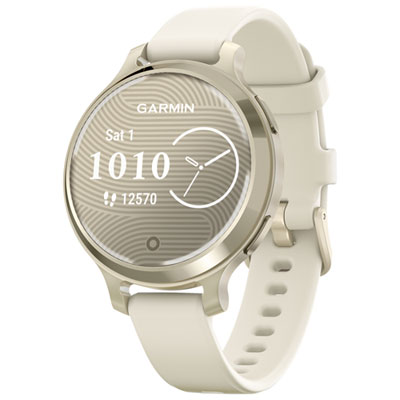
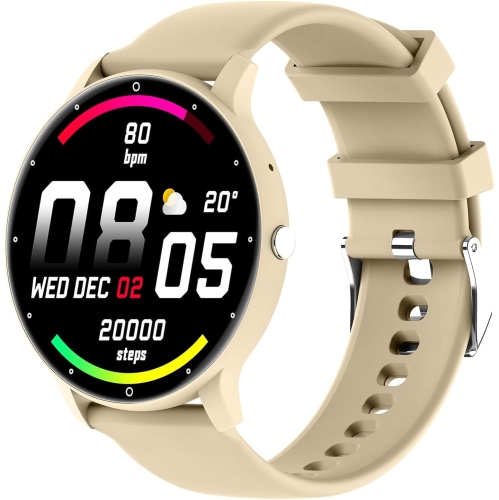
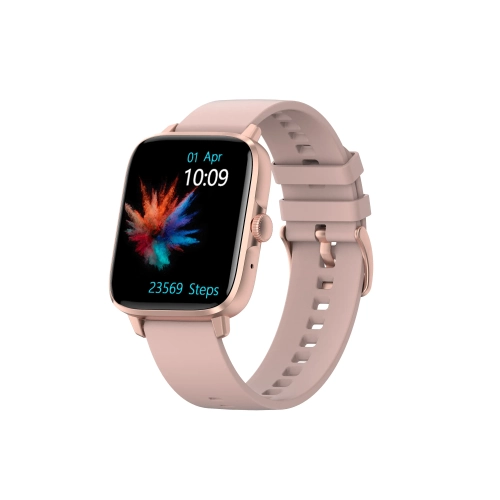
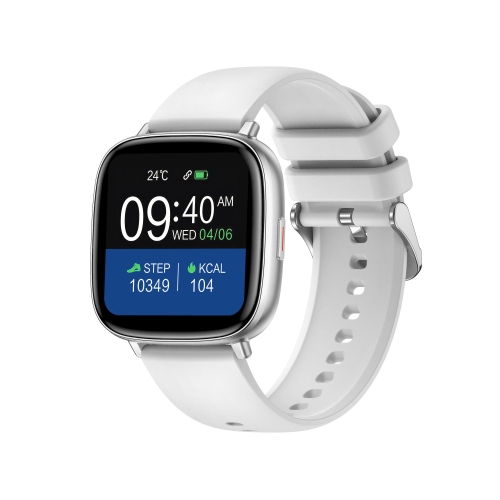

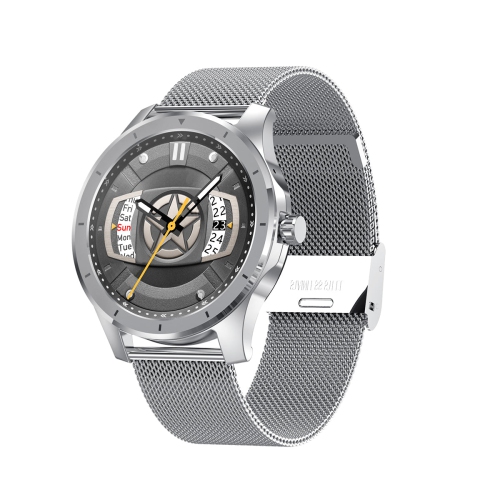
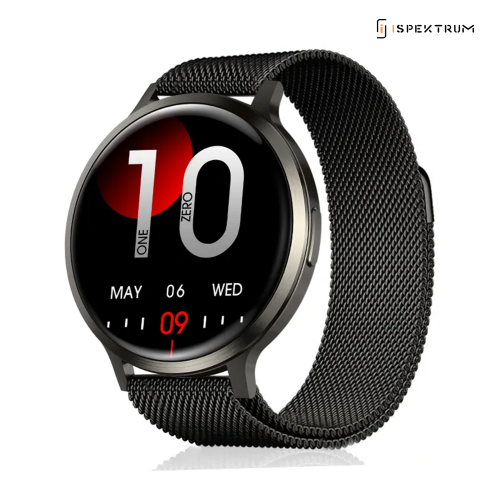

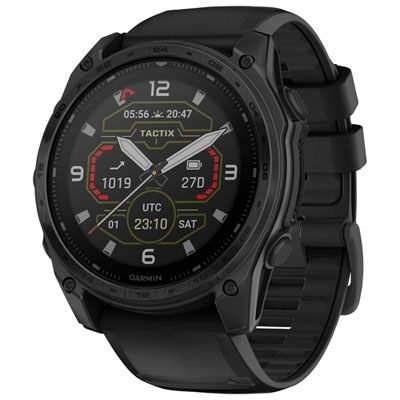

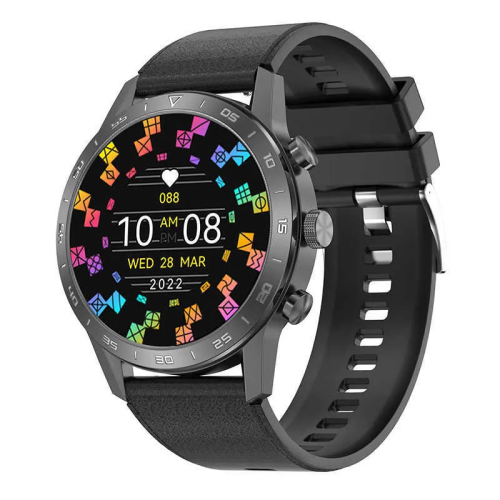
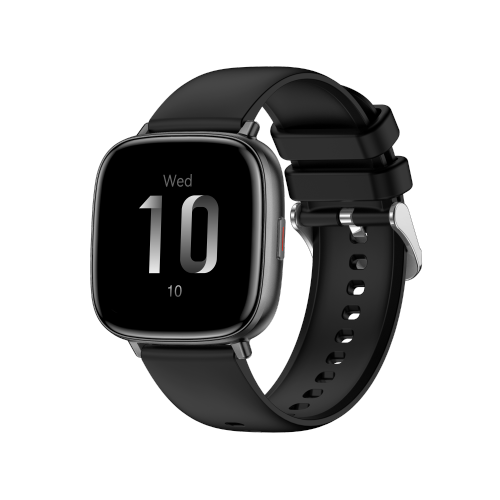
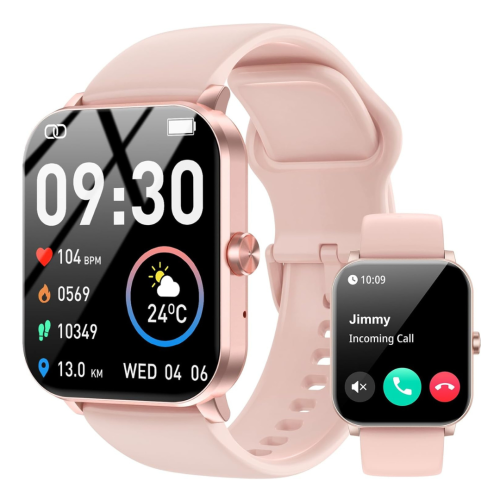
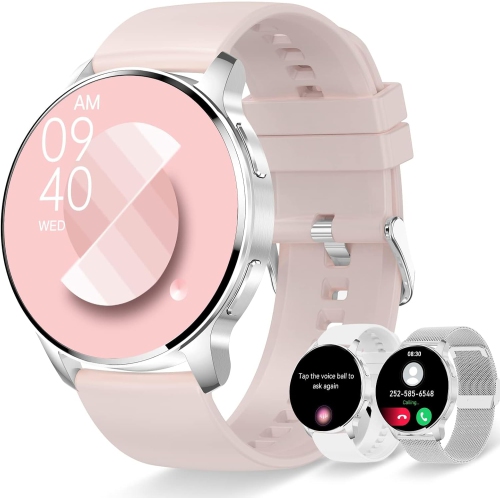
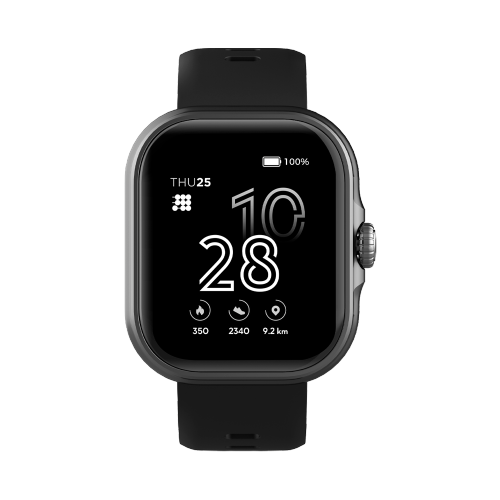
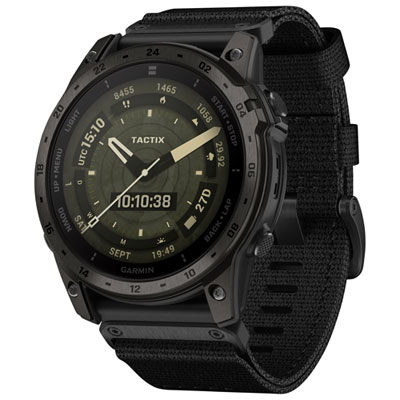
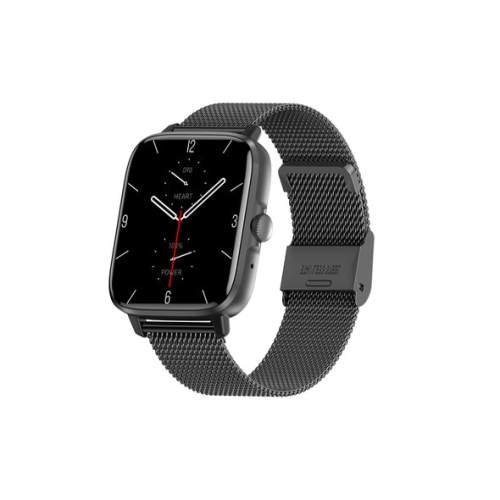
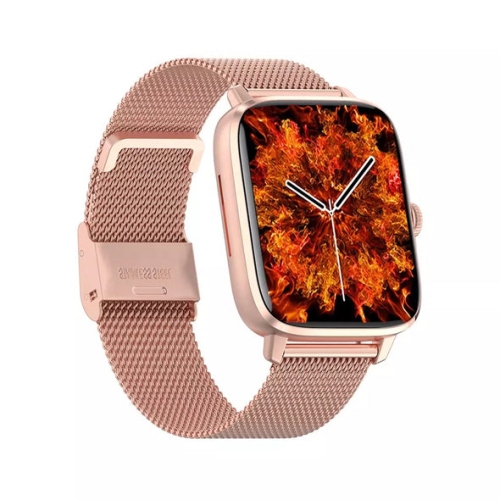
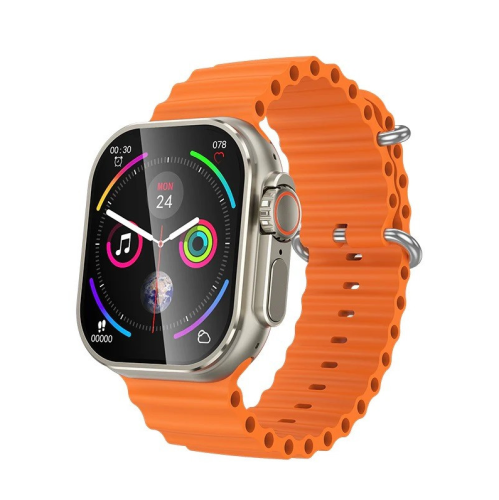
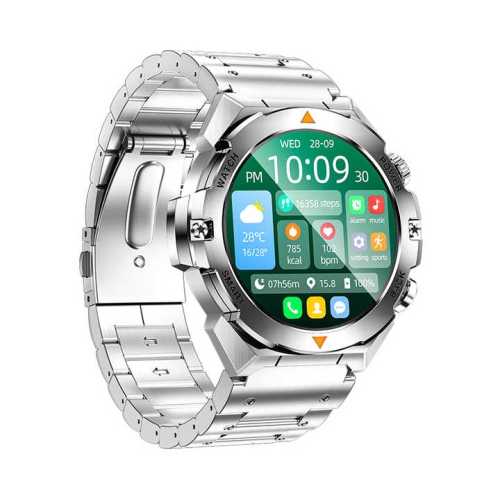
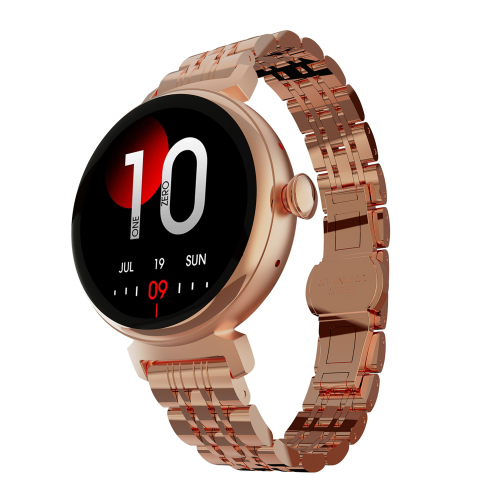
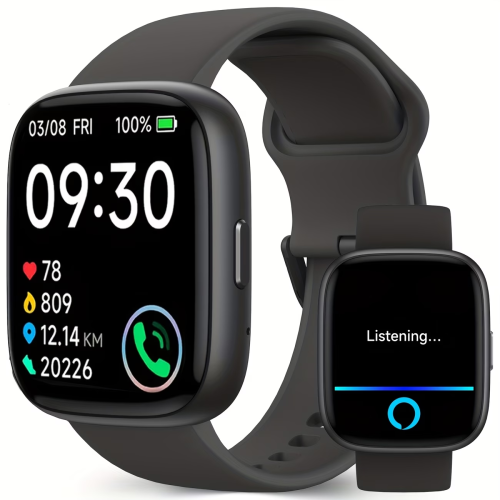
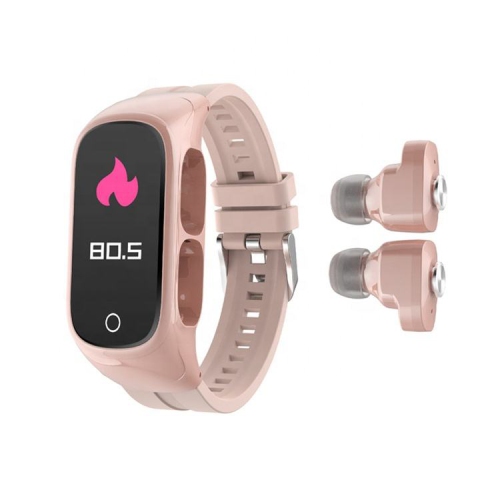
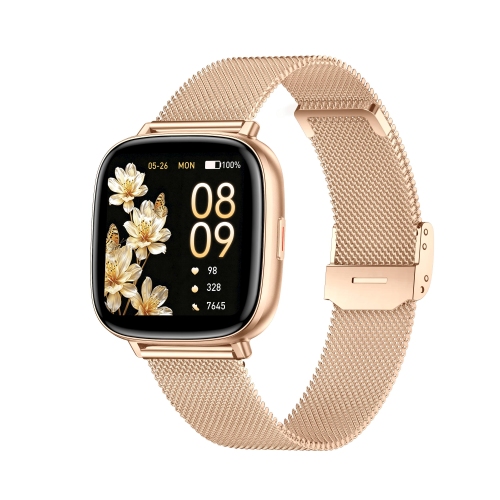
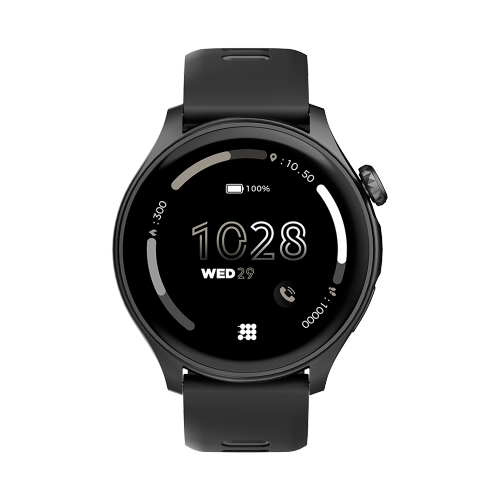
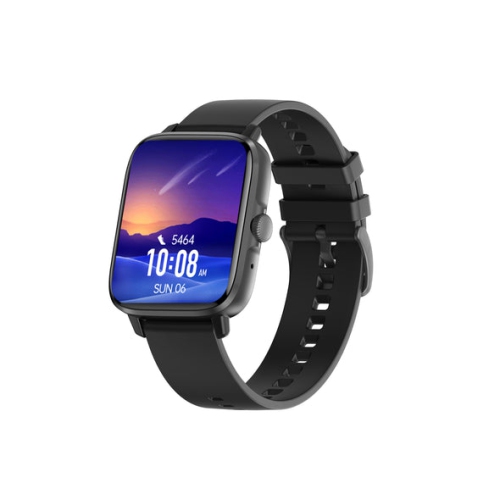
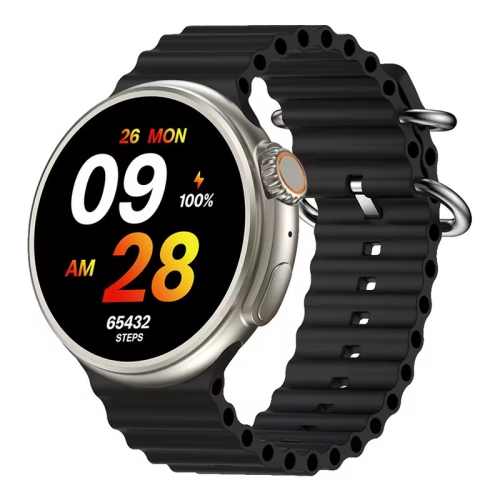
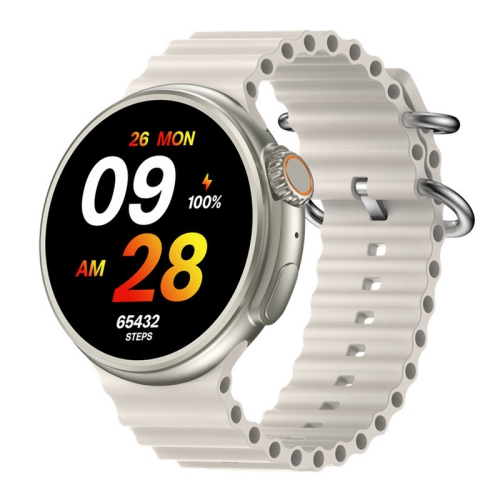
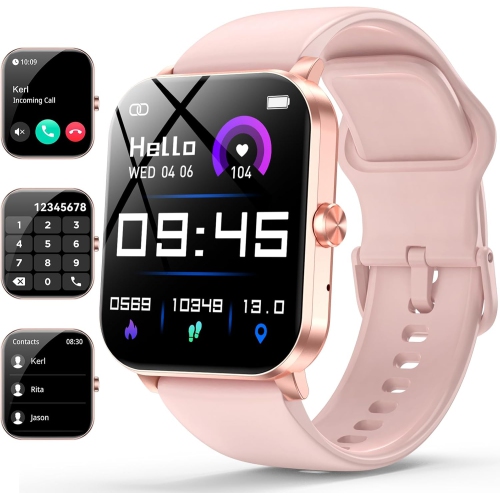
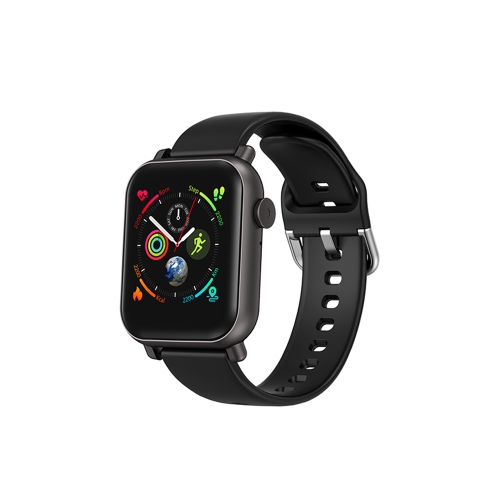
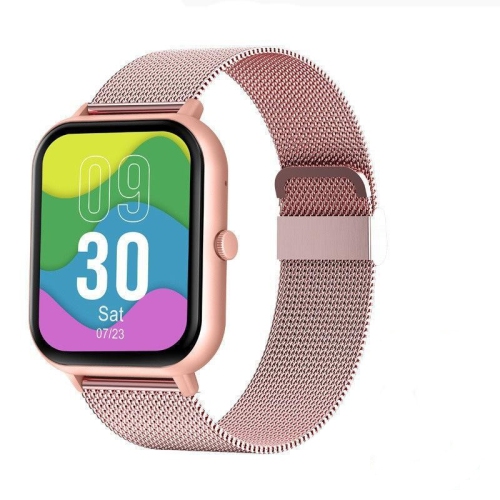
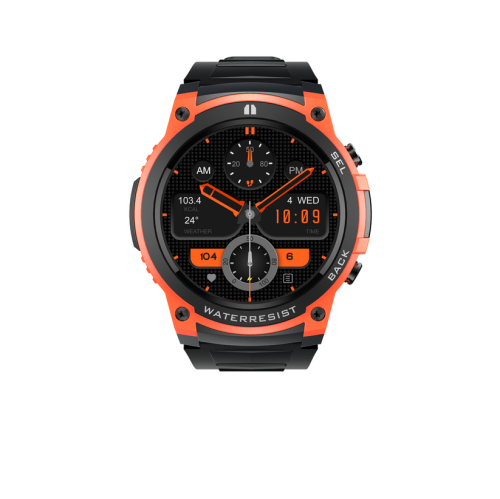

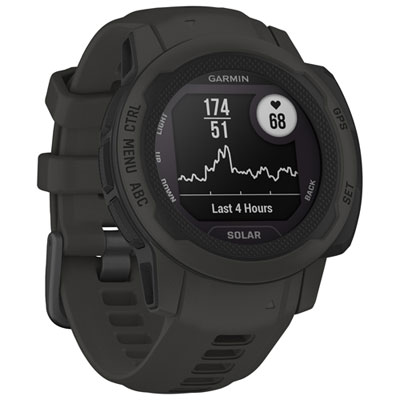
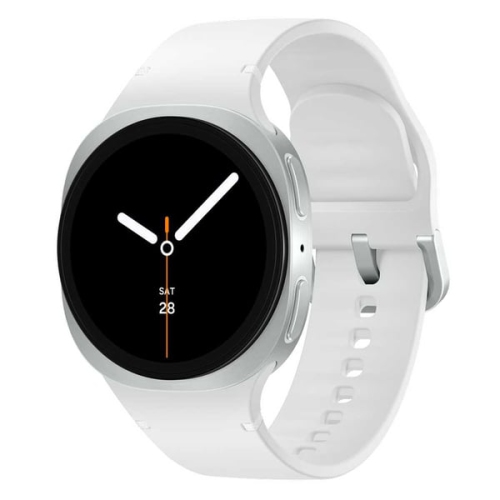
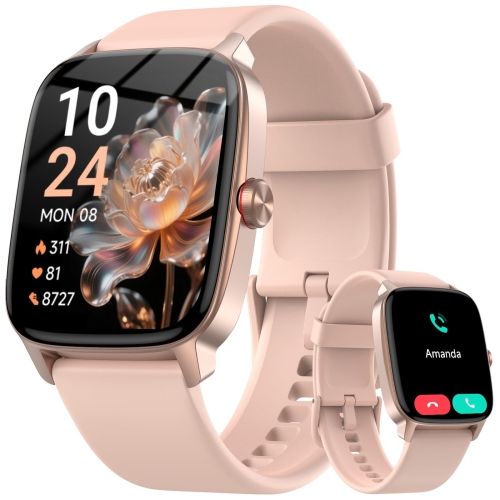
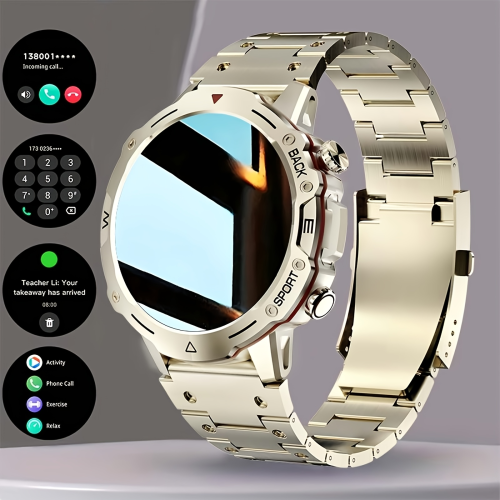
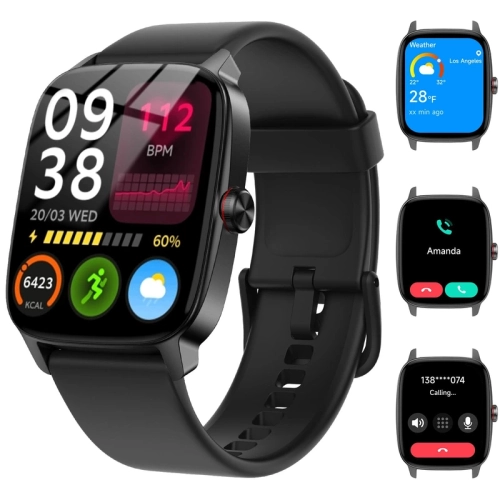
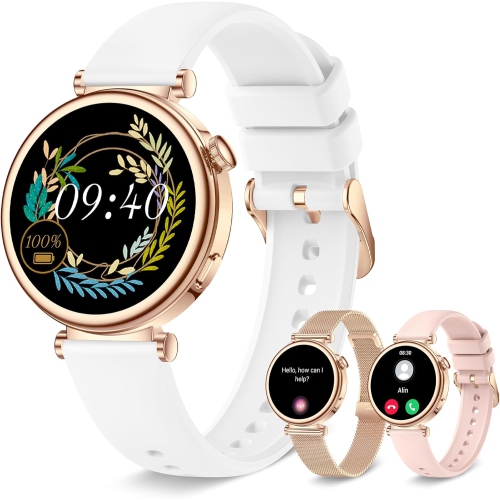
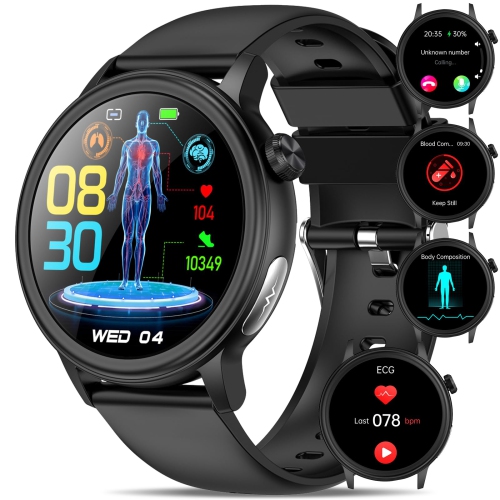
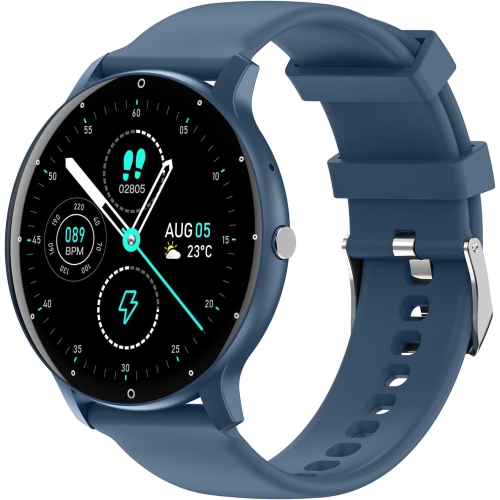
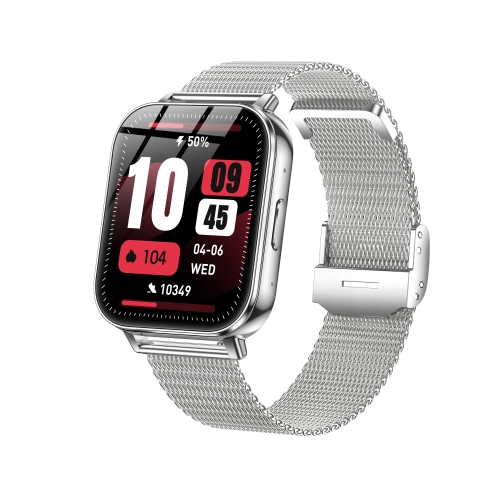
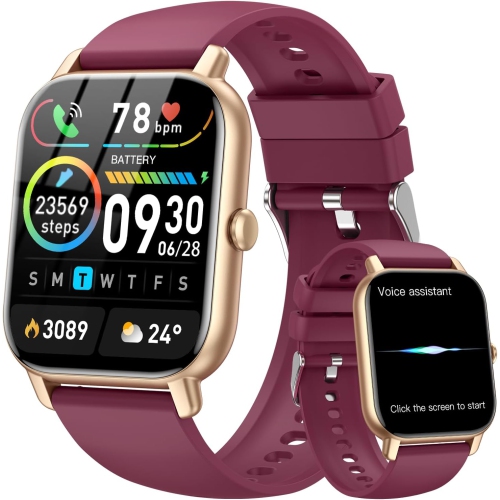
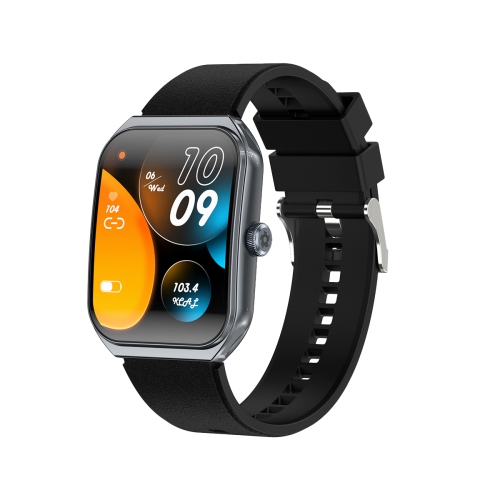
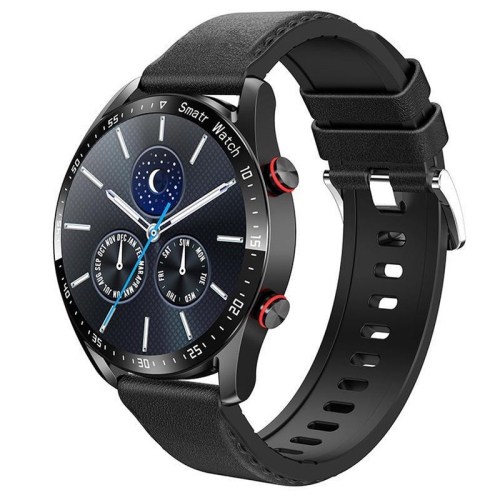

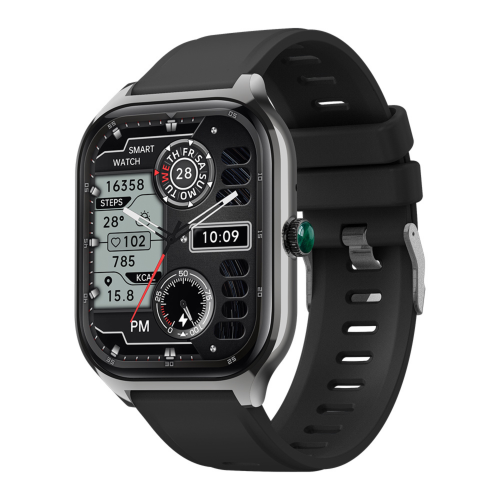
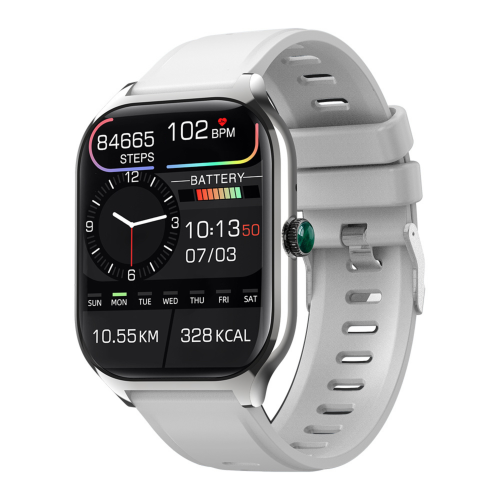
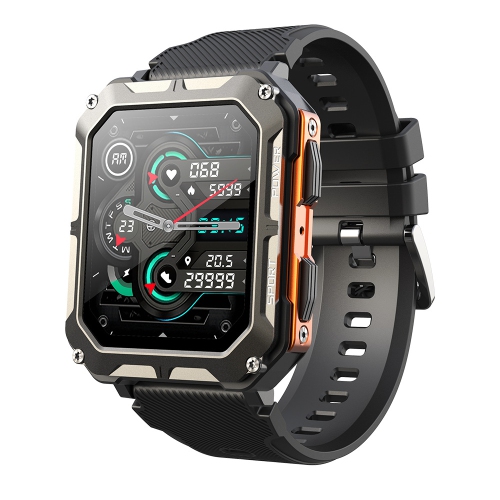
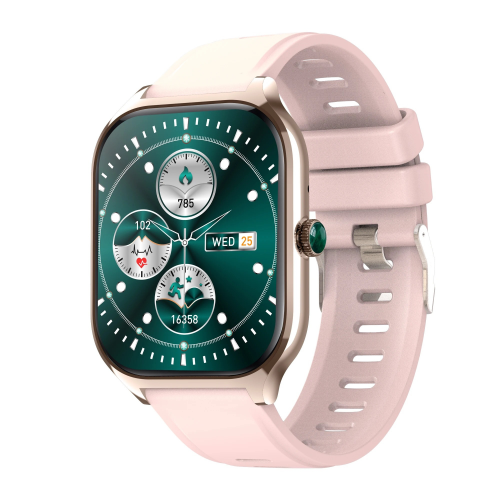
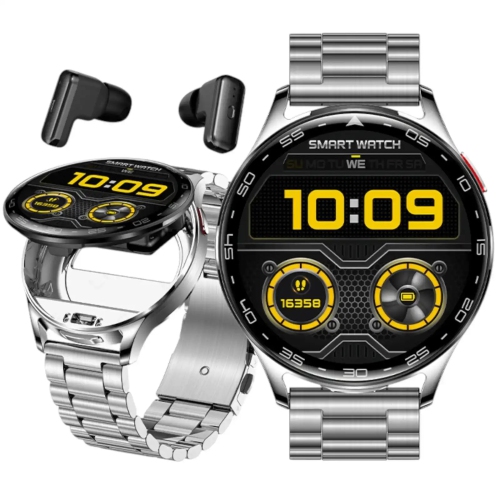
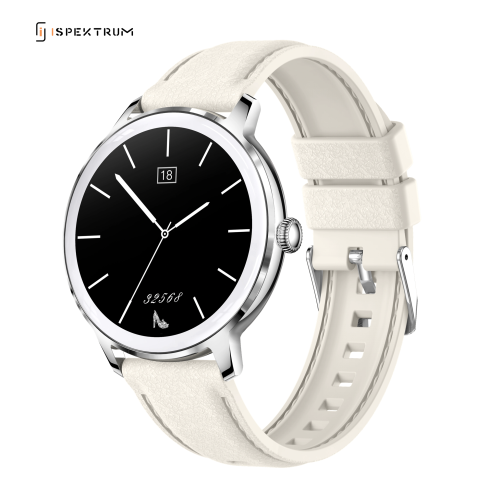
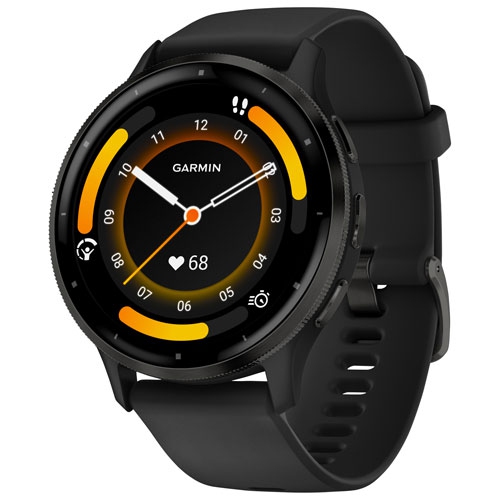
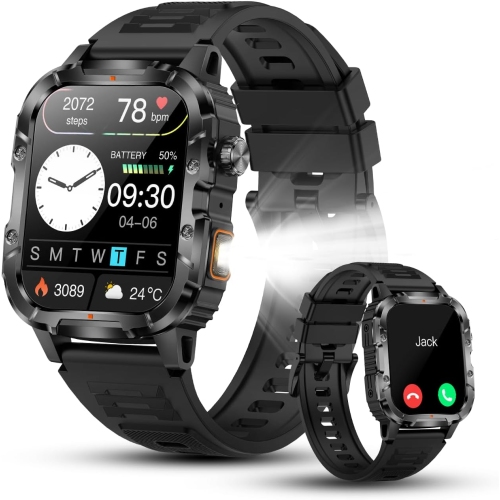
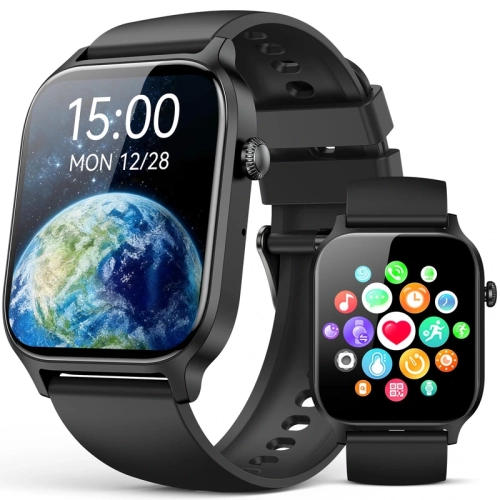
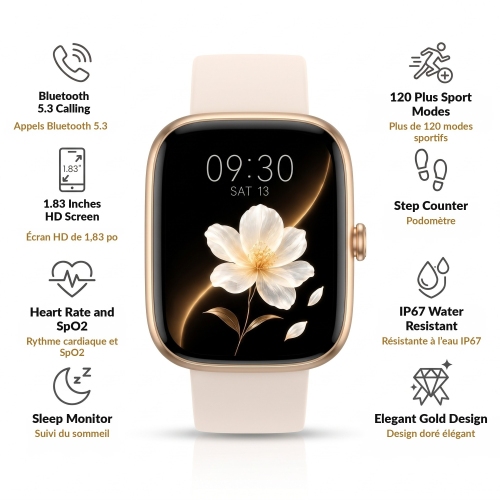
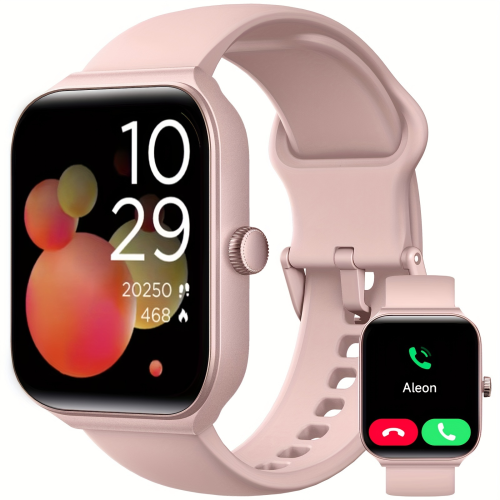
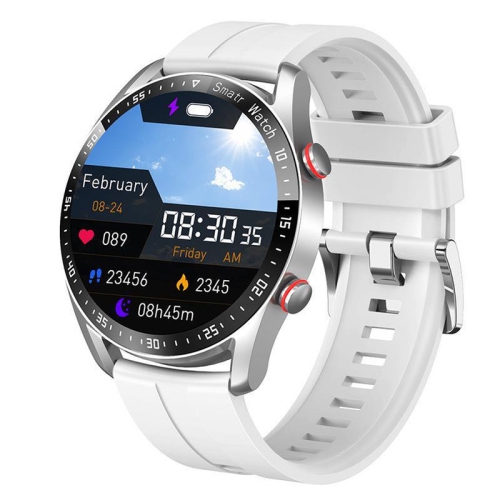
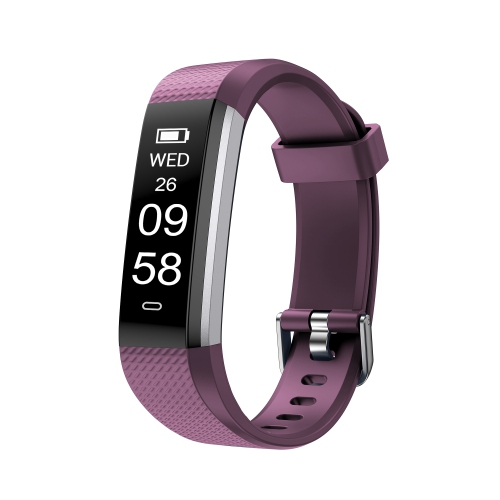

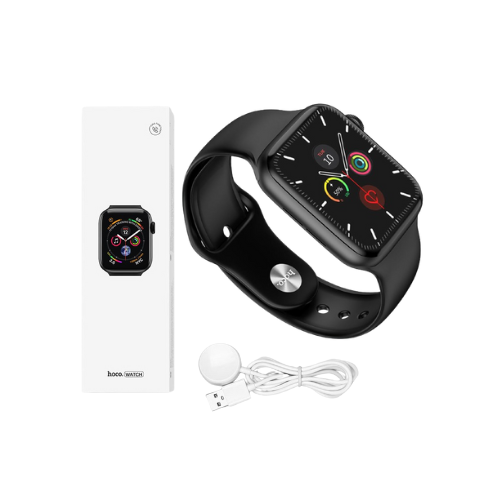
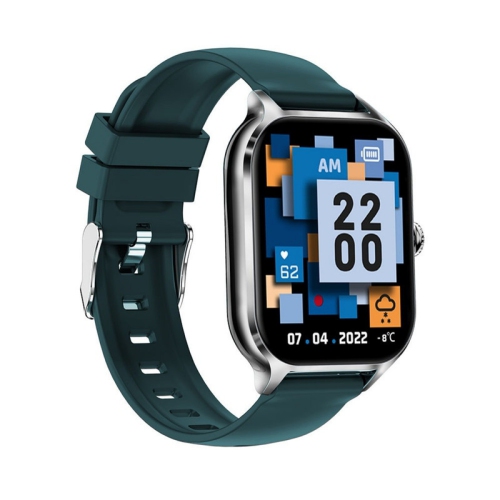
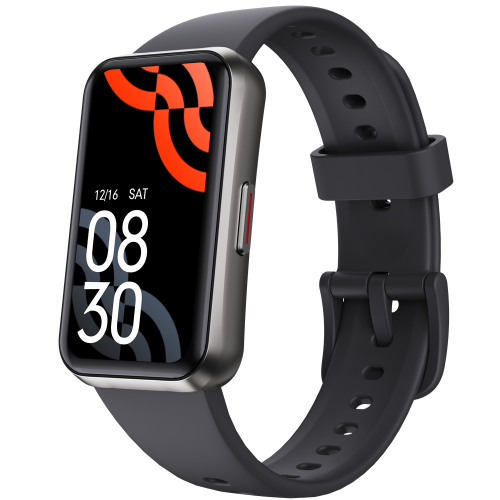
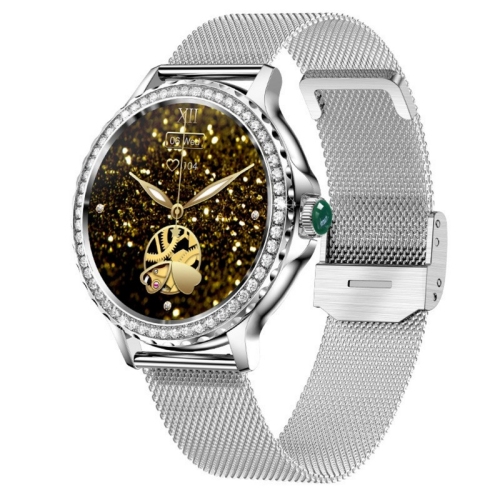


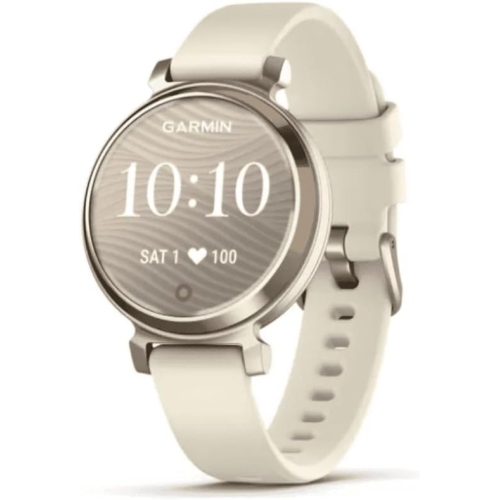
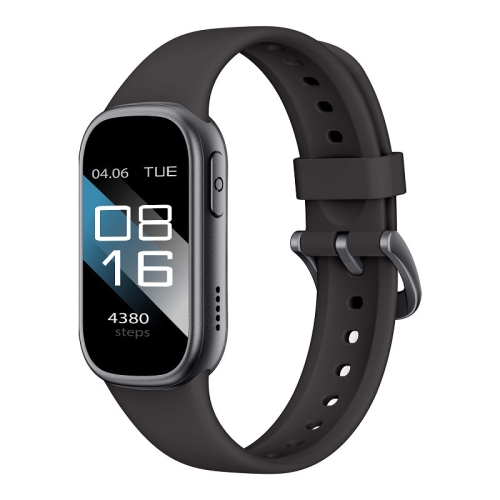
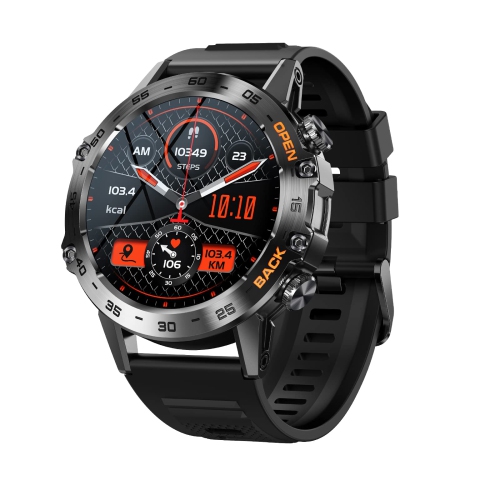
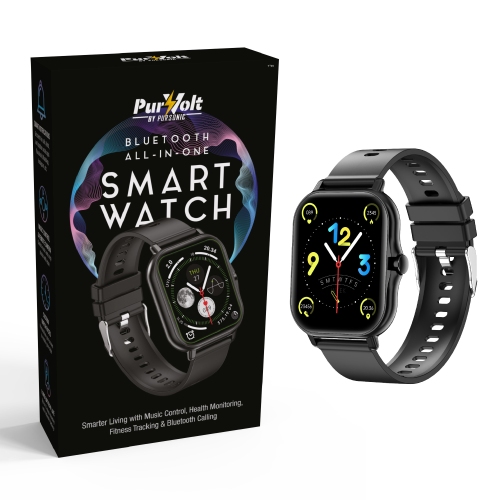
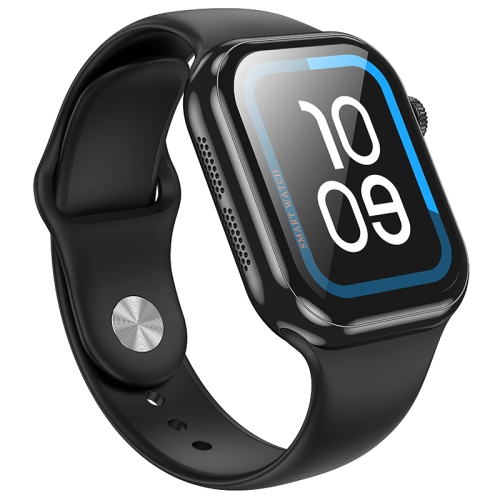
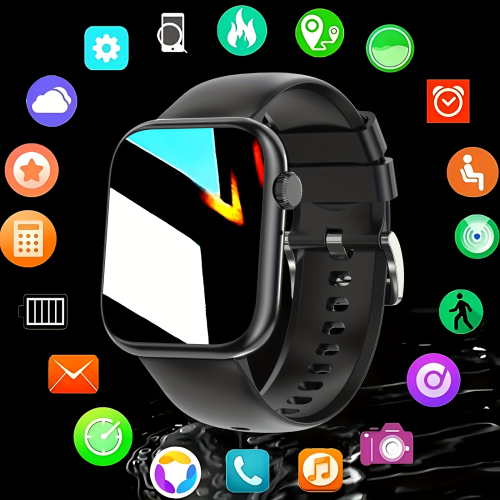
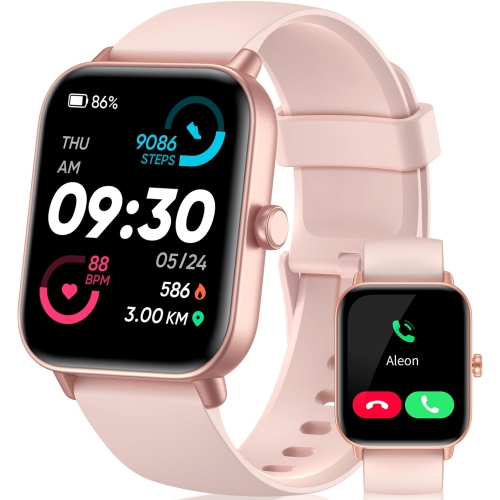

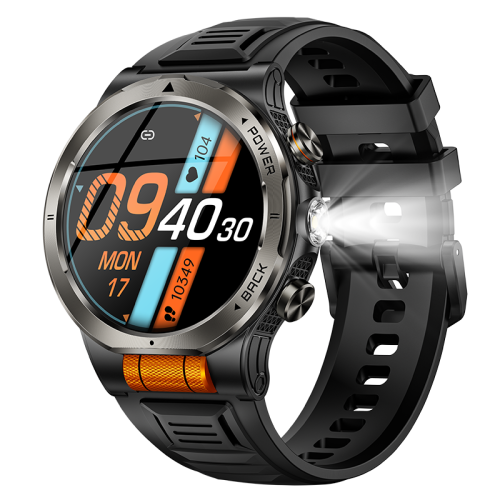
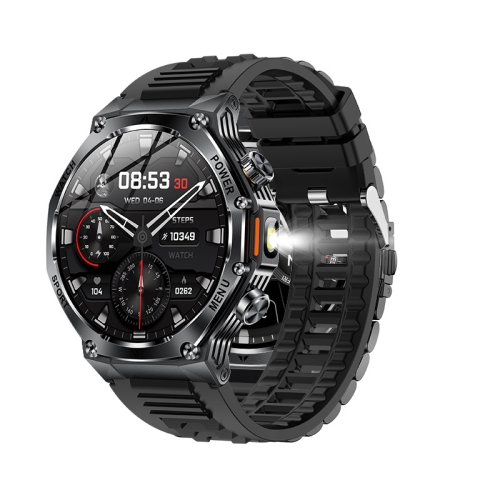
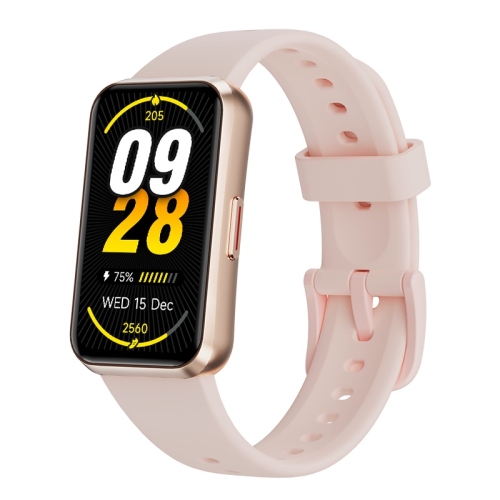
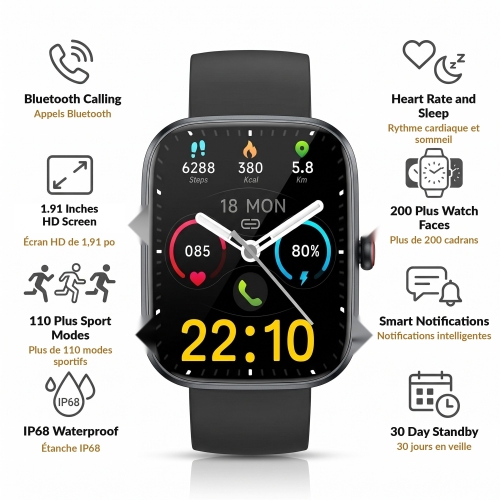
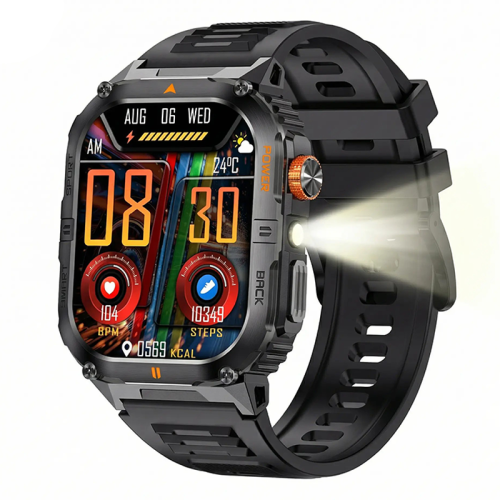
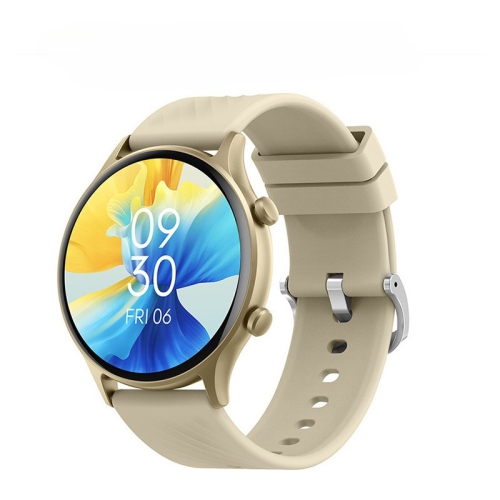
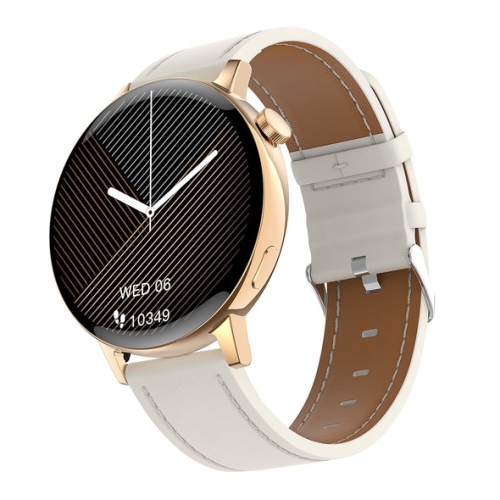
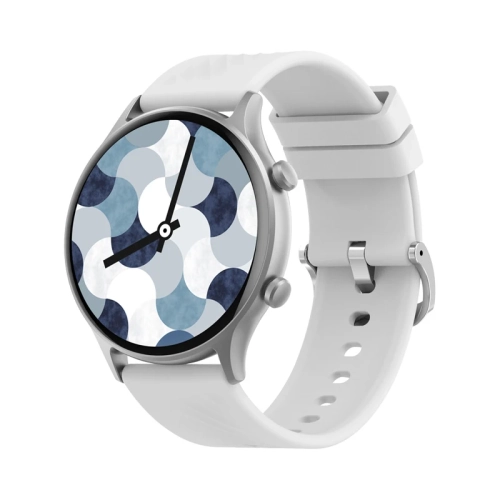
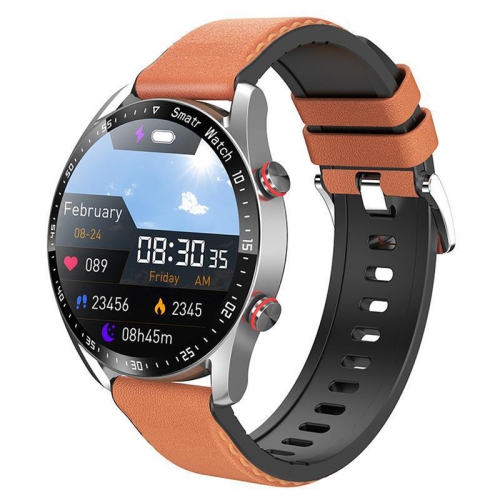
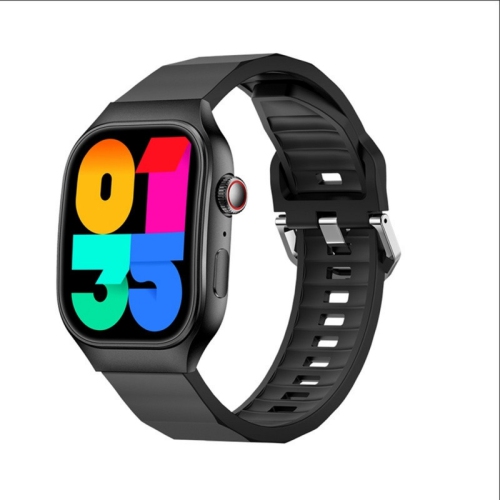
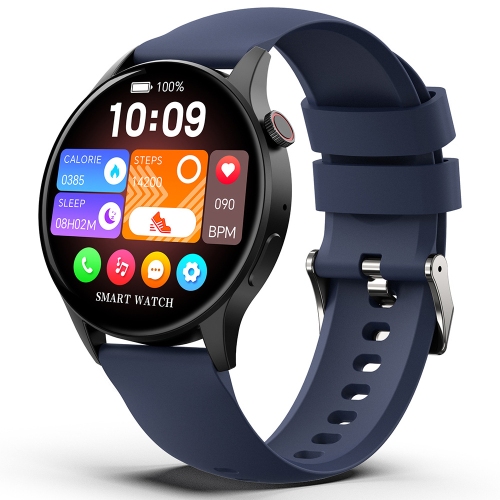
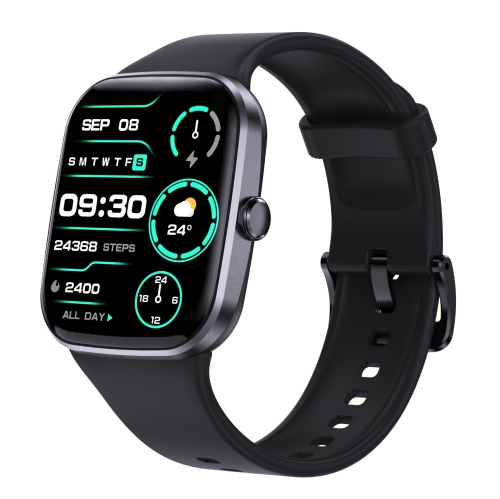
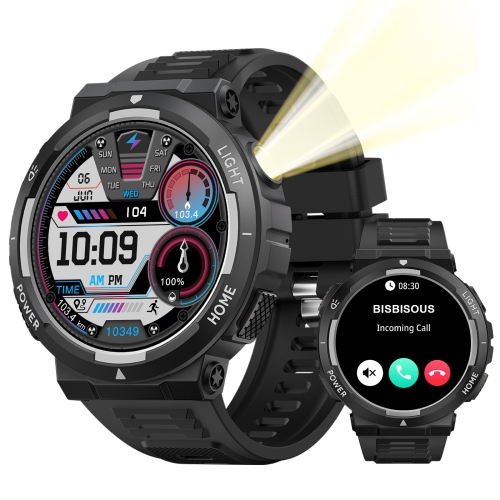
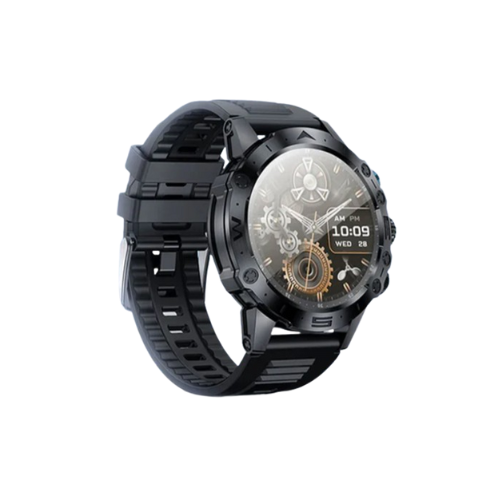
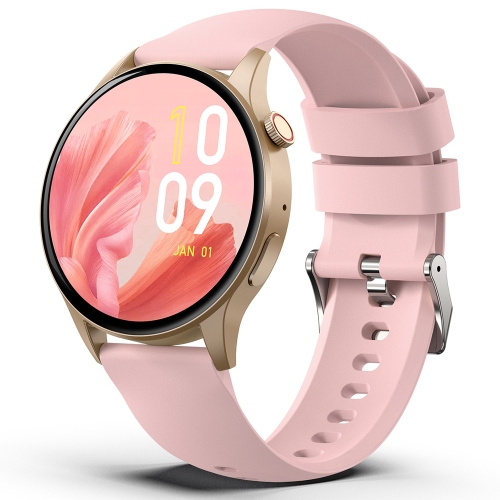
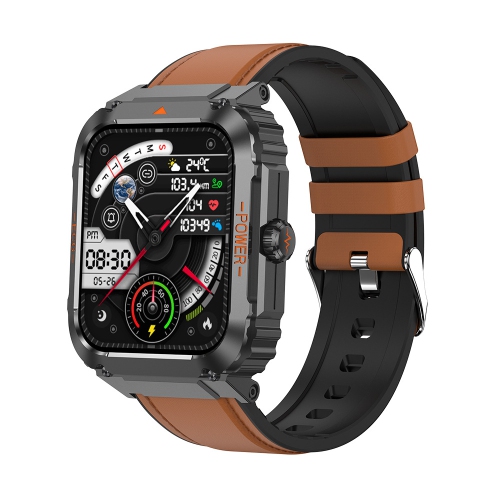
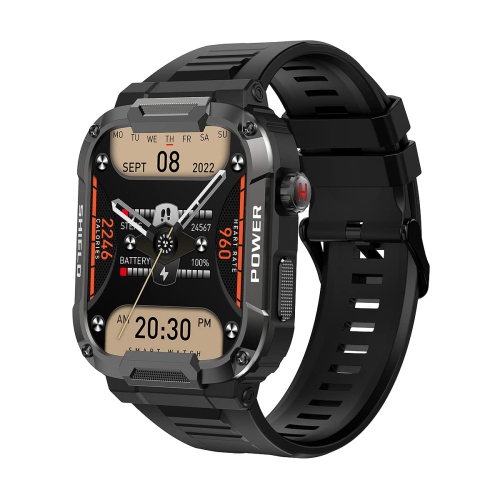
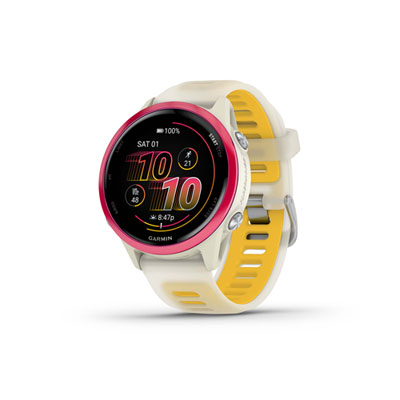
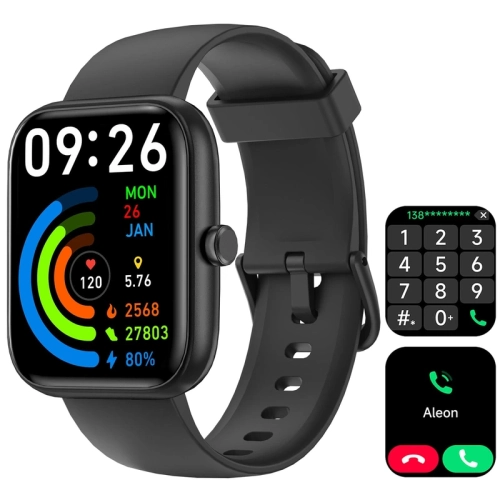
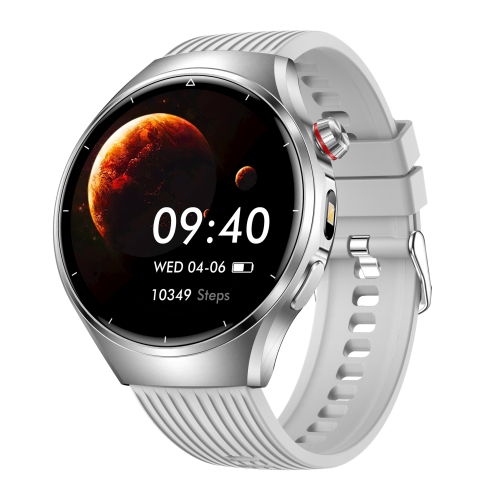
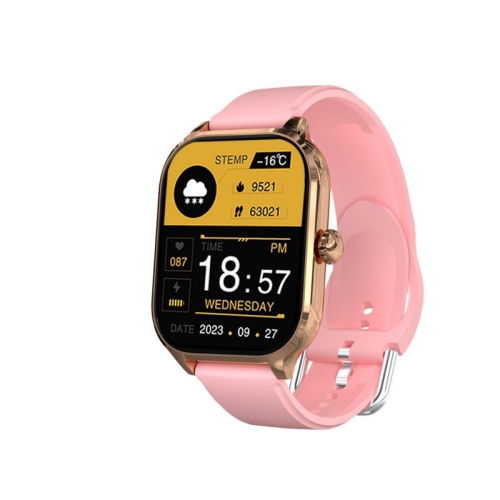
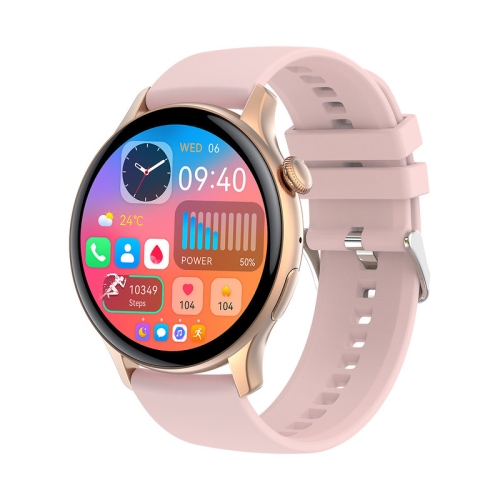
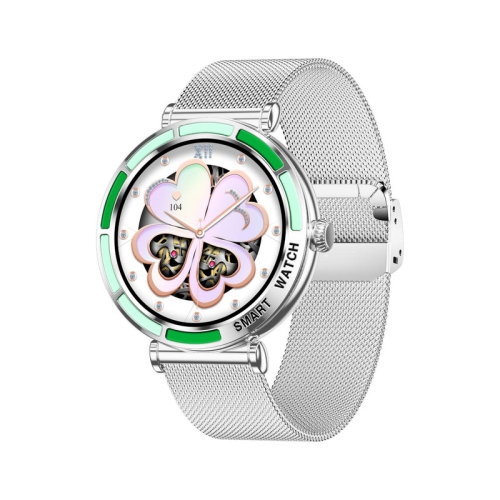
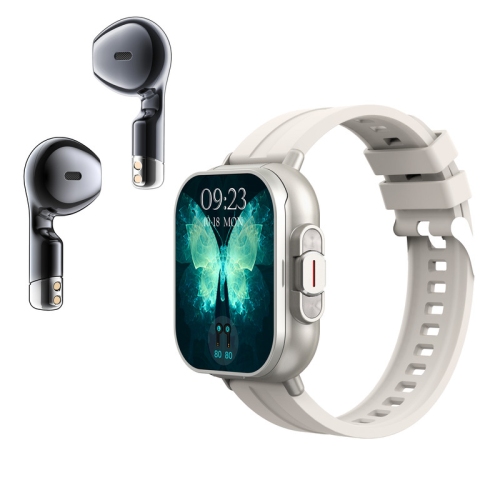
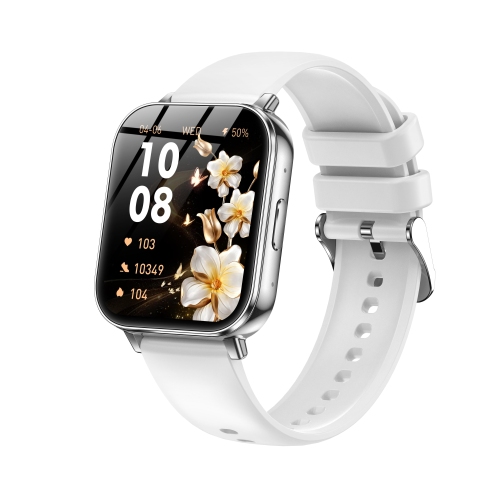
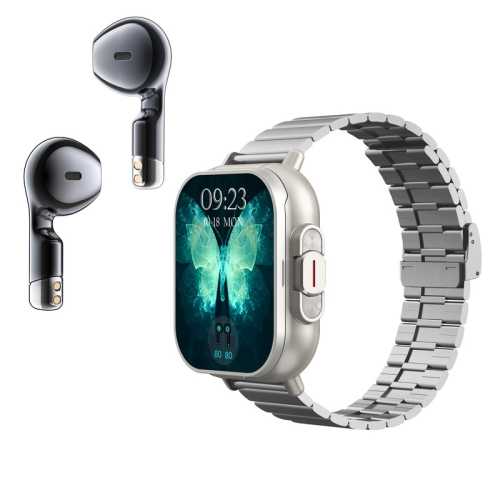
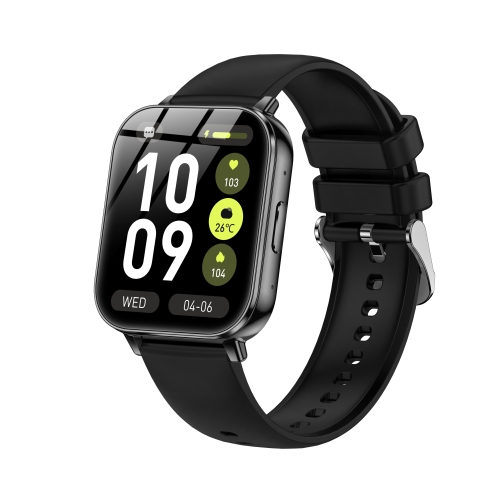
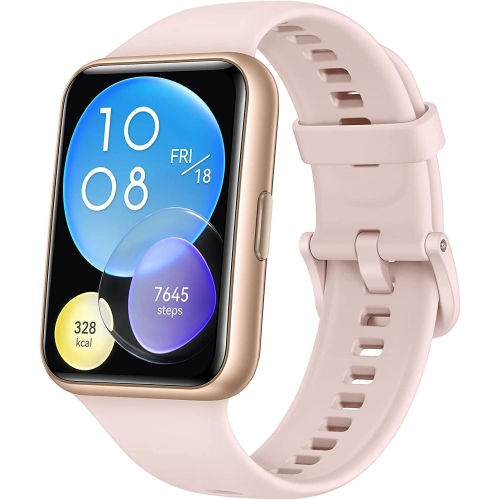
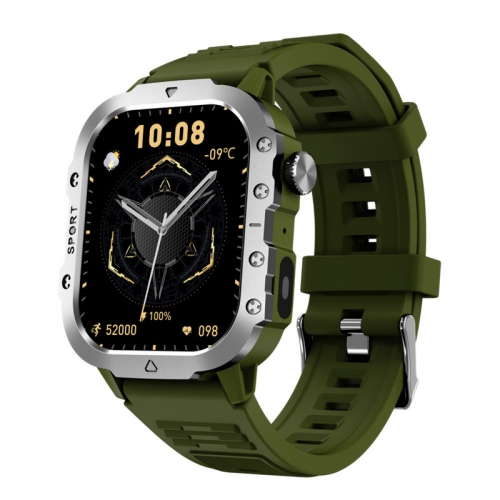

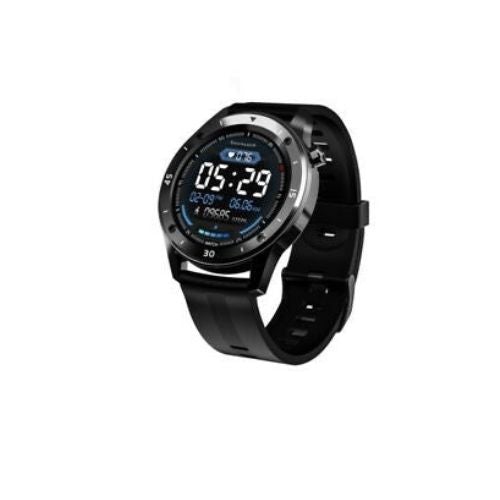
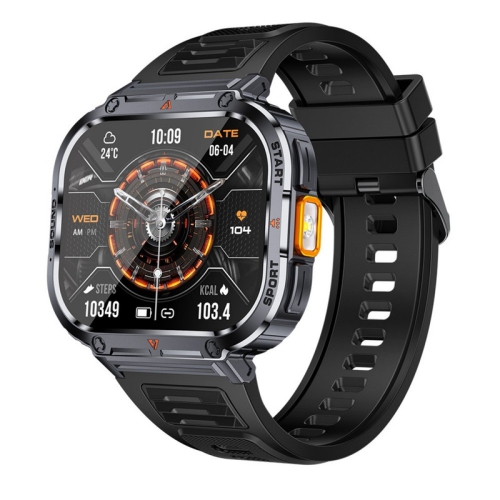
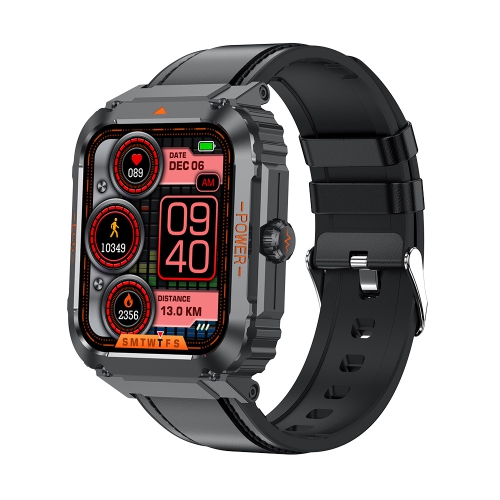
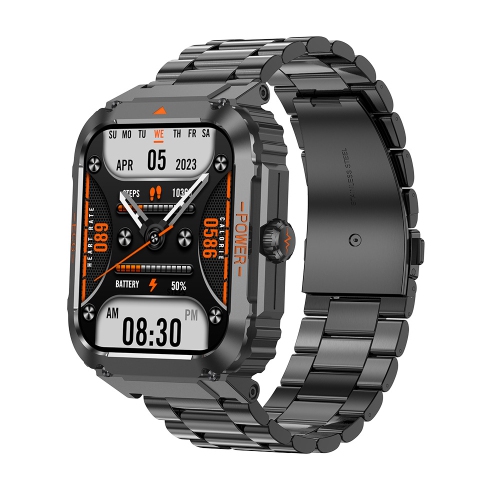
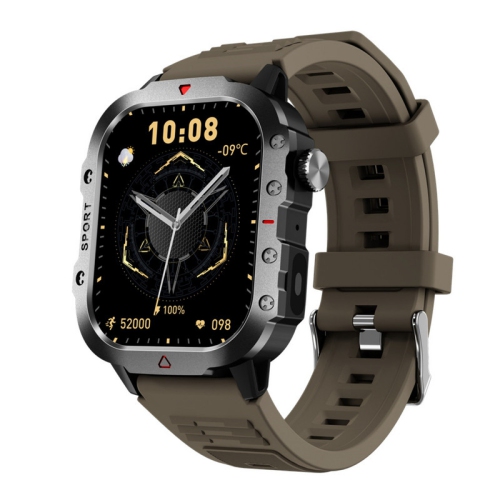
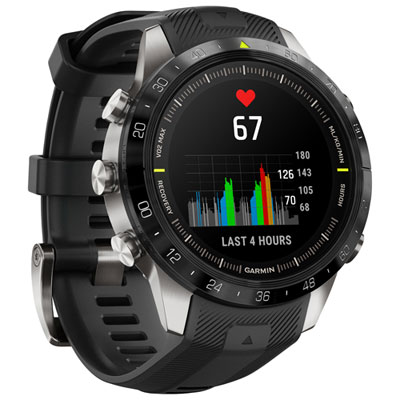
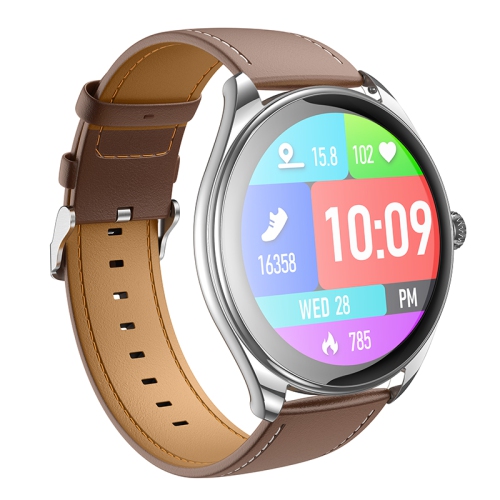
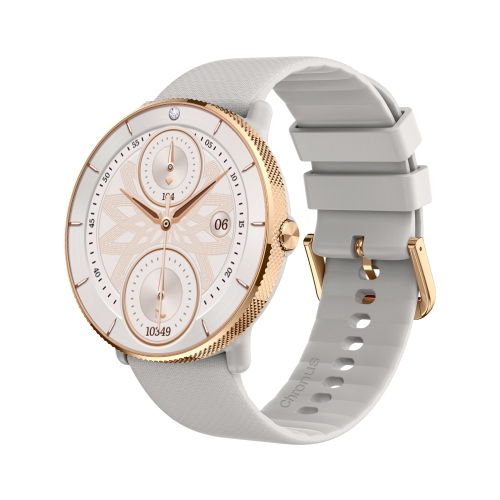
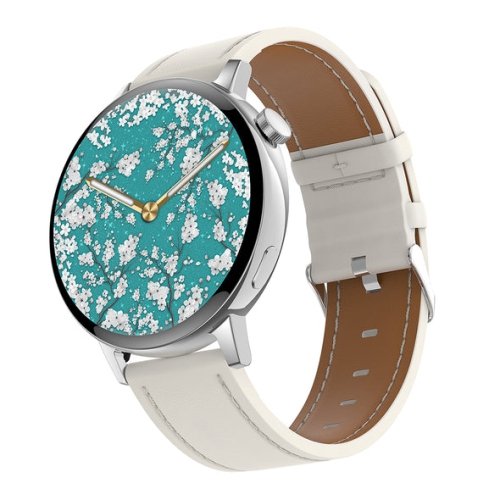
Phone notifications at a glance from your wrist
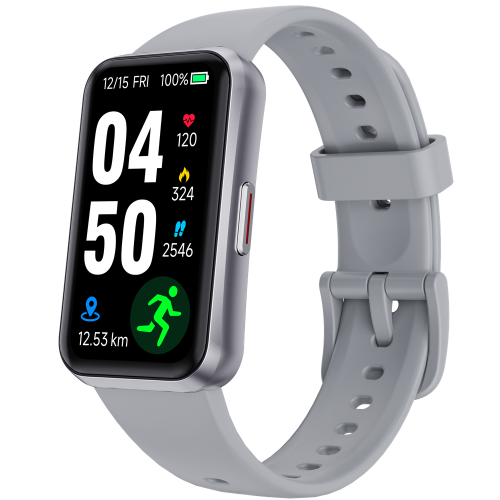
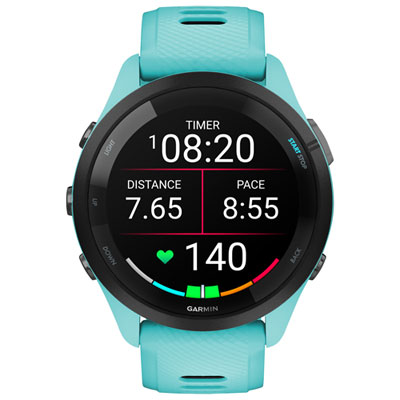
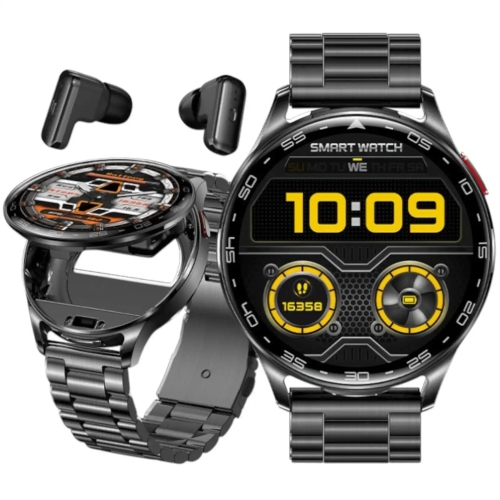
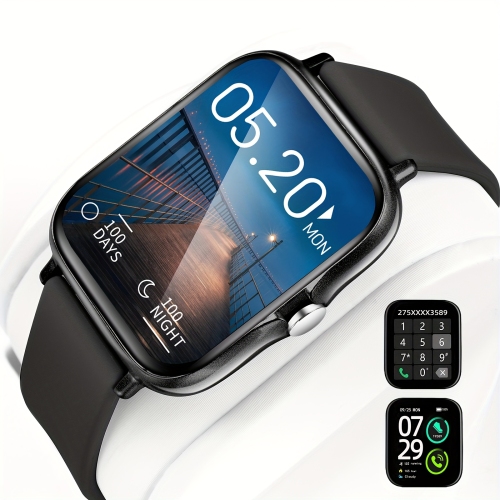
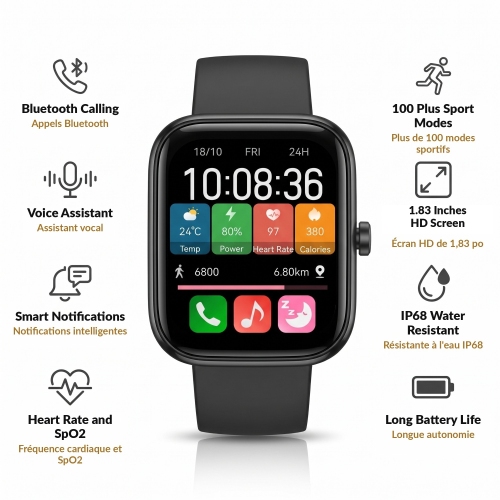
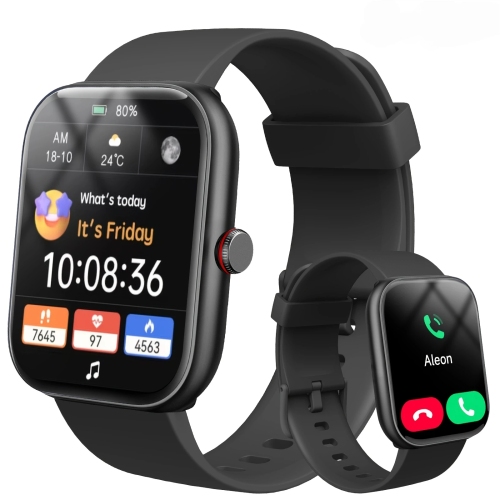
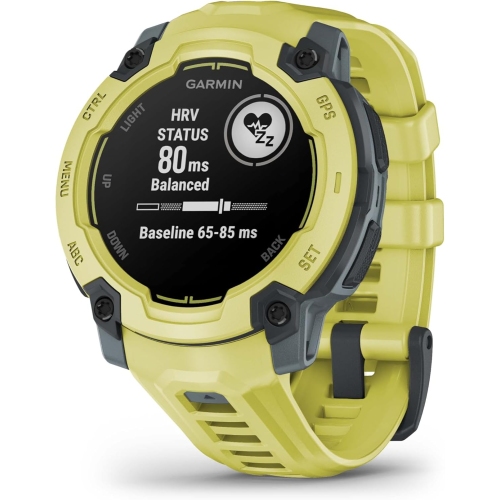
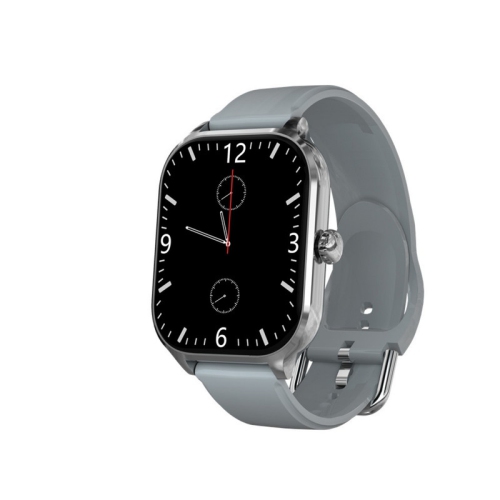
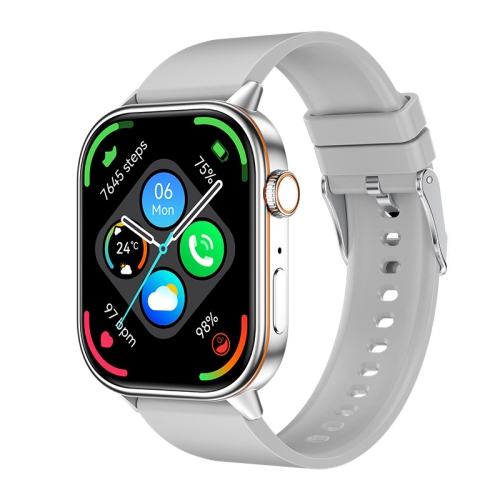
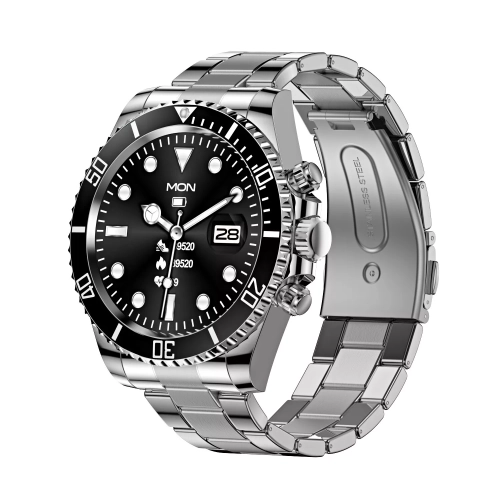
Smartwatches with Bluetooth connect wirelessly to a compatible smartphone, bringing supported notifications, activity information, and everyday controls to the wrist. A quick glance can show an incoming text while a phone stays tucked in a bag, display a calendar reminder between appointments, or reveal who is calling without interrupting a walk. Bluetooth is the connection method, rather than a guarantee of a particular feature: the ability to view messages, send replies, control music, or speak through the watch depends on its hardware, software, and smartphone compatibility. Watches equipped with a microphone, speaker, and supported calling features can let the wearer answer calls directly from the wrist while the paired phone remains within range. The Smartwatches With Bluetooth Calling category focuses on that hands-free convenience. Bluetooth calling generally relies on the connected phone and its mobile service; it is different from a watch with its own activated cellular connection. Connection range also varies with walls, interference, and the devices involved, so a phone left across a building may not remain connected. Compatibility includes the phone’s operating system and required software version, not simply whether the phone has Bluetooth. A companion app commonly handles pairing, notification permissions, activity history, and watch settings, while the selection of supported apps and reply options can differ between phones. For someone moving between a desk, meetings, and errands, notification controls can be as useful as the alerts themselves. Options to limit interruptions, hide message previews, or allow only selected app notifications help keep the display relevant rather than busy. Vibration strength, text size, and the clarity of caller information also affect everyday usability. Touchscreens offer familiar navigation, while physical buttons or rotating controls can make common actions easier during movement. These details shape how naturally a Bluetooth smartwatch fits into an established routine, whether its main purpose is keeping important messages visible, managing calls, or reducing the need to reach for a phone throughout the day.
Beyond phone connectivity, Bluetooth smartwatches can bring movement and wellness information together in one place. Depending on the model, features may include step counts, workout recording, heart rate estimates, sleep tracking, and reminders to move after a stretch of sitting. A commuter might use a daily activity summary to see how much walking fits around transit trips, while someone building a regular exercise routine may appreciate recorded workout duration and pace. These measurements are most useful as estimates and longer-term patterns, rather than medical assessments or substitutes for professional advice. Sensor contact, wrist movement, and the type of activity can affect readings, and sleep summaries are not the same as a clinical sleep evaluation. Location tracking deserves particular attention for outdoor workouts: built-in GPS can record a route without borrowing the phone’s location signal, whereas connected GPS relies on a compatible phone carried nearby. Neither feature, on its own, provides independent calling or messaging. Some watches can also control audio playing on a phone, and some support stored music or compatible audio services with Bluetooth headphones. Those capabilities vary, especially when a phone is not present. Battery life is another practical distinction because continuous location tracking, frequent calls, a bright screen, and an always-on display can shorten the time between charges. A watch worn overnight for sleep tracking needs a charging routine that leaves room for both daytime and bedtime use, perhaps during a shower or a quiet period at a desk. Charging methods differ, with some watches using a dedicated magnetic cable or dock rather than a general-purpose charging pad. Display size and contrast matter when reading an alert at arm’s length, while brightness adjustment can help keep the screen comfortable in different lighting. A larger display may make workout statistics easier to read, but case dimensions and weight also influence comfort. The balance between visible information, battery demands, and a manageable fit often matters more in daily use than a long list of features that rarely get opened.
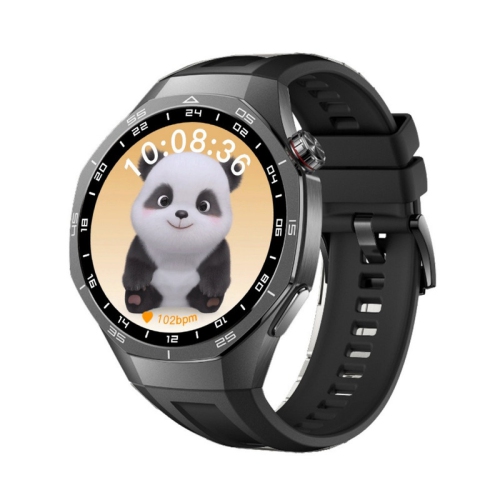
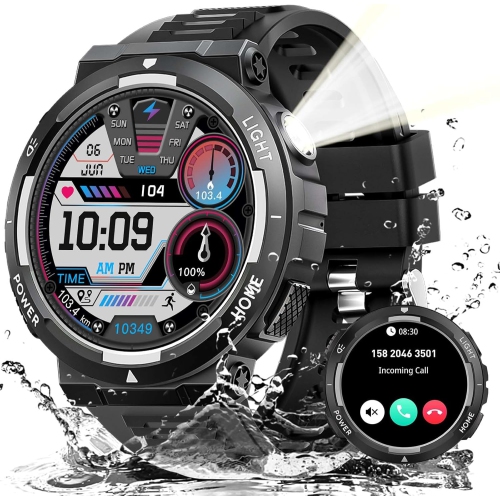
Materials and construction influence how a smartwatch feels from the first notification to the end of a long day. Cases may use reinforced polymers or metals such as aluminium and stainless steel, with different combinations of weight, finish, and resistance to everyday wear. Screen-cover materials also vary, and greater scratch resistance does not mean a display cannot crack after a hard impact. A case that sits comfortably on the wrist without pressing into the back of the hand is particularly helpful for typing, lifting, or exercises that bend the wrist. Band length, adjustment spacing, and clasp design all contribute to a secure fit; the watch should stay in place without needing to be painfully tight. Soft silicone bands are practical for active routines because they are generally easy to wipe clean, while woven bands can offer a flexible feel and leather or metal bands can suit a more dressed-up look. Material sensitivity and trapped moisture are worth considering for anyone wearing a watch for extended periods. Interchangeable bands offer another way to adapt the same device for a workout, a workday, or an evening out, although attachment systems and band widths must match. Water resistance is model-specific, so suitability for splashes, swimming, or other water exposure depends on the stated rating and manufacturer’s directions. A water-resistant rating should not be treated as permission for every activity, and exposure to soap, salt water, or high-pressure water may require particular care. Routine upkeep usually involves cleaning the watch and band as directed, drying them thoroughly, and keeping charging contacts free of residue. For a gift recipient, phone compatibility, wrist size, preferred controls, and comfort with app setup are especially useful considerations. Someone who values simple call alerts may have different needs from a regular runner or a person interested in overnight tracking. Adjustable notification settings, readable text, comfortable materials, and a suitable charging routine help make a Bluetooth smartwatch a practical accessory that feels personal rather than intrusive.
Top selling and popular products
-
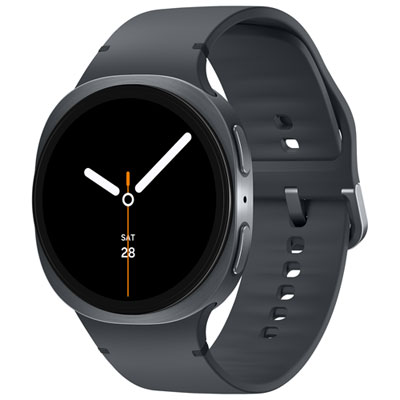 Your price for this item is $489.99
-
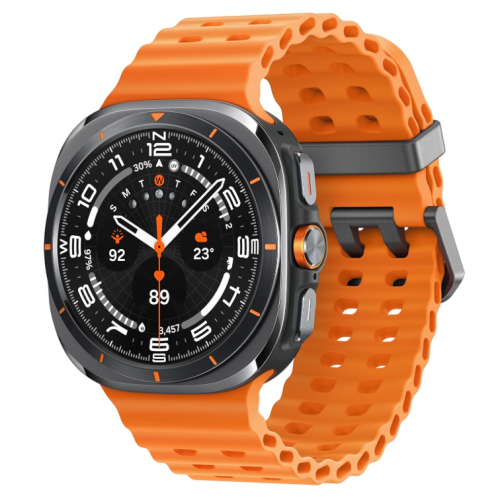 Your price for this item is $579.99
-
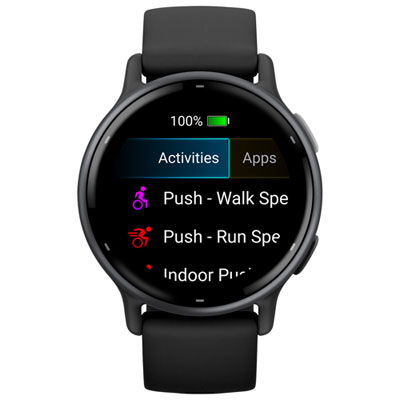 Your price for this item is $239.99
-
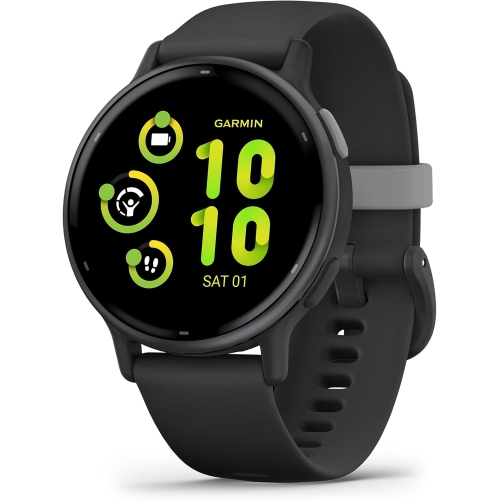 Your price for this item is $234.99
-
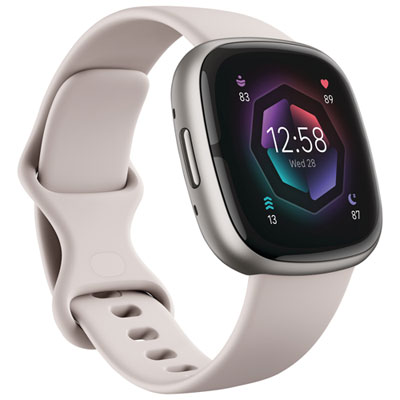 Your price for this item is $329.99
-
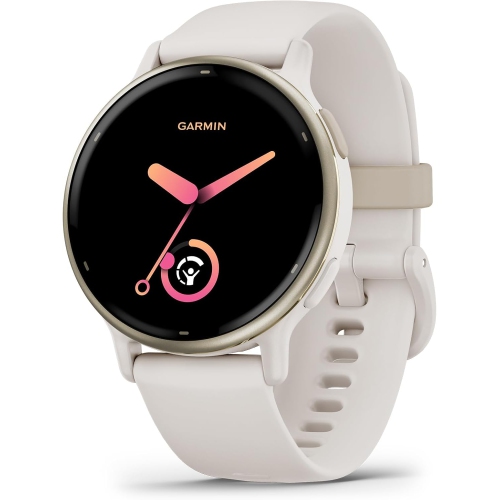 Your price for this item is $279.99
-
 Your price for this item is $399.99
-
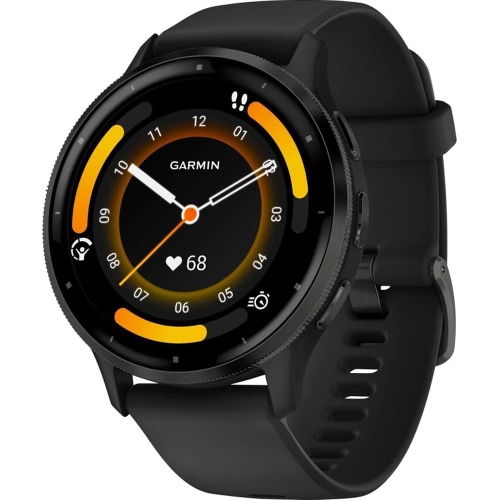 Your price for this item is $419.99
Discover more categories related to Smartwatches With Bluetooth

Top Collections:
Best Black Friday Deals This Year, Best Black Friday Deals On Electronics, Kindle Devices, Pokemon Centers, Best Black Friday Deals On Apple Products, Best Cameras for Sports Photography, Dyson Airwrap, Pokémon 30th Celebration Cards, Apple iPhone 17 Pro, Canon G7X Cameras
Some products may be subject to Environmental Handling Fees
(EHF) depending on your province.
Learn more about EHFs.