Step Counters for Seniors
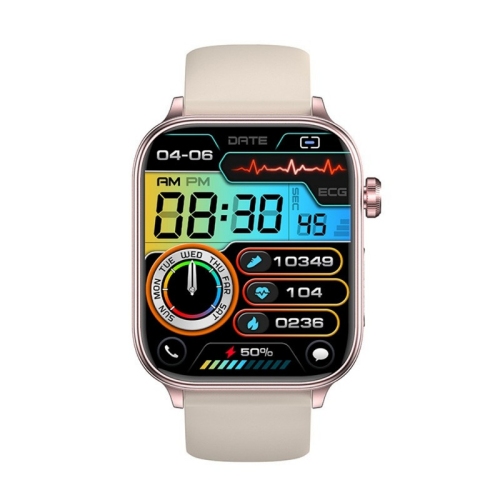
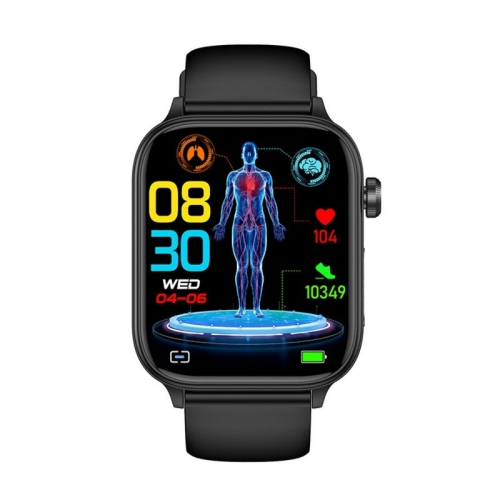
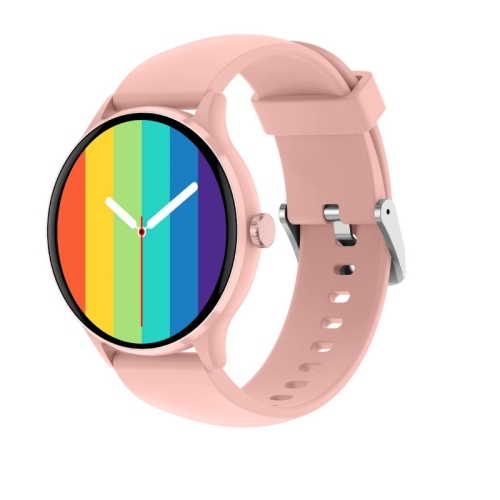
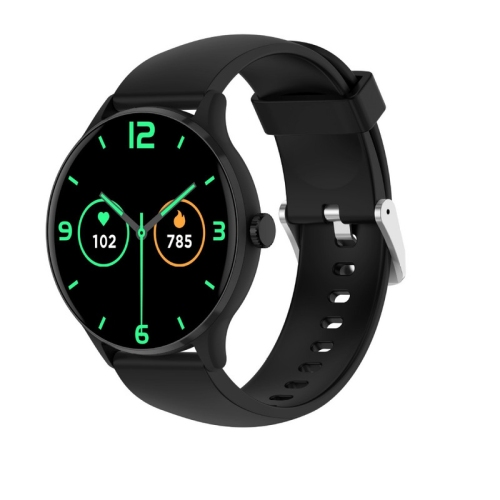
Staying active and maintaining a healthy lifestyle is important for people of all ages, including seniors. Step counters have become increasingly popular as they provide a simple and effective way to track daily physical activity. Whether you're a senior looking to stay motivated or a caregiver wanting to encourage an active lifestyle, these step counters and Heart Monitor Watches For Seniors offer a range of options to suit different needs and preferences.
Sort
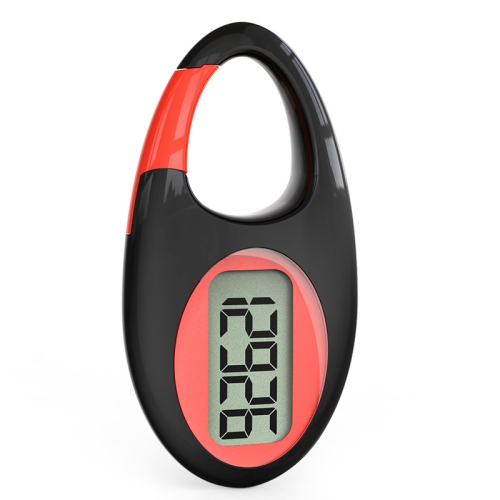
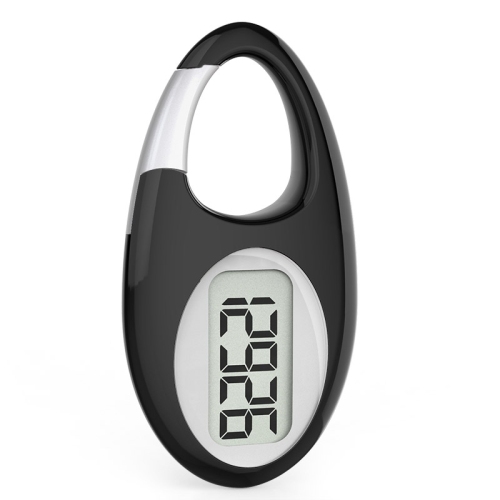
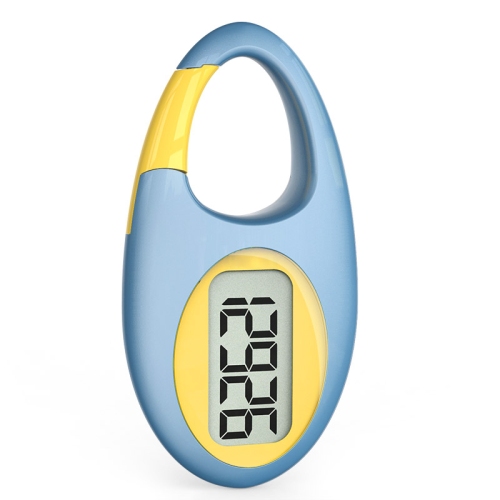
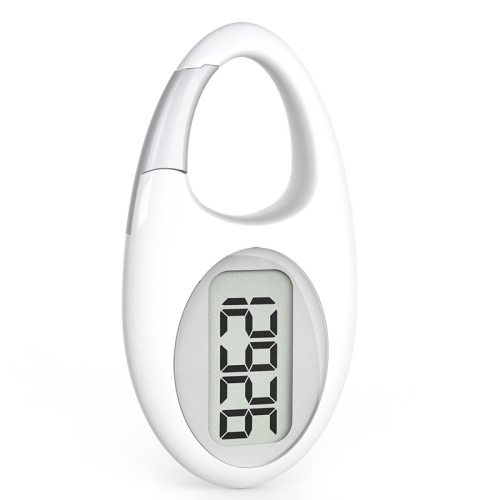
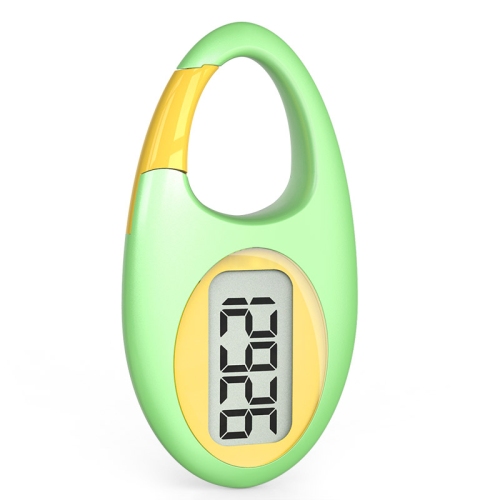


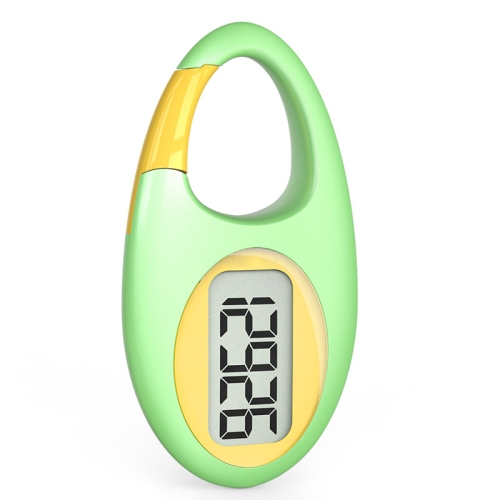
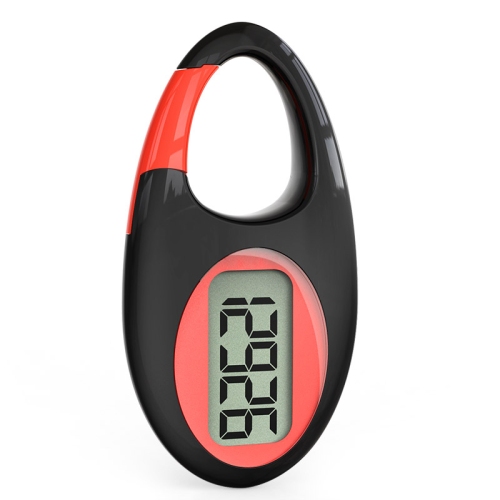
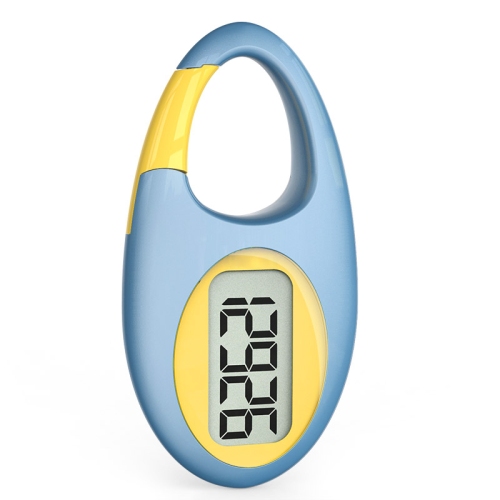
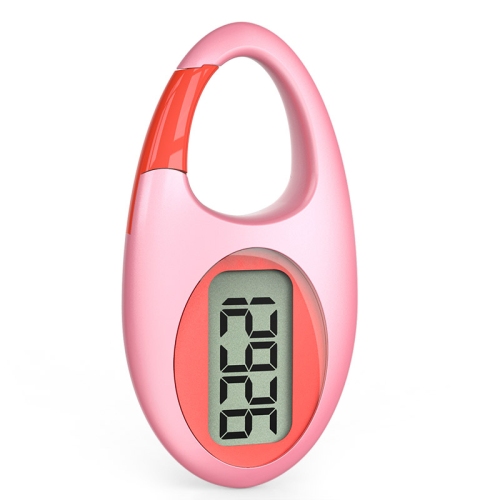
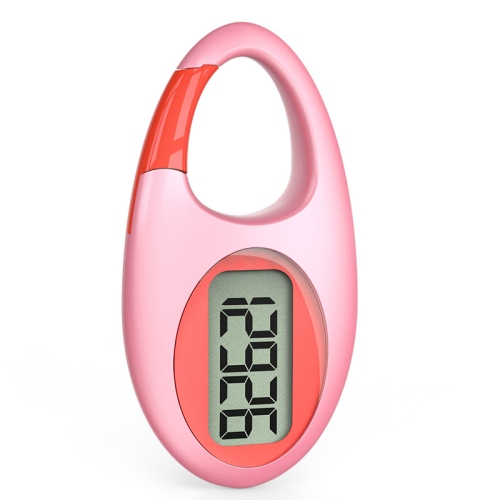
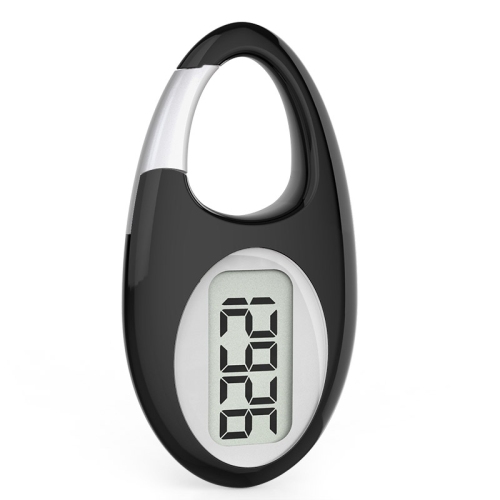
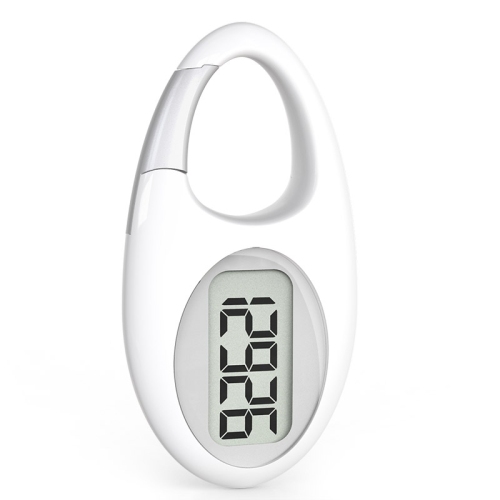
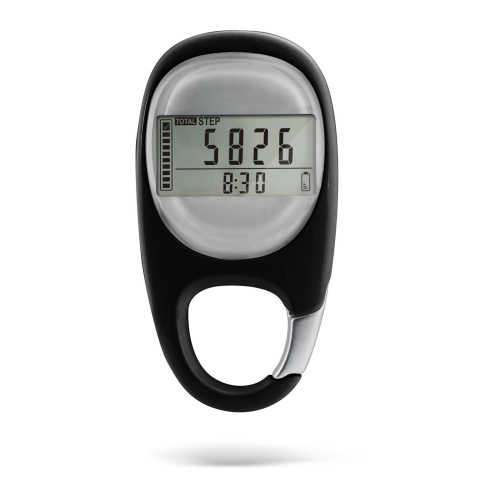
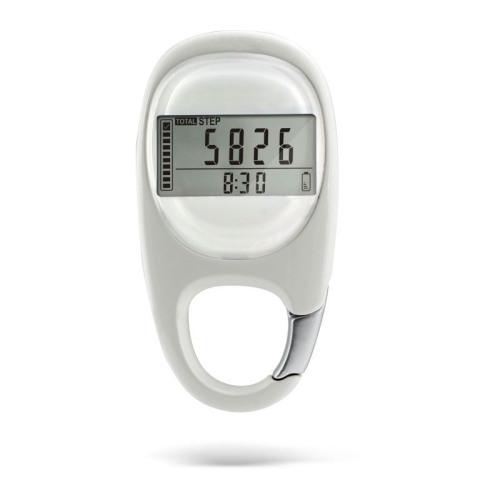








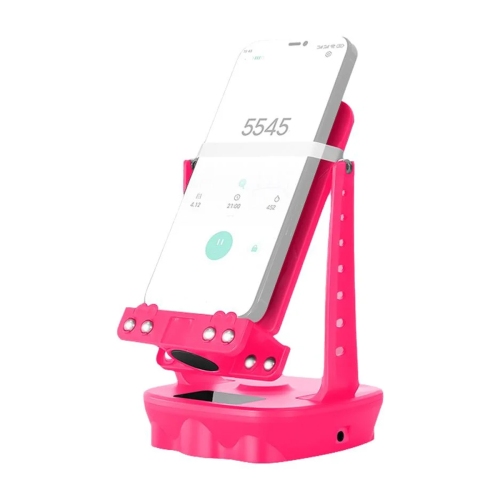
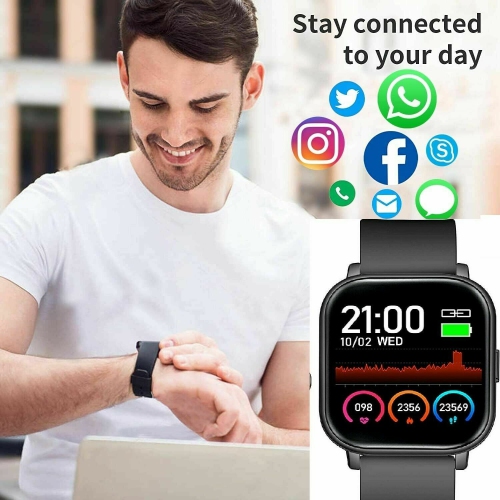
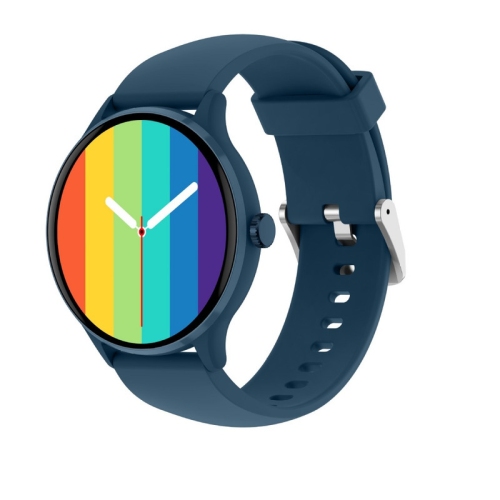
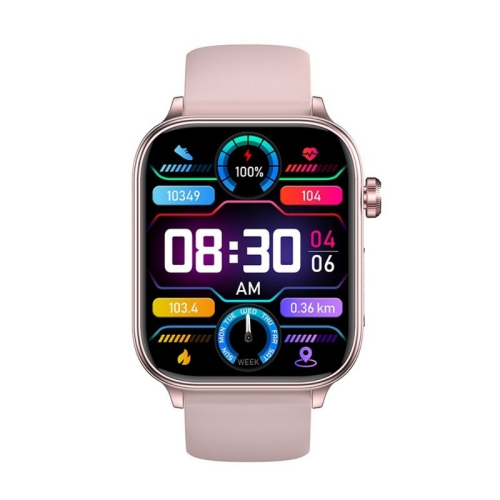
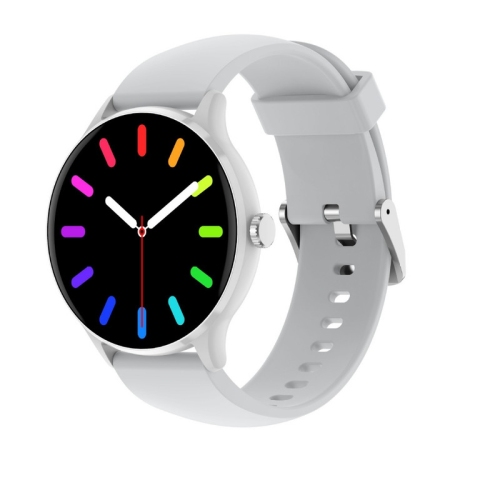

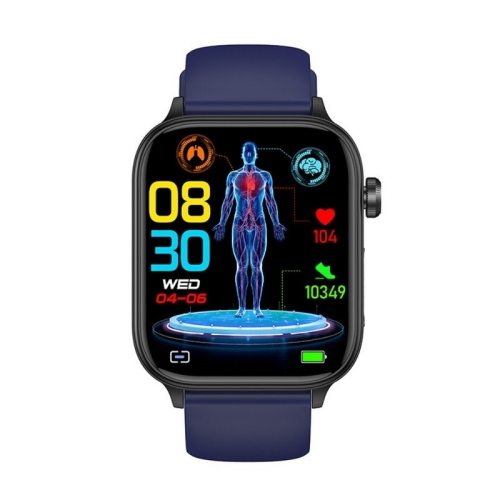

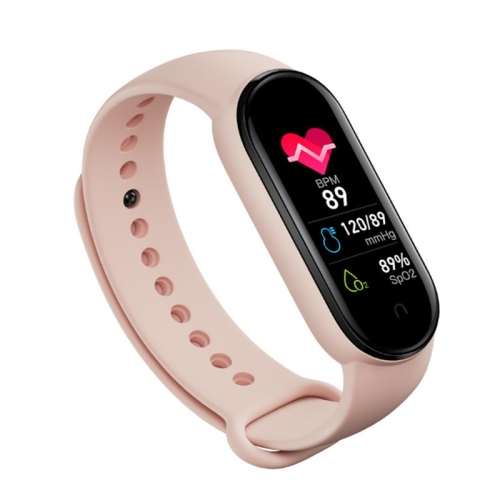
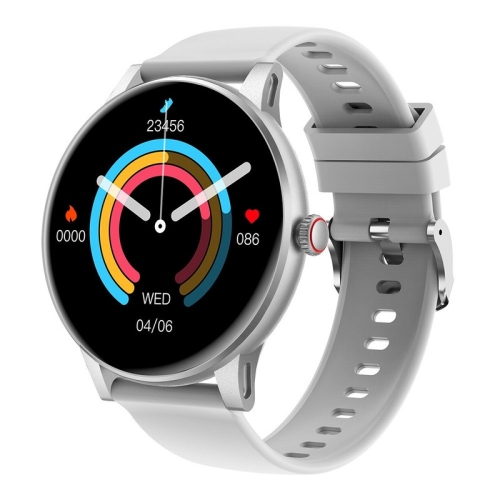


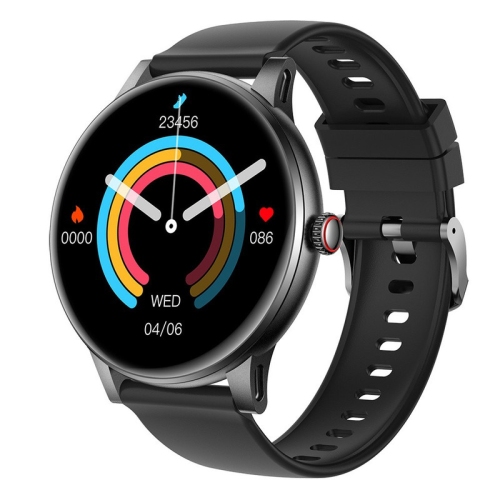
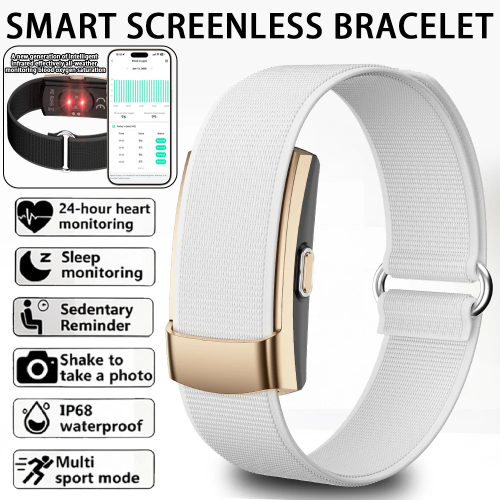
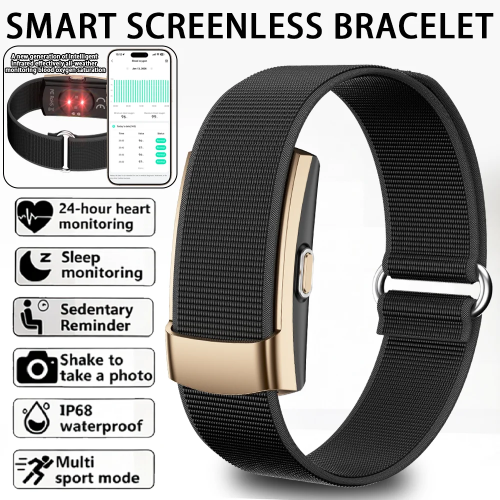


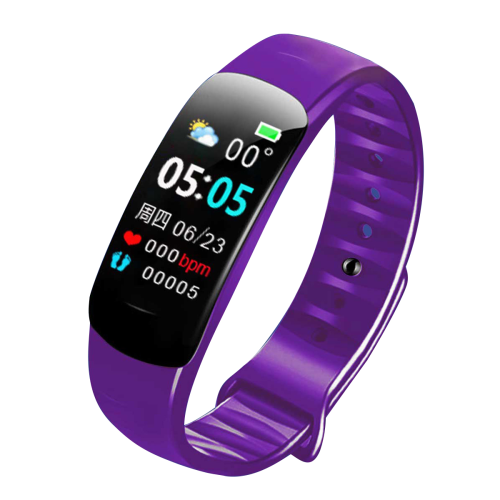


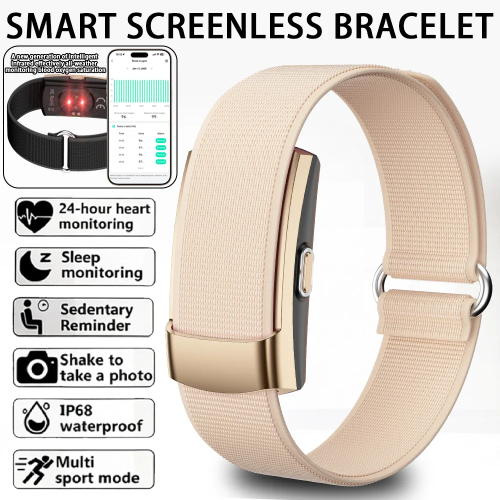

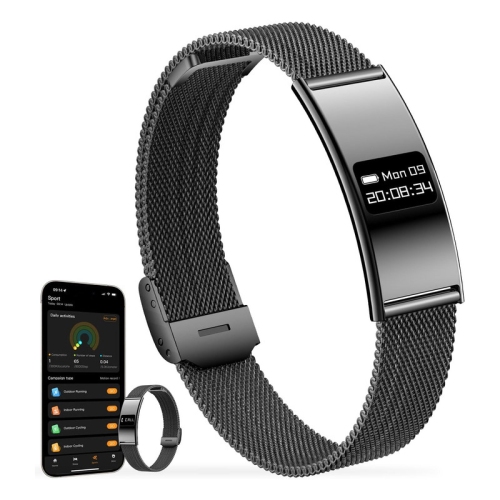

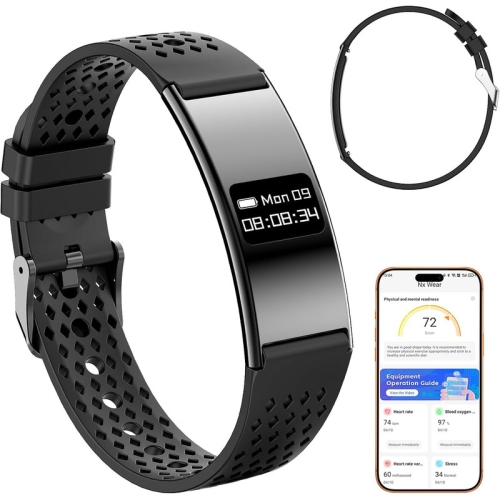
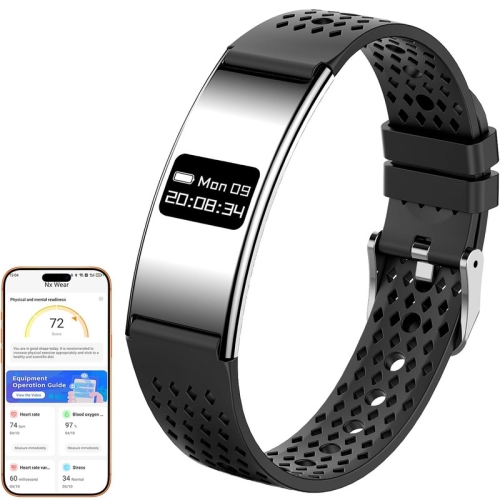
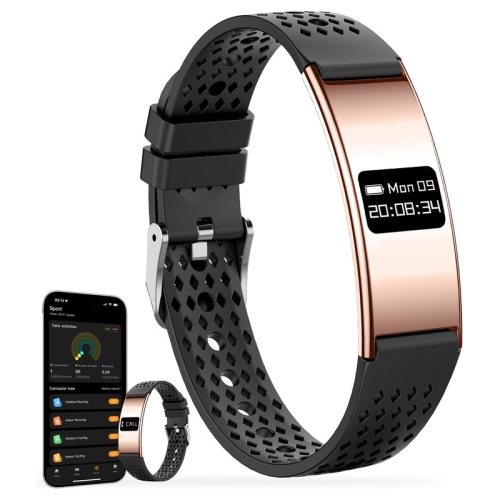
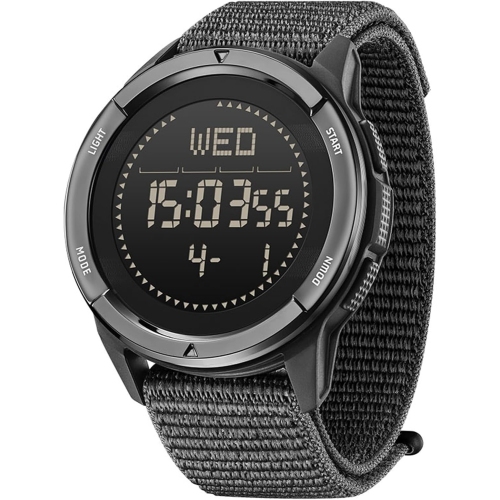


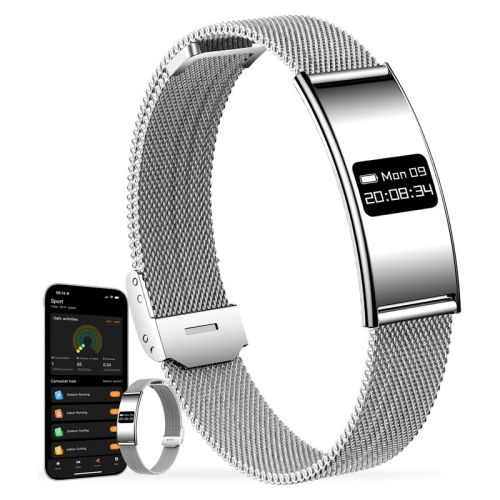



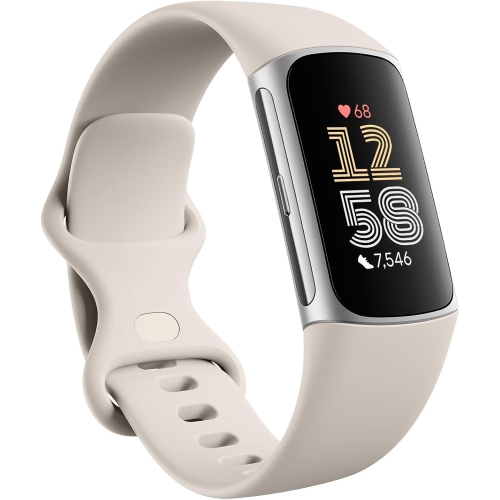
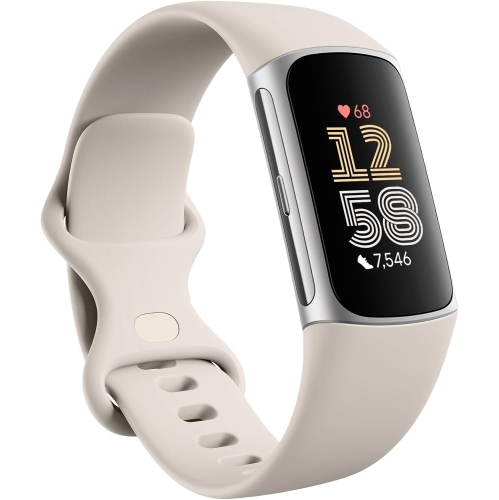

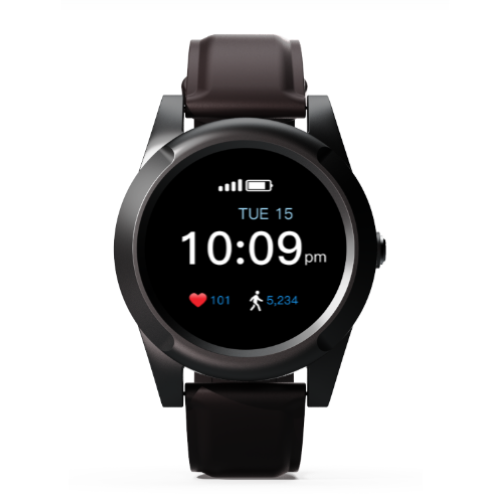
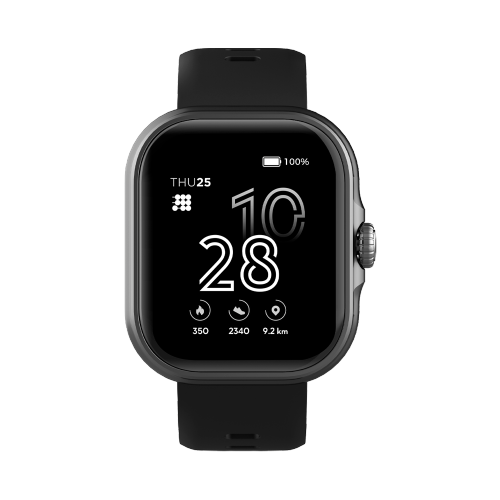
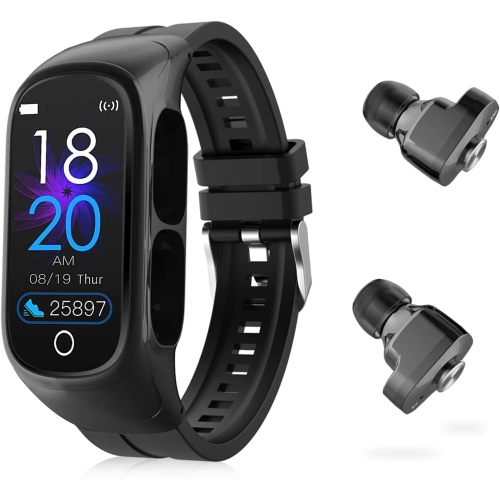
Clear daily step totals without complicated menus
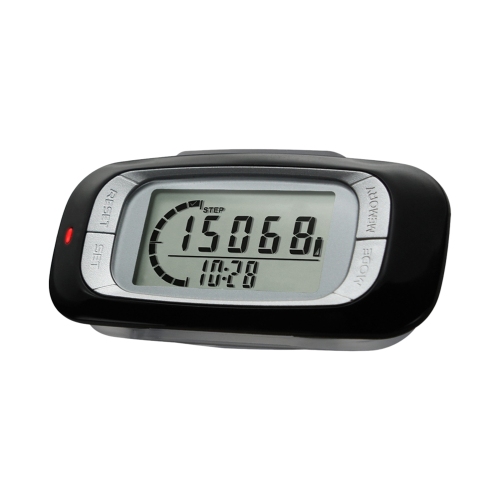
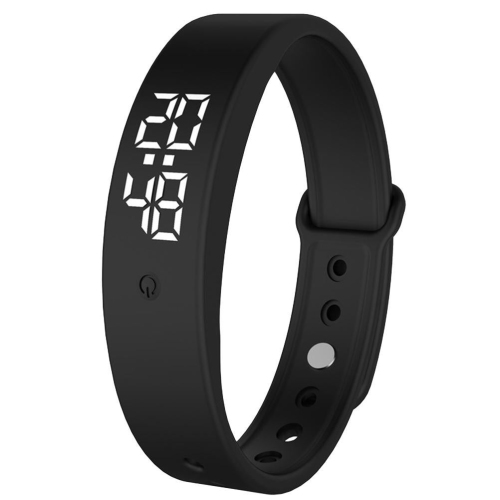
Step counters for seniors offer a straightforward way to keep track of everyday walking, from a lap around the block to an afternoon browsing a shopping centre. Often called pedometers, these devices count steps and display a daily total, making movement easier to follow without necessarily adding another screen or app to manage. The most useful features for many older adults are large, easy-to-read numbers, clearly labelled buttons, a comfortable carrying method, and a setup process that matches their comfort with technology. A basic standalone pedometer can work without a smartphone, Bluetooth connection, or online account, although those requirements vary by device. That simplicity suits someone who wants to check a step total at a glance rather than navigate notifications and menus. Display quality matters as much as display size: strong contrast, uncluttered digits, and a wide viewing angle can make a number easier to read without tilting the device repeatedly. A backlight may help in dim indoor spaces, while a screen that shows steps immediately avoids extra button presses. For someone with reduced hand strength or limited finger dexterity, raised buttons with a distinct response may feel more manageable than tiny controls or a touchscreen. An automatic daily reset can separate one day’s activity from the next, whereas a manual reset gives the wearer control over when a new count begins. A recessed reset button or button lock can help prevent a total from being cleared accidentally while the device is in a pocket. Some pedometers also retain previous daily totals, allowing a wearer to compare walking routines without writing everything down. These practical details can make a step counter a useful companion for an older adult who enjoys neighbourhood walks, attends a walking group, or simply wants a clearer picture of movement throughout the day. Simplicity is a preference rather than an age requirement; some seniors enjoy connected features, while others value a device devoted to one task.
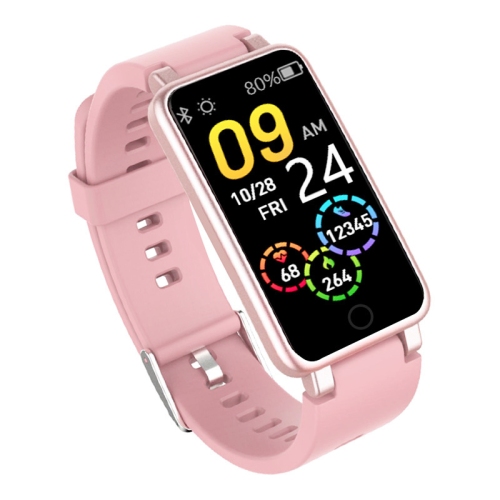
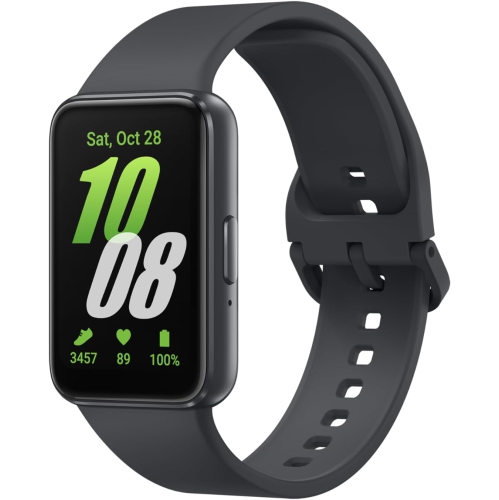
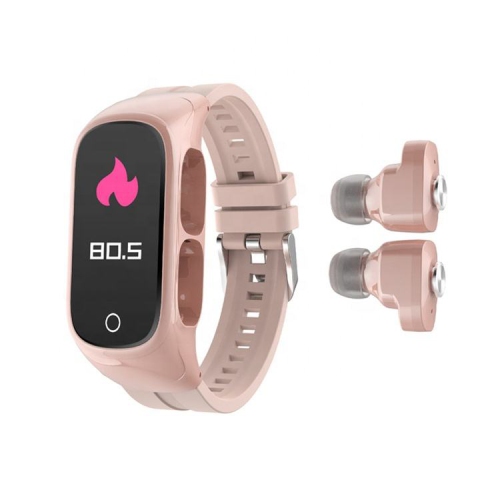
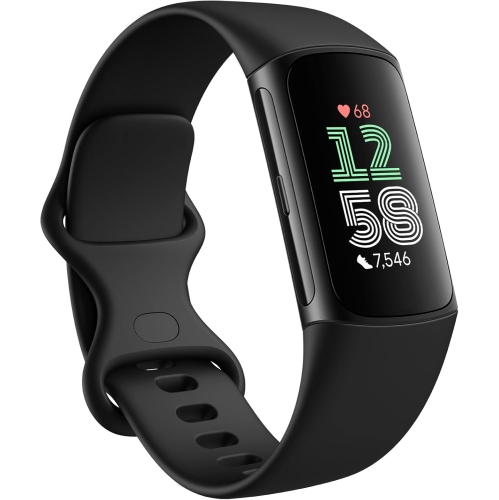
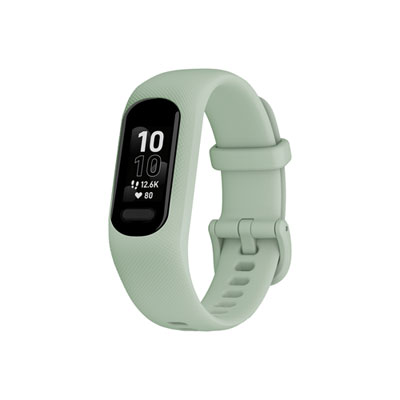
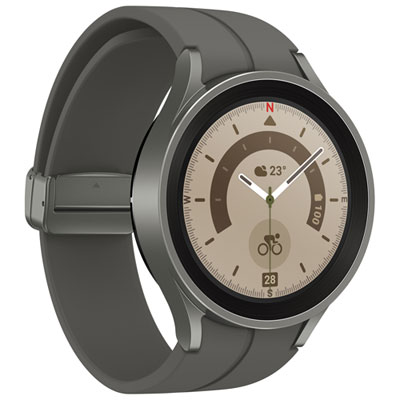
Clip-on, pocket, and wrist-worn step counters each fit into daily life a little differently. A clip-on pedometer keeps the wrist free and can attach to a waistband or belt, provided the clip suits the thickness of the clothing and holds securely. Its position should also make the display accessible without uncomfortable bending or twisting. Pocket models are discreet and easy to carry, but work best when placed according to the manufacturer’s directions rather than left loose in a bag unless that placement is supported. Some devices use three-axis motion sensors that can detect movement in several orientations, giving more flexibility in how they are carried. That flexibility does not guarantee an exact count in every situation. Slow or shuffling steps, very short trips between rooms, and different walking patterns can affect detection. Wrist-based counters may miss some steps when the wearer holds a walker, pushes a shopping trolley, or keeps an arm relatively still; unrelated arm movements may also add to a total. For someone who uses a mobility aid, sensor placement and stated operating requirements deserve particular attention. A comfortable, properly positioned device is generally more useful for following personal patterns than comparing totals from different counters. Wrist-worn designs keep the display within easy reach and may combine a step count with the time, reducing the need to carry a separate device. Strap length, fastening style, and the number of adjustment positions influence whether the fit feels secure without being restrictive. Soft silicone or flexible resin straps can be easy to wipe clean, while fabric straps have a different feel and may take longer to dry after cleaning. A smooth, lightweight plastic casing can sit comfortably against clothing, and rounded edges help prevent a pocket device from catching. Lanyard-compatible designs offer another carrying option when supported by the manufacturer, though dangling cords may be inconvenient during bending or household tasks. The best fit is one that stays comfortable through ordinary activities and is easy to put on, remove, and read independently.
Long-term ease of use depends on care, battery design, and how much information the wearer actually wants. A replaceable-battery pedometer may run for an extended period between changes, but the size of the battery compartment, the tools needed to open it, and the ease of handling a small battery all affect convenience. Rechargeable designs avoid routine battery replacement but require a charging habit and a connector or cradle that the wearer can manage comfortably. Battery life varies with the device and its features; a low-battery indicator helps make maintenance less of a surprise. Automatic sleep functions can reduce power use during inactivity, although the way a display wakes and counting resumes differs between models. For everyday care, a soft cloth and cleaning methods approved by the manufacturer help keep the screen, casing, and strap clean without damaging their surfaces. Water resistance is also model-specific: protection against splashes does not automatically mean a device can be worn in the shower or swimming pool. A secure clip, sturdy fastening, and well-fitted battery cover are practical durability considerations for something handled every day. Beyond basic counting, some devices estimate distance and calories or offer reminders to move. Distance estimates may rely on an entered stride length, and calorie estimates are approximate rather than precise measurements of energy use. Seniors interested in a broader view of activity can also explore Fitness Trackers for Seniors, where features may extend to activity history, heart rate, or sleep tracking, depending on the device. Those extras can be appealing, but a clear step total may be all that is needed for a satisfying daily routine. As a gift for a parent, grandparent, partner, or friend, a step counter is most thoughtful when it reflects the recipient’s interests, preferred controls, and willingness to charge or sync a device. A familiar walking route provides a practical setting for getting used to the display and observing how consistently it counts. Step totals are best treated as estimates that reveal personal patterns over time, not as a diagnosis or a requirement to reach the same target as someone else. Individual mobility, comfort, and advice from a healthcare professional remain more important than any number on a screen.
Top selling and popular products
-
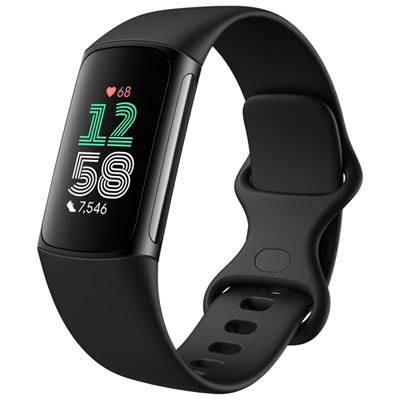 Your price for this item is $219.99
-
 Your price for this item is $199.99
-
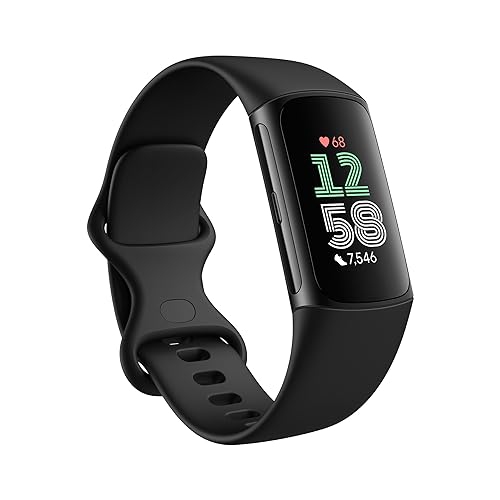 Your price for this item is $199.99
-
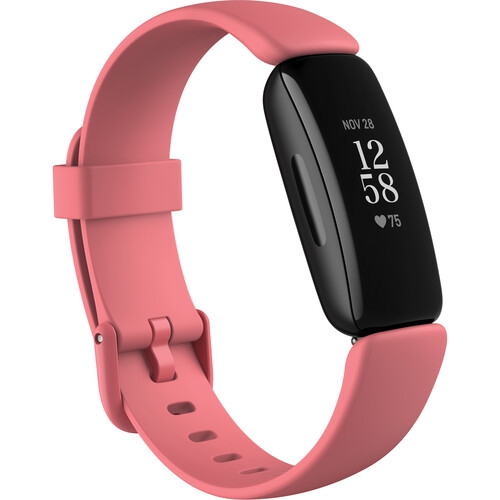 Your price for this item is $99
-
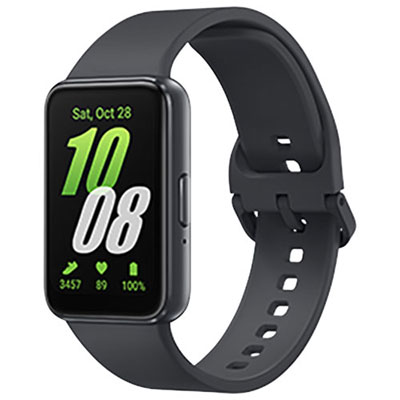 Your price for this item is $79.99
-
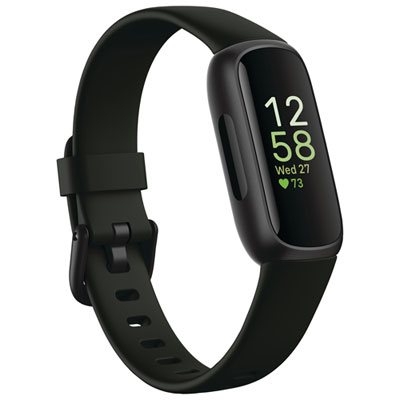 Your price for this item is $129.99
-
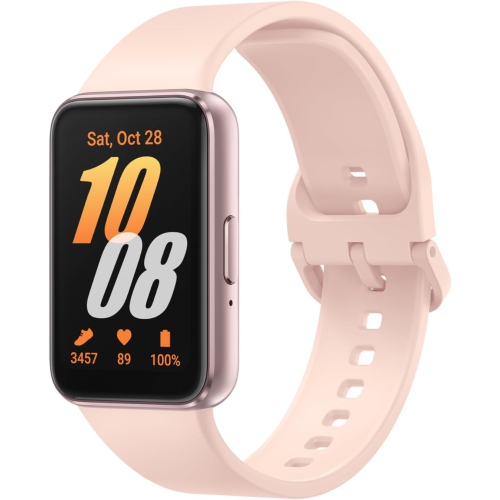 Your price for this item is $79
-
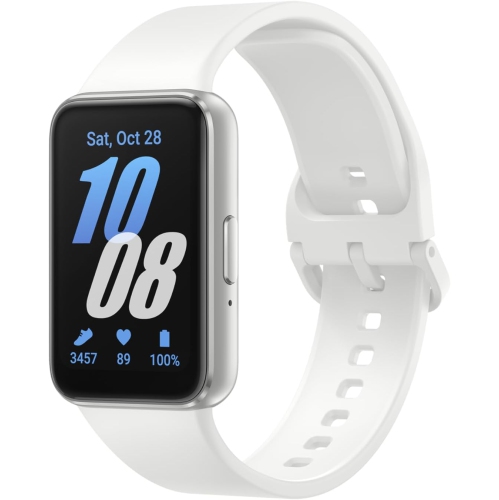 Your price for this item is $67
Discover more categories related to Step Counters for Seniors

Top Collections:
Pokemon Centers, Best Cameras for Sports Photography, Kindle Devices, Samsung Galaxy Phones, Canon G7X Cameras, Pokémon 30th Celebration Cards, Refurbished Apple Laptops, iPhone 15 Apple, Laptops for Students, Budget Smartphones
Some products may be subject to Environmental Handling Fees
(EHF) depending on your province.
Learn more about EHFs.