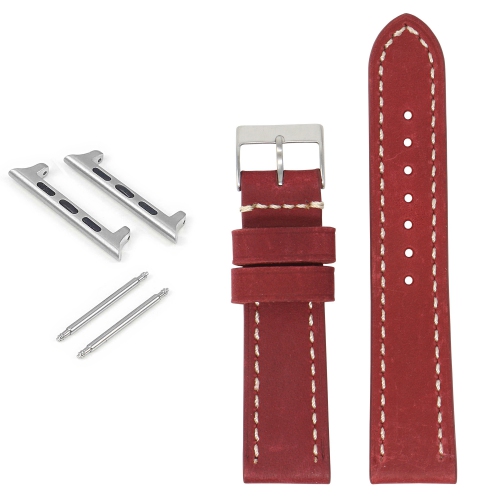
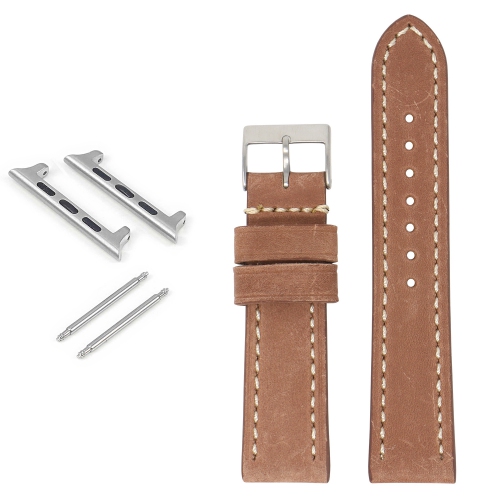
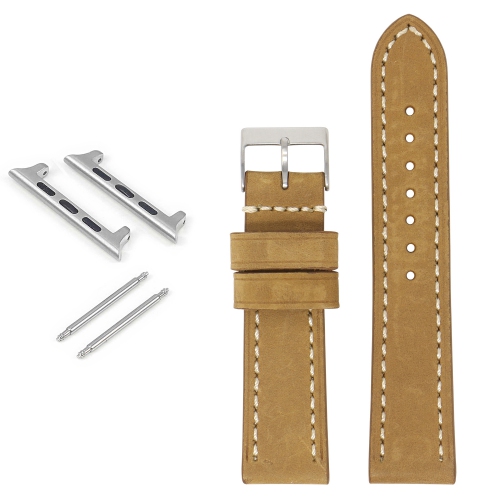
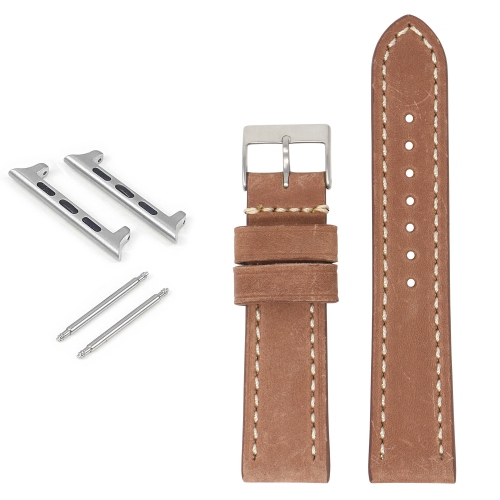
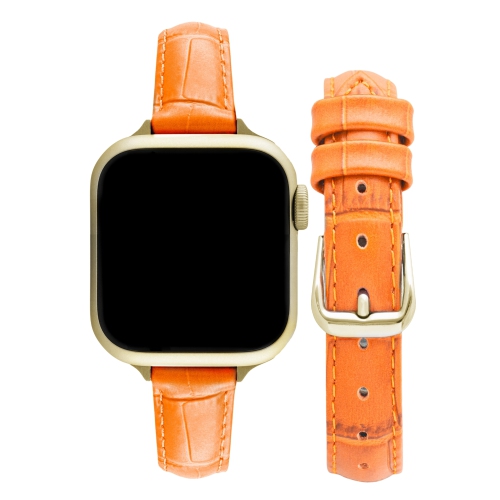
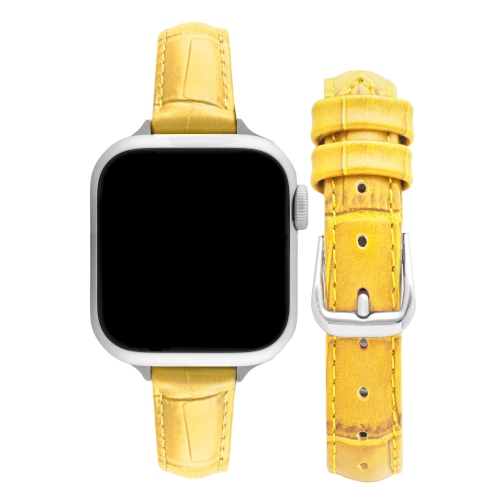
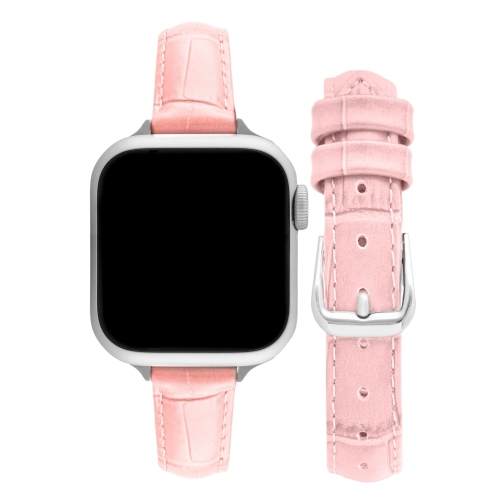
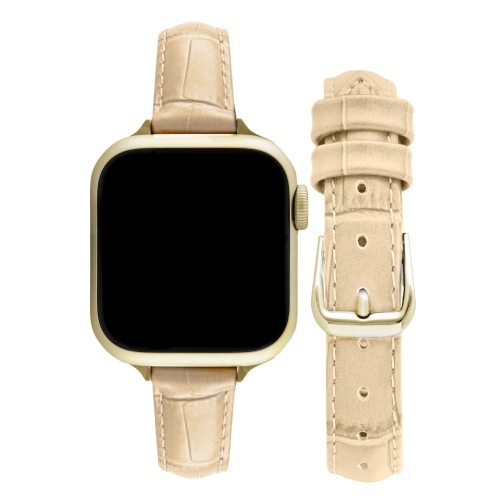
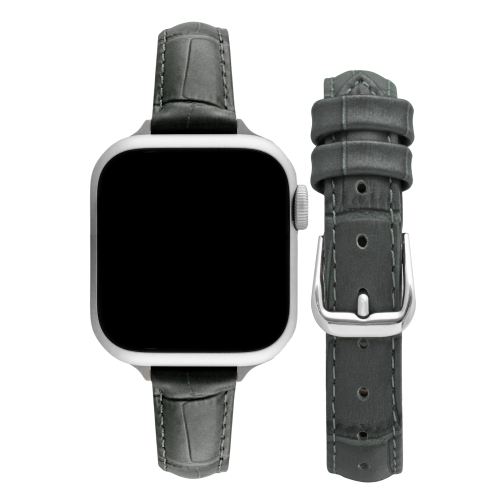
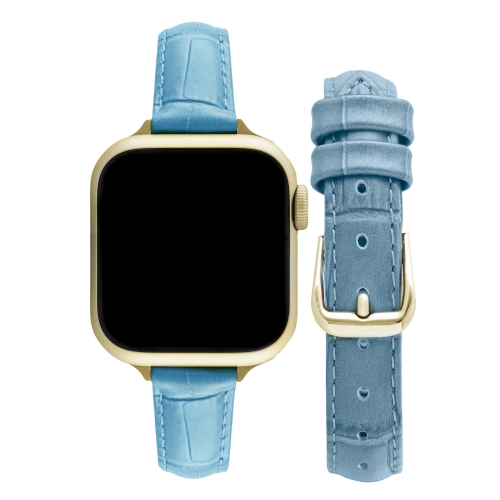
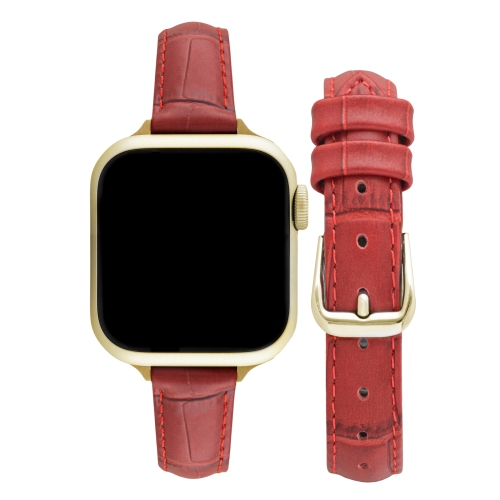
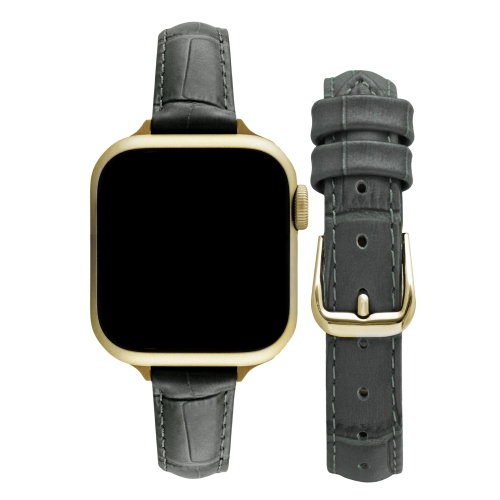
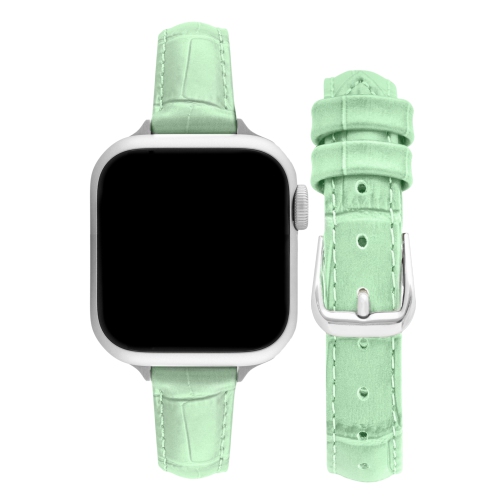
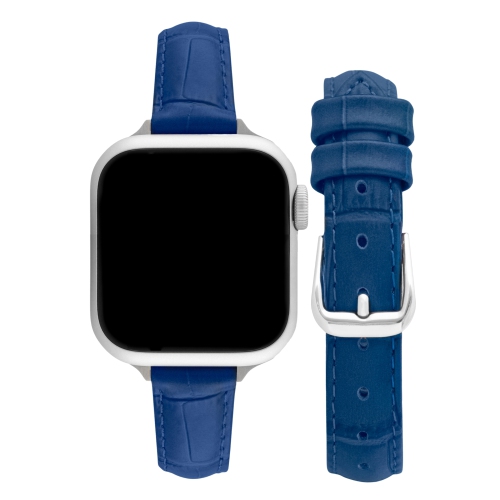
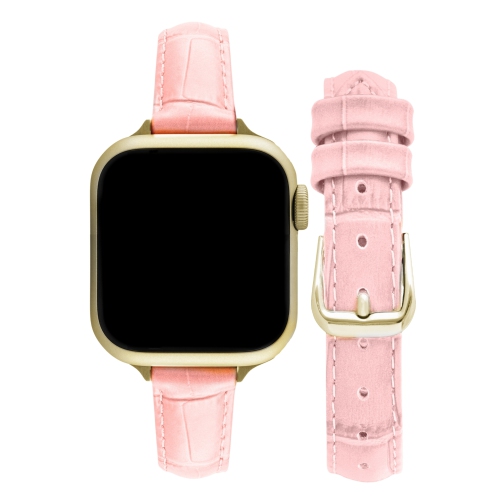
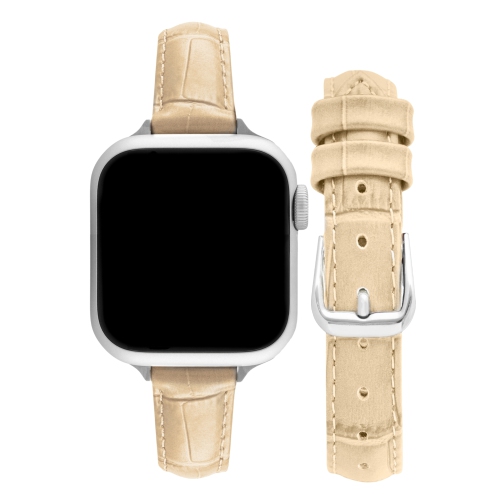
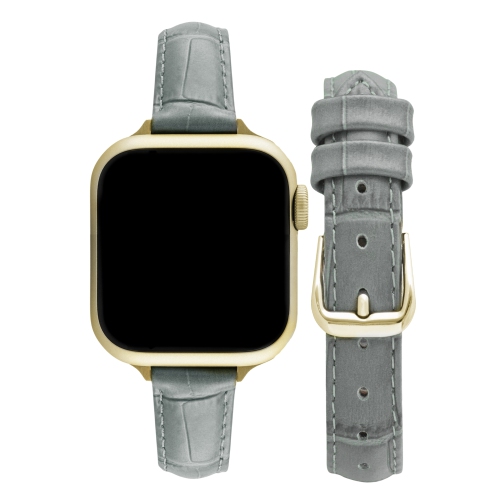
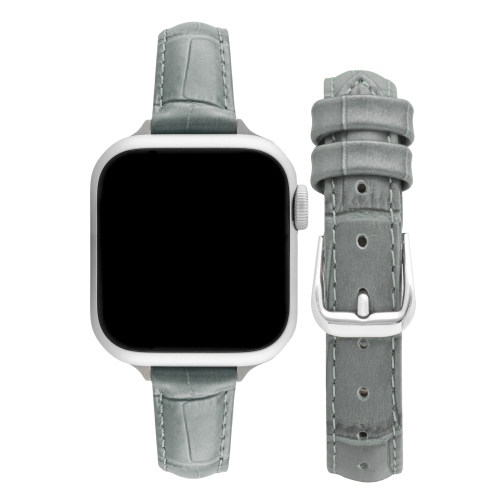
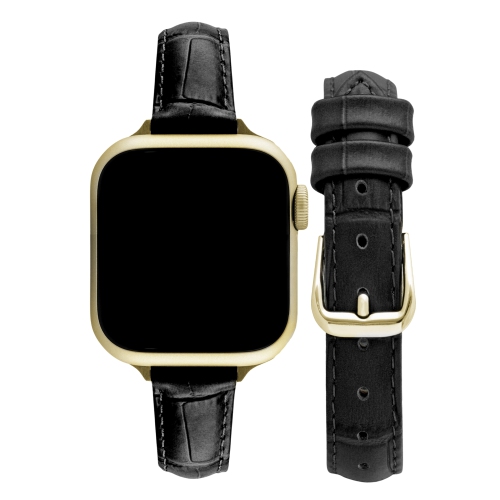
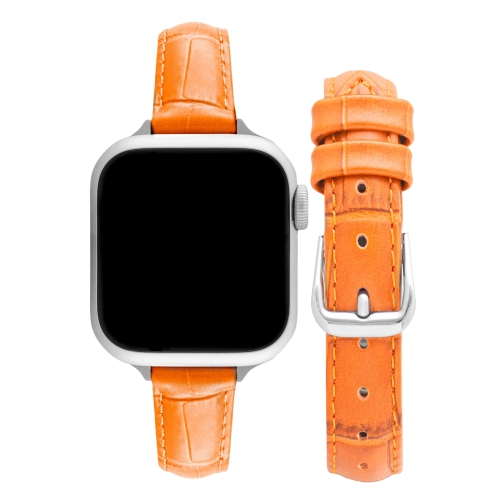
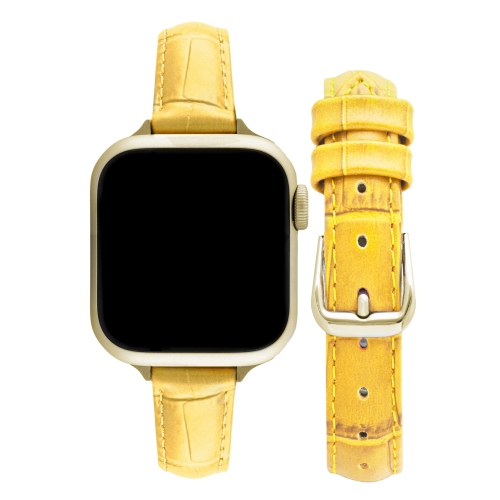
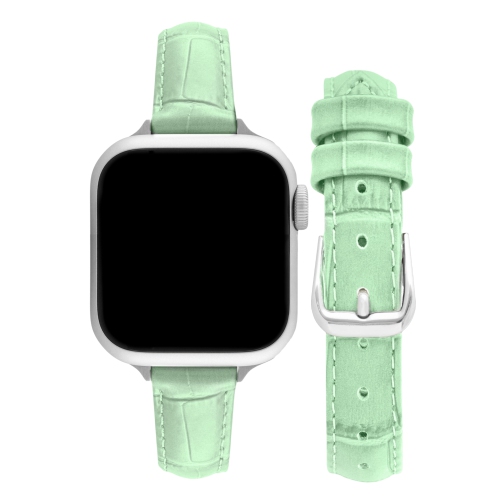
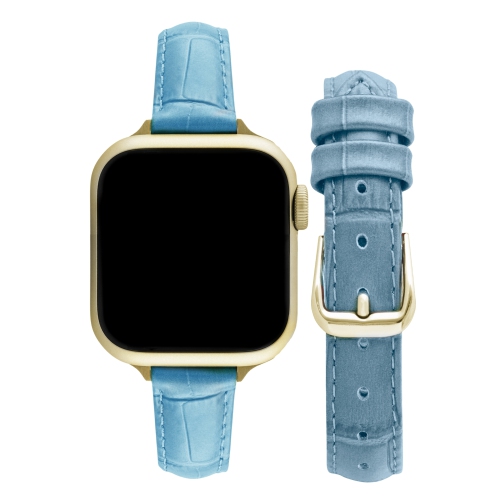
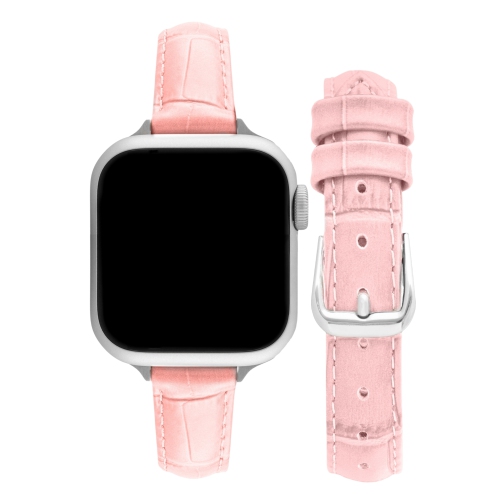
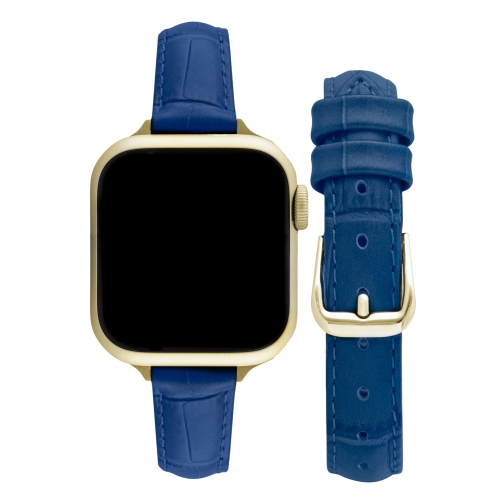
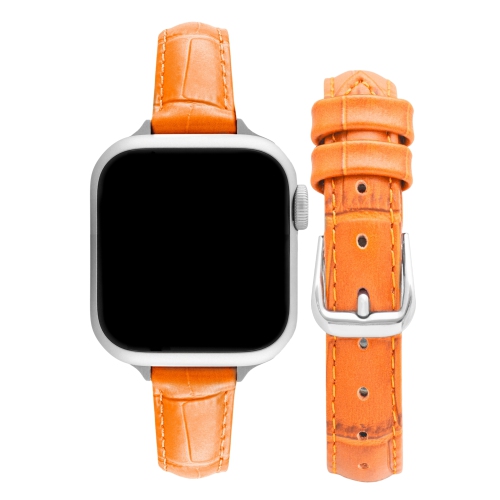
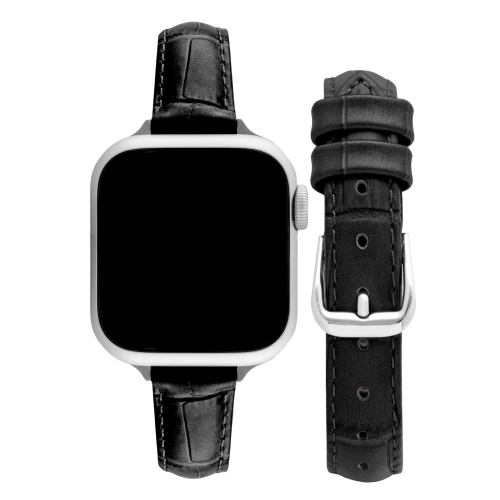
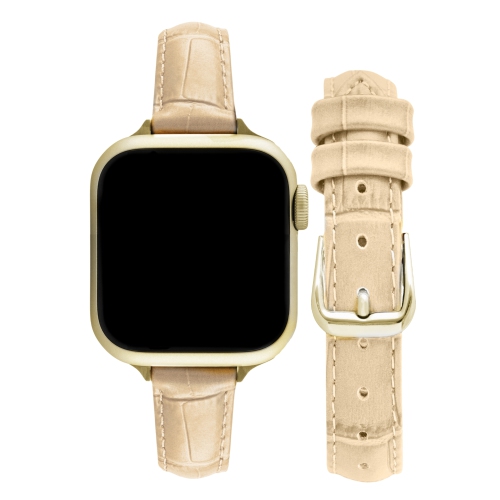
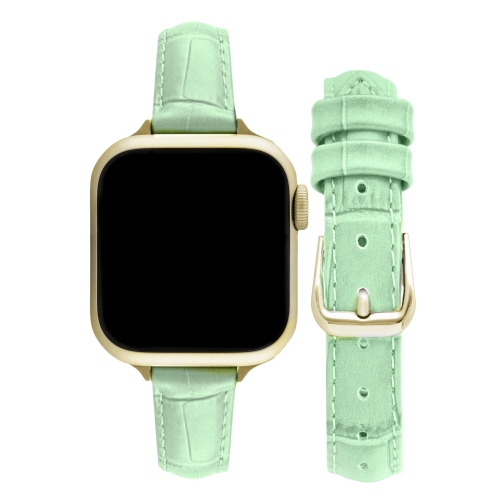
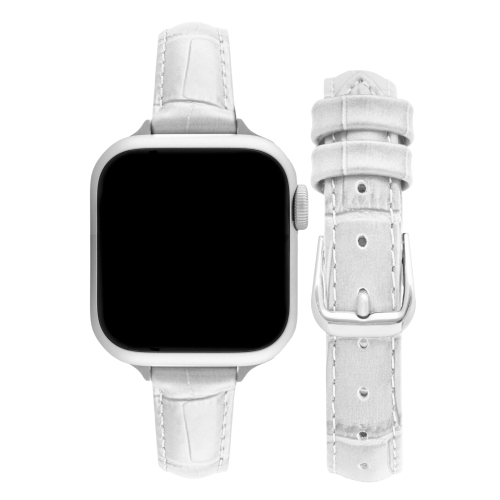
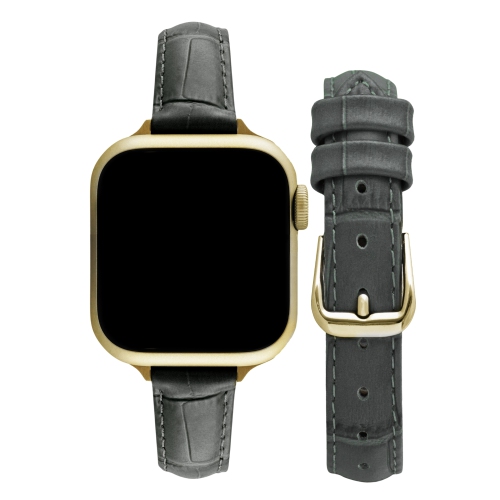
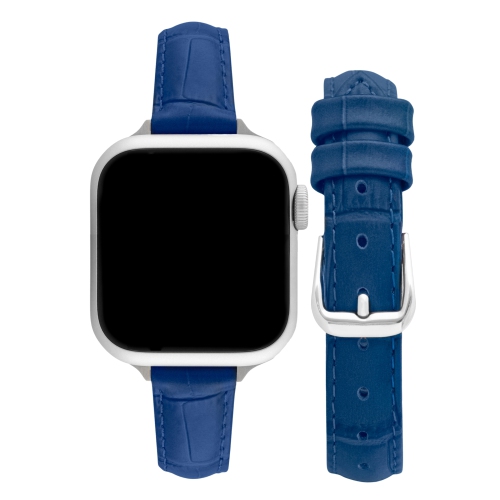
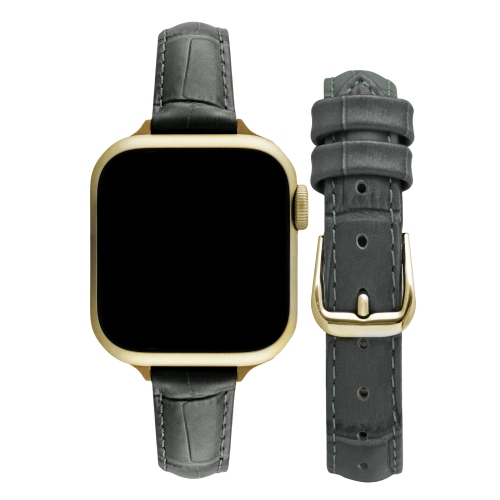
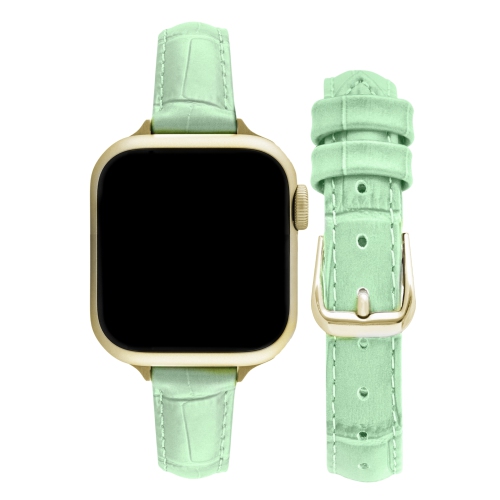
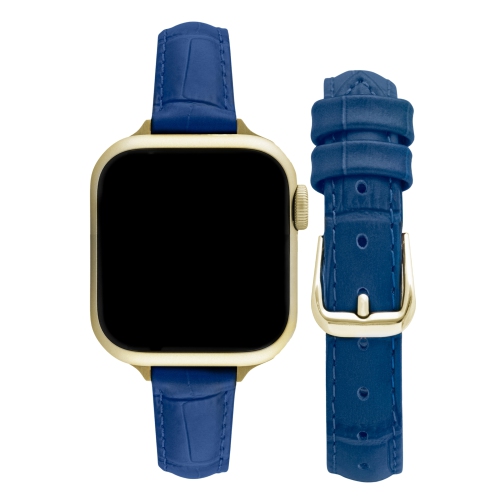
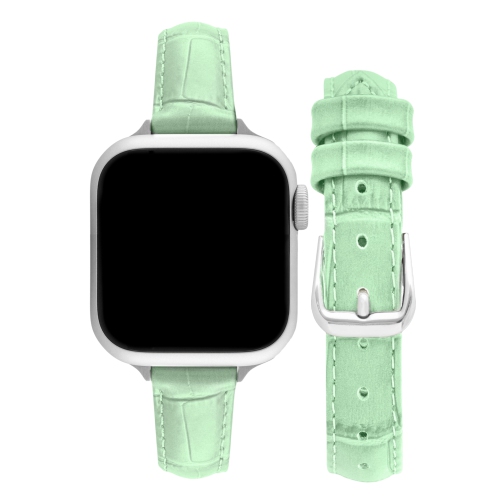
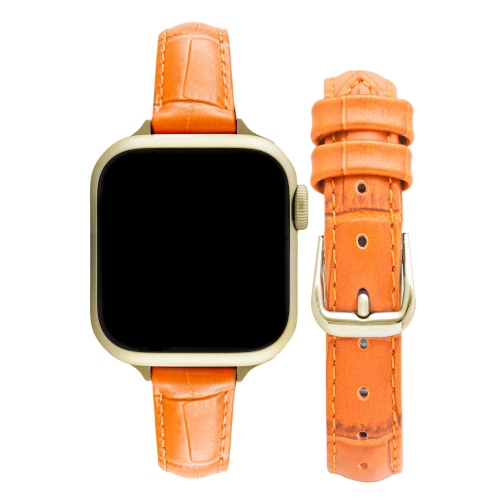
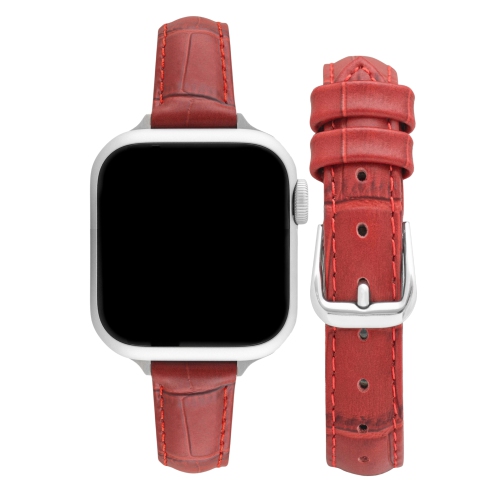
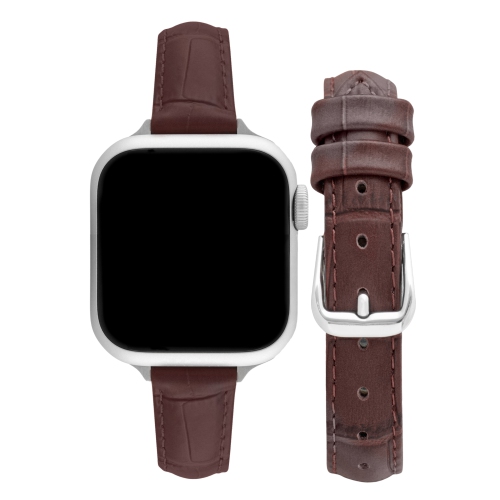
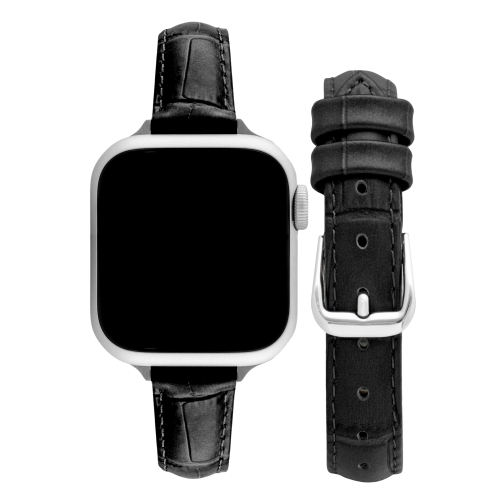
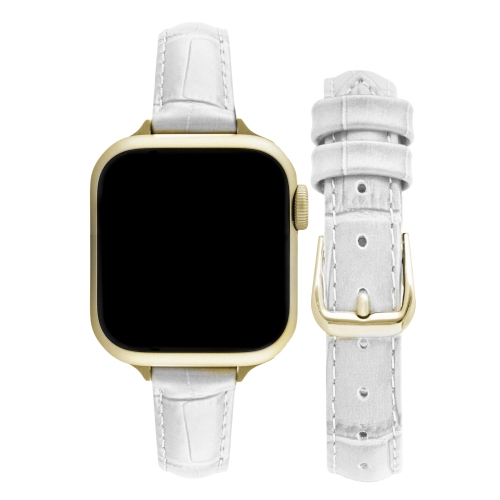
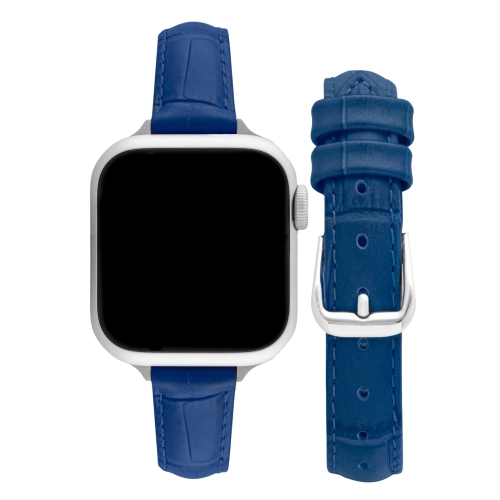
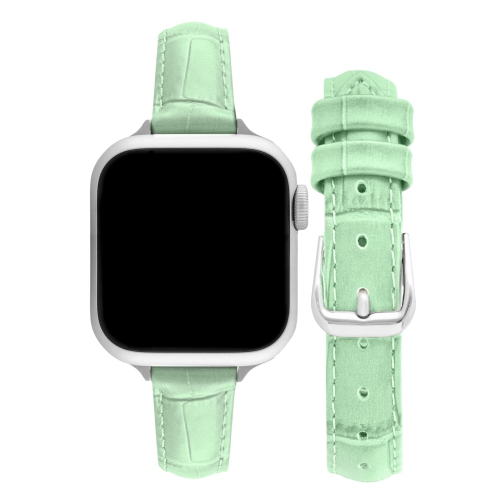
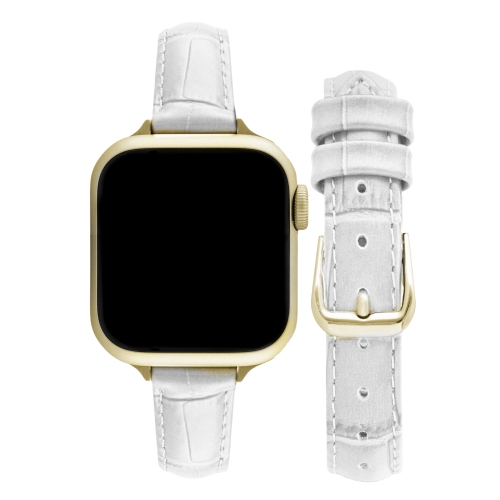
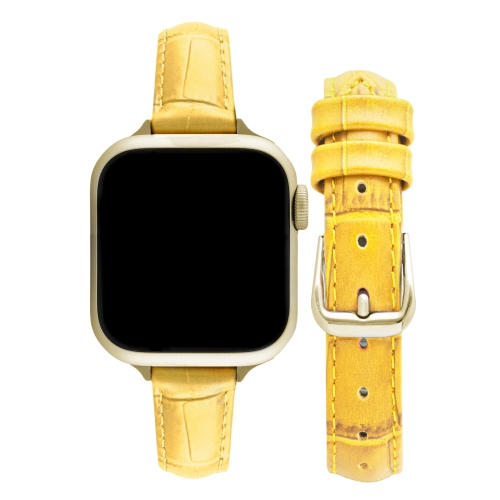
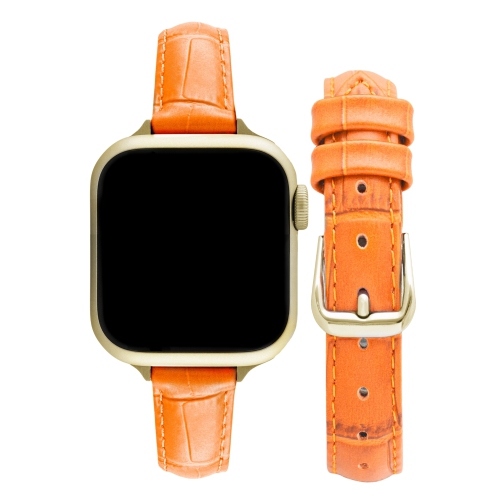
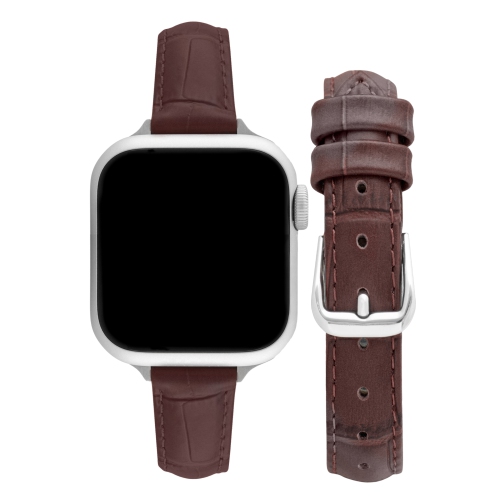
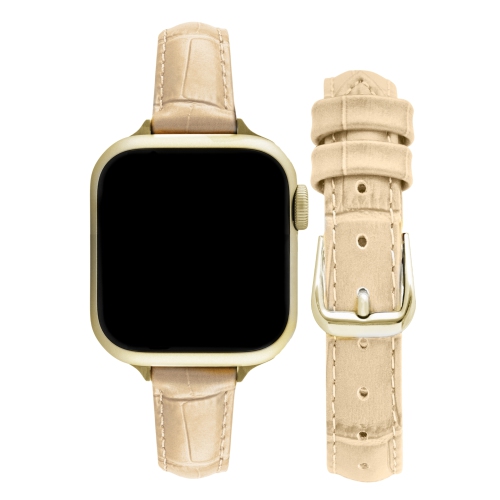
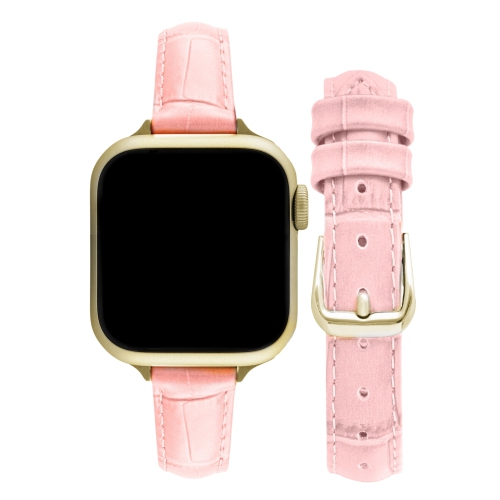
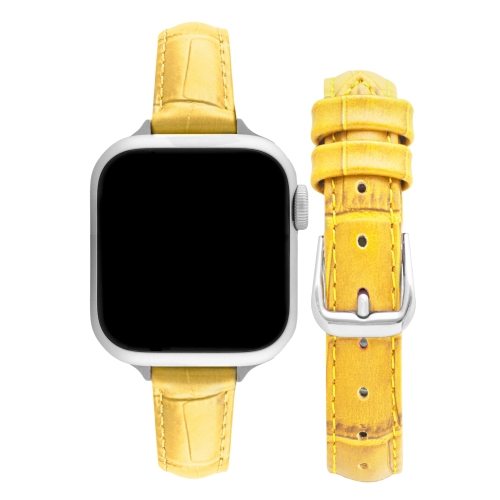
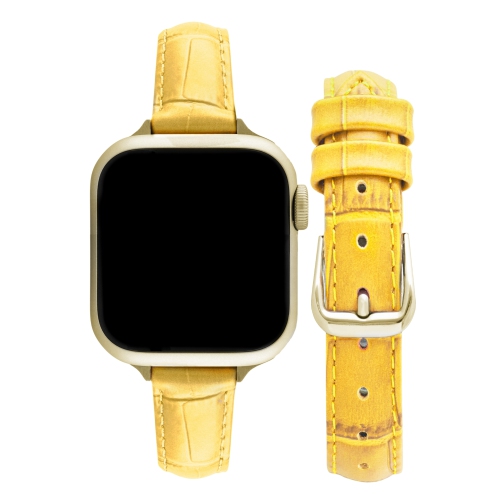
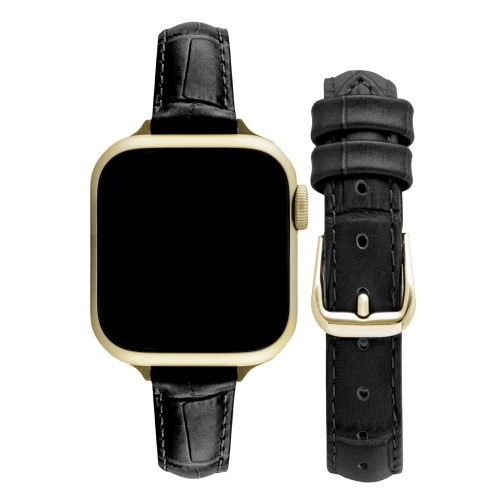
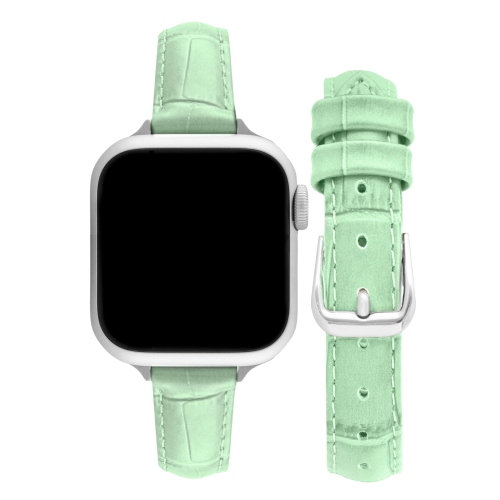
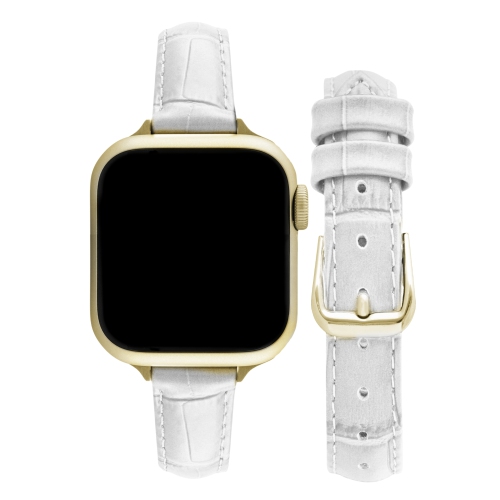
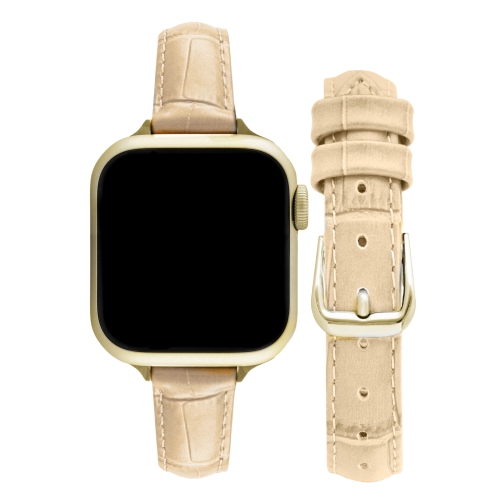
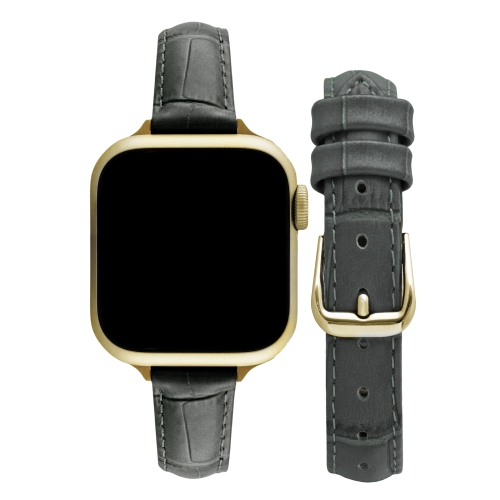
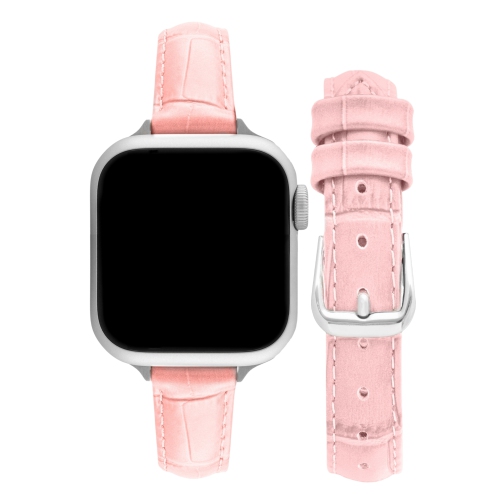
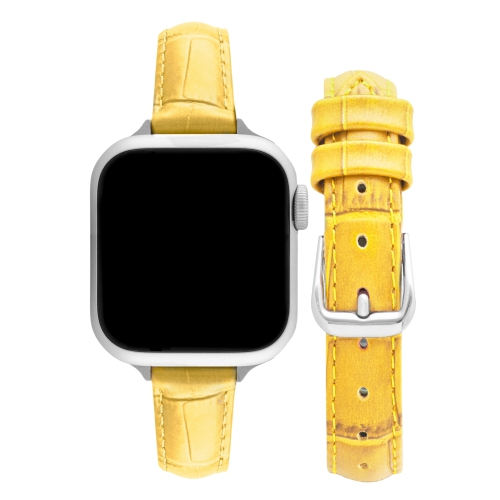
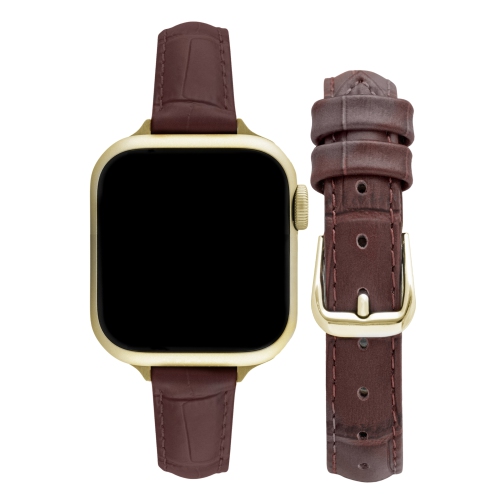
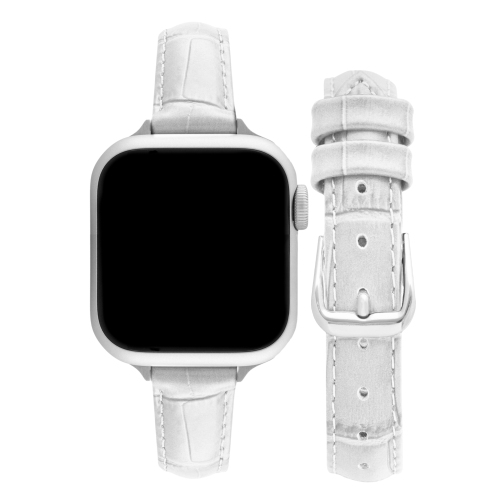
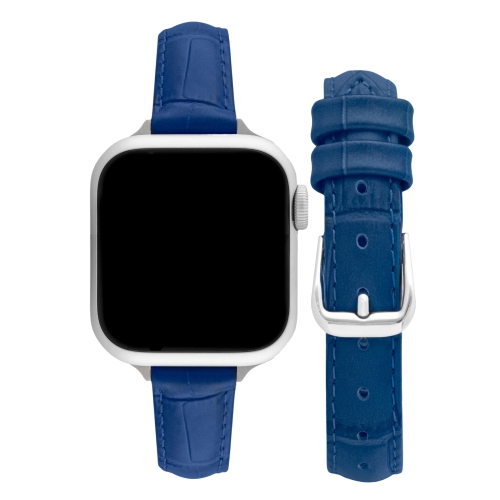
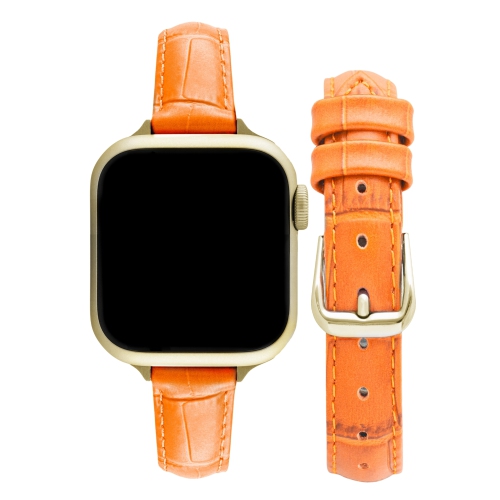
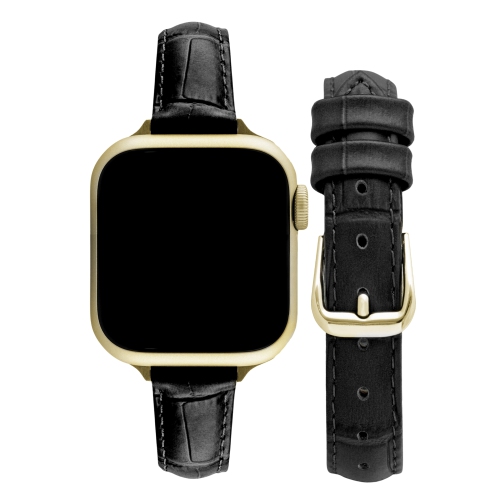
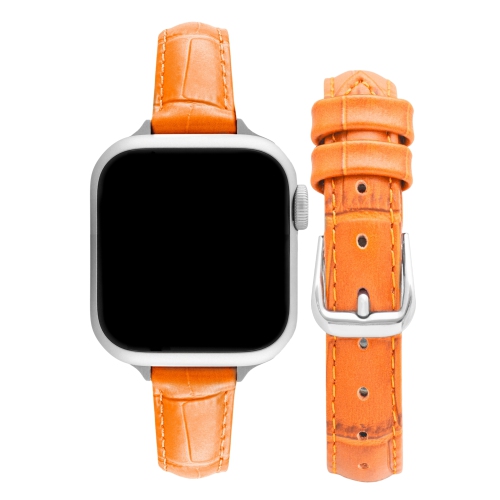
Soft Leather Apple Watch Bands

Explore soft leather Apple Watch bands to replace a worn strap or update your watch’s look. When comparing replacement bands, check compatibility with your Apple Watch model and case size, then review the listed wrist measurements and fastening details for a fit that suits you.
Sort

Why a soft leather strap can still feel bulky

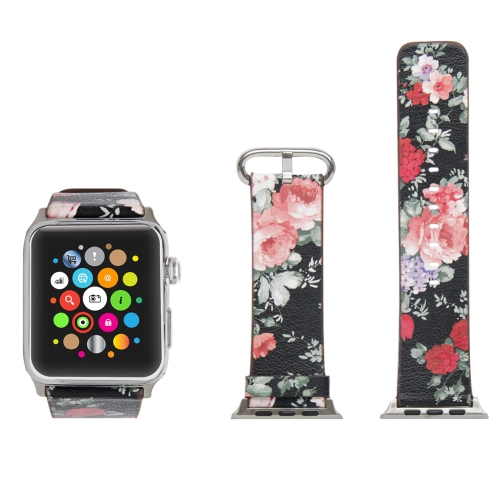
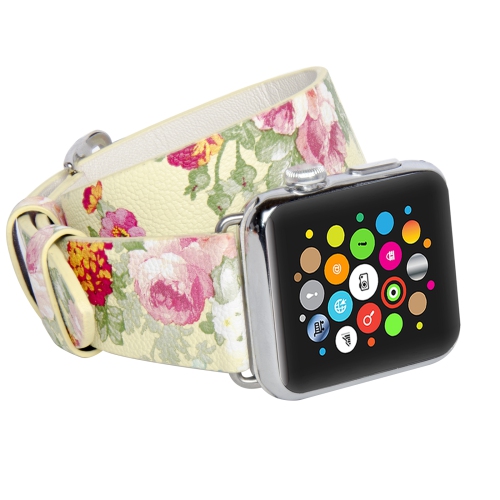
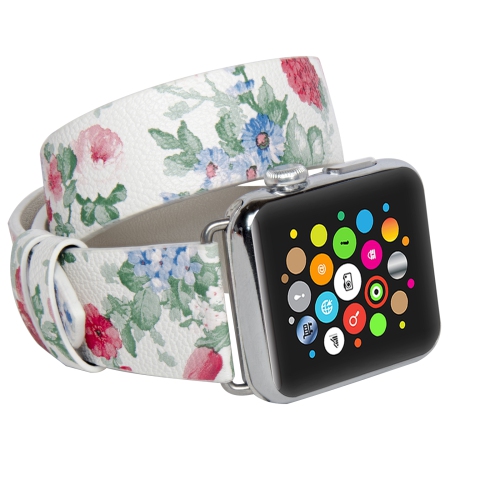
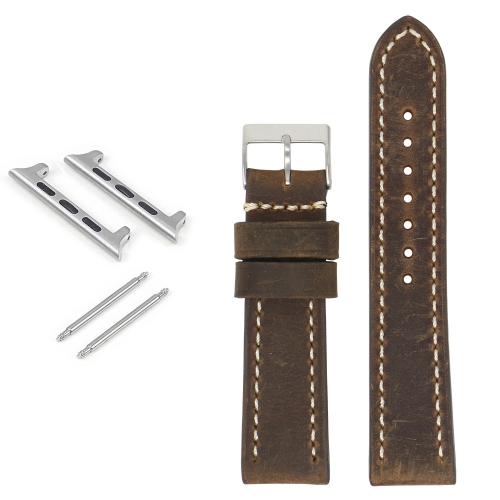
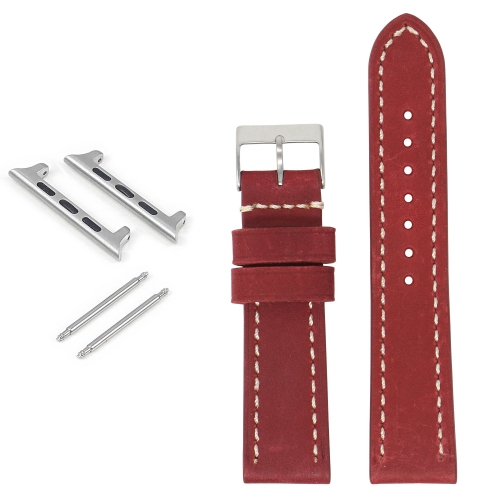
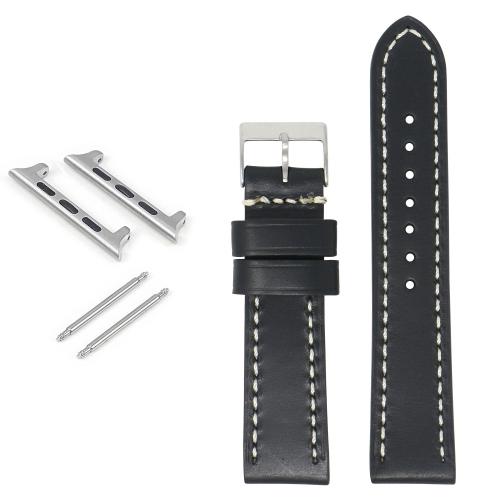
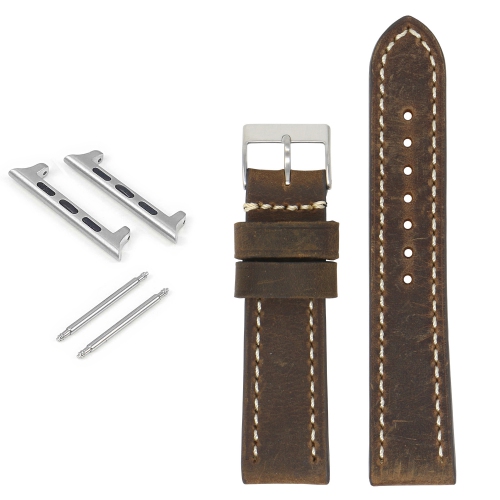
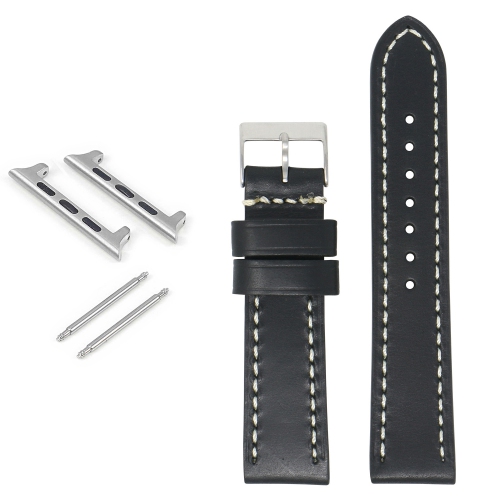
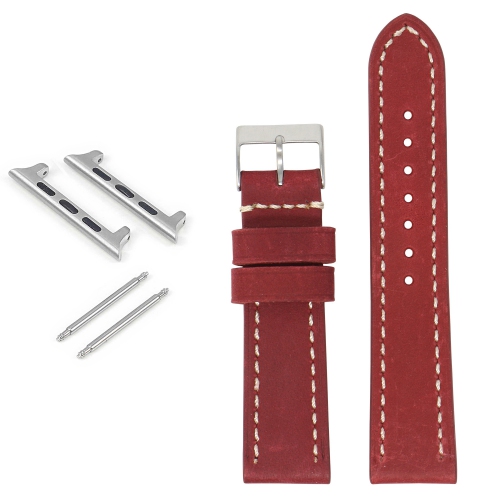
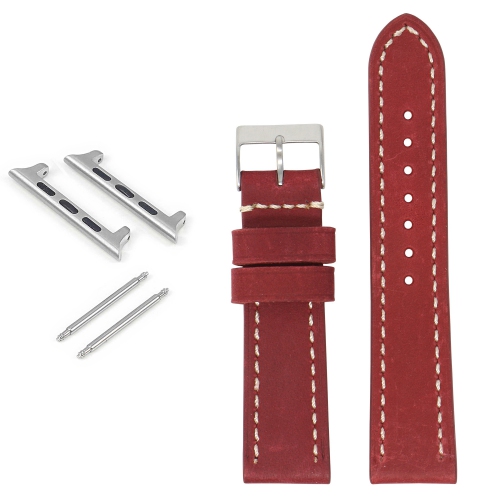
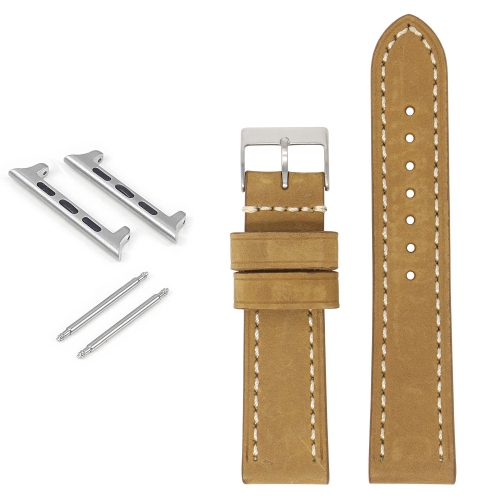
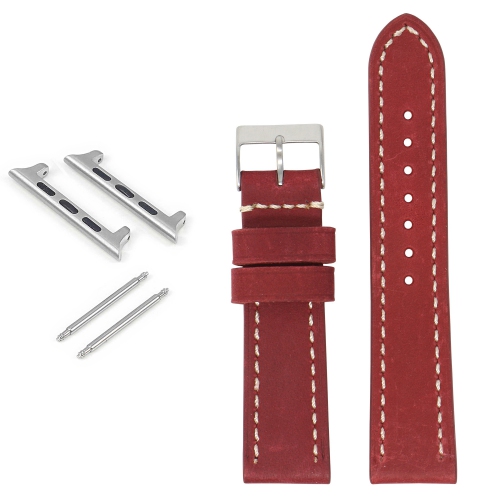
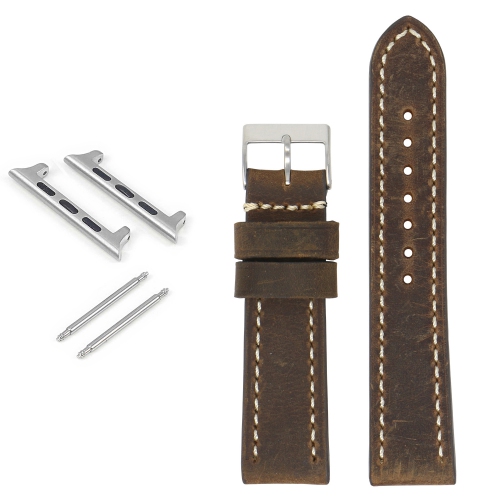
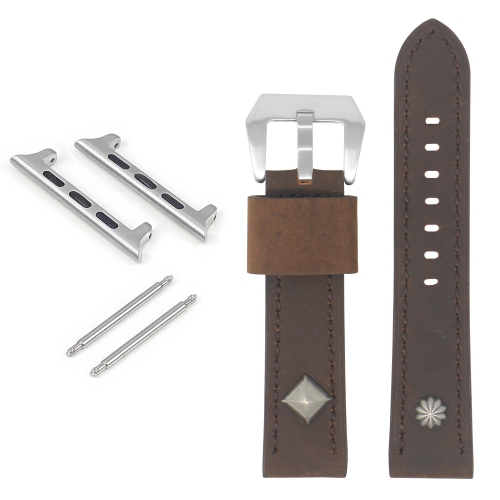
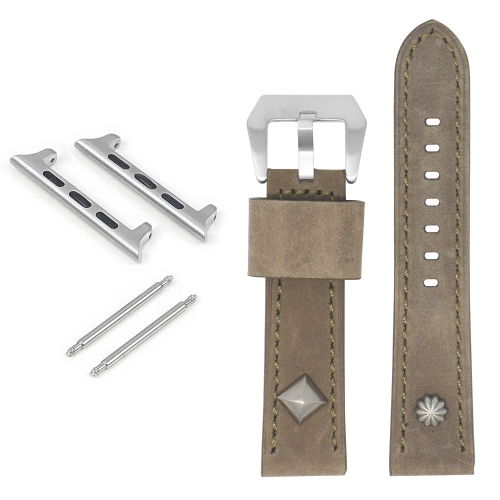
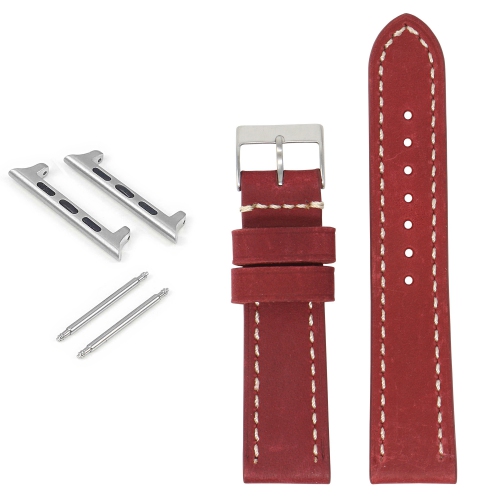
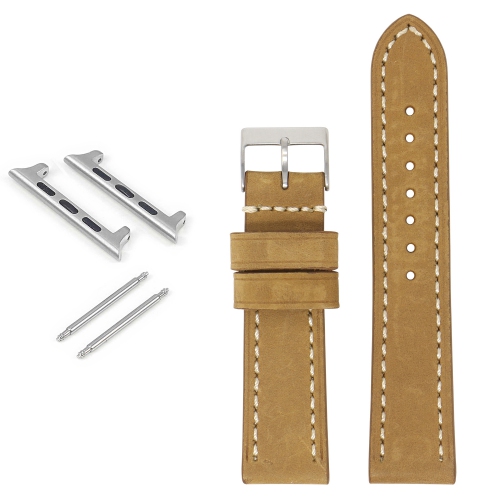
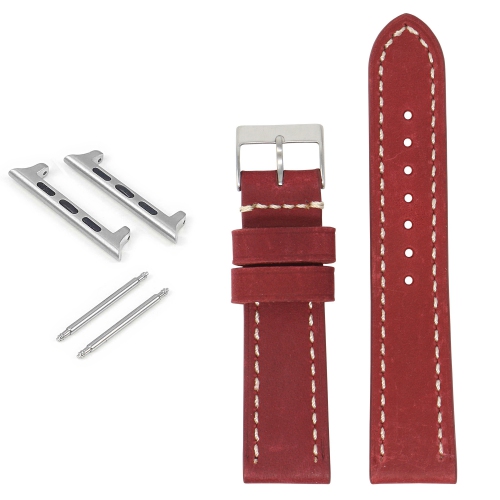
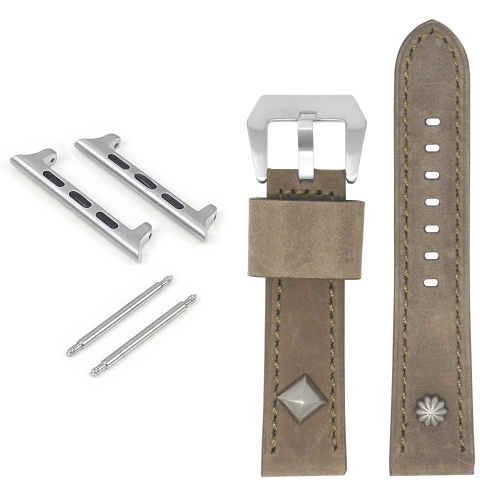
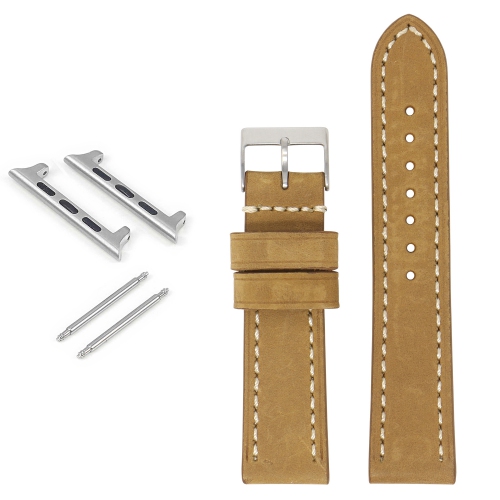
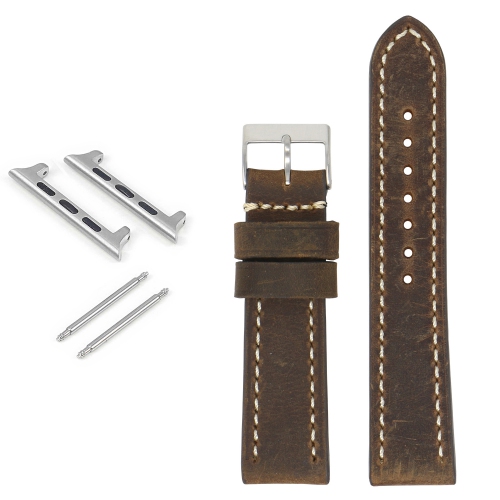
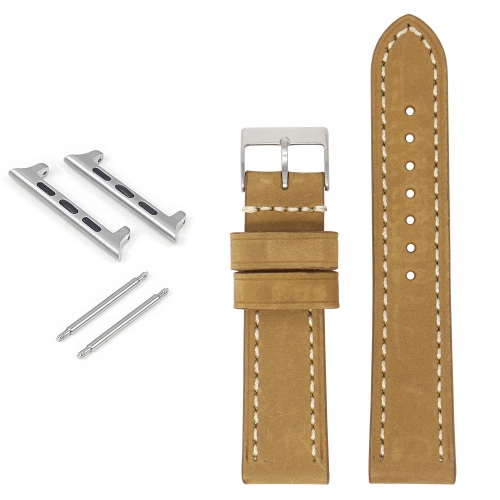
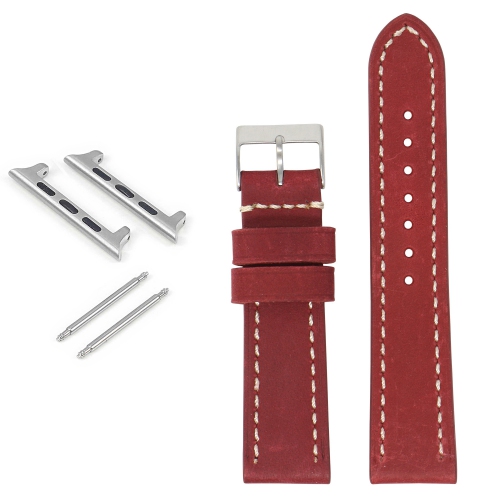
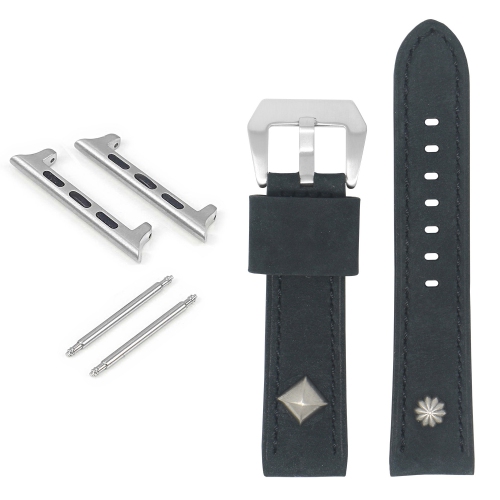
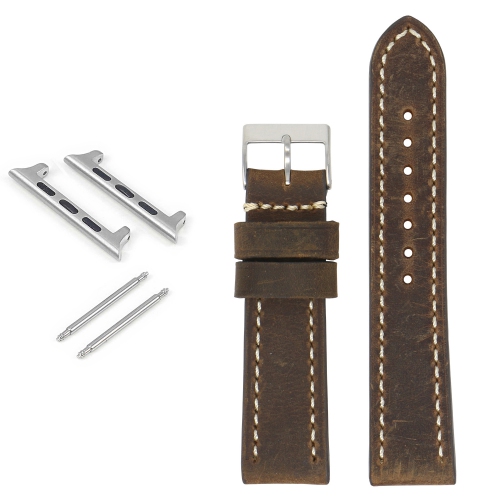
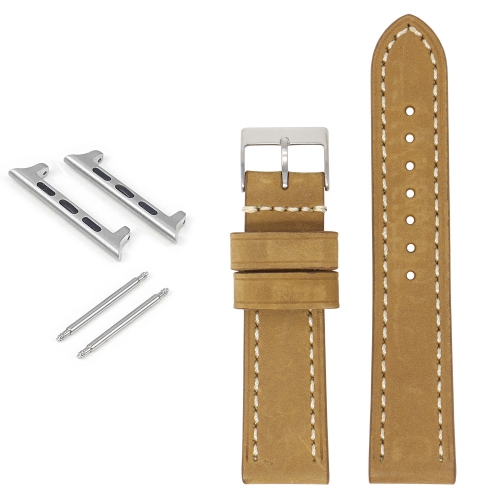
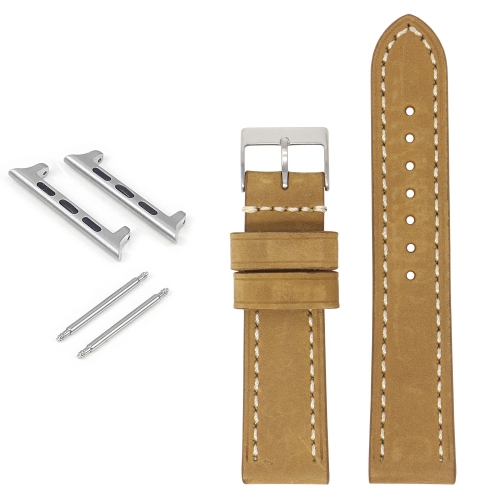
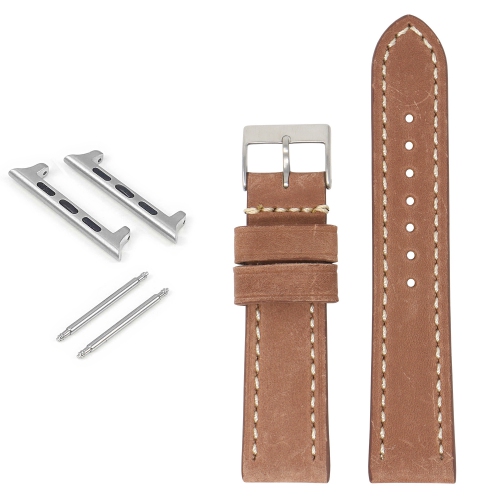
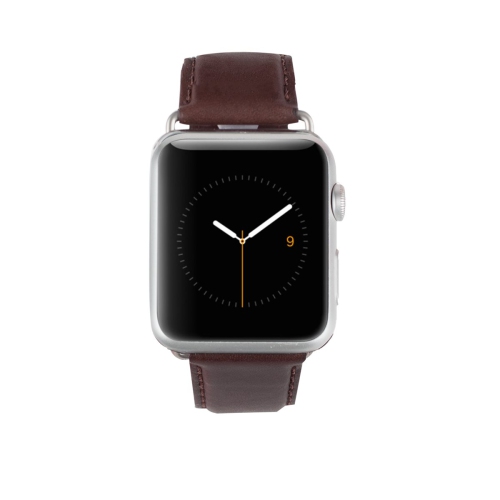
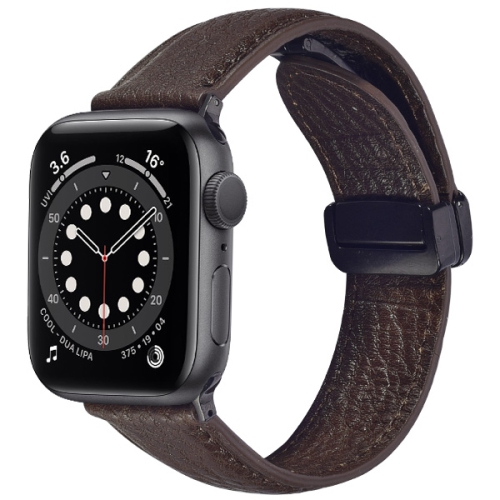
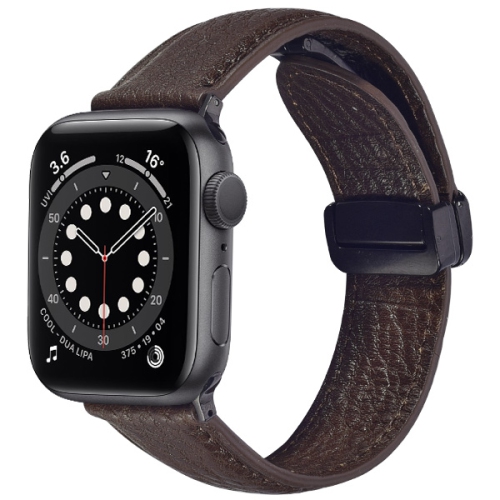
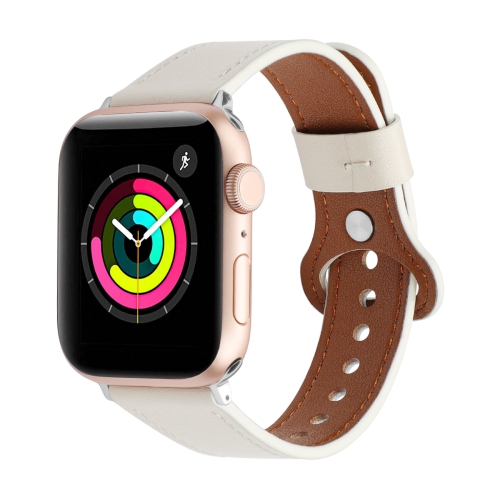
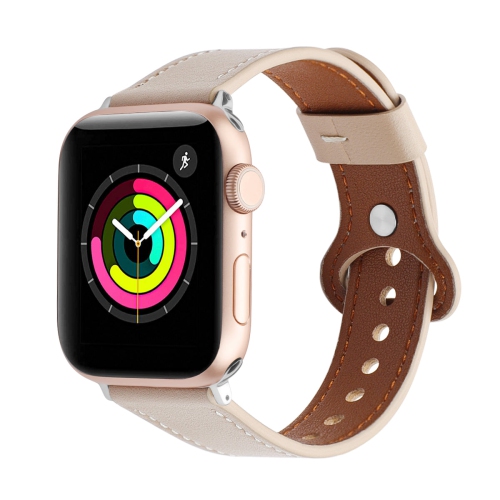
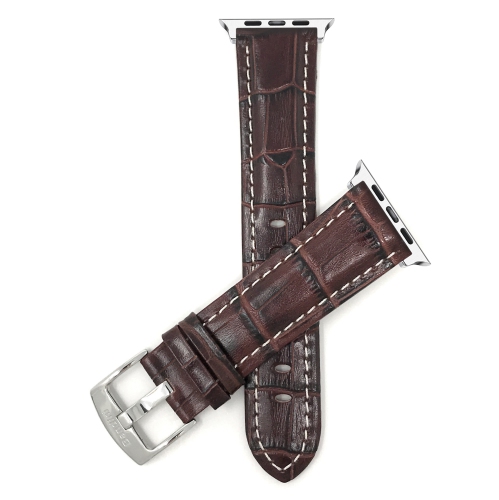
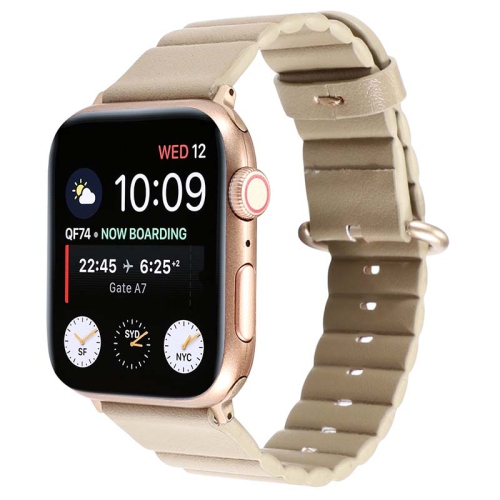
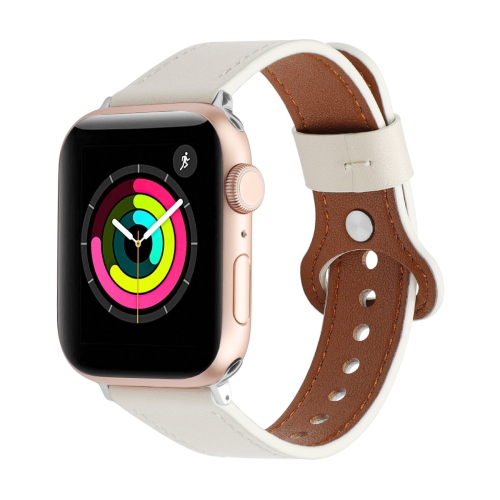
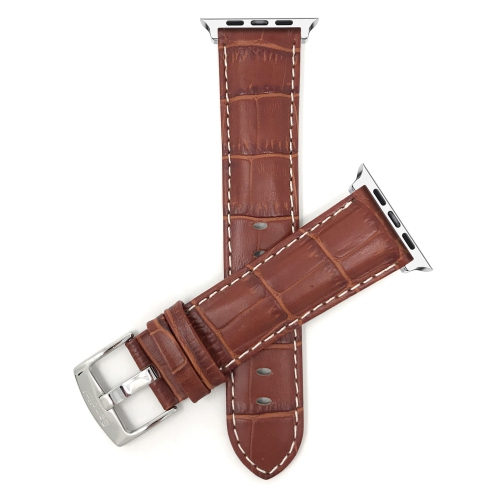
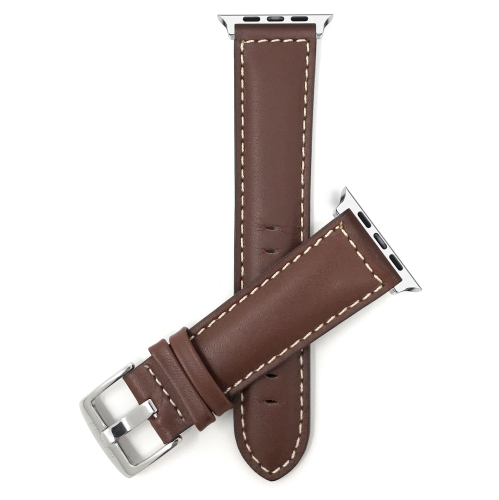
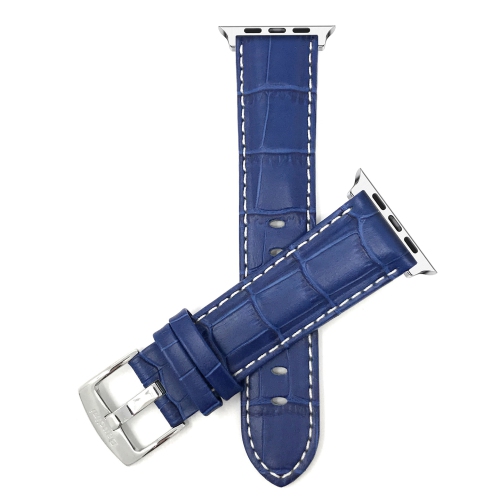
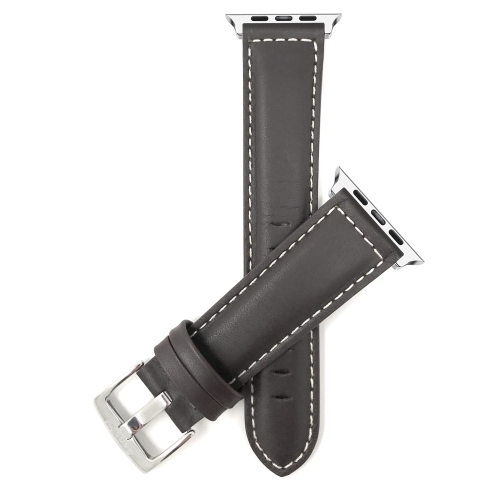
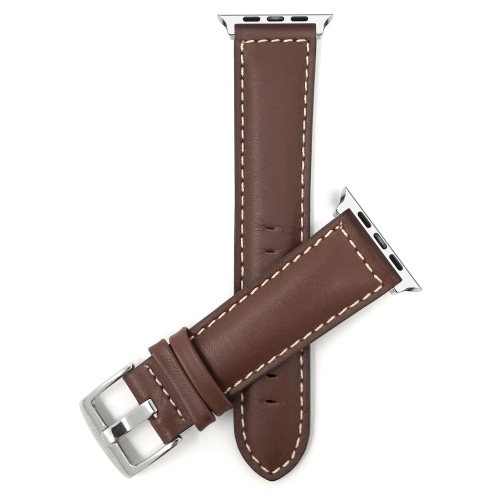
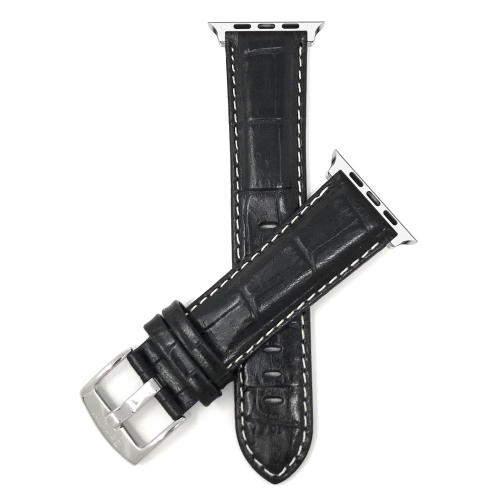
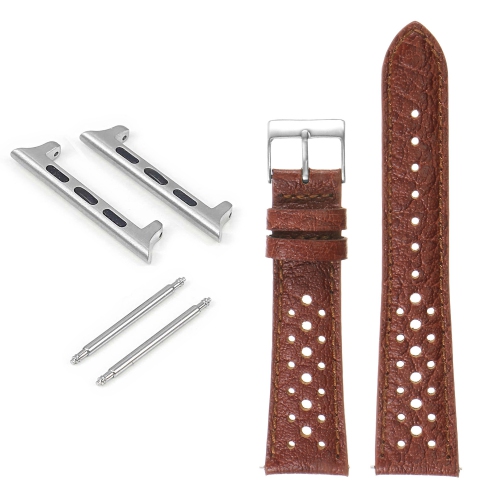
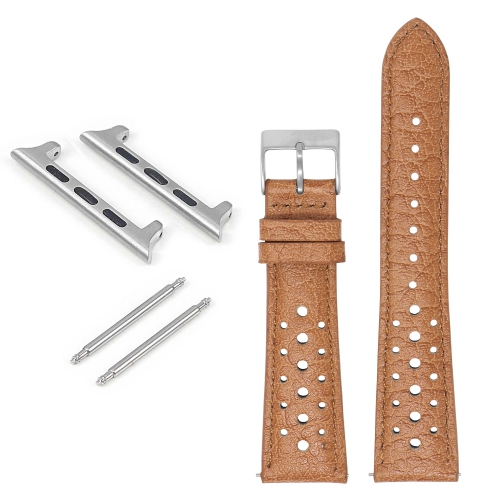
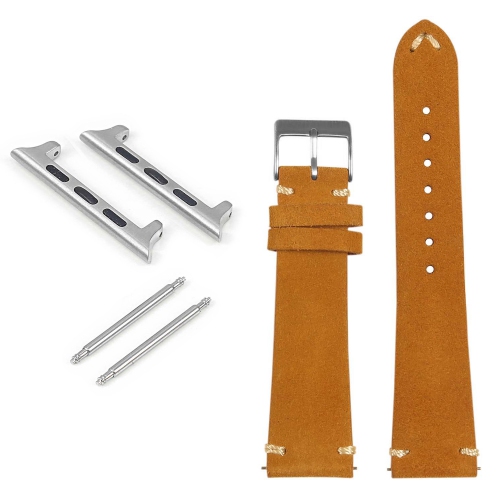
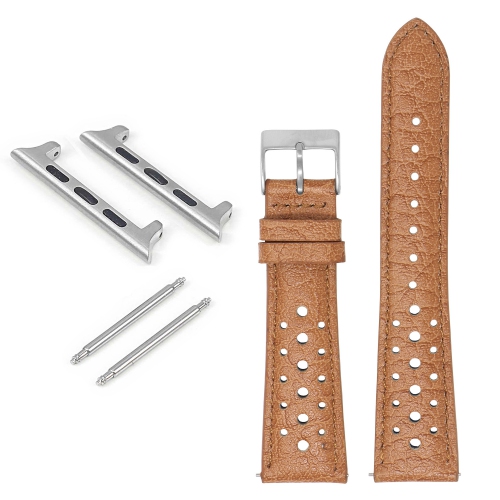
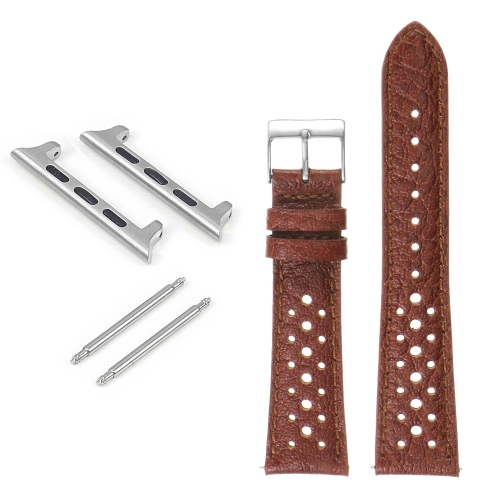
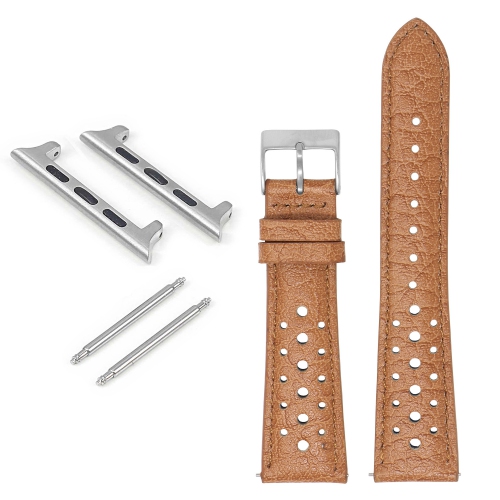
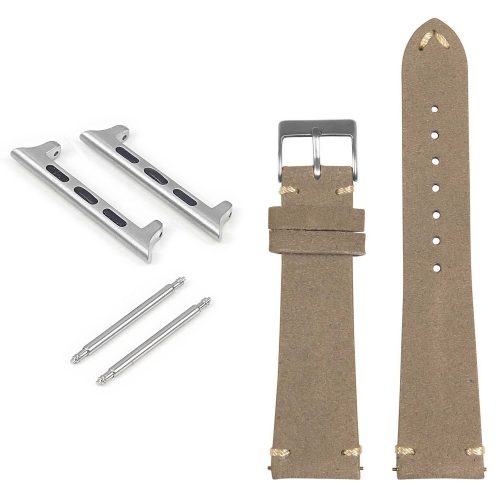
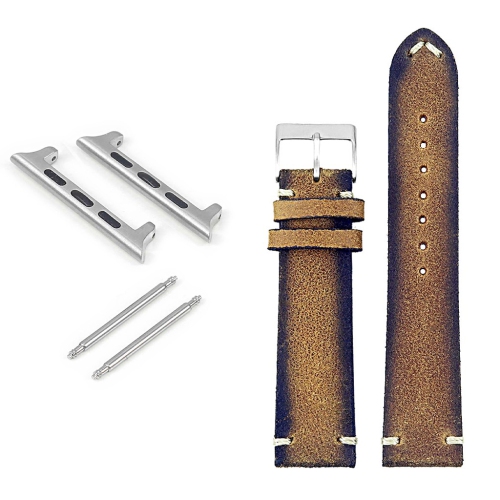
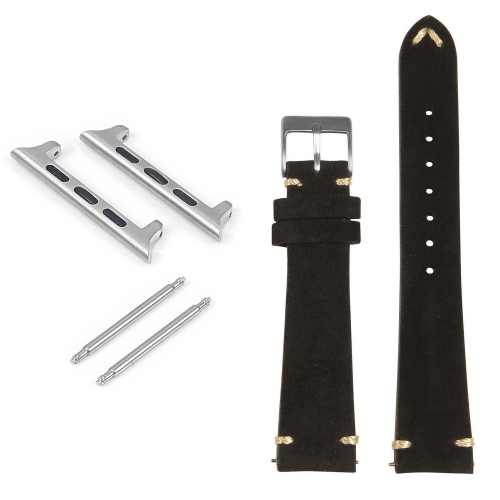
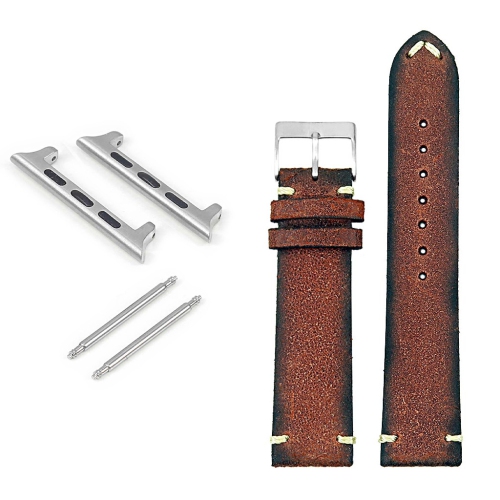
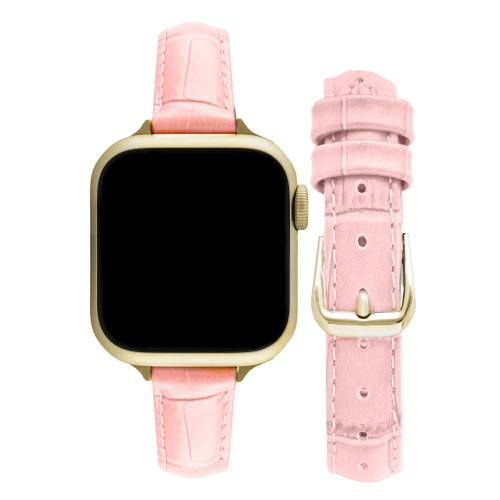
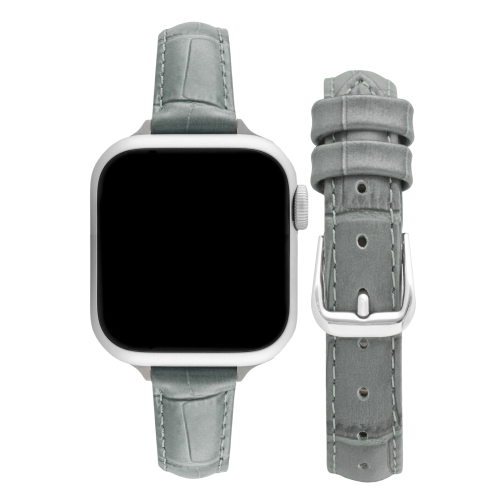
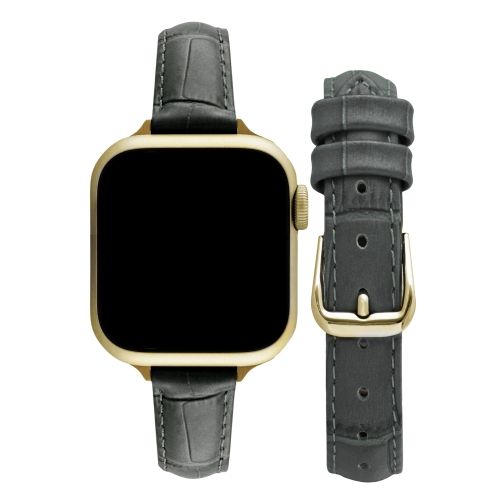
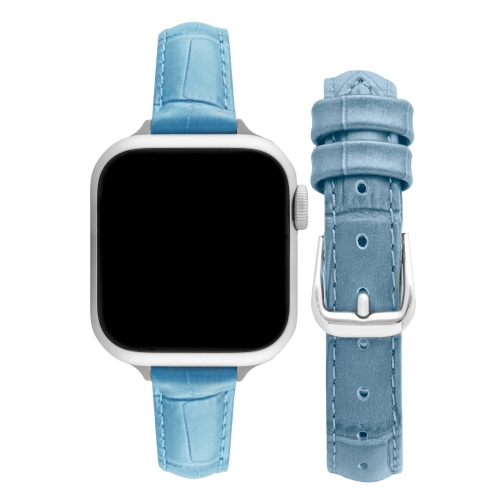
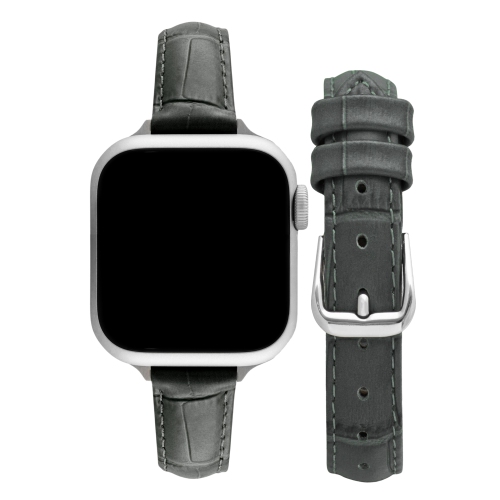
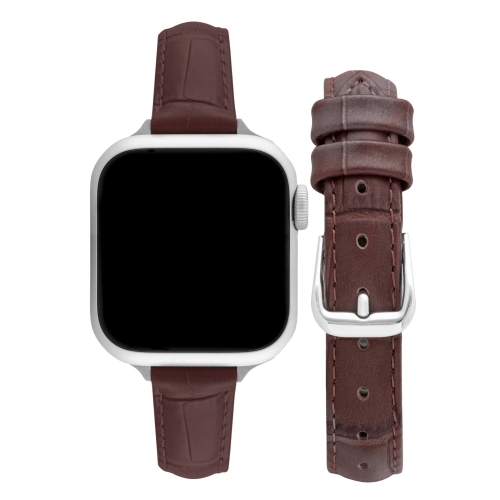
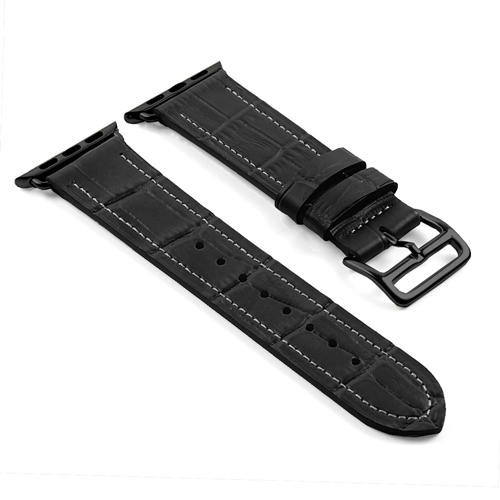
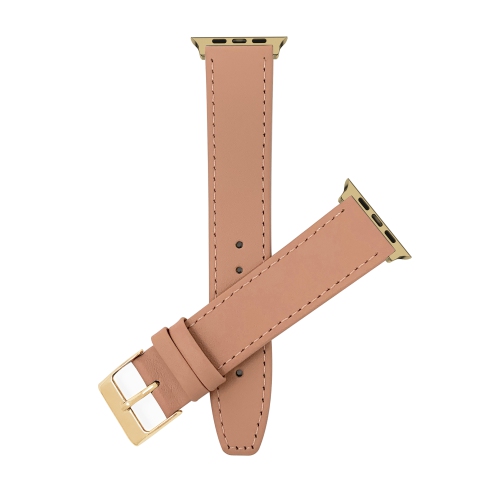
Soft leather watch bands give a smartwatch some of the character of a traditional wristwatch. A supple strap follows the curve of the wrist, a difference that’s easy to notice when the watch slips under a buttoned cuff or the wrist rests on a desktop. The feel depends on more than the outer leather: thickness, lining and the way the edges are finished all matter. A thin strap with a smooth underside can sit neatly under a sleeve, while light padding gives a larger watch case a more substantial frame. That padding adds depth, though, and a strap that looks slim from above may still feel bulky where the leather overlaps at the buckle. The lining is the part that sits against the skin, so it’s worth distinguishing a smooth lining from a soft outer finish. Rounded edges can feel gentler where the band flexes, and flush stitching is less noticeable against the wrist than a raised seam. On the outside, smooth leather gives the strap a clean outline, while a pebbled grain adds texture without the need for contrasting thread or bold hardware. Some leather shows small variations in grain and tone from one part of the strap to another, while a more uniform finish keeps the focus on the watch face. Colour and hardware change the look, too. A dark band with matching stitching can blend in with a dark case, while tan leather can bring out the finish of a brushed metal buckle. A strap worn with both a knit sweater and a dress shirt might benefit from a simple edge and a low-profile clasp that won’t catch on either sleeve. For a dressier take on leather straps, browse Luxury Leather Apple Watch Bands for finer-grained finishes and more understated hardware.
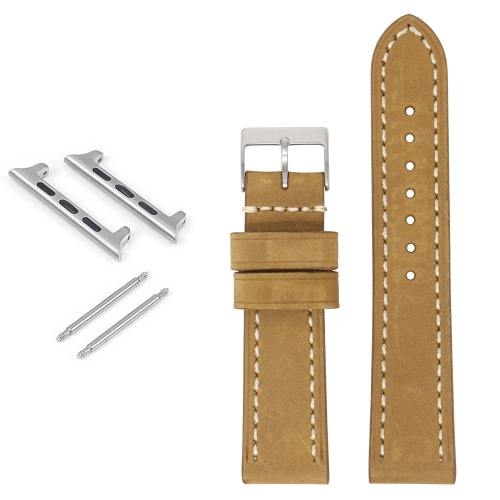
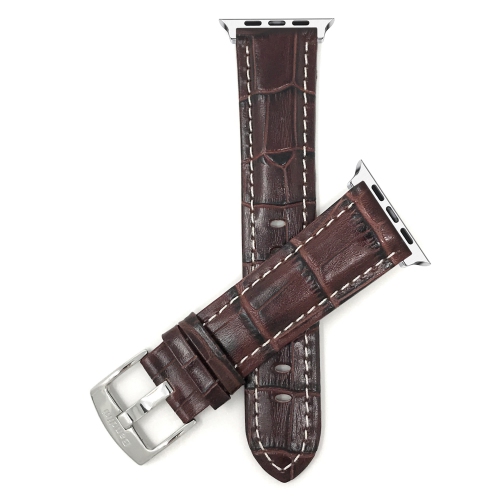
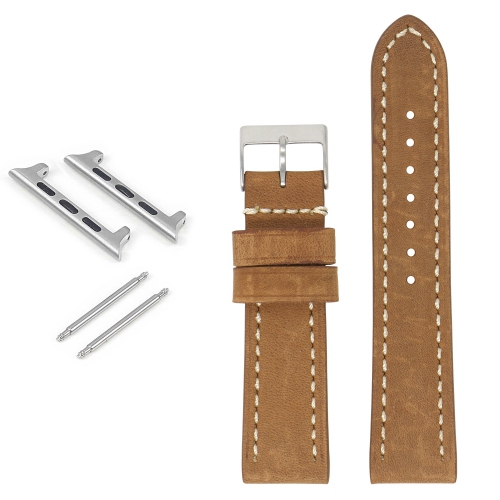
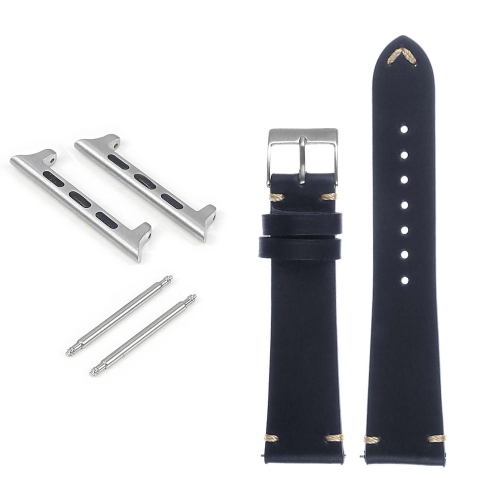
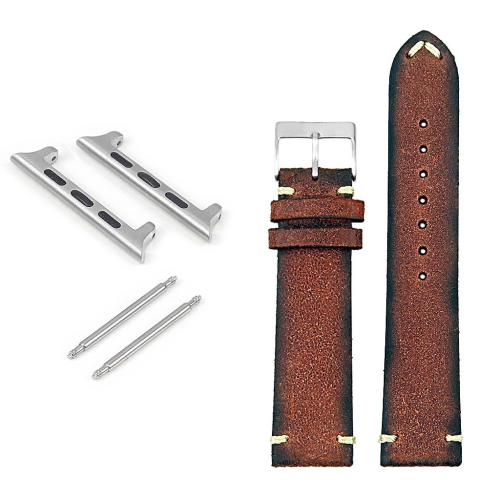
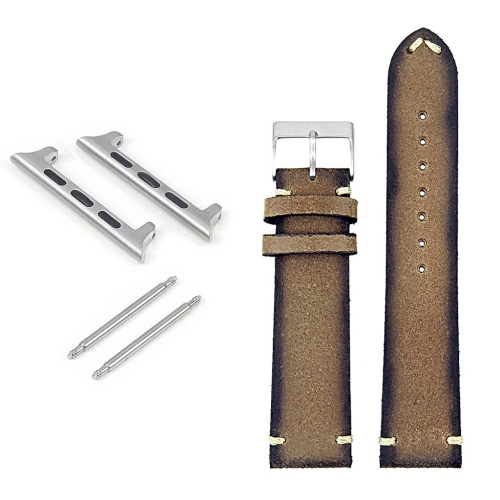
Fit starts at the watch case, not at the buckle. A strap can be the right length for the wrist and still have the wrong connectors, so check both the case size and the watch model against the band’s stated compatibility. Once the connectors are seated, a gentle tug on each side helps confirm that they’ve locked in before the watch goes on. For length, a flexible measuring tape wrapped around the spot where the watch normally sits gives a better starting point than the size of a shirt cuff or bracelet. Compare that measurement with the band’s stated wrist range. Near the smaller end of that range, there may be more strap to tuck through the loops; near the larger end, there may be only a little length left beyond the buckle. The spacing of the holes also matters. Closely spaced holes give more room for small adjustments, which is useful when one setting feels tight but the next lets the watch slide. A comfortable fit keeps the case against the wrist without pinching when the hand bends back to reach for a keyboard or grab a bag handle. Strap shape makes a difference here as well. A tapered band narrows toward the clasp, leaving less material on the underside of the wrist, while a straighter cut maintains an even width from case to buckle. For someone who types for much of the day, the height of the buckle may be more noticeable than the thickness of the leather. A flat clasp and a loop that holds the loose end close can make it easier to rest the wrist on a work surface without feeling an edge press into it. For someone who wears a watch mainly for appointments, dinners or other outings, the way the strap sits under a cuff may matter more than how it feels at a desk.

Softness and durability aren’t opposites, but different straps show wear in different ways. The edge near the buckle and the hole used most often take much of the strain as the watch goes on and off. A crease at that bend is normal, and some finishes gradually darken where the leather is handled. Loose stitching, a split at a buckle hole or movement where the strap meets a connector is more than a change in appearance. Day-to-day care can be simple: follow the band’s care directions and use a soft, dry cloth to remove surface dust. Avoid soaking the strap or reaching for a cleaner intended for the watch case, since a finish that can be wiped on metal or glass may react differently on leather. If the band gets damp, blot it gently and let it air-dry away from direct heat before wearing it again. Leather is generally better suited to everyday wear than to swimming or workouts that leave a strap soaked with sweat. Someone who wears the same watch for exercise and for work may prefer to switch to a washable sport band for training, then put the leather strap back on once the watch and wrist are dry. When not in use, a leather strap can lie flat or rest in a loose curve rather than stay folded sharply at the buckle. As a gift, a soft leather band can suit someone who likes the convenience of a smartwatch but misses the feel of a traditional strap, or someone who wants a less sporty look without changing watches. Matching the case and wrist size comes first. After that, a favourite belt, bag or watch strap can offer a useful clue: the person who wears smooth black leather and brushed hardware every day may appreciate a different finish from someone whose accessories tend toward warm browns and visible stitching.

FAQ

Some products may be subject to Environmental Handling Fees (EHF) depending on your province. Learn more about EHFs.